Small Space Storage Furniture
If you're looking to maximize your living space without sacrificing style, these small storage furniture pieces are just what you need. From cleverly designed multi-functional pieces to compact storage solutions, we have everything you need to optimize your small space. Whether you're living in a cozy apartment, dorm room, or simply want to make the most of your compact living area, these storage furniture pieces are here to help you organize and declutter while adding a touch of elegance to your home.
Sort
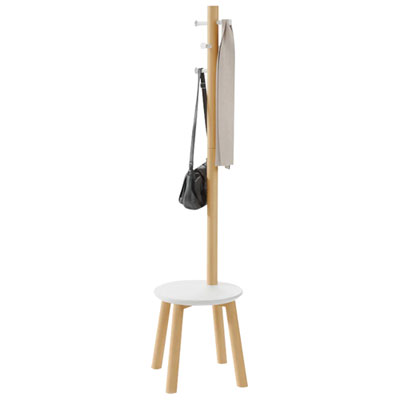
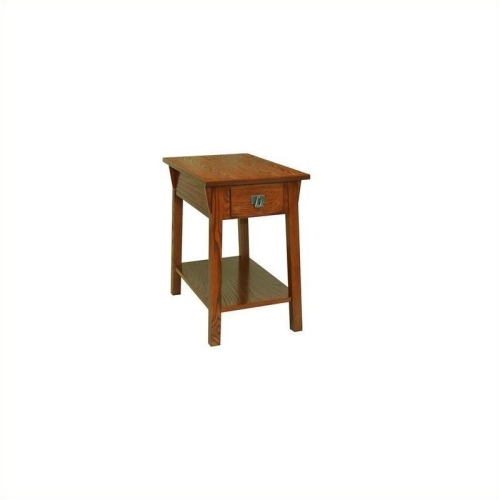
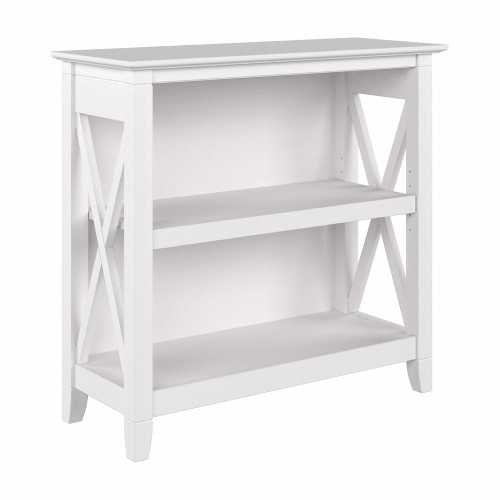
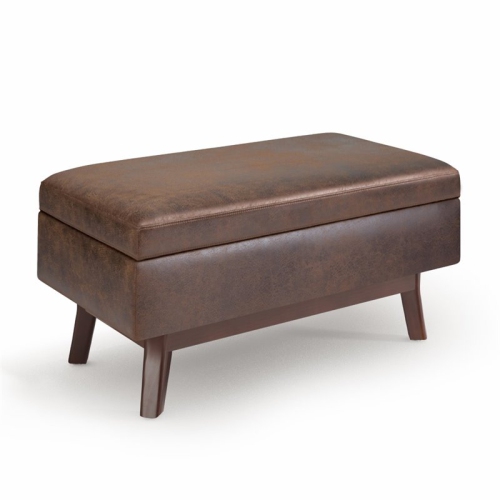


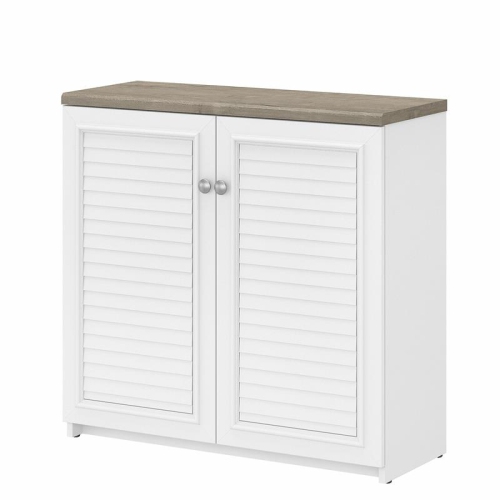
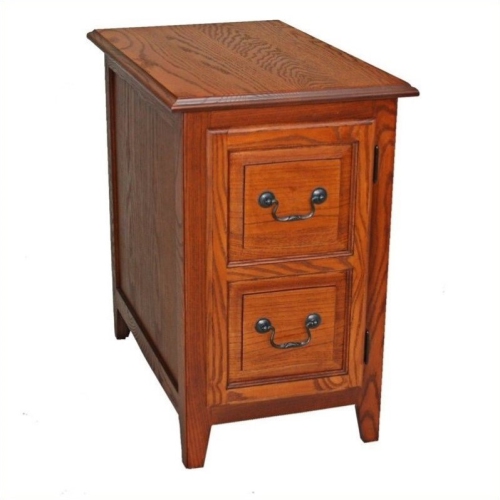
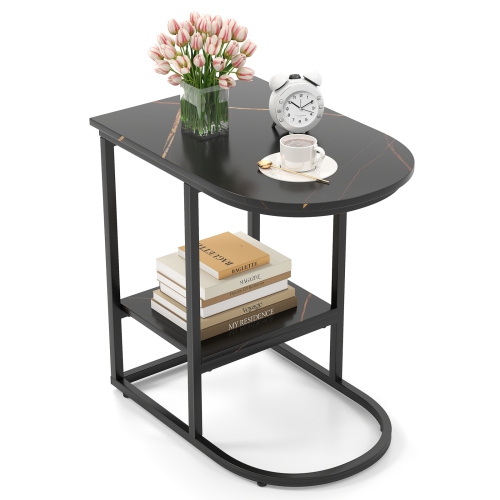
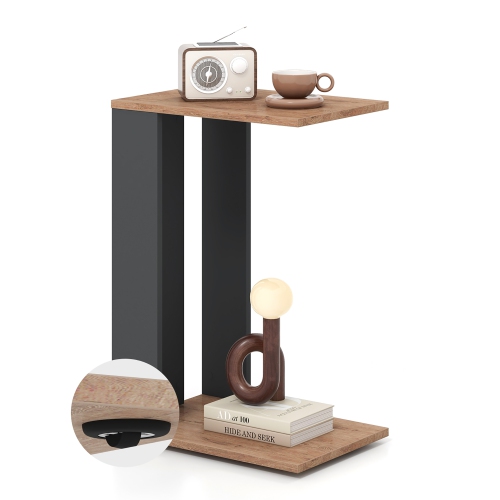
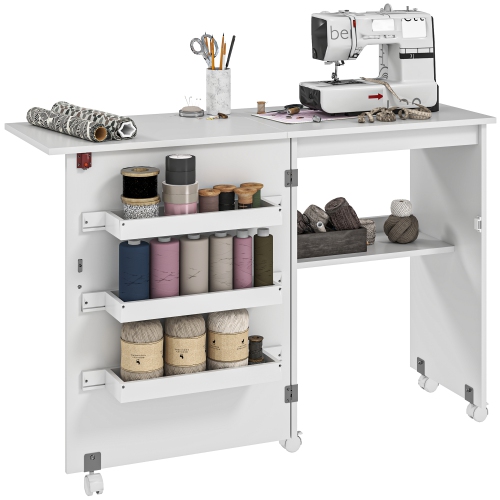
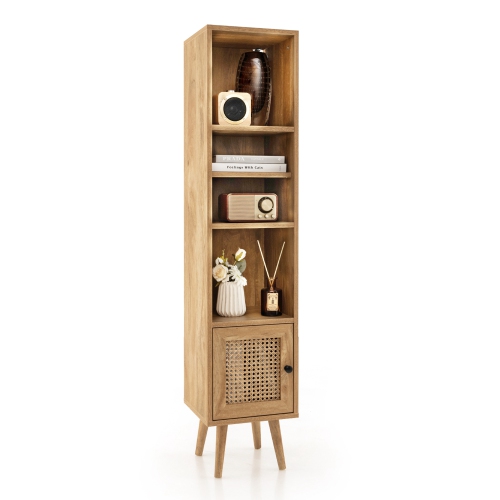
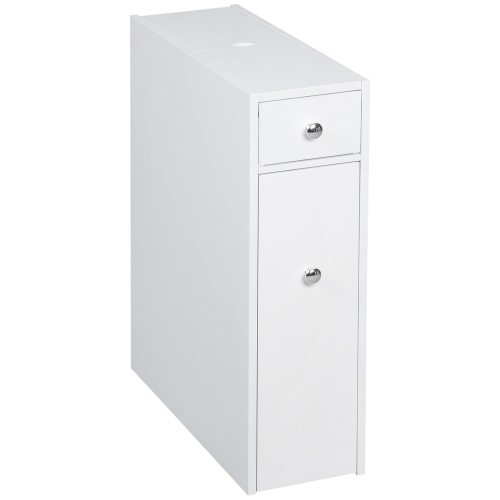
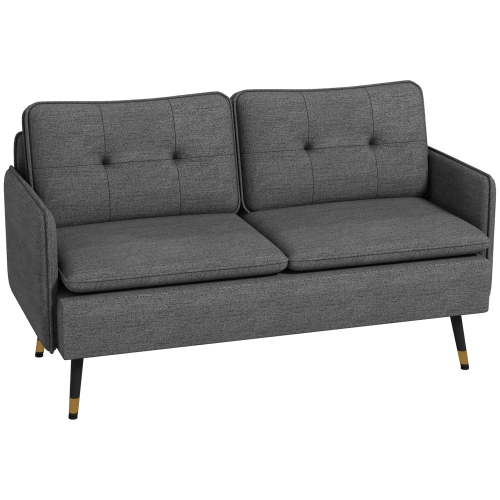
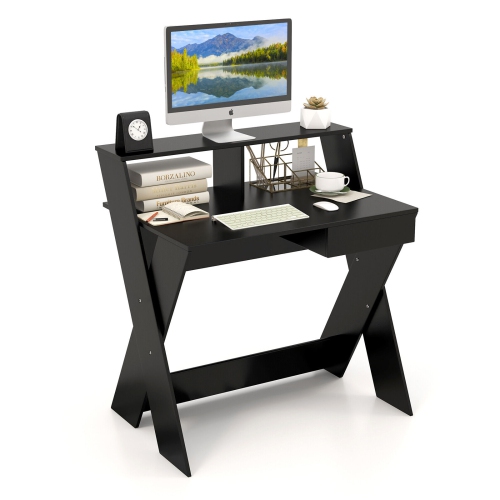
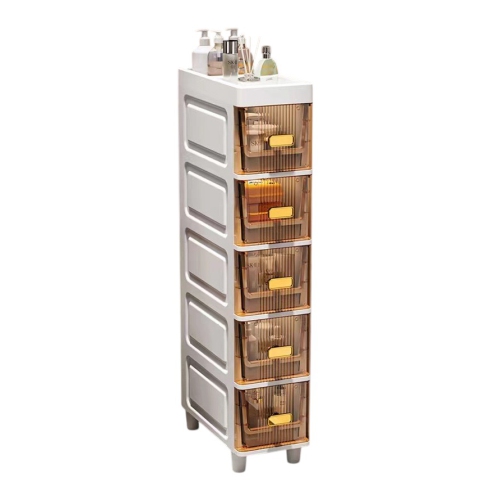
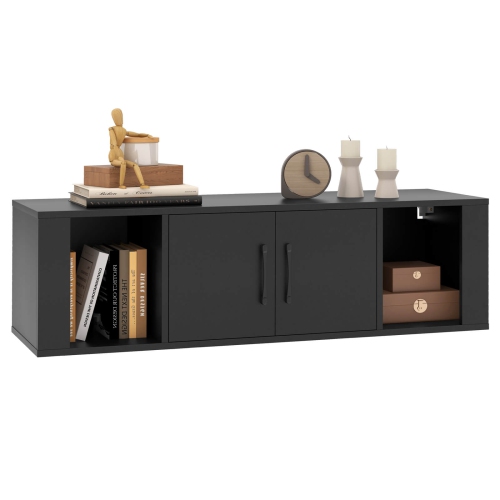
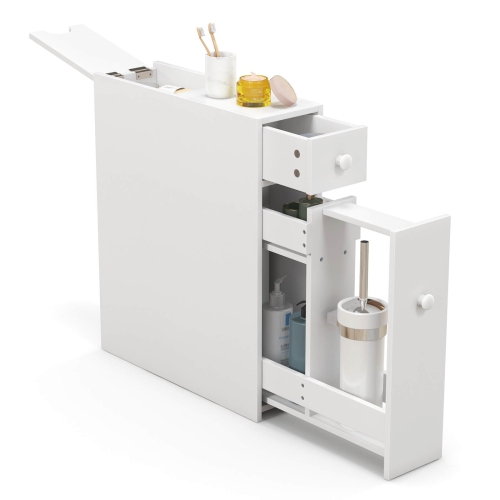
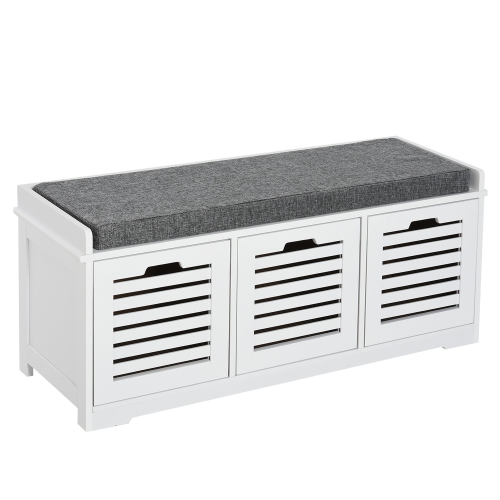
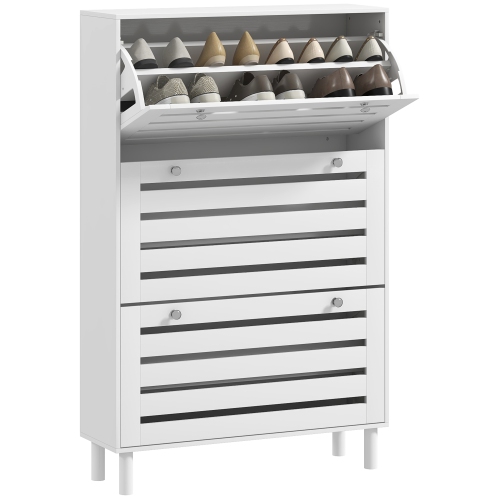
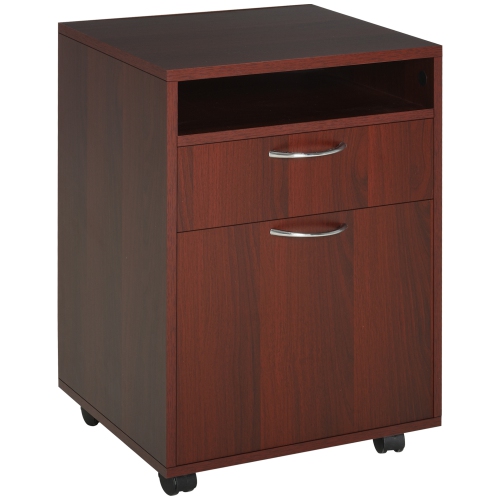
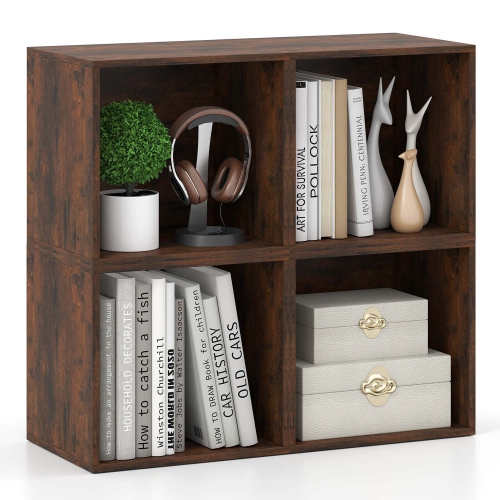
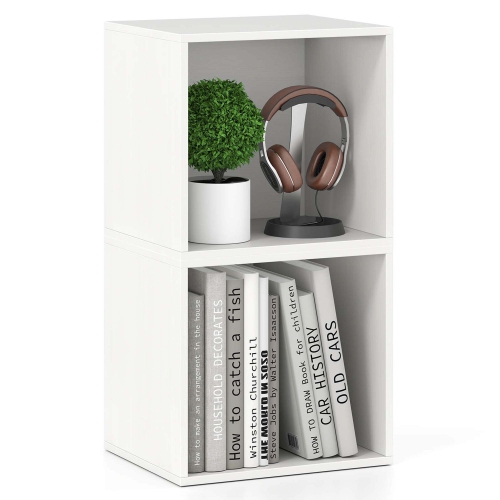
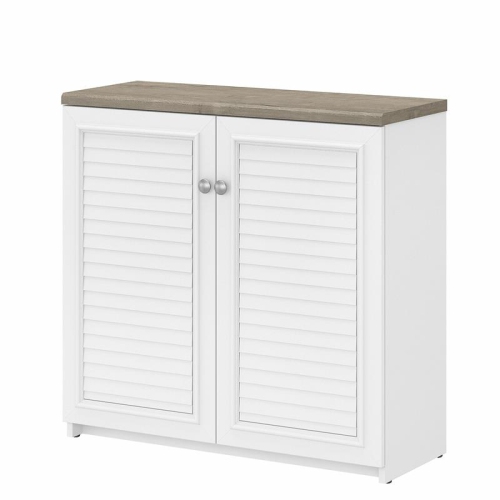
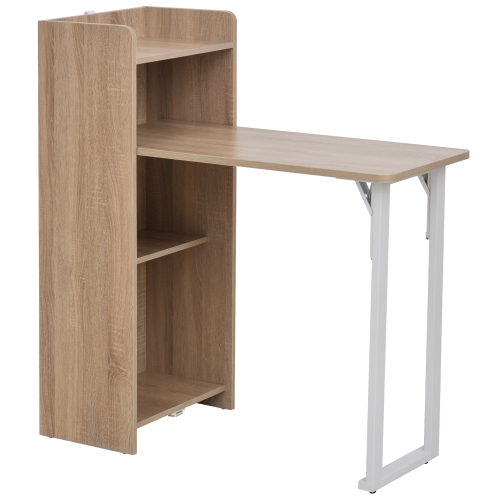
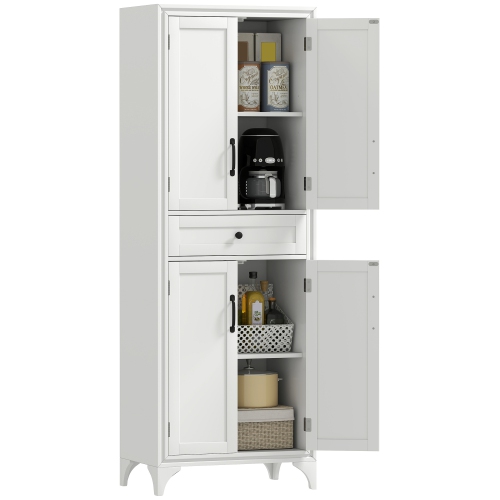
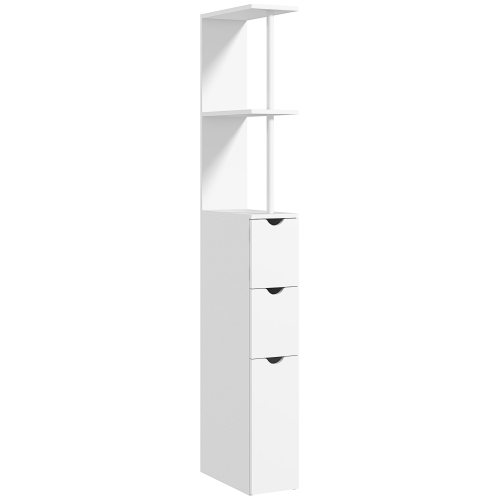
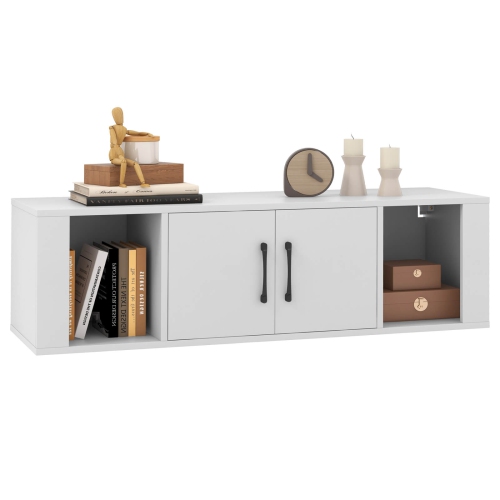
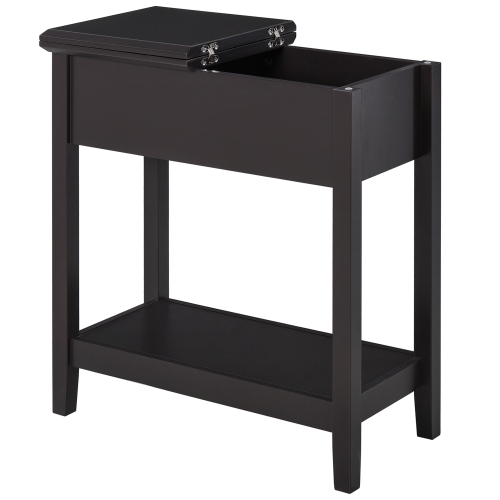
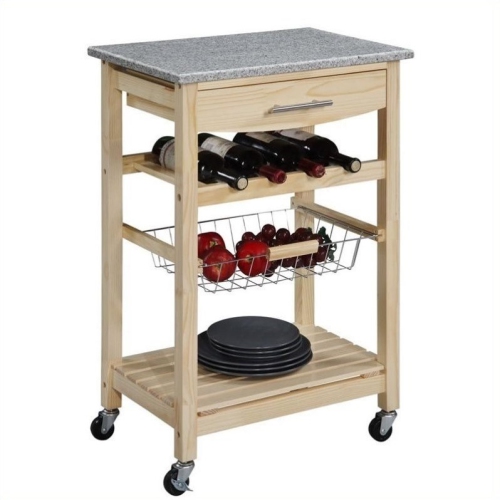

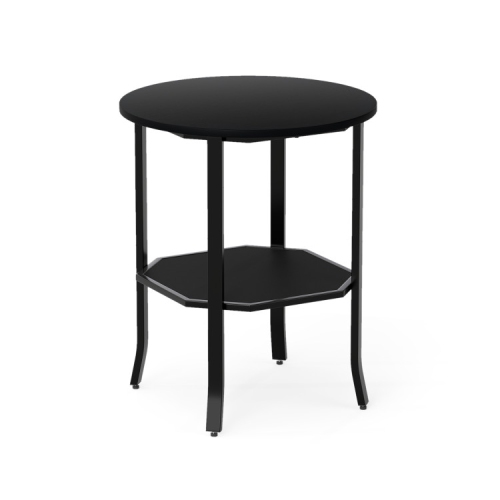
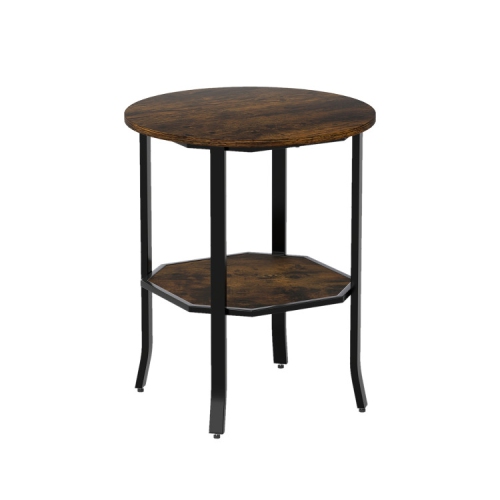
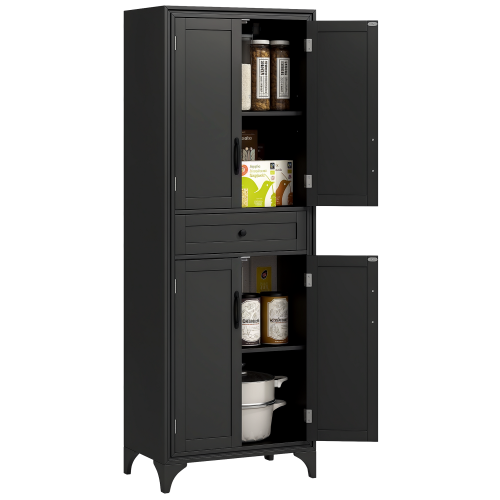
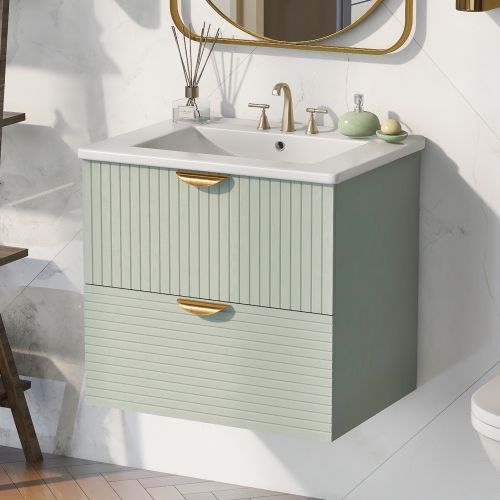
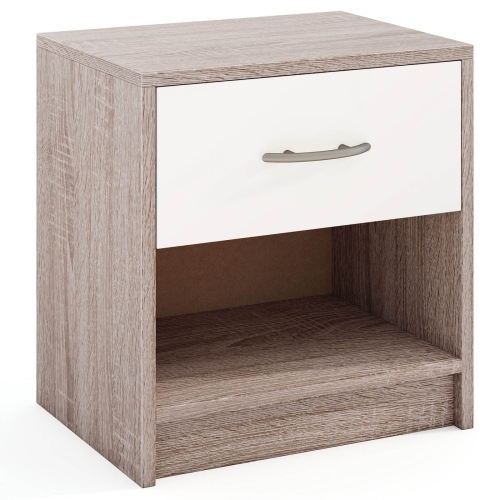
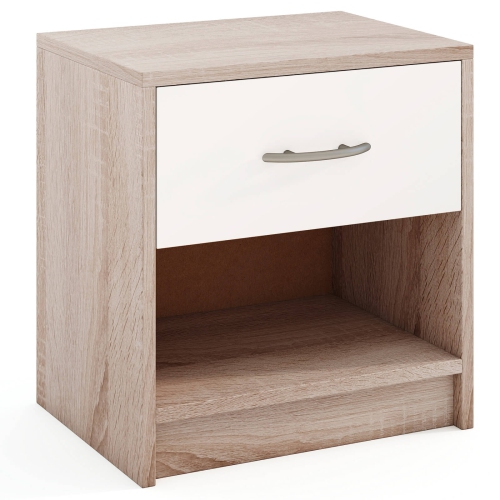
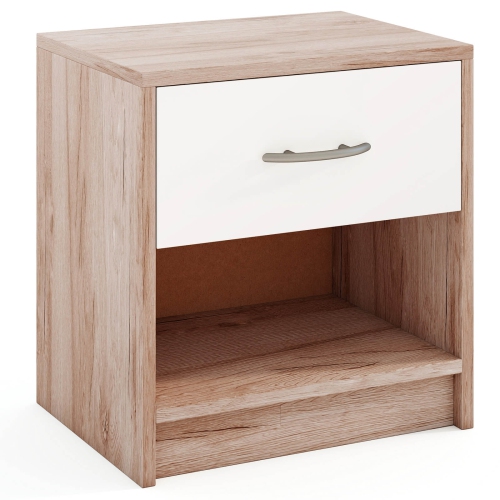
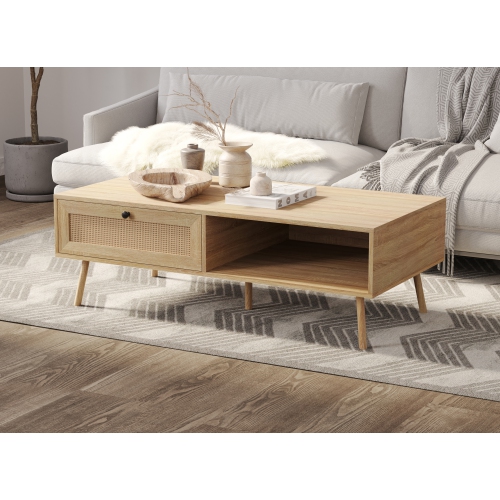
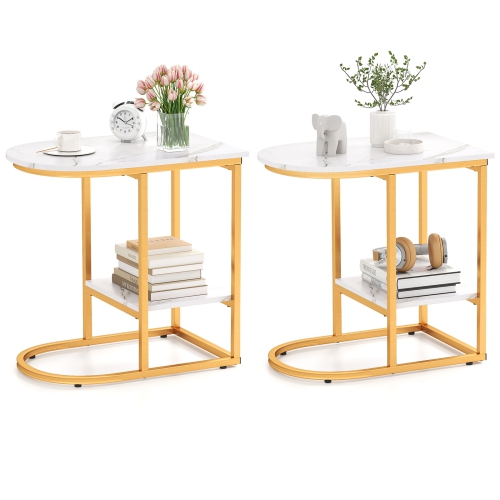
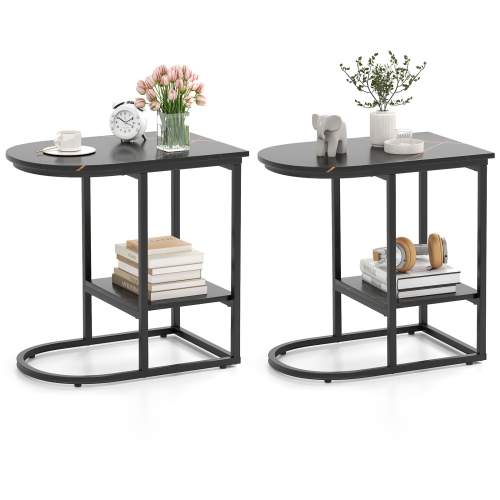
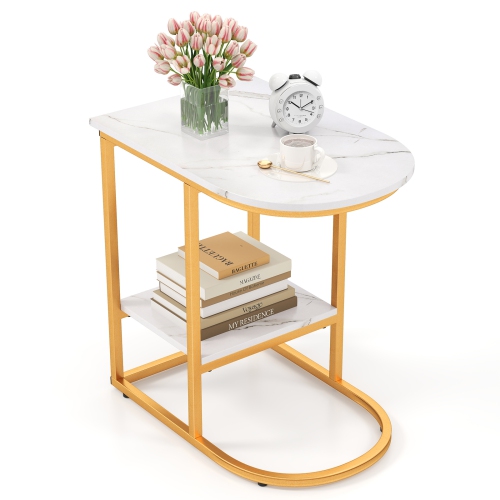
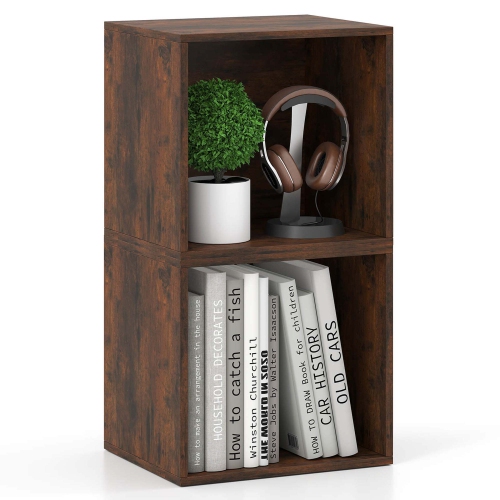
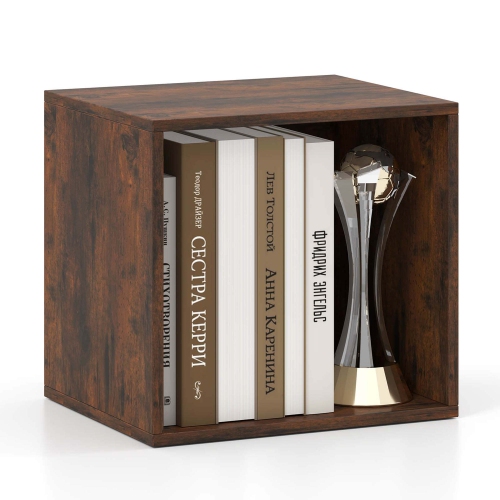
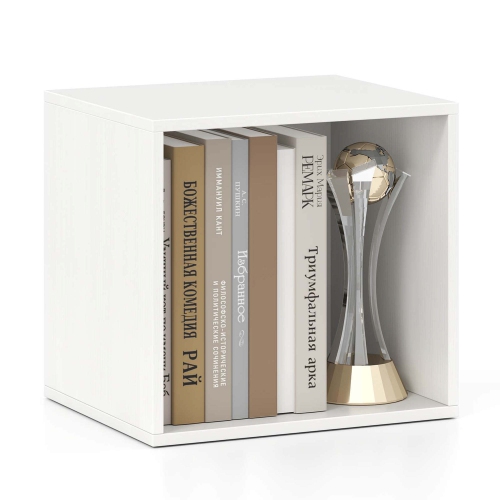
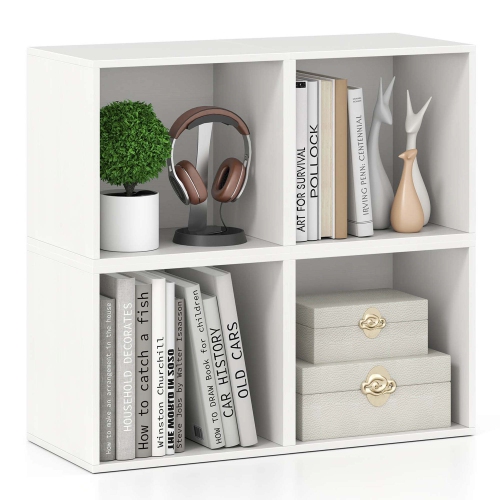
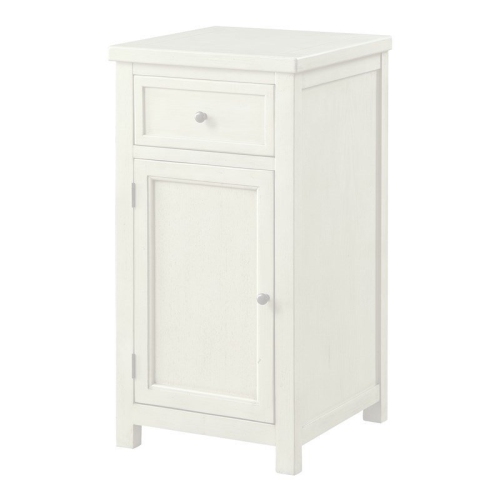
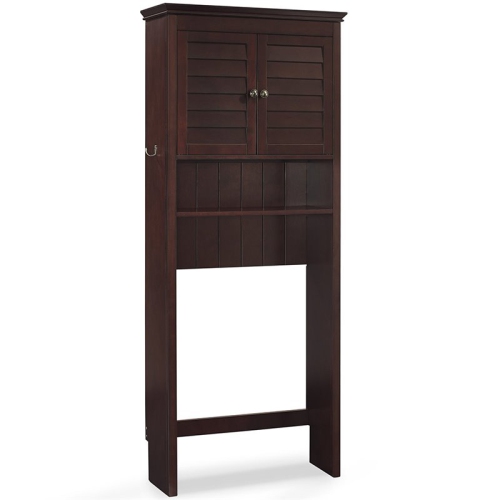
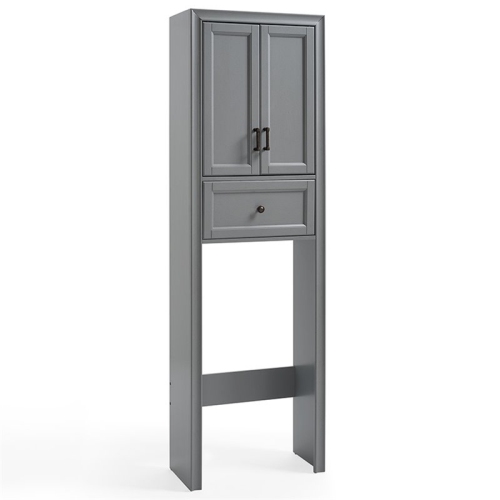
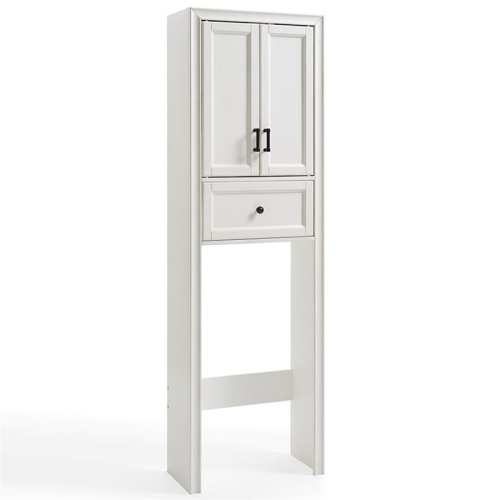
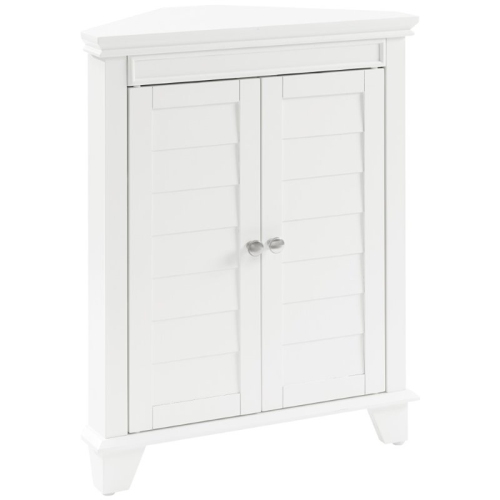
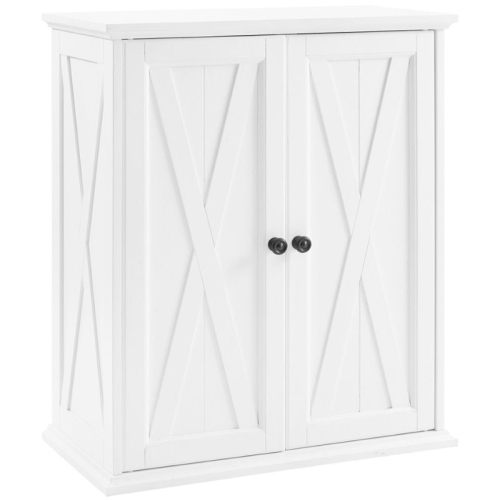
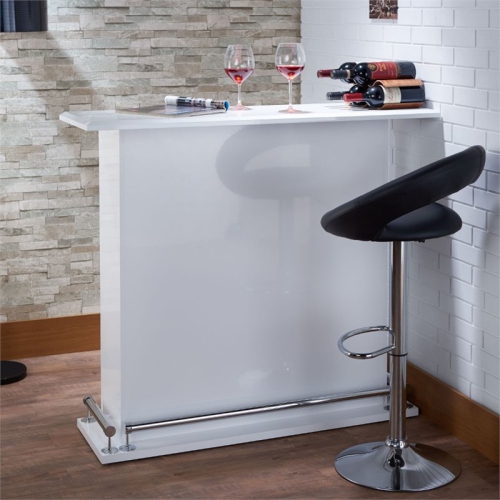
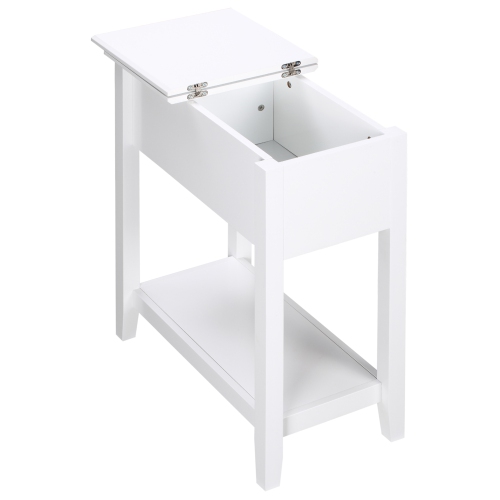
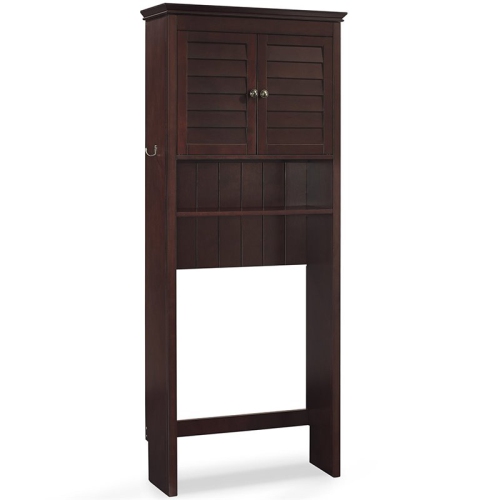
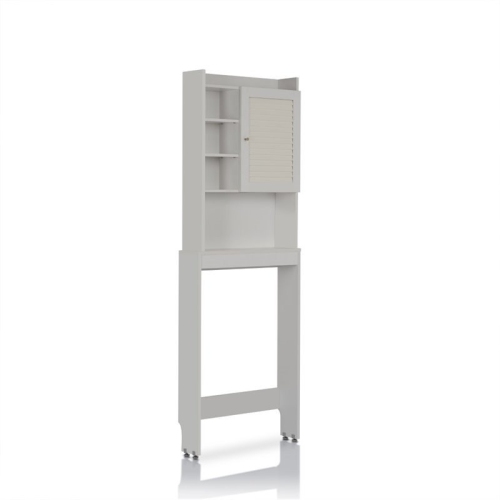

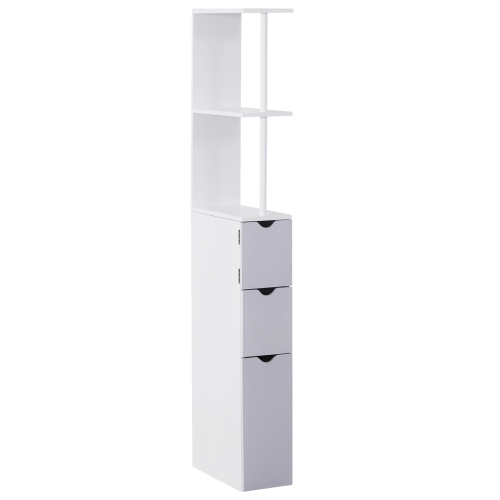
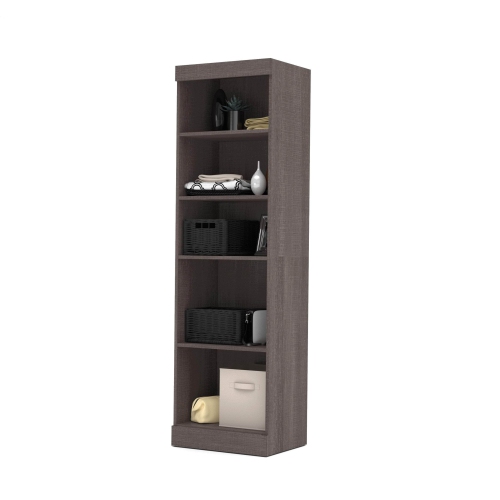
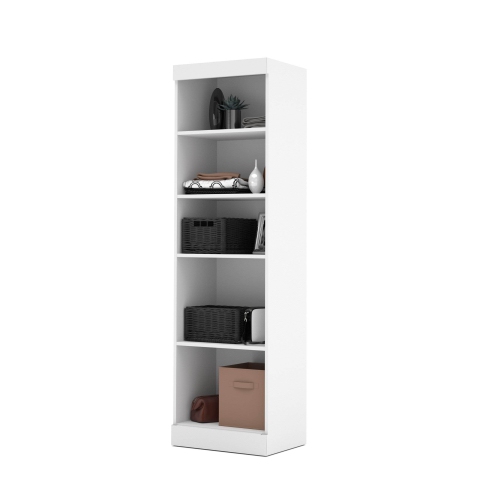
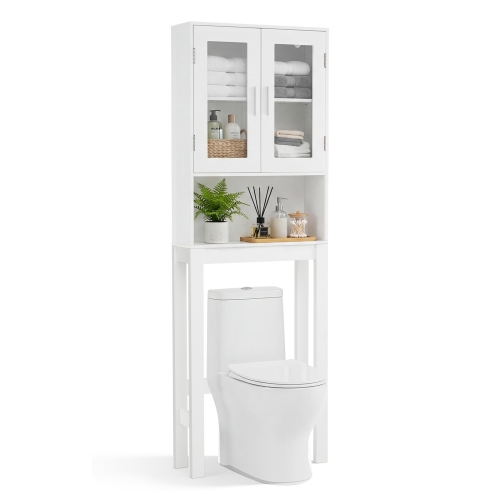
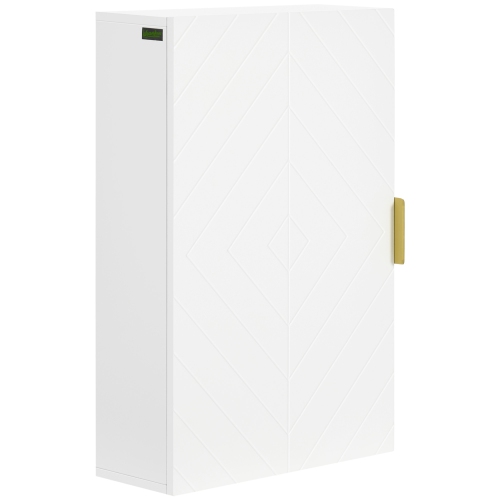
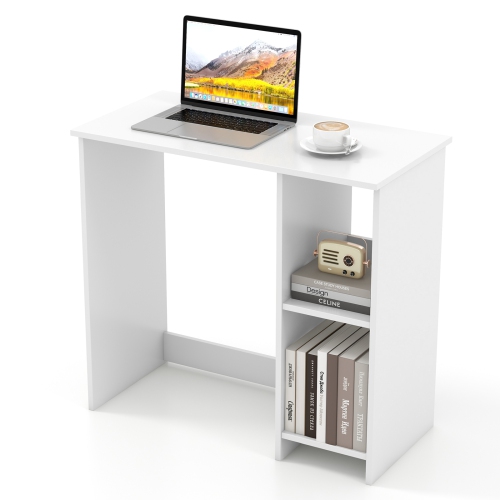
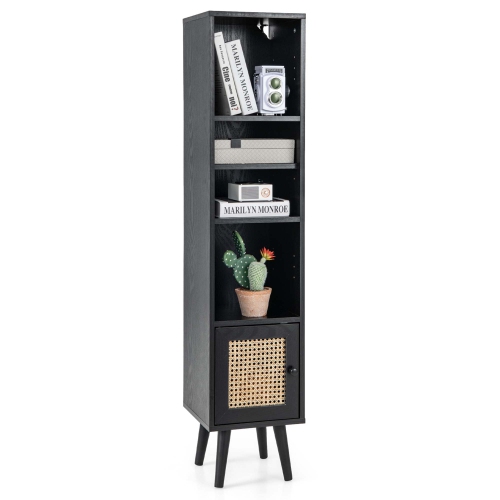
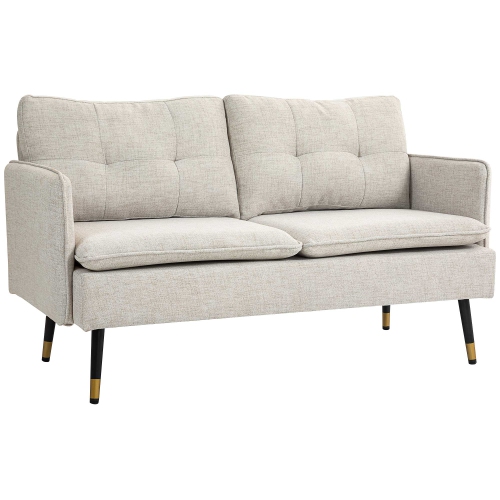
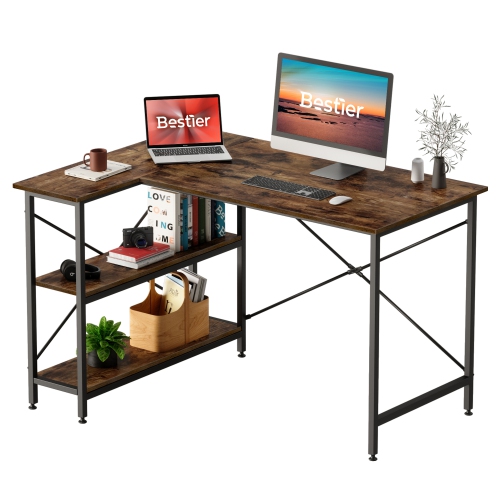
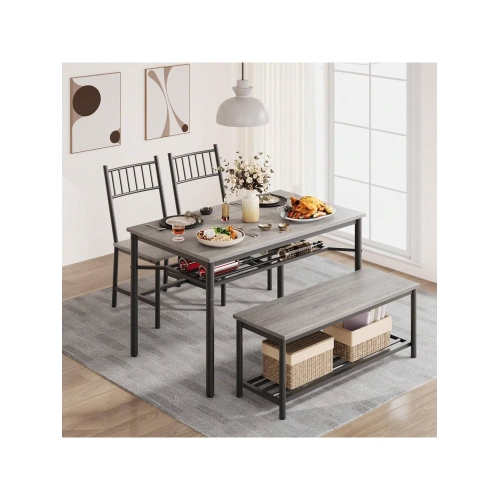
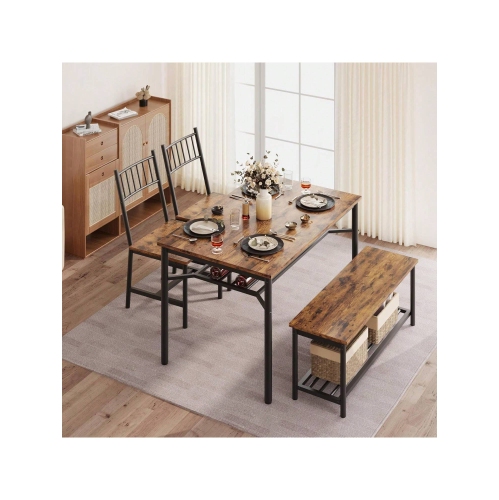
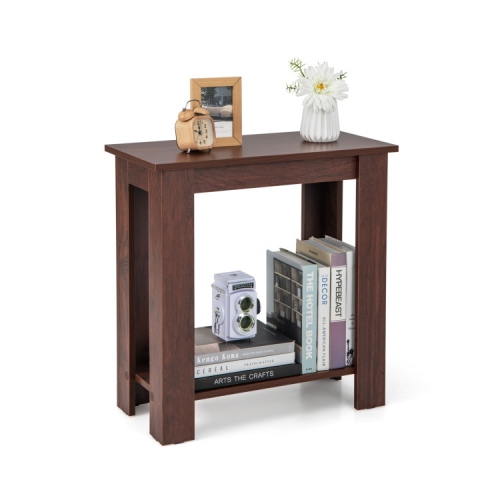
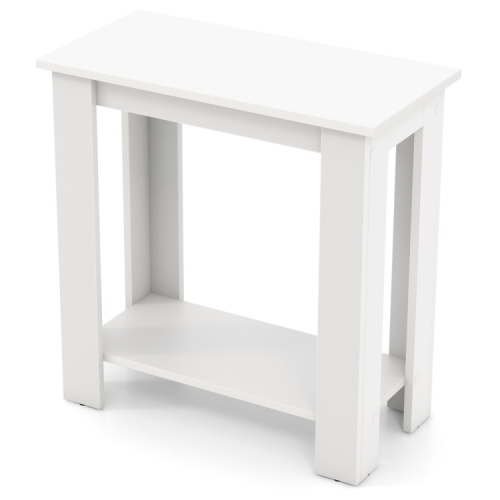
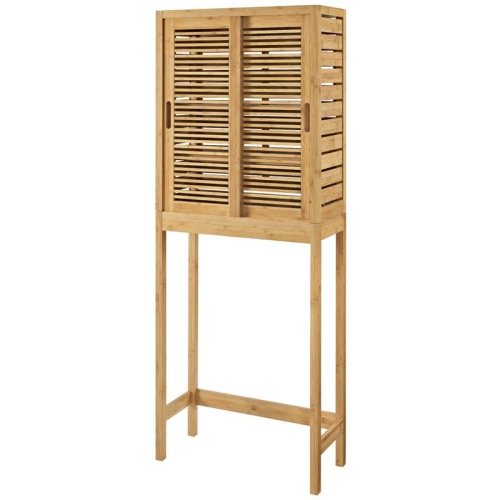
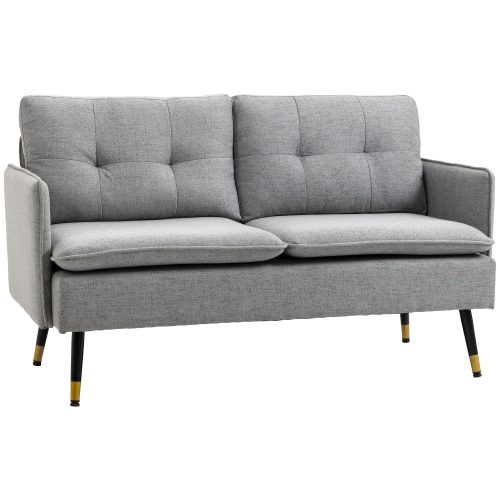
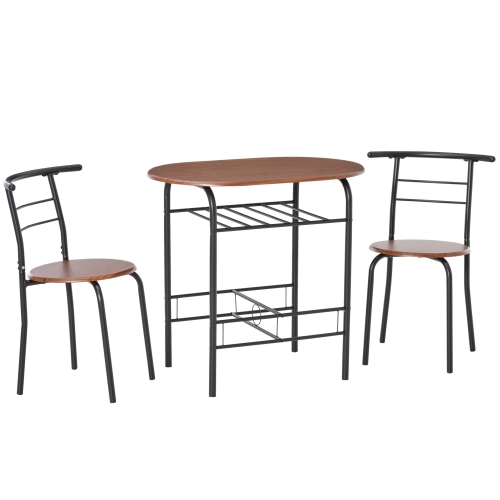
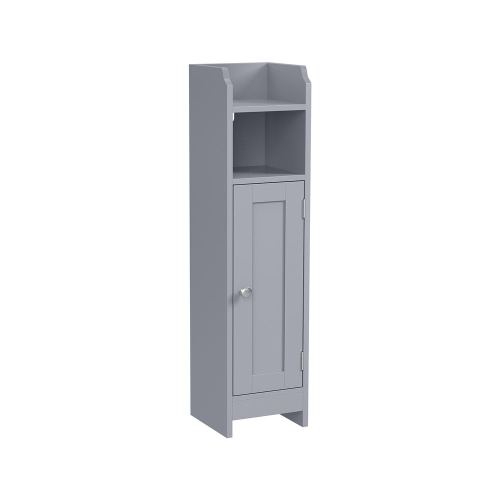
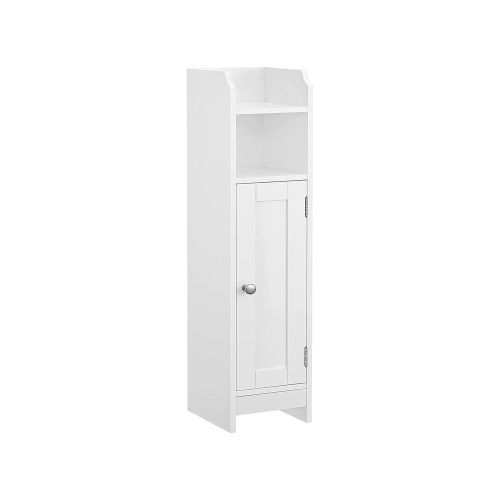
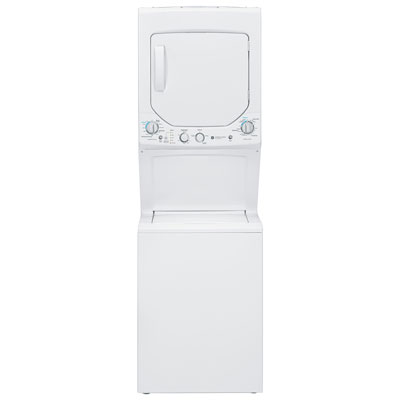
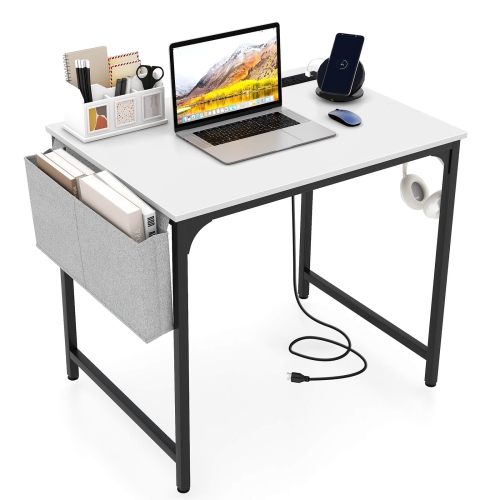

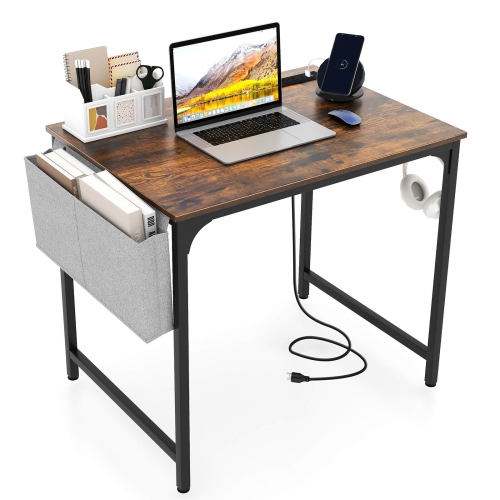
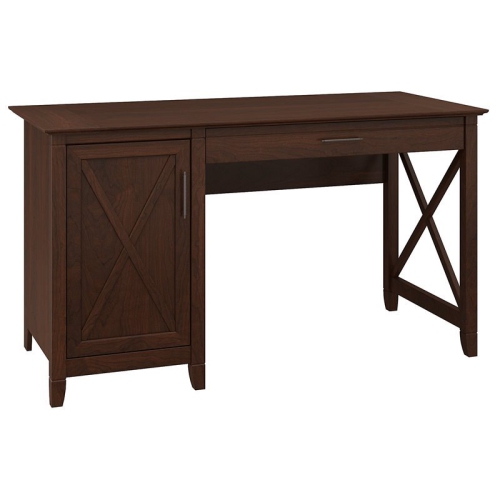
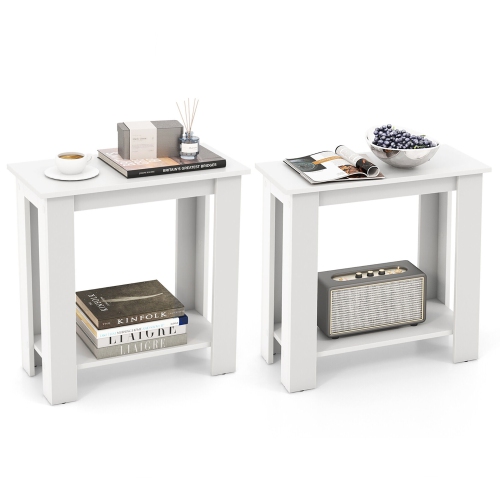
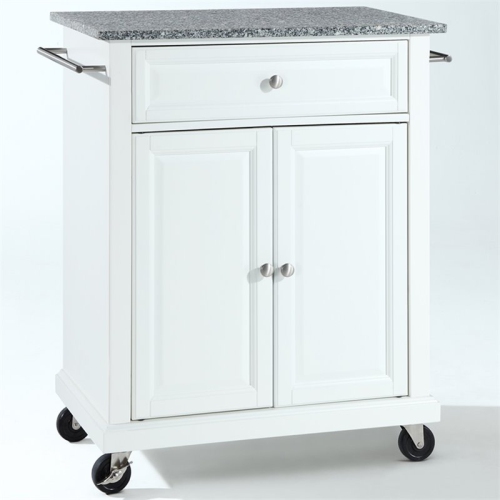
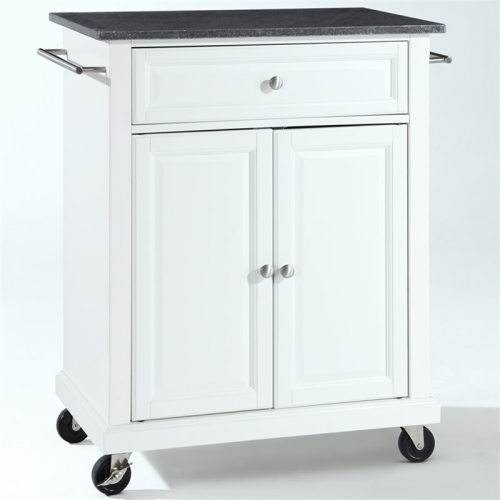
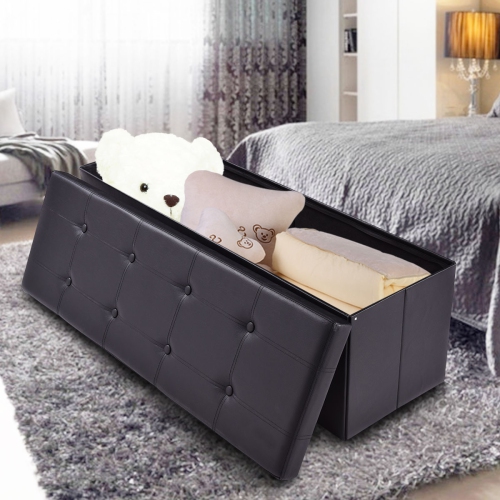
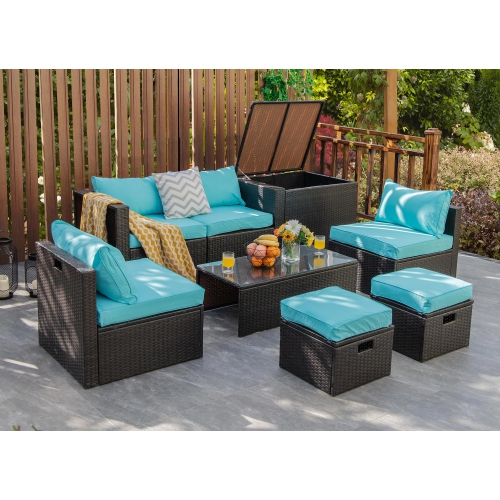
Flexible pieces balance open storage with hidden organization
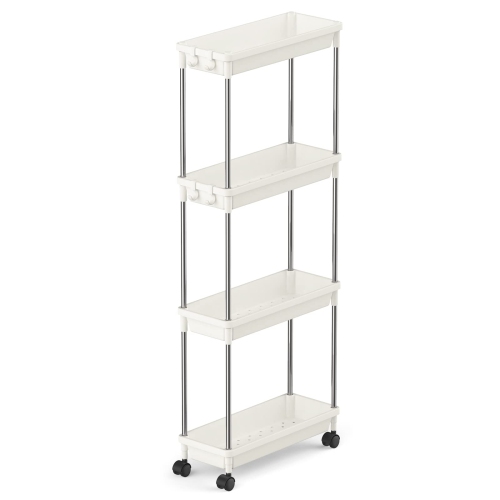
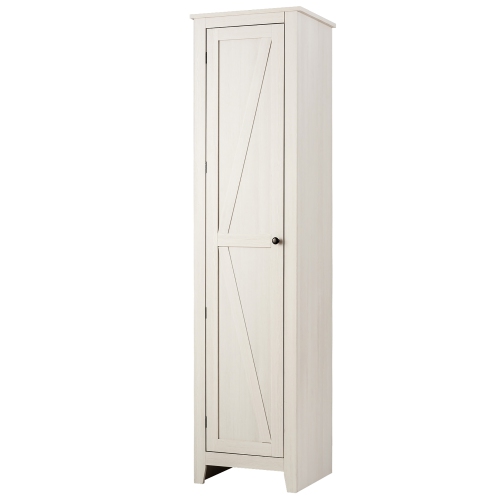
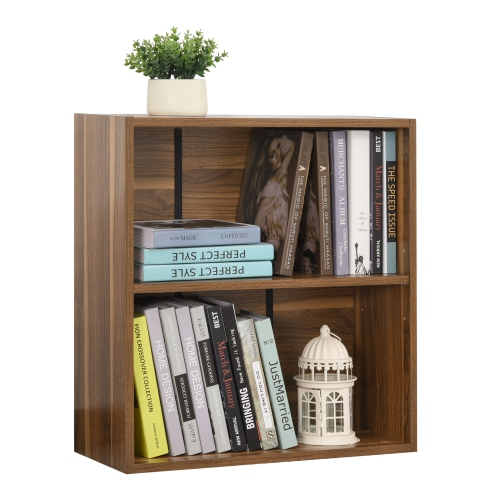
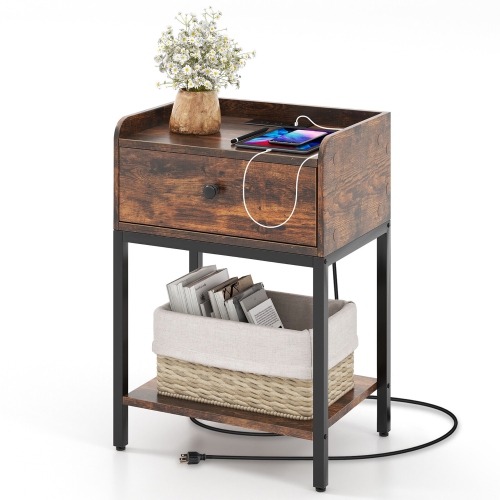
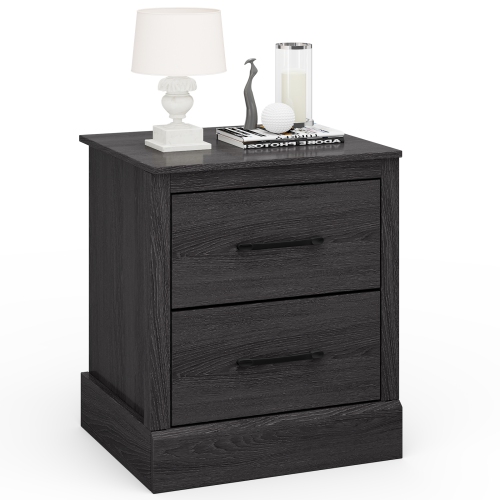
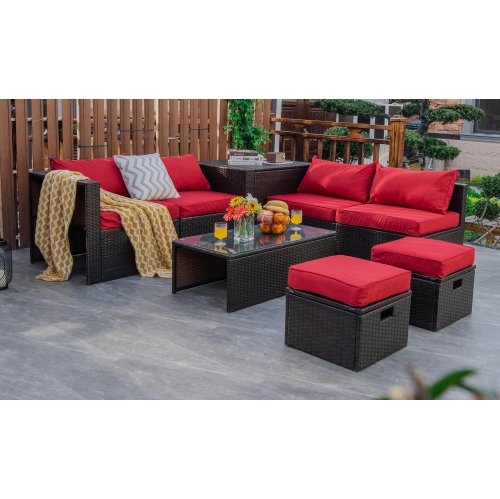
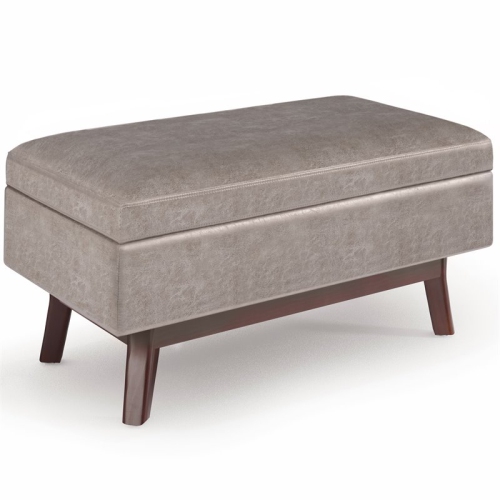
Small space storage furniture helps make compact homes feel more comfortable, orderly, and flexible without sacrificing everyday style. In a studio apartment, condo, dorm room, townhouse, or smaller bedroom, the right piece can give frequently used belongings a dedicated home while keeping valuable floor area open. Look for furniture that serves more than one purpose, such as a storage bench that provides a place to sit while holding shoes, blankets, bags, or seasonal accessories. A lift-top coffee table can create a convenient surface for working, reading, dining, or enjoying a coffee, with concealed space for remotes, chargers, books, and other items that tend to gather around the sofa. A bed frame with built-in drawers can take the place of a bulky dresser, giving spare bedding, folded clothing, and luggage a practical spot beneath the mattress. These designs are especially useful in rooms where every square foot has to work hard. A narrow cabinet may fit neatly beside a vanity, appliance, or entryway, while a compact shelving unit can bring order to books, baskets, décor, kitchen supplies, or office essentials without overwhelming the room. Before choosing storage furniture, measure the available width, depth, and height, including the space needed to open doors, pull out drawers, or walk comfortably around the piece. Pay attention to the placement of baseboards, vents, outlets, radiators, and door swings, since a few centimetres can make the difference between a natural fit and a frustrating obstruction. It is also helpful to consider what will be stored inside: deep drawers suit folded textiles and larger belongings, adjustable shelves accommodate items of different heights, and cupboards with doors keep visual clutter out of sight. For a narrow hallway or tight corner, a tall design can make use of vertical space while preserving room to move below. In a living room, a low-profile unit can anchor a television or display area while concealing games, electronics, paperwork, and everyday accessories. In a bedroom, under-bed drawers, slim wardrobes, and bedside cabinets can keep clothing and personal items close at hand without requiring a full suite of furniture.
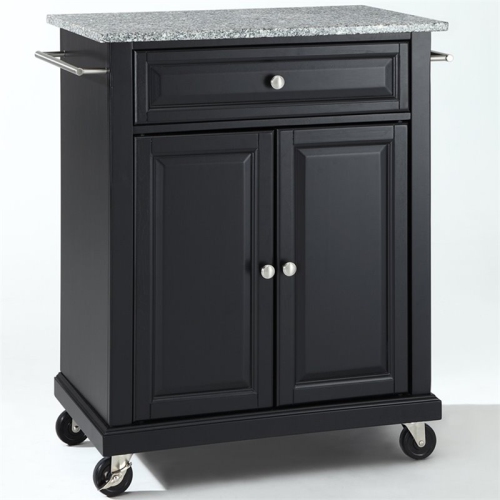
The best storage arrangement usually combines open and closed space. Open shelves make books, baskets, plants, and frequently used belongings easy to reach, while drawers and doors create a calmer appearance for items that do not need to remain visible. A tall shelf or ladder-style unit can draw the eye upward and use wall height that would otherwise be left empty, making it a smart choice for rooms with limited floor space. In kitchens, laundry rooms, and bathrooms, slim cabinets can make use of awkward gaps beside appliances, sinks, or toilets, provided the dimensions and moisture requirements are suitable. Roll-out furniture and pieces with built-in casters can be useful when access matters, allowing a compact cart, side table, or organizer to move forward when needed and tuck away afterwards. For lighter accessories, the backs of doors and the areas above existing furniture can add useful capacity through hanging pockets, hooks, or narrow racks, while heavier items are better placed in stable cabinets, drawers, or shelving designed to support their weight. Consider how often each item will be used and place daily essentials at an easy-to-reach height, reserving upper shelves and deeper compartments for occasional belongings. A thoughtful layout can make a small entryway feel less crowded when shoes, scarves, umbrellas, and bags have assigned places; it can help a home office stay ready for the next task by keeping paper, cables, and supplies contained; and it can give a child’s room more usable play space by storing toys, books, and extra bedding close to the floor. Students furnishing a residence room may appreciate compact pieces that create a more functional study and sleep area, and Dorm Space Saving Furniture can be helpful when planning storage around a bed, desk, or shared living area. These pieces can also make considerate gifts for someone moving into a first apartment, settling into a condo, preparing a guest room, or refreshing a home before family visits during the cooler months. A storage ottoman, compact nightstand, or narrow shelving unit is often easier to incorporate than a large statement piece, especially when the recipient’s room dimensions and decorating preferences are not known in advance.
When comparing small space storage furniture, look beyond the exterior dimensions and consider the complete experience of using it every day. Smooth drawer movement, sturdy hinges, supportive seating, reliable hardware, and a stable base all contribute to furniture that feels easy and dependable. Check weight capacities for shelves, benches, and lift-top surfaces, particularly if the furniture will hold books, kitchen appliances, electronics, or heavier boxes. If children or pets share the home, rounded edges, secure construction, and a design that resists tipping may be important considerations; tall units should be positioned and secured according to the manufacturer’s instructions. Choose finishes and colours that work with the room rather than making it feel visually busier. Light tones, glass details, open backs, and raised legs can help a compact room feel more spacious, while darker finishes and closed fronts can add warmth and conceal a larger collection of belongings. Storage furniture does not need to fill every available gap. Leaving some breathing room around a cabinet or shelf can make cleaning easier and allow the room to feel deliberate rather than crowded. Use drawer dividers, labelled bins, or small baskets inside larger compartments to prevent the familiar “everything drawer” from returning, and review stored items as routines change through the seasons. During the cooler months, entryway storage can hold heavier footwear and outer layers, while bedroom drawers can make room for extra blankets and thicker clothing; when routines shift again, the same compartments can be reassigned without replacing the furniture. With careful measurements and a clear idea of what needs to be stored, compact cabinets, benches, tables, shelving, and drawer units can turn overlooked corners into useful parts of the home. The result is a room that is easier to tidy, easier to move through, and better prepared for work, rest, entertaining, and everyday living.
The best storage arrangement usually combines open and closed space. Open shelves make books, baskets, plants, and frequently used belongings easy to reach, while drawers and doors create a calmer appearance for items that do not need to remain visible. A tall shelf or ladder-style unit can draw the eye upward and use wall height that would otherwise be left empty, making it a smart choice for rooms with limited floor space. In kitchens, laundry rooms, and bathrooms, slim cabinets can make use of awkward gaps beside appliances, sinks, or toilets, provided the dimensions and moisture requirements are suitable. Roll-out furniture and pieces with built-in casters can be useful when access matters, allowing a compact cart, side table, or organizer to move forward when needed and tuck away afterwards. For lighter accessories, the backs of doors and the areas above existing furniture can add useful capacity through hanging pockets, hooks, or narrow racks, while heavier items are better placed in stable cabinets, drawers, or shelving designed to support their weight. Consider how often each item will be used and place daily essentials at an easy-to-reach height, reserving upper shelves and deeper compartments for occasional belongings. A thoughtful layout can make a small entryway feel less crowded when shoes, scarves, umbrellas, and bags have assigned places; it can help a home office stay ready for the next task by keeping paper, cables, and supplies contained; and it can give a child’s room more usable play space by storing toys, books, and extra bedding close to the floor. Students furnishing a residence room may appreciate compact pieces that create a more functional study and sleep area, and Dorm Space Saving Furniture can be helpful when planning storage around a bed, desk, or shared living area. These pieces can also make considerate gifts for someone moving into a first apartment, settling into a condo, preparing a guest room, or refreshing a home before family visits during the cooler months. A storage ottoman, compact nightstand, or narrow shelving unit is often easier to incorporate than a large statement piece, especially when the recipient’s room dimensions and decorating preferences are not known in advance.
When comparing small space storage furniture, look beyond the exterior dimensions and consider the complete experience of using it every day. Smooth drawer movement, sturdy hinges, supportive seating, reliable hardware, and a stable base all contribute to furniture that feels easy and dependable. Check weight capacities for shelves, benches, and lift-top surfaces, particularly if the furniture will hold books, kitchen appliances, electronics, or heavier boxes. If children or pets share the home, rounded edges, secure construction, and a design that resists tipping may be important considerations; tall units should be positioned and secured according to the manufacturer’s instructions. Choose finishes and colours that work with the room rather than making it feel visually busier. Light tones, glass details, open backs, and raised legs can help a compact room feel more spacious, while darker finishes and closed fronts can add warmth and conceal a larger collection of belongings. Storage furniture does not need to fill every available gap. Leaving some breathing room around a cabinet or shelf can make cleaning easier and allow the room to feel deliberate rather than crowded. Use drawer dividers, labelled bins, or small baskets inside larger compartments to prevent the familiar “everything drawer” from returning, and review stored items as routines change through the seasons. During the cooler months, entryway storage can hold heavier footwear and outer layers, while bedroom drawers can make room for extra blankets and thicker clothing; when routines shift again, the same compartments can be reassigned without replacing the furniture. With careful measurements and a clear idea of what needs to be stored, compact cabinets, benches, tables, shelving, and drawer units can turn overlooked corners into useful parts of the home. The result is a room that is easier to tidy, easier to move through, and better prepared for work, rest, entertaining, and everyday living.
Top selling and popular products
-
 Your price for this item is $69.98
 -
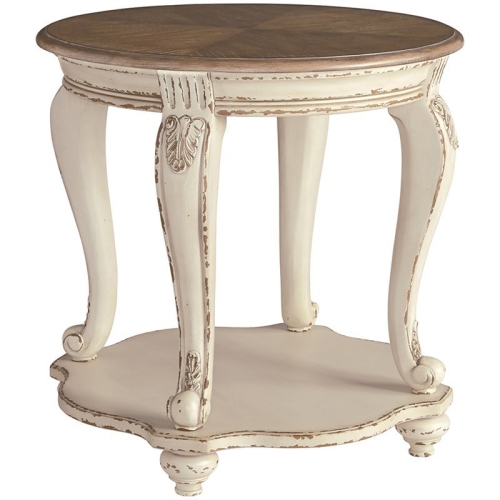 Your price for this item is $369
 -
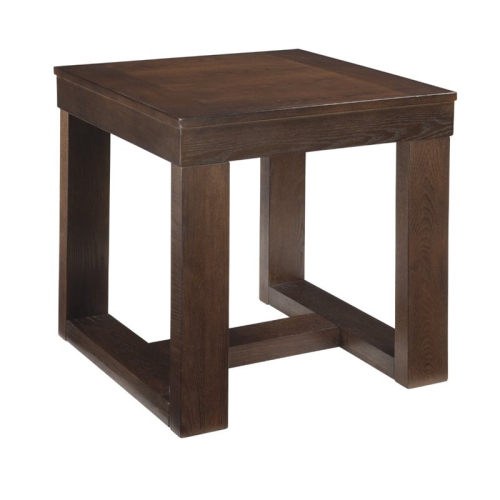 Your price for this item is $199
 -
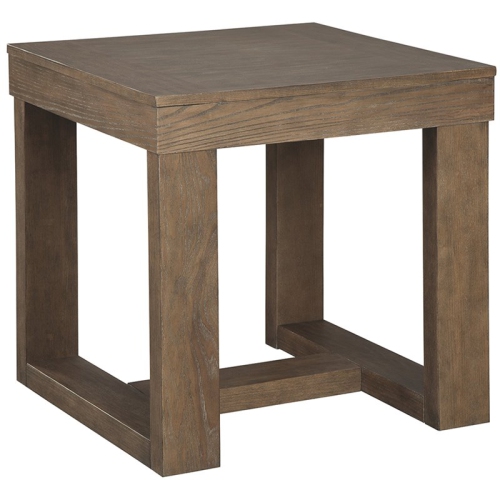 Your price for this item is $385.37
 -
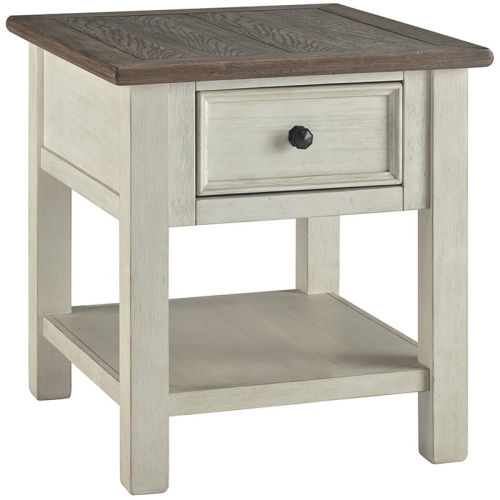 Your price for this item is $399
 -
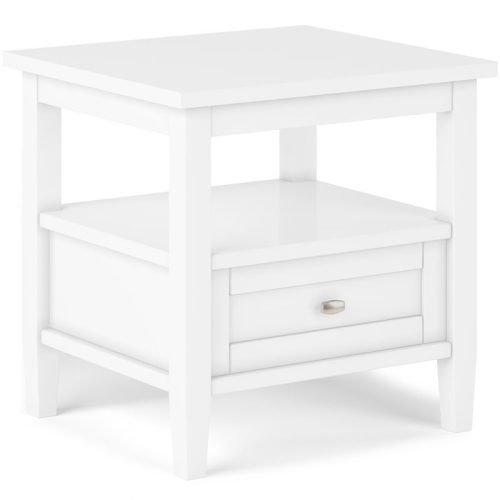 Your price for this item is $416.79
 -
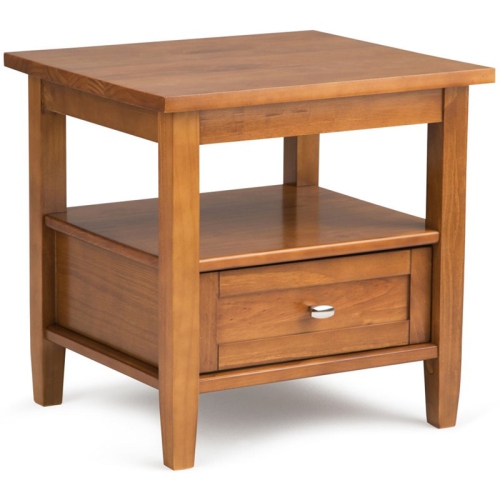 Your price for this item is $365.87
 -
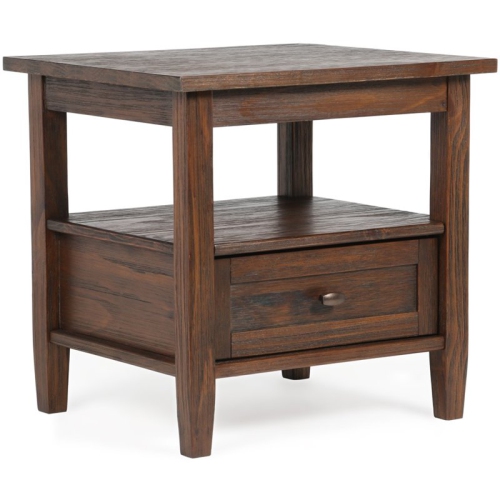 Your price for this item is $416.29
Discover more categories related to Small Space Storage Furniture
Top Collections:
Best Laptops for Video Editing, Pokemon Centers, Samsung Z Fold, Kindle Devices, Best Cell Phones Under $300, Best Laptops for Writers, Best Budget Office Chairs, Best Cell Phones Under $500, Best Laptop Computers for Students, iPhone 15 Apple
Some products may be subject to Environmental Handling Fees
(EHF) depending on your province.
Learn more about EHFs.