Small Vases
Small vases add a touch of charm and elegance to any space, making them ideal for showcasing single blooms or creating decorative accents throughout your home. Whether you’re styling a dining table, brightening up a shelf, or adding interest to your workspace, small vases offer versatile options to elevate your décor. Explore a variety of shapes, colours, and styles to find the perfect small vases that suit your taste and complement your living environment.
Sort


A single bloom can be enough
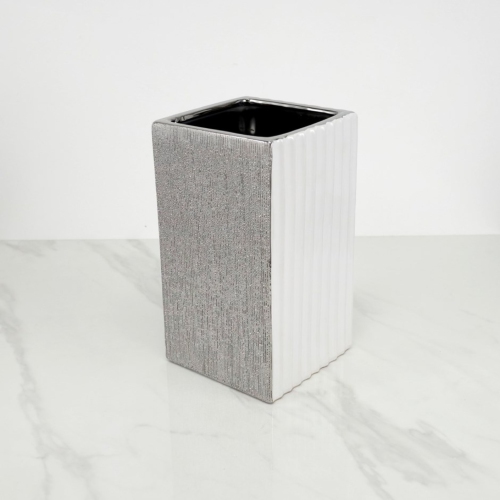
Small vases are compact vessels for displaying individual flowers, short stems, and modest arrangements without taking up much surface space. Their appeal lies in proportion: a single bloom can feel complete in a narrow bud vase, while a short, rounded vessel gives a handful of flowers room to spread. They suit bedside tables, desks, bathroom vanities, shelves, and dining tables where a larger arrangement could crowd everyday essentials or interrupt conversation. A small flower vase can also make use of shorter stems from a bouquet, bringing colour to another room rather than keeping every flower in one arrangement. The distinction between a bud vase and other small vases is usually the opening and overall shape, not simply the height. Bud vases typically have narrow necks that support one or a few stems; wider openings accommodate fuller arrangements but may need more flowers to look balanced. Dimensions are worth considering as a whole, since a short vase with a broad body can occupy more tabletop space than a taller, slender design. The base matters just as much as the silhouette. A broad, level base offers useful stability, particularly when flowers lean to one side, while a heavier base can help balance an upright arrangement. On a dining table, a low profile leaves sightlines open across place settings. On a desk, a compact footprint keeps the display clear of a keyboard, charging cables, and paperwork. For a shelf or narrow ledge, the vessel should sit fully on the surface rather than overhang its edge. Flower height also affects the finished proportions: a long, heavy stem can overwhelm a tiny container, whereas a trimmed bloom or small branch often sits more comfortably. These details make small vases useful both as flower holders and as decorative accents that still look intentional when displayed empty.
Material influences how a small vase looks, feels, and performs in daily use. Clear glass keeps the arrangement visually light and makes the stems part of the display, which works particularly well with a few neatly trimmed flowers. It also makes water levels easy to check, although water marks and residue are more noticeable than they are in an opaque vessel. Coloured glass offers a different effect, adding depth or a soft accent even when the vase holds only a single stem. Ribbed or textured glass changes the way light passes through the surface and can complement smooth furniture finishes. Ceramic and stoneware bring a more solid presence, with finishes ranging from glossy and smooth to matte, speckled, or visibly textured. An opaque vase conceals stems and water, keeping attention on the flowers and the shape of the vessel. However, not every ceramic vase is intended to hold water. A glazed appearance alone does not confirm that a piece is watertight, so the stated use and care information matter when choosing between fresh flowers, dried stems, and artificial arrangements. Decorative metal vessels also vary in their suitability for water, depending on their construction and interior finish. A watertight liner may be needed where the design permits one. Durability depends on more than weight or thickness: glass can chip at the rim, ceramic can crack after a knock, and some finishes can scratch against abrasive cleaning tools. Gentle washing with mild dish soap and a soft cloth or suitable bottle brush is often a practical approach, subject to the care directions. Narrow necks can be harder to reach, while wider openings make cleaning and drying easier. For fresh flowers, clean water and the removal of leaves below the waterline help keep the arrangement tidy. Moisture on the outside or underneath the vase should be wiped away before it rests on furniture, especially on wood or other water-sensitive surfaces. A suitable protective pad can provide an extra barrier without making the base unstable.
Small vases offer plenty of flexibility in a room because they can repeat a colour, soften a hard-edged surface, or create a focal point without dominating the space. A matte white vessel can sit quietly beside books and framed photographs, while amber glass or a deeply coloured glaze can pick up tones already present in artwork or upholstery. Shape can be just as important as colour. Rounded bodies soften angular shelves and tables; straight-sided forms create a more orderly look; sculptural shapes can stand on their own without flowers. Within the broader range of decorative vases, smaller proportions are especially useful for layering accents at different heights. A group of three or five can feel connected without looking rigidly matched, particularly when the vessels share a colour family or material. Mixing clear glass with matte ceramic adds contrast, while repeating one flower across several narrow-neck vases creates a simple, cohesive display. Enough space between vessels helps each silhouette remain visible and leaves room to lift them for cleaning or refilling. On a shared dining table, several compact arrangements can distribute flowers along the centre while keeping serving dishes accessible. On a coffee table, a tray can bring a small vase together with other accents, provided the arrangement remains steady and clear of frequently used space. Homes with curious pets or young children benefit from careful placement away from edges and busy walkways, along with flowers chosen for their suitability around household members. Small vases can also make thoughtful housewarming, birthday, or host gifts, especially when the recipient enjoys flowers but has limited display space. A neutral finish is easier to coordinate when their decorating preferences are less familiar, while a distinctive texture or colour can suit someone with a well-established style. Whether used for an occasional bloom, a small table arrangement, or an empty sculptural accent, a well-proportioned vase adds detail without requiring a large display.
Top selling and popular products
-
 Your price for this item is $59.99
-
 Your price for this item is $130.99
-
 Your price for this item is $99.99
-
 Your price for this item is $127.99
-
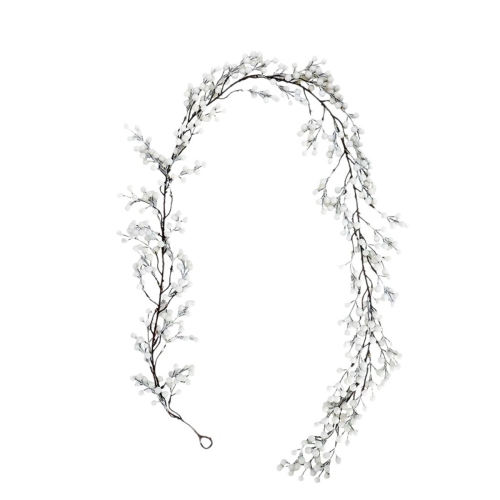 Your price for this item is $38.87
-
 Your price for this item is $168.99
-
 Your price for this item is $49.99
-
 Your price for this item is $308.69
Discover more categories related to Small Vases


Top Collections:
Pokemon Centers, Kindle Devices, Best Cameras for Sports Photography, Pokémon 30th Celebration Cards, Apple iPhones 16, Canon G7X Cameras, iPhone 15 Apple, Flip Phones, Samsung Galaxy Phones, Alarm Clock
Some products may be subject to Environmental Handling Fees
(EHF) depending on your province.
Learn more about EHFs.