Small White Outdoor Side Tables
A small white outdoor side table is a great way to add some style to your patio or backyard. White is an elegant color that matches almost any outdoor decor. Here are some of the best small white outdoor side tables available today.
Sort
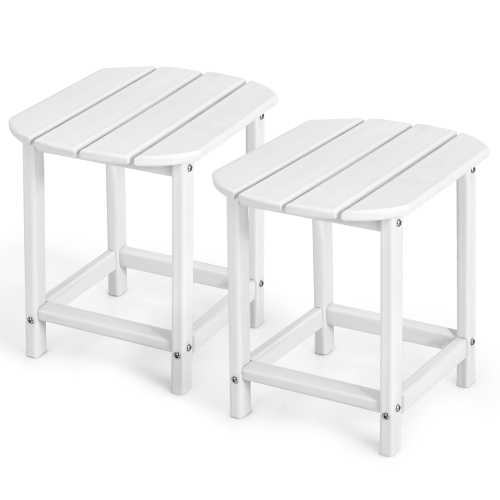
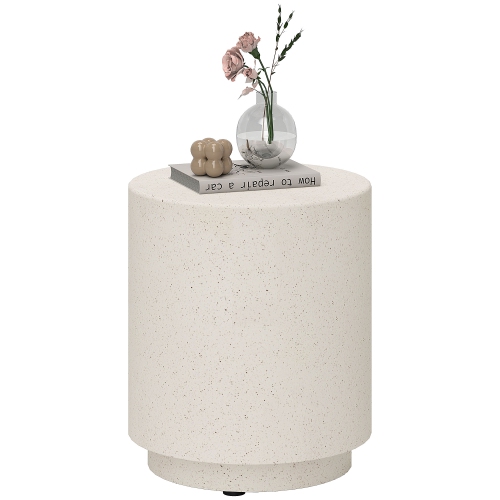
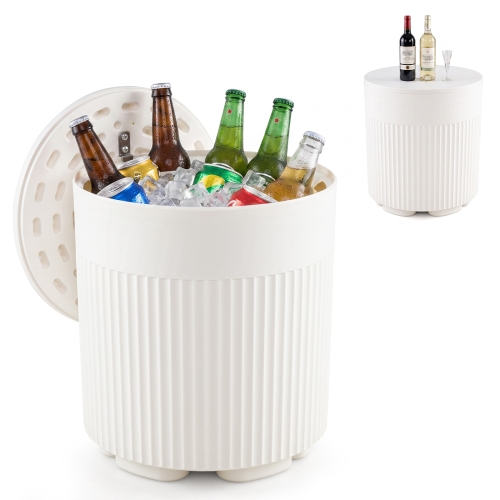
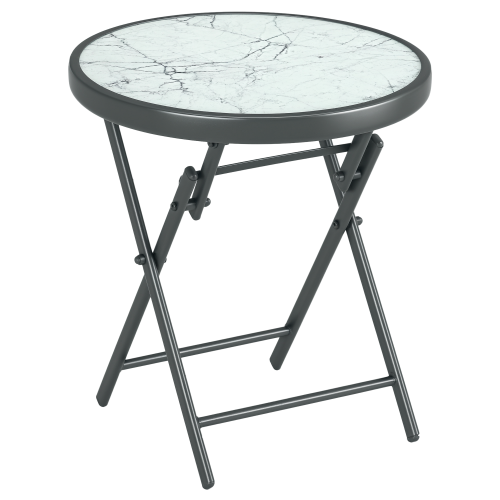
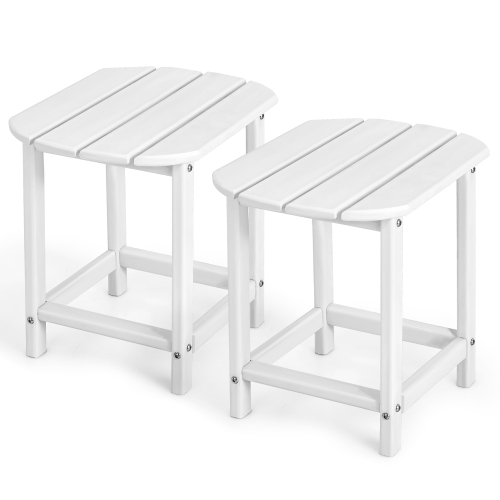
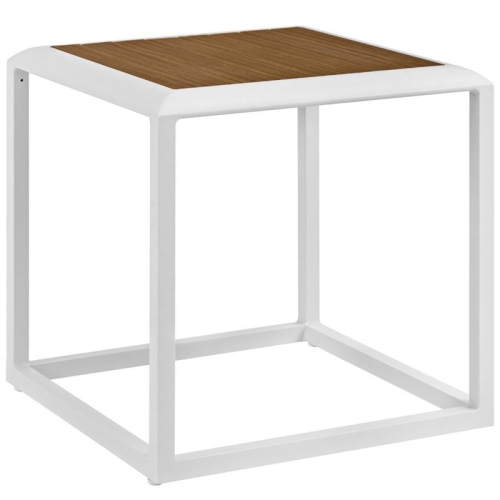
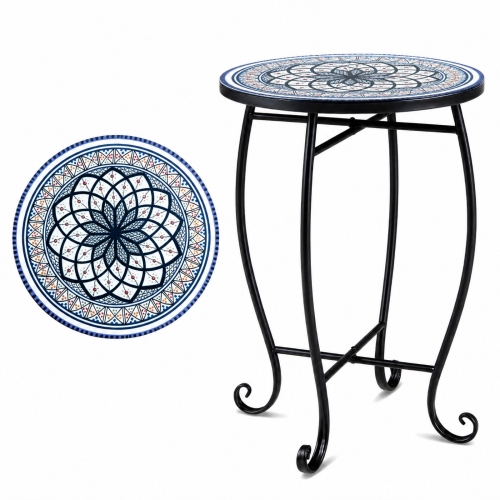
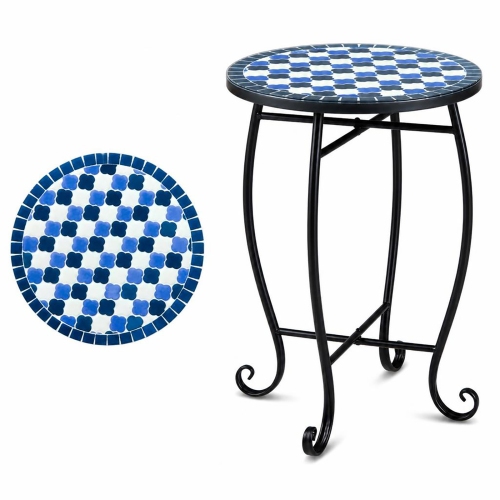
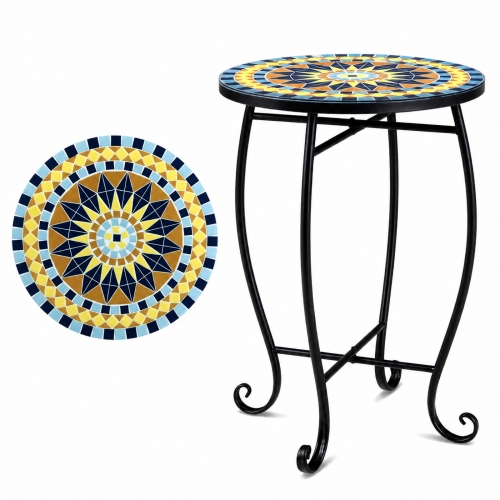
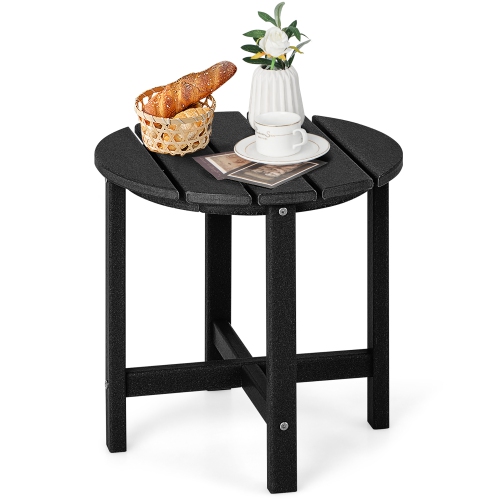


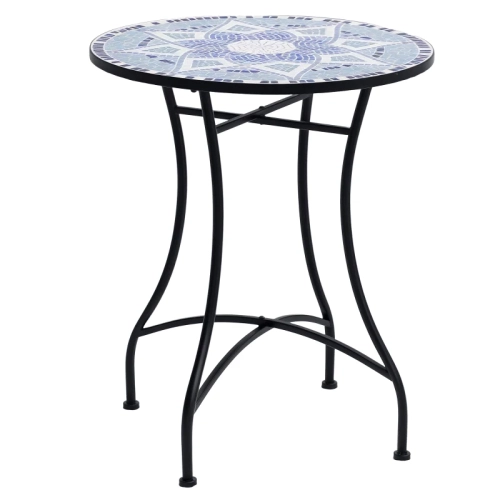
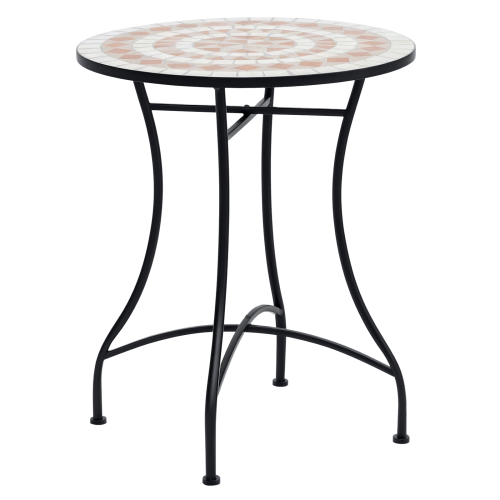
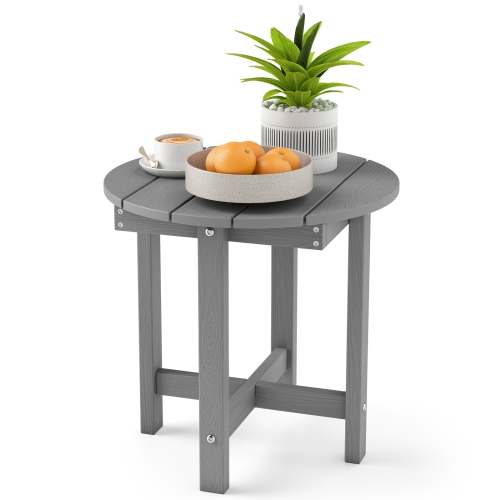
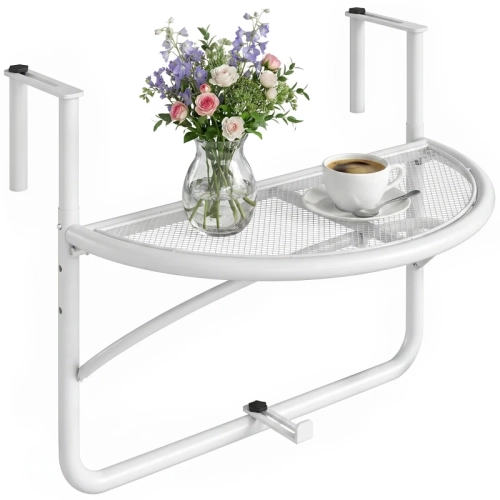
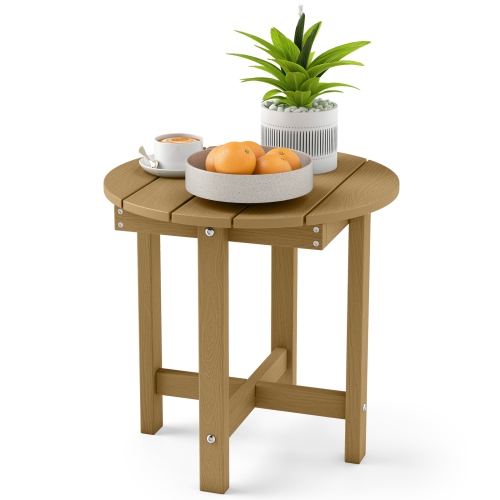
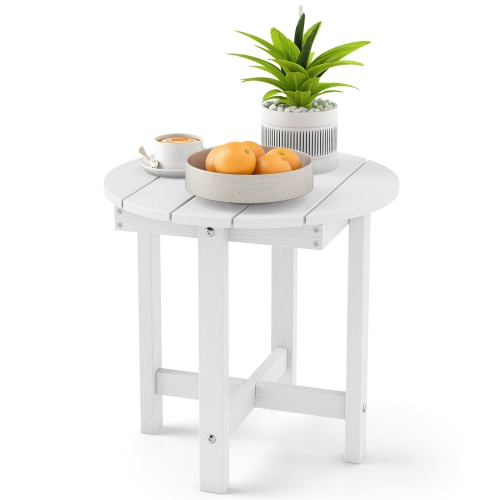
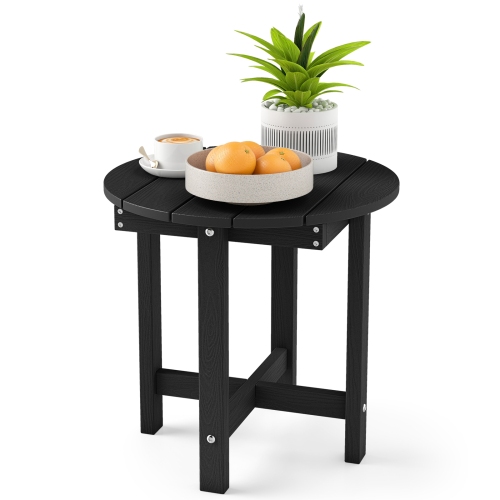
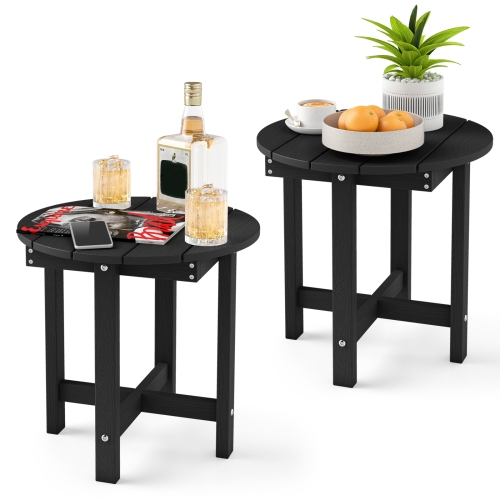
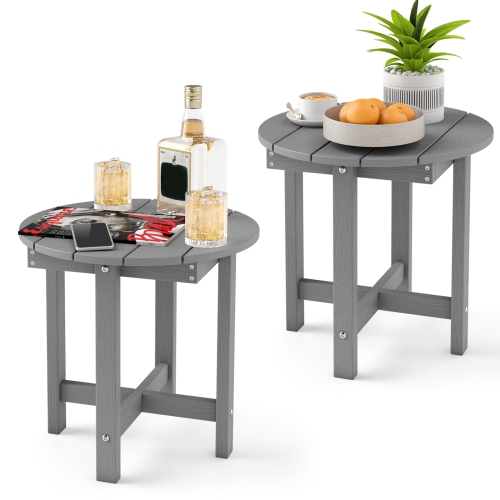
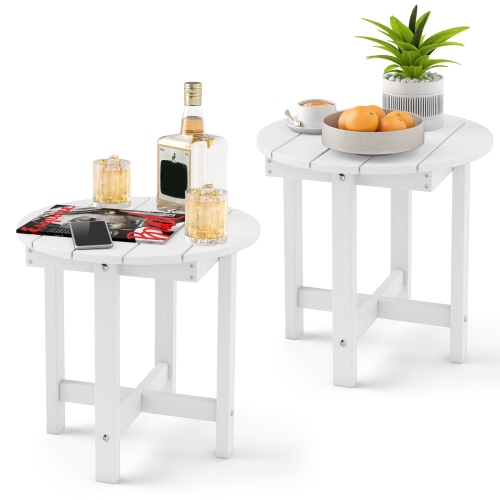
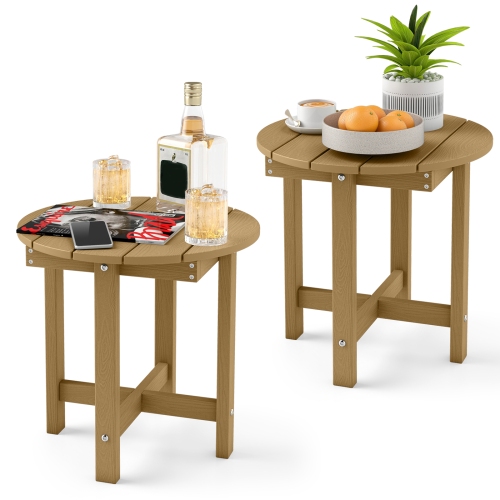


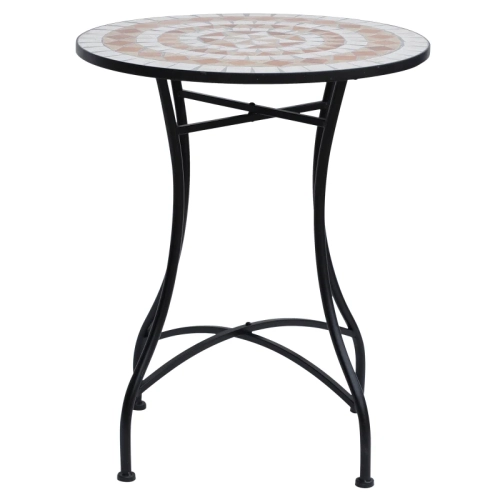
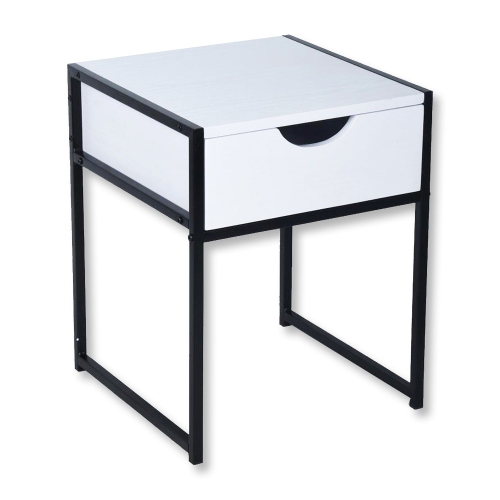
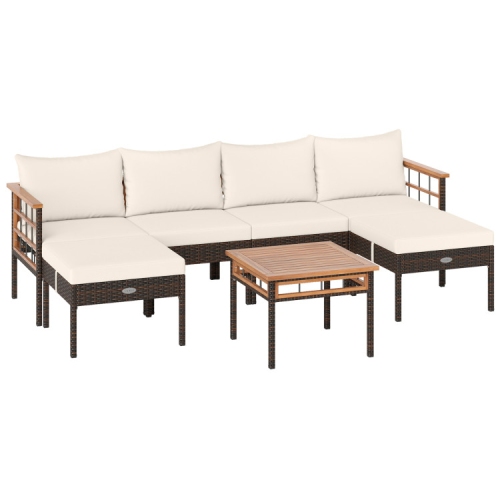
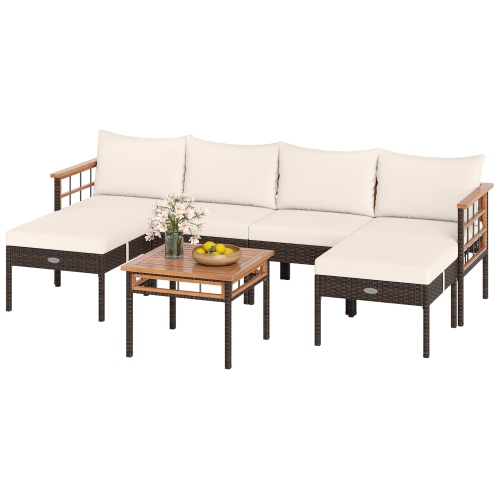
Everyday essentials within reach without crowding your patio
Small white outdoor side tables add a useful landing spot beside patio chairs, balcony seating, and garden benches without taking up the space of a full coffee table. Their main role is simple: keeping a drink, a book, a phone, or a small serving plate within comfortable reach. A white finish creates a crisp contrast against dark woven seating, natural wood, or colourful cushions, while a compact footprint leaves more room for moving between chairs. On a narrow balcony, a table tucked beside one armrest may be more practical than a larger surface positioned in front of the seat. Between two lounge chairs, a slightly wider top gives both people somewhere to set a glass without reaching across each other. Fit depends on more than the width of the tabletop. Splayed legs, a broad pedestal, or a projecting lower shelf can extend beyond the top, so the full dimensions matter when floor space is limited. Height also changes how comfortably a table works with its surroundings. A surface close to the height of the chair arm usually makes everyday reaching easier, while low lounge seating often pairs better with a lower table. Reclining chairs need extra clearance for moving backs and footrests. Round tops soften the outline of a seating arrangement and remove sharp corners from tight walkways; square tops can sit neatly alongside straight furniture edges. For more compact shapes with curved edges, Small White Round Side Tables offer another way to explore the look, with outdoor suitability depending on each table’s stated materials and finish. A tabletop should also have enough usable space for the way it will be used: a wide plant pot can occupy most of a small surface, while a raised rim may help contain small belongings but reduce the flat area beneath a tray.
Materials and construction influence how a small white outdoor side table feels, how easily it moves, and how much care it needs. Powder-coated aluminium is generally lightweight and resistant to rust, making it practical for a table that moves between a seating corner and a covered dining area. Its lightness can be less helpful in an exposed position, where a broader base or a heavier construction may offer greater stability. Steel provides a different balance of weight and strength, but its protective coating needs attention because chips and scratches can expose metal to moisture and rust. Resin and other outdoor-rated plastics are often easy to wipe clean, although resistance to fading, cracking, and surface wear varies with the material and its treatment. A moulded design with fewer joints may simplify cleaning, while a hollow or very light construction needs careful placement where gusts can reach it. Painted wood brings visible grain or a familiar furniture profile to an outdoor setting, but the finish, joints, and exposed end grain need protection from persistent dampness. A white coating does not make untreated wood suitable for outdoor use. Ceramic, stone, and cement-based surfaces can add weight and texture, though suitability for freezing conditions varies, and porous materials may require sealing or sheltered storage. White finishes also differ in character: a smooth gloss surface reflects light and shows fingerprints differently from a matte or textured finish, which may hold dirt in small recesses. Drainage matters on any outdoor table. Recessed tops and decorative grooves can collect water, while slatted surfaces let it pass through but may be less convenient beneath a small glass or narrow plant pot. Stable feet, secure fastenings, and a level base are just as important as the tabletop material. On decking or paving with slight irregularities, adjustable feet can help limit rocking; on a balcony, the base should rest fully on the floor without crowding the doorway or blocking access.
Day-to-day use is where the details of a small side table become noticeable. A lower shelf gives a little extra room for a book or folded throw, but anything stored there still needs protection from splashes and dampness. A removable tray can make carrying refreshments easier when it is designed for that purpose, while an integrated handle helps with repositioning a lightweight table. Neither feature changes the table’s load limit, and a side table should not be treated as a seat, step, or footstool unless it is expressly designed for that use. Households with children or pets may appreciate rounded edges and a steady base, especially beside busy seating areas. Plant lovers benefit from a surface large enough to support the whole pot, with a saucer or suitable barrier to keep trapped moisture and soil from marking the finish. For drinks and snacks, coasters and heat-resistant mats help protect the top from condensation rings and hot dishes. White surfaces make spilled coffee, pollen, and potting soil easy to spot, so prompt wiping can prevent residue from settling into seams or texture. Routine cleaning usually starts with a soft cloth, mild soap, and water, followed by drying; abrasive pads and harsh cleaners may scratch or dull the coating. Material-specific care directions remain important, particularly for painted wood, porous tops, and coated metal. Before storage, cleaning and drying the table thoroughly helps avoid leaving moisture beneath a cover or inside joints. A suitable cover should fit securely without trapping pooled water, and sheltered storage is useful when the table’s stated care requirements call for it. Compact proportions can also make a side table a thoughtful housewarming gift for someone furnishing a first balcony or a modest patio, provided its measurements suit the space. The most useful choice balances a comfortable reaching height, enough surface for daily habits, dependable footing, and a finish suited to outdoor placement.
Top selling and popular products
-
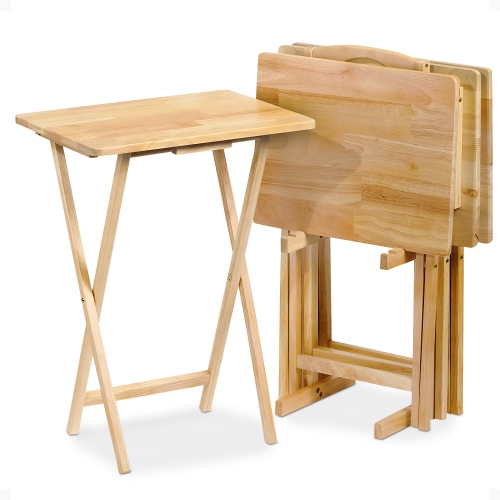 Your price for this item is $172.99
-
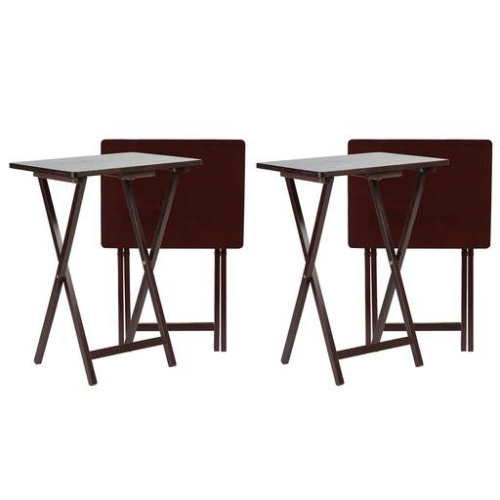 Your price for this item is $216.99
-
 Your price for this item is $121.99
-
 Your price for this item is $149
-
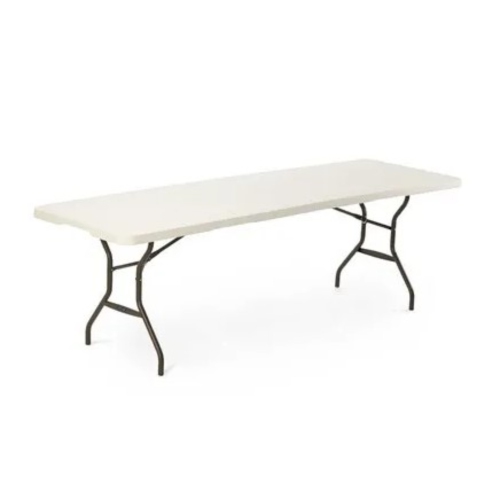 Your price for this item is $259.99
-
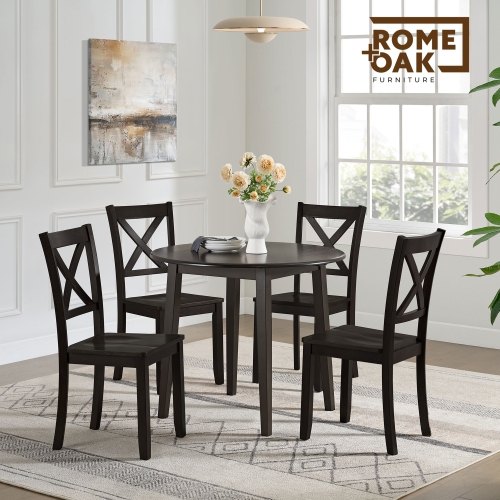 Your price for this item is $386.99
-
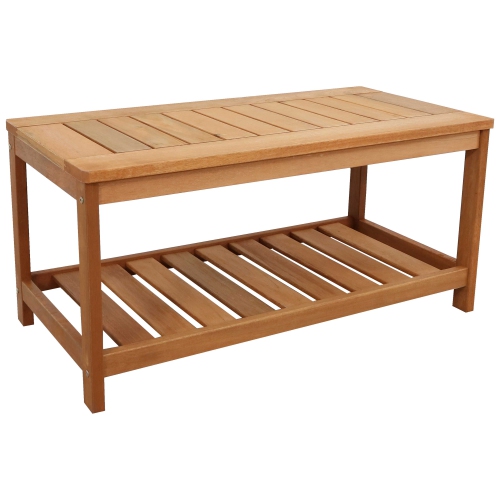 Your price for this item is $234.75
-
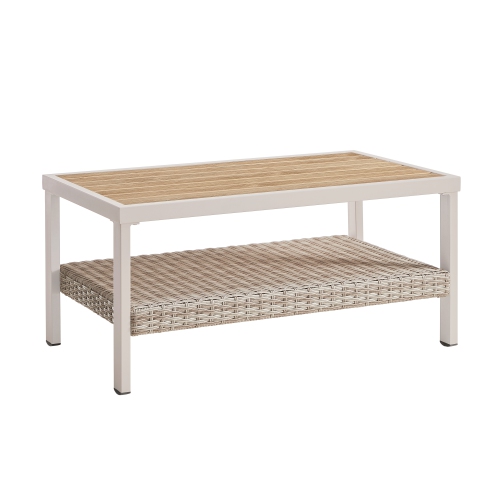 Your price for this item is $499.95
Discover more categories related to Small White Outdoor Side Tables
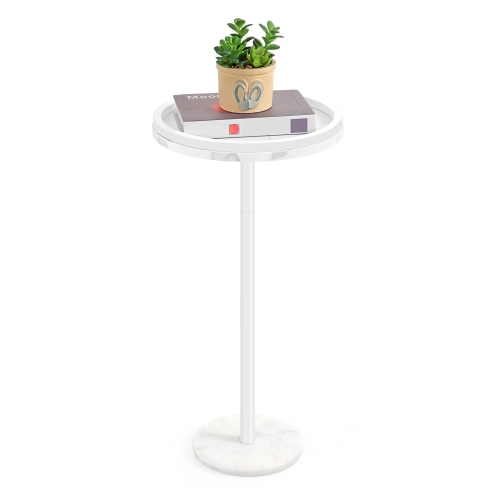
Top Collections:
Best Black Friday Deals This Year, Best Black Friday Deals On Electronics, Kindle Devices, Dyson Airwrap, Best Cameras for Sports Photography, Best Budget Office Chairs, Canon G7X Cameras, PS5 Pro Consoles, Best Black Friday Deals On Apple Products, XBOX One S Consoles
Some products may be subject to Environmental Handling Fees
(EHF) depending on your province.
Learn more about EHFs.