Small Wooden Desks With Drawers
A small wooden desk with drawers is a great option for almost any home office or child's room. It's compact and functional, and it will look great in almost any space. Here are some great options for small wooden desks with drawers.
Sort




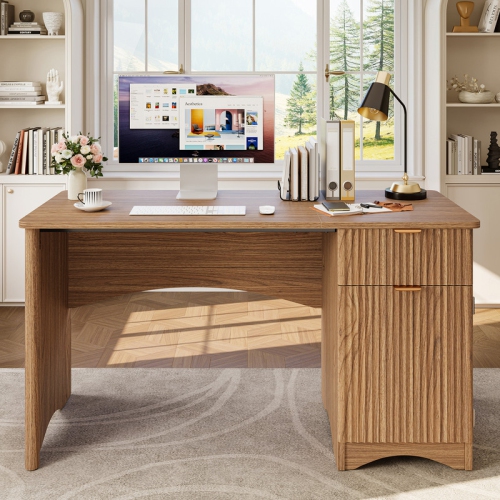


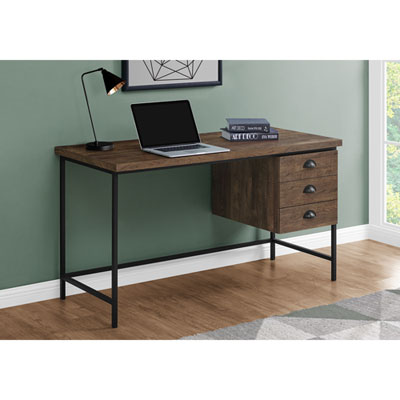


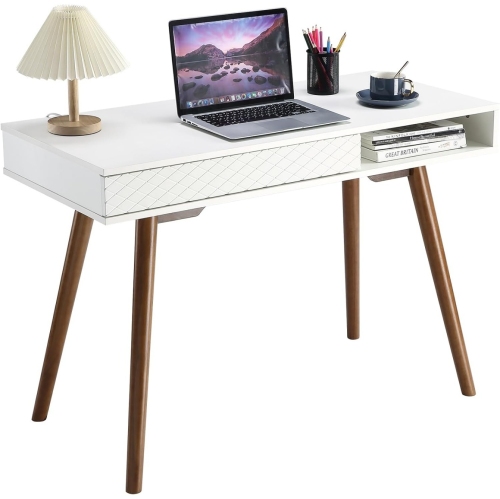
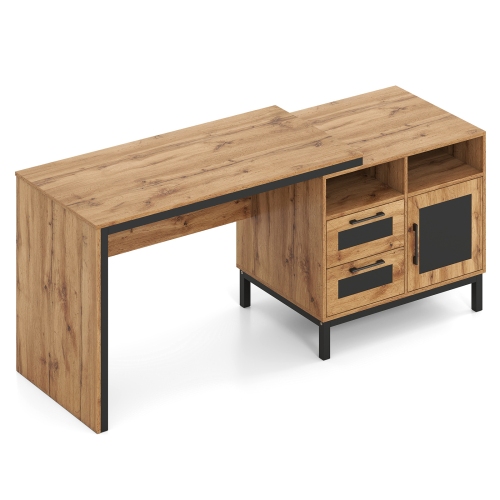
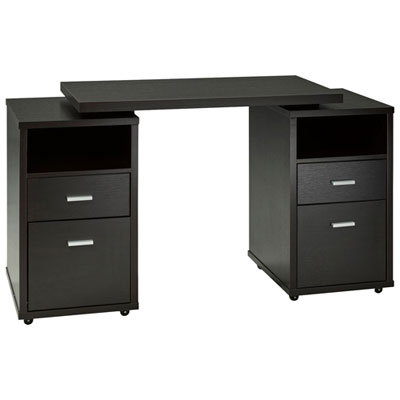
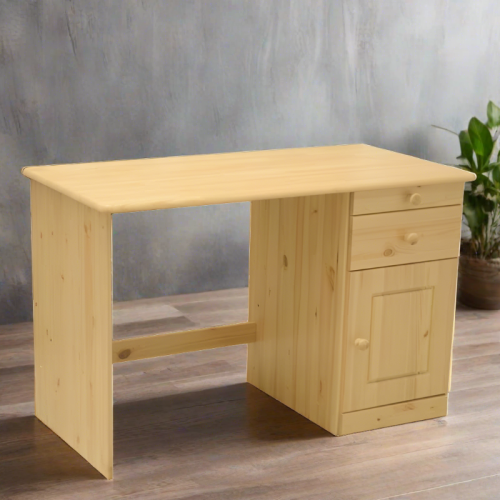

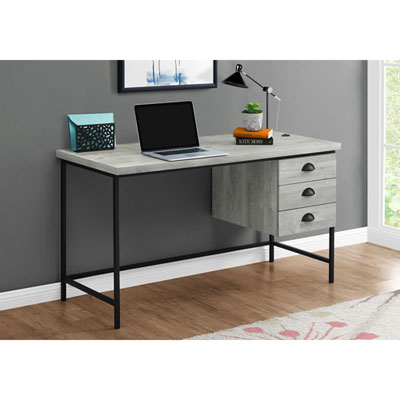
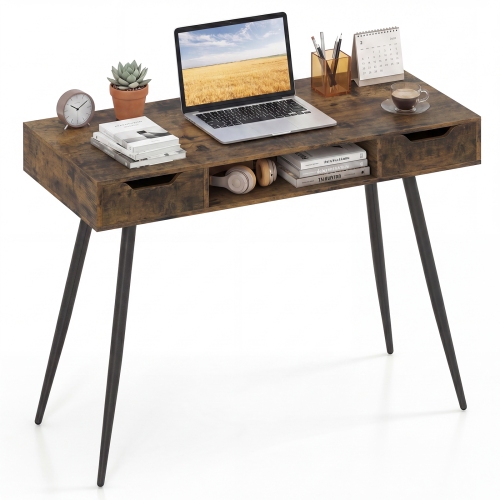







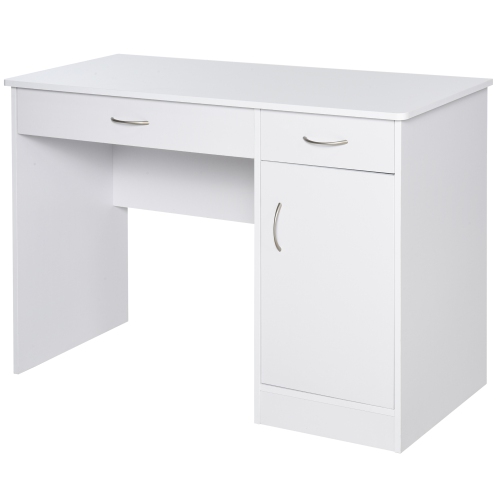


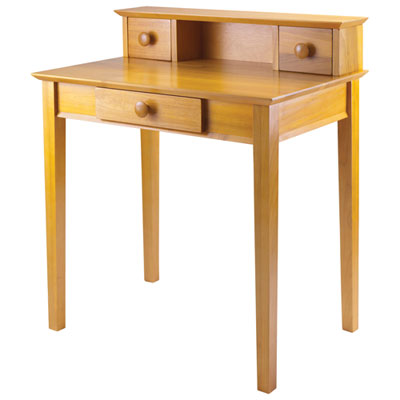
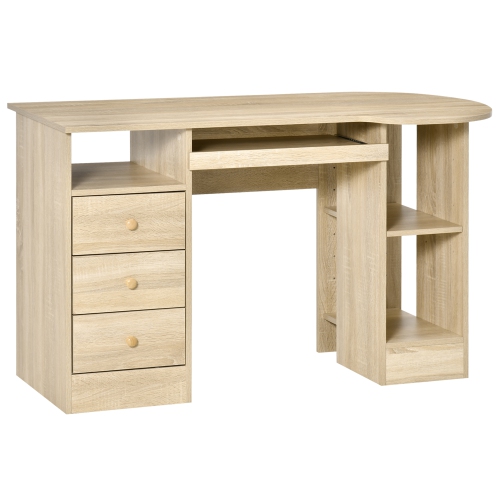
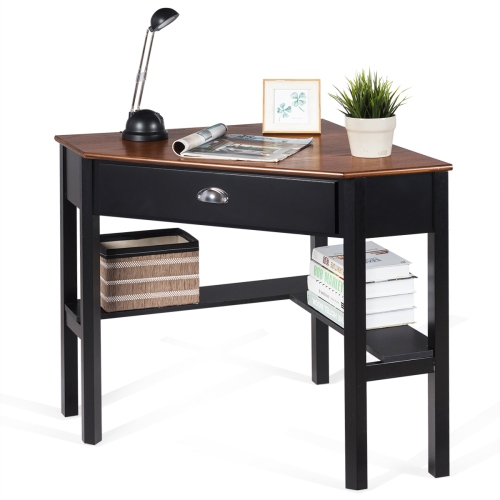

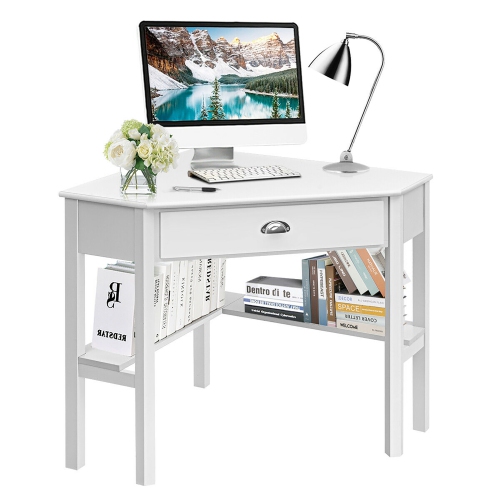

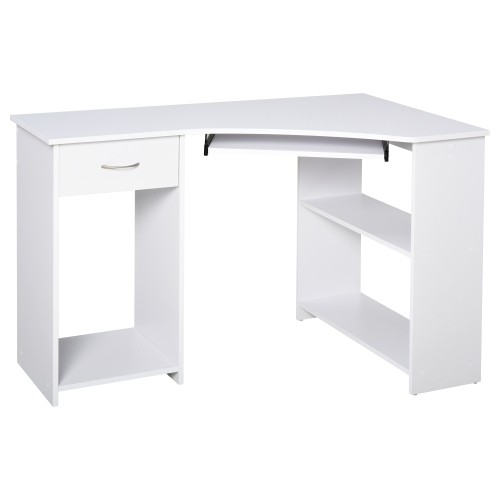
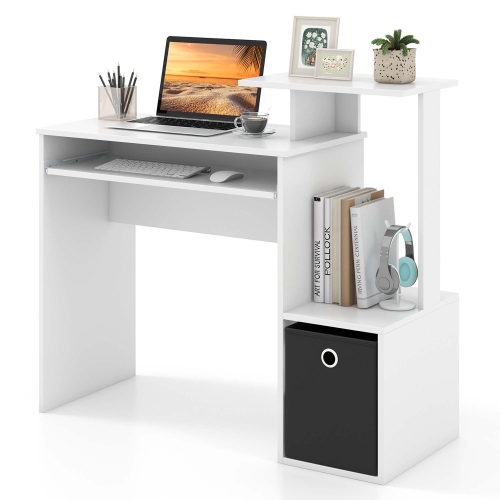


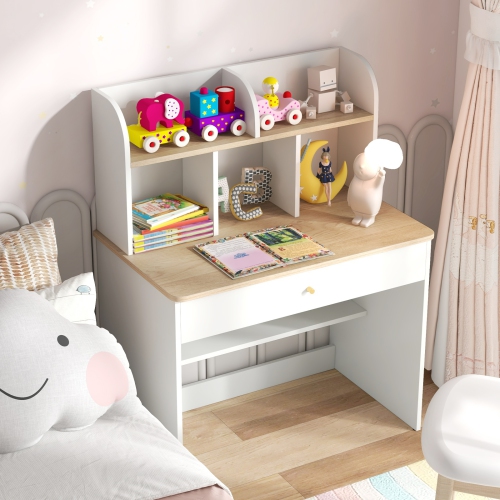

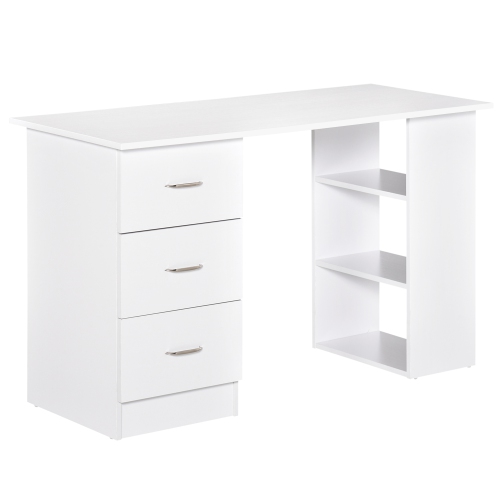
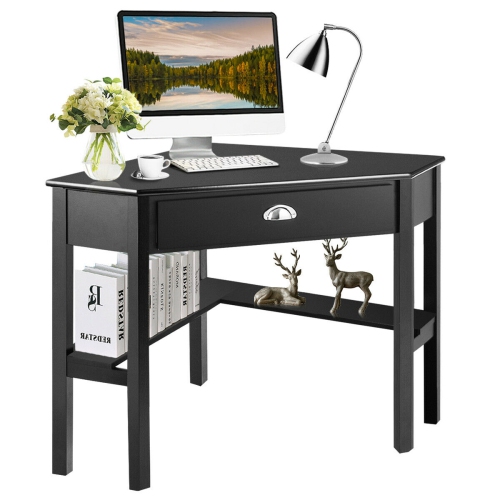


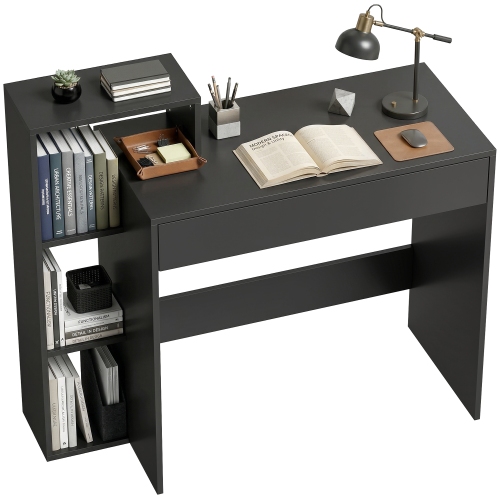

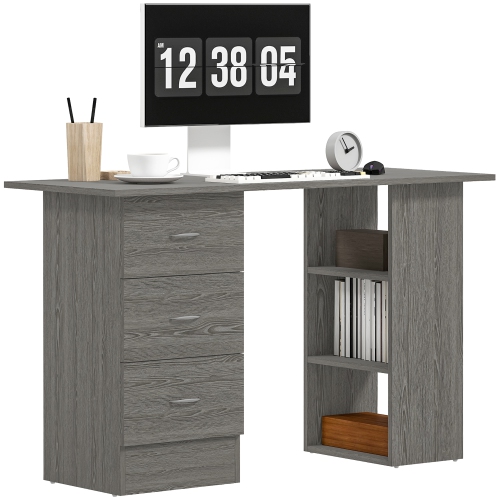


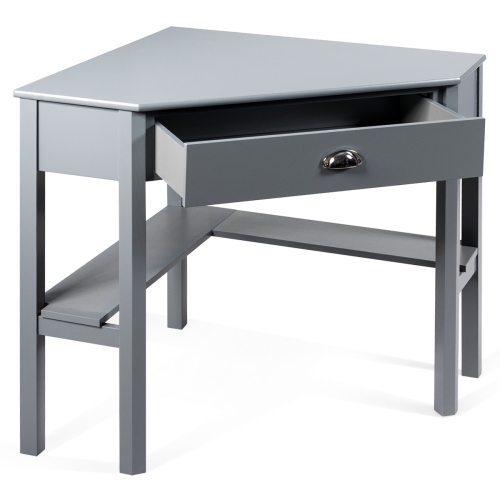


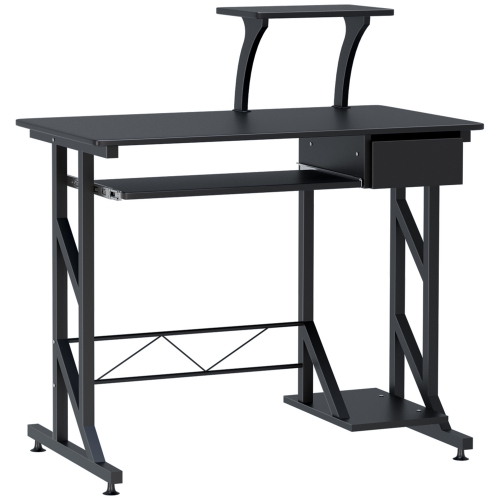


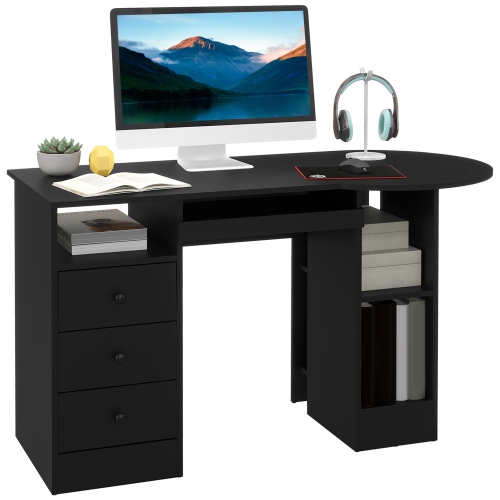


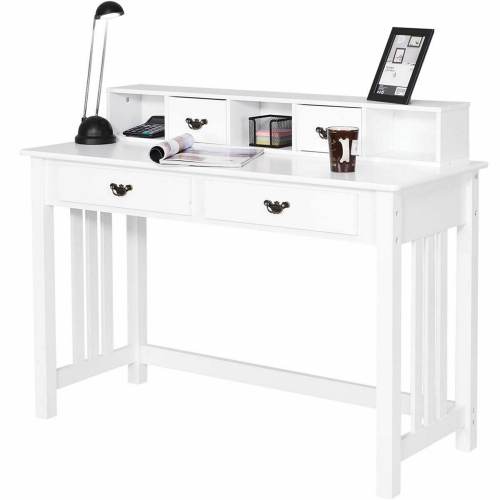
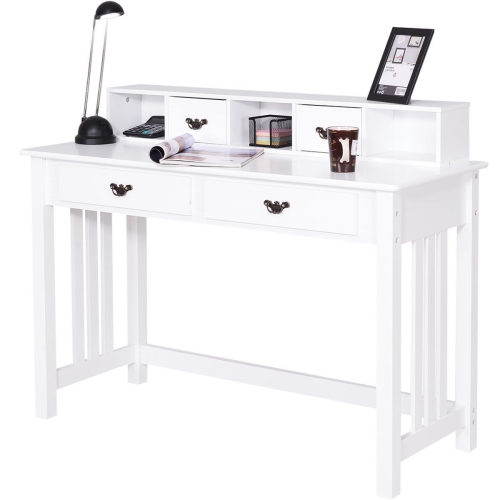
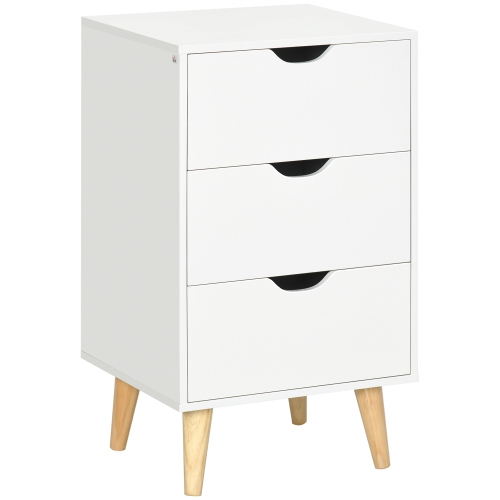
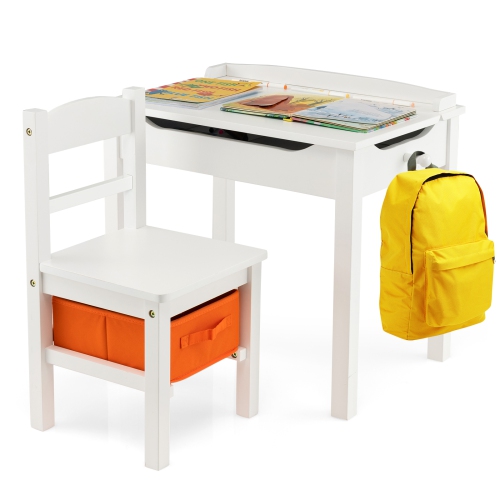
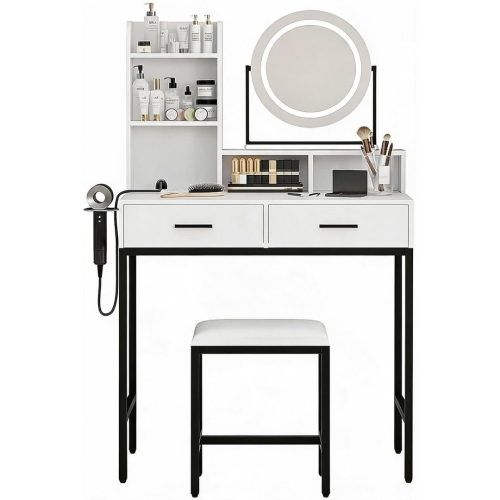
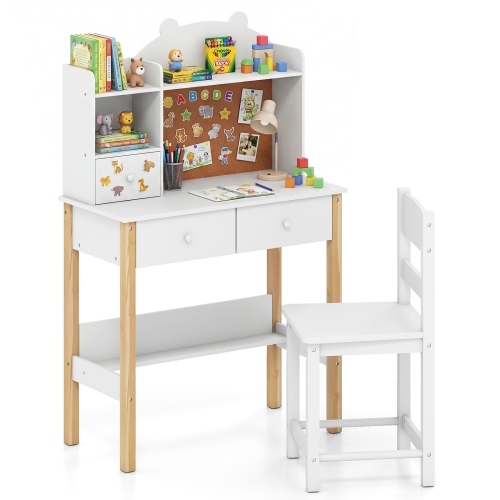
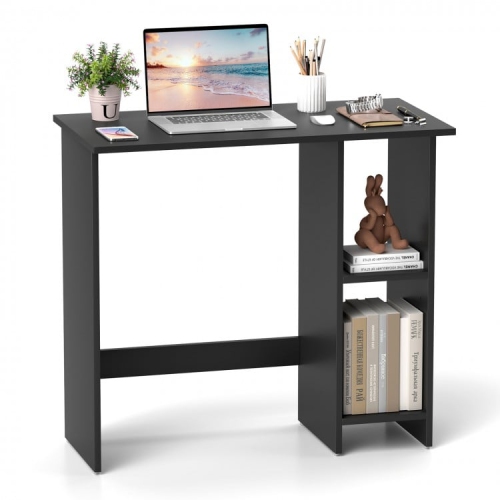


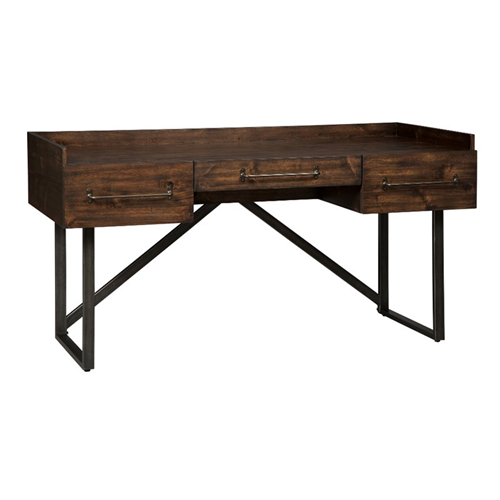

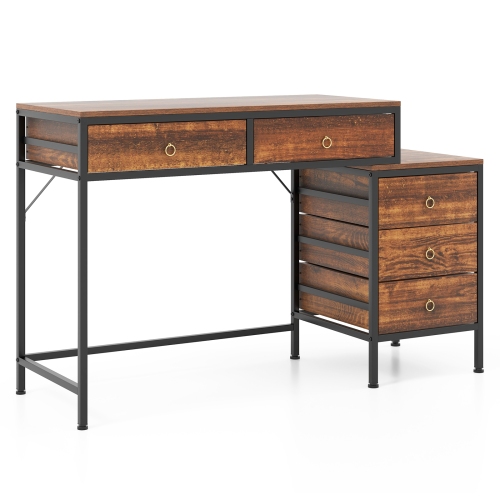










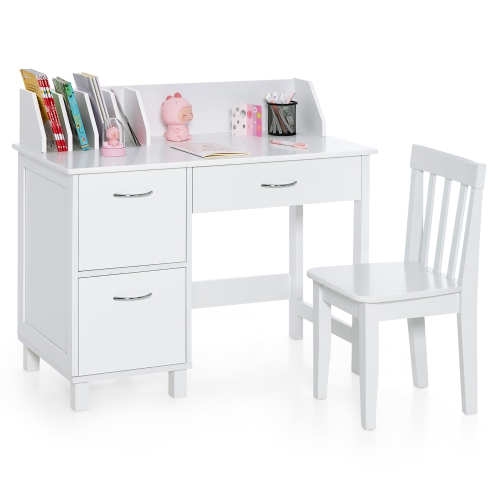

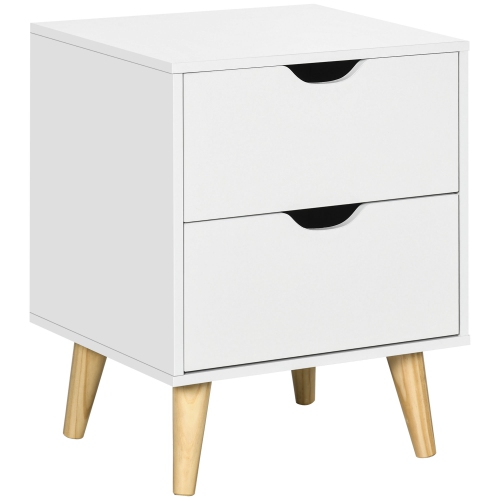
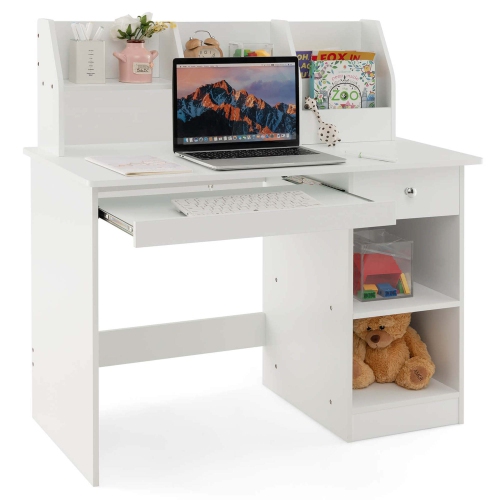
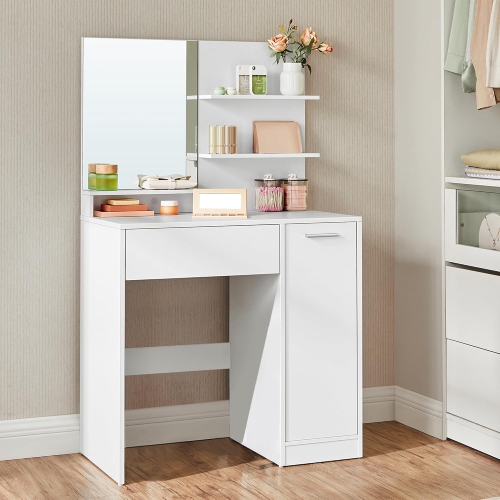
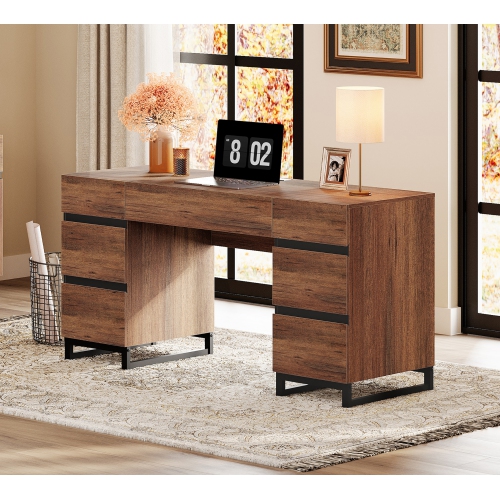


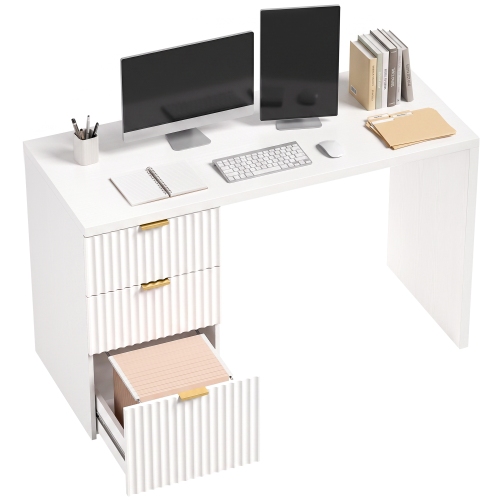
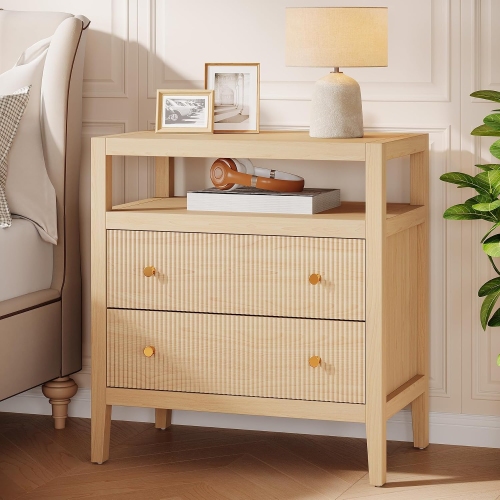


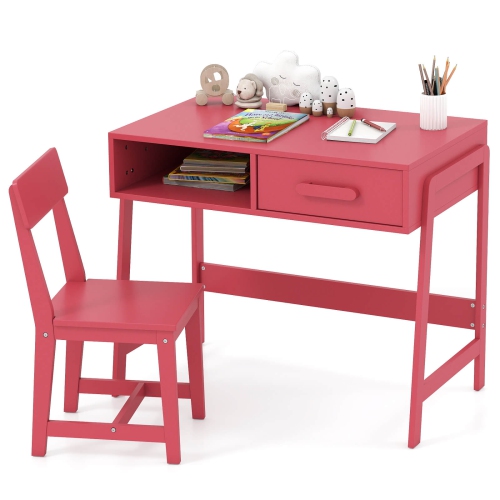





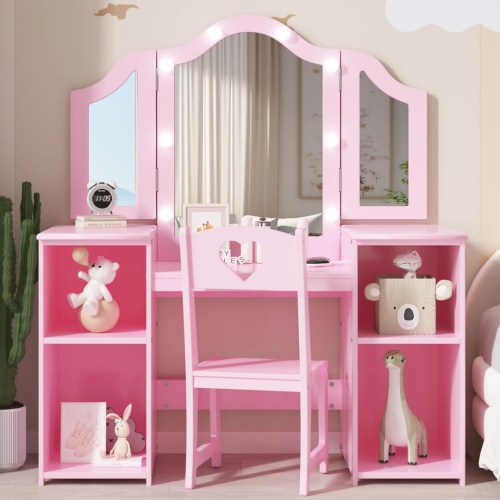
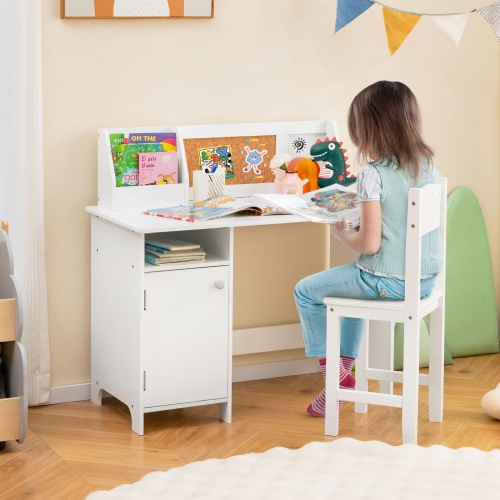


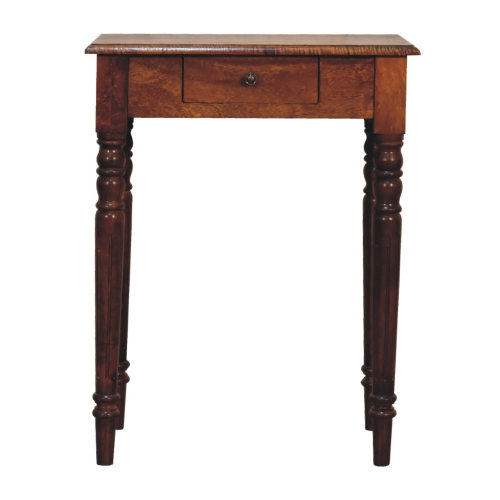
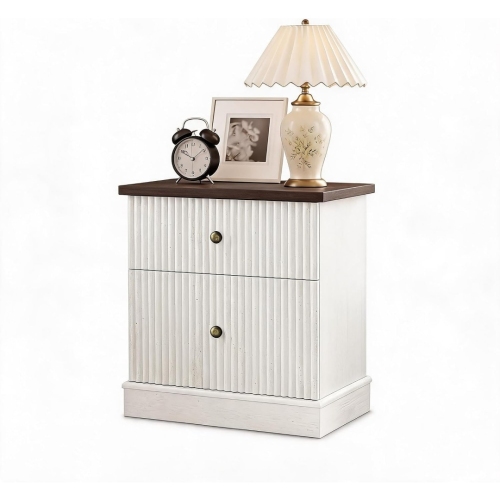


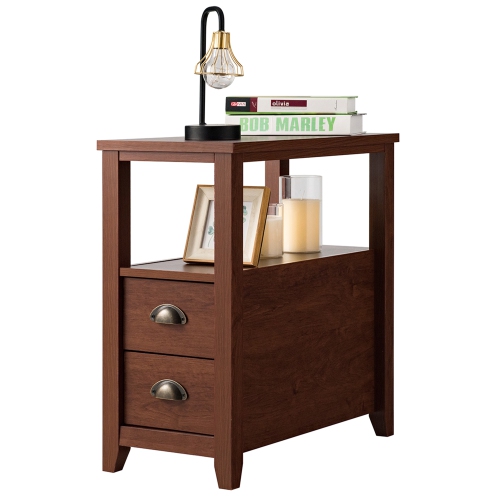
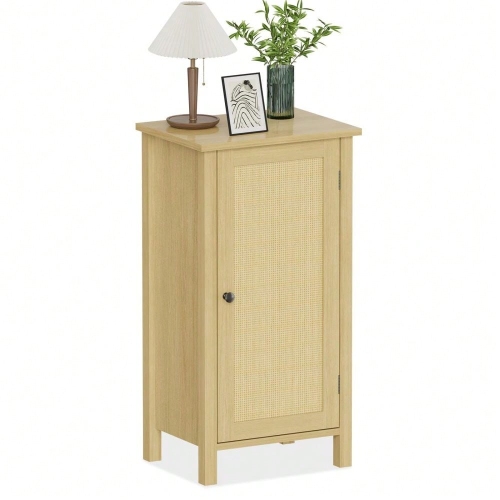



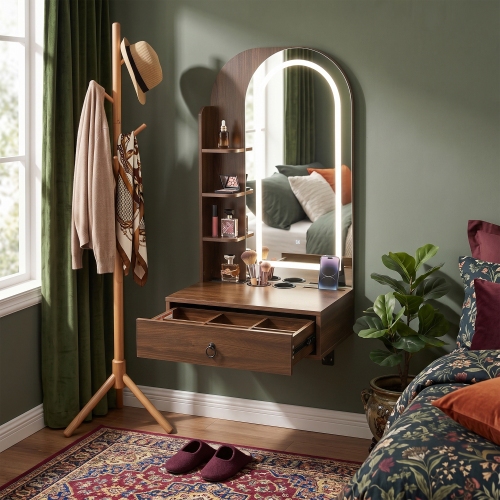



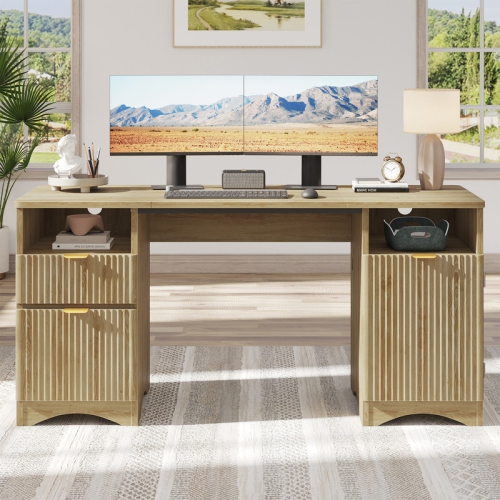


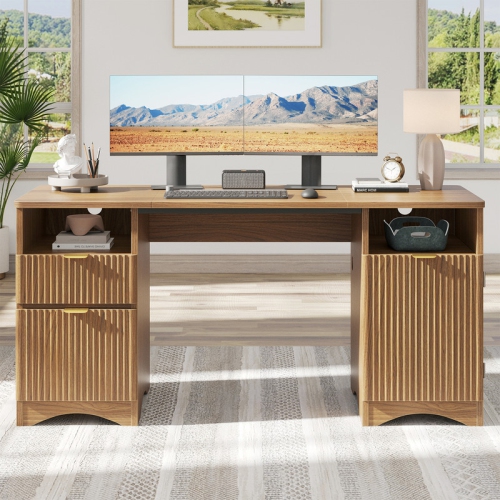

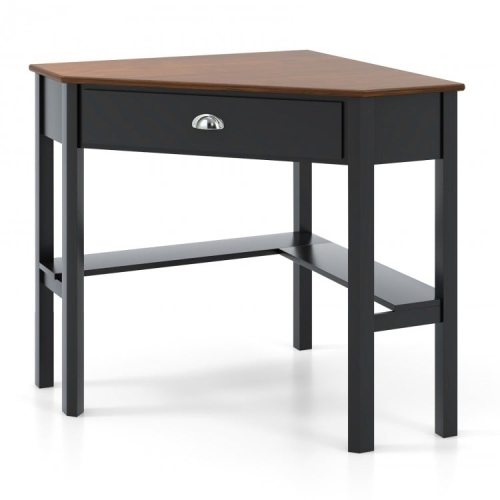


A comfortable workspace takes more than a compact desktop
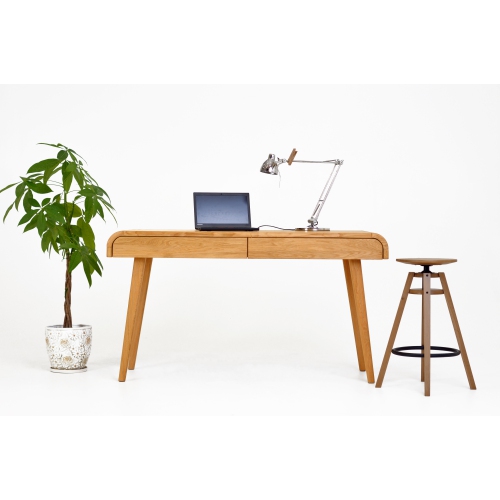
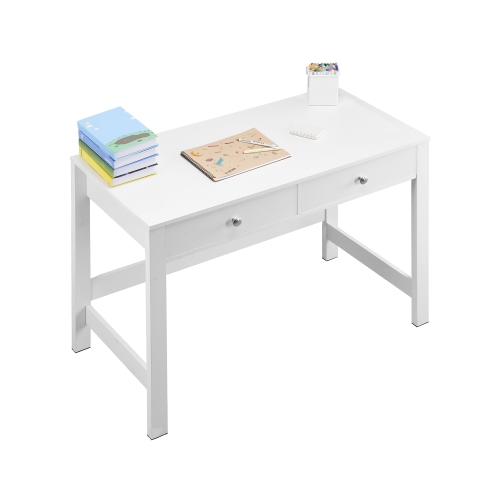
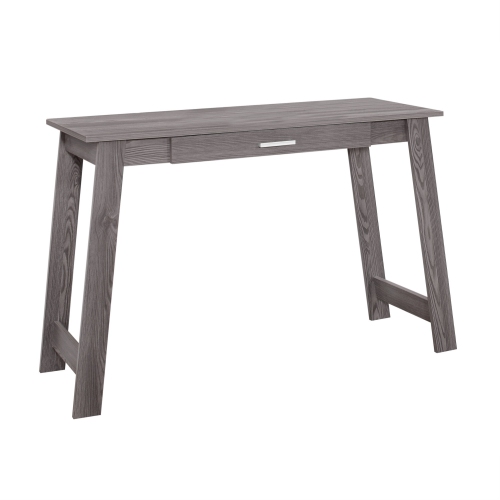
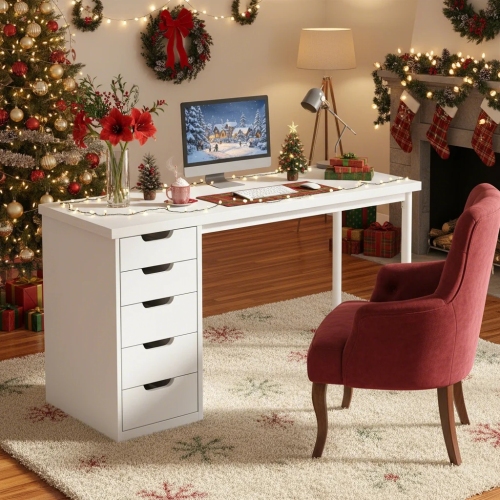
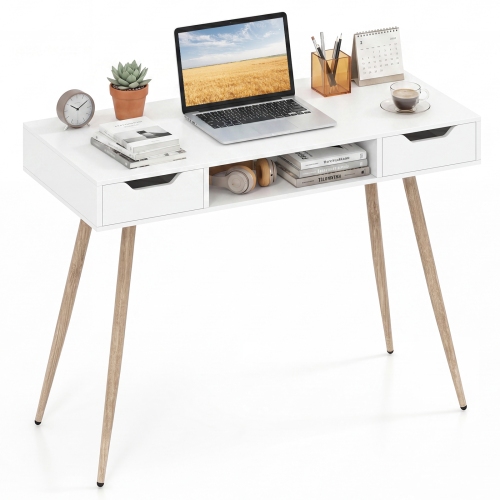
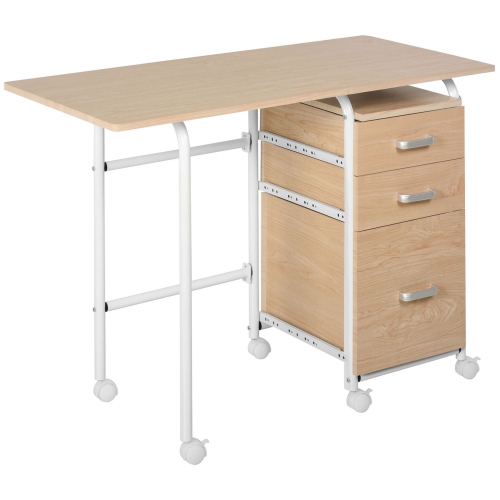
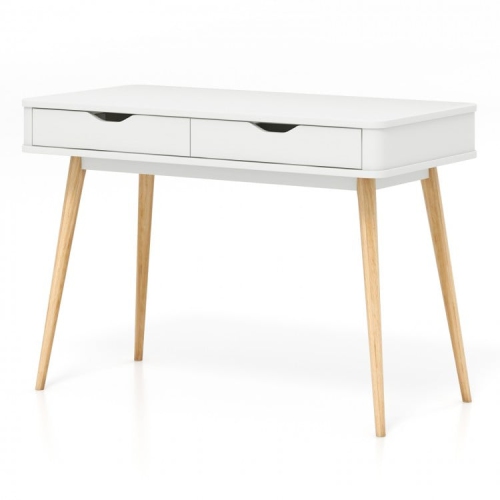
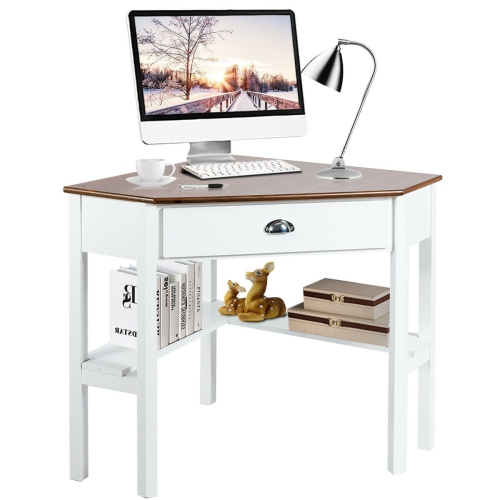
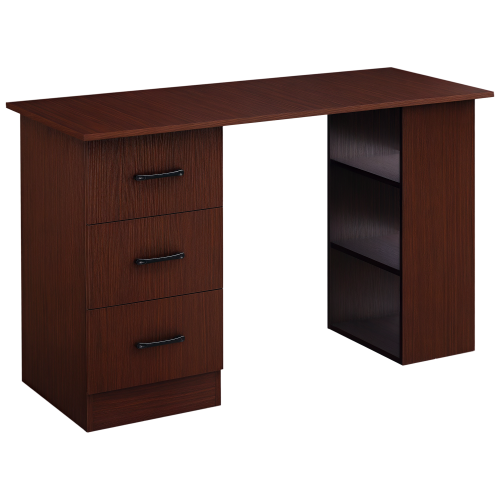
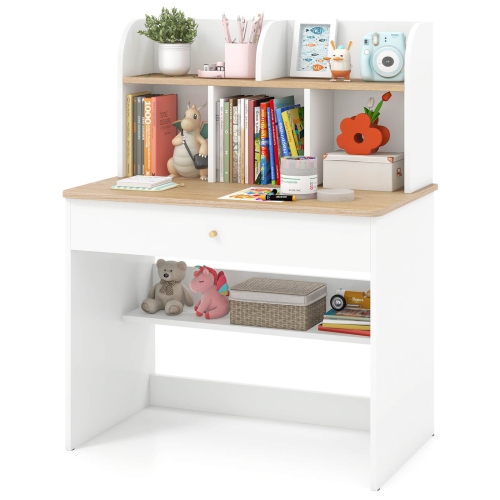
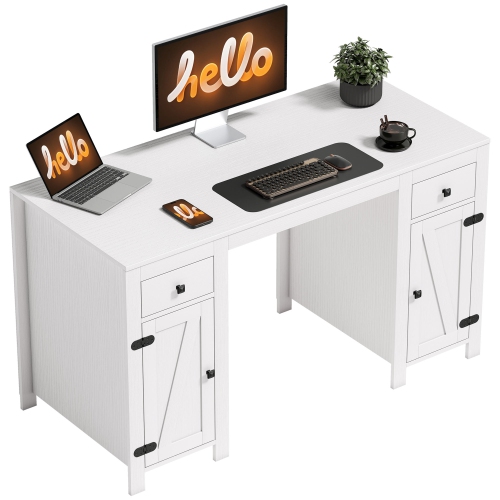
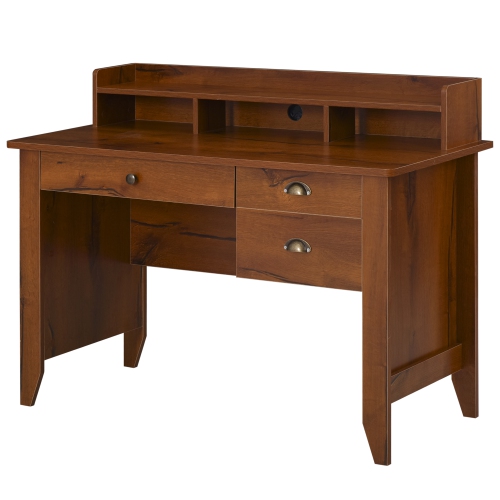
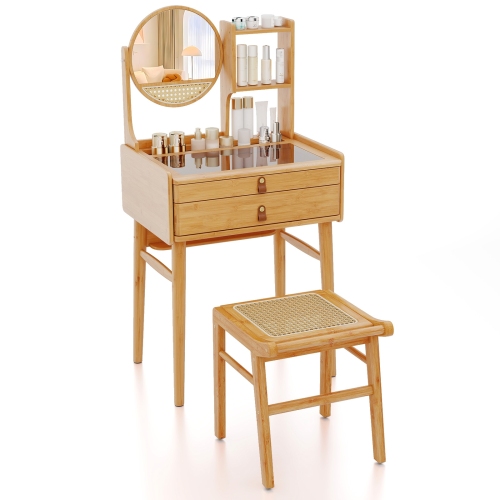
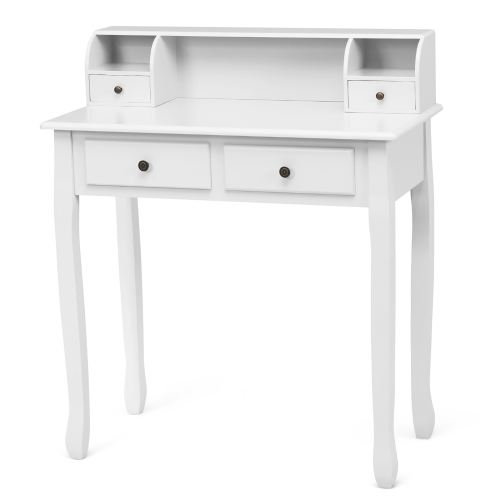
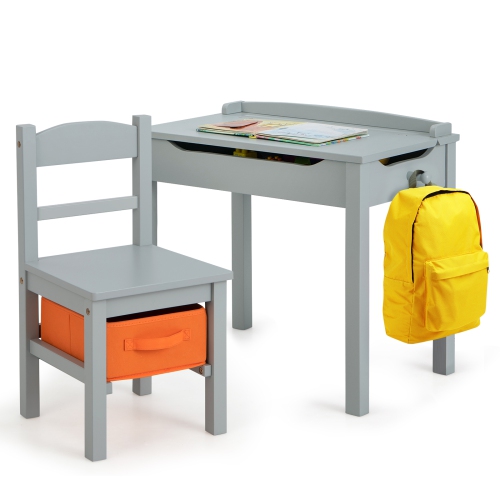
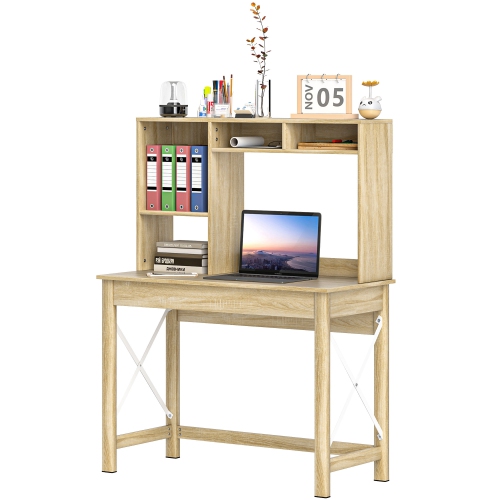
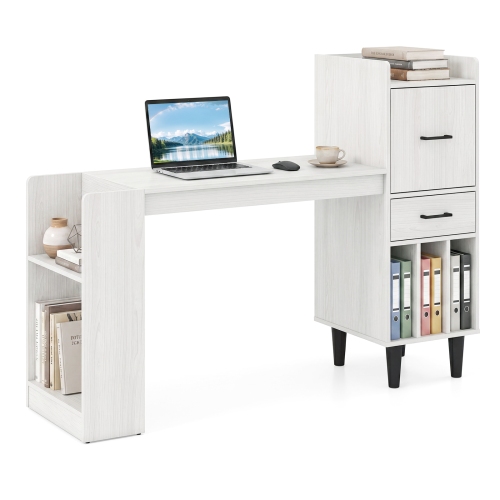
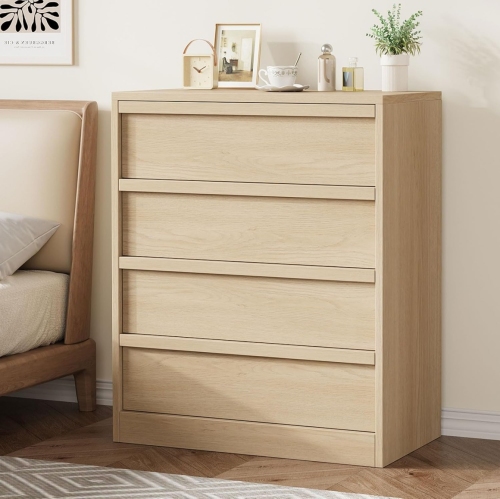
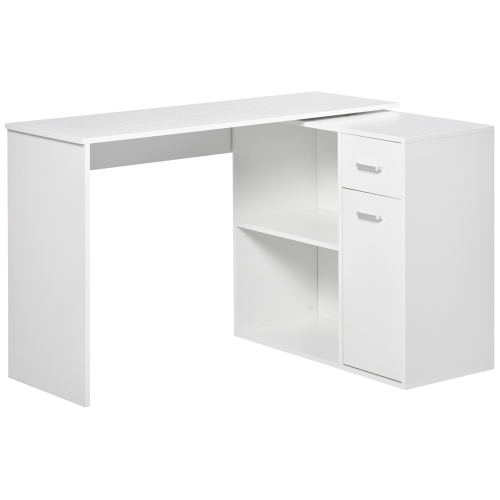
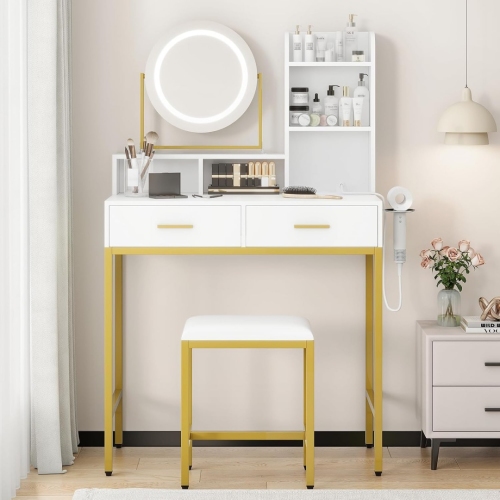
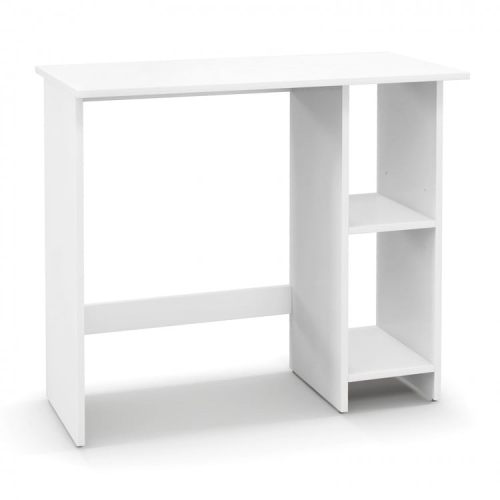
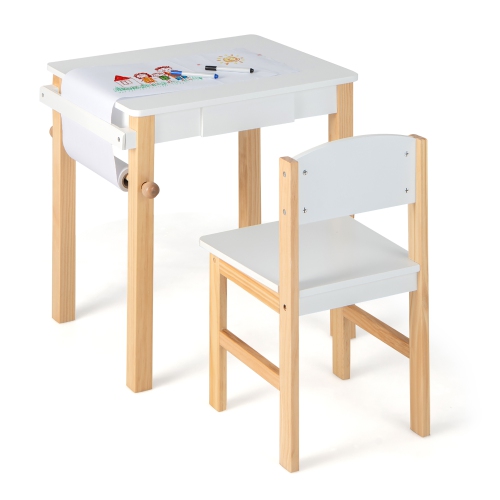
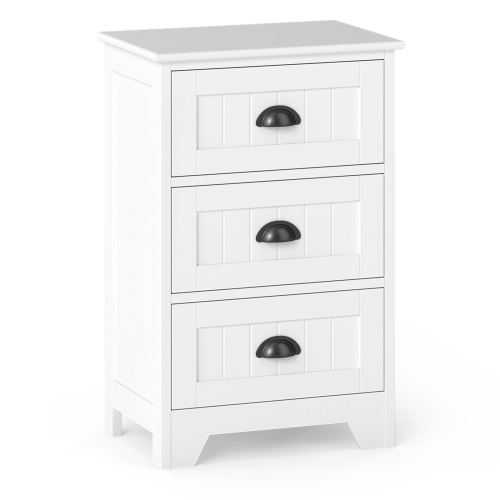
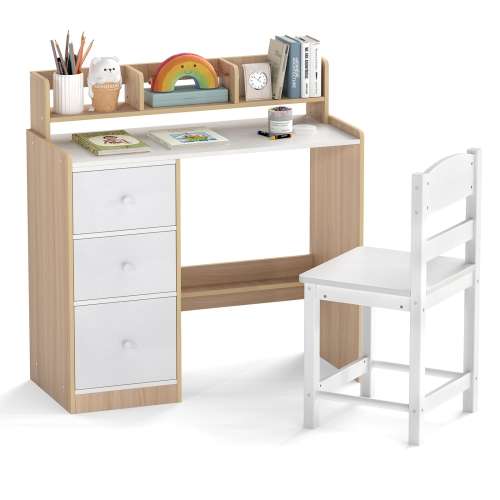
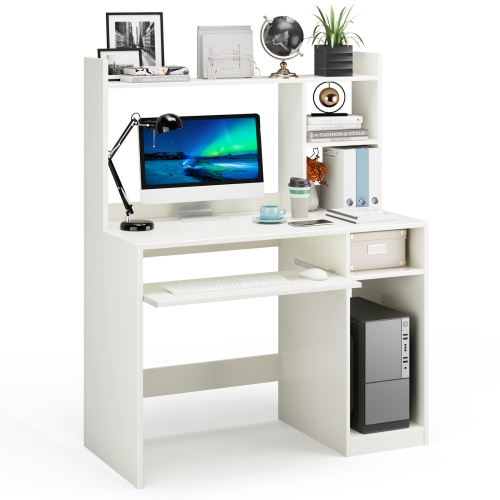
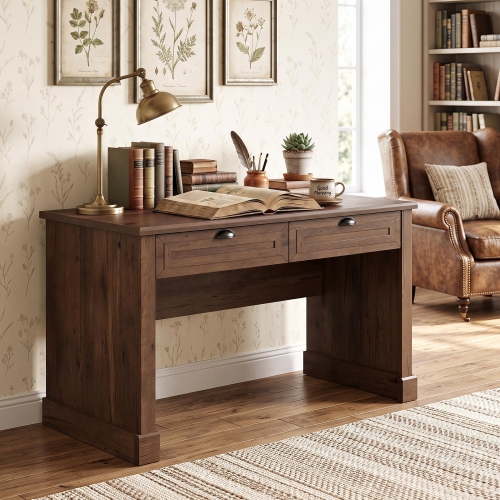
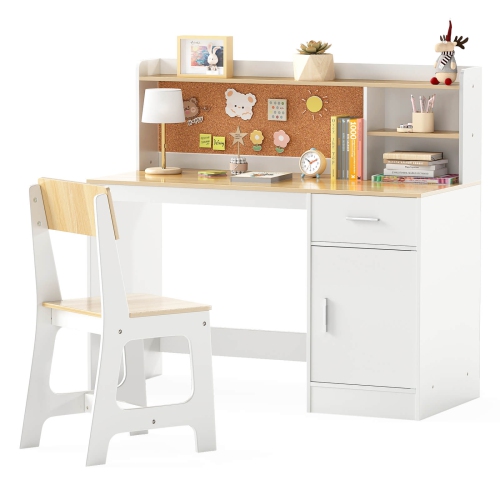
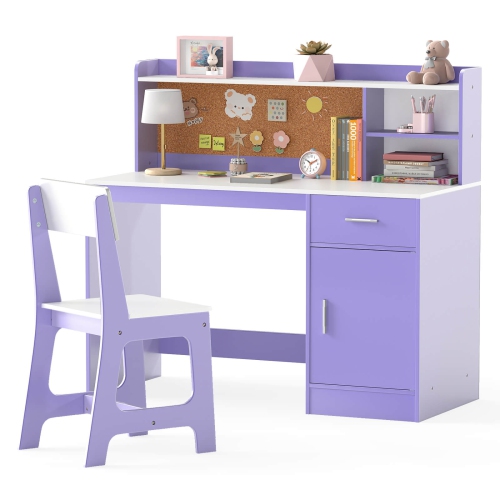
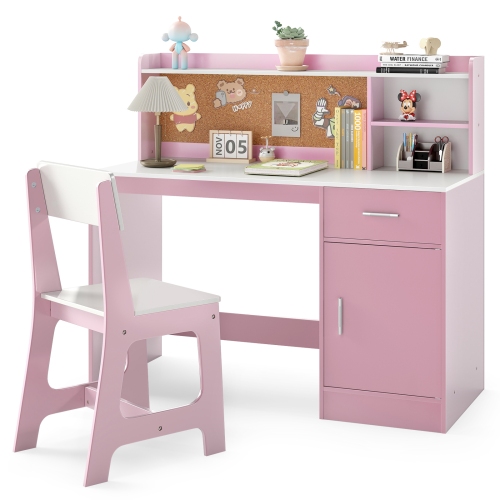
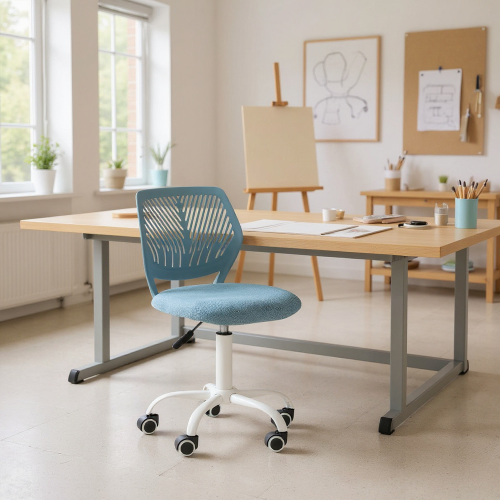
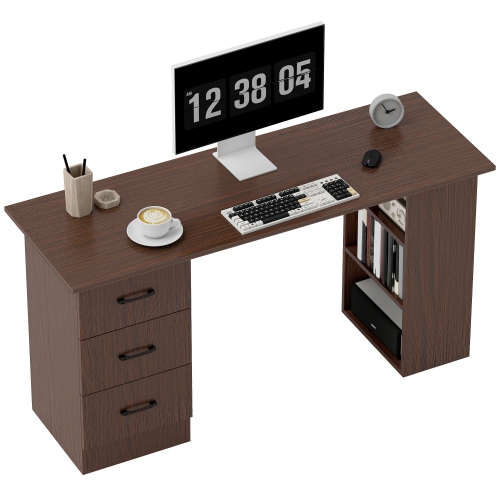
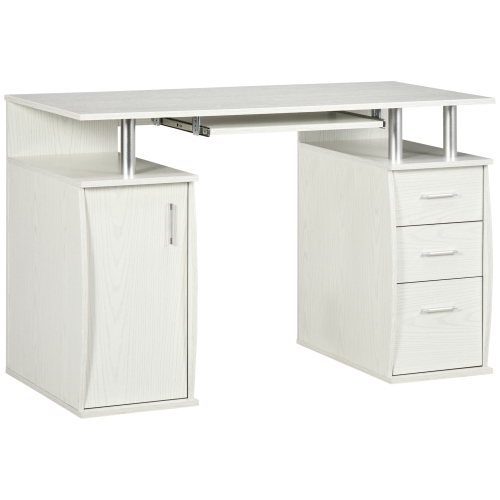
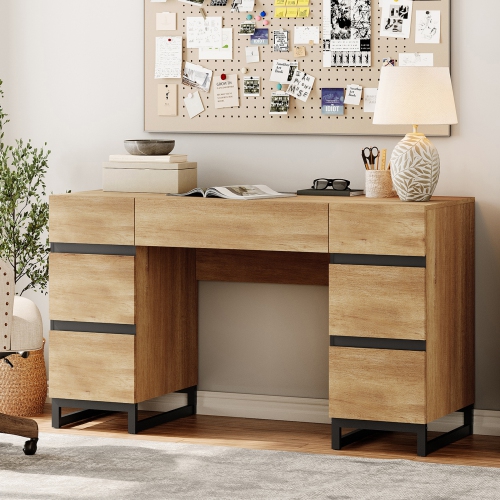
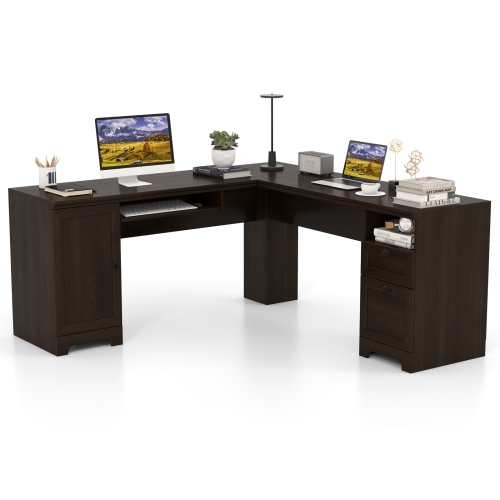
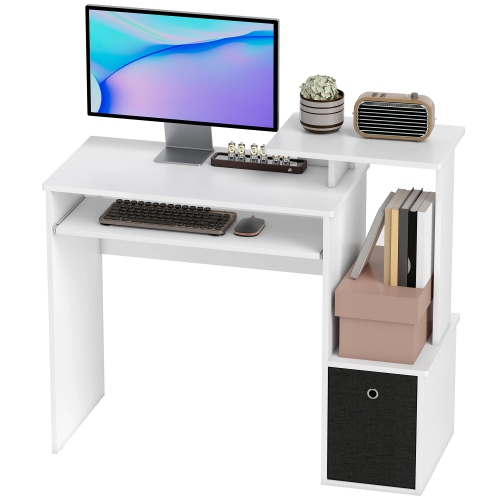
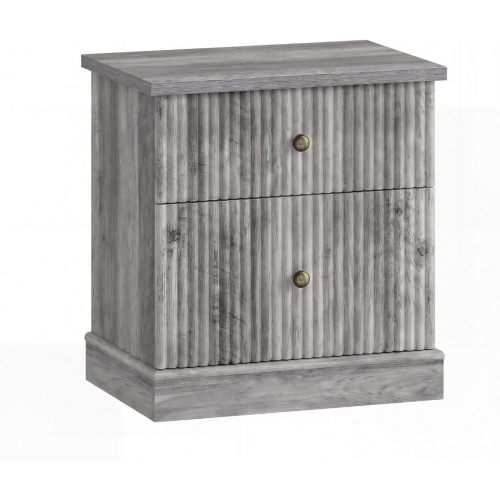
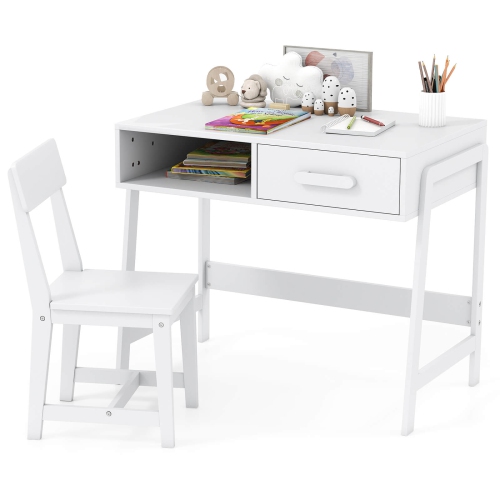
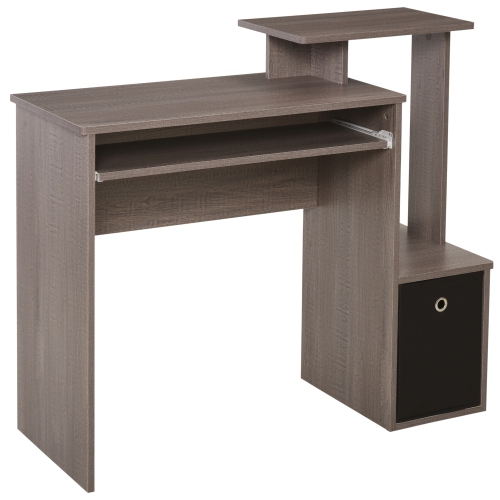
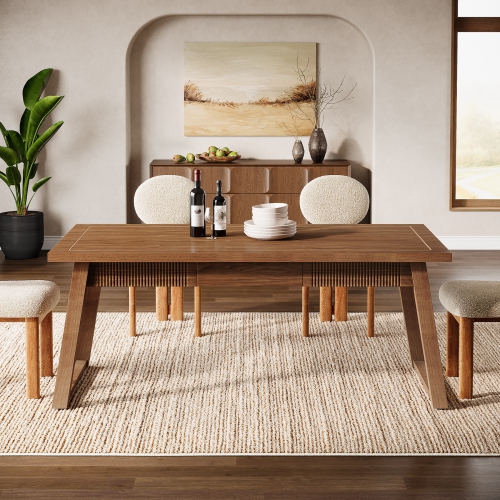
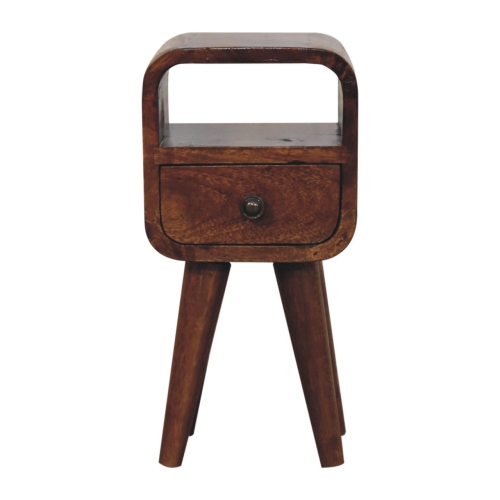
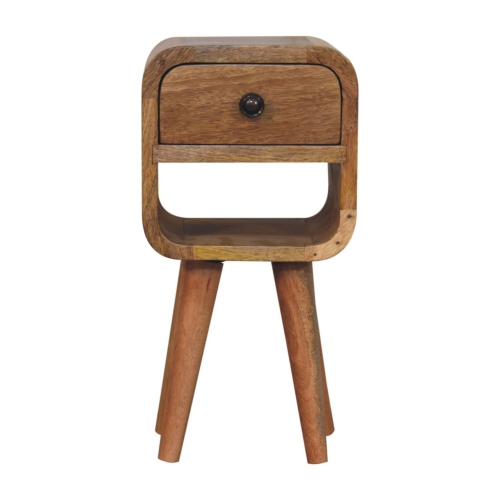
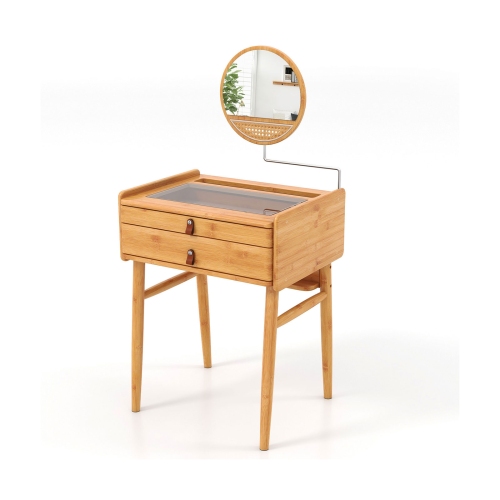
Small wooden desks with drawers bring a work surface and enclosed storage together in a compact piece of furniture, making them useful for home offices, bedrooms, student rooms, and shared living spaces. A shallow drawer can keep pens, charging cables, and a notebook close at hand, while a deeper drawer can hold paperwork or supplies that would otherwise spread across the desktop. The right balance depends on how the desk will be used. A laptop and a writing pad need less surface area than a separate monitor, keyboard, and mouse, and a desk used for sketching needs enough clear space to move a sheet of paper comfortably. For occasional household tasks, such as sorting mail or completing forms, a slim writing desk may be sufficient. Someone working or studying for longer periods will also need to consider screen placement, chair support, and room to change position. Measure the intended location by width and depth, then allow additional space for the chair to pull out and the drawers to open fully. A desk that fits neatly against a wall can still feel cramped if an open drawer blocks a doorway or the chair backs into a bed. Desktop measurements alone do not tell the whole story: drawer pedestals, centre drawers, and supporting rails can reduce usable knee space. Check the clearance beneath the desk against the chair’s seat height and armrests, especially when a padded office chair needs to tuck underneath. In a shared room, a compact desk can define a dedicated place for focused tasks without dominating the furniture arrangement. Positioning it near a convenient power source helps keep cords out of walking routes, while a clear area beside the desk leaves room for a small waste bin or a bag. These practical details make a modest workspace easier to use every day, whether it serves as a full-time workstation or a quiet spot for catching up on correspondence.
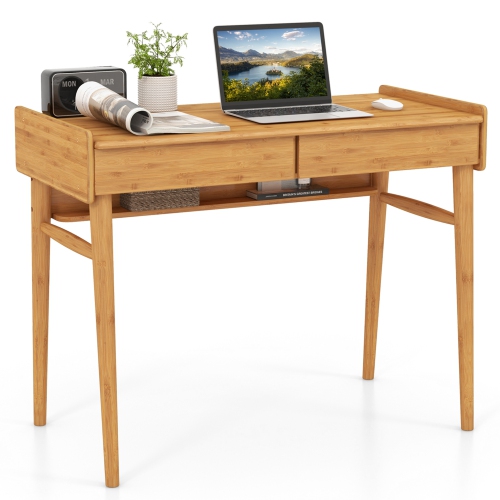
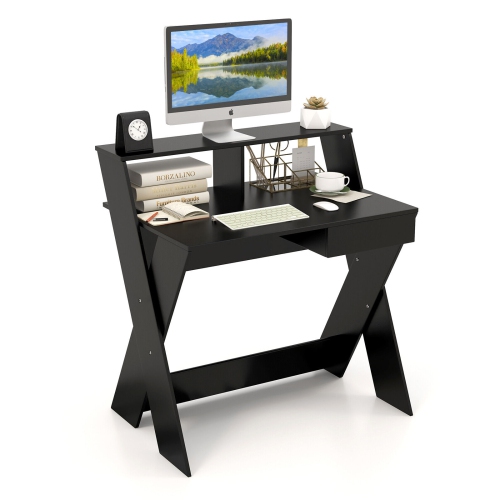
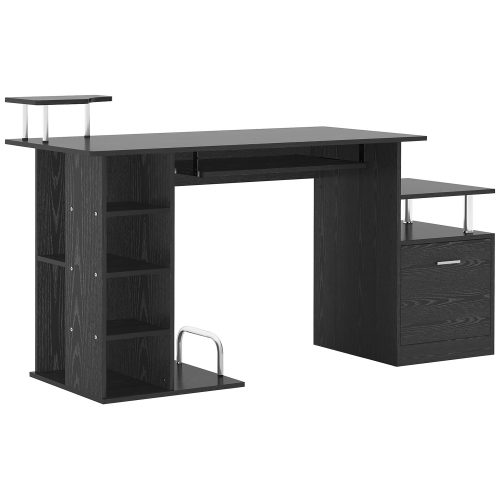
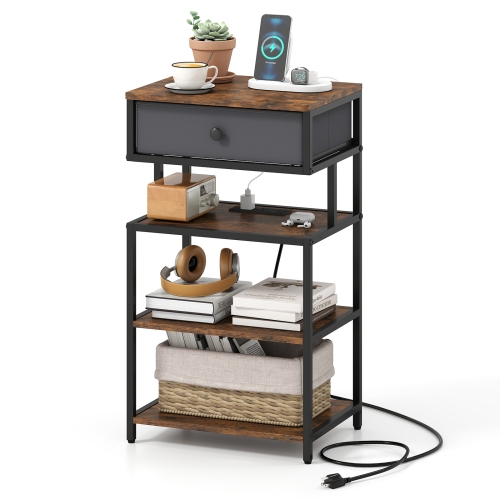
Materials and construction influence the appearance, weight, and long-term care of small wooden desks with drawers. Solid wood has natural variations in grain and colour, so surfaces may show knots, contrasting boards, or subtle differences in tone. Hardwoods such as oak and maple can provide a firm, durable surface, while softer woods such as pine may develop dents more readily with everyday use. The finish matters as much as the wood species, particularly where wrists, notebooks, and computer accessories repeatedly touch the desktop. Wood veneer consists of a thin layer of real wood over a supporting core, giving the surface a wood-grain appearance without solid wood construction throughout. Engineered wood with a laminate or printed finish is another construction type; its care requirements and resistance to wear depend on the surface and edge treatment. Descriptions should distinguish among these materials rather than treating every wood-look desk as solid wood. Drawer construction deserves equal attention. Smooth-running slides, secure handles, and a well-supported drawer bottom help storage feel dependable when opened repeatedly. A wide, shallow drawer suits stationery and small accessories, but it may not accommodate thicker notebooks or upright folders. Deeper drawers can be useful for larger supplies, although a deep drawer is not necessarily designed for hanging files. For document storage, confirm the internal dimensions and whether the drawer supports letter-size or legal-size folders. Drawer placement also affects comfort: a pedestal on one side can provide useful capacity while narrowing the seating area, whereas a central drawer may reduce space above the knees. Open shelving can keep frequently used materials accessible, but enclosed drawers are better suited to keeping loose supplies out of sight. Where a desk includes cable openings, a monitor shelf, or integrated charging features, consider how those additions fit the actual setup. A raised shelf should still allow comfortable screen positioning, and any desktop equipment needs to remain within the stated weight limits. Assembly quality matters, too; correctly fitted hardware and a level position help prevent wobbling and keep drawers moving as intended.
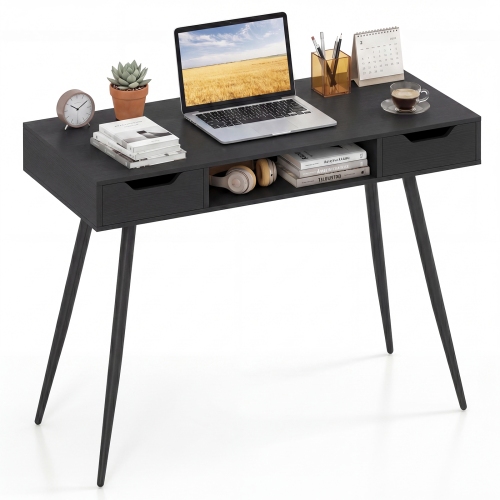
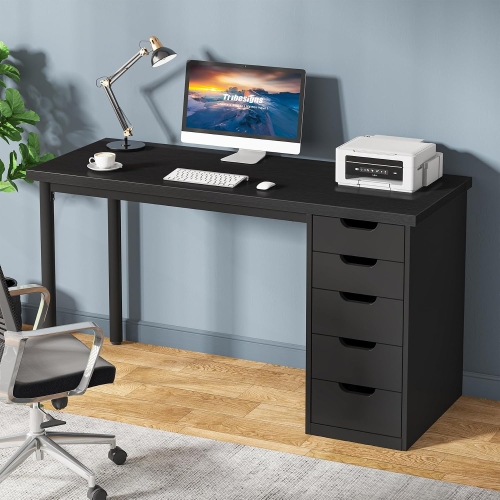
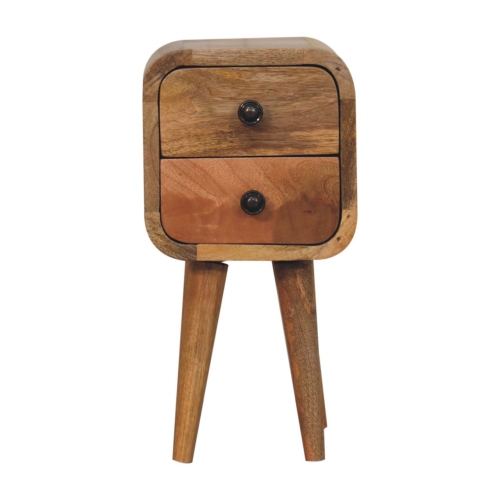
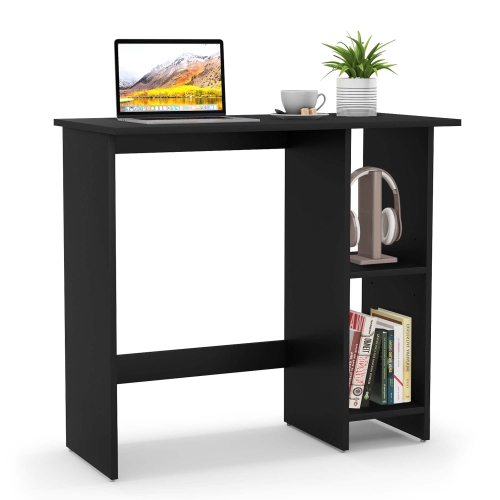
Style helps a small desk feel at home beyond a dedicated office. Pale wood tones and simple legs can sit comfortably beside light upholstery, while richer brown finishes can complement bookcases and traditional bedroom furniture. Visible grain adds texture to a room with plain walls and smooth storage fronts, and restrained hardware keeps a compact desk from looking visually crowded. For a stronger contrast against lighter furnishings, Black Wooden Desks With Drawers offer a related direction to explore. The shape of the base can be just as noticeable as the finish: tapered legs tend to leave the floor more visible, while panel sides give the desk a more substantial presence. Matching every wood tone exactly is not essential, but repeating a similar undertone or handle finish can help the arrangement feel considered. Once the desk is in place, a few simple habits can protect both its appearance and its usefulness. Follow the care directions for the particular finish, remove dust with a soft cloth, and dry any moisture promptly after cleaning. A desk mat can limit contact from pen marks and repeated mouse movement, while a coaster helps keep drink rings away from the surface. Avoid abrasive cleaners, and do not assume a veneered top can be sanded or refinished like solid wood. Use drawer dividers to separate small supplies, leaving enough room that drawers close without catching on their contents. Keeping heavier belongings within the drawer’s rated capacity can reduce strain on the slides and bottom panel. For students, a compact desk can provide a consistent place for assignments; for apartment dwellers, it can create a practical work area within a multipurpose room. It may also make a thoughtful gift for someone setting up a first home or study space, provided the dimensions, storage layout, and finish suit the recipient’s room and daily routine. A successful choice supports the tasks at hand while leaving enough space around it for comfortable everyday living.
Top selling and popular products
-
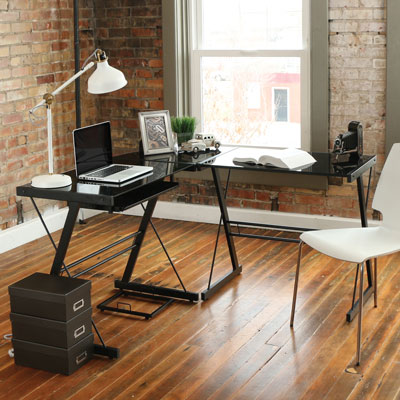 Your price for this item is $304.99
-
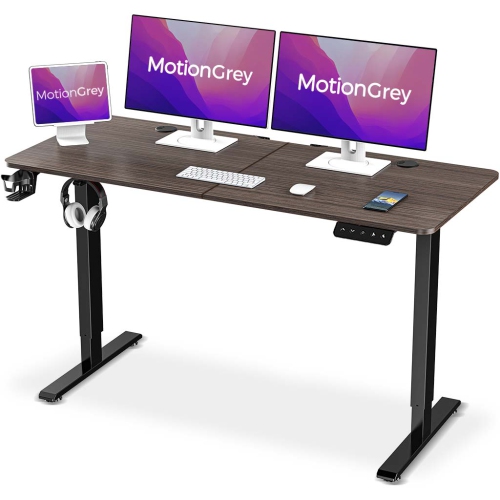 Your price for this item is $142.92
-
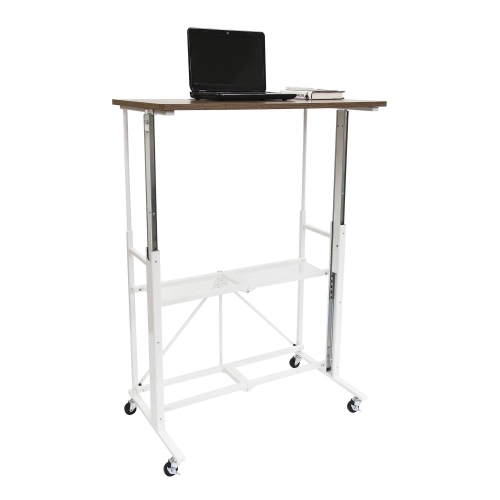 Your price for this item is $248.99
-
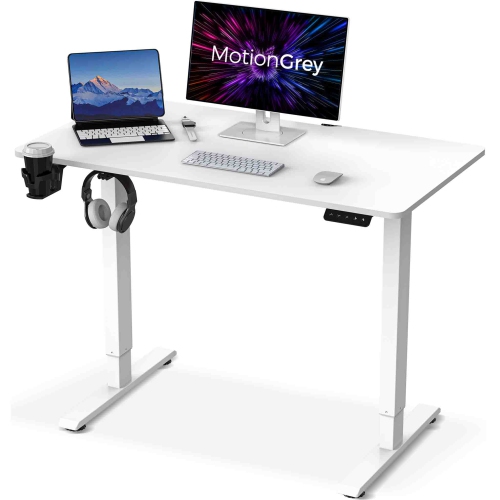 Your price for this item is $133.91
-
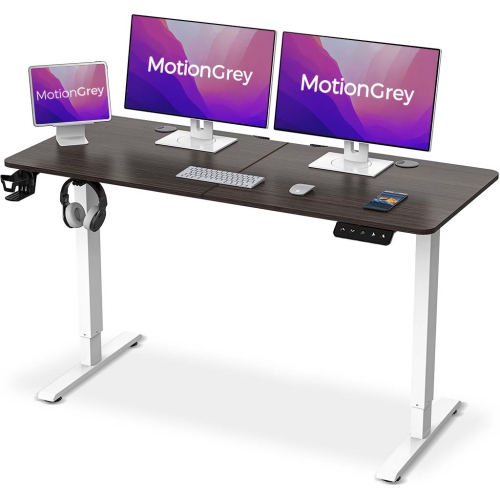 Your price for this item is $158.99
-
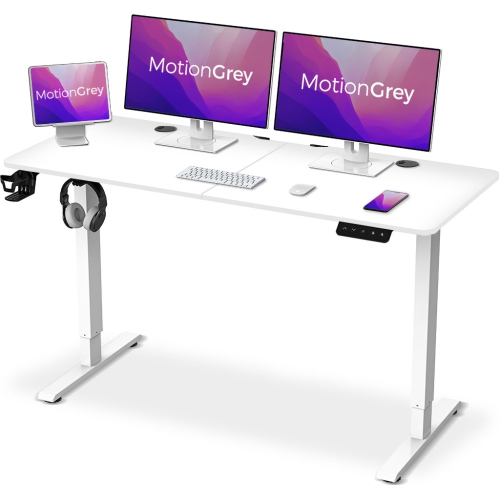 Your price for this item is $142.94
-
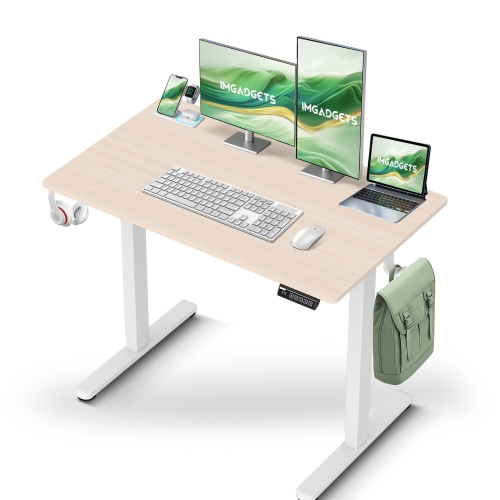 Your price for this item is $119.99
-
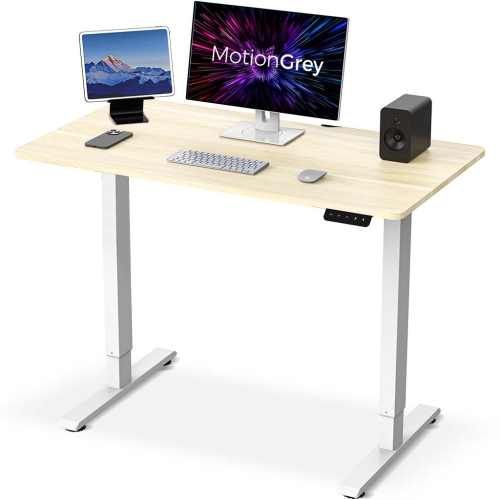 Your price for this item is $133.91
Discover more categories related to Small Wooden Desks With Drawers
Top Collections:
Pokemon Centers, Best Cameras for Sports Photography, Kindle Devices, Samsung Galaxy Phones, Canon G7X Cameras, Pokémon 30th Celebration Cards, Refurbished Apple Laptops, iPhone 15 Apple, Laptops for Students, Budget Smartphones
Some products may be subject to Environmental Handling Fees
(EHF) depending on your province.
Learn more about EHFs.