Smart Feeders
Discover the convenience and innovation of smart feeders, designed to make feeding your pets easier and more efficient. These high-tech devices are equipped with features that allow you to schedule and monitor your pet's meals remotely, ensuring they are fed on time even when you're away from home. With customizable portion sizes and feeding schedules, smart feeders help maintain your pet's health and well-being. Explore our selection of smart feeders to find the perfect solution for your furry friend's feeding needs.
Sort

Connected feeding routines for pets and backyard birds
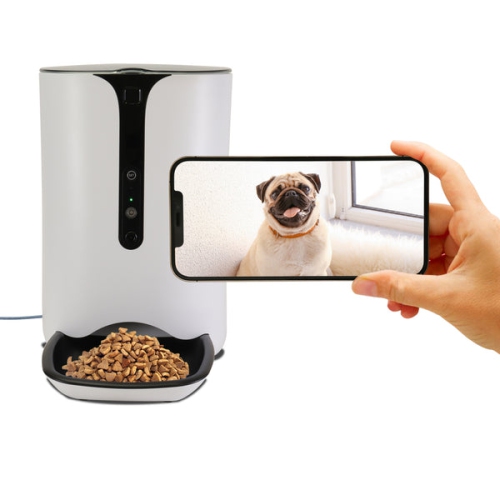
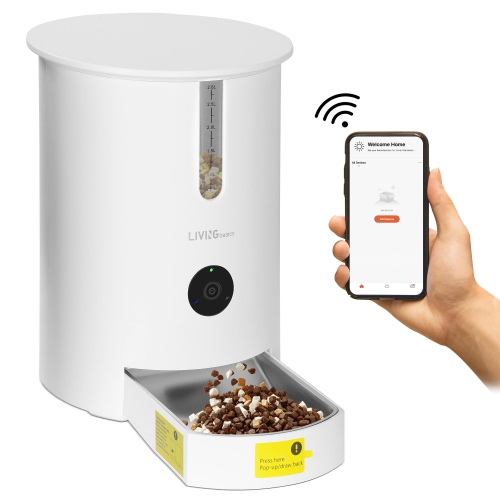
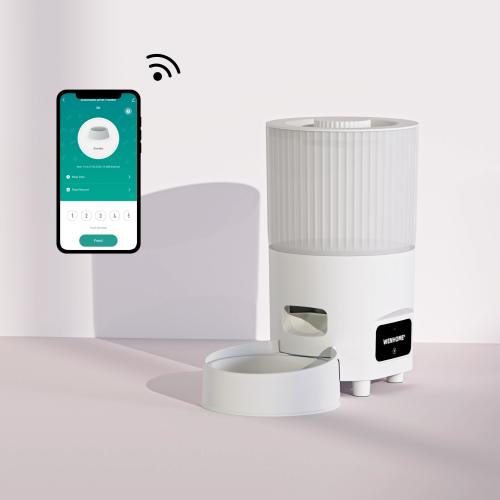
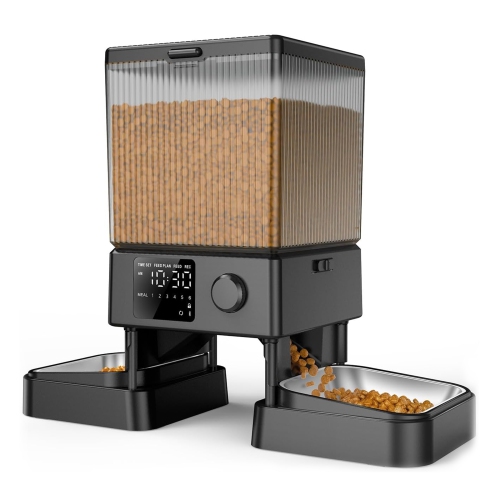
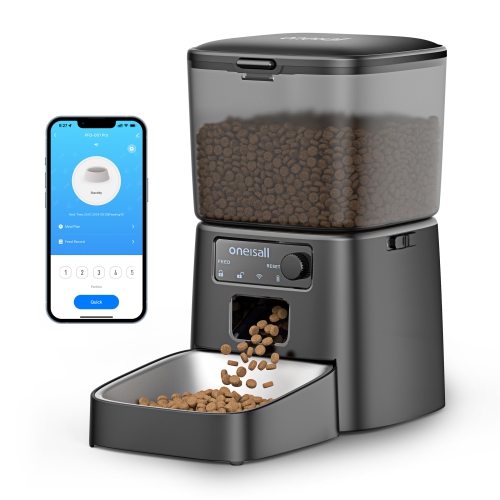
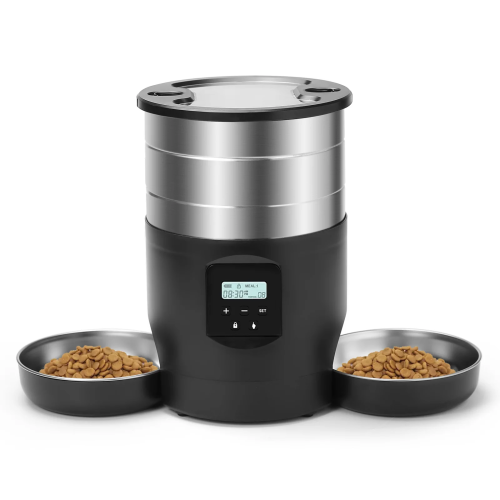
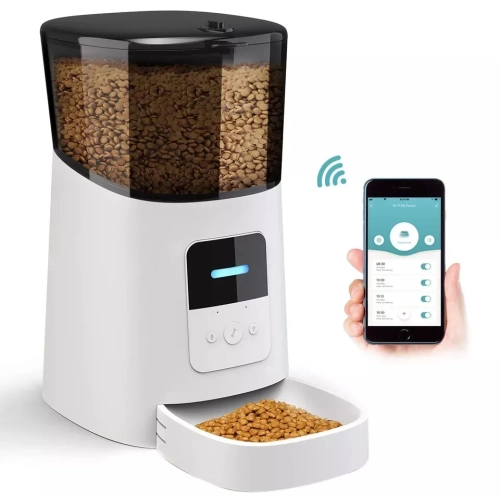
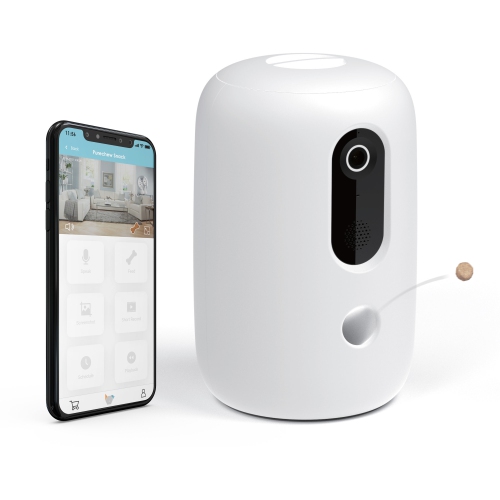
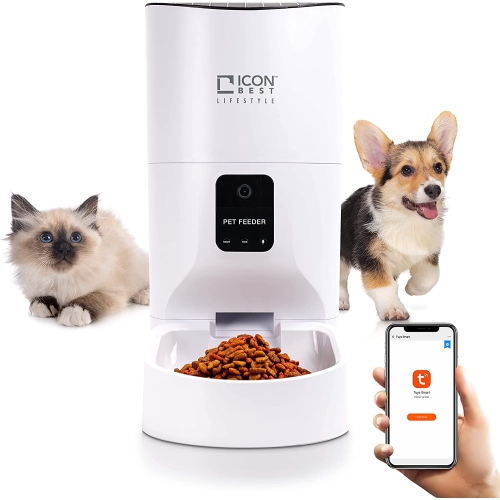
Smart feeders bring connected technology to everyday feeding routines, helping make meals more consistent while giving you useful information when you are away from home. In general, smart feeders fall into two main categories: automatic pet feeders for cats and dogs, and smart bird feeders designed to attract, photograph, and identify visiting wildlife. Pet feeders typically connect to a companion app through Wi-Fi, allowing you to create a daily schedule, set portion sizes, dispense an extra serving remotely, and receive notifications when food is running low or the hopper is empty. This can be especially helpful for households with early risers, pets that prefer smaller meals throughout the day, or owners whose work, travel, or family commitments make feeding times less predictable. A reliable schedule can also make life easier for pets that benefit from routine. For example, a cat accustomed to breakfast at dawn may settle more comfortably when a feeder delivers a measured portion at the programmed time, rather than relying on someone to get out of bed. When comparing models, consider the type of food they accommodate, the size of the hopper, the range of portion settings, and how easily the removable components can be cleaned. Some feeders are intended for dry food only, while others may offer features suited to different kibble shapes and sizes. A transparent or easy-to-check container can help you see how much food remains, while a secure lid may be important for curious pets that like to investigate anything within reach. If you are shopping for a cat-specific solution, browse Automatic Cat Feeders for options focused on scheduled feline meals. Slow-feed settings can be useful for dogs or cats that eat too quickly, spacing out dispensing over a longer period instead of allowing a full portion to disappear in seconds. Homes with more than one pet may also benefit from feeders with separate compartments, individual access controls, RFID collar recognition, or camera-based identification, depending on the model. These features can help direct food to the intended pet when one animal needs a special diet or when a faster eater tends to finish everyone else’s meal. Before choosing, check whether the feeder requires a constant Wi-Fi connection, whether it can continue a schedule during an internet interruption, how alerts are delivered, and whether the app is compatible with your smartphone. A battery backup can add reassurance during a power outage, while a manual dispensing option provides a practical fallback if the network is unavailable.
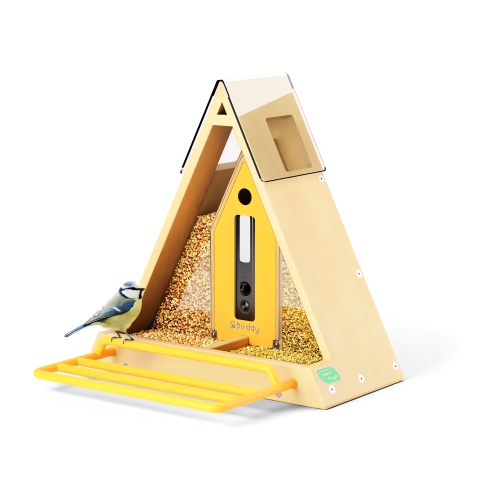
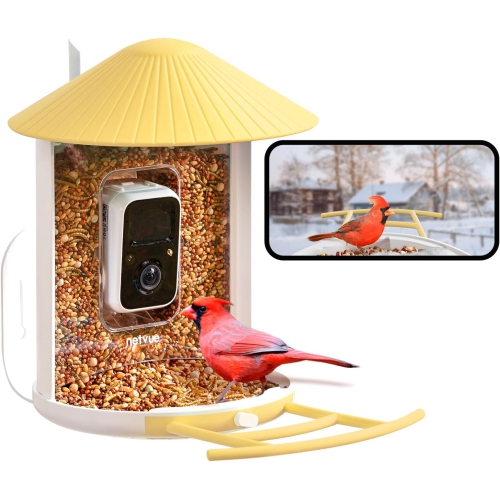
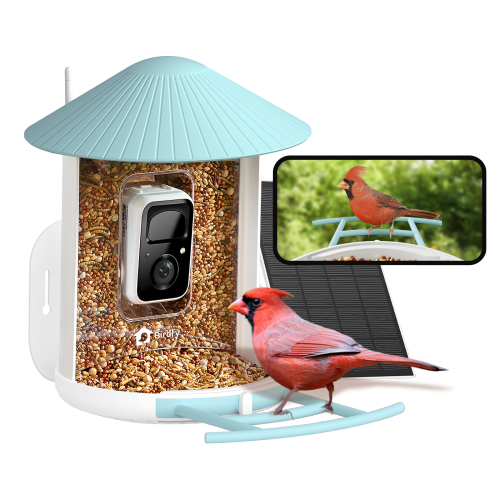
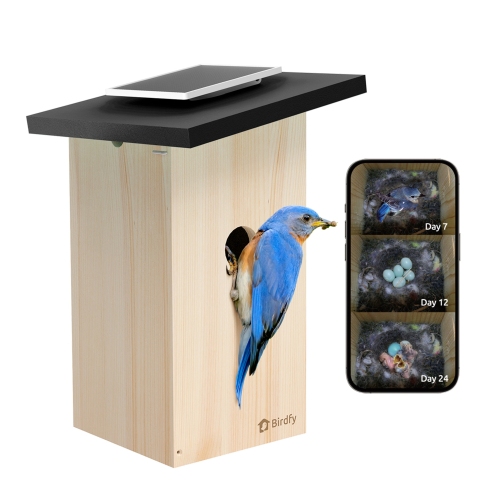
Smart bird feeders offer a different kind of connected experience, turning a backyard, balcony, or outdoor living area into a closer window on local wildlife. Many include a built-in high-definition camera that records photos or video when motion is detected, making it possible to watch feathered visitors from a phone without standing beside the window and startling them. Some models use artificial intelligence to identify bird species and may send an alert when a visitor arrives, creating a visual record of the birds that frequent the area. Others can store clips for later viewing or make it easy to share memorable visits with family and friends. Placement has a major effect on the experience. A feeder positioned where birds have a clear approach and nearby perches may receive more activity, while a location with a clean background can produce sharper, more enjoyable images. Keep it close enough to your home Wi-Fi signal for dependable connectivity, but far enough from busy walkways, doors, and windows that visiting birds feel comfortable. A stable mounting system is important in breezy conditions, and a covered design can help keep food drier during changing weather. During the warmer part of the year, a smart bird feeder can add interest to a deck or garden as birds become active around outdoor spaces; during the cooler months, it can bring colour and movement to a quieter view from the kitchen or living room. Look for details such as camera resolution, night recording, motion-detection sensitivity, viewing angle, two-way audio if offered, and the amount of onboard or cloud storage included. Species recognition can be an engaging learning tool for children, birdwatchers, and anyone who enjoys noticing the small details of nature close to home, but it should be treated as an aid rather than an infallible identification service. Cleaning access matters as well, since regular maintenance helps keep the feeding area in good condition and supports a more pleasant experience for visiting birds. If the feeder includes a solar charging panel, check its recommended placement and how the system handles periods of shade; otherwise, review charging requirements and battery life so the camera is ready when activity begins.
Smart feeders can make thoughtful gifts for new pet owners, busy families, bird enthusiasts, seniors who appreciate a simpler routine, or anyone who enjoys adding connected features to the home. They can also be a practical choice for people preparing for a change in schedule, such as returning to in-person work, welcoming a new puppy or kitten, or spending more time away from home during the cooler seasons. The best match depends less on the number of features than on the routine it needs to support. A pet owner who wants dependable meals may place the greatest value on accurate portions, quiet operation, and a dependable app, while a wildlife enthusiast may care more about clear video, species recognition, and easy outdoor installation. Think about where the feeder will sit, how often it will need to be refilled, who will clean it, and whether everyone in the household can use the controls comfortably. Privacy and connectivity are also worth considering for camera-equipped models: review app permissions, notification controls, account security, and any storage terms before setting up the device. Once installed, take time to test a full feeding cycle, confirm the schedule, check that notifications arrive, and observe how pets or birds respond. A familiar routine may take a few days to establish, particularly if an animal is cautious around a new device. With the right fit, a smart feeder can quietly handle a repetitive task while giving you more confidence about meals, portions, and activity—even when you are across town. For bird lovers, it can turn an ordinary glance outside into a close-up encounter with a chickadee, finch, woodpecker, or another unexpected visitor; for pet owners, it can provide the comfort of knowing that a measured meal is ready at the right time.
Smart bird feeders offer a different kind of connected experience, turning a backyard, balcony, or outdoor living area into a closer window on local wildlife. Many include a built-in high-definition camera that records photos or video when motion is detected, making it possible to watch feathered visitors from a phone without standing beside the window and startling them. Some models use artificial intelligence to identify bird species and may send an alert when a visitor arrives, creating a visual record of the birds that frequent the area. Others can store clips for later viewing or make it easy to share memorable visits with family and friends. Placement has a major effect on the experience. A feeder positioned where birds have a clear approach and nearby perches may receive more activity, while a location with a clean background can produce sharper, more enjoyable images. Keep it close enough to your home Wi-Fi signal for dependable connectivity, but far enough from busy walkways, doors, and windows that visiting birds feel comfortable. A stable mounting system is important in breezy conditions, and a covered design can help keep food drier during changing weather. During the warmer part of the year, a smart bird feeder can add interest to a deck or garden as birds become active around outdoor spaces; during the cooler months, it can bring colour and movement to a quieter view from the kitchen or living room. Look for details such as camera resolution, night recording, motion-detection sensitivity, viewing angle, two-way audio if offered, and the amount of onboard or cloud storage included. Species recognition can be an engaging learning tool for children, birdwatchers, and anyone who enjoys noticing the small details of nature close to home, but it should be treated as an aid rather than an infallible identification service. Cleaning access matters as well, since regular maintenance helps keep the feeding area in good condition and supports a more pleasant experience for visiting birds. If the feeder includes a solar charging panel, check its recommended placement and how the system handles periods of shade; otherwise, review charging requirements and battery life so the camera is ready when activity begins.
Smart feeders can make thoughtful gifts for new pet owners, busy families, bird enthusiasts, seniors who appreciate a simpler routine, or anyone who enjoys adding connected features to the home. They can also be a practical choice for people preparing for a change in schedule, such as returning to in-person work, welcoming a new puppy or kitten, or spending more time away from home during the cooler seasons. The best match depends less on the number of features than on the routine it needs to support. A pet owner who wants dependable meals may place the greatest value on accurate portions, quiet operation, and a dependable app, while a wildlife enthusiast may care more about clear video, species recognition, and easy outdoor installation. Think about where the feeder will sit, how often it will need to be refilled, who will clean it, and whether everyone in the household can use the controls comfortably. Privacy and connectivity are also worth considering for camera-equipped models: review app permissions, notification controls, account security, and any storage terms before setting up the device. Once installed, take time to test a full feeding cycle, confirm the schedule, check that notifications arrive, and observe how pets or birds respond. A familiar routine may take a few days to establish, particularly if an animal is cautious around a new device. With the right fit, a smart feeder can quietly handle a repetitive task while giving you more confidence about meals, portions, and activity—even when you are across town. For bird lovers, it can turn an ordinary glance outside into a close-up encounter with a chickadee, finch, woodpecker, or another unexpected visitor; for pet owners, it can provide the comfort of knowing that a measured meal is ready at the right time.
Top selling and popular products
-
 Your price for this item is $44.99
 -
 Your price for this item is $129.99
 -
 Your price for this item is $85.99
 -
 Your price for this item is $141.99
 -
 Your price for this item is $24.99
 -
 Your price for this item is $93.99
 -
 Your price for this item is $264.99
 -
 Your price for this item is $230.99
Discover more categories related to Smart Feeders
Top Collections:
Pokemon Centers, Kindle Devices, Best Budget Office Chairs, Apple iPhones 16, Best Laptops for Writers, iPhone 15 Apple, Canon G7X Cameras, Refurbished Apple Laptops, Alarm Clock, Motorola Razr Phones
Some products may be subject to Environmental Handling Fees
(EHF) depending on your province.
Learn more about EHFs.