Smart Bird Feeders
Smart Bird Feeders bring a new level of convenience and enjoyment to bird watching at home. With innovative technology and user-friendly designs, these feeders make it easy to attract and observe a variety of feathered visitors right from your backyard or balcony. Whether you're an avid bird enthusiast or just starting out, Smart Bird Feeders offer a seamless way to connect with nature while enhancing your outdoor space. Explore options that blend style, functionality, and modern features for the ultimate bird feeding experience.
Sort
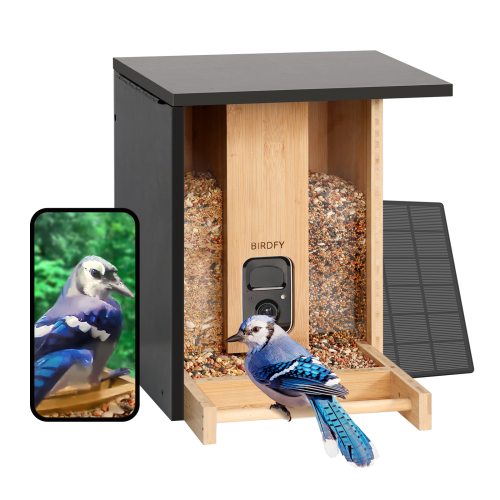
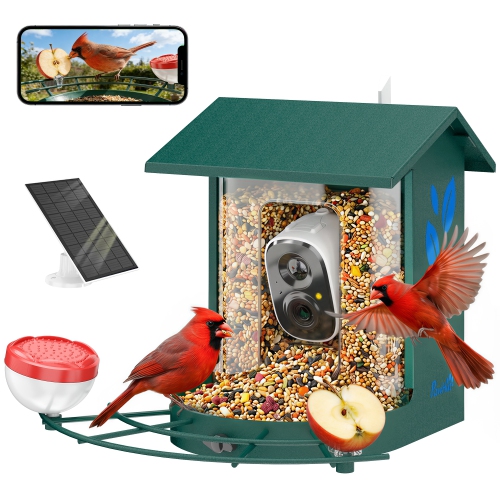
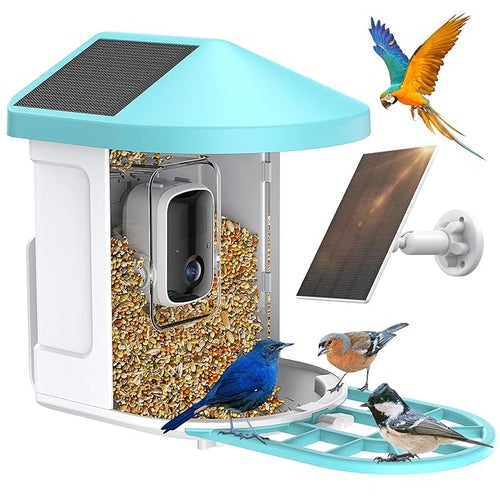
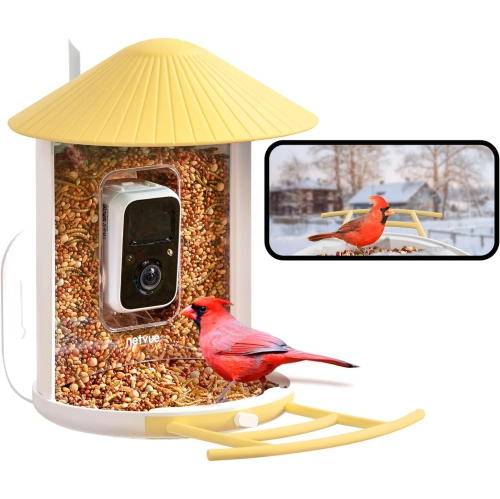
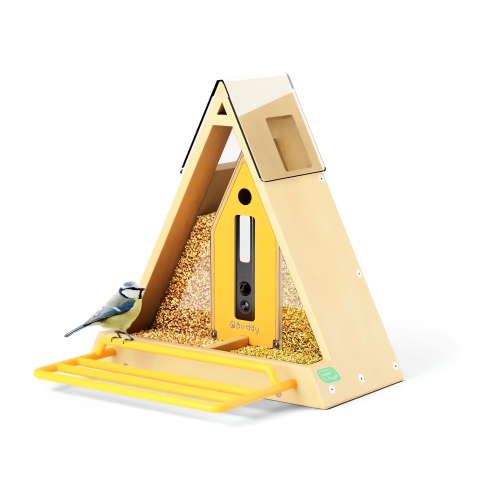
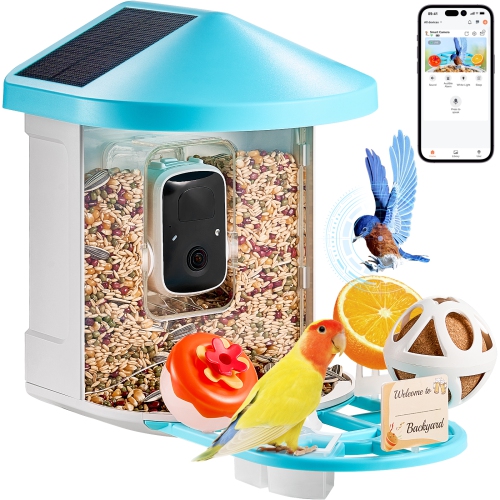
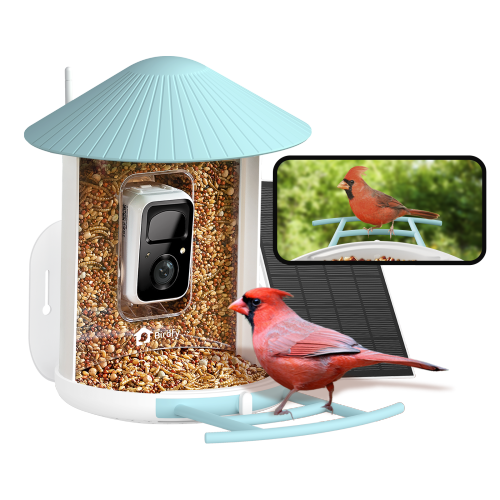
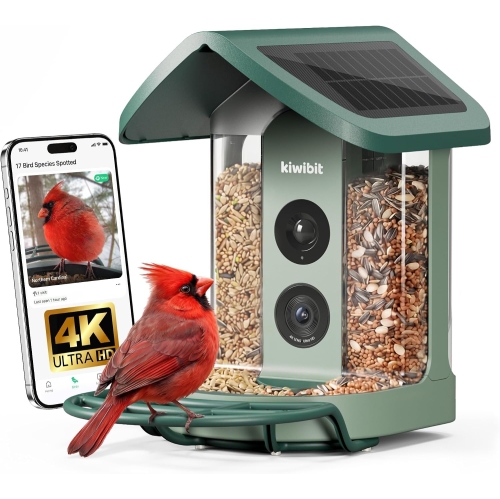
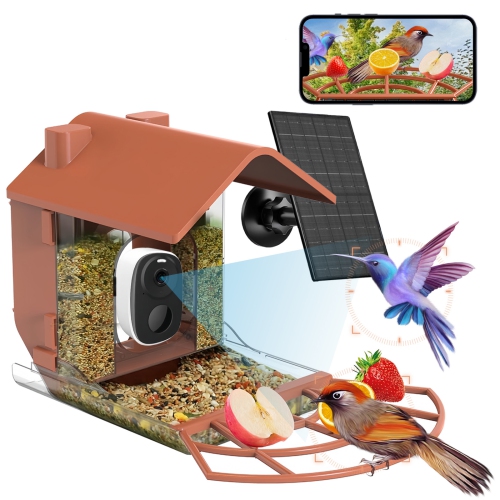
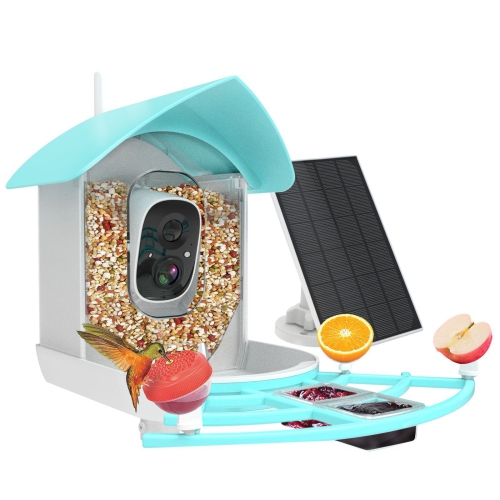
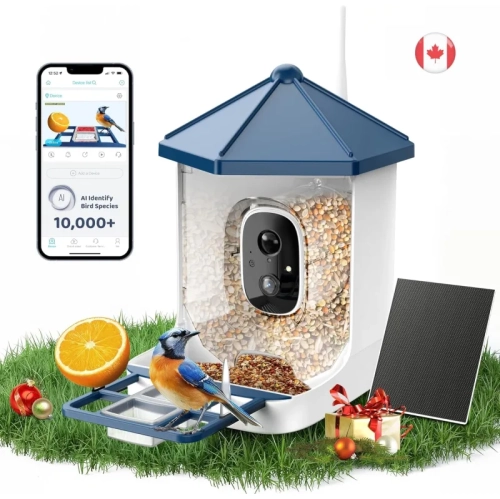
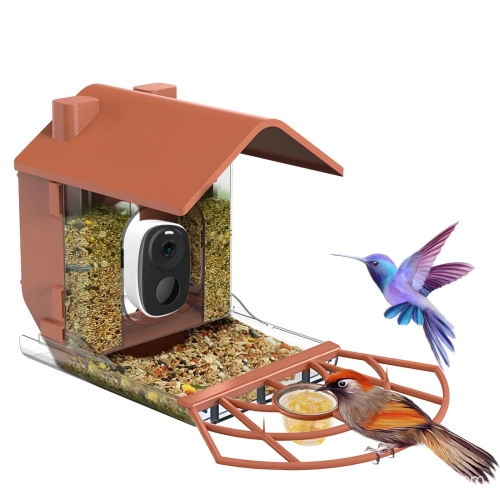
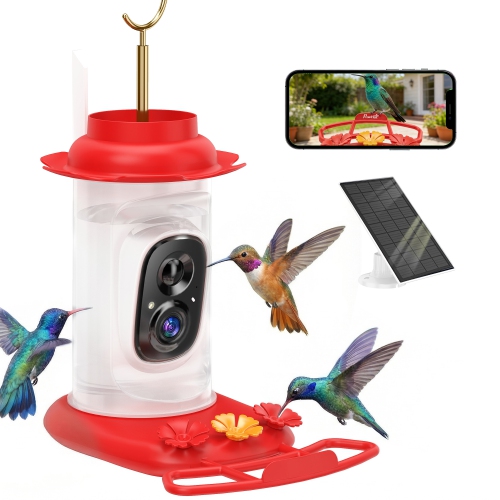
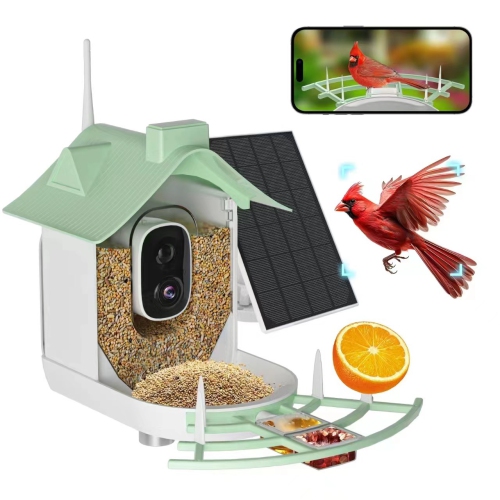
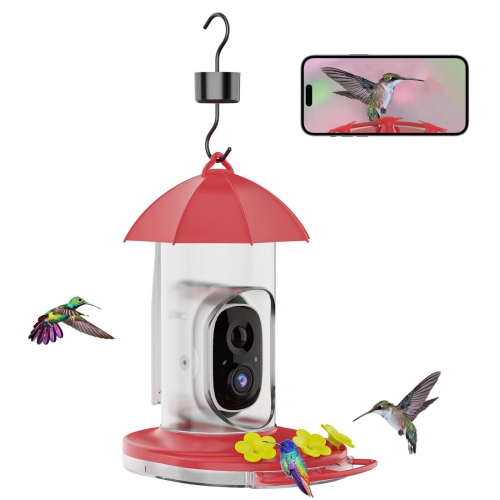
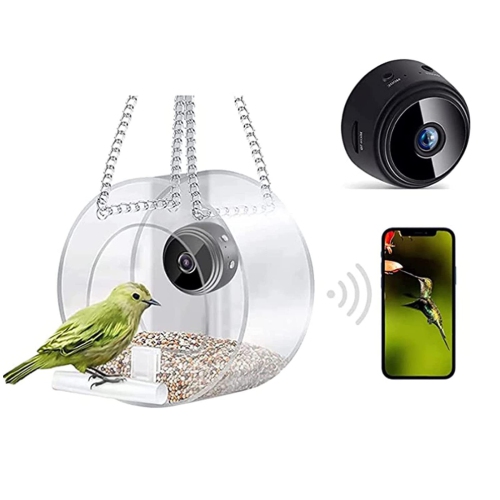
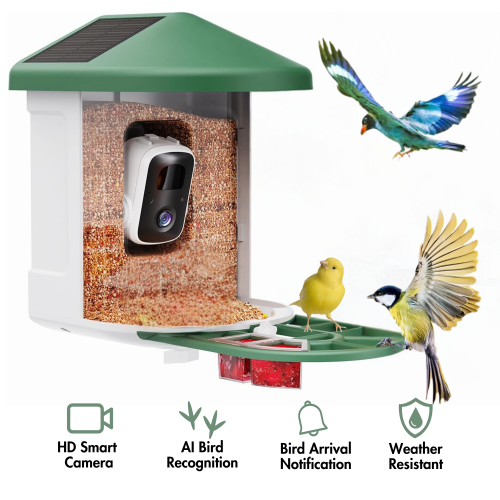
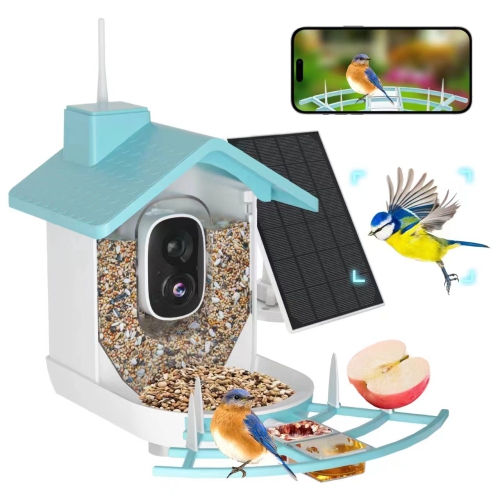
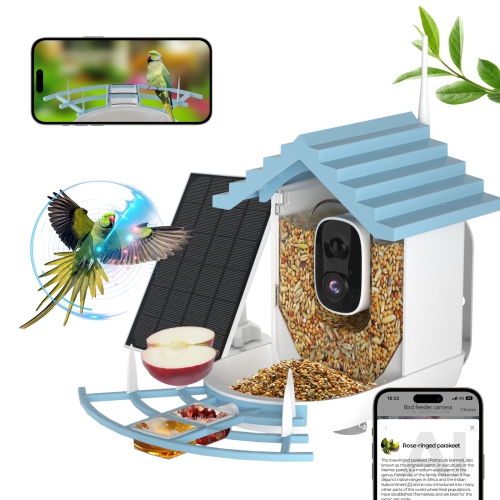
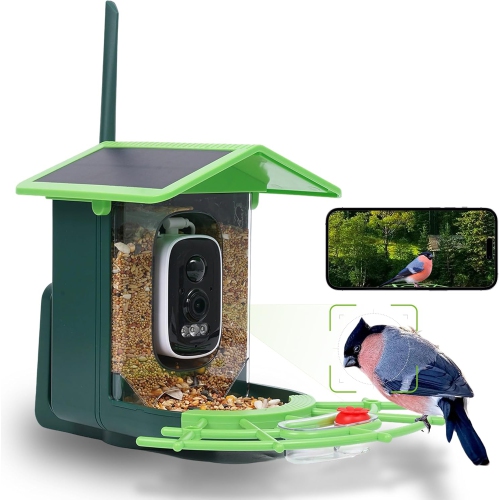
A closer look at backyard birds from your phone
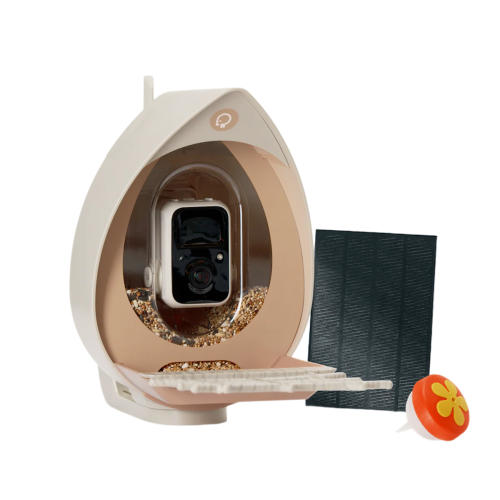
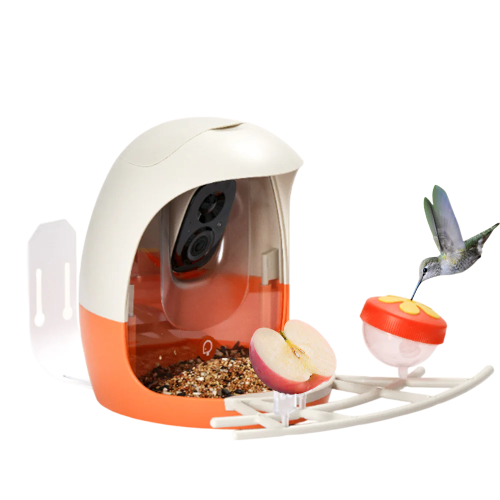
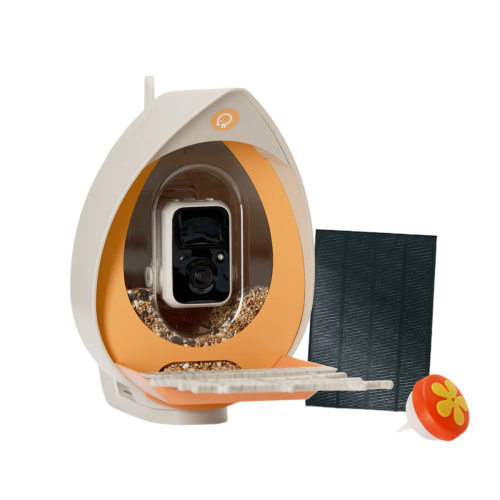
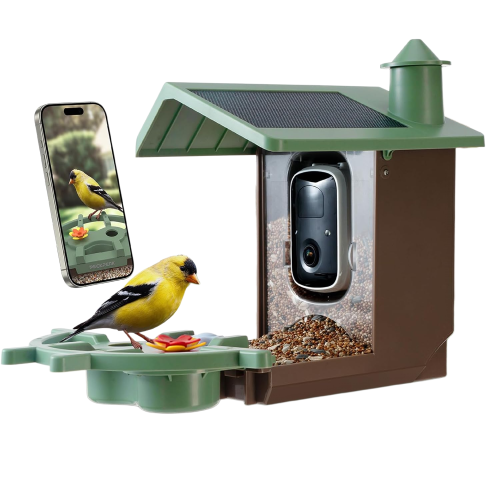
Smart bird feeders add a close-up view to a familiar backyard activity, pairing a place for birds to feed with a camera that captures their visits. Instead of relying on a glimpse through a window, a connected feeder can show details such as a chickadee’s dark cap, a finch’s streaked feathers, or the way a nuthatch approaches a perch. Depending on the design, footage may appear as a live view, short motion-triggered clips, or saved images in a companion app. This makes smart bird feeders appealing to experienced birdwatchers, curious beginners, and households that enjoy seeing which visitors return throughout the day. Camera resolution is only part of the experience: lens position, viewing angle, focus distance, and the location of the feeding tray all influence how clearly a bird appears. A wide view can capture several visitors, while a closer perspective may reveal more feather detail but show less of the surrounding activity. Notification settings also matter in everyday use. Adjustable alerts can make the difference between enjoying a few highlights and receiving a notification every time something moves near the feeder. Some designs include app-based bird identification, which can suggest a species from an image; those suggestions are best treated as a starting point, since similar markings, an unusual angle, or an obscured bird can affect the result. Video history, image sharing, and identification features vary, so the most useful features depend on whether the goal is casual viewing, keeping a record of visits, or sharing discoveries with family. Clear information about app compatibility and account requirements helps establish what the connected experience involves. A well-matched feeder supports both sides of its purpose: it offers birds an accessible feeding area and gives the person watching a clear, convenient view without needing to stand beside it. For someone who cannot easily spend long periods outdoors, that view can also make a familiar yard feel more accessible.
The physical design deserves as much attention as the camera. Durable plastic housings can be lightweight and easy to handle, while metal brackets and mounting hardware provide support where the feeder attaches to a post, pole, or other suitable structure. Smooth surfaces, accessible corners, and removable trays make routine cleaning less awkward, particularly when seed hulls collect beneath a perch. Clear seed compartments make it easier to check the fill level at a glance, and secure lids help keep the contents contained. Capacity should suit the amount of bird activity rather than simply favouring the largest container: a smaller feeder may be easier to empty and clean regularly, while a larger one can reduce refilling where visits are frequent. Perch shape, landing space, and feeding openings influence which birds can use the feeder comfortably, and the seed must suit the dispenser as well as the birds being attracted. A tray intended for loose seed serves a different purpose from a holder designed around another food format. Mounting compatibility is equally practical. Bracket dimensions, pole diameter, fastener requirements, and the feeder’s filled weight all affect fit and stability. Placement also has a direct effect on the connected features. Many smart bird feeders use Wi-Fi, and some require a 2.4 GHz connection, making the strength of the home network at the intended mounting point worth considering. A clear picture inside the house does not necessarily mean the signal will reach a distant fence. Battery access, charging arrangements, and the ease of taking the feeder down are important for anyone who wants to avoid a cumbersome maintenance routine. Wireless connectivity does not automatically mean a feeder operates without a power cable. The camera should face the feeding area rather than neighbouring windows or shared spaces, with recording and sharing settings suited to the household’s privacy preferences. A position that is straightforward to reach for refilling, away from places where pets can ambush birds, and chosen with window-collision risk in mind supports a more comfortable setup for both birds and viewers.
Regular care helps keep a smart bird feeder useful as both a feeding station and a connected camera. Seed debris, droppings, and food caught in narrow seams can build up even when the main compartment still looks tidy. Removable food-contact parts are particularly helpful because camera housings, batteries, and charging connections generally need different treatment from trays and seed containers. Manufacturer-approved cleaning methods protect those components, and washable parts need to dry thoroughly before fresh food is added. A soft cloth suitable for the lens can remove smudges that would otherwise soften the picture, while a quick check of latches, seals, and mounting points can reveal loose or worn parts. Seed stored in a clean, securely closed container is easier to keep separate from household food and less likely to attract unwanted visitors. Spilled seed beneath the feeder also deserves attention, especially near walkways, patios, or shared outdoor areas. Local bird-feeding advisories may affect whether feeding is appropriate, and a feeder should be taken out of use when cleaning or a pause in feeding is recommended. These everyday details help define who will enjoy a smart feeder most. It can be a thoughtful gift for a birdwatcher who likes documenting visits, a family interested in learning familiar species, or someone who enjoys checking a garden from a phone. The recipient’s comfort with app setup, access to a suitable mounting location, and willingness to refill and clean the feeder matter more than a long list of camera features. In a shared household, the ability to let more than one person view visits may be especially useful, provided the app supports it. Bird-feeder styles can also be explored through the Labour Day Sale On Bird Feeders page. The strongest match is a feeder whose size, construction, camera functions, and care requirements fit naturally into the space and the routines of the person using it.
Top selling and popular products
-
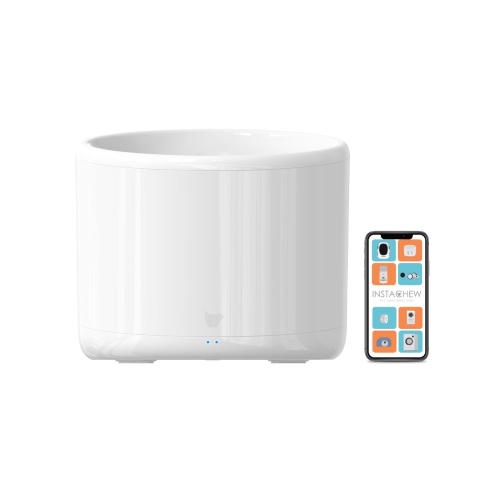 Your price for this item is $44.99
-
 Your price for this item is $116.99
-
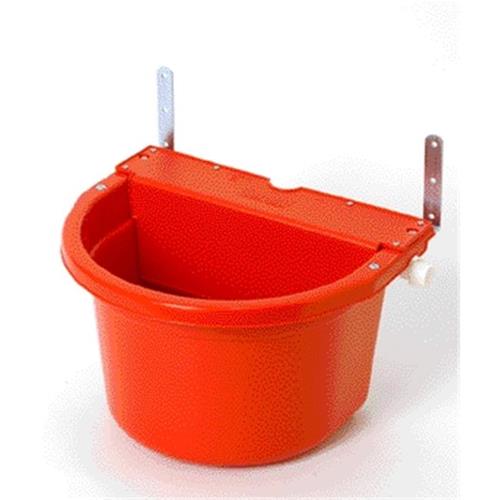 Your price for this item is $176.99
-
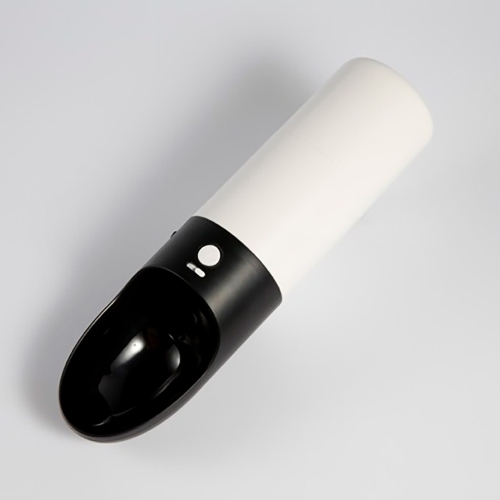 Your price for this item is $24.99
-
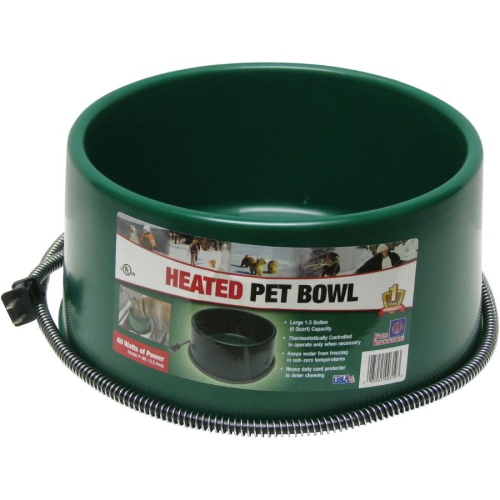 Your price for this item is $109.99
-
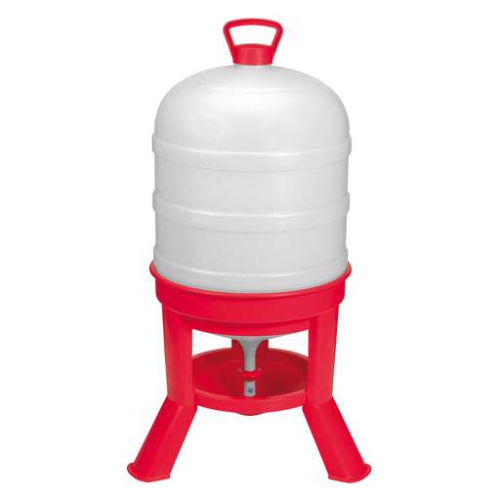 Your price for this item is $276.99
-
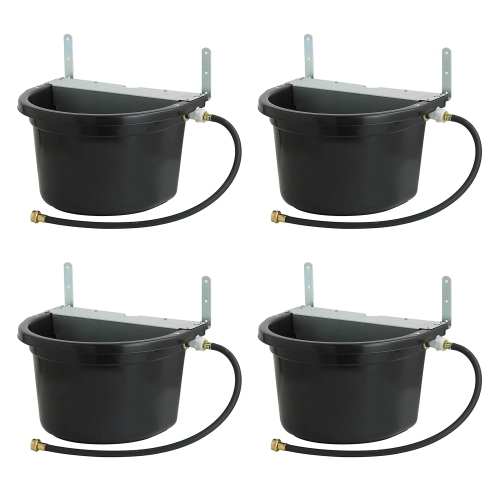 Your price for this item is $642.99
-
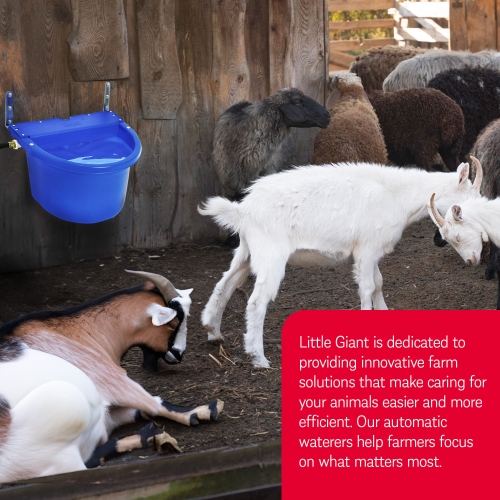 Your price for this item is $313.99
Discover more categories related to Smart Bird Feeders
Top Collections:
Best Black Friday Deals This Year, Best Black Friday Deals On Electronics, Kindle Devices, Pokemon Centers, Best Black Friday Deals On Apple Products, Best Cameras for Sports Photography, Dyson Airwrap, Pokémon 30th Celebration Cards, Apple iPhone 17 Pro, Canon G7X Cameras
Some products may be subject to Environmental Handling Fees
(EHF) depending on your province.
Learn more about EHFs.