Smart Kitchen Sink Faucets
Smart Kitchen Sink Faucets bring a new level of convenience and style to your kitchen. Designed to complement modern homes, these innovative fixtures make everyday tasks more efficient and enjoyable. Whether you’re upgrading your space or completing a new kitchen, Smart Kitchen Sink Faucets offer the perfect blend of functionality and contemporary design to enhance any culinary environment. Discover options that fit seamlessly into your lifestyle and elevate your kitchen experience.
Sort
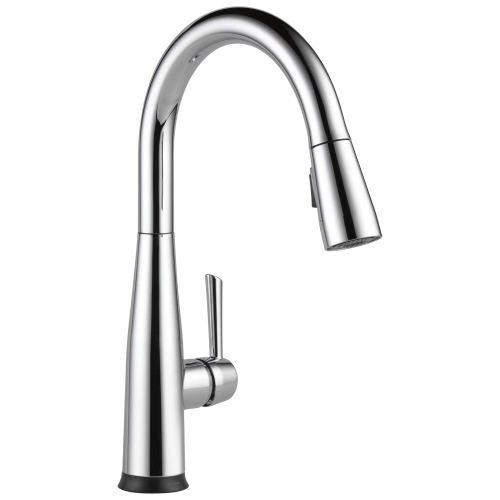


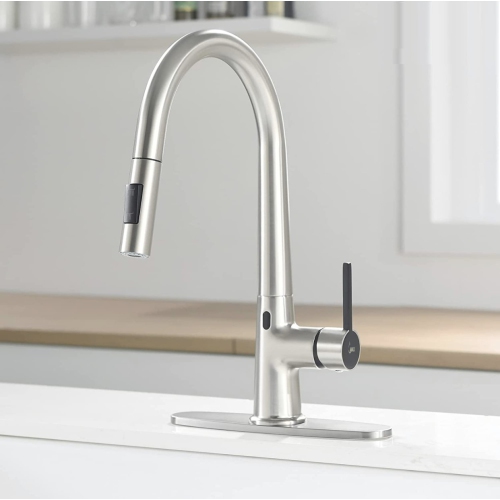
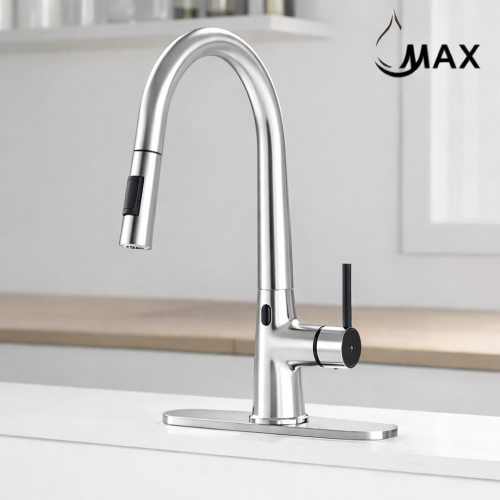

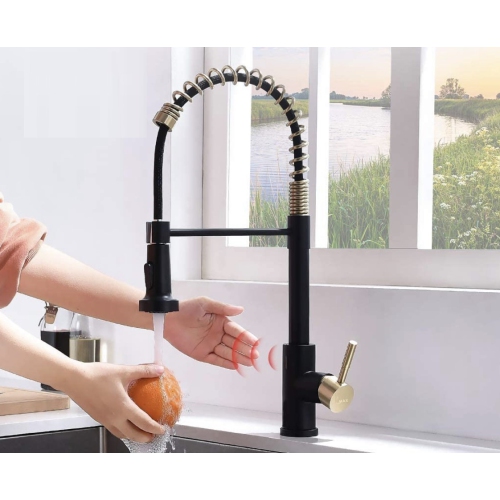


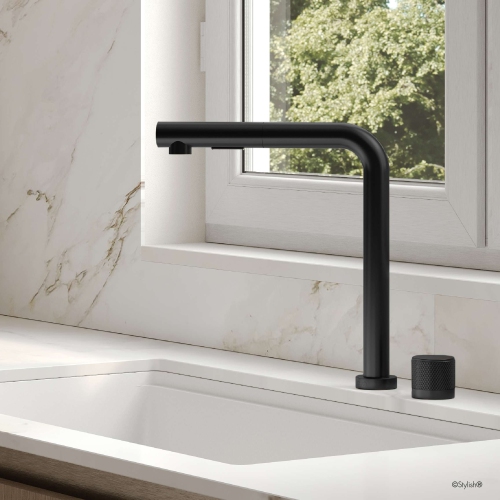

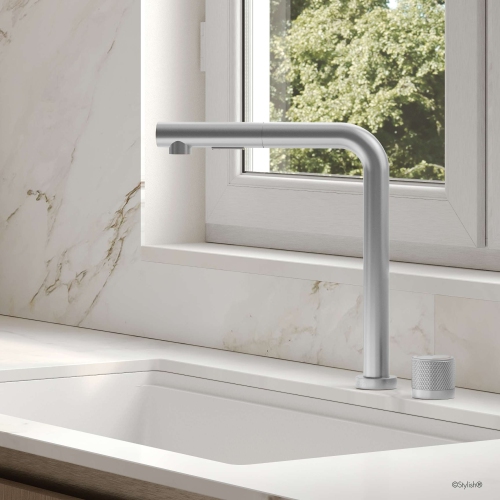
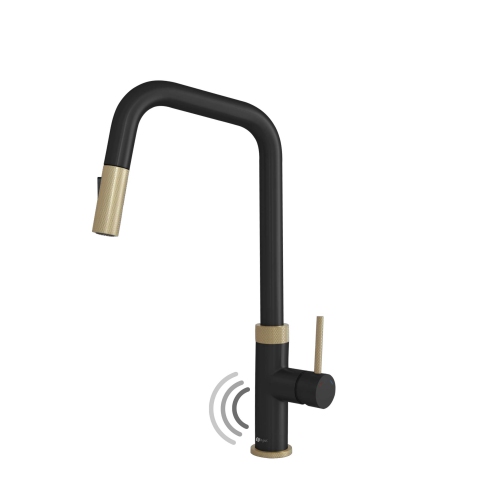
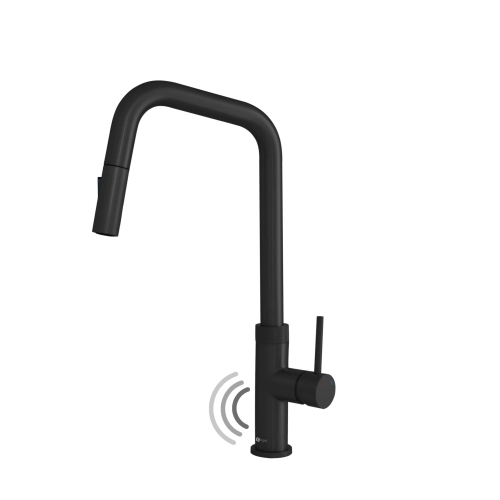
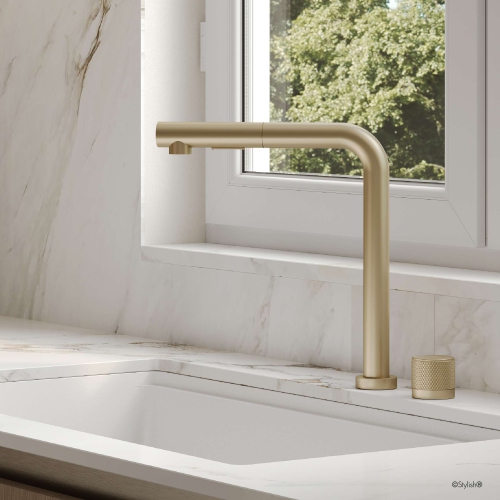
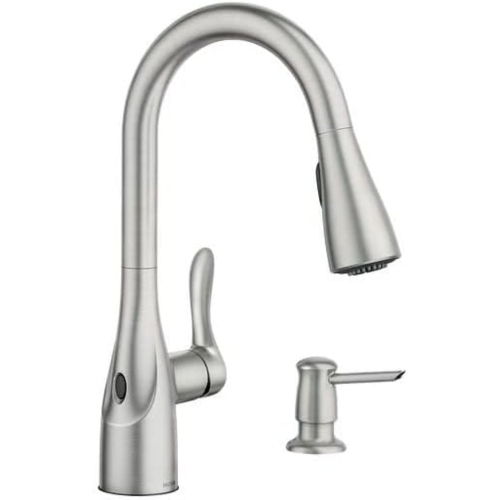
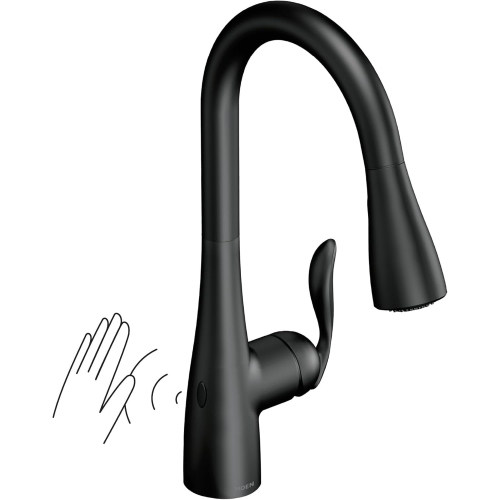
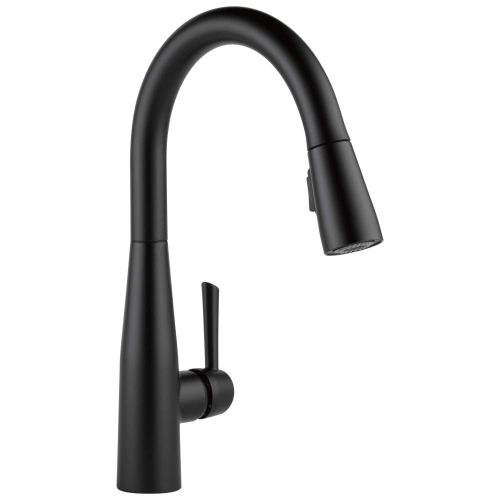
Hands-free water control that fits your kitchen routine
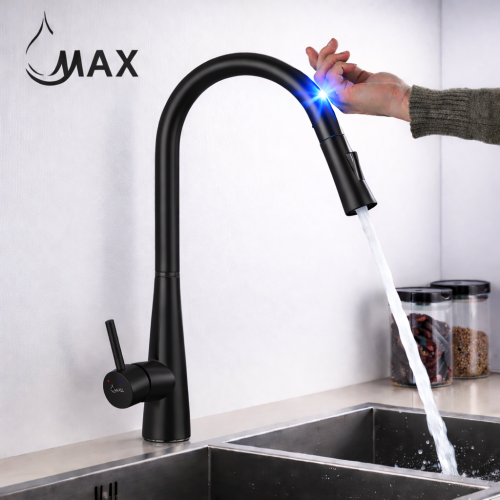
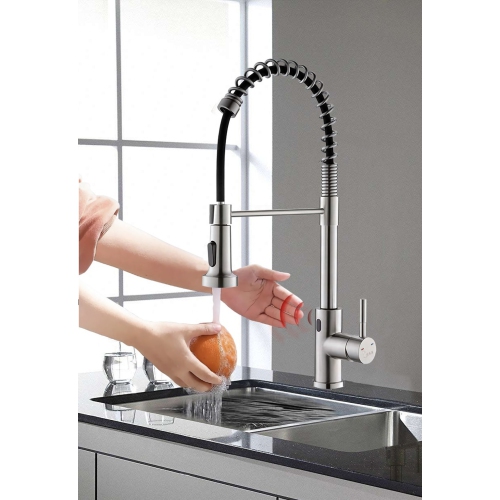
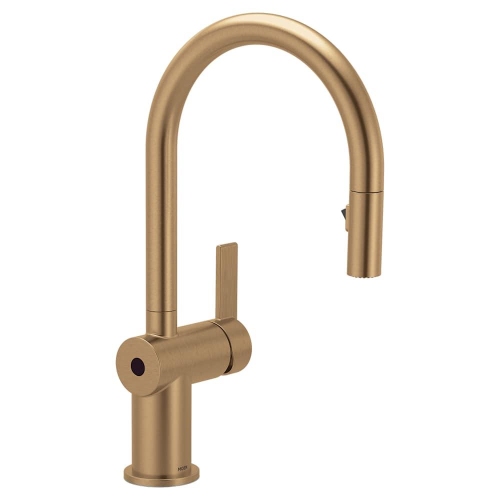
Smart kitchen sink faucets bring hands-free or connected control to one of the busiest spots in the home. Their appeal is practical: starting the water while holding a heavy pot, rinsing flour from fingers without gripping a handle, or stopping the flow between food-preparation tasks. The word “smart” covers several kinds of operation, so the control method matters as much as the appearance. Touch-activated designs respond to contact with a designated part of the faucet, while touchless versions use a sensor to detect movement nearby. Some connected faucets also support voice commands, app controls, or measured dispensing through a compatible smart home platform. Those capabilities vary by model and may require an internet connection, a separate device, or account setup. A faucet with a motion sensor does not necessarily include Wi-Fi or voice control. For everyday use, the most useful features are often the ones that suit familiar habits. A well-positioned sensor can make it easier to rinse vegetables while keeping both hands over the basin, while a pull-down spray head helps direct water around a roasting pan or into the corners of a deep sink. Where measured dispensing is supported, it can simplify repeated tasks such as filling a mixing bowl, although accuracy and operating limits depend on the design. Water temperature may still be set with a handle rather than through a connected control, and any preset functions deserve a close look before becoming part of a routine. Households with different preferences may appreciate a combination of electronic activation and familiar manual controls. For someone who finds small handles awkward to grasp, reduced reliance on twisting or pinching can be useful, provided the sensor position and reach work comfortably for that person. The best fit is a faucet that makes ordinary kitchen work feel straightforward, without adding controls that rarely get used. Clear feedback, predictable activation, and an easy way to stop the water matter more in daily use than a long list of connected functions.
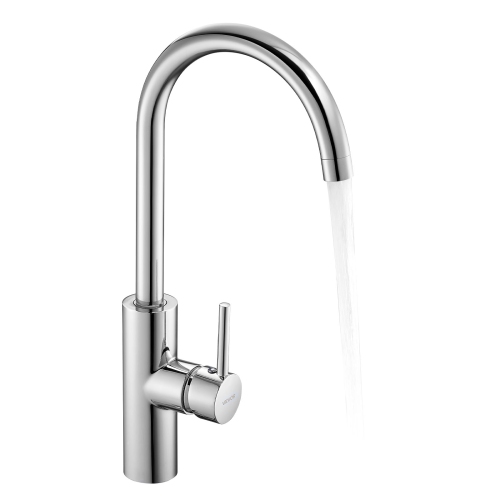
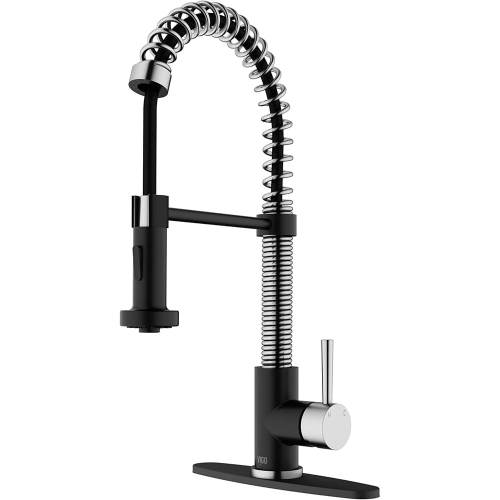
Physical fit remains just as important as smart functionality. Within the broader Kitchen Faucets category, differences in mounting style, spout reach, and overall height can have a noticeable effect on comfort at the sink. A tall arc provides room beneath the outlet for stockpots and pitchers, but it also needs clearance below shelving or cabinetry. Spout reach determines where the stream lands; water directed too close to the edge of a shallow basin can make washing large dishes awkward and increase splashing. A pull-down or pull-out spray head adds flexibility, particularly with a double-bowl sink, while its hose needs an unobstructed path beneath the countertop. Mounting-hole count and spacing, countertop thickness, and the size of the faucet base all affect installation. A deck plate may cover unused holes where compatible, but it is not included with every design. There also needs to be room under the sink for supply lines, the hose weight, and any electronic control box, without interference from storage bins, plumbing, or a waste disposer. Power arrangements deserve attention here: battery-powered systems need accessible battery compartments, while plug-in systems need a suitable outlet and safe cable routing. Operation during a power interruption varies, including whether manual water control remains usable. Connection sizes and local plumbing requirements may also affect the work involved, making professional installation a practical option when changes are needed. Materials and construction influence how the faucet feels over time. Brass and stainless steel bodies are common choices, but the internal valve, hose, fittings, and spray-head docking mechanism also contribute to durability. A securely seated spray head and smooth handle movement are useful everyday qualities. Chrome, brushed metal, and matte finishes each create a different look alongside sinks, cabinet hardware, and appliances. Finish names are not always consistent across manufacturers, so a close visual match is more reliable than assuming two similarly named finishes will look identical. The proportions matter too: an oversized faucet can dominate a compact sink, while a short spout may leave a wide basin difficult to reach.
Long-term satisfaction also depends on how easily a smart faucet fits into cleaning and maintenance routines. Fingerprints, soap residue, and mineral deposits can collect on the body, around the base, and near the spray outlets. A soft cloth and mild cleaning solution are often appropriate, but the finish-specific care directions take priority; abrasive pads and strong cleaners can damage some surfaces. Sensor windows need to remain clean and unobstructed for reliable detection, and wiping around them may require a cleaning mode or another method of temporarily disabling activation, where supported. Removable aerators and accessible spray nozzles can make routine upkeep simpler, especially where mineral buildup affects the stream. Beneath the sink, tidy hose routing helps the spray head extend and return freely, while accessible connections make it easier to spot moisture or replace batteries. Connected functions bring a few additional considerations beyond plumbing. Compatibility with the household’s existing devices, the required Wi-Fi band, app support, and the behaviour of voice controls all influence how smoothly those features work. Local sensor activation may operate independently of online services, but that should not be assumed for every design. Households with children may value settings that limit accidental activation or provide an automatic shutoff, where included, while still maintaining appropriate supervision around hot water. Automatic shutoff is a convenience rather than a substitute for checking that the faucet is off before leaving the kitchen. For frequent cooks, the priorities may be a comfortable spray head, generous reach, and dependable switching between stream and spray. In a shared kitchen, intuitive controls and an obvious manual handle can make the faucet easier for visitors to use without explanation. Clear warranty terms and access to replacement cartridges, hoses, and electronic components also matter for a fixture expected to handle years of daily use. A well-chosen smart kitchen sink faucet combines useful controls with sound construction and a layout that feels natural every time the sink is used.
Top selling and popular products
-
 Your price for this item is $130
-
 Your price for this item is $150
-
 Your price for this item is $150
-
 Your price for this item is $109.99
-
 Your price for this item is $79.99
-
 Your price for this item is $87.99
-
 Your price for this item is $100
-
 Your price for this item is $120
Discover more categories related to Smart Kitchen Sink Faucets
Top Collections:
Best Black Friday Deals This Year, Best Black Friday Deals On Electronics, Kindle Devices, Dyson Airwrap, Best Cameras for Sports Photography, Best Budget Office Chairs, Canon G7X Cameras, PS5 Pro Consoles, Best Black Friday Deals On Apple Products, XBOX One S Consoles
Some products may be subject to Environmental Handling Fees
(EHF) depending on your province.
Learn more about EHFs.