Snack Bags
Looking for a convenient way to store your snacks on-the-go or keep them fresh at home? Our selection of snack bags offers a versatile solution for all your snacking needs. Whether you're packing lunch for work, organizing snacks for a road trip, or simply looking to reduce waste with reusable options, our range of snack bags provides practical and eco-friendly choices to suit every lifestyle. From durable materials to various sizes and designs, find the perfect snack bags to make snacking easier and more enjoyable.
Sort









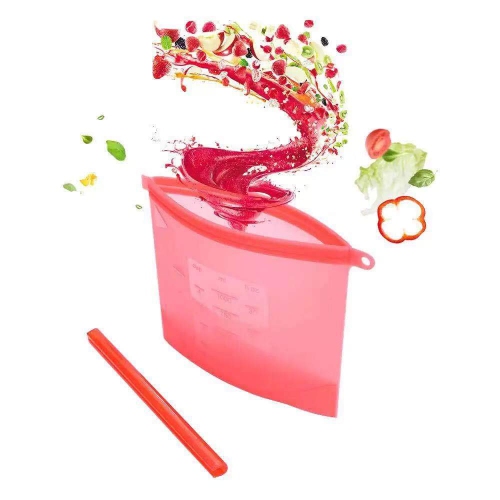
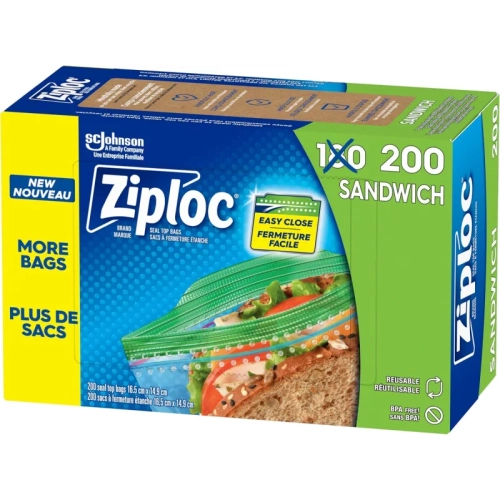



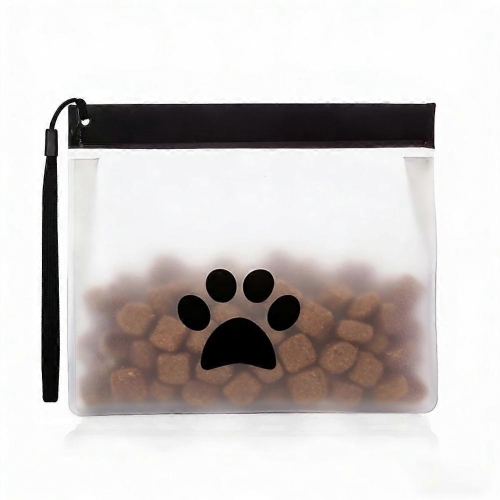

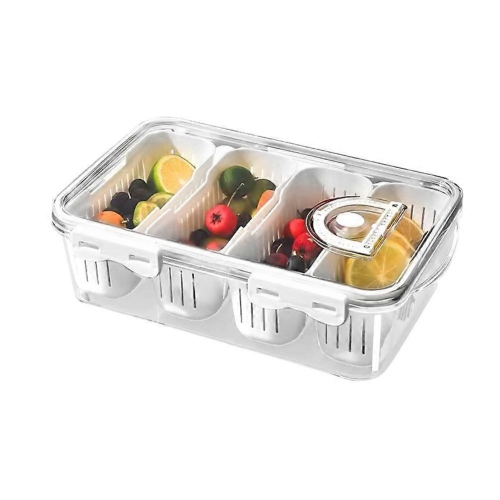
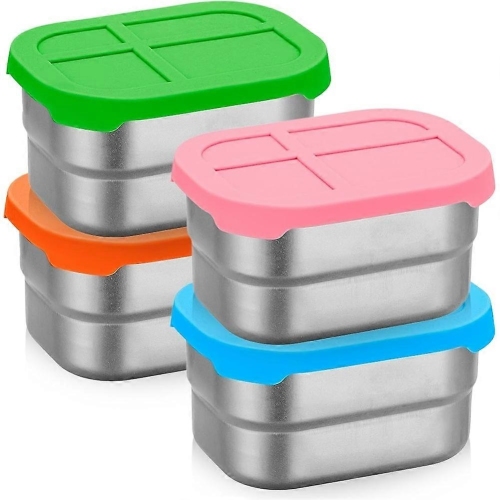

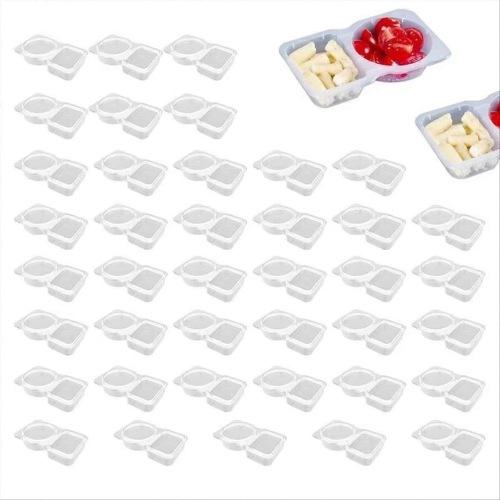


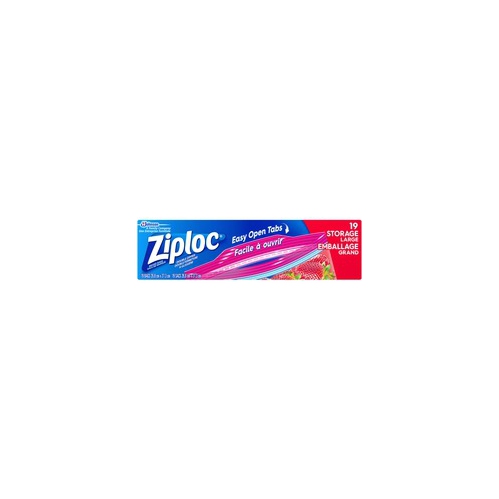
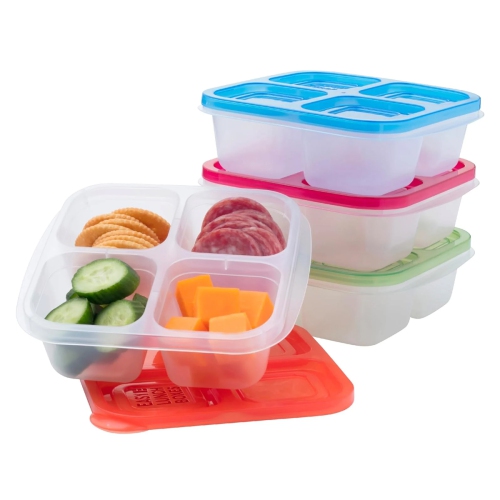
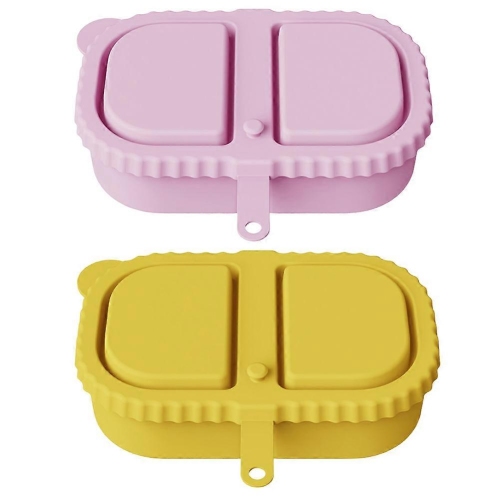
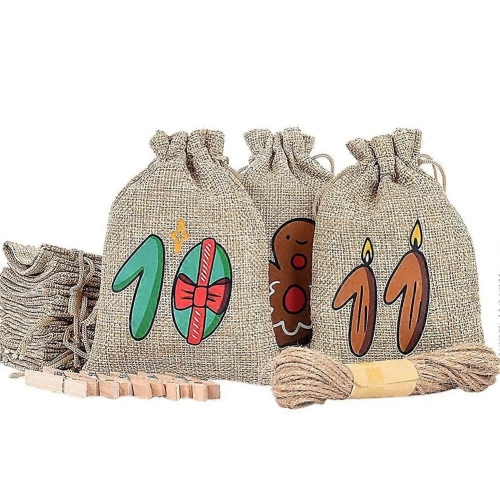
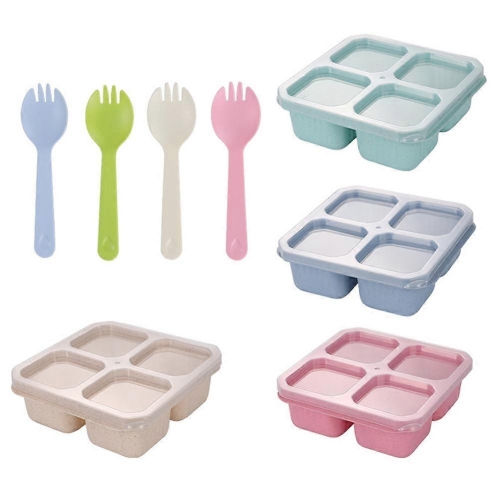

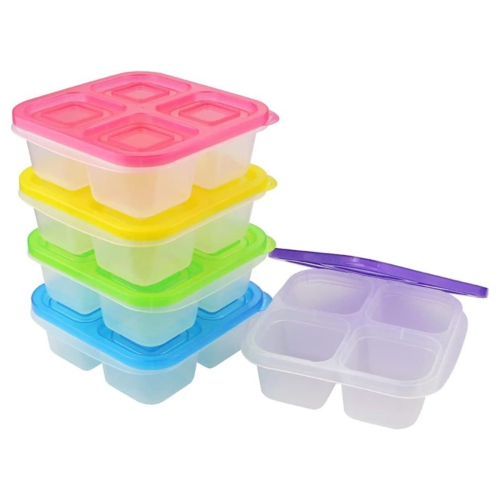
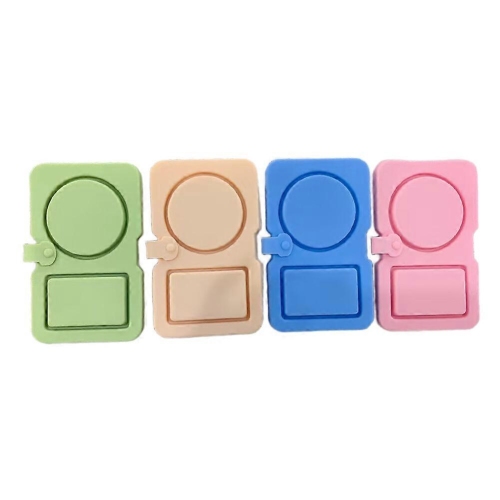
Small details that make packed snacks easier to enjoy
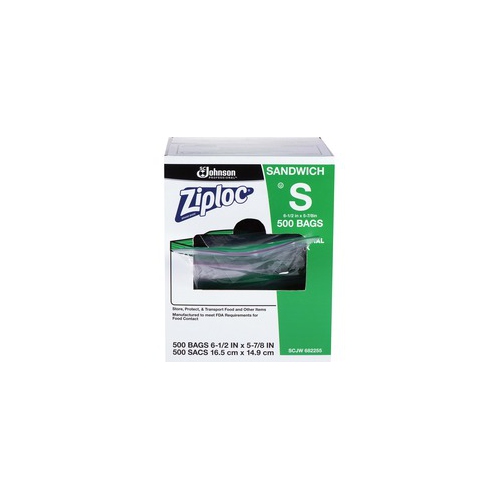
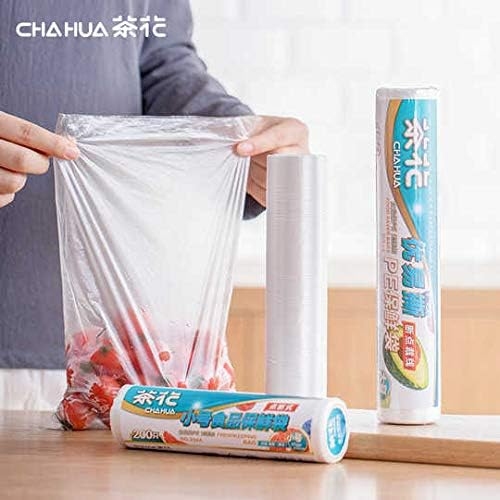
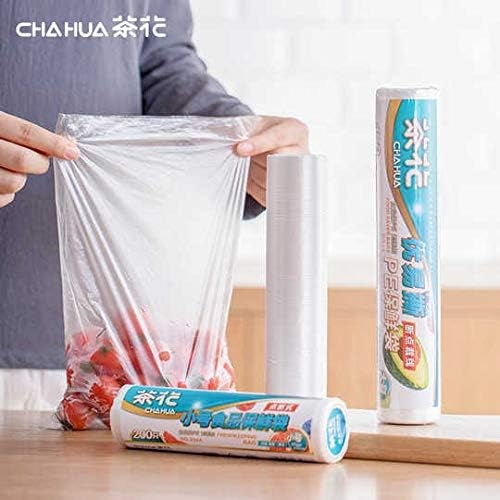
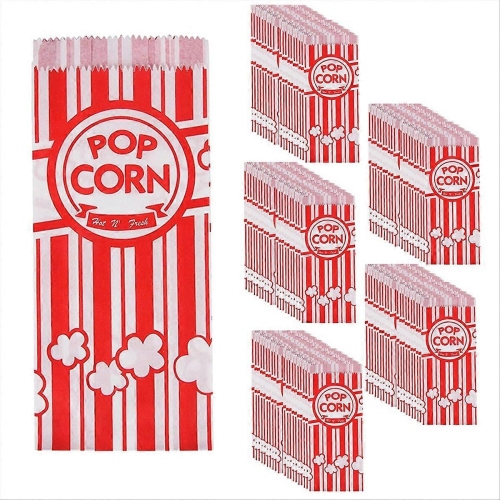
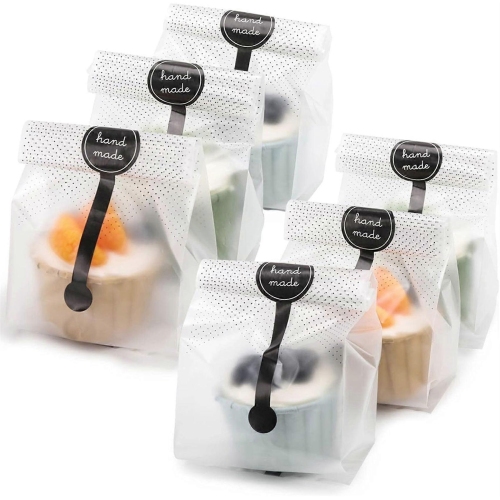
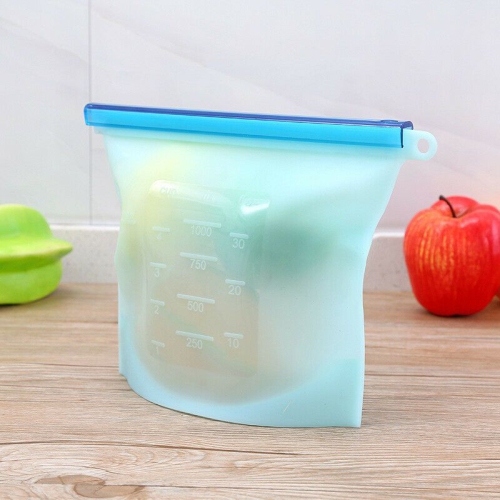
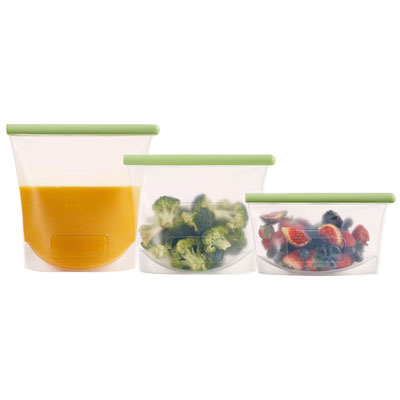
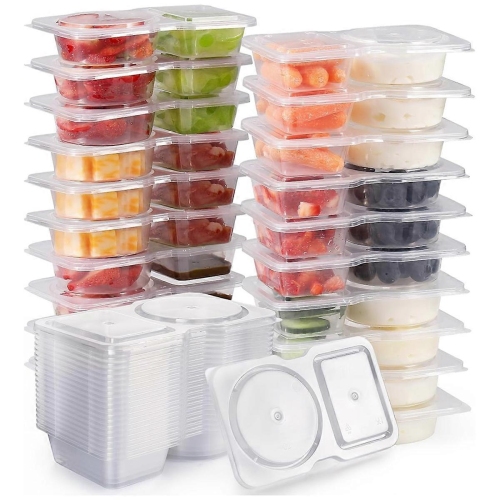
Snack bags are small food-storage bags designed to hold individual portions of food, keep different snacks separate, and fit inside lunch bags, backpacks, handbags, or desk drawers. They are useful for everything from crackers packed for a school lunch to sliced vegetables taken to work or a handful of trail mix tucked into a day bag. The main types include single-use plastic snack bags and washable versions made from silicone or fabric, often with a food-contact lining. Each has a different feel and purpose: thin plastic takes up little room, silicone typically has more structure, and fabric styles offer a soft, flexible shape that slips easily into a lunch kit. A compact bag can keep raisins from scattering through a larger compartment, while a wider design gives apple slices or rice cakes more room. Capacity matters, but so do the dimensions and the size of the opening. A bag may hold a generous portion yet have a narrow mouth that makes larger pieces awkward to pack or remove. Flat designs suit snacks that can lie in a shallow layer, whereas bags with an expanded base can accommodate bulkier bites and may stand upright while being filled. For families packing several lunches, different colours or patterns can help distinguish portions without opening every bag. Clear or translucent materials make the contents visible, which is handy when several snacks share a lunch compartment. Adults may prefer a simple shape that moves easily between a work tote and a gym bag, while younger children often benefit from an opening they can manage without help. Snack bags can also keep a small serving separate from a larger package, making it easier to pack just what is needed for a commute, an afternoon activity, or a break between appointments. Their usefulness comes from matching the portion, the food, and the place where it will be eaten.
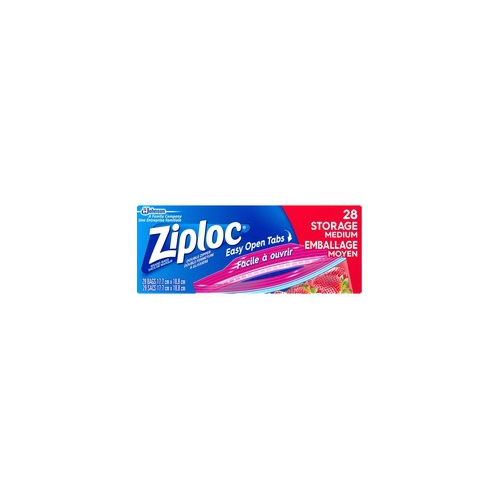
Materials and closures influence how a snack bag performs in everyday use. Plastic bags with press-to-close seals are lightweight and flexible, although thin film can be punctured by sharp food edges or damaged when crowded against other belongings. Silicone snack bags generally have thicker walls and can suit repeated washing, but their weight, flexibility, and closure design vary. Fabric bags may have a coated or separate inner lining intended for food contact; the outer textile alone does not indicate whether the bag can hold moist foods. Product care information is important for understanding which foods and cleaning methods a material can handle. A zipper closure can be straightforward for dry snacks, while a press seal needs to be lined up and closed fully along its length. Neither the material nor the appearance of a closure guarantees that a bag is leakproof or airtight. Those features need to be stated for the particular design, especially if the contents include juicy fruit or foods with a dressing. Crumbs caught in a seal can prevent a complete closure, and overfilling can put pressure on seams or leave too little space to fasten the top securely. Ease of opening deserves as much attention as the seal itself. A firm closure may be useful inside a crowded bag but difficult for small hands or someone with limited grip strength. Wider tabs and accessible openings can make packing and eating less fiddly. Soft-sided snack bags are also different from rigid containers: they organize food without necessarily protecting it from crushing. Delicate crackers or berries need a sheltered spot rather than the bottom of a backpack beneath a water bottle. For cut fruit, cheese, and other perishable snacks, the bag provides a container, not refrigeration; safe storage still depends on appropriate chilling and transport. Keeping wet and dry foods in separate bags also helps preserve texture, so cucumber slices do not leave crackers soft before lunchtime.
Care and durability become especially noticeable when snack bags are part of a daily packing routine. Washable designs need cleaning according to their care directions, with attention to corners, seams, zipper tracks, and the area beneath the closure where food residue can collect. Some can go in a dishwasher, while others require handwashing or a particular laundering method; dishwasher, freezer, and microwave suitability should never be assumed from the material alone. A wide opening can make it easier to reach the inside, rinse away soap, and leave the bag open to dry thoroughly before storage. Fabric layers and stitched edges may take longer to dry than smooth surfaces, which matters when lunch supplies are washed in the evening and packed again the next morning. Having separate clean bags ready can make that routine less rushed. Single-use bags are intended for disposal after use rather than repeated washing, and any bag with a split seam, damaged lining, or closure that no longer fastens properly has lost part of its usefulness. Regular handling also reveals practical differences in construction: reinforced edges can help a fabric bag hold its shape, while a smooth interior offers fewer places for crumbs to lodge. For households preparing homemade snacks, food made with snack makers can be divided into smaller servings once it is ready for storage; freshly cooked food should be handled and cooled appropriately before packing. A bag broad enough for a homemade oat bar may serve a different purpose from a small pouch for dried fruit, so a mix of sizes can be useful without making every portion oversized. Snack bags can be a practical gift alongside a lunch bag for a student, a colleague starting a new role, or a family member who regularly packs food for outings. The most useful choices reflect the recipient’s habits: easy cleaning for frequent use, manageable closures for independent eating, and a size that fits the lunch kit already in use. Those everyday details help keep packing, carrying, and enjoying a snack straightforward.
Top selling and popular products
-
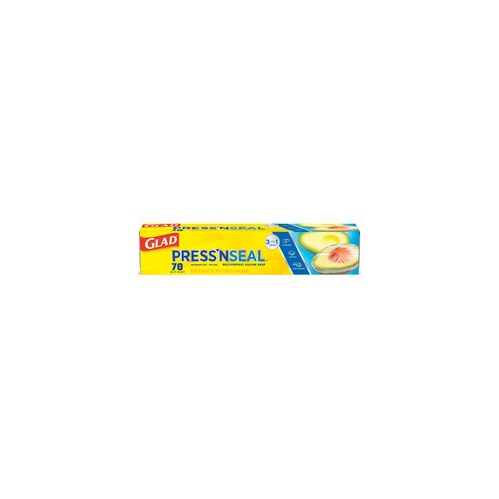 Your price for this item is $5.99
-
 Your price for this item is $9.99
-
 Your price for this item is $108.25
-
 Your price for this item is $7.99
-
 Your price for this item is $59.99
-
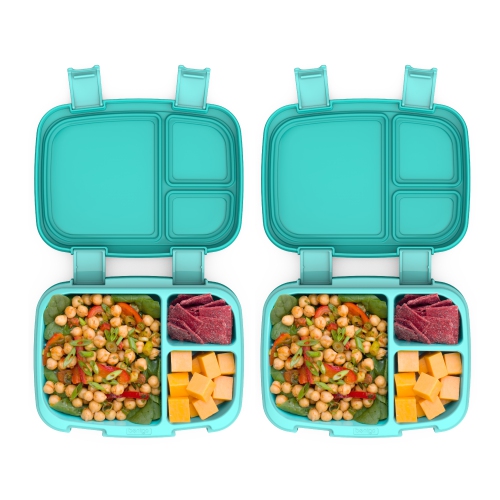 Your price for this item is $59.99
-
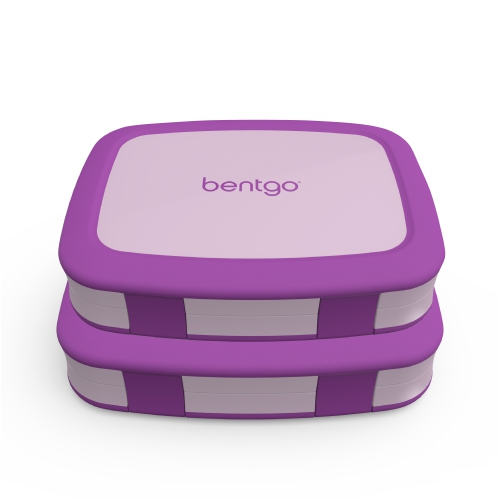 Your price for this item is $49.99
-
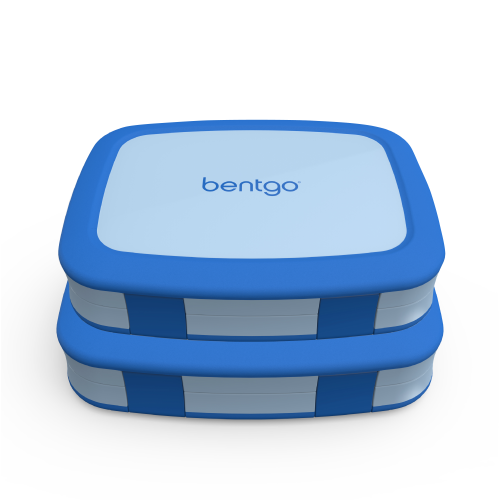 Your price for this item is $49.99
Discover more categories related to Snack Bags
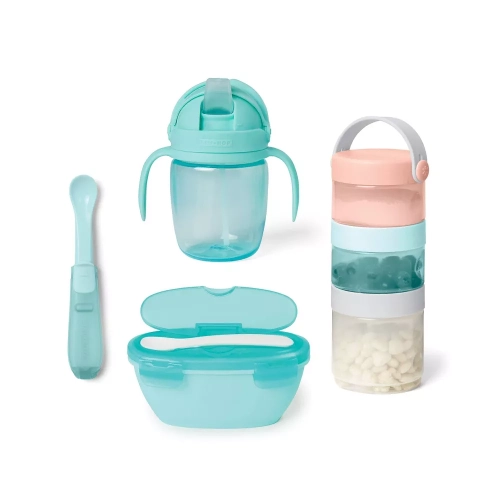
Top Collections:
Pokemon Centers, Best Cameras for Sports Photography, Kindle Devices, Samsung Galaxy Phones, Canon G7X Cameras, Pokémon 30th Celebration Cards, Refurbished Apple Laptops, iPhone 15 Apple, Laptops for Students, Budget Smartphones
Some products may be subject to Environmental Handling Fees
(EHF) depending on your province.
Learn more about EHFs.