Sofa A Vendre
Find the perfect addition to your living space with Sofa A Vendre. Explore a wide selection of styles, sizes, and colors to match any décor and preference. Whether you’re updating your home or furnishing a new space, discover sofas designed for comfort and versatility. With options to suit every taste and budget, Sofa A Vendre makes it easy to enhance your living room and create a cozy gathering place for family and friends.
Sort
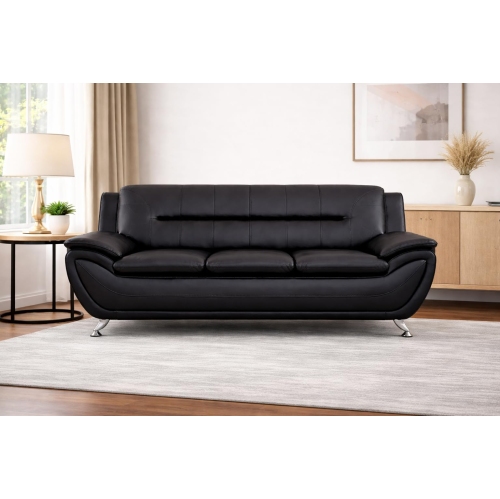
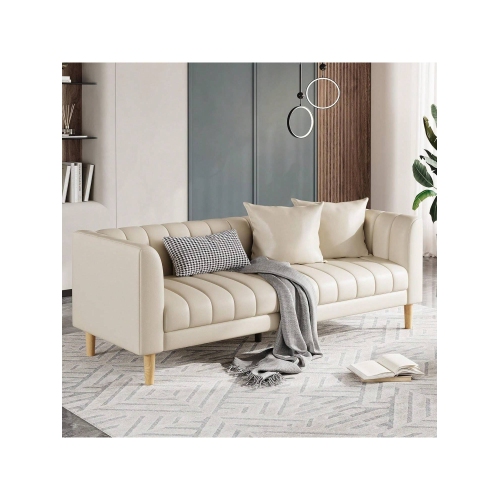
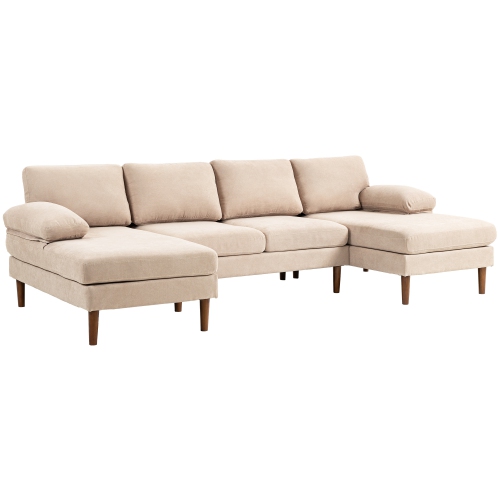
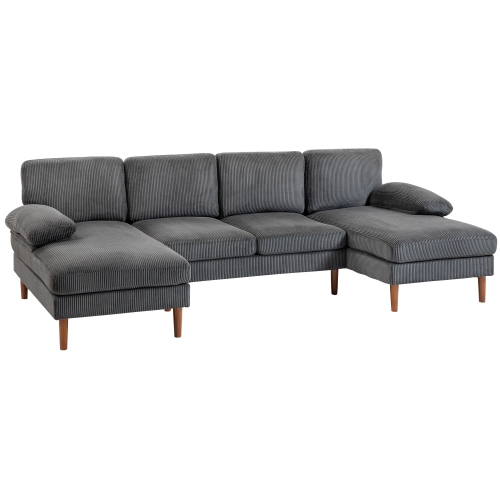

How sofa design shapes the way you relax
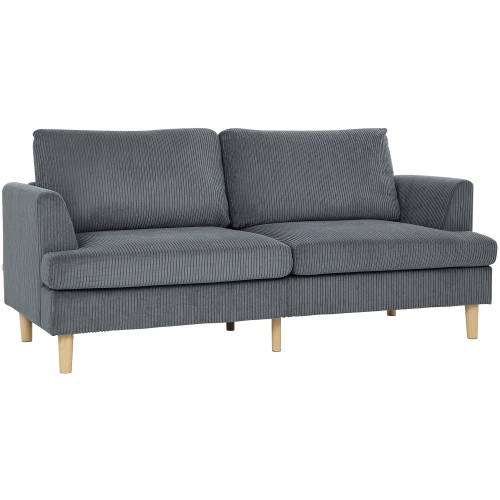
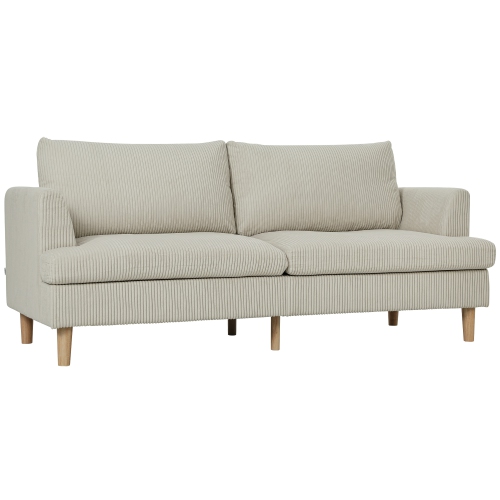
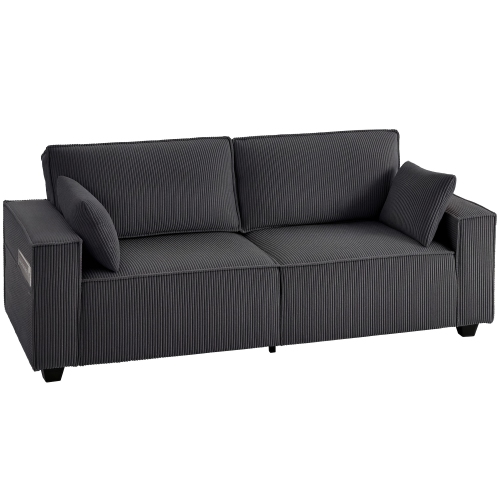
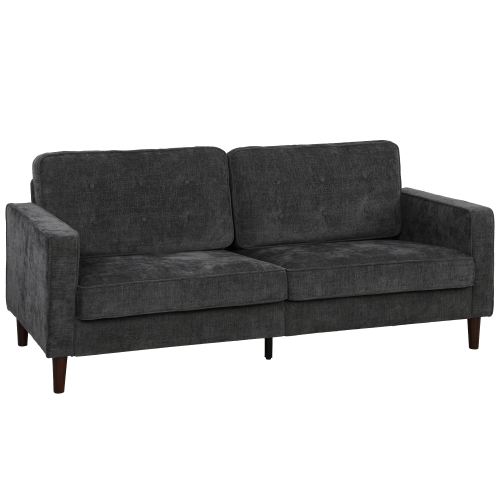
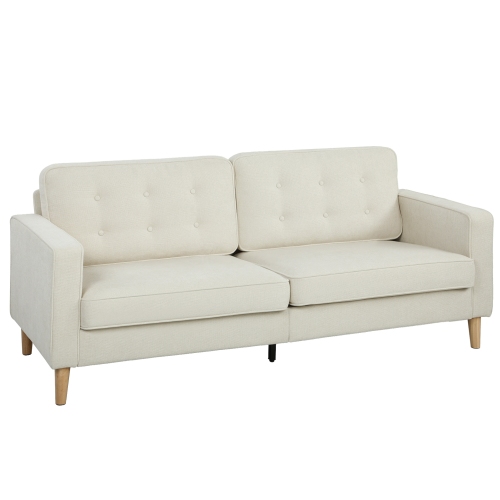
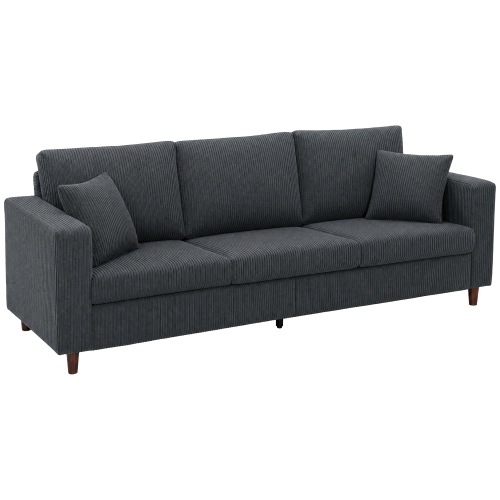
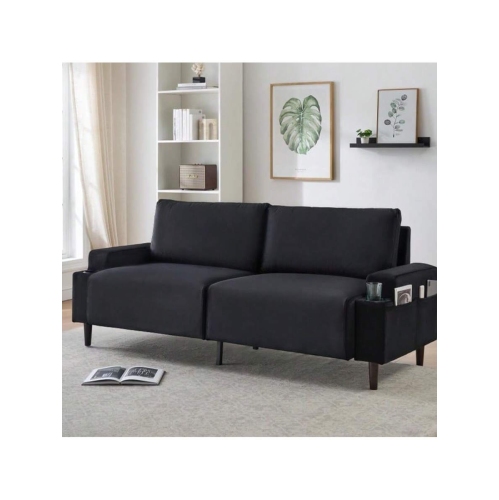
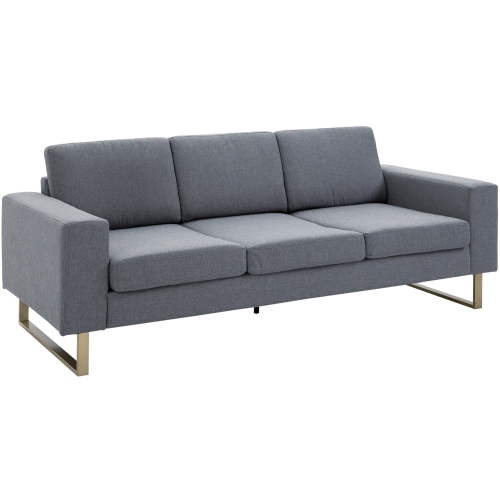
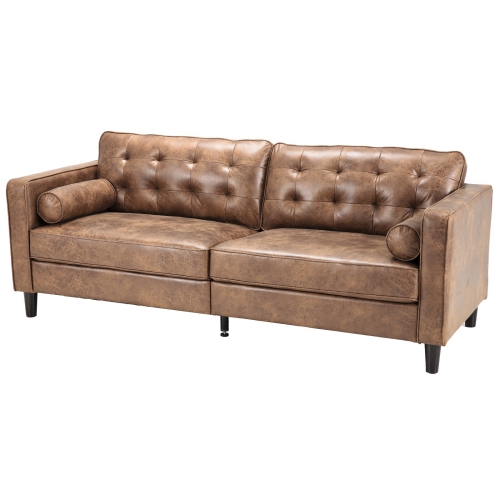
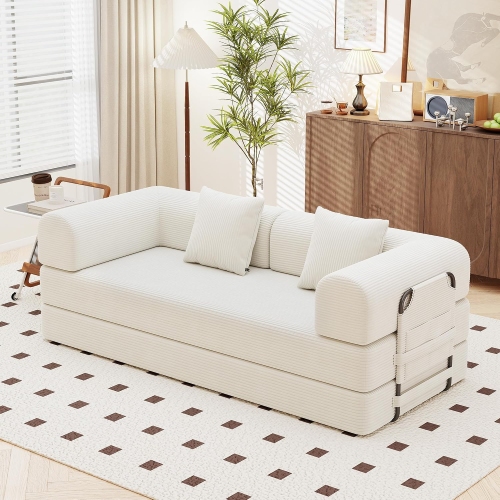
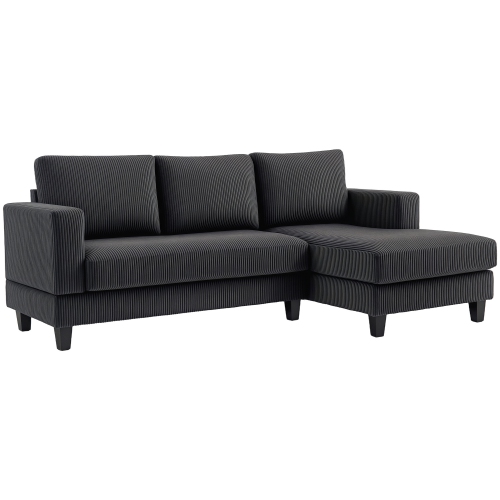
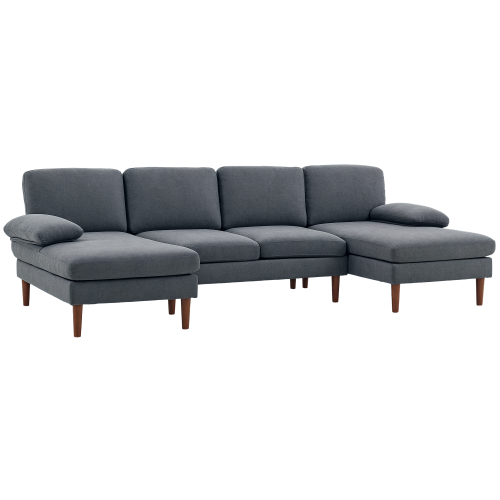
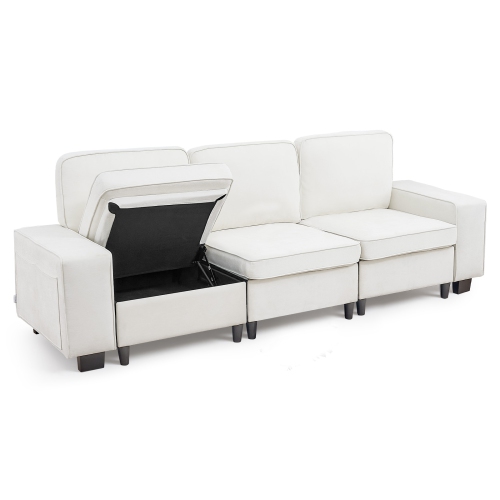
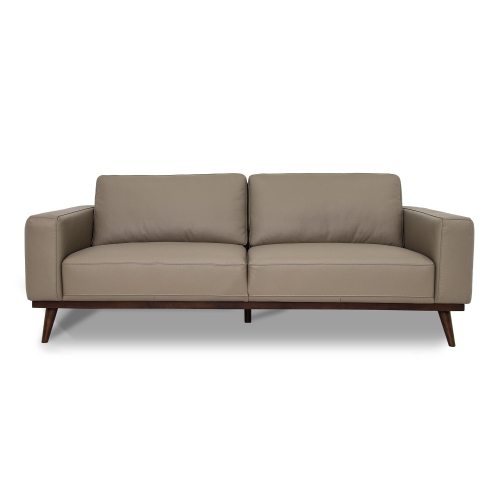
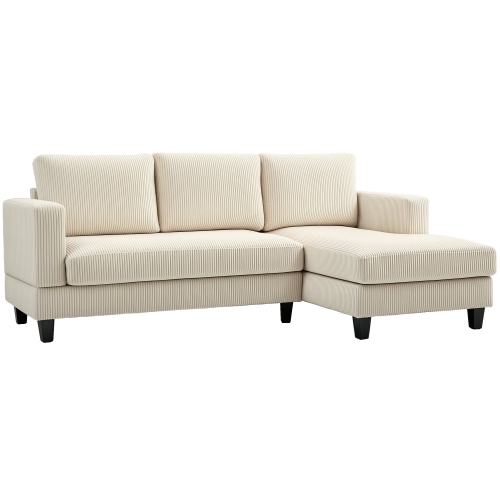
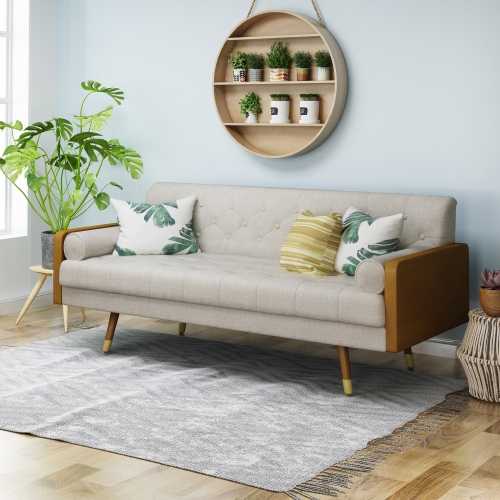
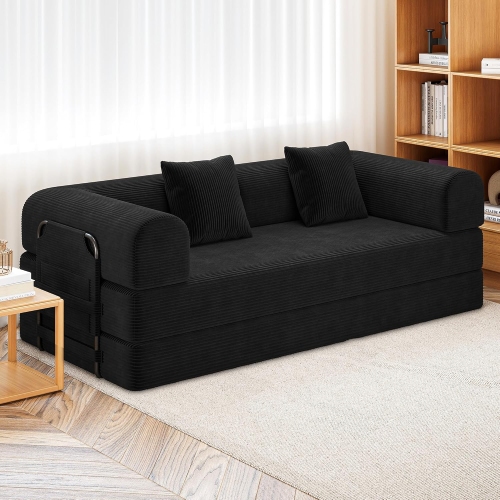
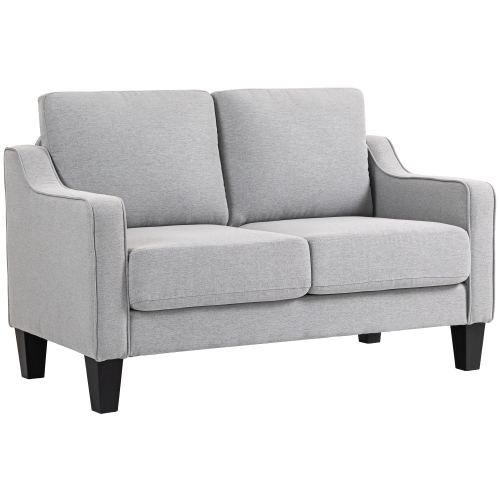
A sofa gives a living room its main gathering place, whether that means a comfortable spot for movie nights, seating for visiting friends, or somewhere to stretch out with a book. Sofas come in several distinct formats, each suited to a different way of using a room. A standard sofa keeps seating in a single line and works well opposite a television or alongside an armchair. A loveseat offers a shorter footprint for a studio, bedroom sitting area, or smaller shared space. Sectionals bring multiple seats together in an L-shaped or U-shaped arrangement, while chaise sofas provide an extended cushion for putting your feet up. Modular designs use separate seating units that can be arranged in different configurations, although the possible layouts depend on their connectors and individual components. Sleeper sofas add a fold-out mattress or another convertible sleeping surface, making them useful in multipurpose rooms where overnight guests need a place to rest. Reclining sofas suit relaxed viewing and lounging, with mechanisms that adjust the backrest, footrest, or both. These differences matter beyond appearance: a household that gathers for long films may value generous seat depth, while someone who prefers sitting upright for conversation may feel more comfortable with a shallower seat and supportive back cushions. Broad arms can provide a relaxed resting place, but they also take up width that might otherwise be used for seating. Slim arms make a sofa feel less bulky without necessarily reducing its usable sitting area. In an open-plan home, the sofa’s back may be visible from the dining area or entrance, so its rear upholstery and overall profile become part of the room’s appearance. Colour, texture, and shape all contribute to that effect. A softly rounded silhouette feels different from a straight, structured frame, and a textured neutral fabric can add visual interest without becoming the strongest feature in the room.
The right fit starts with the sofa’s full dimensions rather than its stated seat count. Overall width, depth, and height describe the space it occupies, while seat height and seat depth give a better sense of how it may feel in daily use. Taller people may appreciate deeper seating, whereas a higher, firmer seat can make standing up easier for some users. Measuring the intended floor area with painter’s tape helps make the footprint tangible: there should still be room to walk past, open nearby doors, and reach side tables without squeezing between furniture. A chaise that looks compact in a photograph can extend well into a walkway, and a sleeper needs clear floor space when fully opened. Reclining designs also need the clearance specified for their mechanisms, including space in front for the footrest and, where required, behind the back. For sectionals, left-facing and right-facing descriptions should be checked against the layout diagram, since the viewing perspective can affect how those terms are understood. Access to the room deserves the same attention as the final placement. Doorway openings, tight hallway turns, stair landings, and elevator interiors can all limit what will pass through. Packaged dimensions may differ from assembled dimensions, and removable legs or backs should only be counted on when the construction details confirm they detach. Within the room, proportions influence everyday comfort as much as measurements do. A low-backed sofa can preserve sightlines across a compact apartment, while a taller back may provide more upper-body support. Loose cushions allow some flexibility in positioning and maintenance; attached cushions stay in place but may offer fewer options for rotating wear. For households with children or pets, secure components, suitable upholstery, and accessible cleaning areas are practical considerations. Powered reclining models also need a nearby electrical outlet and a cord position that does not create a tripping hazard. Moving mechanisms should remain clear of toys, bedding, and small hands or paws.
Upholstery and internal construction shape how a sofa feels, wears, and responds to care. Woven fabrics range from smooth, tightly textured surfaces to more pronounced weaves, with each bringing a different hand feel and appearance. Tightly woven upholstery may be less prone to catching than an open weave, though resistance to claws, abrasion, and staining depends on the particular material. Velvet has a soft pile that can show changes in shading as it is brushed or touched; textured fabrics may soften the appearance of minor marks but can hold crumbs within their weave. Leather develops creases with use, and its care requirements vary according to the finish. Faux leather has a different surface structure and should not automatically be treated with products intended for genuine leather. Any stain-resistant treatment still requires prompt attention to spills and cleaning that follows the upholstery label. Blotting rather than rubbing helps avoid spreading a fresh spill, and testing an approved cleaner in an inconspicuous area can help prevent a visible change in colour. Removable covers are convenient, but a zipper does not necessarily mean the cover is machine washable. Beneath the upholstery, frame construction, joint reinforcement, suspension, and cushion fill all contribute to durability. Foam can provide a more defined sitting surface, while fibre-filled or feather-blend cushions may feel softer and need regular fluffing to retain their shape. Where the design permits, rotating cushions helps distribute repeated use across more than one sitting position. Direct sunlight can fade some coverings, and placement close to heat sources may affect upholstery or other components, so the manufacturer’s placement guidance matters. A sofa for a busy family room will face different demands from one in a quiet guest room, just as a sleeper used frequently needs closer attention to its sleeping dimensions and support than one intended for occasional visits. Furnishing a first apartment can also involve planning beyond the living room; for personal travel needs alongside setting up a home, Scooter A Vendre offers a separate category to explore. For the sofa itself, lasting suitability comes from matching its size, seating feel, materials, and care needs to the people who will use it every day.
The right fit starts with the sofa’s full dimensions rather than its stated seat count. Overall width, depth, and height describe the space it occupies, while seat height and seat depth give a better sense of how it may feel in daily use. Taller people may appreciate deeper seating, whereas a higher, firmer seat can make standing up easier for some users. Measuring the intended floor area with painter’s tape helps make the footprint tangible: there should still be room to walk past, open nearby doors, and reach side tables without squeezing between furniture. A chaise that looks compact in a photograph can extend well into a walkway, and a sleeper needs clear floor space when fully opened. Reclining designs also need the clearance specified for their mechanisms, including space in front for the footrest and, where required, behind the back. For sectionals, left-facing and right-facing descriptions should be checked against the layout diagram, since the viewing perspective can affect how those terms are understood. Access to the room deserves the same attention as the final placement. Doorway openings, tight hallway turns, stair landings, and elevator interiors can all limit what will pass through. Packaged dimensions may differ from assembled dimensions, and removable legs or backs should only be counted on when the construction details confirm they detach. Within the room, proportions influence everyday comfort as much as measurements do. A low-backed sofa can preserve sightlines across a compact apartment, while a taller back may provide more upper-body support. Loose cushions allow some flexibility in positioning and maintenance; attached cushions stay in place but may offer fewer options for rotating wear. For households with children or pets, secure components, suitable upholstery, and accessible cleaning areas are practical considerations. Powered reclining models also need a nearby electrical outlet and a cord position that does not create a tripping hazard. Moving mechanisms should remain clear of toys, bedding, and small hands or paws.
Upholstery and internal construction shape how a sofa feels, wears, and responds to care. Woven fabrics range from smooth, tightly textured surfaces to more pronounced weaves, with each bringing a different hand feel and appearance. Tightly woven upholstery may be less prone to catching than an open weave, though resistance to claws, abrasion, and staining depends on the particular material. Velvet has a soft pile that can show changes in shading as it is brushed or touched; textured fabrics may soften the appearance of minor marks but can hold crumbs within their weave. Leather develops creases with use, and its care requirements vary according to the finish. Faux leather has a different surface structure and should not automatically be treated with products intended for genuine leather. Any stain-resistant treatment still requires prompt attention to spills and cleaning that follows the upholstery label. Blotting rather than rubbing helps avoid spreading a fresh spill, and testing an approved cleaner in an inconspicuous area can help prevent a visible change in colour. Removable covers are convenient, but a zipper does not necessarily mean the cover is machine washable. Beneath the upholstery, frame construction, joint reinforcement, suspension, and cushion fill all contribute to durability. Foam can provide a more defined sitting surface, while fibre-filled or feather-blend cushions may feel softer and need regular fluffing to retain their shape. Where the design permits, rotating cushions helps distribute repeated use across more than one sitting position. Direct sunlight can fade some coverings, and placement close to heat sources may affect upholstery or other components, so the manufacturer’s placement guidance matters. A sofa for a busy family room will face different demands from one in a quiet guest room, just as a sleeper used frequently needs closer attention to its sleeping dimensions and support than one intended for occasional visits. Furnishing a first apartment can also involve planning beyond the living room; for personal travel needs alongside setting up a home, Scooter A Vendre offers a separate category to explore. For the sofa itself, lasting suitability comes from matching its size, seating feel, materials, and care needs to the people who will use it every day.
Top selling and popular products
-
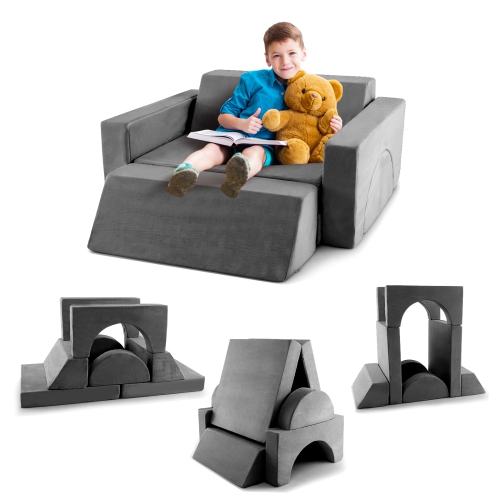 Your price for this item is $167.99
 -
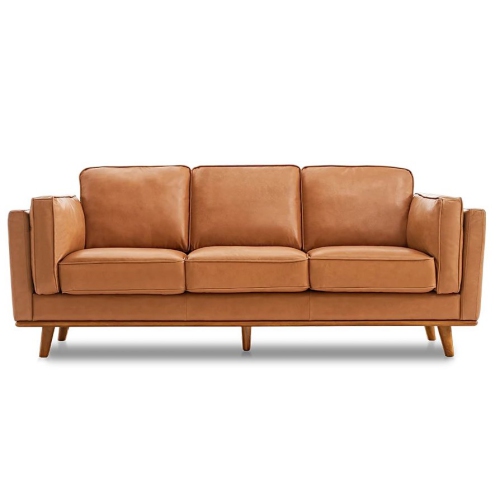 Your price for this item is $2399.99
 -
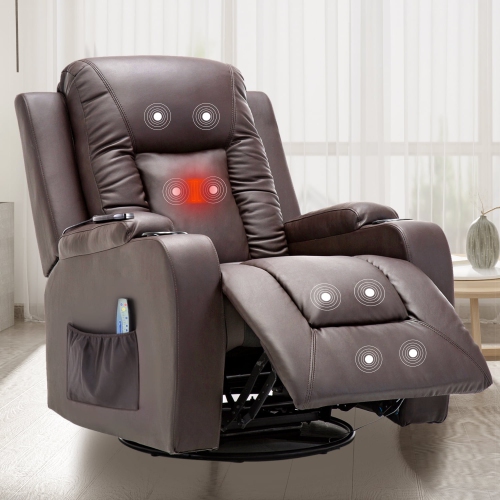 Your price for this item is $599.99
 -
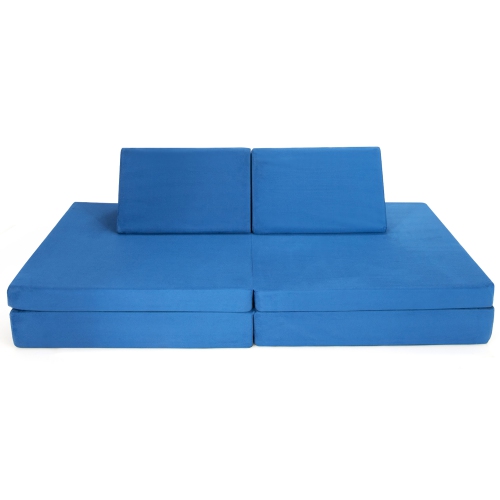 Your price for this item is $167.99
 -
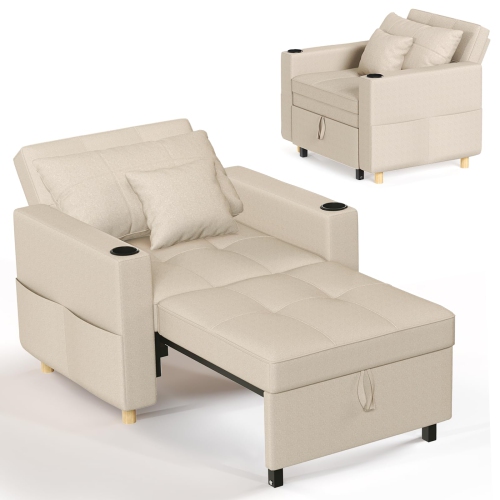 Your price for this item is $329.99
 -
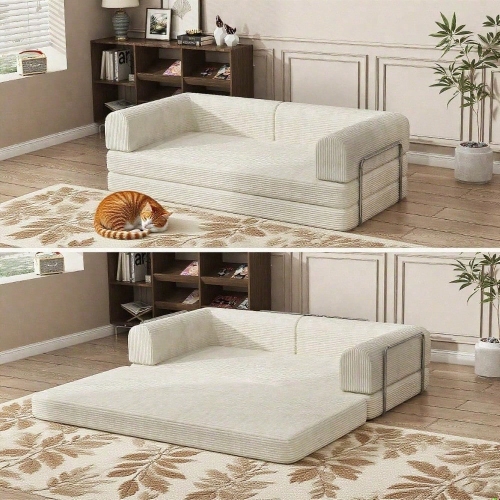 Your price for this item is $531.99
 -
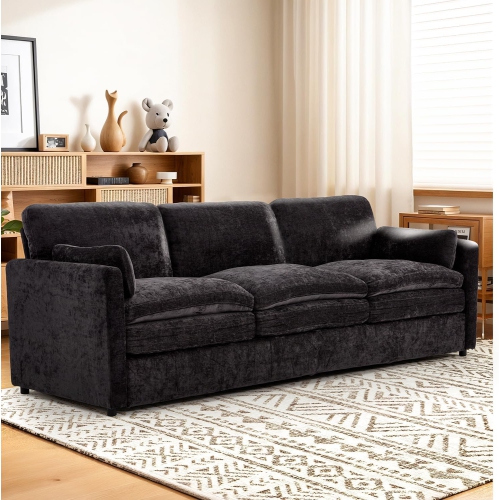 Your price for this item is $549.99
 -
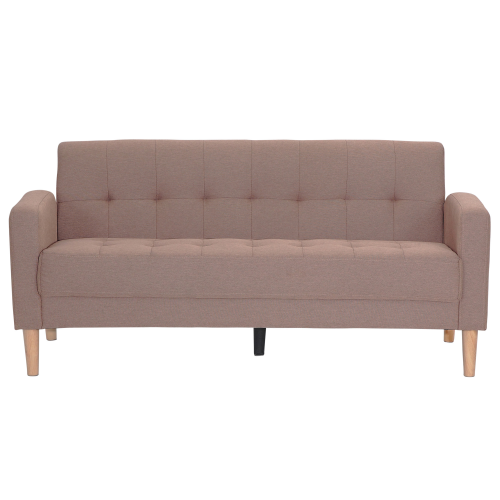 Your price for this item is $399.99
Discover more categories related to Sofa A Vendre
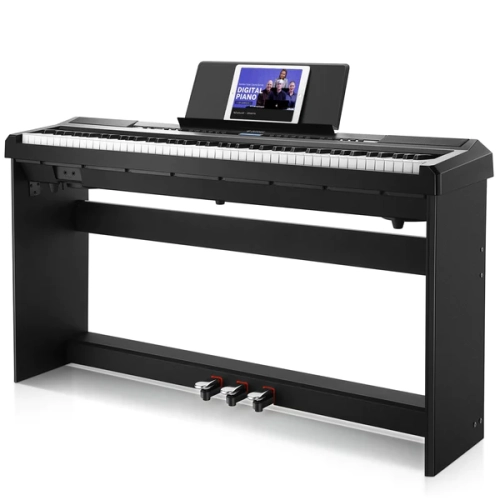
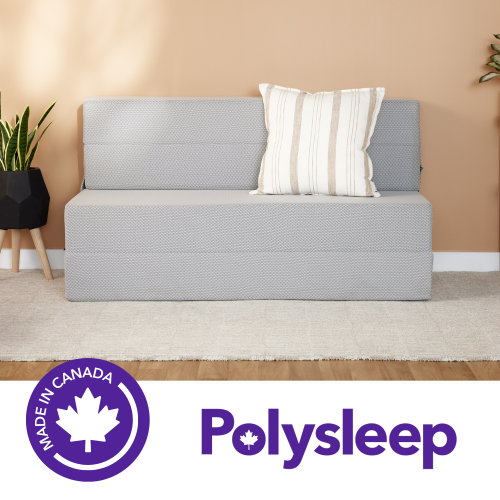

Top Collections:
Pokemon Centers, Kindle Devices, Best Budget Office Chairs, Apple iPhones 16, Samsung Galaxy Phones, Canon G7X Cameras, iPhone 15 Apple, Flip Phones, Best Laptops for Writers, Alarm Clock
Some products may be subject to Environmental Handling Fees
(EHF) depending on your province.
Learn more about EHFs.