Sofa Canada
Discover the perfect blend of comfort and style with our diverse collection of sofas. Whether you're revamping your living room or adding a cozy touch to your home, our selection offers an array of options to suit every taste and space. From sleek modern designs to timeless classics, each piece promises quality craftsmanship and enduring elegance. Explore various materials, colors, and configurations to find the sofa that complements your lifestyle and enhances your home decor.
Sort

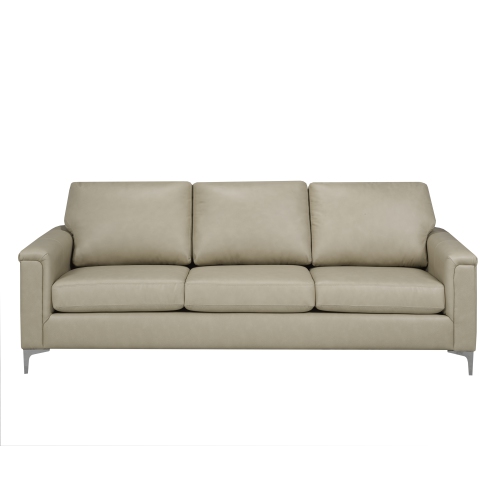
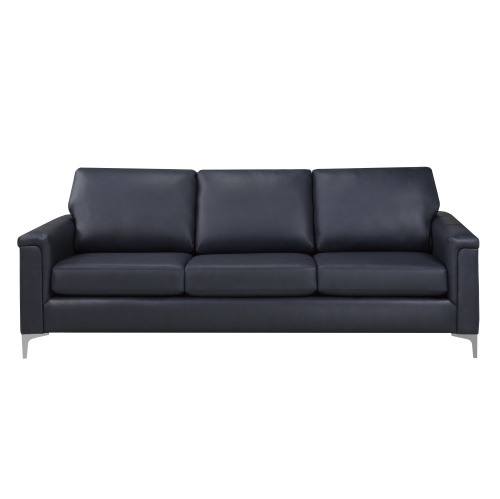


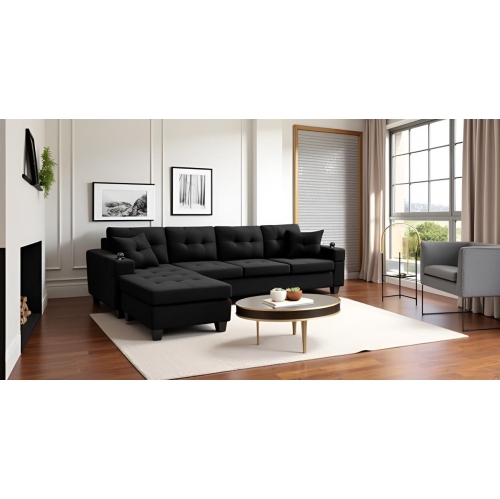
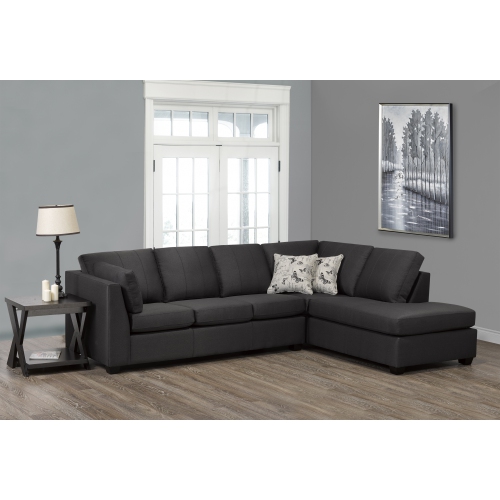
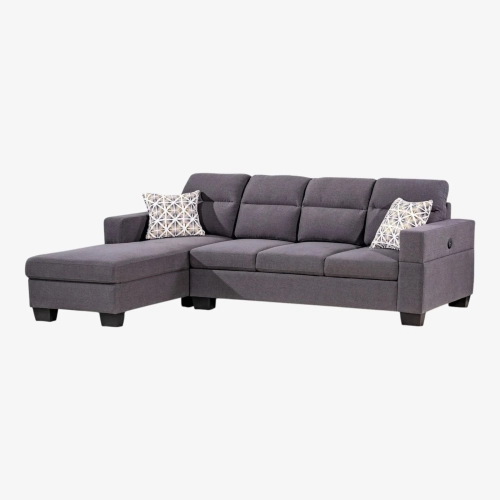
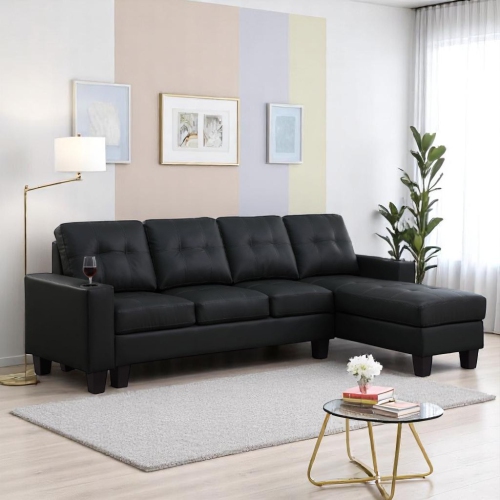
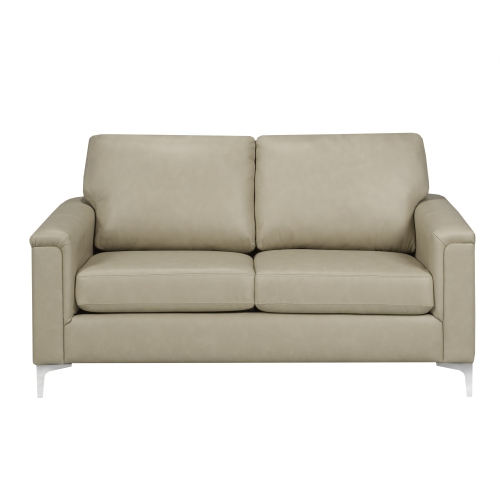
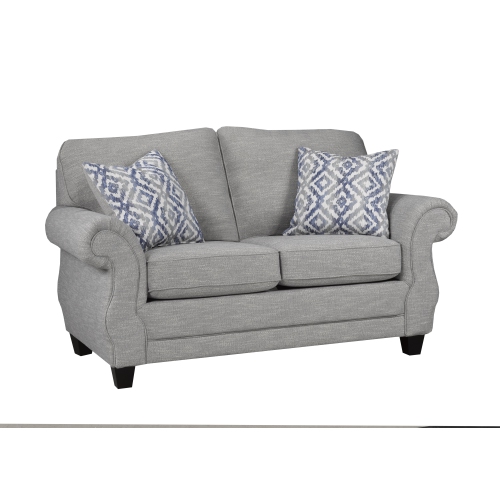
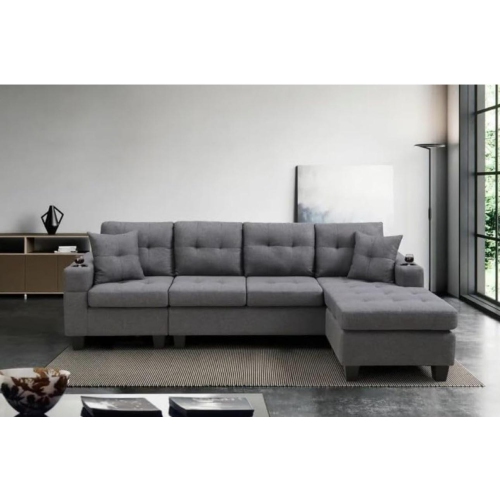
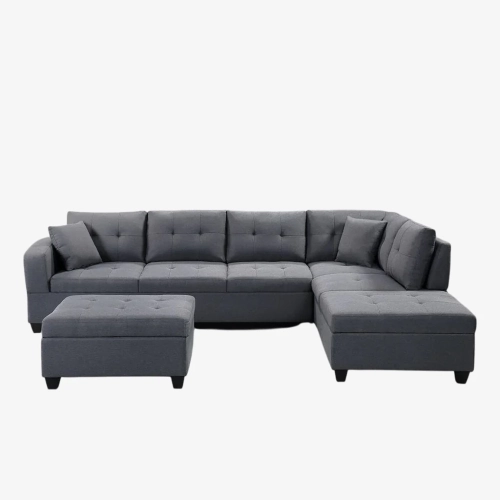
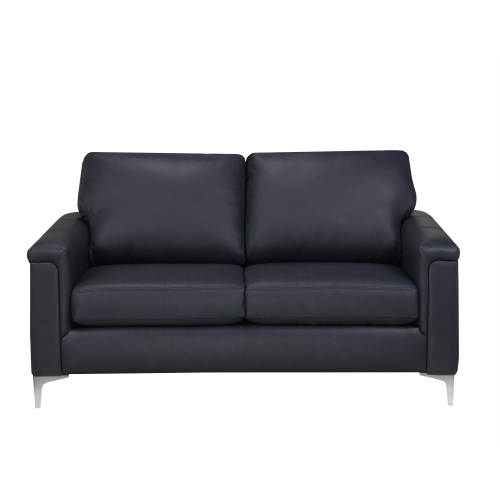
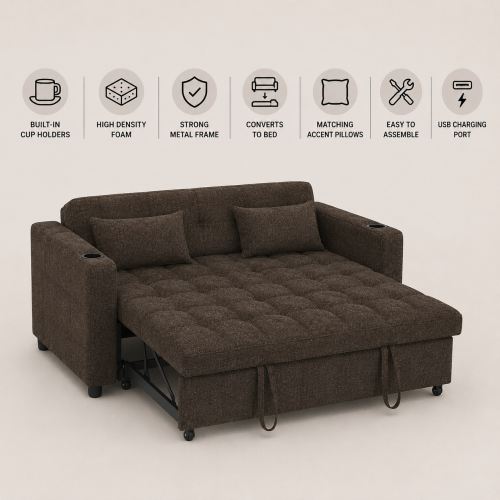
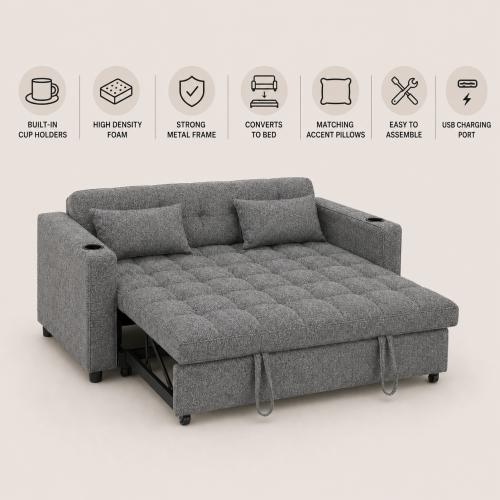

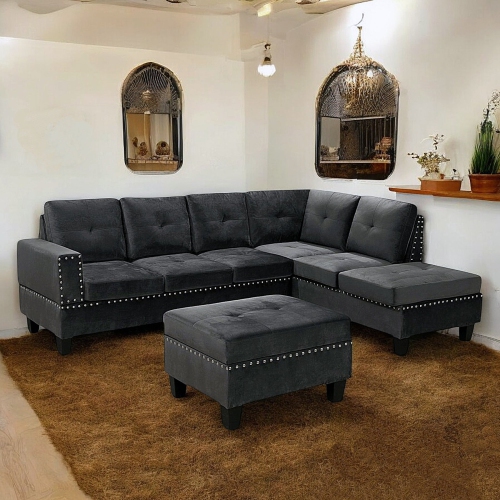
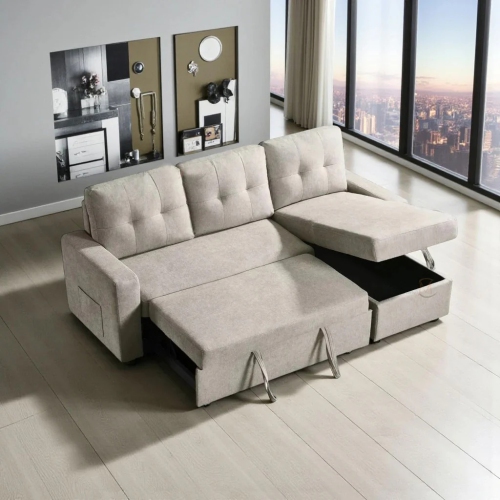
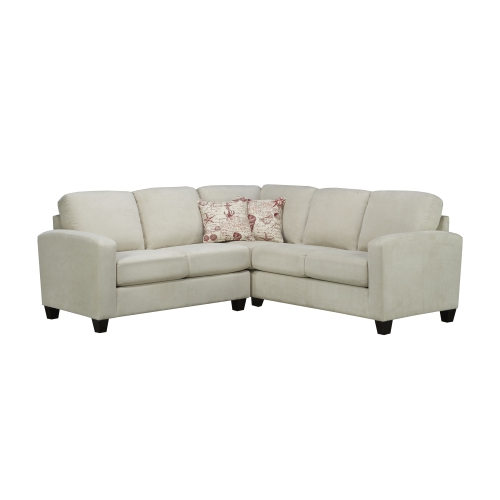
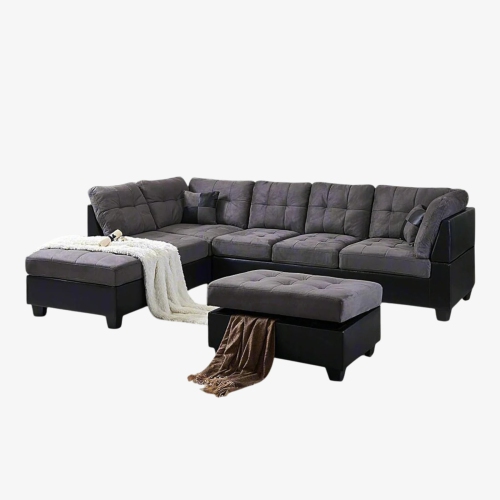
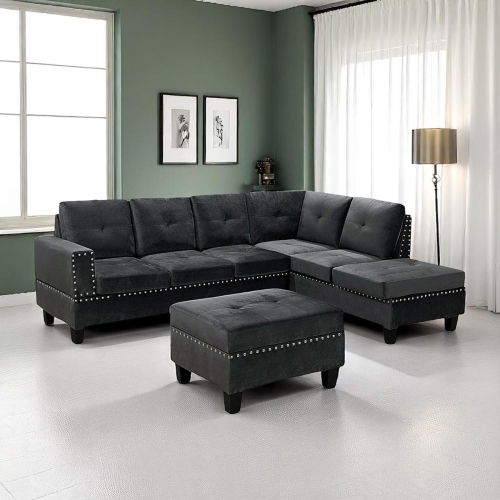

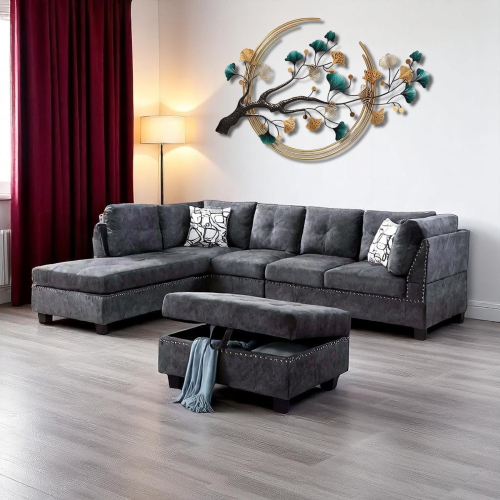


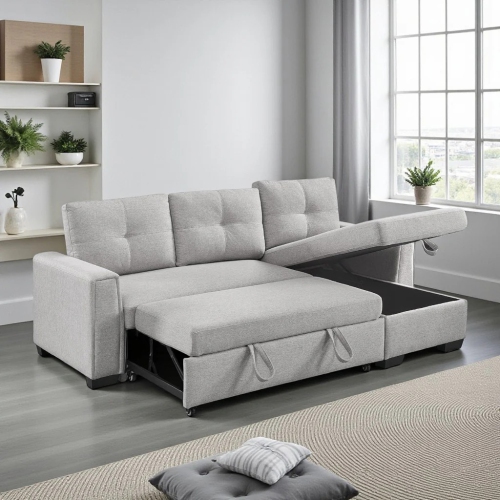

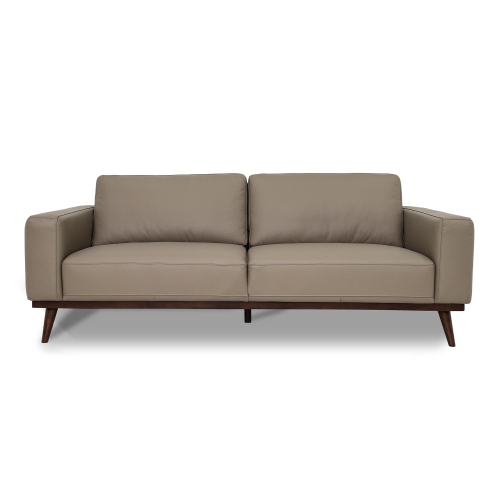
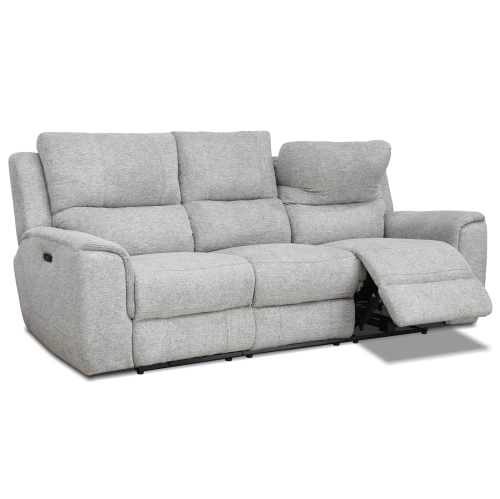
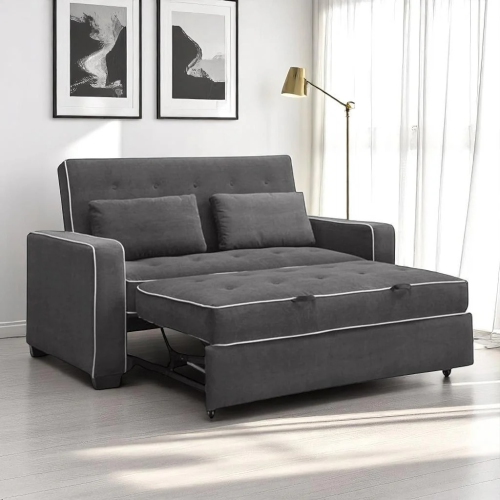
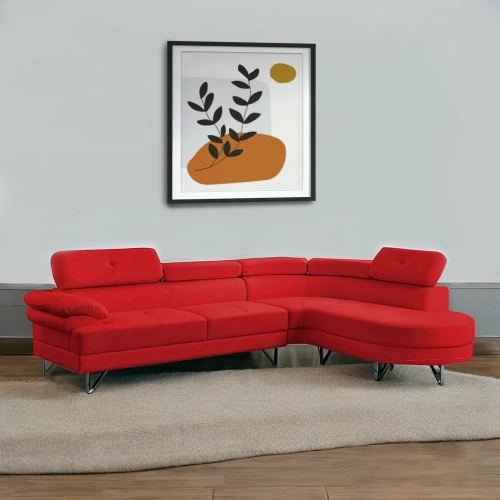
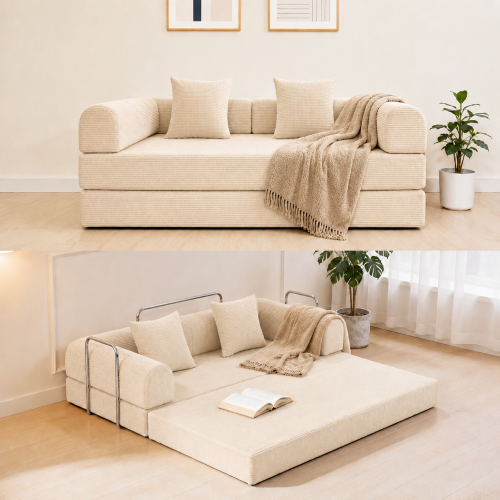
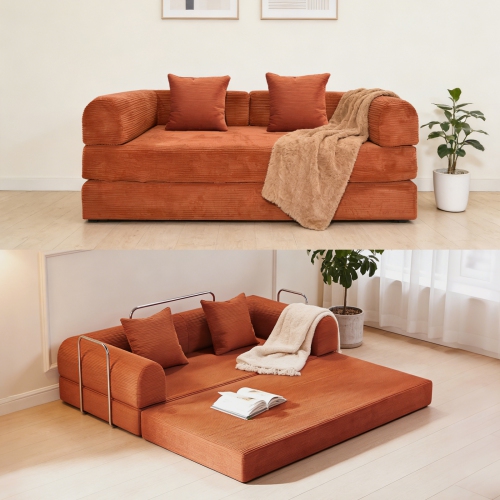
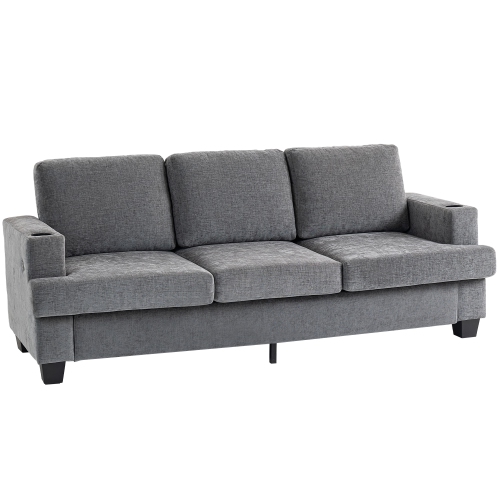


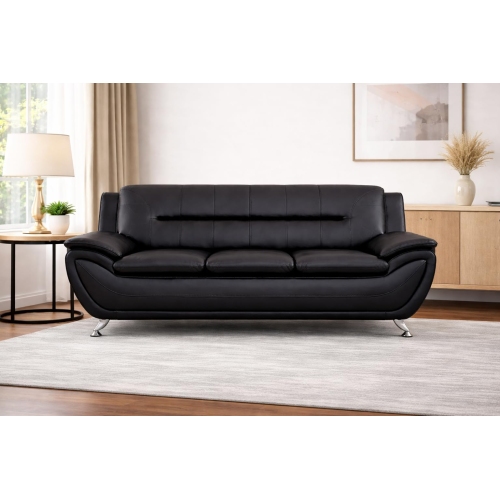
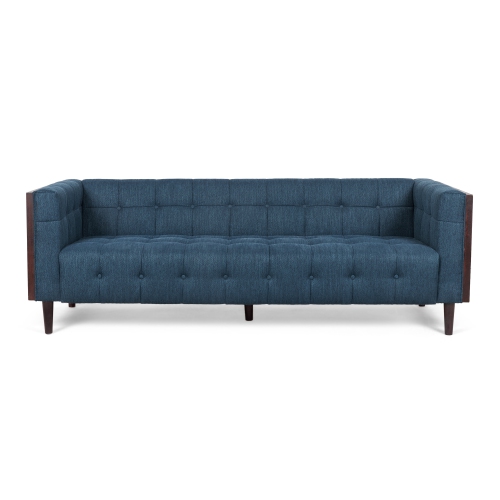
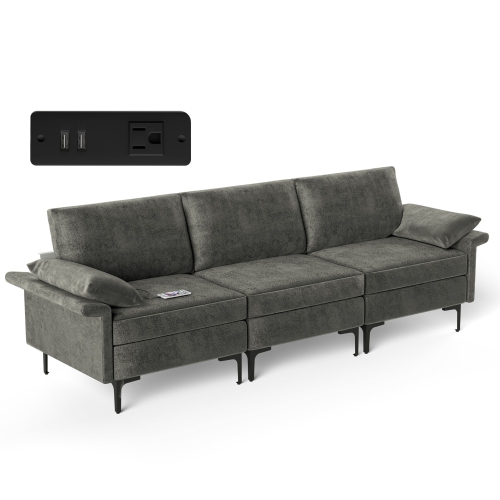
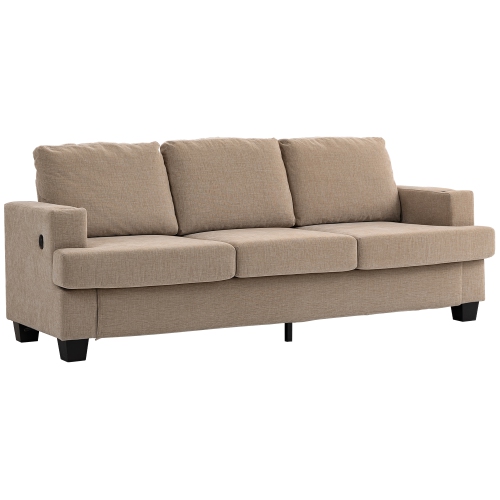
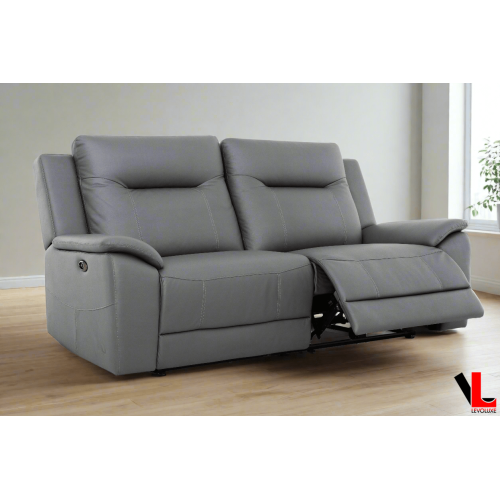

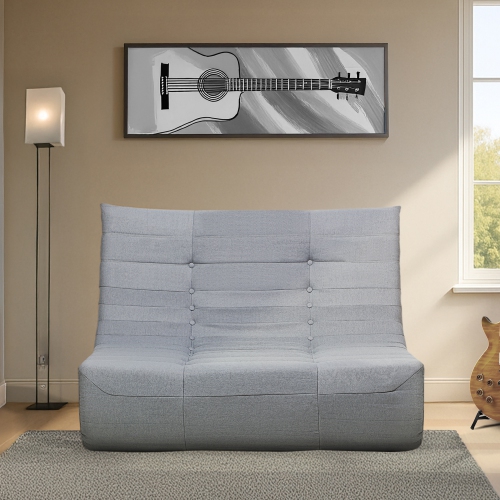
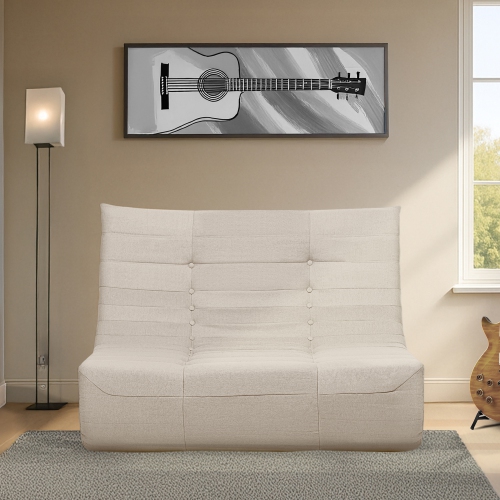

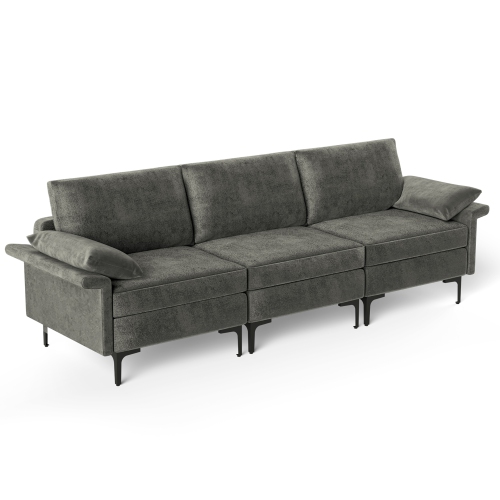
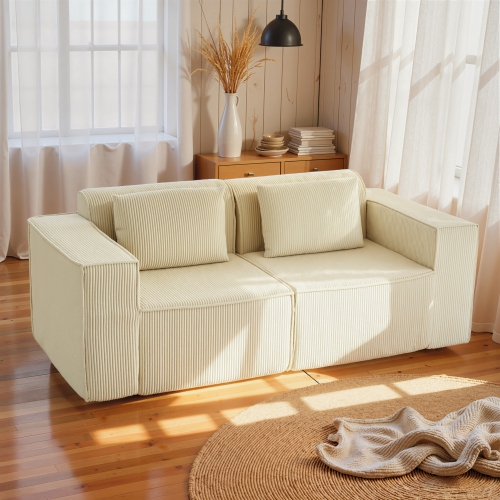
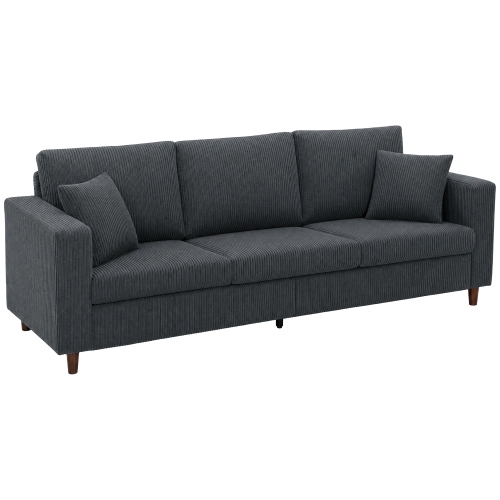
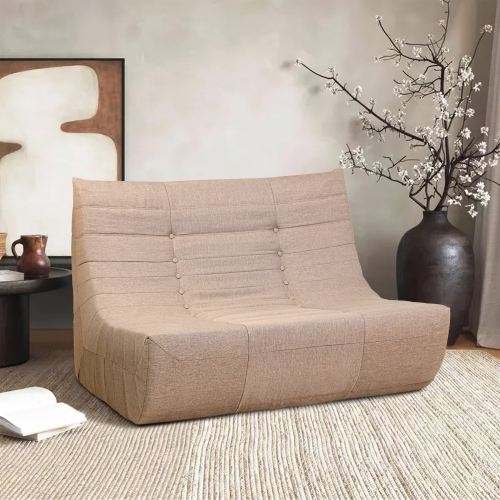
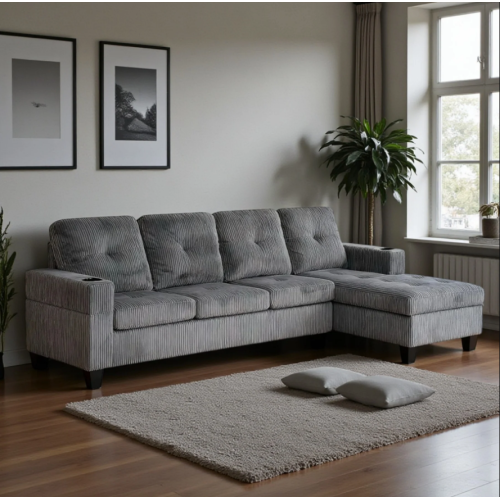
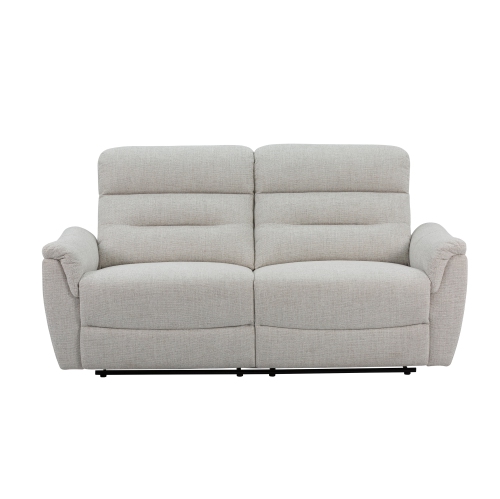
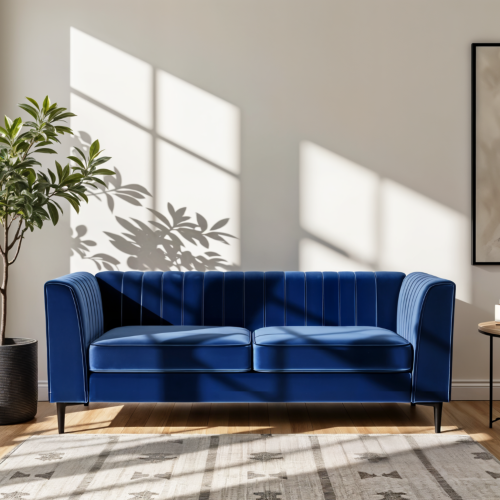
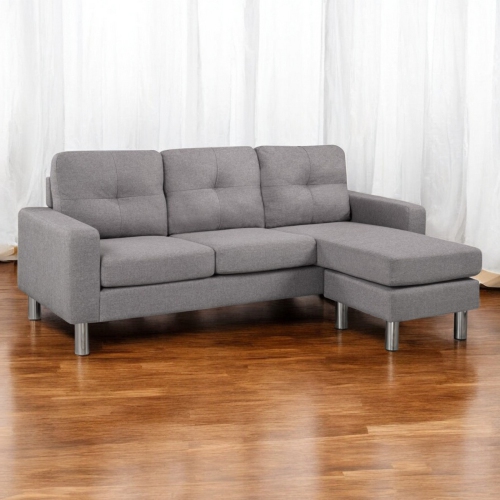
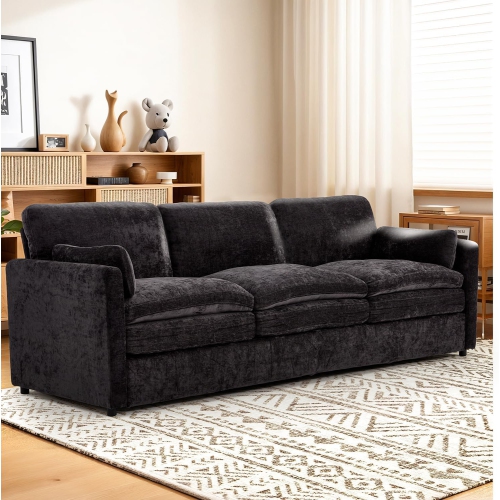

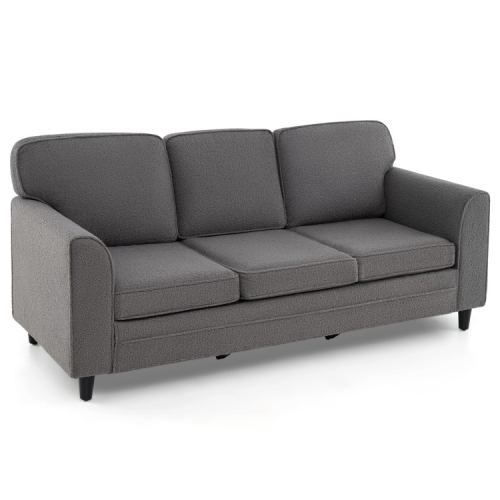
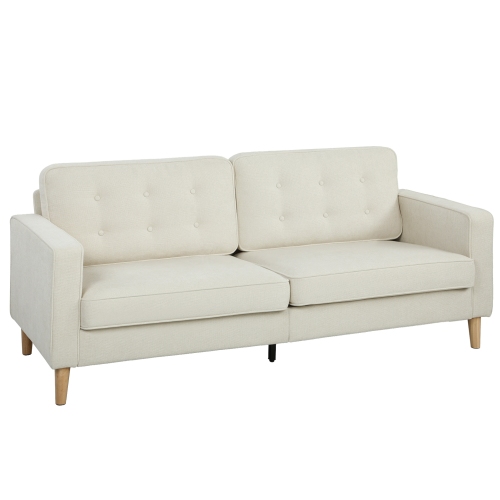
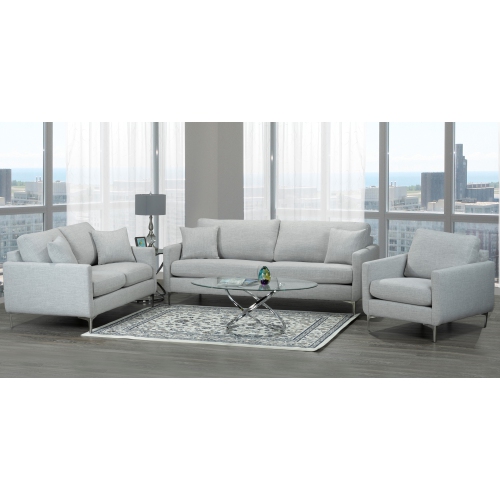
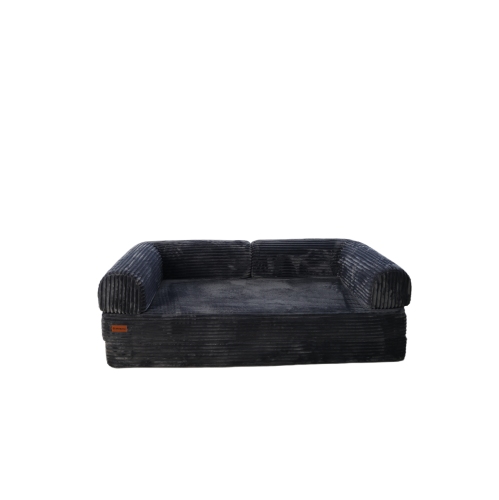
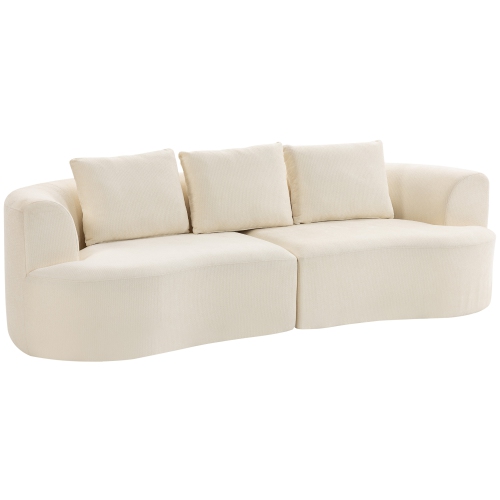
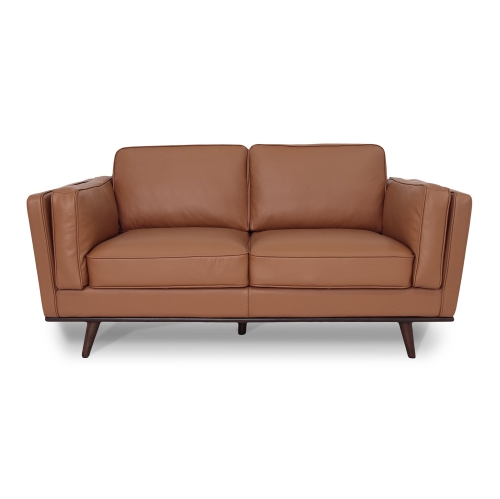
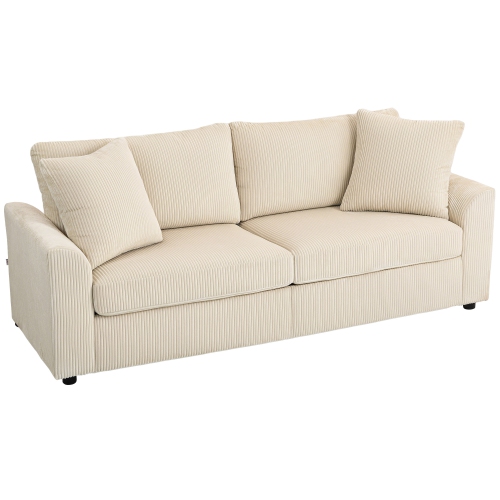
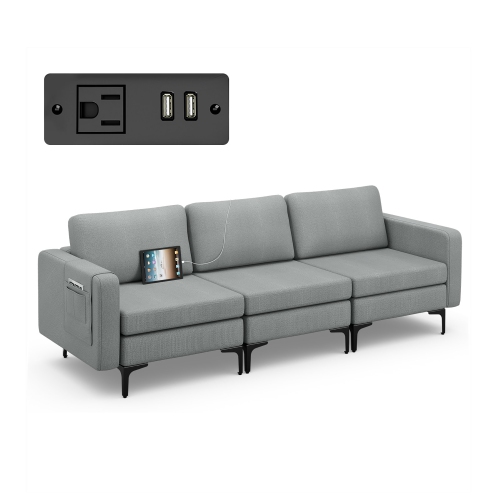
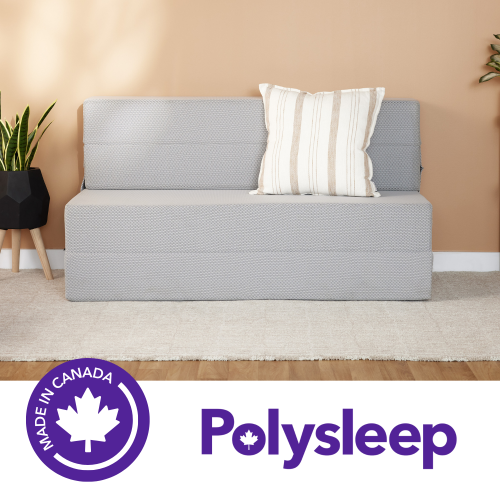
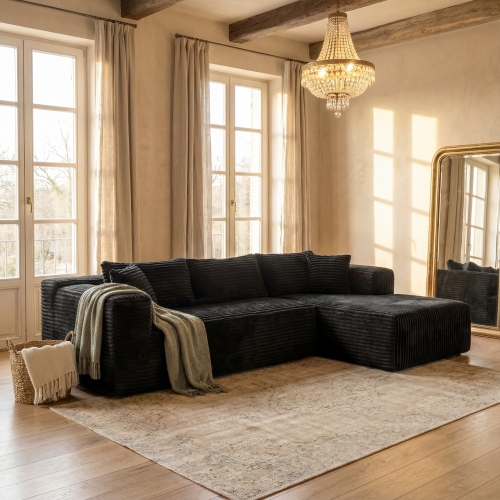
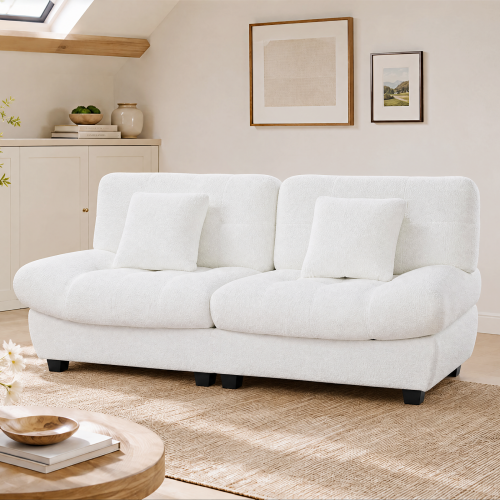
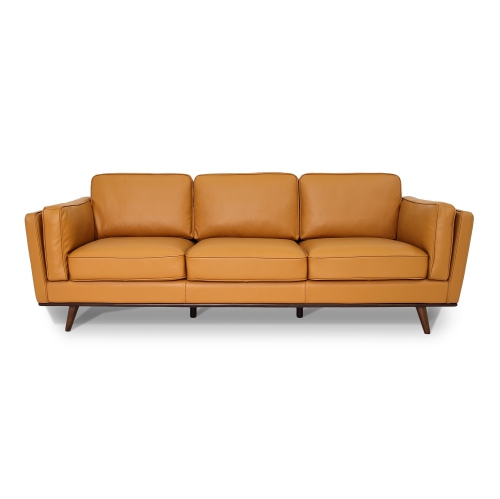
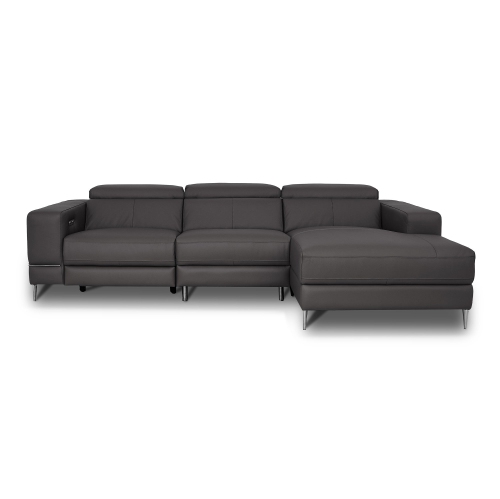
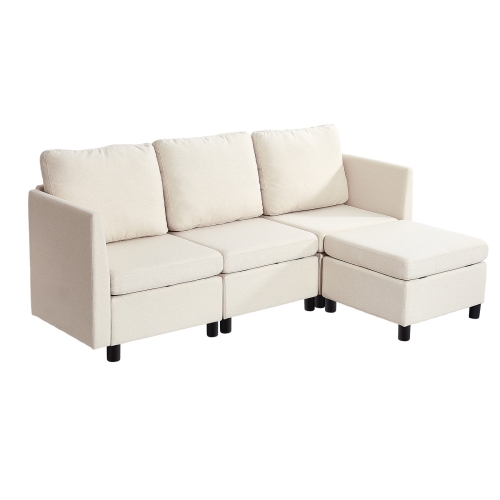

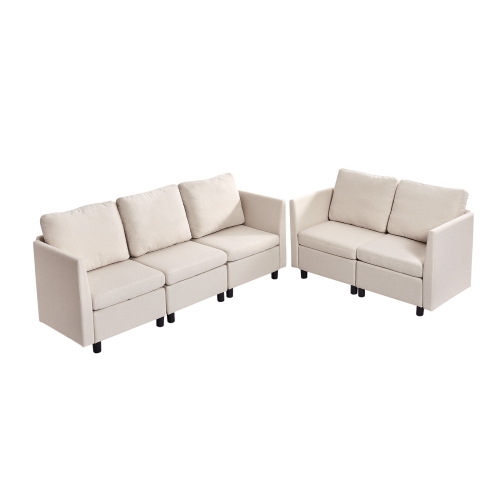
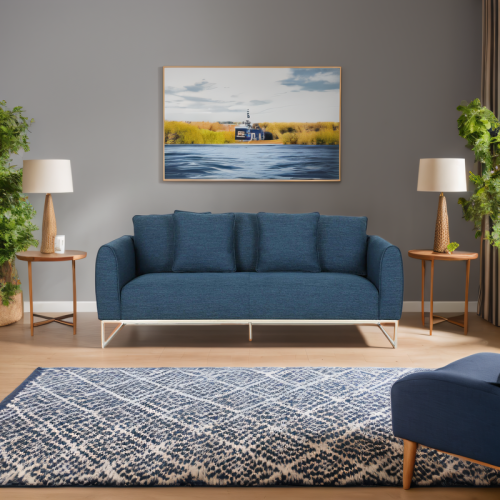
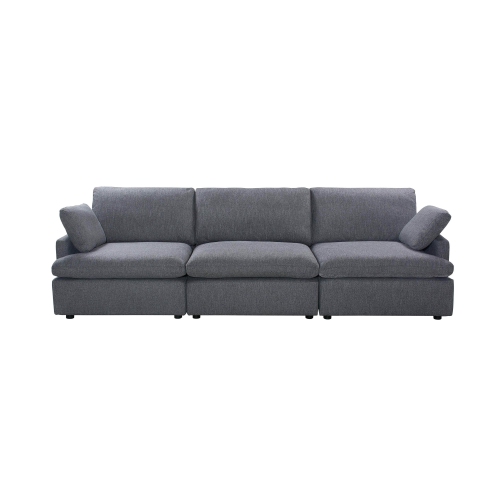
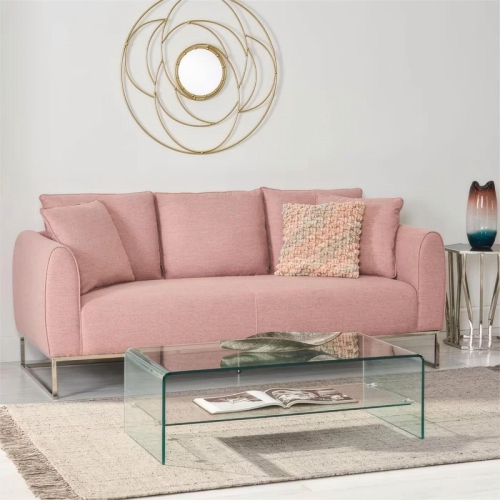
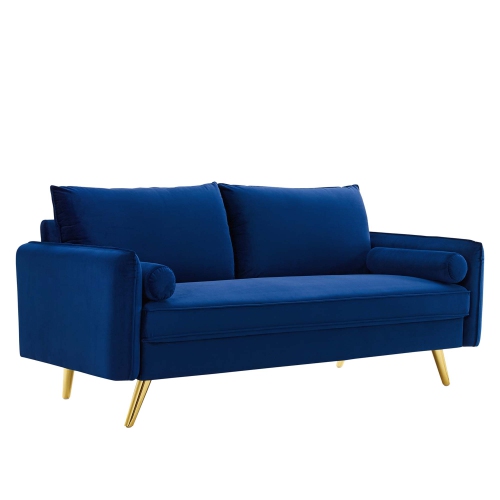
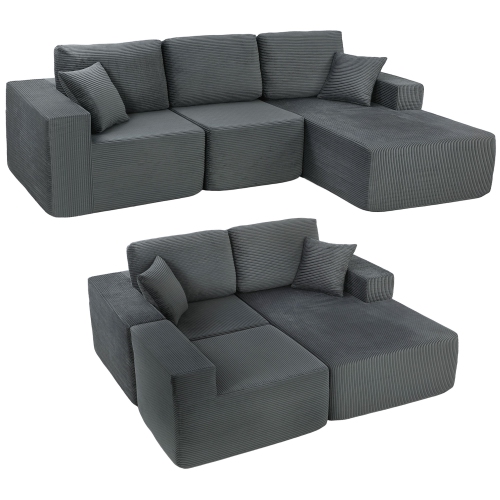
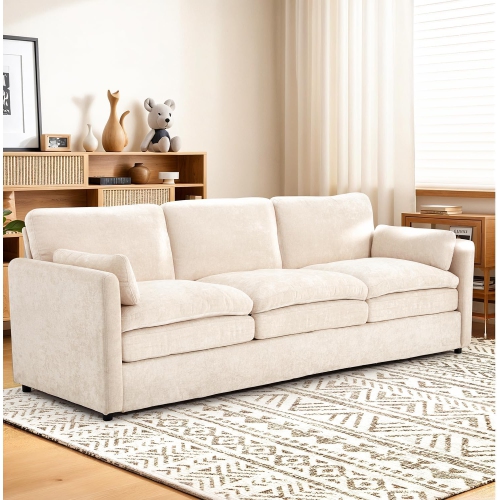
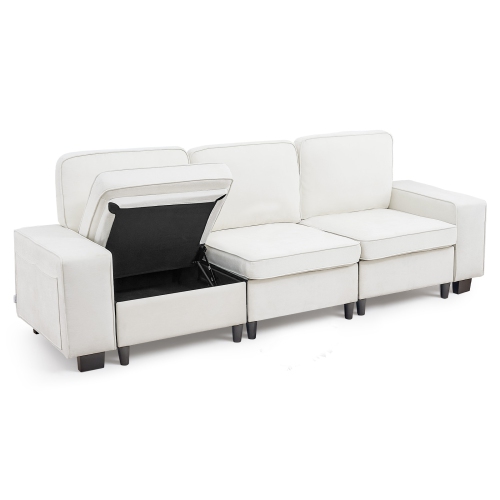
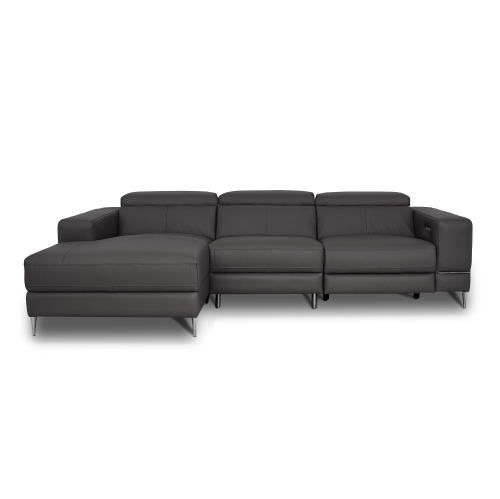
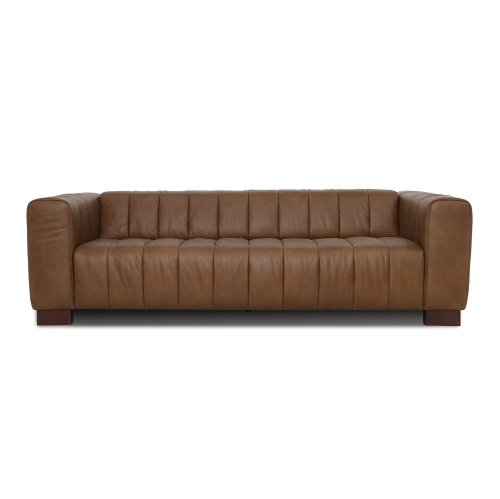
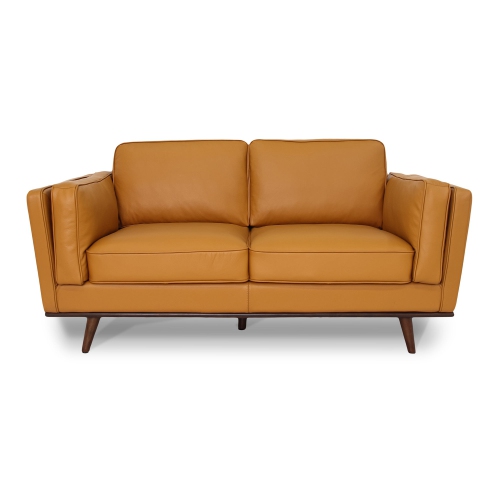
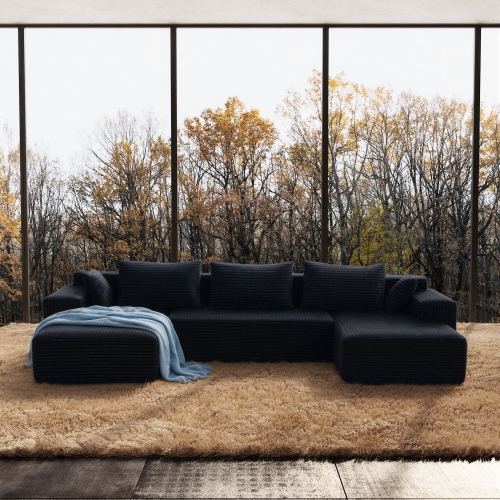
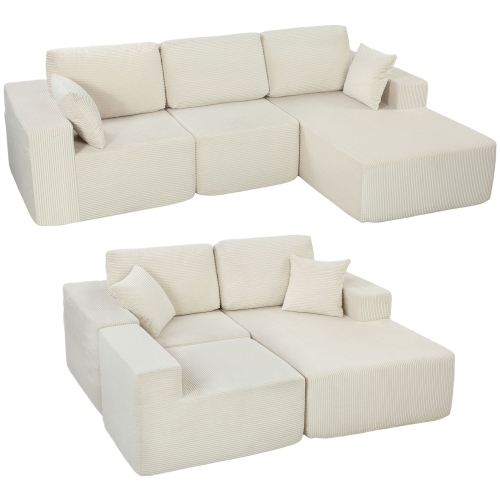
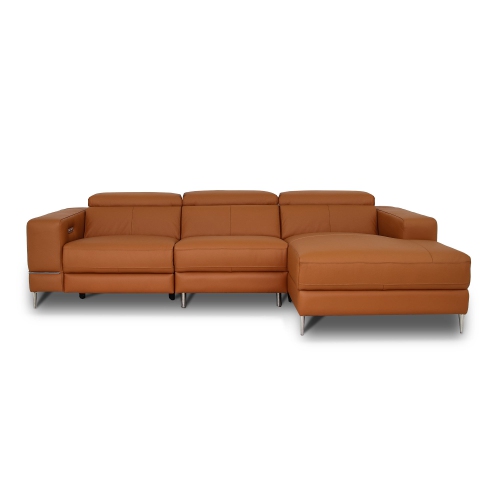
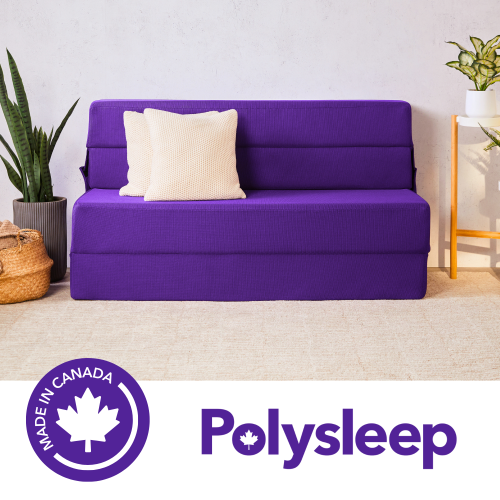
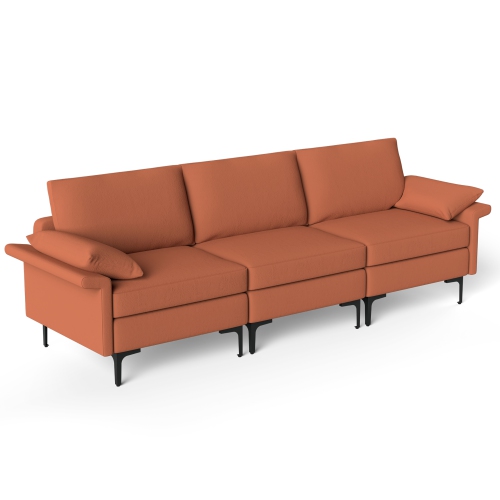
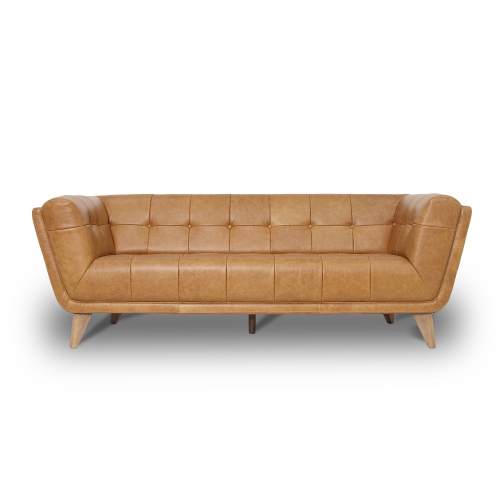
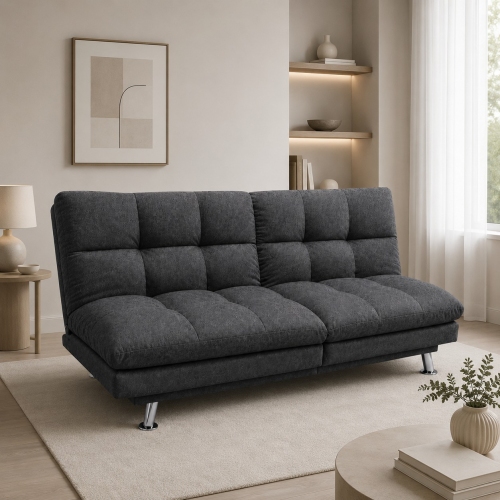
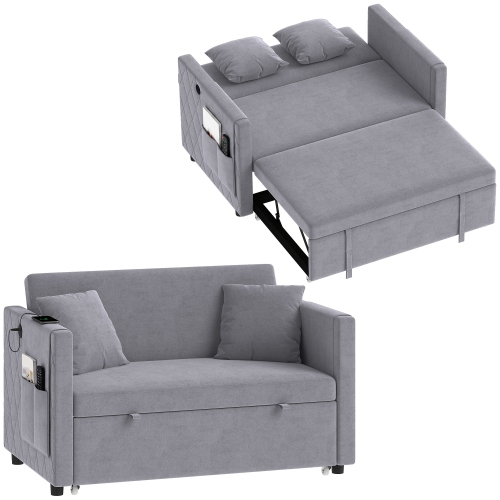
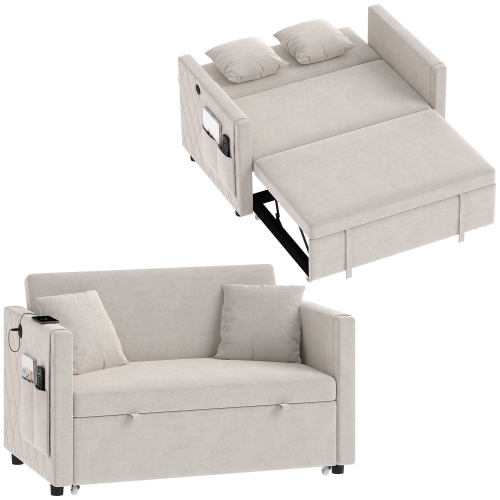
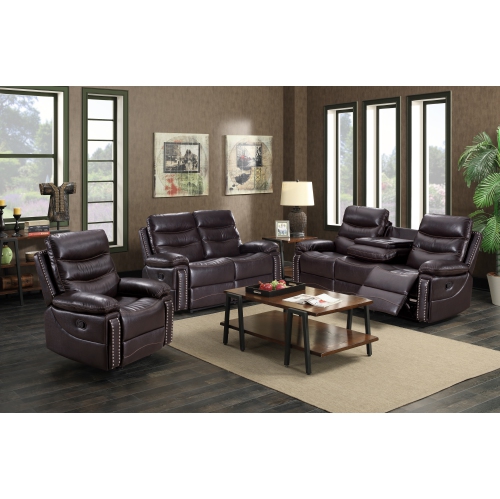
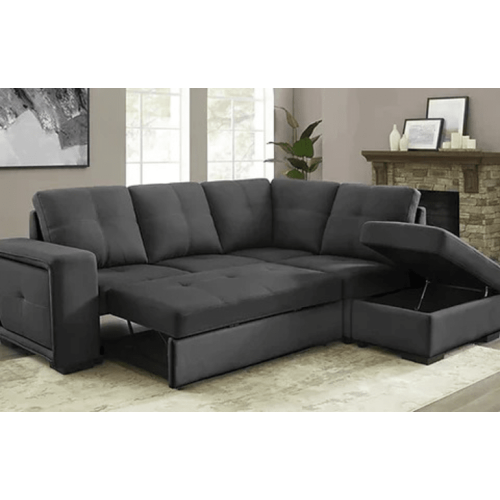
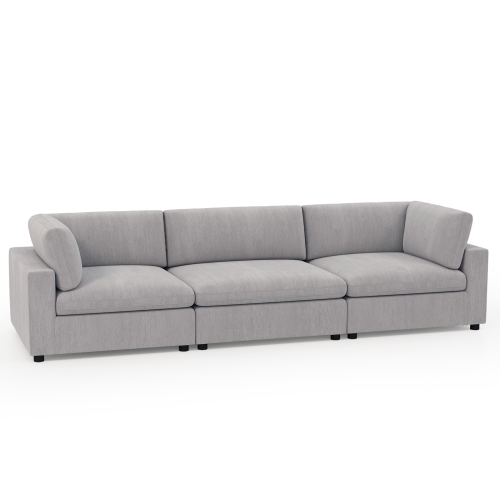
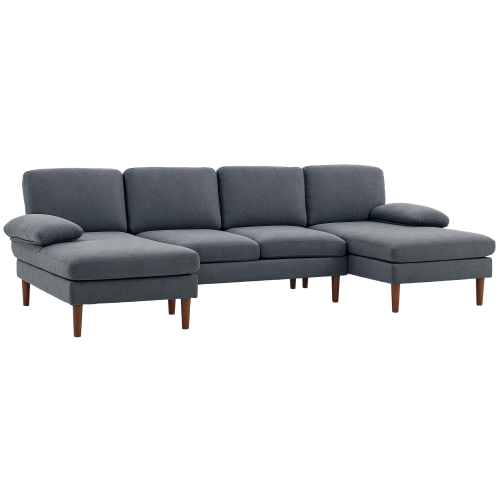
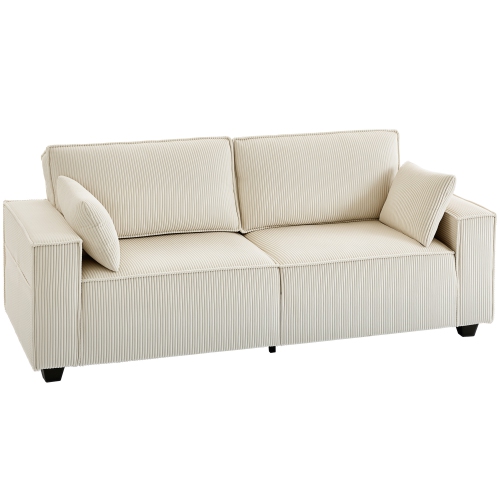
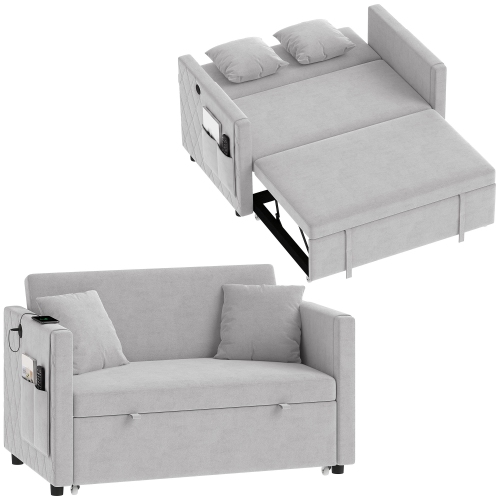

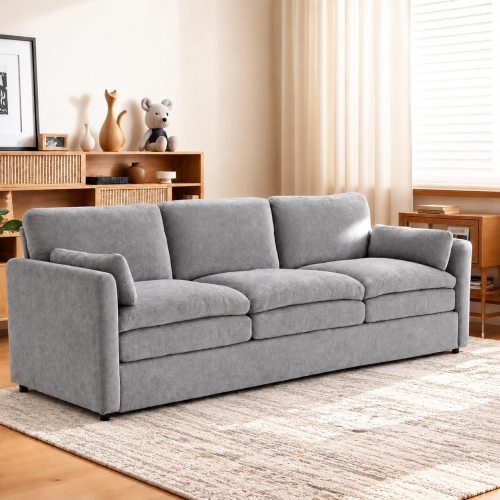
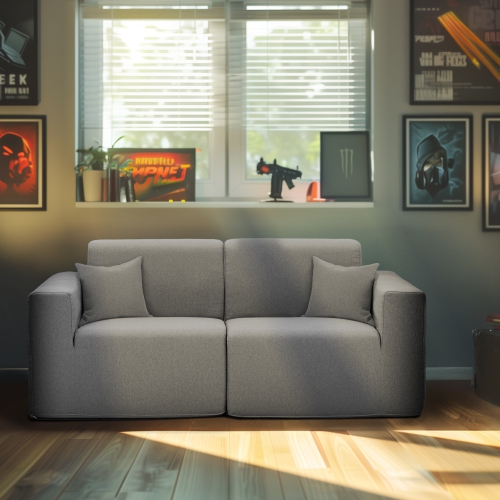
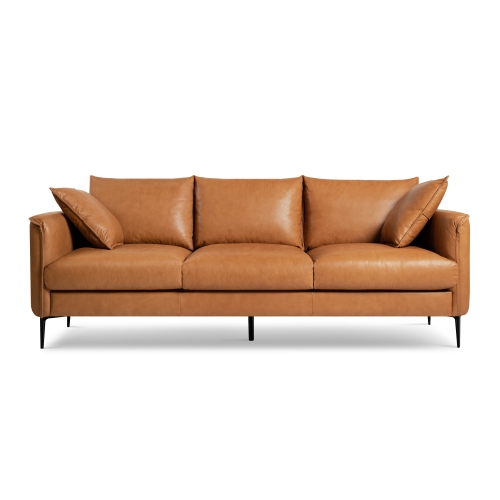

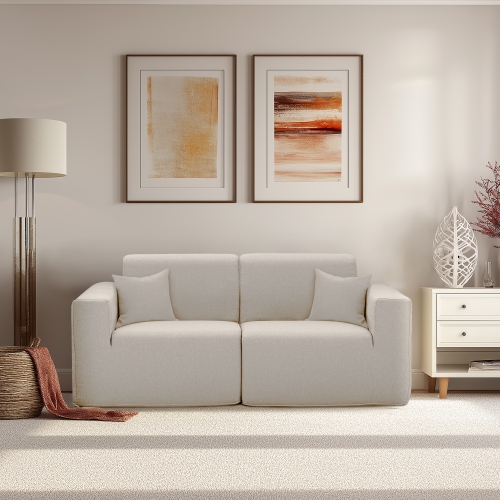
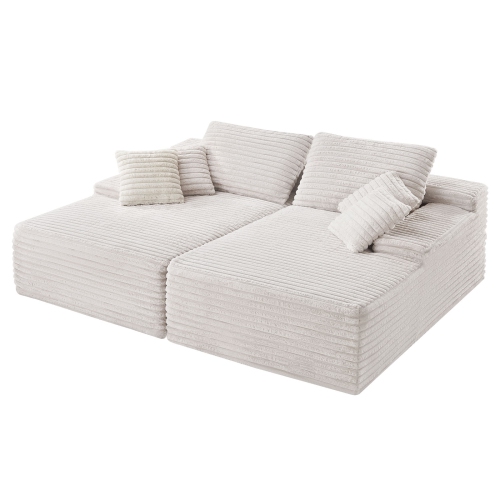
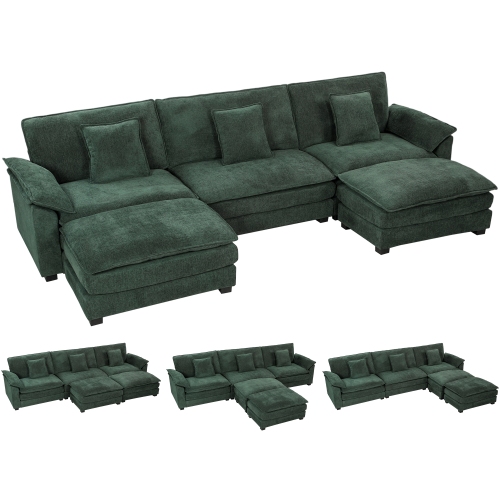
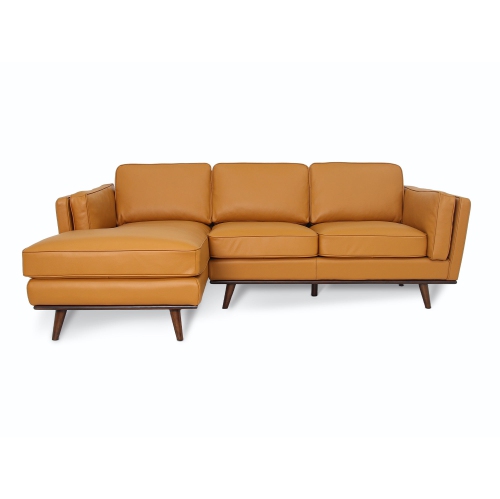
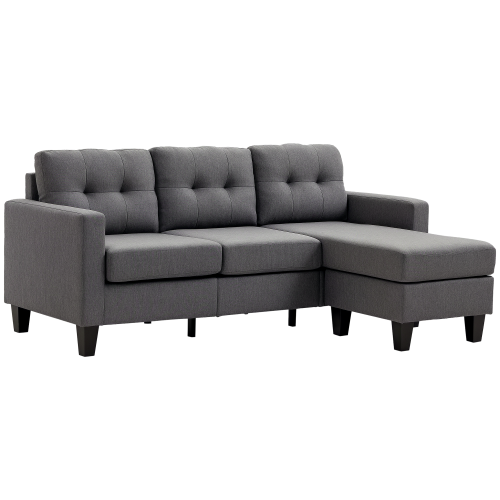
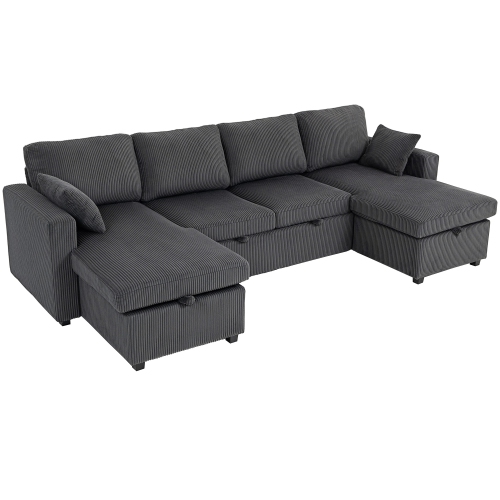

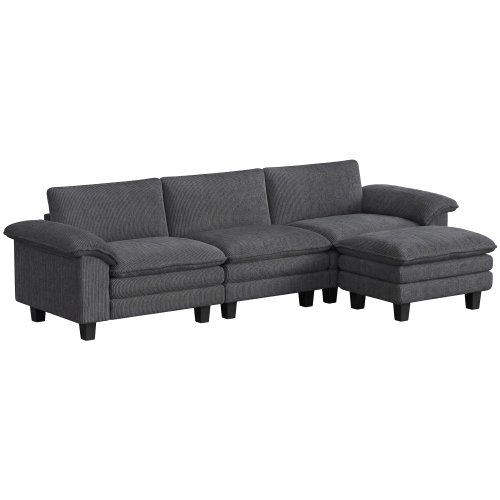
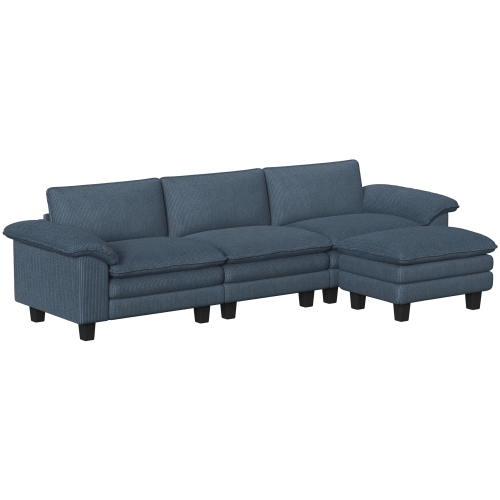
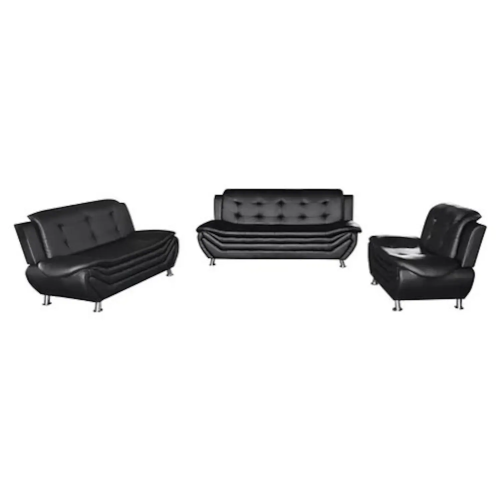
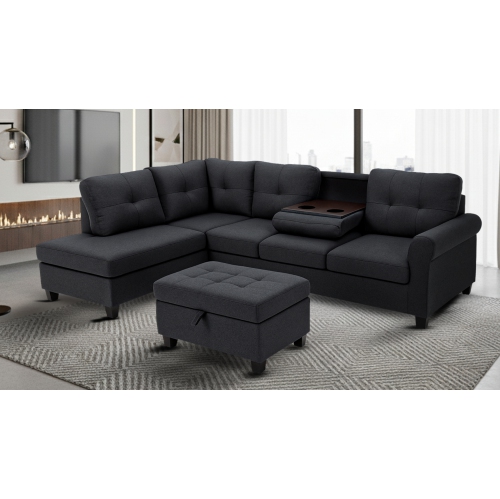
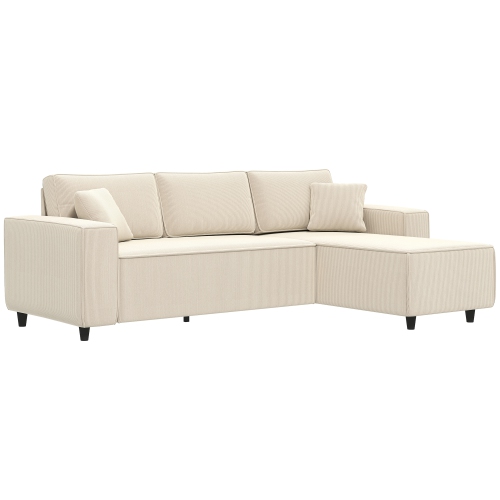

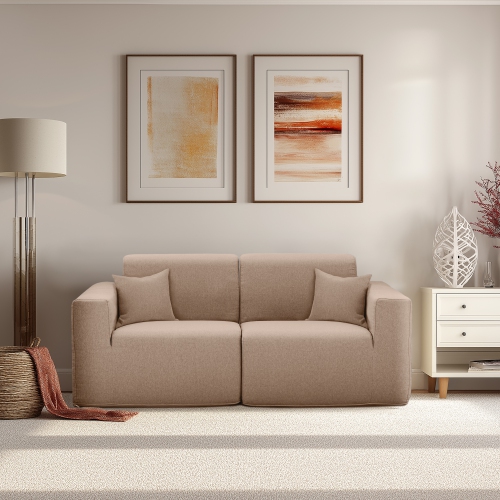
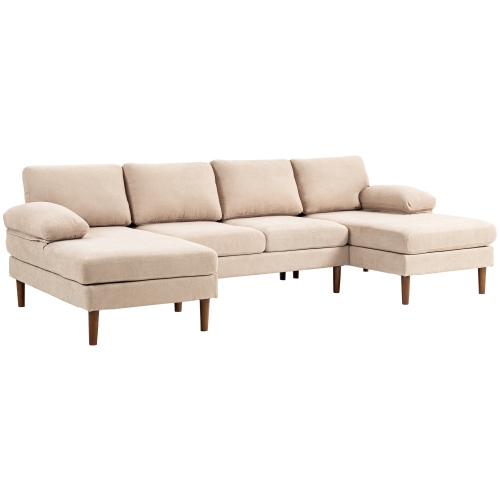
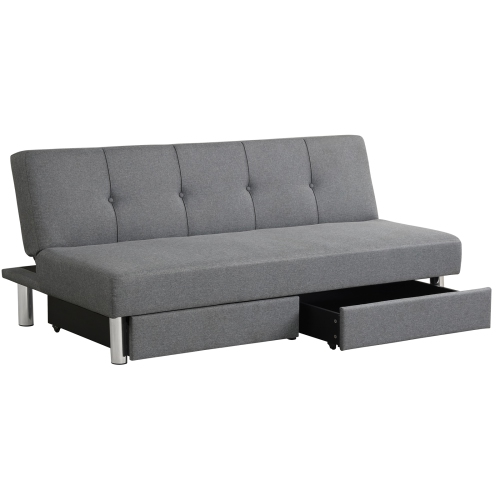
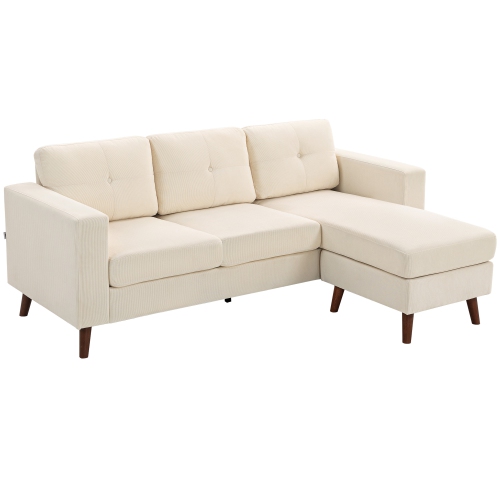
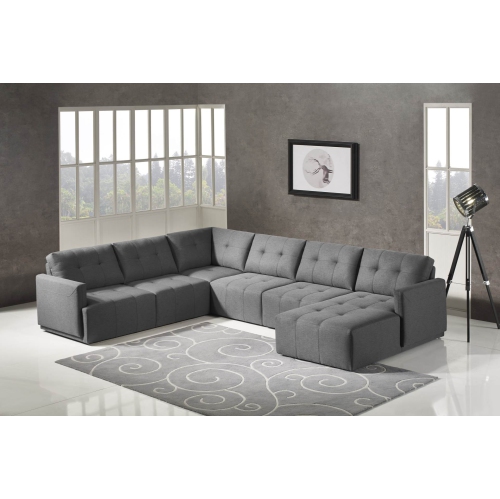
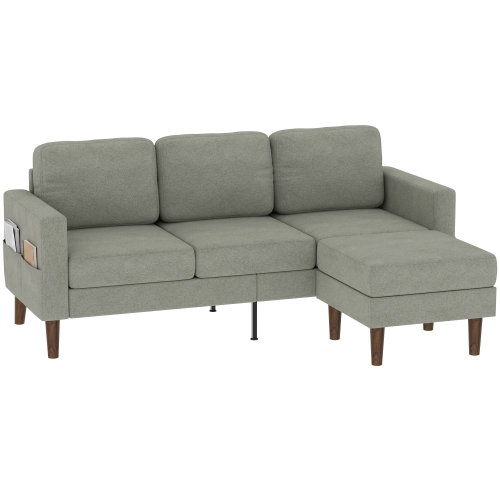
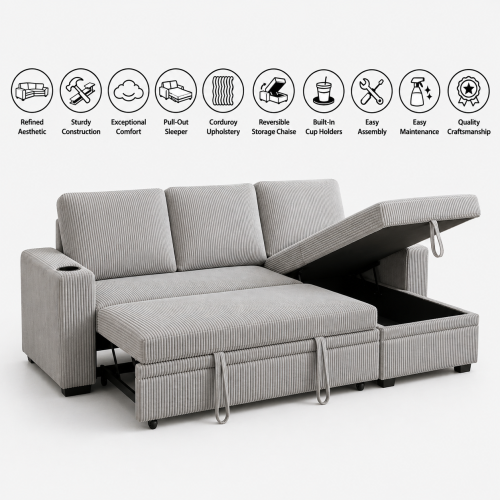
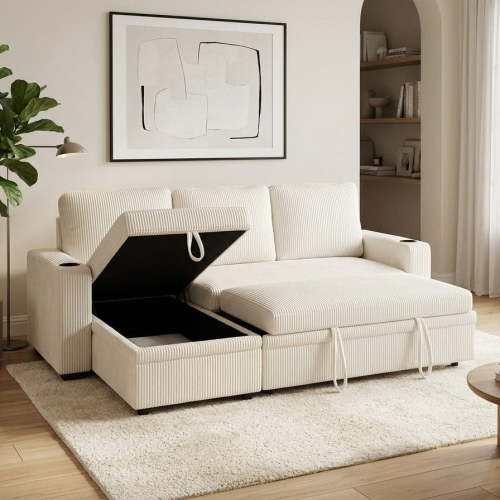
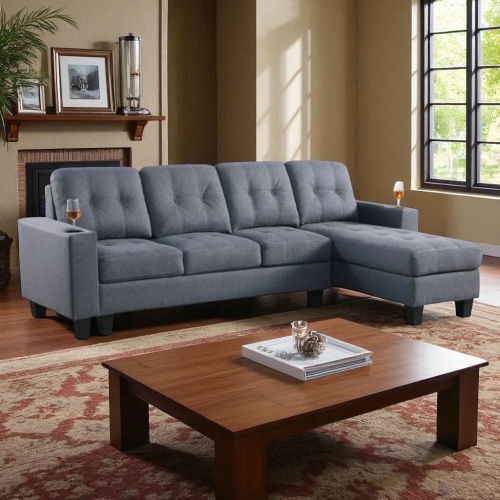
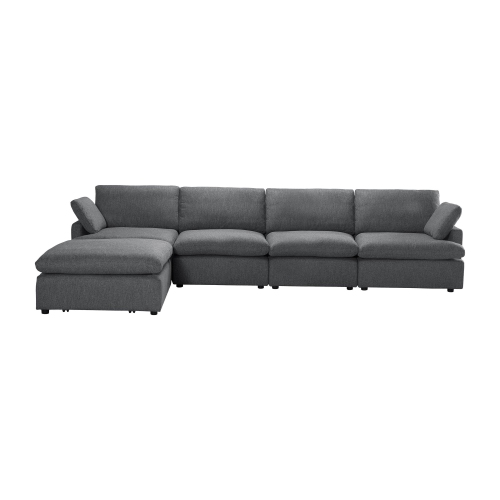
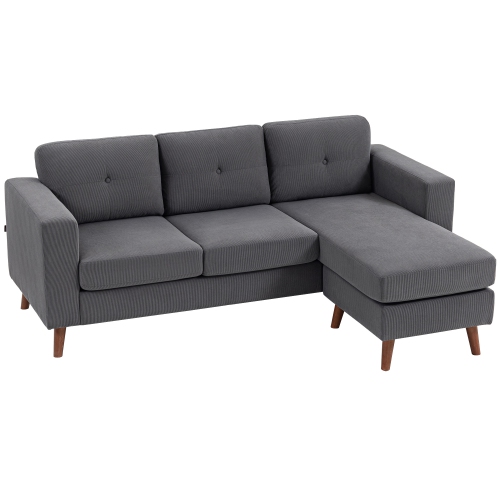
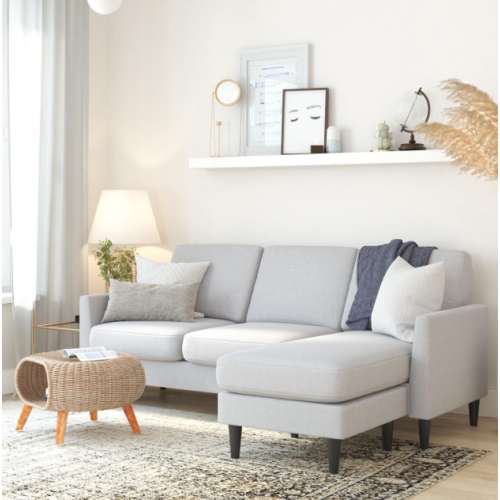
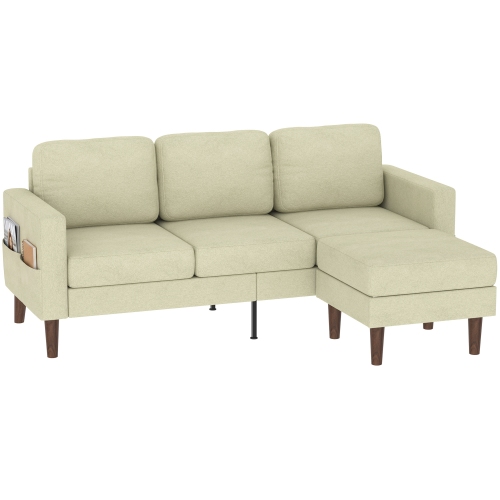
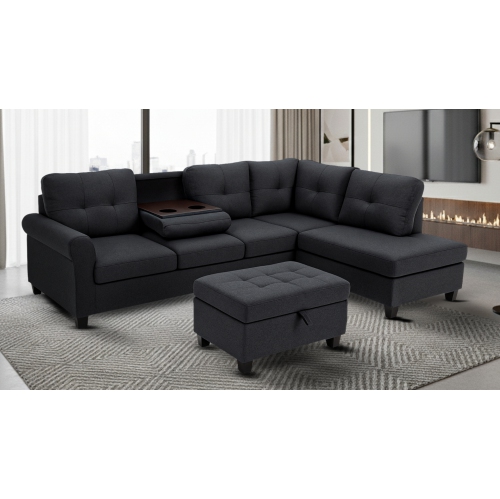
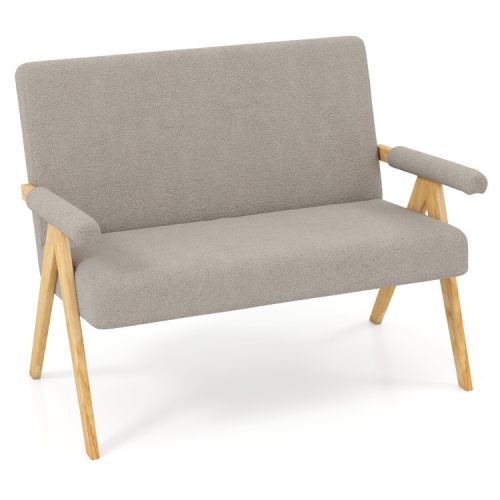
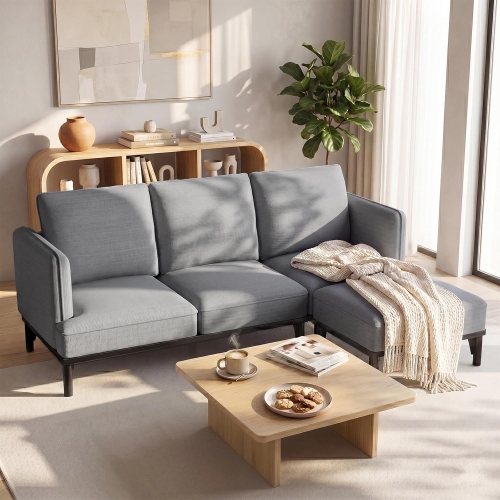
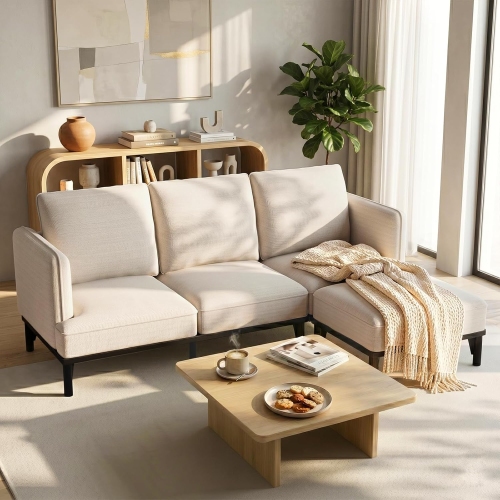
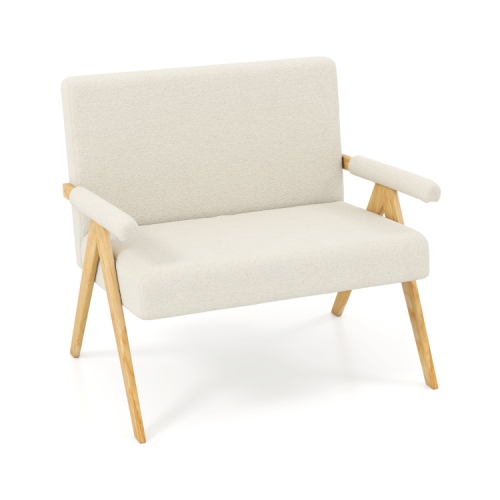
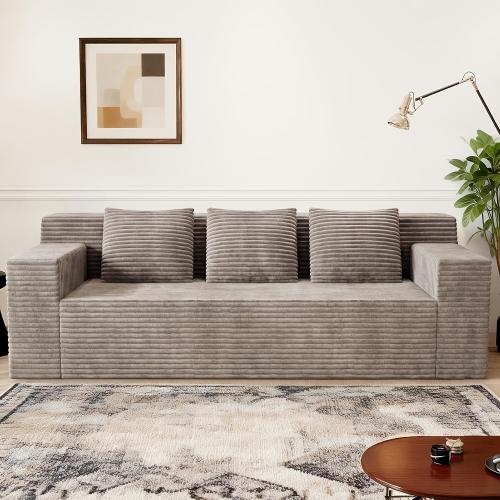
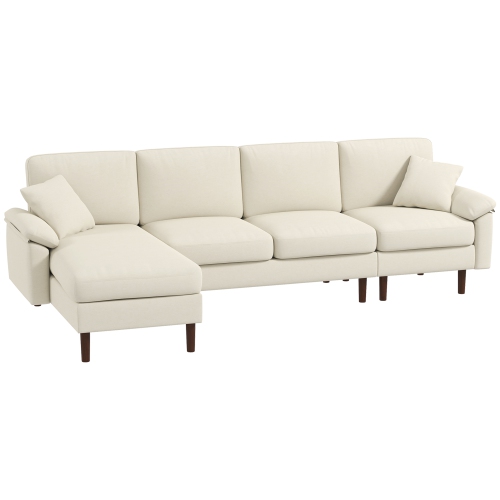
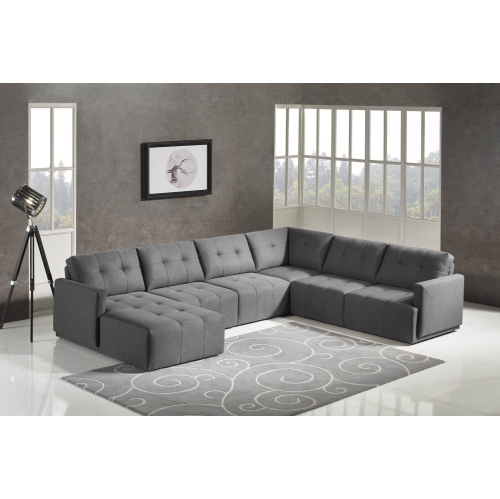
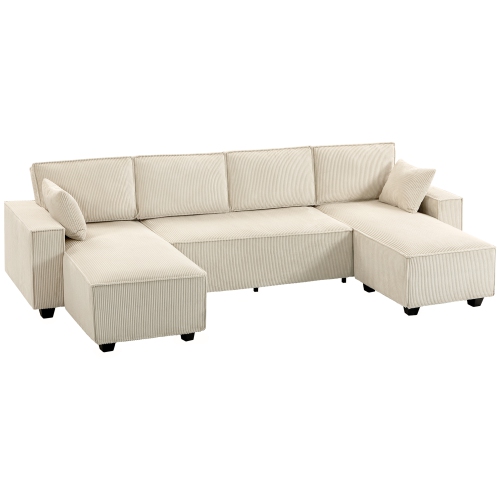
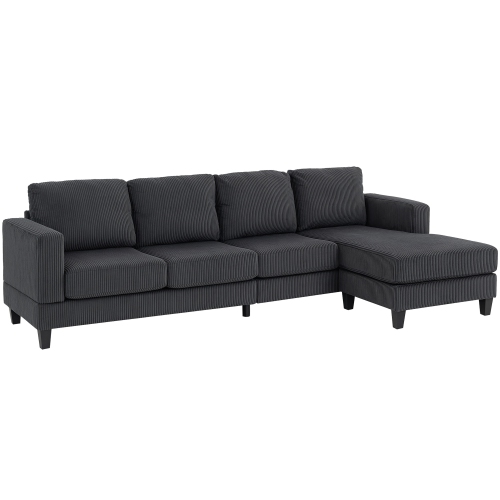
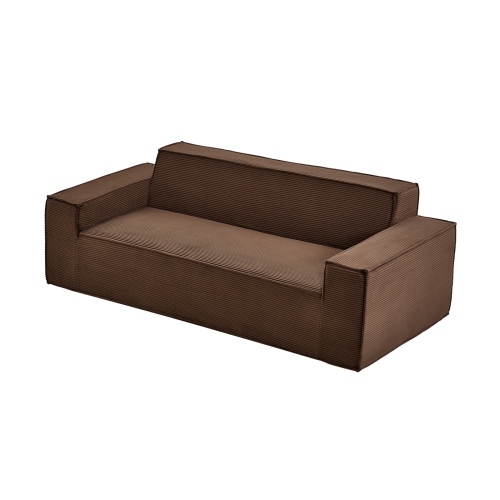
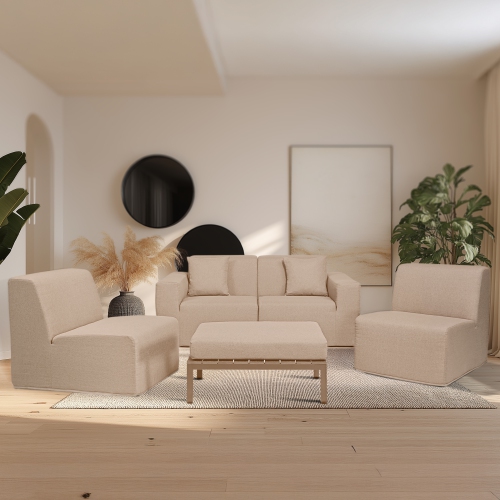
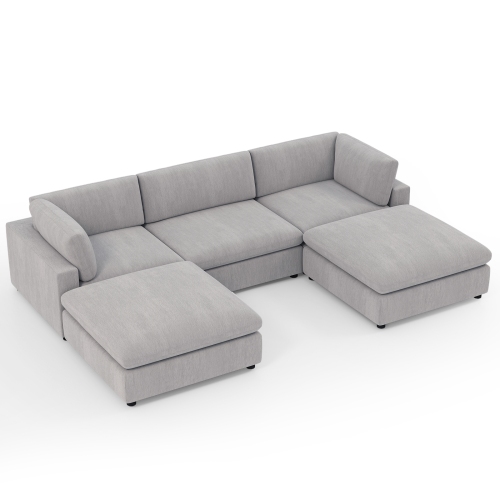

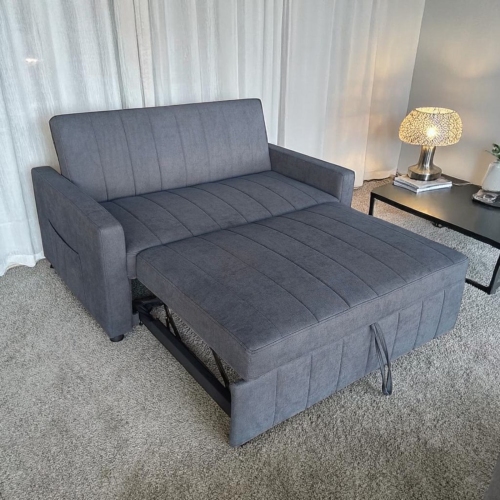

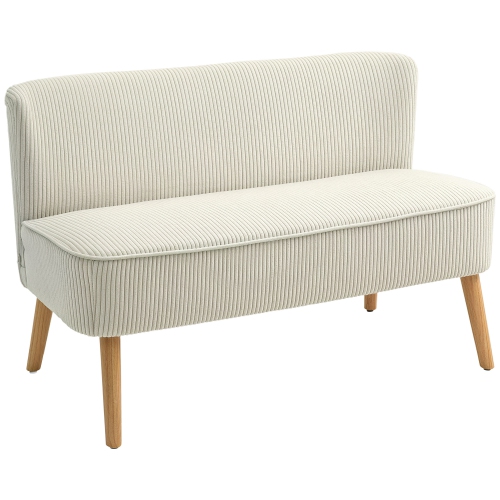
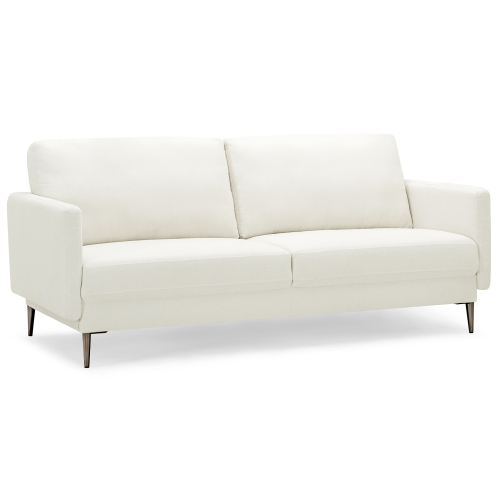

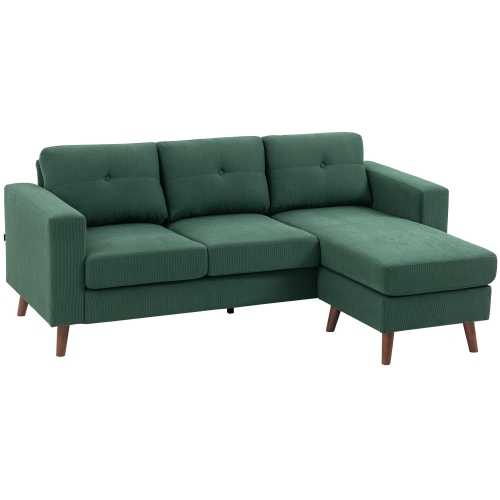
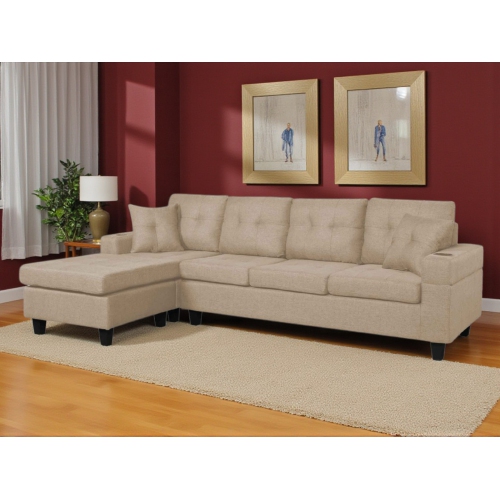
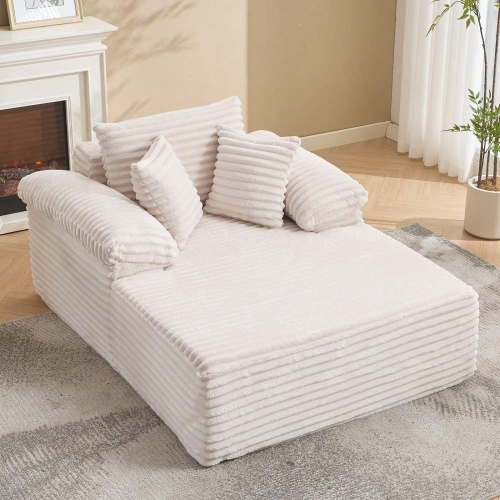
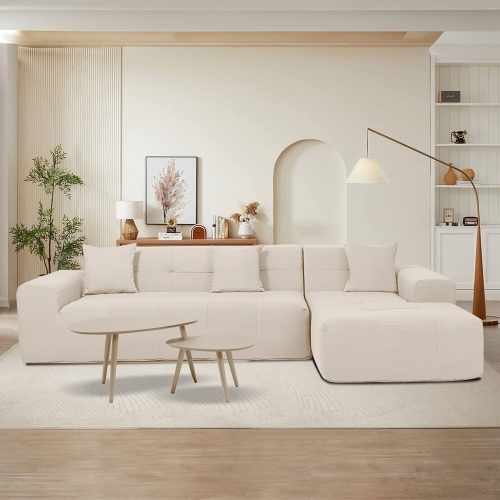
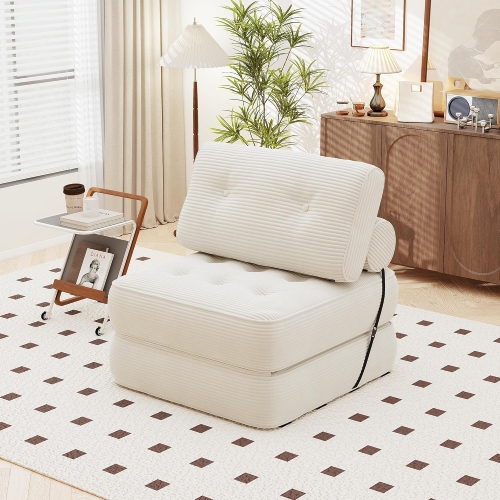
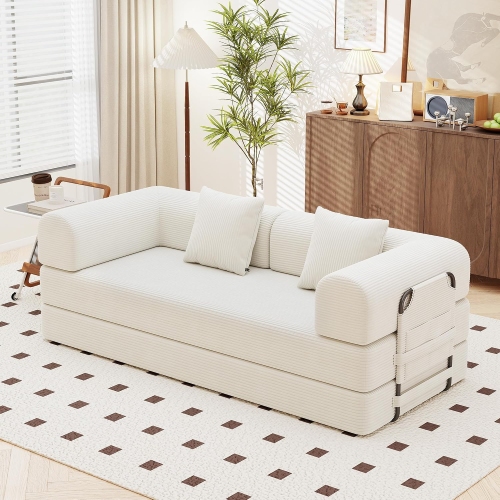
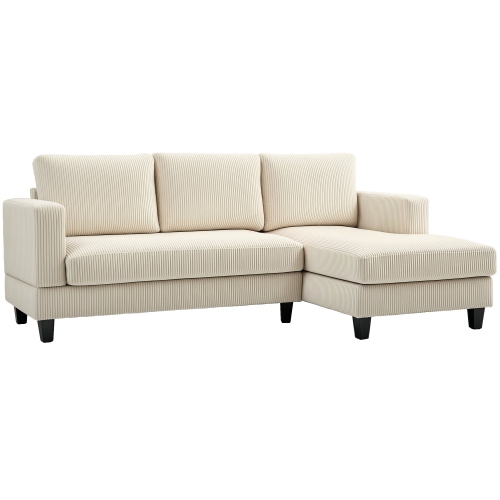
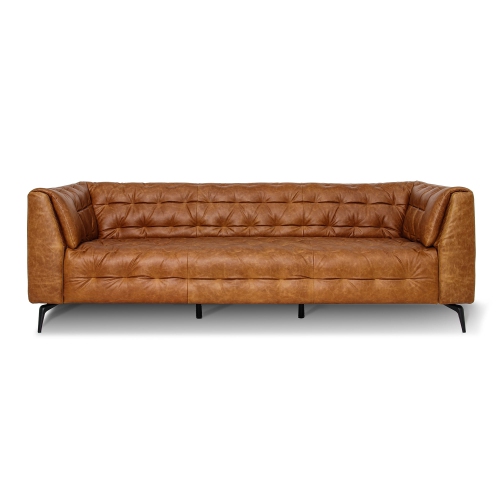
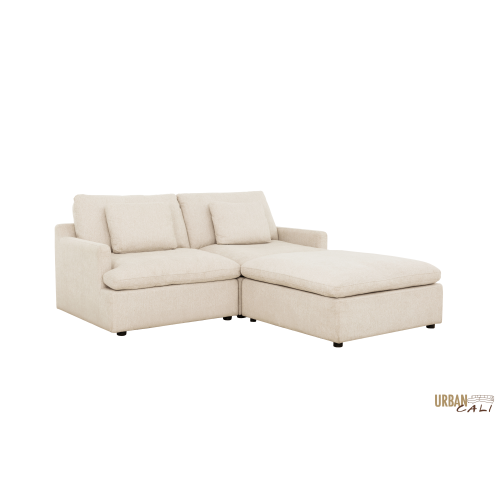

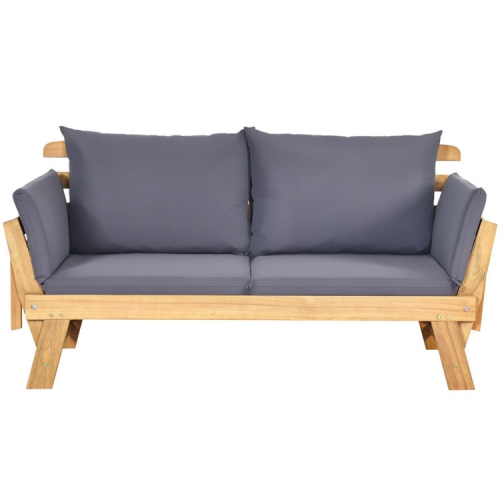

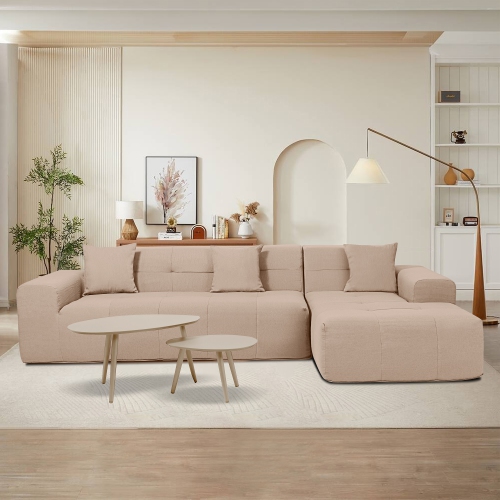
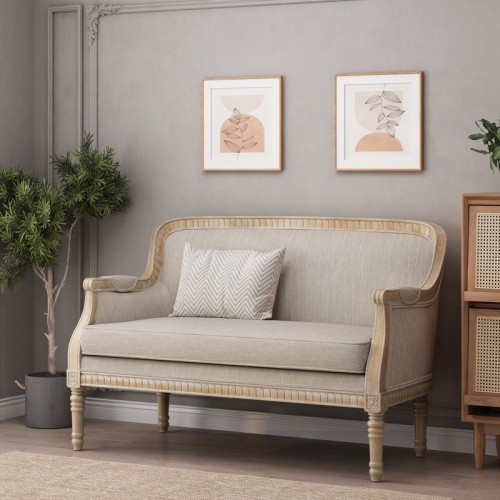
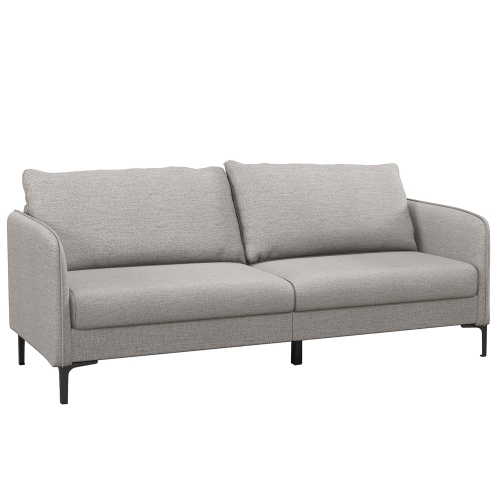
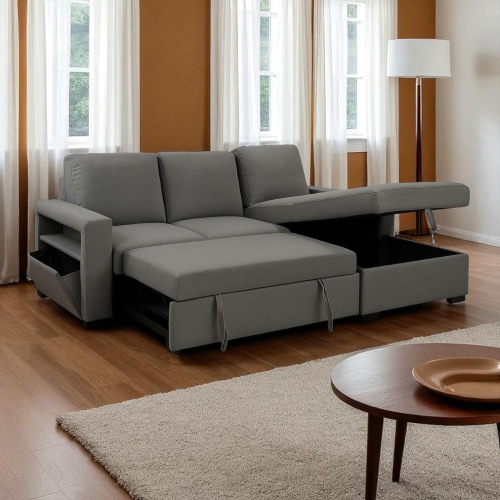

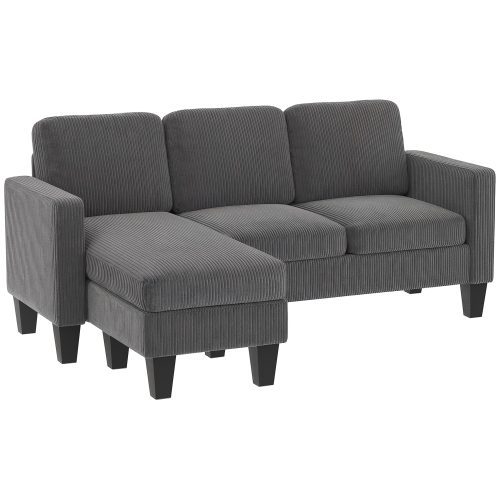
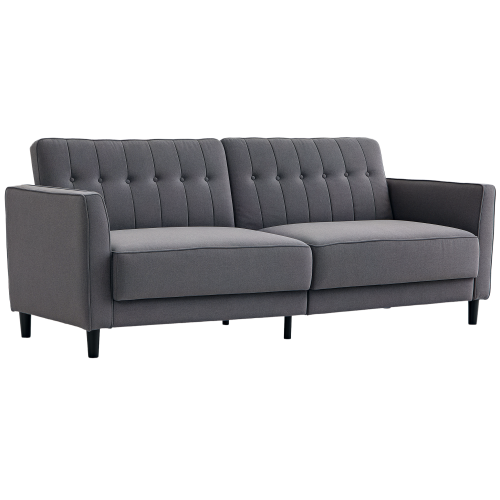
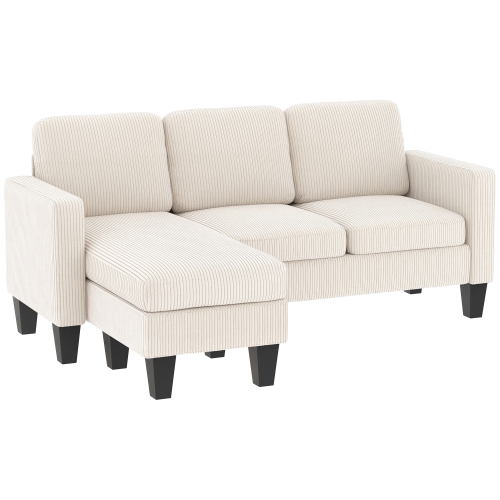
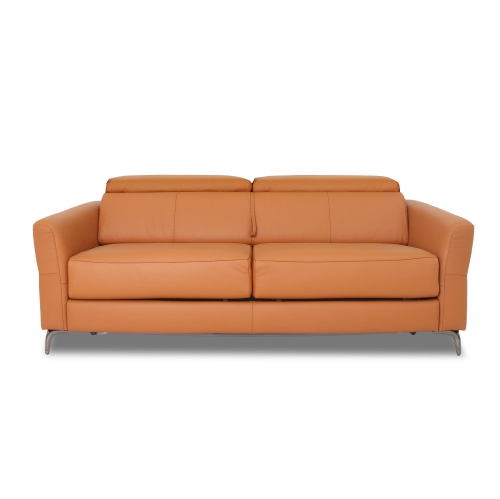


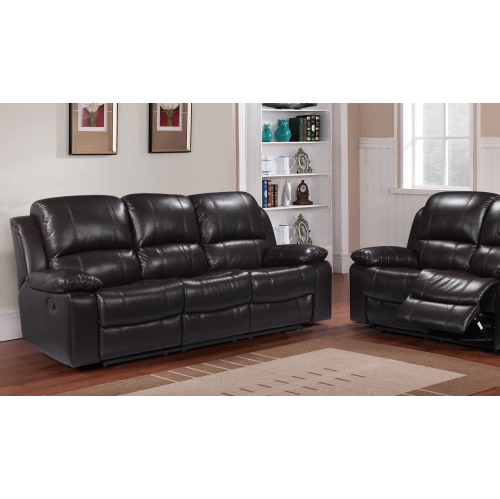


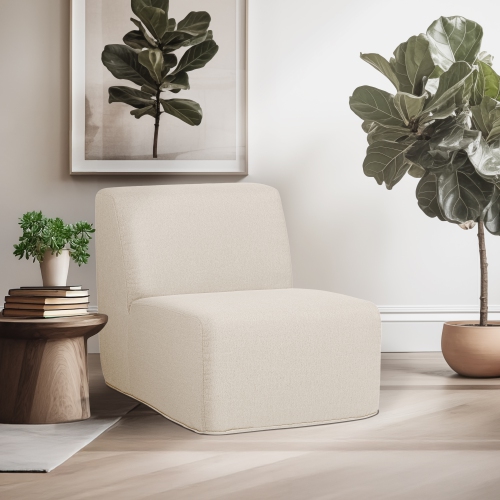

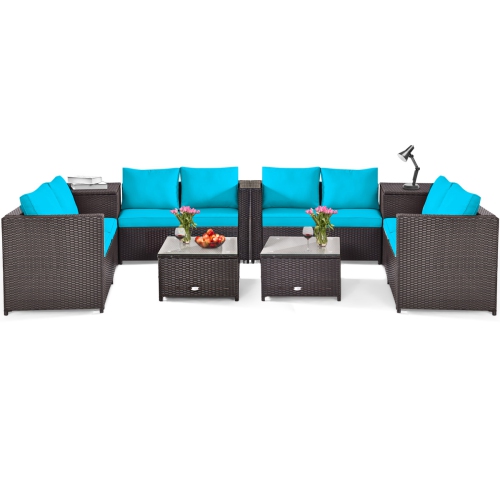
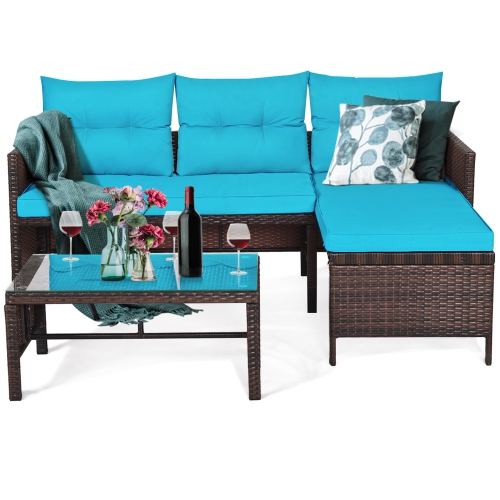
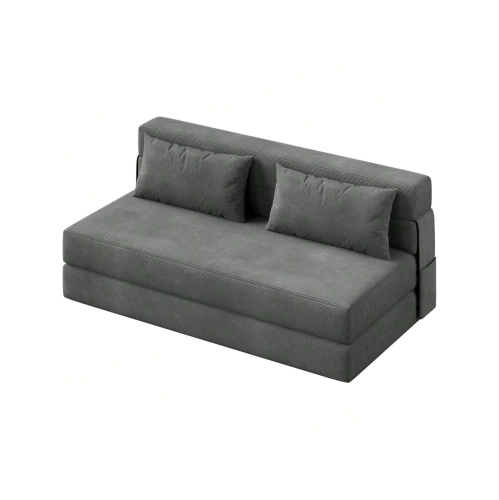
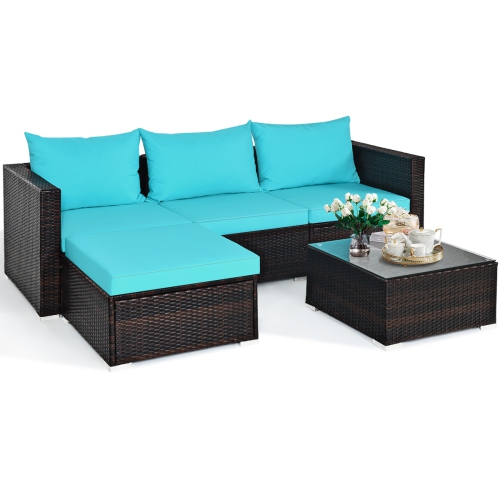
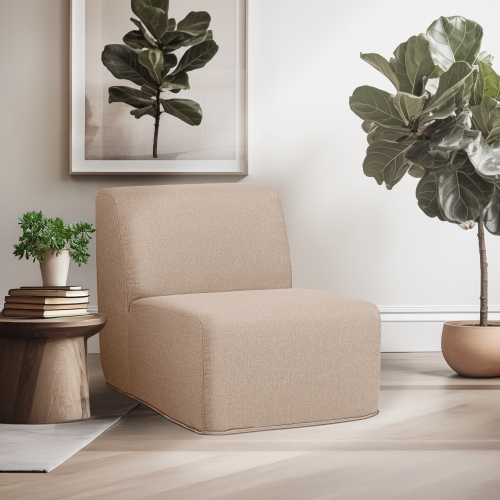
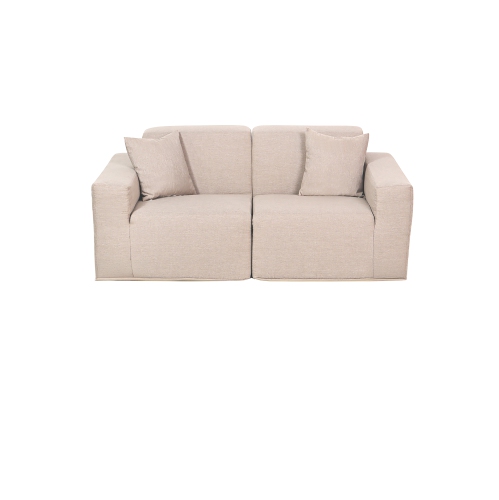


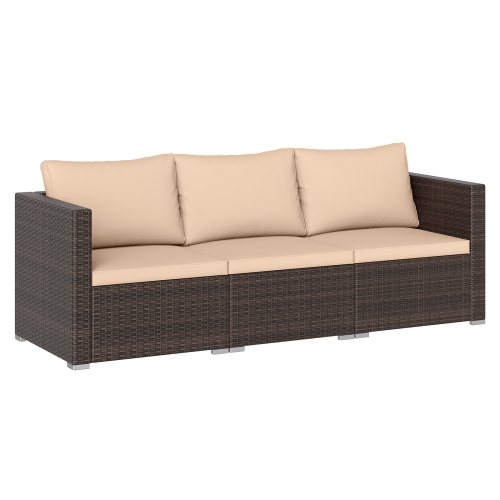
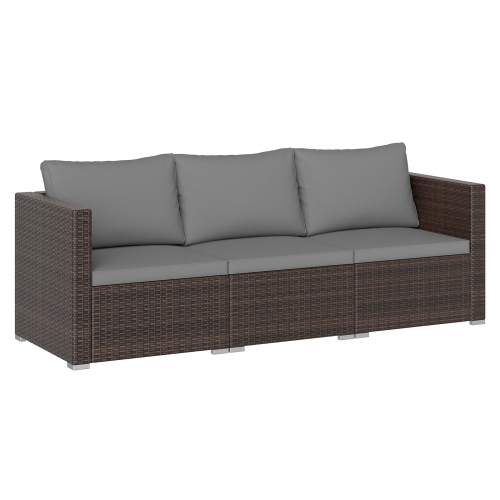
A sofa has to fit more than your room
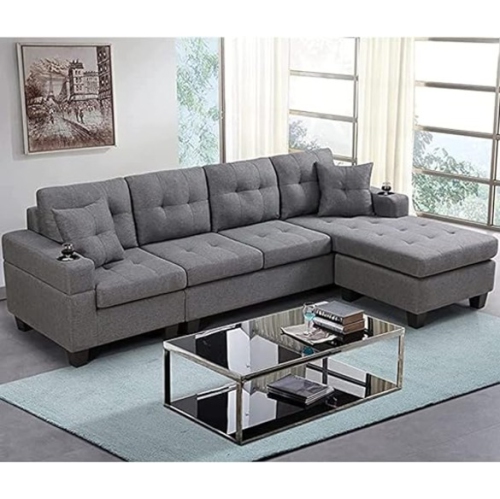
A sofa sets the scale for a living room, whether it fits between a bookcase and a doorway in an apartment or anchors a seating area in an open-plan home. In a narrow room, a compact sofa with slim arms can preserve nearly as much sitting space as a wider sofa with heavily padded arms. A sectional can give several people room to spread out, but its shape matters as much as its overall length. A chaise along the wall can turn an otherwise unused corner into a reading spot, while the same chaise on the other side might interrupt the route from the kitchen to the hall. Since left- and right-facing configurations are often described from the perspective of someone looking at the sofa, it helps to check the layout diagram rather than relying on the name alone. Seat depth makes a difference even when two sofas have similar footprints. A shallower seat makes it easier to sit upright with both feet on the floor, while a deeper seat leaves more room to tuck up a leg or stretch out. In a room where the sofa sits under a window, the back height also determines how much of the window remains clear. Painter’s tape on the floor can make those dimensions easier to picture, especially if there’s already a coffee table or a chair that needs room to pull out. The route into the room is just as important as the space around the sofa once it’s in place. A piece that fits along the wall might still be difficult to turn on a stair landing or angle through the doorway at the end of a short hall. The narrowest doorway, the tightest turn and the usable space inside an elevator are all worth measuring. If the legs or sectional pieces come apart for delivery, the dimensions of the largest piece can give a clearer picture of what will fit than the measurements of the assembled sofa.
Upholstery changes how a sofa feels and how much attention it needs in daily use. A woven fabric can give a room more texture, while a smooth microfibre can suit a family room where crumbs and pet hair are part of the routine. Looser weaves can catch on claws or clothing hardware, so a tighter weave may be a better match for a household with a cat that likes to climb onto the back cushions. A flecked or heathered fabric can make lint less noticeable than a flat, dark colour, though the colour of pet hair can make a difference. Leather has a different feel from fabric, and its finish affects how readily it shows marks. Some finishes make the grain and variations in the hide more visible and can develop a patina with use; others have a more uniform appearance. For a closer look at sofas with this type of upholstery, browse Leather Couch Canada. With either fabric or leather, the care directions matter more than a general rule about the material. A cushion cover with a zipper isn’t necessarily meant to go in the washing machine, and a cleaner that works on one upholstery finish can leave a mark on another. For routine fabric care, vacuuming with an upholstery attachment, where the directions permit it, helps clear grit from seams and the gaps between cushions. When a spill happens, blotting rather than rubbing helps keep it from spreading; any cleaner should be suitable for the finish and tested on an inconspicuous spot first. Position can affect appearance, too. A sofa that sits partly in direct sunlight may fade more on one arm than the other over time. Even the cushion layout plays a role in upkeep: loose cushions make it easier to reach crumbs underneath, and cushions designed to be rotated can help distribute wear when one end of the sofa tends to be everyone’s favourite seat.
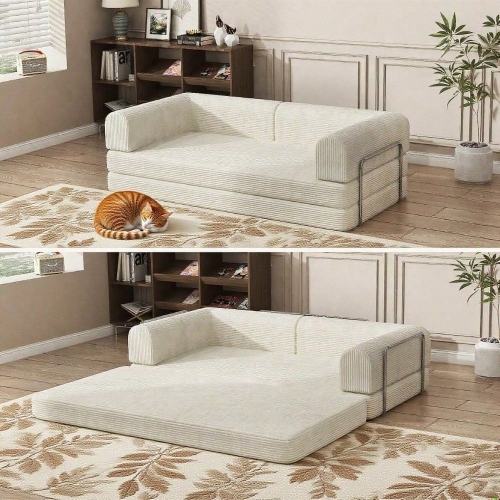
The parts beneath the upholstery matter as much as the finish, particularly on a sofa that gets used every day. The frame and seat supports help the sofa hold its shape, while the cushion fill affects how it feels when someone sits down and how easily the seat returns to shape afterward. A resilient foam cushion generally has a more defined shape than a loosely filled one. A softer fill can feel inviting for lounging but may need regular plumping to keep the seat looking even. Seat height and firmness matter, too: someone who finds it hard to rise from a low, soft seat may be more comfortable on a slightly higher sofa with firmer cushions and arms that are easy to reach. For a family that often watches movies together, the number of usable seats matters more than the overall width, especially if a deep corner or broad arm takes up part of the seating area. A continuous bench cushion can be comfortable for someone who likes to lie down without a seam under their hip, while separate cushions can be easier to turn or move if their shape and upholstery allow it. In a den that also serves as a guest room, a sleeper sofa can handle both uses without dedicating floor space to a bed every day. Its open footprint still needs to leave room for a guest to get in and out, and a lightweight side table may be easier to move than a large coffee table. A sofa can be a generous shared gift for someone setting up a first home, though it’s worth involving the recipient in decisions about size, comfort and upholstery. The sofa that works well for a friend who hosts game nights may be quite different from the one that suits someone who spends most evenings reading, or a household where the dog has already claimed the seat closest to the door.
Top selling and popular products
-
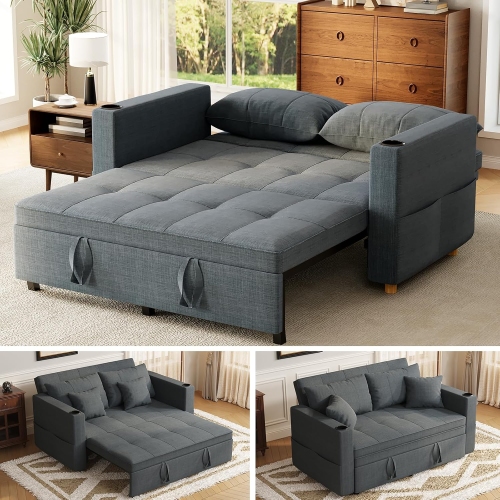 Your price for this item is $549.99
-
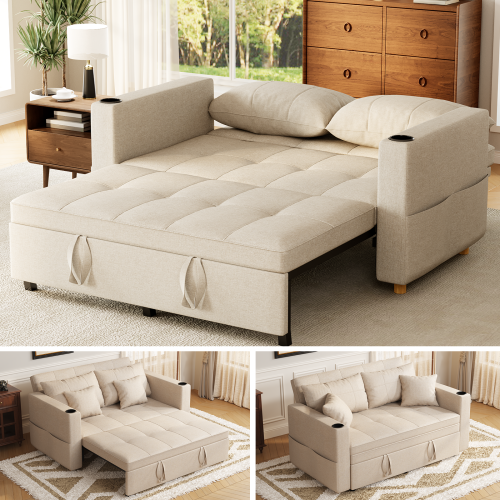 Your price for this item is $559.99
-
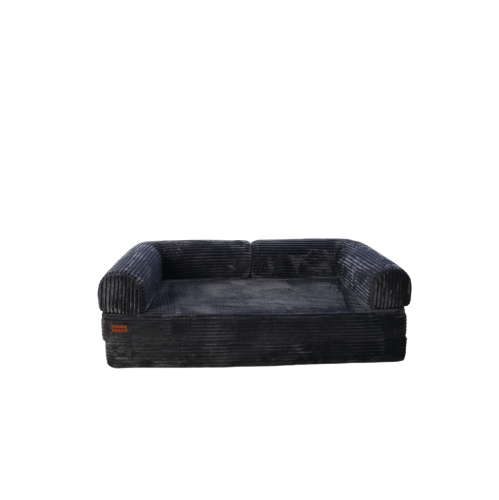 Your price for this item is $599.97
-
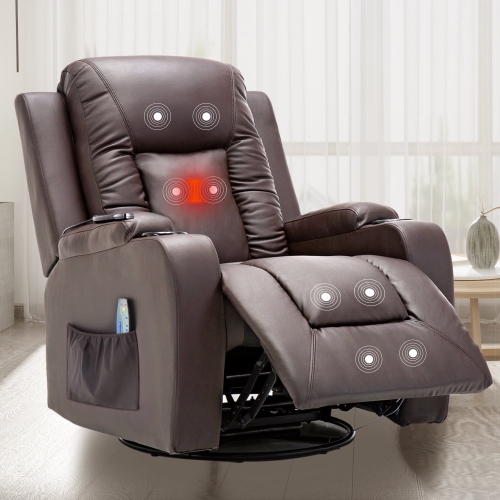 Your price for this item is $599.99
-
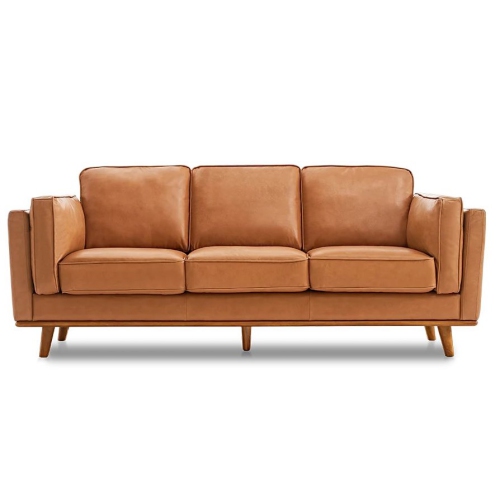 Your price for this item is $1949.99
-
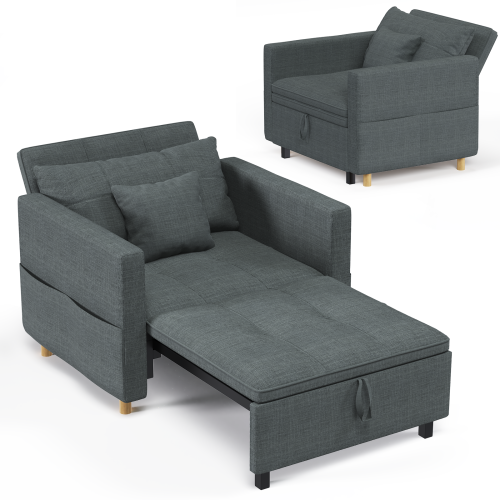 Your price for this item is $299.99
-
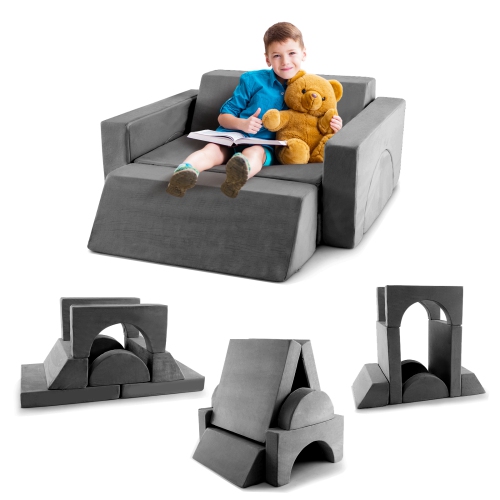 Your price for this item is $167.99
-
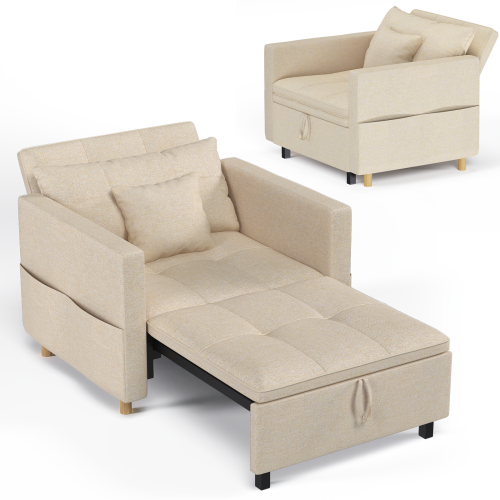 Your price for this item is $299.99
Discover more categories related to Sofa Canada

Top Collections:
Best Black Friday Deals This Year, Best Black Friday Deals On Electronics, Kindle Devices, Best Black Friday Deals On Apple Products, Best Budget Office Chairs, Best Cameras for Sports Photography, Dyson Airwrap, Canon G7X Cameras, Best Laptops for Writers, Samsung Galaxy Phones
Some products may be subject to Environmental Handling Fees
(EHF) depending on your province.
Learn more about EHFs.