Soft Beige Area Rugs
Soft Beige Area Rugs bring a touch of warmth and elegance to any room, seamlessly complementing a variety of décor styles. Their versatile color palette makes them an ideal choice for living rooms, bedrooms, and dining spaces alike. Whether you’re looking to create a cozy atmosphere or add a subtle accent to your floors, Soft Beige Area Rugs offer a timeless look that enhances the comfort and style of your home. Discover options in a range of sizes and designs to find the perfect fit for your space.
Sort

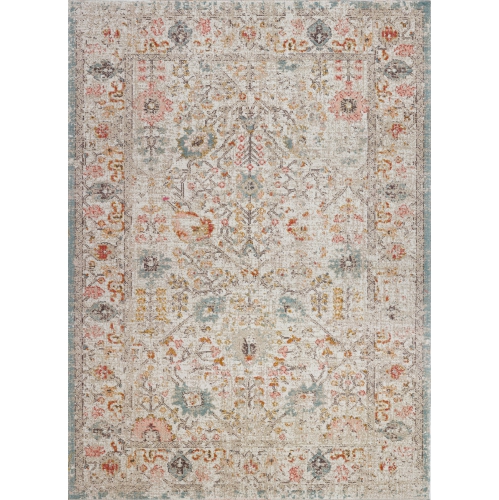
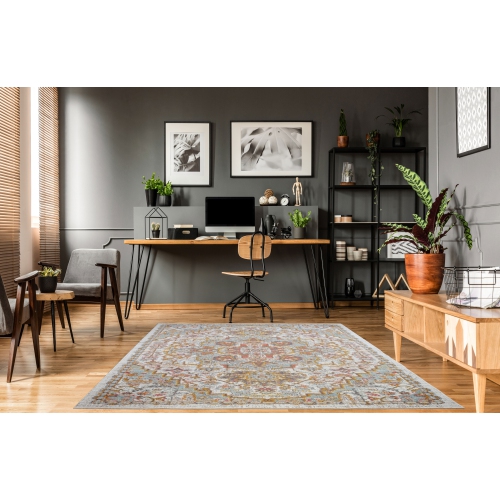
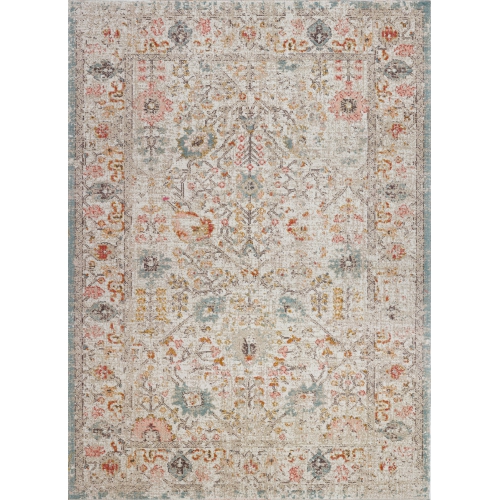
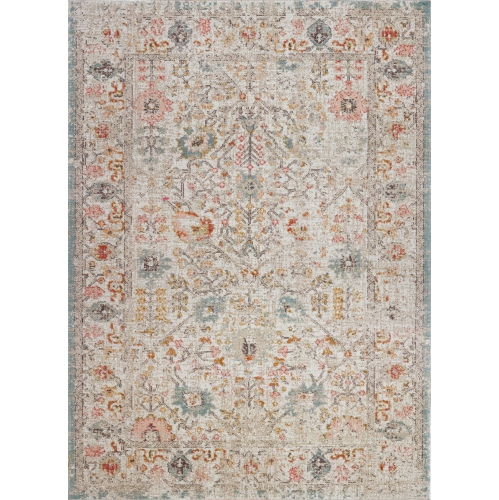
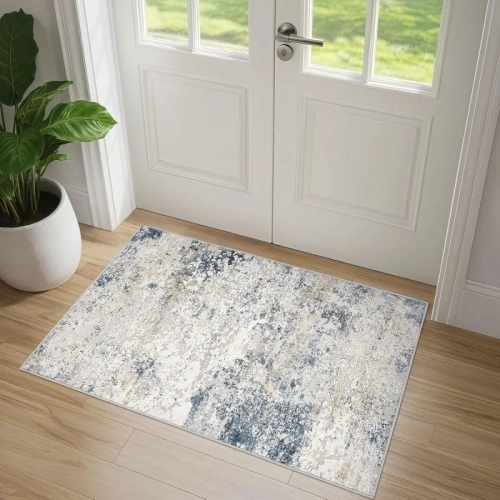


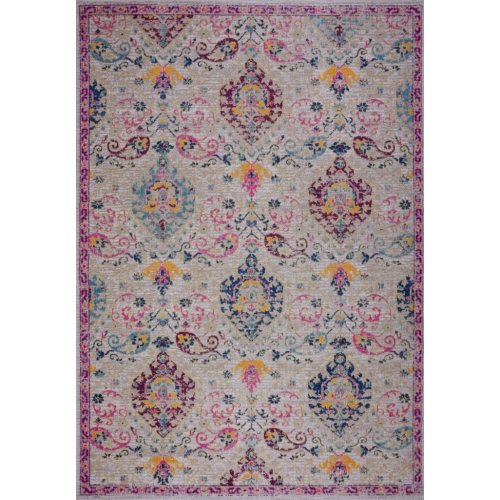
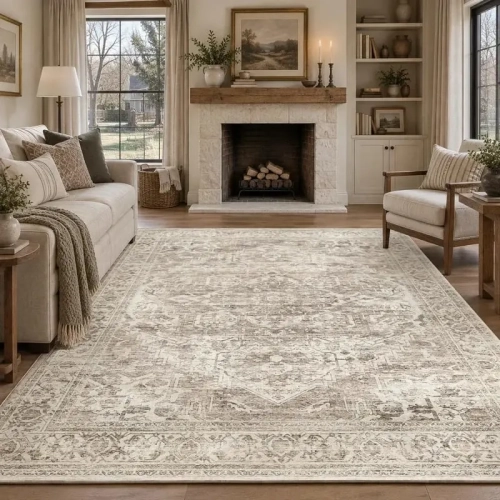
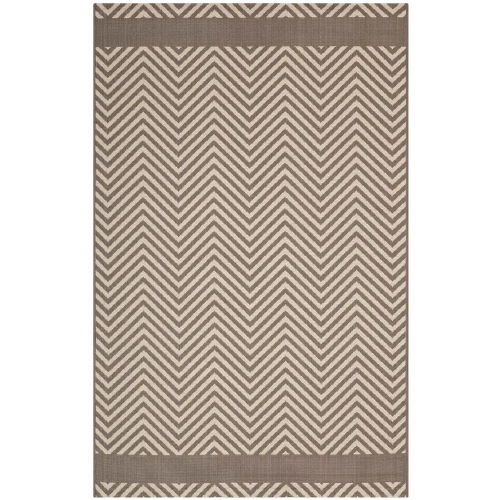
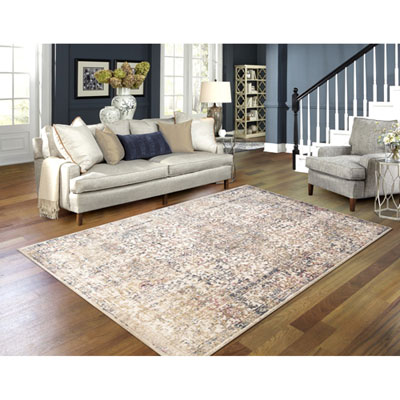
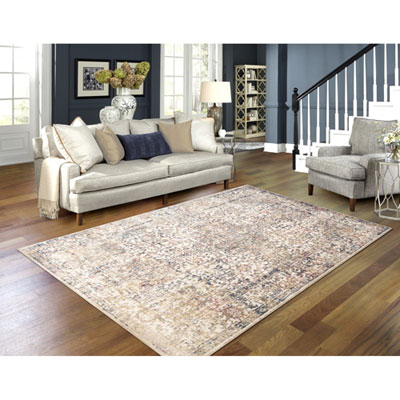
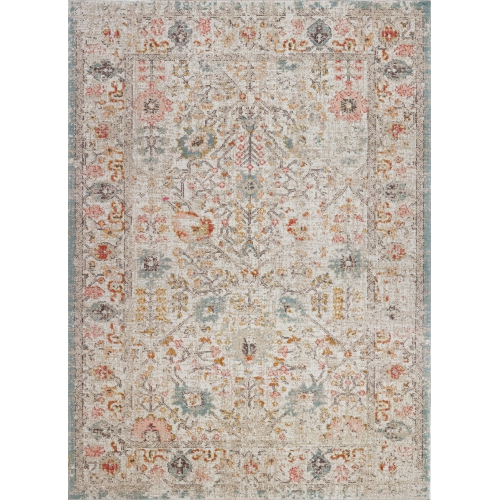
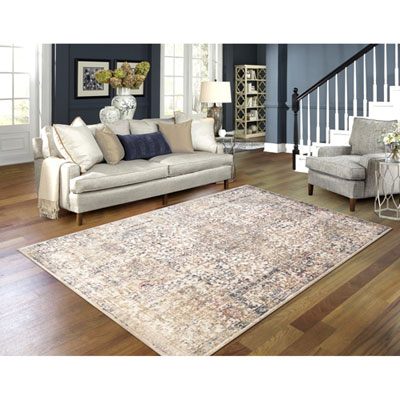
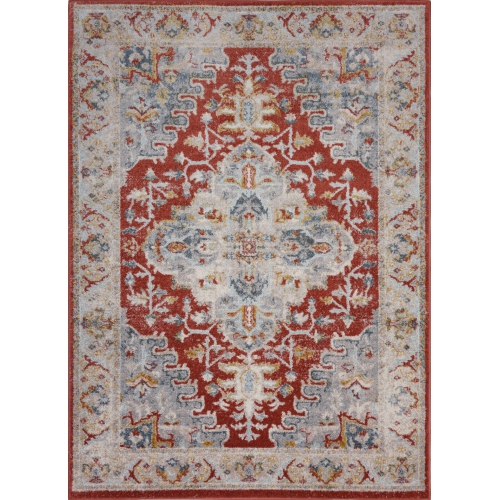
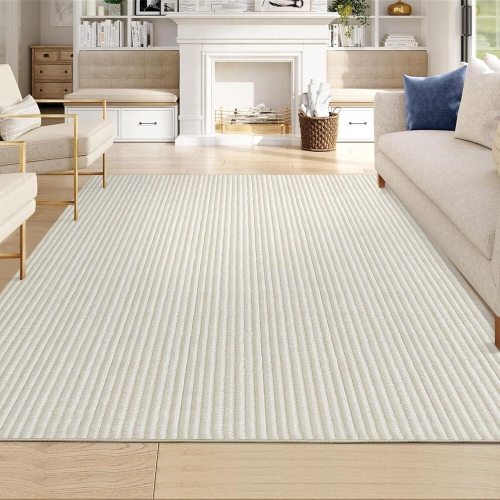
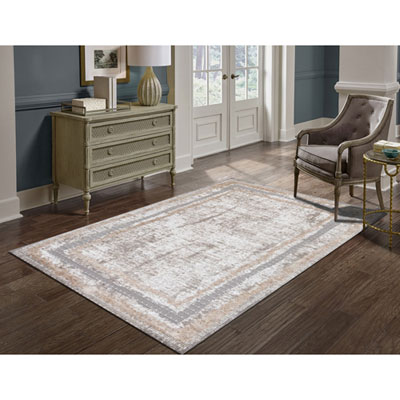
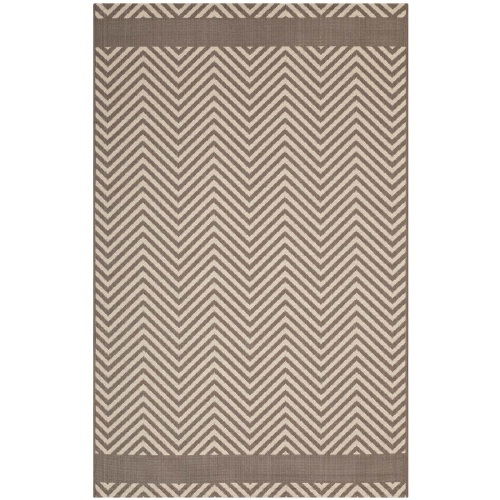
How beige undertones and texture tie rooms together
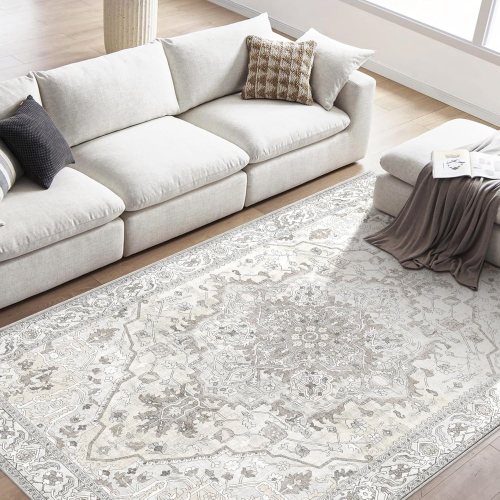
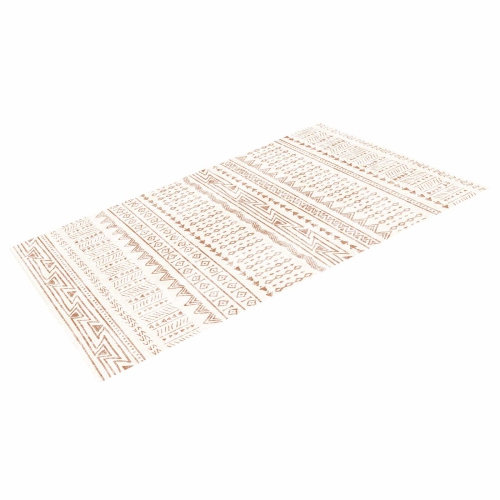
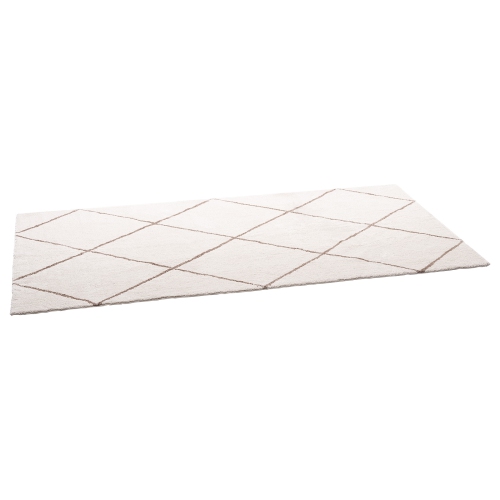
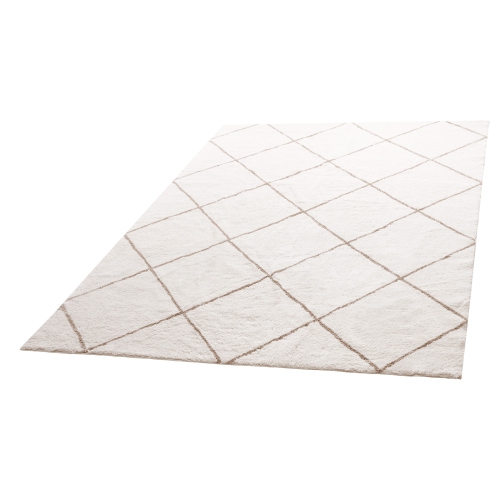
Soft beige area rugs bring a light, neutral foundation and a comfortable texture to living rooms, bedrooms, dining areas, and other shared spaces. Their appeal comes from a balance of softness and versatility: beige can soften the contrast between dark furniture and pale flooring without drawing attention away from the rest of the room. The colour also has more variety than it first suggests. Creamy beige can sit comfortably beside warm wood and brass, while oatmeal and muted taupe tones often complement grey upholstery, stone finishes, and black accents. A sandy shade can connect a linen sofa with an oak coffee table, making separate pieces feel more settled together. Lighting affects how these colours appear, so a beige rug may look slightly different beside a window than beneath a ceiling fixture. Texture adds another layer of character. A plush surface creates a relaxed, inviting feel, while a close-cut pile or subtle raised pattern gives the room definition without a strong colour contrast. Tonal stripes, delicate geometric shapes, and softly faded motifs can add interest while keeping the overall effect understated. Across the broader range of Beige Rugs, differences in texture, undertone, and pattern help distinguish a quiet backdrop from a more noticeable focal point. For a bedroom with patterned bedding, a nearly solid rug can provide balance; beside a plain sofa, a textured design can supply the detail that the seating area needs. Soft beige also works well in a home office, where a rug beneath a reading chair can separate a comfortable corner from the main desk area. The result depends as much on the relationship between the rug and its surroundings as on the shade itself. Repeating a similar beige in cushions, curtains, or a lampshade can create continuity, but an exact match is not necessary. A little variation usually gives neutral rooms more depth than several identical shades placed together.
The feel of a soft beige area rug depends on its fibre, pile height, density, and construction, not simply its colour. Wool can provide a springy, substantial feel and good resilience, although some shedding may occur, particularly when a rug is new. Polyester can offer a soft surface and hold colour well, while polypropylene is often chosen for its resistance to moisture absorption and many everyday stains. Neither fibre makes a rug immune to spills, crushing, or wear, and the construction still matters. Cotton rugs tend to feel lighter and more flexible, with care requirements that vary by backing, size, and weave. Viscose can create a smooth, light-catching finish, but it generally needs more cautious handling around moisture and spills. A deep pile offers a cushioned feel beneath bare feet and suits a bedroom or a quieter seating area; a lower pile is often more practical beneath dining chairs, near doorways, or in frequently used spaces. Dense fibres can feel comfortable without being especially long, making pile density worth considering alongside height. Size and placement shape how useful the rug becomes. In a living room, enough coverage for the front legs of the main seating pieces can help the arrangement feel connected, rather than leaving a small rug isolated beneath the coffee table. In a dining area, the rug needs to extend beyond the tabletop far enough for chairs to remain supported when pulled out. Beside a bed, coverage where feet naturally land is more useful than a narrow strip hidden under the frame. Rectangular rugs suit many seating layouts, while round shapes can soften a compact conversation area or echo a circular table. Measuring the usable floor space also helps account for door swings, floor vents, furniture legs, and walking routes. A rug should define the space without making everyday movement awkward, especially in a smaller condo or a room that serves several purposes.
Everyday comfort also depends on what sits underneath the rug and how it is maintained. A rug pad matched to the flooring and rug construction can add cushioning, reduce movement, and help limit friction against the floor. Compatibility matters, particularly where certain backing materials or adhesives could affect a floor finish, so the flooring and pad care information should be checked together. For households with children or pets, a soft surface can make floor-level activities more comfortable, but it is not a substitute for a purpose-designed play mat or protective padding. Tightly constructed piles may be easier to manage around pet claws than loose loops, while subtle patterns and mixed beige tones can make small crumbs or stray fibres less noticeable between cleanings. Pale rugs still benefit from prompt attention to marks, especially along a favourite walking route or beside a sofa where drinks are often set down. Regular vacuuming helps remove grit before it works deeper into the pile; suction settings and brush use should follow the rug’s care directions, since rotating brushes can pull at some fibres, loops, or fringes. Spills are best addressed promptly by blotting rather than scrubbing, using only a cleaning method suitable for the material. A washable label should be checked carefully for machine capacity, temperature, drying instructions, and any restrictions related to the backing. Larger or more delicate rugs may require professional cleaning instead. Rotating a rug periodically can distribute wear from repeated foot traffic, and furniture cups may help reduce concentrated pressure where suitable. Even with attentive care, some flattening beneath heavy furniture or in busy areas is normal. Choosing a construction that suits the room makes that maintenance more manageable: plush textures reward quieter settings, while shorter, denser piles often fit spaces with more movement. A well-proportioned soft beige rug brings these practical details together, adding a comfortable place to stand, sit, or stretch out while giving the room a cohesive foundation.
Top selling and popular products
-
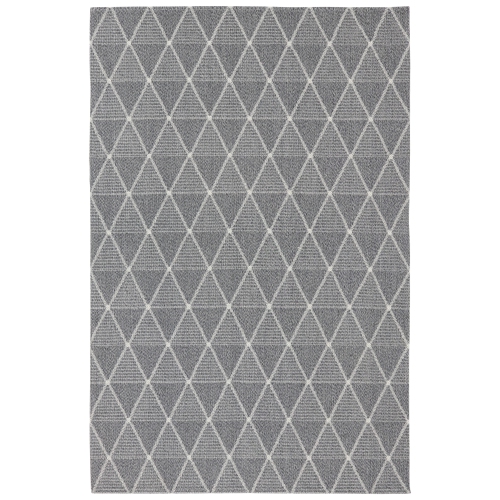 Your price for this item is $130.55
-
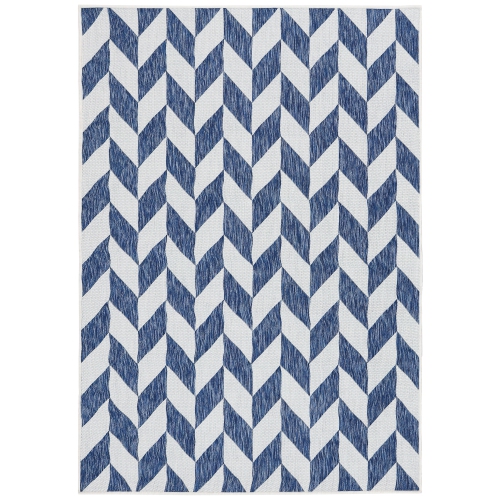 Your price for this item is $129.15
-
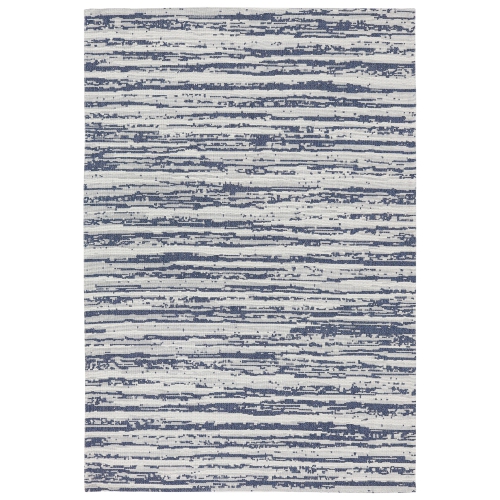 Your price for this item is $130.55
-
 Your price for this item is $129.15
-
 Your price for this item is $129.15
-
 Your price for this item is $130.55
-
 Your price for this item is $144.99
-
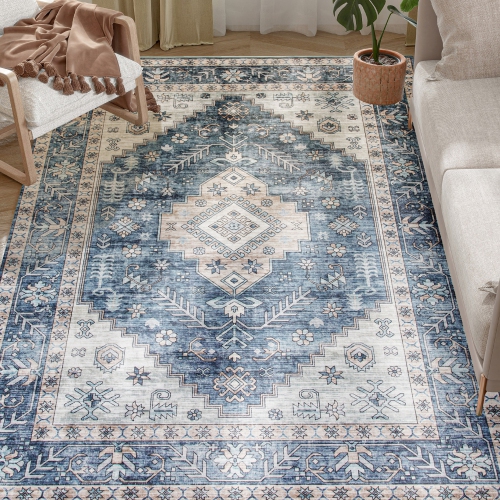 Your price for this item is $103.99
Discover more categories related to Soft Beige Area Rugs

Top Collections:
Best Black Friday Deals This Year, Best Black Friday Deals On Electronics, Kindle Devices, Dyson Airwrap, Best Cameras for Sports Photography, Best Budget Office Chairs, Canon G7X Cameras, PS5 Pro Consoles, Best Black Friday Deals On Apple Products, XBOX One S Consoles
Some products may be subject to Environmental Handling Fees
(EHF) depending on your province.
Learn more about EHFs.