Soft Towel
Wrap yourself in luxury with our selection of soft towels, designed to elevate your everyday bathing experience. Crafted from premium materials, these towels are not only gentle on your skin but also highly absorbent, ensuring you stay dry and cozy after every shower or bath. Choose from a variety of sizes and colors to complement your bathroom decor effortlessly. Upgrade your linen closet with our plush towels that offer both comfort and style for a spa-like feel right at home.
Sort

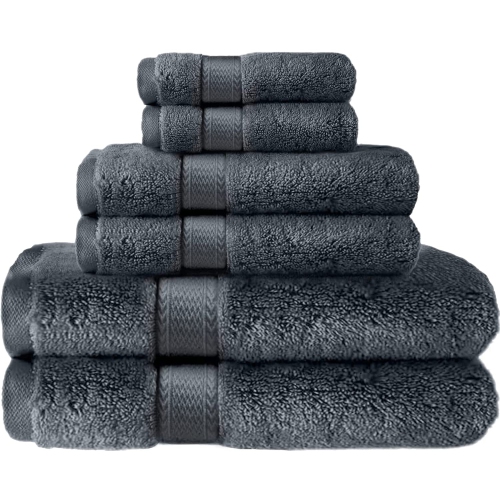
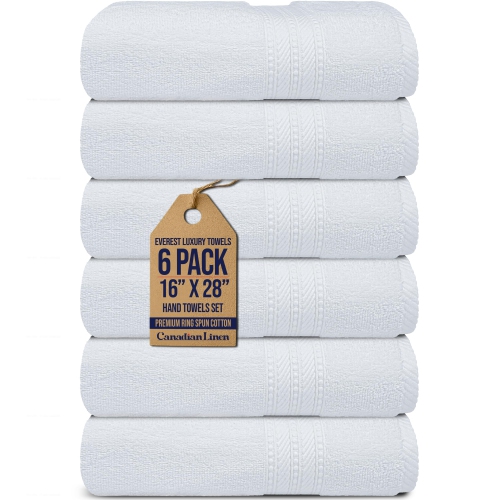
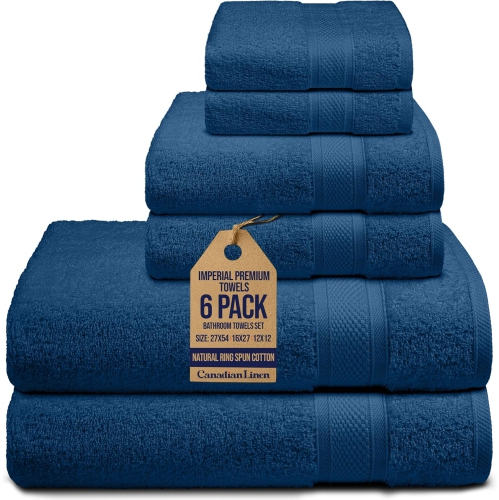
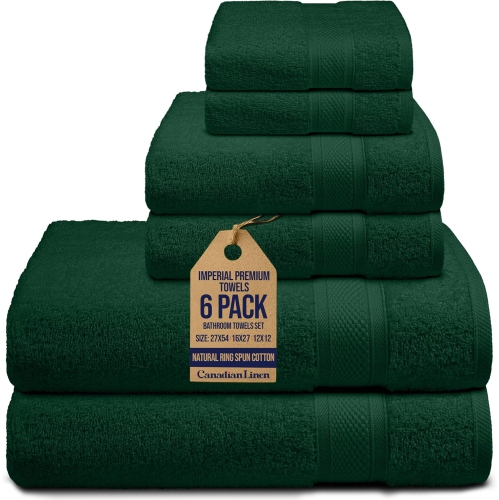


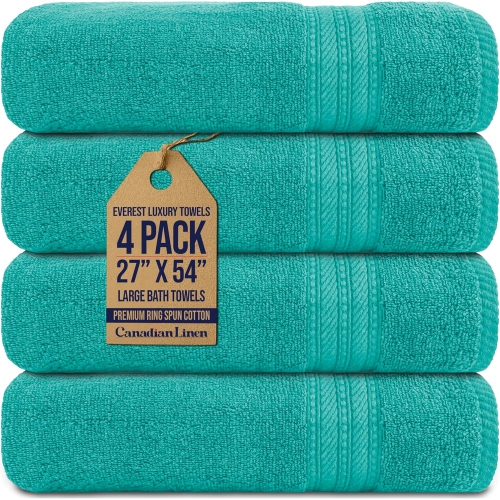
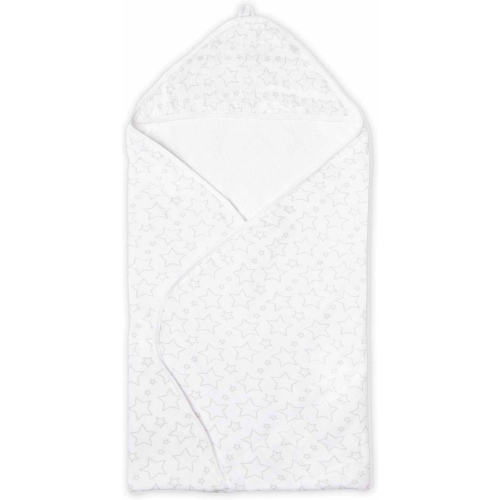
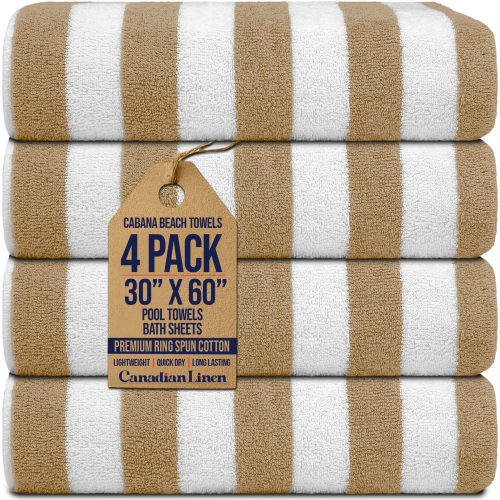
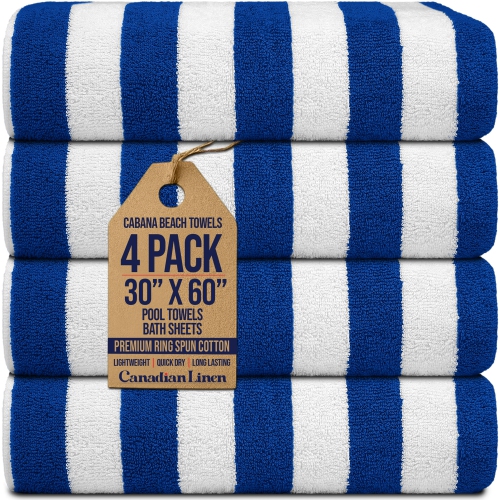
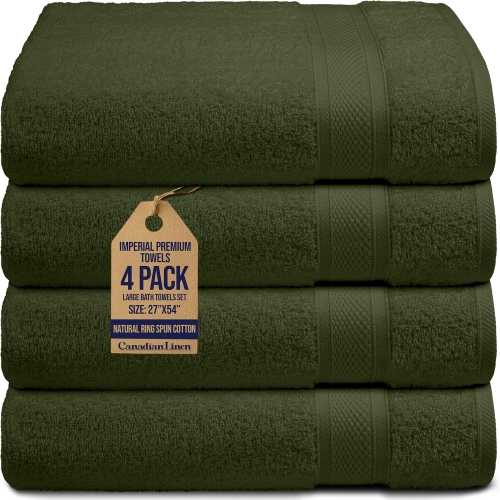
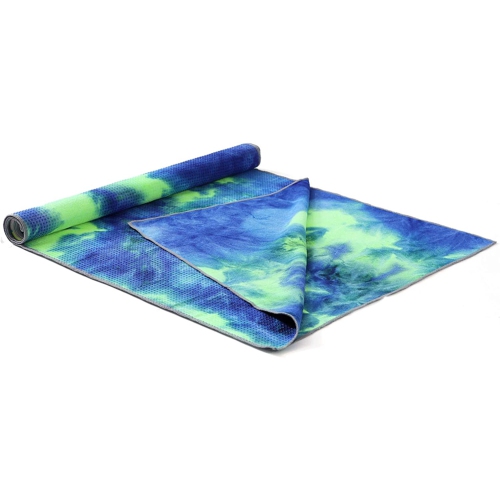
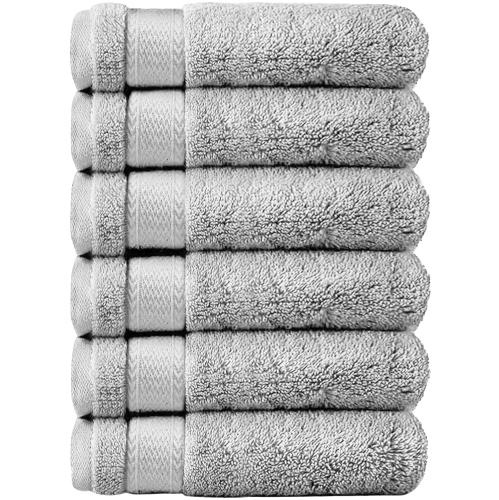
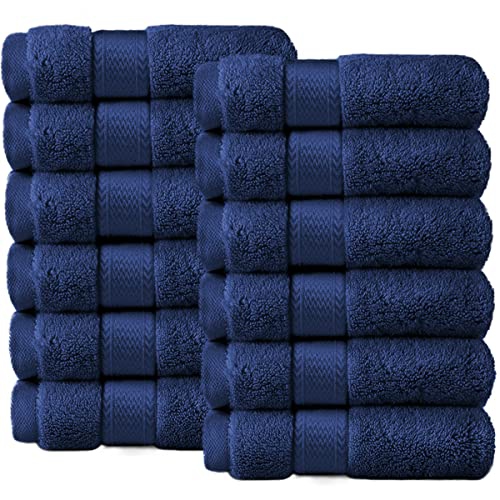
Why towel comfort goes beyond a fluffy feel
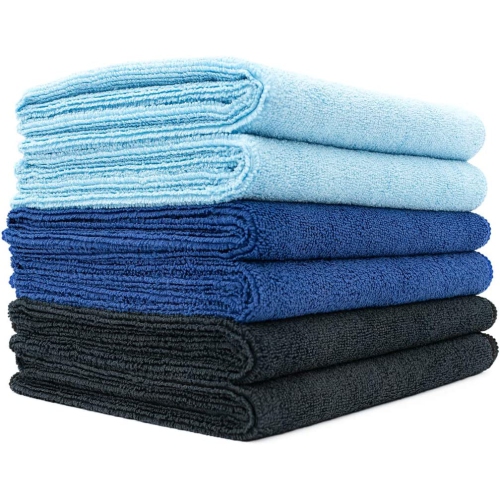
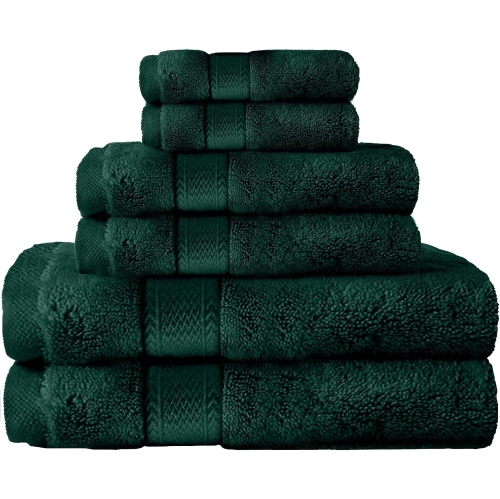
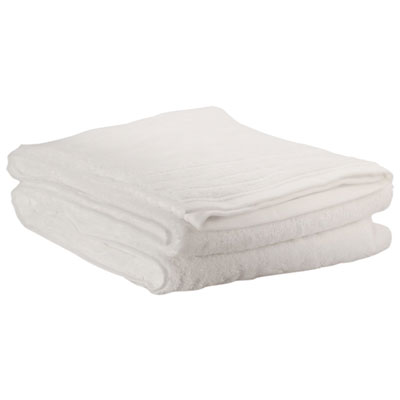
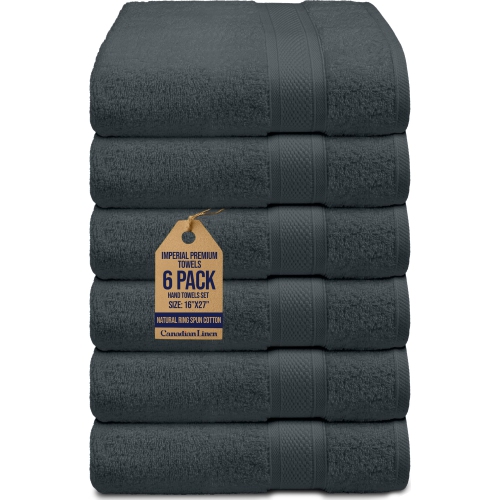
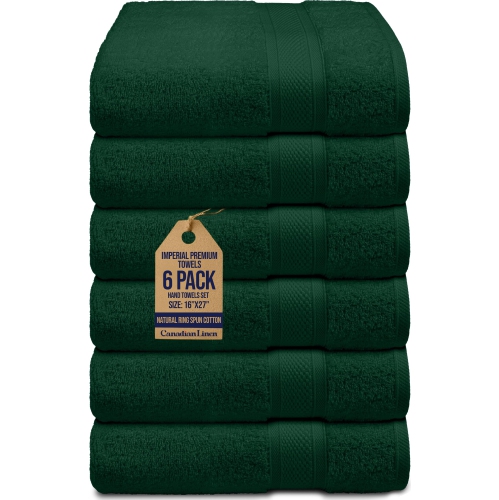
Soft towels bring everyday comfort to the moments between a shower and getting dressed, washing hands and sitting down to dinner, or bathing a child and settling in for the evening. A soft towel should feel pleasant against the skin while absorbing moisture effectively; a fluffy surface alone does not tell the whole story. Fibre quality, yarn construction, fabric weight, and laundering all influence how a towel feels and performs over time. Cotton is a familiar choice because it absorbs water well and can offer a comfortable balance of softness, strength, and straightforward care. Long-staple cotton has longer fibres that can be spun into smoother yarns with fewer exposed ends, helping limit roughness and shedding when the towel is well made. Turkish and Egyptian cotton descriptions may indicate fibre origin or type, but the full fibre content and construction remain important when comparing towels. Combed cotton has been processed to remove shorter fibres, which can contribute to a smoother finish. Low-twist and zero-twist cotton yarns can create an airy, plush feel, although their care requirements and resistance to snagging vary. Towels labelled as bamboo often contain rayon or viscose made from bamboo rather than unprocessed bamboo fibre, so the fibre-content label gives a clearer picture of the material. Microfibre offers another texture: usually lightweight and compact, it can suit exercise bags and travel, though its feel differs from traditional cotton terry. Terry cloth uses loops that increase the surface area available to take up water, while waffle weaves have a textured structure that is often less bulky. For someone who enjoys wrapping up after a long bath, dense terry may deliver the preferred cushioned feel. For a busy household where towels need to dry between showers, a lighter construction can be more practical. The most comfortable choice balances softness with absorbency, drying time, and the way the towel will actually be used.
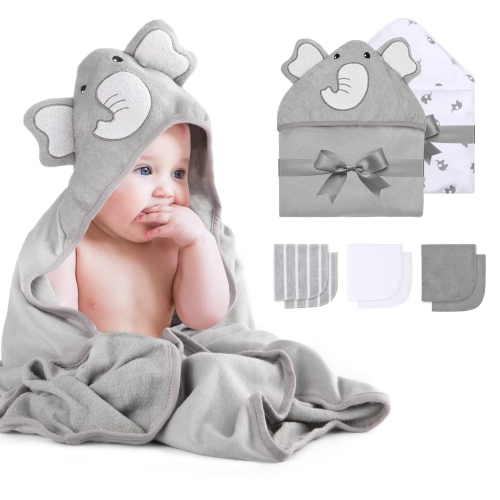
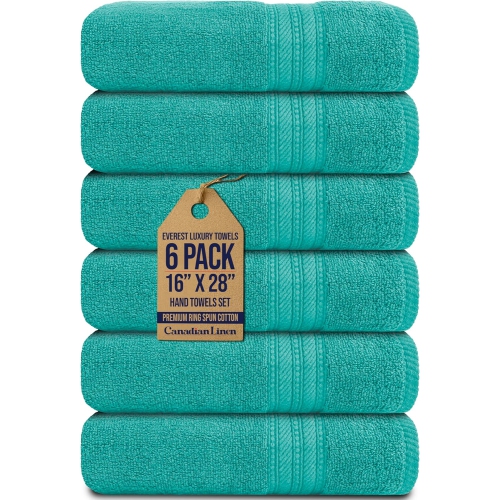
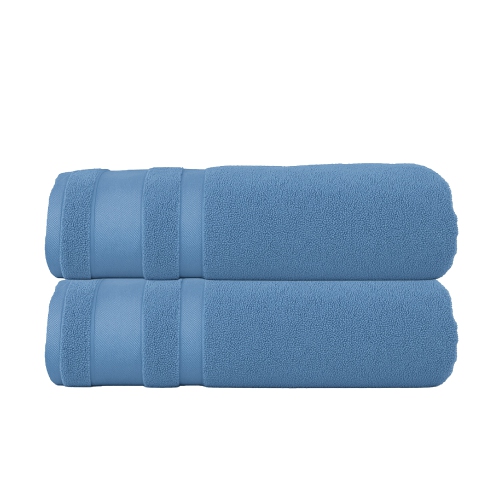
Weight and dimensions help distinguish a generously plush bath towel from a lighter everyday option. Fabric weight is often expressed in GSM, meaning grams per square metre. As a general comparison, towels around 300 to 400 GSM tend to feel lighter, those around 400 to 600 GSM often balance substance with manageable drying time, and those above 600 GSM usually feel denser and heavier. These ranges are useful reference points rather than a guarantee of softness or quality, since fibres and weave also affect the result. A thick towel may feel inviting on a chilly morning, but it can take longer to dry in a bathroom with limited airflow. A medium-weight towel that hangs freely may be a better match for repeated daily use. Size matters just as much: a bath sheet provides more coverage for wrapping around the body, while a standard bath towel is easier to fold, hang, and fit into a smaller laundry load. Dimensions vary, so measurements are more reliable than the name alone, particularly for taller adults or anyone who prefers extra coverage. Hand towels should fit their rail without bunching, and washcloths should feel supple enough to reach comfortably around the face and hands. For children, manageable size and weight can make drying off easier; for infants, appropriately sized Baby Towels can suit the bath-time routine, with close adult supervision throughout. Guest bathrooms benefit from towels that feel welcoming without being difficult to wash and dry between visits. A coordinated set can also make a thoughtful housewarming gift or a practical addition to a first apartment, especially when the colours work with different bathroom styles. Pale shades create a light, simple look, deeper colours add contrast, and textured borders introduce detail without needing a bold pattern. For gifting, familiar materials and easy-care construction are often more useful than unusually elaborate finishes.
Keeping towels soft depends on removing moisture and laundry residue without putting unnecessary stress on the fibres. Washing before the first use, according to the care label, helps remove manufacturing finishes and loose fibres that may affect initial absorbency. Some lint during early washes is normal for many cotton towels, but excessive or persistent shedding can be a reason to look more closely at construction and care. A suitable amount of detergent is important: too much can leave residue that makes towels feel stiff or less absorbent, particularly if the washing machine is tightly packed. Leaving enough room in the drum allows water and detergent to move through the fabric and rinse away properly. Fabric softeners and dryer sheets can leave coatings that reduce water absorption, so they are generally best avoided when maintaining towel performance. Although vinegar is sometimes suggested for residue, it is not suitable for every appliance or fabric finish; the towel and washing machine care instructions should take priority over household remedies. Where tumble drying is permitted, a low or moderate heat setting can help protect fibres, while avoiding prolonged overdrying can reduce a harsh feel. Dryer balls may help separate towels during the cycle, but they do not replace thorough washing and rinsing. Air-dried cotton can feel firmer than tumble-dried cotton; a good shake before hanging helps loosen the pile, and spacing towels out supports more even drying. Between uses, spread a damp towel across a rail rather than leaving it folded on a hook or piled in a hamper. Towels should be fully dry before going into a linen cupboard. For durability, look for neatly finished hems, secure stitching, and loops that appear even rather than loose or easily caught. Washing towels separately from garments with exposed zips or hooks can help prevent pulled threads. Rotating through several towels gives each one time to dry and spreads out wear. With a material, weight, and size suited to daily habits, soft towels can remain a dependable part of comfortable routines, from quick morning showers to unhurried baths during the cooler months.
Weight and dimensions help distinguish a generously plush bath towel from a lighter everyday option. Fabric weight is often expressed in GSM, meaning grams per square metre. As a general comparison, towels around 300 to 400 GSM tend to feel lighter, those around 400 to 600 GSM often balance substance with manageable drying time, and those above 600 GSM usually feel denser and heavier. These ranges are useful reference points rather than a guarantee of softness or quality, since fibres and weave also affect the result. A thick towel may feel inviting on a chilly morning, but it can take longer to dry in a bathroom with limited airflow. A medium-weight towel that hangs freely may be a better match for repeated daily use. Size matters just as much: a bath sheet provides more coverage for wrapping around the body, while a standard bath towel is easier to fold, hang, and fit into a smaller laundry load. Dimensions vary, so measurements are more reliable than the name alone, particularly for taller adults or anyone who prefers extra coverage. Hand towels should fit their rail without bunching, and washcloths should feel supple enough to reach comfortably around the face and hands. For children, manageable size and weight can make drying off easier; for infants, appropriately sized Baby Towels can suit the bath-time routine, with close adult supervision throughout. Guest bathrooms benefit from towels that feel welcoming without being difficult to wash and dry between visits. A coordinated set can also make a thoughtful housewarming gift or a practical addition to a first apartment, especially when the colours work with different bathroom styles. Pale shades create a light, simple look, deeper colours add contrast, and textured borders introduce detail without needing a bold pattern. For gifting, familiar materials and easy-care construction are often more useful than unusually elaborate finishes.
Keeping towels soft depends on removing moisture and laundry residue without putting unnecessary stress on the fibres. Washing before the first use, according to the care label, helps remove manufacturing finishes and loose fibres that may affect initial absorbency. Some lint during early washes is normal for many cotton towels, but excessive or persistent shedding can be a reason to look more closely at construction and care. A suitable amount of detergent is important: too much can leave residue that makes towels feel stiff or less absorbent, particularly if the washing machine is tightly packed. Leaving enough room in the drum allows water and detergent to move through the fabric and rinse away properly. Fabric softeners and dryer sheets can leave coatings that reduce water absorption, so they are generally best avoided when maintaining towel performance. Although vinegar is sometimes suggested for residue, it is not suitable for every appliance or fabric finish; the towel and washing machine care instructions should take priority over household remedies. Where tumble drying is permitted, a low or moderate heat setting can help protect fibres, while avoiding prolonged overdrying can reduce a harsh feel. Dryer balls may help separate towels during the cycle, but they do not replace thorough washing and rinsing. Air-dried cotton can feel firmer than tumble-dried cotton; a good shake before hanging helps loosen the pile, and spacing towels out supports more even drying. Between uses, spread a damp towel across a rail rather than leaving it folded on a hook or piled in a hamper. Towels should be fully dry before going into a linen cupboard. For durability, look for neatly finished hems, secure stitching, and loops that appear even rather than loose or easily caught. Washing towels separately from garments with exposed zips or hooks can help prevent pulled threads. Rotating through several towels gives each one time to dry and spreads out wear. With a material, weight, and size suited to daily habits, soft towels can remain a dependable part of comfortable routines, from quick morning showers to unhurried baths during the cooler months.
Top selling and popular products
-
 Your price for this item is $24.99
 -
 Your price for this item is $259
 -
 Your price for this item is $229
 -
 Your price for this item is $419
 -
 Your price for this item is $419
 -
 Your price for this item is $29.99
 -
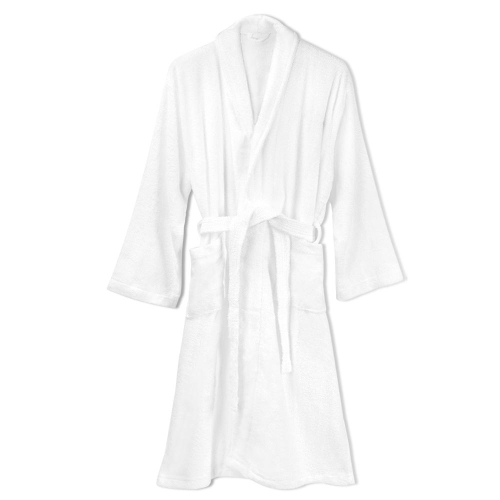 Your price for this item is $45.99
 -
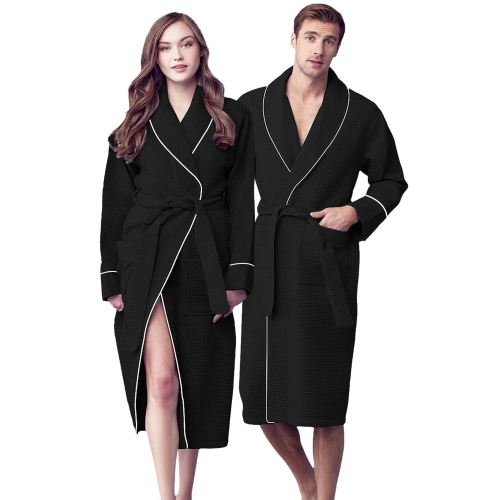 Your price for this item is $76.99
Discover more categories related to Soft Towel
Top Collections:
Pokemon Centers, Kindle Devices, Best Budget Office Chairs, Apple iPhones 16, Best Laptops for Writers, iPhone 15 Apple, Canon G7X Cameras, Refurbished Apple Laptops, Alarm Clock, Motorola Razr Phones
Some products may be subject to Environmental Handling Fees
(EHF) depending on your province.
Learn more about EHFs.