Solar Generators
Solar Generator solutions offer a versatile and reliable way to keep your devices powered wherever you go. Perfect for outdoor adventures, emergency backup, or everyday use, these portable power sources provide convenience and peace of mind. Discover a range of Solar Generator options designed to meet your energy needs at home, on the road, or at the campsite. Explore the latest innovations and find the ideal Solar Generator to keep your essential electronics charged and ready.
Sort
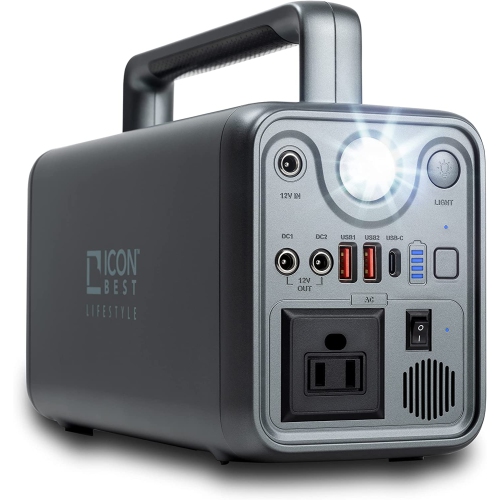
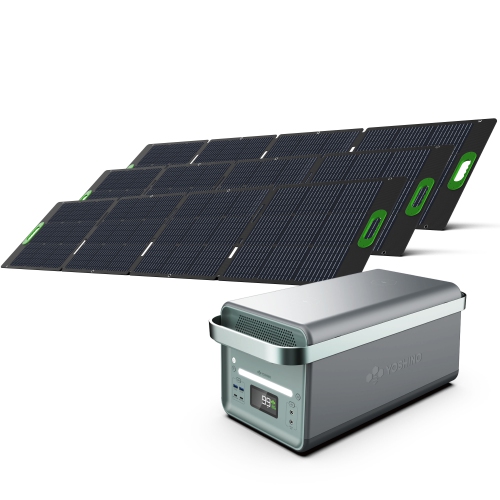
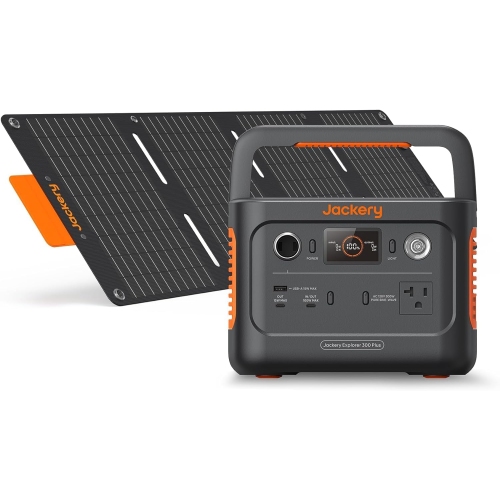
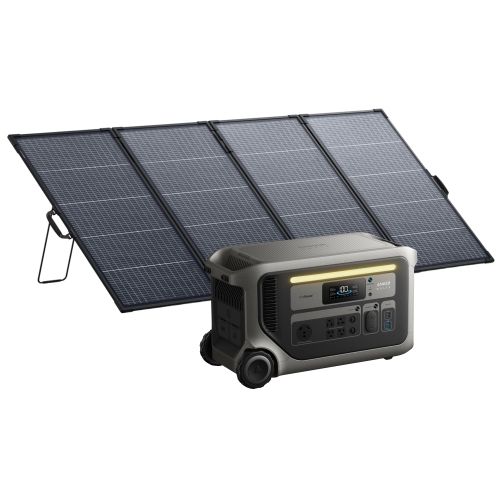
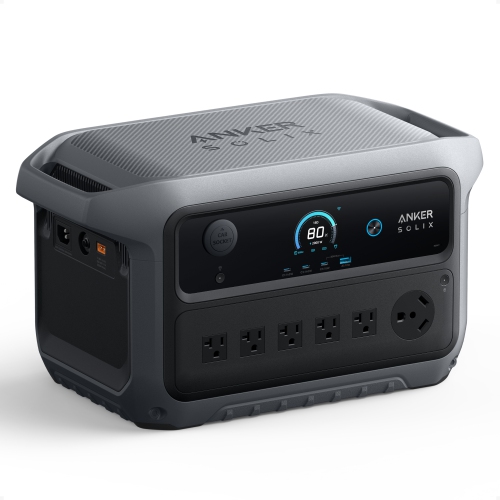
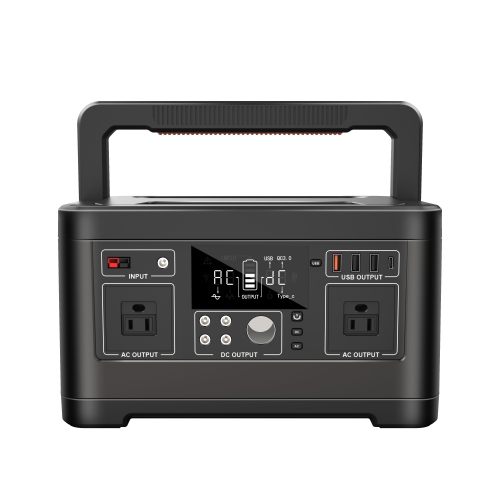
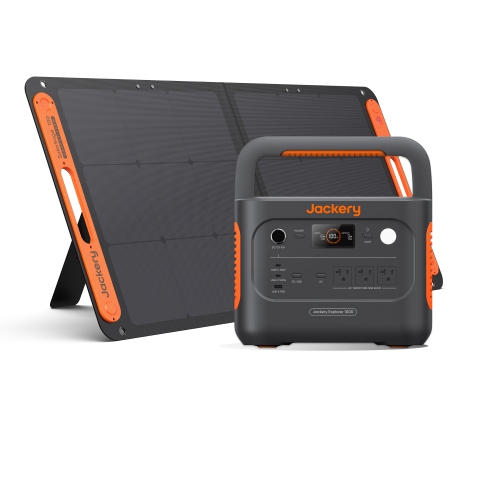
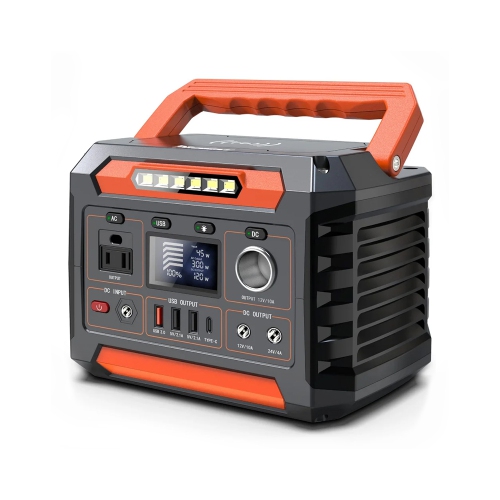
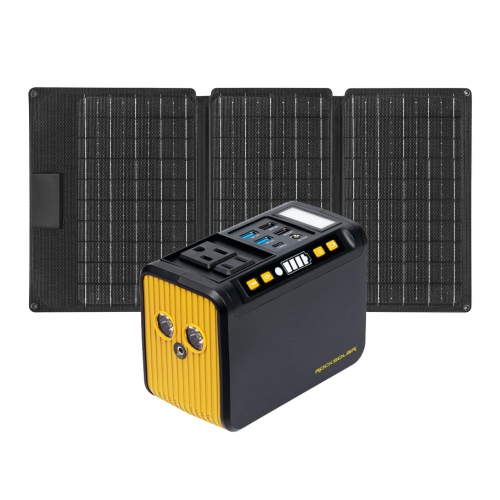
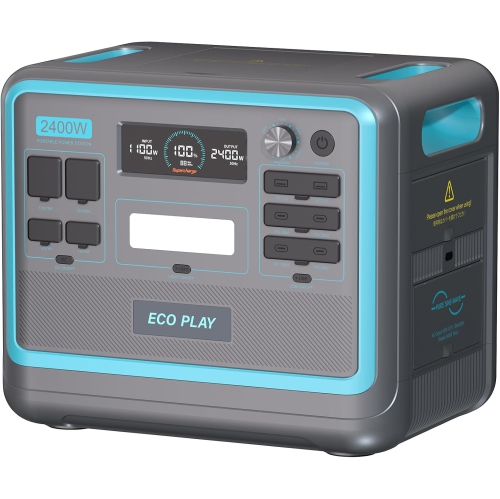
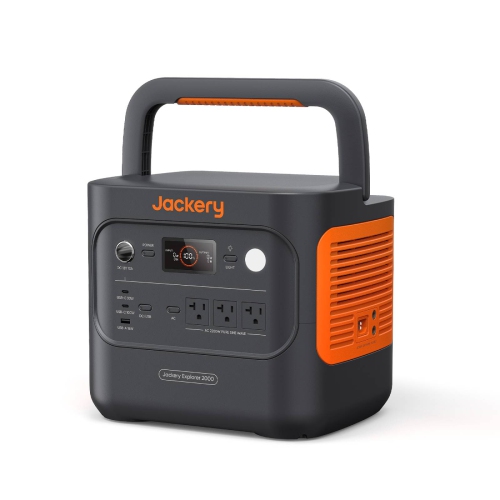
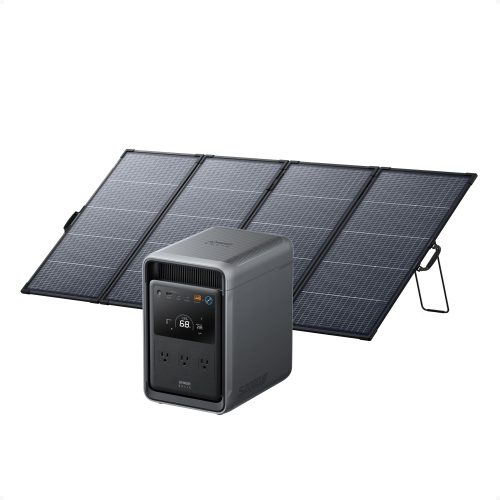
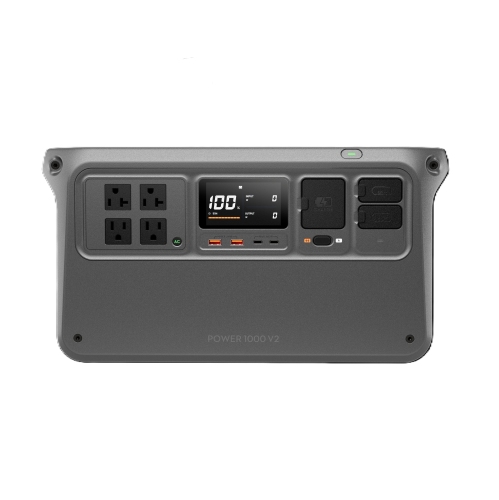
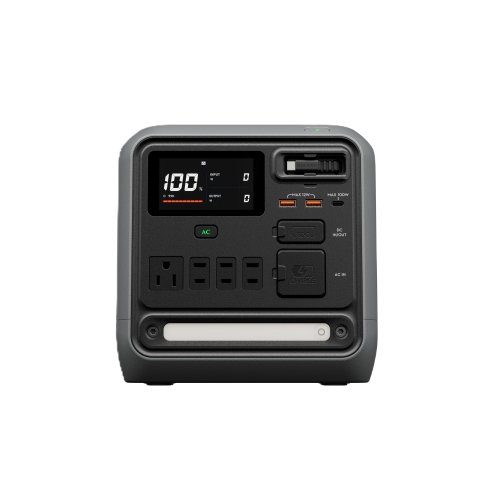
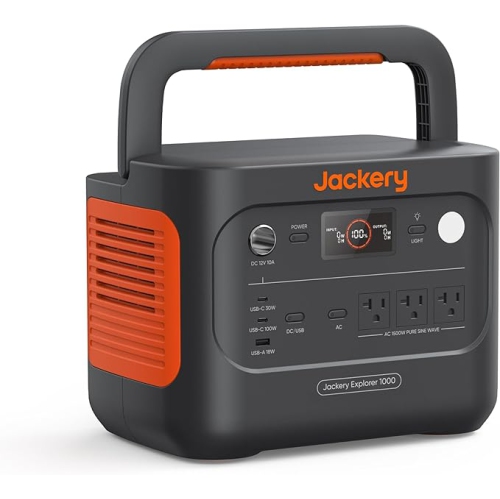
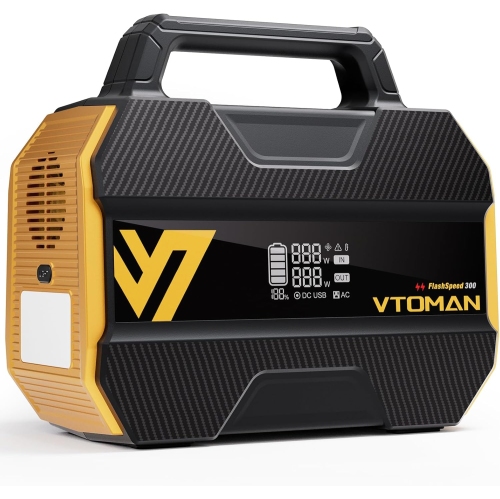
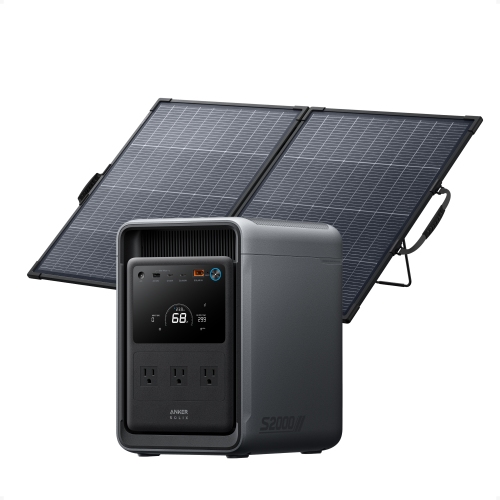
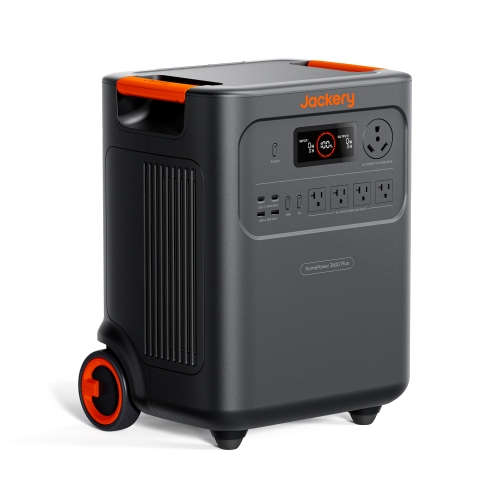
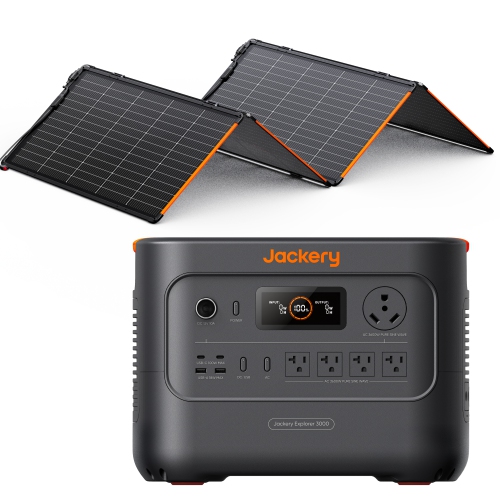
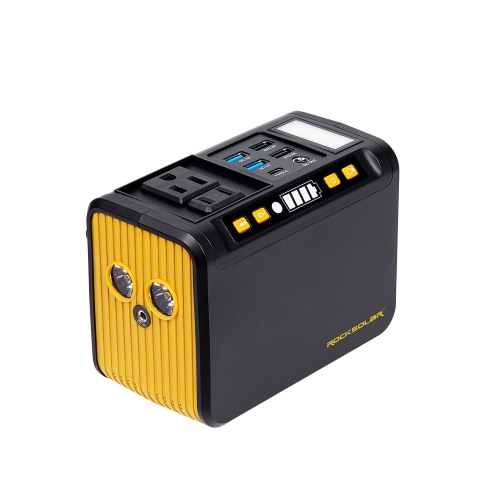
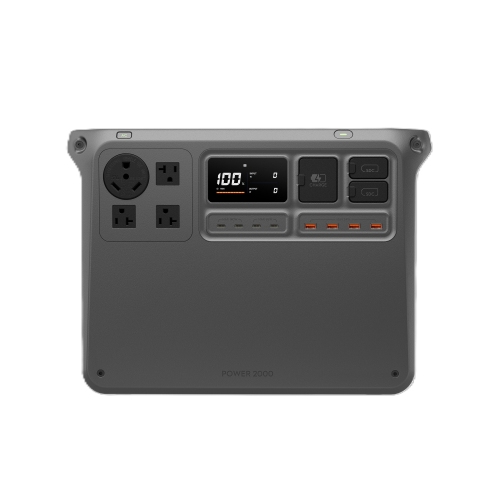
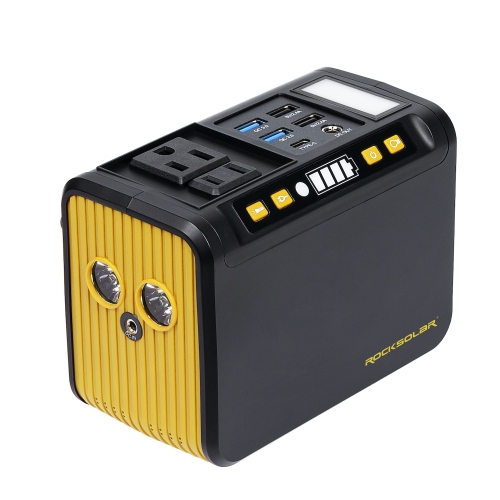
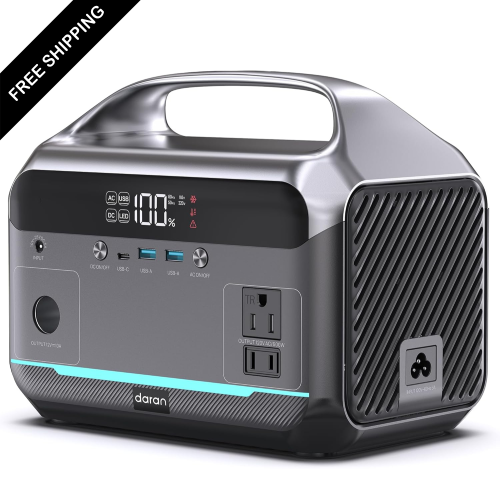
Portable power for campsites and home backup
A solar generator combines a rechargeable battery power station with solar panels that turn sunlight into electricity. The power station stores that energy and supplies it through outlets and charging ports, while an inverter converts the battery’s direct current into alternating current for compatible household devices. Unlike a fuel-powered generator, it does not burn gasoline to produce electricity. The term generally describes the complete setup, although a portable power station and solar panels are distinct components, and the contents of a package can differ. This distinction matters when comparing solar generators for camping, RV travel, cottage stays, mobile work, or home backup power. A compact setup can keep phones, cameras, lights, and a laptop charged away from wall outlets; a higher-capacity system with sufficient output can support selected appliances or tools. Picture a campsite with a light over the picnic table and camera batteries charging for the next outing, or a home workspace where a modem and laptop keep running through a brief power interruption. Each situation calls for a different balance of stored energy, outlet capacity, charging speed, and portability. Solar charging is useful where an electrical outlet is out of reach, but many power stations also support wall charging, and some accept power from a compatible vehicle connection. These additional charging methods make the battery useful beyond trips where panels can be set out. For households, the practical appeal is having a movable source of electricity for selected essentials rather than assuming that a portable unit can power an entire home. For travellers and hobbyists, it is the freedom to place a charging station near the equipment being used. A solar generator can also make a thoughtful gift for a regular camper, photographer, or RV owner, particularly when its weight and charging connections suit their routine.
Battery capacity and power output describe different capabilities, and both matter when comparing solar generators. Capacity, measured in watt-hours, indicates how much energy the battery can store; 1,000 watt-hours equals 1 kilowatt-hour. Output, measured in watts, indicates how much power the station can deliver at a given moment. A larger battery does not automatically mean that a unit can run a more demanding appliance. For example, a device drawing a steady 100 watts would use 1,000 watt-hours over 10 hours, but a power station rated at that capacity would generally provide less than 10 hours of operation because inverter losses, the station’s own power use, and battery protection limits reduce usable energy. Appliances that cycle on and off need a different estimate based on their actual energy consumption. Continuous output should cover the combined demand of devices running together, while surge output helps accommodate the brief starting demand of compatible motors, such as those in some refrigerators. A surge rating is not a substitute for adequate continuous output. Heating appliances, kettles, and cooking equipment can draw substantial power, so their nameplate requirements deserve particular attention. Outlet type matters too: a Canadian household device typically needs a compatible 120-volt AC outlet, while laptops and phones may charge more directly through suitably rated USB-C ports. The wattage supported by each port can differ from the station’s total output. Battery chemistry adds another point of comparison. Lithium iron phosphate, often labelled LiFePO4 or LFP, is commonly used in portable power stations and can offer a high number of charge cycles. Cycle-life figures should be read alongside the stated remaining-capacity threshold and test conditions rather than treated as a guaranteed lifespan. For backup use, pass-through charging and automatic transfer are separate features worth understanding. A power station that can charge while powering devices is not necessarily an uninterruptible power supply, and any transfer delay must suit the connected equipment. Medical equipment requires particular care: compatibility and backup arrangements should be confirmed with the equipment provider rather than assumed from battery capacity alone.
The solar panels determine how energy reaches the battery, and their rated wattage is only part of the picture. Actual charging depends on panel placement, sunlight, shading, cable losses, and the power station’s solar-input limits. A panel’s headline rating does not guarantee that level of charging throughout the day. An unobstructed position and a suitable angle help, while even partial shade across a panel can reduce its contribution. Matching the connector is not enough: panel voltage, current, polarity, and the station’s accepted input range must also be compatible. Related Solar Chargers can serve different purposes, from charging small devices to supplying compatible battery systems, so the intended connection matters more than the category name. Physical design affects everyday usefulness just as much as electrical specifications. Folding panels are easier to pack, while rigid panels need an appropriate mounting arrangement. Panel surface materials, backing, hinges, stands, and cable connections all contribute to durability. On the power station, sturdy handles, protected ports, and a stable base are valuable when moving equipment between a vehicle, a campsite, and a storage space. Check the complete setup’s weight and dimensions, including panels and cables, against the available carrying and storage space. A battery that looks compact in a photograph may still be awkward to lift into an RV compartment. Water-resistance ratings apply to the particular component being rated, not automatically to the whole system; a panel designed for outdoor placement does not make the power station suitable for exposure to moisture. Keep ventilation openings clear, place the station on a stable surface, and follow the manufacturer’s operating and storage requirements. Gentle cleaning with approved methods helps protect panel surfaces and connectors, while periodic charging during storage supports readiness. For household backup, plug compatible devices directly into the station as instructed. Never feed power into a wall outlet; any connection to household wiring requires suitable equipment installed by a licensed electrician. The most useful solar generator is one whose capacity, output, charging options, and physical design match the tasks it will actually perform.
Top selling and popular products
-
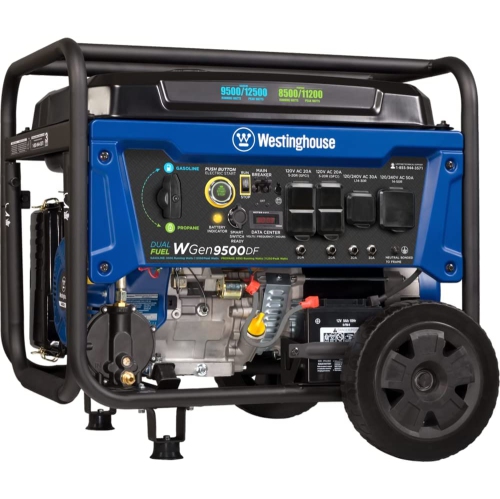 Your price for this item is $2799
-
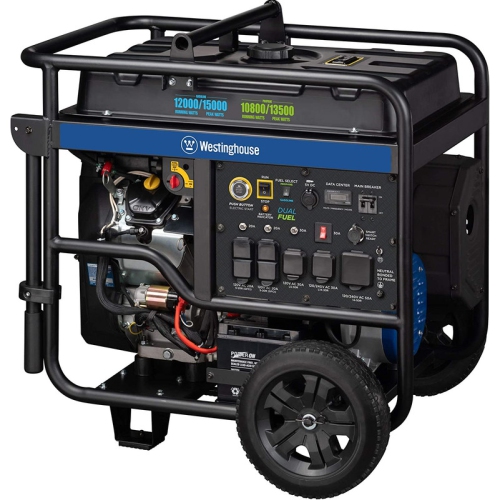 Your price for this item is $6199
-
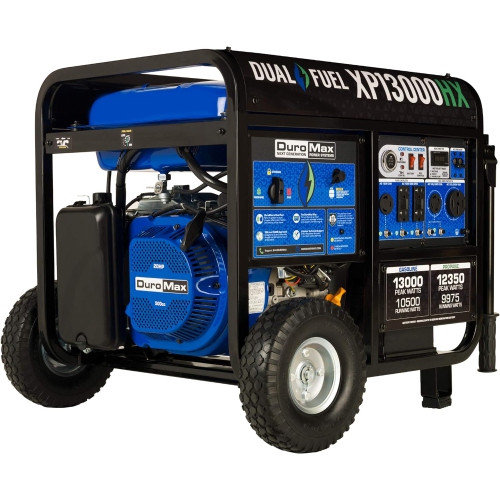 Your price for this item is $3499
-
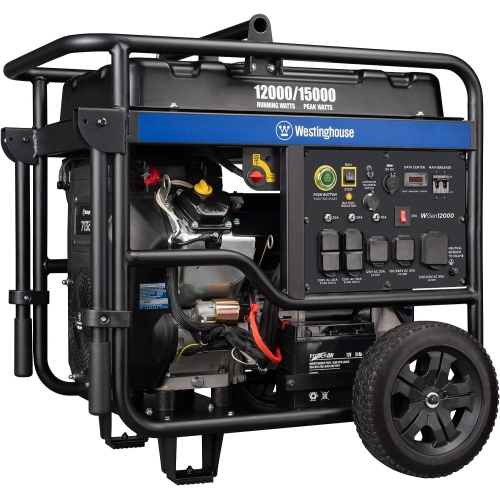 Your price for this item is $5499
-
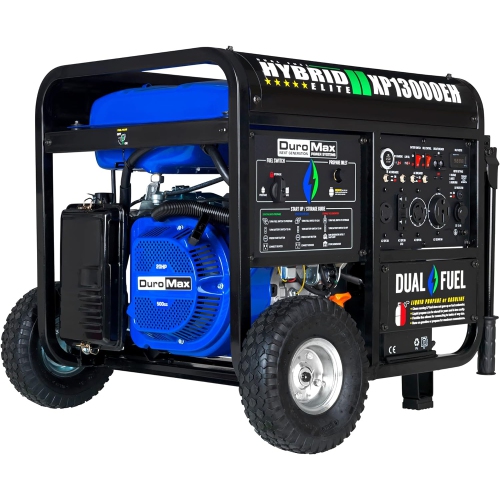 Your price for this item is $2899
-
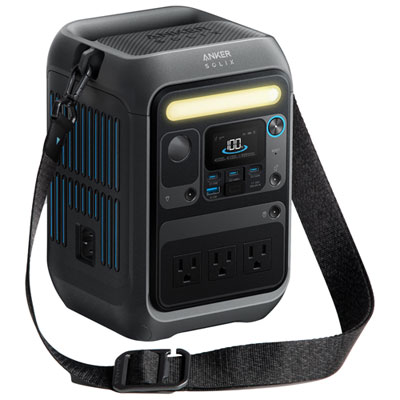 Your price for this item is $369.99
-
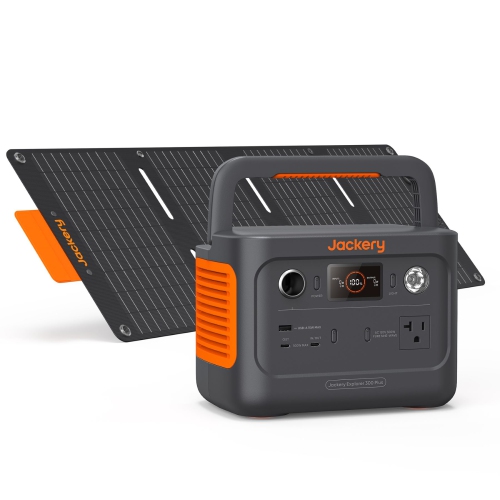 Your price for this item is $399
-
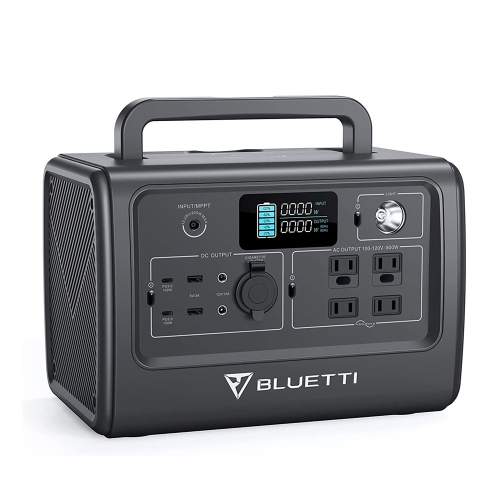 Your price for this item is $549
Discover more categories related to Solar Generators
Top Collections:
Pokemon Centers, Kindle Devices, Best Budget Office Chairs, Canon G7X Cameras, Apple iPhones 16, Samsung Galaxy Phones, Refurbished Apple Laptops, Laptops for Students, iPhone 15 Apple, Budget Smartphones
Some products may be subject to Environmental Handling Fees
(EHF) depending on your province.
Learn more about EHFs.