Solar Chargers
Harness the power of the sun with our selection of solar chargers. Perfect for outdoor enthusiasts, travelers, and eco-conscious individuals, these innovative devices allow you to charge your electronic devices on-the-go using renewable energy. Say goodbye to worrying about running out of battery while hiking, camping, or simply enjoying the great outdoors. With our range of solar chargers, you can stay connected wherever your adventures take you.
Sort




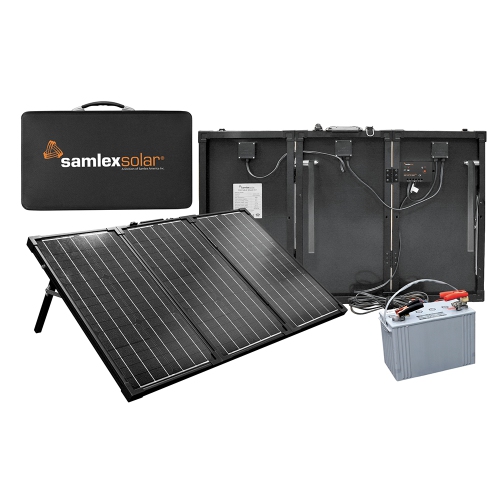
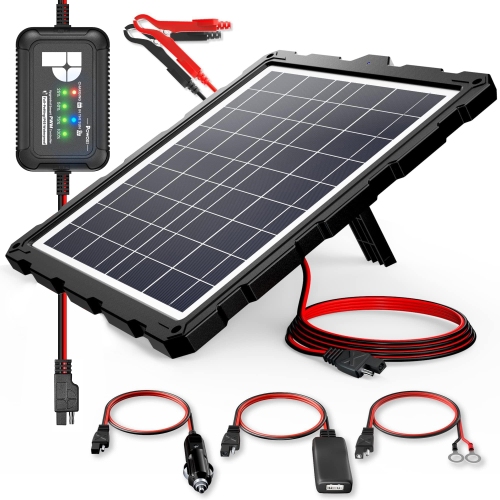
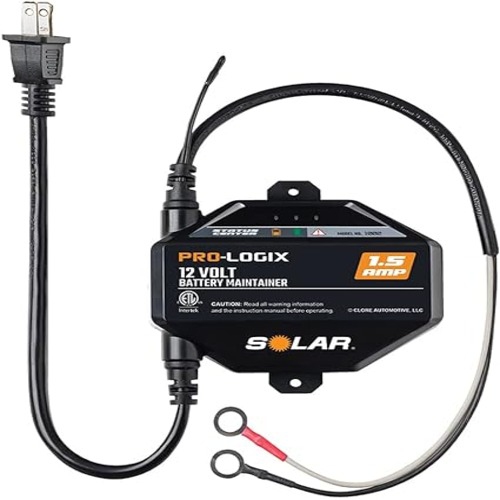
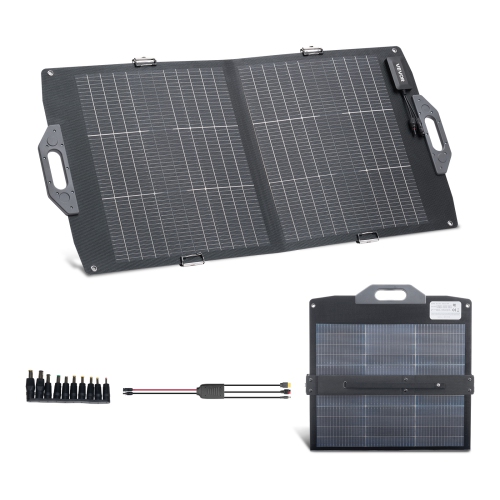
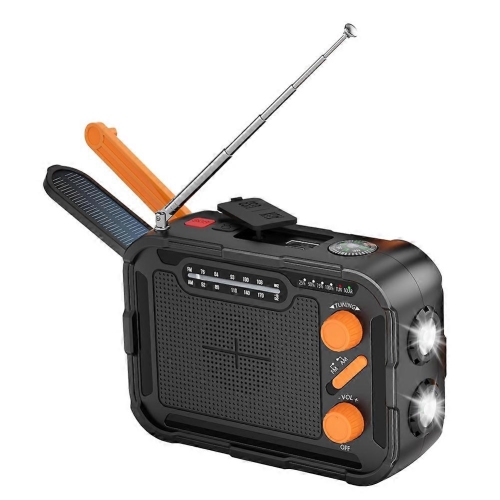
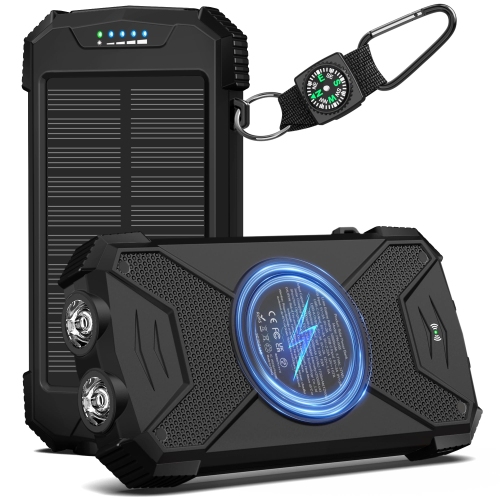

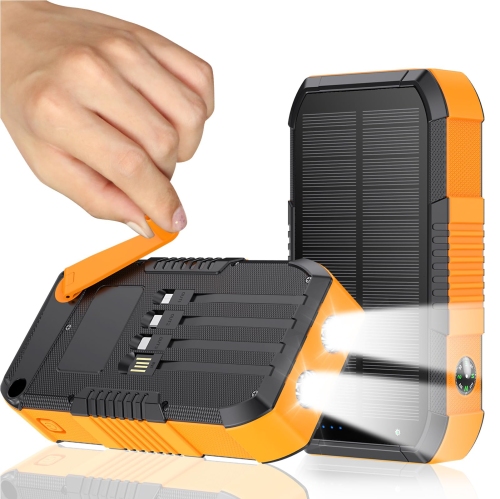
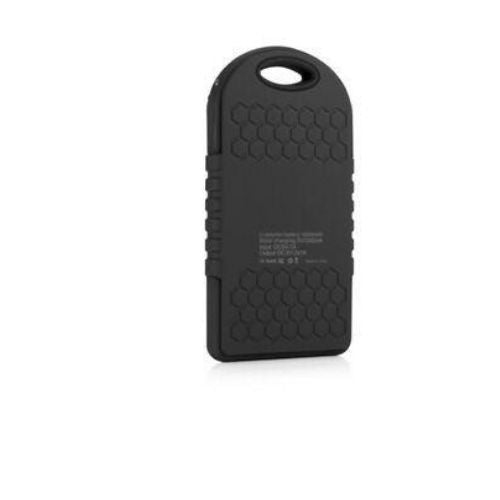
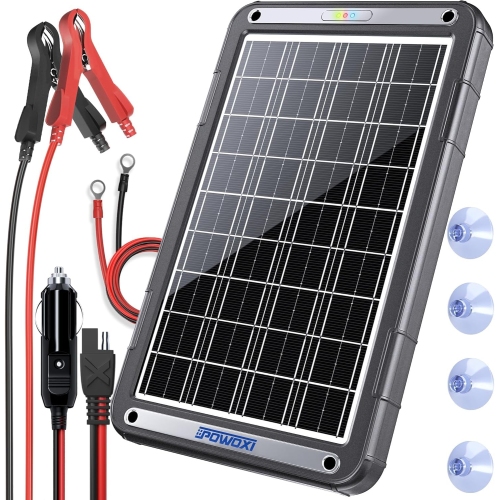
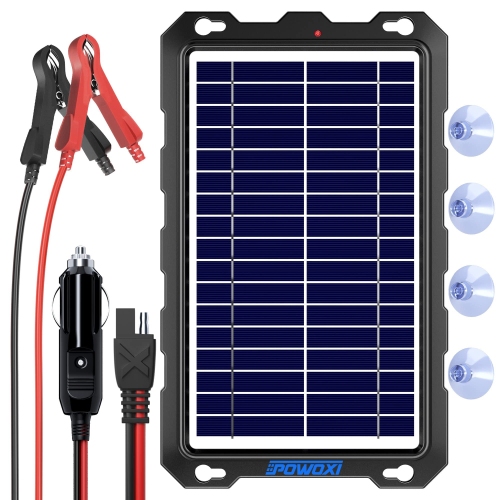
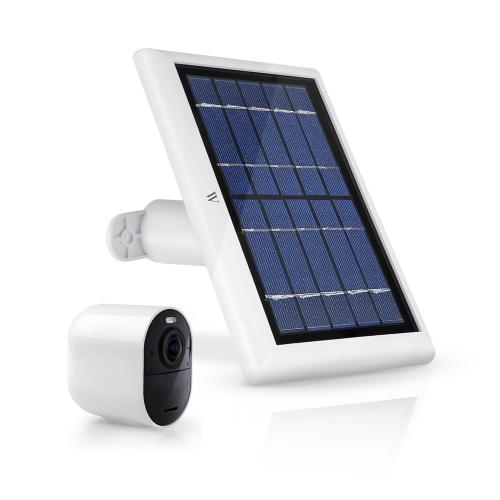
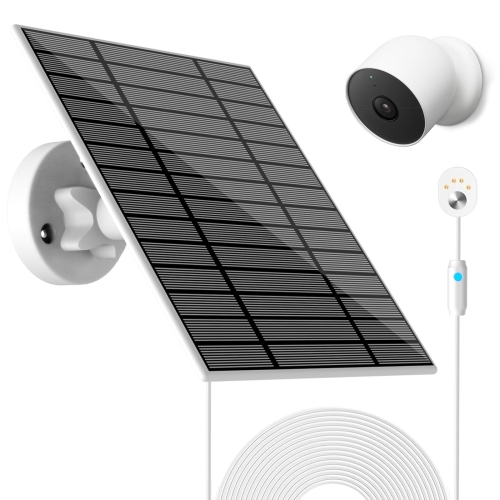
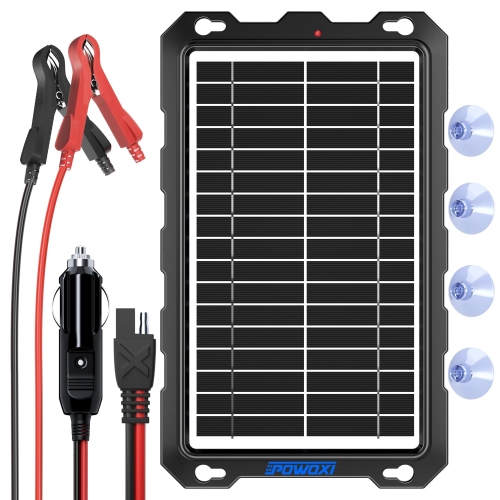
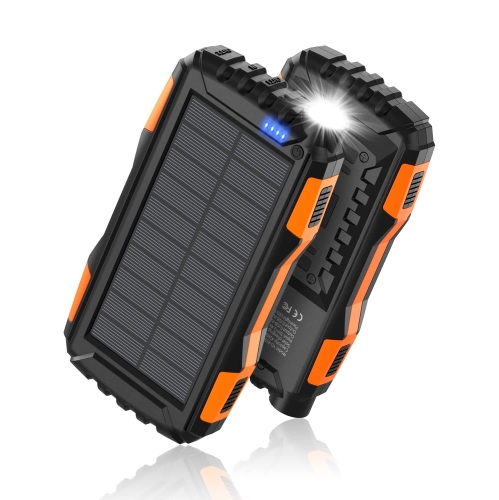

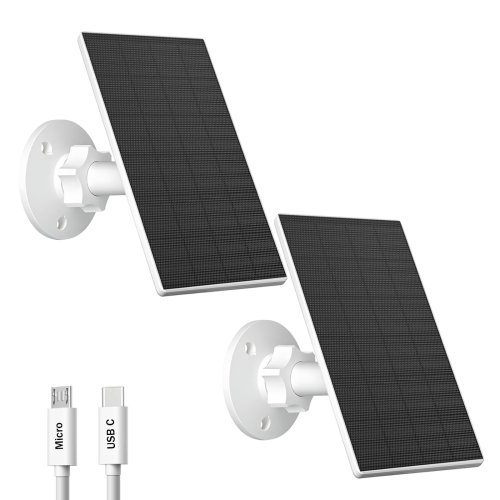
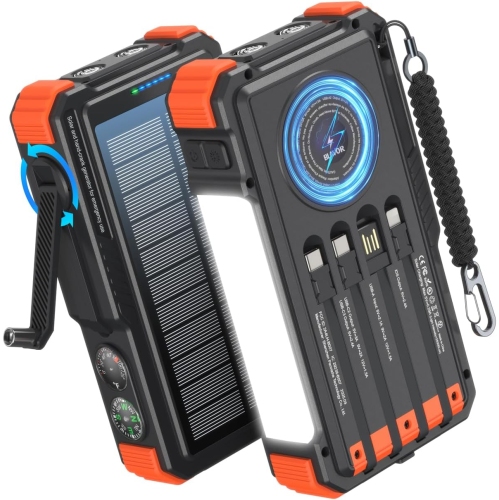
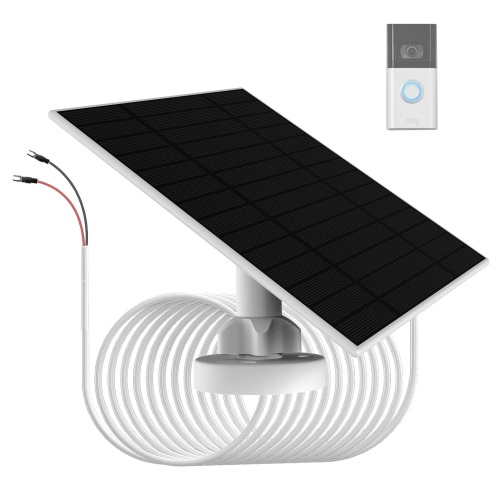
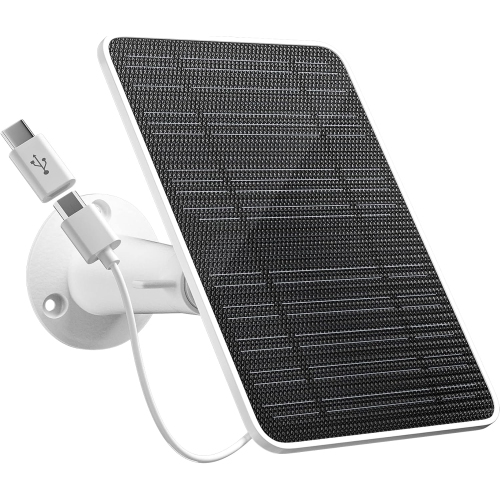
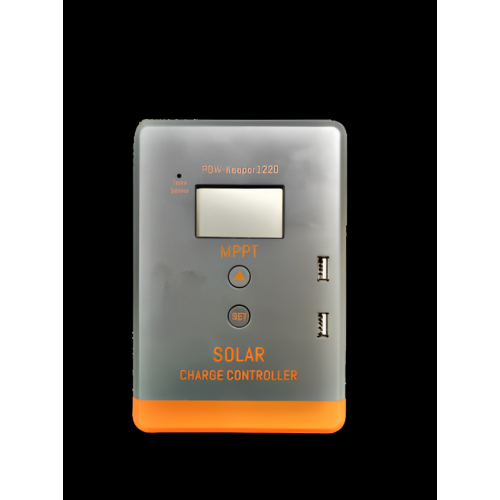
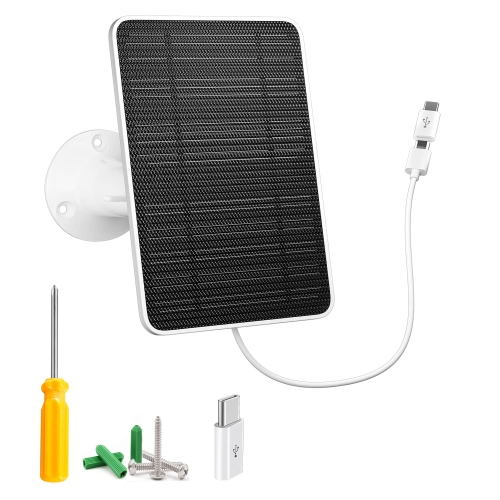
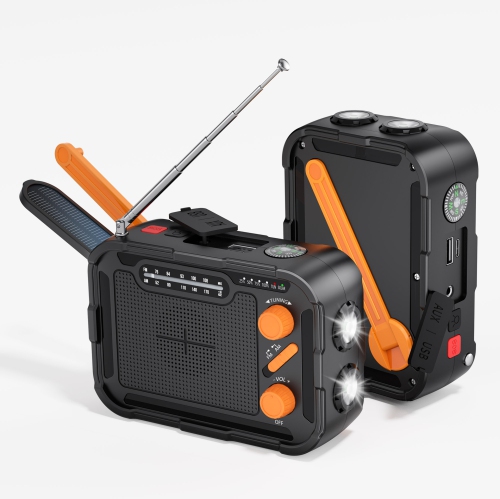
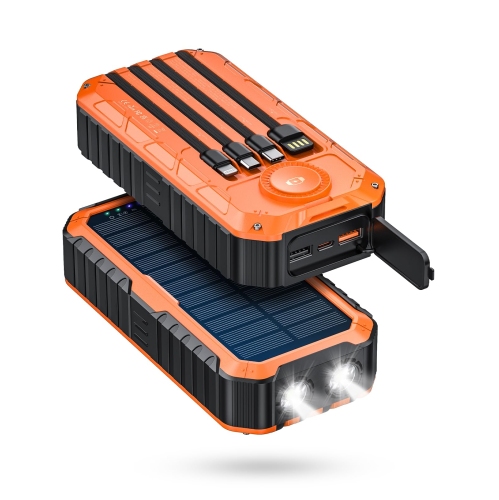
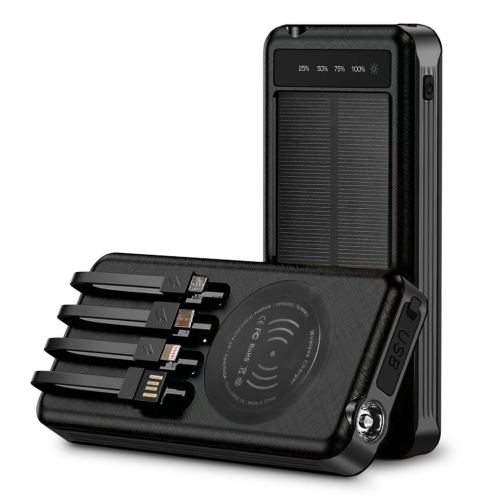
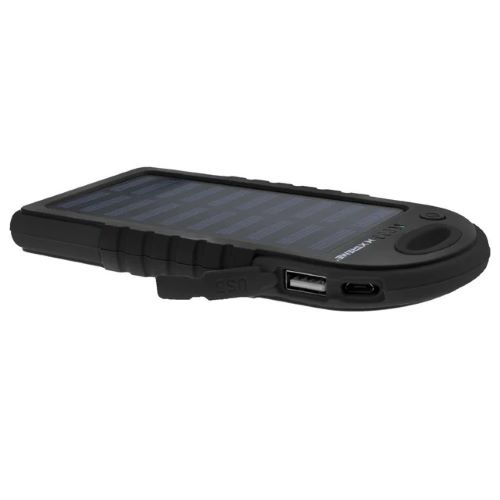
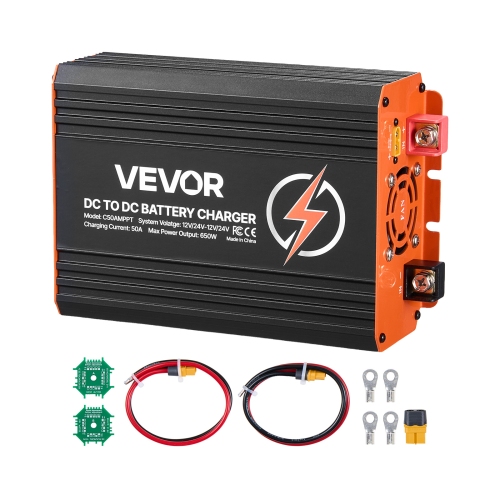
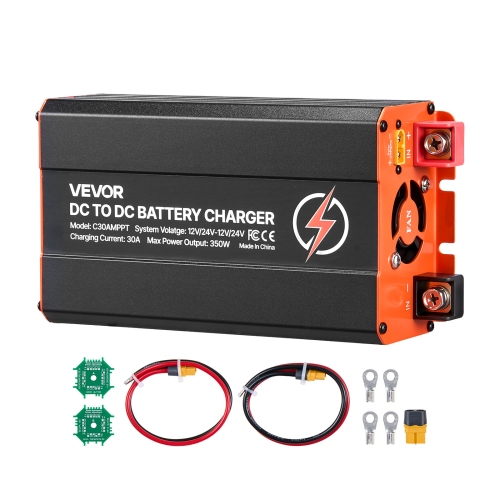
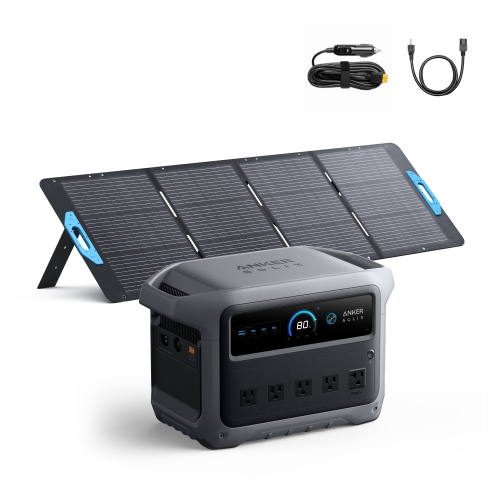
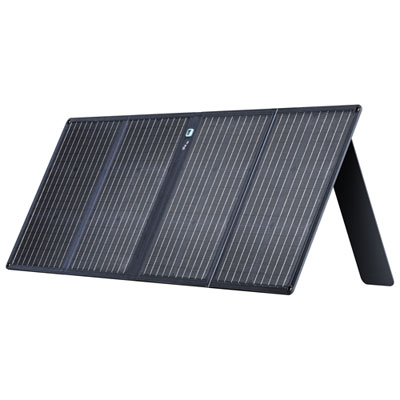
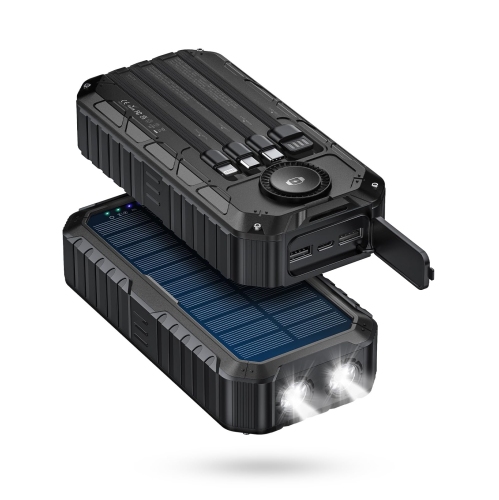
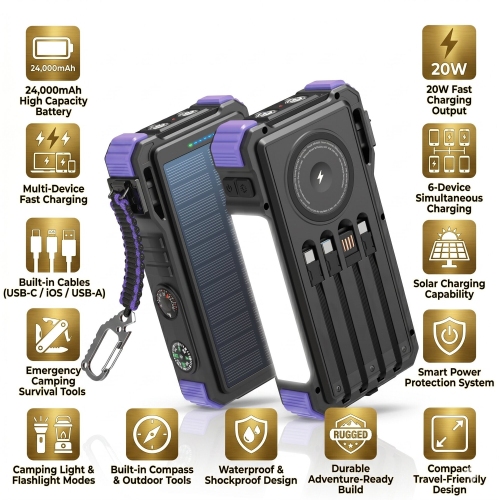
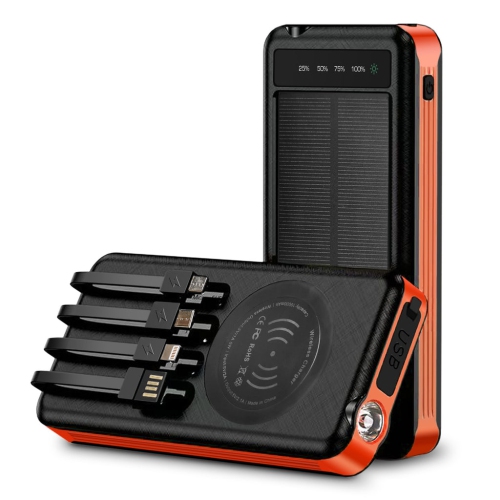
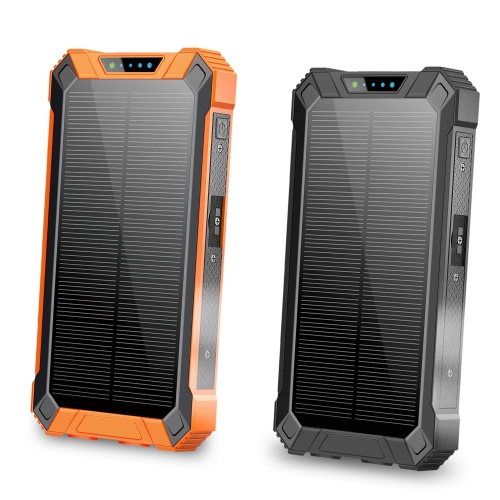


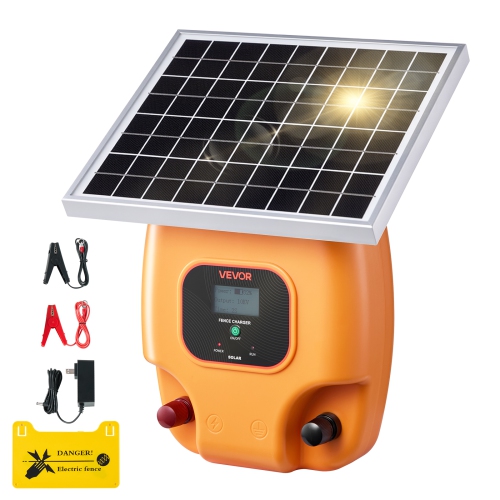
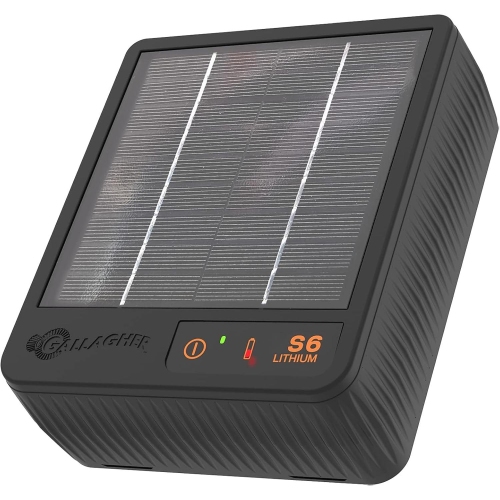
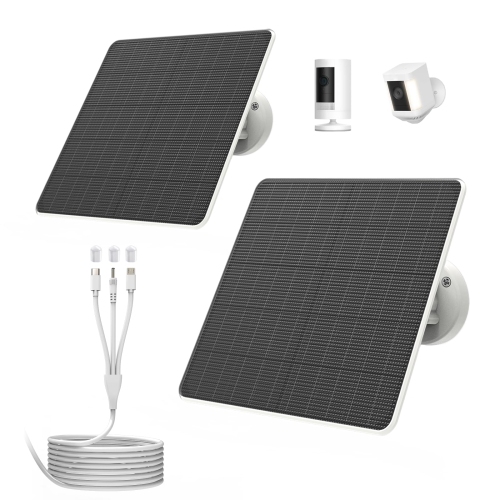
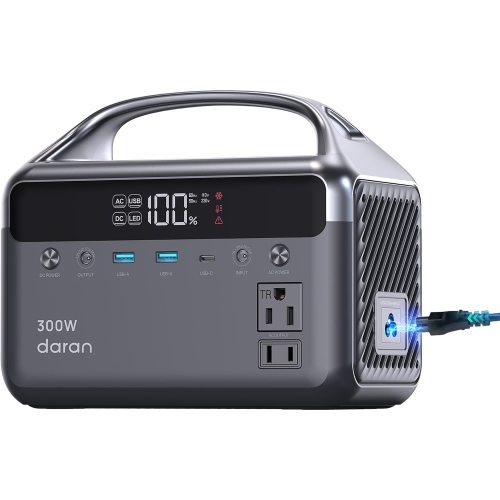

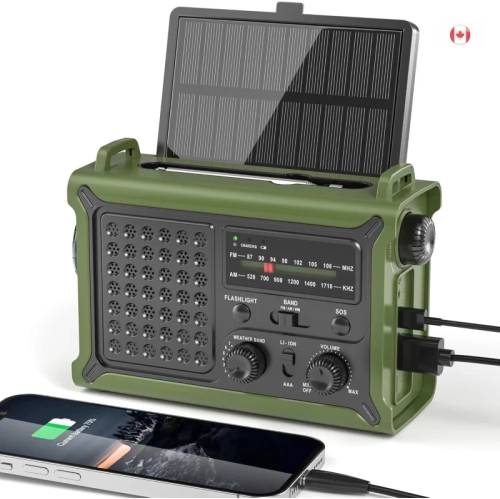
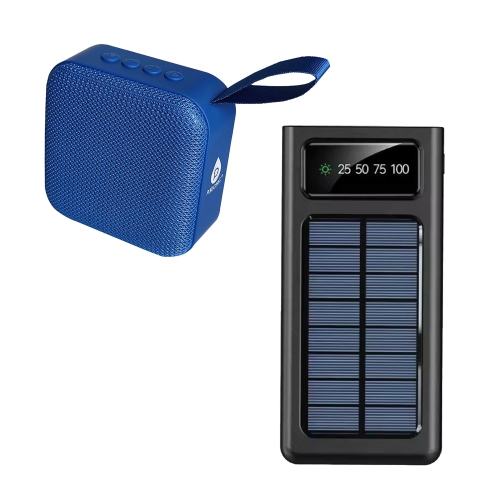
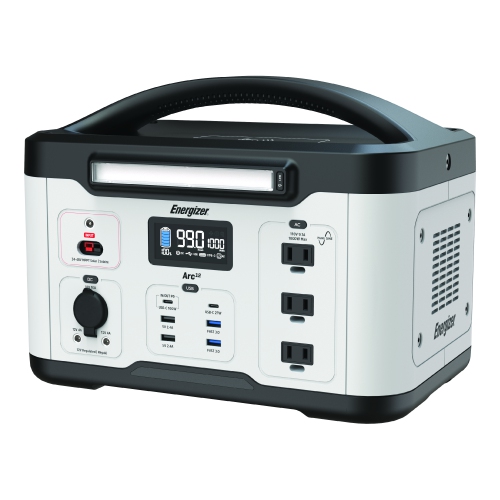
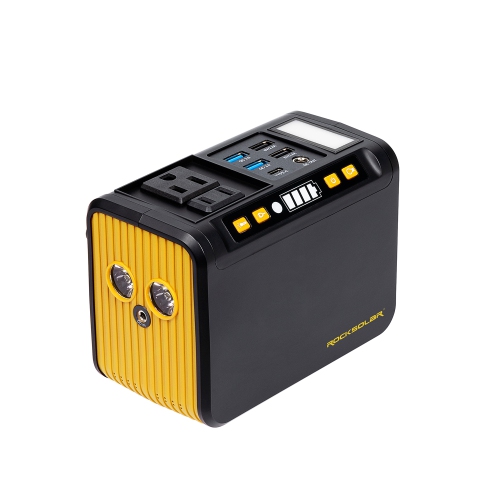
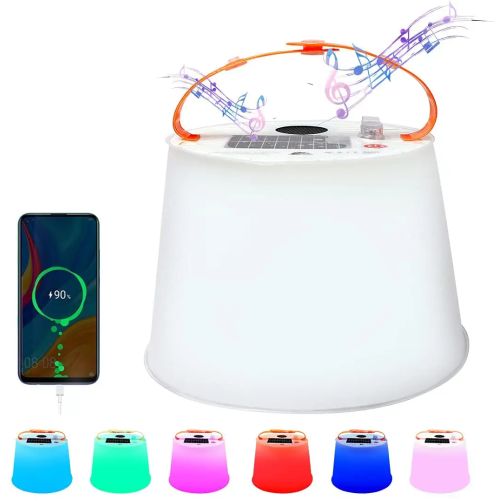
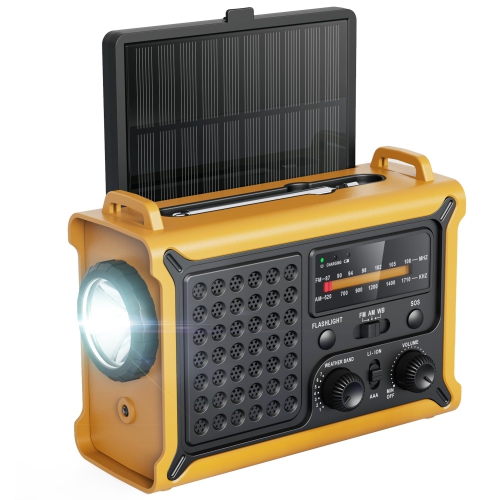
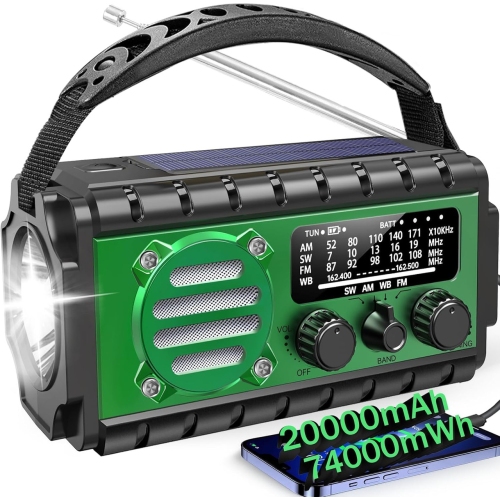
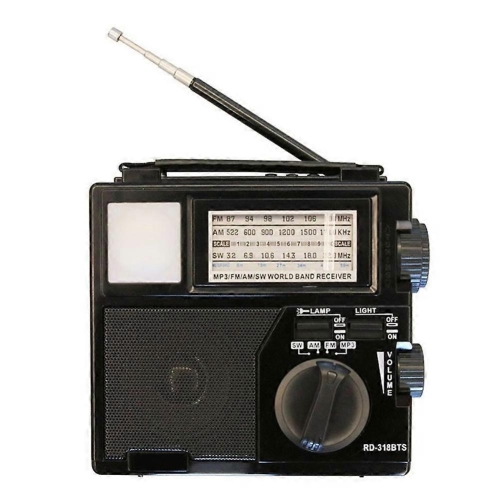





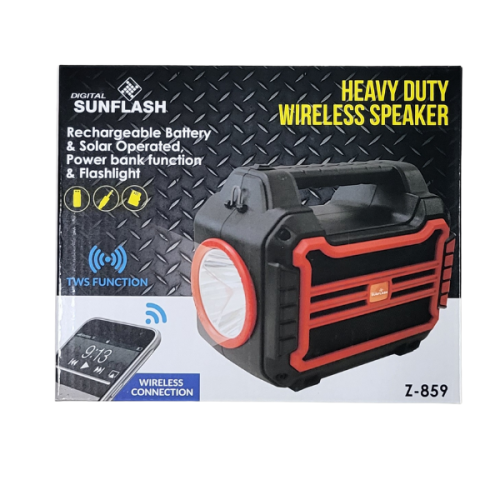
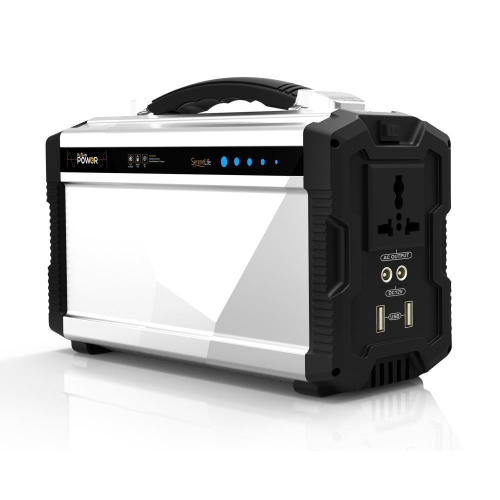
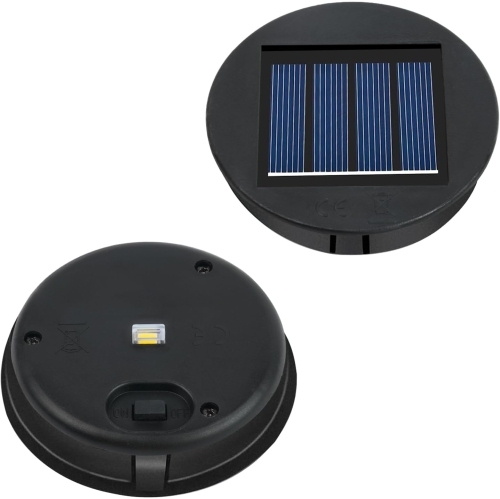
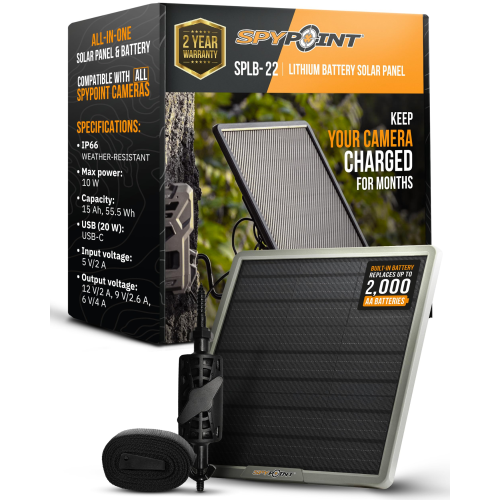



Portable power options for travel, camping, and time outdoors
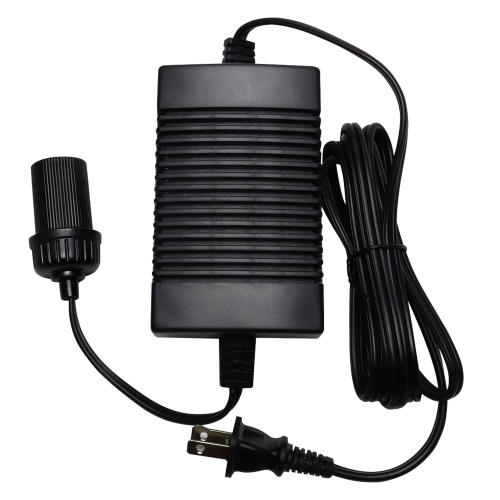
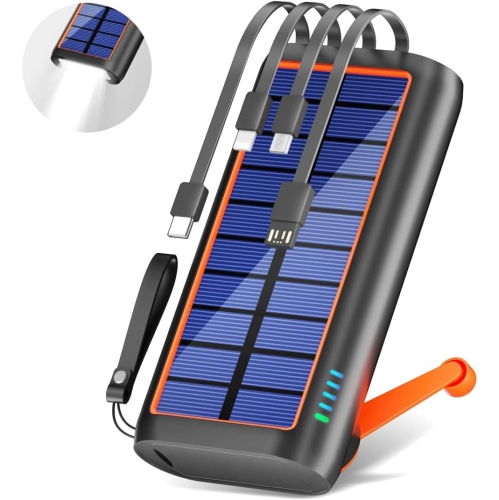
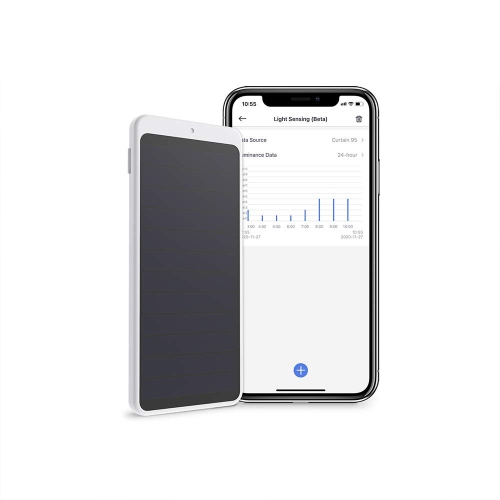
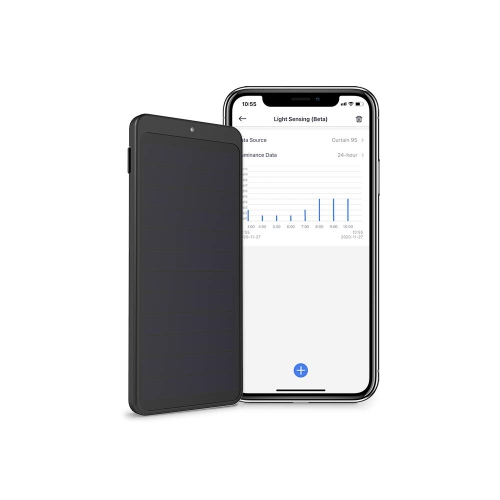
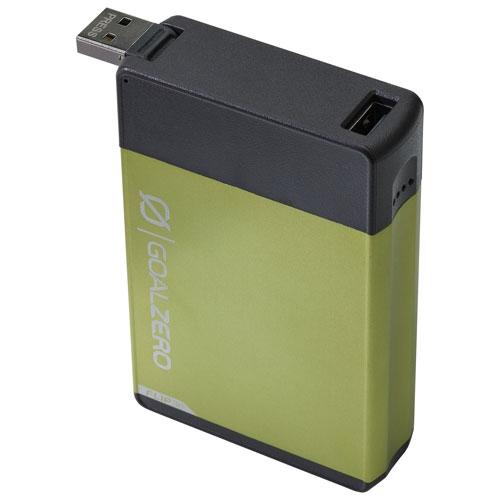
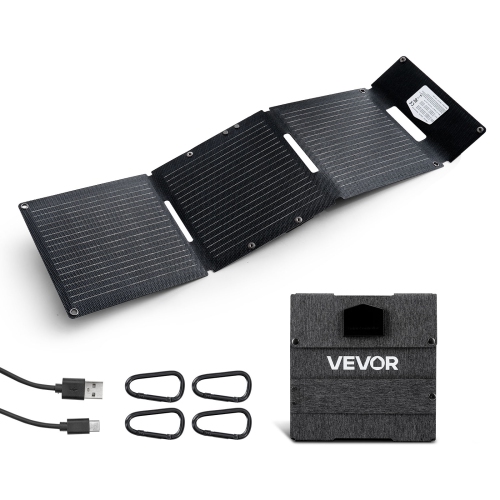
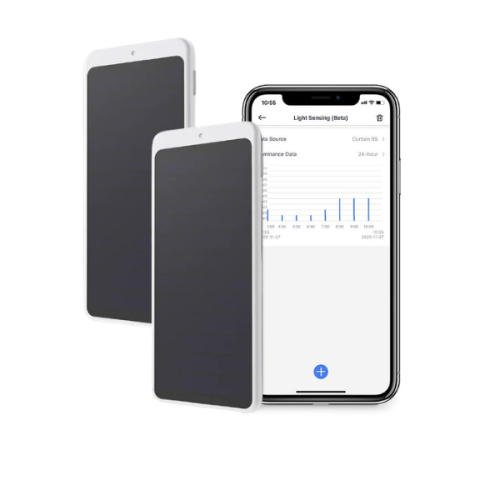
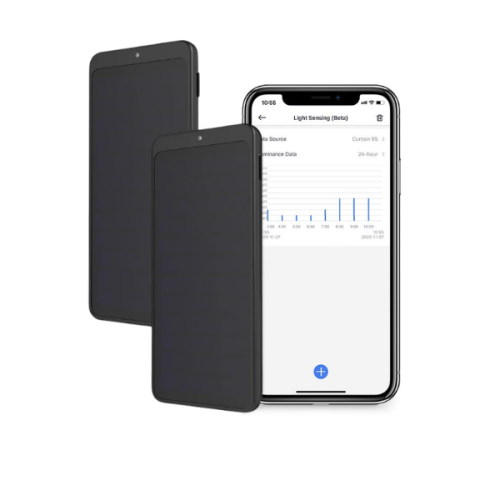
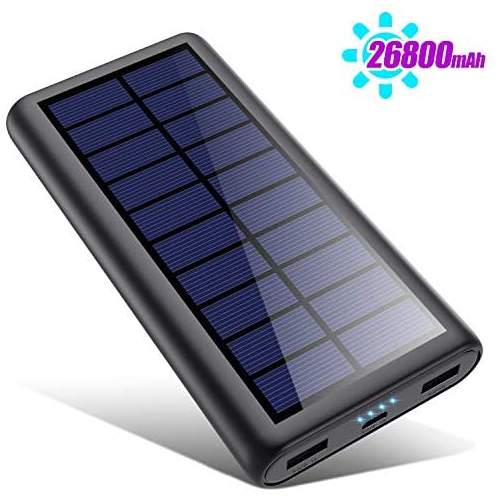
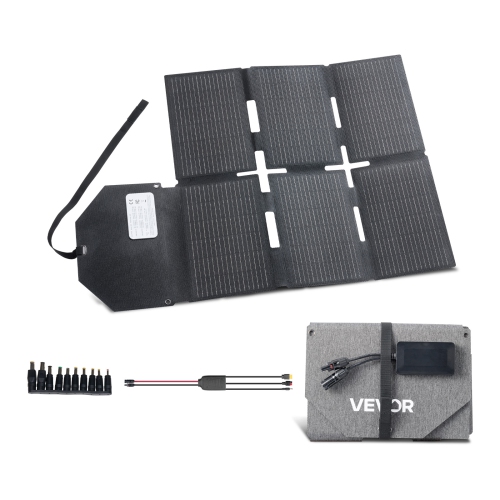
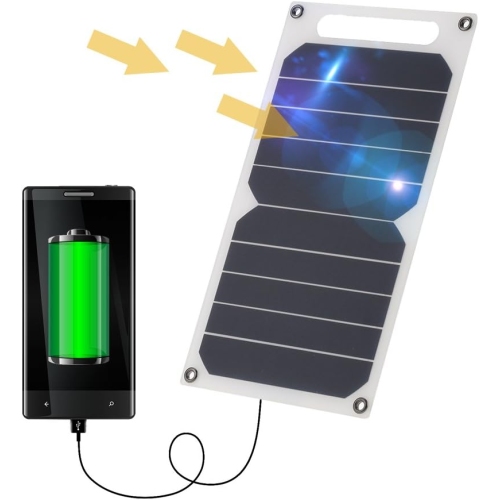
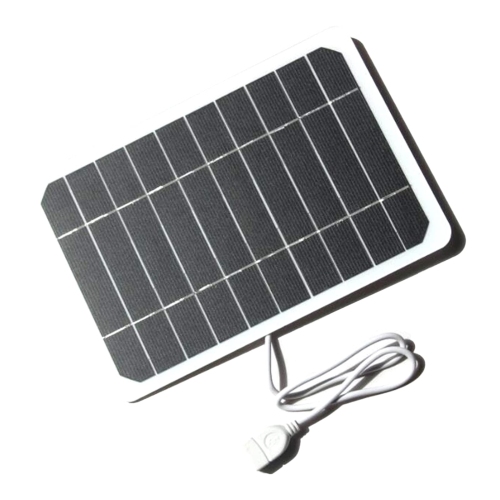
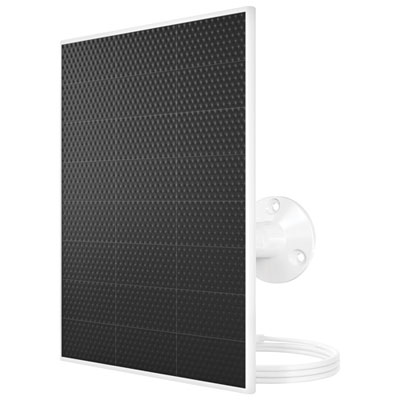
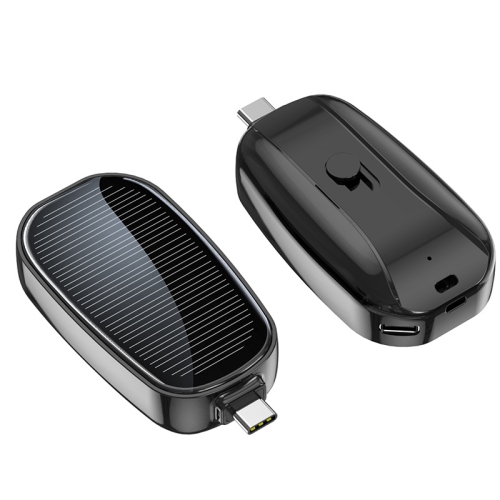
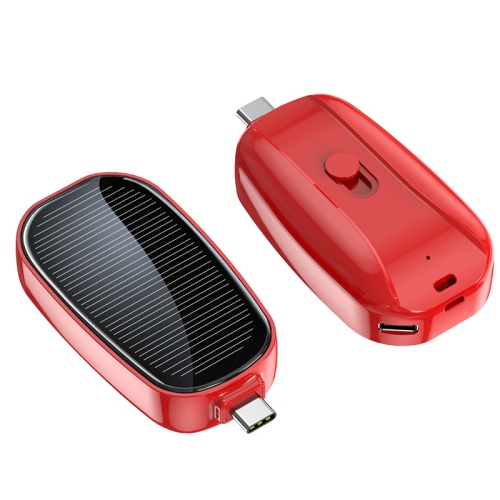
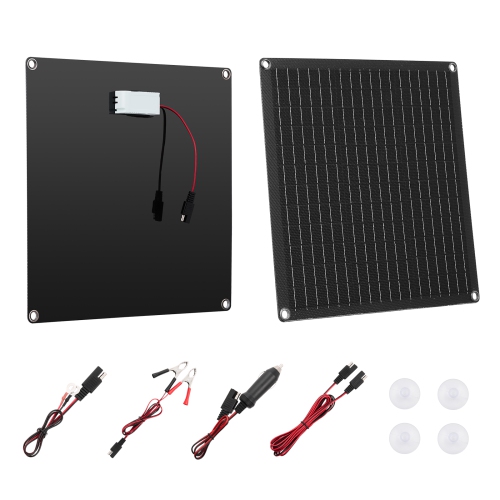
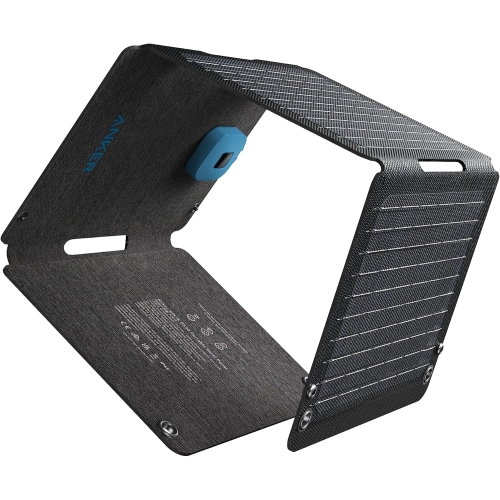
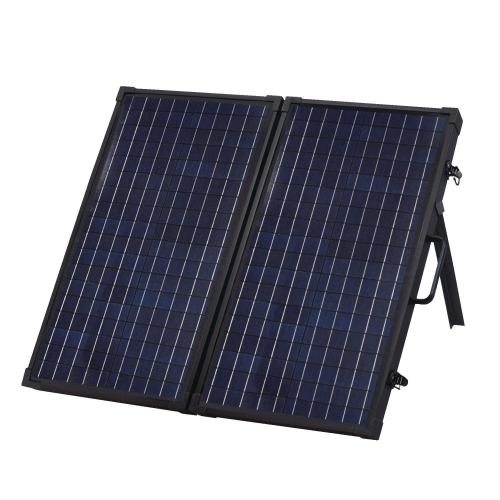
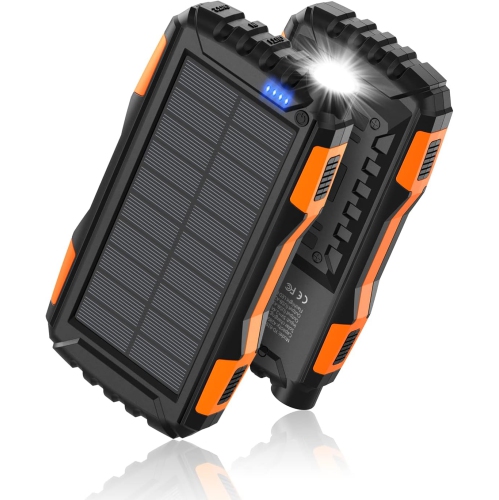
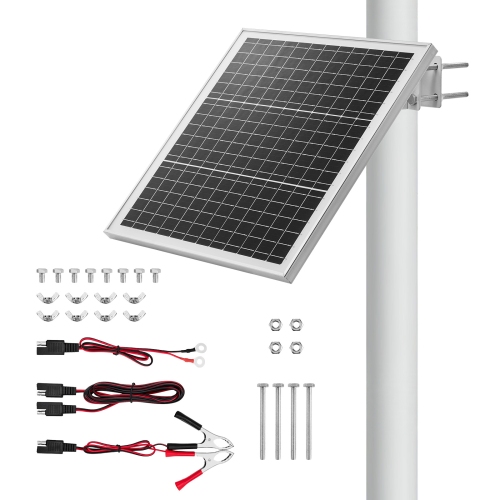
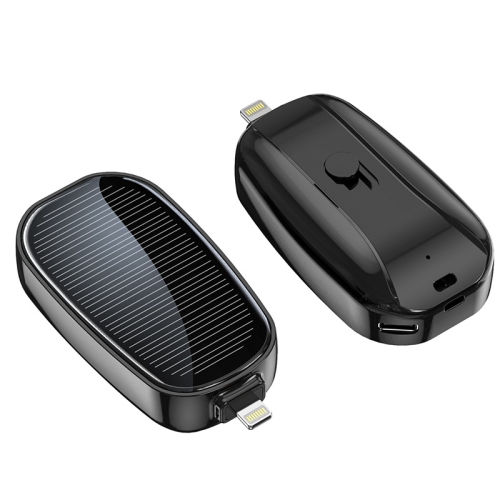
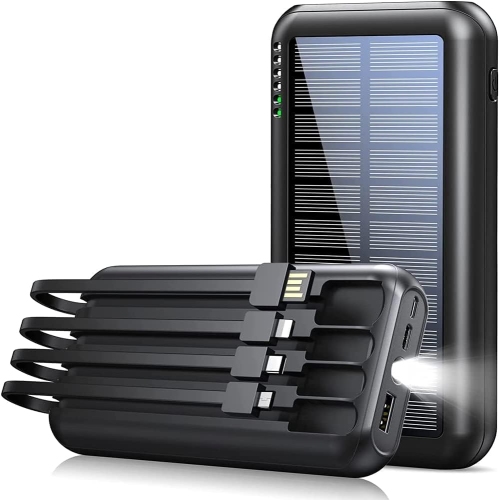
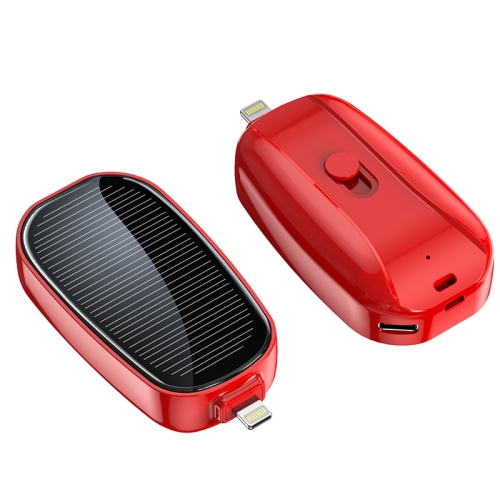
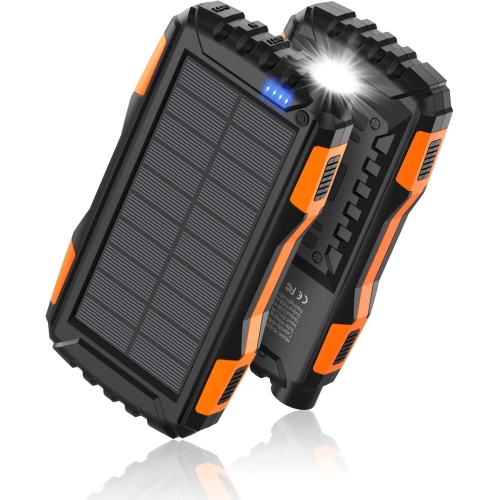
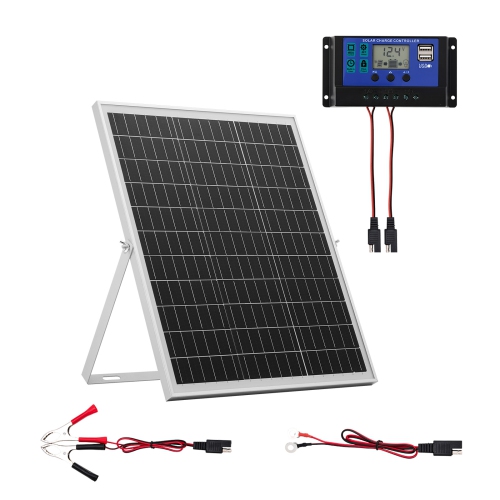
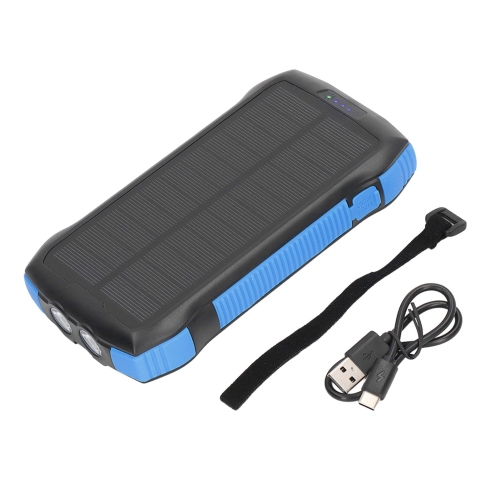
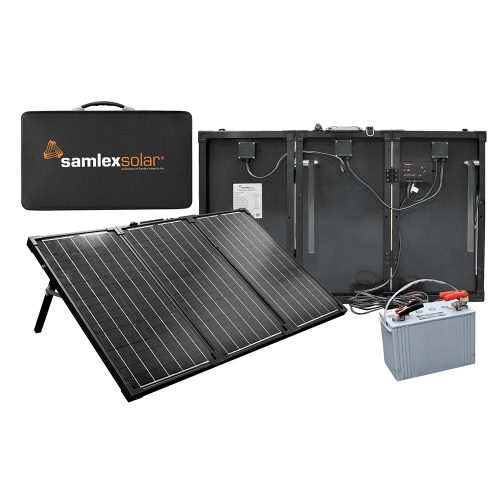
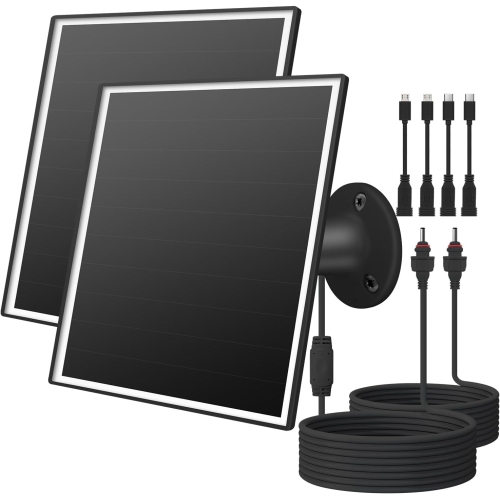
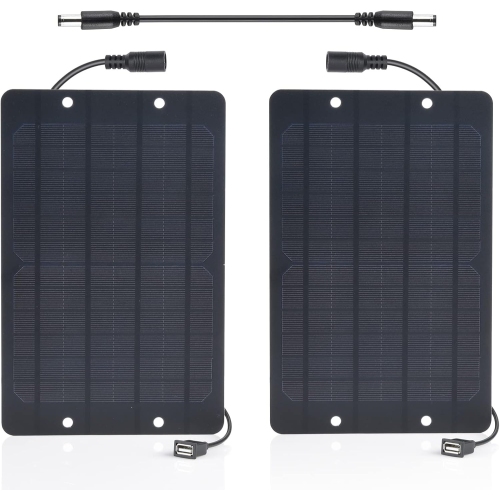
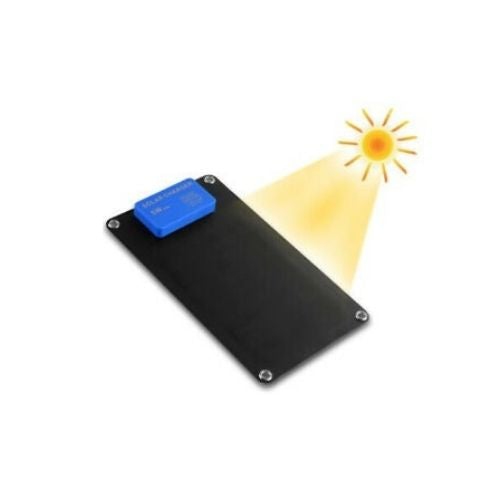
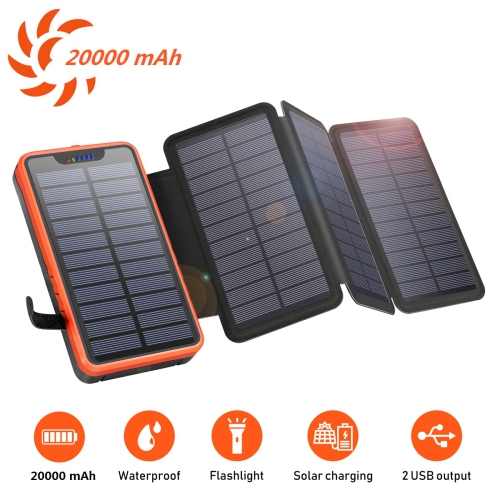
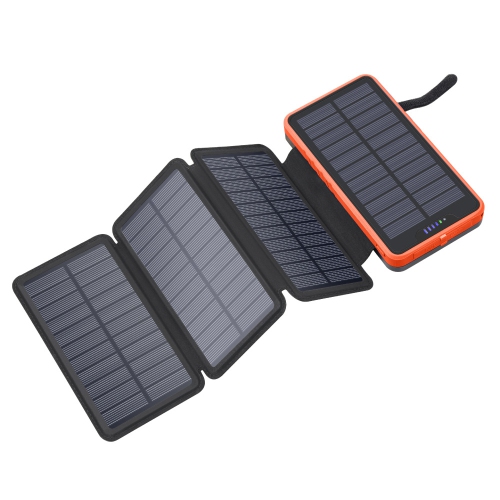
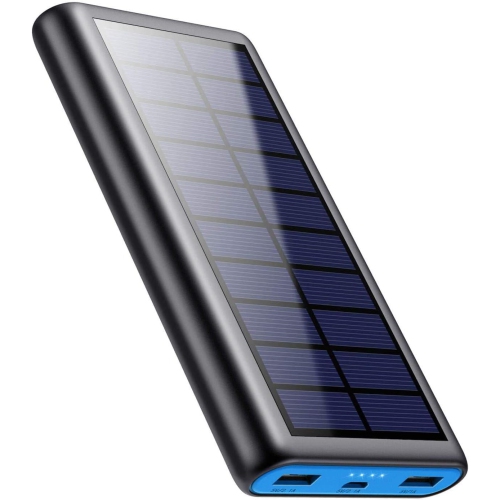
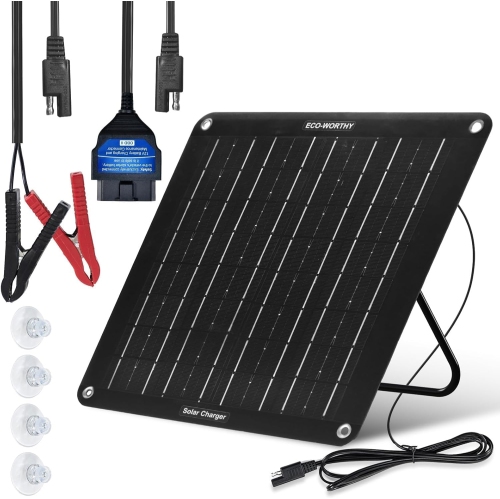
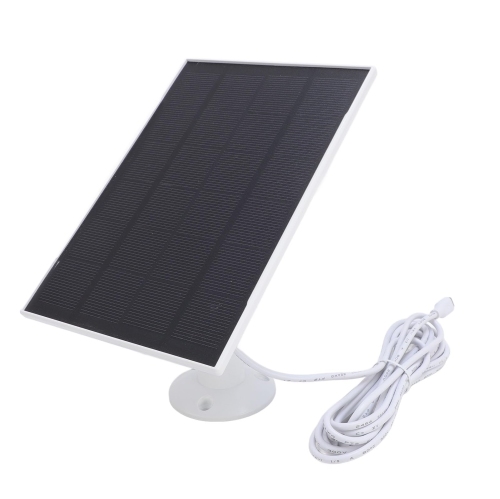
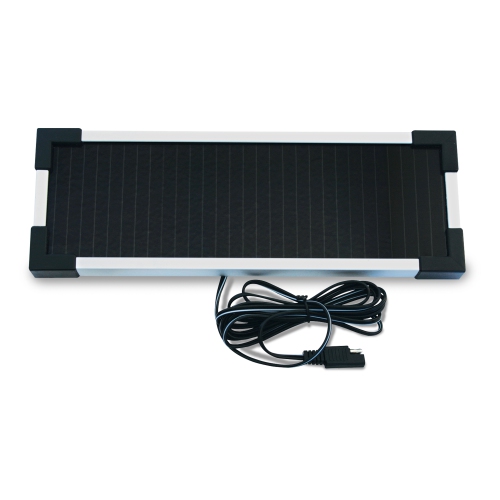
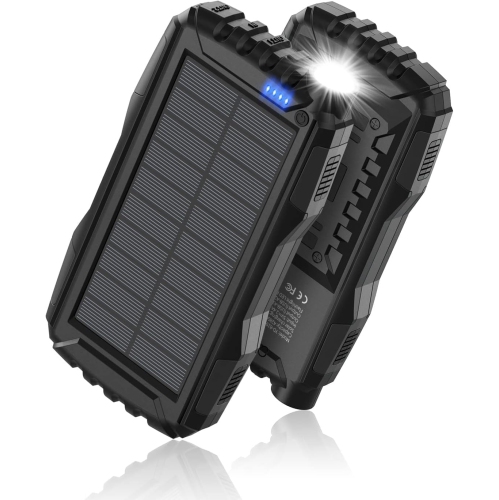
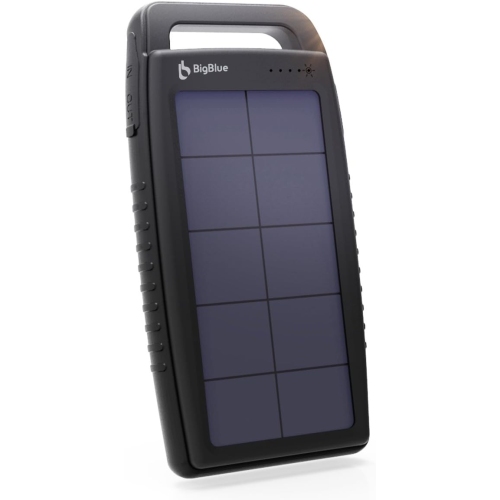
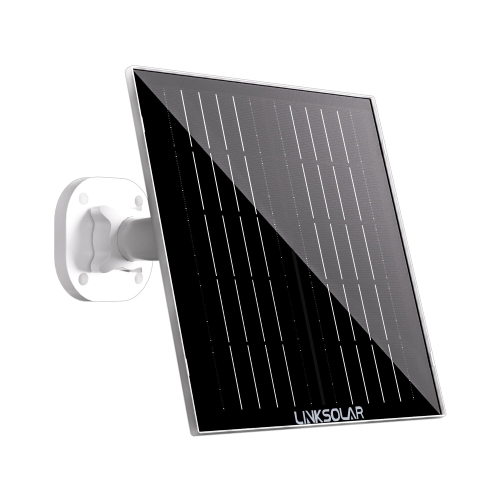
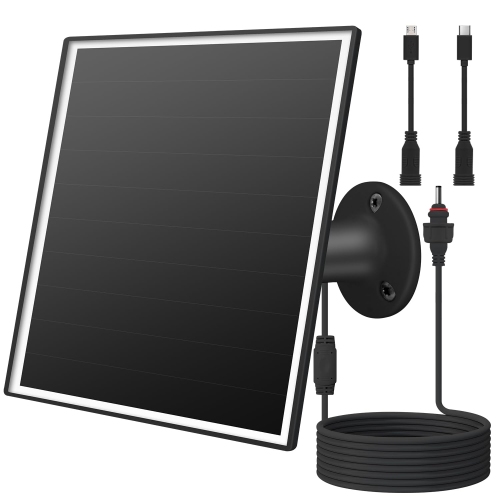
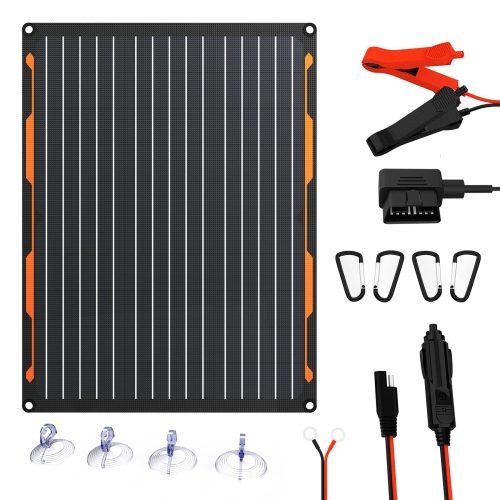
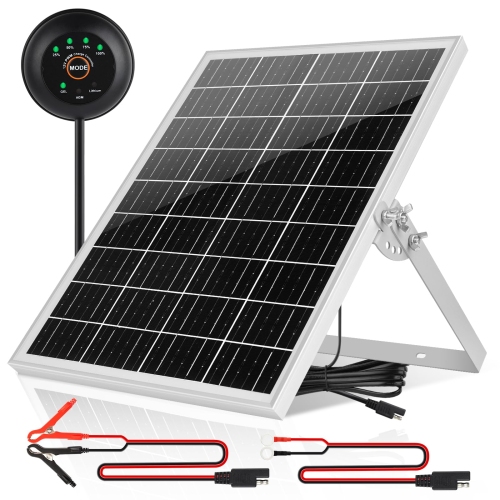
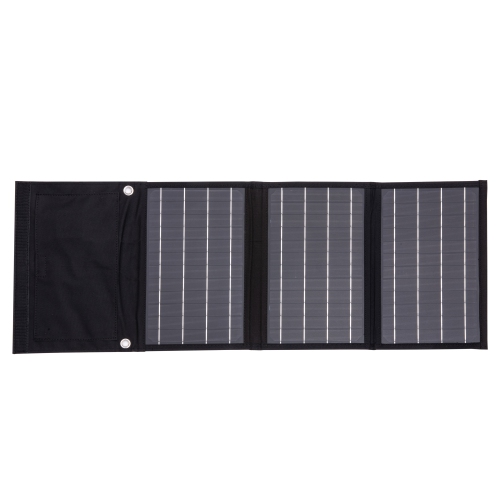
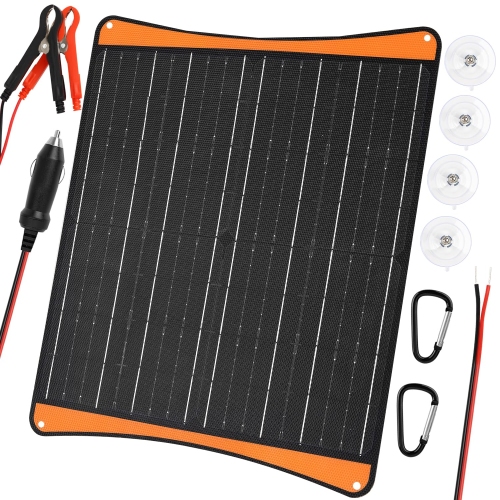
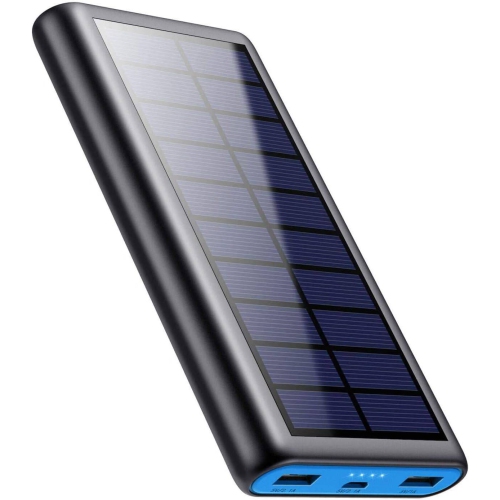
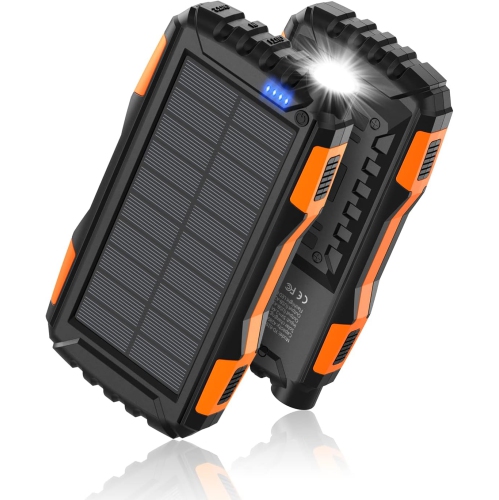
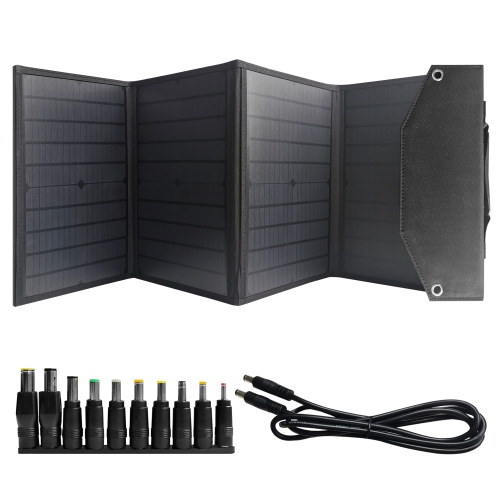
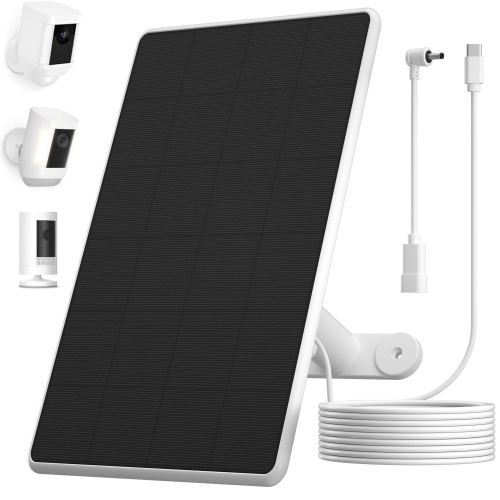
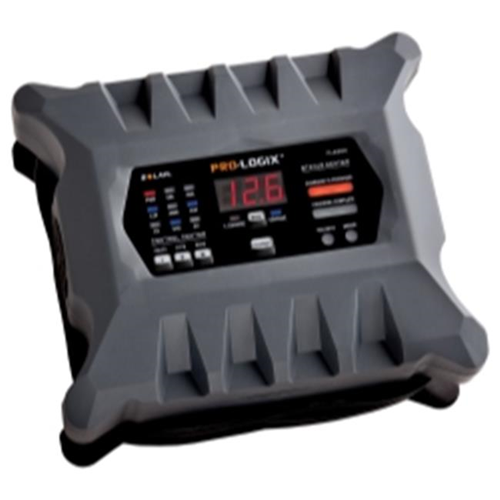
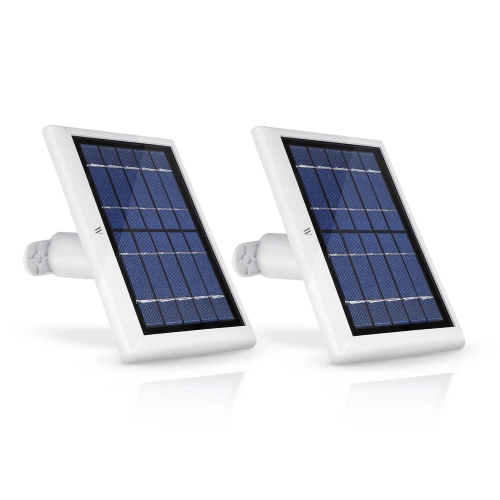
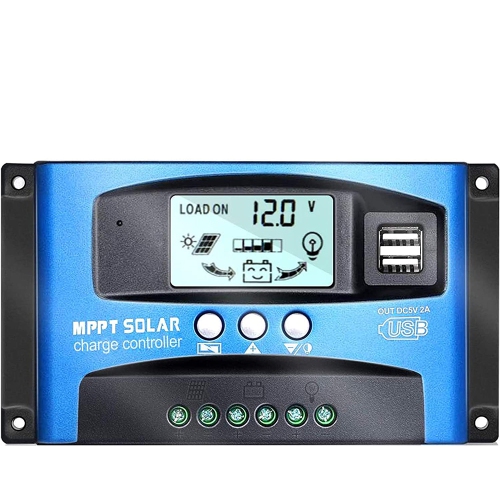
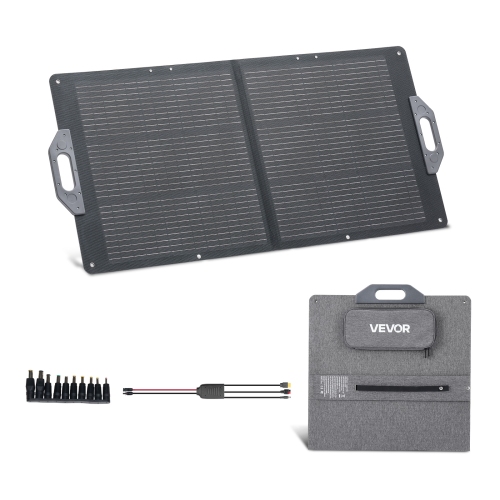
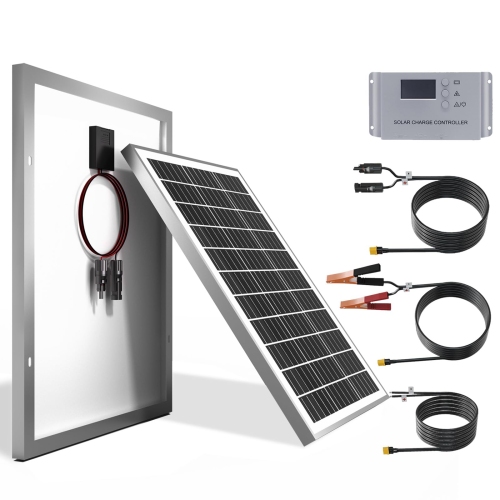
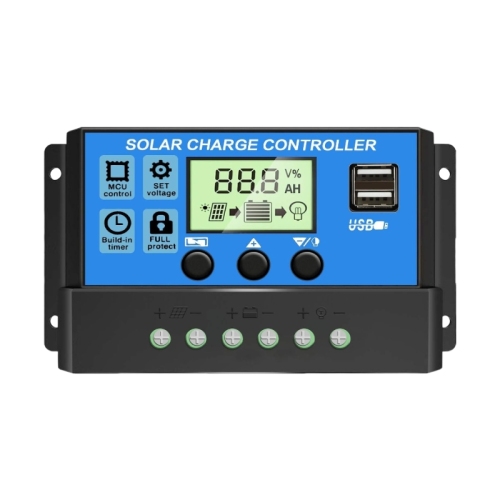
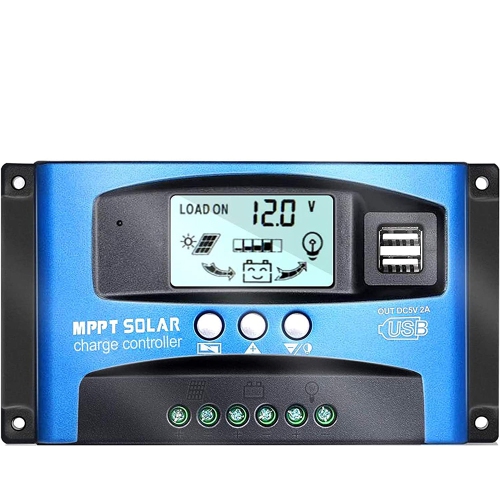
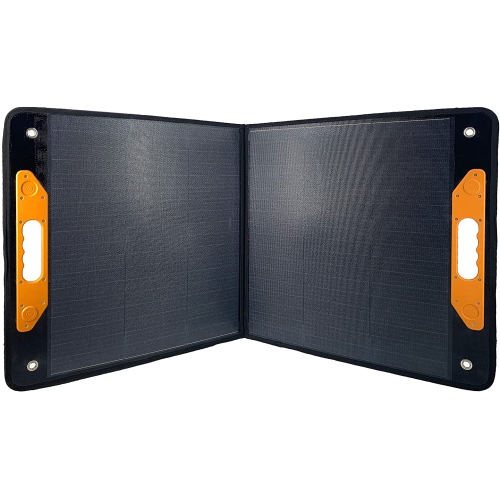
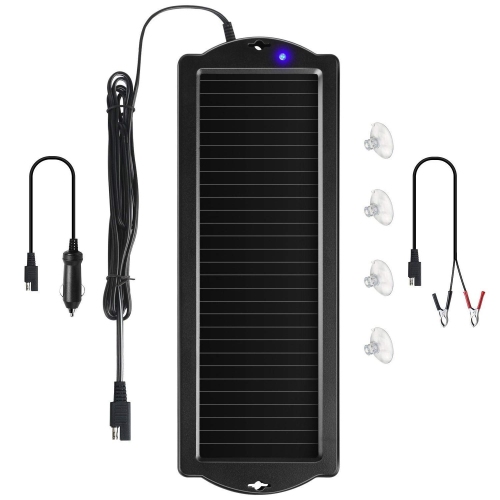
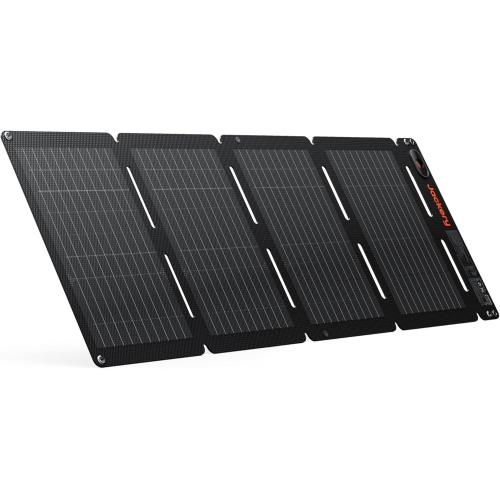
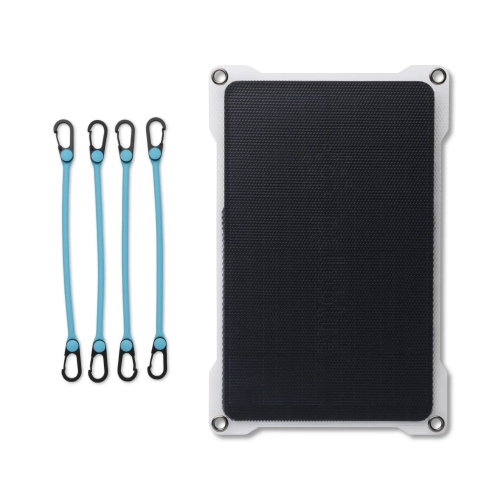
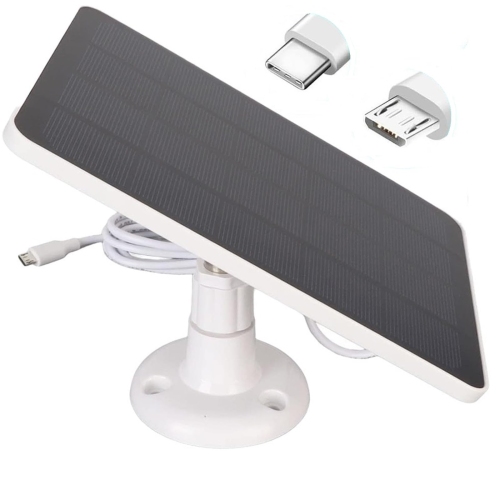
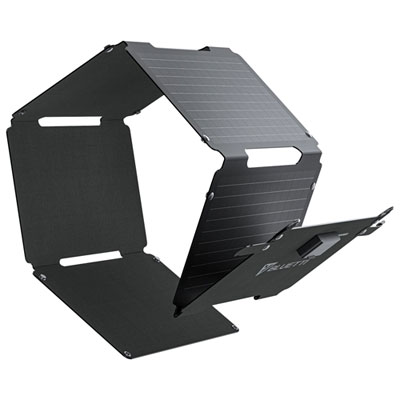
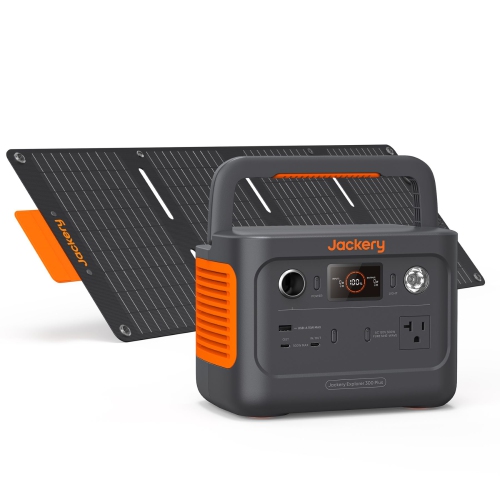
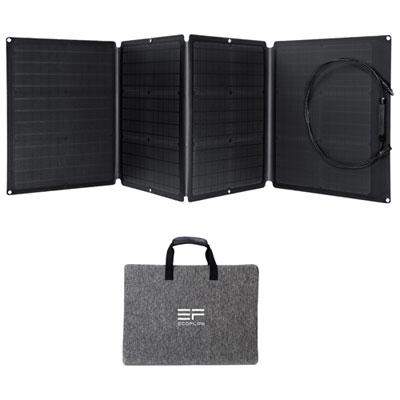
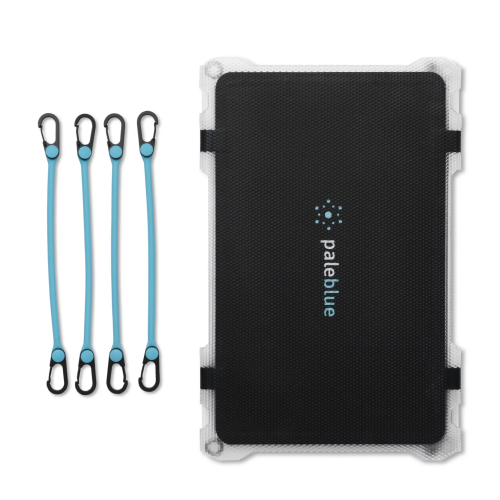
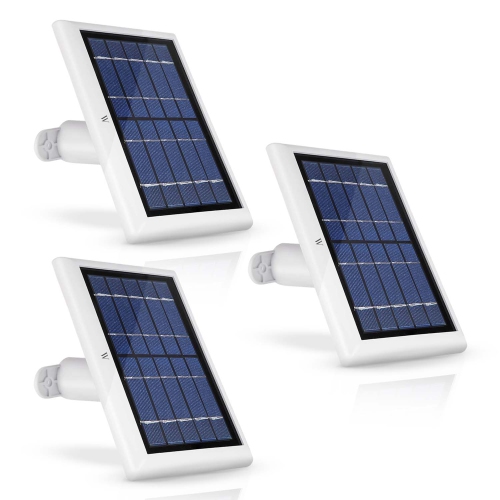
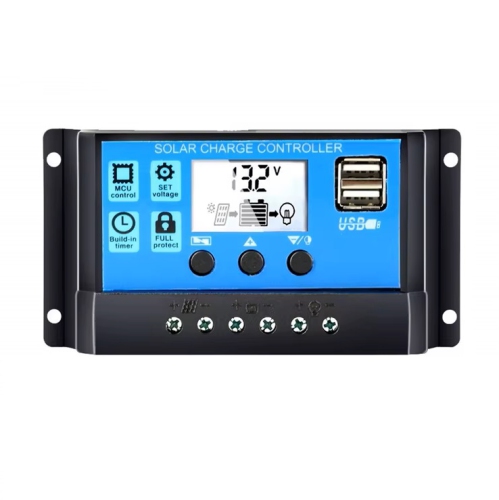
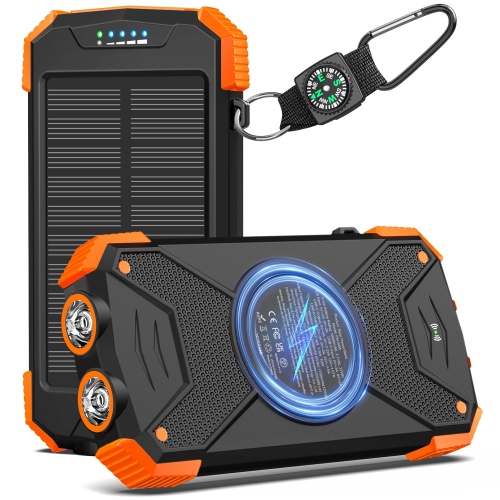
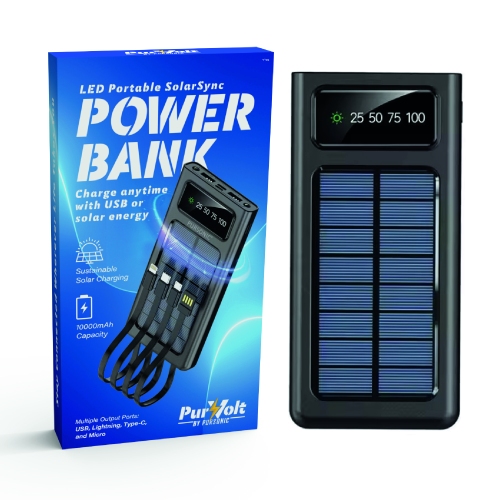
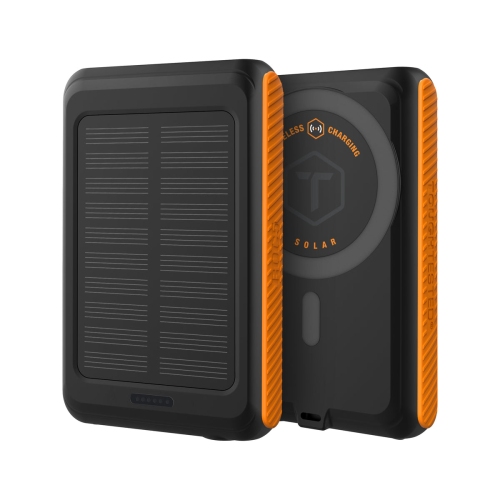
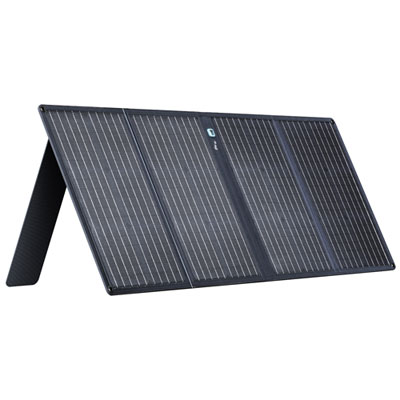
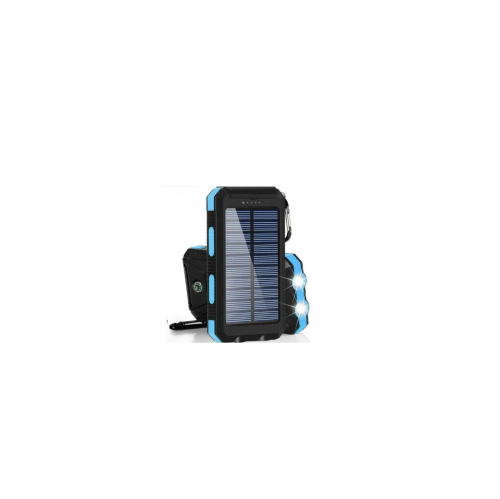
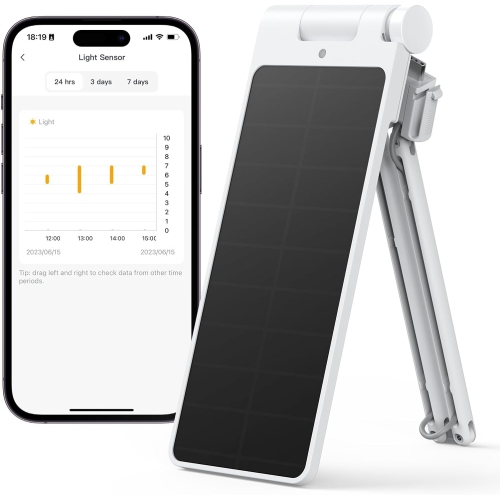
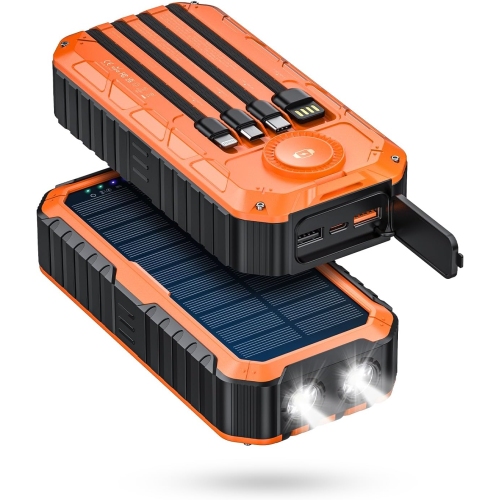
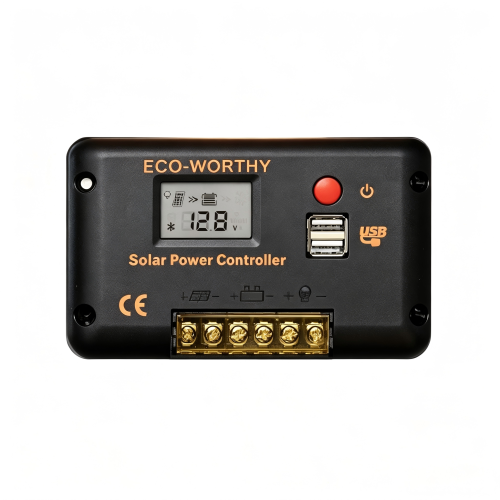
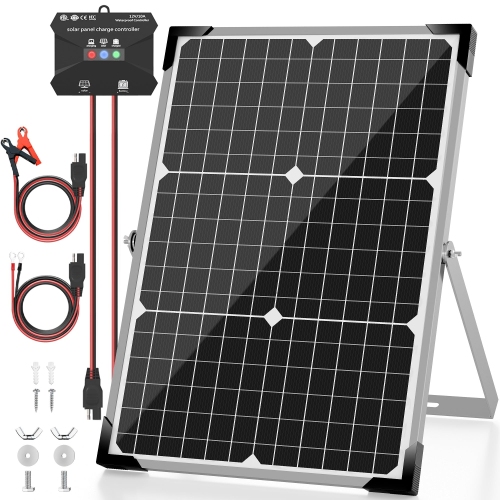
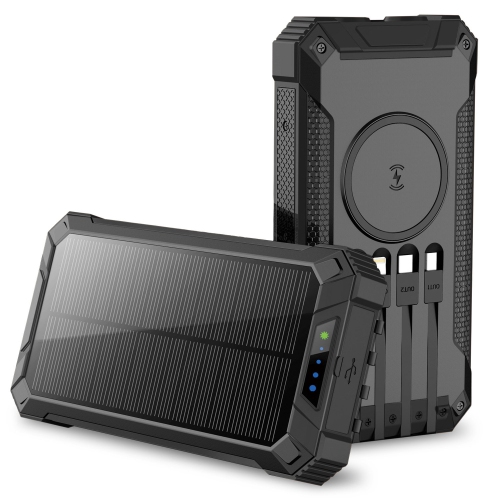
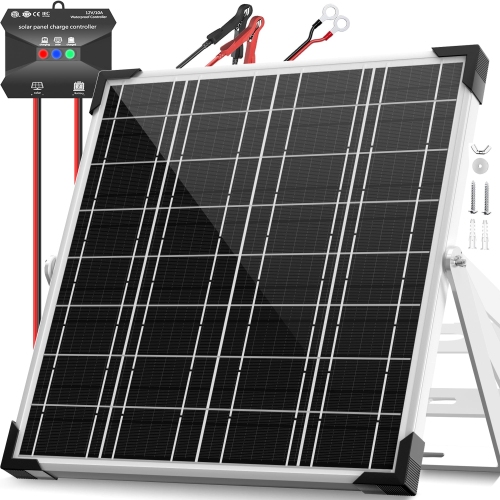
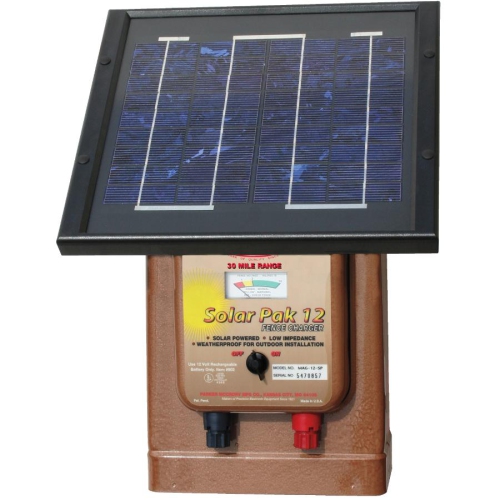
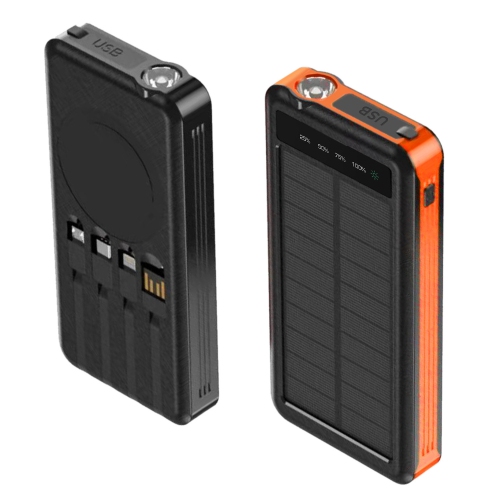
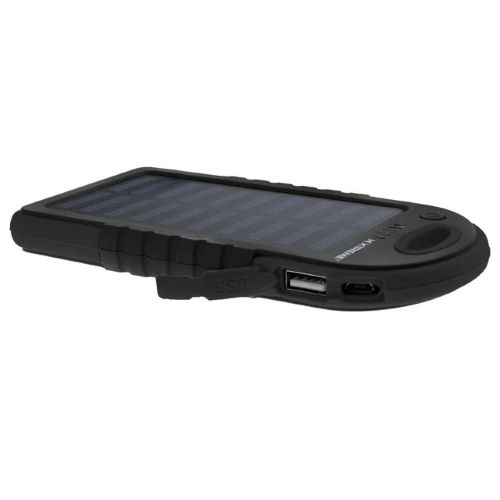
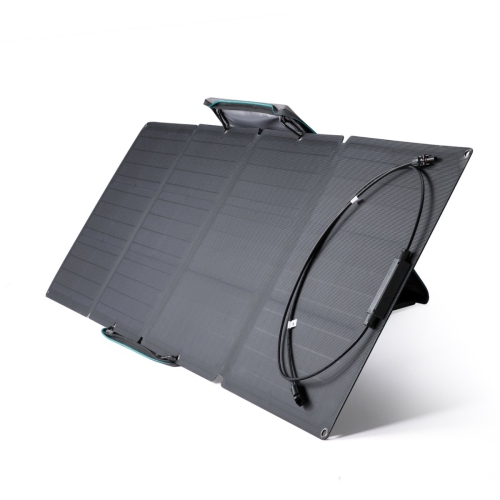
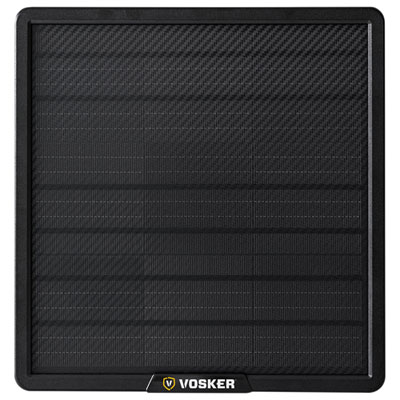
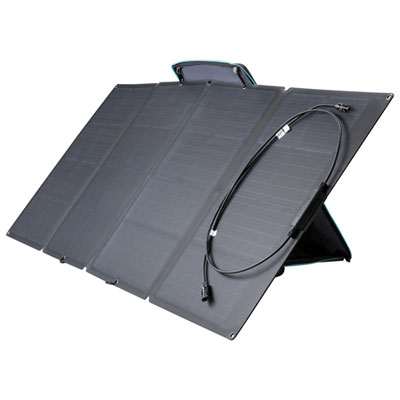
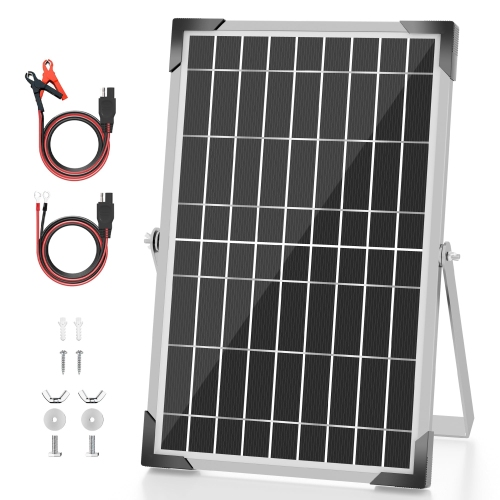
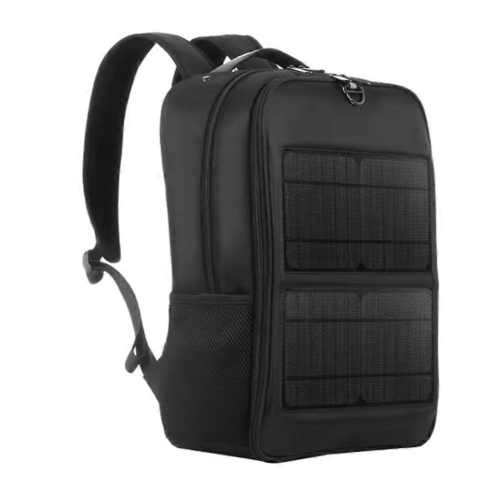
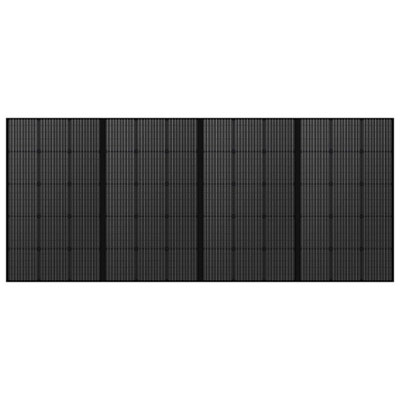
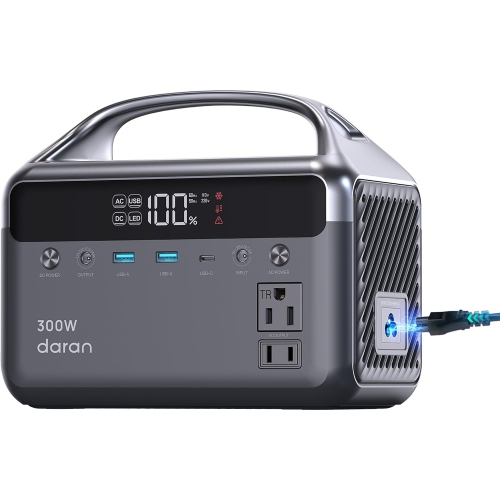
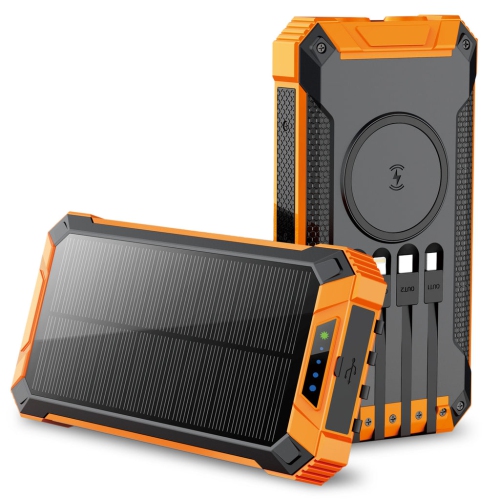
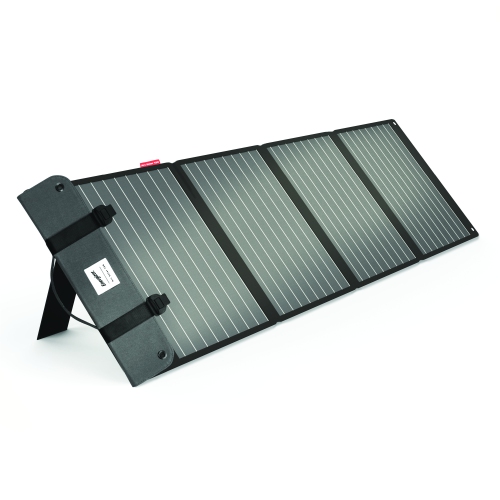
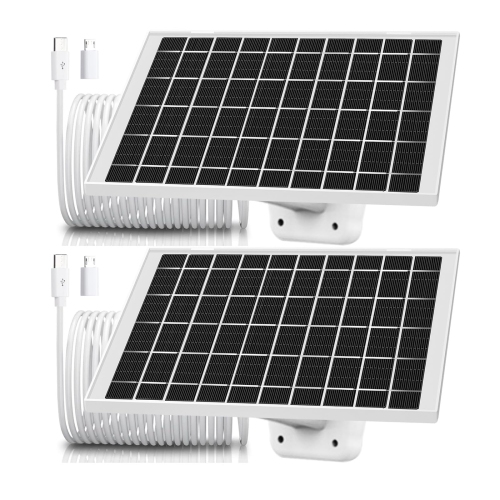
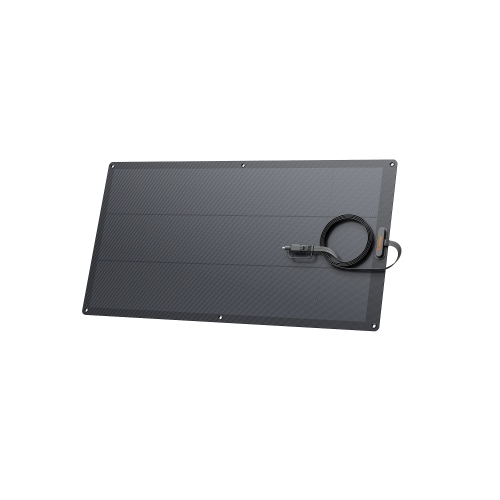
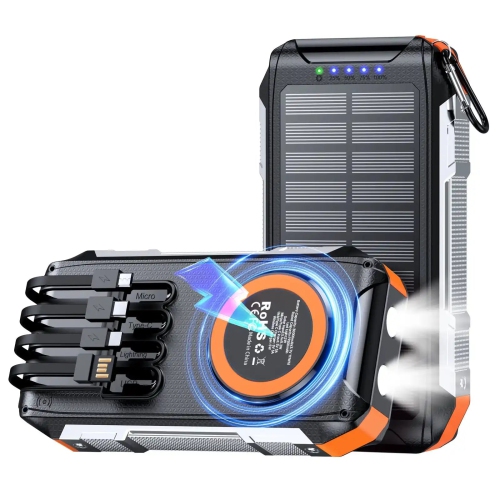
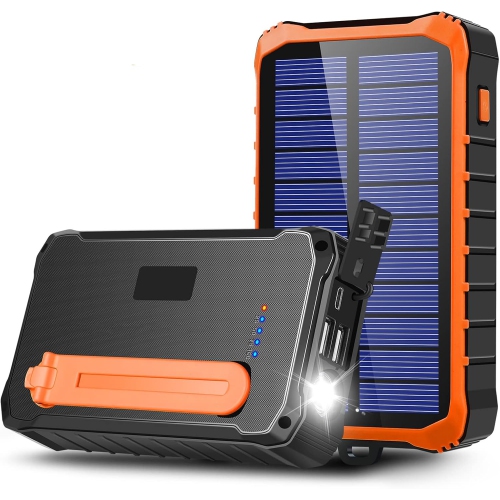
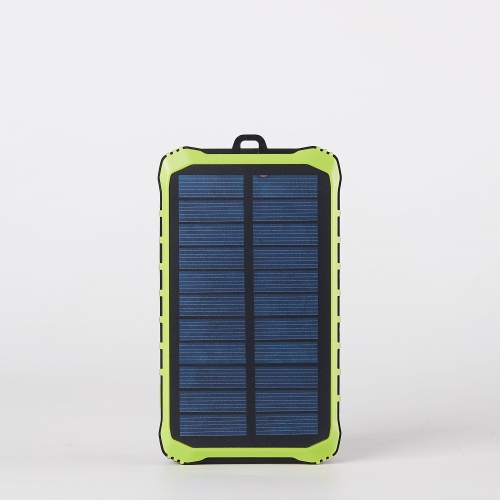
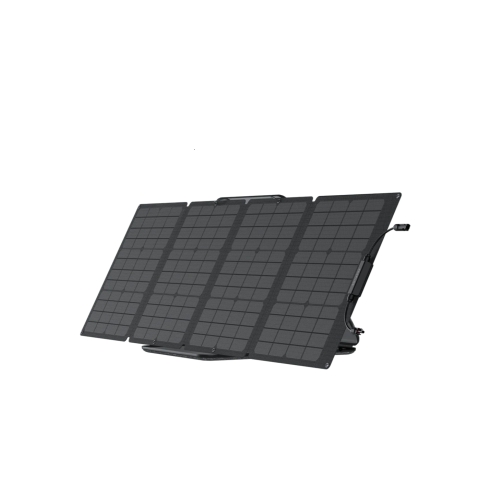
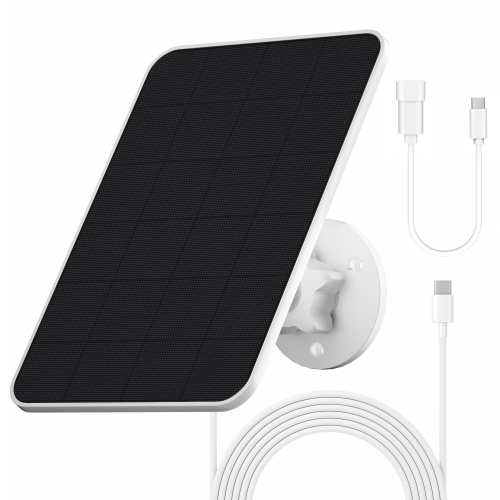
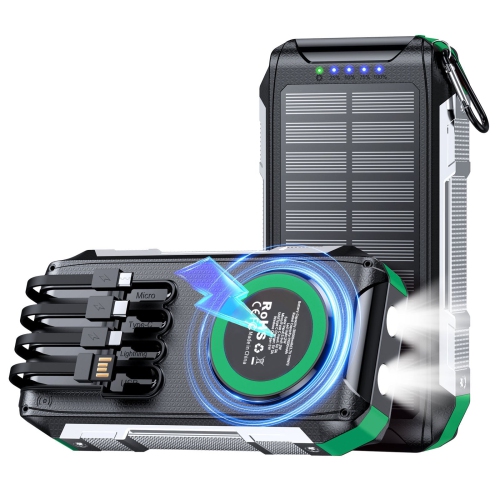
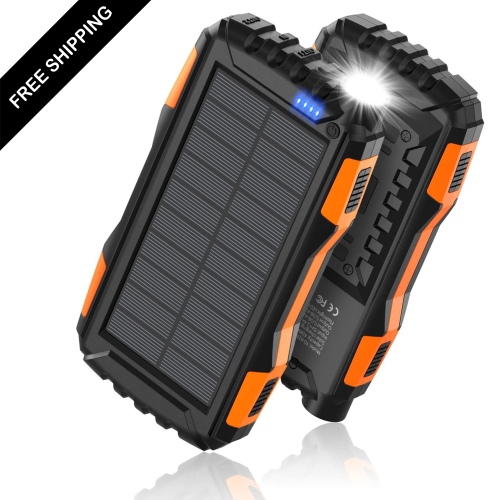
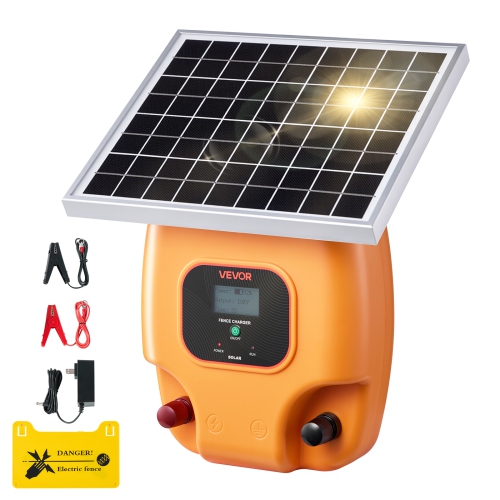
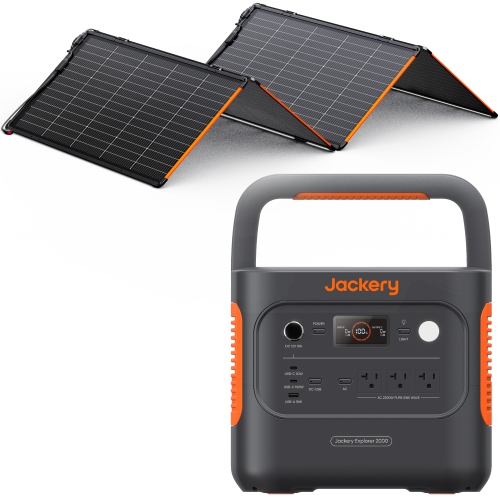
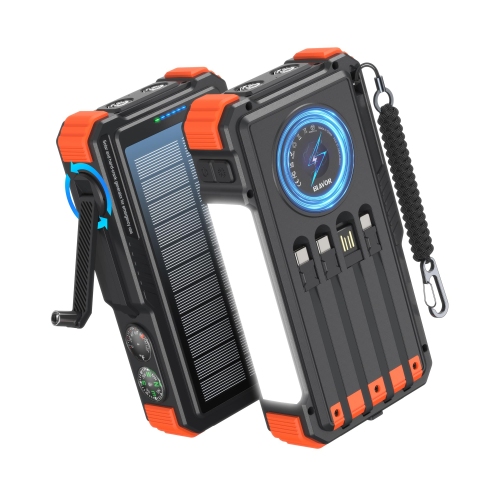
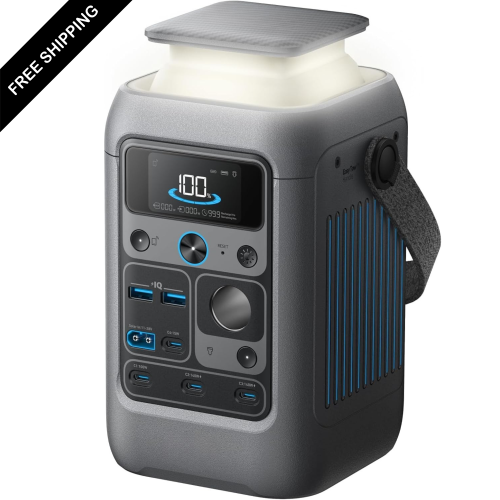
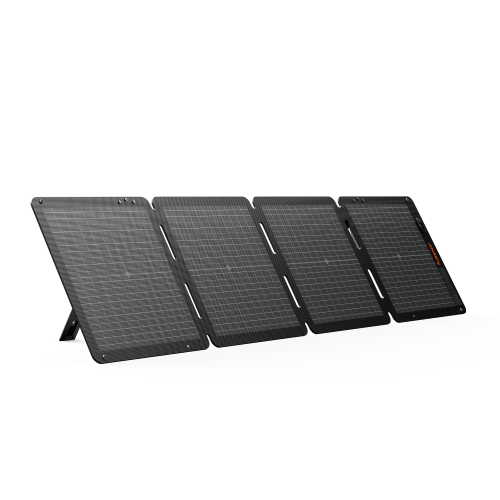
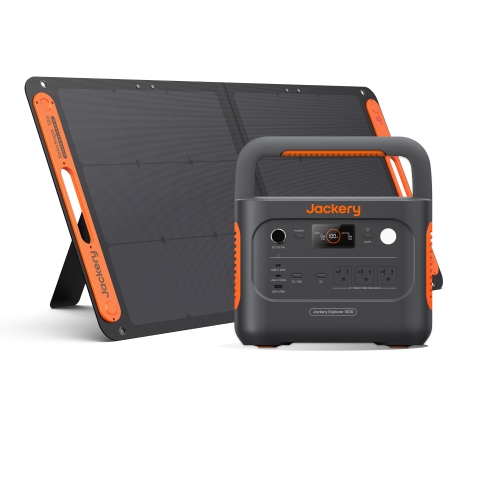
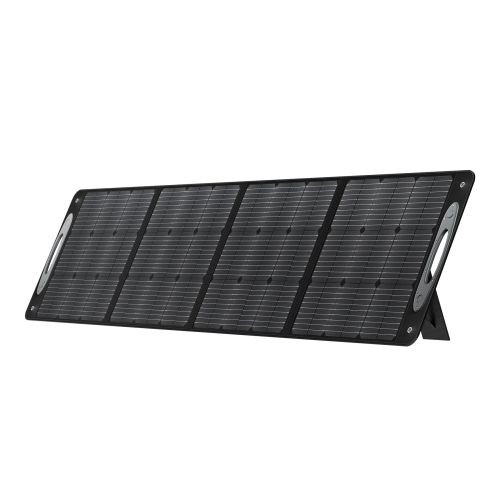
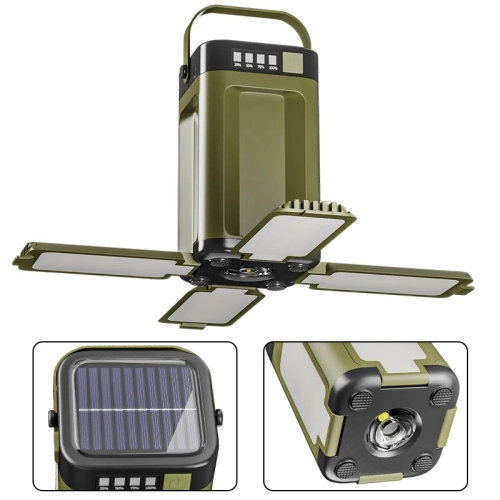
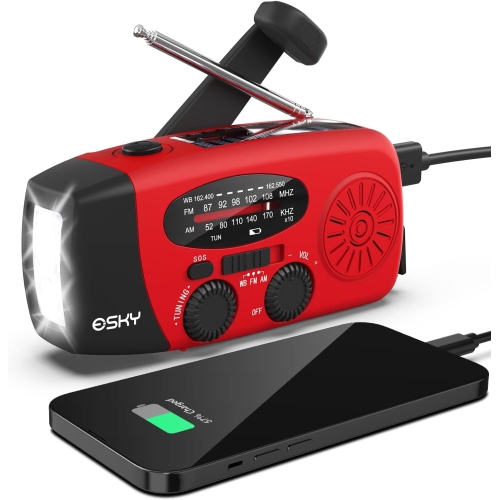
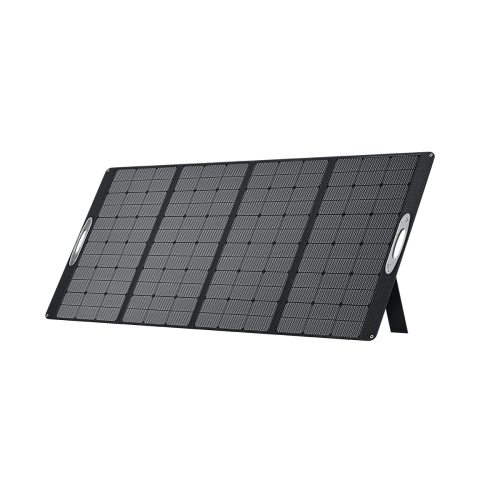
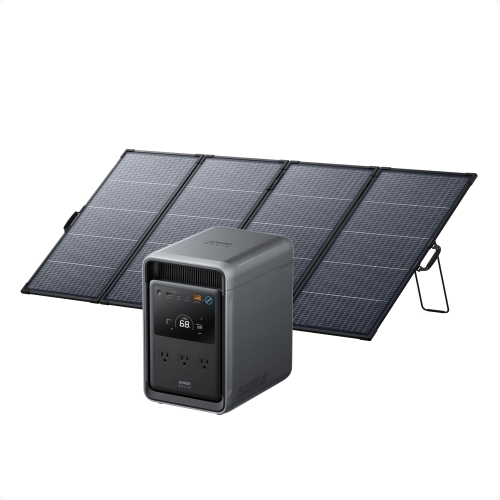
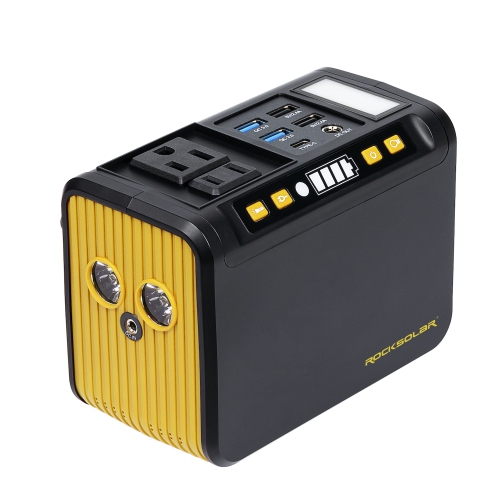
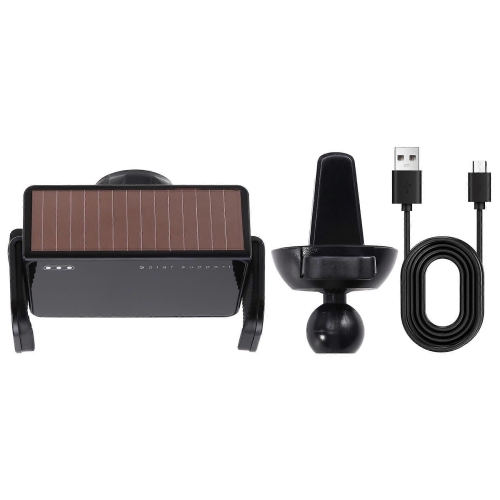
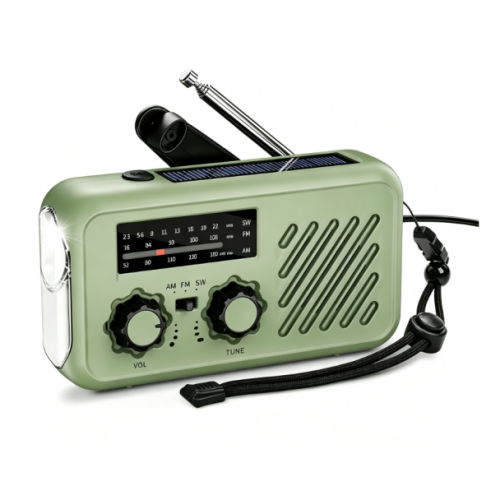
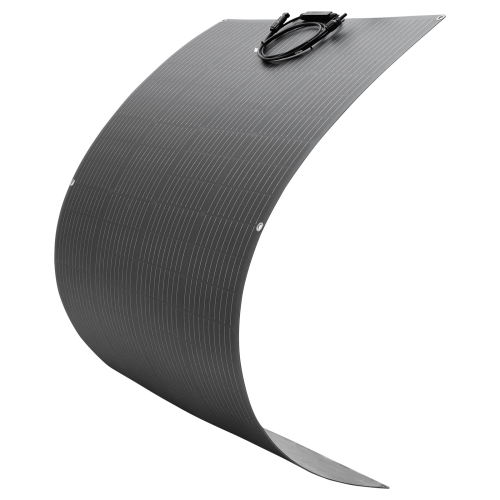
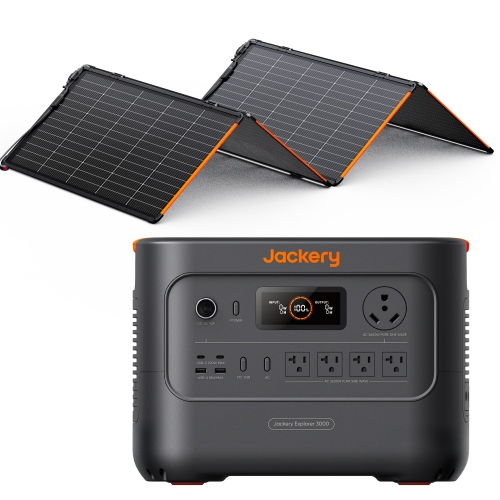
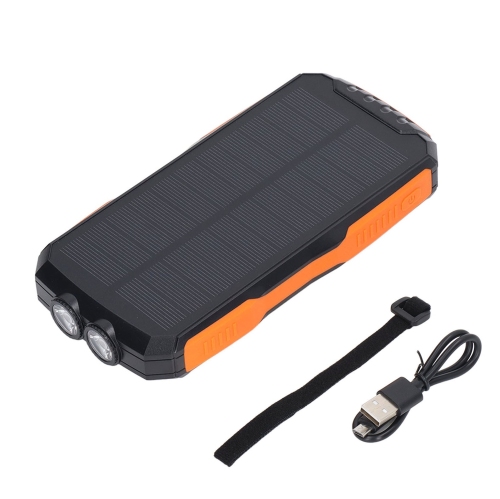
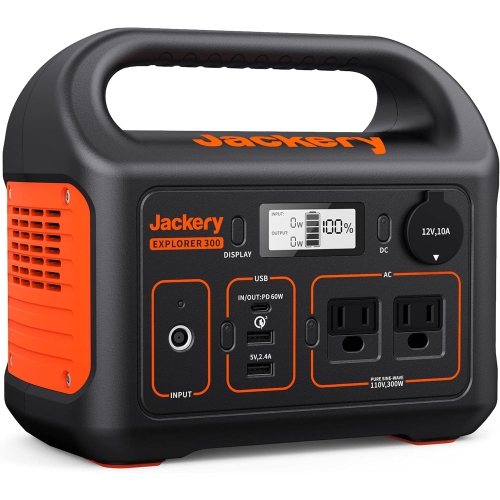
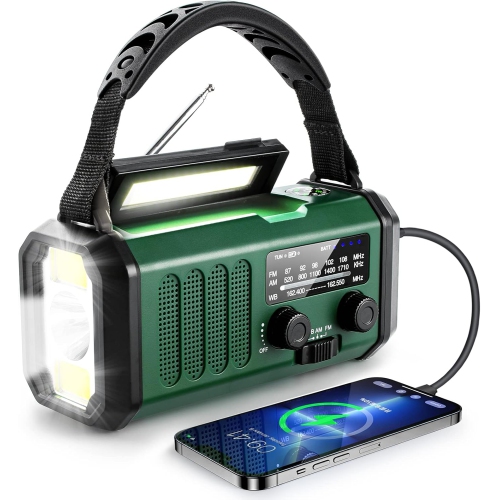
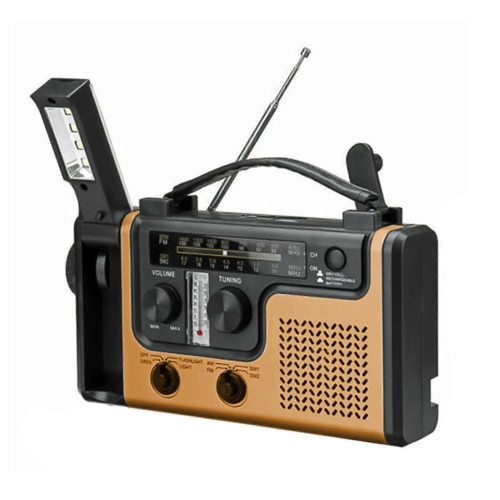
Solar chargers use sunlight to generate electricity for phones, tablets, cameras, rechargeable batteries, and other compatible devices. They are available in several practical formats, from compact power banks with a small built-in solar panel to larger folding panels designed to connect directly to a device or portable power station. Choosing the right style starts with considering how you plan to use it. A pocket-sized solar power bank can be convenient for day trips, festivals, commuting, or keeping in a backpack for unexpected low-battery moments. Its internal battery can be charged from a wall outlet before heading out, then used to recharge a phone when you are away from a plug. The integrated panel may help top up the battery while it is exposed to sunlight, but its small surface area generally makes solar charging slower than charging from an outlet or a separate folding panel. For camping, boating, road trips, outdoor photography, and longer periods away from conventional power, a foldable solar panel can offer a more capable setup. These panels open into a broad surface that captures more sunlight and can connect through USB or other compatible outputs to charge electronics directly or refill a dedicated battery bank. Explore Solar Panel Chargers to compare portable options suited to different devices and routines. When selecting a charger, check the output ports and supported charging standards against your phone, tablet, camera, battery pack, or power station. USB-A remains useful for many everyday accessories, while USB-C can offer a convenient connection for newer electronics. A charger with multiple outputs may be helpful when travelling with family or sharing a campsite, provided the total output is sufficient for the devices being connected.
Sunlight conditions have a major effect on performance. Solar chargers work most effectively in direct, unobstructed sunlight, with the panel positioned toward the brightest part of the sky. Shade from trees, tents, buildings, or even a backpack can reduce the available power, while cloud cover can make charging slower and less predictable. Window glass may also limit performance, so placing a panel behind a window is not equivalent to setting it outdoors in direct light. In practical use, a folding panel can be spread across a picnic table, clipped to a pack, or placed on a clear section of ground while a power bank remains safely connected nearby. The angle of the panel may need occasional adjustment as the sun moves, and the best results usually come from leaving the panel undisturbed rather than moving it between bright and shaded spots. A solar panel’s wattage indicates its potential output under suitable conditions, but actual charging speeds vary with sunlight, temperature, cable quality, device requirements, and the panel’s orientation. A higher-wattage panel may be a better choice for charging a battery bank or running more power-hungry equipment, while a smaller model can be easier to carry for phone top-ups. Battery capacity is another important consideration for all-in-one solar power banks: a larger capacity can provide more stored energy, but it may also add weight and take longer to refill from the built-in panel. Look for clear charging indicators, sturdy folding sections, protected ports, and a design that is easy to pack and set up. Water resistance can be useful around campsites or on boat decks, although no charger should be left exposed to heavy rain unless its specifications specifically allow it.
Solar chargers can suit travellers, hikers, campers, students, photographers, commuters, and anyone who spends time away from reliable outlets. They can also make thoughtful gifts for someone planning a road trip, preparing a camping kit, or building a compact emergency charging setup at home. During the warmer part of the year, a lightweight panel can accompany a day at the beach, a cottage weekend, or an afternoon in a park; during cooler months, it can remain useful for travel, outdoor work, and keeping a backup battery ready when daylight is available. For many people, the most dependable arrangement combines two stages: use the solar panel in bright conditions to charge a dedicated power bank, then use the stored energy to recharge a phone or other device when needed. This approach helps smooth out changes in sunlight and means the device does not need to remain beside the panel throughout the day. Before purchasing, consider the number and type of devices you carry, how much weight you are comfortable packing, how often you will have access to direct sunlight, and whether you need a charger for occasional top-ups or repeated use over several days. Cable storage, carrying handles, built-in stands, and attachment loops can make a noticeable difference when setting up outdoors. It is also worth checking the manufacturer’s compatibility information and charging limits, especially for cameras, rechargeable batteries, and portable power stations. With the right combination of panel size, output, battery capacity, and portability, a solar charger can provide a practical way to keep essential electronics powered while you travel, explore, work outdoors, or spend time away from conventional charging points.
Sunlight conditions have a major effect on performance. Solar chargers work most effectively in direct, unobstructed sunlight, with the panel positioned toward the brightest part of the sky. Shade from trees, tents, buildings, or even a backpack can reduce the available power, while cloud cover can make charging slower and less predictable. Window glass may also limit performance, so placing a panel behind a window is not equivalent to setting it outdoors in direct light. In practical use, a folding panel can be spread across a picnic table, clipped to a pack, or placed on a clear section of ground while a power bank remains safely connected nearby. The angle of the panel may need occasional adjustment as the sun moves, and the best results usually come from leaving the panel undisturbed rather than moving it between bright and shaded spots. A solar panel’s wattage indicates its potential output under suitable conditions, but actual charging speeds vary with sunlight, temperature, cable quality, device requirements, and the panel’s orientation. A higher-wattage panel may be a better choice for charging a battery bank or running more power-hungry equipment, while a smaller model can be easier to carry for phone top-ups. Battery capacity is another important consideration for all-in-one solar power banks: a larger capacity can provide more stored energy, but it may also add weight and take longer to refill from the built-in panel. Look for clear charging indicators, sturdy folding sections, protected ports, and a design that is easy to pack and set up. Water resistance can be useful around campsites or on boat decks, although no charger should be left exposed to heavy rain unless its specifications specifically allow it.
Solar chargers can suit travellers, hikers, campers, students, photographers, commuters, and anyone who spends time away from reliable outlets. They can also make thoughtful gifts for someone planning a road trip, preparing a camping kit, or building a compact emergency charging setup at home. During the warmer part of the year, a lightweight panel can accompany a day at the beach, a cottage weekend, or an afternoon in a park; during cooler months, it can remain useful for travel, outdoor work, and keeping a backup battery ready when daylight is available. For many people, the most dependable arrangement combines two stages: use the solar panel in bright conditions to charge a dedicated power bank, then use the stored energy to recharge a phone or other device when needed. This approach helps smooth out changes in sunlight and means the device does not need to remain beside the panel throughout the day. Before purchasing, consider the number and type of devices you carry, how much weight you are comfortable packing, how often you will have access to direct sunlight, and whether you need a charger for occasional top-ups or repeated use over several days. Cable storage, carrying handles, built-in stands, and attachment loops can make a noticeable difference when setting up outdoors. It is also worth checking the manufacturer’s compatibility information and charging limits, especially for cameras, rechargeable batteries, and portable power stations. With the right combination of panel size, output, battery capacity, and portability, a solar charger can provide a practical way to keep essential electronics powered while you travel, explore, work outdoors, or spend time away from conventional charging points.
Top selling and popular products
-
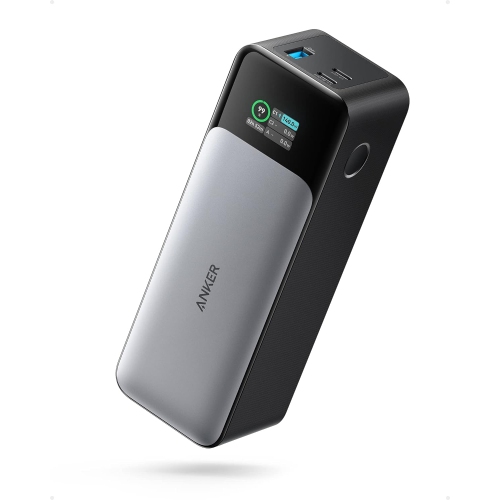 Your price for this item is $234
 -
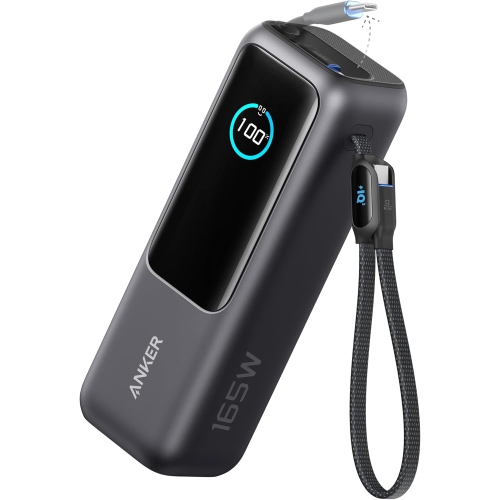 Your price for this item is $238.9
 -
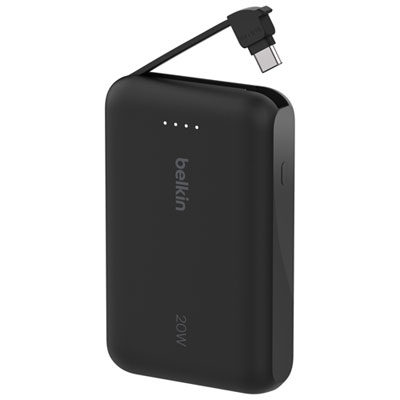 Your price for this item is $49.99
 -
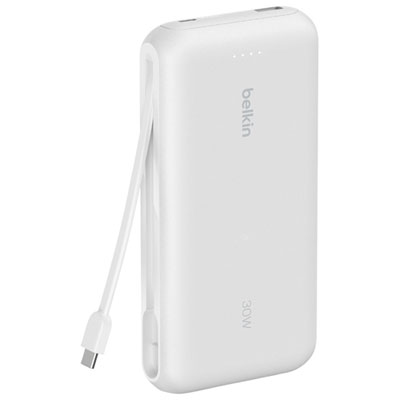 Your price for this item is $69.99
 -
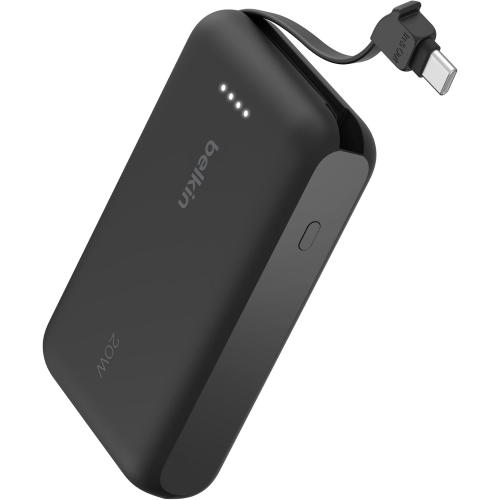 Your price for this item is $74.99
 -
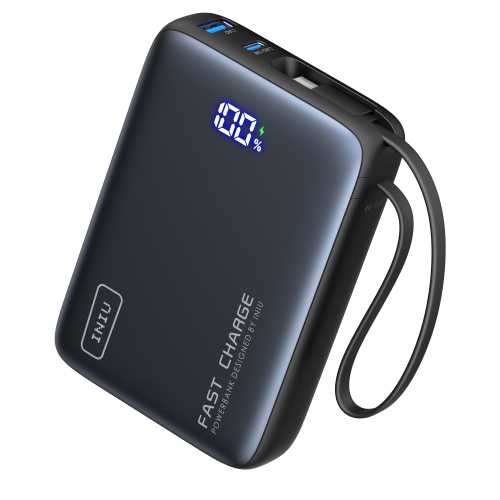 Your price for this item is $54.99
 -
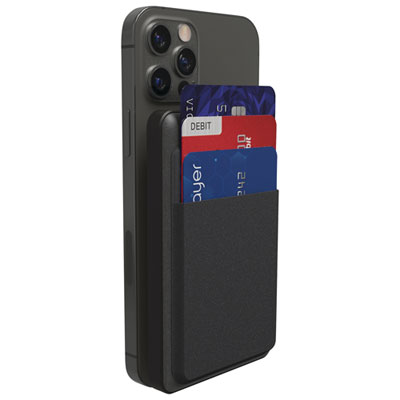 Your price for this item is $48.97
 -
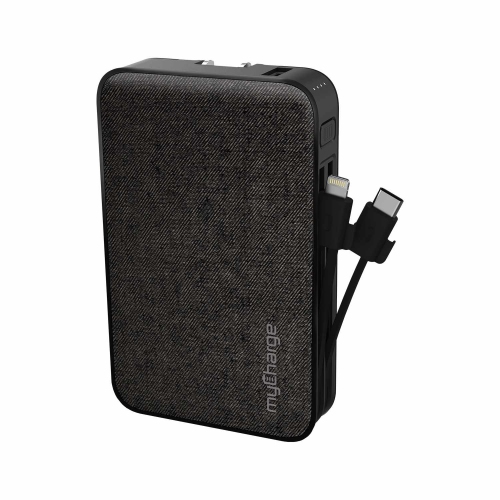 Your price for this item is $79.99
Discover more categories related to Solar Chargers
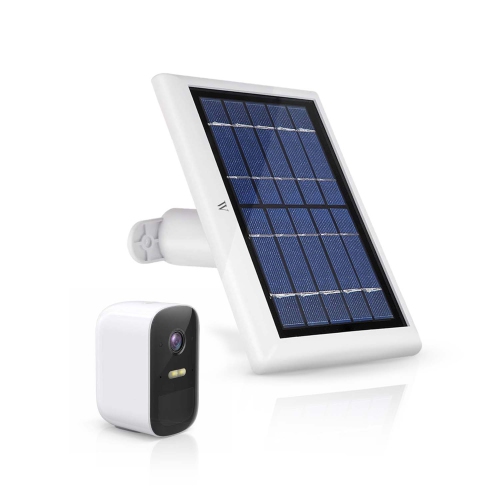
Top Collections:
Pokemon Centers, Kindle Devices, Best Budget Office Chairs, Canon G7X Cameras, Apple iPhones 16, Samsung Galaxy Phones, Refurbished Apple Laptops, Laptops for Students, iPhone 15 Apple, Budget Smartphones
Some products may be subject to Environmental Handling Fees
(EHF) depending on your province.
Learn more about EHFs.