Solar Outdoor Lighting Fixtures
Illuminate your outdoor space with eco-friendly and energy-efficient solar outdoor lighting fixtures. Say goodbye to high electricity bills and hello to a sustainable lighting solution that harnesses the power of the sun. Whether you're looking to enhance your home's curb appeal, increase security around your property, or create a cozy ambiance for outdoor gatherings, solar outdoor lighting fixtures offer a versatile and cost-effective way to brighten up your outdoor areas. Discover a wide range of styles, designs, and features to suit your specific needs and elevate your outdoor living experience.
Sort
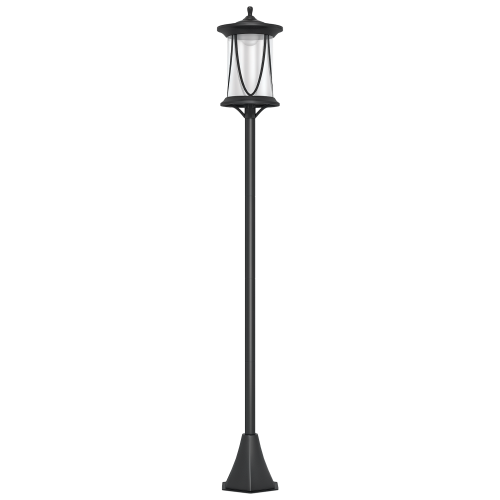

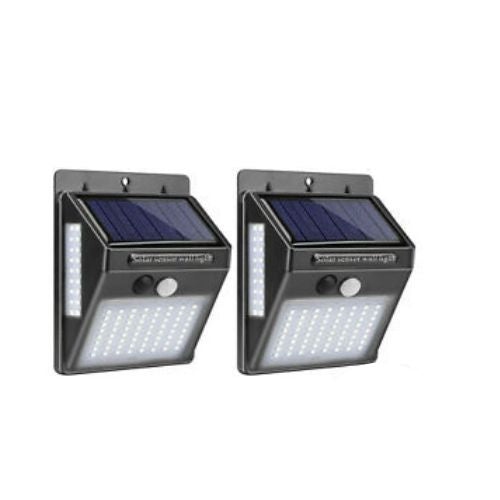
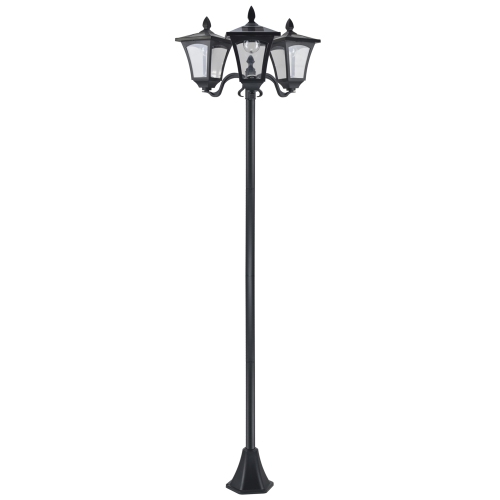
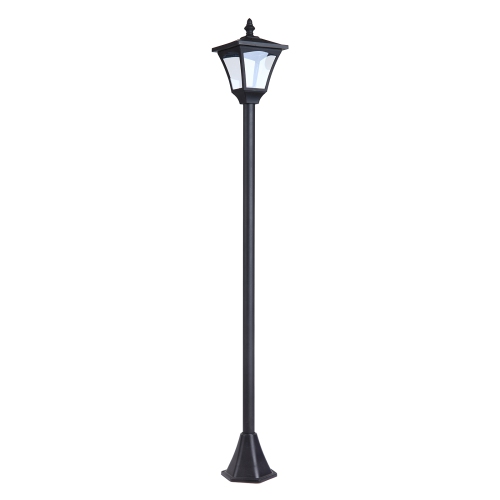
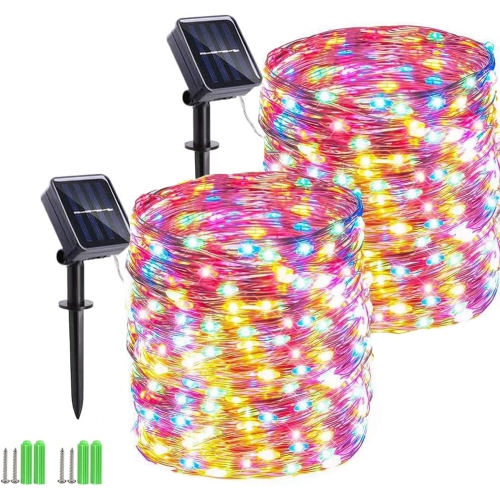
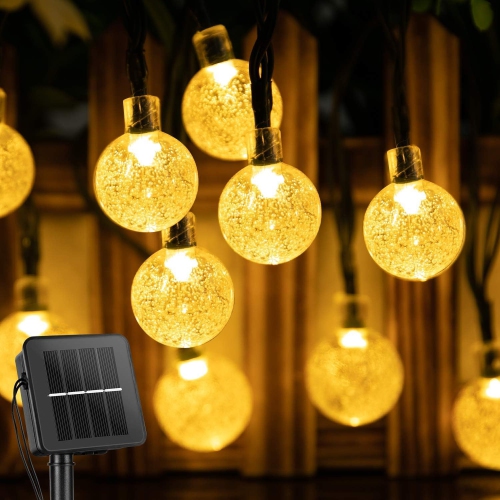
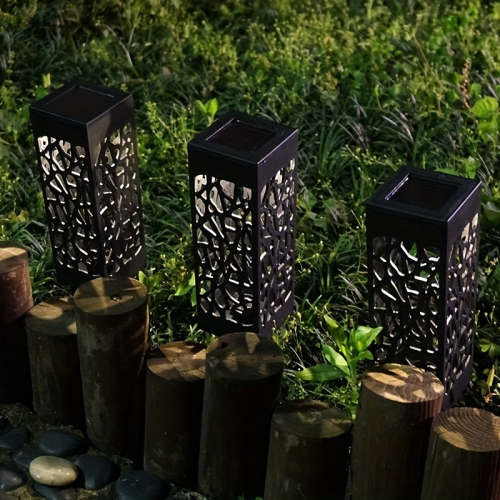
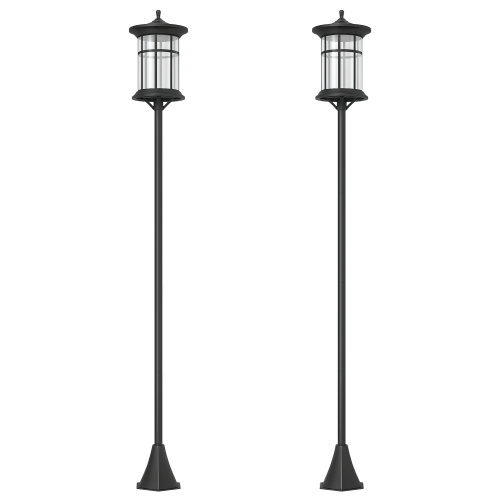


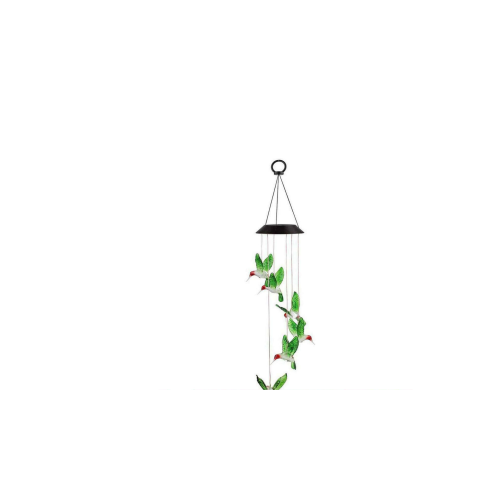
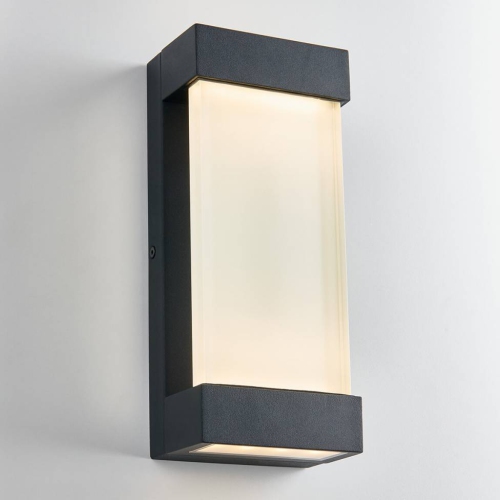
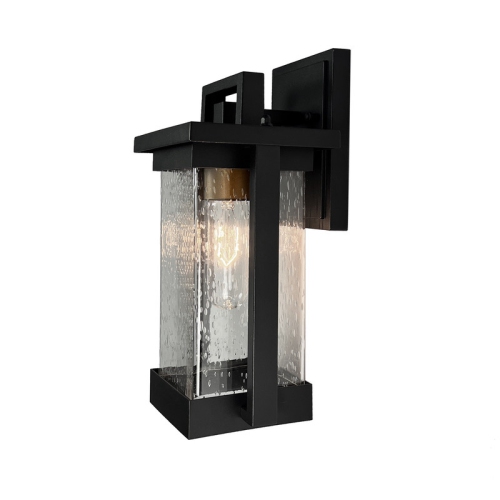
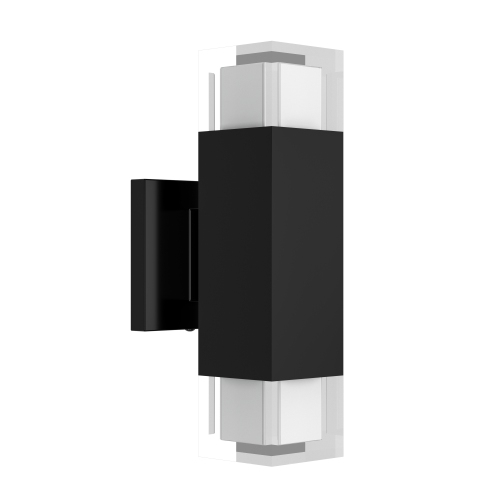
Practical tips for brighter outdoor paths and entrances
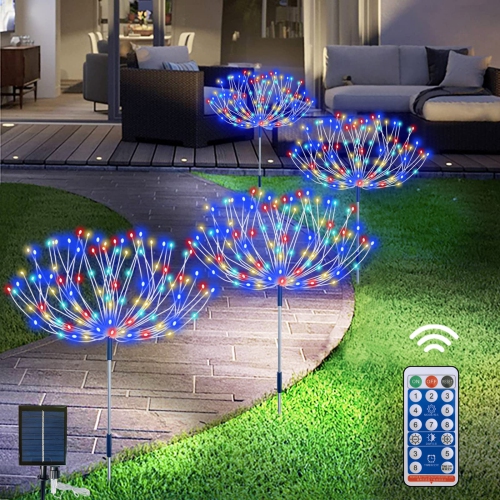
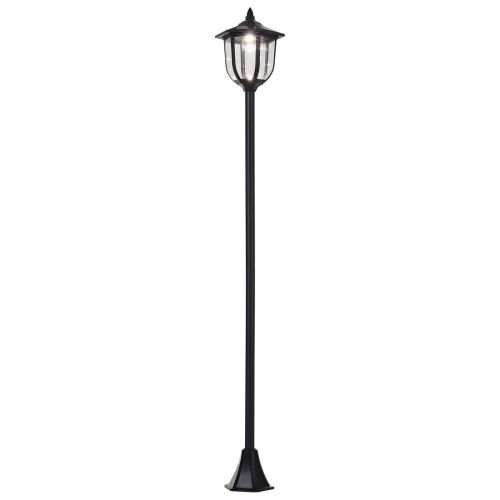
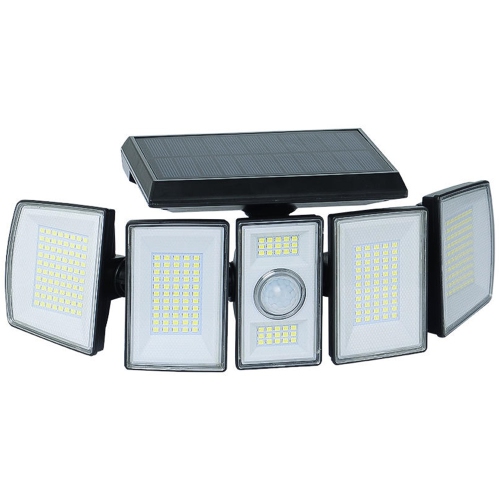
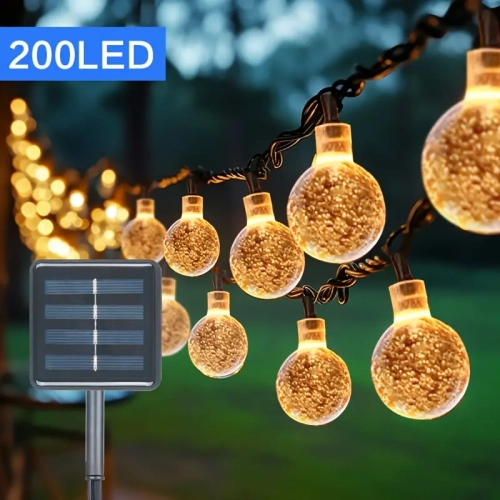
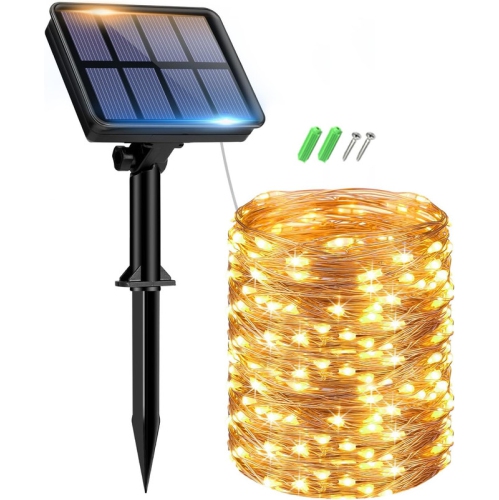
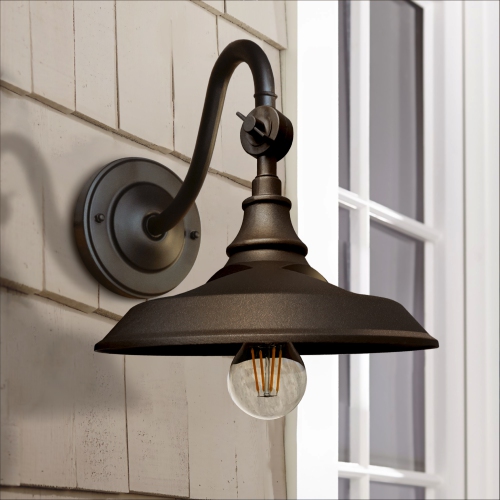
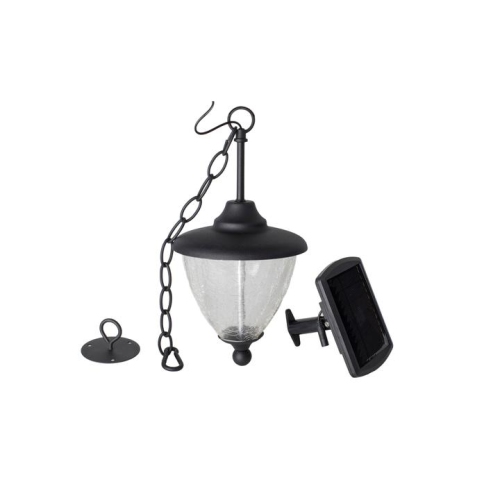
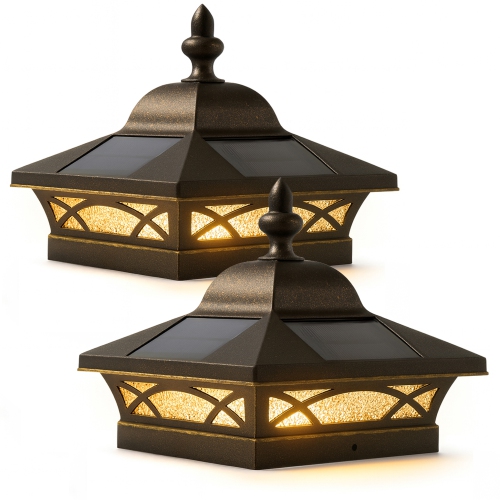
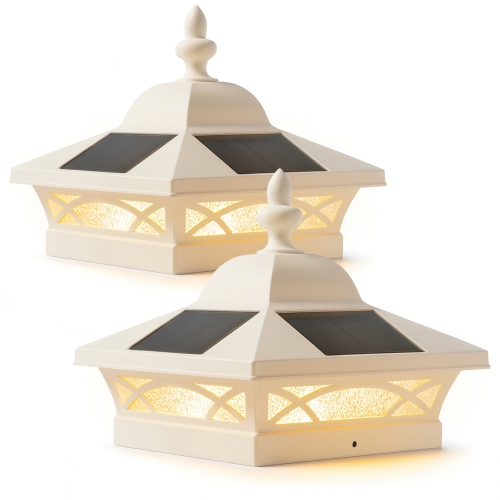
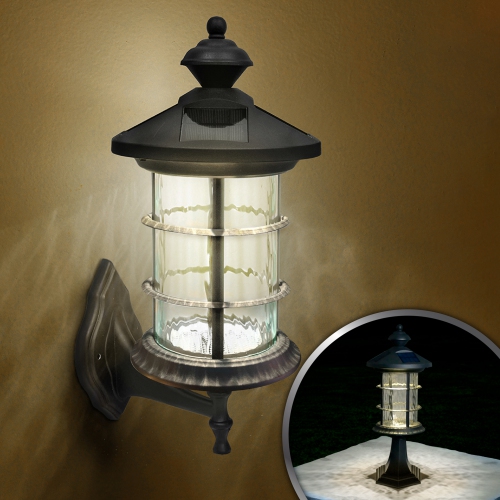
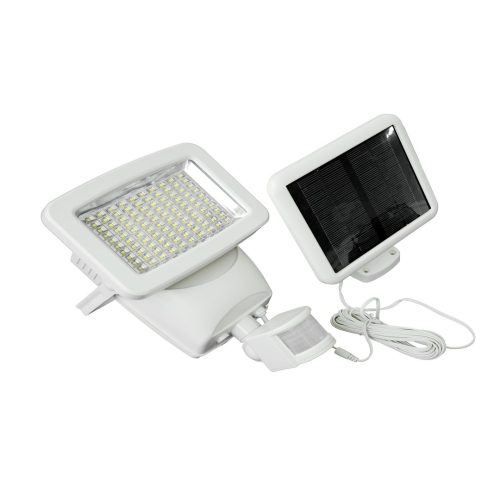
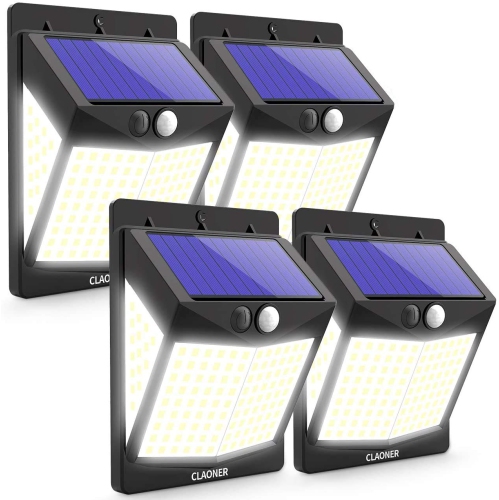
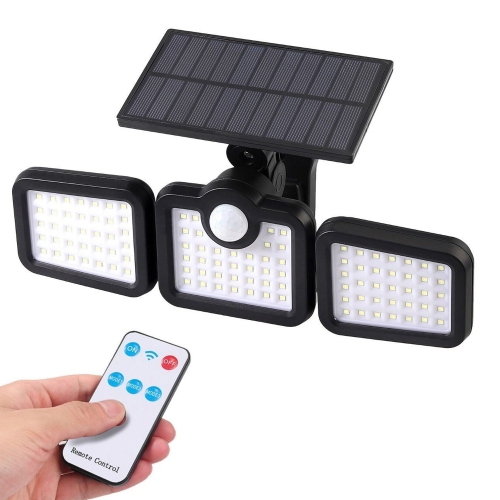
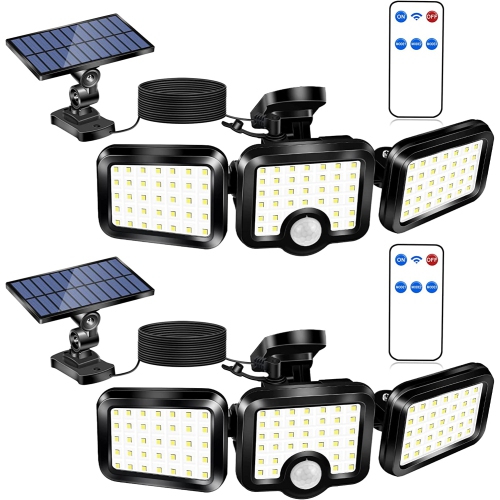
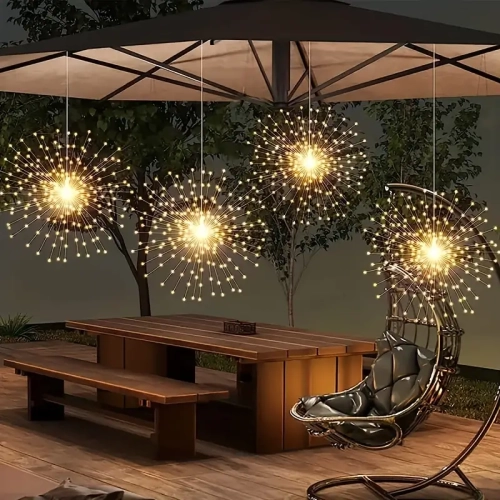
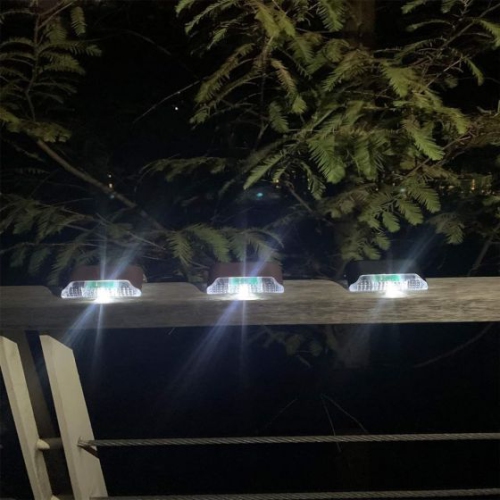
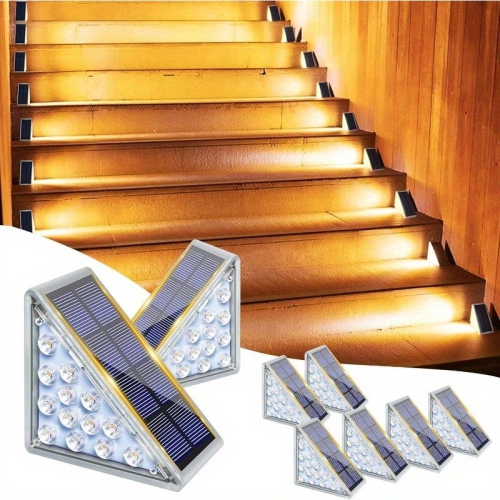
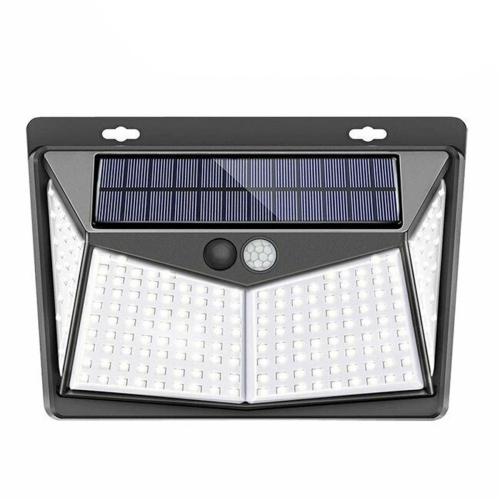
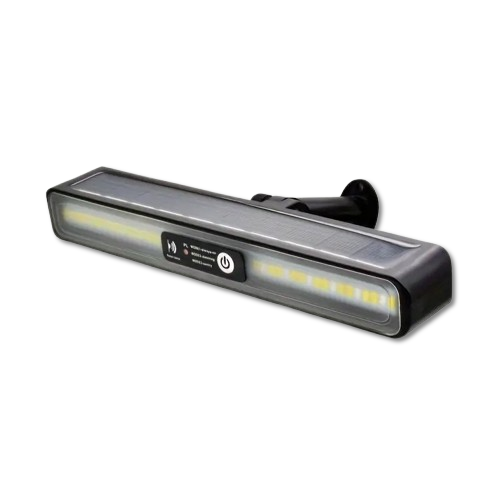
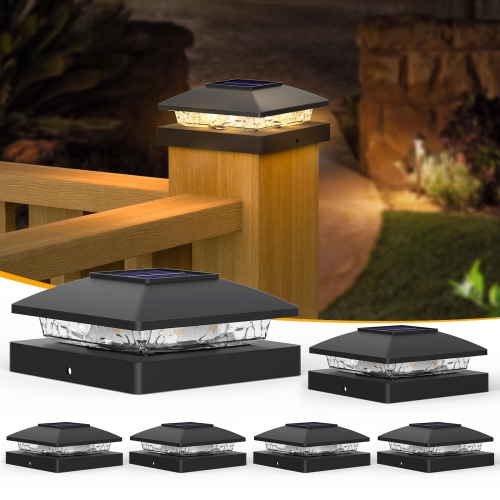
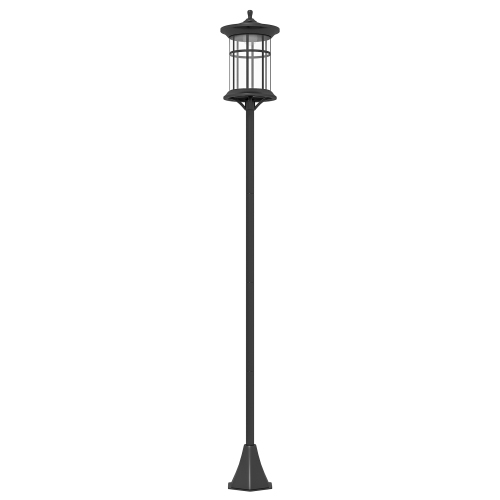
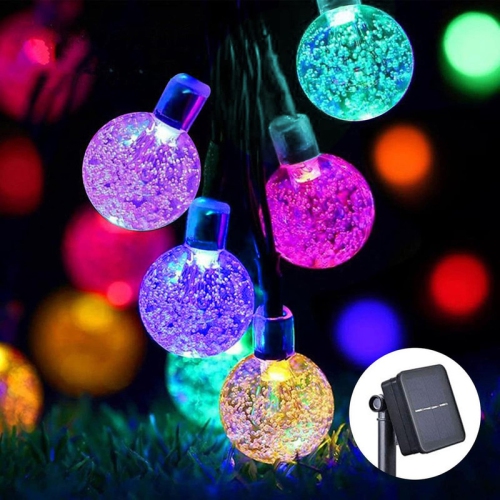
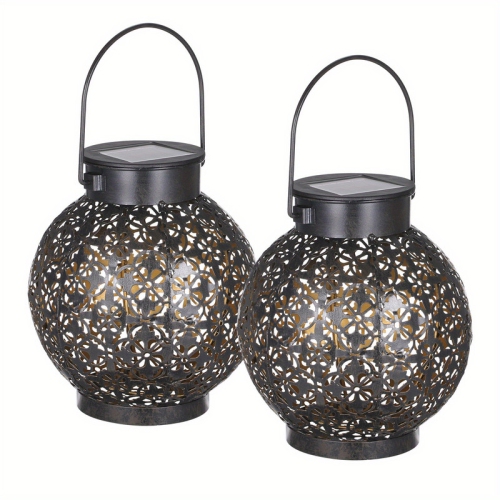
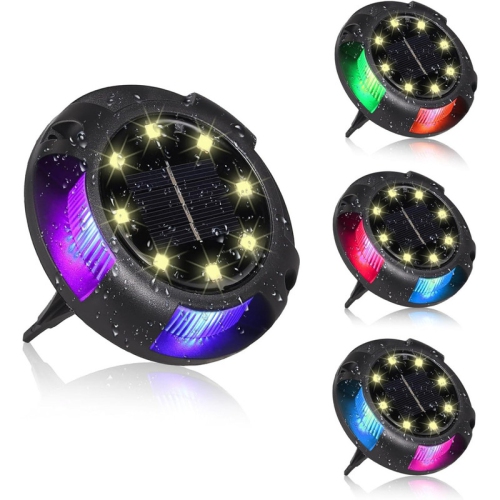
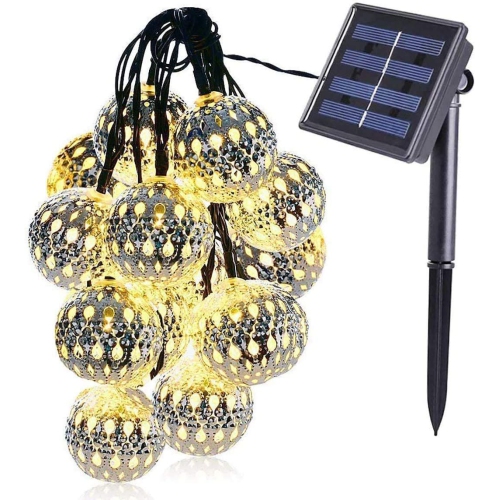
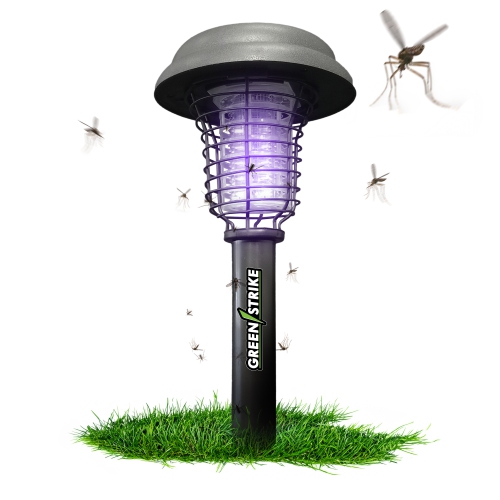
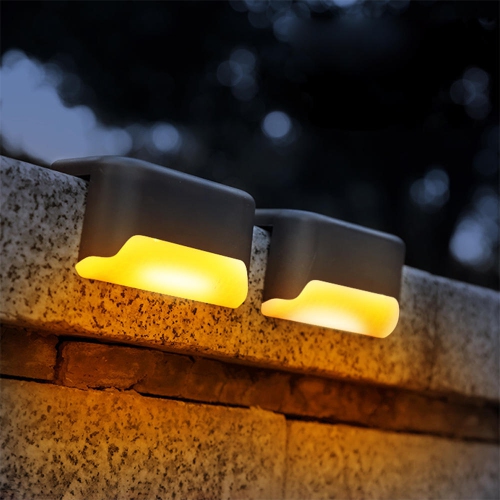
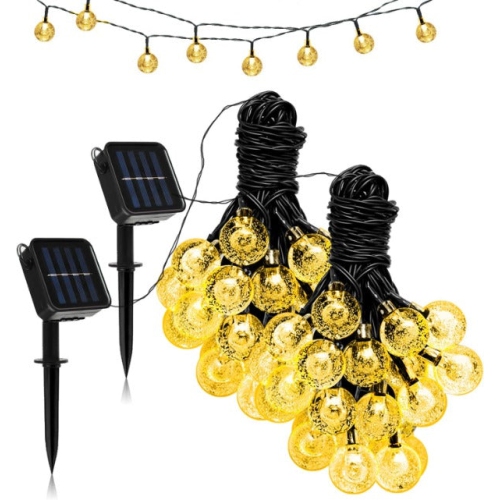
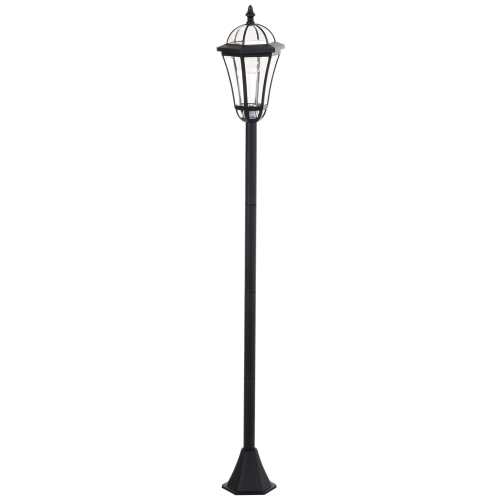
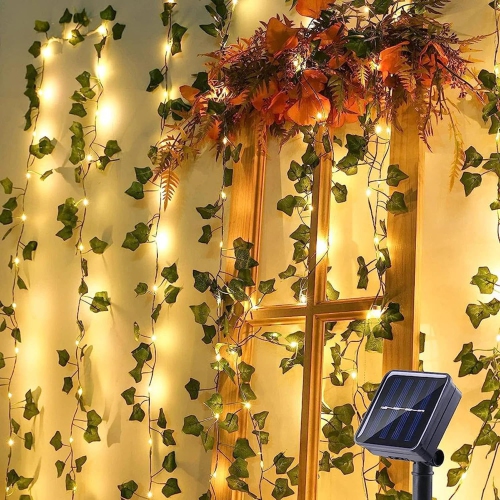
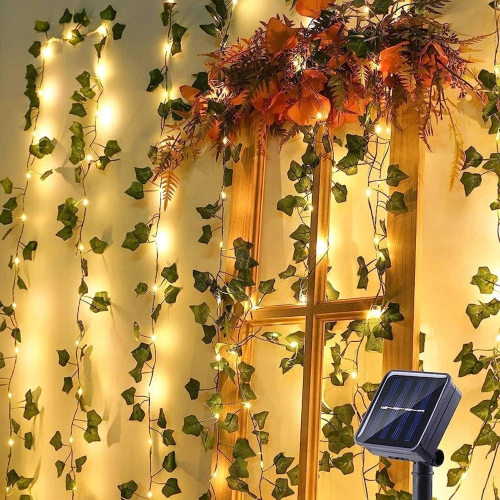
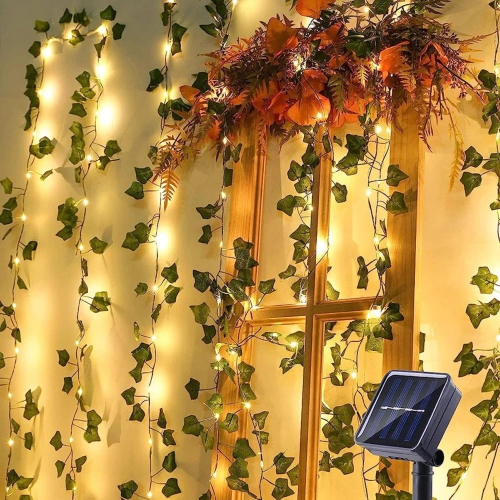
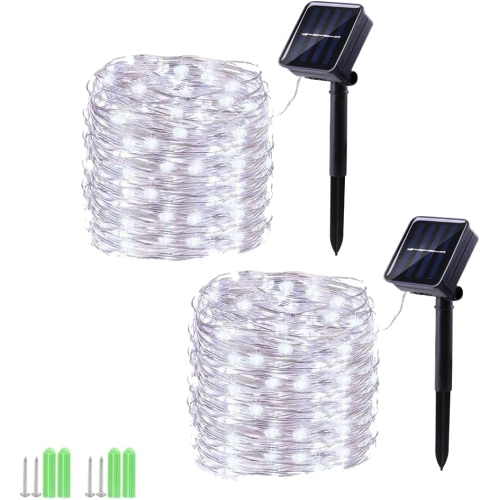
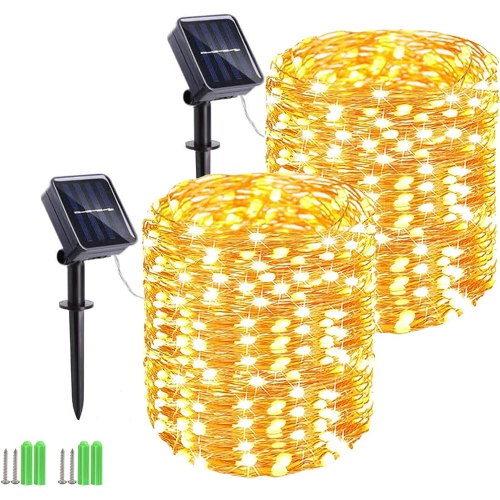
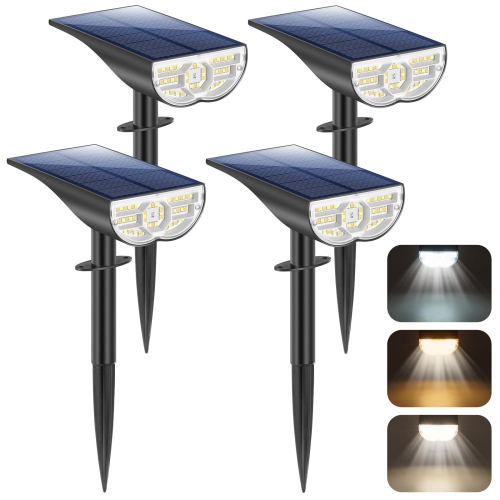
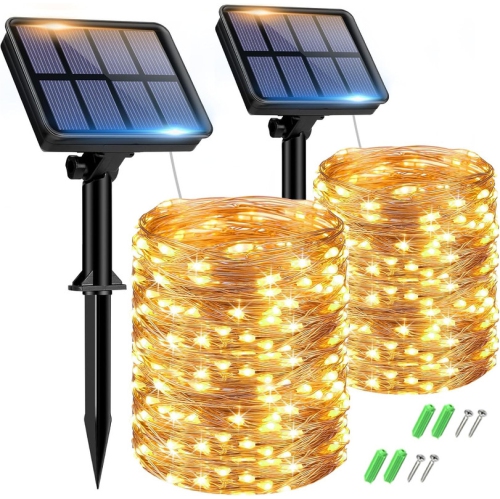
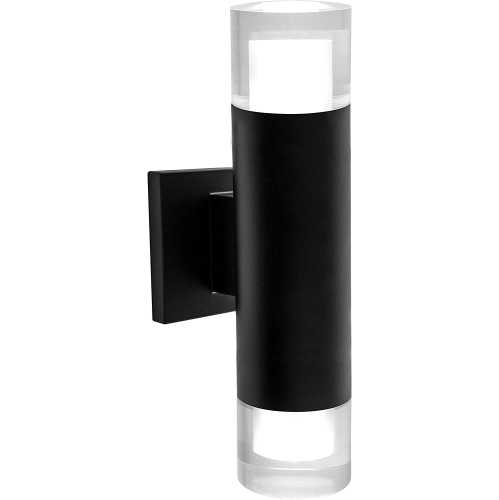
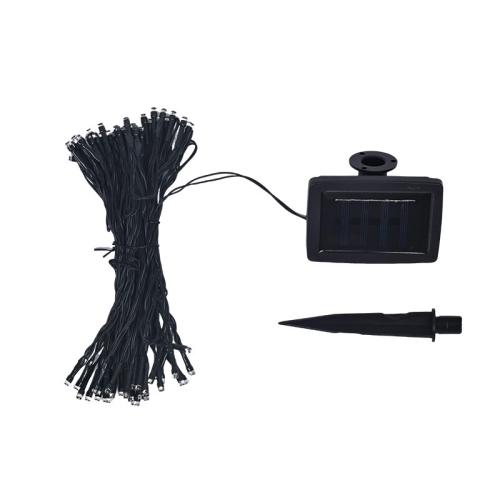
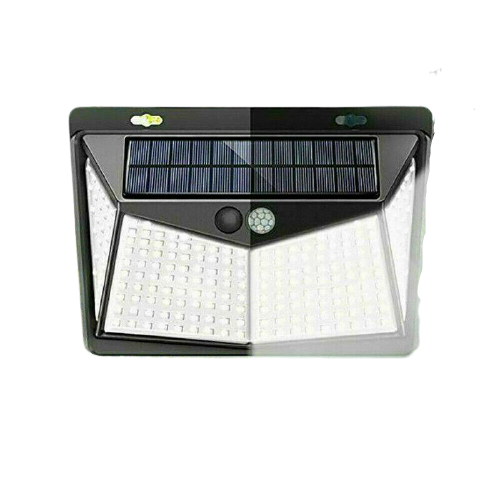
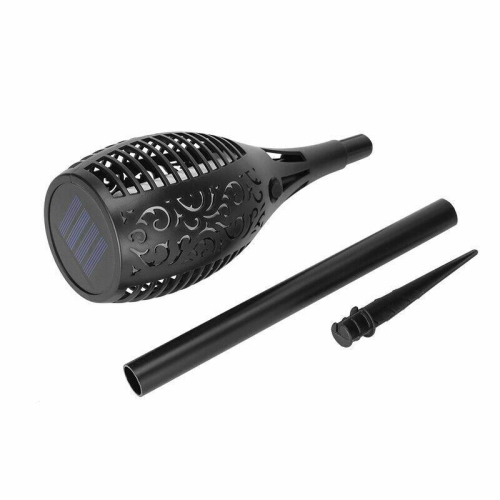
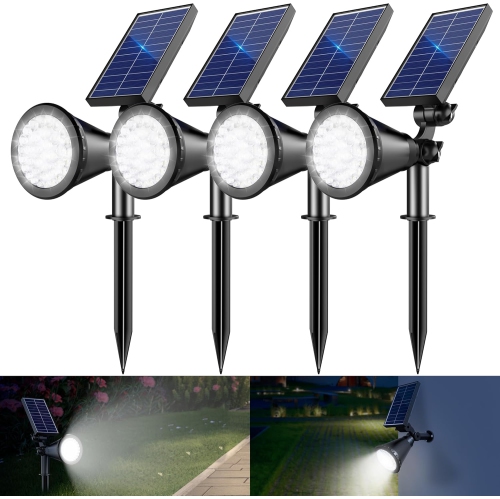
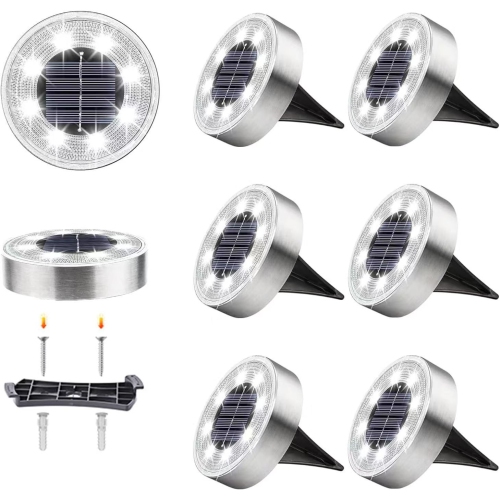
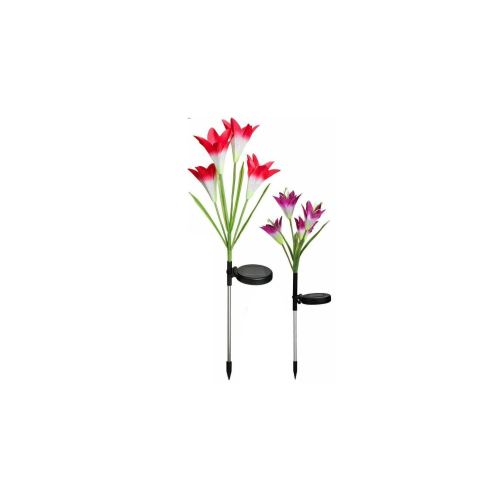
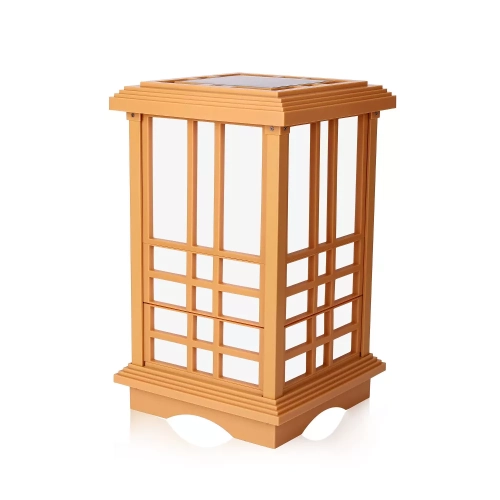
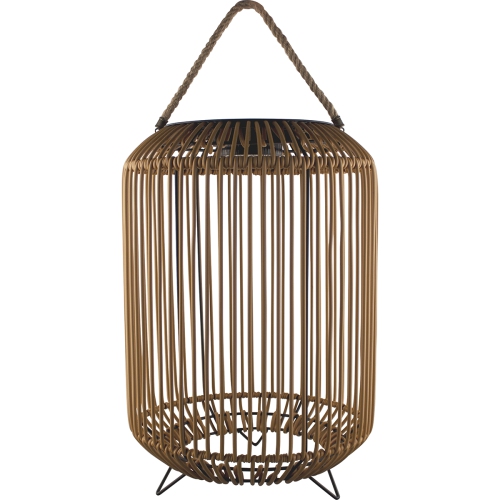
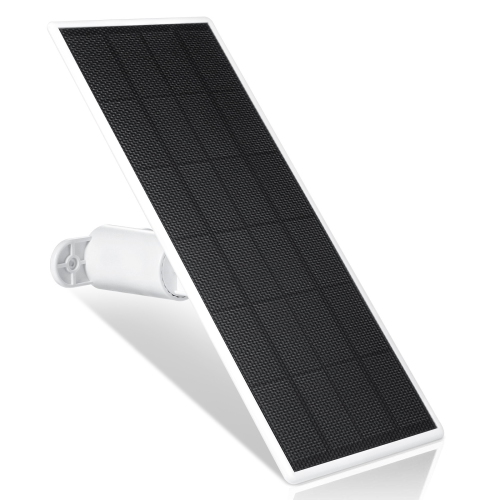
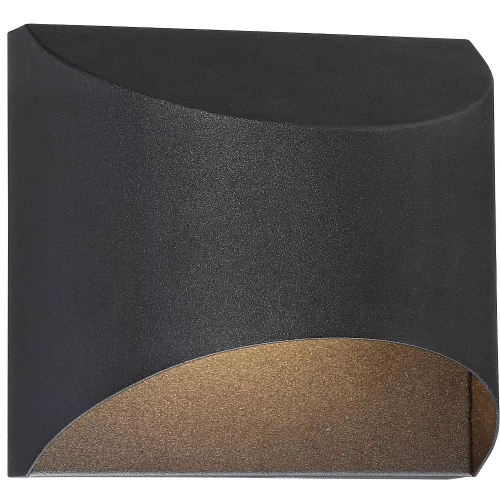
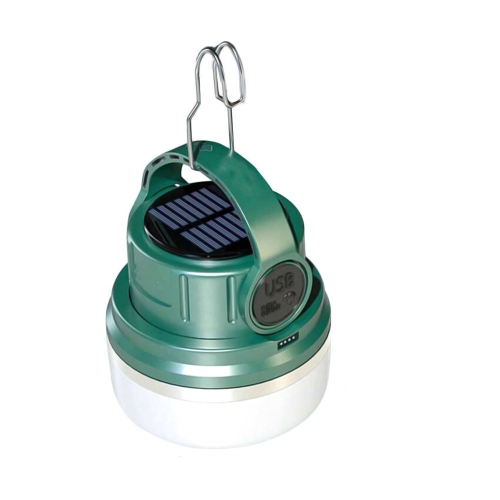
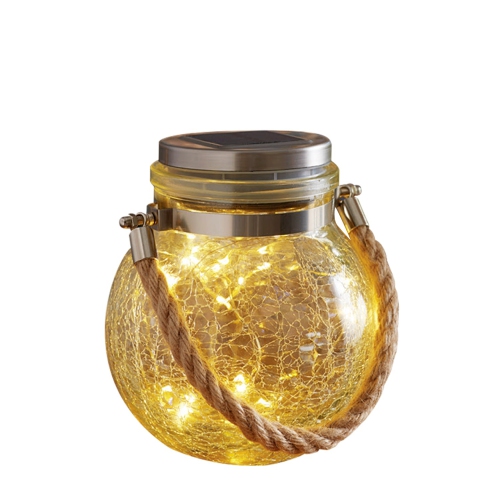
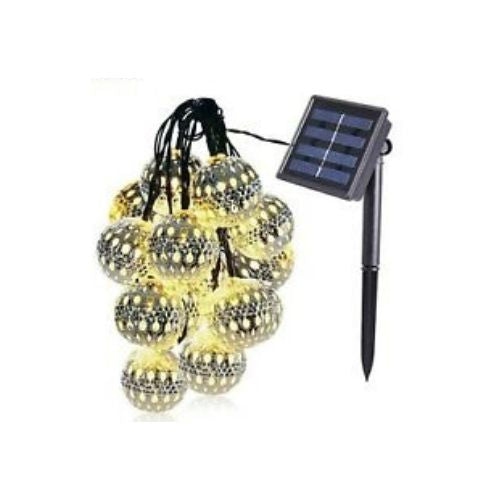
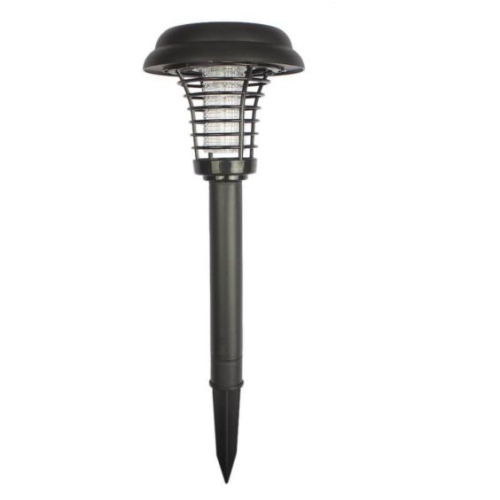
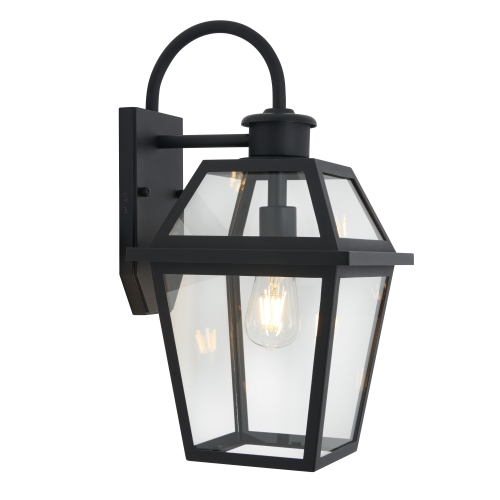
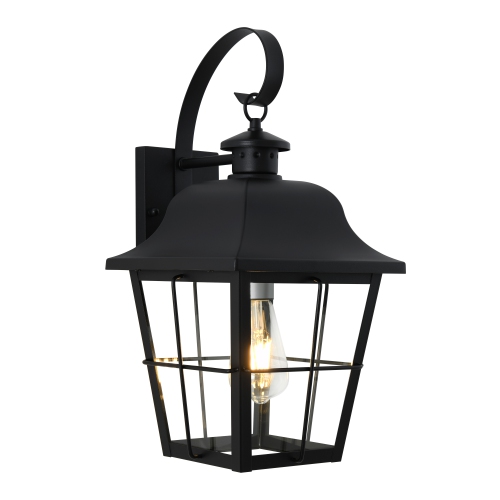
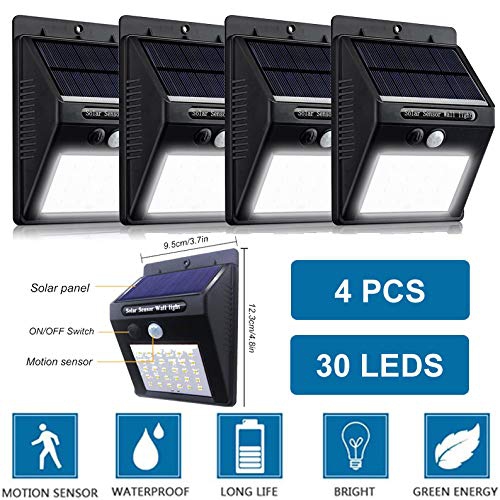
Solar outdoor lighting fixtures offer a practical way to add illumination around a home without running extension cords or arranging new electrical wiring. Each fixture uses a built-in solar panel to collect daylight and store power in an internal rechargeable battery, allowing the light to turn on automatically when the surrounding area becomes dark. This makes solar lighting a useful choice for pathways, garden borders, steps, decks, fences, driveways and exterior walls. Pathway and garden lights are generally designed with a stake or pointed base that presses into soil, gravel or a planter, creating an even line of low-level light along a walkway or highlighting flowerbeds. Wall-mounted sconces and lantern-style fixtures attach to exterior walls, posts or fences, where they can brighten an entrance, patio or side passage without the need for complicated wiring. Spotlights can be directed towards a doorway, sign, architectural detail or dark corner, while motion-sensor models activate when movement is detected, making them well suited to driveways, garages and side entrances. When comparing styles, consider the area you want to illuminate, the amount of light required and the overall look of your outdoor space. A subtle warm-white glow can make a garden path feel welcoming and relaxed, while a brighter neutral or cool-white beam may be more useful near stairs, gates and storage areas. Some fixtures are intended to provide a decorative accent, whereas others are designed to improve visibility across a wider area. Looking at lumens can help you compare brightness, but placement and beam direction matter just as much; several modest pathway lights may create better coverage than one intensely bright fixture. If you are updating several parts of your property, browsing related Exterior Lighting Fixtures can also help you compare solar, wired and other outdoor options in one place.
Placement is one of the most important factors in how well a solar outdoor lighting fixture performs. Solar panels need access to daylight, so avoid positioning them beneath dense tree cover, under a porch roof or beside tall structures that cast shadows for much of the day. A location that receives strong light for several hours will generally allow the battery to recharge more fully than a shaded spot, even if the fixture itself looks ideal there. Before pressing pathway stakes into the ground or fastening a wall light, observe the area at different times of day and note where shadows fall. It is also worth checking that a panel is angled or positioned to receive as much open sky as possible. For pathways, space fixtures evenly and keep them close enough to mark the route without creating glare. Along a set of steps, place light above or beside the walking surface so each tread is visible, while avoiding a position where the beam shines directly into someone’s eyes. Motion-sensor spotlights are often most effective when aimed across the approach to a door or driveway rather than straight out towards the street, since movement across the detection zone tends to be easier for the sensor to recognize. Check the fixture’s weather-resistance information before installing it in an exposed location, especially if it will face wind-driven rain, freezing temperatures or repeated cycles of snow and thaw. A sturdy housing, secure mounting hardware and a well-protected panel can make a noticeable difference during the cooler months. Routine care is simple: wipe dust, pollen and leaves from the panel with a soft, damp cloth, and remove accumulated snow so daylight can reach the charging surface. Keep the light and sensor clear of dirt, and make sure stakes remain firmly seated after the ground shifts. If a fixture seems dim, first check for shade, surface buildup, a blocked sensor or a battery that needs attention before moving it or replacing parts.
Solar outdoor lighting fixtures can suit homeowners who want a welcoming entrance, renters looking for low-commitment lighting, cottage owners managing paths and decks, and anyone improving visibility around a garage or side gate. They can also make thoughtful gifts for new homeowners, hosts with patios and gardens, or family members who enjoy arranging outdoor spaces. A set of small garden lights can trace the edge of a flowerbed, while a wall-mounted lantern can give a front step the warm, finished appearance of a more extensive exterior update. In my own experience, the most useful placement is often the spot that gets overlooked during the daytime: a narrow passage beside the house, a bin area behind the garage or the last few steps leading down from a deck. These areas may look harmless under the afternoon sun but become difficult to navigate after dusk. A softly lit route makes it easier to carry groceries, guide guests to the door or check a gate without searching for a switch in the dark. For a more decorative arrangement, combine fixtures with different heights and beam patterns, using low pathway lights to establish a gentle outline and a directional spotlight to draw attention to a tree, planter or exterior feature. For practical lighting, prioritize brightness, sensor range, battery capacity and adjustable positioning. Automatic dusk-to-dawn operation is convenient for areas that should remain softly lit through the evening, while selectable modes may let you balance a steady glow with motion-activated brightness. Keep in mind that shorter daylight hours, overcast conditions and snow-covered panels can affect runtime, so placement and maintenance become especially important as the seasons change. Choosing fixtures that match the size, surface and purpose of the area will help create outdoor lighting that feels intentional, useful and comfortable from early evening through the cooler months.
Placement is one of the most important factors in how well a solar outdoor lighting fixture performs. Solar panels need access to daylight, so avoid positioning them beneath dense tree cover, under a porch roof or beside tall structures that cast shadows for much of the day. A location that receives strong light for several hours will generally allow the battery to recharge more fully than a shaded spot, even if the fixture itself looks ideal there. Before pressing pathway stakes into the ground or fastening a wall light, observe the area at different times of day and note where shadows fall. It is also worth checking that a panel is angled or positioned to receive as much open sky as possible. For pathways, space fixtures evenly and keep them close enough to mark the route without creating glare. Along a set of steps, place light above or beside the walking surface so each tread is visible, while avoiding a position where the beam shines directly into someone’s eyes. Motion-sensor spotlights are often most effective when aimed across the approach to a door or driveway rather than straight out towards the street, since movement across the detection zone tends to be easier for the sensor to recognize. Check the fixture’s weather-resistance information before installing it in an exposed location, especially if it will face wind-driven rain, freezing temperatures or repeated cycles of snow and thaw. A sturdy housing, secure mounting hardware and a well-protected panel can make a noticeable difference during the cooler months. Routine care is simple: wipe dust, pollen and leaves from the panel with a soft, damp cloth, and remove accumulated snow so daylight can reach the charging surface. Keep the light and sensor clear of dirt, and make sure stakes remain firmly seated after the ground shifts. If a fixture seems dim, first check for shade, surface buildup, a blocked sensor or a battery that needs attention before moving it or replacing parts.
Solar outdoor lighting fixtures can suit homeowners who want a welcoming entrance, renters looking for low-commitment lighting, cottage owners managing paths and decks, and anyone improving visibility around a garage or side gate. They can also make thoughtful gifts for new homeowners, hosts with patios and gardens, or family members who enjoy arranging outdoor spaces. A set of small garden lights can trace the edge of a flowerbed, while a wall-mounted lantern can give a front step the warm, finished appearance of a more extensive exterior update. In my own experience, the most useful placement is often the spot that gets overlooked during the daytime: a narrow passage beside the house, a bin area behind the garage or the last few steps leading down from a deck. These areas may look harmless under the afternoon sun but become difficult to navigate after dusk. A softly lit route makes it easier to carry groceries, guide guests to the door or check a gate without searching for a switch in the dark. For a more decorative arrangement, combine fixtures with different heights and beam patterns, using low pathway lights to establish a gentle outline and a directional spotlight to draw attention to a tree, planter or exterior feature. For practical lighting, prioritize brightness, sensor range, battery capacity and adjustable positioning. Automatic dusk-to-dawn operation is convenient for areas that should remain softly lit through the evening, while selectable modes may let you balance a steady glow with motion-activated brightness. Keep in mind that shorter daylight hours, overcast conditions and snow-covered panels can affect runtime, so placement and maintenance become especially important as the seasons change. Choosing fixtures that match the size, surface and purpose of the area will help create outdoor lighting that feels intentional, useful and comfortable from early evening through the cooler months.
Top selling and popular products
-
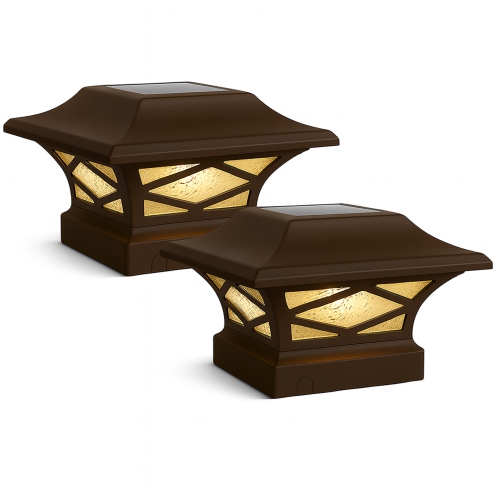 Your price for this item is $99.99
 -
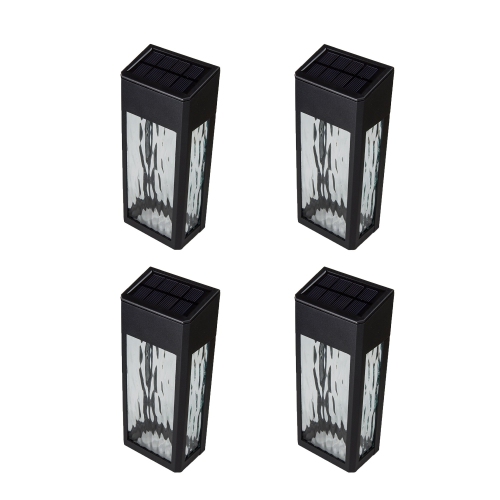 Your price for this item is $73.99
 -
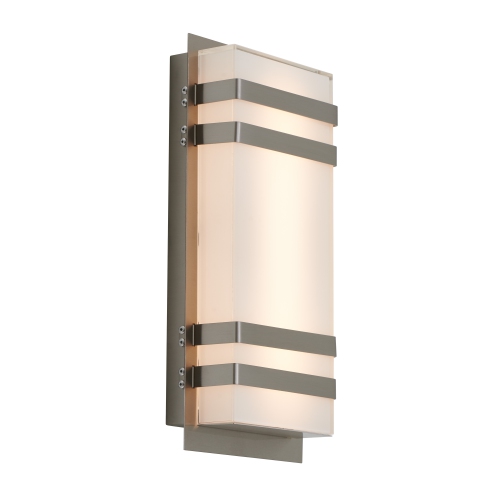 Your price for this item is $69.99
 -
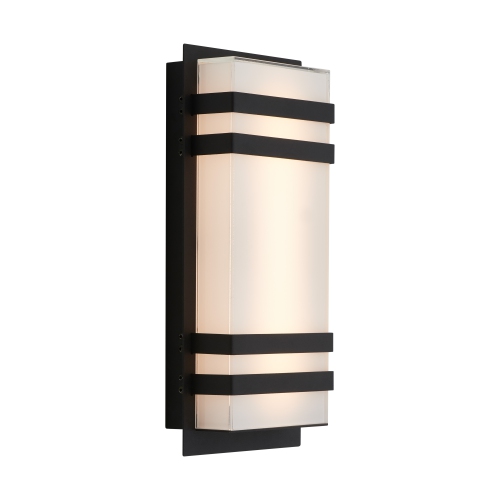 Your price for this item is $59.99
 -
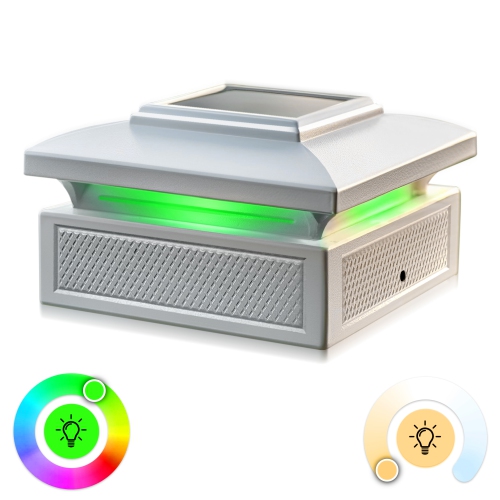 Your price for this item is $99.99
 -
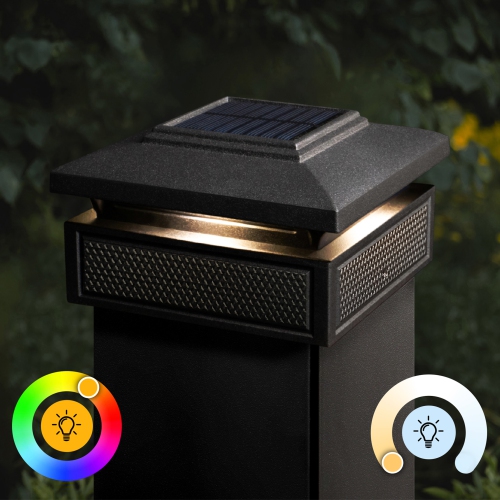 Your price for this item is $99.99
 -
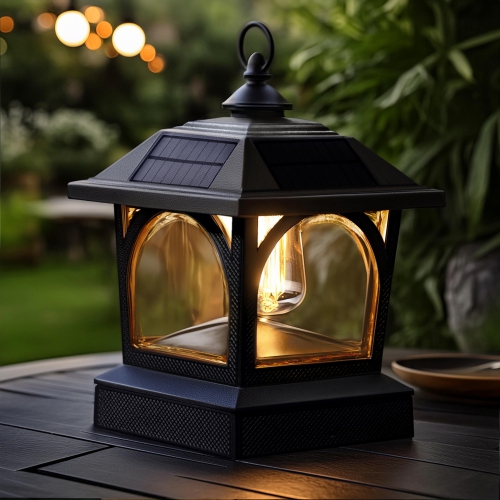 Your price for this item is $99.99
 -
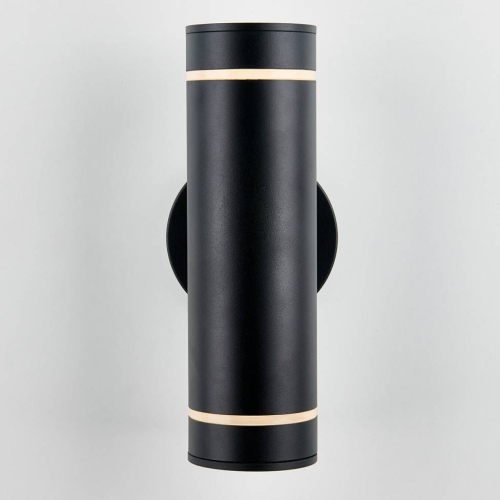 Your price for this item is $99
Discover more categories related to Solar Outdoor Lighting Fixtures
Top Collections:
Pokemon Centers, Kindle Devices, Best Budget Office Chairs, Apple iPhones 16, Best Laptops for Writers, iPhone 15 Apple, Canon G7X Cameras, Refurbished Apple Laptops, Alarm Clock, Motorola Razr Phones
Some products may be subject to Environmental Handling Fees
(EHF) depending on your province.
Learn more about EHFs.