Outdoor Lighting Fixtures
Brighten up your outdoor space with our selection of outdoor lighting fixtures. Whether you're looking to enhance your home's curb appeal, create a cozy ambiance for evening gatherings, or ensure safety and security around your property, we have the perfect lighting solutions for you. From stylish wall sconces to functional floodlights and pathway lighting, our collection offers a variety of options to suit every style and need. Illuminate your outdoor area with ease and add a touch of charm to your exterior decor with our quality outdoor lighting fixtures.
Sort
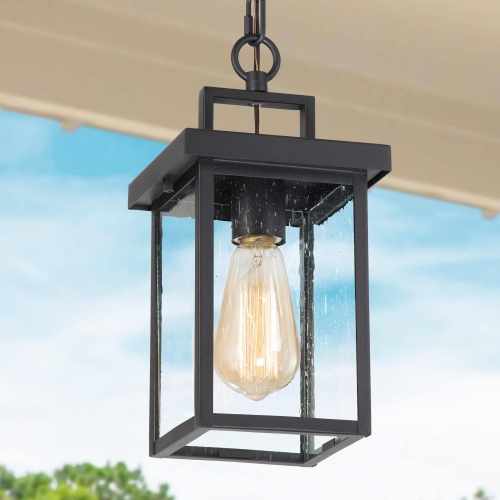
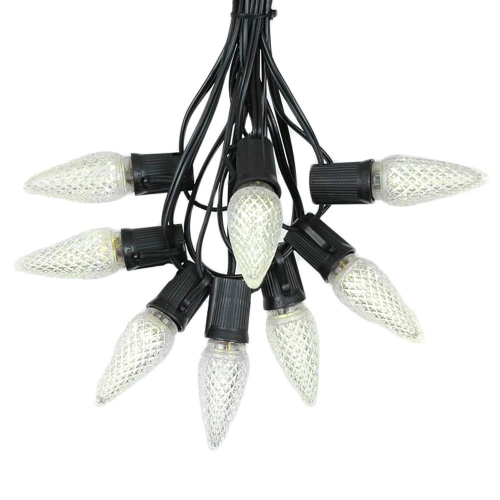
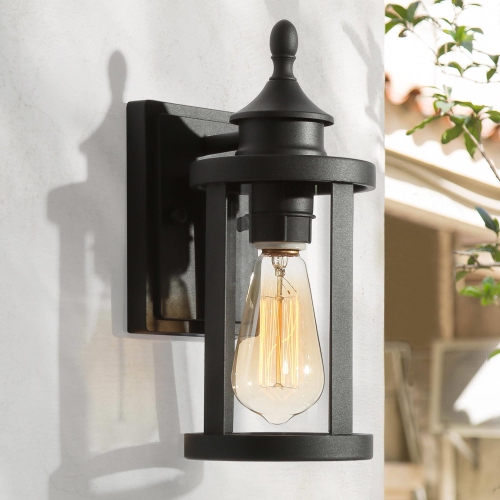
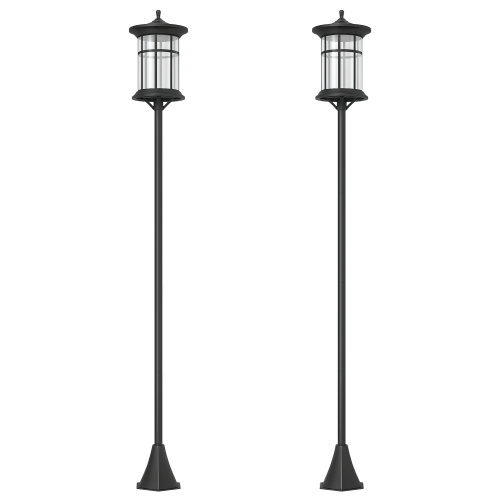
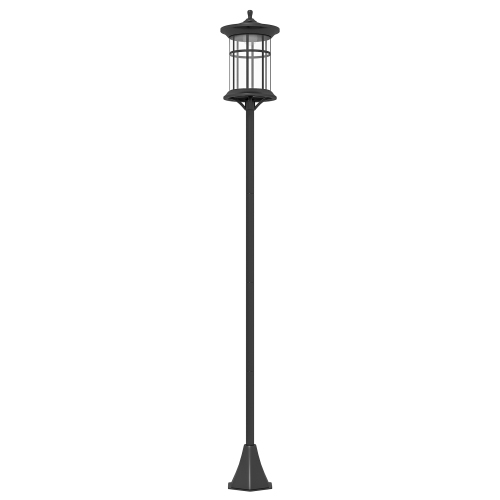
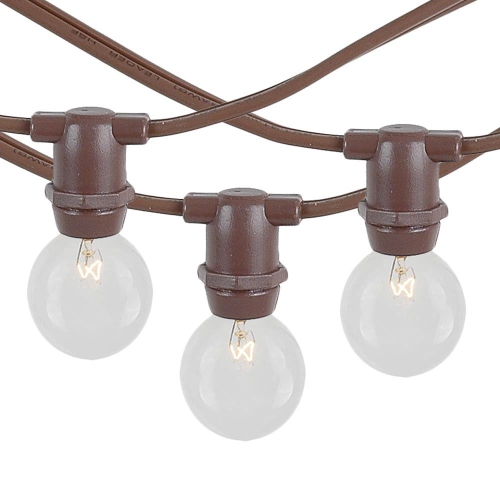
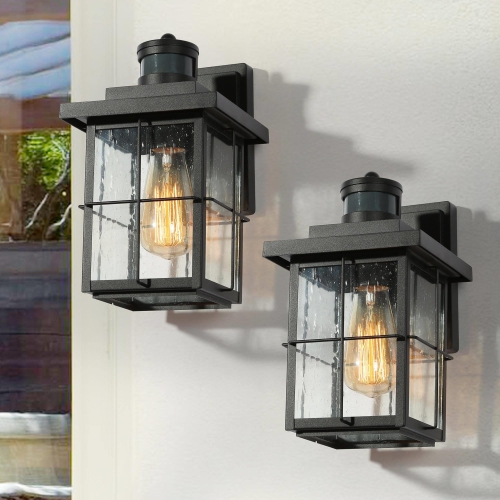
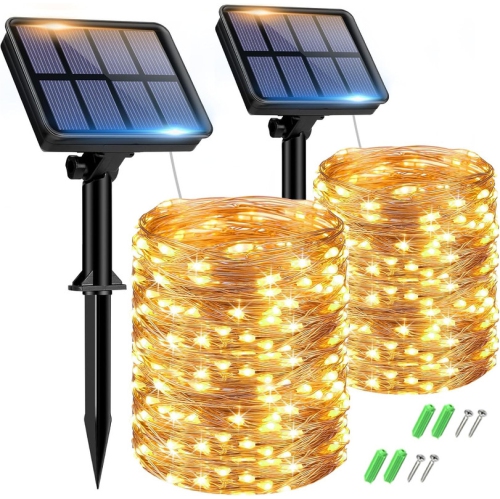




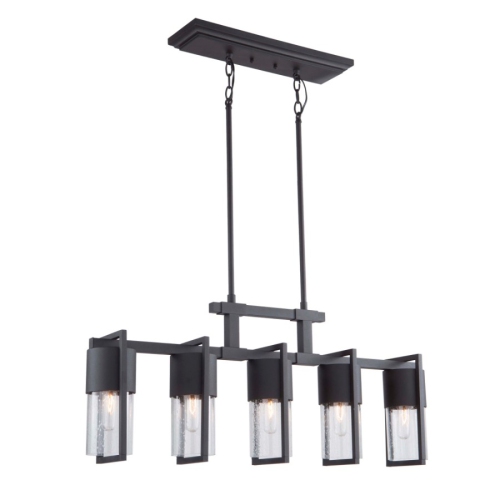
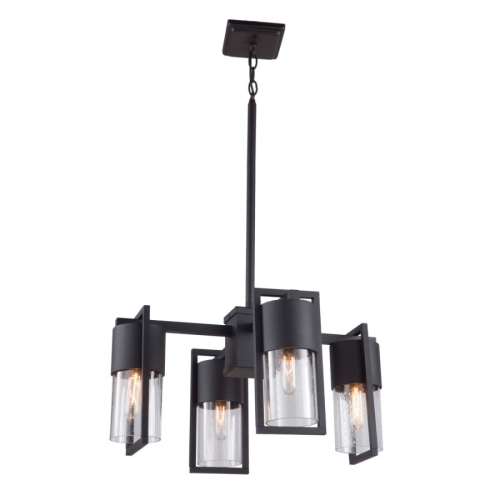
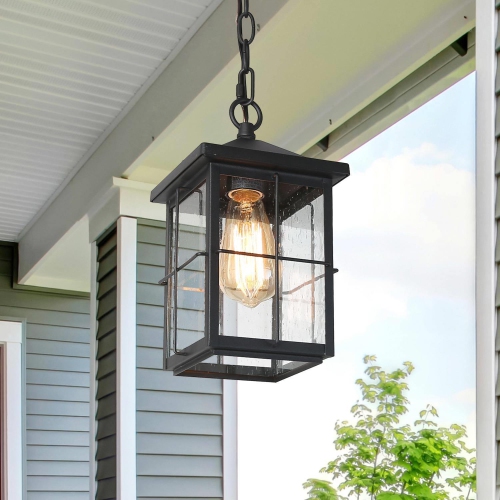
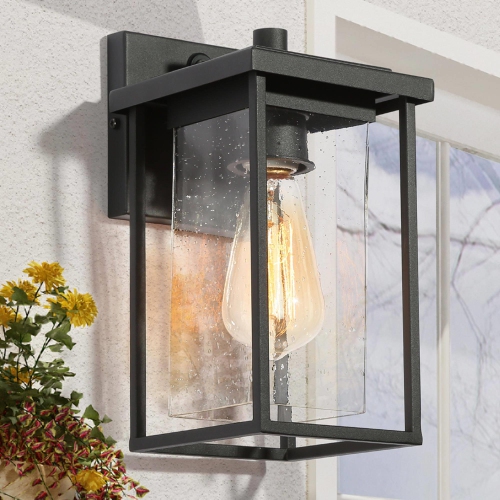

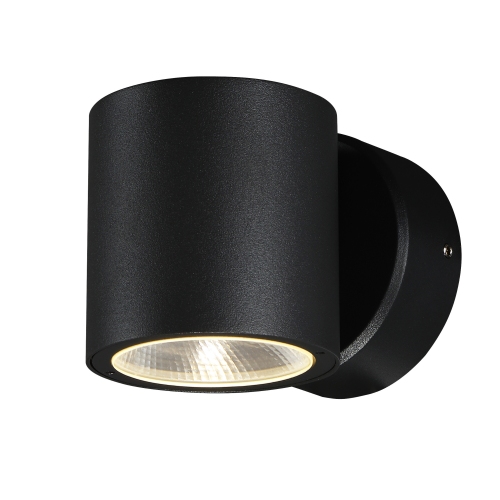
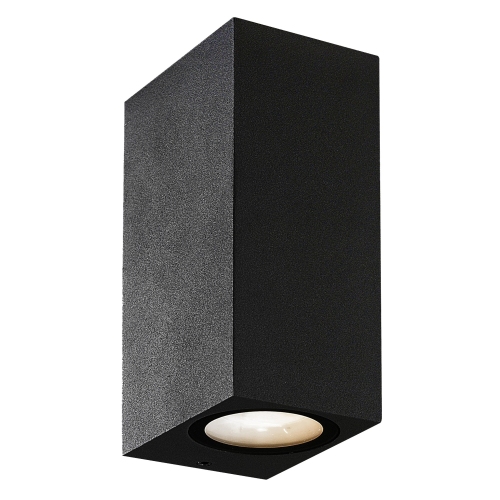
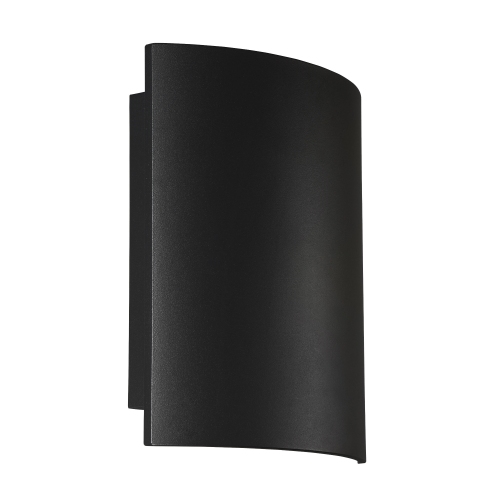
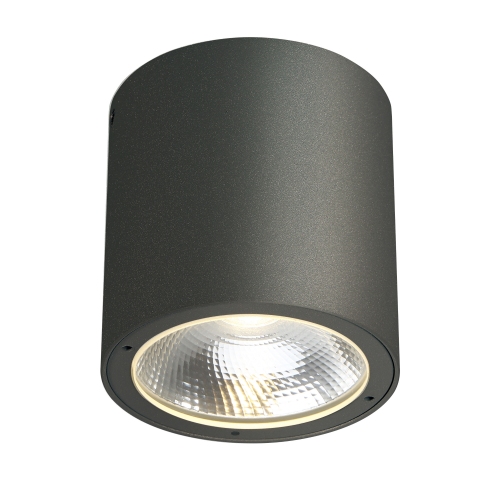



The right light depends on where it shines
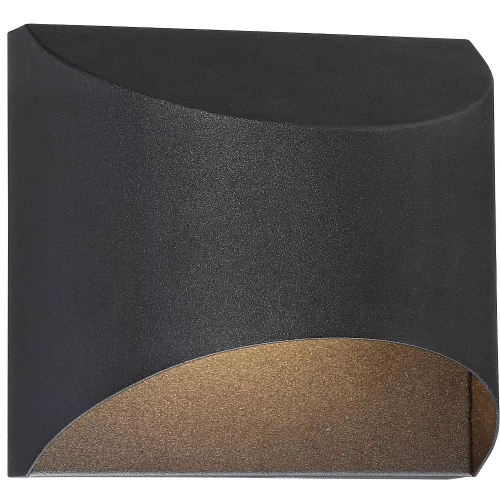
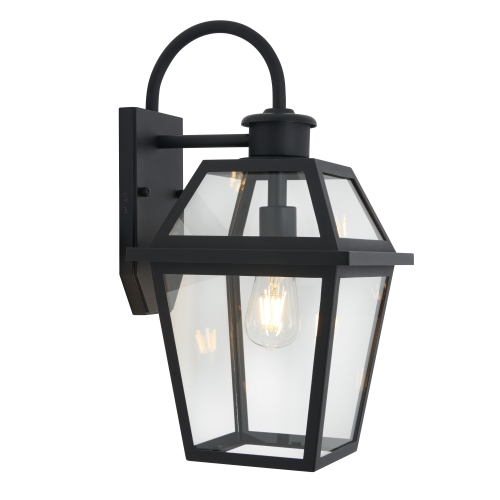
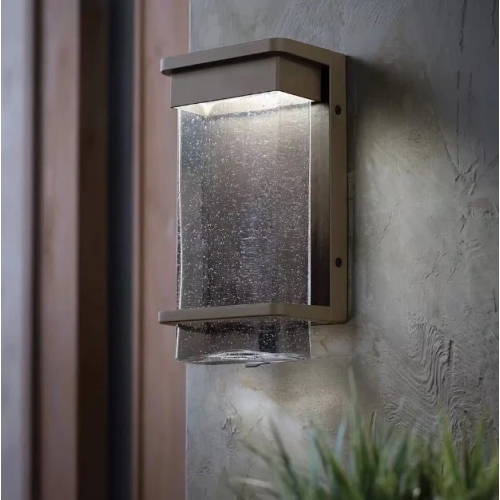
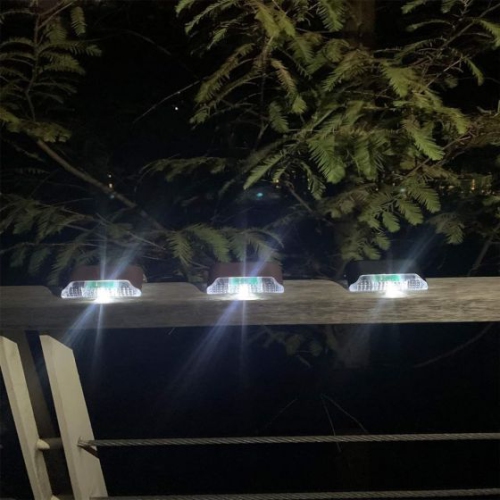
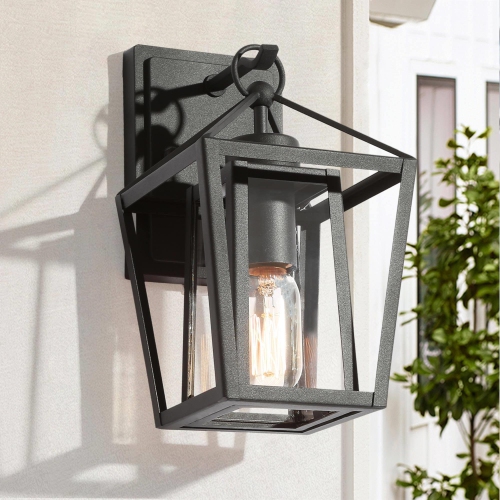
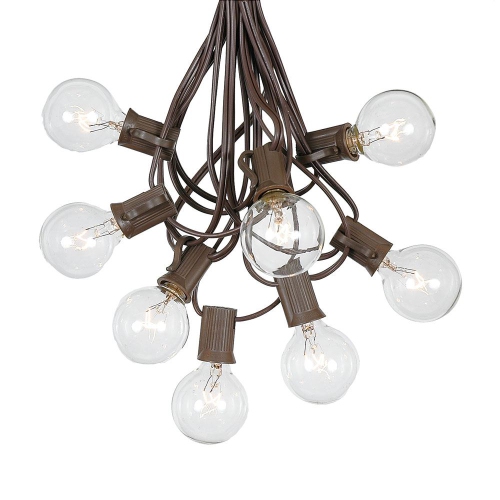
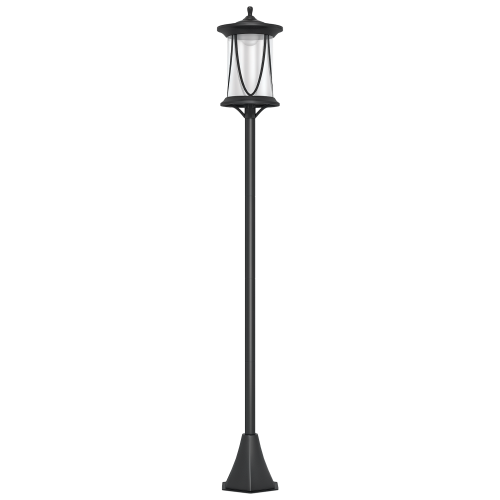
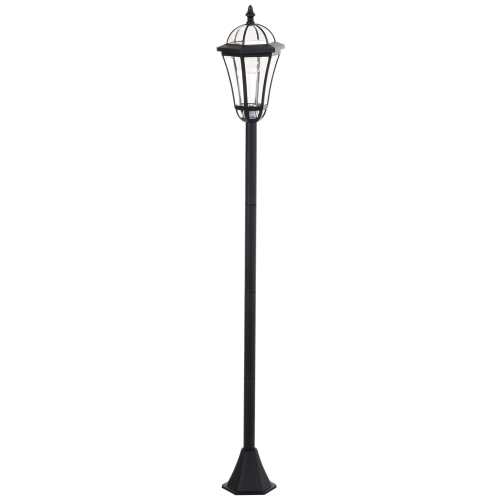
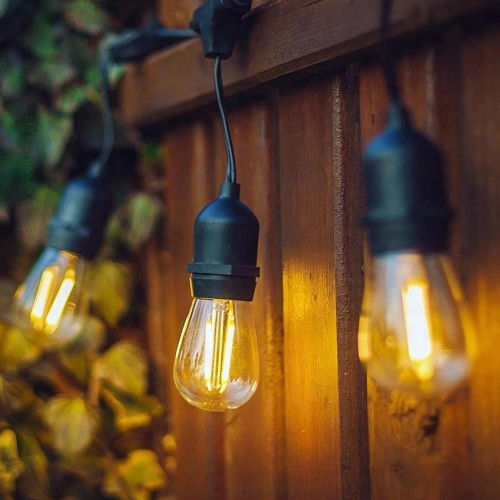
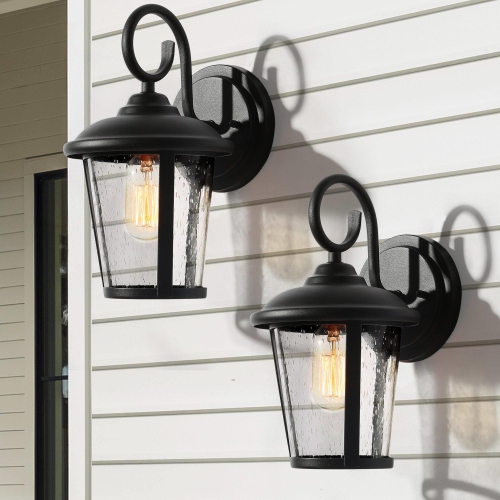
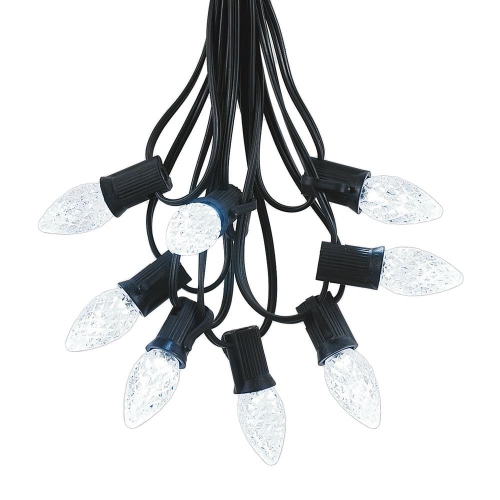
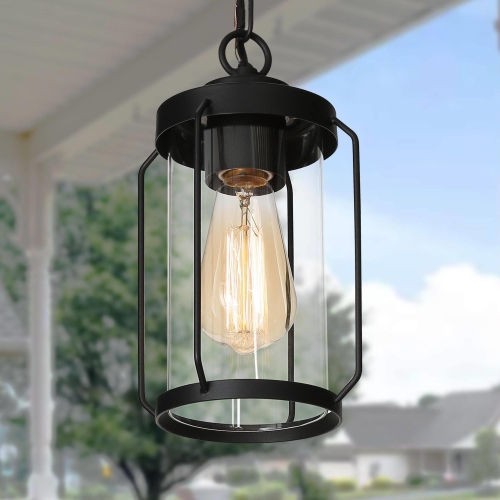
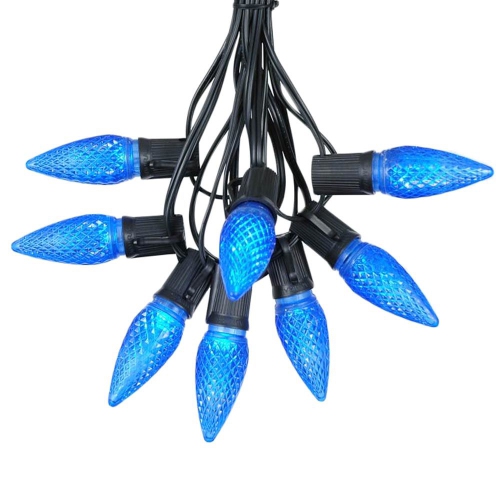
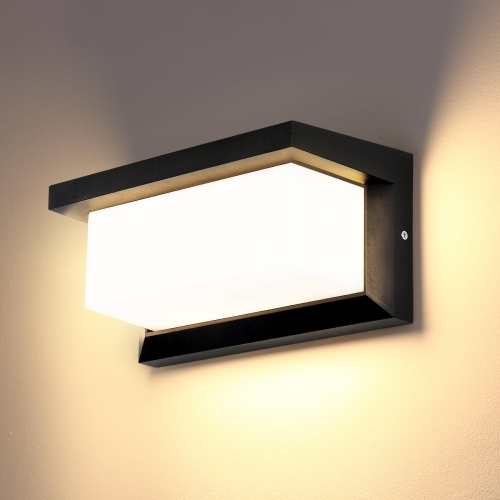
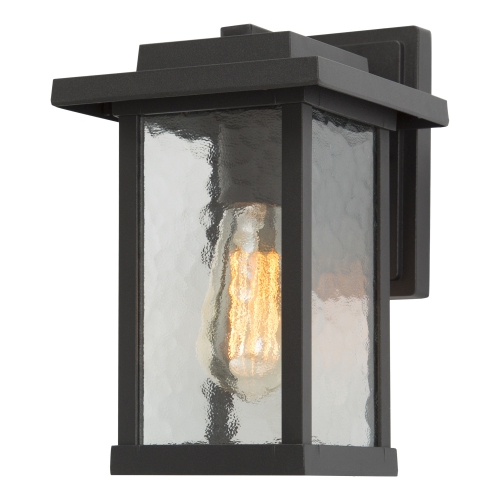
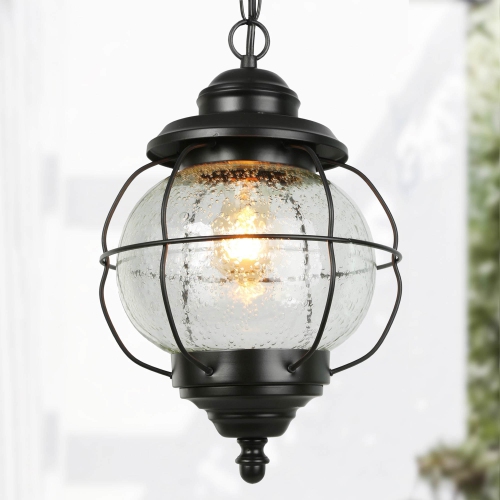
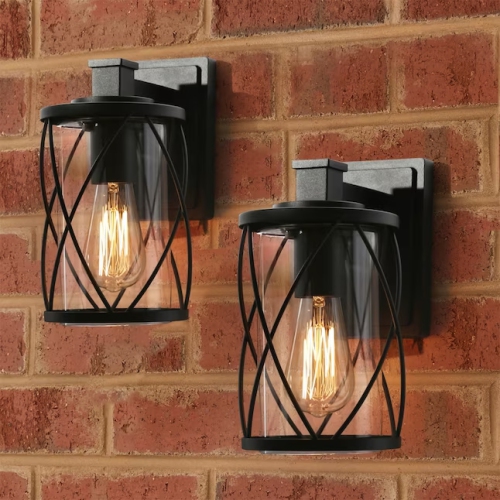
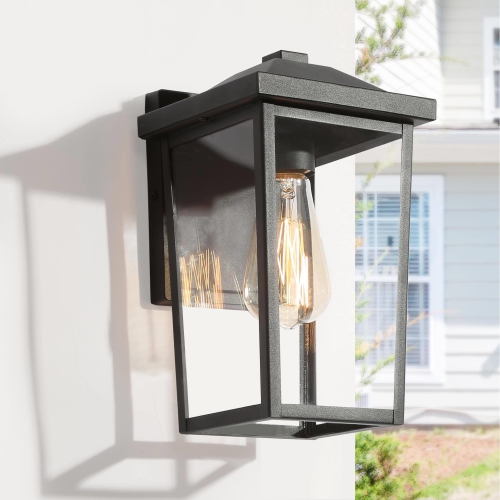
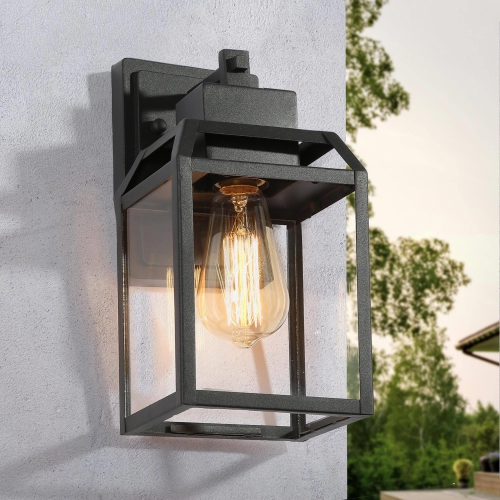
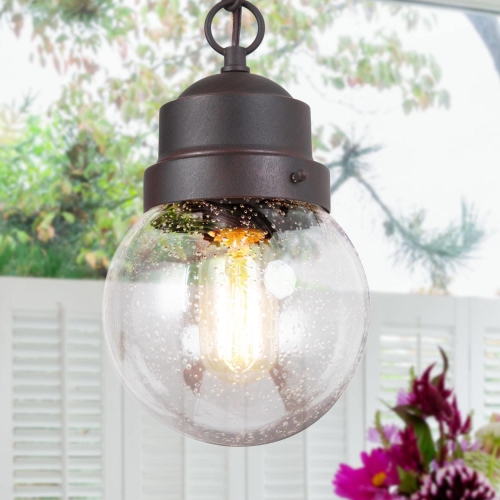
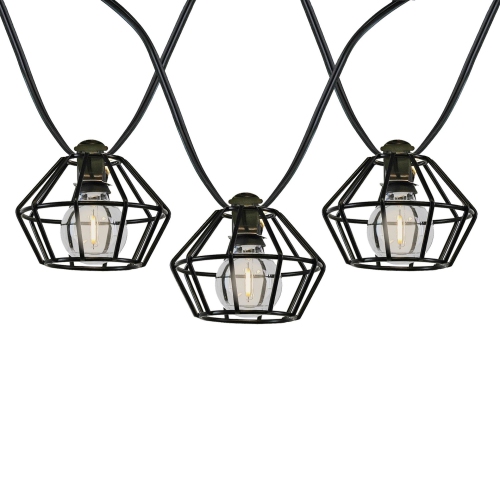
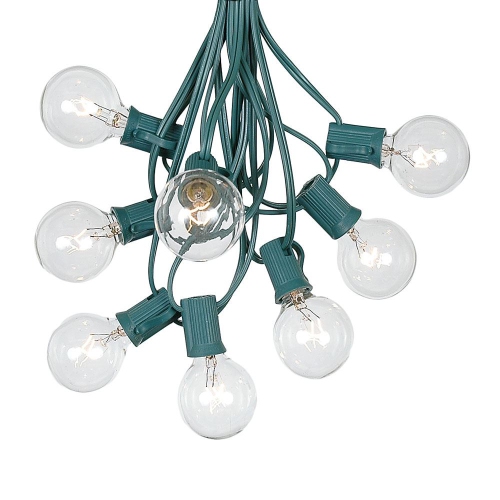
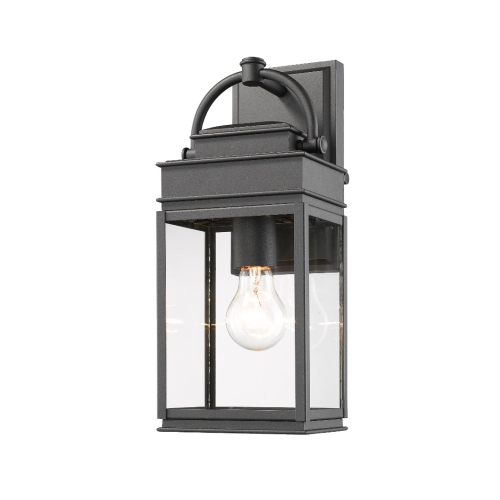
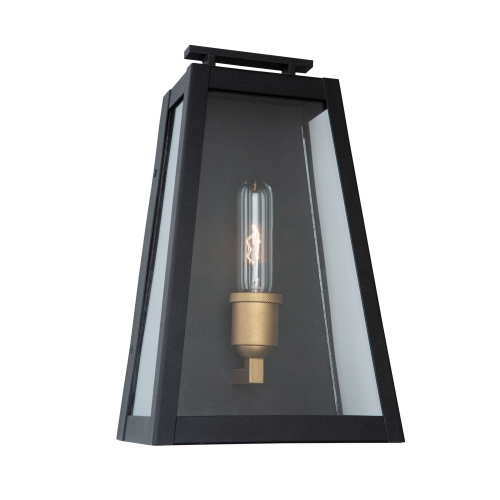
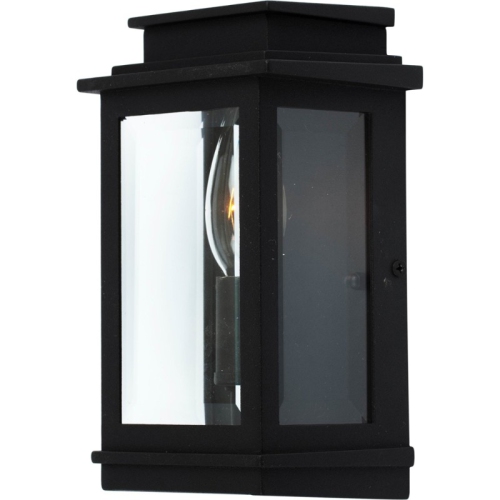
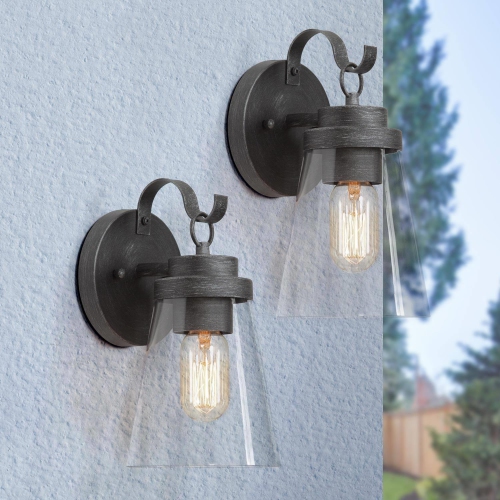
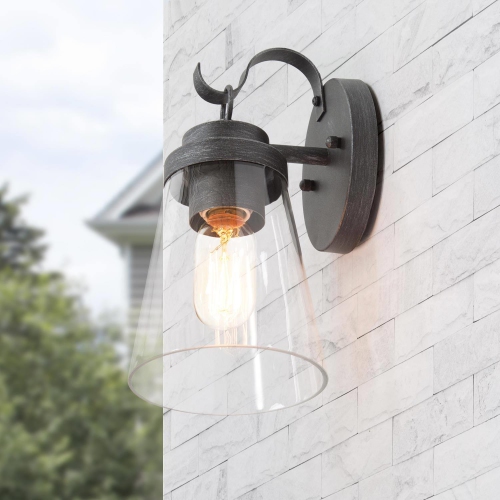
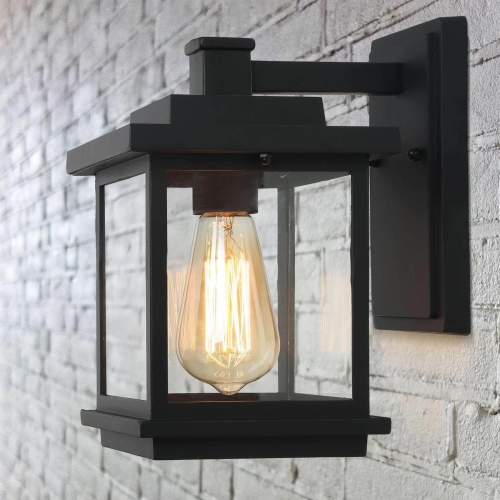
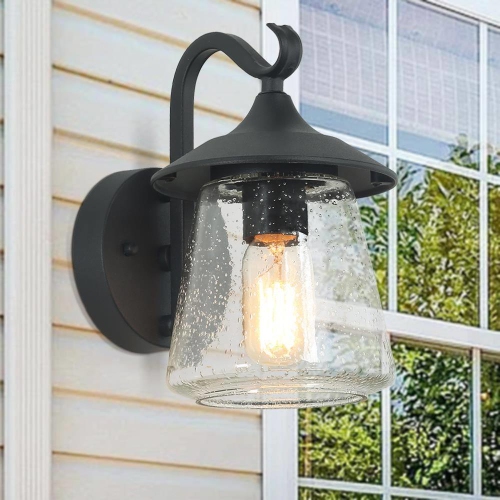
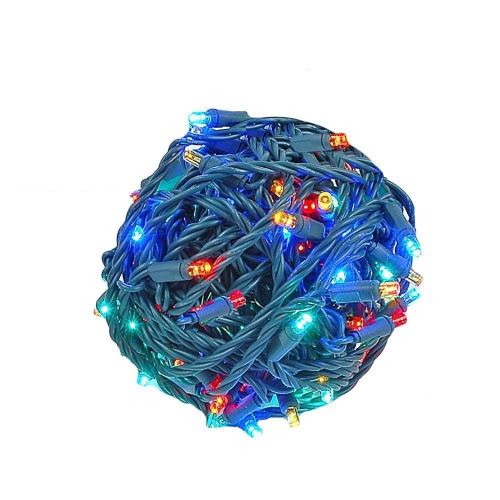
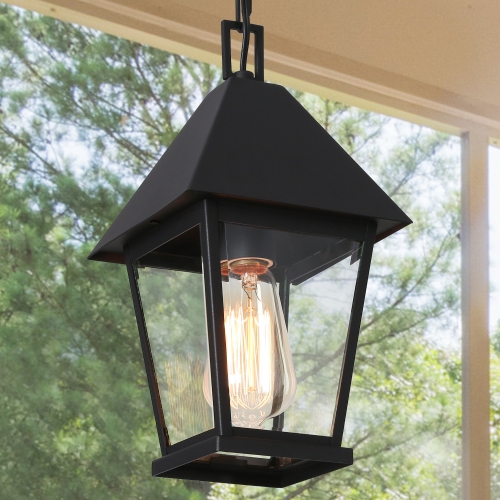
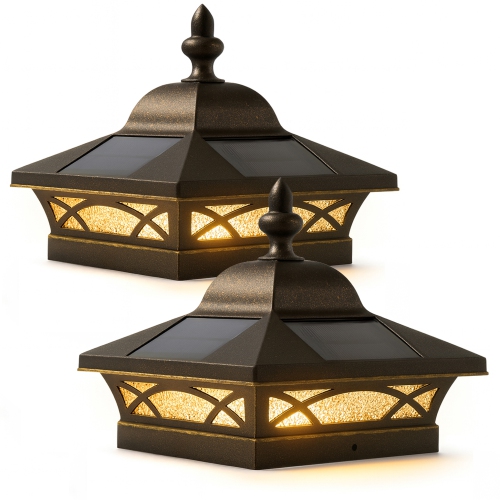
Outdoor lighting fixtures bring definition to entrances, paths, patios, and other spaces around a home, making everyday tasks easier while highlighting the architecture. A wall light beside the front door can illuminate a lock and house number; a pair of sconces beside a garage can frame a broad exterior wall; and low-mounted pathway lights can help distinguish a walking surface from a garden bed. Each location calls for a different balance of brightness, beam direction, and scale. Porch lights generally work best when they cast useful light near the threshold without shining directly into someone’s eyes. Floodlights provide wider coverage for driveways and side yards, while spotlights direct narrower beams toward features such as a tree, stone wall, or address sign. Pendant lights and flush-mount fixtures suit covered entrances when their outdoor rating, mounting requirements, and clearance fit the space. For wall-mounted entry lights, a fixture height of roughly one-quarter to one-third of the door’s height is a common starting point, rather than a fixed rule. A narrow doorway, sidelights, nearby windows, and the amount of mounting space can all affect the proportions. Checking the fixture’s width and projection matters just as much: a substantial lantern should not interfere with a screen door or extend into a passageway. Style can connect these practical choices to the rest of the home. Simple rectangular forms complement clean architectural lines, traditional lantern shapes work well with panelled doors and brickwork, and rounded shades soften the appearance of an entrance. Clear glass keeps the bulb visible and creates a crisp appearance, whereas frosted glass diffuses light and helps reduce glare. Coordinating exterior finishes with door hardware, railings, and nearby Home Lighting Fixtures can create a cohesive look without requiring every fitting to match exactly. For homeowners refreshing an entrance or furnishing a patio, a fixture’s daytime appearance deserves consideration alongside the light it casts after dark.
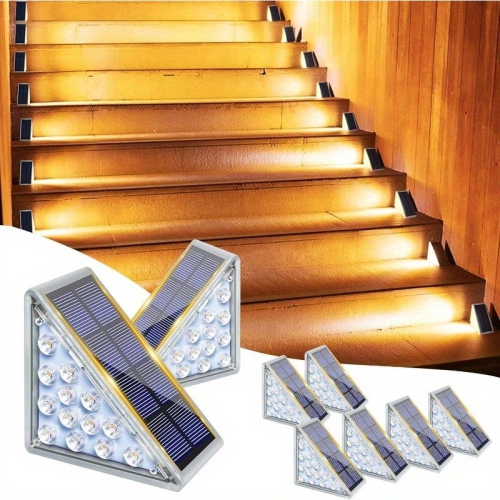
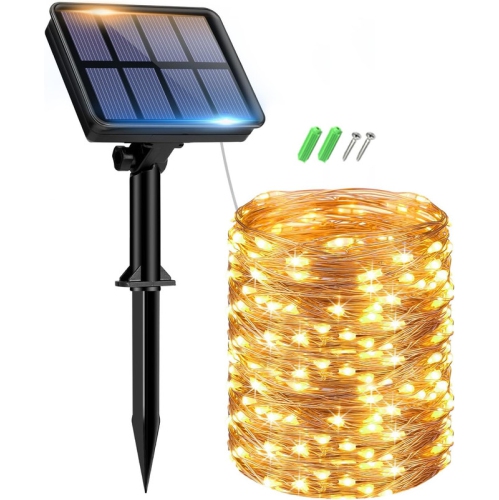
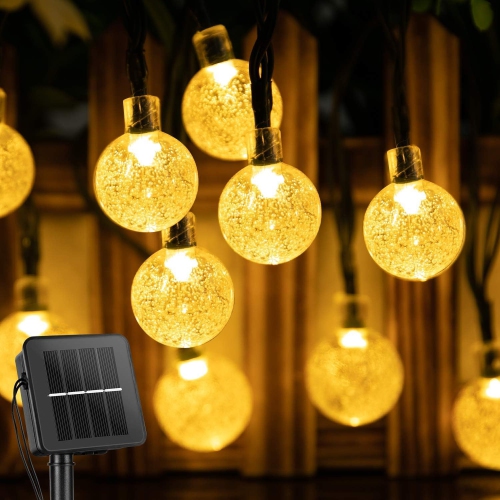
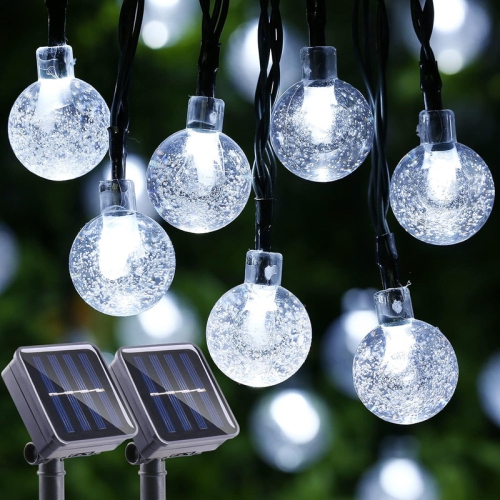
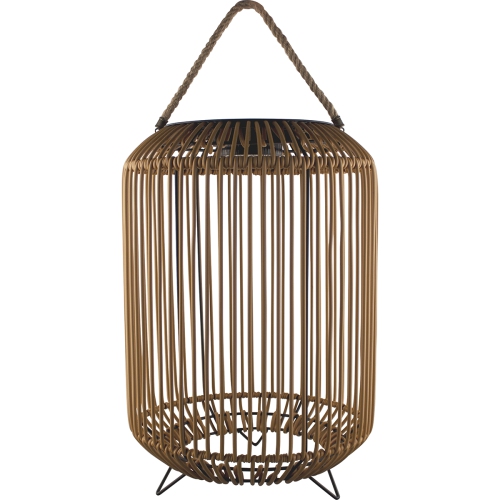
Materials, construction, and outdoor ratings determine where a light belongs and how much attention it may need over time. Powder-coated aluminum is often used for exterior fixtures because it is relatively lightweight and resists corrosion, although damaged coatings can leave the underlying surface exposed. Stainless steel, brass, and suitable outdoor-rated plastics offer other combinations of appearance, weight, and maintenance requirements; durability depends on the grade, finish, and construction rather than the material name alone. Glass panels should sit securely in their frames, and seals, covers, and mounting hardware should be designed for the intended placement. A damp-location rating generally suits protected areas that experience moisture but not direct water exposure, while a wet-location rating is appropriate where rain or splashing can reach the fixture. A roof overhead does not automatically make every mounting position sheltered, particularly near the edge of an open porch. Product specifications should also support the temperatures expected at the installation site. Power source affects both placement and installation. Hardwired outdoor lights connect to the home’s electrical system and offer a permanent solution for entrances, garages, and covered outdoor living areas. Installation needs to meet local electrical requirements and may require a licensed electrical contractor. Low-voltage landscape lighting uses a compatible transformer and outdoor-rated cable, making it useful for a series of path lights or garden accents; transformer capacity and cable length need to suit the complete layout. Solar-powered lights allow placement without a cable connection, but their performance depends on sunlight reaching the panel, battery condition, and the selected operating mode. Plug-in fixtures need an appropriate outdoor receptacle and a cable route that does not create a tripping hazard. For renters or anyone working within a shared property, mounting permissions and access to power can narrow the options. Routine care is usually straightforward: disconnect power as directed, remove accumulated dirt with a soft cloth, and use cleaning methods approved for the finish. Keeping lenses and solar panels clear helps preserve light output, while occasional checks for loose fittings, damaged seals, or cable wear can identify maintenance needs.
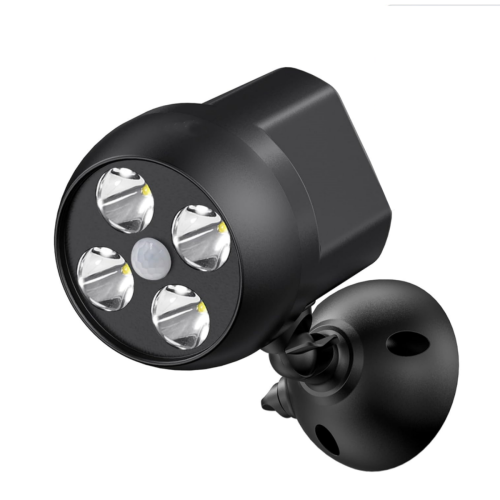
Light output and controls shape how comfortable and useful an outdoor space feels. Lumens describe the amount of visible light a source produces, while watts describe power consumption, so wattage alone is not a reliable brightness comparison across different lighting technologies. As broad starting points, individual pathway lights may provide around 100–200 lumens, and a security floodlight may provide around 700–1,300 lumens, but these ranges are not universal requirements. Mounting height, beam spread, spacing, surface colour, and the size of the area all influence the result. A dark brick wall absorbs more light than pale siding, and a narrow beam concentrates output differently from a wide flood. Several modest path lights can provide more useful definition along a curved walkway than one bright light at its end. Around seating areas, shielded fixtures and diffused light help keep faces visible without making conversation feel like standing beneath a spotlight. Colour temperature, measured in kelvins, also affects the appearance: light around 2700–3000 K tends to feel warm and welcoming, while light around 4000 K appears more neutral. Consistent colour temperature across neighbouring fixtures usually gives an entrance a more deliberate finish. Motion sensors are useful beside garages, gates, and side passages where light is needed when someone approaches; adjustable detection zones and timers help tailor their behaviour to the property. Dusk-to-dawn controls respond to ambient light, while compatible smart outdoor lighting can offer schedules, remote operation, and dimming. Wi-Fi models need adequate signal strength at their installed location, and some connected systems require a separate hub. Replaceable-bulb fixtures allow changes within the manufacturer’s stated bulb type and wattage limits, whereas integrated LED fixtures have a built-in light source whose serviceability varies by design. Dimmers, bulbs, sensors, and enclosed housings must be compatible with one another. Thoughtful positioning completes the setup: direct light toward steps, locks, and walking routes, rather than neighbouring windows or the street. The most useful outdoor lighting makes the intended area easy to navigate while preserving a comfortable view from the doorway, the patio chair, and inside the home.
Materials, construction, and outdoor ratings determine where a light belongs and how much attention it may need over time. Powder-coated aluminum is often used for exterior fixtures because it is relatively lightweight and resists corrosion, although damaged coatings can leave the underlying surface exposed. Stainless steel, brass, and suitable outdoor-rated plastics offer other combinations of appearance, weight, and maintenance requirements; durability depends on the grade, finish, and construction rather than the material name alone. Glass panels should sit securely in their frames, and seals, covers, and mounting hardware should be designed for the intended placement. A damp-location rating generally suits protected areas that experience moisture but not direct water exposure, while a wet-location rating is appropriate where rain or splashing can reach the fixture. A roof overhead does not automatically make every mounting position sheltered, particularly near the edge of an open porch. Product specifications should also support the temperatures expected at the installation site. Power source affects both placement and installation. Hardwired outdoor lights connect to the home’s electrical system and offer a permanent solution for entrances, garages, and covered outdoor living areas. Installation needs to meet local electrical requirements and may require a licensed electrical contractor. Low-voltage landscape lighting uses a compatible transformer and outdoor-rated cable, making it useful for a series of path lights or garden accents; transformer capacity and cable length need to suit the complete layout. Solar-powered lights allow placement without a cable connection, but their performance depends on sunlight reaching the panel, battery condition, and the selected operating mode. Plug-in fixtures need an appropriate outdoor receptacle and a cable route that does not create a tripping hazard. For renters or anyone working within a shared property, mounting permissions and access to power can narrow the options. Routine care is usually straightforward: disconnect power as directed, remove accumulated dirt with a soft cloth, and use cleaning methods approved for the finish. Keeping lenses and solar panels clear helps preserve light output, while occasional checks for loose fittings, damaged seals, or cable wear can identify maintenance needs.
Light output and controls shape how comfortable and useful an outdoor space feels. Lumens describe the amount of visible light a source produces, while watts describe power consumption, so wattage alone is not a reliable brightness comparison across different lighting technologies. As broad starting points, individual pathway lights may provide around 100–200 lumens, and a security floodlight may provide around 700–1,300 lumens, but these ranges are not universal requirements. Mounting height, beam spread, spacing, surface colour, and the size of the area all influence the result. A dark brick wall absorbs more light than pale siding, and a narrow beam concentrates output differently from a wide flood. Several modest path lights can provide more useful definition along a curved walkway than one bright light at its end. Around seating areas, shielded fixtures and diffused light help keep faces visible without making conversation feel like standing beneath a spotlight. Colour temperature, measured in kelvins, also affects the appearance: light around 2700–3000 K tends to feel warm and welcoming, while light around 4000 K appears more neutral. Consistent colour temperature across neighbouring fixtures usually gives an entrance a more deliberate finish. Motion sensors are useful beside garages, gates, and side passages where light is needed when someone approaches; adjustable detection zones and timers help tailor their behaviour to the property. Dusk-to-dawn controls respond to ambient light, while compatible smart outdoor lighting can offer schedules, remote operation, and dimming. Wi-Fi models need adequate signal strength at their installed location, and some connected systems require a separate hub. Replaceable-bulb fixtures allow changes within the manufacturer’s stated bulb type and wattage limits, whereas integrated LED fixtures have a built-in light source whose serviceability varies by design. Dimmers, bulbs, sensors, and enclosed housings must be compatible with one another. Thoughtful positioning completes the setup: direct light toward steps, locks, and walking routes, rather than neighbouring windows or the street. The most useful outdoor lighting makes the intended area easy to navigate while preserving a comfortable view from the doorway, the patio chair, and inside the home.
Top selling and popular products
-
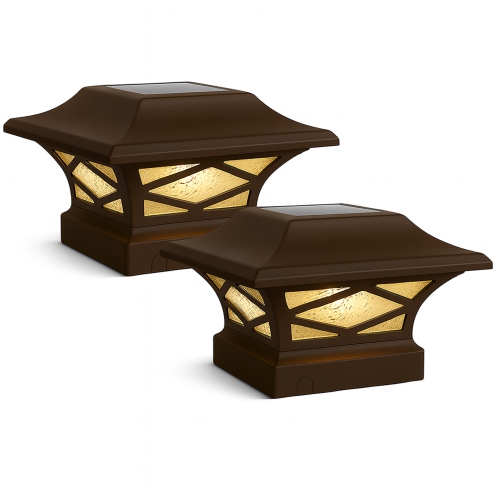 Your price for this item is $99.99
 -
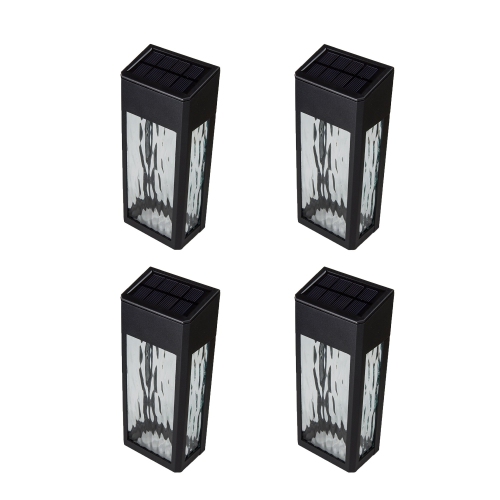 Your price for this item is $73.99
 -
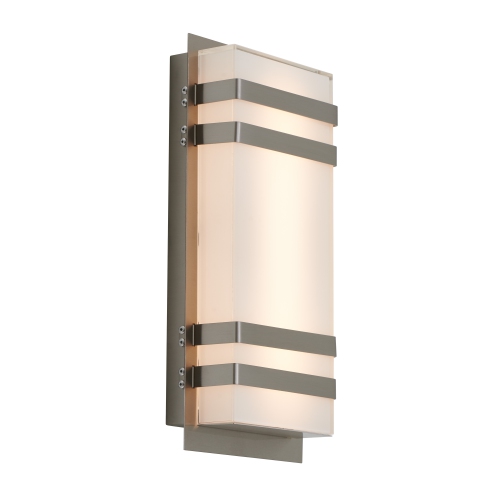 Your price for this item is $69.99
 -
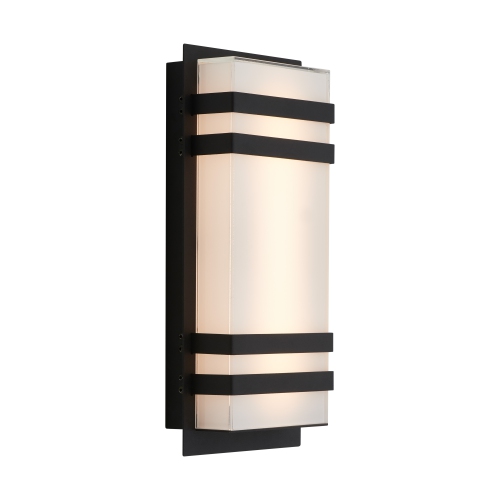 Your price for this item is $59.99
 -
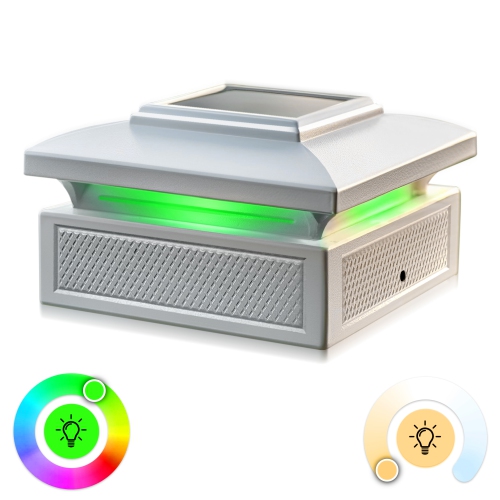 Your price for this item is $99.99
 -
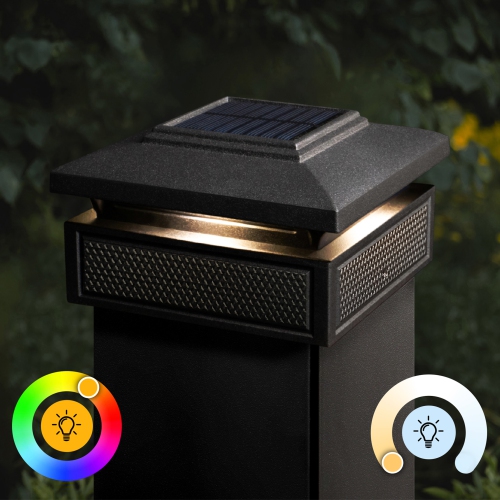 Your price for this item is $99.99
 -
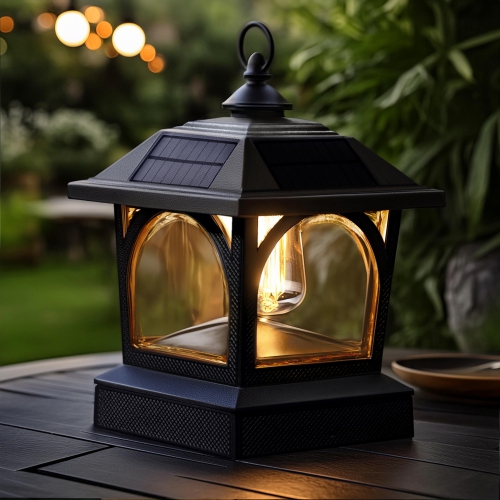 Your price for this item is $99.99
 -
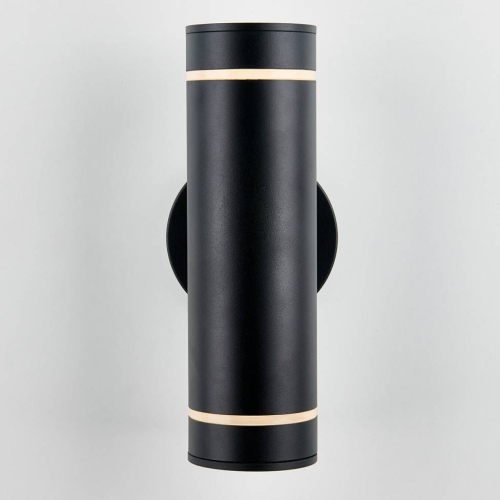 Your price for this item is $99
Discover more categories related to Outdoor Lighting Fixtures
Top Collections:
Pokemon Centers, Kindle Devices, Best Budget Office Chairs, Apple iPhones 16, Best Laptops for Writers, iPhone 15 Apple, Canon G7X Cameras, Refurbished Apple Laptops, Alarm Clock, Motorola Razr Phones
Some products may be subject to Environmental Handling Fees
(EHF) depending on your province.
Learn more about EHFs.