Solid Pine Garden Furniture
Solid pine garden furniture brings natural charm and timeless appeal to any outdoor space. With its classic look and sturdy construction, solid pine is a popular choice for creating inviting patios, decks, and gardens. Whether you're looking to entertain guests or enjoy quiet moments outside, solid pine garden furniture offers versatile options to enhance your outdoor living area. Discover a range of styles designed to complement both traditional and modern settings, making it easy to find the perfect fit for your home.
Sort


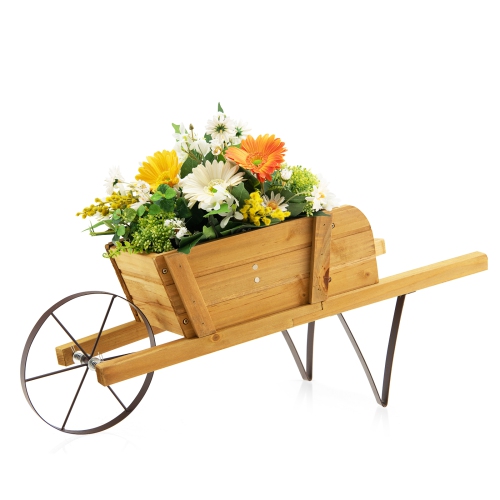
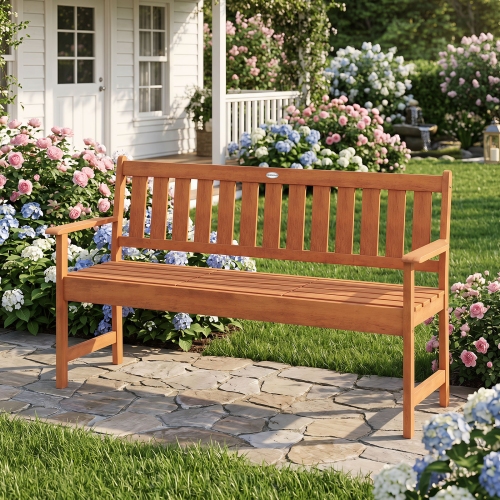

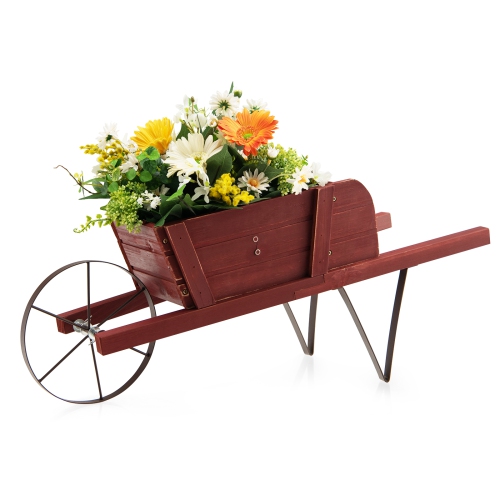


What pine needs to feel at home outdoors
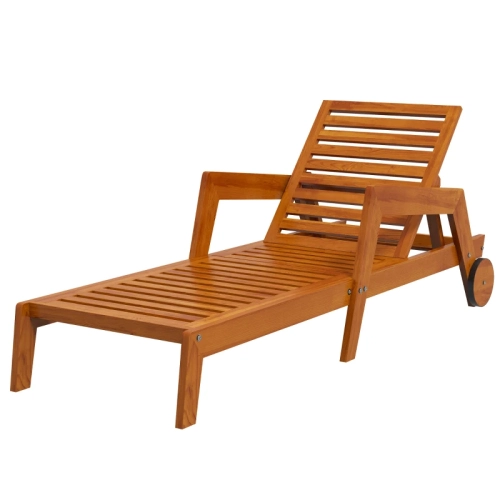
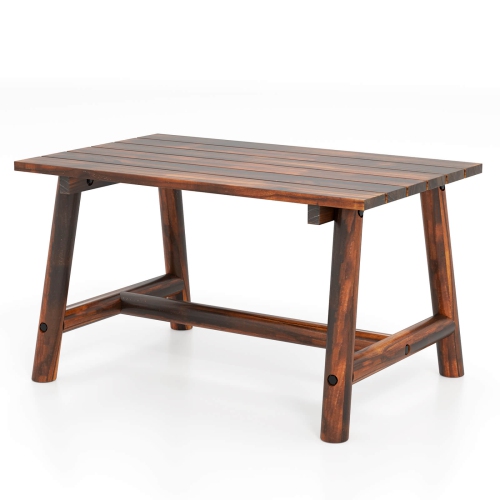
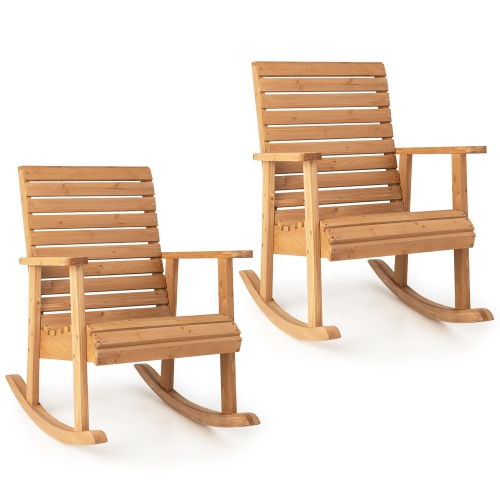
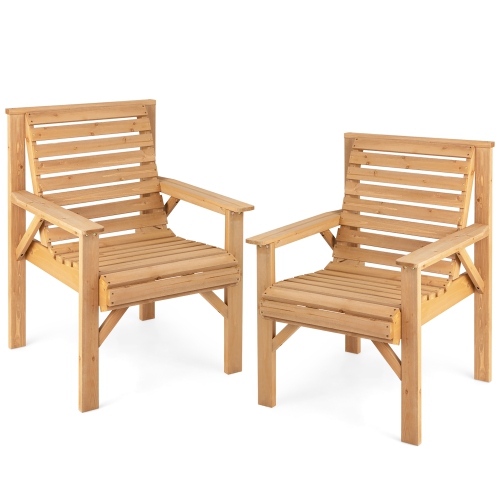
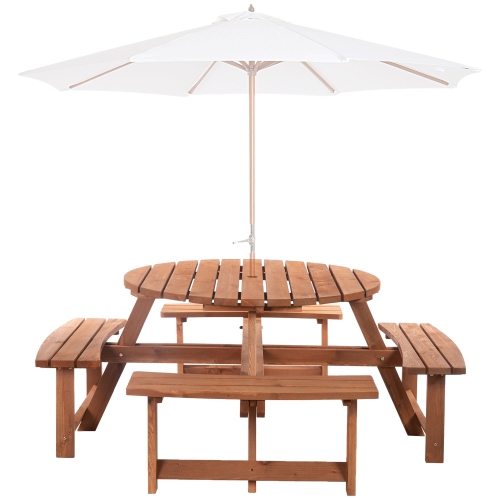
Solid pine garden furniture brings the texture of real wood to outdoor dining areas, patios, and garden seating spaces. Made with pine timber rather than a wood-look surface over a composite core, it has visible grain, occasional knots, and natural variations that give each piece its own character. Pine is a softwood, so it can pick up dents and scratches more readily than some harder woods, but sound construction and an appropriate outdoor finish can make it a practical choice for everyday use. Its appearance suits a range of settings: a clear or lightly tinted finish lets the grain show beside stone paving and leafy borders, while an opaque painted finish creates a more uniform look against a deck or brick wall. Solid pine does not necessarily mean that every component is pine, so material descriptions are worth checking for the tabletop, frame, legs, and any metal fittings. The distinction between indoor pine furniture and outdoor-rated pine furniture is particularly important. Untreated pine absorbs moisture and is vulnerable to decay when repeatedly left wet. Pressure treatment can improve resistance to fungal decay, while a suitable exterior coating helps limit moisture absorption; neither makes the wood waterproof or removes the need for care. Kiln-dried pine has had its moisture content reduced before manufacture, but kiln drying alone does not establish that furniture is suitable for outdoor exposure. For garden use, the treatment, finish, joinery, and drainage details matter more than the description of the wood alone. Slatted seats and tabletops can allow water to drain, while sturdy joints and well-supported legs help furniture feel steady during ordinary use. Pine also accepts many paints and stains, making it possible to refresh its appearance over time when the surface is prepared correctly and the coating is compatible with any existing treatment. For a consistent wood palette throughout a home, Solid Pine Furniture can bring similar warmth to indoor rooms, with each piece chosen for its intended setting.
The right solid pine garden furniture should fit both the space and the way it will be used. An outdoor dining arrangement needs room not just for a table and chairs, but also for people to pull out their seats and walk behind them without stepping into planting beds or blocking a doorway. Measuring the usable area helps distinguish a comfortable layout from one that looks suitable on paper but feels crowded in daily use. Include railings, steps, door swings, and fixed planters in those measurements, and check whether assembled furniture will pass through gates or narrow access routes. A bench along a garden path serves a different purpose from a deep seat intended for relaxed conversation. For brief rests, a straightforward seat may be enough; for longer periods, back support, armrests, and a seat height that allows feet to rest comfortably become more important. When cushions are used, their thickness changes the effective seat height and can reduce the space between the seat and armrests. Outdoor-rated cushion fabrics and removable covers can make routine care simpler, though cushions still benefit from dry storage when not in use. At a dining table, check that chair arms fit beneath the tabletop and that cross braces or table legs leave adequate knee room. The furniture should stand on a firm, reasonably level surface rather than soft soil that allows legs to sink unevenly. Weight capacity, assembly requirements, and the stability of the finished structure are useful details to review, especially for shared family spaces. Rounded edges can make movement around a compact patio more comfortable, while smooth, well-finished surfaces help reduce the chance of snagged clothing or splinters. Garden seating can also make a thoughtful housewarming gift for someone establishing an outdoor living area, provided the dimensions, style, and upkeep suit the recipient. A compact seating arrangement for morning coffee, a gathering place beside an outdoor dining area, and a quiet bench overlooking a garden each call for a different balance of comfort, footprint, and function.
Caring for solid pine garden furniture centres on keeping the wood clean, allowing it to dry, and maintaining its protective finish. Dust, pollen, fallen leaves, and food spills can collect between slats and around joints, where trapped debris may hold moisture against the surface. A soft brush or cloth and a mild cleaning solution suitable for the finish are usually gentler choices than abrasive cleaners. Follow the furniture maker’s cleaning directions, avoid saturating the wood unnecessarily, and let it dry thoroughly before replacing cushions or fitting a cover. High-pressure washing can roughen soft pine and damage coatings, so it should not be treated as a routine cleaning method. Inspect exposed surfaces for worn finish, peeling paint, rough patches, and areas where water no longer drains freely. Any refinishing should follow the coating manufacturer’s preparation and application instructions, including drying times and compatibility with previous finishes. Stains vary in how much grain they reveal, and clear coatings do not all provide the same protection against sunlight. Pine can also develop small surface checks as it absorbs and releases moisture; these are different from a loose joint or a crack that affects a load-bearing part. Periodically check fasteners and connections, tightening them according to the assembly instructions rather than forcing them beyond the specified fit. Rust-resistant hardware is useful outdoors, although it still needs inspection, particularly where water can collect. A well-fitted cover can reduce direct exposure to rain and debris, but it should allow airflow and should not trap dampness against the wood. Covered storage is helpful during prolonged periods of non-use, especially where snow, standing water, or repeated freezing and thawing could leave furniture wet for extended stretches. Keep feet out of puddles, avoid placing furniture directly on damp ground, and store cushions separately in a dry location. No treatment guarantees a fixed service life: exposure, construction, finish quality, and maintenance all influence durability. With the right placement and consistent care, solid pine garden furniture can remain a comfortable, character-filled part of an outdoor space.
Top selling and popular products
-
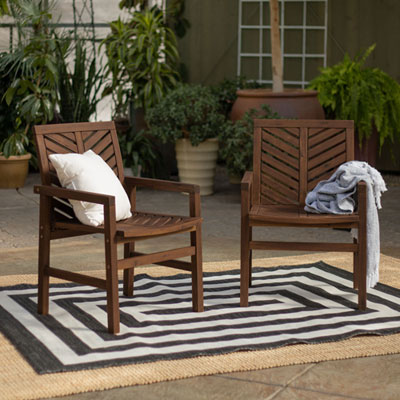 Your price for this item is $604.99
-
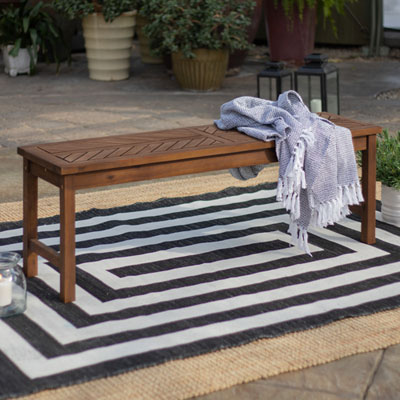 Your price for this item is $371.99
-
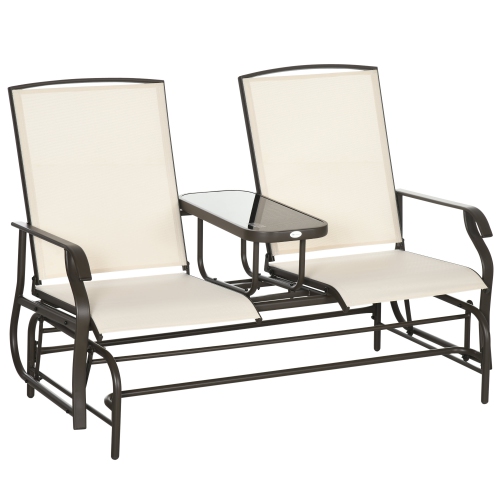 Your price for this item is $209.99
-
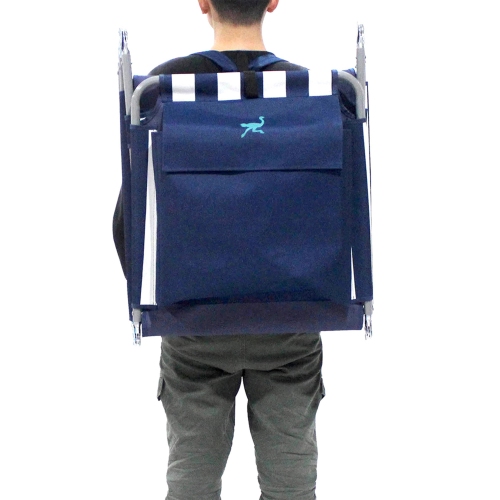 Your price for this item is $178.99
-
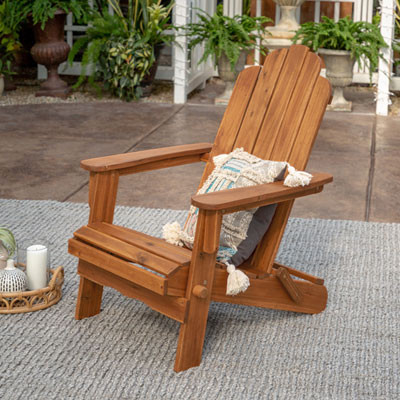 Your price for this item is $461.99
-
 Your price for this item is $342.99
-
 Your price for this item is $150.99
-
 Your price for this item is $193.99
Discover more categories related to Solid Pine Garden Furniture



Top Collections:
Pokemon Centers, Best Budget Office Chairs, Kindle Devices, Best Cameras for Sports Photography, Pokémon 30th Celebration Cards, Best Laptops for Writers, Canon G7X Cameras, iPhone 15 Apple, Best Cell Phones Under $300, Apple iPhones 16
Some products may be subject to Environmental Handling Fees
(EHF) depending on your province.
Learn more about EHFs.