Solid Wood Dining Chairs
Enhance your dining experience with the timeless elegance and durability of solid wood dining chairs. Whether you prefer a classic or contemporary look, our wide selection of solid wood dining chairs ensures there is a perfect match for every taste and decor. Explore our collection of chairs to find the perfect fit for your dining space.
Sort


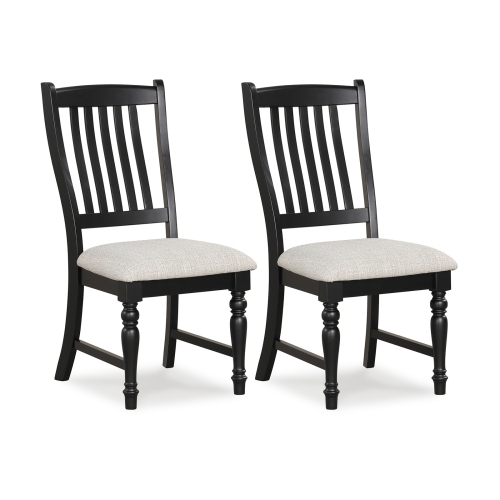
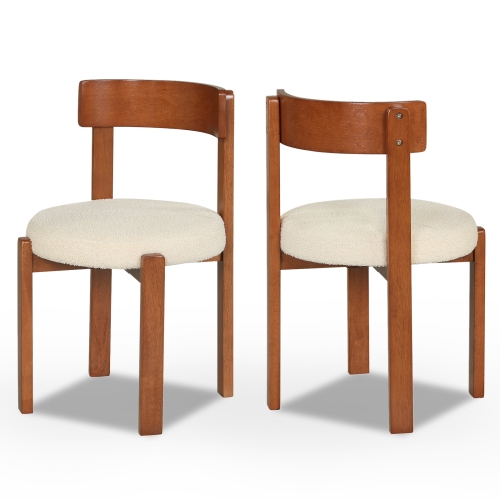


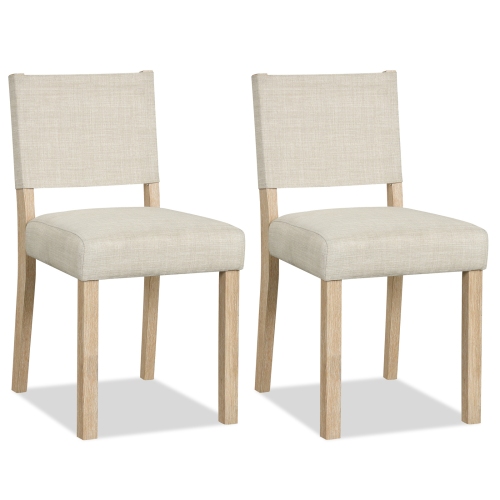

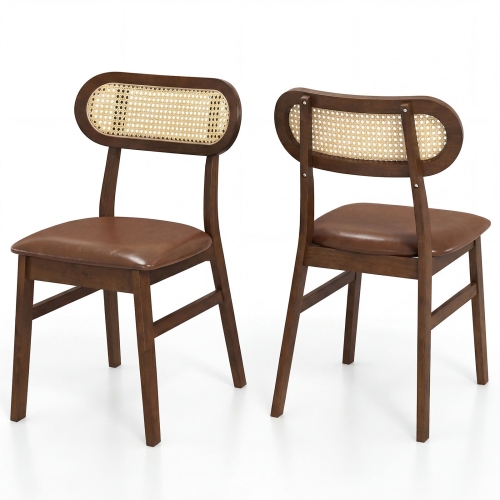

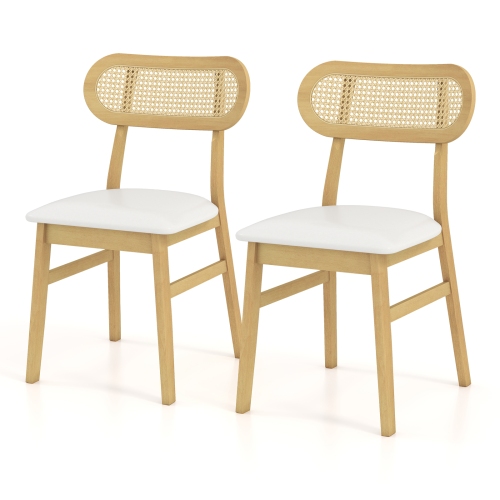
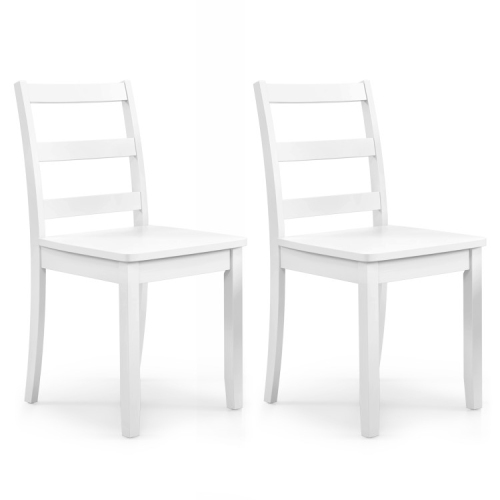


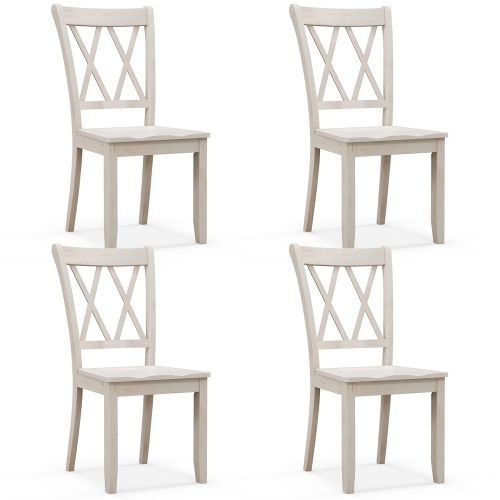

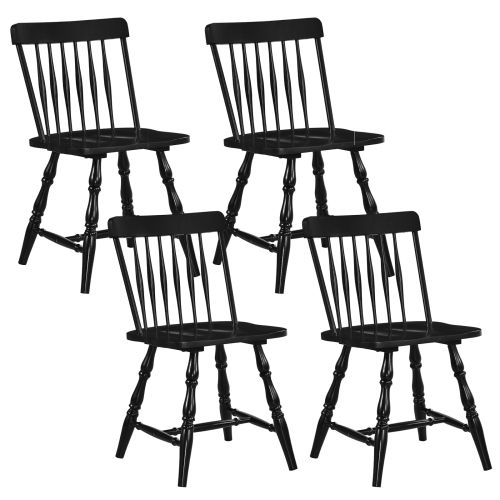
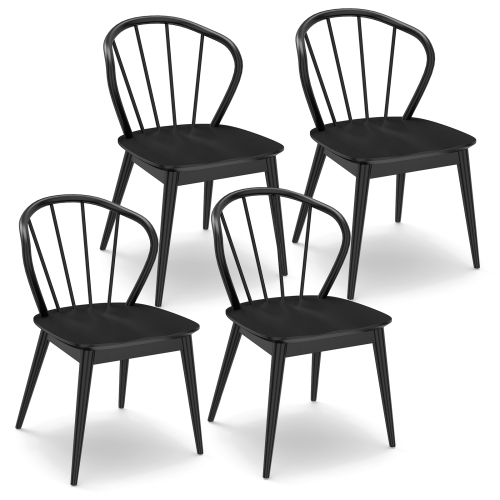
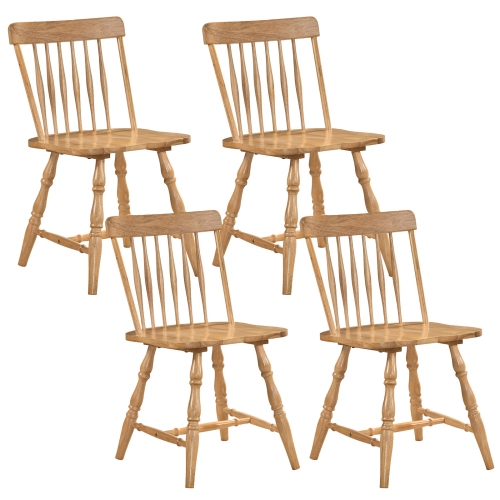
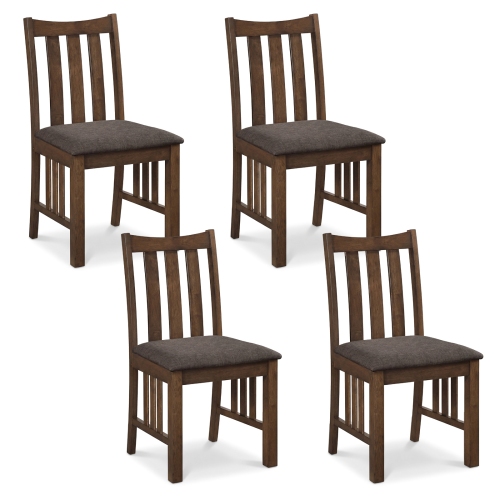


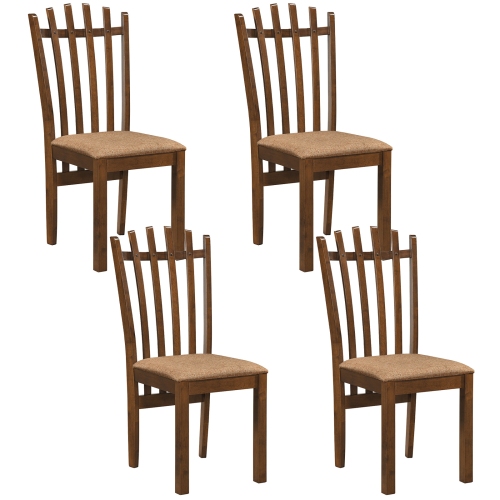


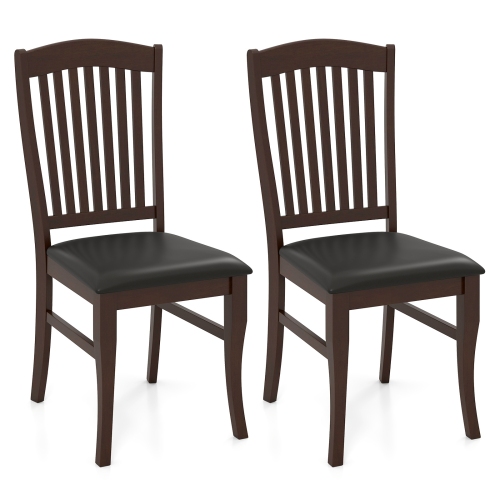

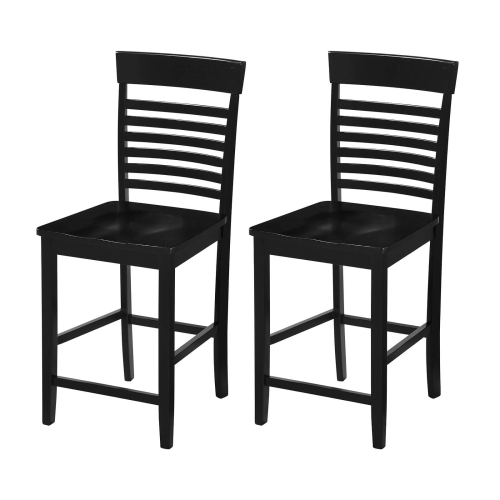


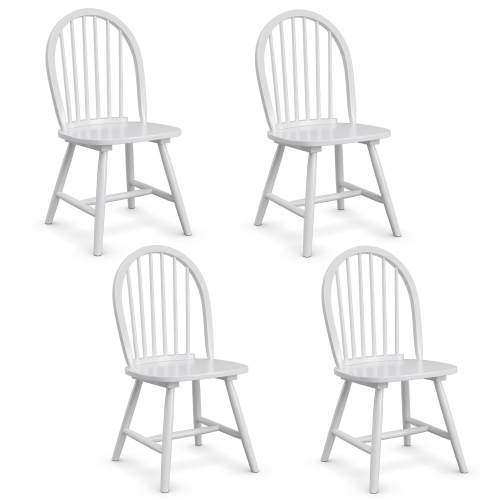
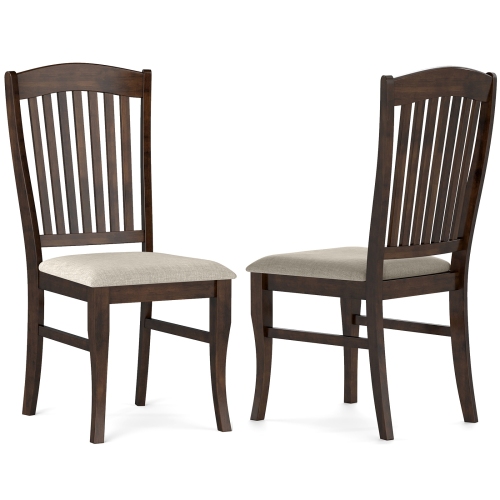
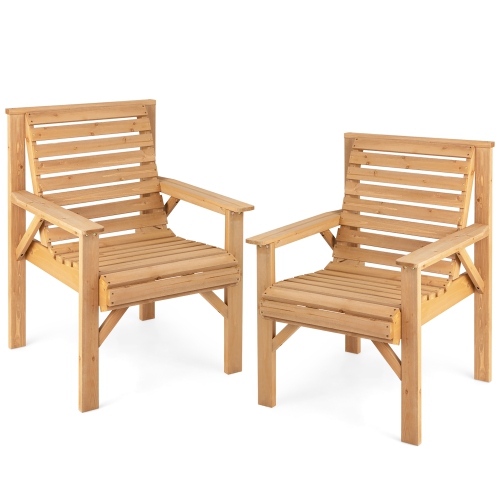
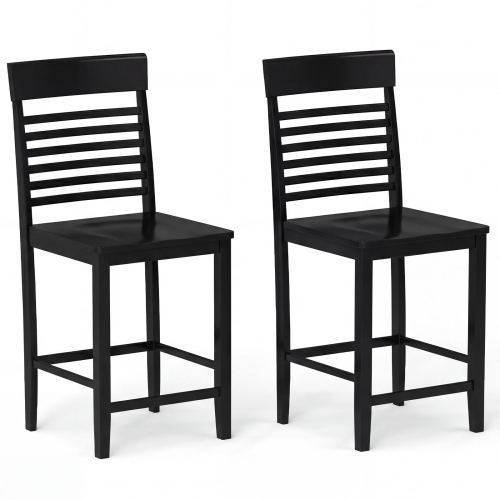

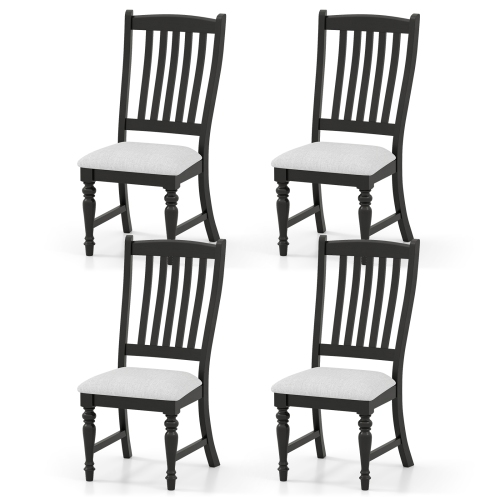
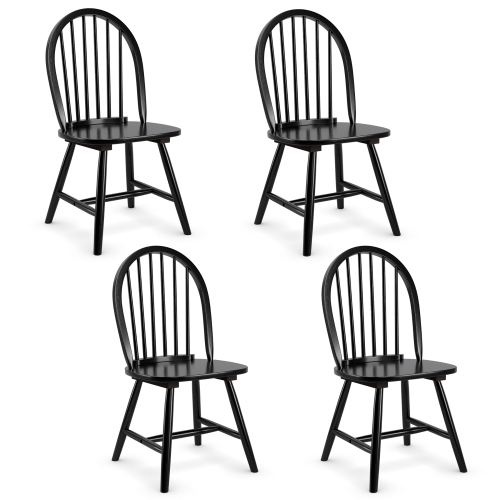
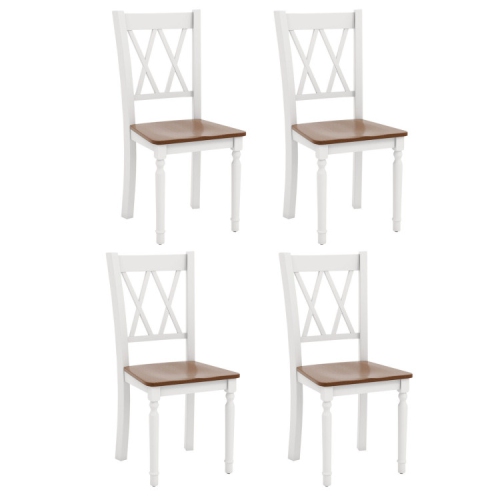

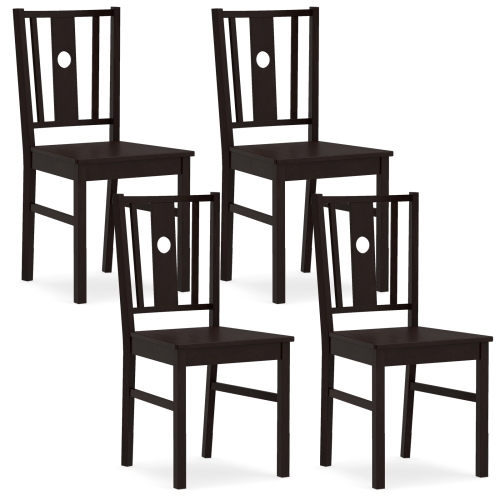


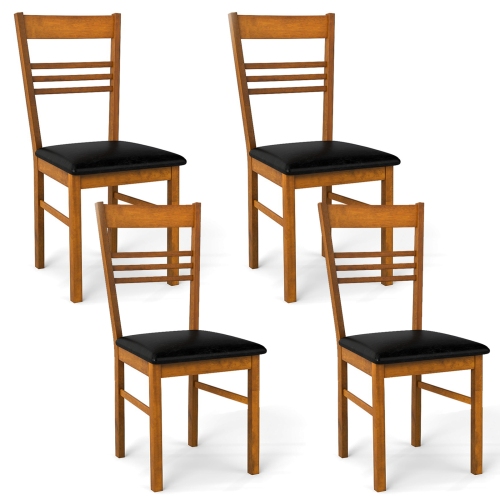
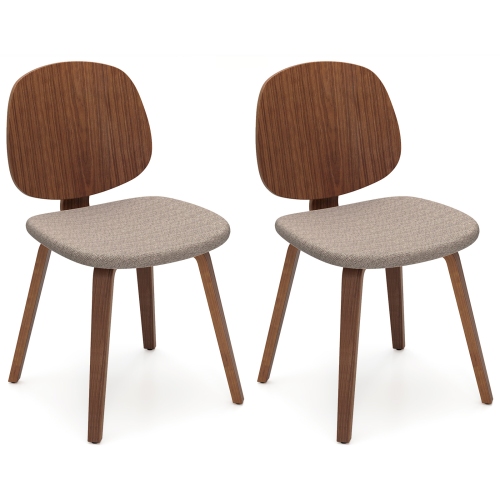
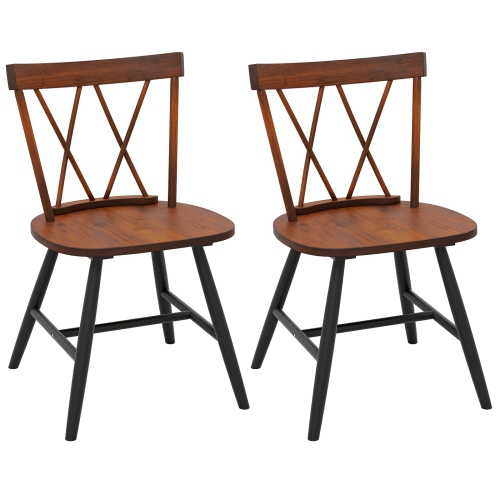

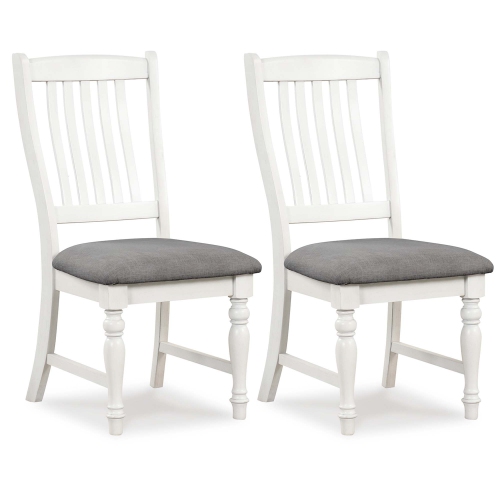
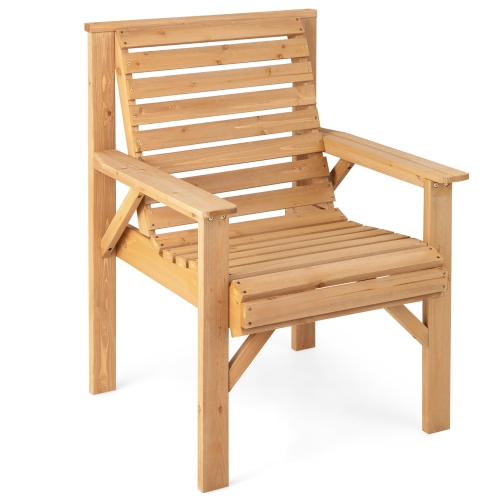
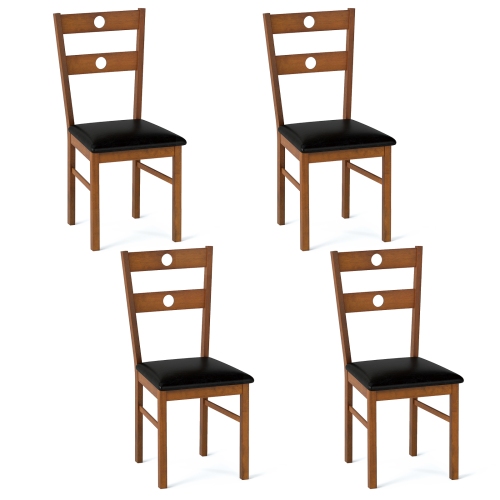
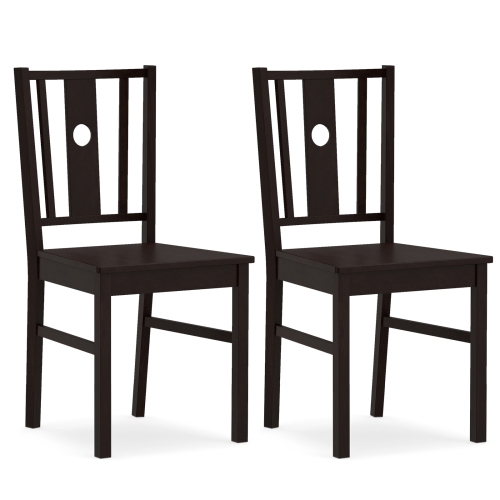

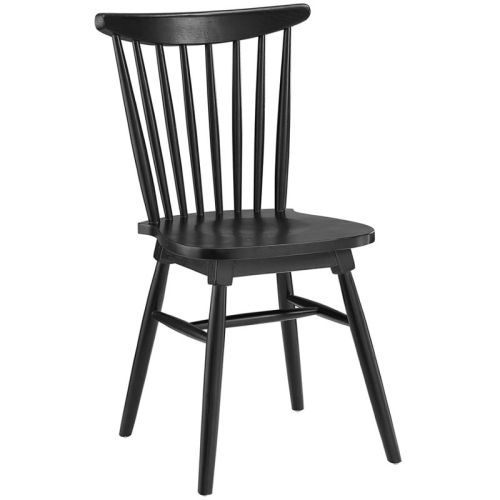


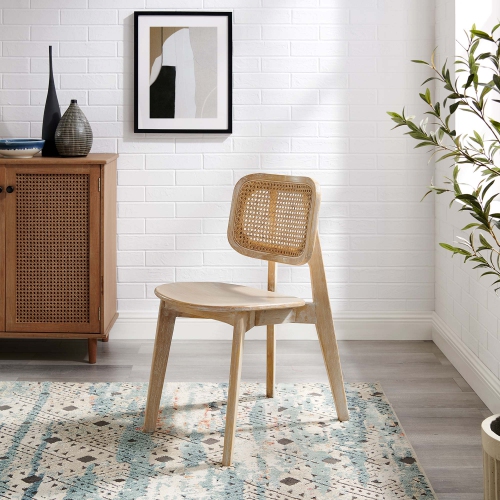
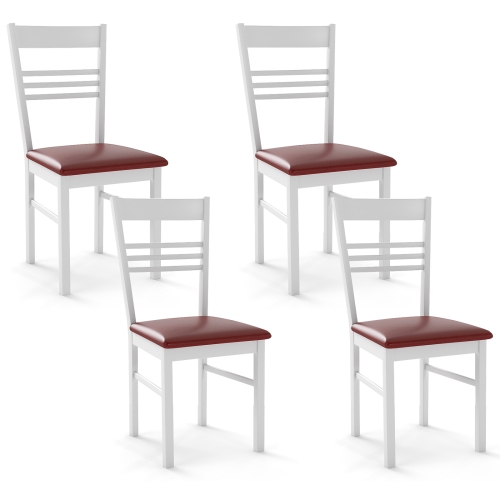
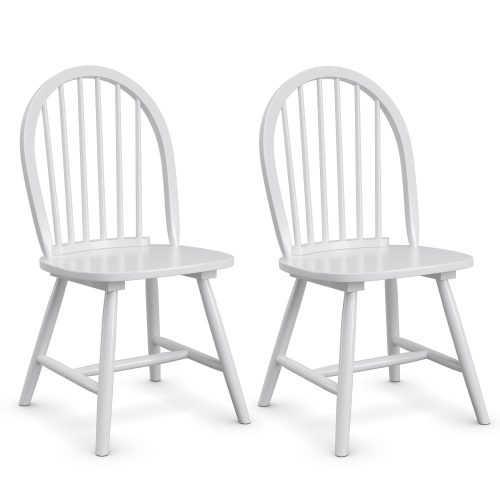
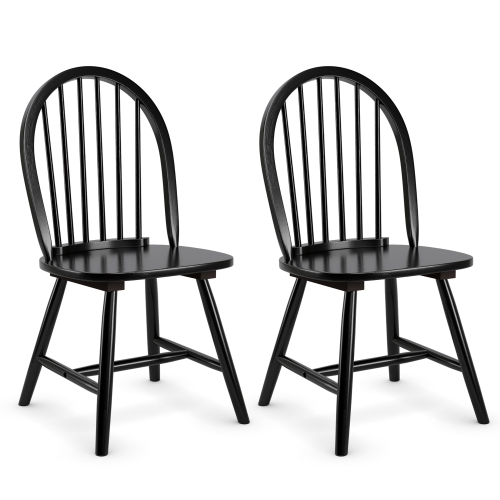


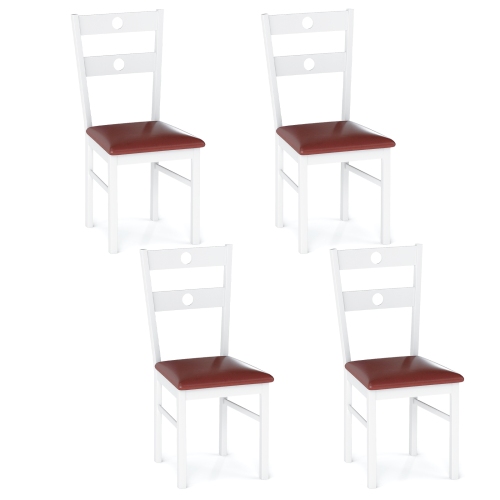
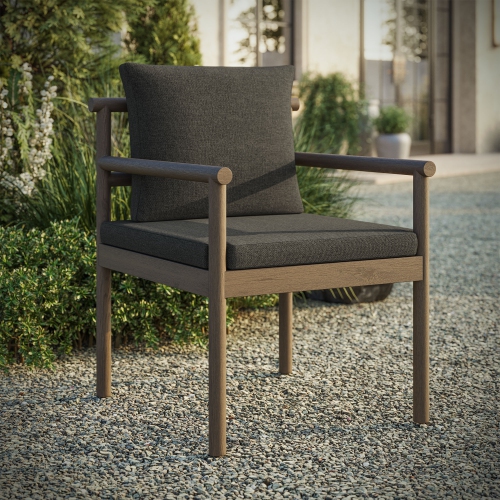


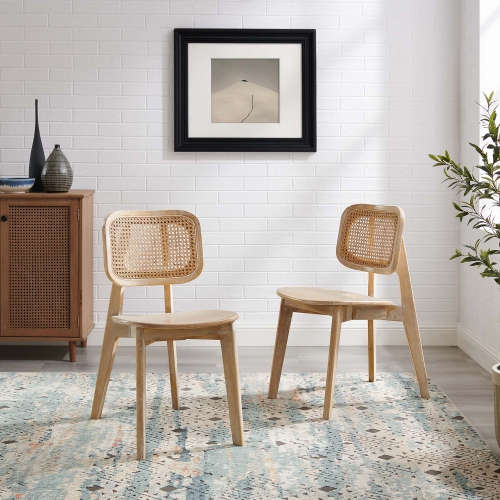


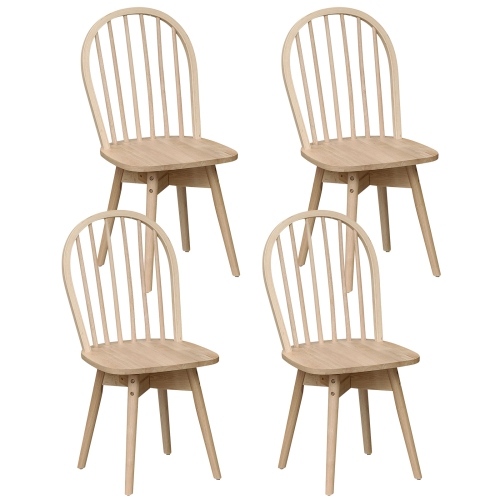
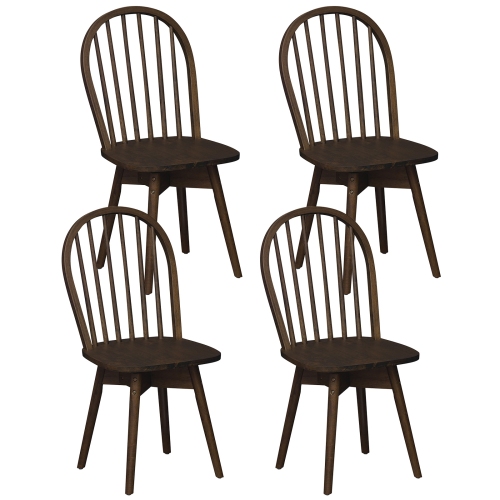


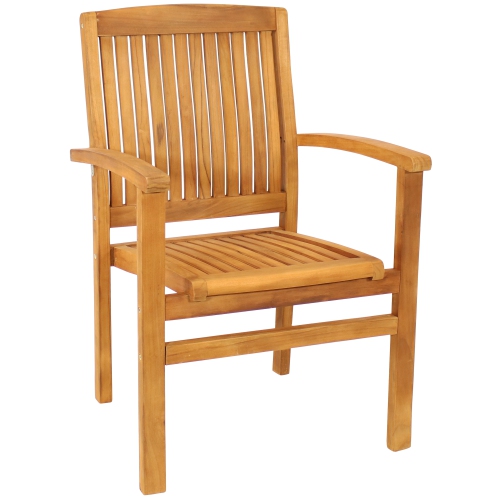


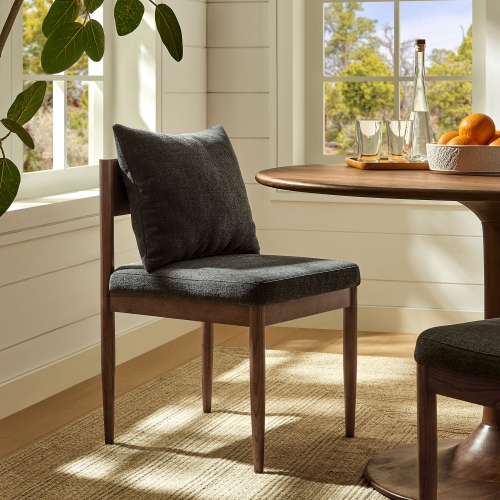

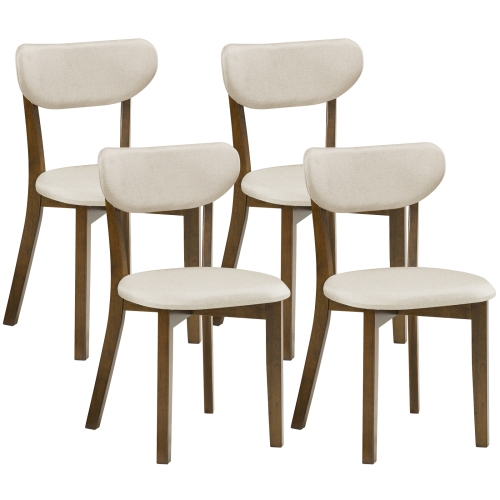


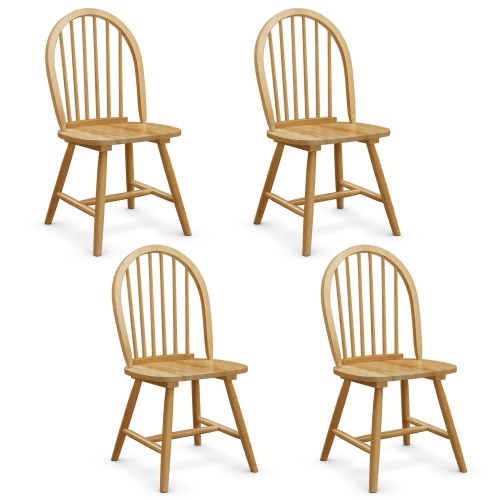
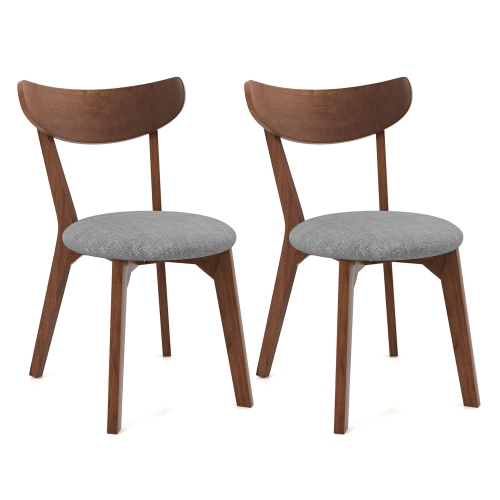


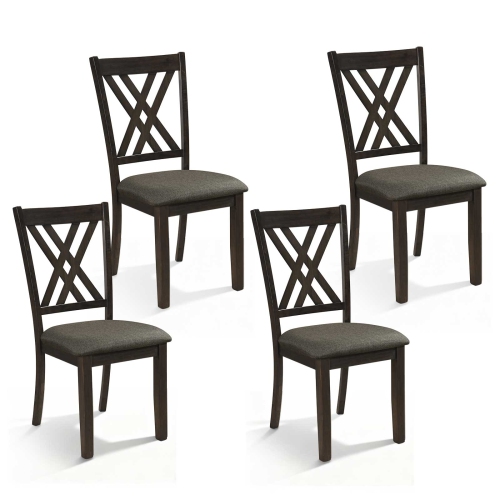
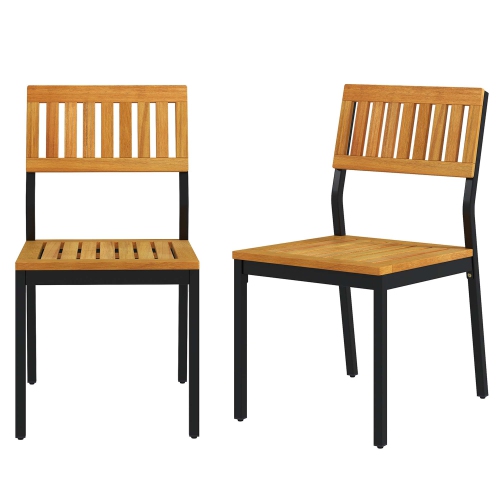


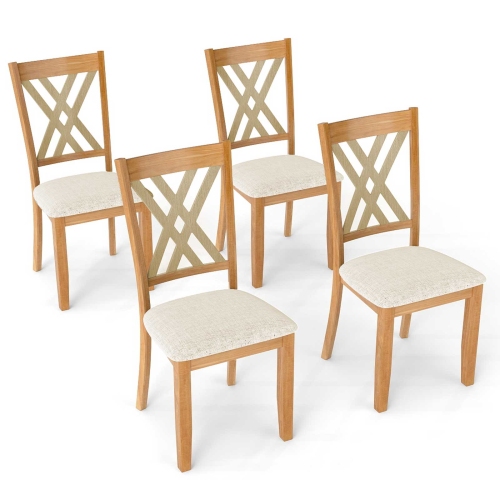
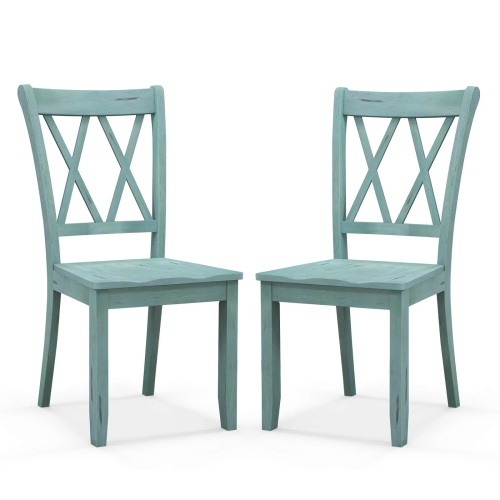


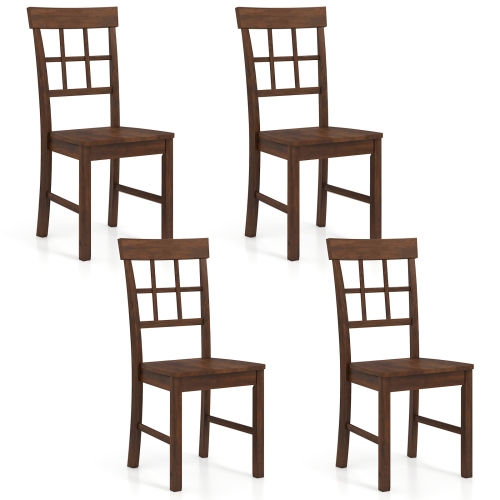

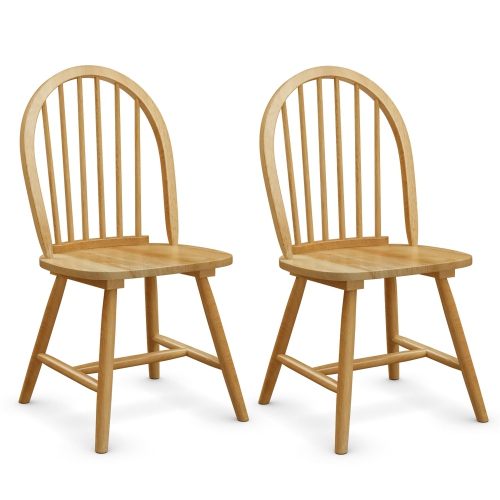


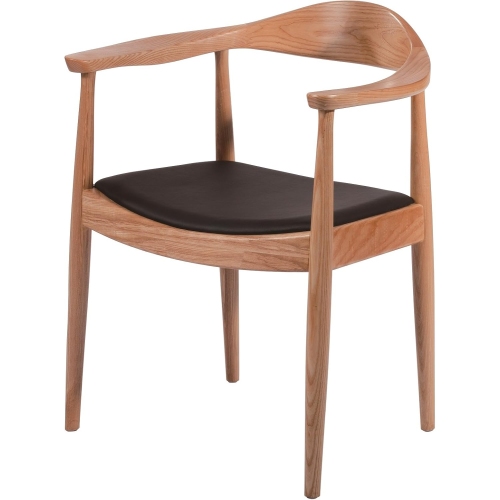


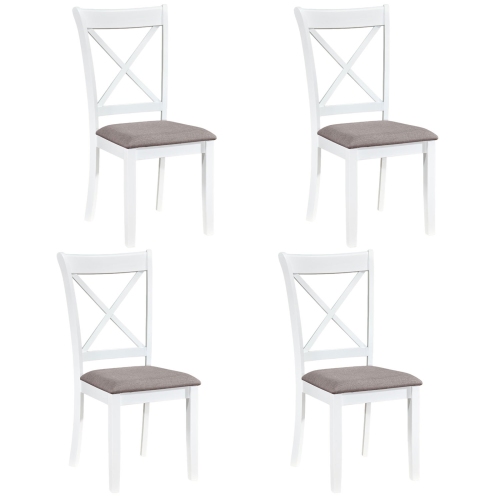
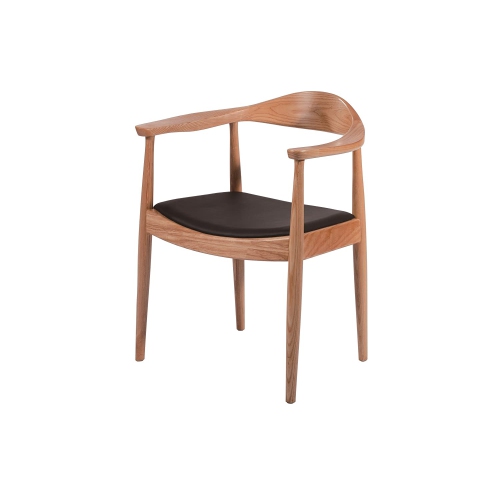
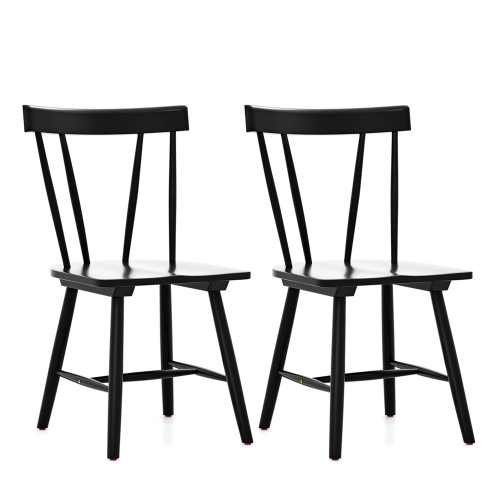
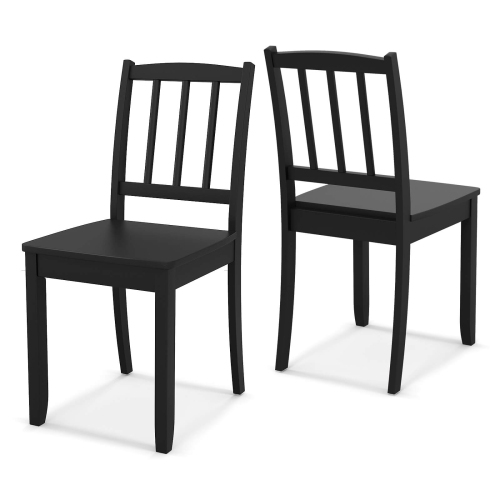
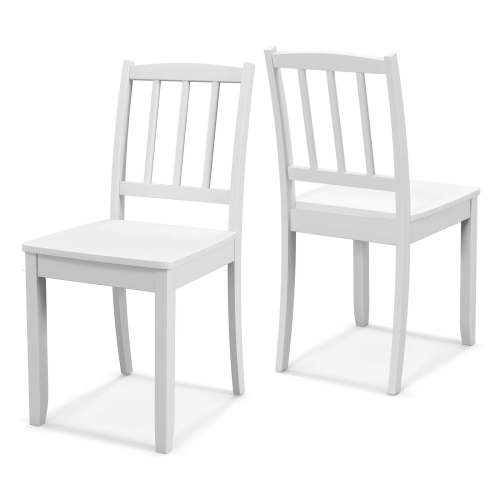
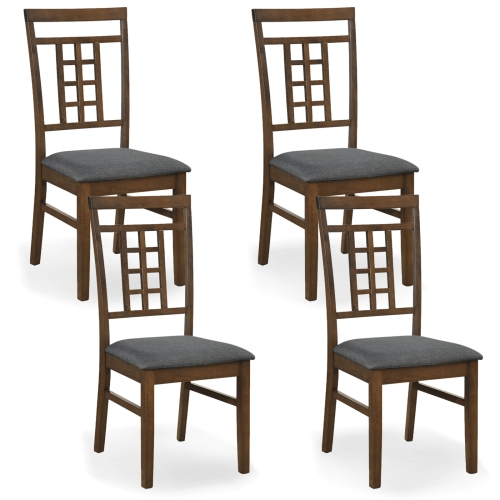


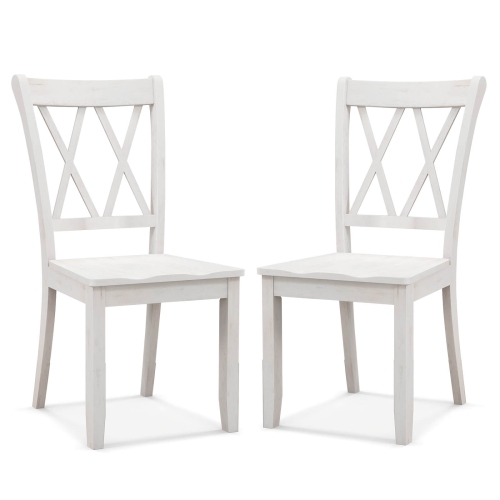


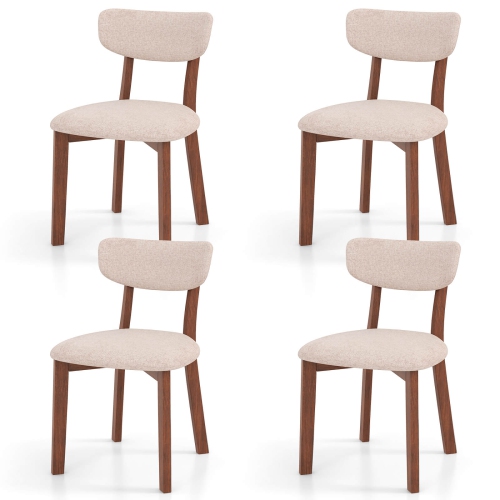

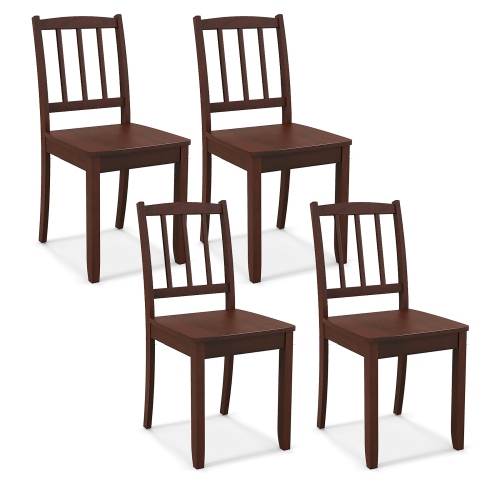


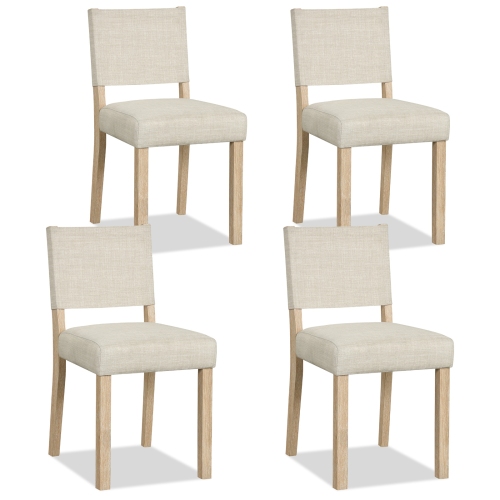
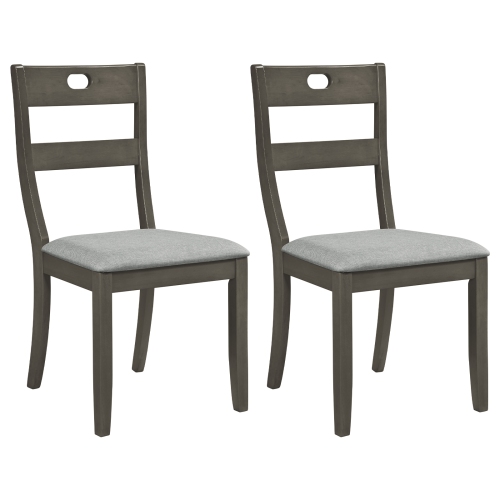
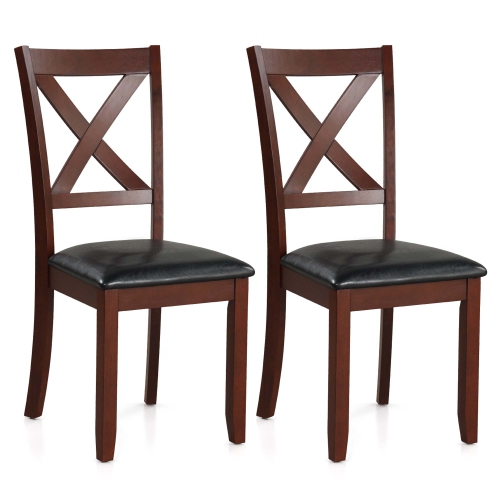
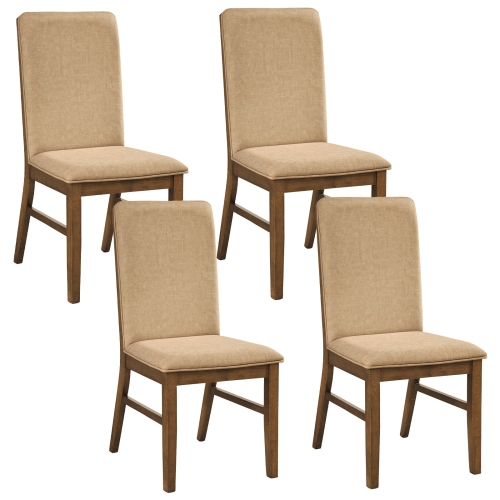


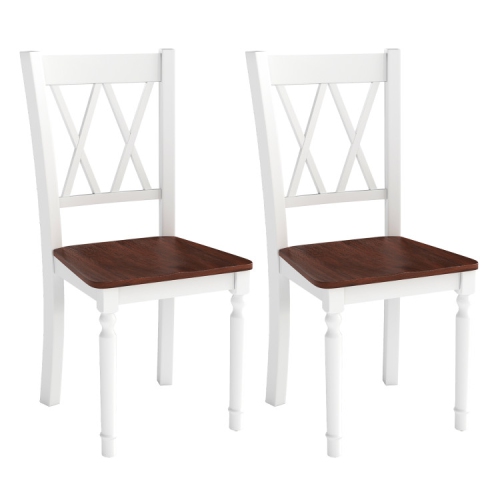


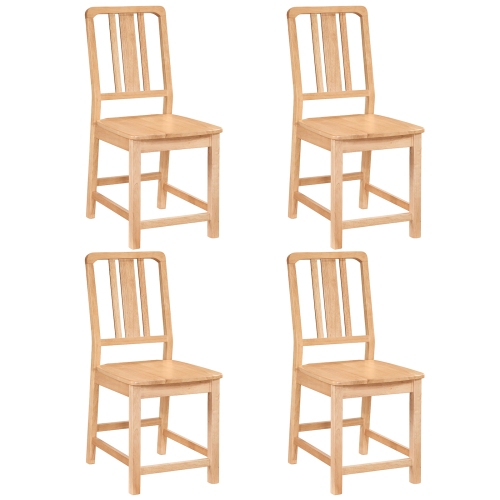


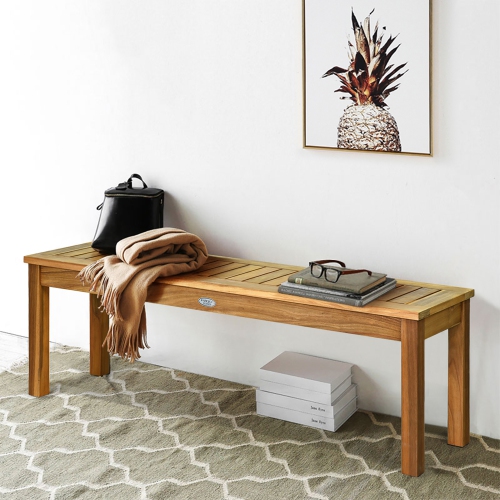

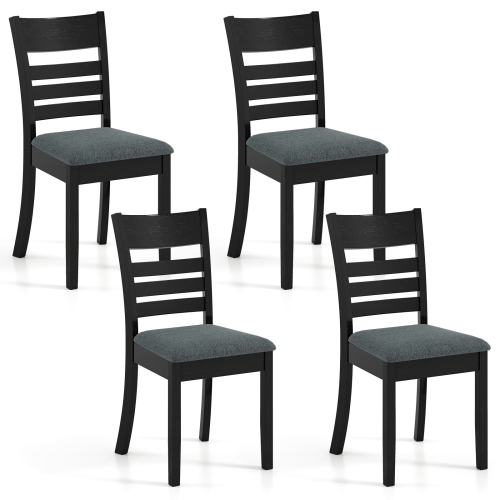
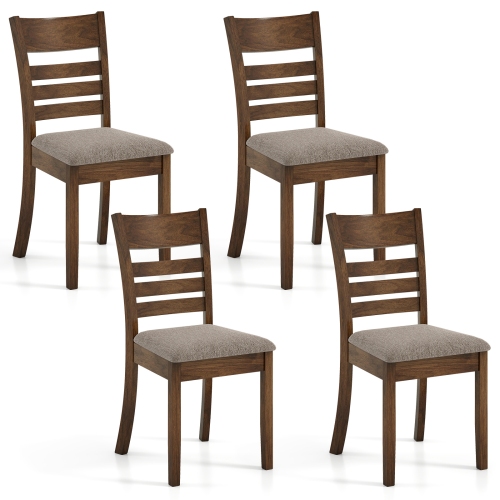

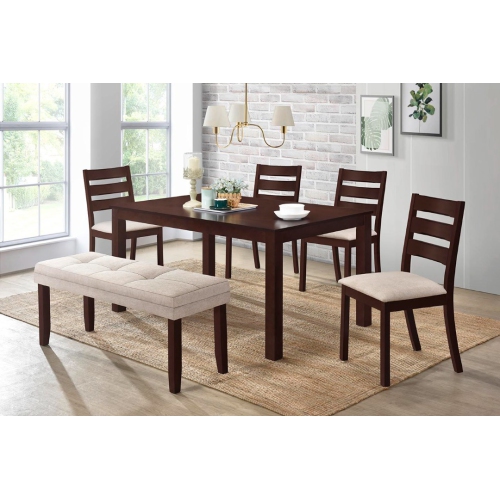

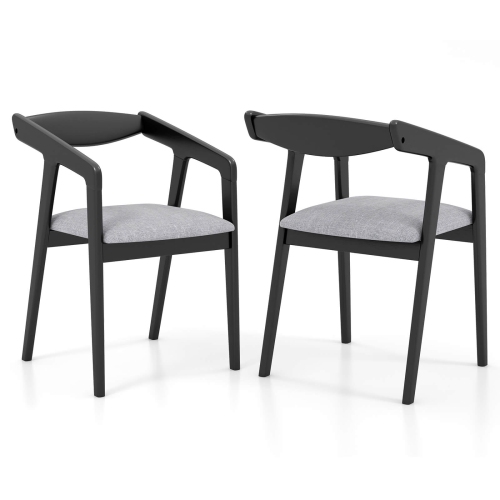


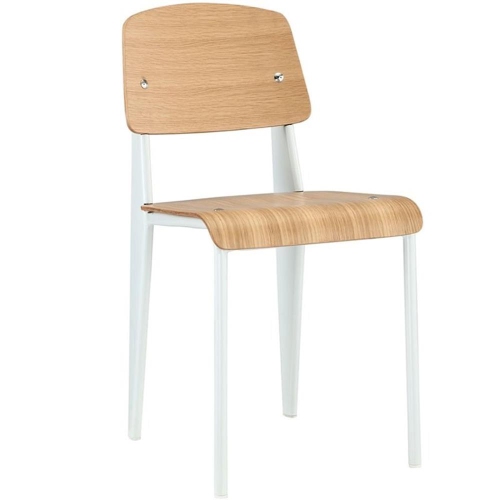
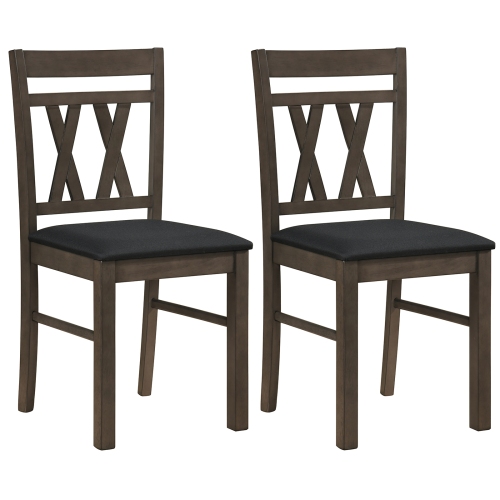
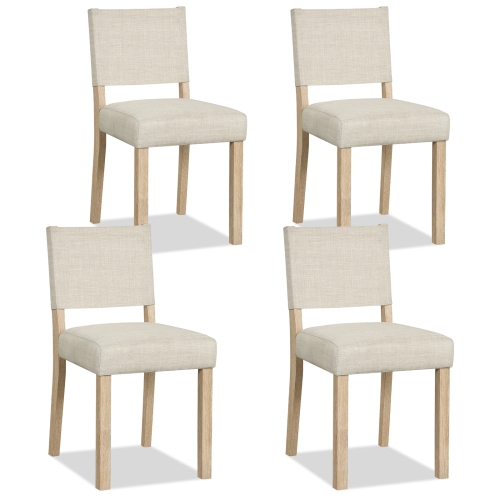


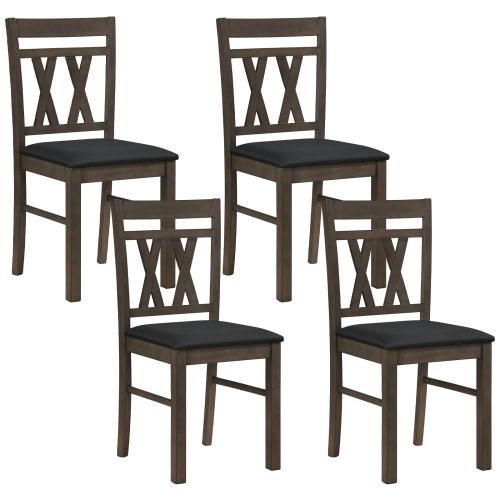


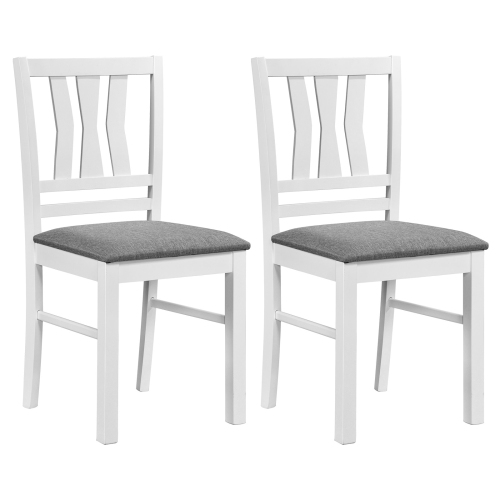

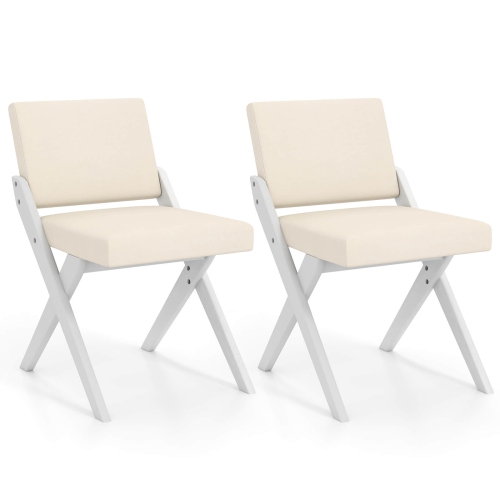

Natural wood character meets comfort at the table
Solid wood dining chairs bring visible grain, comfortable support, and a substantial feel to a dining space, whether that means a dedicated room or a table tucked into the kitchen. They suit everyday breakfasts, lingering conversations after dinner, and the occasional evening when the dining table doubles as a place for homework or a board game. Much of their character comes from the timber itself. Oak often has a pronounced grain that gives simple chair frames plenty of texture, while maple tends to have a finer, more understated appearance. Beech is commonly associated with smoothly shaped frames, and walnut is known for its rich brown tones. Stain can change the appearance considerably, so the wood species alone does not tell the whole story about colour. Natural variation also means that chairs made from the same type of wood may not look identical; differences in grain and tone are part of the material’s appeal. Construction matters just as much as appearance. Solid wood describes the material, rather than guaranteeing that every component uses the same timber or that every chair is built in the same way. Details about the frame, seat, backrest, and any upholstered sections help clarify what a chair is made from. Well-fitted joints, supportive stretchers between the legs, and securely attached seats all contribute to a dependable structure. A heavier chair is not automatically better, particularly if it needs to be moved several times a day. For a busy household, the balance between sturdiness and manageable weight can make more difference than an especially chunky frame. Rounded edges, smooth surfaces, and a backrest that feels comfortable against the shoulders are equally practical details. A chair that looks appealing from across the room should also feel welcoming when someone settles in for a full meal, rather than just a quick seat.
The right fit starts with the relationship between the chair, the table, and the people using them. Dining chair seats are often around 17 to 19 inches from the floor, while many dining tables stand approximately 28 to 30 inches high, but these are general ranges rather than a guarantee of compatibility. Measuring from the top of the seat to the underside of the table gives a clearer sense of legroom, especially when the table has a deep apron beneath its surface. A gap of roughly 10 to 12 inches is a useful starting point for many dining setups. Armchairs need another measurement: the height of the arms compared with the lowest part of the tabletop or apron. Arms that cannot slide underneath may leave chairs projecting into a walkway even when nobody is seated. Width deserves similar attention. Allowing roughly 24 inches of table edge per person can help with planning, though broad seats, angled legs, and generous armrests may require more space. The position of the table legs matters too; a chair that fits along the edge may still catch against a leg when pushed in. Around the outside of the table, about 36 inches of clearance is a common starting point for pulling chairs out, with additional room helpful where people need to pass behind seated diners. Comfort is also personal. A gently curved back can feel more supportive than a straight decorative panel, while a shaped wooden seat may reduce the need for a cushion. Upholstered seats add softness but introduce fabric care considerations, particularly where meals involve small children or frequent spills. For a compact dining nook, armless chairs with relatively open backs can keep the arrangement feeling less crowded. Larger dining rooms may comfortably accommodate wider seats or armchairs at the ends of the table. Anyone who uses the dining area for longer stretches may appreciate a supportive back and enough seat depth to sit comfortably without the front edge pressing behind the knees.
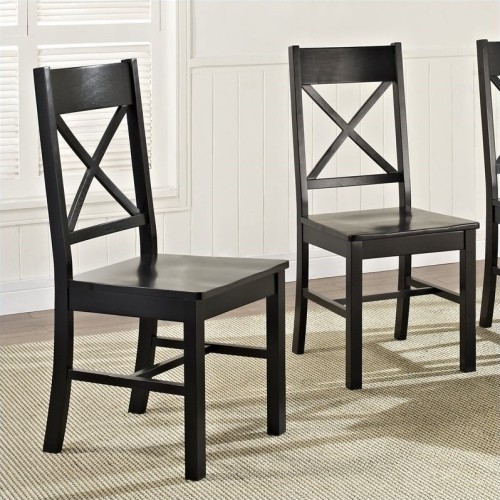
Finish and styling help solid wood dining chairs feel at home with the furniture already in the room. An exact match to the dining table is not essential; a shared undertone, similar leg shape, or repeated detail can create a cohesive arrangement without making everything look identical. Pale wood can provide a gentle contrast against darker cabinetry, while deeper brown finishes can add definition beside a light table. For a stronger contrast, Black Wood Dining Room Chairs offer another direction, particularly alongside natural wood tabletops or rooms with dark hardware and lighting. Painted finishes emphasize a chair’s outline, whereas clear and lightly tinted finishes tend to reveal more of the grain. Neither finish removes the need for ordinary care. A soft cloth is usually suitable for regular dusting, and spills are best blotted promptly so moisture does not linger around joints or seat edges. Any damp cleaning should follow the maker’s care directions, with the surface dried afterwards. Harsh cleaners, abrasive pads, and unnecessary soaking can damage a finish rather than improve it. Removable cushions can make a wooden seat softer, but their ties and backing should not rub or mark the surface. Felt pads under chair legs can help protect suitable flooring and make everyday movement quieter; they also need occasional cleaning because trapped grit can scratch. Where assembly hardware is used, checking it periodically and tightening it according to the instructions can help prevent looseness from becoming a persistent wobble. Lifting chairs instead of dragging them reduces strain on the frame, and keeping all four legs on the floor avoids unnecessary stress on the joints. Some marks can be repaired or refinished, depending on the wood, construction, and existing coating, though not every surface accepts the same treatment. With suitable proportions and straightforward care, solid wood dining chairs can remain comfortable, useful pieces through daily meals, rearranged rooms, and changing tastes.
Top selling and popular products
-
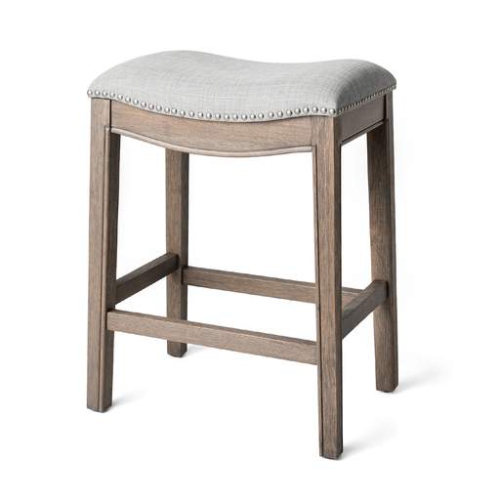 Your price for this item is $176.99
-
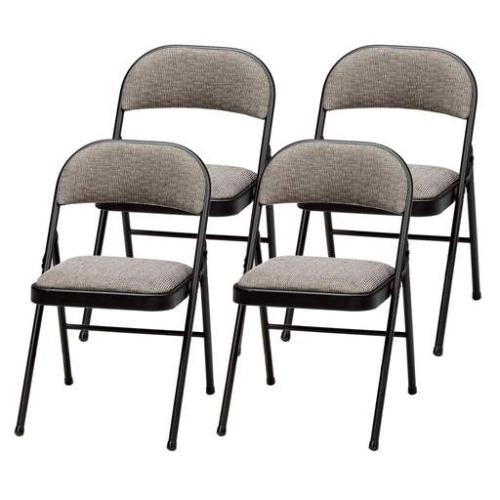 Your price for this item is $270.99
-
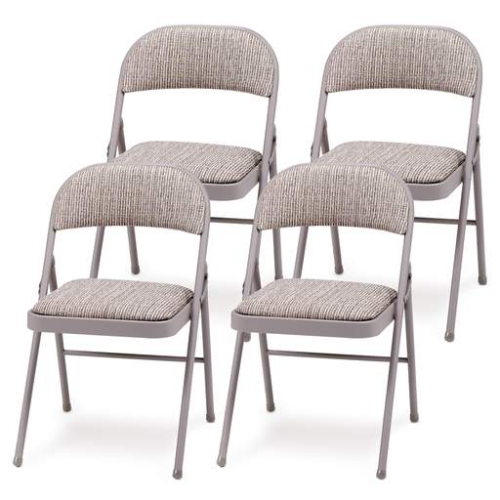 Your price for this item is $317.99
-
 Your price for this item is $430.14
-
 Your price for this item is $498.07
-
 Your price for this item is $155.99
-
 Your price for this item is $274.99
-
 Your price for this item is $431.99
Discover more categories related to Solid Wood Dining Chairs

Top Collections:
Pokemon Centers, Kindle Devices, Best Cameras for Sports Photography, Pokémon 30th Celebration Cards, Apple iPhones 16, Canon G7X Cameras, iPhone 15 Apple, Flip Phones, Samsung Galaxy Phones, Alarm Clock
Some products may be subject to Environmental Handling Fees
(EHF) depending on your province.
Learn more about EHFs.