Space Saving Counter Stools
Space Saving Counter Stools are the perfect addition to any kitchen or dining area where maximizing room is essential. Designed to fit seamlessly into compact spaces, these stools offer a stylish and practical seating solution without sacrificing comfort or visual appeal. Whether you’re outfitting a breakfast nook, apartment, or small home bar, explore a range of options that help you make the most of your available space while enhancing your décor. Discover how Space Saving Counter Stools can transform your home with both function and flair.
Sort
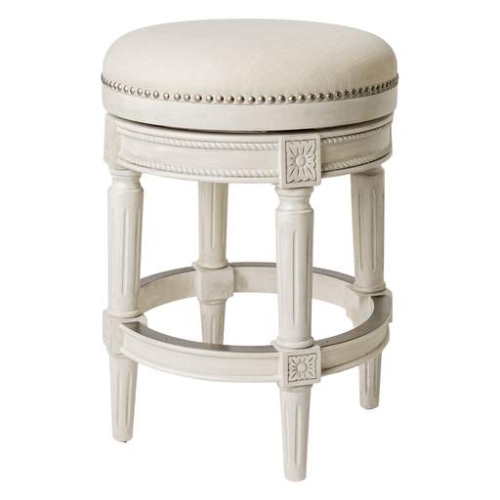
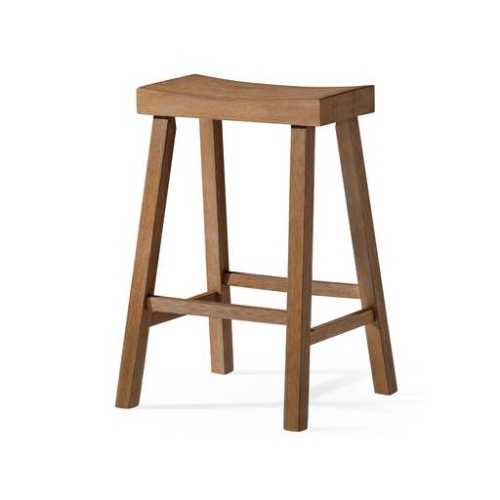
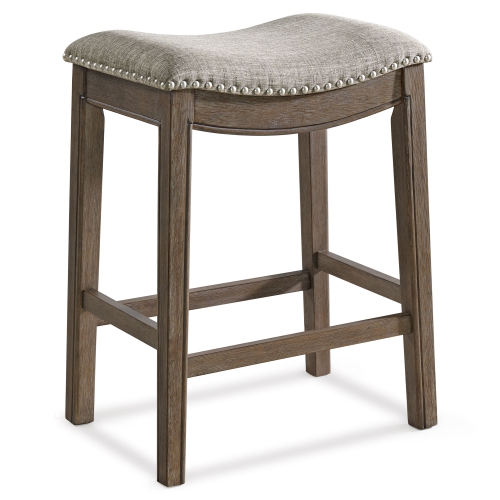
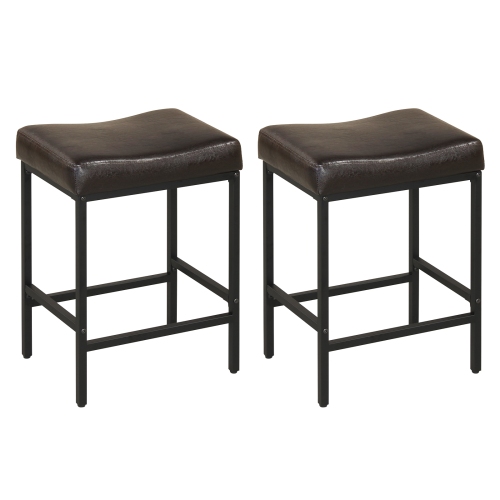



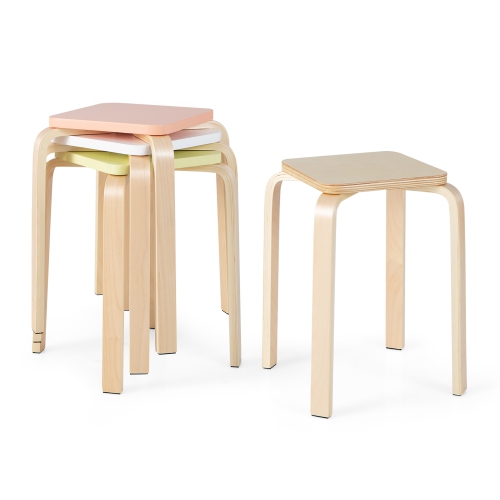
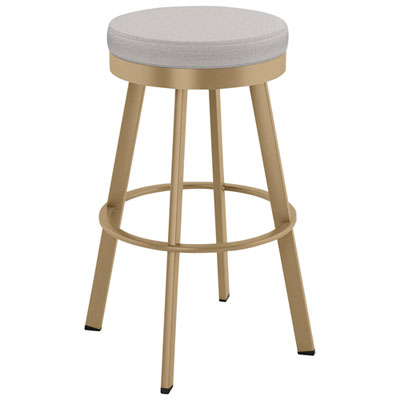
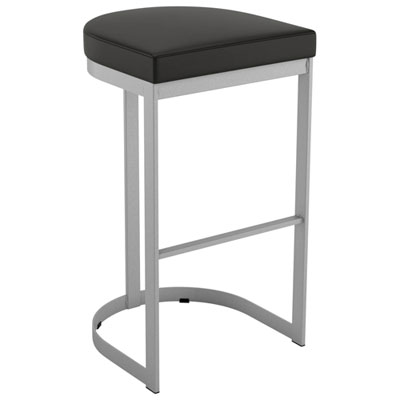
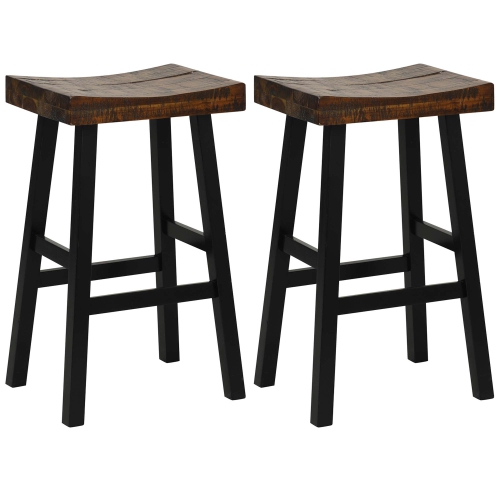
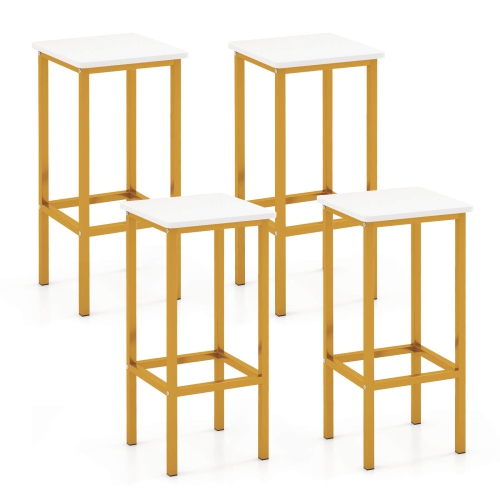
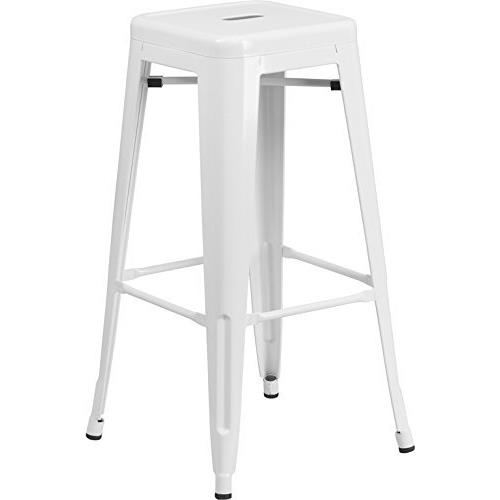
Comfortable counter seating starts with the right fit
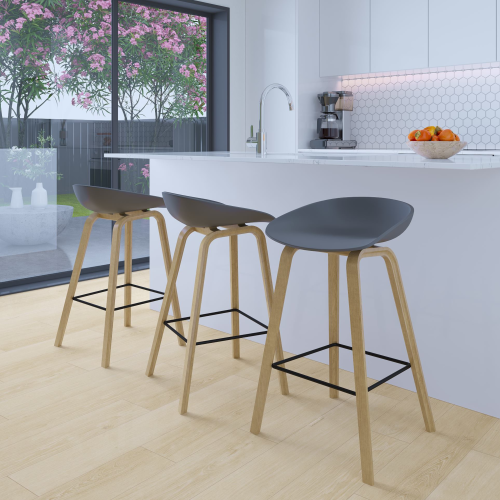
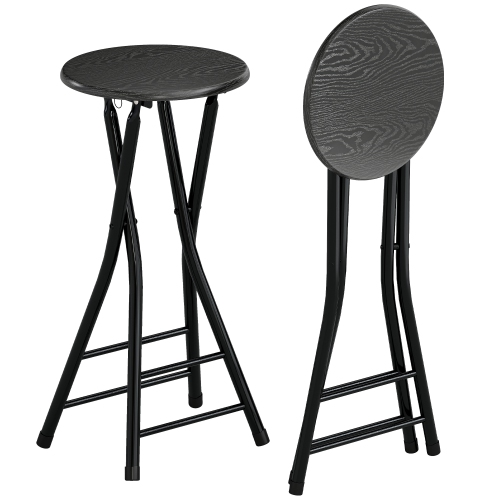
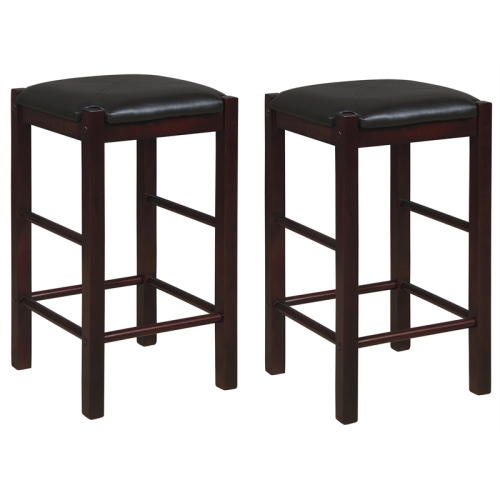
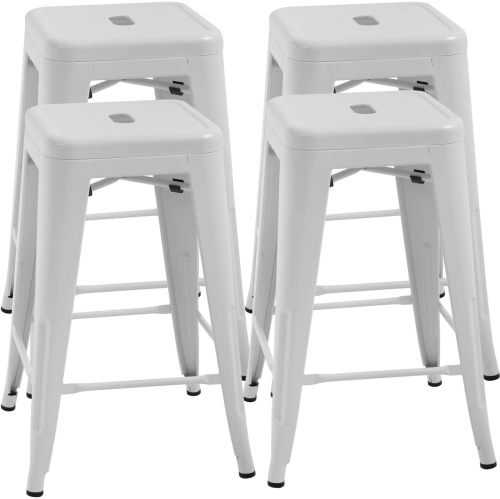
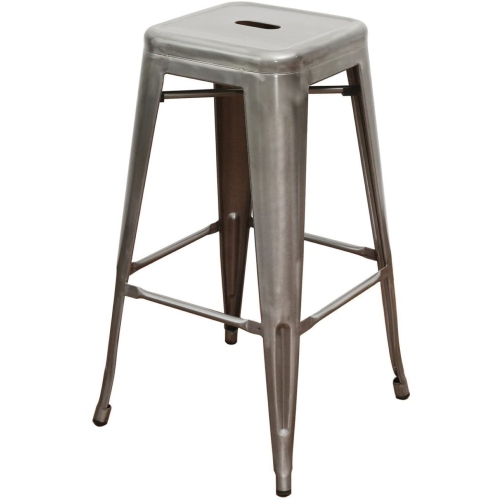
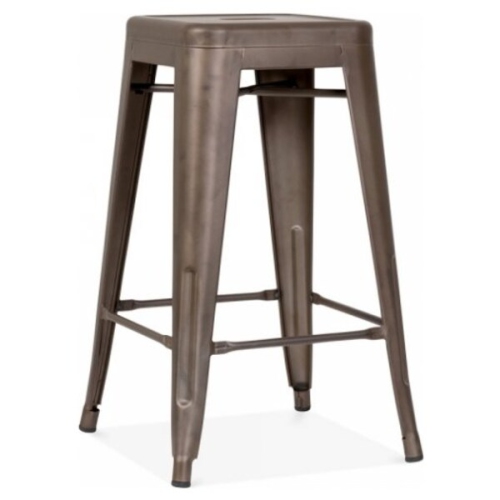
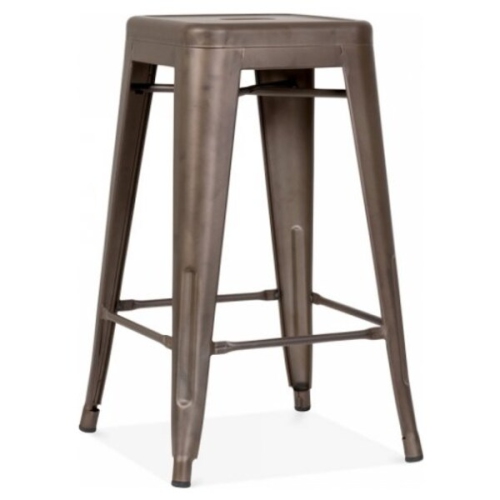
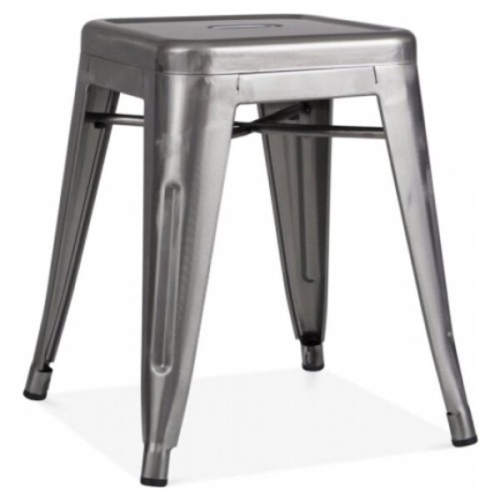
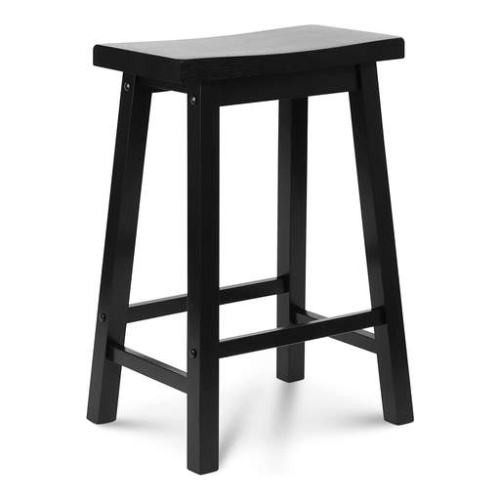
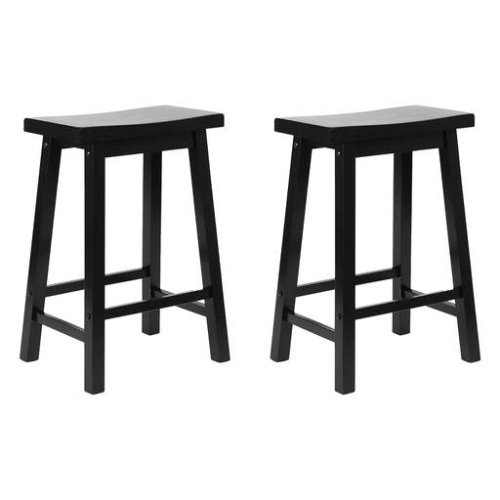
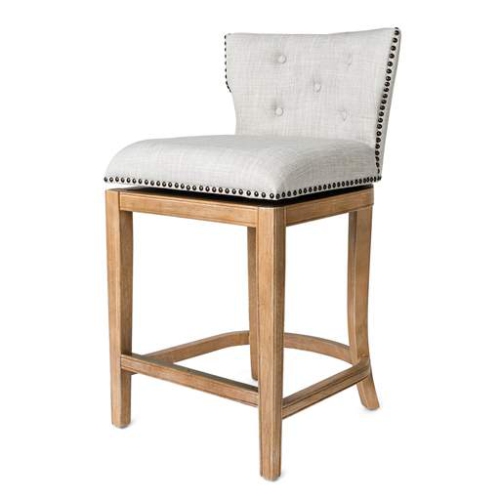
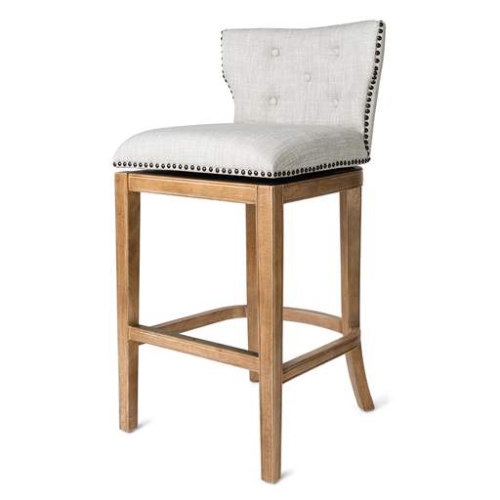
Space-saving counter stools bring comfortable seating to kitchen islands, breakfast bars, and compact dining areas without taking up the floor space of a separate table and chairs. Their defining features are compact footprints and shapes that make them easier to tuck away, fold, or stack when not in use. Backless counter stools can slide beneath a suitable counter overhang, while armless designs reduce bulk at the sides and allow closer placement without armrests catching on the worktop. Folding counter stools offer a different kind of flexibility, making room for an extra guest before being stored in a cupboard or another suitable space. Stackable styles are useful when several seats share a small room, though their stacked height and weight still matter for storage and handling. Not every compact stool fits completely beneath every island: the seat depth, leg spread, footrest, and any backrest all affect how far it can slide in. In a condo kitchen, that difference can determine whether the route between the fridge and the living room stays clear after breakfast. In a larger home, a slim row of stools can keep an open-plan kitchen feeling spacious while giving family members a place to chat during meal preparation. Low-backed designs offer some support with less visual bulk than taller backs, while open metal frames and slender wooden legs can make the seating area look lighter. For a similarly streamlined look, Minimalist Counter Stools suit interiors where simple shapes and restrained details take priority. Compact seating works especially well when its everyday role is clear: a perch for morning coffee needs different support from a seat used for meals, homework, or a long conversation. The most useful space-saving design balances a modest footprint with enough room to sit naturally, rather than relying on a narrow seat that feels cramped after a few minutes.
Fit starts with the counter itself, not just the stool’s overall height. Counter-height stools commonly have seats around 24 to 26 inches high and often suit a worktop approximately 36 inches high; bar-height seating is taller and is not interchangeable. A typical starting point is about 10 to 12 inches between the top of the seat and the underside of the counter, with adjustments for the user, seat cushioning, and the counter’s construction. Measuring to the underside helps account for a thick worktop, support rail, or apron that reduces thigh clearance. Knee room matters just as much: a shallow overhang may let a backless stool disappear beneath the edge but still leave someone sitting too far from their plate. Seat width and the widest part of the base both deserve attention, since splayed legs can occupy more floor space than the seat suggests. As a general starting point, allowing roughly 24 to 30 inches of counter length per person gives compact seating some breathing room, although wider seats and swivel mechanisms may require more. Stools should also pull out far enough for someone to sit down without blocking a doorway, an appliance, or the main route through the kitchen. A swivel seat can make getting in and out easier, particularly beside a fixed island, but it needs room to turn without striking cabinetry or neighbouring seating. Footrests provide an important place to support the feet at counter height, especially during a longer meal. Their position should feel natural rather than forcing knees upward or leaving feet dangling. For households with children, stable construction, an appropriate seat height, and suitable supervision matter more than squeezing another stool into the row. Backrests may improve comfort, but they do not make a stool suitable for climbing. Posted weight limits, assembly requirements, and folding-lock instructions are also important details for everyday use. A compact shape is most practical when everyone can approach, sit, and stand without awkward manoeuvring.
Materials influence how space-saving counter stools feel in use and how easily they fit into a household’s routine. Solid wood brings natural grain and a warm surface to a kitchen, with finishes ranging from pale tones to deeper stains. Wood can develop marks from repeated contact with belt buckles, shoes, and the counter edge, so the finish and care requirements matter alongside the frame material. Metal frames often allow slender profiles, while their coating, joints, and overall construction influence resistance to everyday wear. Moulded plastic seats can be convenient where crumbs and spills are common, particularly when their shape has few seams or crevices. Upholstered seats add cushioning for relaxed meals or a stretch of laptop work, but the covering should suit the household. Textured fabric may need regular vacuuming and prompt spot cleaning; coated upholstery often wipes down easily, although cleaning products must be compatible with the surface. Removable cushions or covers can simplify care where the design includes them. On hard seats, a gently shaped surface can feel more comfortable than a completely flat one, and rounded edges help avoid pressure behind the thighs. Durability also depends on details that are easy to overlook: secure joints, firmly attached footrests, suitable hardware, and a base that sits evenly on the floor. Protective glides can help limit scratches on hardwood or tile, provided they stay clean and are appropriate for the flooring. Regular checks for loose fasteners are useful on seating that moves several times a day. Folding and stacking designs need their own care, including keeping hinges clear and following stacking limits so frames and seat finishes are not damaged. For occasional entertaining, lighter stools can be easier to move from storage, while daily kitchen seating may benefit from a more substantial feel and supportive back. Students furnishing a first apartment, couples making use of a narrow breakfast ledge, and families adding casual island seating can all benefit from compact designs. Across these settings, the lasting value of space-saving counter stools lies in their everyday usefulness: a comfortable place to eat or pause, with room left to move once the seating is tucked away.
Fit starts with the counter itself, not just the stool’s overall height. Counter-height stools commonly have seats around 24 to 26 inches high and often suit a worktop approximately 36 inches high; bar-height seating is taller and is not interchangeable. A typical starting point is about 10 to 12 inches between the top of the seat and the underside of the counter, with adjustments for the user, seat cushioning, and the counter’s construction. Measuring to the underside helps account for a thick worktop, support rail, or apron that reduces thigh clearance. Knee room matters just as much: a shallow overhang may let a backless stool disappear beneath the edge but still leave someone sitting too far from their plate. Seat width and the widest part of the base both deserve attention, since splayed legs can occupy more floor space than the seat suggests. As a general starting point, allowing roughly 24 to 30 inches of counter length per person gives compact seating some breathing room, although wider seats and swivel mechanisms may require more. Stools should also pull out far enough for someone to sit down without blocking a doorway, an appliance, or the main route through the kitchen. A swivel seat can make getting in and out easier, particularly beside a fixed island, but it needs room to turn without striking cabinetry or neighbouring seating. Footrests provide an important place to support the feet at counter height, especially during a longer meal. Their position should feel natural rather than forcing knees upward or leaving feet dangling. For households with children, stable construction, an appropriate seat height, and suitable supervision matter more than squeezing another stool into the row. Backrests may improve comfort, but they do not make a stool suitable for climbing. Posted weight limits, assembly requirements, and folding-lock instructions are also important details for everyday use. A compact shape is most practical when everyone can approach, sit, and stand without awkward manoeuvring.
Materials influence how space-saving counter stools feel in use and how easily they fit into a household’s routine. Solid wood brings natural grain and a warm surface to a kitchen, with finishes ranging from pale tones to deeper stains. Wood can develop marks from repeated contact with belt buckles, shoes, and the counter edge, so the finish and care requirements matter alongside the frame material. Metal frames often allow slender profiles, while their coating, joints, and overall construction influence resistance to everyday wear. Moulded plastic seats can be convenient where crumbs and spills are common, particularly when their shape has few seams or crevices. Upholstered seats add cushioning for relaxed meals or a stretch of laptop work, but the covering should suit the household. Textured fabric may need regular vacuuming and prompt spot cleaning; coated upholstery often wipes down easily, although cleaning products must be compatible with the surface. Removable cushions or covers can simplify care where the design includes them. On hard seats, a gently shaped surface can feel more comfortable than a completely flat one, and rounded edges help avoid pressure behind the thighs. Durability also depends on details that are easy to overlook: secure joints, firmly attached footrests, suitable hardware, and a base that sits evenly on the floor. Protective glides can help limit scratches on hardwood or tile, provided they stay clean and are appropriate for the flooring. Regular checks for loose fasteners are useful on seating that moves several times a day. Folding and stacking designs need their own care, including keeping hinges clear and following stacking limits so frames and seat finishes are not damaged. For occasional entertaining, lighter stools can be easier to move from storage, while daily kitchen seating may benefit from a more substantial feel and supportive back. Students furnishing a first apartment, couples making use of a narrow breakfast ledge, and families adding casual island seating can all benefit from compact designs. Across these settings, the lasting value of space-saving counter stools lies in their everyday usefulness: a comfortable place to eat or pause, with room left to move once the seating is tucked away.
Top selling and popular products
-
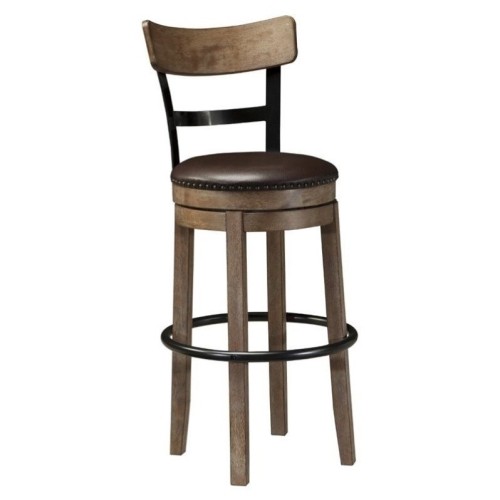 Your price for this item is $416.61
 -
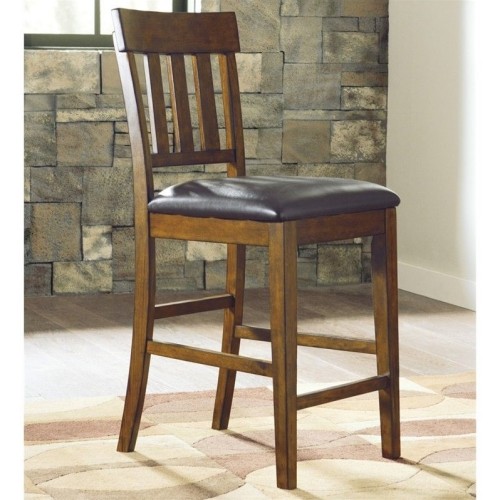 Your price for this item is $666.4
 -
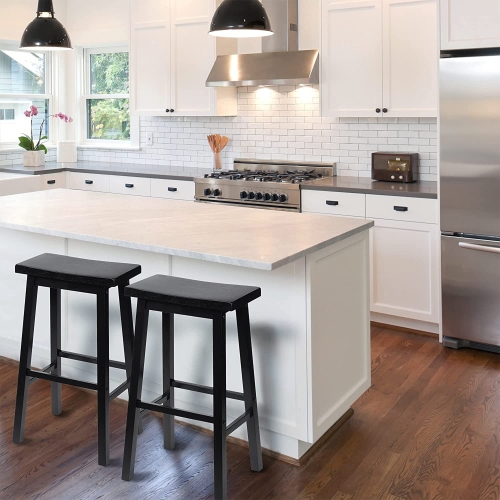 Your price for this item is $538.99
 -
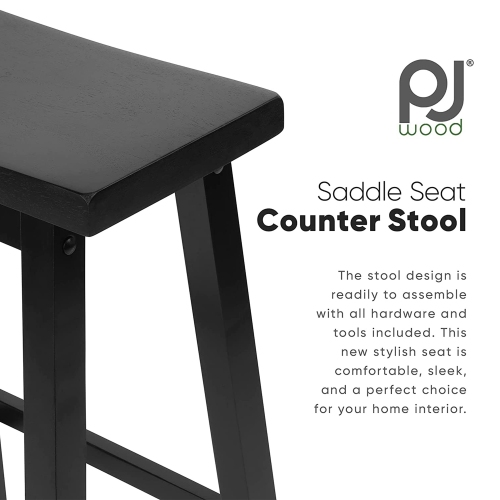 Your price for this item is $207.99
 -
 Your price for this item is $88.99
 -
 Your price for this item is $214.99
 -
 Your price for this item is $529.99
 -
 Your price for this item is $406.99
Discover more categories related to Space Saving Counter Stools
Top Collections:
Pokemon Centers, Kindle Devices, Best Budget Office Chairs, Apple iPhones 16, Best Laptops for Writers, iPhone 15 Apple, Canon G7X Cameras, Refurbished Apple Laptops, Alarm Clock, Motorola Razr Phones
Some products may be subject to Environmental Handling Fees
(EHF) depending on your province.
Learn more about EHFs.