Space Saving Dining Tables for 6
Looking to maximize your dining space without sacrificing style or functionality? Our selection of space-saving dining tables for six is the perfect solution for those who want to entertain guests or enjoy family meals without feeling cramped. Whether you have a small apartment, a cozy breakfast nook, or simply want to make the most out of your dining area, our range of sleek and innovative designs will help you create a stylish and functional space where everyone can gather comfortably.
Sort
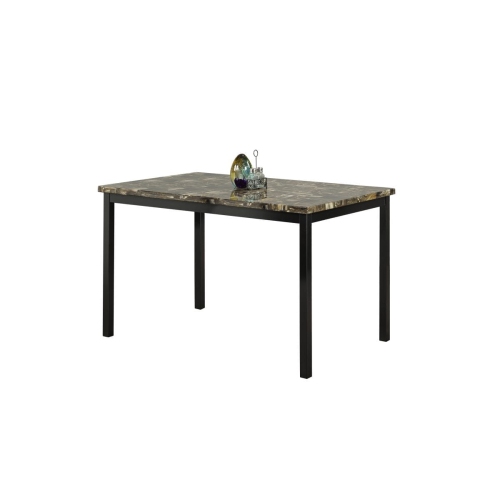
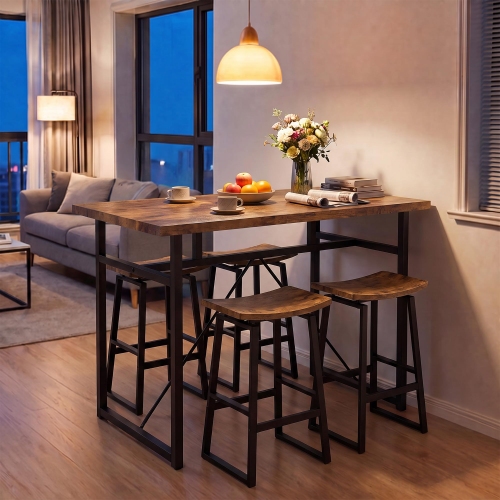
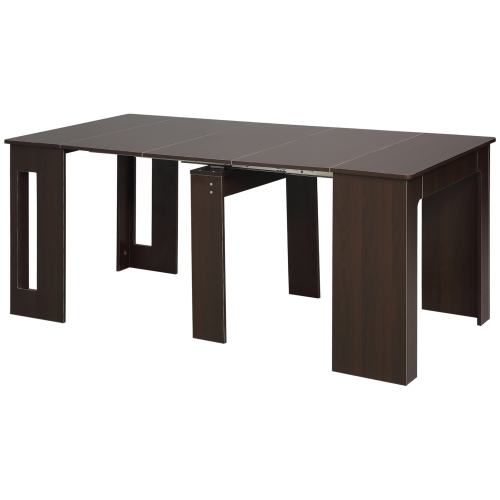
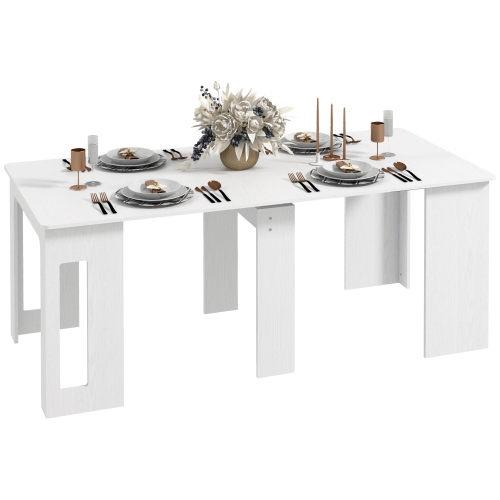
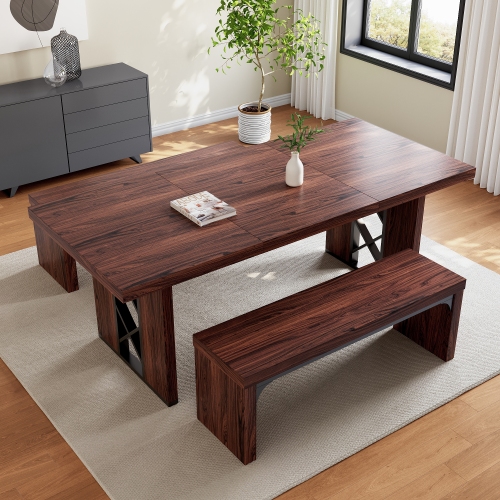
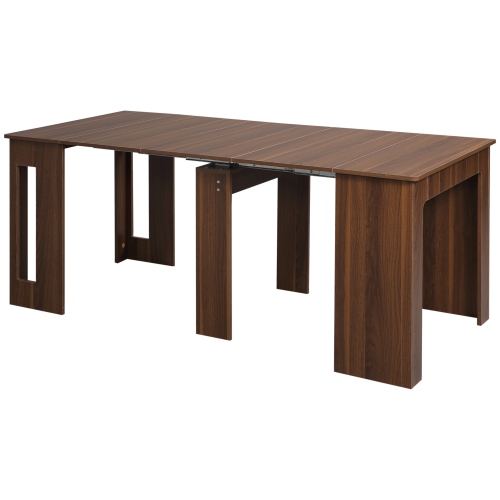
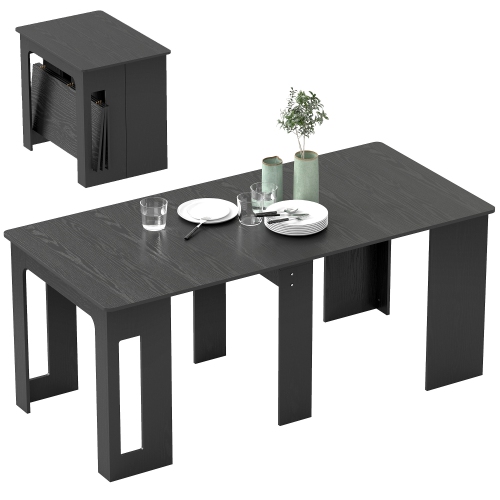
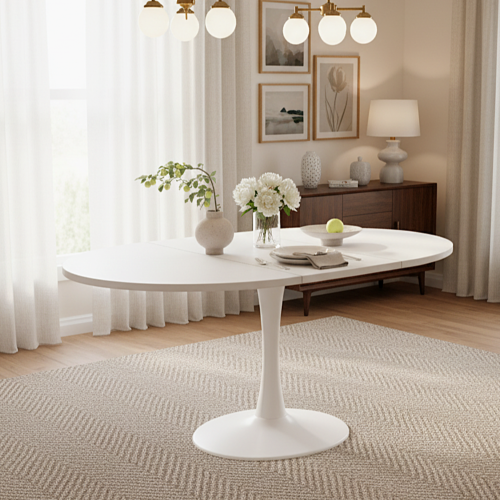
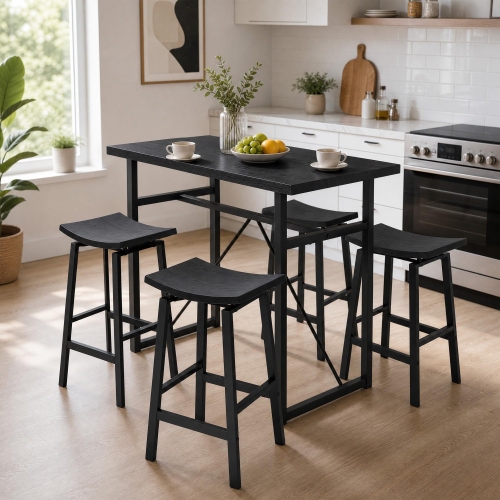
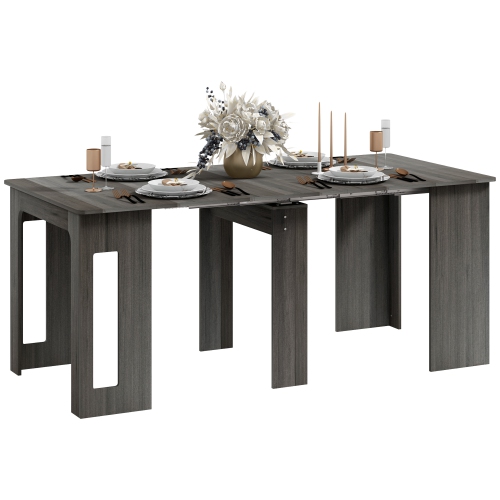
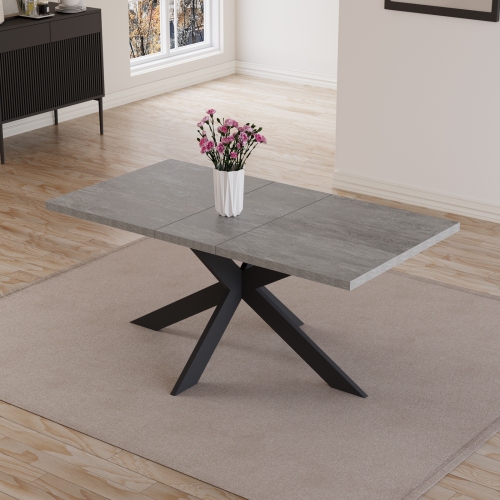
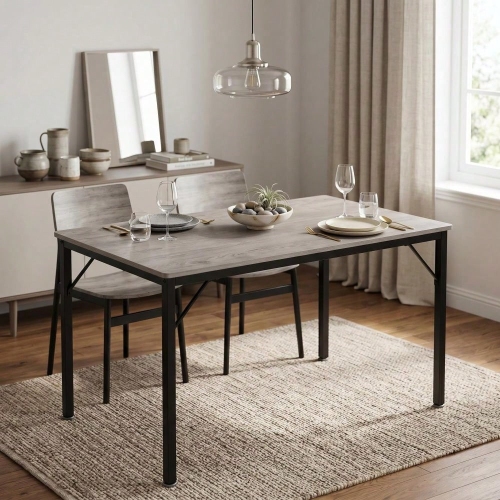
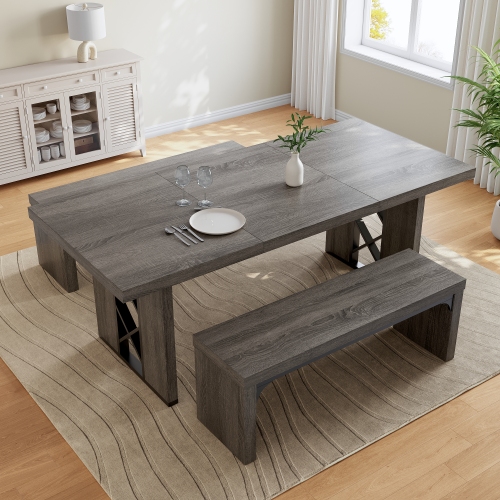
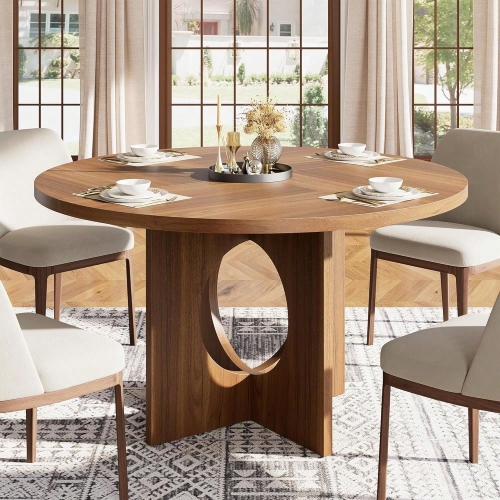
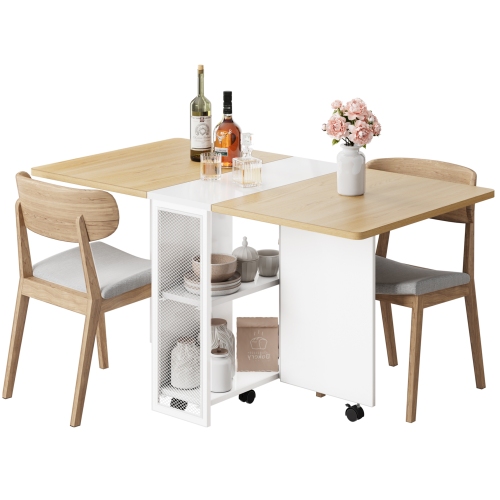
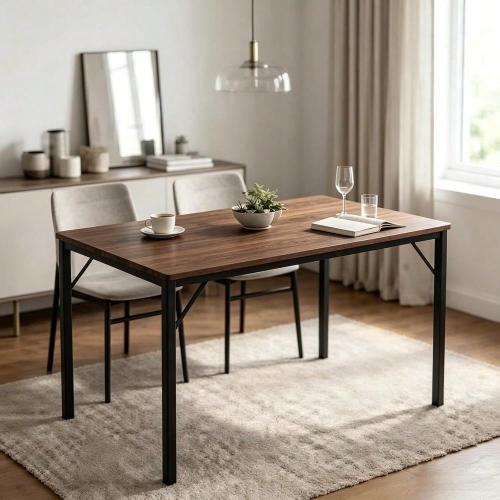
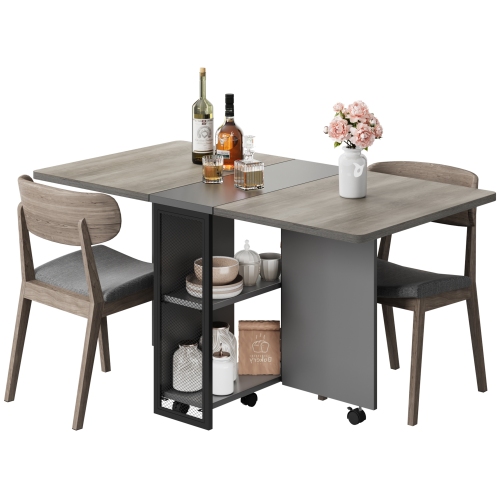
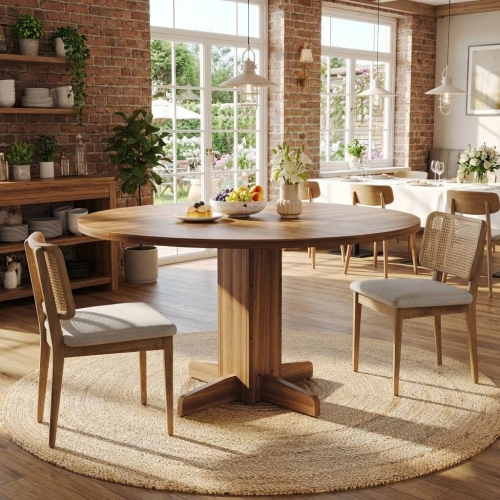
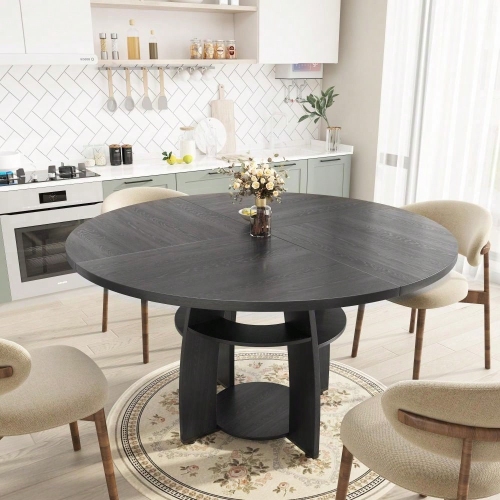
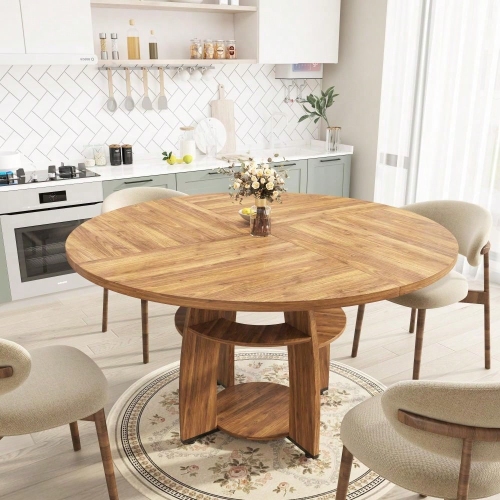
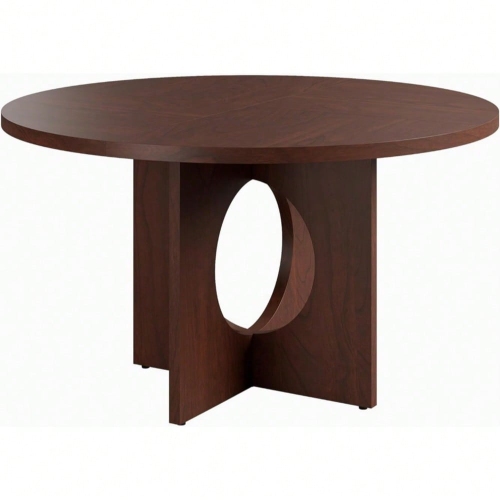
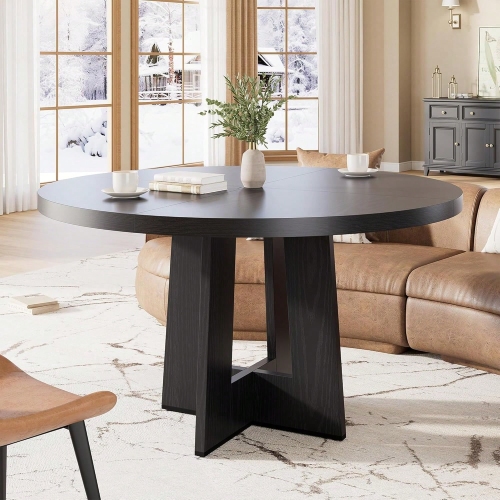
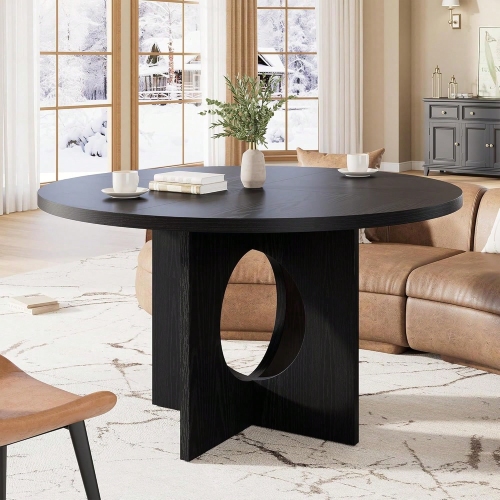
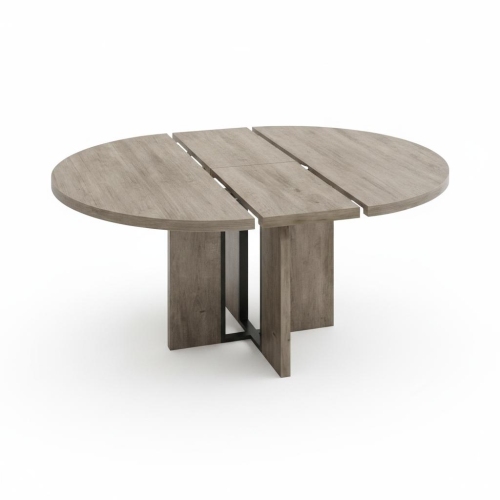
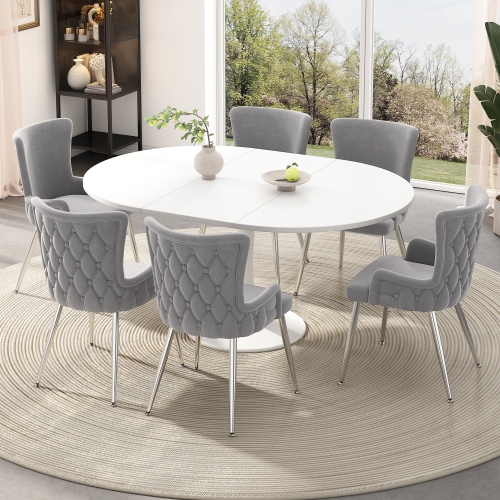
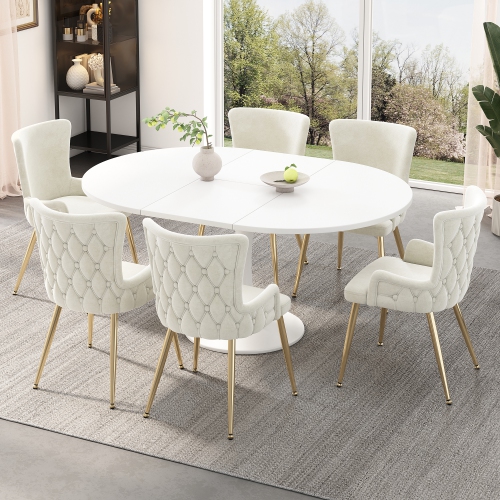
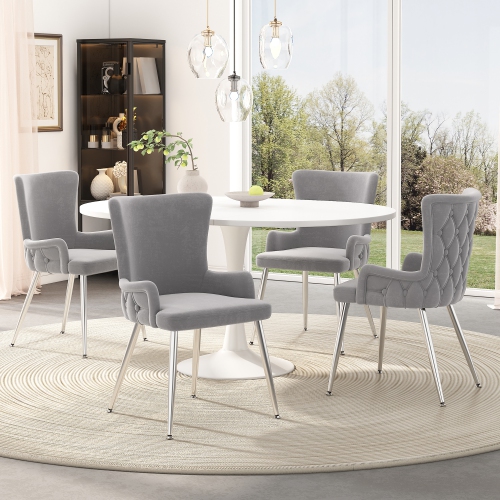
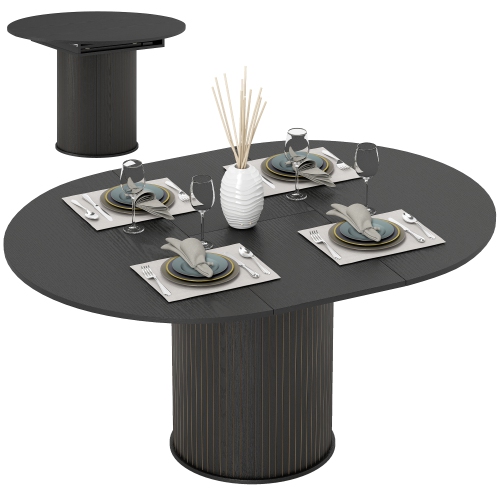
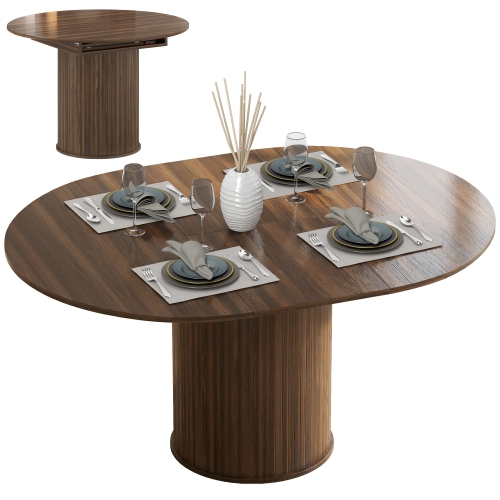
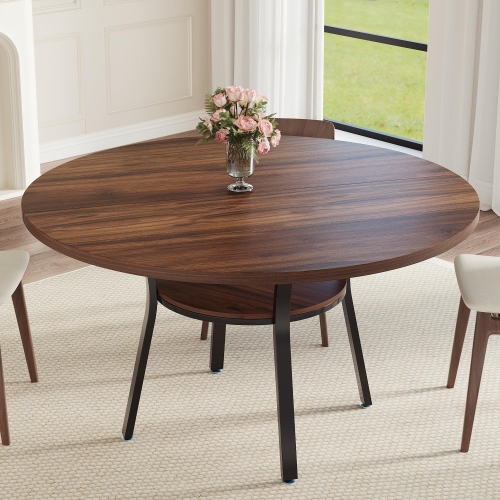
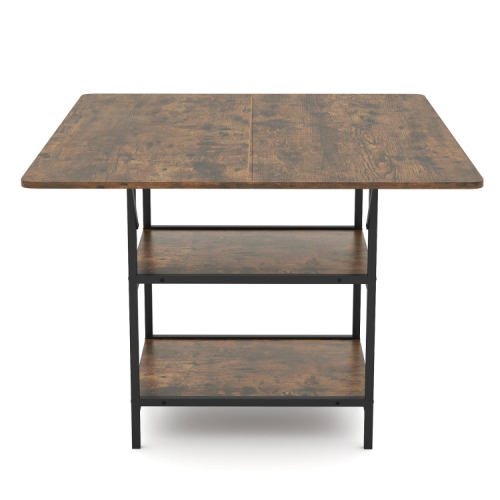
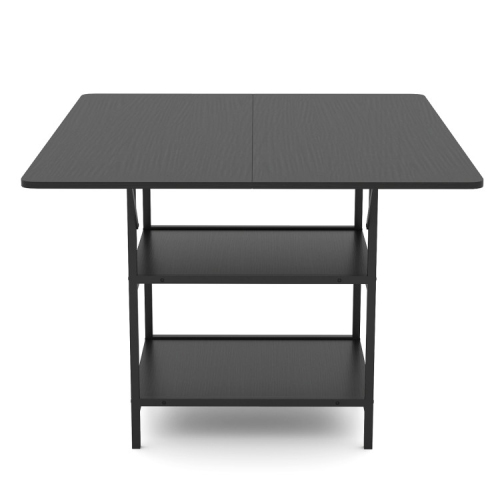
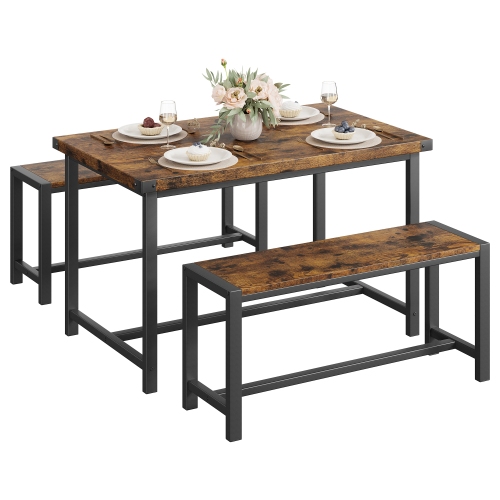
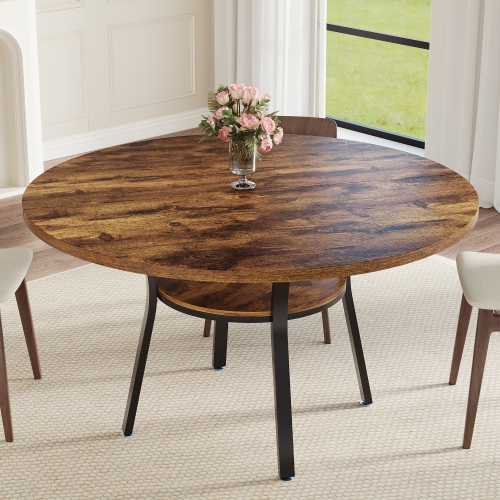
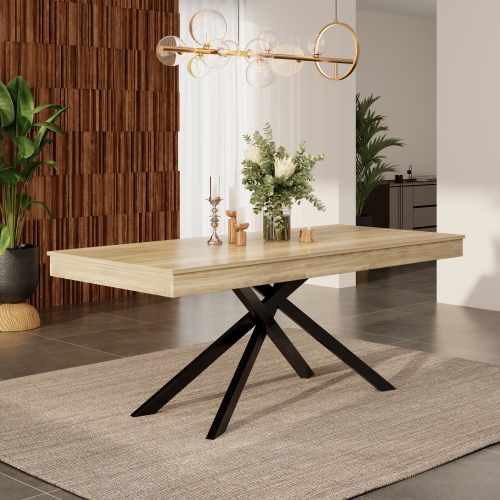
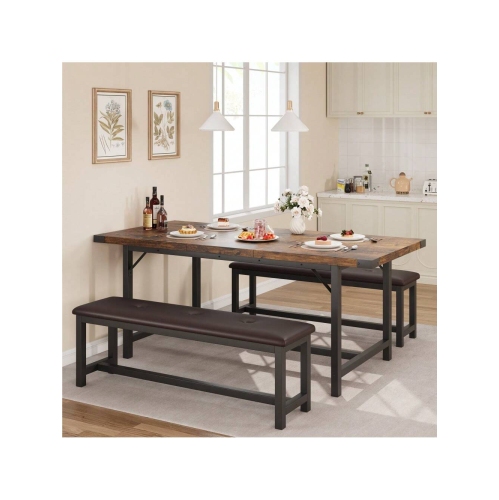
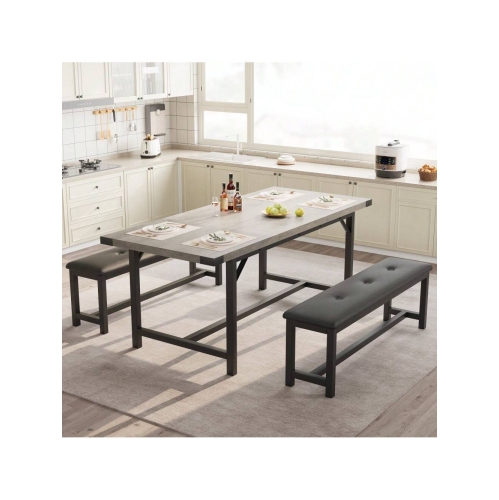
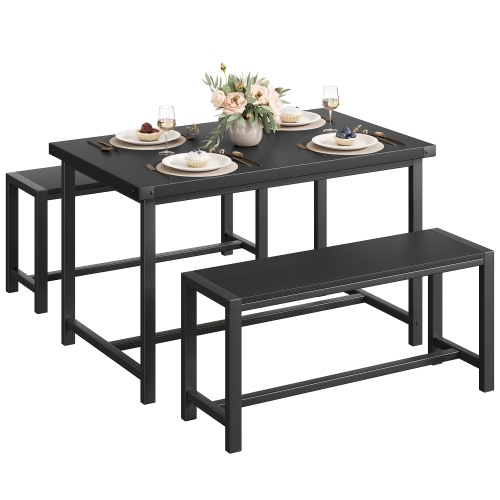
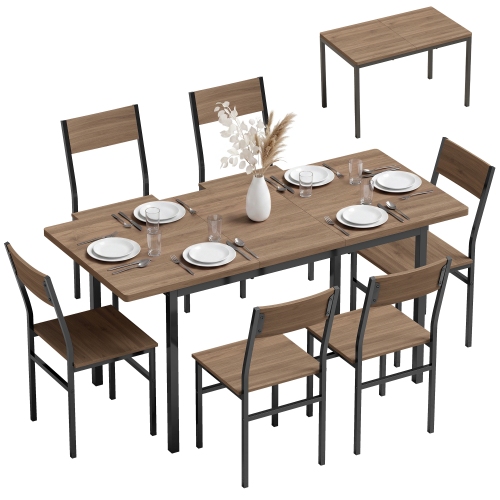
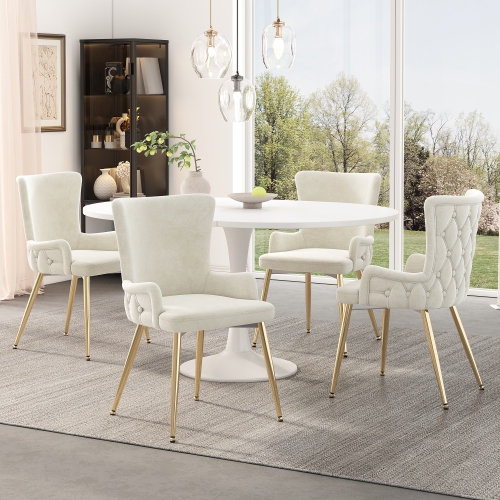
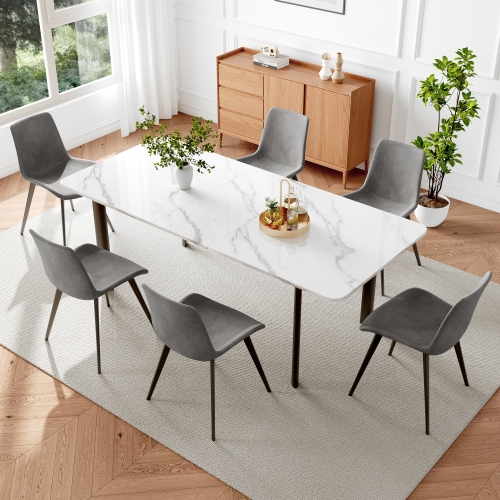
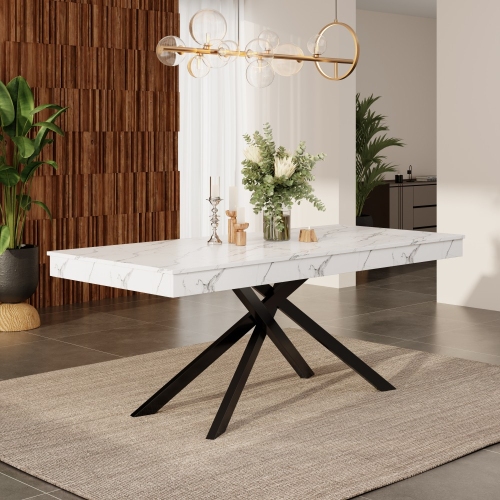
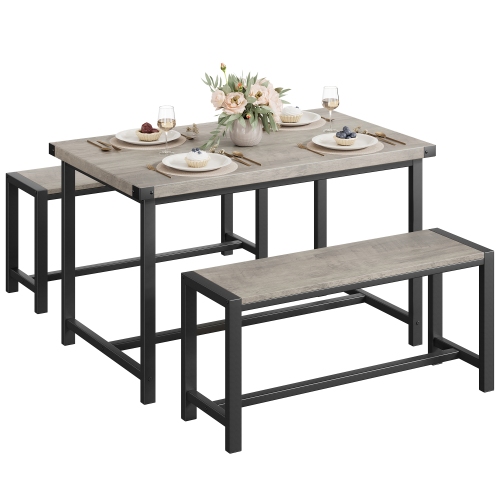
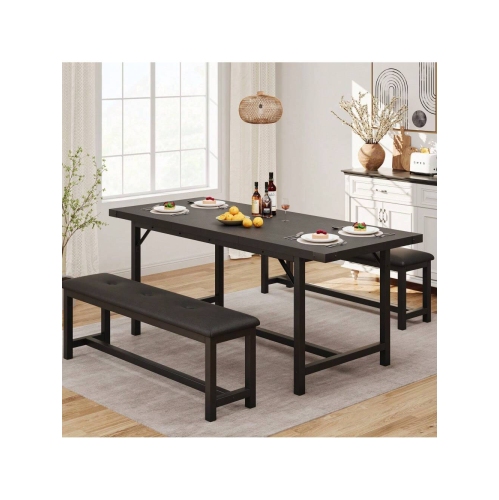
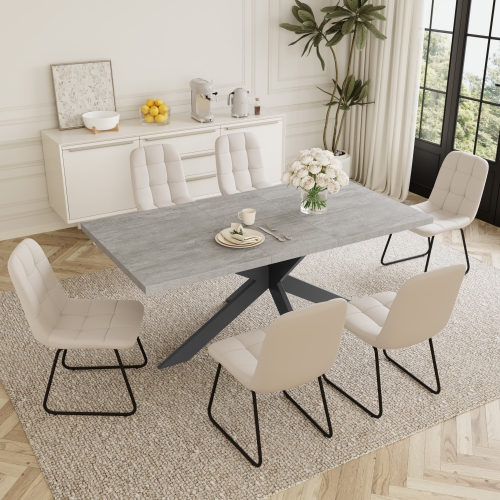
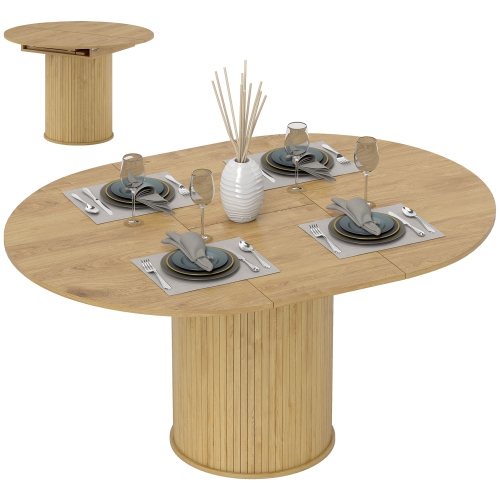
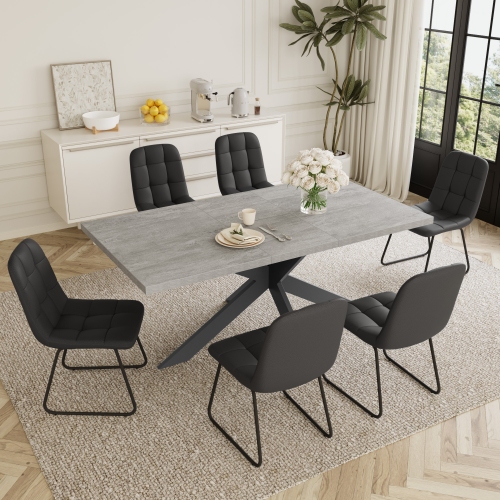
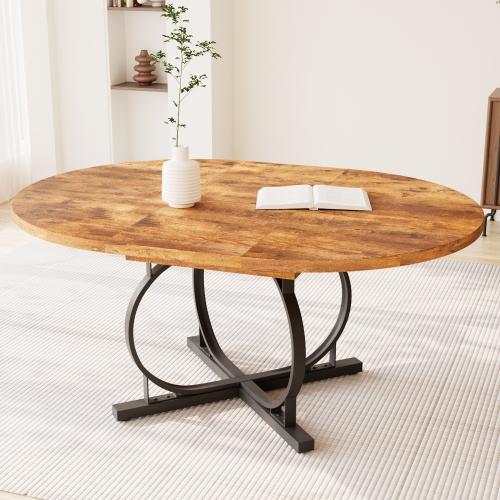
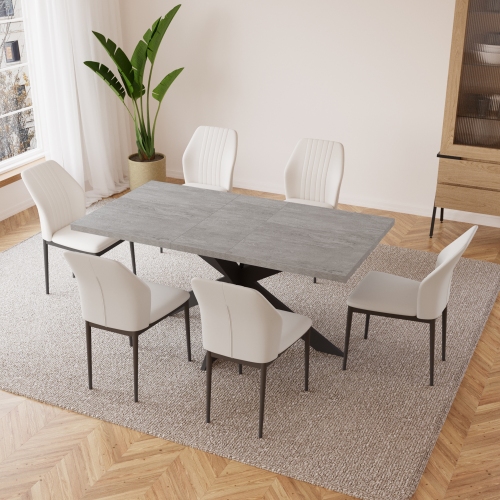
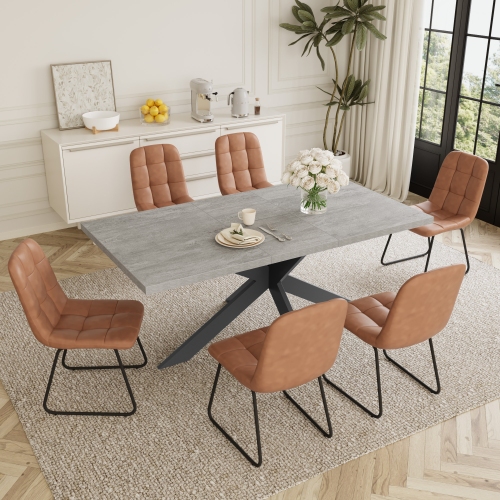
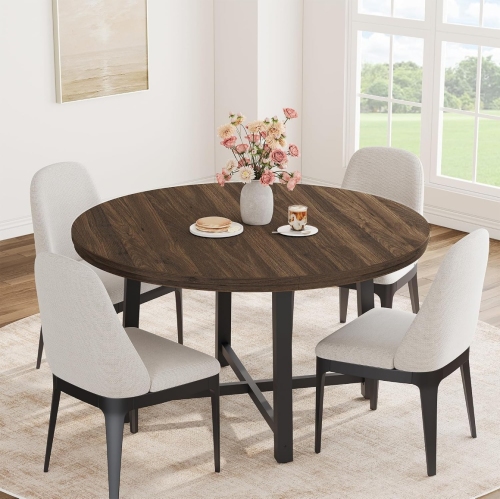
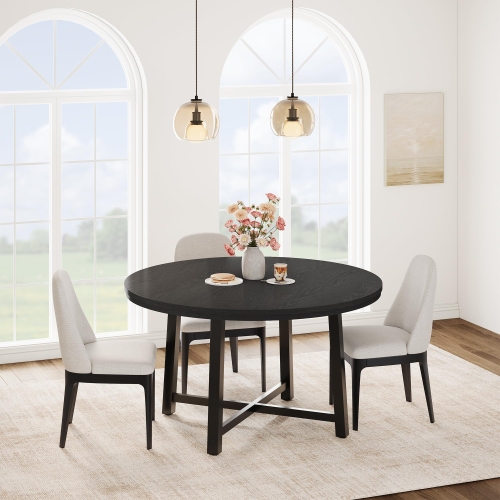
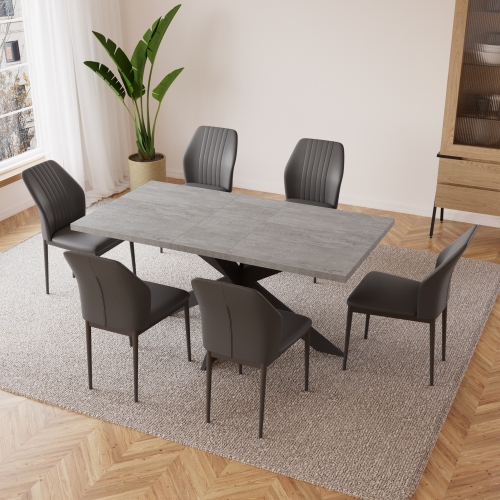
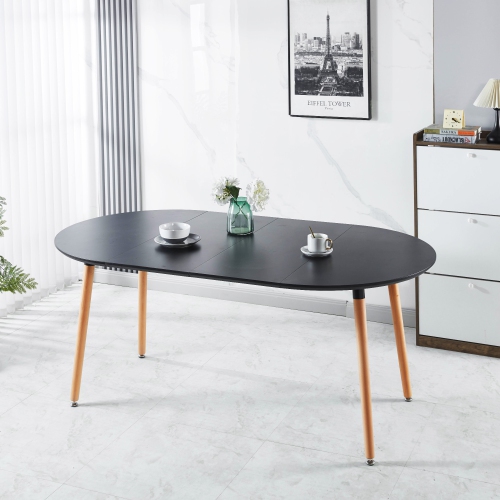
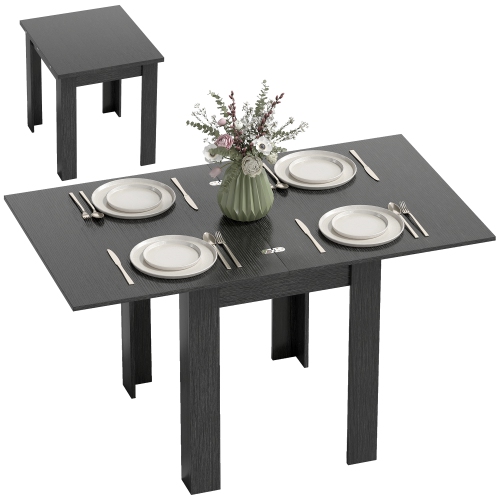
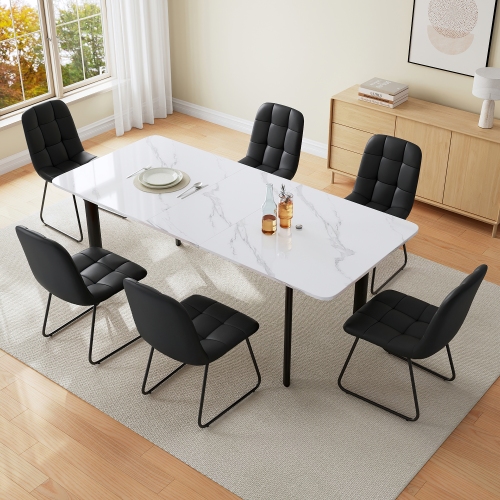
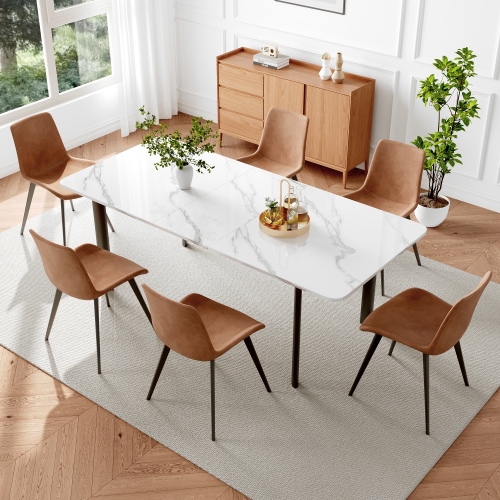
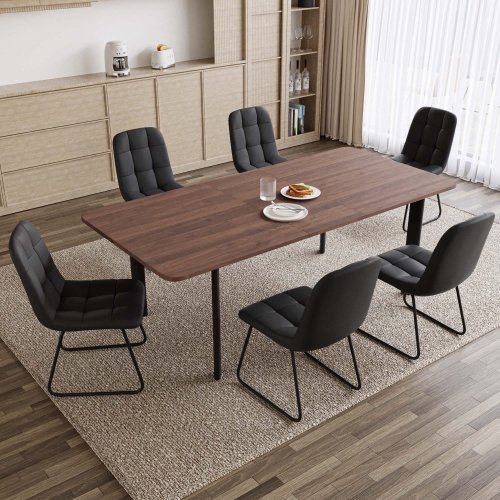
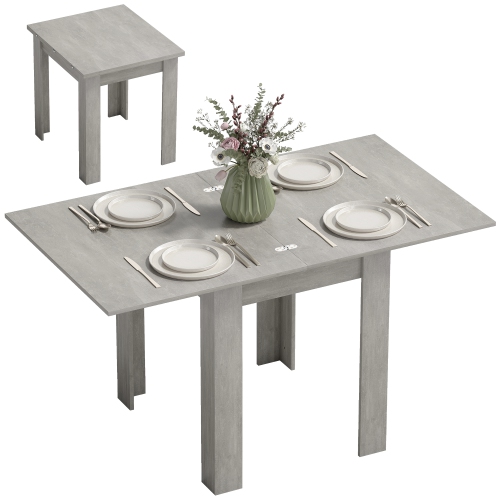
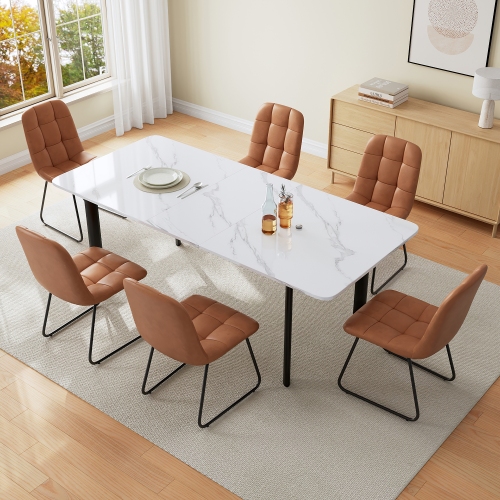
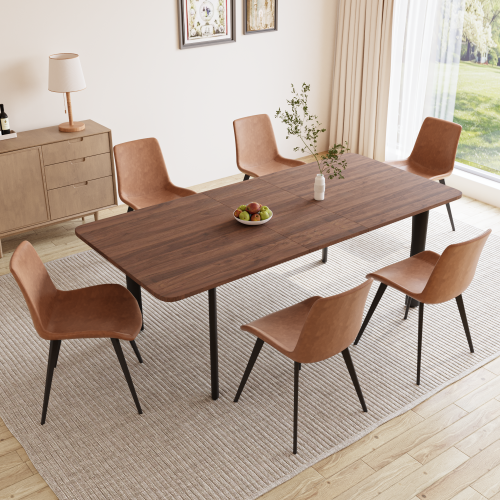
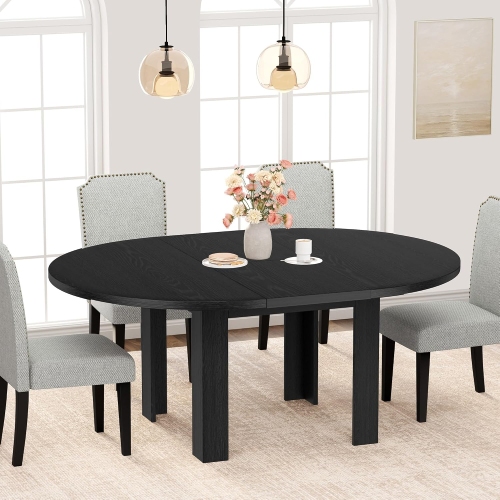
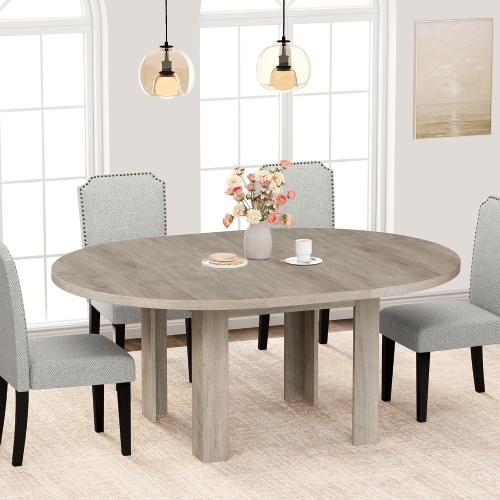
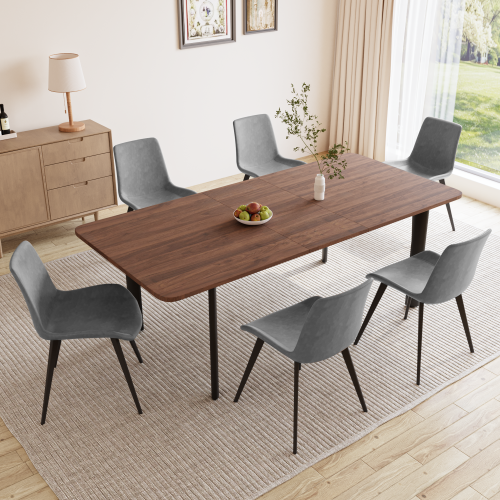
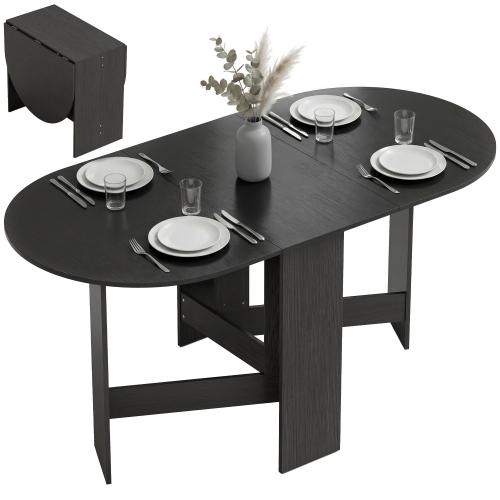
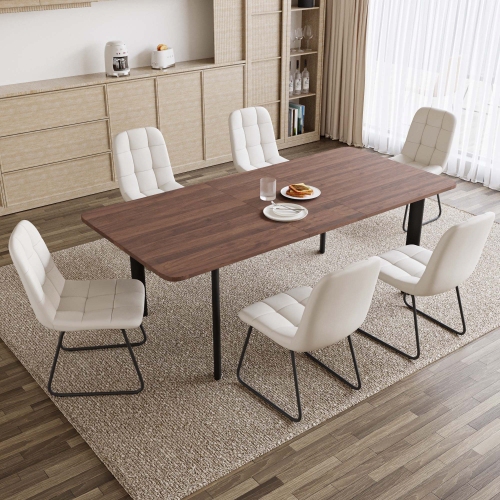
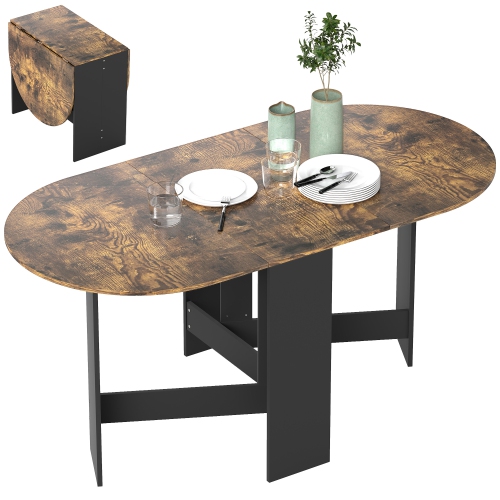
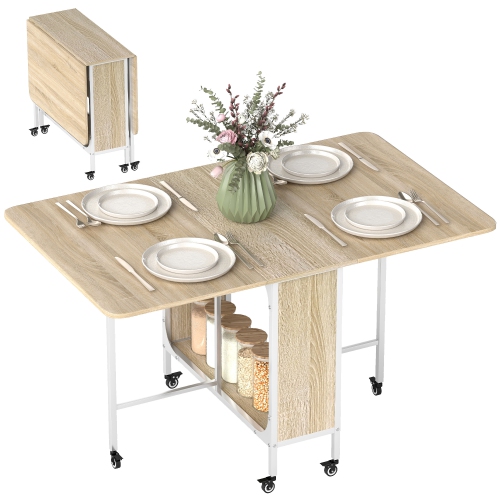
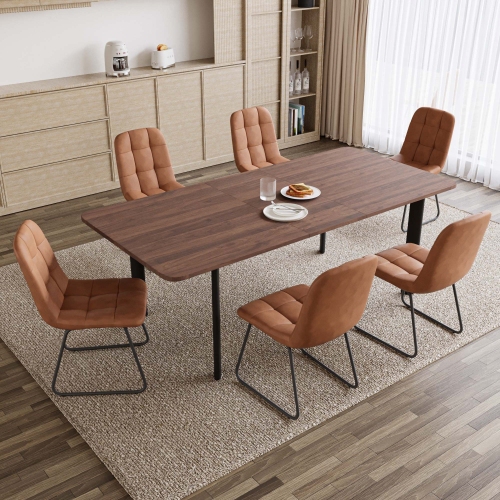
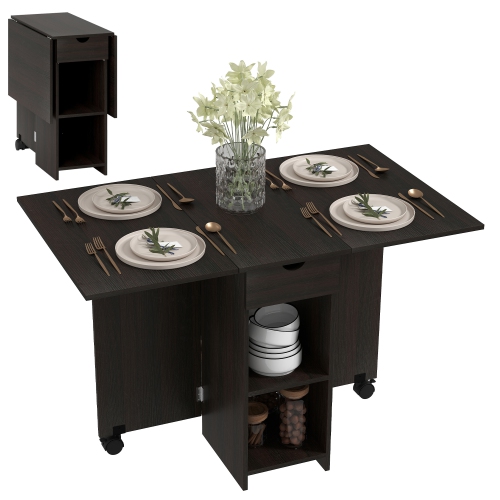
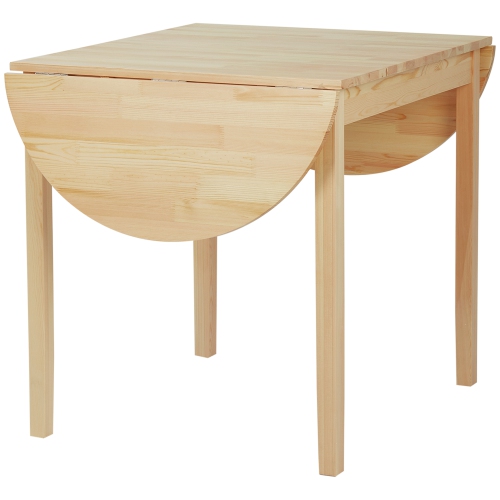
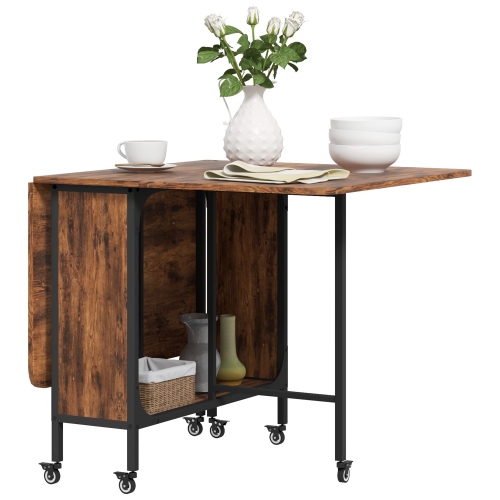
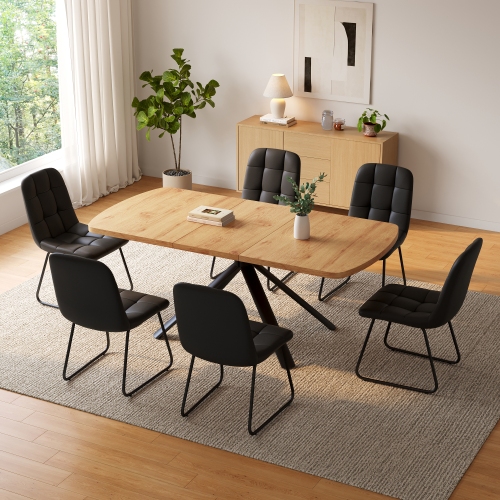
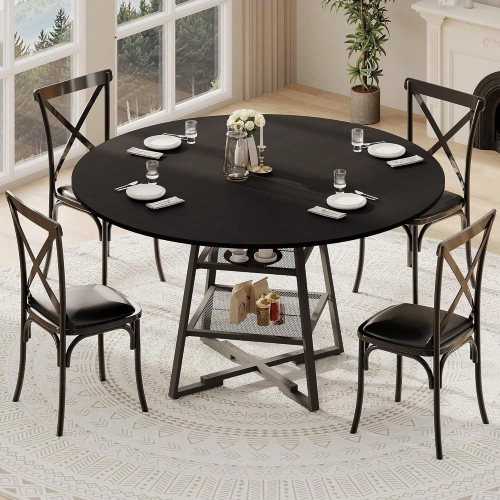
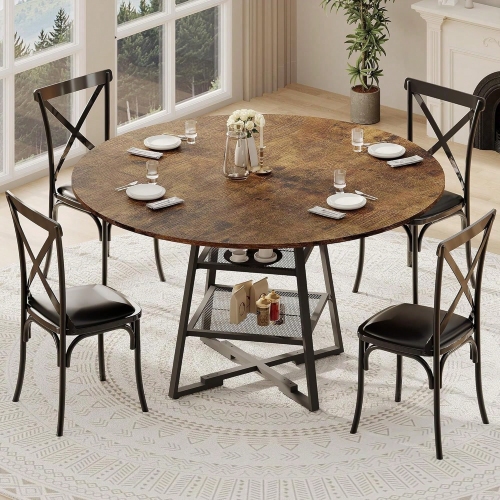
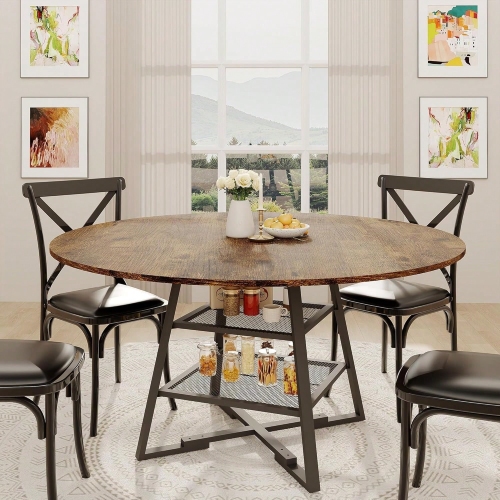
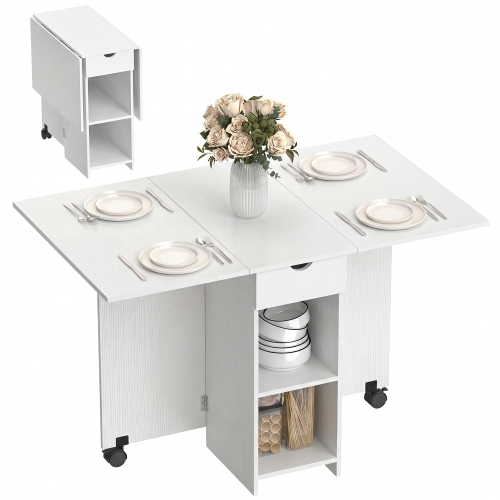
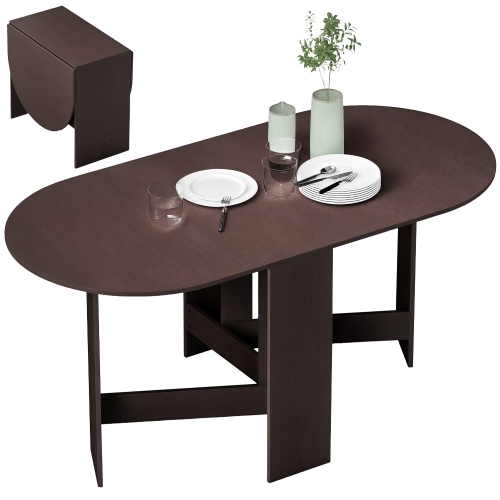
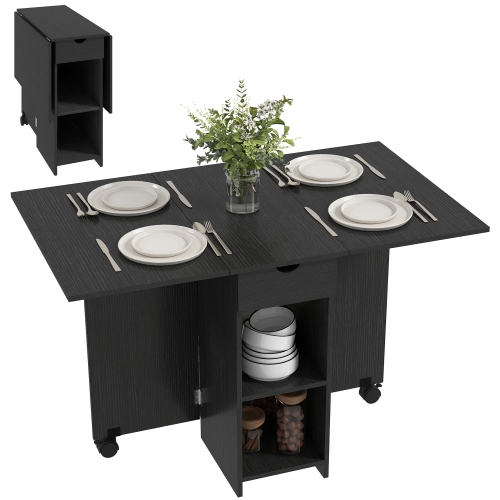
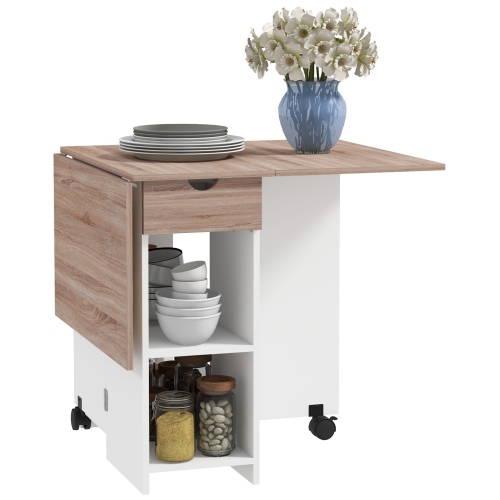

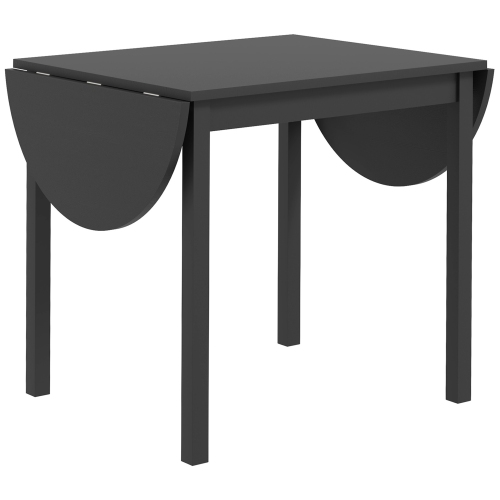
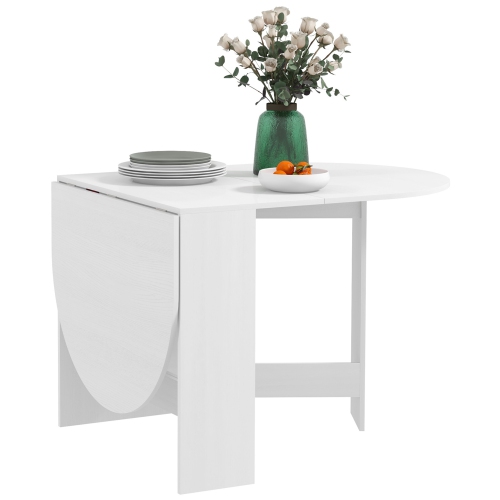
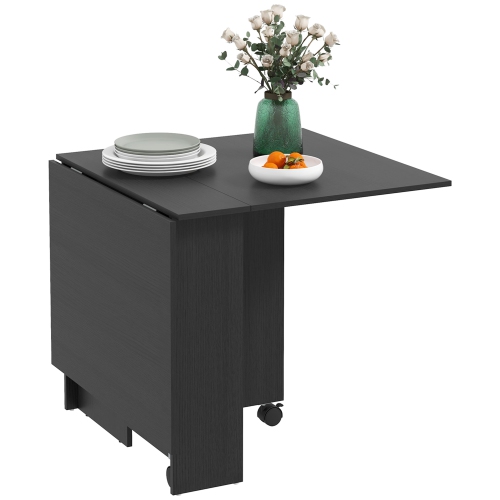
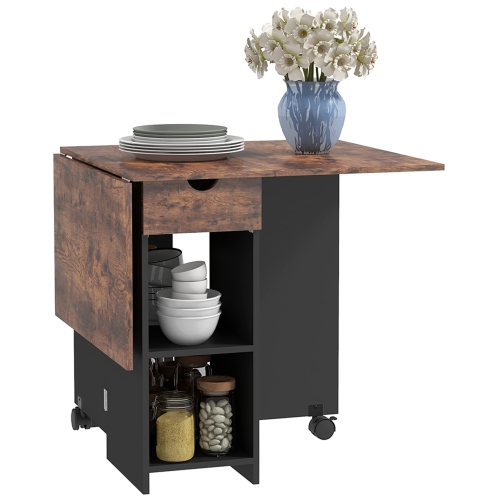
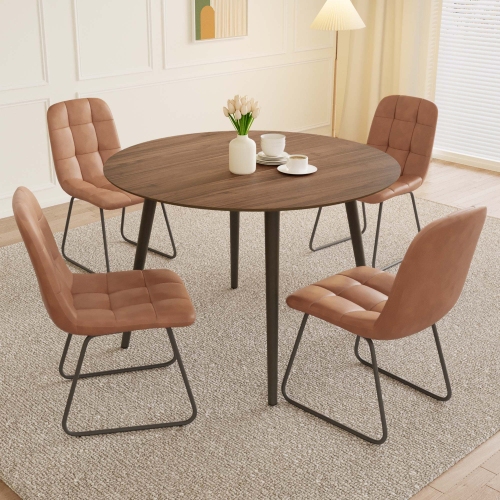
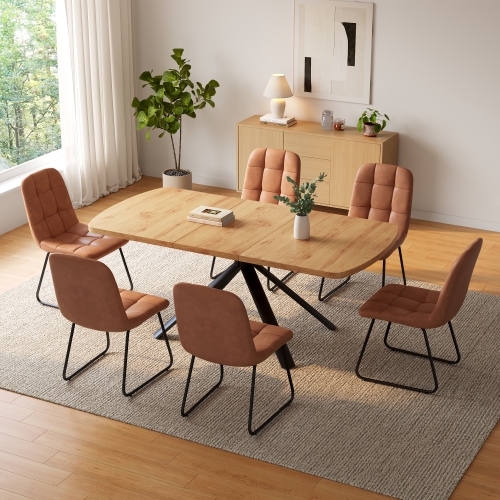
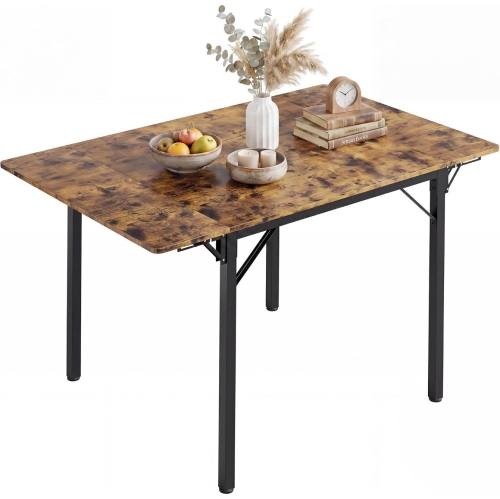
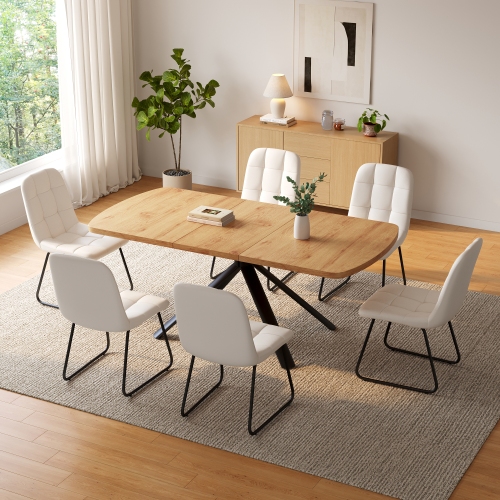
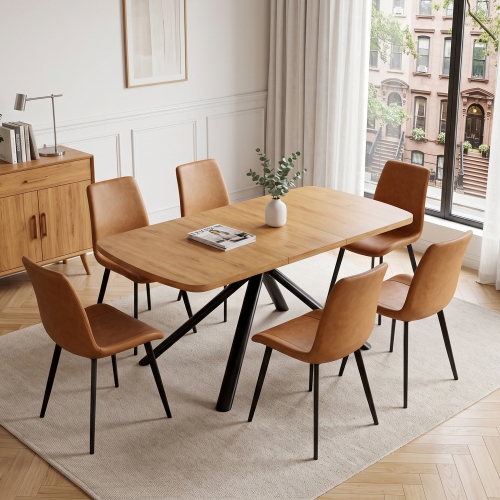
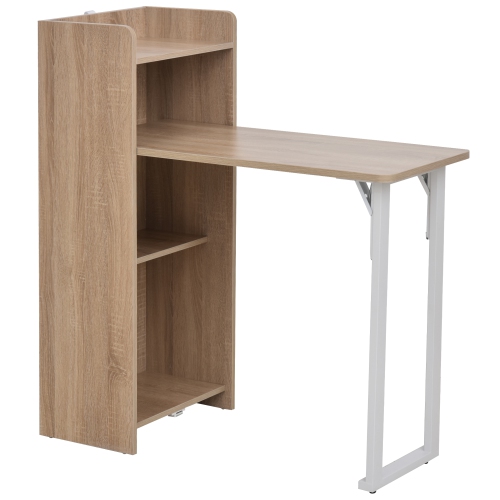
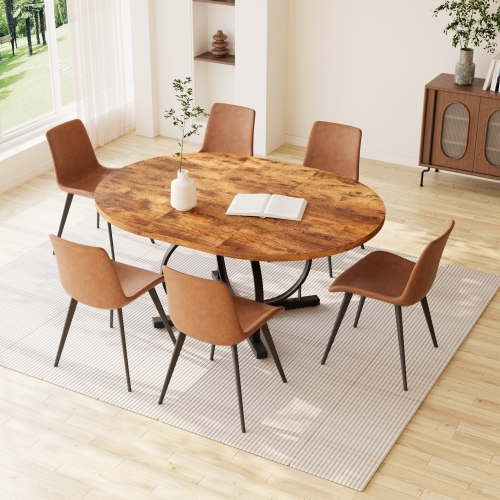
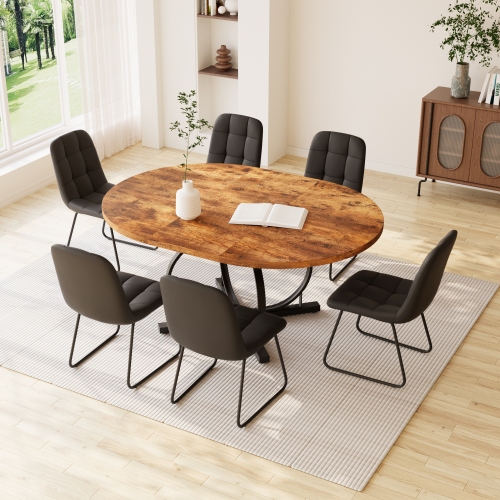
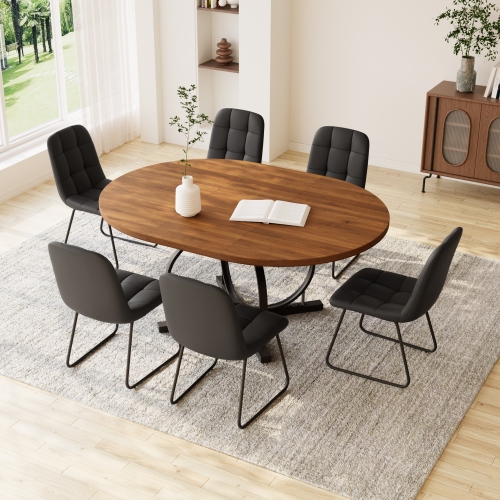
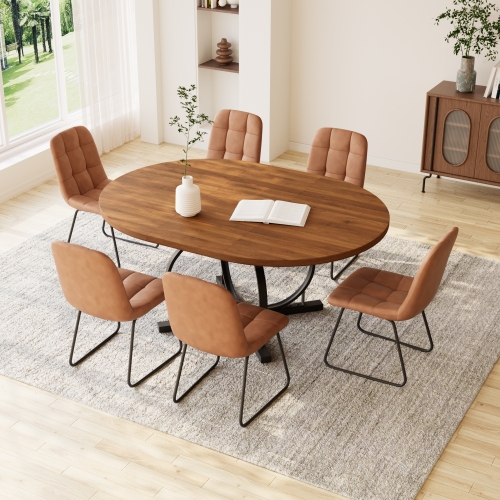
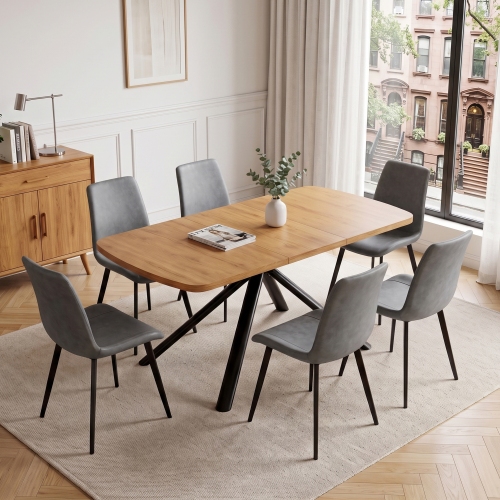
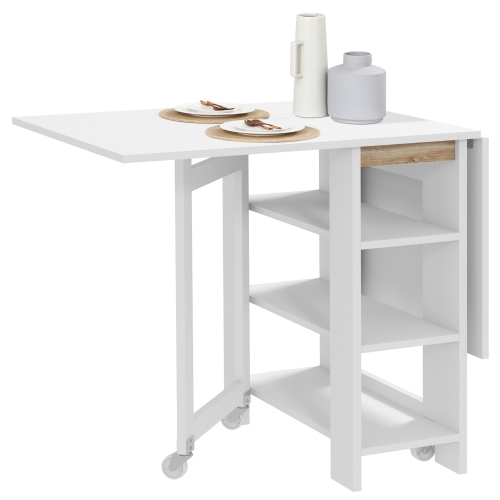
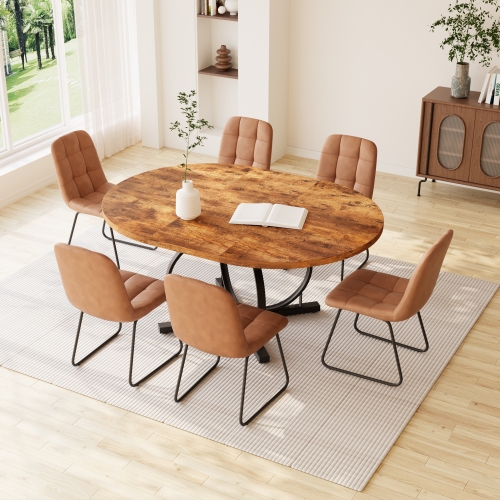
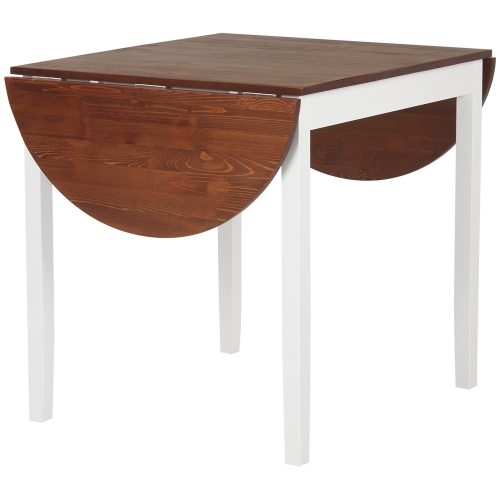
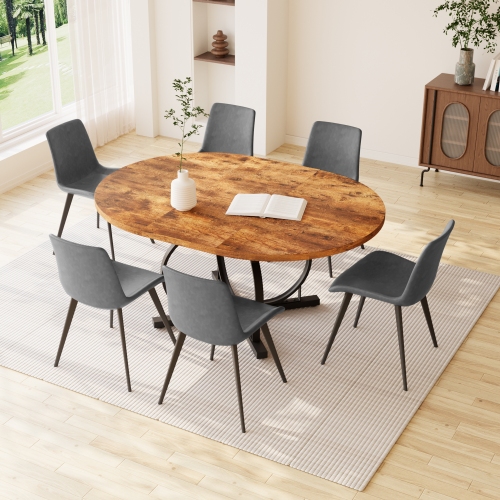
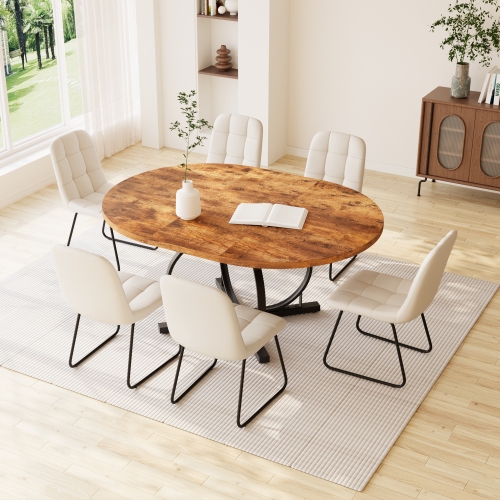
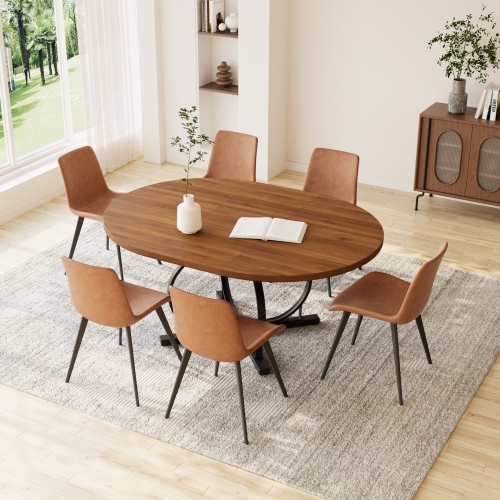
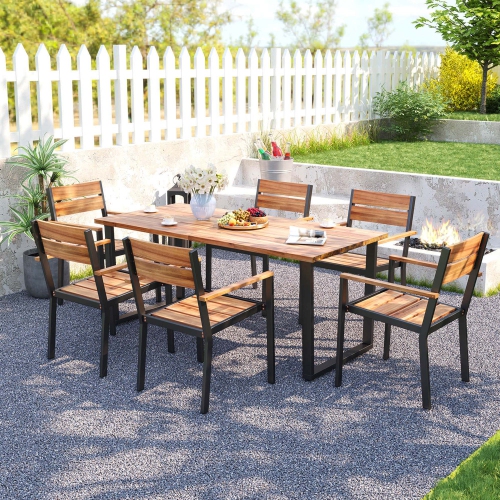
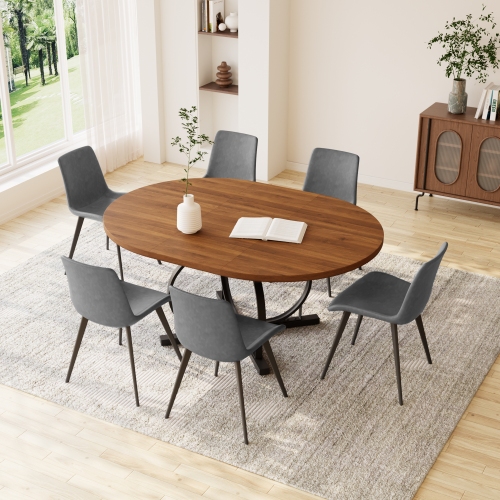
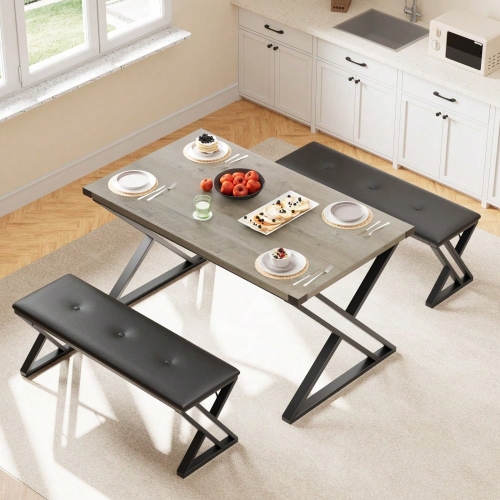
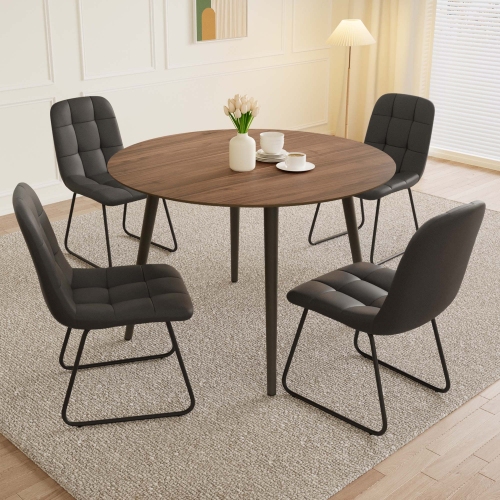
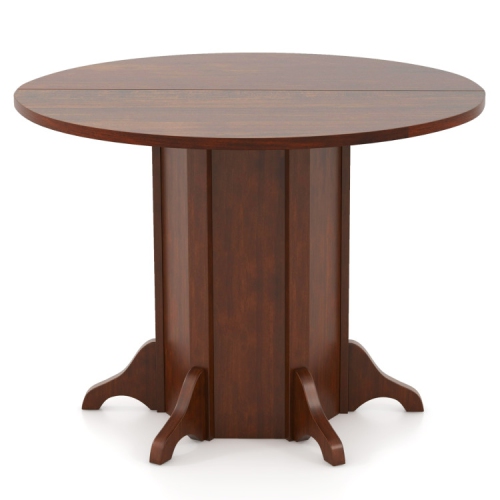
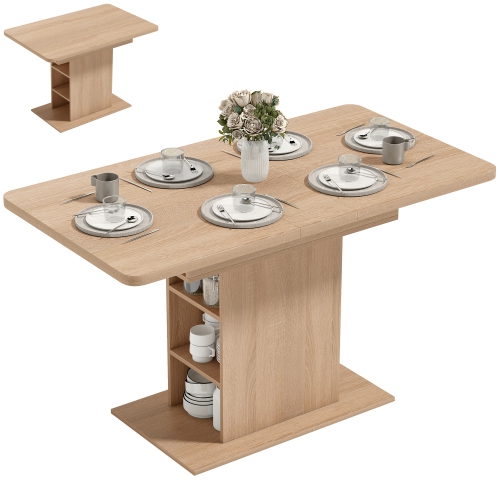
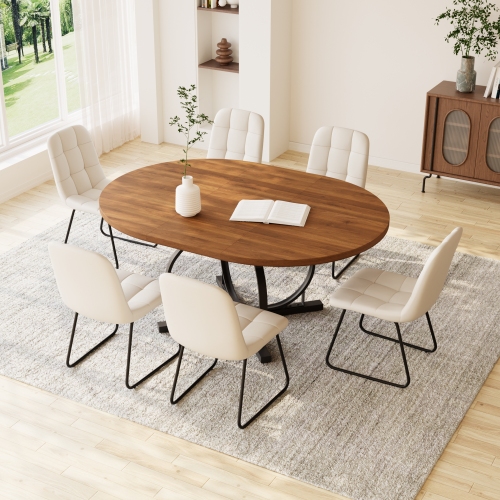
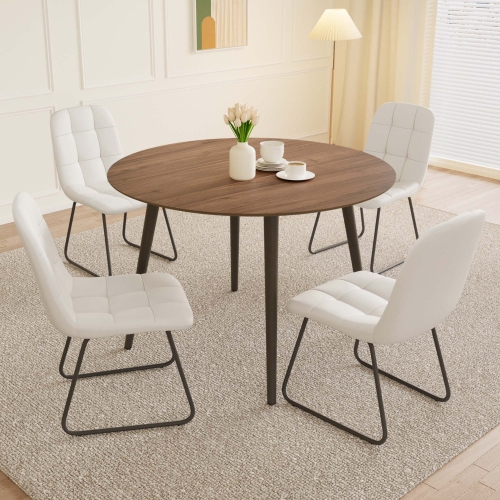
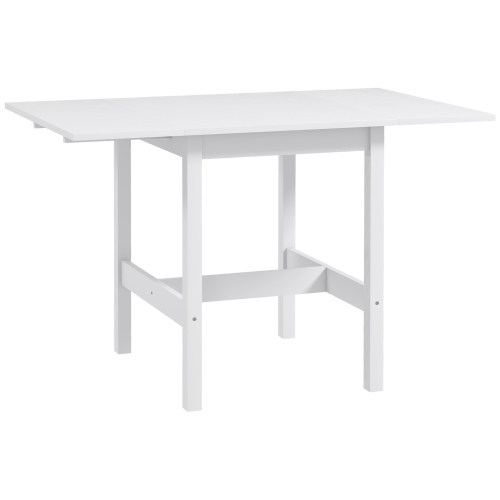
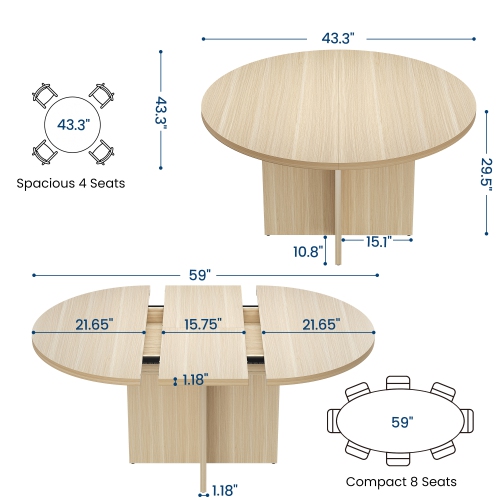
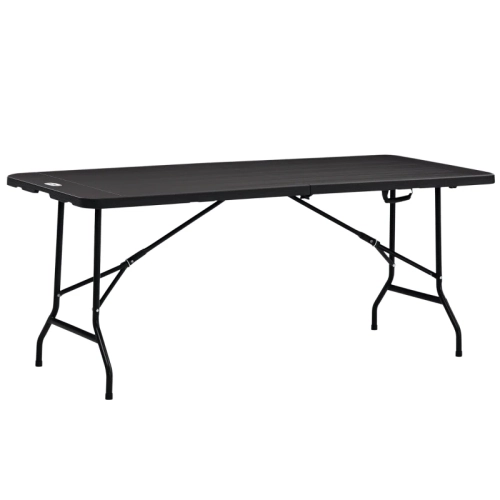
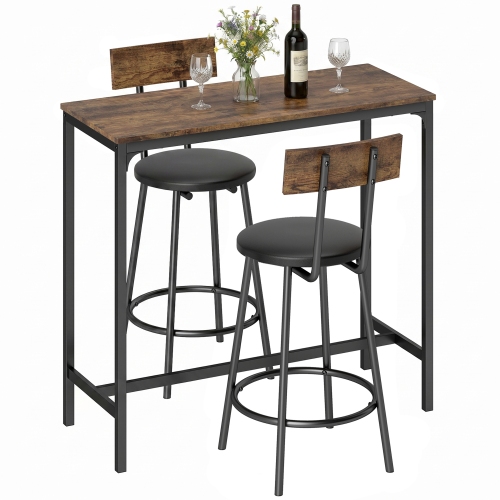
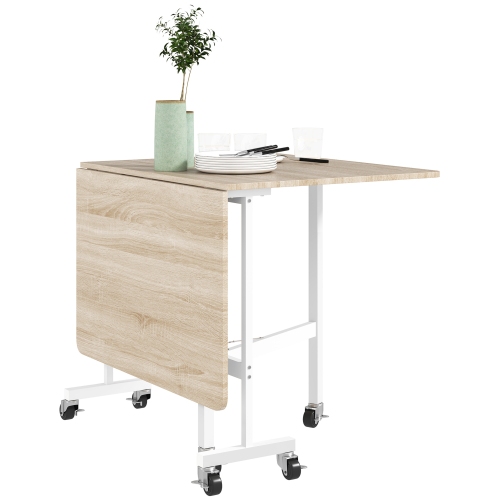
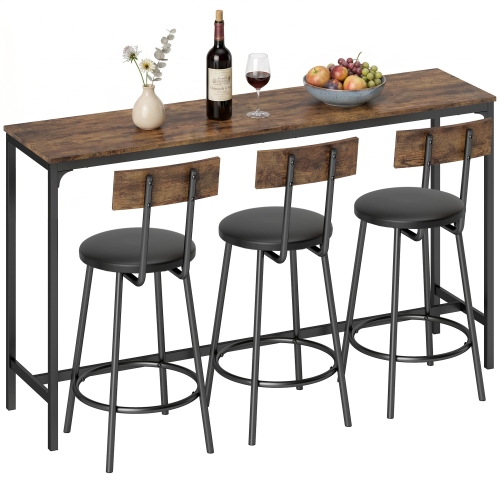
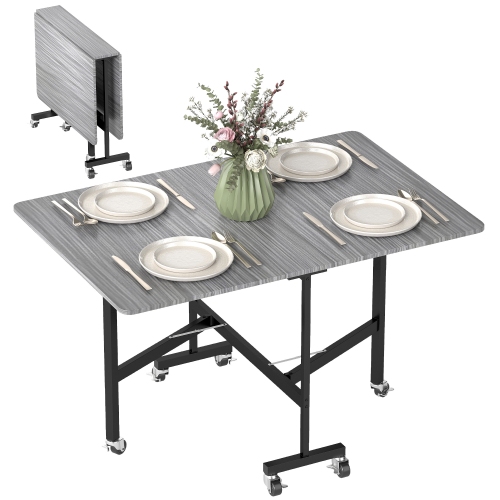
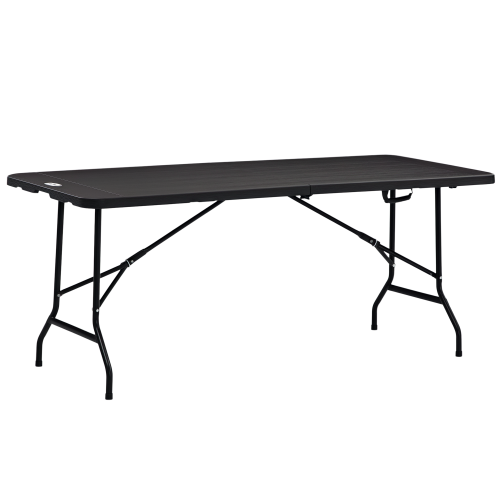
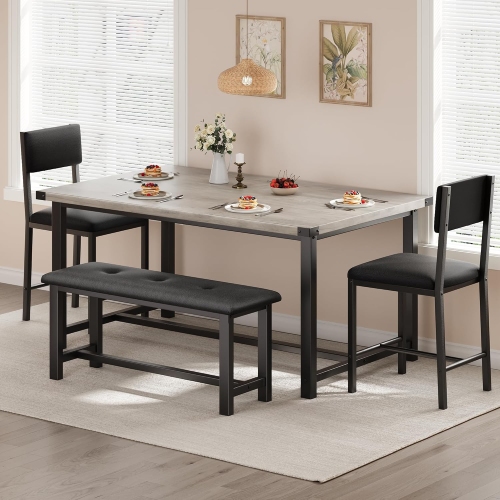
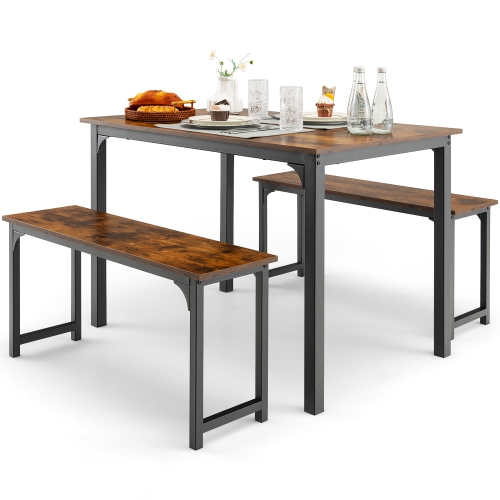
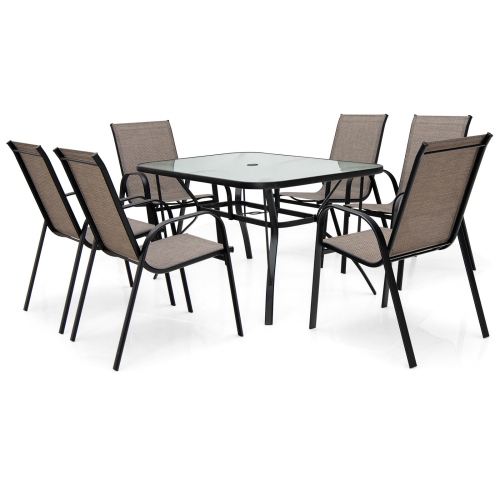
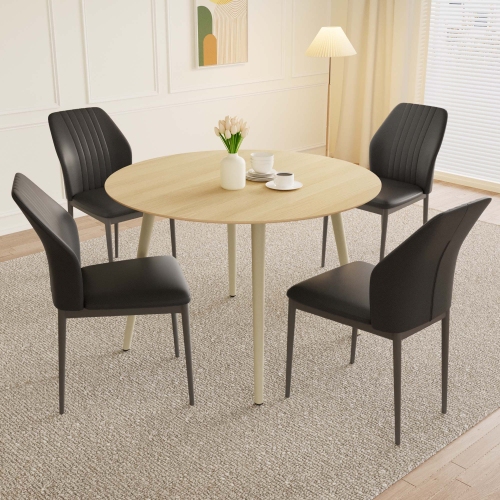
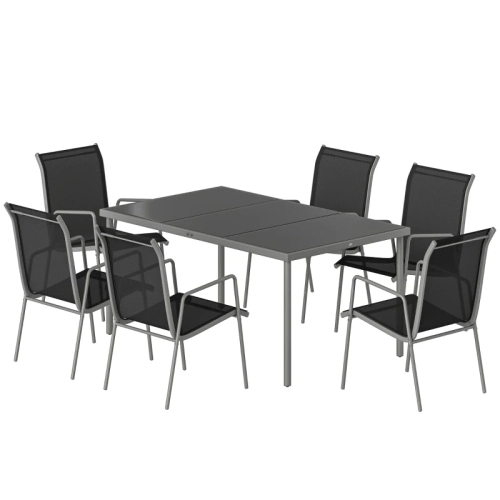
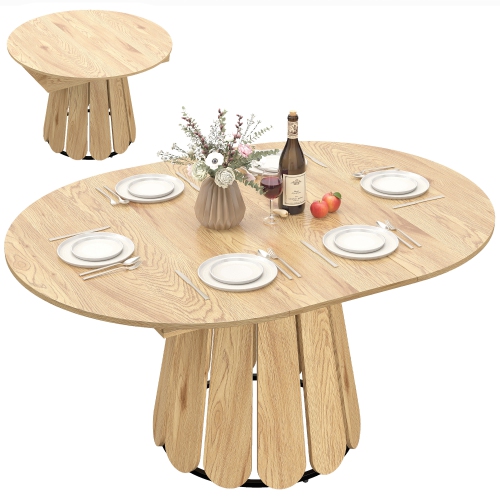
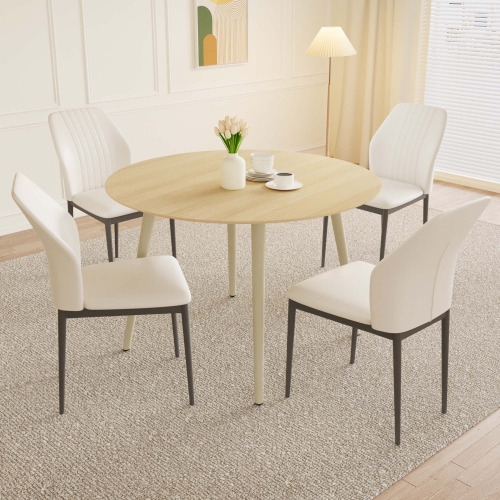
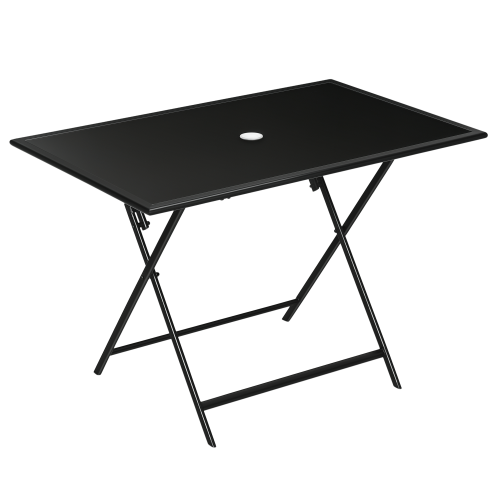
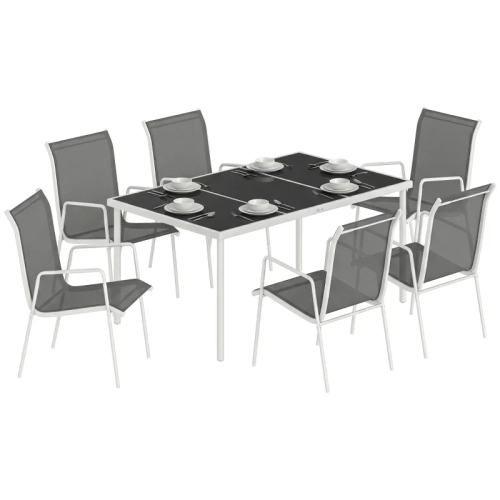
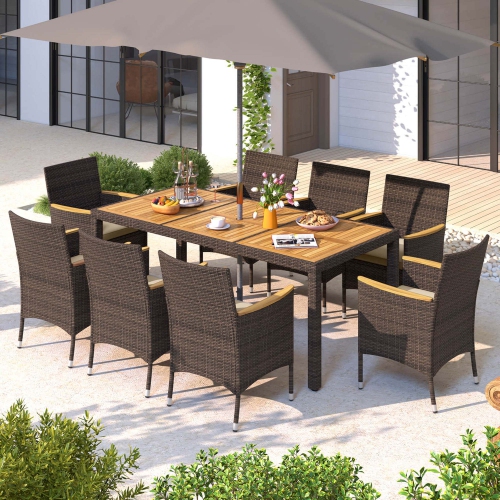
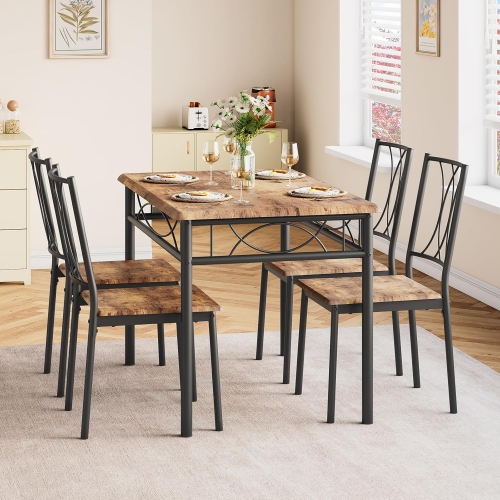
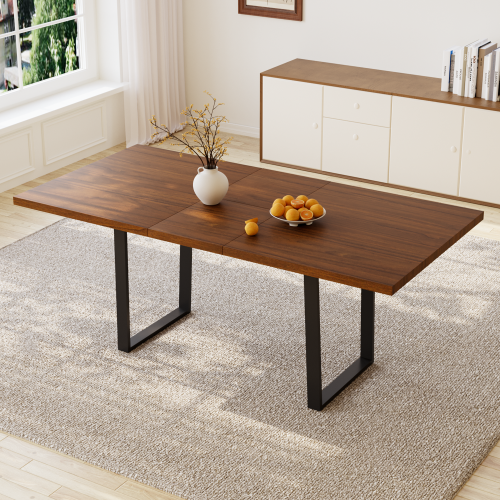
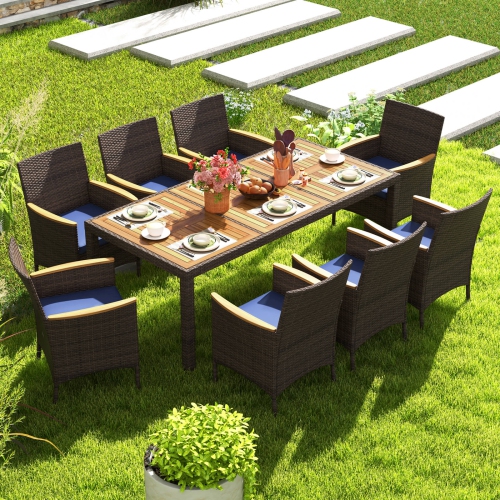
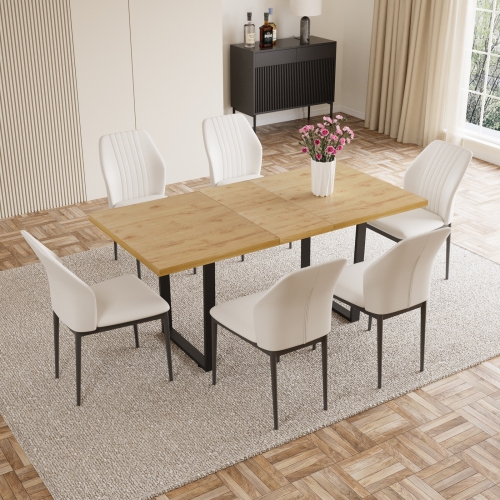
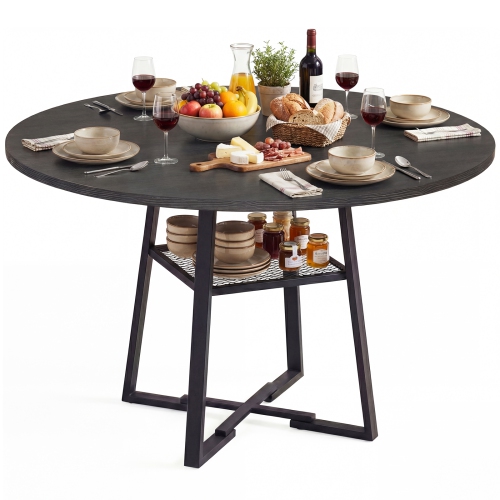
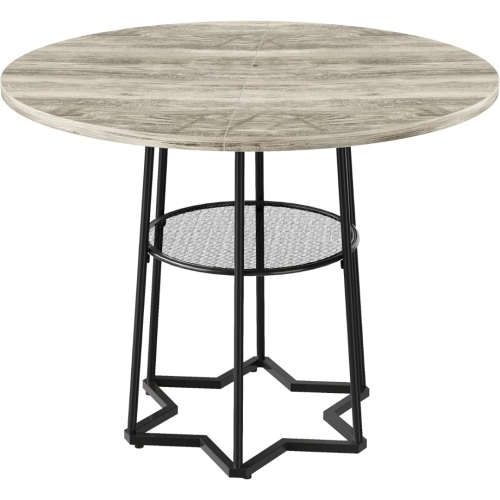
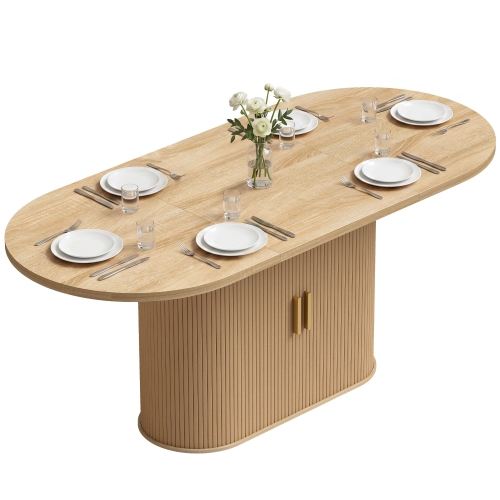
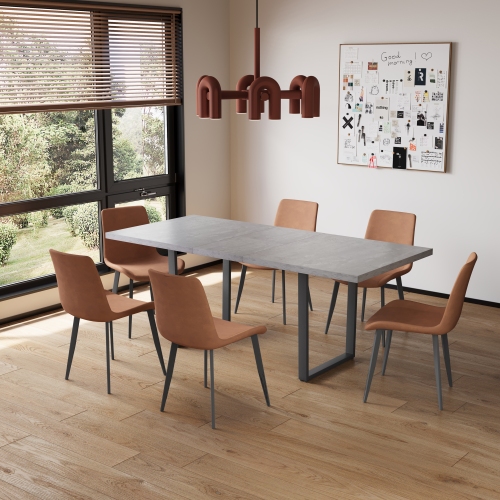
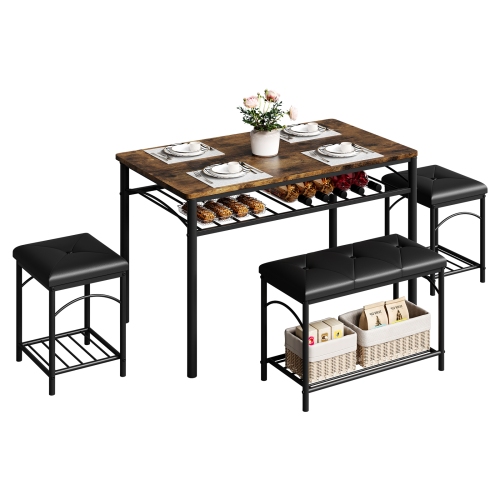
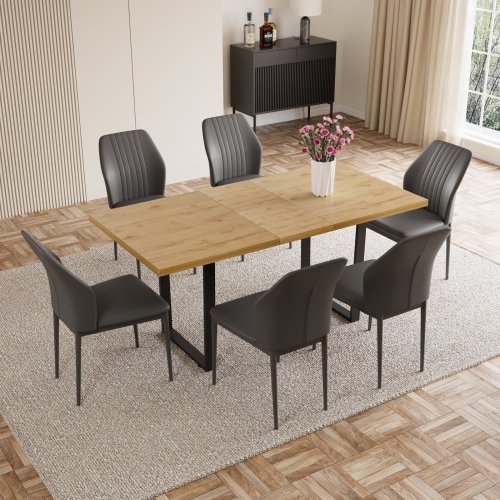
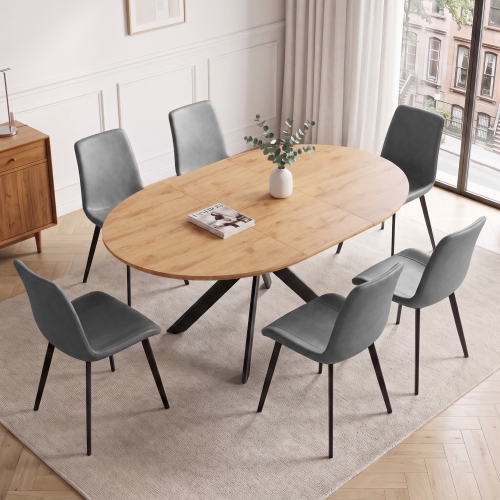
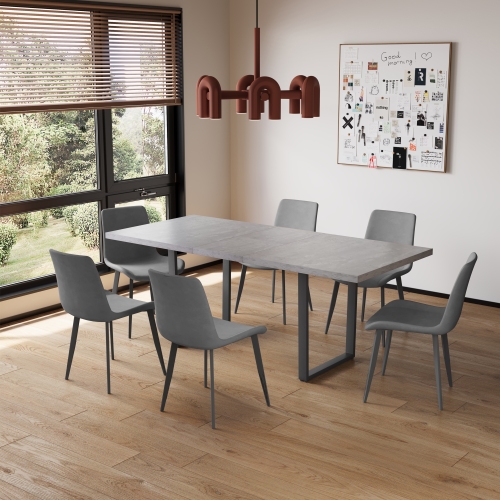
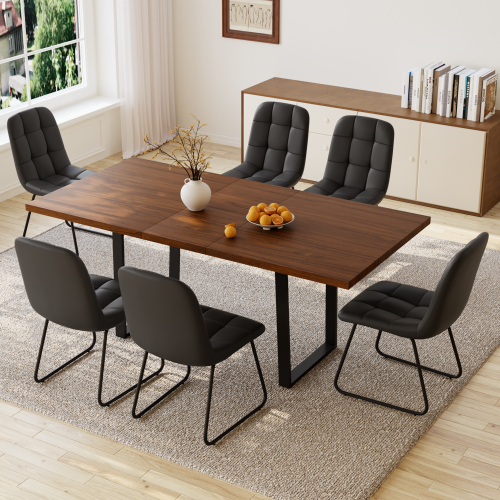
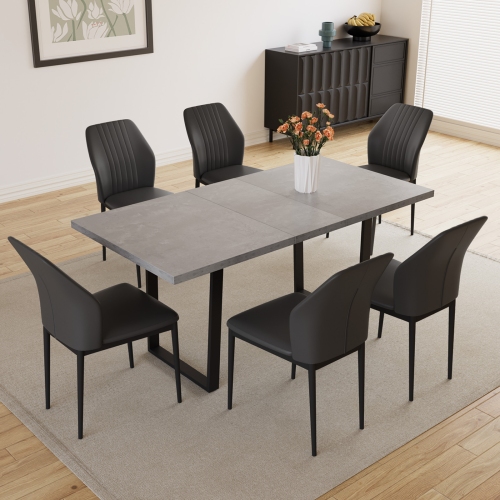
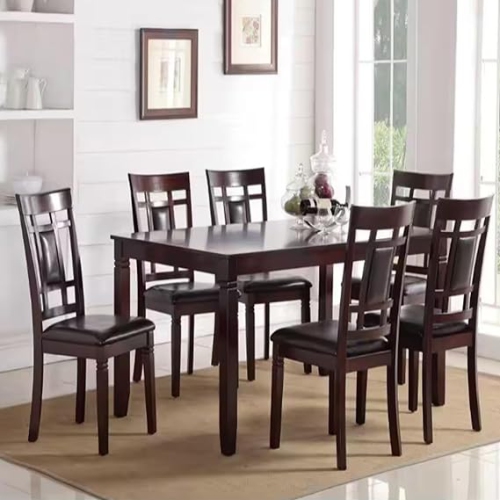
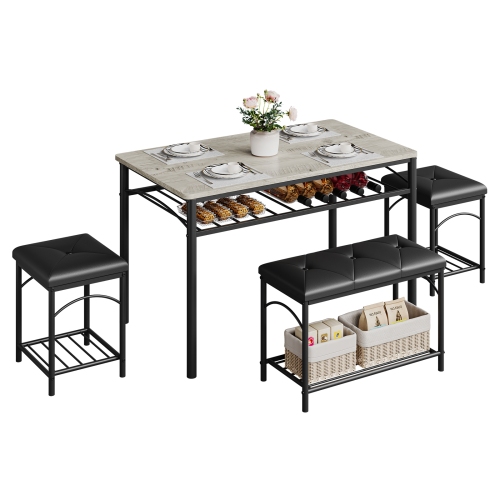
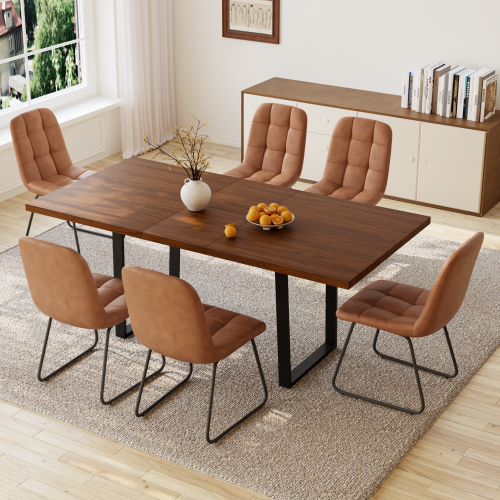
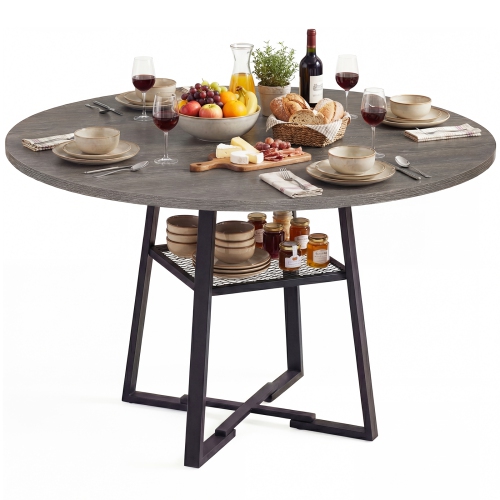
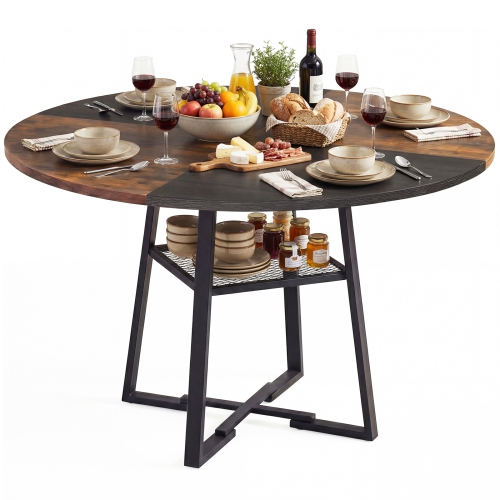
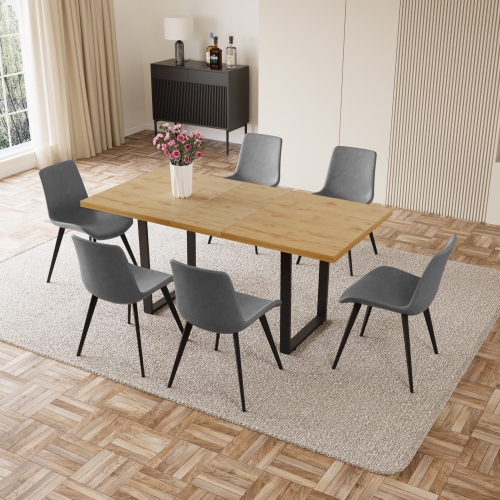
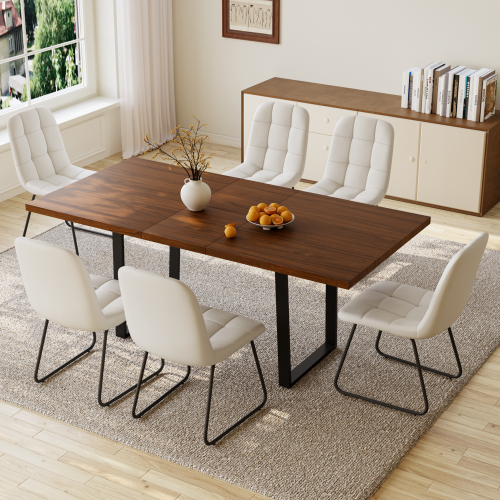
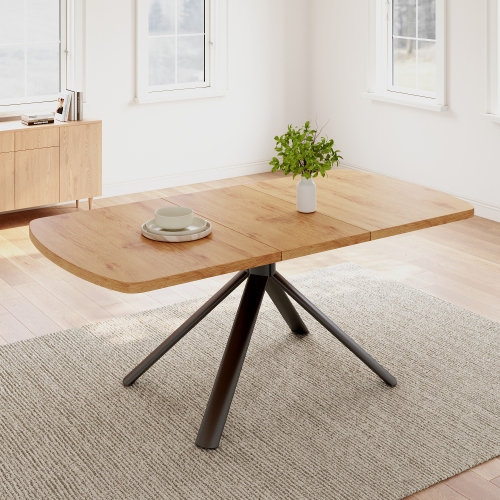
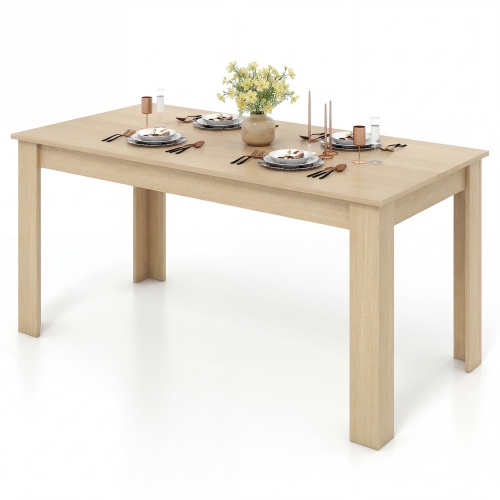
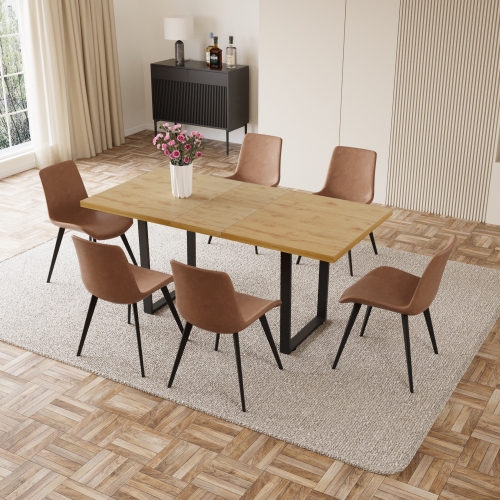
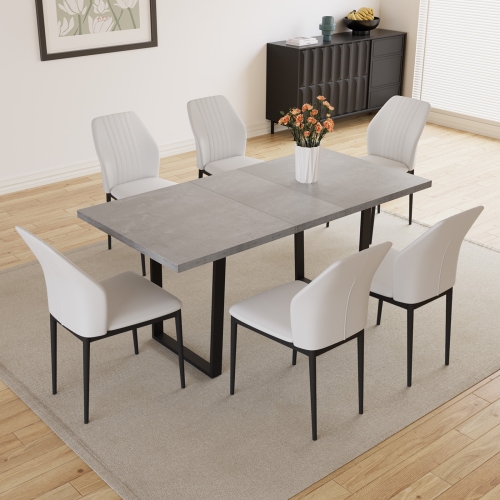
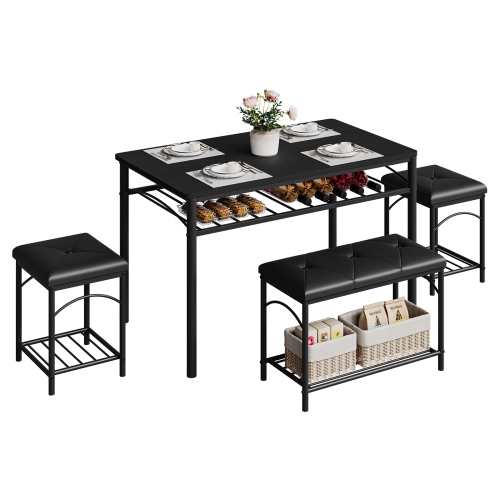
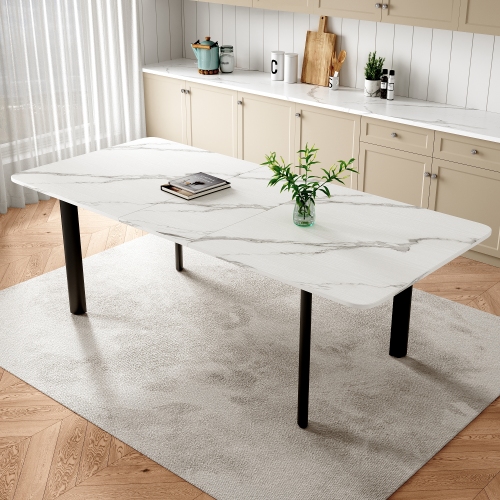
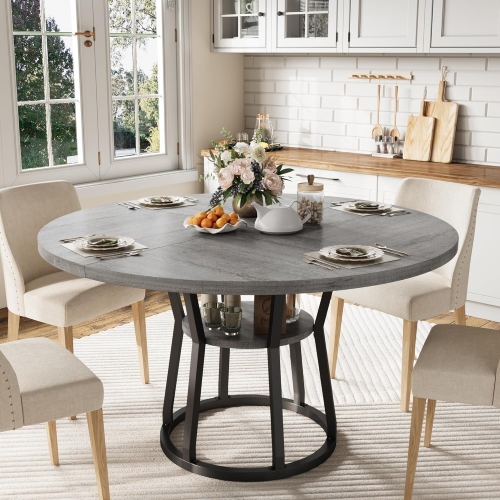
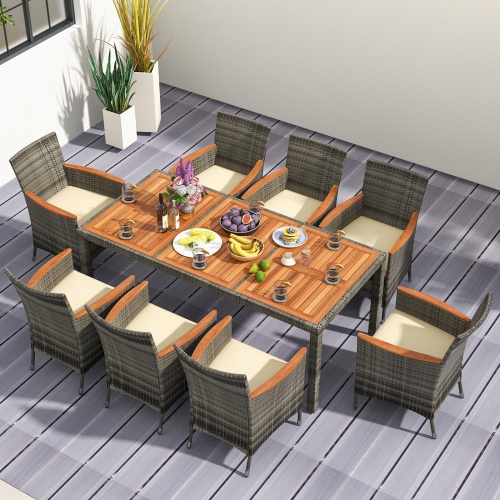
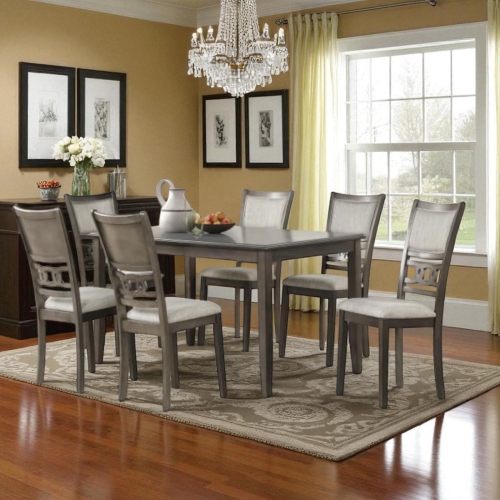
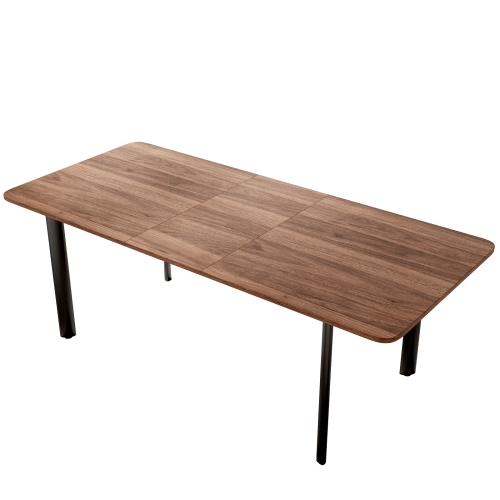
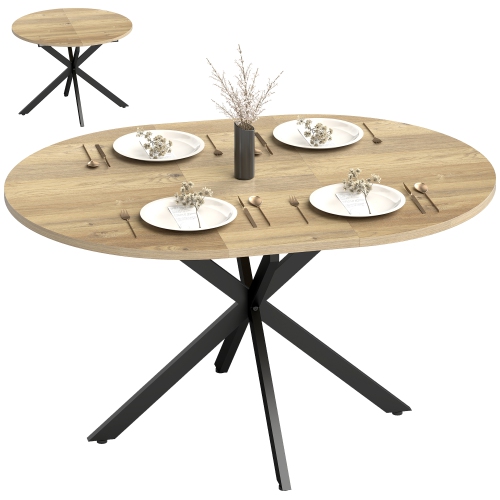
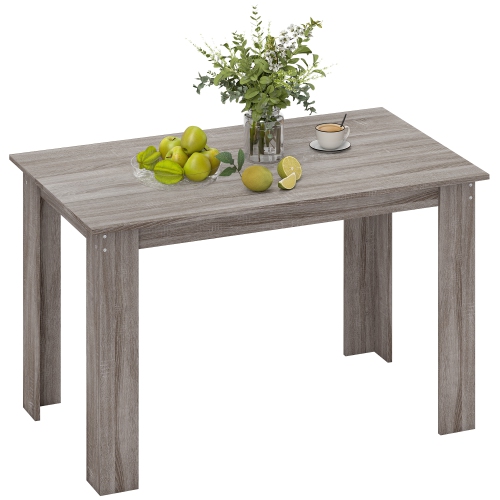
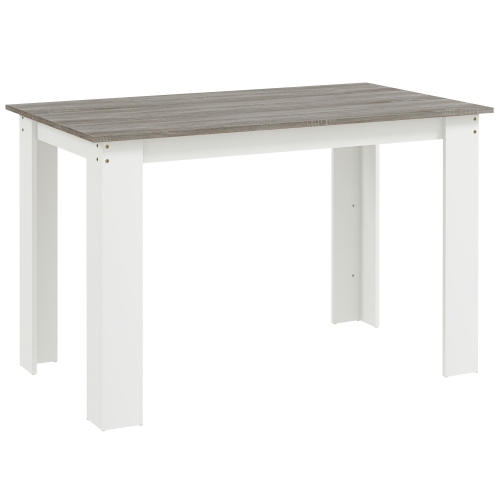
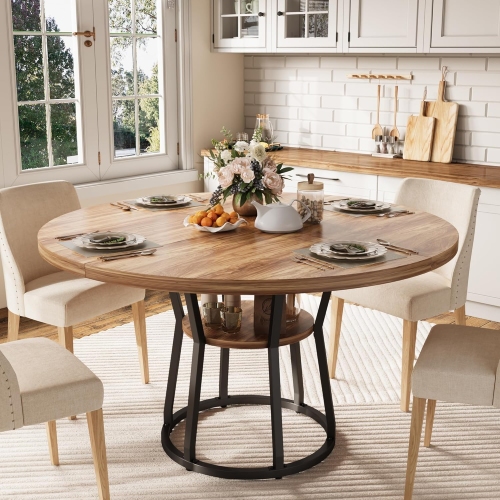
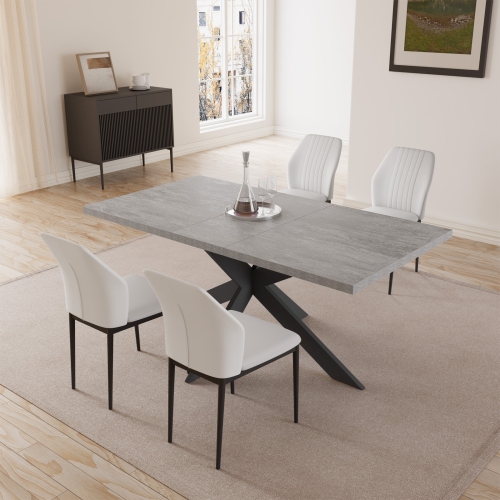
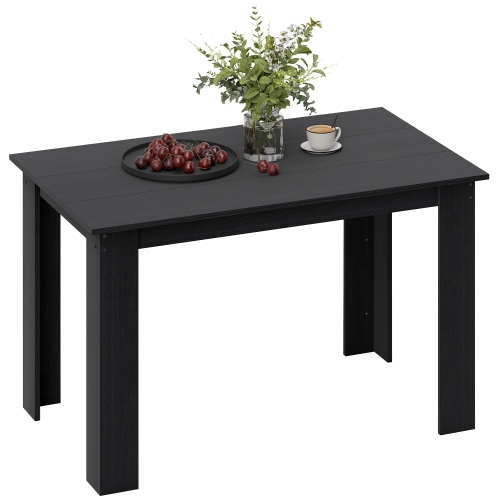
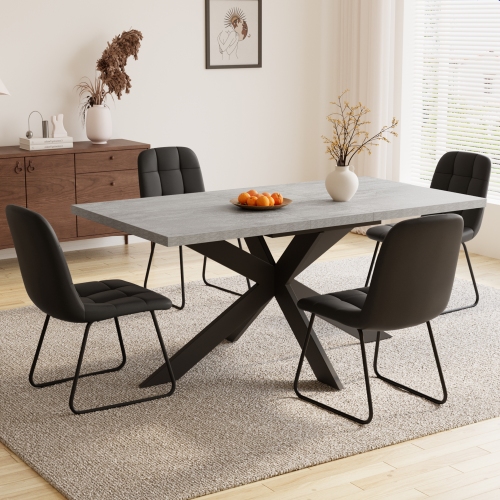


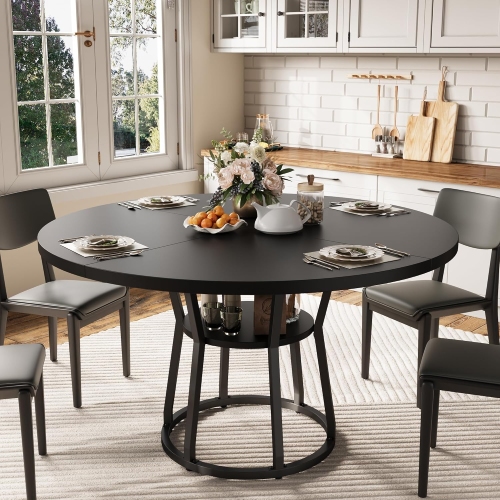

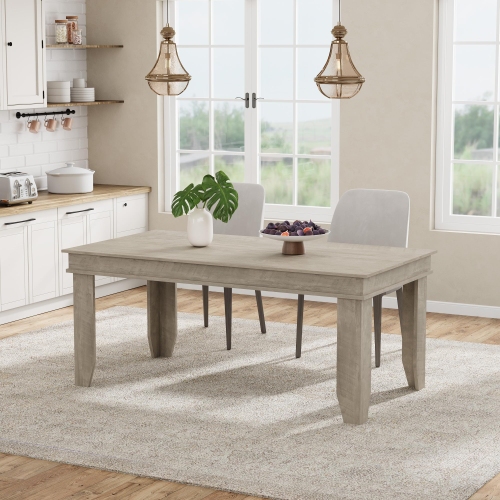
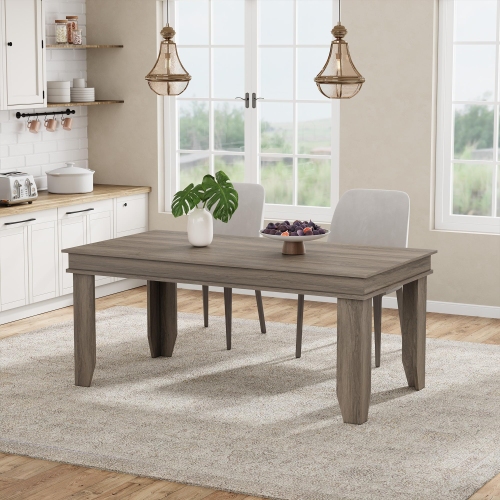
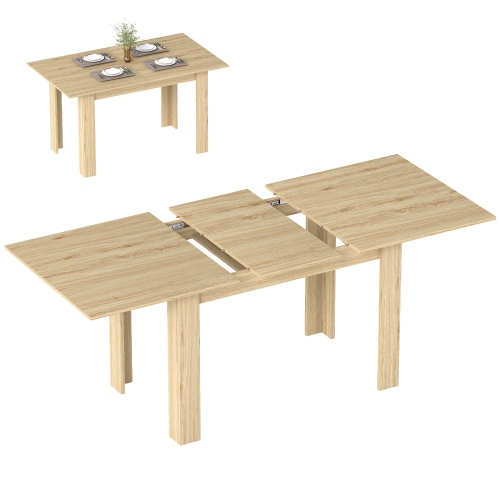
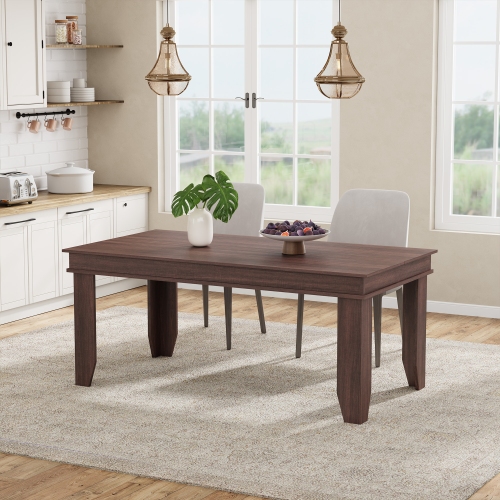
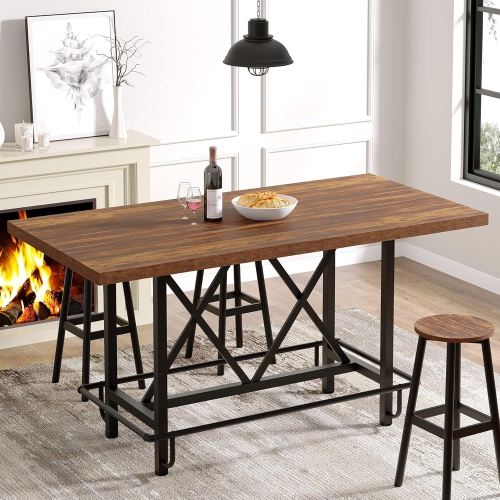
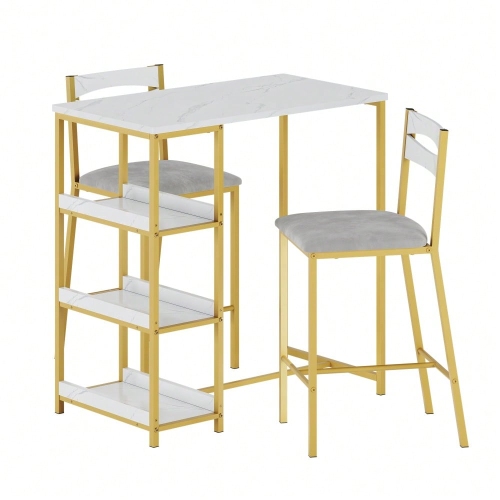
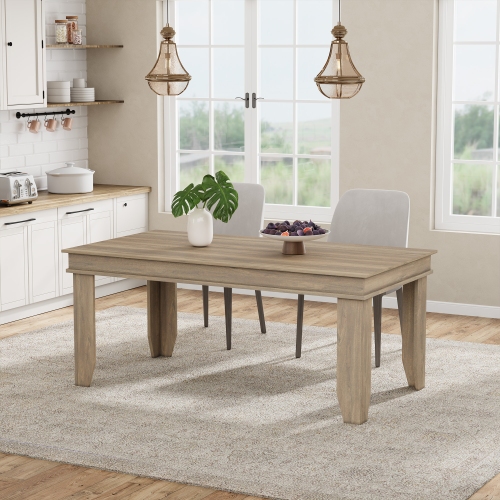
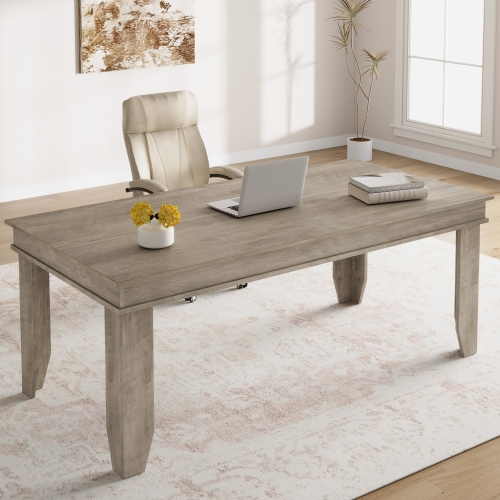
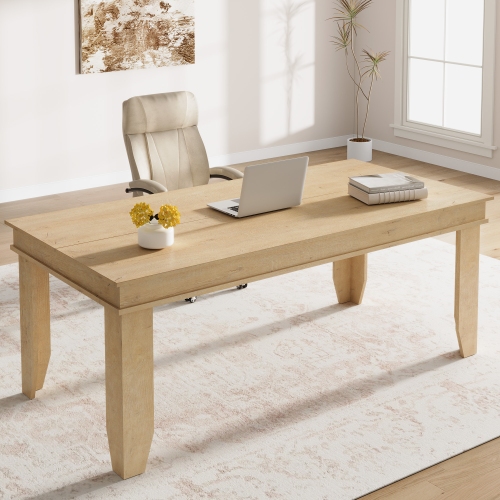
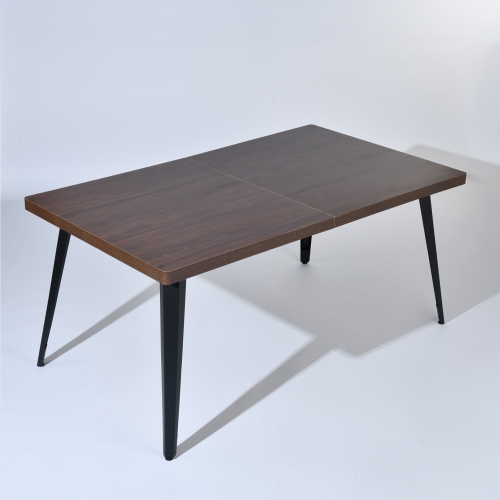
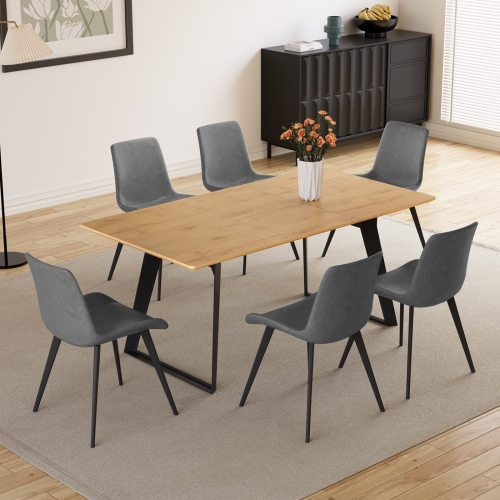
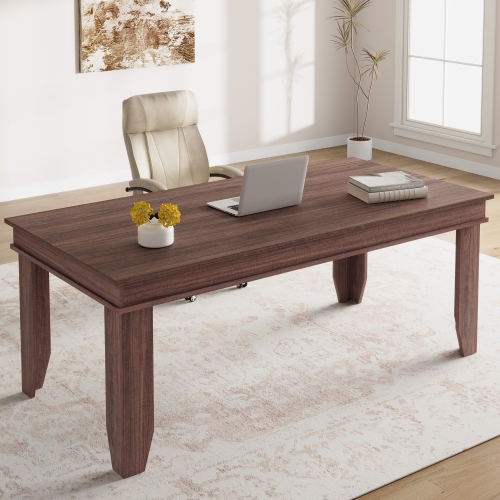
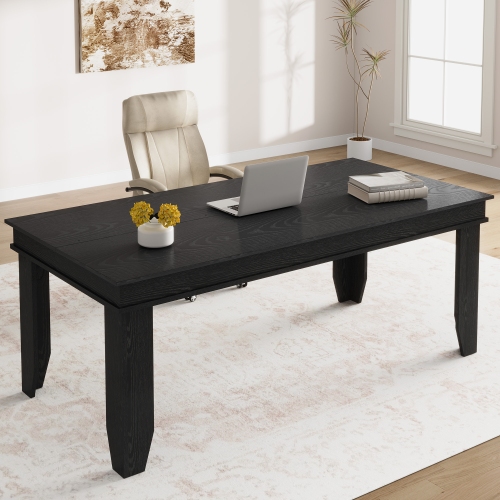
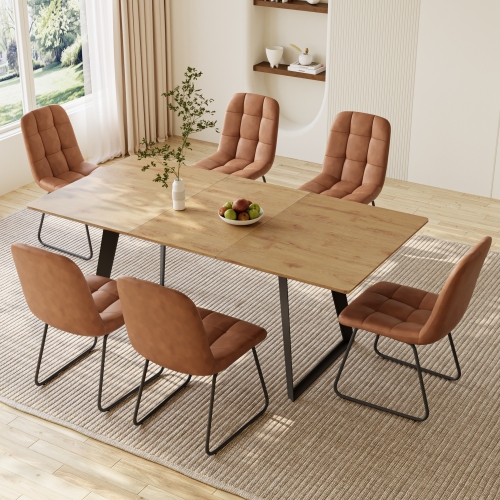
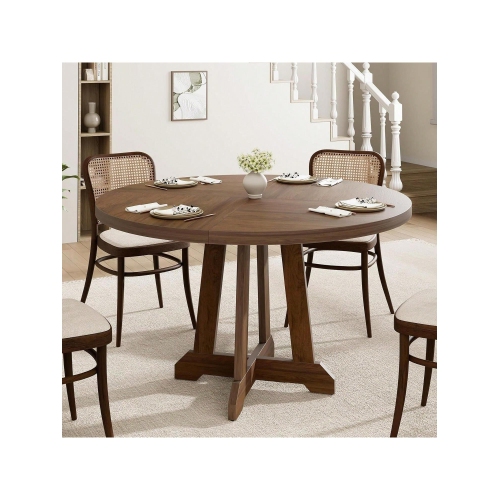

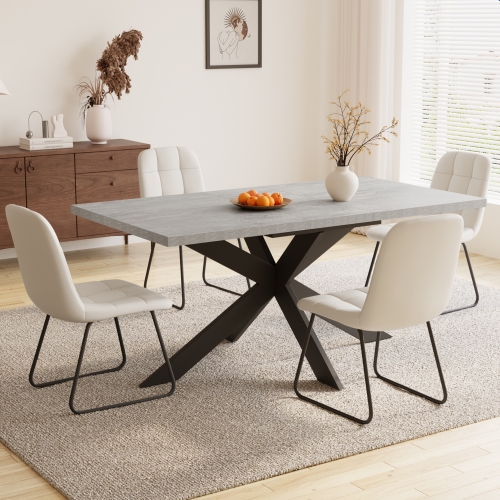
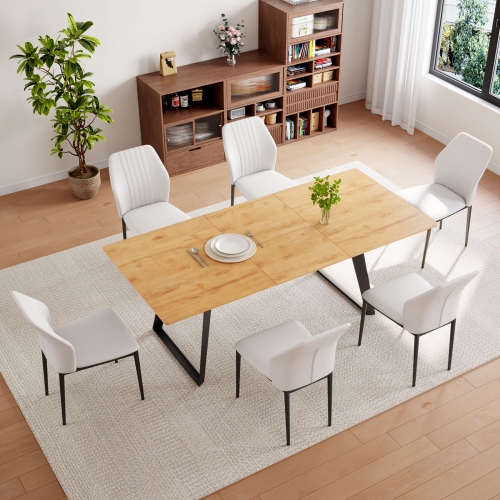
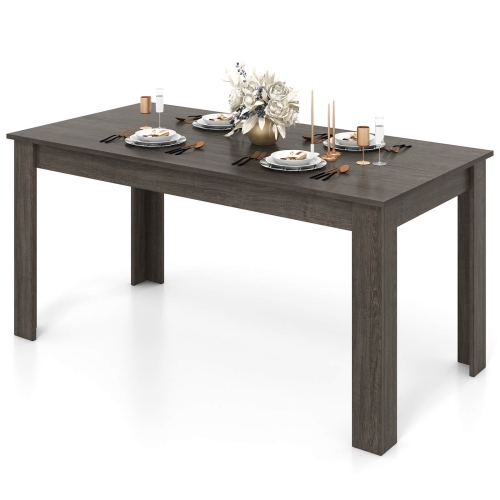
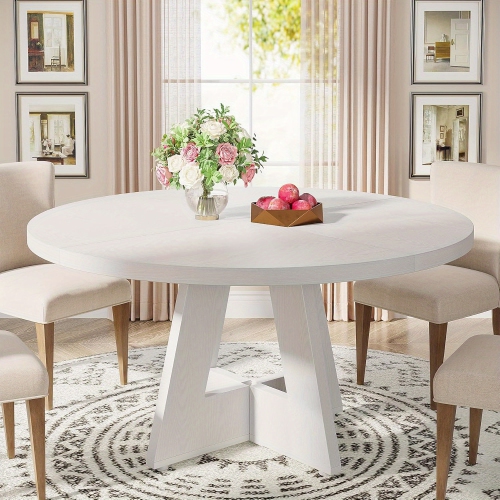
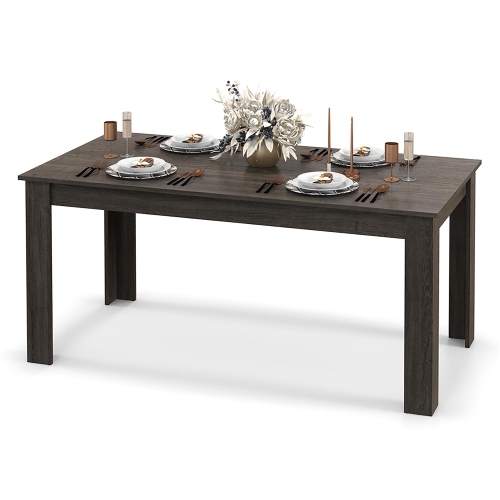
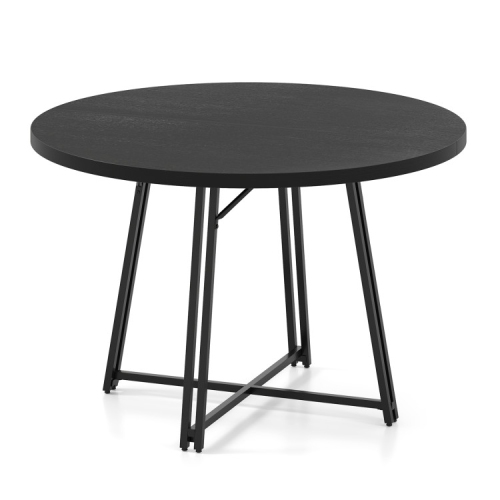
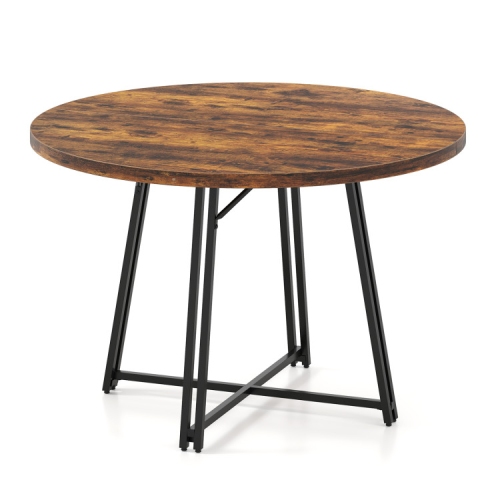
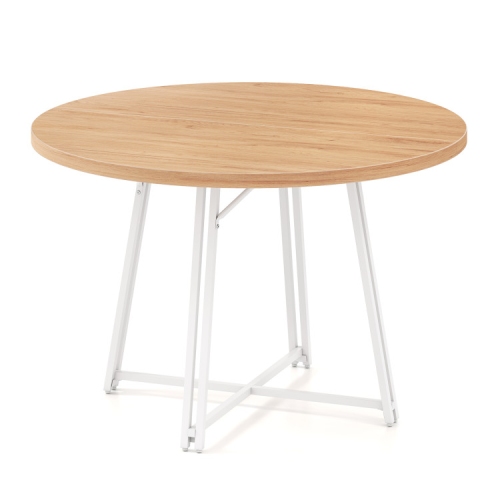
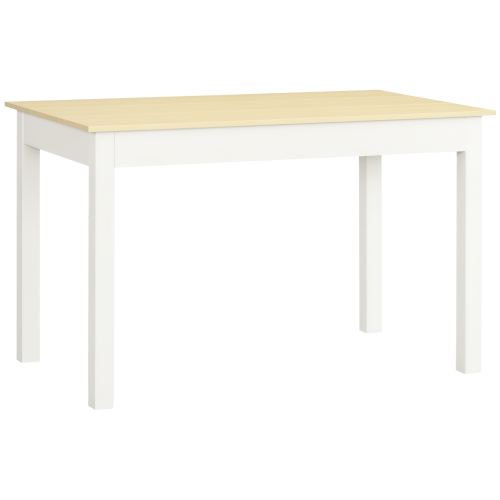
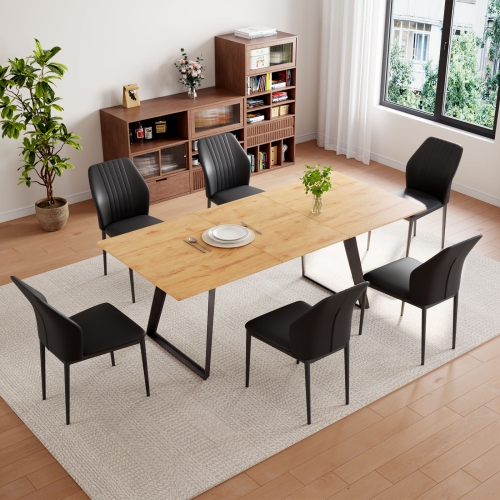
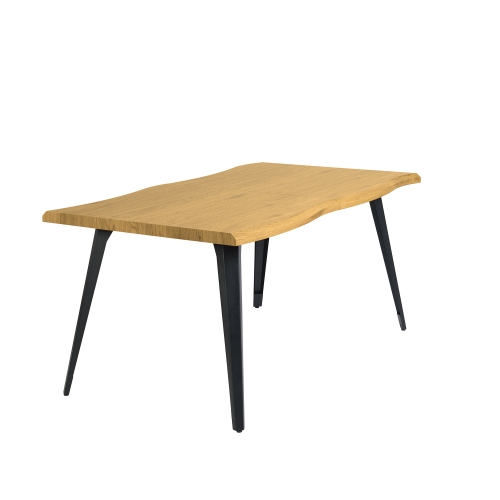
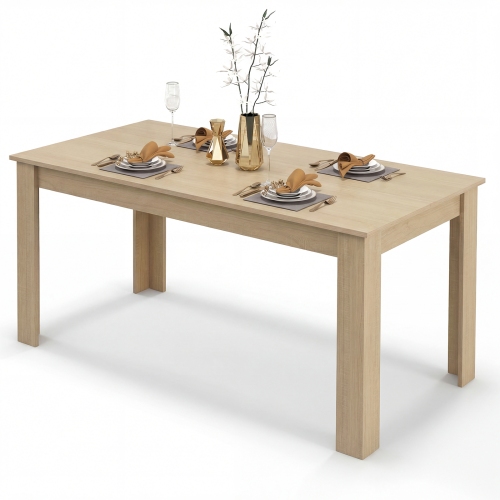
Room for six goes beyond the tabletop
Space-saving dining tables for six offer room for a shared meal without taking up the same amount of floor space every day. Some have hinged leaves that drop down when not in use, while others have a top that pulls apart to make room for an extension leaf. A drop-leaf dining table can work well in a narrow eat-in kitchen, where one raised side might be enough for two people to have breakfast and both sides can go up for dinner with guests. On a gateleg design, a hinged leg swings out to support the raised leaf, so its position matters when arranging chairs. A butterfly-leaf table stores its folding extension inside the frame, while a removable leaf needs a separate spot where it can lie flat or be stored as directed without getting scratched. For an open-plan condo, a narrow folding table can serve as a surface for sorting mail when closed and open out for a meal, though it still needs room for the top and supports to move. Not every compact table needs a moving top: a fixed round table with a pedestal base can make good use of a square dining nook by keeping the corners clear and giving chairs more flexibility around the edge. A rectangular table often suits a long, narrow room, while an oval top can soften the corners along a busy route from the kitchen. Also worth noting is how the table seats six. Some layouts put two people along each long side and one at each end; others make room for three on either side. The former needs clear space at both ends, while the latter depends on enough usable width between the legs. A layout that suits six adults for a full meal may require more room than one used for quick snacks, especially if serving bowls and pitchers usually stay on the table.
The dimensions that matter are the table’s footprint when closed, its size when fully extended and the space the chairs occupy in both arrangements. Marking the open and closed outlines on the floor with painter’s tape makes it easier to spot a chair that would back into a sideboard or a table corner that would sit in the path to the fridge. About 24 inches of table edge per person is a useful starting point, but wide chairs and armchairs may need more, and a leg or support placed near a seat can make part of that edge unusable. About 36 inches from the table edge to a wall or cabinet gives diners room to pull out chairs in many layouts; a route where people regularly pass behind seated diners calls for more space. The clearance beneath the top counts as well. A deep apron, the rail just below the tabletop, can limit knee room, and chair arms may hit it before the chairs can tuck in. A pedestal base leaves the perimeter free of corner legs, but a wide base can still compete with feet. A backless bench can slide under some tables and keep a walkway open between meals, provided the legs and braces leave room for it. For households that seat two or four most days, the extra chairs can sit elsewhere so the table can stay in its smallest usable setup. For households that seat six every evening, the smaller footprint only helps if there’s a convenient time to fold or close the table. A self-storing leaf may make sense when the layout changes often; a compact fixed table may suit a room where all six places are used regularly. Either way, checking the space with the chairs pulled out gives a truer picture than measuring the tabletop alone.
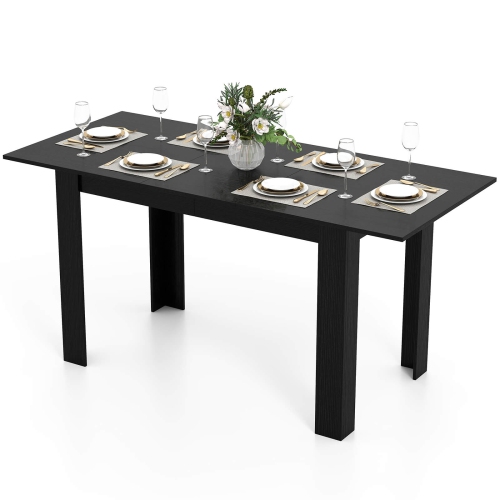
Materials and construction help determine how a space-saving table holds up to everyday meals, homework and the occasional afternoon spent working at the dining table. Solid wood offers variation in grain and colour, and whether scratches can be repaired depends on the finish. Wood veneer gives a tabletop a real wood surface over a core, but it needs gentle cleaning and care around the edges. Laminate is often easy to wipe down after a meal, though the surface and seams still benefit from prompt cleanup. A metal base can pair with any of these tops; its braces and feet are worth a look if chairs need to tuck in tightly. On an extendable table, the alignment of the top and leaf matters as much during dinner as it does when opening the table: a level join keeps a plate from rocking when it sits across the seam. Hinges, catches and support legs should fit securely in the usable positions, and the manufacturer’s care directions can clarify how to clean the finish and store any removable parts. In general, placemats help protect the top from utensil scratches, trivets keep hot serving dishes off the finish, and wiping spills promptly keeps liquid from lingering along joins. When moving the table, lifting rather than dragging it helps avoid straining the legs and hardware. A compact six-seat table can suit a family that needs one surface for dinner and schoolwork, roommates who share a small kitchen, or a couple who often have friends over. It can also be a practical housewarming gift when the recipient has already measured the room and chosen a shape that works with their chairs. For a darker finish, browse Black Dining Tables for 6 to compare tabletop shapes and base styles in black.
Top selling and popular products
-
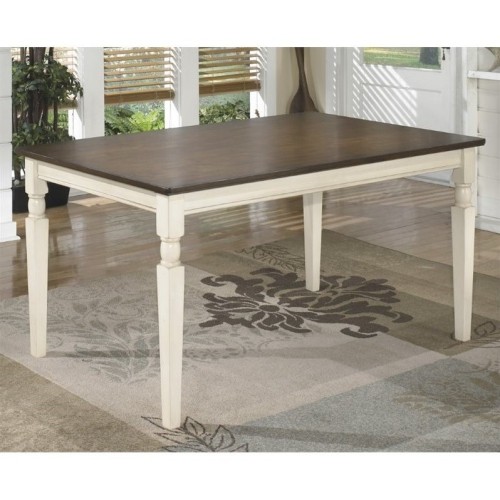 Your price for this item is $399
-
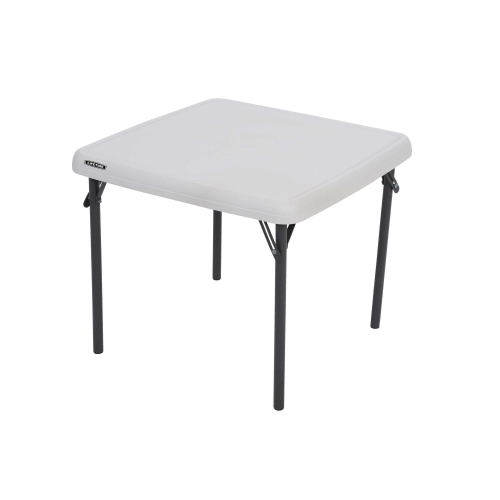 Your price for this item is $74.99
-
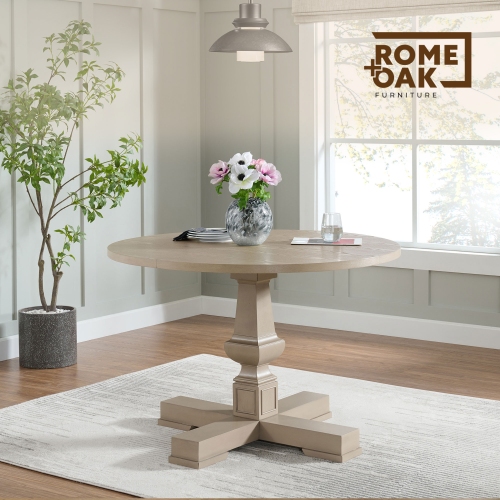 Your price for this item is $971.99
-
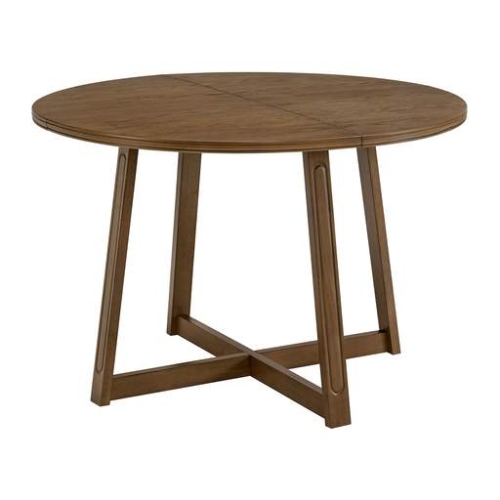 Your price for this item is $796.99
-
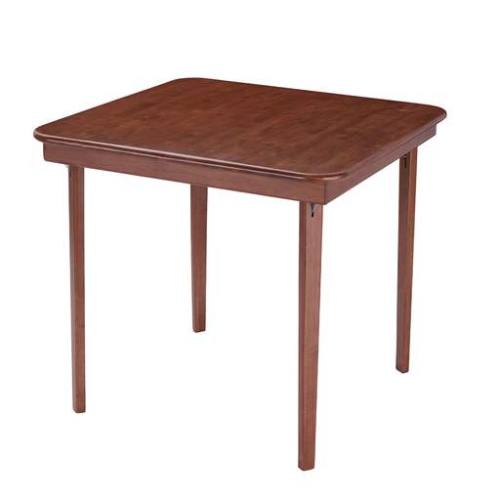 Your price for this item is $413.99
-
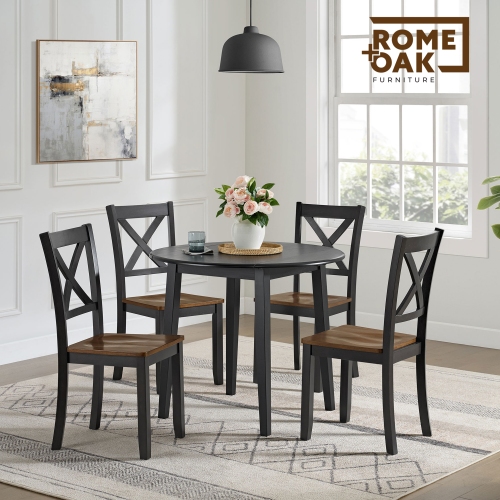 Your price for this item is $392.99
-
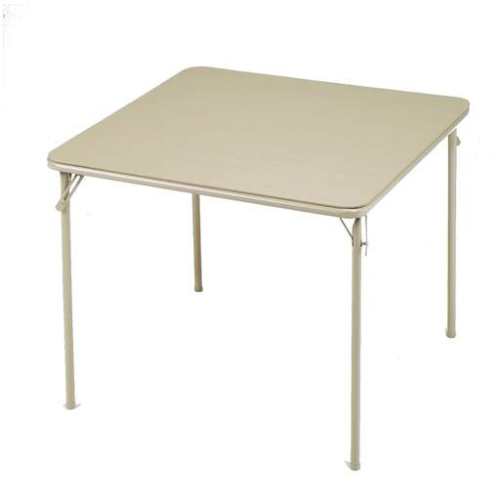 Your price for this item is $243.99
-
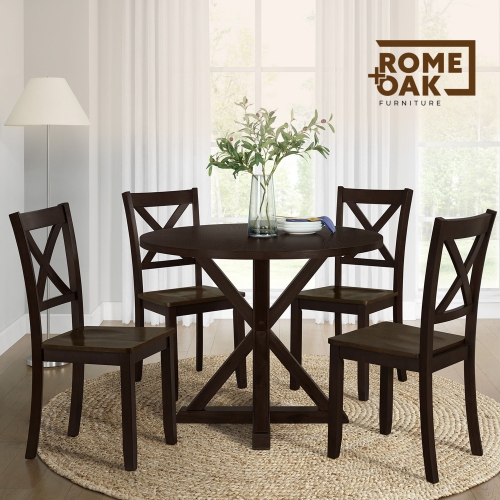 Your price for this item is $827.99
Discover more categories related to Space Saving Dining Tables for 6
Top Collections:
Best Black Friday Deals This Year, Best Black Friday Deals On Electronics, Kindle Devices, Pokemon Centers, Best Black Friday Deals On Apple Products, Best Cameras for Sports Photography, Dyson Airwrap, Pokémon 30th Celebration Cards, Apple iPhone 17 Pro, Canon G7X Cameras
Some products may be subject to Environmental Handling Fees
(EHF) depending on your province.
Learn more about EHFs.