Space Saving Guest Beds
Space Saving Guest Beds offer a smart solution for maximizing comfort in any home without sacrificing valuable floor space. Perfect for apartments, condos, or any room where space is at a premium, these beds provide a convenient way to accommodate overnight guests. Discover a variety of options designed to fit seamlessly into your living area while ensuring your visitors enjoy a restful night’s sleep. Whether you’re preparing for family gatherings or hosting friends, Space Saving Guest Beds make it easy to transform any room into a welcoming retreat.
Sort
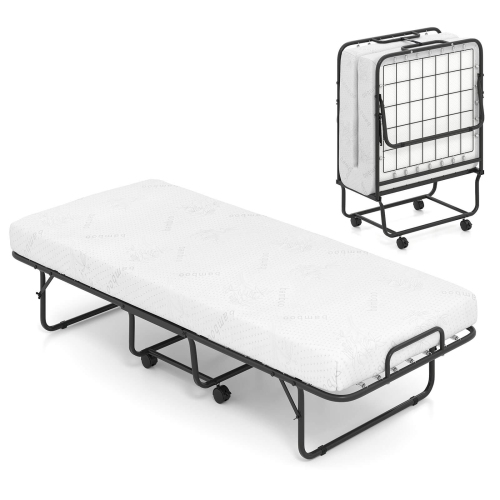
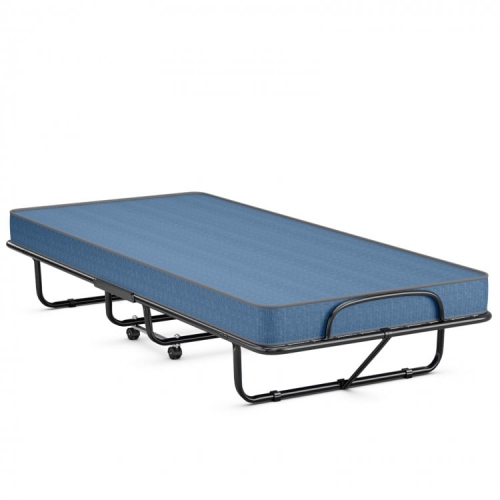
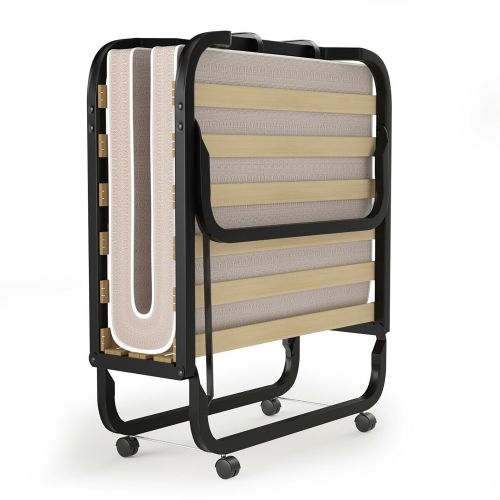

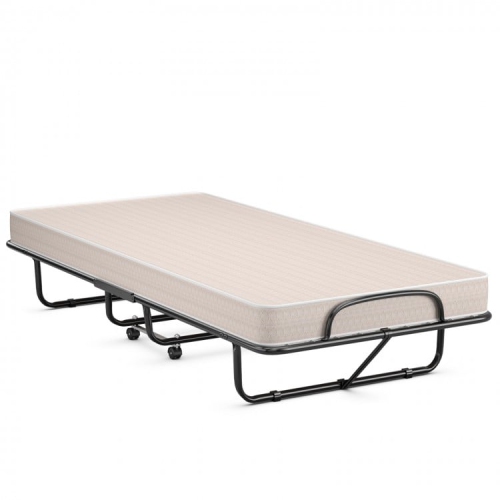








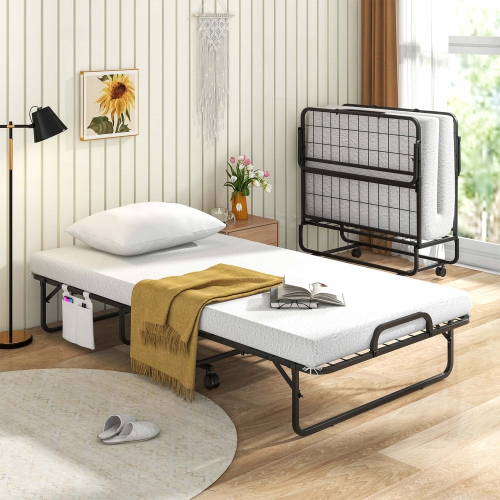
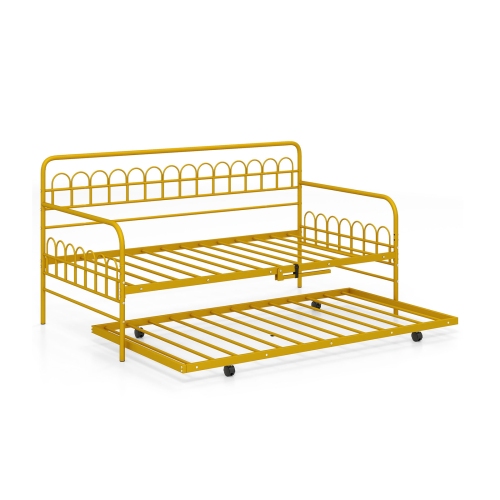
Room for overnight guests without sacrificing everyday living space
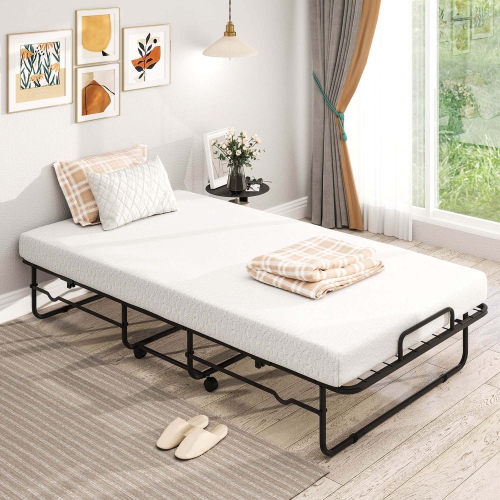
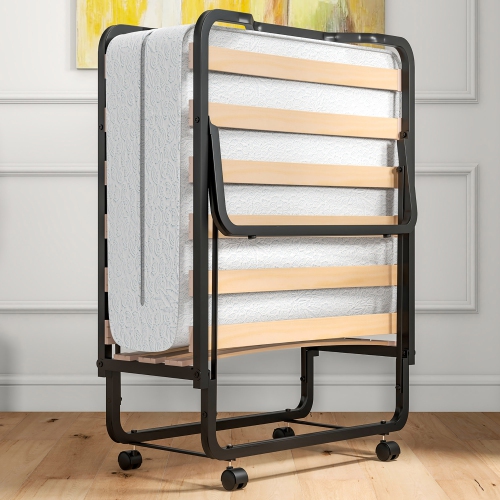
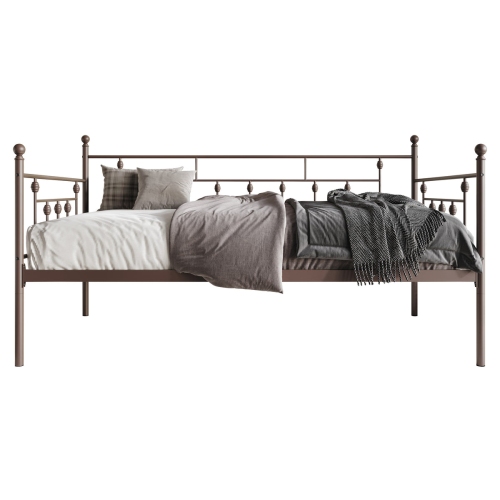
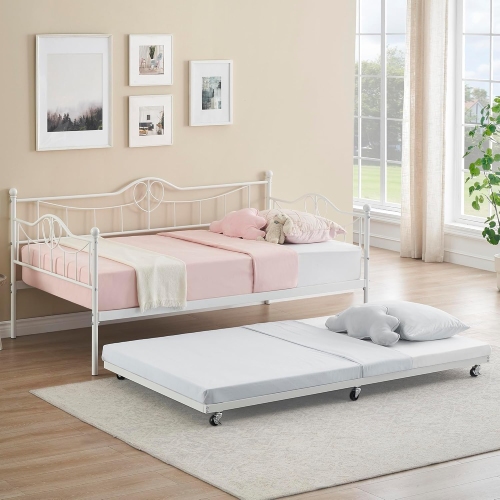
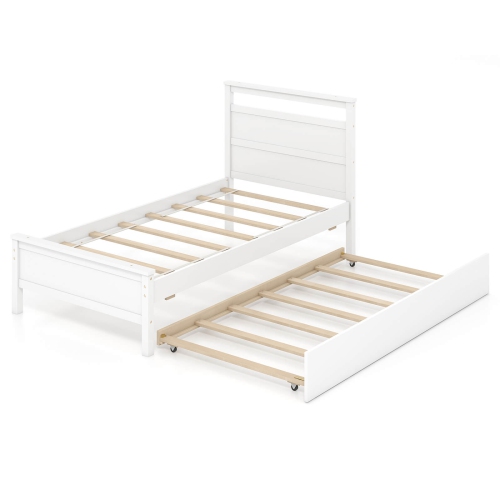
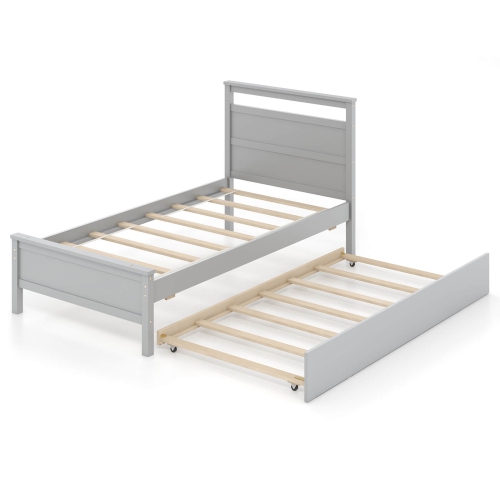
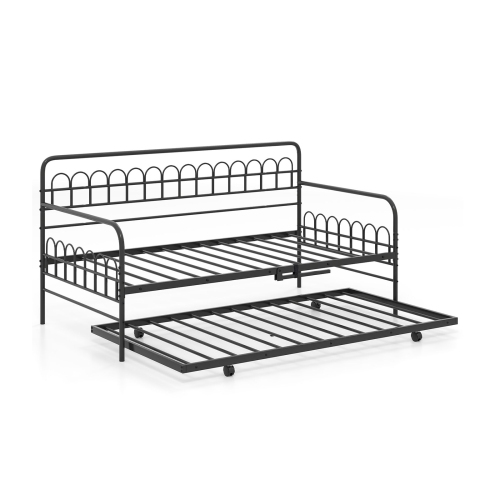
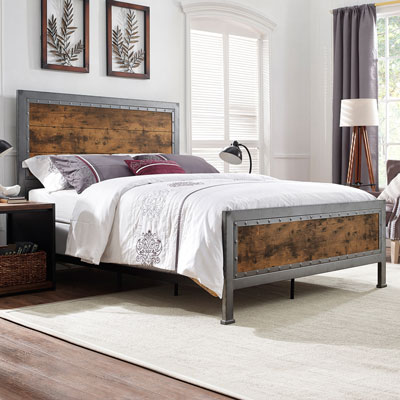
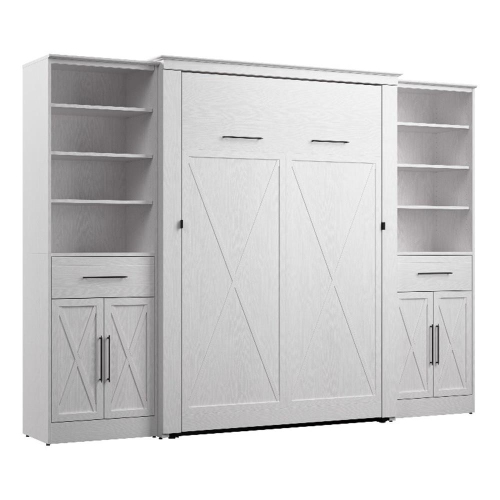
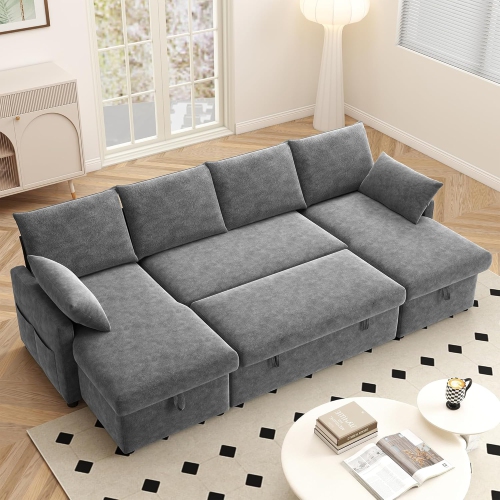
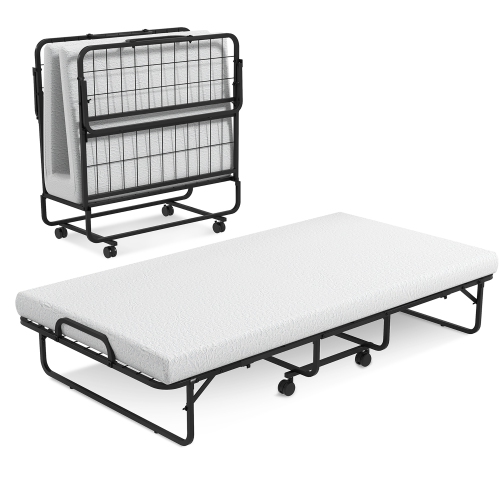
Space-saving guest beds provide a sleeping area for visitors while leaving a room useful for everyday living. Folding beds, rollaway beds, Murphy beds, daybeds with trundles, and convertible sofa beds each solve a slightly different space problem. A folding guest bed can be brought out for an overnight stay and stored afterwards, making it practical for a home office that needs to return to work the next morning. Rollaway designs add wheels to help move the folded frame between rooms, although their stored height and depth still need to suit the intended closet or storage area. Murphy beds, also called wall beds, fold upright into a wall-mounted cabinet or similar structure, freeing floor space when closed. They suit rooms where a more permanent installation makes sense and where the wall construction can support the required mounting system. Daybeds keep a mattress in place throughout the day and can serve as casual seating with the addition of cushions. A trundle beneath a daybed creates another sleeping surface without occupying that floor space all the time. Convertible futons and sofa beds combine seating and sleeping functions, making them useful in living rooms, dens, and multipurpose guest rooms. For spaces where comfortable seating is as important as overnight accommodation, Space-Saving Sofa Beds for Guest Rooms bring both uses together in one piece of furniture. The most suitable format depends on how often visitors stay, who will sleep there, and what the room needs to do between visits. An occasional overnight guest may be well served by a compact folding bed, while someone staying for several nights may appreciate a larger sleeping surface with a supportive mattress. In a condo, a daybed can make a small spare room feel like a sitting room rather than a bedroom waiting for company. In a shared family home, a bed that stores neatly can leave room for hobbies, exercise, or a desk without requiring a dedicated guest bedroom.
A guest bed’s footprint matters both when it is stored and when it is ready for sleep. Closed cabinet dimensions or sofa dimensions tell only part of the story: the open bed also needs clearance for its frame, mattress, and conversion mechanism. A pullout sofa can extend well beyond the front of the seat, while a trundle needs an unobstructed area beside the main bed. With a wall bed, the opening path must remain clear, and installation must follow the manufacturer’s instructions, including any anchoring requirements. Measuring the planned sleeping area alongside door swings, drawers, and nearby furniture helps prevent a room from feeling blocked off once the bed is open. A clear route to the doorway is especially important when visitors are unfamiliar with the layout. Delivery access deserves attention too, including stairways, tight hallways, and elevator openings. For folding designs, the stored measurements should include the mattress if it remains inside the frame; a compact sleeping surface does not necessarily mean the folded bed will fit beneath existing furniture. Mattress size is another important distinction. Guest beds may use standard twin, double, or queen mattresses, but some folding and convertible designs have non-standard sleeping dimensions. The actual width and length are more useful than the size name alone, particularly for taller adults or two people sharing a bed. Mattress thickness must also match the frame’s requirements. Trundles often have limited clearance, and wall beds may specify both mattress thickness and weight to work properly. Comfort comes from the whole construction, including the mattress, slats or platform, and the stability of the frame. Foam can offer cushioning and contouring, while spring and hybrid mattresses may provide a different balance of support and movement. On a futon or convertible sofa, cushion seams and changes in firmness can be more noticeable when lying down than when sitting. A mattress protector and correctly fitted sheets help make the sleeping area feel prepared, and a nearby lamp or small bedside surface gives guests somewhere convenient to keep glasses and a phone.
Materials, construction, and care affect how well space-saving guest beds hold up through repeated use. Metal frames can provide a slim profile and sturdy support, while wood frames bring visible grain and a furniture-like finish to daybeds and cabinet designs. Engineered wood is also used in cabinets and panels; durability depends on the construction, hardware, finish, and intended load rather than the material name alone. Upholstered beds and sofa beds add softness to a room, with fabric texture and colour helping them blend into existing seating. Tightly woven upholstery can be practical for a frequently used sitting area, while removable covers, where included, may make routine care simpler. Cleaning methods vary, so fabric care labels and manufacturer instructions should determine whether a surface can be spot-cleaned or a cover can be washed. Smooth frame surfaces are generally straightforward to dust, and folding joints benefit from being kept free of lint and debris. Hinges, legs, latches, and casters should operate as intended, with any locking features engaged before use. Published weight limits apply to the complete sleeping setup and should guide its intended use; a lightweight cot and a full-size wall bed are not interchangeable simply because both save space. Bed height also changes the experience for guests. A low trundle may be awkward for someone who has difficulty getting up from near floor level, while a stable sleeping surface at a comfortable height can make a visit easier. For households hosting regularly, a conversion mechanism that is manageable for the person setting up the room can matter as much as appearance. Bedding storage is worth considering alongside the bed itself, whether that means an integrated compartment or a separate cupboard for pillows, sheets, and a duvet. Before folding or enclosing a mattress, bedding should be removed or arranged according to the bed’s instructions, and all fabrics should be dry. Thoughtful details like these help a compact guest setup feel welcoming without taking over the room, giving visitors a proper place to rest and the household usable space between stays.
Top selling and popular products
-
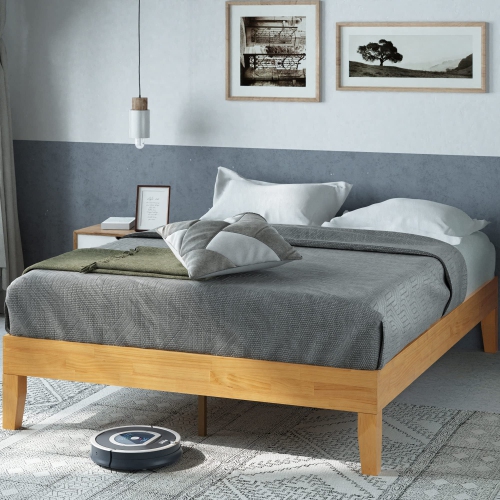 Your price for this item is $493.52
-
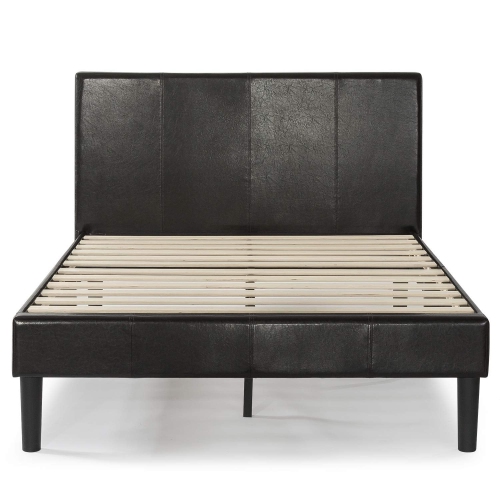 Your price for this item is $611.85
-
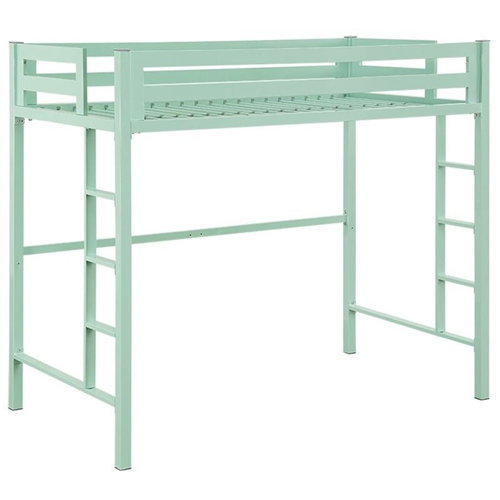 Your price for this item is $825.26
-
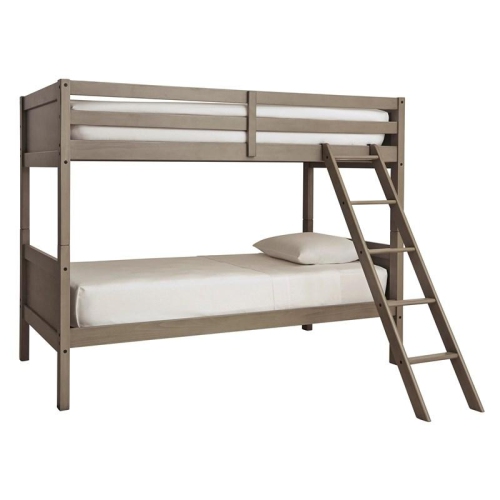 Your price for this item is $799.99
-
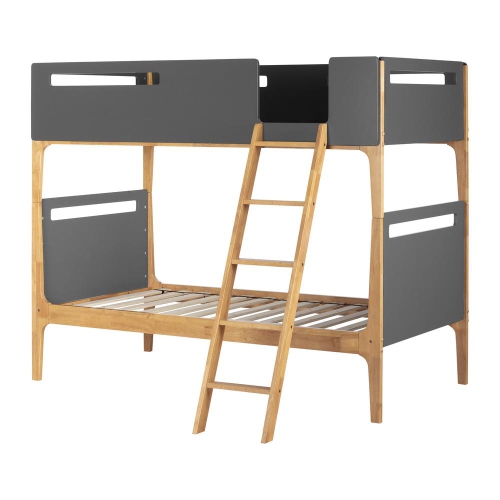 Your price for this item is $985.42
-
 Your price for this item is $157.99
-
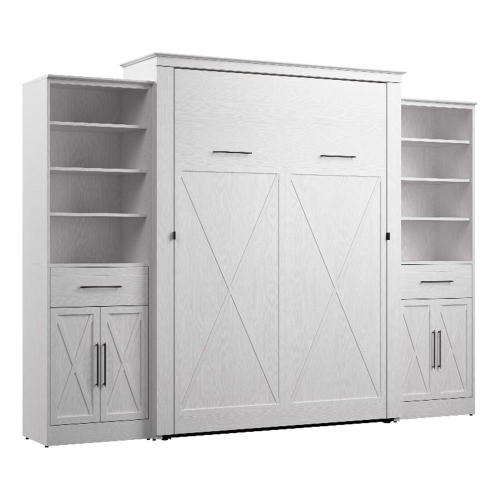 Your price for this item is $3519.99
-
 Your price for this item is $862.99
Discover more categories related to Space Saving Guest Beds
Top Collections:
Pokemon Centers, Kindle Devices, Best Cameras for Sports Photography, Pokémon 30th Celebration Cards, Apple iPhones 16, Canon G7X Cameras, iPhone 15 Apple, Flip Phones, Samsung Galaxy Phones, Alarm Clock
Some products may be subject to Environmental Handling Fees
(EHF) depending on your province.
Learn more about EHFs.