Spalding Basketball
Spalding basketballs are some of the most popular and trusted basketballs on the market. These balls are designed to provide a consistent and reliable bounce, making them ideal for competitive and recreational play. Here are some great options available.
Sort
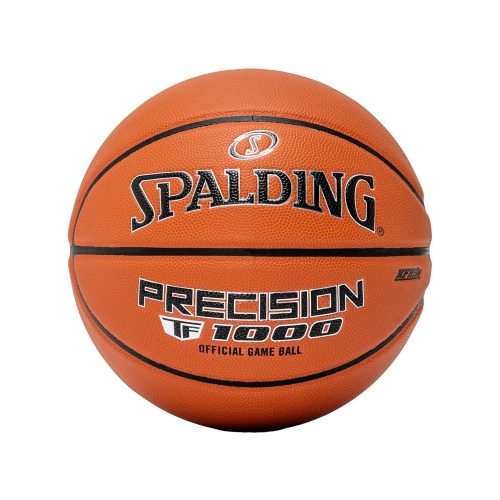
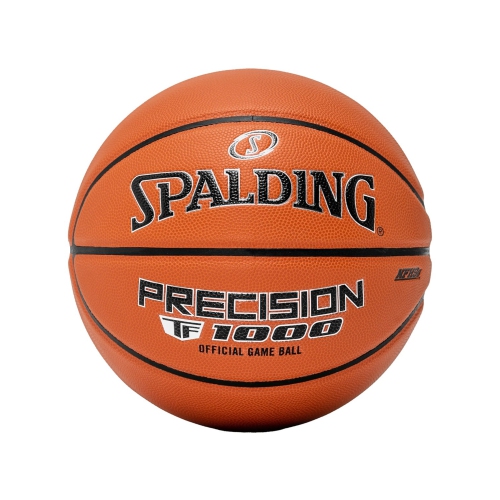
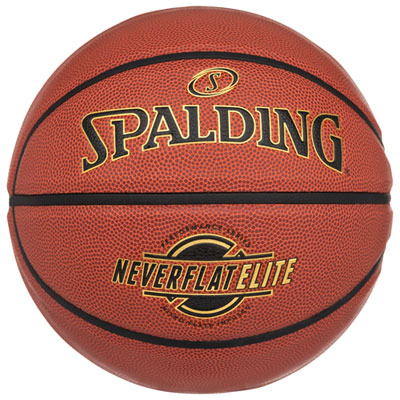
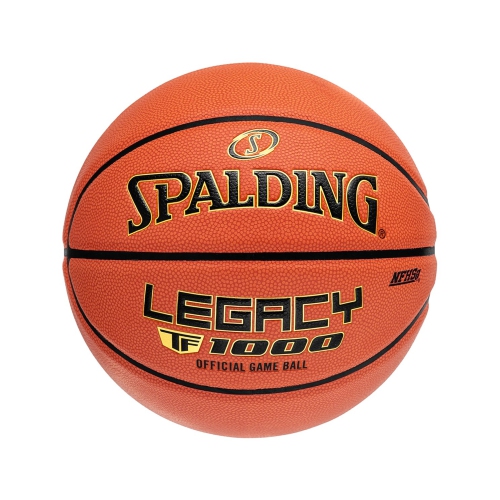
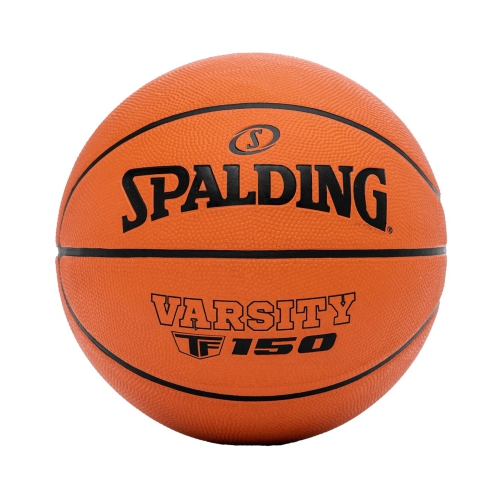

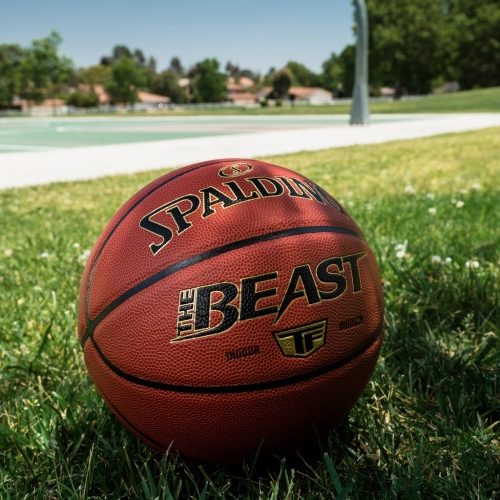
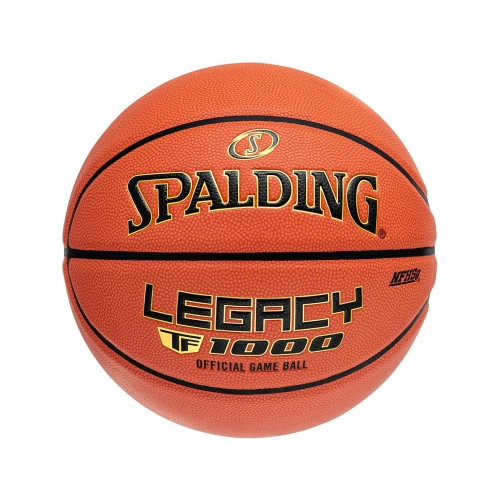
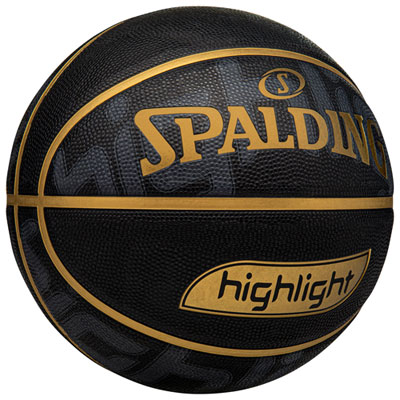
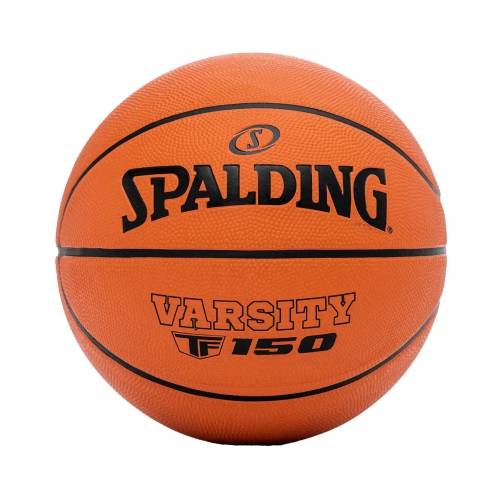


Why basketball size and cover matter on the court
Basketballs bring a familiar rhythm to driveway games, school practices, community centre leagues, and competitive play, but the right feel depends on more than the ball’s appearance. Cover material, size, surface texture, and intended court all affect how a basketball handles when a player catches a pass, changes direction, or releases a shot. Rubber covers are commonly used for outdoor basketballs because they stand up well to repeated contact with concrete and asphalt. Their textured surfaces provide grip for everyday dribbling and passing, making them practical for casual games, playground courts, and players who spend plenty of time practising outside. Composite covers offer a different balance of softness, grip, and durability. Some are designed exclusively for indoor courts, while others are rated for both indoor and outdoor use; the material name alone does not establish where a ball should be played. Genuine leather basketballs are generally intended for indoor hardwood and can require a break-in period before developing their preferred feel. For players whose games take place mainly in a gym, Indoor Basketballs offer court-specific options suited to that setting. The small raised bumps across a basketball’s cover, known as pebbling, help create traction against the fingers, while the recessed channels provide tactile reference points for hand placement. A deeper channel or softer cover may feel comfortable to one player and less familiar to another, so grip is partly a matter of personal preference. During a quick catch-and-shoot drill, these details can influence how securely the ball settles into the hands before release. A ball used for outdoor pickup games faces different demands from one reserved for polished gym floors. Matching the cover to the playing surface helps preserve its texture and keeps the ball’s handling closer to what the player expects from one session to the next.
Size and weight are just as important as cover construction, especially for children learning to dribble and shoot. A basketball that is too large or heavy can be difficult to control and may encourage a young player to push the ball from the chest rather than develop a comfortable shooting motion. Size 7 basketballs have a circumference of approximately 29.5 inches and are commonly used in men’s competition and many older boys’ leagues. Size 6 basketballs measure approximately 28.5 inches around and are widely used in women’s competition and many youth programmes. Size 5 basketballs, at approximately 27.5 inches in circumference, are common choices for younger players, although age divisions and equipment requirements vary between organizations. Smaller practice balls can suit early skill development or casual play, but they are not substitutes for a regulation ball when league rules apply. For organized basketball, the team or league’s specified size and weight are more useful than a general age recommendation. For family play, the most suitable size is often the one that allows the intended player to catch, pass, and dribble with control. A child practising crossovers on the driveway, a teenager preparing for school tryouts, and an adult joining a weekly gym game may each need a different combination of size and cover. Using the same size as a team’s game ball helps make individual practice more relevant, whether the session involves free throws, layups, or passing against a wall where permitted. Colour and graphics can add personal appeal and make a ball easier to recognize among teammates’ equipment, but they do not establish its suitability for a particular court or competition. As a gift, a basketball can be a thoughtful choice for a student athlete, a regular pickup player, or someone returning to a favourite sport. Knowing where the recipient plays and which size they use makes the gift more useful than choosing on appearance alone.
A basketball’s construction and care both contribute to its useful life. The outer cover takes the most visible wear, while the internal bladder holds air and the underlying structure helps maintain shape. Air retention varies, and even a well-made ball needs periodic pressure checks. Correct inflation supports a predictable bounce: too little air can leave the ball feeling sluggish, while too much can make it feel unusually hard and place unnecessary strain on its construction. The recommended pressure printed on the ball or provided by the manufacturer is the appropriate reference, rather than a universal pressure setting. A pump with a compatible inflation needle and a pressure gauge makes it easier to maintain that level without relying entirely on feel. The needle should be used according to the ball and pump instructions, with care around the valve to avoid damage. Surface cleanliness also matters. Dust from a gym floor or grit from a paved court can reduce grip, so a gentle wipe with a soft, slightly damp cloth is often helpful, provided it agrees with the manufacturer’s care directions. Leather and composite covers may have different cleaning requirements, and soaking a ball or using harsh cleaners can damage its finish. Allowing the surface to dry before putting it away helps keep both the ball and its carrying bag clean. Storage away from direct sunlight and heat sources helps protect the cover, while keeping heavy equipment off the ball reduces unnecessary pressure on its shape. For players who move between a school gym and an outdoor court, separate balls can help preserve an indoor cover instead of exposing it to abrasive pavement. A suitable carrying bag also keeps the ball contained on the trip to practice and separates court dirt from clothing. Over time, flattened pebbling, damaged seams, persistent air loss, or an uneven bounce can signal wear that affects play. With an appropriate size, a court-matched cover, and straightforward care, a basketball can become a dependable part of solo practice, team sessions, and shared games.
Top selling and popular products
-
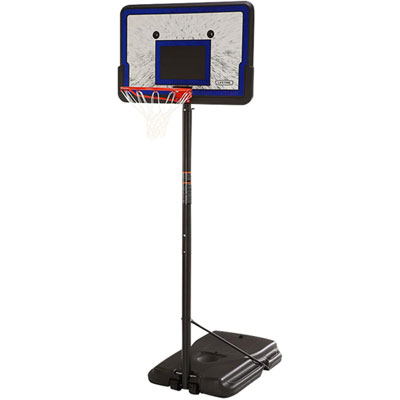 Your price for this item is $279.98
-
 Your price for this item is $114.99
-
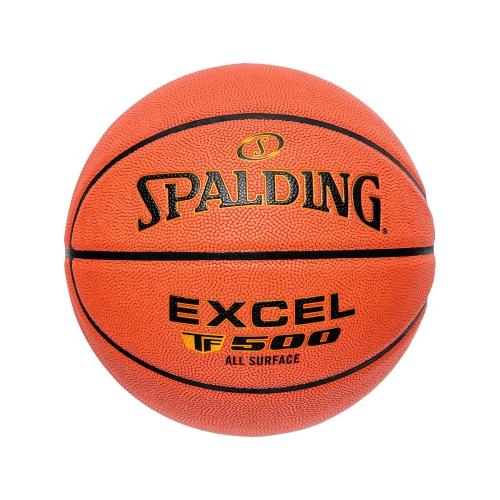 Your price for this item is $58.99
-
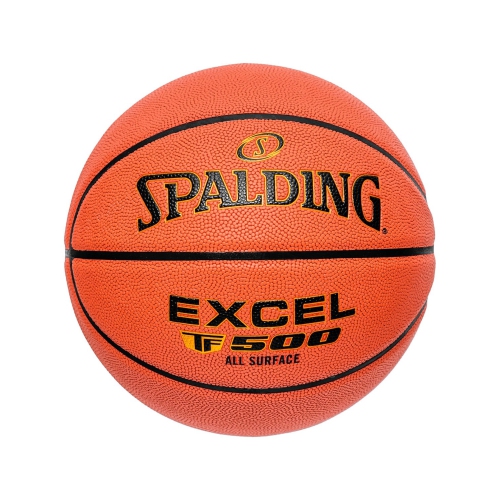 Your price for this item is $58.99
-
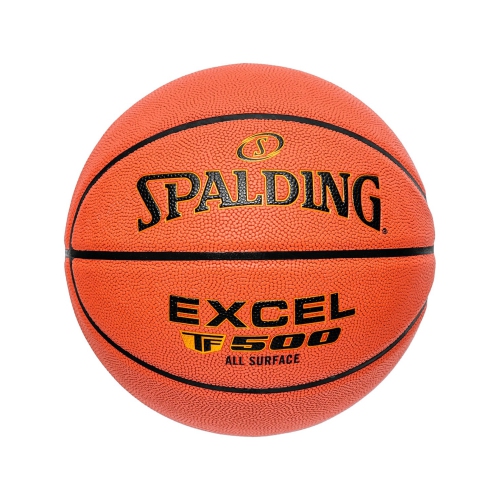 Your price for this item is $58.99
-
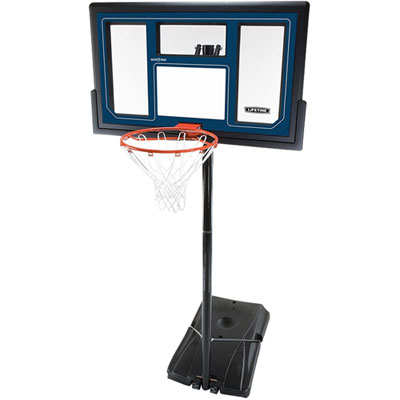 Your price for this item is $479.98
-
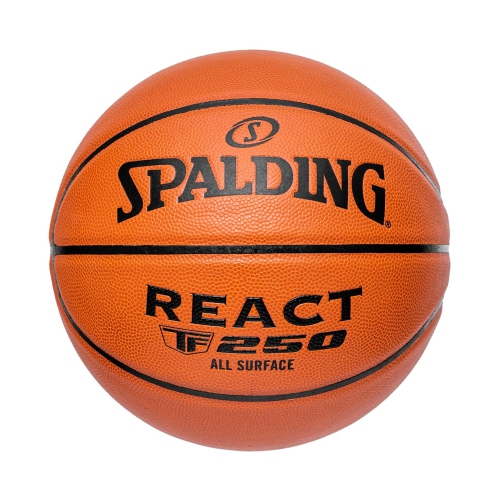 Your price for this item is $52.99
-
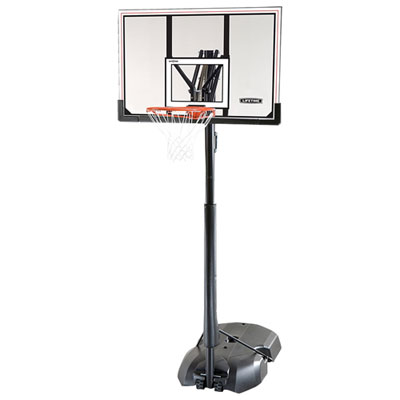 Your price for this item is $638.98
Discover more categories related to Spalding Basketball
Top Collections:
Pokemon Centers, Kindle Devices, Best Budget Office Chairs, Canon G7X Cameras, Apple iPhones 16, Samsung Galaxy Phones, Refurbished Apple Laptops, Laptops for Students, iPhone 15 Apple, Budget Smartphones
Some products may be subject to Environmental Handling Fees
(EHF) depending on your province.
Learn more about EHFs.