Indoor Basketballs
Looking to take your basketball skills to the next level? Look no further than our selection of indoor basketballs. Whether you're a seasoned player or just starting out, having the right basketball can make all the difference in your game. With a variety of options available, we have the perfect indoor basketball to suit your needs. From high-quality materials to superior grip and bounce, these basketballs are designed to enhance your performance on the court. Get ready to shoot, dribble, and score with confidence with our range of indoor basketballs.
Sort
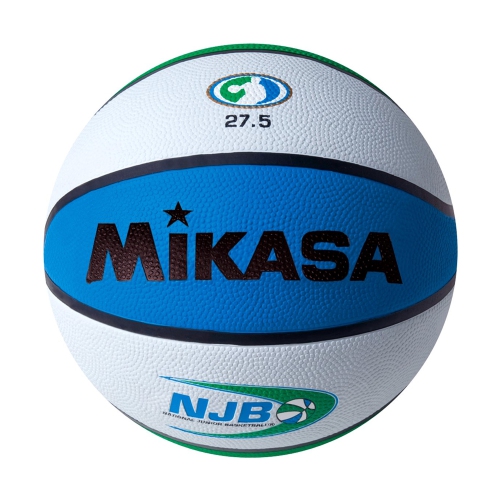
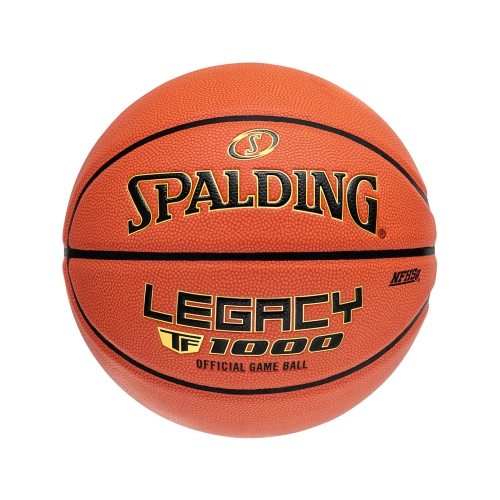
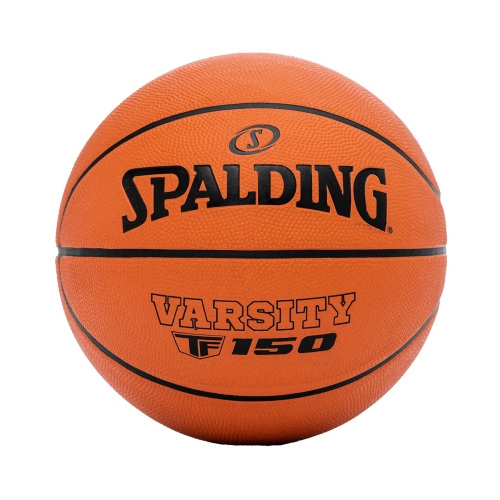
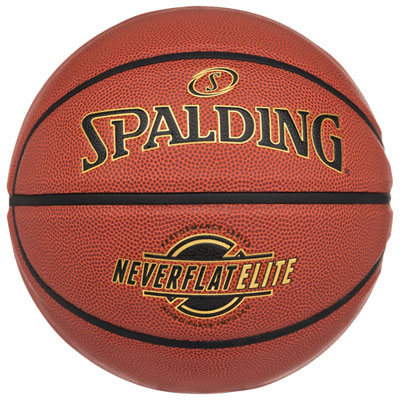

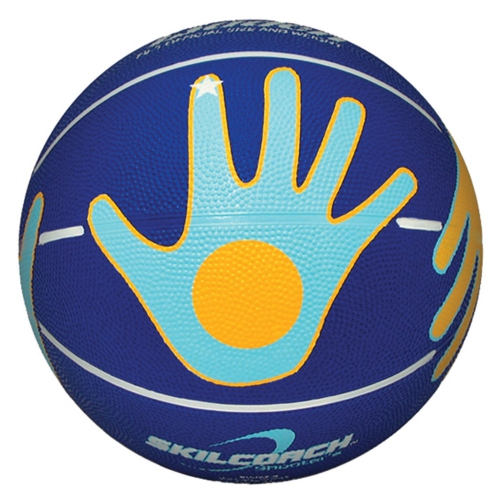
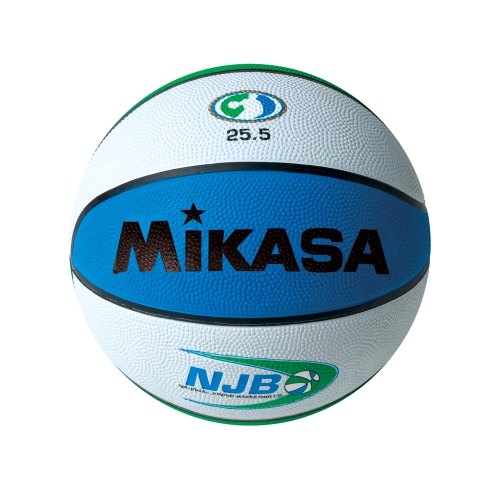
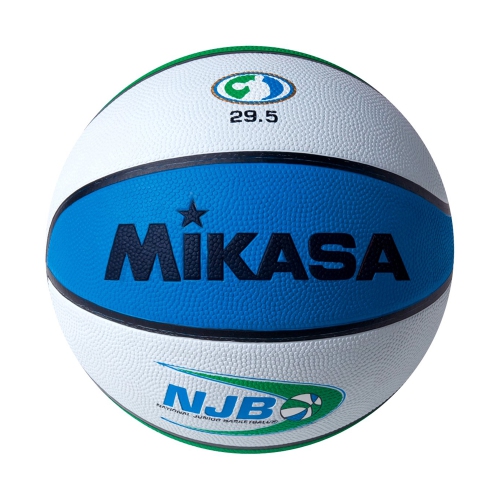
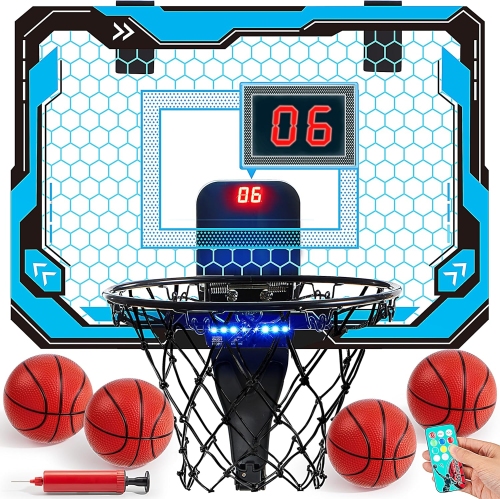
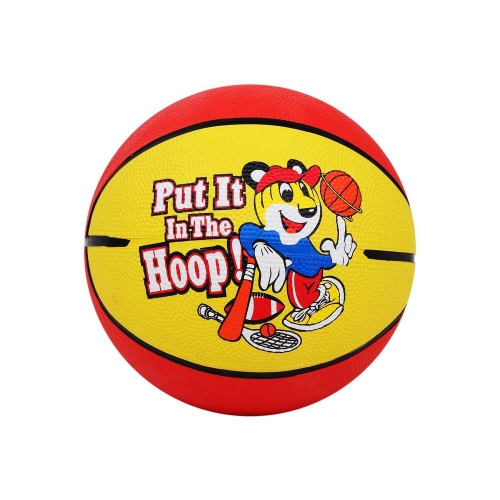
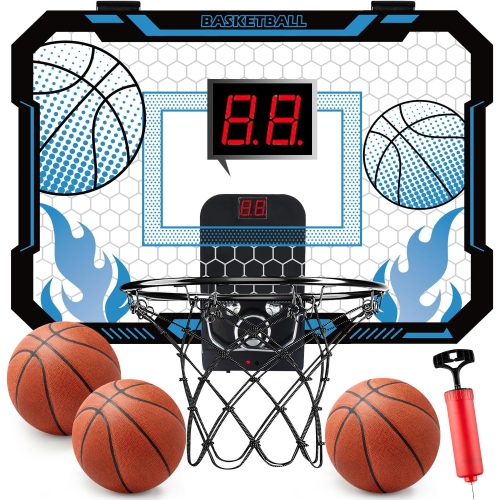
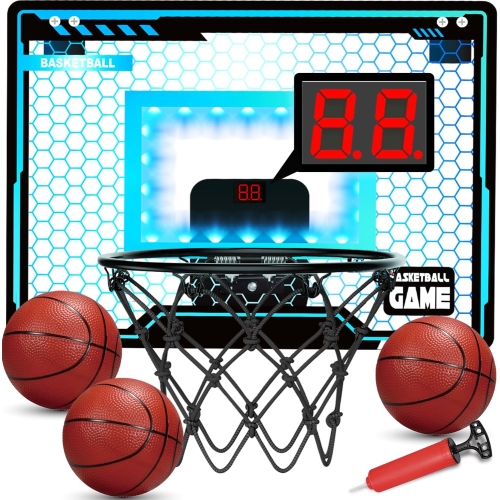

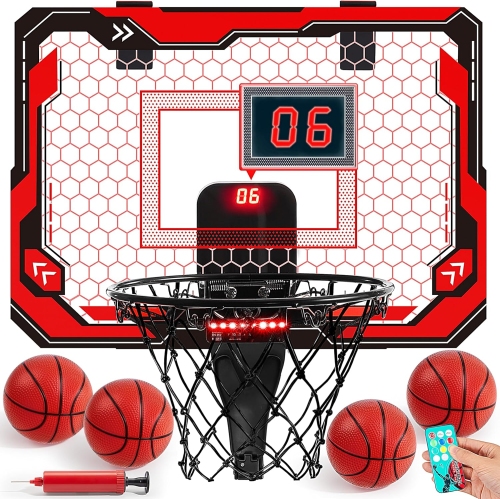
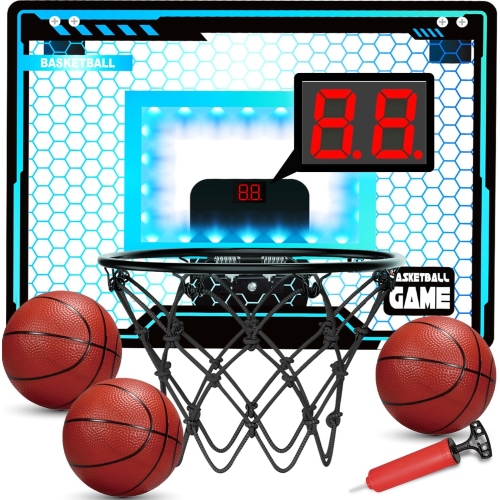
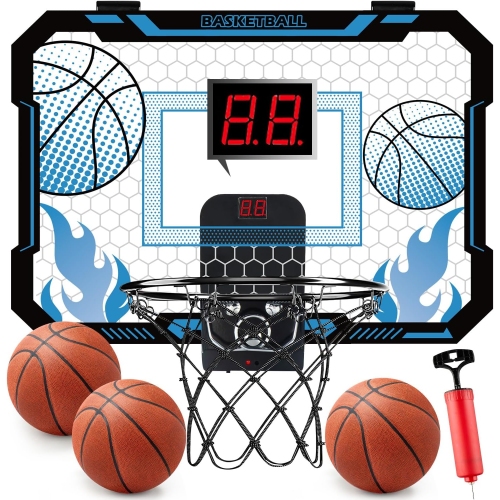
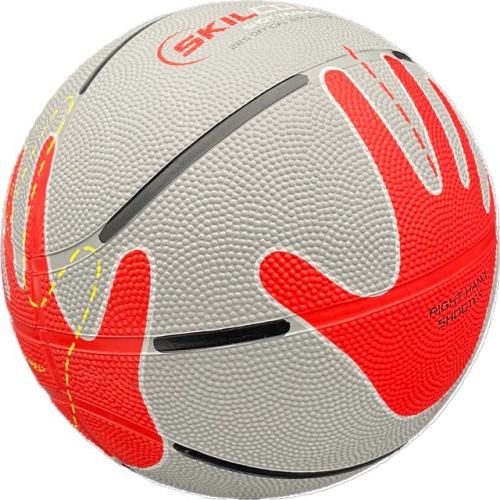
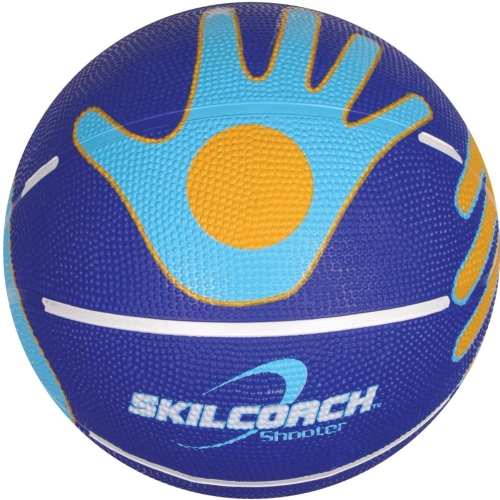

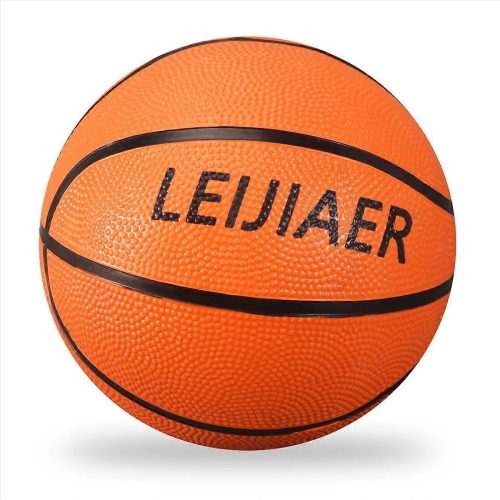
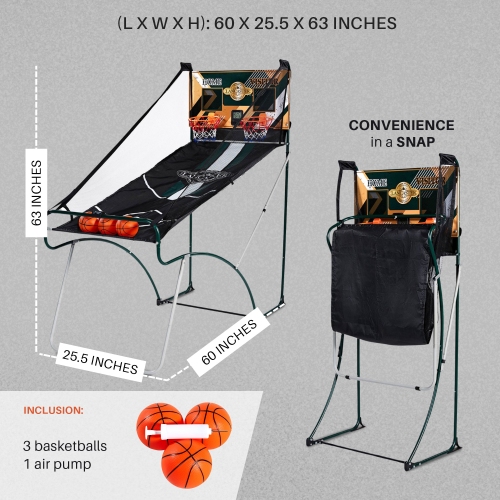
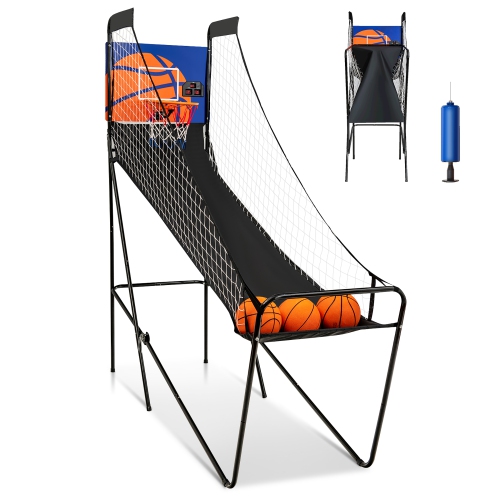
How cover feel and sizing shape indoor play
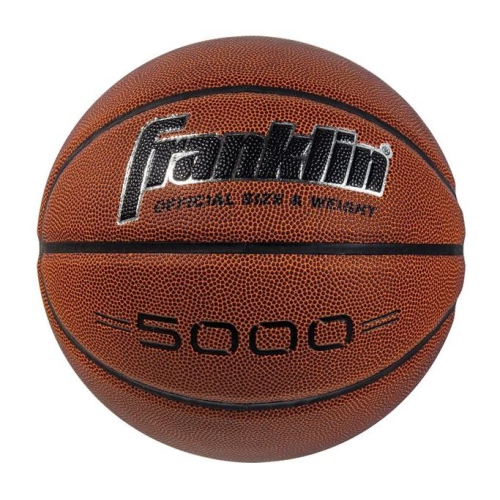
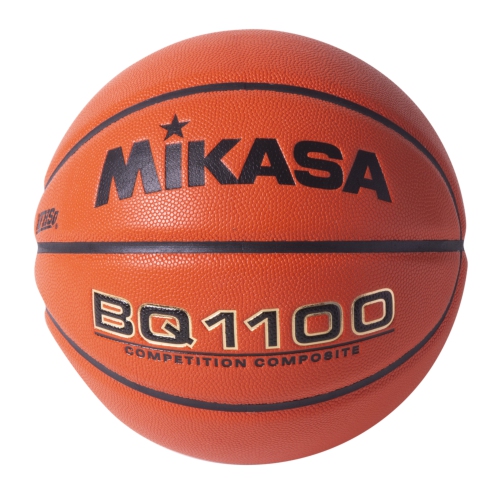
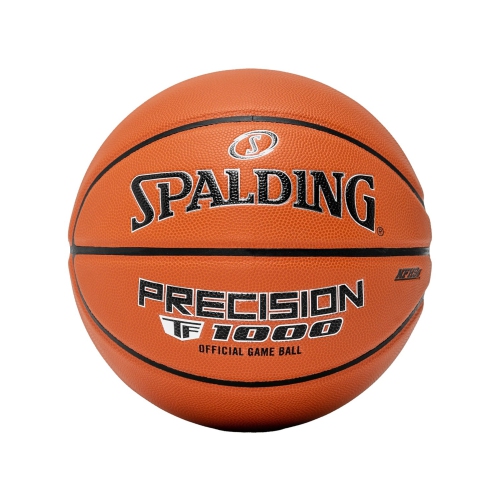
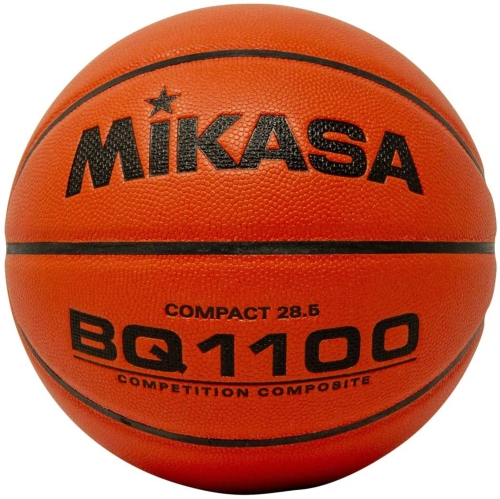
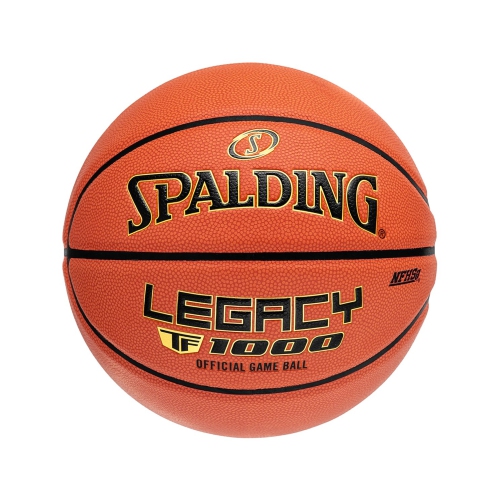
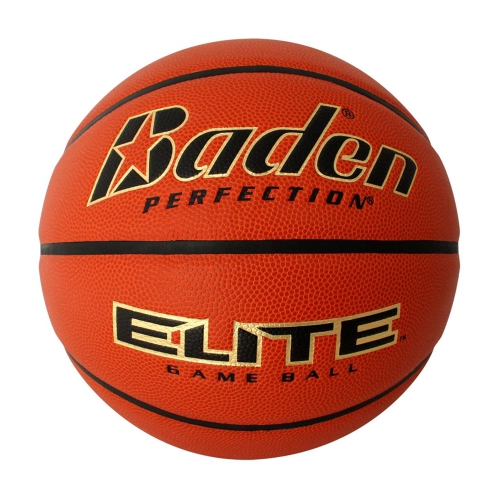
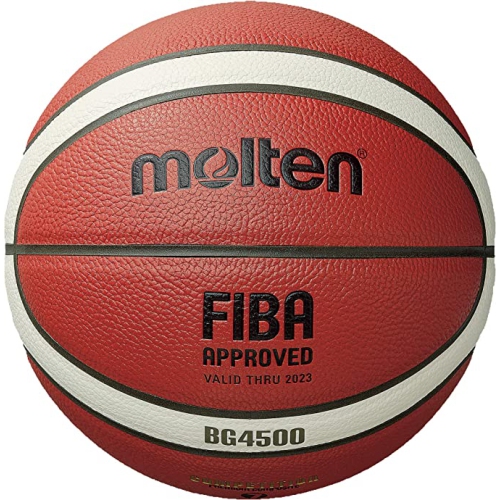
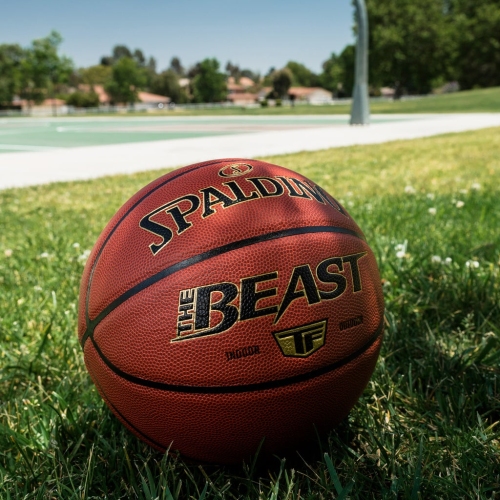
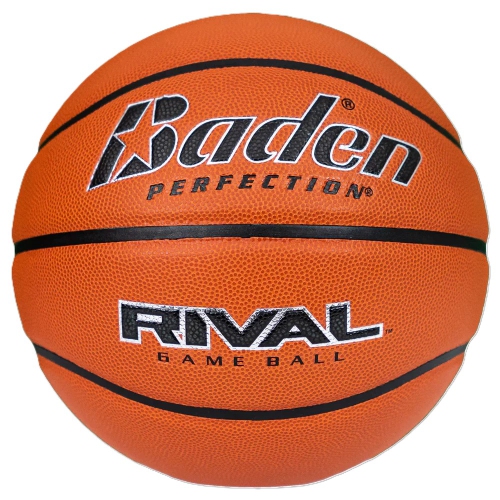
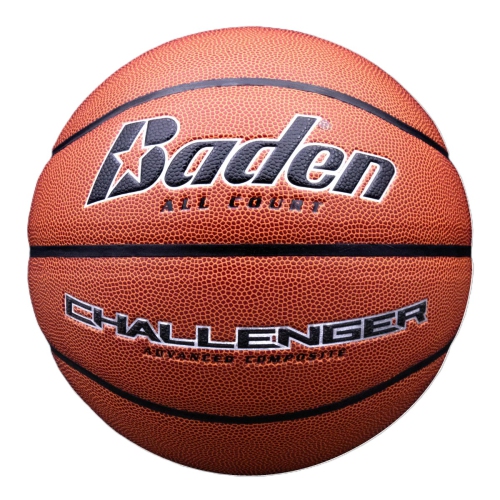
Indoor basketballs are designed for the controlled feel and predictable bounce of a gymnasium, community centre, school court, or other smooth indoor surface. Compared with many outdoor basketballs, they commonly feature high-performance composite leather or microfiber covers that feel softer in the hands and provide a more comfortable grip during dribbling, passing, and shooting. That touch can make a noticeable difference during a long practice: the ball sits securely in the palm, responds more naturally to fingertip control, and feels consistent as it moves from the floor to the backboard. Indoor basketballs may also use construction designed to help maintain their shape and air pressure over time, supporting a reliable bounce from one session to the next. For players who enjoy the familiar feel of a game-ready ball, Composite Basketballs are a popular option to consider. Since these covers are intended for smoother court surfaces, keeping them away from rough pavement and abrasive outdoor areas can help preserve the texture and grip. Wiping the surface with a slightly damp cloth after use, allowing it to dry fully, and storing the ball away from extreme heat or cold can also help maintain its playing feel. A properly inflated ball is easier to control and more predictable when bouncing, although it is best to follow the inflation guidance provided with the individual basketball rather than relying on a single pressure for every model.
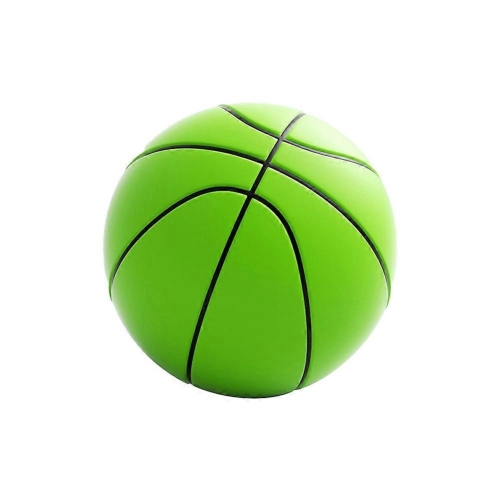
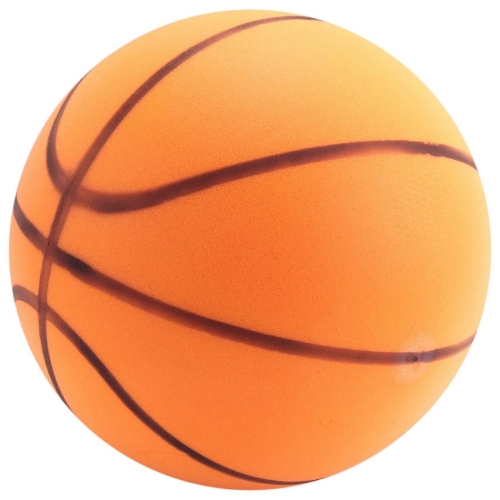
Choosing the right indoor basketball starts with size, because the correct fit supports better technique and makes practice more comfortable. Size 7 is the official size commonly used for men’s professional and collegiate play, making it a suitable choice for many adult players and advanced athletes. Size 6 is often used in women’s leagues and by youth players who are ready for a slightly smaller ball, while Size 5 is frequently selected for younger children who are building hand strength, coordination, and confidence. Smaller training balls can make it easier for children to learn the basics of passing, catching, and shooting without struggling to control a full-size basketball. Players should also consider how they plan to use the ball. An official-style game ball is suited to organized practices, league play, pickup games, and athletes who want their home sessions to feel as close as possible to a real competition. A softer foam basketball can be useful for quiet dribbling and shooting practice in a bedroom, basement, classroom, or other residential setting where repeated bouncing could disturb people nearby. Weighted training basketballs serve a different purpose, helping experienced players work on hand strength, control, and deliberate movements; they should be used carefully and according to the player’s age, ability, and training goals. For someone returning to the sport, a comfortable composite cover and manageable size may be more valuable than an advanced training feature. For a dedicated player, factors such as grip, inflation retention, channel design, cover texture, and regulation sizing can help narrow the selection. It is also worth considering the court itself: a polished hardwood floor generally rewards a ball with a refined indoor cover, while a multipurpose floor may call for a durable option that can handle frequent school, club, or recreation-centre use.
Indoor basketballs can suit a wide range of players, from children learning to make their first controlled dribbles to adults sharpening their shot after work. They can be used for solo routines such as stationary dribbling, crossover practice, form shooting, free throws, and footwork drills, or brought to the gym for passing exercises, scrimmages, and full games with friends. A player might spend a quiet afternoon working on the rhythm of a left-handed layup, or use a few minutes at the beginning of practice to get a feel for the ball before moving into more demanding drills. Families may choose a youth-sized basketball for a child who is discovering the sport, while coaches, teachers, and recreation leaders may look for several matching balls for group instruction or team practice. An indoor basketball can also make a thoughtful gift for a young athlete, a university student joining a campus league, or a recreational player who enjoys weekend games during the cooler months. As the weather changes and outdoor courts become less convenient, having a ball suited to indoor play makes it easier to keep moving at a local gym, school, or home court. Before making a selection, check the recommended size, cover material, intended playing environment, and any included inflation information. Whether the priority is a soft, responsive touch for competitive play, a quieter option for at-home skill work, or a training ball for focused drills, the best indoor basketball is one that matches the player’s hands, court, and regular routine.
Choosing the right indoor basketball starts with size, because the correct fit supports better technique and makes practice more comfortable. Size 7 is the official size commonly used for men’s professional and collegiate play, making it a suitable choice for many adult players and advanced athletes. Size 6 is often used in women’s leagues and by youth players who are ready for a slightly smaller ball, while Size 5 is frequently selected for younger children who are building hand strength, coordination, and confidence. Smaller training balls can make it easier for children to learn the basics of passing, catching, and shooting without struggling to control a full-size basketball. Players should also consider how they plan to use the ball. An official-style game ball is suited to organized practices, league play, pickup games, and athletes who want their home sessions to feel as close as possible to a real competition. A softer foam basketball can be useful for quiet dribbling and shooting practice in a bedroom, basement, classroom, or other residential setting where repeated bouncing could disturb people nearby. Weighted training basketballs serve a different purpose, helping experienced players work on hand strength, control, and deliberate movements; they should be used carefully and according to the player’s age, ability, and training goals. For someone returning to the sport, a comfortable composite cover and manageable size may be more valuable than an advanced training feature. For a dedicated player, factors such as grip, inflation retention, channel design, cover texture, and regulation sizing can help narrow the selection. It is also worth considering the court itself: a polished hardwood floor generally rewards a ball with a refined indoor cover, while a multipurpose floor may call for a durable option that can handle frequent school, club, or recreation-centre use.
Indoor basketballs can suit a wide range of players, from children learning to make their first controlled dribbles to adults sharpening their shot after work. They can be used for solo routines such as stationary dribbling, crossover practice, form shooting, free throws, and footwork drills, or brought to the gym for passing exercises, scrimmages, and full games with friends. A player might spend a quiet afternoon working on the rhythm of a left-handed layup, or use a few minutes at the beginning of practice to get a feel for the ball before moving into more demanding drills. Families may choose a youth-sized basketball for a child who is discovering the sport, while coaches, teachers, and recreation leaders may look for several matching balls for group instruction or team practice. An indoor basketball can also make a thoughtful gift for a young athlete, a university student joining a campus league, or a recreational player who enjoys weekend games during the cooler months. As the weather changes and outdoor courts become less convenient, having a ball suited to indoor play makes it easier to keep moving at a local gym, school, or home court. Before making a selection, check the recommended size, cover material, intended playing environment, and any included inflation information. Whether the priority is a soft, responsive touch for competitive play, a quieter option for at-home skill work, or a training ball for focused drills, the best indoor basketball is one that matches the player’s hands, court, and regular routine.
Top selling and popular products
-
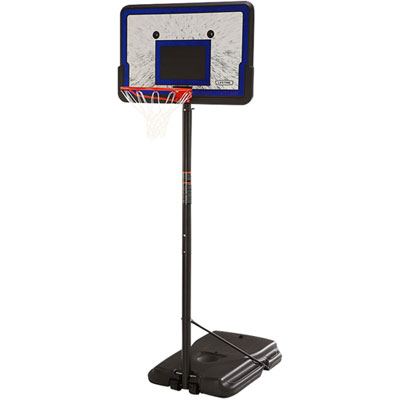 Your price for this item is $279.98
 -
 Your price for this item is $114.99
 -
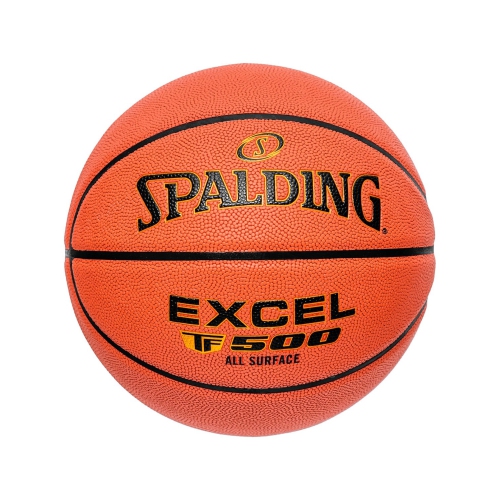 Your price for this item is $58.99
 -
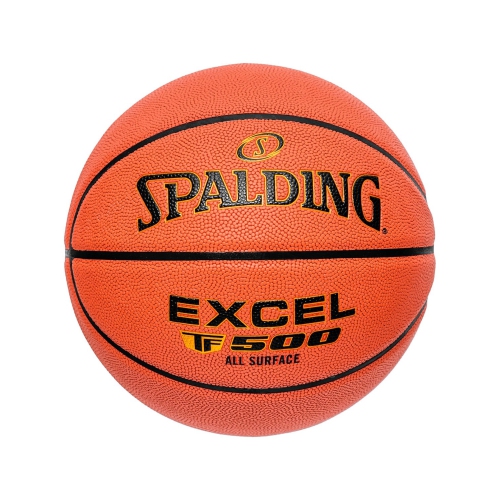 Your price for this item is $58.99
 -
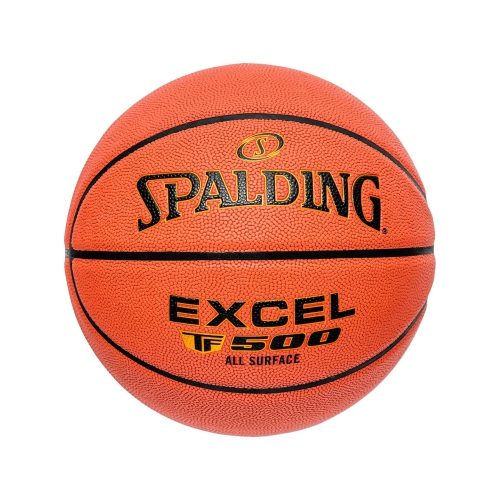 Your price for this item is $58.99
 -
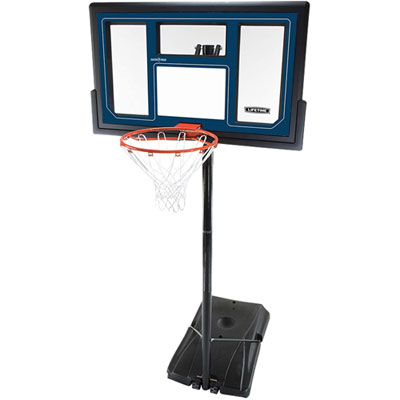 Your price for this item is $479.98
 -
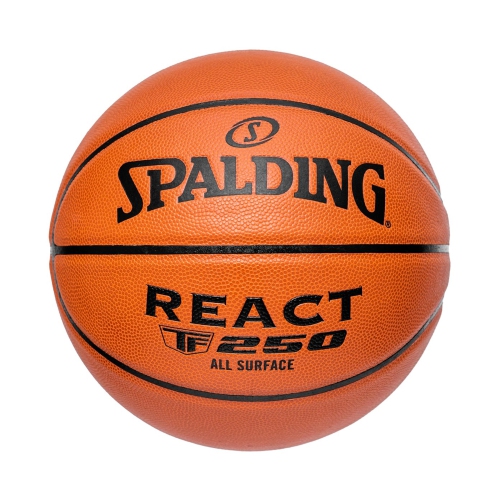 Your price for this item is $52.99
 -
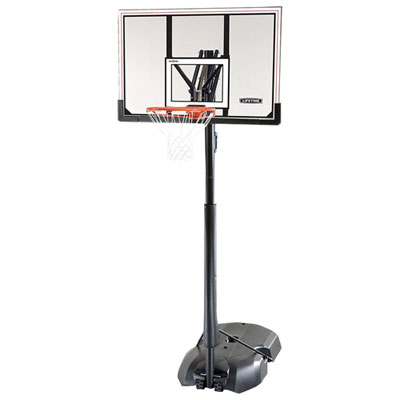 Your price for this item is $638.98
Discover more categories related to Indoor Basketballs

Top Collections:
Pokemon Centers, Best Cameras for Sports Photography, Kindle Devices, Samsung Galaxy Phones, Canon G7X Cameras, Pokémon 30th Celebration Cards, Refurbished Apple Laptops, iPhone 15 Apple, Laptops for Students, Budget Smartphones
Some products may be subject to Environmental Handling Fees
(EHF) depending on your province.
Learn more about EHFs.