Sports Chairs
Whether you're cheering on your favorite team at the stadium, enjoying a picnic in the park, or simply lounging in your backyard, having a comfortable and portable sports chair can enhance your outdoor experience. Sports chairs come in various styles and designs, offering features such as built-in cup holders, adjustable armrests, and sturdy frames for durability. Perfect for tailgating, camping, or any outdoor event, these chairs provide both comfort and convenience wherever you go. Browse our selection of sports chairs to find the perfect seating solution for your next adventure.
Sort



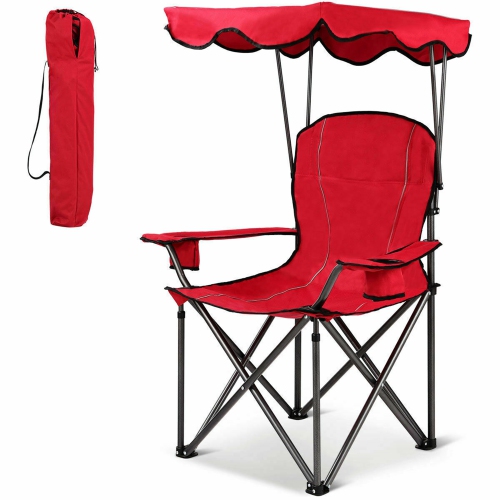
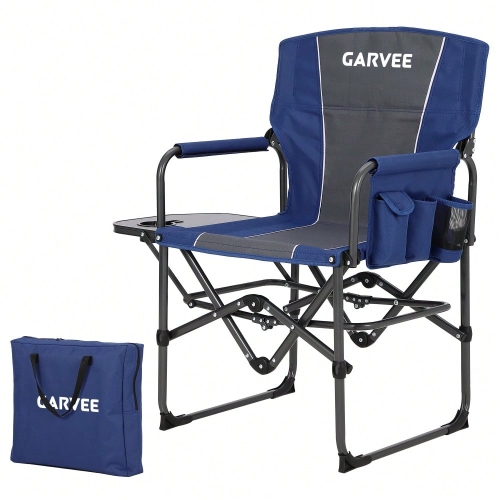
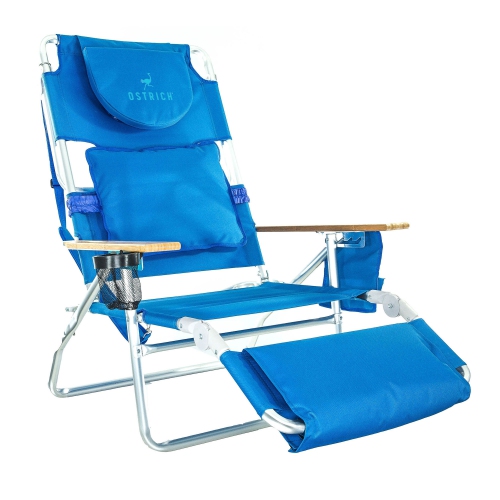
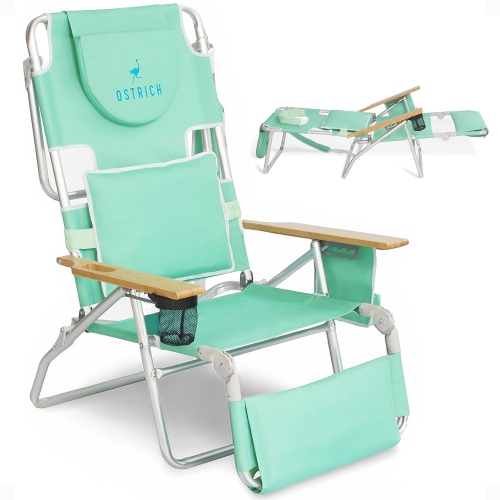

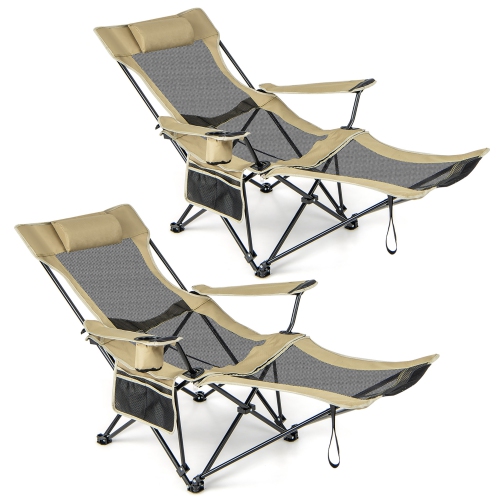
Game-day comfort depends on more than cushioning
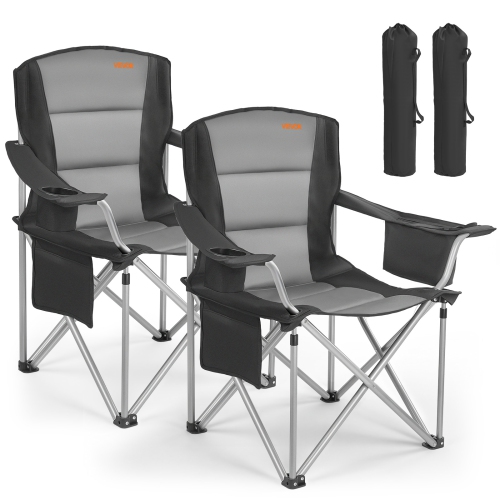
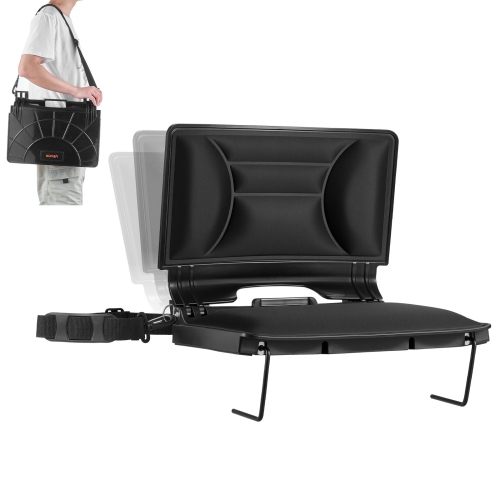
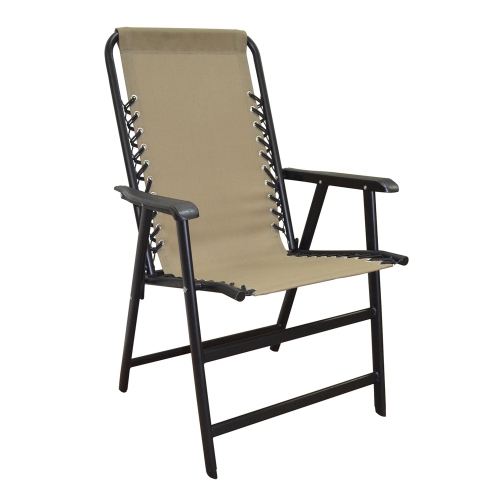
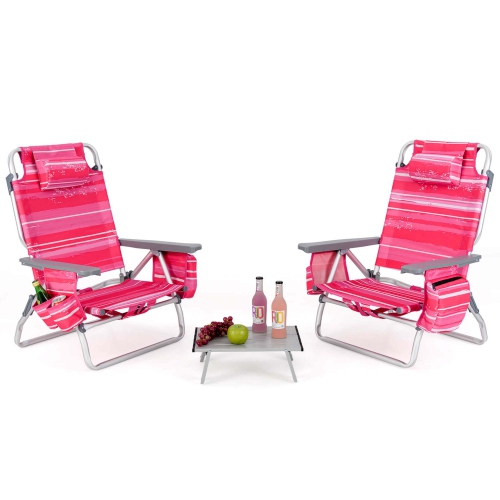
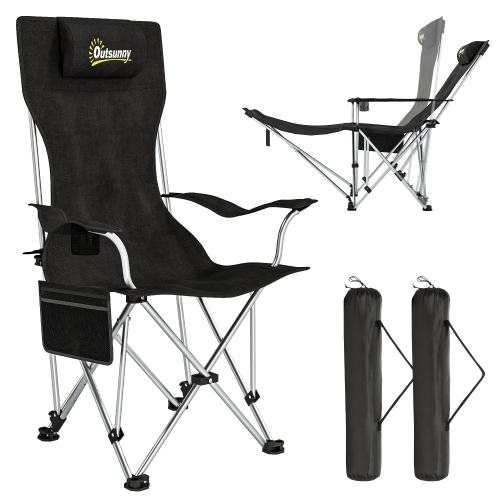
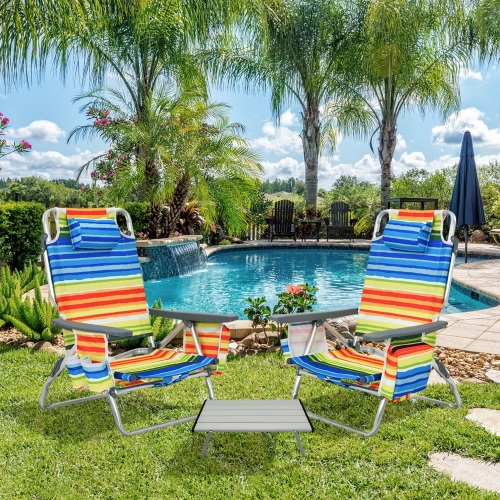
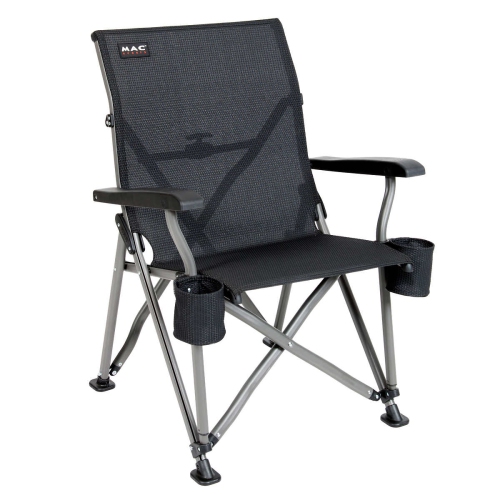
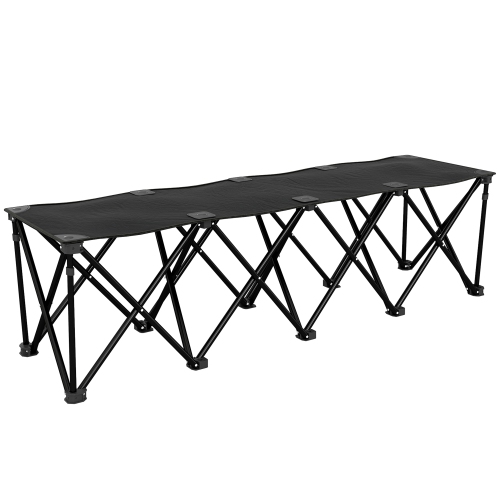
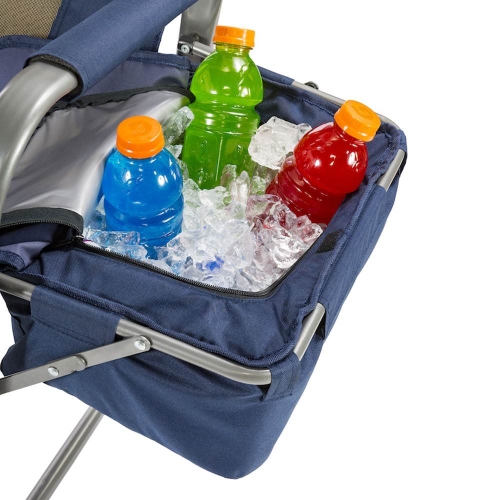
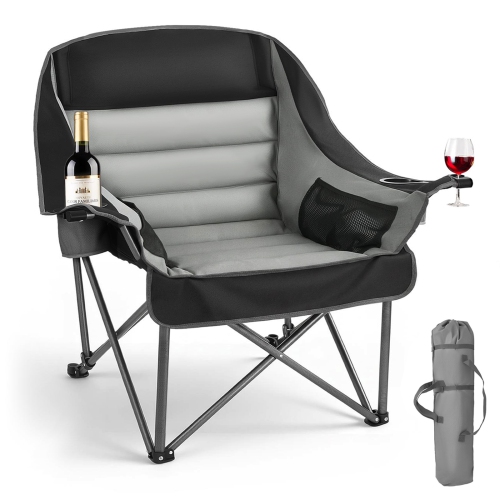
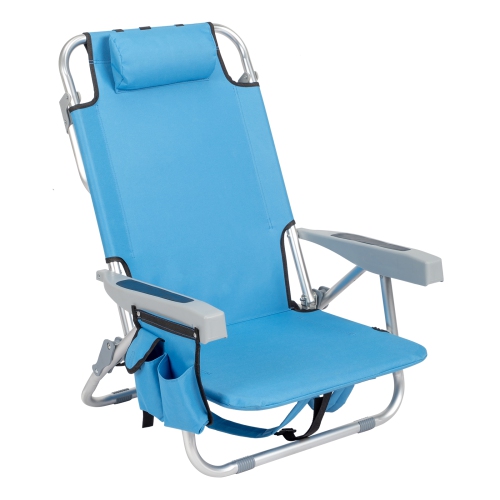
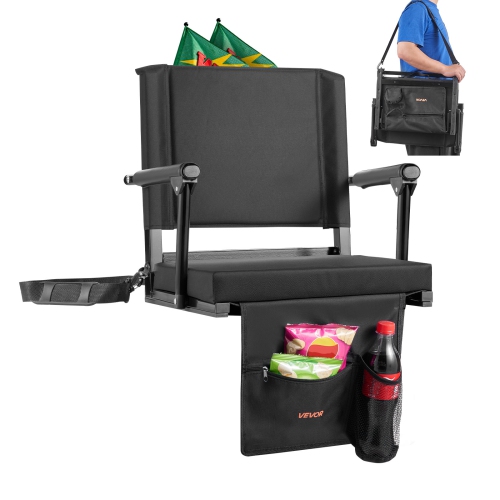
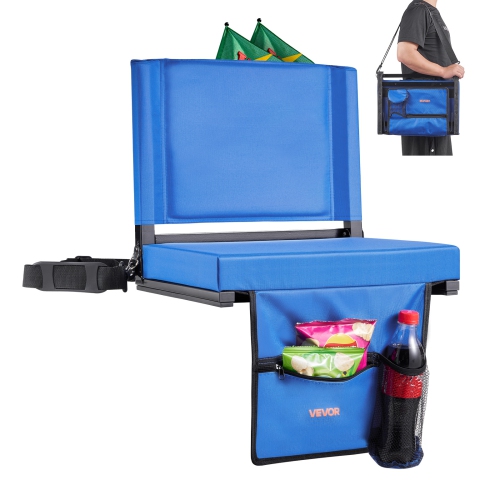
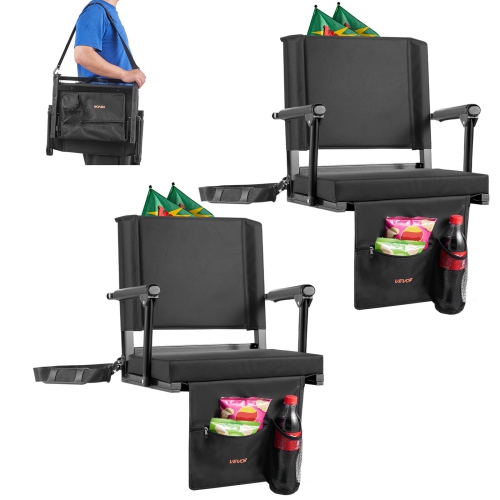
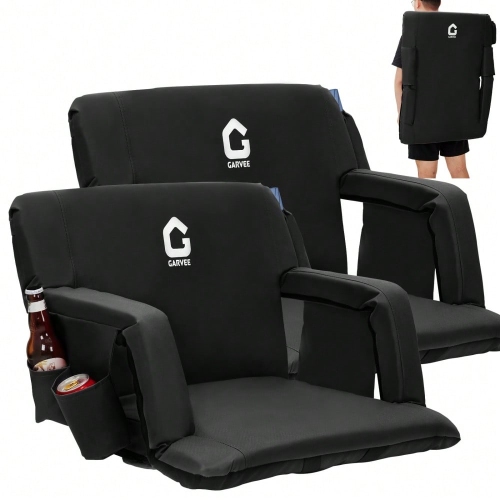
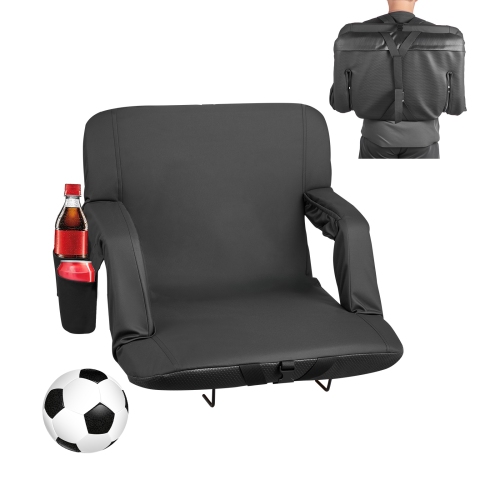
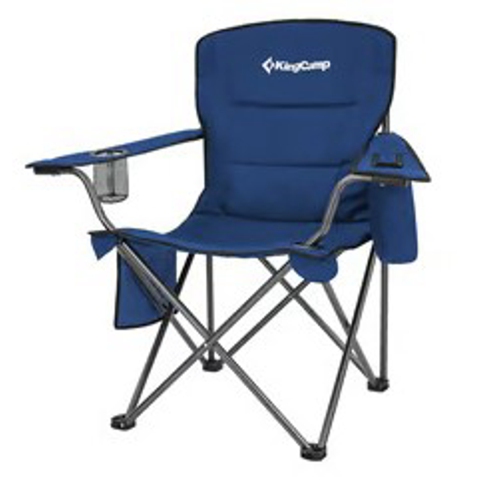
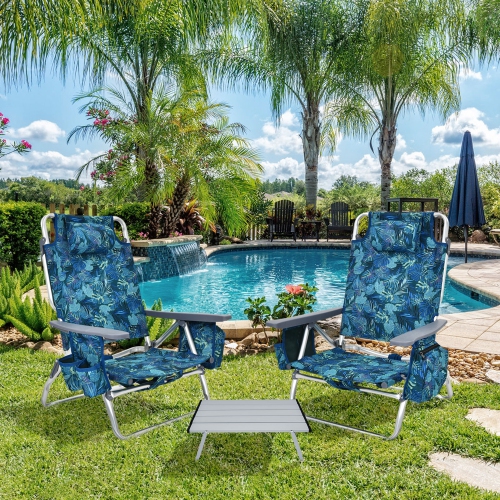
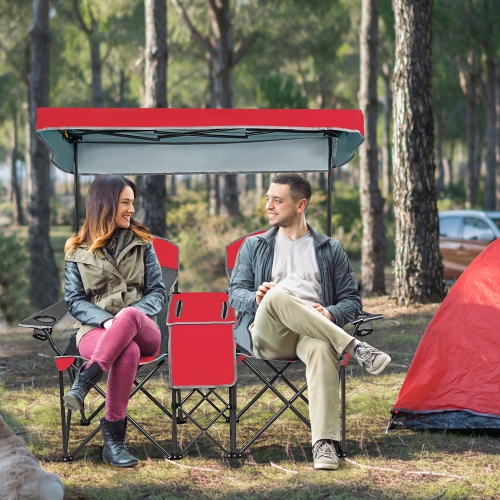
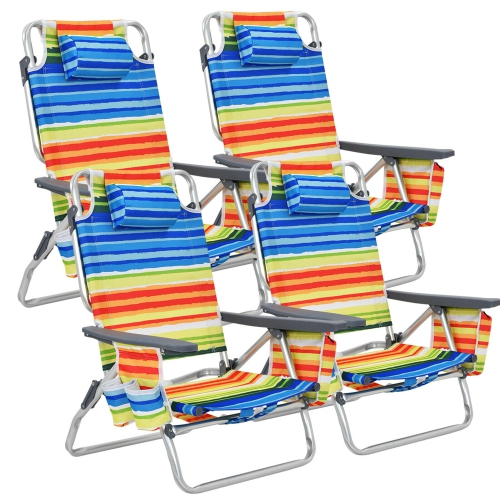
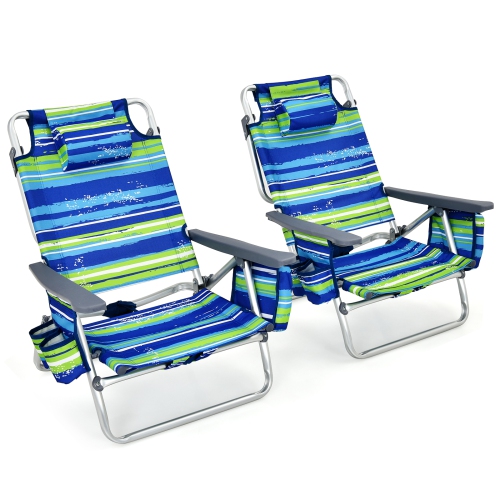
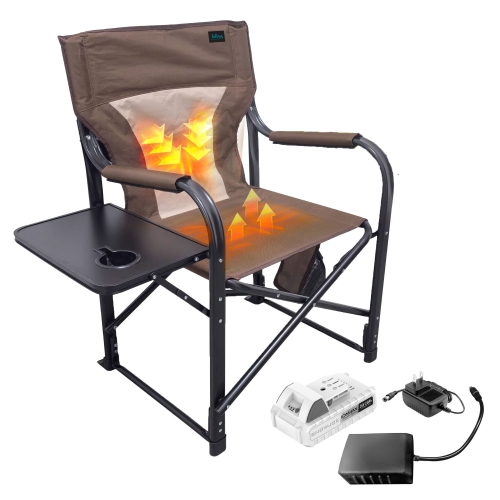
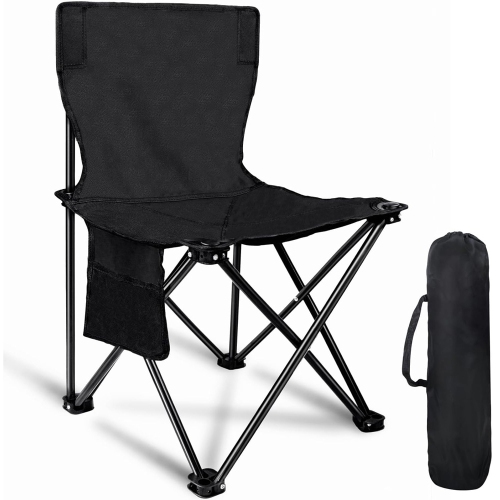
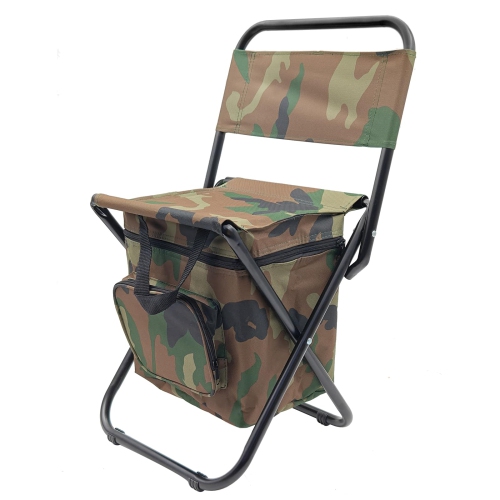
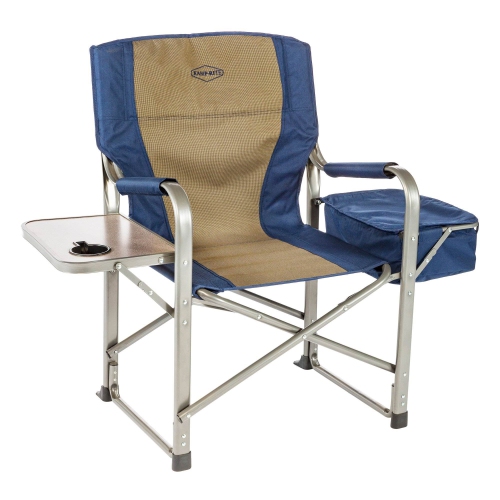
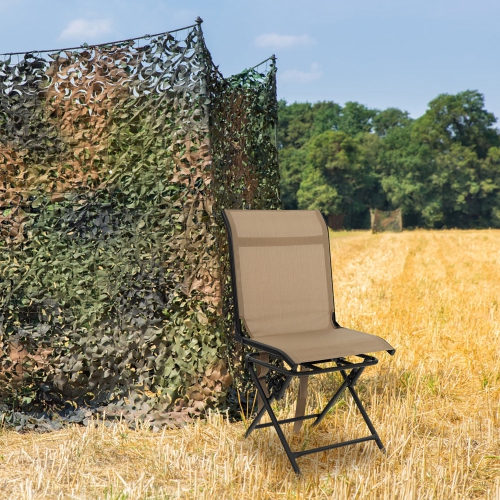
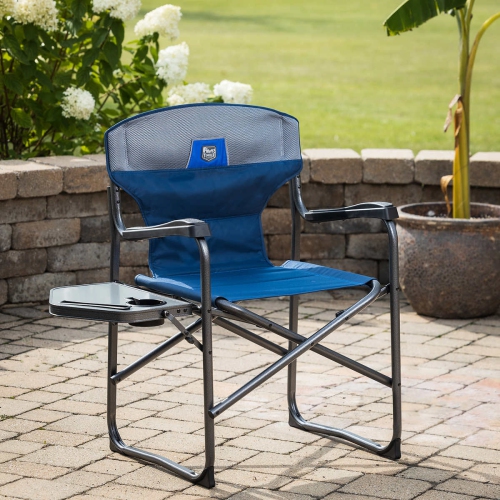
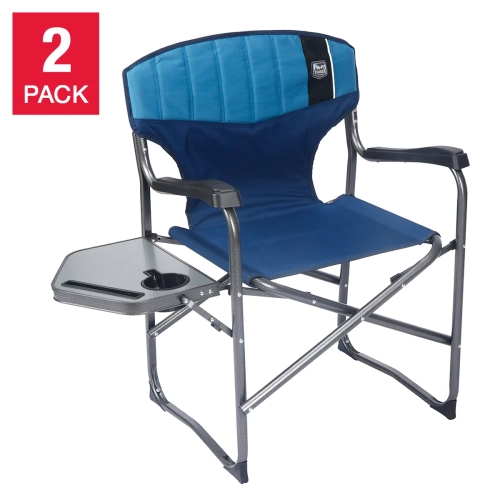
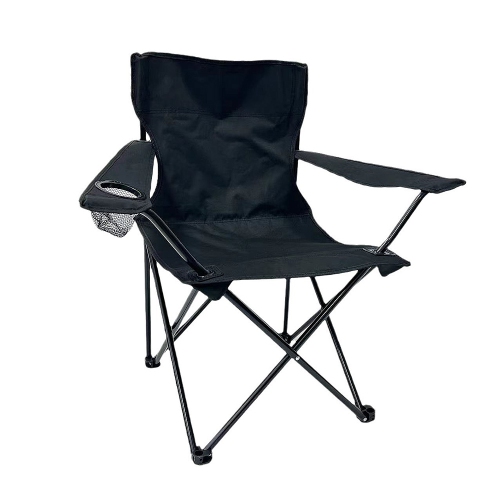
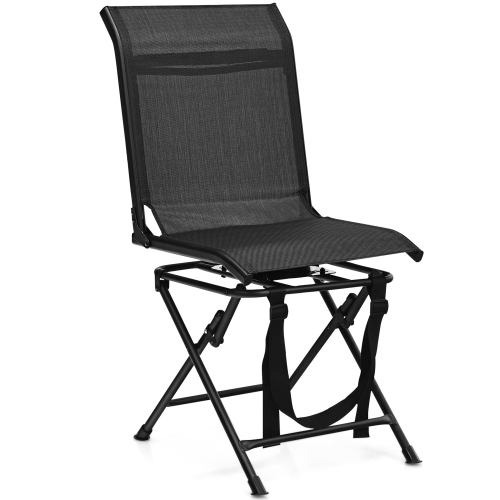
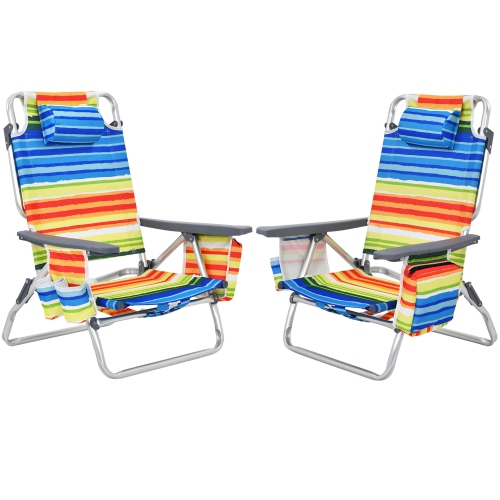
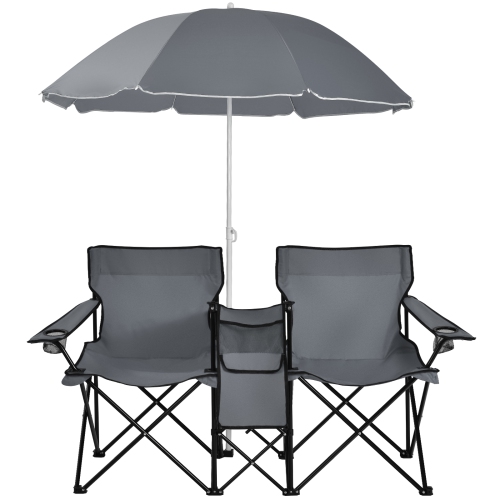
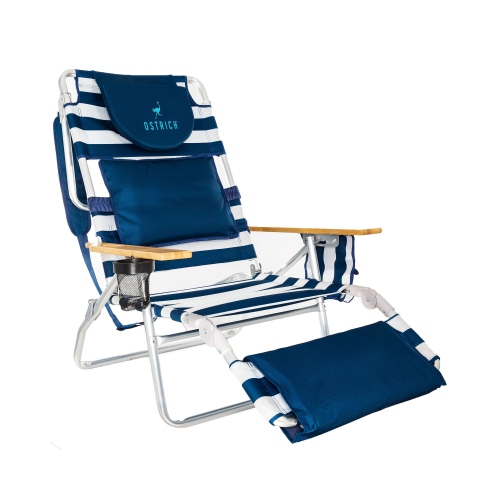
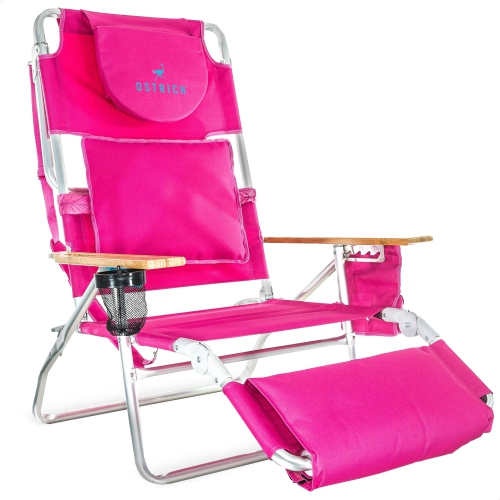
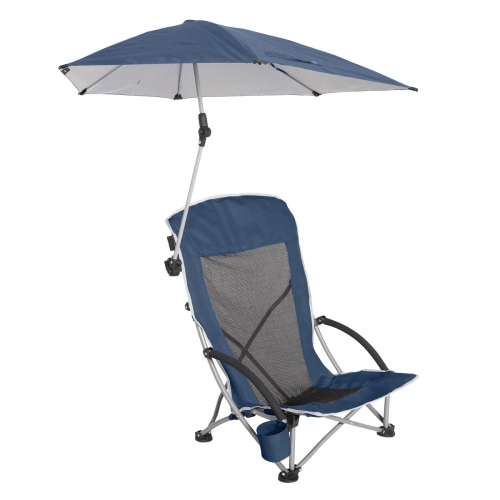
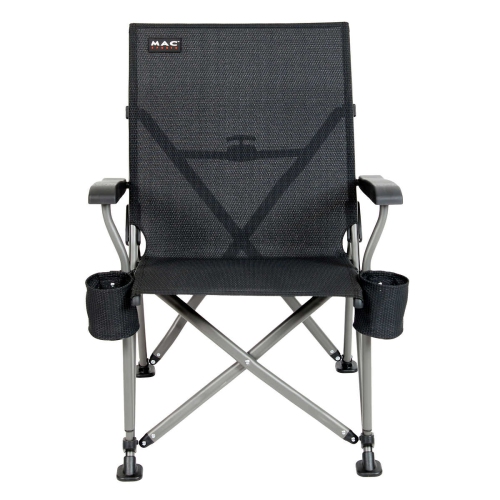
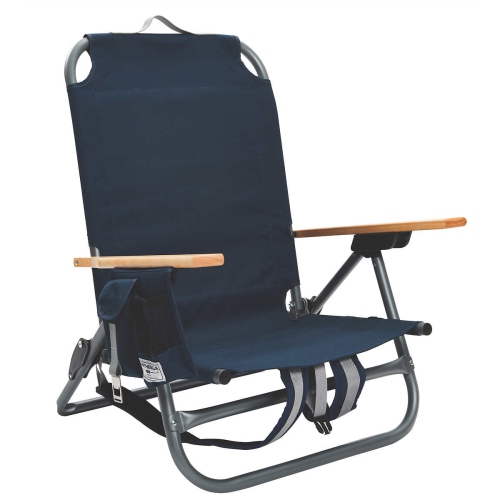
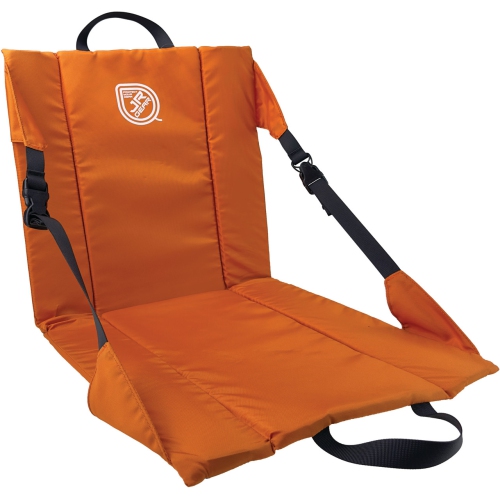
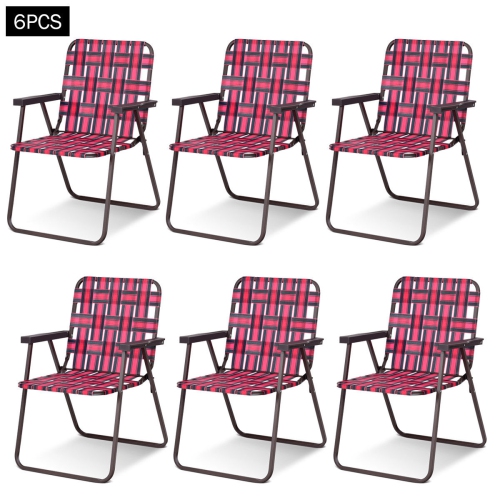
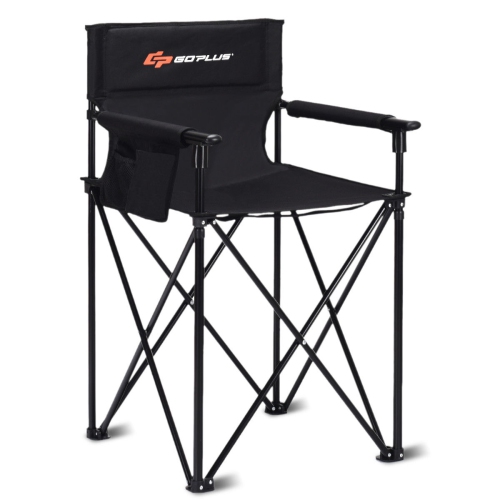
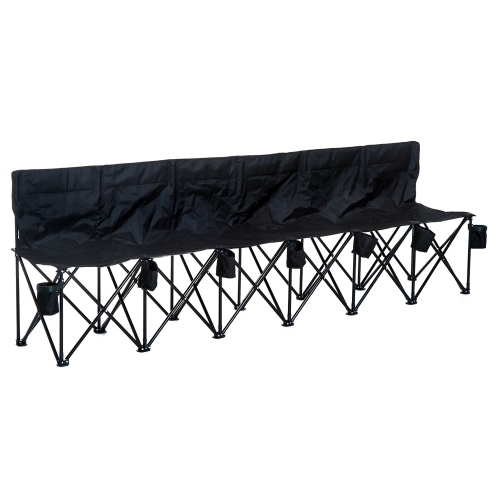
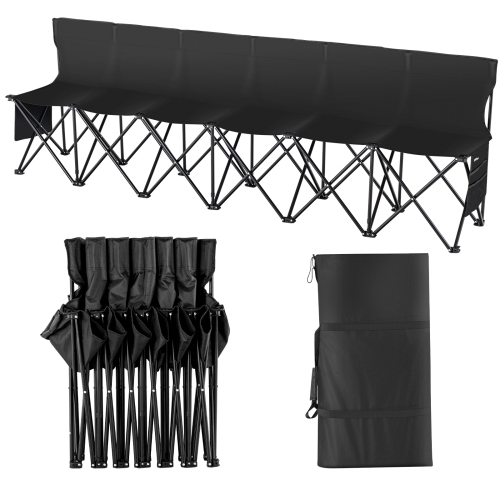
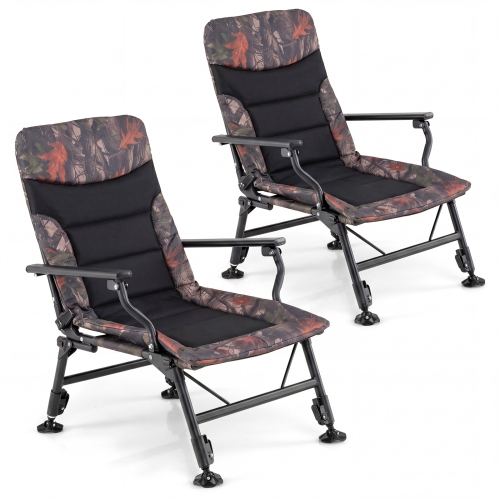
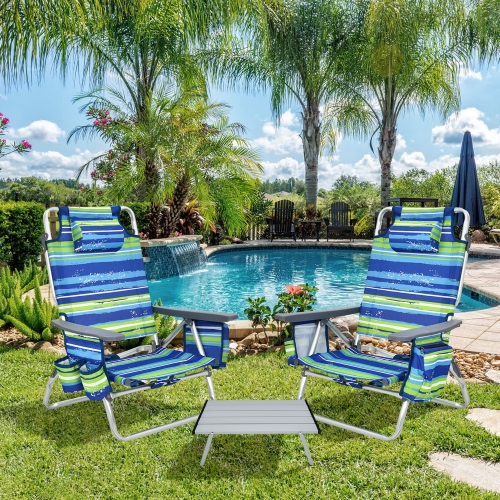
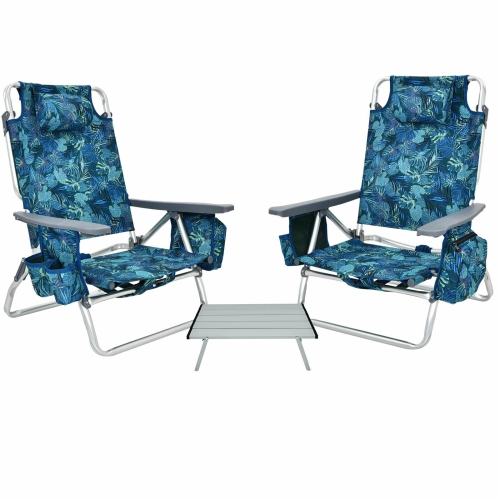
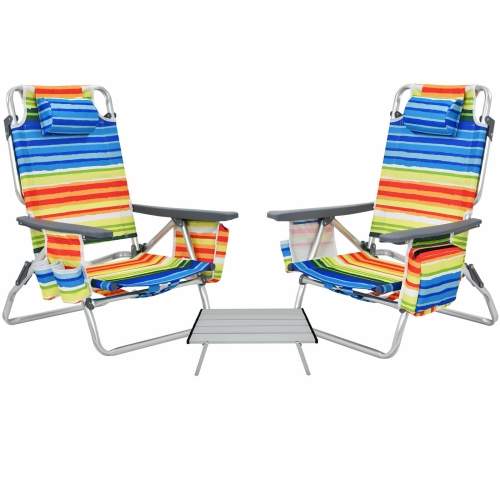
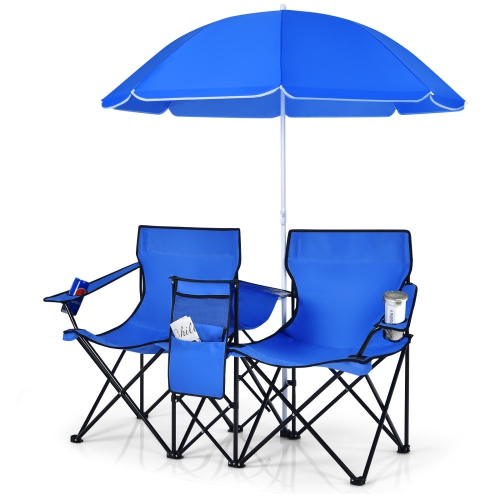
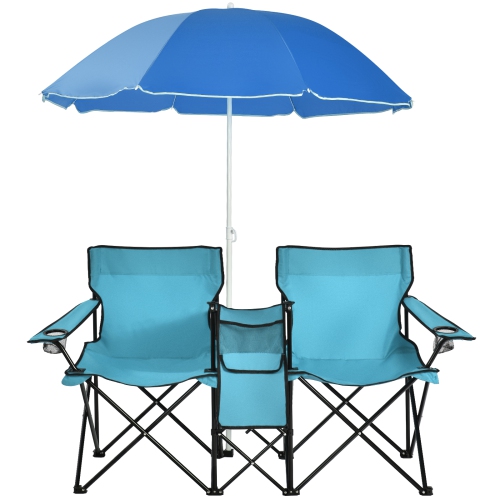
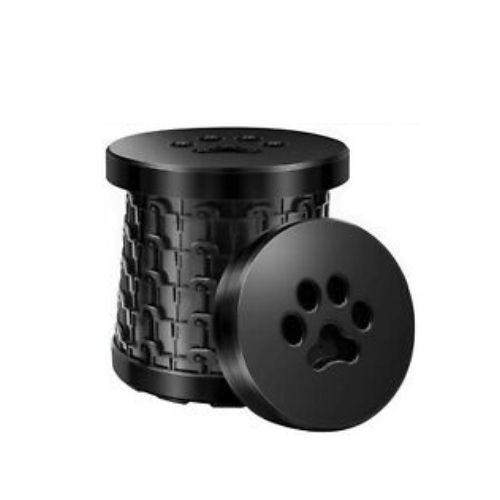
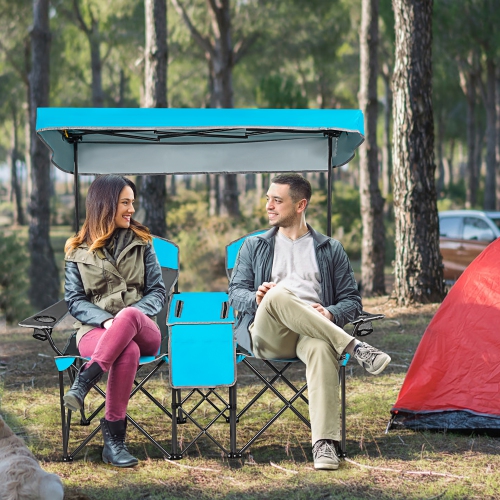
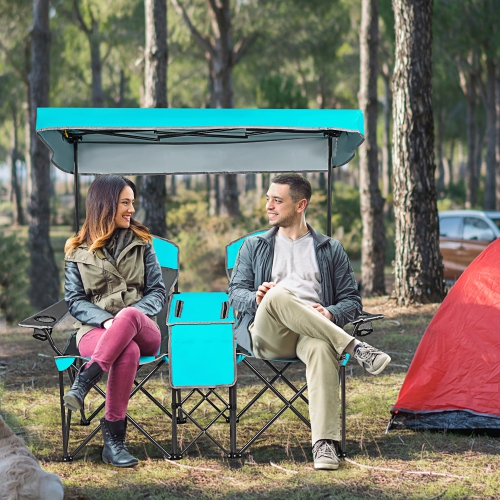
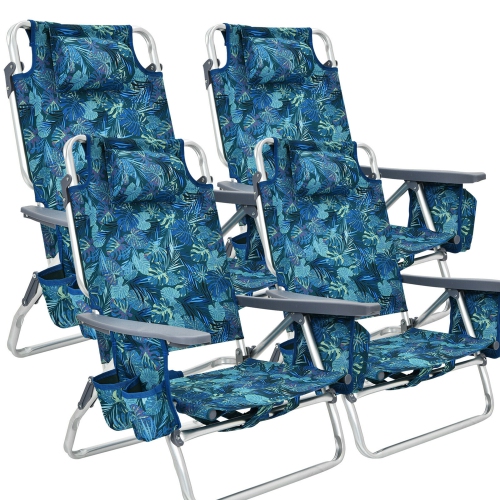
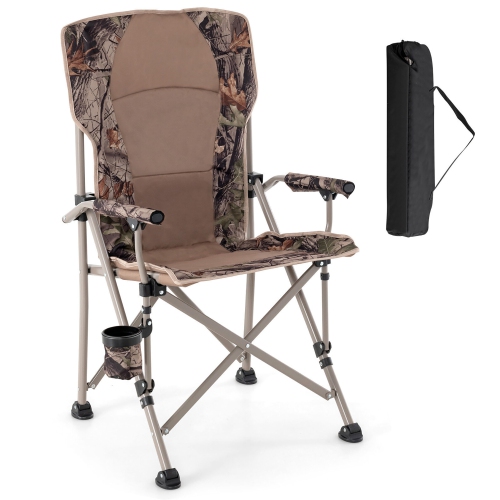
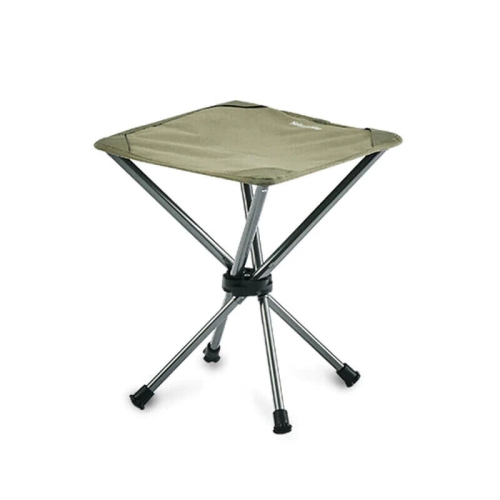
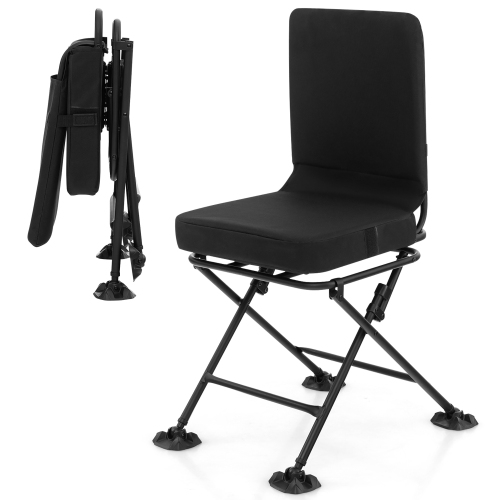
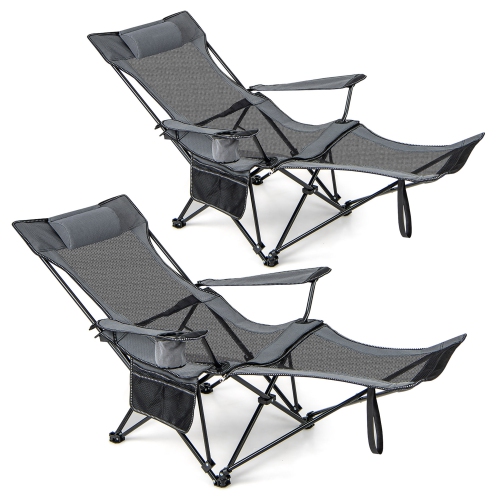
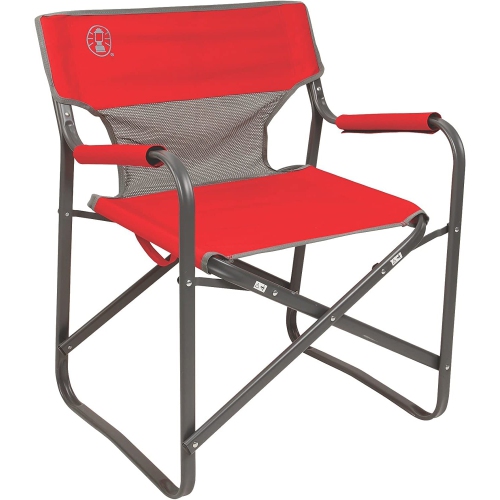
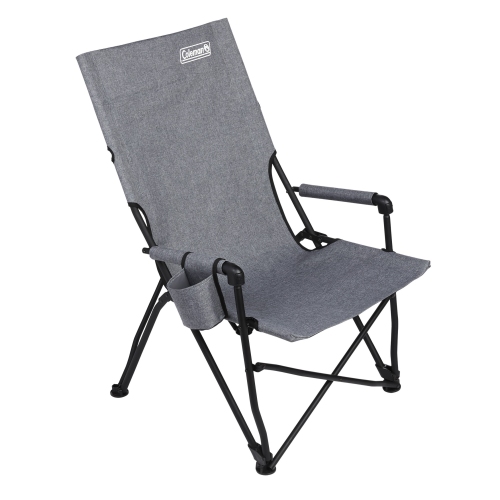
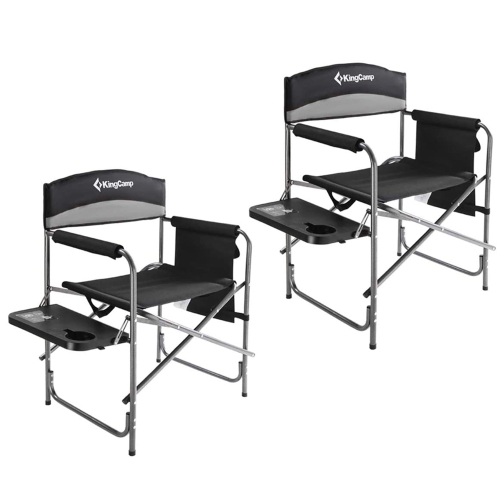
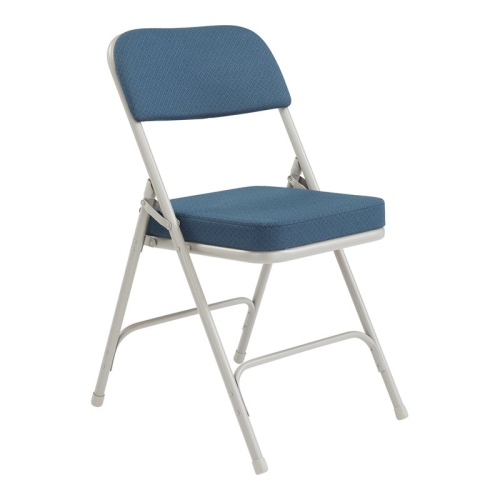
Sports chairs are seats designed for watching games, resting between activities, and keeping a team together along the sidelines. The main styles include folding quad chairs, stadium or bleacher seats, portable team benches, and fan-themed chairs for a more permanent seating area. Each serves a different purpose: a folding chair provides a freestanding seat beside a field, while a bleacher seat adds cushioning and back support to an existing bench. Portable team benches give several players a shared place to sit, and jersey-inspired or Adirondack-style fan chairs bring a sports theme to a patio or recreation room. For parents following a soccer tournament, a chair that folds into a carry bag can make the walk from the parking lot easier, especially with a kit bag and snacks already in hand. For spectators spending several periods on hard arena seating, a padded stadium seat may be the more practical choice. Folding sideline chairs also share many features with Camp Chairs, including collapsible frames, fabric seats, armrests, and storage pockets. The distinction often comes down to how the chair will be carried, where it will be set up, and how long someone expects to sit in it. Cup holders keep drinks within reach, while a zipped pouch can hold keys or a phone without leaving them loose beside the field. A small side table offers a firmer surface for a snack or score sheet, though it also adds to the chair’s packed size. Coaches and volunteers may prefer upright seating that makes it easier to stand frequently, whereas spectators settling in for a full match may value a deeper seat and padded arms. Sports chairs can also make thoughtful gifts for a regular game-day companion, a family supporting a young athlete, or a fan who enjoys a dedicated place to watch and talk sports.
Comfort depends on the relationship between the seat, the frame, and the person using it, rather than padding alone. A broad seat gives more room to shift position, but a deep, sling-style seat can be harder to get out of than a firmer, higher design. Seat height matters when sitting down with tired legs or standing repeatedly to cheer, and supportive armrests can help make those movements feel more controlled. Lower chairs have their place beside a field, but they may not suit someone who finds a deep knee bend uncomfortable. A tall back can provide more contact through the upper body, while a shorter back generally keeps the packed chair smaller. Seat width, depth, height, and the manufacturer’s stated weight capacity are worth considering together; a generous capacity does not necessarily mean generous sitting space. For children, appropriately sized seating helps avoid an awkward perch in a chair built for an adult. Stadium seats have their own fit considerations, particularly the width and depth of the bleacher they will rest on. Attachment straps or hooks should be compatible with that surface, and any backrest adjustment needs to leave enough room for the people behind. Some designs can also be used as ground seats, but that use should be supported by the manufacturer rather than assumed. On crowded bleachers, a compact seat without wide armrests may be less intrusive than a broad reclining design. Team benches call for a different kind of planning: the overall footprint, number of seating positions, and capacity for each position all matter. A bench for substitutes should leave clear space for players walking past, equipment bags, and access to the playing area. For individual chairs, stability depends partly on the ground beneath them. A level, firm surface gives the feet a more reliable base than an uneven edge or loose patch of gravel. Venue rules may also limit chair dimensions or styles, making the intended location just as important as personal comfort.
Materials and construction influence how a sports chair feels, how much it weighs, and how well it handles repeated packing and setup. Steel frames are common in folding chairs and can provide a sturdy structure, though they may add carrying weight. Aluminium frames can be easier to transport, with overall strength still depending on the frame design, joints, and stated capacity. Polyester fabric is widely used for seats and backs because it can form a supportive sling and is generally straightforward to clean according to its care instructions. Mesh panels allow airflow and can reduce bulk, while padded fabric adds cushioning for longer stretches of sitting. Reinforced stitching around the seat corners, neatly finished seams, and secure connections between fabric and frame are useful construction details, especially for chairs that travel to regular practices and tournaments. Resin fan chairs offer a different approach, with rigid surfaces and a more furniture-like feel; they are better suited to a designated seating spot than frequent trips between playing fields. For portable styles, packed dimensions deserve as much attention as the open size. A chair that fits easily across a vehicle’s cargo area may still be awkward in a narrow storage cupboard, and a bulky carry bag can become tiring over a long walk. Shoulder straps, backpack-style straps, and well-positioned handles change how that load is carried. Setup should feel controlled, with the frame fully opened and any locking mechanism engaged before someone sits down. Fingers should stay clear of folding joints, particularly when children are nearby. Routine care is usually simple but should match the material: remove grit from feet and hinges, wipe spills promptly, and follow the care label before using a cleaning product on fabric or padding. Let washed or damp components dry thoroughly before folding the chair into its bag. Checking for loose fittings, split fabric, damaged straps, or bent frame sections helps identify wear before the next outing. A chair matched to its user, seating surface, and carrying routine earns its place through these everyday details, whether it is beside a baseball diamond or overlooking the action from the stands.
Comfort depends on the relationship between the seat, the frame, and the person using it, rather than padding alone. A broad seat gives more room to shift position, but a deep, sling-style seat can be harder to get out of than a firmer, higher design. Seat height matters when sitting down with tired legs or standing repeatedly to cheer, and supportive armrests can help make those movements feel more controlled. Lower chairs have their place beside a field, but they may not suit someone who finds a deep knee bend uncomfortable. A tall back can provide more contact through the upper body, while a shorter back generally keeps the packed chair smaller. Seat width, depth, height, and the manufacturer’s stated weight capacity are worth considering together; a generous capacity does not necessarily mean generous sitting space. For children, appropriately sized seating helps avoid an awkward perch in a chair built for an adult. Stadium seats have their own fit considerations, particularly the width and depth of the bleacher they will rest on. Attachment straps or hooks should be compatible with that surface, and any backrest adjustment needs to leave enough room for the people behind. Some designs can also be used as ground seats, but that use should be supported by the manufacturer rather than assumed. On crowded bleachers, a compact seat without wide armrests may be less intrusive than a broad reclining design. Team benches call for a different kind of planning: the overall footprint, number of seating positions, and capacity for each position all matter. A bench for substitutes should leave clear space for players walking past, equipment bags, and access to the playing area. For individual chairs, stability depends partly on the ground beneath them. A level, firm surface gives the feet a more reliable base than an uneven edge or loose patch of gravel. Venue rules may also limit chair dimensions or styles, making the intended location just as important as personal comfort.
Materials and construction influence how a sports chair feels, how much it weighs, and how well it handles repeated packing and setup. Steel frames are common in folding chairs and can provide a sturdy structure, though they may add carrying weight. Aluminium frames can be easier to transport, with overall strength still depending on the frame design, joints, and stated capacity. Polyester fabric is widely used for seats and backs because it can form a supportive sling and is generally straightforward to clean according to its care instructions. Mesh panels allow airflow and can reduce bulk, while padded fabric adds cushioning for longer stretches of sitting. Reinforced stitching around the seat corners, neatly finished seams, and secure connections between fabric and frame are useful construction details, especially for chairs that travel to regular practices and tournaments. Resin fan chairs offer a different approach, with rigid surfaces and a more furniture-like feel; they are better suited to a designated seating spot than frequent trips between playing fields. For portable styles, packed dimensions deserve as much attention as the open size. A chair that fits easily across a vehicle’s cargo area may still be awkward in a narrow storage cupboard, and a bulky carry bag can become tiring over a long walk. Shoulder straps, backpack-style straps, and well-positioned handles change how that load is carried. Setup should feel controlled, with the frame fully opened and any locking mechanism engaged before someone sits down. Fingers should stay clear of folding joints, particularly when children are nearby. Routine care is usually simple but should match the material: remove grit from feet and hinges, wipe spills promptly, and follow the care label before using a cleaning product on fabric or padding. Let washed or damp components dry thoroughly before folding the chair into its bag. Checking for loose fittings, split fabric, damaged straps, or bent frame sections helps identify wear before the next outing. A chair matched to its user, seating surface, and carrying routine earns its place through these everyday details, whether it is beside a baseball diamond or overlooking the action from the stands.
Top selling and popular products
-
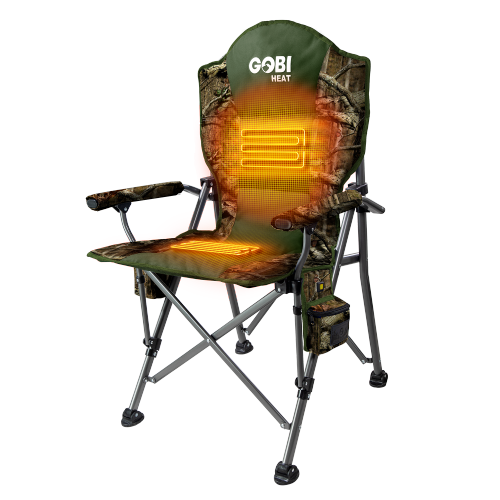 Your price for this item is $250
 -
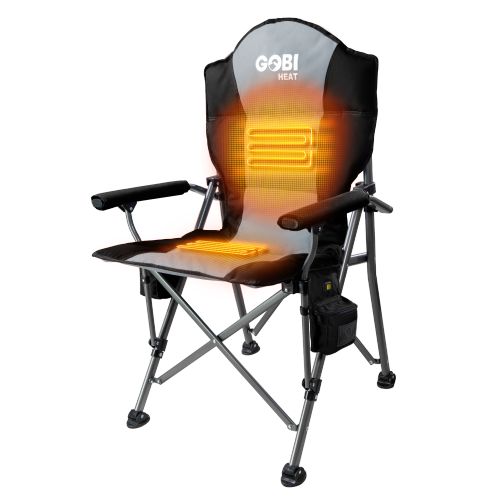 Your price for this item is $250
 -
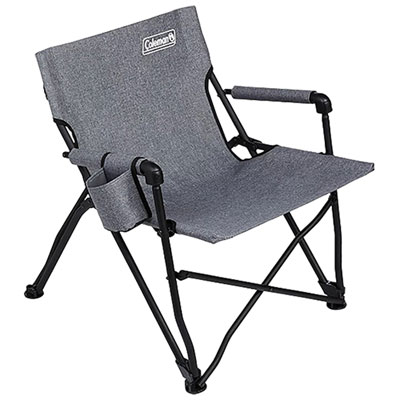 Your price for this item is $78.98
 -
 Your price for this item is $79.99
 -
 Your price for this item is $133.99
 -
 Your price for this item is $211.08
 -
 Your price for this item is $311.99
 -
 Your price for this item is $49.99
Discover more categories related to Sports Chairs
Top Collections:
Pokemon Centers, Kindle Devices, Best Budget Office Chairs, Apple iPhones 16, Best Laptops for Writers, iPhone 15 Apple, Canon G7X Cameras, Refurbished Apple Laptops, Alarm Clock, Motorola Razr Phones
Some products may be subject to Environmental Handling Fees
(EHF) depending on your province.
Learn more about EHFs.