Spring Bed Frames
Transform your bedroom into a serene sanctuary with our selection of spring bed frames. Designed to complement any decor, these bed frames offer both style and support for a restful night's sleep. Whether you're refreshing your room's aesthetic or setting up a new space, our diverse range ensures you'll find the perfect fit for your needs. Explore various designs and finishes that cater to both contemporary and classic tastes, making it easy to create a cozy and inviting atmosphere in your home.
Sort
Why your mattress needs more than a sturdy frame
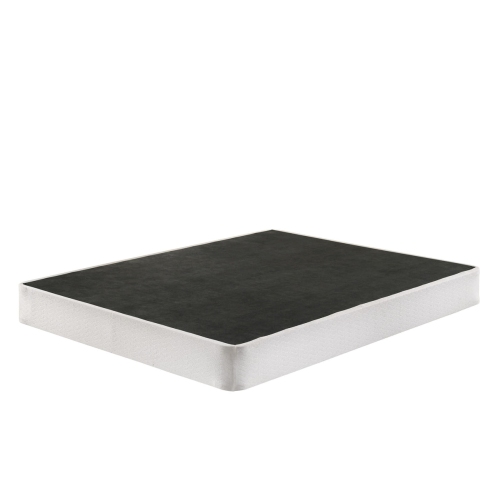
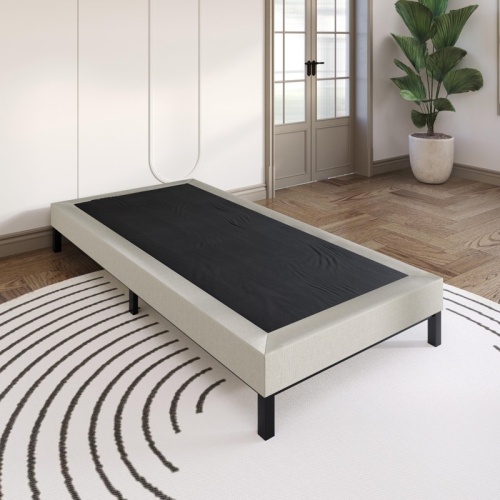
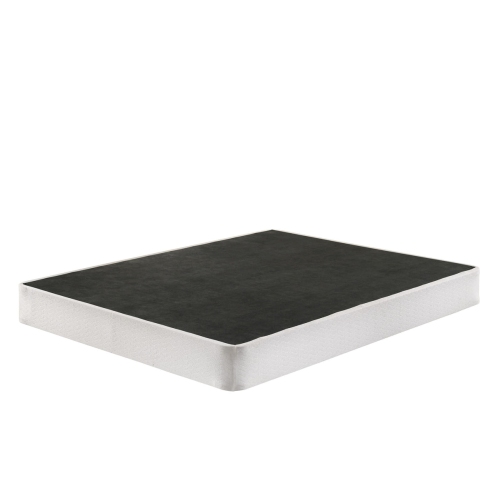
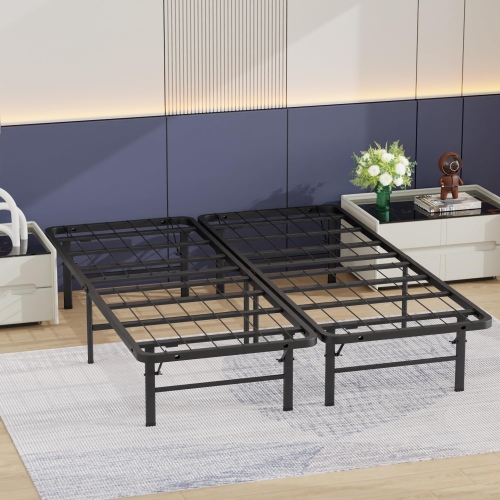
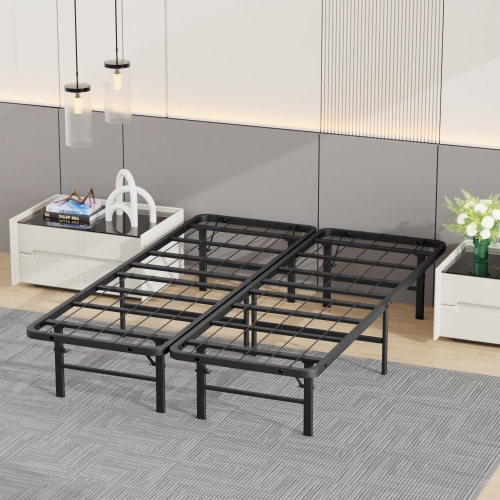
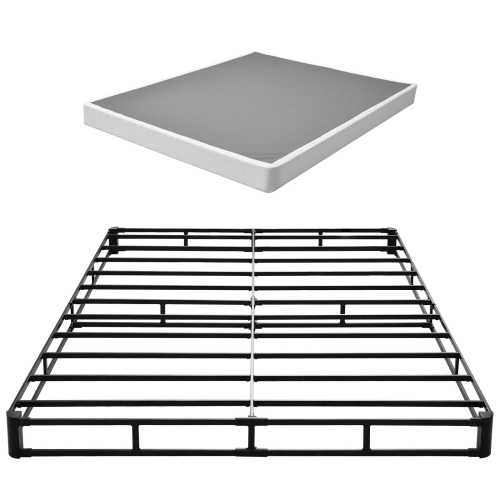
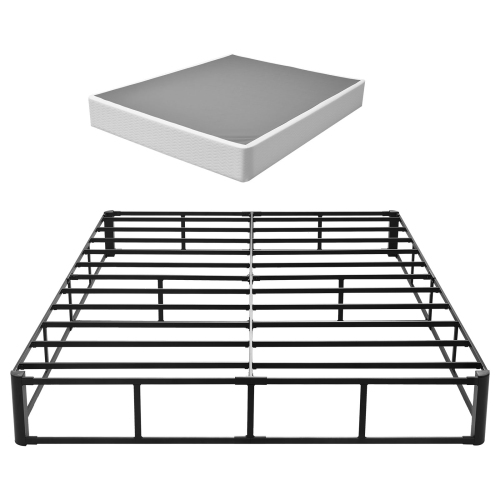
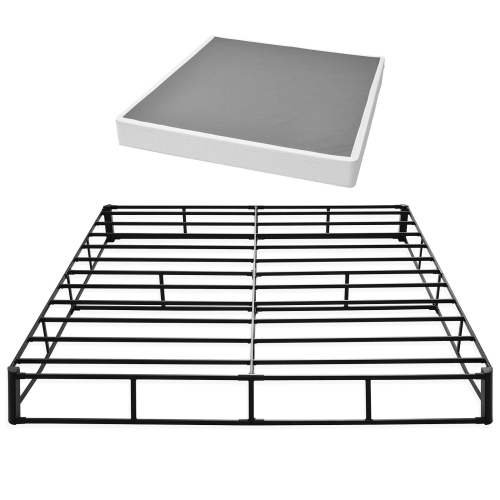
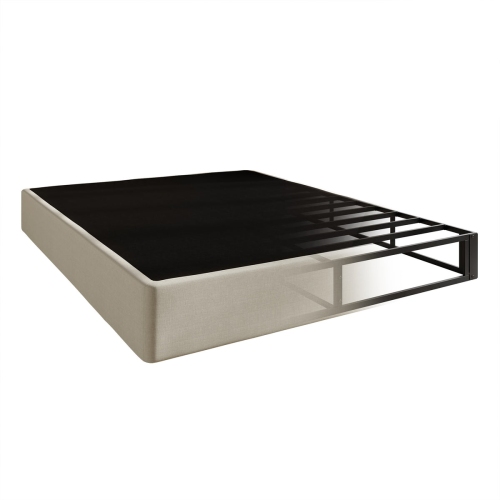
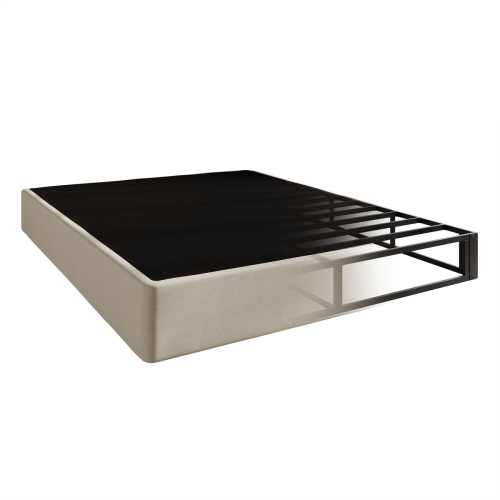
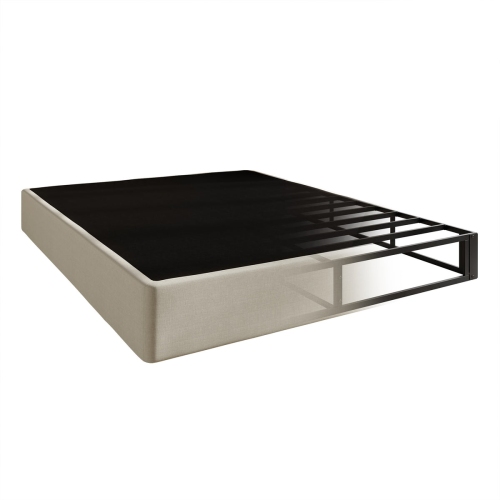
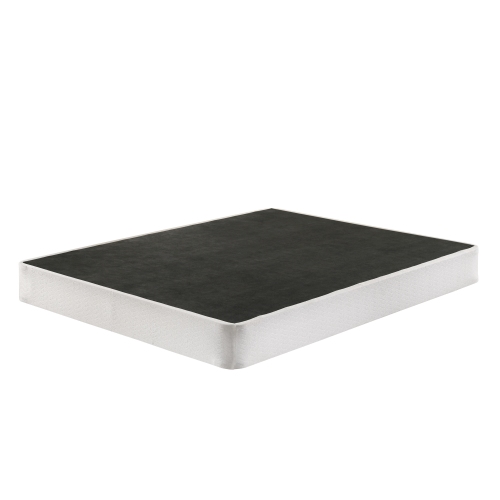
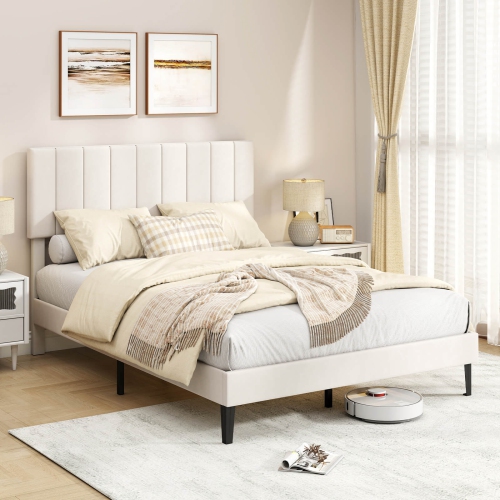
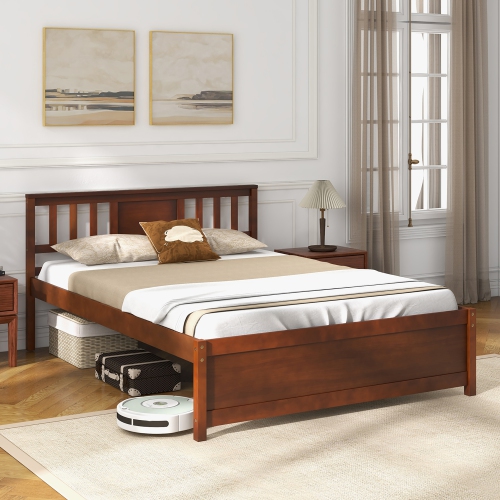
Spring bed frames provide structural support for a mattress and its required base, keeping the sleeping surface raised, stable, and properly positioned. In a traditional setup, the frame holds a separate box spring, which sits beneath the mattress. A true box spring contains springs that provide some give and absorb movement, while a rigid mattress foundation uses a supportive structure without that spring action. Although these bases are sometimes described interchangeably, they are not identical, and the mattress manufacturer’s requirements determine which type belongs underneath. The frame itself is generally the supporting structure rather than the source of cushioning. This distinction matters when replacing part of an existing bed: a sturdy frame cannot compensate for a worn foundation, and a new mattress may need a different base from the one used previously. Designs range from simple metal structures that disappear beneath bedding to wood and upholstered frames that give the bed a more finished appearance. Steel offers a practical, streamlined look, with strength influenced by the construction, connections, and support layout. Solid wood brings visible grain and character, while engineered wood can provide a consistent finish and a broad range of styling options. Upholstered frames introduce texture through woven fabric or other coverings, softening the appearance of a bedroom without changing the mattress’s underlying support needs. A padded headboard can also make sitting up with a book more comfortable, provided the pillows and headboard height work together. Within the broader category of Mattress Bed Frames, designs made for a box spring offer a familiar layered arrangement that can suit a primary bedroom, a guest room, or a first apartment. Their visual effect depends on more than the frame alone: a low-profile foundation creates a different silhouette from a taller base, and the combined height of the frame, foundation, and mattress determines how the finished bed looks and feels.
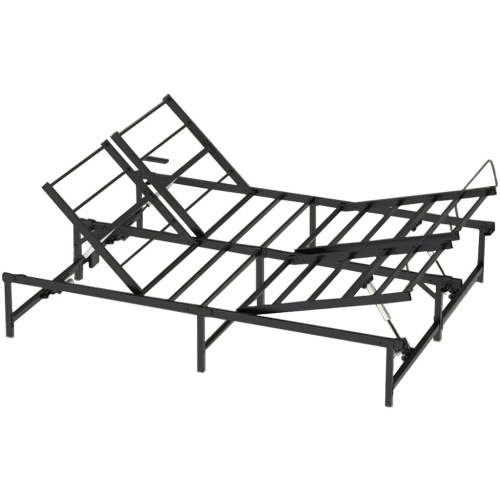
A good fit begins with the mattress size, but the frame’s outside measurements deserve equal attention. Twin, twin XL, double, queen, and king configurations do not all share the same proportions, and a frame must be expressly designed for the mattress and foundation it will hold. Adjustable-width frames still have defined size limits; adjustment does not make every frame suitable for every bed. Headboards, footboards, upholstered rails, and projecting legs can extend beyond the sleeping surface, which matters in a narrow bedroom or beside a closet door. Enough clearance around the bed makes everyday tasks easier, from pulling back a duvet to carrying a laundry basket past the footboard. Finished bed height is equally practical. A very tall combination can be awkward for someone who has difficulty climbing into bed, while a low arrangement may make standing up more demanding. Bedside tables work best when their surfaces are comfortably reachable from the mattress, rather than far below or above it. Beneath the bed, sufficient clearance can leave room for shallow storage bins, although centre legs and crossbars may divide that space. Structural details are less visible but just as important. Side rails support the foundation’s edges, cross members distribute the load, and centre supports help larger beds resist sagging when the design calls for them. Weight limits should account for the mattress, foundation, and sleepers according to the manufacturer’s stated capacity. Slatted frames require particular attention because slat spacing, width, and reinforcement affect mattress compatibility. Some mattresses need a firm, closely spaced support surface and are not intended for a traditional sprung base. A frame requiring a box spring should not be treated as a platform bed simply because the mattress appears to fit inside its rails. Headboard mounting brackets also vary in height and hole spacing, so an existing headboard may need compatible hardware or may not attach at all. These details help create a bed that feels settled when someone turns over, rather than one that shifts or rattles.
Everyday durability depends on sound construction, careful assembly, and care suited to the materials. Secure joints and correctly positioned supports help a frame remain steady, while loose hardware can gradually lead to movement, squeaks, or uneven loading. Assembly is easiest with enough clear floor space to identify the rails, brackets, and fasteners before the heavy mattress and foundation are added. All required supports should be fitted, including centre legs that may be easy to overlook once the bed is dressed. On an uneven floor, built-in levelling feet can help establish firm contact where the design allows adjustment; improvised stacking beneath a leg is not a dependable substitute. Floor protection also matters, especially where a metal foot or caster rests on hardwood. Pads or cups need to suit both the frame and the flooring, without making the bed unstable. For routine care, metal and finished wood generally benefit from gentle dusting and cleaning with products approved for their surfaces, followed by drying rather than leaving moisture at joints. Upholstery needs a different approach: regular vacuuming removes dust from seams, and spills should be treated according to the fabric’s care instructions. A tightly woven covering may be easier to keep tidy in a busy household than a deeply textured fabric that catches pet hair. Clearance beneath an open frame makes cleaning easier, while a frame with low side rails can conceal the space below more fully. When moving a bed between rooms or homes, disassembling it as directed helps avoid twisting rails or straining connection points. A guest-room frame may be used occasionally, but it still needs proper support; a bed used nightly benefits from periodic checks for loose fittings and changes in stability. Whether furnishing a compact apartment, sharing a main bedroom, or preparing a comfortable place for visitors, the most useful spring bed frame is one whose structure, dimensions, and finish work with the intended mattress setup and the way the room is used.
Top selling and popular products
-
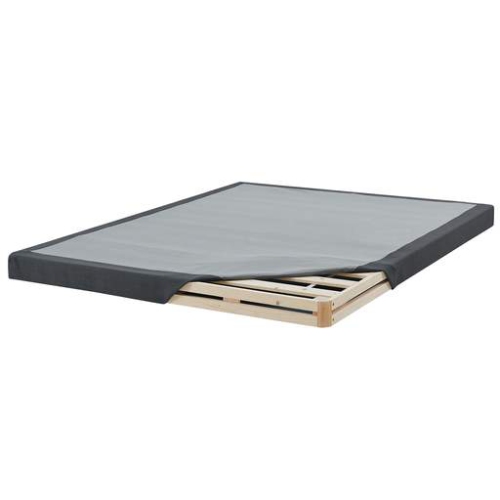 Your price for this item is $456.99
-
 Your price for this item is $121.9
-
 Your price for this item is $138.99
-
 Your price for this item is $149.99
-
 Your price for this item is $269.72
-
 Your price for this item is $236.77
-
 Your price for this item is $252.1
-
 Your price for this item is $278.19
Discover more categories related to Spring Bed Frames
Top Collections:
Best Black Friday Deals This Year, Best Black Friday Deals On Electronics, Kindle Devices, Best Black Friday Deals On Apple Products, Best Budget Office Chairs, Best Cameras for Sports Photography, Dyson Airwrap, Canon G7X Cameras, Best Laptops for Writers, Samsung Galaxy Phones
Some products may be subject to Environmental Handling Fees
(EHF) depending on your province.
Learn more about EHFs.