Spring Outdoor Dining Chairs
Transform your patio or backyard into a stylish gathering space with Spring Outdoor Dining Chairs. Designed to enhance any outdoor dining experience, these chairs offer the perfect blend of comfort and elegance for seasonal entertaining. Whether you’re hosting family meals or enjoying quiet moments in the fresh air, discover a wide selection of options that complement your outdoor décor. Elevate your alfresco setup and make every spring meal memorable with the right seating choices.
Sort




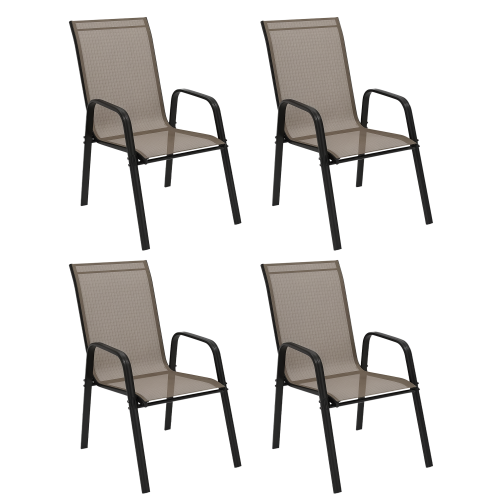


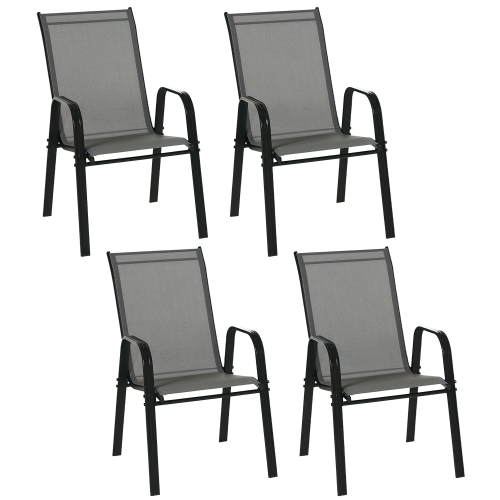


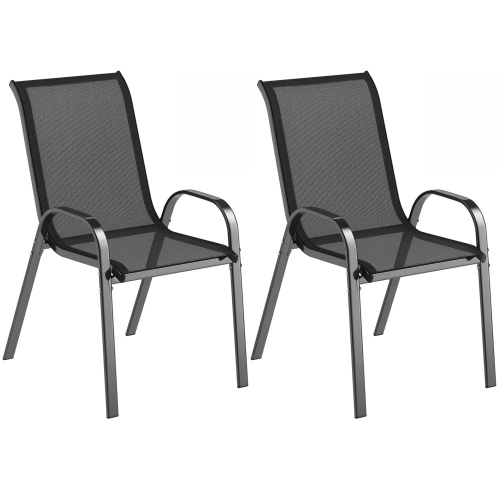


Comfort at the patio table beyond the last bite
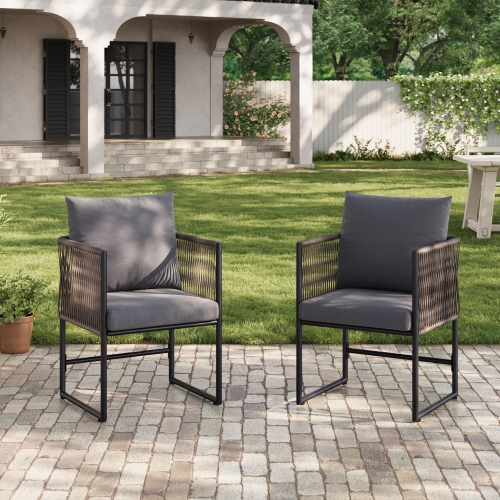
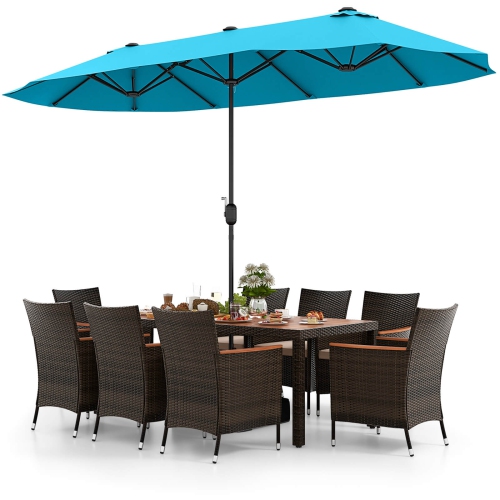
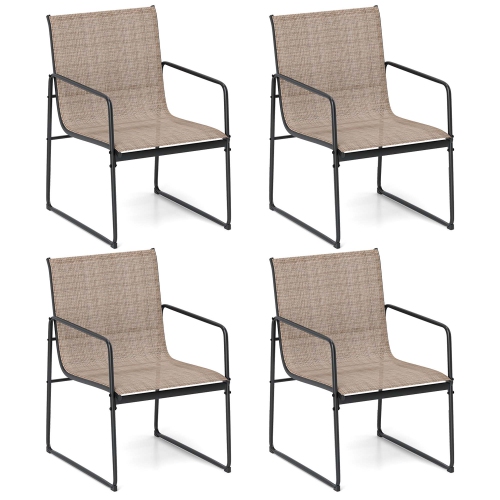
Spring outdoor dining chairs bring the comfort and structure of a dining room to a patio, balcony, or backyard table. They are made for sitting upright over a meal, with proportions that differ from the low seats and deep cushions of outdoor lounge furniture. A well-matched arrangement makes room for a leisurely breakfast, a family lunch, or a shared platter passed between friends, without leaving guests reaching awkwardly for the tabletop. Spring dining can mean enjoying bright afternoons while allowing for rain showers and damp surfaces, so comfort matters alongside materials that suit outdoor use. Supportive backrests, gently contoured seats, and armrests at a comfortable height can make a noticeable difference when conversation continues after the plates are cleared. Cushioned chairs provide a softer feel, while sling seats offer support without a separate seat pad. Some outdoor dining chair designs also incorporate motion: a C-spring base can allow a gentle rocking movement, while a swivel base lets the seat turn without moving the entire chair. These features serve different purposes and need enough clearance to work comfortably beside a table. A chair with a flexible base should feel controlled when someone sits down or leans back, rather than tipping or shifting unexpectedly. For a small balcony, a lighter chair with a compact profile can leave more room to move around the table. On a larger deck, generously proportioned seats can create a relaxed setting, provided they do not crowd neighbouring diners. Exploring Outdoor Dining Chairs with attention to seat height, frame shape, and overall footprint helps connect the seating to the space rather than choosing by appearance alone. The result is a dining area that feels inviting for everyday use, whether the table holds two coffee cups or a full meal.
Materials influence how outdoor dining chairs feel, how much upkeep they need, and how they respond to moisture and repeated use. Aluminum frames are generally light enough to reposition easily and do not develop the reddish rust associated with steel, although their finishes and fasteners still need care. Steel can provide a substantial, stable feel; protective coatings help limit corrosion, but scratches and chipped areas deserve attention before moisture reaches the metal underneath. Wood brings warmth and visible grain to a dining arrangement, with performance depending on the species, construction, finish, and maintenance. Some wood surfaces gradually change colour outdoors, while others require periodic treatment to maintain their intended appearance. Resin and moulded plastic seating can be straightforward to wipe clean, though strength, resistance to fading, and suitability for prolonged sun exposure vary by material and design. Woven resin seating adds texture, but its durability also depends on the frame beneath it and the quality of the weave. Natural wicker should not be assumed to tolerate the same exposure as wicker-look materials designed for outdoor use. For cushioned chairs, water-resistant fabric is not the same as waterproof construction: seams, filling, and prolonged rainfall can still allow moisture to collect. Removable covers can simplify cleaning when their care labels permit washing, and cushions should be thoroughly dry before being stored. Sling fabric offers a different feel and may allow water to drain more readily, depending on its weave and frame design. Routine care is often uncomplicated: brush away loose debris, remove food spills promptly, and clean with products suited to the finish. Harsh abrasives, pressure washing, and strong cleaners can damage surfaces or stitching. Protective covers are most useful when they fit securely and allow ventilation, rather than trapping moisture against the chair. Spring setups also benefit from checking joints, tightening fasteners as directed, and inspecting feet and glides before regular use resumes.
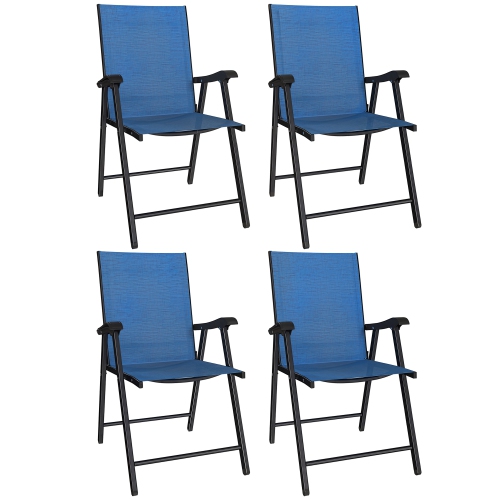
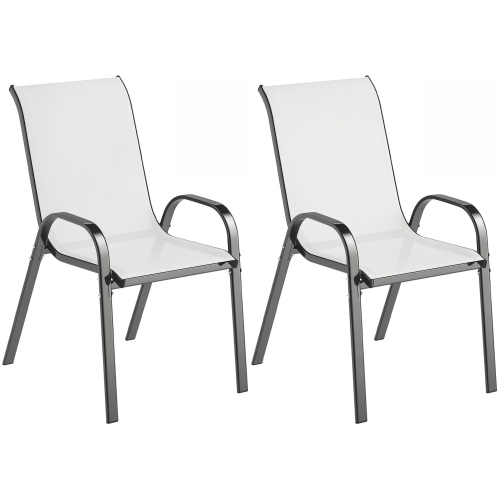
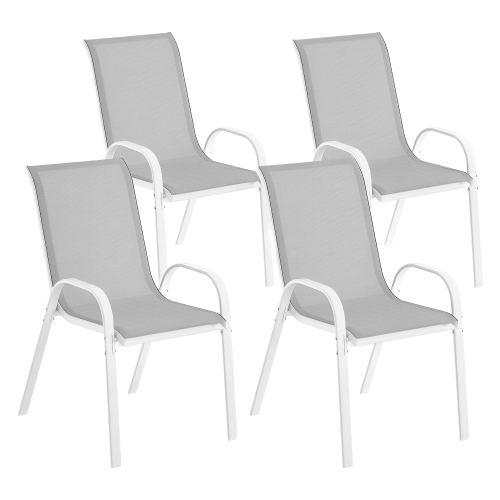
Fit is the detail that often determines whether an outdoor dining arrangement gets used comfortably. Seat height should leave enough space beneath the tabletop for legs, while armrests need to clear the table edge or apron if the chairs are meant to tuck in. A thick cushion changes the effective sitting height, so the chair and table should be considered together rather than as separate pieces. Seat width, backrest angle, and the distance between chairs matter just as much when several people share a meal. Broad armrests may be comfortable, but they also take up table space; armless designs can make a compact arrangement easier to navigate. Leave room behind each chair for someone to pull it out and stand up without stepping into a planter, railing, or another seat. Swivel and rocking designs require additional clearance, and all chairs need a firm, level surface appropriate to their construction. Narrow feet can sink into soft ground or catch between widely spaced deck boards, while worn glides may mark a finished surface. For households with children, stable seating, smooth edges, and secure cushions are practical considerations, although an adult dining chair does not replace age-appropriate seating for a young child. Guests who prefer a firm seat or use their arms to rise may appreciate sturdy armrests and a base without motion. Manufacturer weight limits, assembly instructions, and intended use remain important regardless of appearance. Storage deserves consideration too: stacking chairs can reduce the space needed between gatherings, while folding designs should have mechanisms that secure properly during use. Chairs left outdoors need care suited to their materials, and exposure to snow, ice, or persistent dampness may call for covered storage. Visually, matching finishes can create a unified setting, but mixing compatible chair styles can work when their dining heights and proportions agree. For a housewarming gift or a shared family patio refresh, confirming measurements and the recipient’s storage space helps make the choice useful. Thoughtful seating gives outdoor meals a comfortable place to unfold, from a quick lunch to an unhurried evening around the table.
Top selling and popular products
-
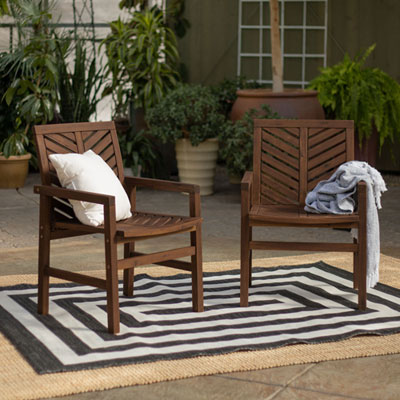 Your price for this item is $604.99
-
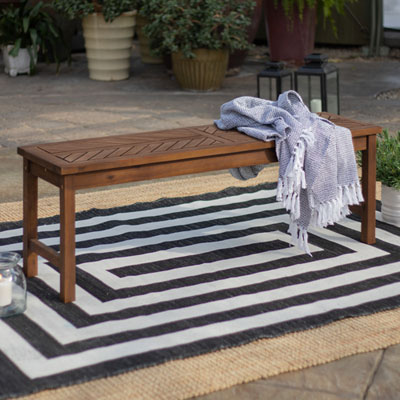 Your price for this item is $371.99
-
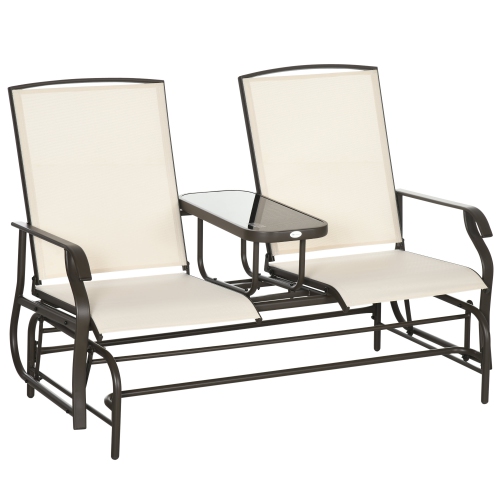 Your price for this item is $209.99
-
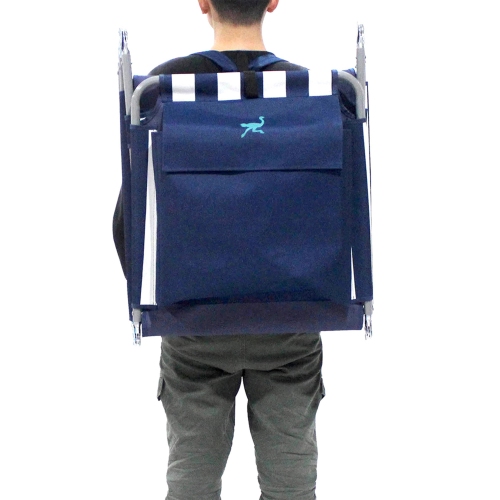 Your price for this item is $174.99
-
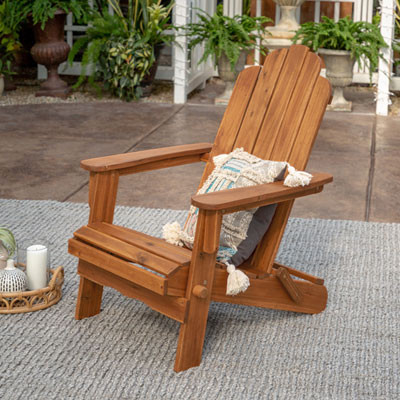 Your price for this item is $461.99
-
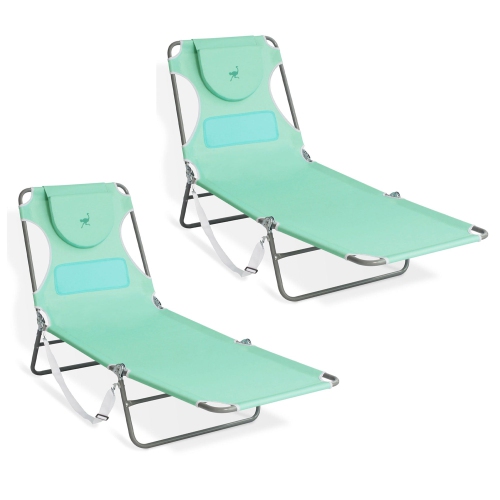 Your price for this item is $335.99
-
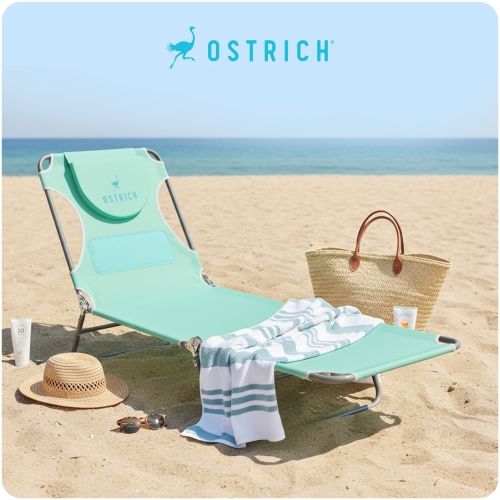 Your price for this item is $170.99
-
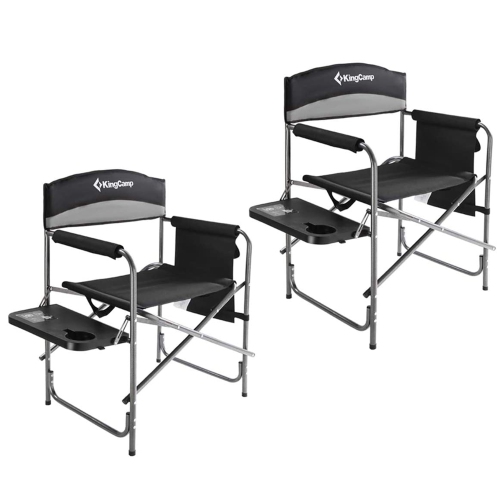 Your price for this item is $205.99
Discover more categories related to Spring Outdoor Dining Chairs


Top Collections:
Pokemon Centers, Best Cameras for Sports Photography, Kindle Devices, Samsung Galaxy Phones, Canon G7X Cameras, Pokémon 30th Celebration Cards, Refurbished Apple Laptops, iPhone 15 Apple, Laptops for Students, Budget Smartphones
Some products may be subject to Environmental Handling Fees
(EHF) depending on your province.
Learn more about EHFs.