Square Glass Patio Dining Tables
Create a stylish and inviting outdoor dining area with our square glass patio dining tables. Whether you're hosting a gathering with friends or enjoying a quiet meal under the stars, these patio dining tables provide ample space for almost everyone to gather around and enjoy good company. Transform your outdoor space into a haven for relaxation and entertainment with our square glass patio dining tables.
Sort
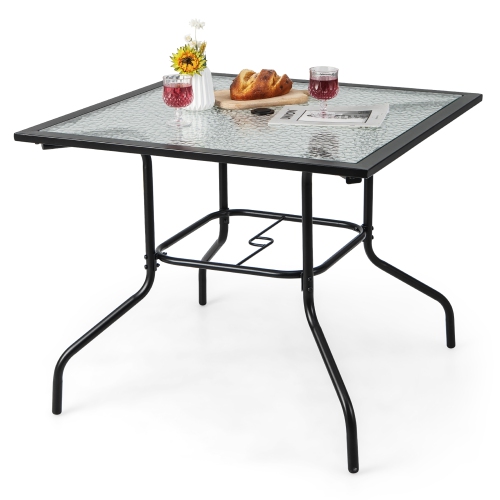

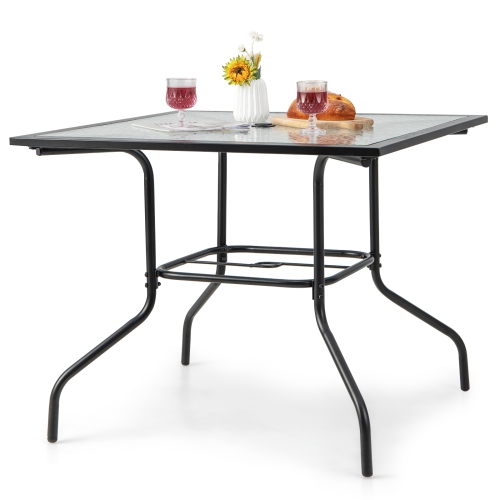

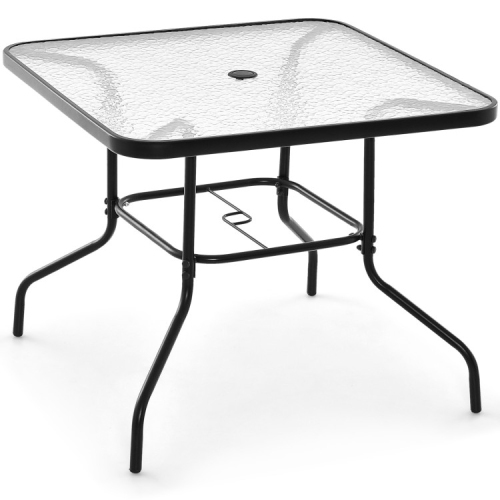


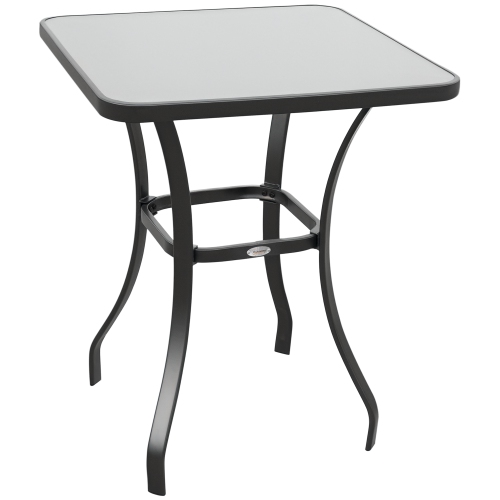
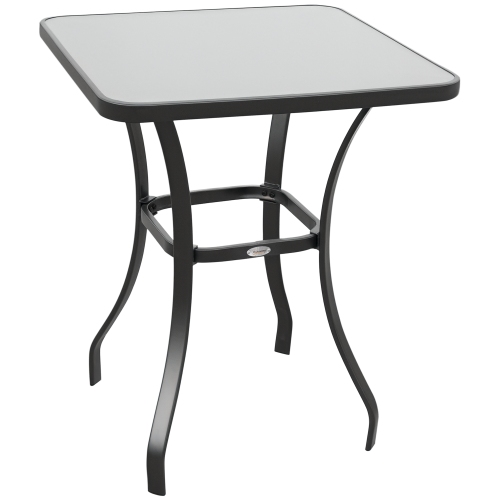


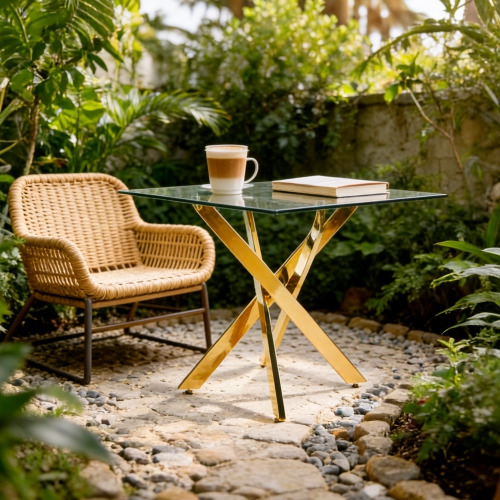

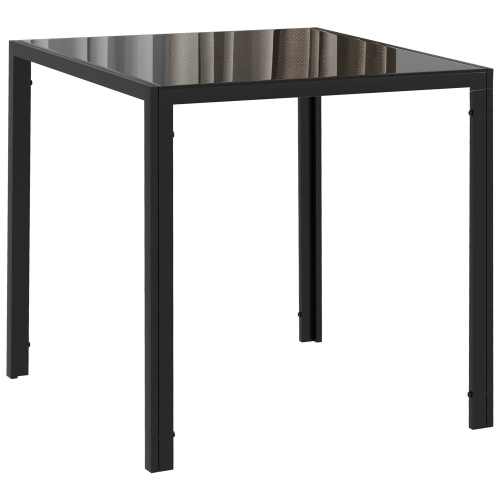
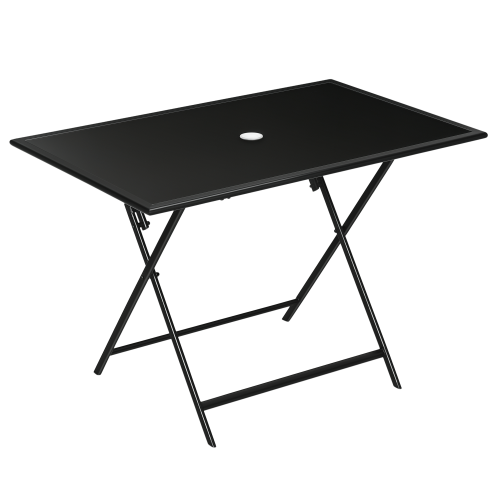




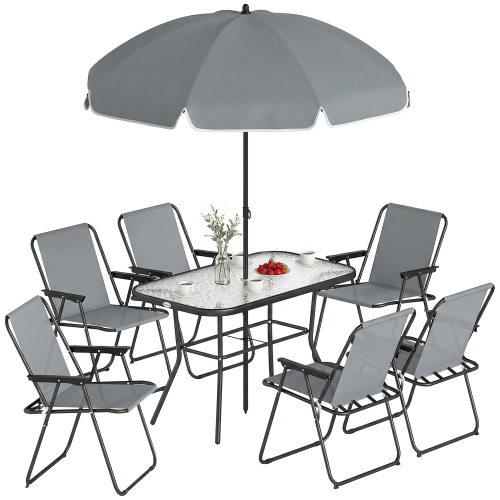

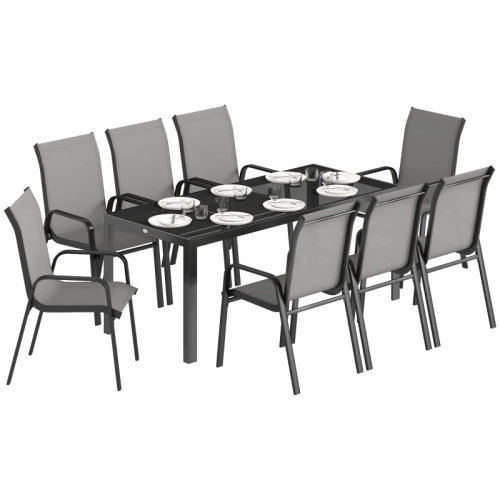








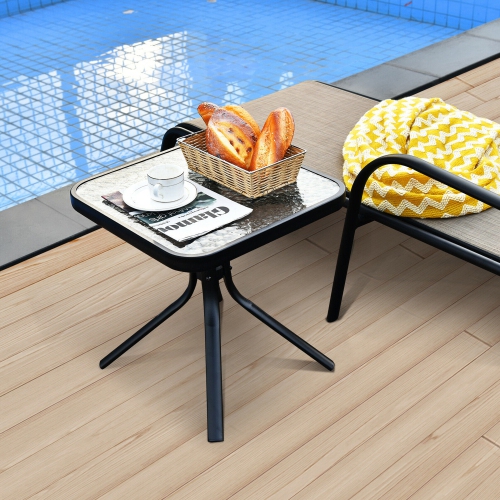

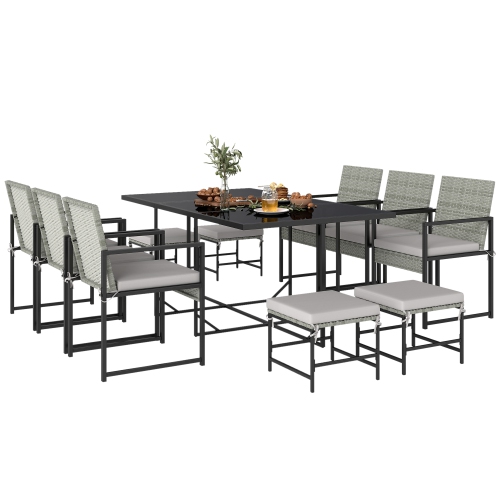
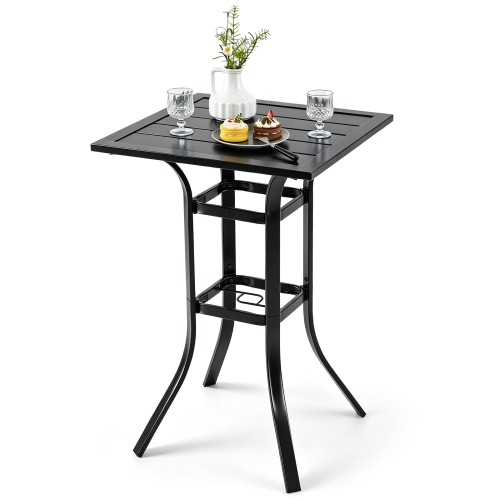


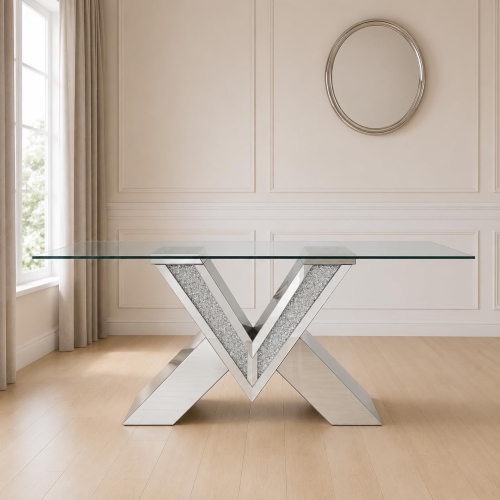


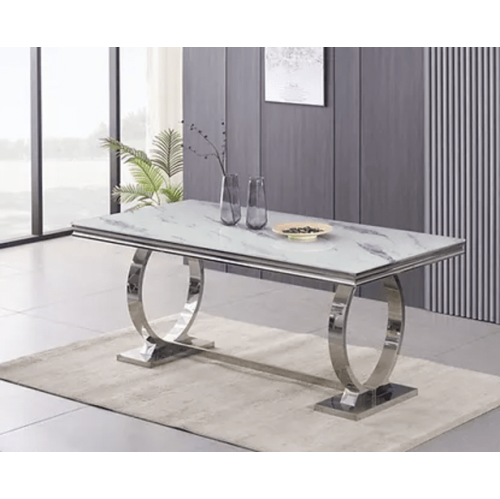

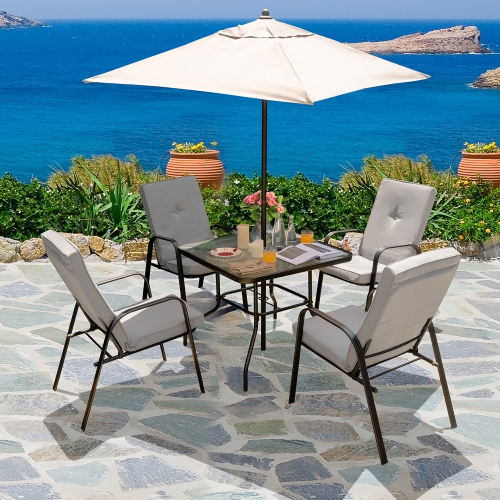


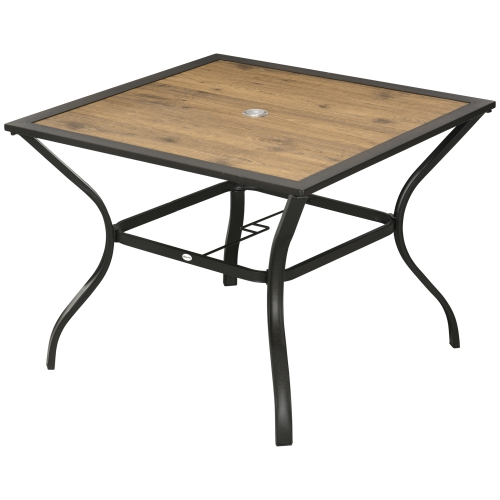


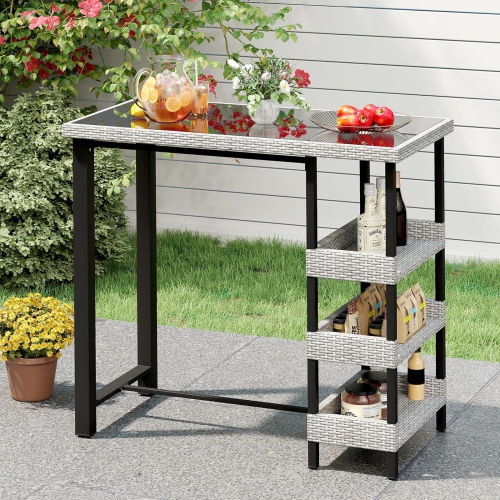


A lighter look for dining in smaller outdoor spaces
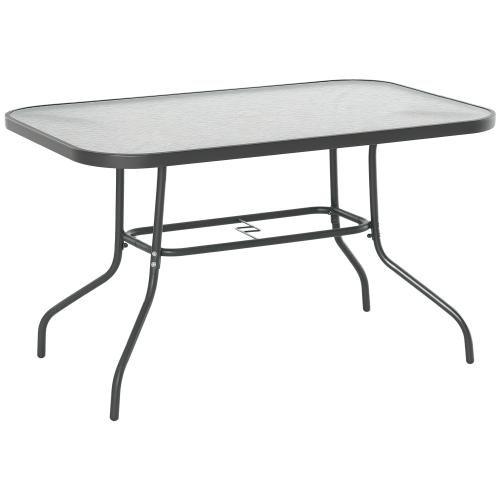
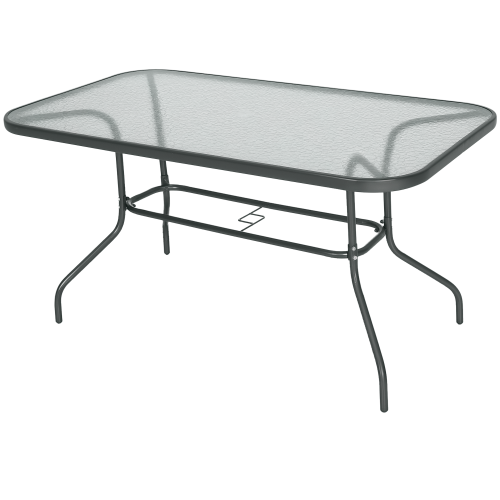
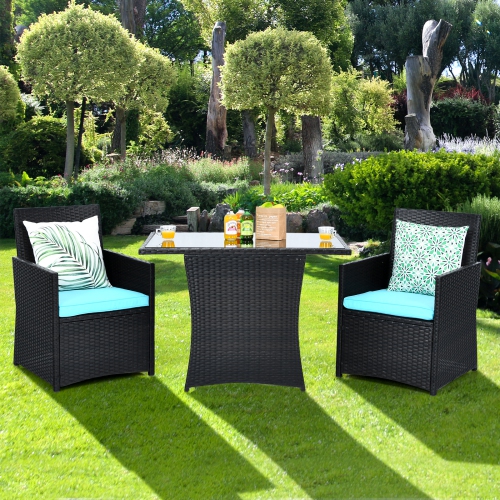
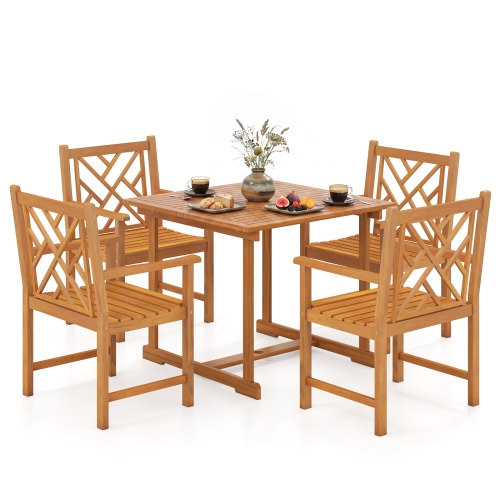
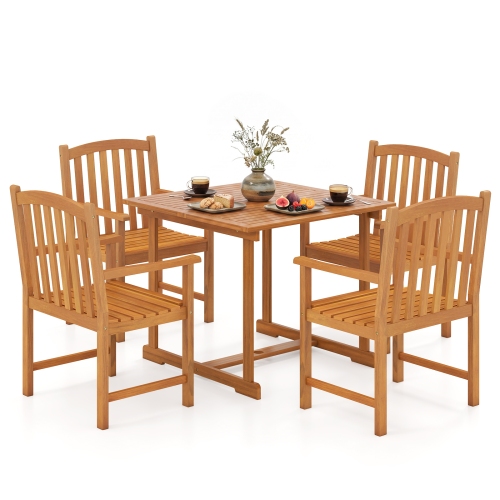
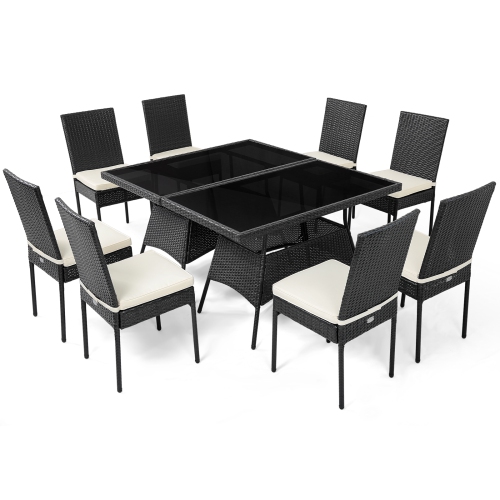
Square glass patio dining tables pair a neatly defined dining surface with an open, light-looking profile that works well on decks, balconies, paved patios, and smaller backyard seating areas. The square shape gives each person a similar amount of tabletop space and keeps conversation centred around the meal, while a transparent glass top leaves the frame and surrounding flooring visible. Many square designs suit two to four diners, although comfortable seating depends on the tabletop dimensions, leg placement, and width of the chairs. A 28-inch square surface can work for coffee and a meal for two; a tabletop around 35 to 36 inches square generally offers more room for four place settings. Shared serving dishes, broad dinner plates, and chairs with substantial arms can make the same footprint feel considerably smaller. Measuring the space with chairs pulled out gives a more useful picture than measuring the table alone. Where space permits, allowing roughly 90 cm from the table edge for chair movement helps prevent a cramped arrangement, with additional clearance needed beside a frequently used walkway or doorway. Dining-height tables commonly stand around 28 to 30 inches tall, but the clearance beneath the apron or frame matters just as much when pairing them with existing chairs. Armrests should slide underneath without catching, and diners need enough room to sit without their knees pressing against support bars. Clear glass highlights the lines of a metal frame, while textured, tinted, or patterned glass can soften reflections and make everyday fingerprints less noticeable. Within the broader category of Glass Patio Dining Tables, square designs are particularly useful when the dining area has balanced proportions or needs to fit neatly into a defined corner without extending far along one side. For apartment dwellers, couples, and smaller households, that compact footprint can provide a dedicated place for meals without taking over the entire outdoor living area.
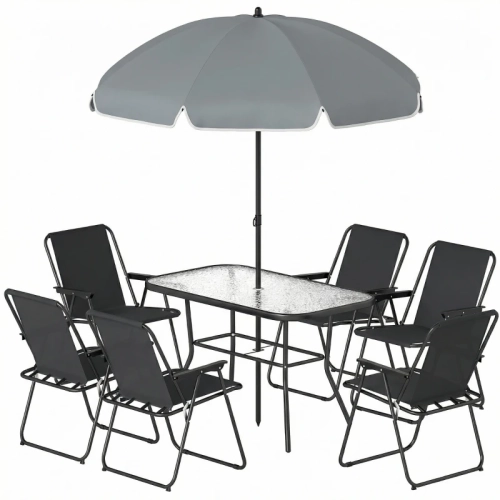
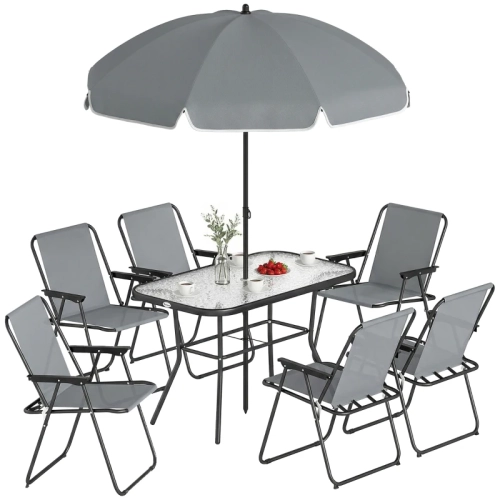
The tabletop and frame determine how a square glass patio dining table handles daily use outdoors. Tempered glass is commonly used because its heat-treated structure is stronger than ordinary glass of a comparable thickness and, if broken, typically fragments into smaller pieces rather than large, sharp shards. It is not unbreakable, and those fragments can still cause injury. A hard impact at an edge, damaged glass, or an abrupt temperature change can lead to failure, so intact edges and secure supports are important. Glass thickness alone does not establish a table’s strength; the frame design, attachment points, and stated load limit also matter. Powder-coated steel frames offer substantial weight and can feel reassuringly steady, though scratches or chips in the coating may expose metal to rust. Aluminum frames are generally lighter and do not develop the red rust associated with steel, but their finish and hardware still need protection from corrosion, especially near saltwater. Welded joints, cross-bracing, and properly tightened fasteners all contribute to stability. Adjustable feet can help a table sit evenly on a slightly uneven surface, while protective foot caps reduce direct contact between the frame and patio flooring. An umbrella opening is useful for dining areas without overhead shade, provided its diameter matches the umbrella pole and any required insert. The opening guides the pole; it does not replace a suitably weighted base or other support specified by the umbrella manufacturer. Clearance beneath the table also needs to accommodate that base without leaving diners short of foot space. A fitted cap can cover an unused opening and create a more continuous surface. Umbrellas should be closed or removed when conditions make them unsafe, since wind can put considerable force on both the pole and the table. For exposed patios, drainage, sheltered placement, and the suitability of the complete assembly for outdoor use are more meaningful than assuming that glass and metal require no attention.
Everyday care is straightforward, but a few small habits help keep the table comfortable to use and looking clean. Dust, pollen, crumbs, and grit should be lifted away before wiping the glass, as abrasive particles can scratch the surface when dragged beneath a cloth. A soft cloth with mild soap and water is often suitable, followed by a clean rinse and drying to reduce streaks; the care directions for any coating, tint, or printed finish take precedence. Abrasive pads and harsh cleaners can damage finishes even when the glass itself appears unaffected. Spills around the umbrella opening, edge trim, or frame joints deserve attention because moisture and residue can collect in places that are easy to overlook. Placemats cushion plates and cutlery, while suitable trivets keep hot cookware from making direct contact with the tabletop. The table should not be used as a seat, step, or support for heavy equipment, and weight is best distributed according to the manufacturer’s instructions rather than concentrated at one corner. In households with children, rounded corners or protected edges may be practical considerations, along with a stable frame and chairs that do not encourage climbing. For frequent outdoor meals, removable seat cushions and chairs that tuck closely beneath the table can make the dining area easier to maintain and navigate. A protective cover should fit securely, allow moisture to escape, and be placed over a clean, dry table rather than trapping water underneath. Where freezing conditions or extended periods without use are expected, sheltered storage may be appropriate, depending on the table’s care requirements. Moving the table by its frame rather than lifting or dragging it by the glass helps avoid strain on the tabletop and its supports. With suitable dimensions, compatible seating, and attention to these details, a square glass patio dining table can serve as a welcoming spot for breakfast, family lunches, evening meals, or a relaxed conversation over a shared platter.
Top selling and popular products
-
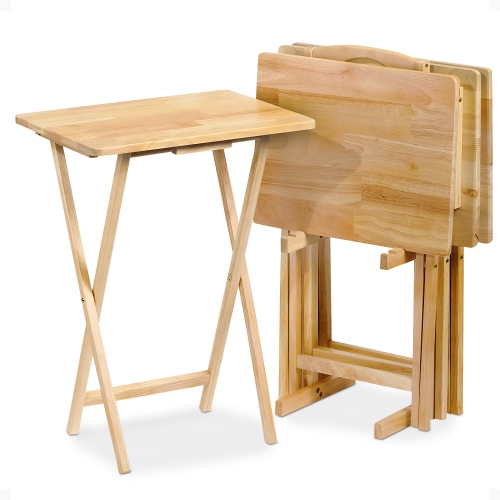 Your price for this item is $162.99
-
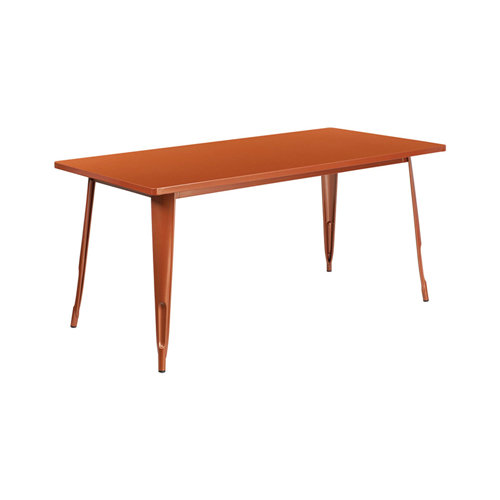 Your price for this item is $515.33
-
 Your price for this item is $115.99
-
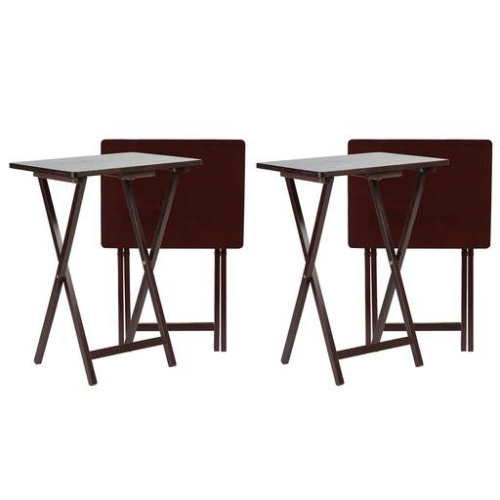 Your price for this item is $180.99
-
 Your price for this item is $149
-
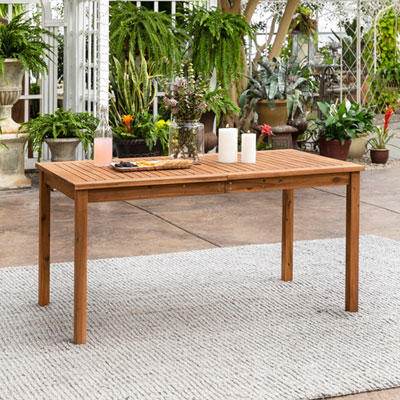 Your price for this item is $550.99
-
 Your price for this item is $259.99
-
 Your price for this item is $399.95
Discover more categories related to Square Glass Patio Dining Tables

Top Collections:
Pokemon Centers, Kindle Devices, Best Cameras for Sports Photography, Pokémon 30th Celebration Cards, Apple iPhones 16, Canon G7X Cameras, iPhone 15 Apple, Flip Phones, Samsung Galaxy Phones, Alarm Clock
Some products may be subject to Environmental Handling Fees
(EHF) depending on your province.
Learn more about EHFs.