Square Grill Pans
Grill pans are a great way to enjoy the flavor of grilled food without having to use an outdoor grill. They are made with ridges, which create a searing effect that gives food a smoky flavor. Square grill pans are a great option for those who have limited space in their kitchen, as they fit easily into smaller spaces and are also easy to clean and maintain. Here are some of the great options for you.
Sort

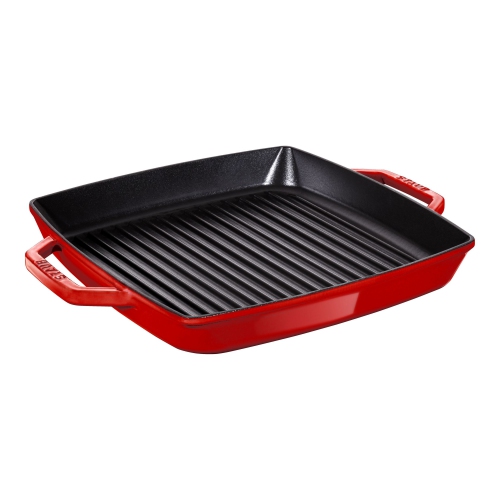
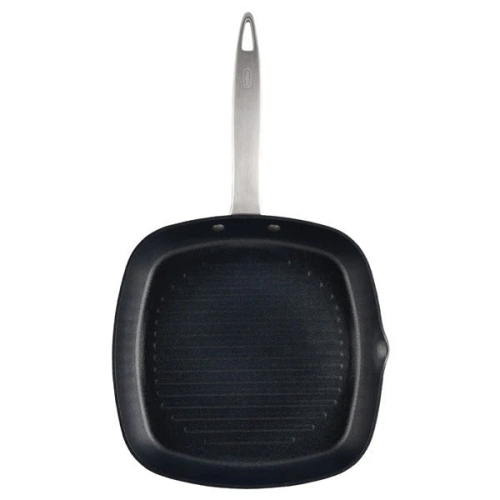
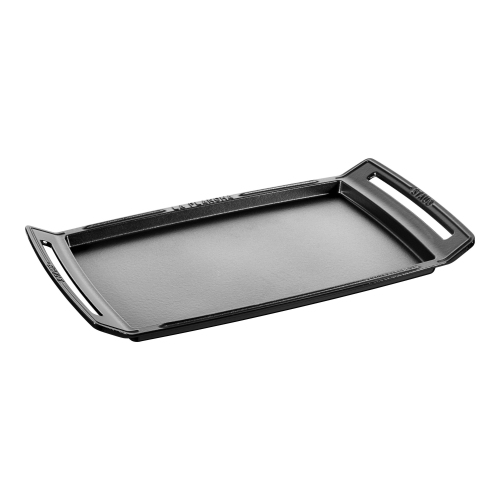
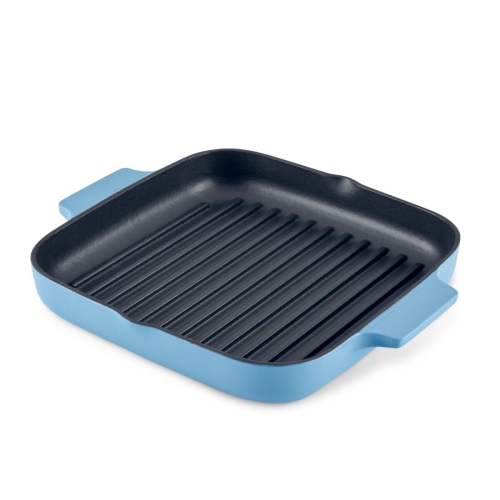
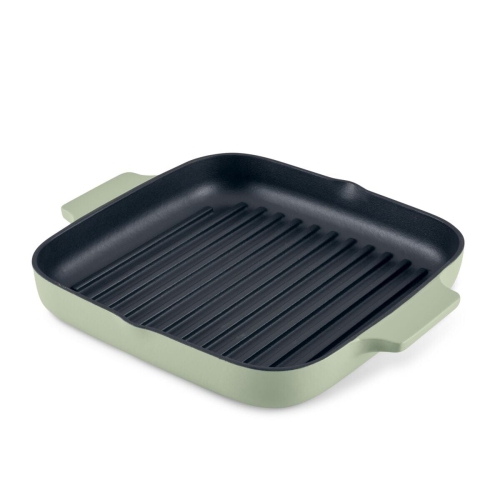
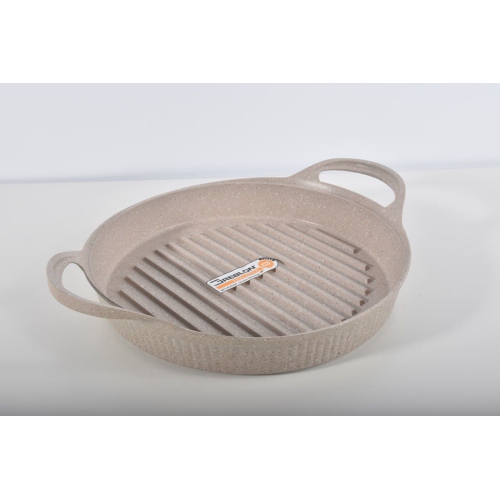
Distinct grill marks with room for skewers
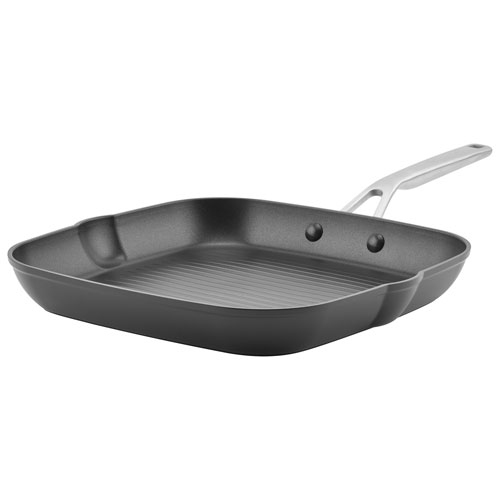
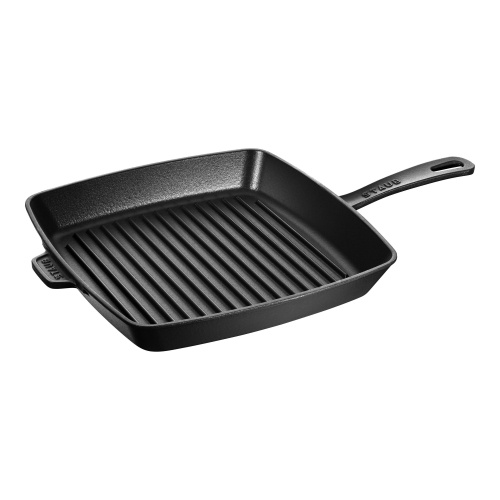
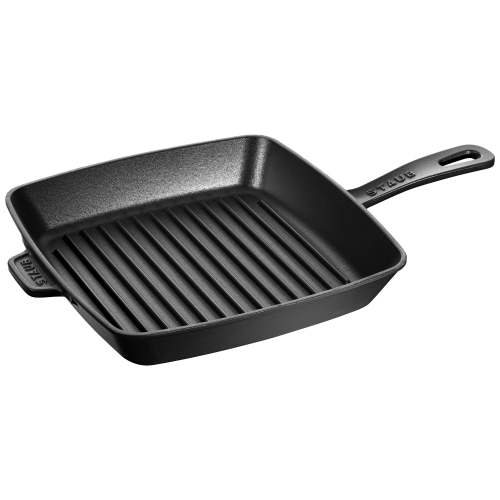
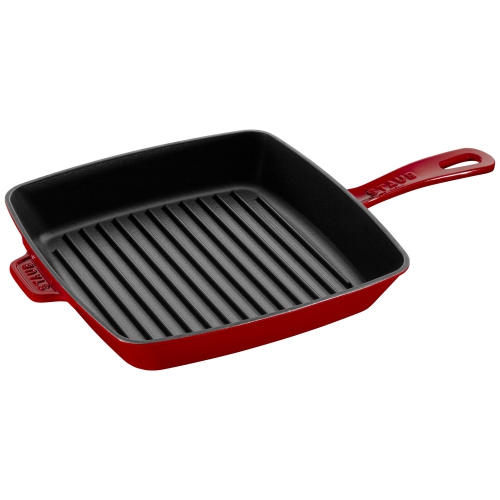
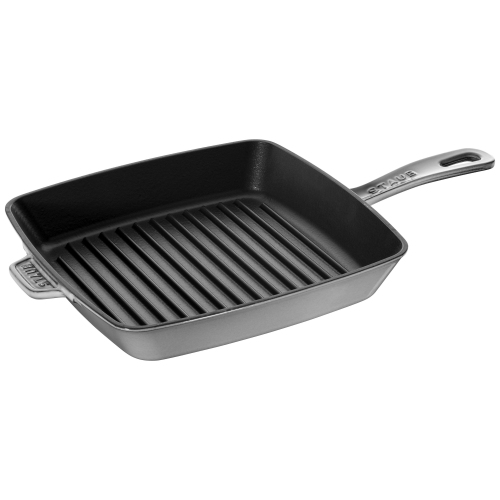
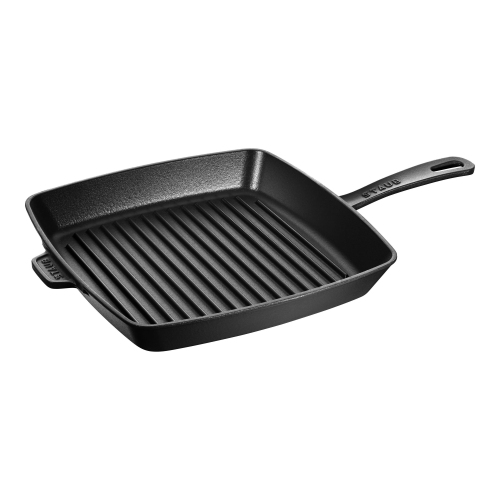
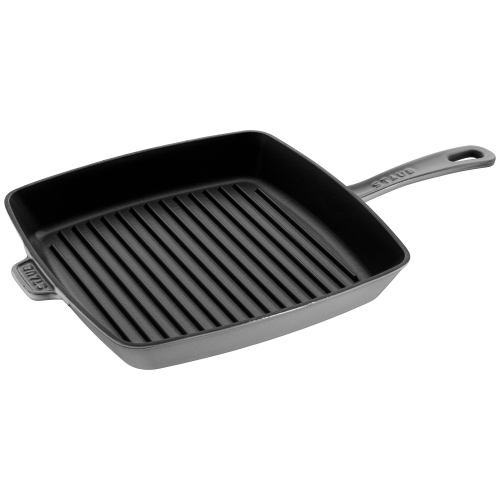
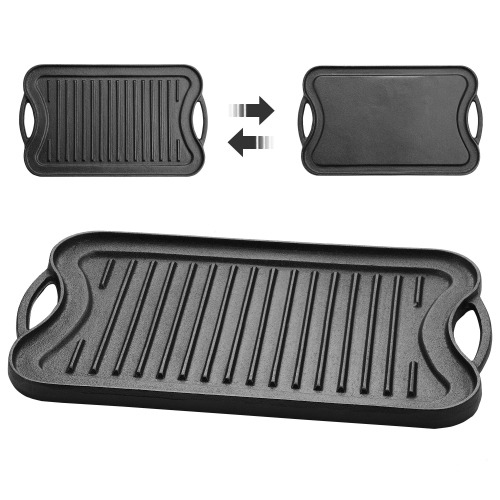
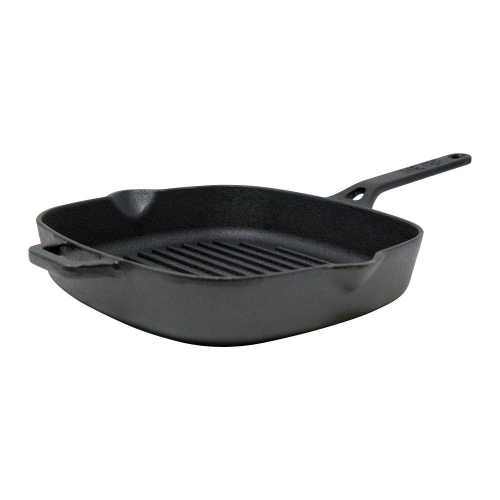
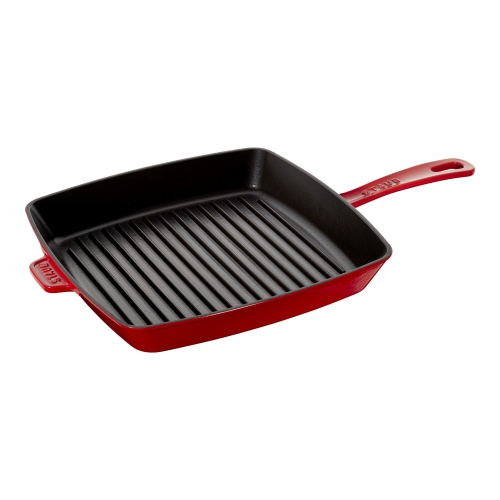
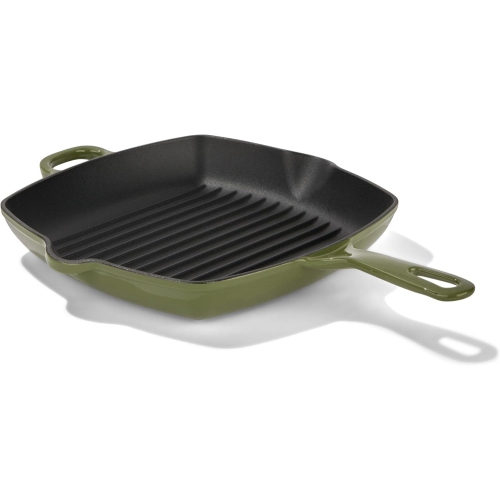
Square grill pans are stovetop cookware with raised ridges that leave distinct sear lines on food and hold it above the juices and rendered fat that collect between them. Their square shape provides room for arranging longer ingredients, such as asparagus spears, zucchini slices, and skewers, alongside portions of meat, fish, or plant-based protein. Compared with a round pan of a similar width, the corners can offer extra usable space, although the heated cooking area still depends on the base construction and burner size. A square grill pan brings the look and some of the browned flavour associated with grilling to everyday kitchen cooking; it does not reproduce the smoky flavour of food cooked over charcoal or an open flame. The ridged surface works particularly well with ingredients that can rest across several ribs without falling into the channels. Thick pepper strips, chicken breasts of an even thickness, halloumi, and firm tofu are all well suited to this style of cookware. Ridge height and spacing influence how much of the food touches the hot surface, while a flat griddle makes more continuous contact and creates broader browning rather than separated grill marks. Deeper channels provide space for cooking juices, but they also take more attention during cleaning. Sidewall height matters, too: taller walls help contain splashes, while lower sides leave more room to reach beneath delicate food with a turner. Pouring spouts can make it easier to transfer collected liquid once the pan is safe to handle. For someone cooking a sandwich at lunch or several vegetable portions for dinner, the appeal is a defined cooking surface that keeps ingredients neatly arranged. Leaving space between pieces remains important, even in a roomy square pan, because crowded ingredients release moisture that can interfere with browning. The overall dimensions tell only part of the story; the interior cooking surface is the more useful measure of how much food fits comfortably in a single batch.
Materials give square grill pans different handling, cooking, and care characteristics. Bare cast iron is valued for its heat retention, making it useful for searing food without the cooking surface cooling too quickly as ingredients are added. It is also heavy and needs gradual preheating for more even results, particularly when the square corners extend beyond a round burner. Its seasoned finish develops through thin layers of oil bonded to the cooking surface and benefits from regular use and proper drying. Enamelled cast iron offers similar weight and heat retention with a coated surface that does not require seasoning, though the enamel needs protection from sharp impacts and sudden temperature changes. Neither material should be assumed to heat uniformly simply because it is thick. Cast aluminum generally offers lighter handling and responsive heating, and many aluminum grill pans have a nonstick cooking surface. Those finishes can be convenient for tender fish, marinated tofu, or vegetables that might otherwise cling to the ridges. The related selection of Nonstick Grill Pans offers another way to explore cookware with easy-release surfaces. Ceramic-coated and other nonstick finishes have their own care requirements and heat limits, so the manufacturer's directions matter more than a general assumption about coating type. Excessive heat can shorten a coating's useful life, and prolonged empty heating is best avoided for nonstick cookware. Cooktop compatibility is equally important. Induction cooking requires a compatible magnetic base; an aluminum body alone is not enough unless it includes a suitable induction base. On smooth glass cooktops, a clean, flat underside helps protect the surface, and lifting a heavy pan rather than sliding it reduces the risk of scratches. Handle construction also affects where the pan can be used. A metal body does not automatically make the complete pan oven-safe, since handles, grips, and lids may have lower heat limits. A pan intended to move from stovetop searing to an oven finish needs a stated oven rating that covers every component used.
Everyday comfort often comes down to details that are easy to overlook until the pan is full. A long handle provides leverage but adds to the space needed on the cooktop and in a cupboard. A helper handle can make a heavy square grill pan easier to lift with two hands, especially when it contains food and hot liquid. Handles may become hot during cooking, including those described as staying cooler under certain conditions, so suitable dry oven mitts should be close at hand. Pan weight is worth considering for anyone who finds lifting cookware difficult or needs to carry it between the stove and sink. Storage works best when the square body and projecting handle fit without pressing against other cookware; a pan protector can help prevent scratches when coated pans are stacked. Care routines differ by material, but cooling before washing helps avoid sudden thermal stress. Bare cast iron generally needs hand washing, thorough drying, and a very thin application of cooking oil to protect its surface. Mild dish soap can be used when needed, while soaking and prolonged damp storage can encourage rust. Enamelled and nonstick pans benefit from non-abrasive cleaning tools, with particular attention to residue caught along the ridges. Silicone or wooden utensils help protect coated cooking surfaces, and cutting food directly in the pan can damage the finish. Even when dishwasher use is permitted, hand washing may be the gentler option for preserving a coating over time. In use, patting suitable ingredients dry, brushing them lightly with oil, and allowing enough contact time before turning can help produce clearer grill marks with less sticking. Sugary sauces are often better added nearer the end of cooking because they can scorch on the ridges. Good kitchen ventilation is helpful during searing, and a food thermometer remains the reliable way to check meat and poultry rather than relying on surface colour. Square grill pans suit home cooks who enjoy grilled textures, organized meal preparation, and cookware that can handle both vegetables and proteins. As a housewarming or cooking-focused gift, a pan is most useful when its weight, maintenance needs, and cooktop compatibility match the recipient's kitchen and habits.
Materials give square grill pans different handling, cooking, and care characteristics. Bare cast iron is valued for its heat retention, making it useful for searing food without the cooking surface cooling too quickly as ingredients are added. It is also heavy and needs gradual preheating for more even results, particularly when the square corners extend beyond a round burner. Its seasoned finish develops through thin layers of oil bonded to the cooking surface and benefits from regular use and proper drying. Enamelled cast iron offers similar weight and heat retention with a coated surface that does not require seasoning, though the enamel needs protection from sharp impacts and sudden temperature changes. Neither material should be assumed to heat uniformly simply because it is thick. Cast aluminum generally offers lighter handling and responsive heating, and many aluminum grill pans have a nonstick cooking surface. Those finishes can be convenient for tender fish, marinated tofu, or vegetables that might otherwise cling to the ridges. The related selection of Nonstick Grill Pans offers another way to explore cookware with easy-release surfaces. Ceramic-coated and other nonstick finishes have their own care requirements and heat limits, so the manufacturer's directions matter more than a general assumption about coating type. Excessive heat can shorten a coating's useful life, and prolonged empty heating is best avoided for nonstick cookware. Cooktop compatibility is equally important. Induction cooking requires a compatible magnetic base; an aluminum body alone is not enough unless it includes a suitable induction base. On smooth glass cooktops, a clean, flat underside helps protect the surface, and lifting a heavy pan rather than sliding it reduces the risk of scratches. Handle construction also affects where the pan can be used. A metal body does not automatically make the complete pan oven-safe, since handles, grips, and lids may have lower heat limits. A pan intended to move from stovetop searing to an oven finish needs a stated oven rating that covers every component used.
Everyday comfort often comes down to details that are easy to overlook until the pan is full. A long handle provides leverage but adds to the space needed on the cooktop and in a cupboard. A helper handle can make a heavy square grill pan easier to lift with two hands, especially when it contains food and hot liquid. Handles may become hot during cooking, including those described as staying cooler under certain conditions, so suitable dry oven mitts should be close at hand. Pan weight is worth considering for anyone who finds lifting cookware difficult or needs to carry it between the stove and sink. Storage works best when the square body and projecting handle fit without pressing against other cookware; a pan protector can help prevent scratches when coated pans are stacked. Care routines differ by material, but cooling before washing helps avoid sudden thermal stress. Bare cast iron generally needs hand washing, thorough drying, and a very thin application of cooking oil to protect its surface. Mild dish soap can be used when needed, while soaking and prolonged damp storage can encourage rust. Enamelled and nonstick pans benefit from non-abrasive cleaning tools, with particular attention to residue caught along the ridges. Silicone or wooden utensils help protect coated cooking surfaces, and cutting food directly in the pan can damage the finish. Even when dishwasher use is permitted, hand washing may be the gentler option for preserving a coating over time. In use, patting suitable ingredients dry, brushing them lightly with oil, and allowing enough contact time before turning can help produce clearer grill marks with less sticking. Sugary sauces are often better added nearer the end of cooking because they can scorch on the ridges. Good kitchen ventilation is helpful during searing, and a food thermometer remains the reliable way to check meat and poultry rather than relying on surface colour. Square grill pans suit home cooks who enjoy grilled textures, organized meal preparation, and cookware that can handle both vegetables and proteins. As a housewarming or cooking-focused gift, a pan is most useful when its weight, maintenance needs, and cooktop compatibility match the recipient's kitchen and habits.
Top selling and popular products
-
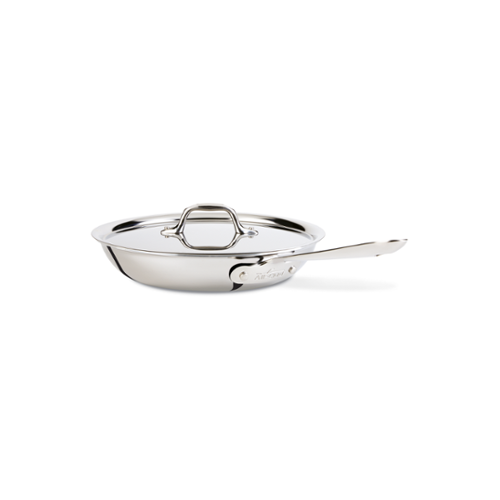 Your price for this item is $137.7
 -
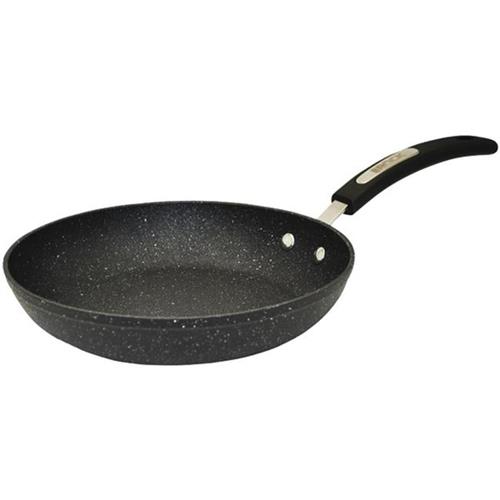 Your price for this item is $33.97
 -
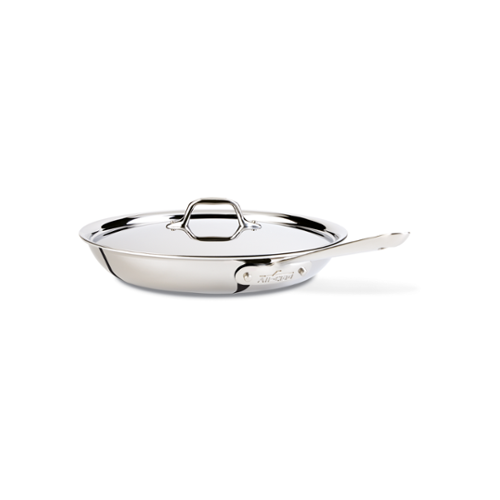 Your price for this item is $289.04
 -
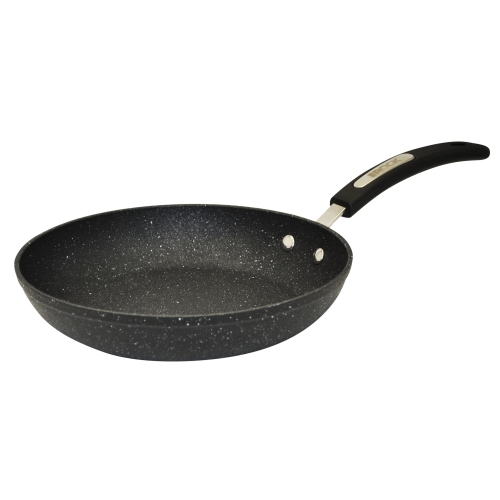 Your price for this item is $29.99
 -
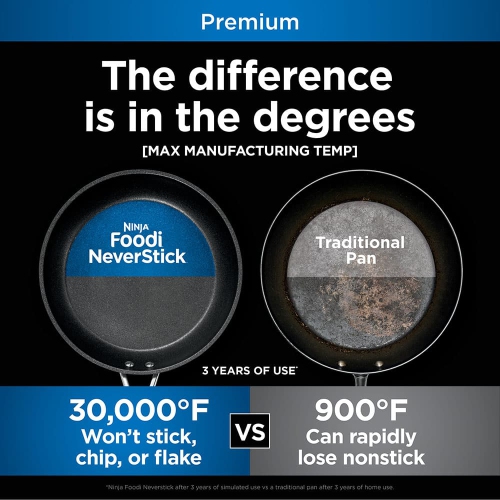 Your price for this item is $139.53
 -
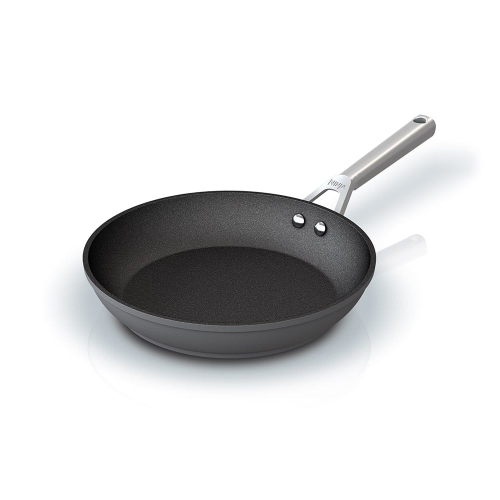 Your price for this item is $100.73
 -
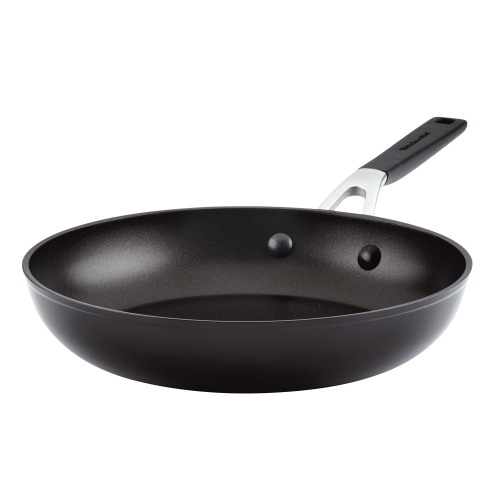 Your price for this item is $49.99
 -
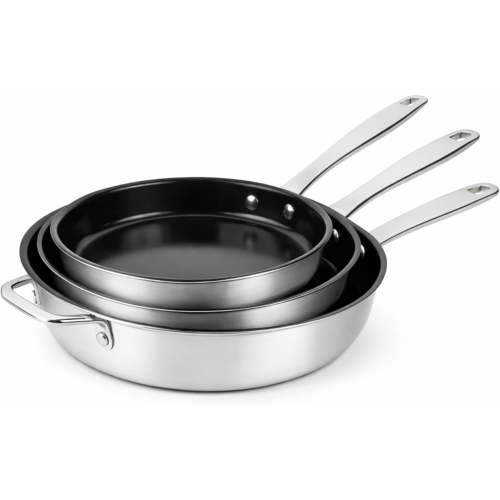 Your price for this item is $399
Discover more categories related to Square Grill Pans
Top Collections:
Pokemon Centers, Kindle Devices, Best Budget Office Chairs, Apple iPhones 16, Best Laptops for Writers, iPhone 15 Apple, Canon G7X Cameras, Refurbished Apple Laptops, Alarm Clock, Motorola Razr Phones
Some products may be subject to Environmental Handling Fees
(EHF) depending on your province.
Learn more about EHFs.