Square Metal Raised Garden Beds
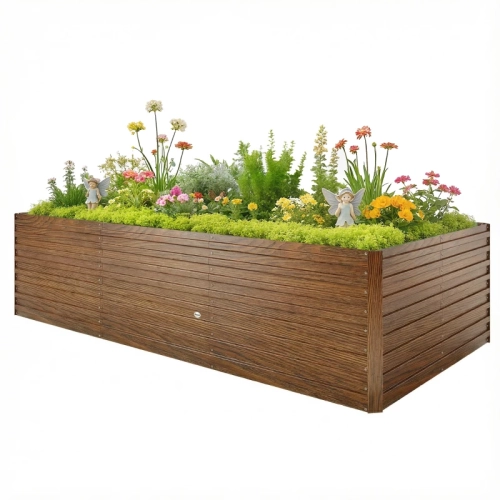
Square Metal Raised Garden Beds offer a stylish and practical solution for organizing your outdoor space. Perfect for gardeners of all levels, these beds make it easy to cultivate flowers, vegetables, or herbs in a dedicated area. Their square shape fits seamlessly into various yard layouts, providing flexibility for both small and large gardens. Explore a selection of Square Metal Raised Garden Beds to find the ideal match for your gardening needs and elevate your backyard setup.
Sort
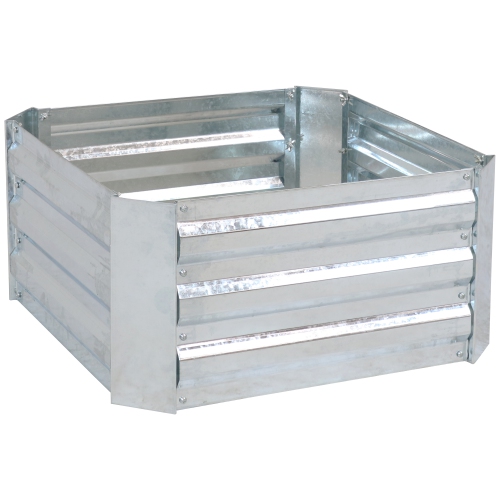
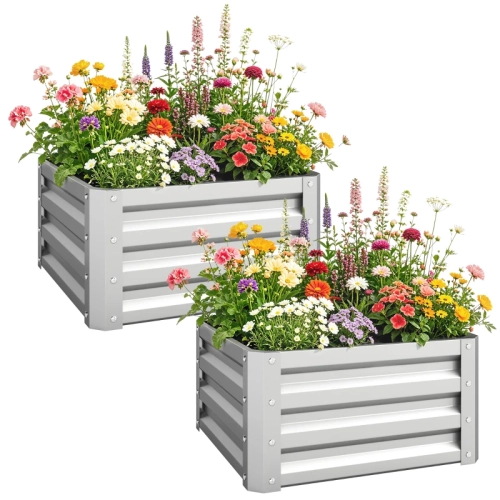
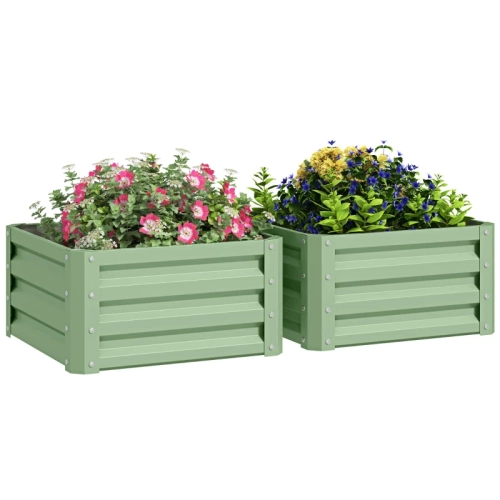
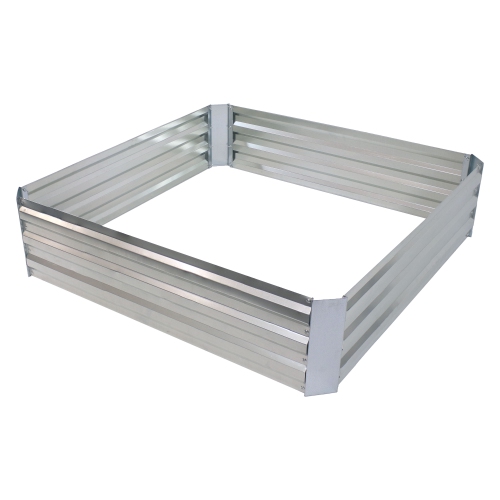
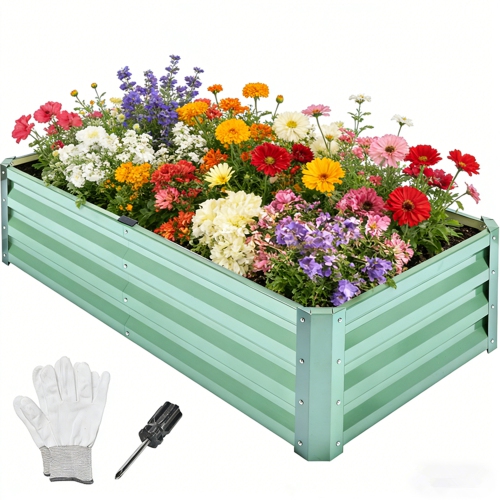
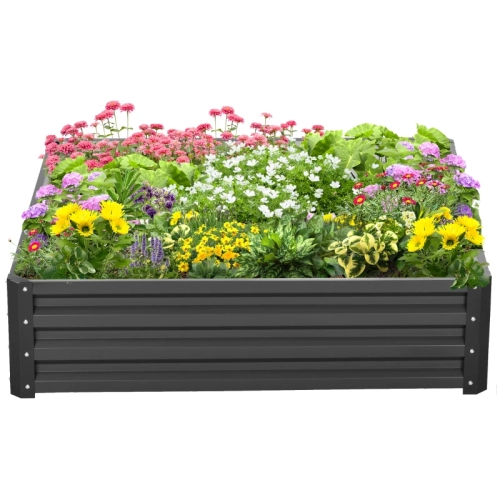
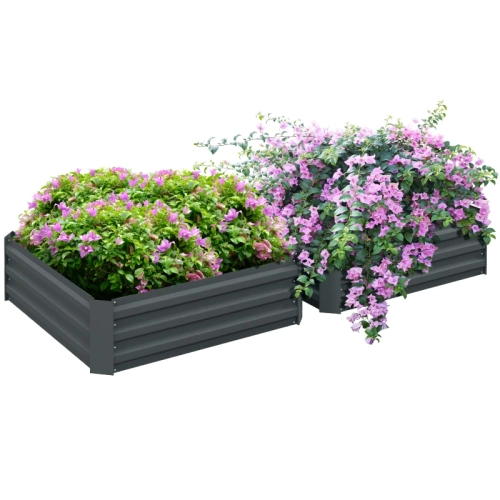
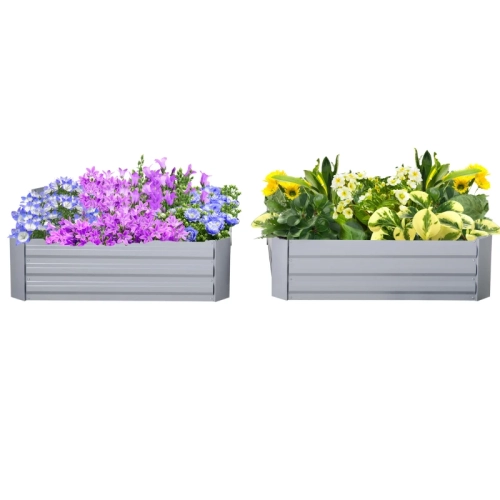
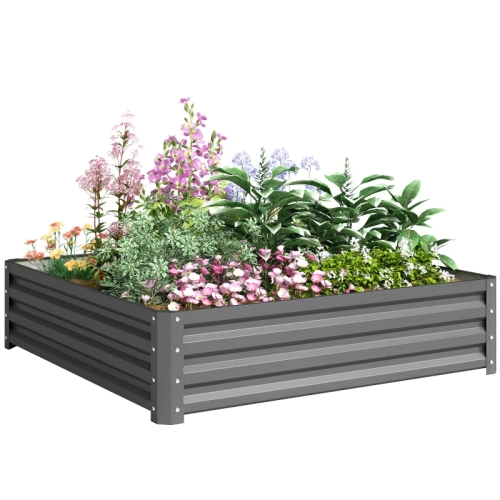
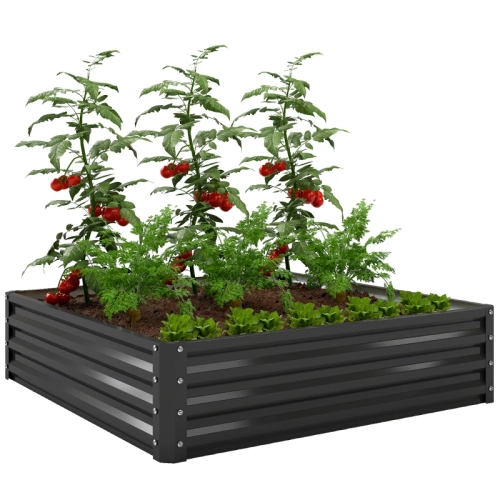
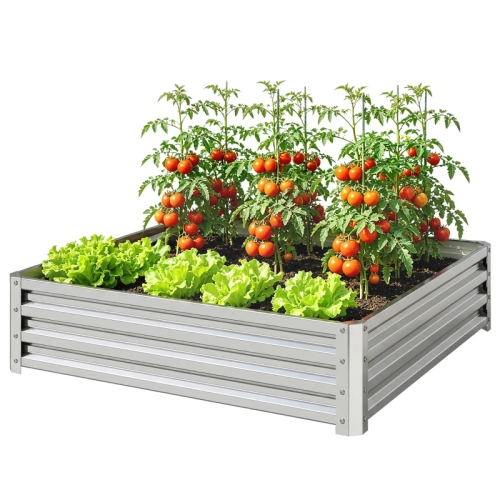
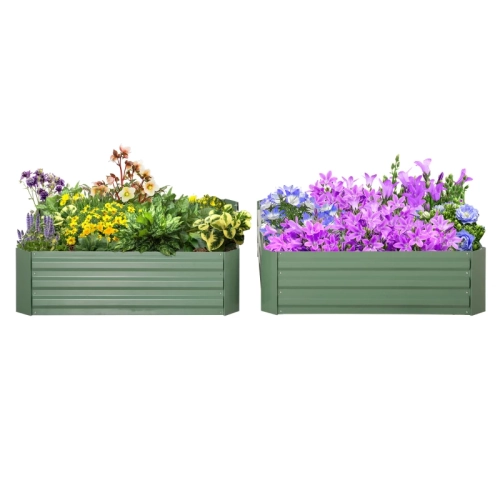
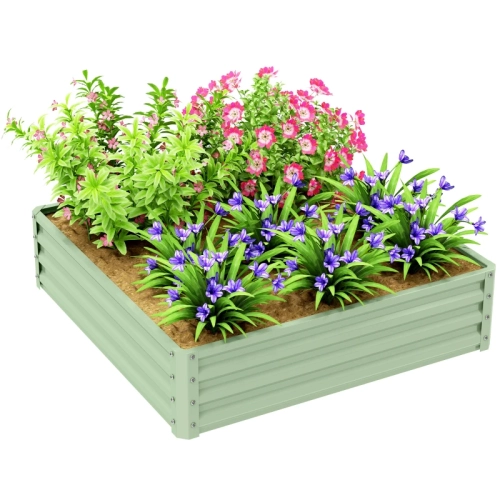
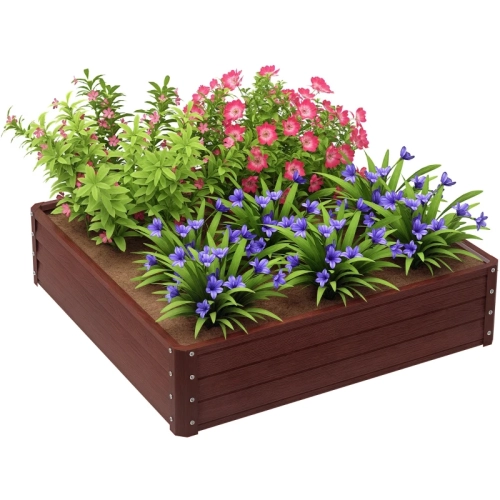
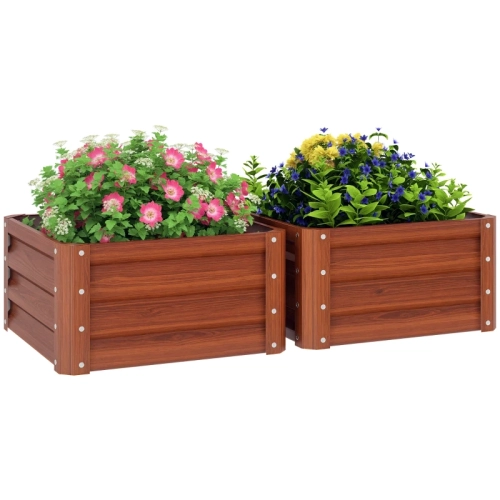
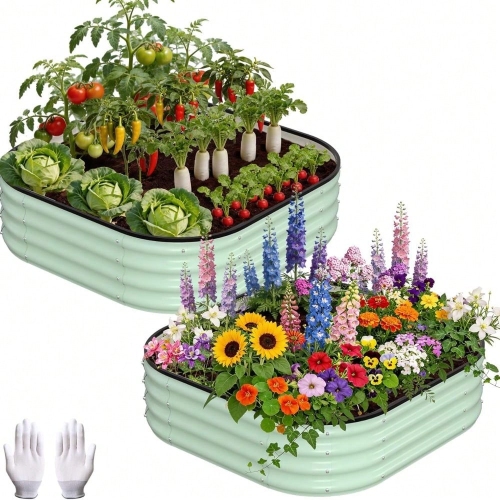
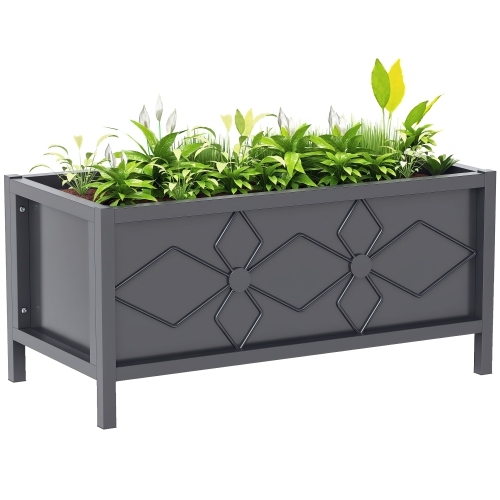
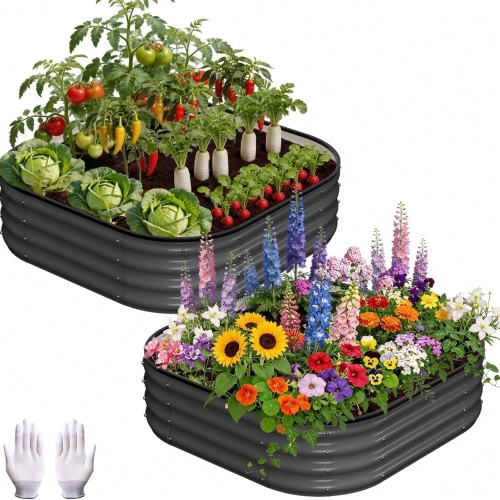
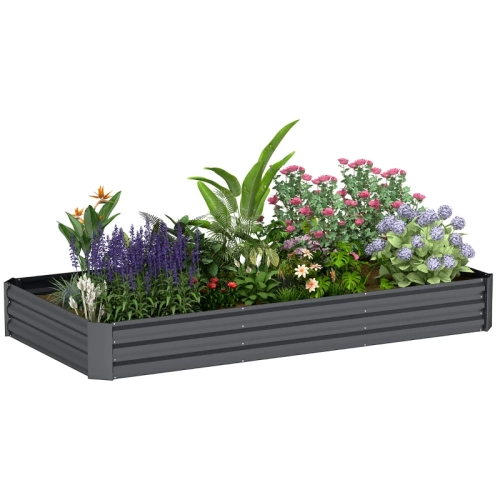

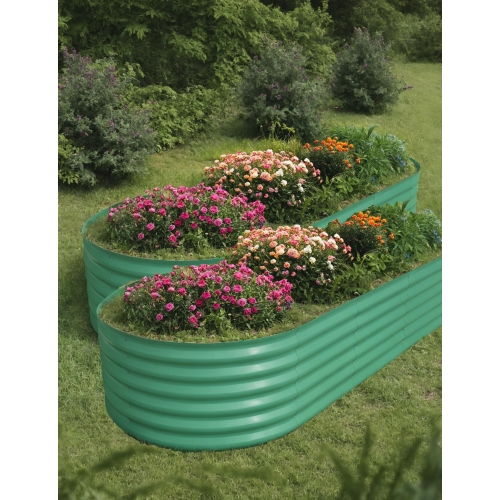
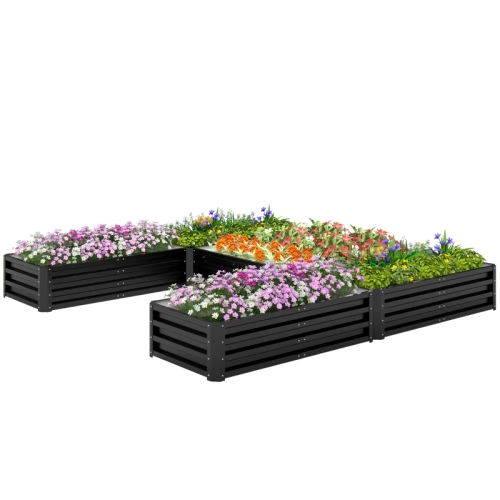
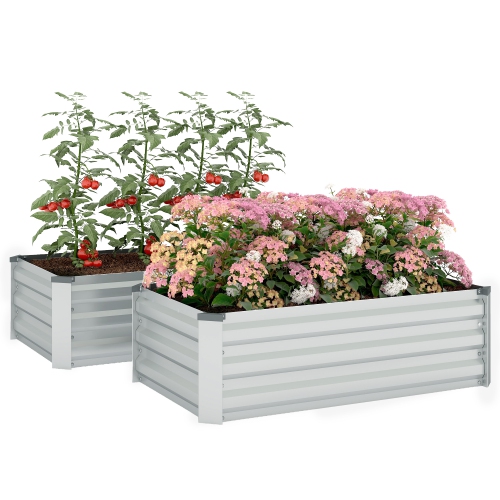
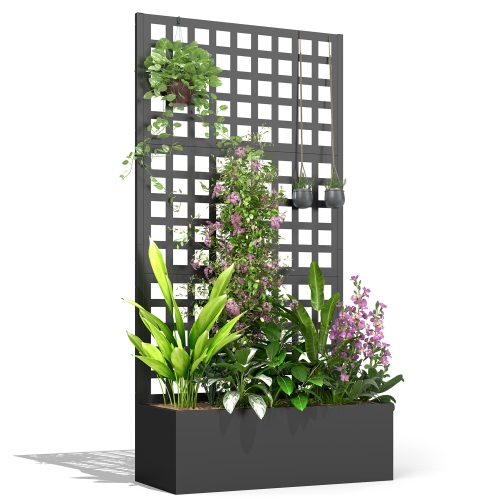
Defined planting spaces for a more organized garden
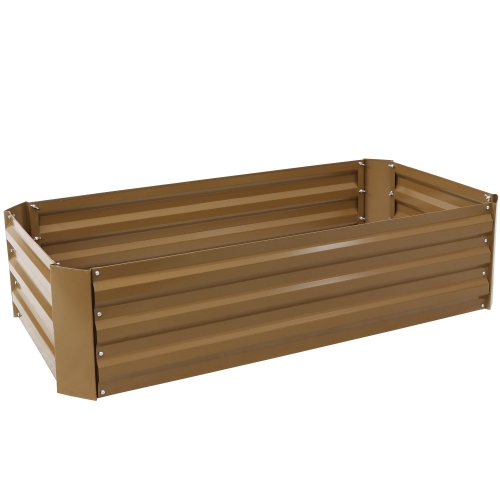
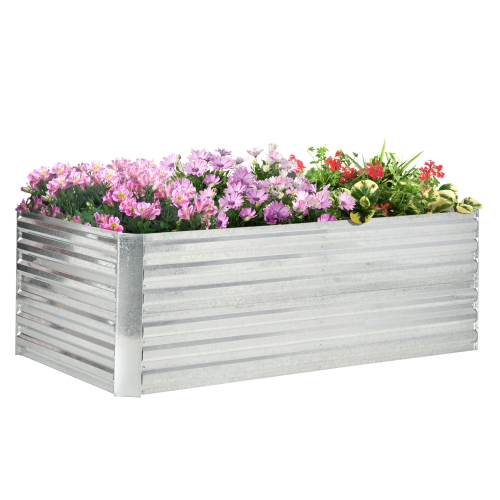
Square metal raised garden beds are planting enclosures that hold soil above ground level, creating defined spaces for vegetables, herbs, flowers, and mixed plantings. Their equal-length sides bring a tidy, balanced shape to a garden layout, whether a single bed sits beside a path or several form a grid with walking space between them. Metal walls do not rot like untreated wood, although their resistance to rust depends on the material, protective finish, construction, and care. This combination of a clear planting footprint and a durable structure makes square metal beds appealing to gardeners who want an organized growing area without building permanent masonry borders. The square shape also lends itself to dividing the surface into smaller planting sections, keeping leafy greens together in one area and culinary herbs in another. Compact layouts suit smaller yards, while more generous footprints offer room for a broader mix of plants. External measurements alone do not tell the whole story: usable planting space, wall height, and access around the bed all affect how comfortably it fits into a garden. A bed positioned against a fence needs a manageable reach from the accessible sides, while one surrounded by paths allows tending from several directions. Keeping the centre within reach makes it easier to harvest, thin seedlings, and remove weeds without stepping on the soil. Taller walls may reduce bending, but the working height still needs to suit the person using the bed, and deeper enclosures require substantially more filling material. Lower profiles work well where a defined border is the main priority. For households sharing gardening tasks, several modest square beds can separate different plantings while leaving clear routes for carrying tools and watering supplies. The result is a planting area with structure and flexibility, rather than a shape that dictates a single gardening style. Straight sides also sit neatly alongside paved paths, helping planting spaces feel distinct from the areas used for walking and garden maintenance.
Materials and construction have a direct bearing on how a square metal raised garden bed performs over time. Galvanized steel has a zinc coating that helps protect the underlying steel from corrosion, while painted or powder-coated surfaces may add another protective layer and a choice of colour. No finish makes a bed completely rustproof, and scratches, damaged edges, prolonged moisture, and contact with unsuitable substances can shorten its service life. For edible planting, the material and finish should be identified by the manufacturer as suitable for the intended gardening use. Smoothly finished edges, folded rims, or protective edge strips are useful details where hands and forearms regularly meet the top of the bed. Corners and fasteners deserve equal attention, since the walls must hold the outward pressure of filled soil. Corrugated panels, reinforced corners, and internal supports can contribute to rigidity, but their effectiveness depends on the overall design and correct assembly. Panel thickness is only one part of that picture; the way sections join and the supports specified for the enclosure also matter. A level, stable base helps the square retain its shape and prevents one corner from carrying an uneven share of the load. Assembly requirements vary, so the number of panels, type of hardware, and need for bracing are practical considerations alongside appearance. Routine care is generally straightforward: exposed surfaces benefit from gentle cleaning, fasteners need occasional checks, and damaged finishes should be addressed according to the manufacturer's directions. Abrasive cleaners or improvised repairs may damage a coating rather than protect it. Soil and leaves trapped around the outside base can keep surfaces damp, making access for inspection worthwhile. Metal offers a crisp visual outline that pairs naturally with gravel, paving, and planted borders, but its lasting appeal depends as much on these structural and maintenance details as on its initial finish. A carefully assembled enclosure should feel secure during everyday tending, without loose joins or exposed sharp points interrupting access to the planting area.
The growing conditions inside a square metal raised garden bed depend on its depth, base design, position, and soil, not simply on the fact that it is raised. An open-bottom bed placed over suitable ground allows roots to extend into the soil below and excess water to move through, provided the underlying ground drains adequately. It is not the same as a freestanding planter with a contained base. Use on paving, a deck, or a balcony requires particular attention to soil containment, drainage routes, surface protection, and the total weight when the soil is wet; an open-bottom enclosure should not be assumed suitable for those locations. Within an appropriate setting, a soil mixture intended for raised beds provides a practical starting point, with texture and nutrients matched to the planting. Loose, well-draining soil supports root development, while mulch can help limit surface drying and reduce soil splashing onto leaves. Plant choice still needs to reflect the available root depth and mature spread. Shallow-rooted greens and many herbs need less depth than substantial root crops, while sprawling vegetables may need support or extra space beyond the bed's edges. A trellis changes the height and loading of a planting arrangement, so it needs secure support rather than an assumption that the metal wall can carry it. Nearby access to water also makes regular care more manageable, especially where several beds share a layout. Gardeners planning broader planting areas may also find Large Metal Raised Garden Beds relevant when comparing overall footprint and growing capacity. Square beds remain useful for keeping individual planting areas distinct, from a kitchen herb patch to a colourful flower display. They can also make a thoughtful gift for an enthusiastic gardener when the recipient's space, preferred working height, and assembly needs are known. With those practical details accounted for, the enclosure becomes a useful framework for growing rather than simply another border in the yard.
Top selling and popular products
-
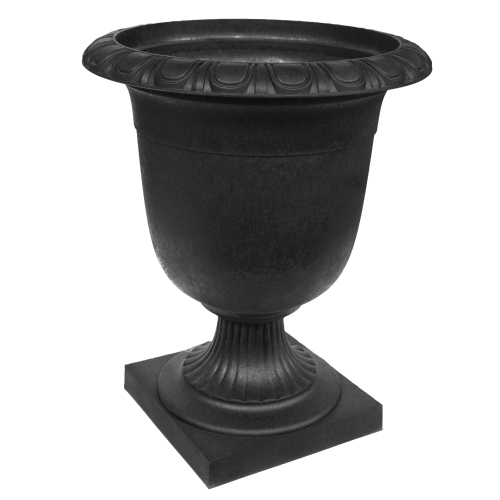 Your price for this item is $204.99
-
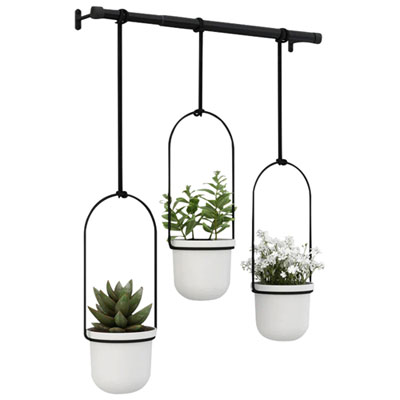 Your price for this item is $65.98
-
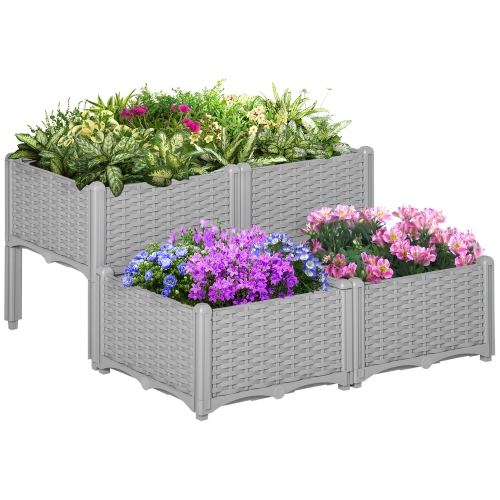 Your price for this item is $94.99
-
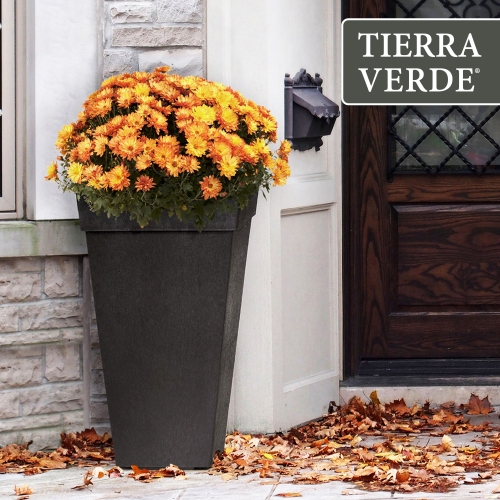 Your price for this item is $187.99
-
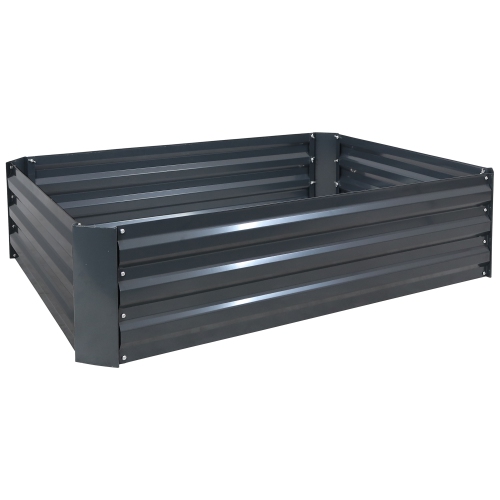 Your price for this item is $117.75
-
 Your price for this item is $117.75
-
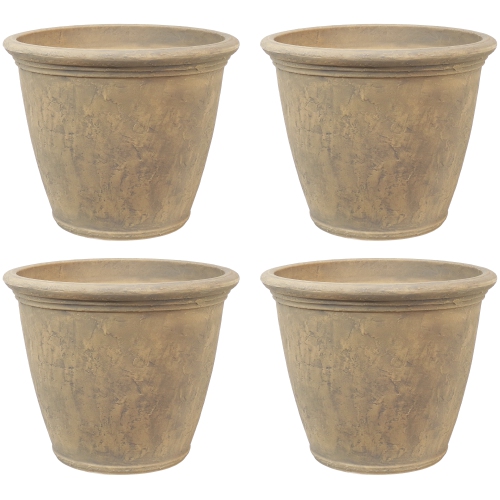 Your price for this item is $415.35
-
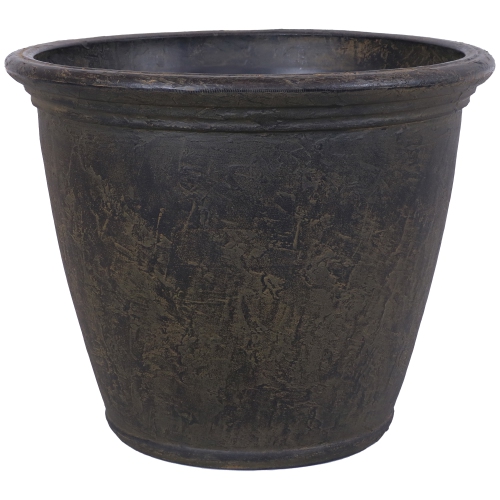 Your price for this item is $173.65
Discover more categories related to Square Metal Raised Garden Beds
Top Collections:
Best Black Friday Deals This Year, Best Black Friday Deals On Electronics, Kindle Devices, Pokemon Centers, Best Black Friday Deals On Apple Products, Best Cameras for Sports Photography, Dyson Airwrap, Pokémon 30th Celebration Cards, Apple iPhone 17 Pro, Canon G7X Cameras
Some products may be subject to Environmental Handling Fees
(EHF) depending on your province.
Learn more about EHFs.