Square Patio Tables
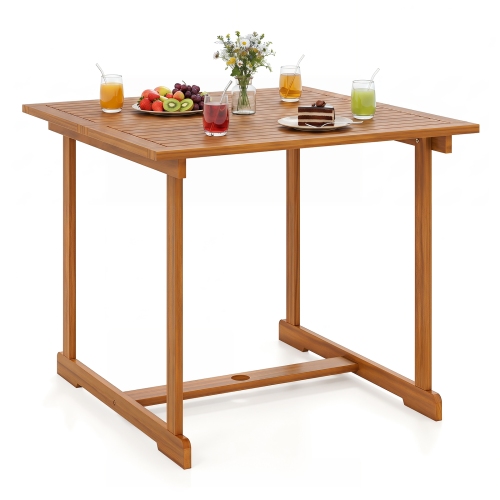
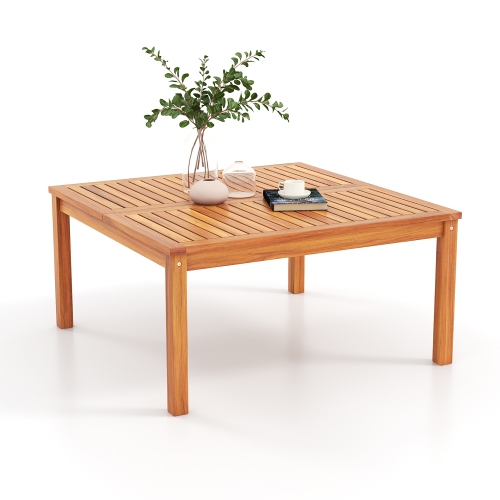
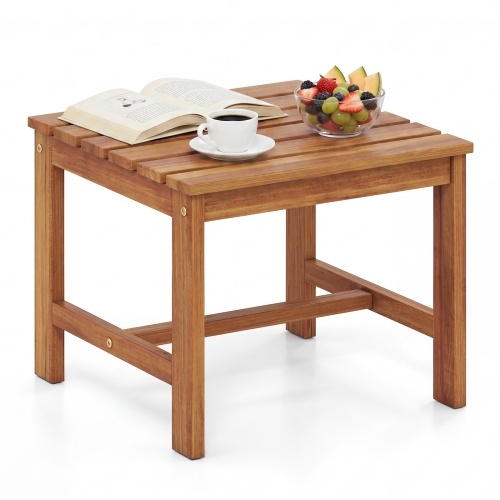
Square patio tables are a great choice for outdoor entertaining. These square-shaped tables provide plenty of space for seating four or more people comfortably. These tables are also a great choice for smaller patios, decks, or balconies where space is limited. Here are some great options available.
Sort
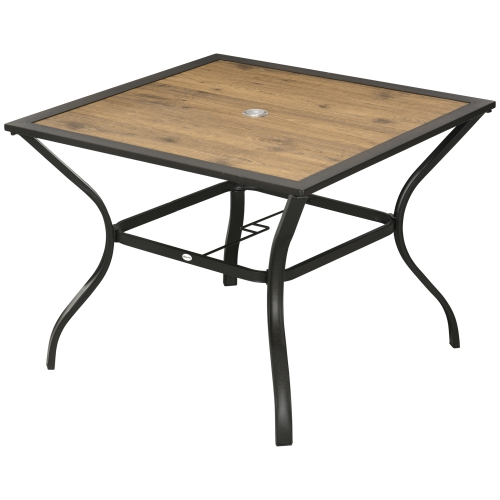
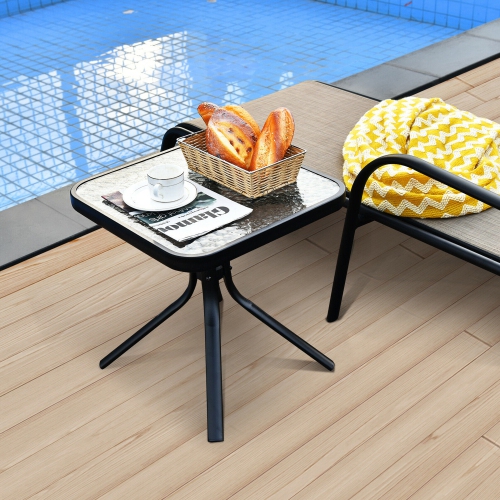

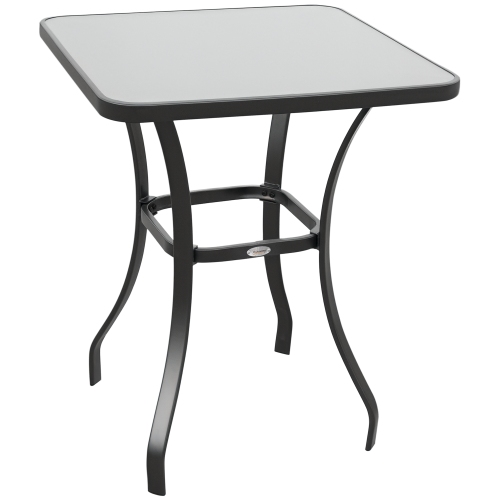

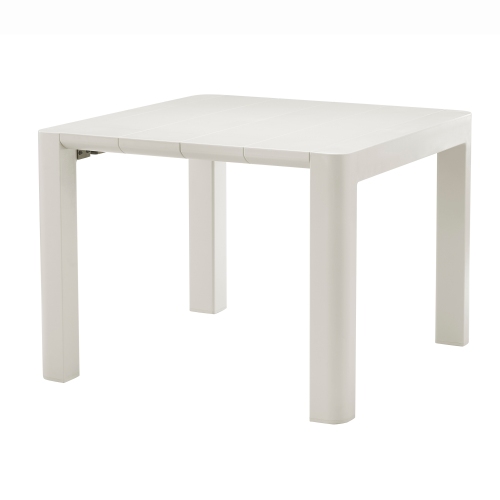




















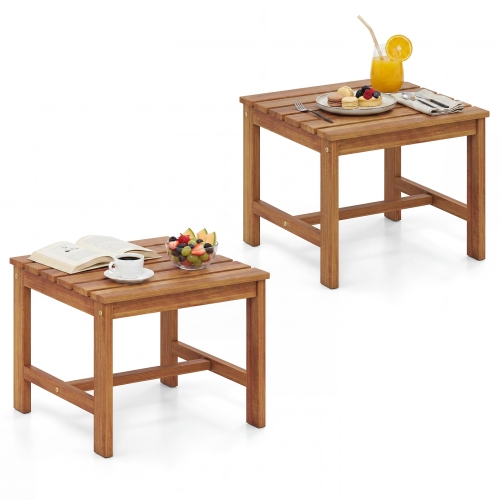
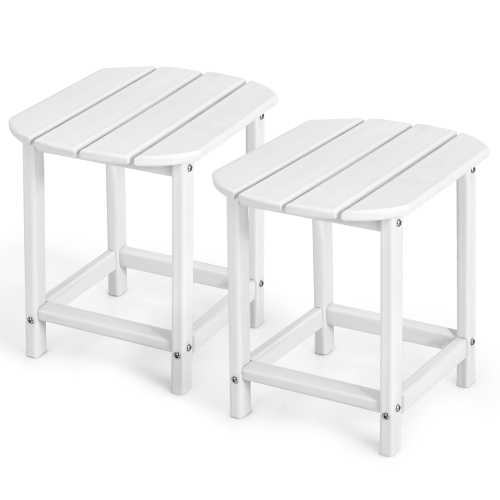


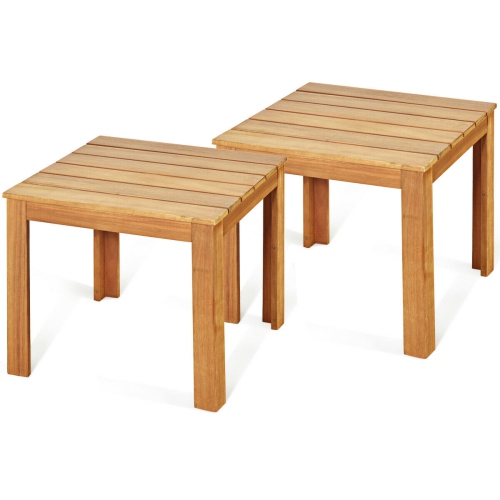

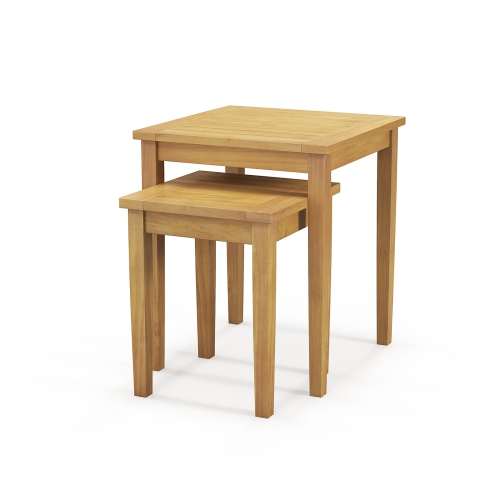

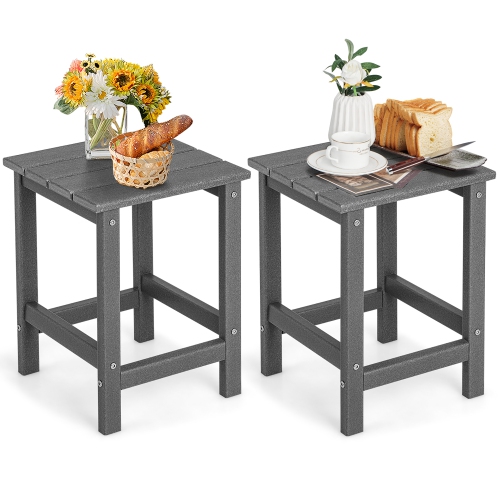


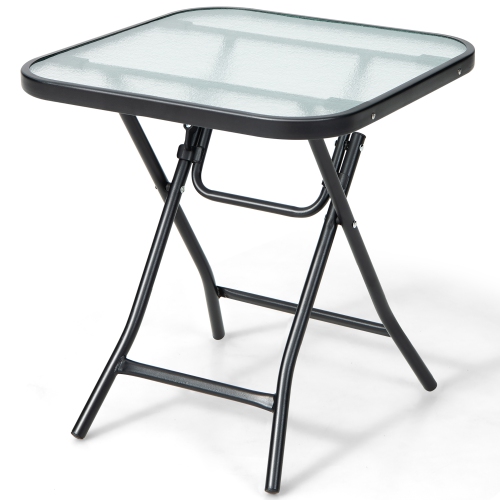


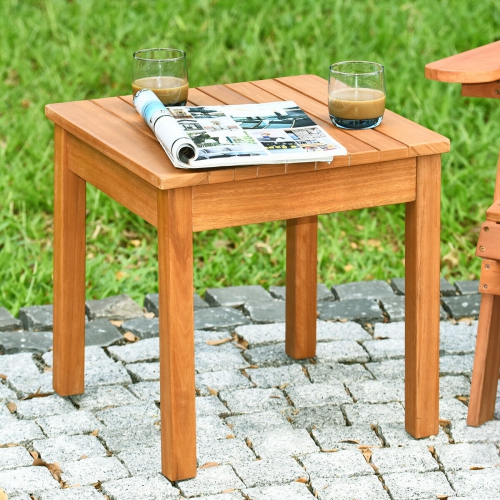


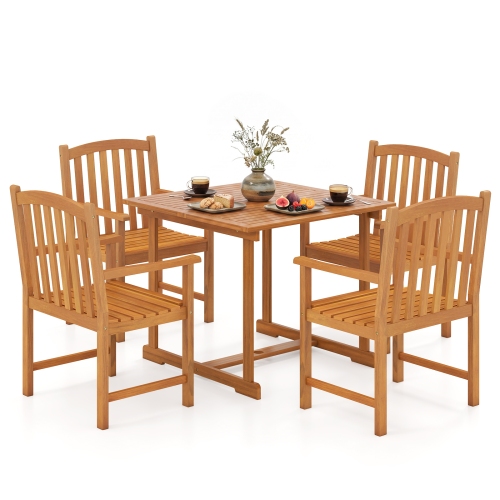


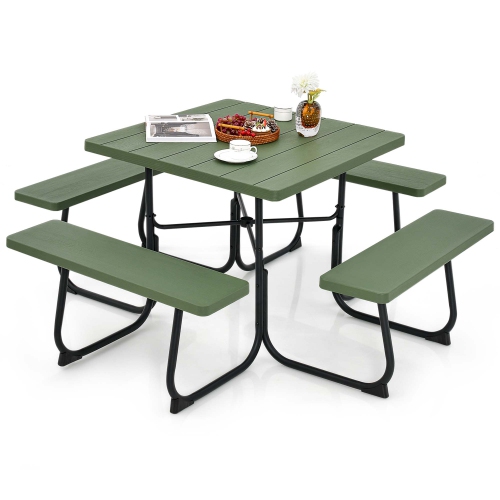


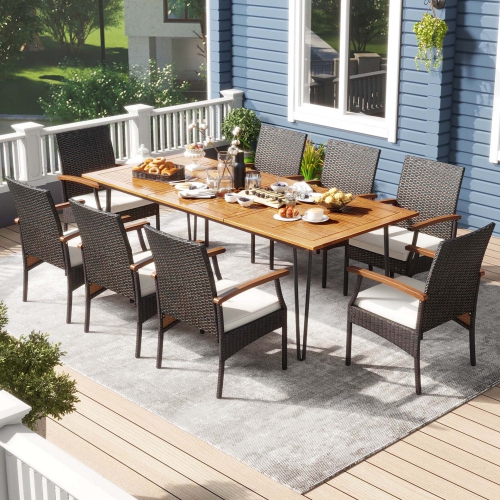

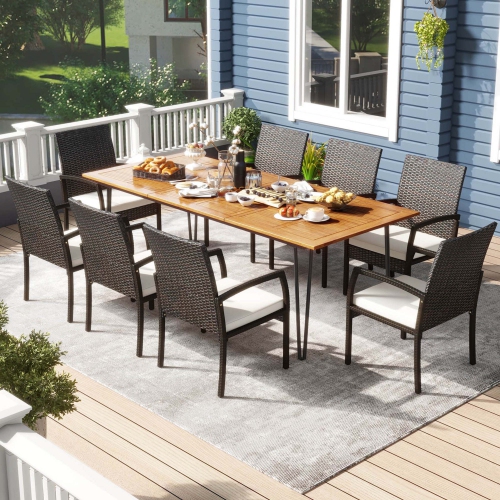


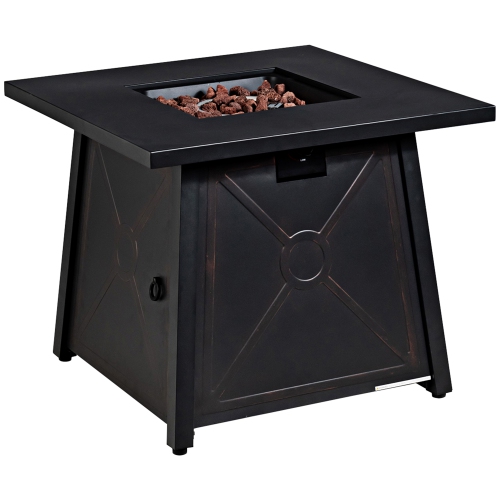

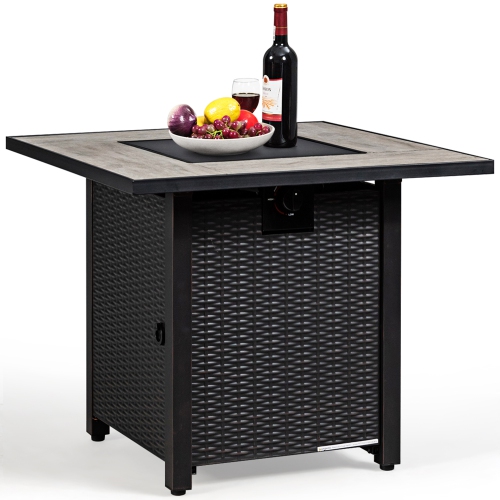
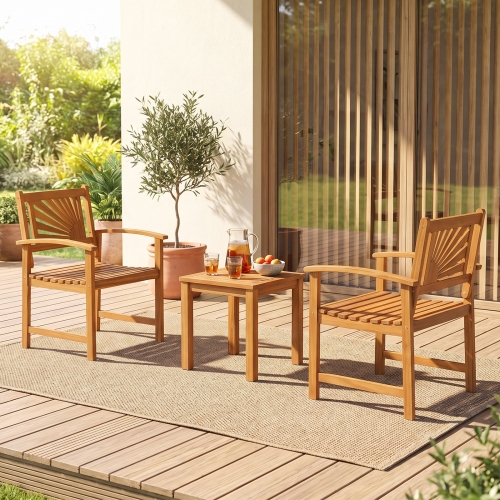


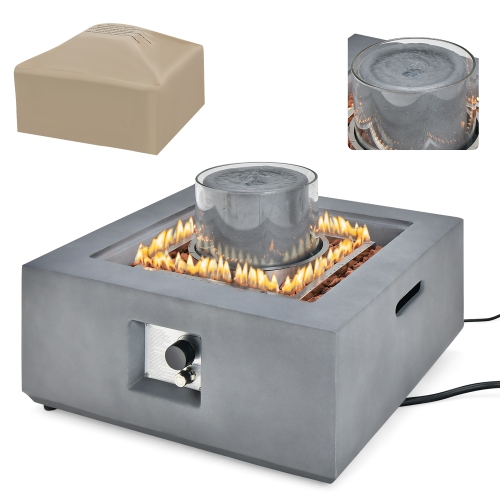


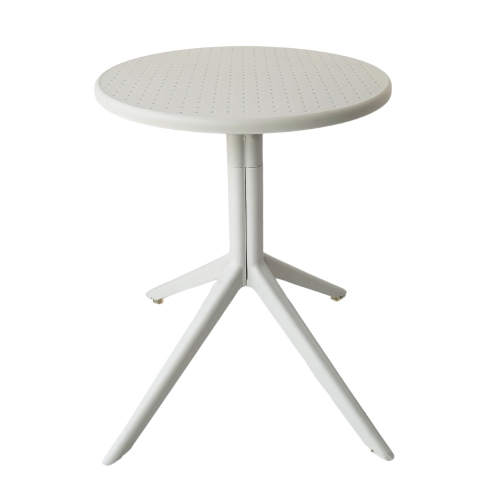
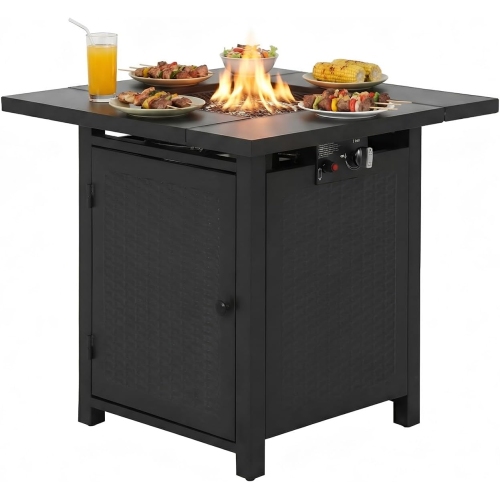


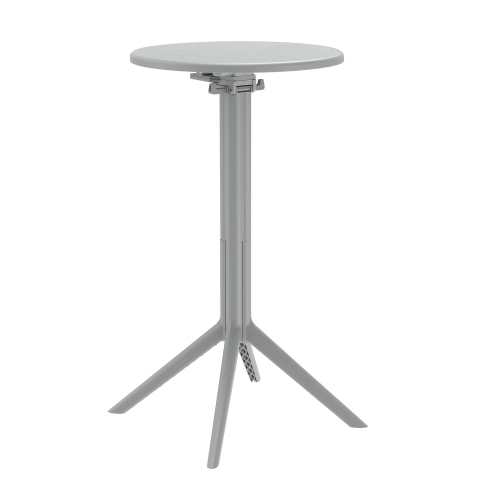


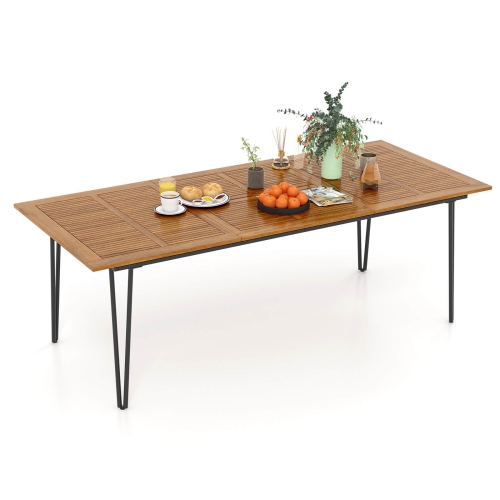

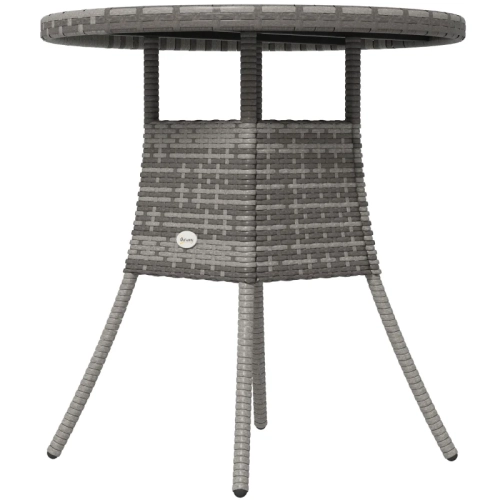
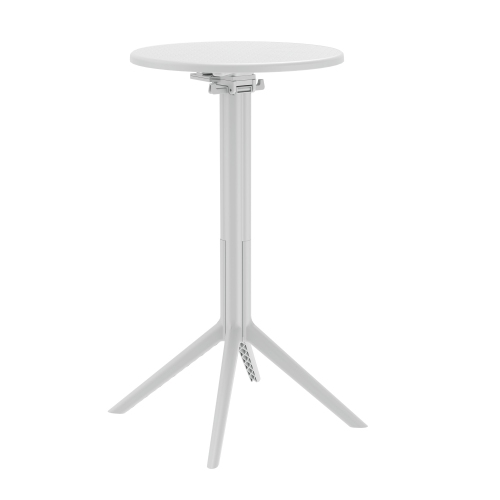
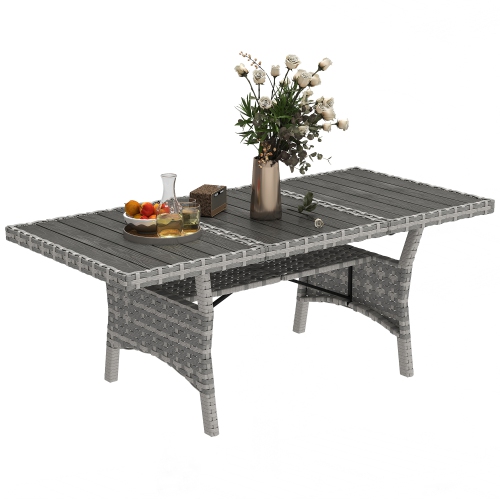
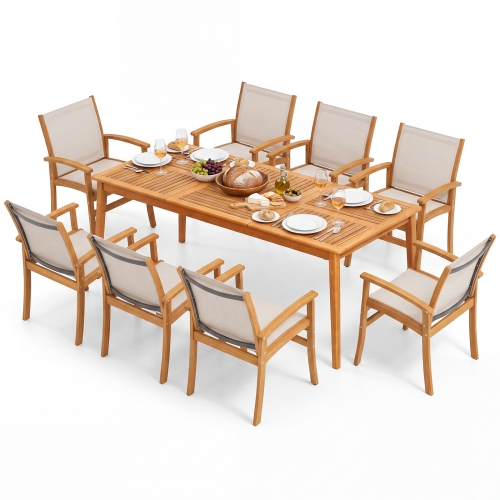
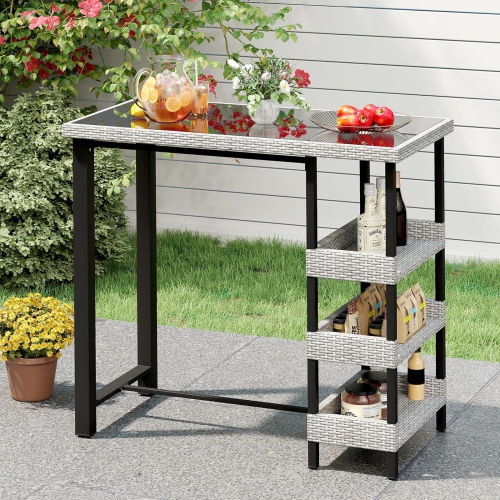
A balanced footprint for outdoor meals and conversation
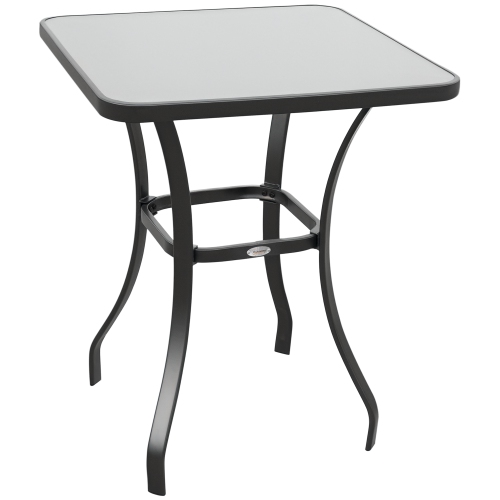
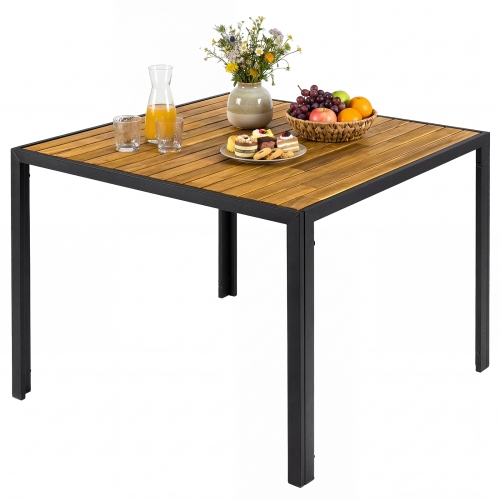
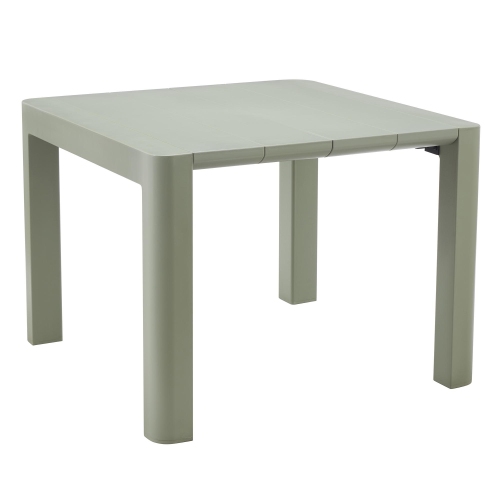
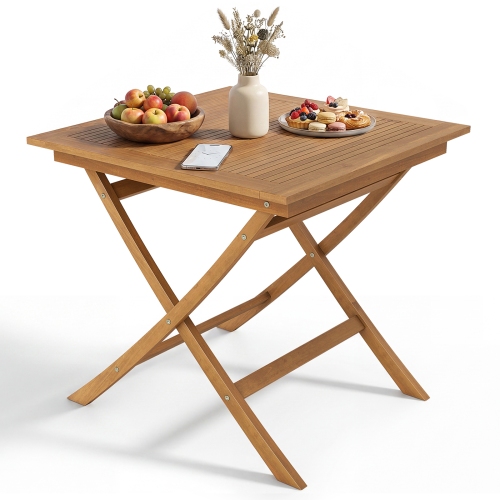
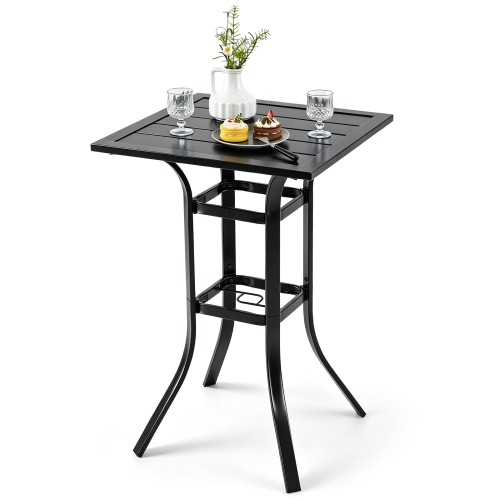
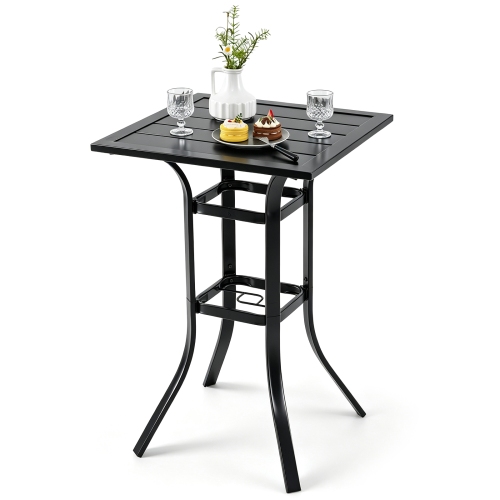
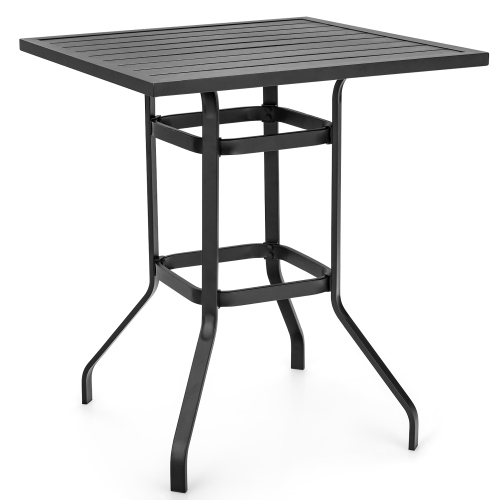
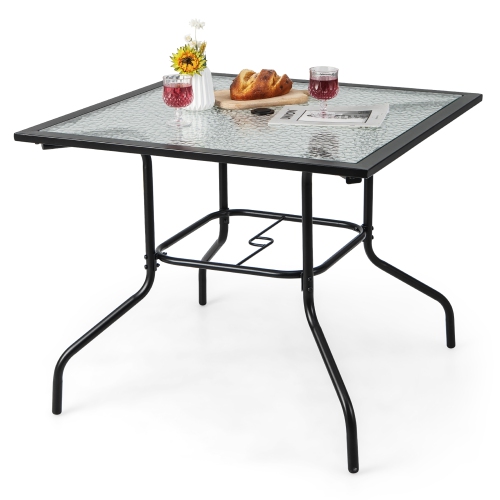
Square patio tables bring a balanced footprint to outdoor dining and lounging areas, with equal-length sides that suit everything from a small balcony corner to a spacious backyard terrace. The category includes low side tables for drinks, compact bistro tables for two, and dining-height tables that commonly seat four, depending on their dimensions and base design. A square tabletop gives each person a similar amount of space and keeps shared dishes near the centre, making it a comfortable shape for conversation over breakfast, a casual lunch, or a board game after dinner. Size matters more than shape alone: a compact table may hold two place settings comfortably but feel crowded once a serving bowl and pitcher are added. Tables around 36 to 48 inches across often work well for four diners, although chair width, armrests, and the position of the legs all affect usable seating. For a balcony where the table sits beside a railing, measuring the entire setup with chairs pulled out provides a more useful picture than measuring the tabletop alone. Leave room for people to sit down, stand up, and move past occupied chairs without blocking a doorway. Around 36 inches of clearance between the table edge and nearby obstructions is a helpful starting point, with more space needed along busy walkways. A square shape can also anchor a seating group without stretching too far in one direction, especially where the outdoor area is roughly equal in length and width. Narrow decks and longer dining areas may be better suited to Rectangular Patio Tables, particularly when seating needs extend beyond a small group. For an occasional coffee spot, a smaller square surface can be enough; for regular meals, allow space for plates, glasses, and serving pieces rather than relying on seating capacity alone. A simple outline marked on the ground can help show how the table will fit before chairs and other furniture are arranged around it.
Materials influence how square patio tables look, feel, and hold up to outdoor use. Aluminum is relatively lightweight and naturally resistant to rust, making it practical when furniture needs to be moved for cleaning or storage. Its lighter weight can also be a drawback in exposed locations, so stability and the overall construction deserve attention. Steel generally provides more heft, while powder-coated finishes help protect the surface; scratches and chips still need prompt attention because exposed steel can rust. Iron tables can offer substantial weight and detailed styling, but their finish also needs care, especially where water collects around joints or decorative features. Wood brings warmth and visible grain to an outdoor setting, with performance varying by species, construction, and finish. Some woods develop a grey patina with exposure, while others benefit from periodic treatment according to the manufacturer’s directions. A change in colour is not always a sign of damage, but persistent moisture, loose joints, and splitting should not be ignored. Tempered-glass tabletops create a smooth surface that is easy to wipe down and can make a compact seating area feel less visually crowded. They still require care around the edges, and heavy objects should not be dropped or dragged across them. Resin and plastic tables are often straightforward to clean, though resistance to fading, brittleness, and surface wear depends on the material and its intended outdoor use. Slatted tops allow water to drain through, while solid tops provide uninterrupted support for smaller objects such as glasses and game pieces. Surface texture matters, too: a deeply patterned top may look appealing but be less convenient for writing or balancing narrow glassware. Rounded corners can make movement around a tight layout more comfortable, although clearance remains important. Colour and finish help connect the table to surrounding furniture, whether the setting includes woven chairs, painted metal seating, or cushions in contrasting tones. Matching every material is not essential; compatible dimensions and a comfortable seating arrangement have a greater effect on everyday use.
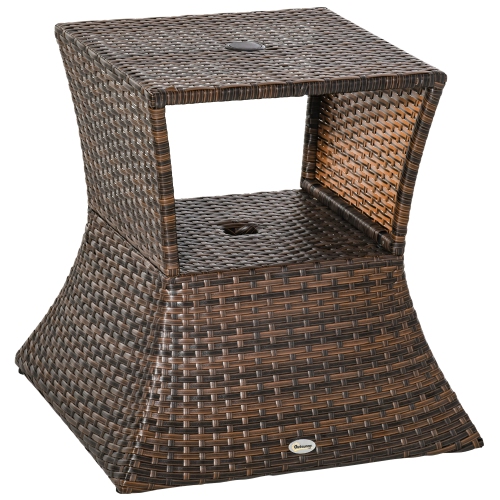
Comfort depends on the relationship between the tabletop, its supports, and the chairs around it. Dining-height, counter-height, and bar-height tables need seating designed for the corresponding height; a chair that looks right beside a table may still leave too little room for knees or place the seat too low for eating. Armrests should fit beneath the tabletop if chairs need to tuck away neatly. A pedestal base can reduce corner-leg interference, but a broad base may compete with feet, while crossbars and support rails can affect where people sit. On paving stones or deck boards, adjustable feet can help address minor unevenness; they are not a substitute for a firm, suitably level surface. An umbrella opening adds shade options, provided the pole fits and the umbrella is supported by a suitable base rather than by the tabletop alone. Confirm clearance beneath the table for that base, and follow the umbrella’s guidance for windy conditions. Routine care is usually simpler when spills, crumbs, and standing water are dealt with promptly. A soft cloth, mild soap, and a thorough rinse are appropriate for many surfaces, but the care directions should determine which cleaners and treatments are suitable. Abrasive pads and harsh chemicals can damage coatings or leave marks. Check fasteners periodically, especially after moving or assembling the table, and lift rather than drag it to help protect both the legs and the surface below. For periods of heavy rain, snow, or extended non-use, suitable covered storage can reduce exposure, depending on the material. A fitted furniture cover should allow ventilation and be secured without creating pockets where water collects. Clean and dry the table before covering it, and store removable glass or other components only as directed. With proportions that suit the space and care matched to the material, a square patio table can serve as a dependable place for shared meals, quiet reading, and everyday outdoor breaks.
Top selling and popular products
-
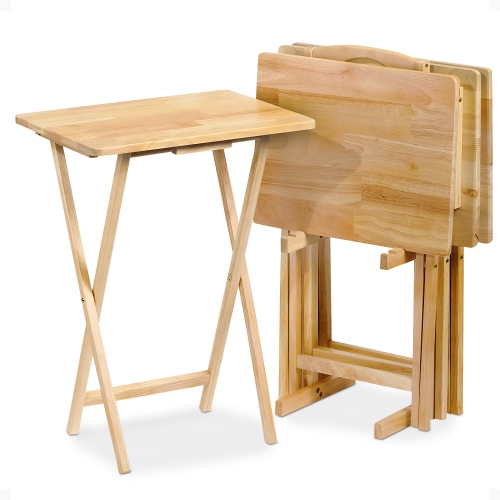 Your price for this item is $136.99
-
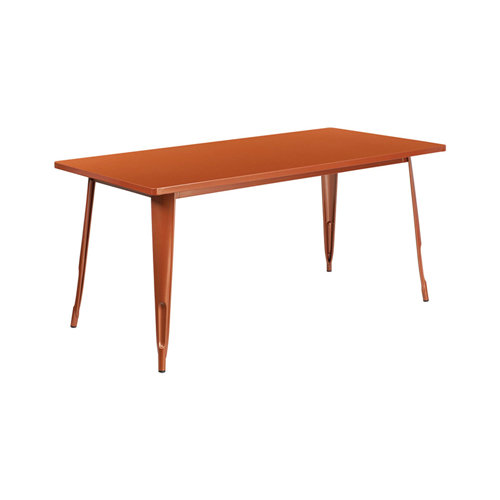 Your price for this item is $516.69
-
 Your price for this item is $96.99
-
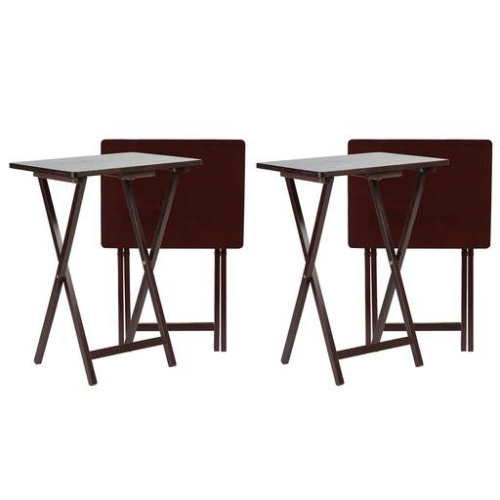 Your price for this item is $183.99
-
 Your price for this item is $149
-
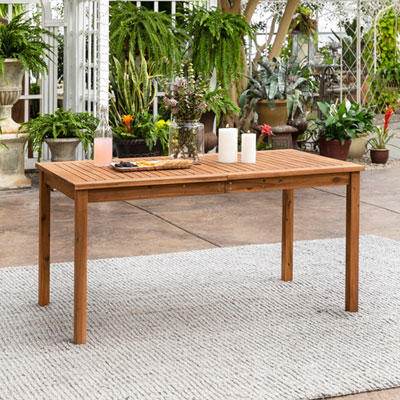 Your price for this item is $550.99
-
 Your price for this item is $259.99
-
 Your price for this item is $299.95
Discover more categories related to Square Patio Tables

Top Collections:
Pokemon Centers, Best Budget Office Chairs, Kindle Devices, Best Cameras for Sports Photography, Pokémon 30th Celebration Cards, Best Laptops for Writers, Canon G7X Cameras, iPhone 15 Apple, Best Cell Phones Under $300, Apple iPhones 16
Some products may be subject to Environmental Handling Fees
(EHF) depending on your province.
Learn more about EHFs.