Square Patio Umbrellas
Create a stylish and functional outdoor oasis with a Square Patio Umbrella. Shield yourself from the sun's rays while adding a touch of elegance to your patio or deck. Our selection of square patio umbrellas offers a variety of sizes, colors, and materials to suit your outdoor space perfectly. Whether you're looking to create a cozy dining area or a relaxing lounge spot, a square patio umbrella is an essential addition to any outdoor setting. Browse our collection today and elevate your al fresco experience!
Sort
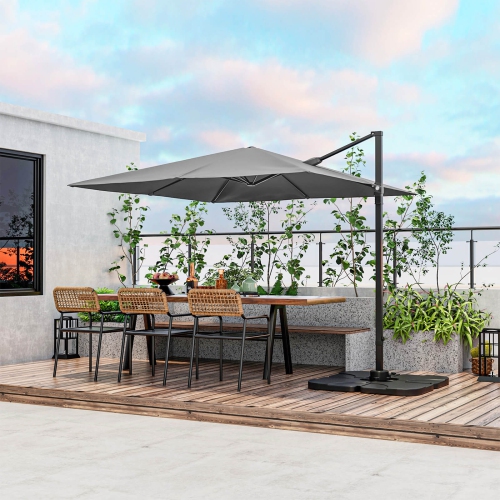
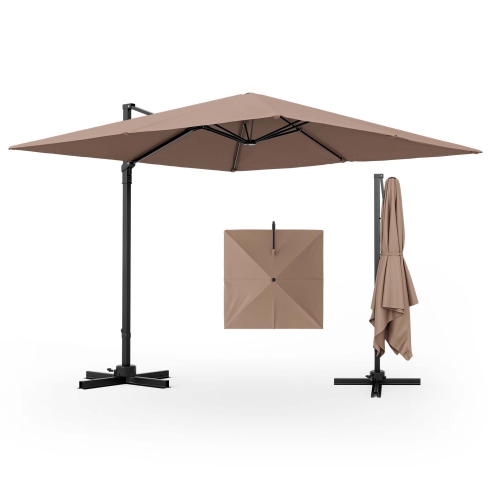
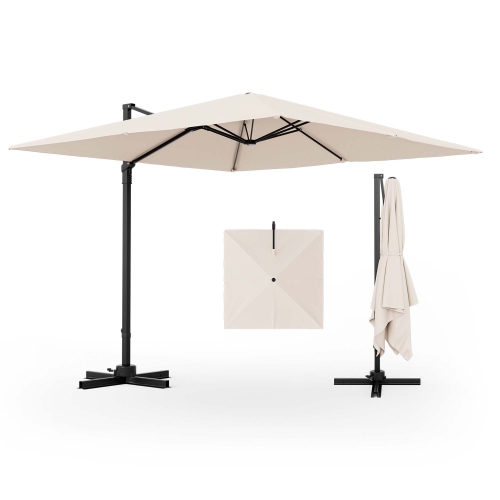
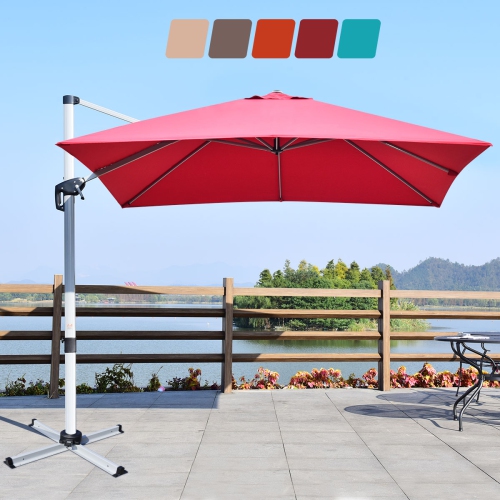
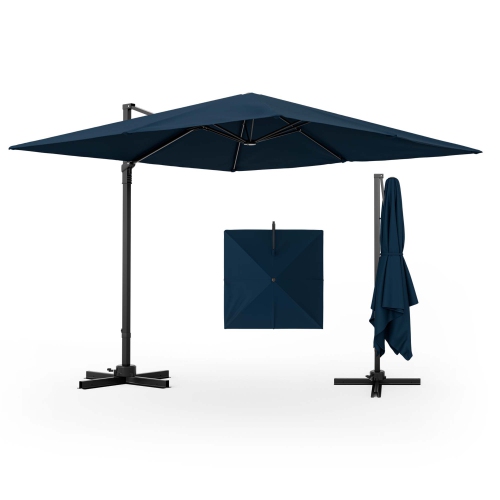
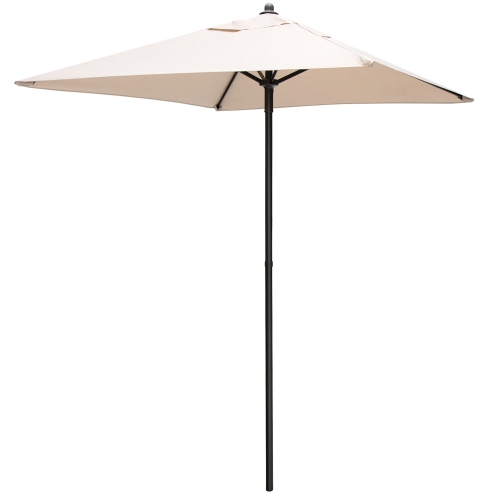
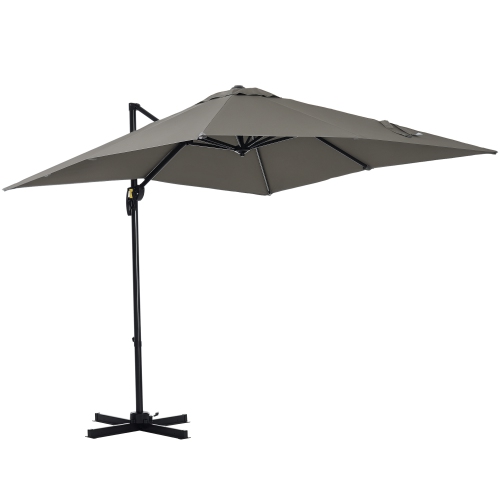
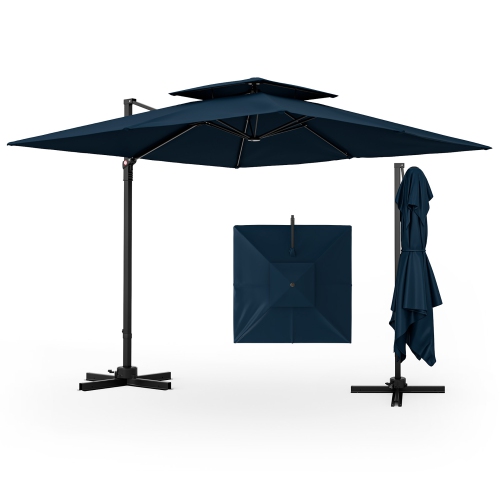
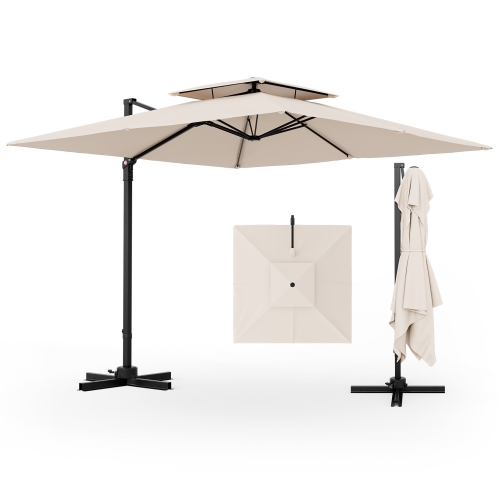
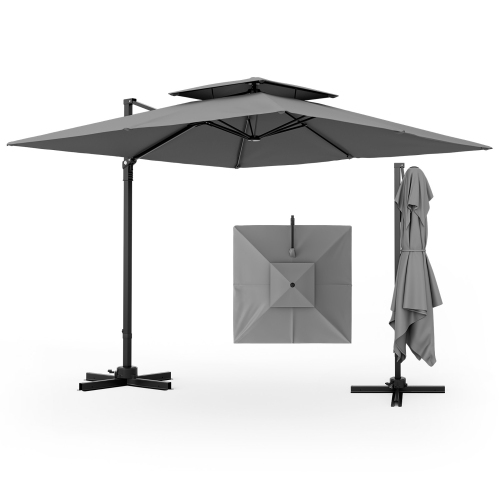
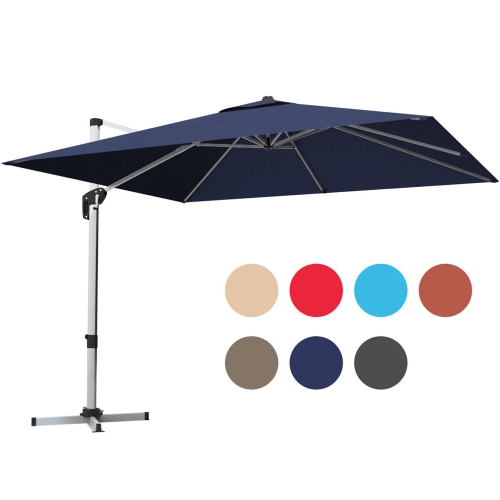
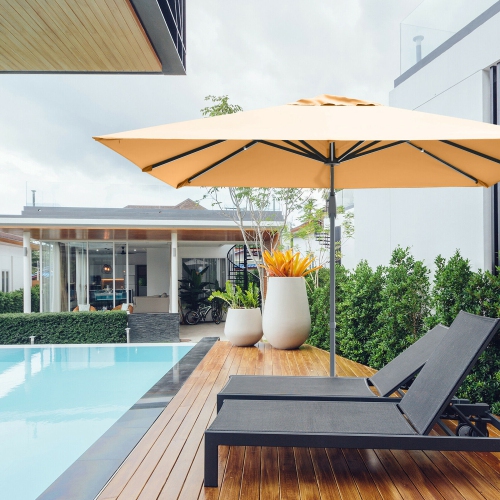
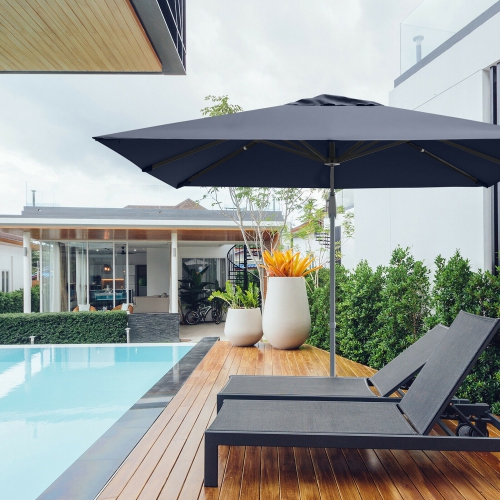
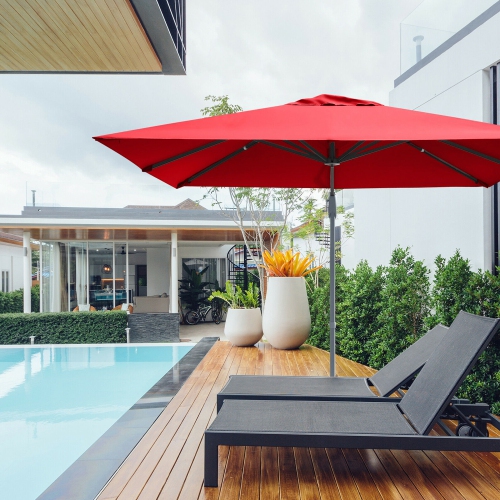
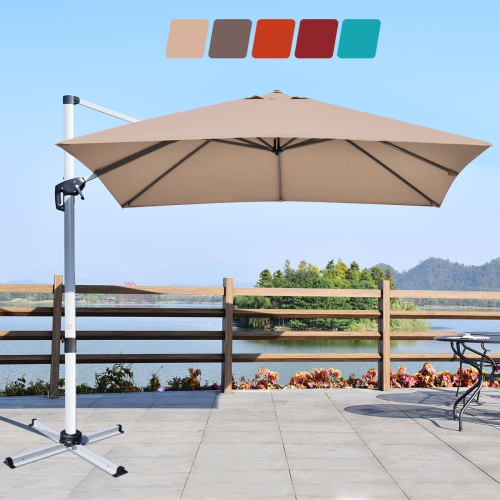
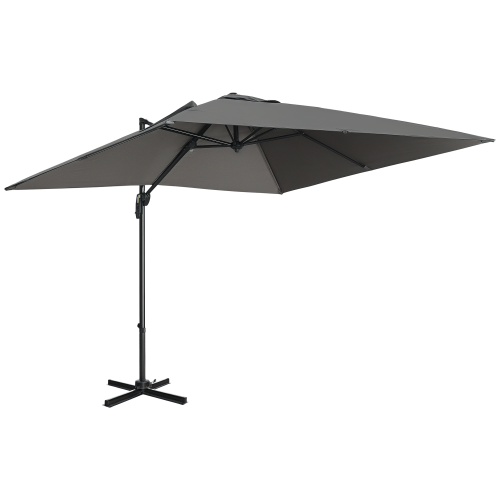
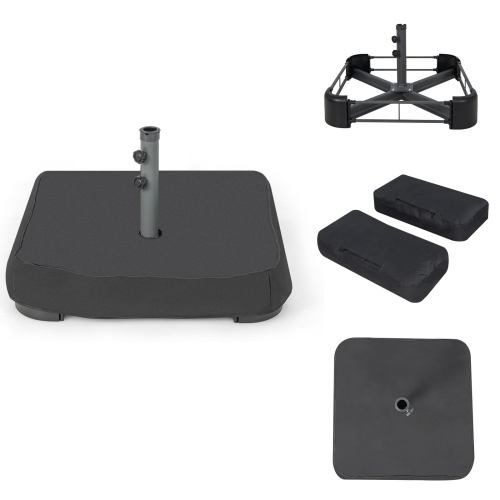
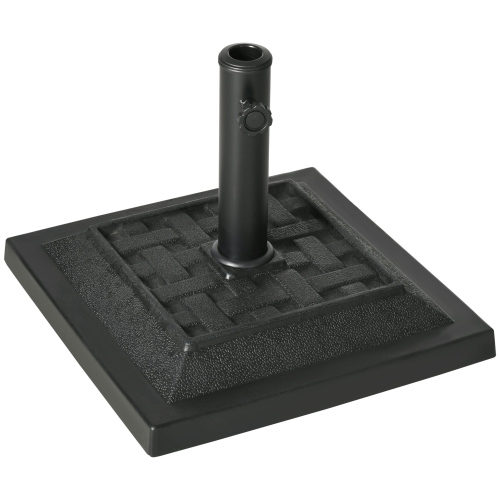
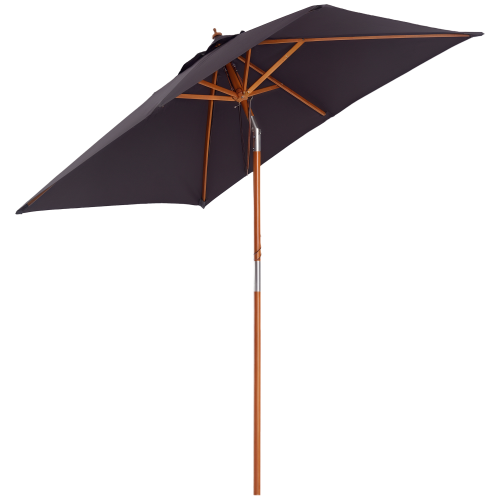
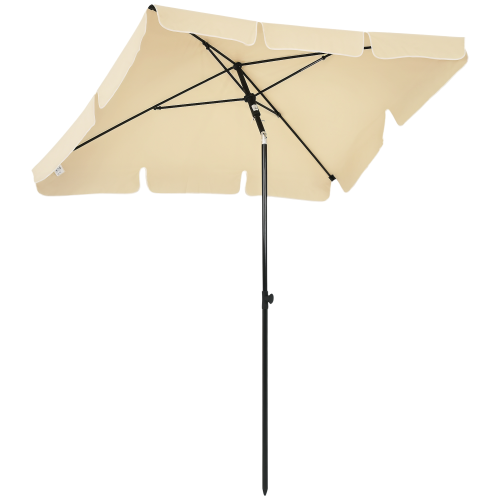
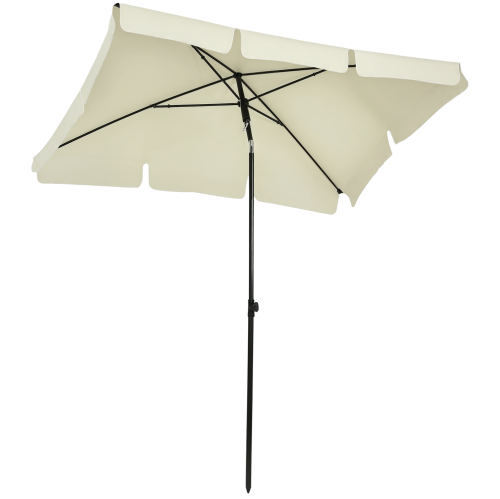
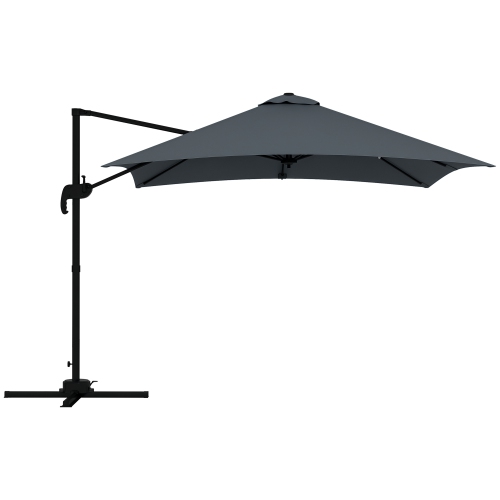
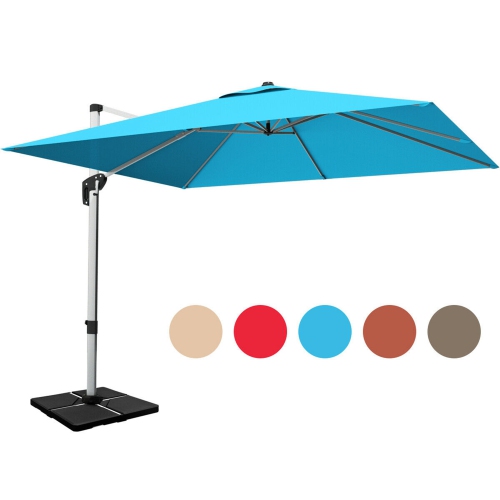
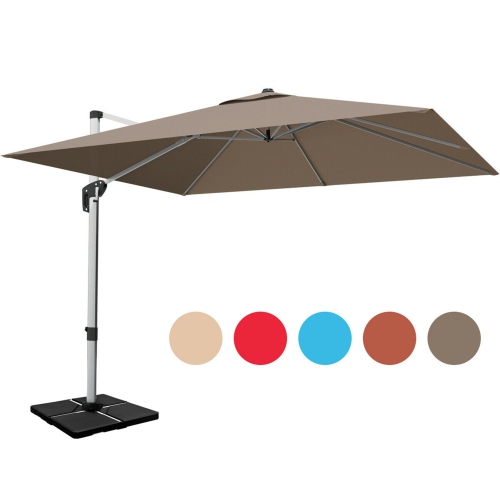
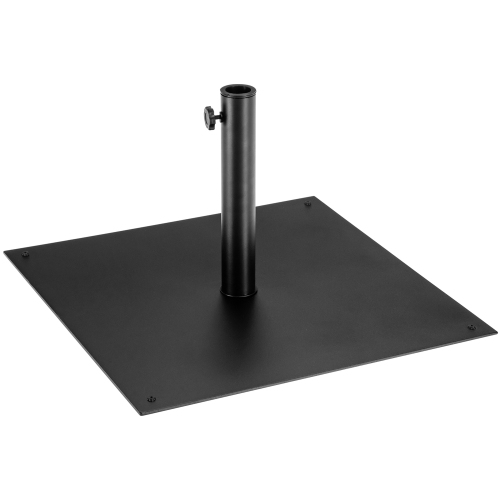
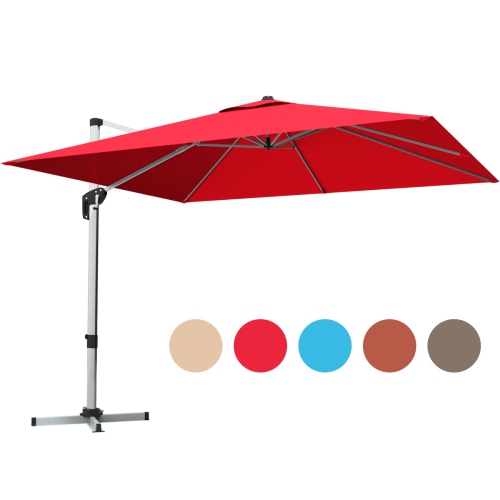
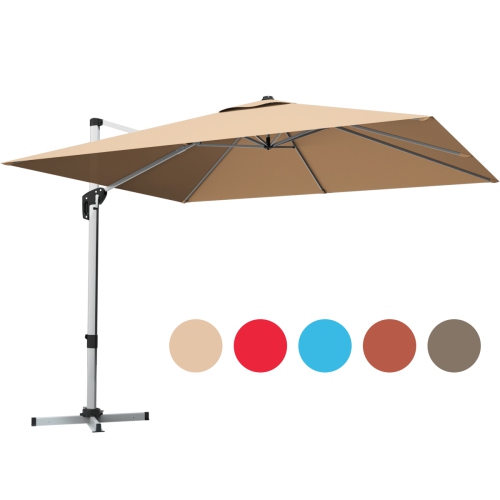

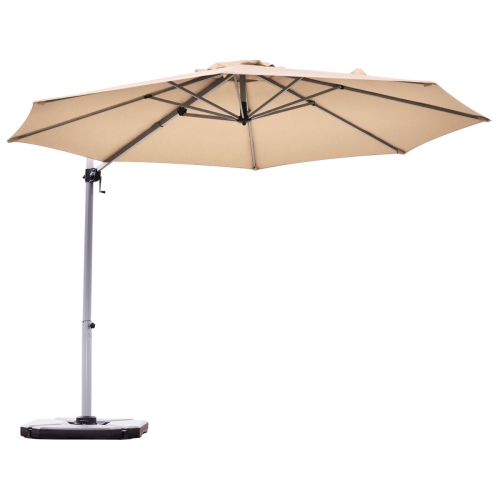
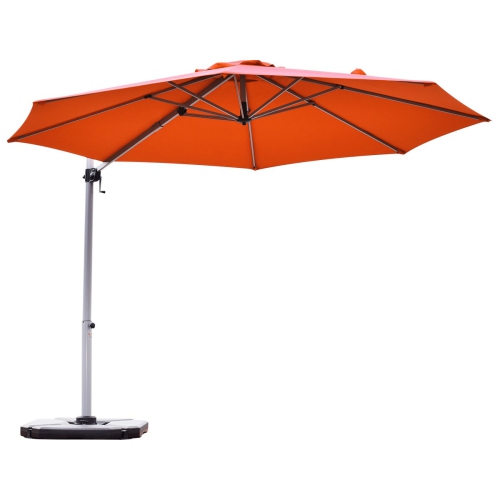
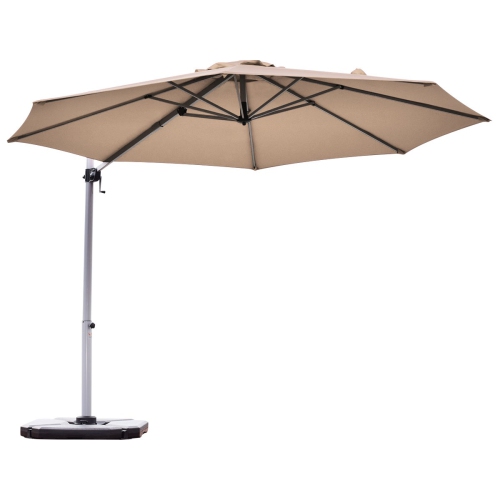
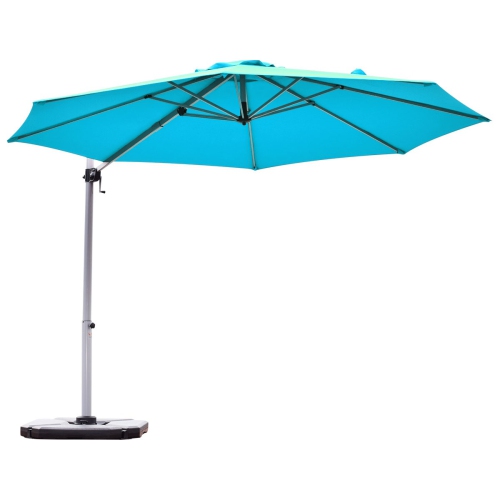
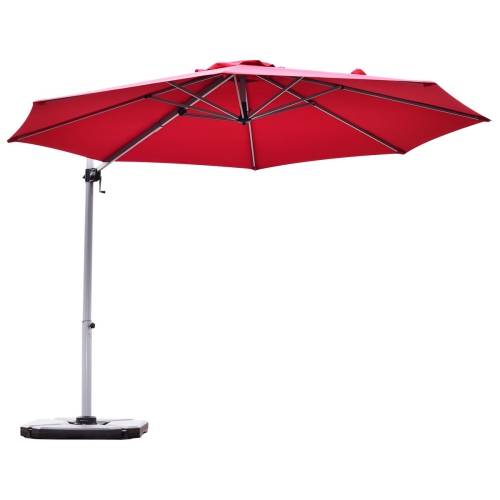
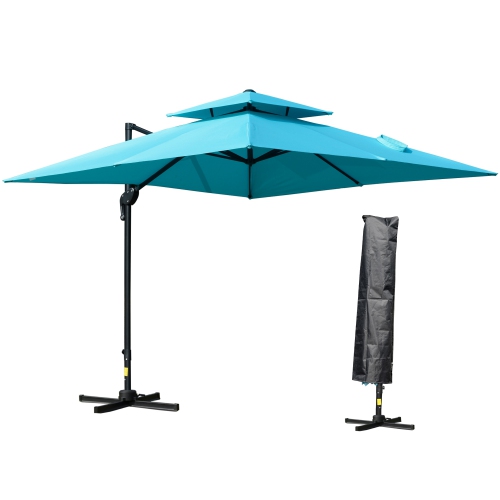
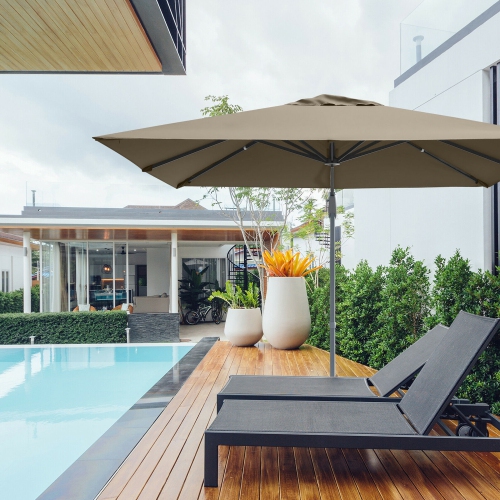
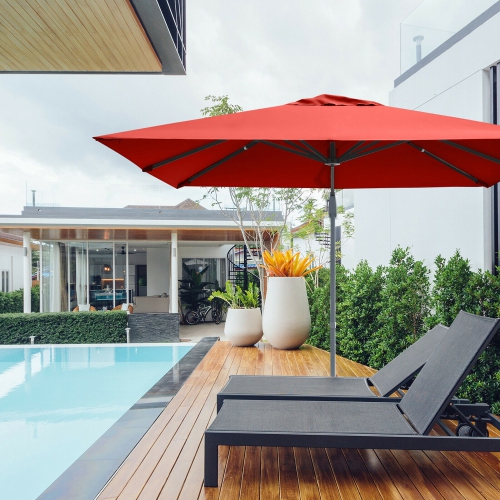
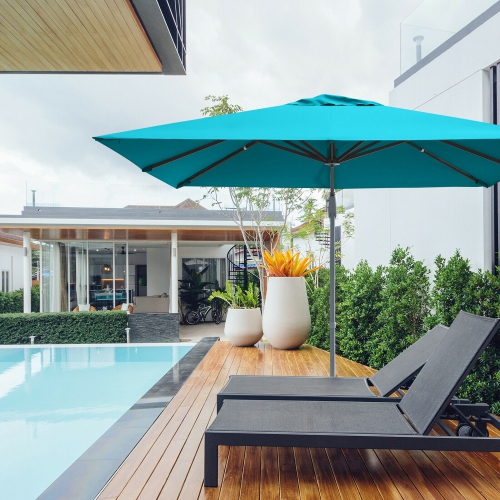
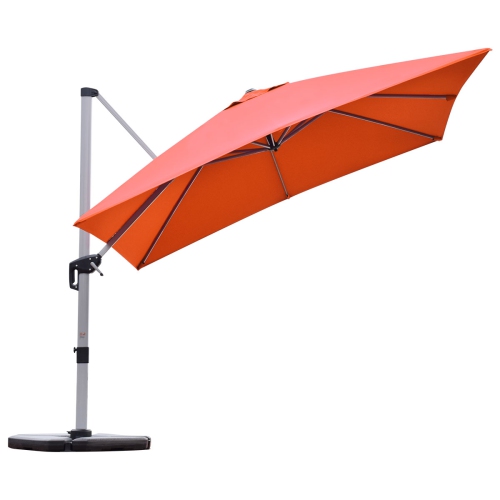
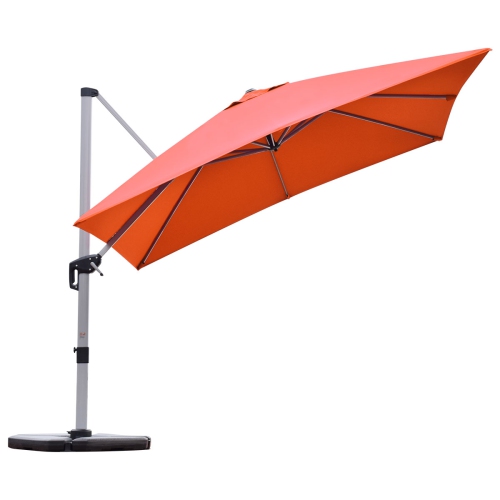
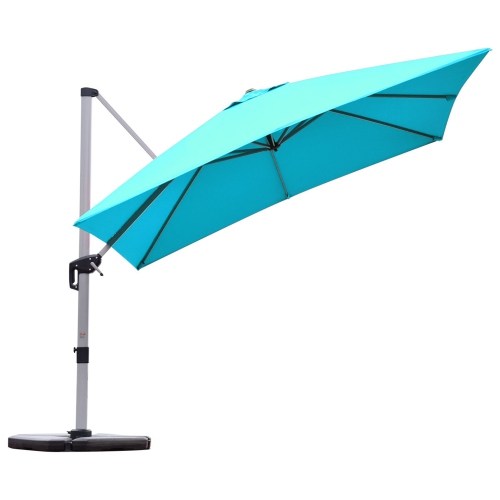
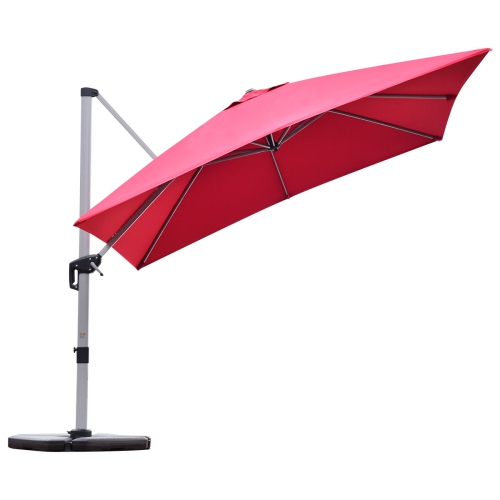
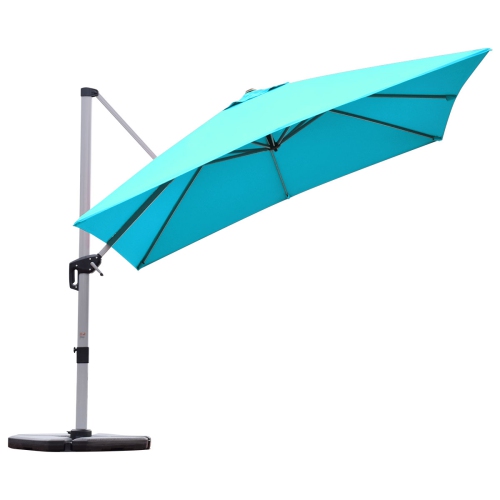
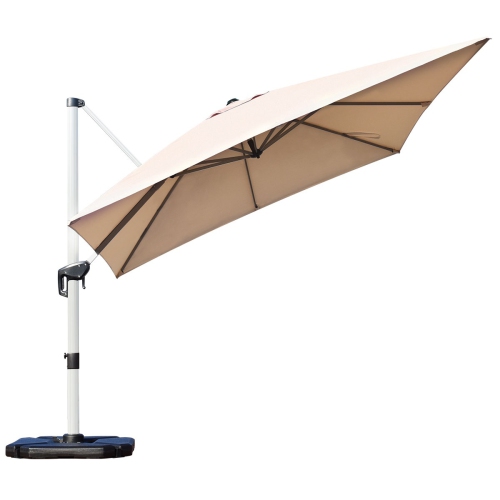
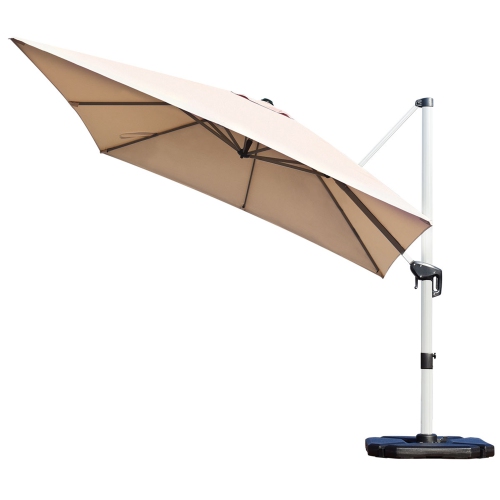
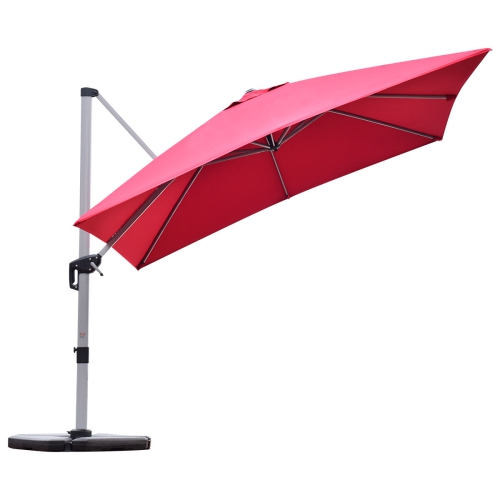

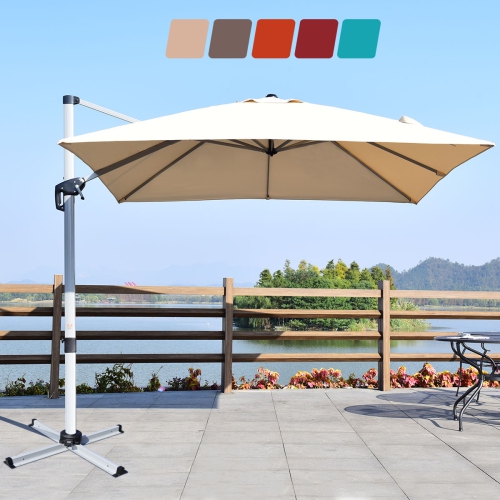
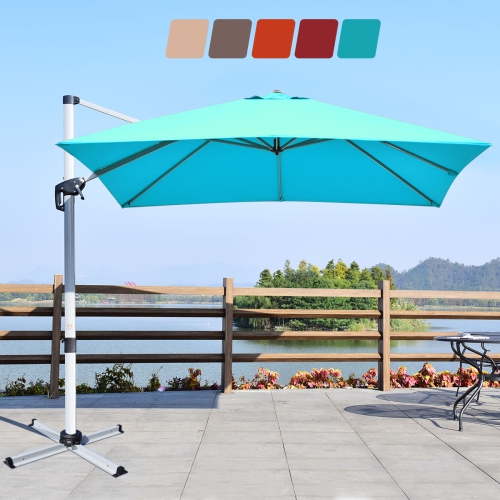
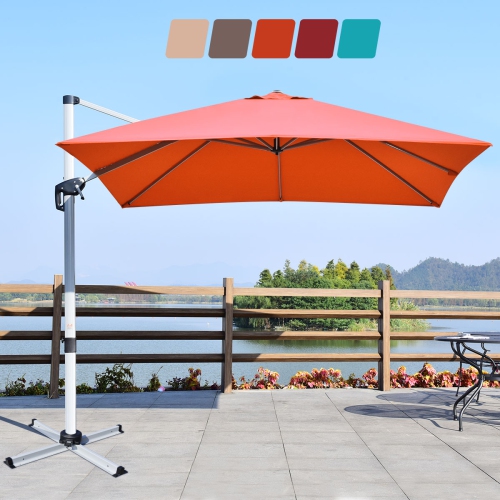
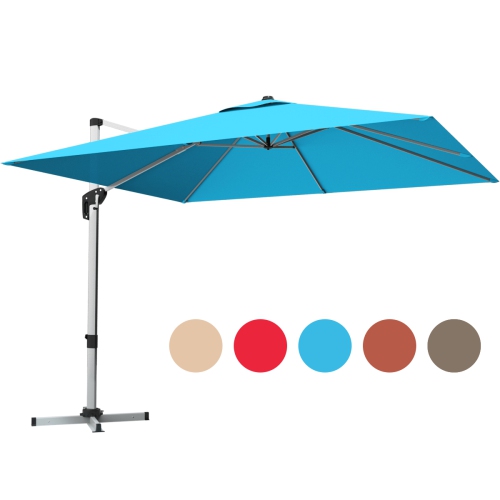
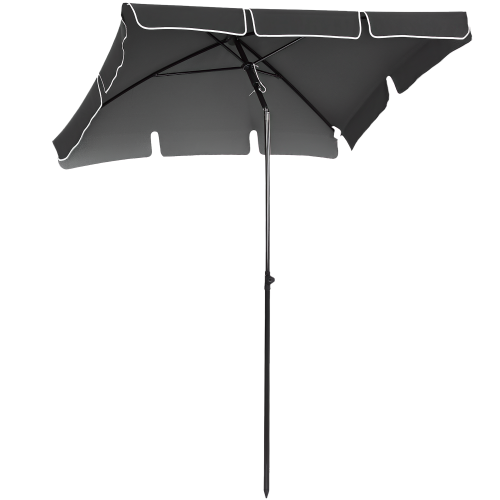
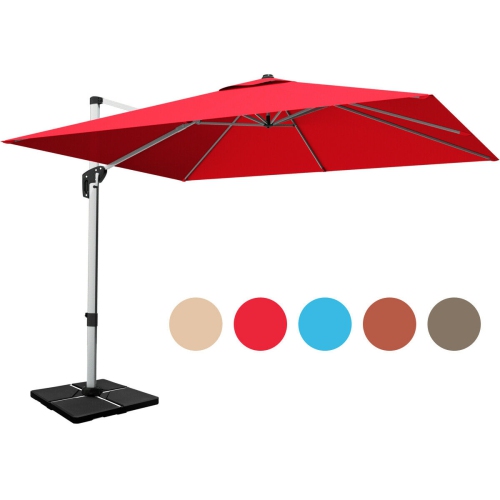
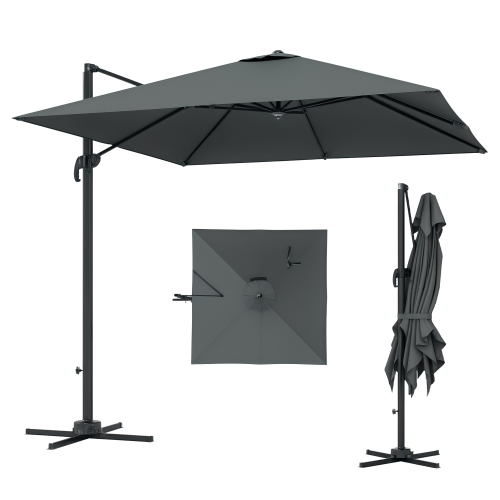
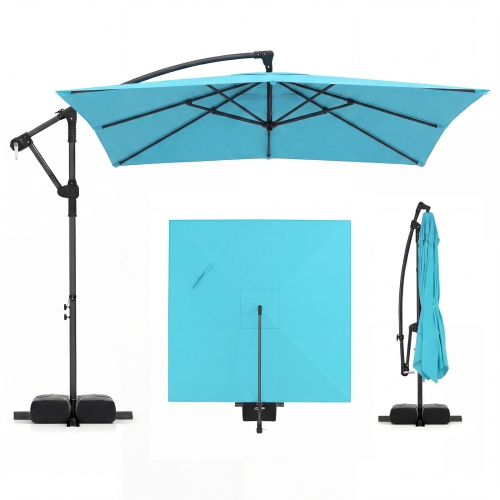
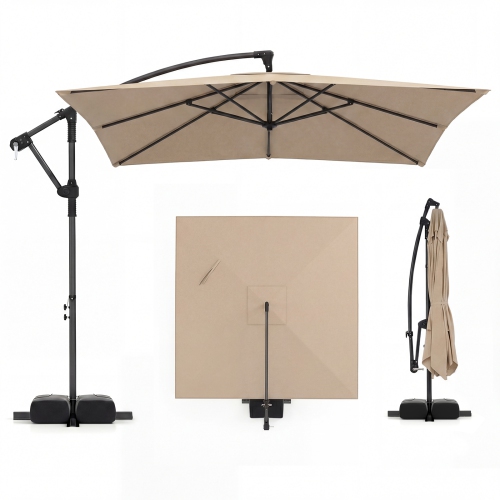
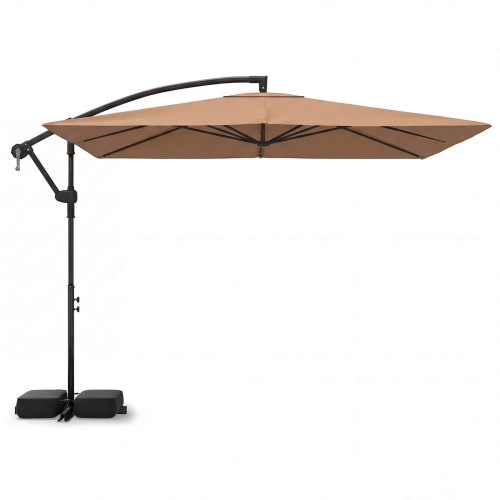
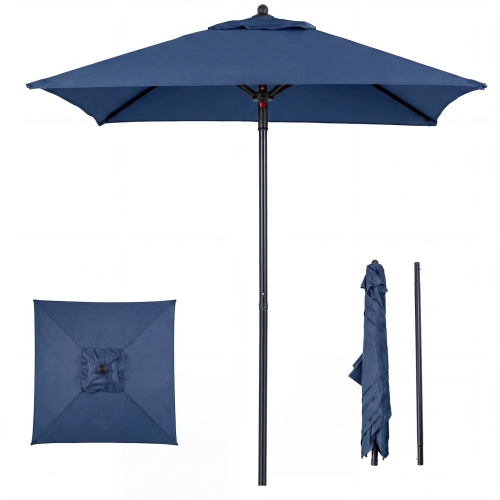
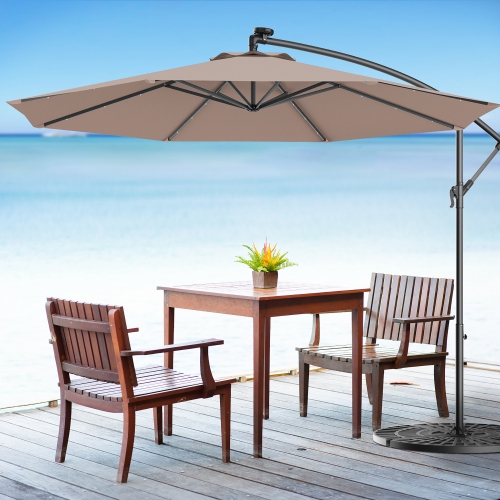
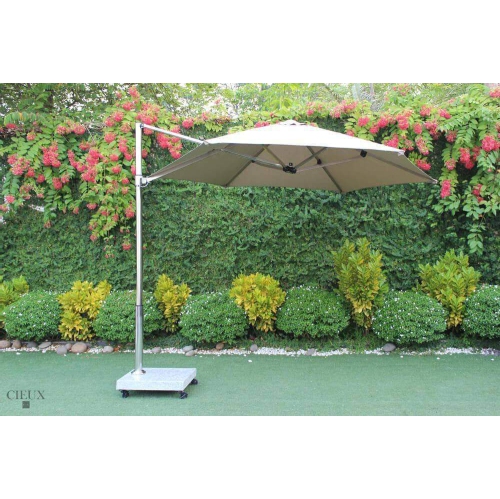
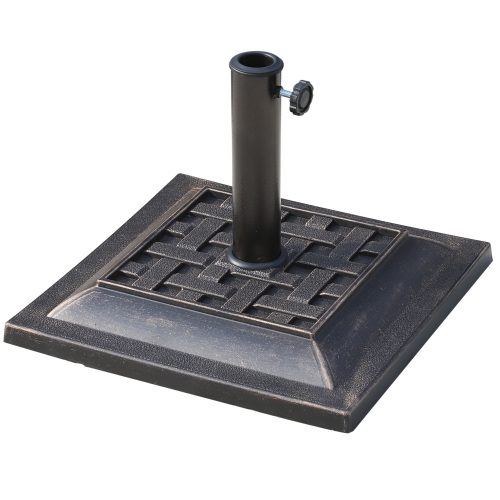
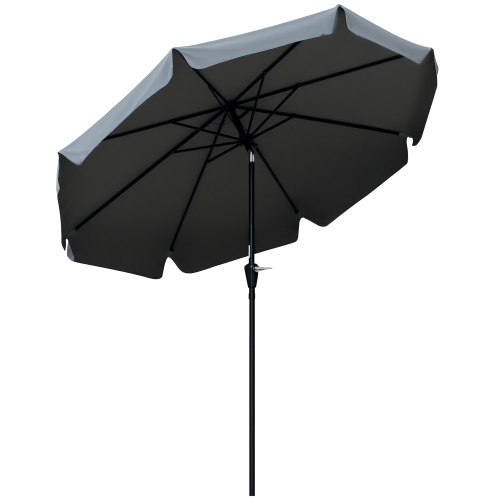
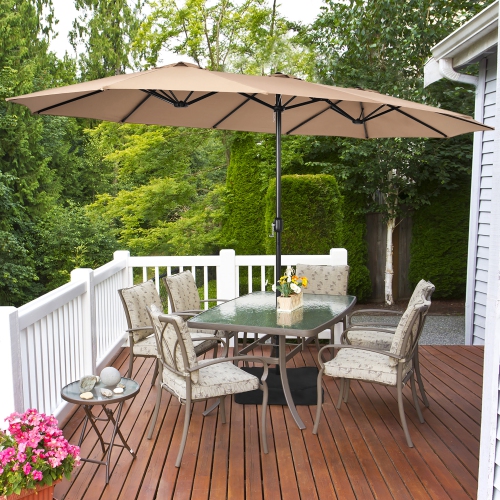
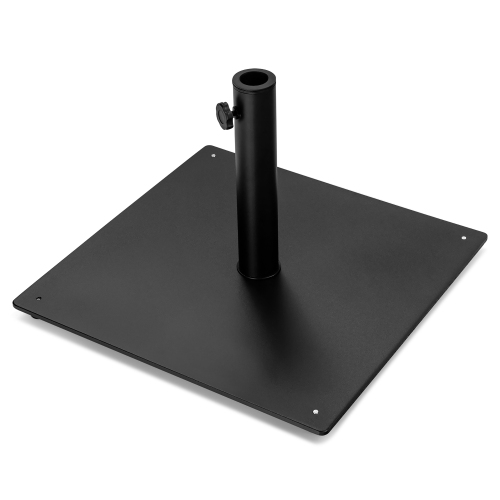
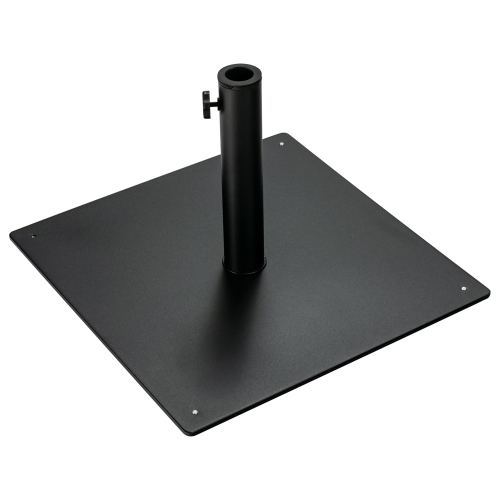
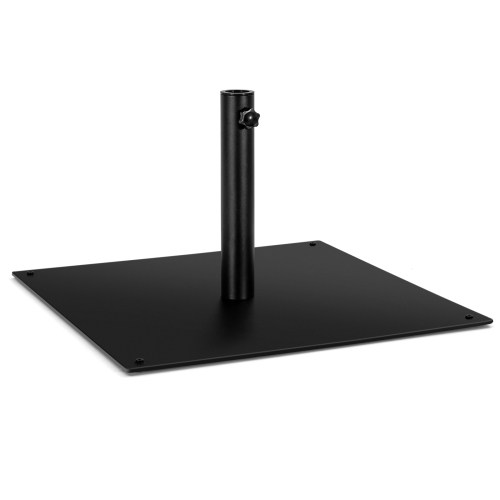
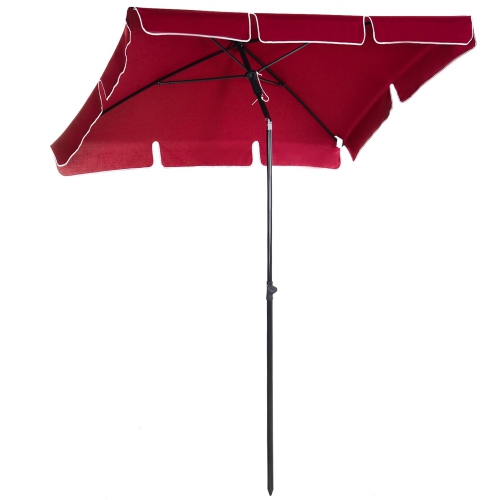
Four-sided shade that fits your outdoor seating
Square patio umbrellas bring defined lines and practical shade to outdoor dining tables, conversation sets, and poolside seating. Their four-sided canopies echo the shape of square tables, rectangular decks, and modular furniture, giving a seating area a neat, coordinated appearance. A square canopy can cover the corners of a square dining arrangement more evenly than a round canopy of the same stated width, although the actual shaded area depends on the sun’s angle, the umbrella’s height, and its position. Over a rectangular table, coverage depends on both the table’s length and the space occupied by chairs when people are seated. The two main styles are centre-pole market umbrellas and offset cantilever umbrellas. A market umbrella has a straight pole beneath the middle of the canopy and often fits through a compatible opening in an outdoor dining table. This arrangement keeps the shade centred over meals without placing a separate support beside the table, though a suitable base is still necessary. A cantilever umbrella holds its canopy from a support positioned to one side, leaving the space beneath open for a sectional, lounge chairs, or a table without an umbrella hole. That clear space can make conversation and furniture placement feel less restricted, particularly where several seats face inward. Some cantilever designs offer rotation, tilt, or adjustable canopy positions, while others have a more limited range of movement. These features can help shade follow a seating area as sunlight moves across a patio, but the adjustment range varies by design. The square shape suits everything from a compact breakfast spot to a larger gathering area, provided the canopy and support fit comfortably within the space. Neutral fabric colours can blend with stone paving and woven seating, while deeper shades create a stronger outline against pale cushions or decking. For households that use the patio for shared meals, reading, or relaxed visits, the appeal is shade that fits the furniture rather than simply filling the space above it.
Fit involves more than the dimensions printed beside a canopy. Square patio umbrella measurements may describe the width along one side or use another measurement convention, so the stated dimensions and accompanying diagrams matter when comparing coverage. The canopy needs room to open fully without brushing a wall, tree branch, railing, or roof overhang. Its corners also need clearance when tilted or rotated, especially on a narrow deck where a comfortable upright position may become cramped once the shade is angled. Around a dining table, useful coverage extends beyond the tabletop towards seated guests rather than stopping at the place settings. Beside a lounge chair, the shade may need to reach the footrest as well as the seat. Larger layouts may also benefit from comparing large patio umbrellas, with attention to both canopy dimensions and the footprint of the support. A centre-pole design requires a compatible table opening, pole diameter, and base arrangement; the table itself does not replace the support specified for the umbrella. Cantilever styles often need substantial ballast or an approved mounting system because the canopy extends away from the upright. A cross-shaped stand may require separate weights, and base requirements are specific to the umbrella’s size and construction. There is no single base weight that is suitable for every square umbrella. The base should sit on a firm, level surface without blocking chair legs or creating an obstacle along a walkway. On balconies and shared terraces, building rules and restrictions on anchoring can also affect suitability. Crank lifts can make opening a broad canopy more manageable, while push-up mechanisms may suit simpler arrangements; either needs enough clearance for comfortable operation. Handles, tilt controls, and locking points should remain accessible after the furniture is in place. For families sharing a dining area or anyone who rearranges seating for guests, these details influence everyday comfort just as much as the canopy’s shape.
Materials and construction affect how square patio umbrellas handle repeated opening, outdoor exposure, and storage between uses. Aluminum frames are relatively light and resist rust, making them practical where the umbrella needs occasional repositioning. Steel frames can provide a sturdy structure, although protective finishes need attention if they become scratched or chipped. Wood poles offer a warmer appearance alongside timber furniture and may need periodic care appropriate to their finish. Rib design, joints, fasteners, and locking mechanisms all contribute to stability; frame material alone does not establish how well an umbrella will perform. Canopies commonly use polyester or acrylic fabrics, with differences in weave, coatings, colour retention, and resistance to moisture. Solution-dyed fabrics have colour incorporated into the fibres, which can support resistance to fading, while other treatments may help water bead on the surface. Water-repellent fabric is not necessarily waterproof, and a patio umbrella should not be treated as shelter during a storm. Where sun protection is a priority, a stated UPF rating provides more useful information than fabric colour alone. Shade also moves and does not block all reflected sunlight, so other sun-protection measures remain important. Vents may help air pass through the canopy, but they do not make an umbrella safe to leave open in strong wind. Closing and securing it when unattended or when conditions exceed the manufacturer’s guidance helps protect the frame, fabric, and nearby furniture. Routine care usually involves removing loose debris, cleaning with mild soap where permitted, and allowing the canopy to dry completely before covering or storing it. Abrasive cleaners and forceful washing can damage finishes or fabric treatments. A fitted protective cover helps keep a closed umbrella clean, while dry, sheltered storage is preferable during extended periods without use, particularly where snow or ice could collect. Periodic checks of bolts, cords, ribs, and base connections help keep moving parts working properly. With a suitable footprint, compatible support, and care matched to its materials, a square patio umbrella can become a dependable part of an outdoor seating arrangement.
Fit involves more than the dimensions printed beside a canopy. Square patio umbrella measurements may describe the width along one side or use another measurement convention, so the stated dimensions and accompanying diagrams matter when comparing coverage. The canopy needs room to open fully without brushing a wall, tree branch, railing, or roof overhang. Its corners also need clearance when tilted or rotated, especially on a narrow deck where a comfortable upright position may become cramped once the shade is angled. Around a dining table, useful coverage extends beyond the tabletop towards seated guests rather than stopping at the place settings. Beside a lounge chair, the shade may need to reach the footrest as well as the seat. Larger layouts may also benefit from comparing large patio umbrellas, with attention to both canopy dimensions and the footprint of the support. A centre-pole design requires a compatible table opening, pole diameter, and base arrangement; the table itself does not replace the support specified for the umbrella. Cantilever styles often need substantial ballast or an approved mounting system because the canopy extends away from the upright. A cross-shaped stand may require separate weights, and base requirements are specific to the umbrella’s size and construction. There is no single base weight that is suitable for every square umbrella. The base should sit on a firm, level surface without blocking chair legs or creating an obstacle along a walkway. On balconies and shared terraces, building rules and restrictions on anchoring can also affect suitability. Crank lifts can make opening a broad canopy more manageable, while push-up mechanisms may suit simpler arrangements; either needs enough clearance for comfortable operation. Handles, tilt controls, and locking points should remain accessible after the furniture is in place. For families sharing a dining area or anyone who rearranges seating for guests, these details influence everyday comfort just as much as the canopy’s shape.
Materials and construction affect how square patio umbrellas handle repeated opening, outdoor exposure, and storage between uses. Aluminum frames are relatively light and resist rust, making them practical where the umbrella needs occasional repositioning. Steel frames can provide a sturdy structure, although protective finishes need attention if they become scratched or chipped. Wood poles offer a warmer appearance alongside timber furniture and may need periodic care appropriate to their finish. Rib design, joints, fasteners, and locking mechanisms all contribute to stability; frame material alone does not establish how well an umbrella will perform. Canopies commonly use polyester or acrylic fabrics, with differences in weave, coatings, colour retention, and resistance to moisture. Solution-dyed fabrics have colour incorporated into the fibres, which can support resistance to fading, while other treatments may help water bead on the surface. Water-repellent fabric is not necessarily waterproof, and a patio umbrella should not be treated as shelter during a storm. Where sun protection is a priority, a stated UPF rating provides more useful information than fabric colour alone. Shade also moves and does not block all reflected sunlight, so other sun-protection measures remain important. Vents may help air pass through the canopy, but they do not make an umbrella safe to leave open in strong wind. Closing and securing it when unattended or when conditions exceed the manufacturer’s guidance helps protect the frame, fabric, and nearby furniture. Routine care usually involves removing loose debris, cleaning with mild soap where permitted, and allowing the canopy to dry completely before covering or storing it. Abrasive cleaners and forceful washing can damage finishes or fabric treatments. A fitted protective cover helps keep a closed umbrella clean, while dry, sheltered storage is preferable during extended periods without use, particularly where snow or ice could collect. Periodic checks of bolts, cords, ribs, and base connections help keep moving parts working properly. With a suitable footprint, compatible support, and care matched to its materials, a square patio umbrella can become a dependable part of an outdoor seating arrangement.
Top selling and popular products
-
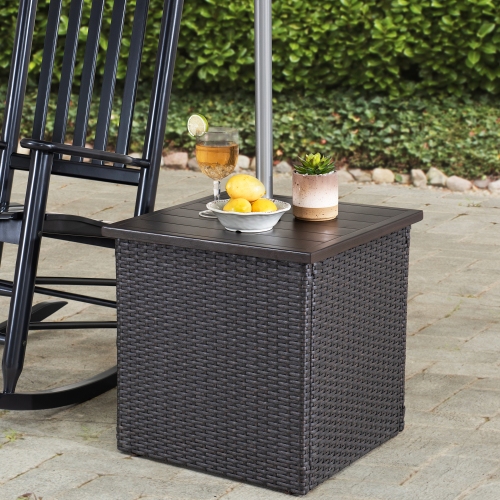 Your price for this item is $160.99
 -
 Your price for this item is $146.95
 -
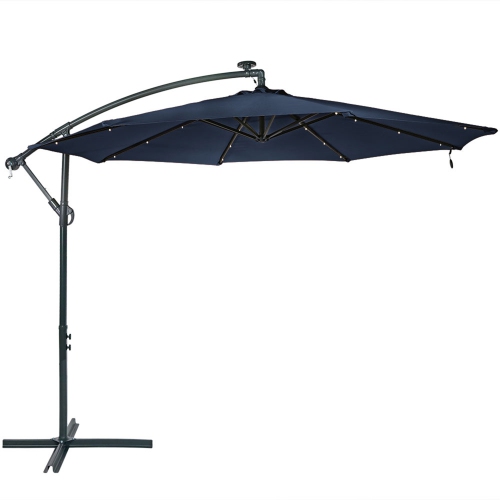 Your price for this item is $248.55
 -
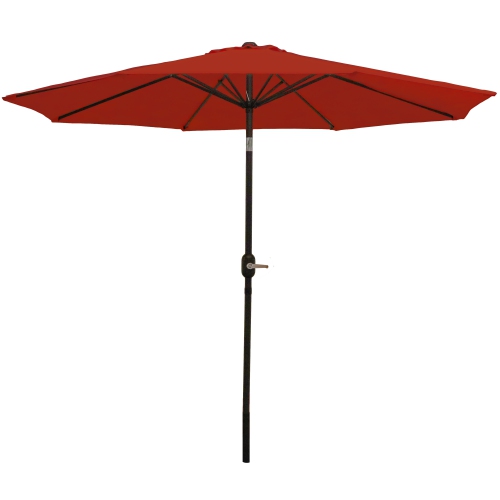 Your price for this item is $146.95
 -
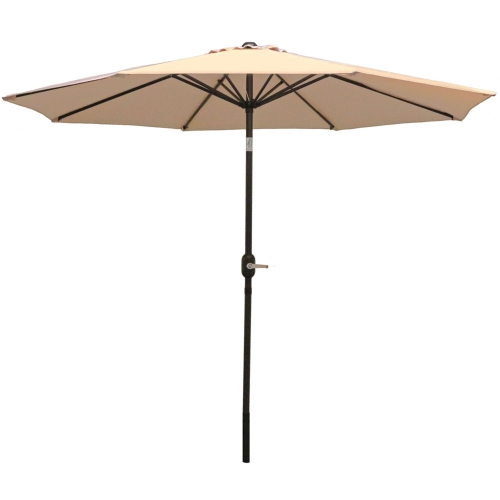 Your price for this item is $146.95
 -
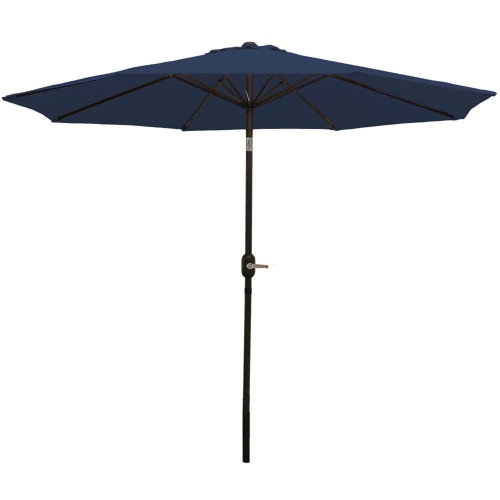 Your price for this item is $146.95
 -
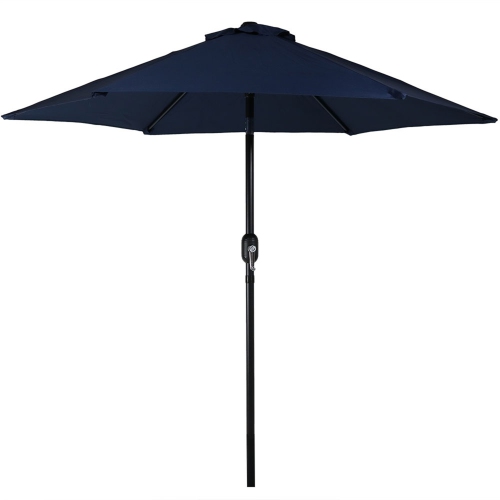 Your price for this item is $146.95
 -
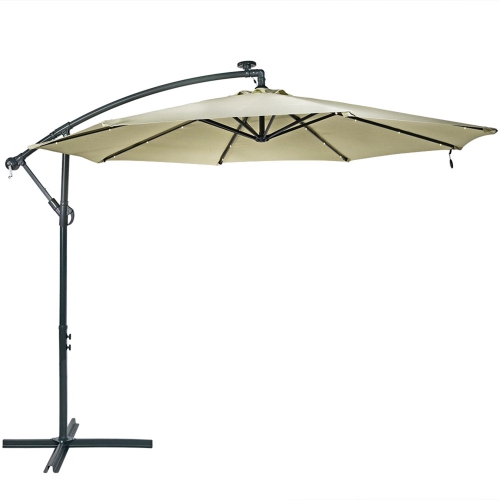 Your price for this item is $248.55
Discover more categories related to Square Patio Umbrellas
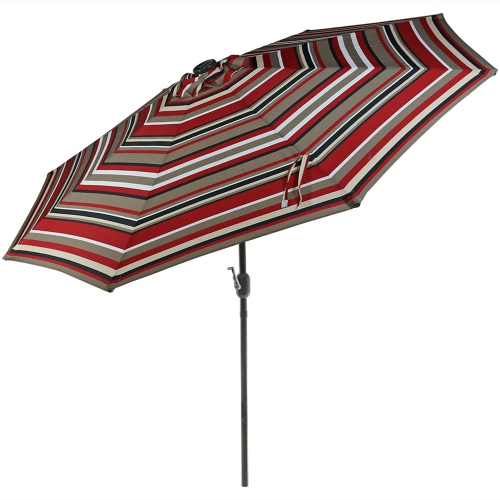

Top Collections:
Pokemon Centers, Kindle Devices, Best Budget Office Chairs, Apple iPhones 16, Canon G7X Cameras, iPhone 15 Apple, Alarm Clock, Refurbished Apple Laptops, Flip Phones, Best Laptops for Writers
Some products may be subject to Environmental Handling Fees
(EHF) depending on your province.
Learn more about EHFs.