Square Wood Patio Tables
Create a stylish and inviting outdoor space with our square wood patio tables. Whether you're lounging by the poolside or entertaining friends and family, these patio tables are the ideal addition to create a functional and stylish outdoor living area. Here are some great options for you.
Sort
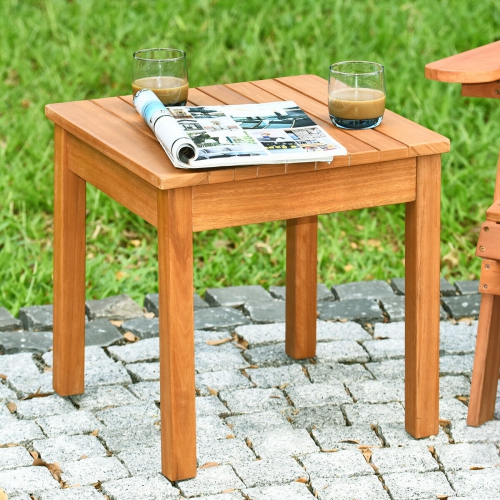
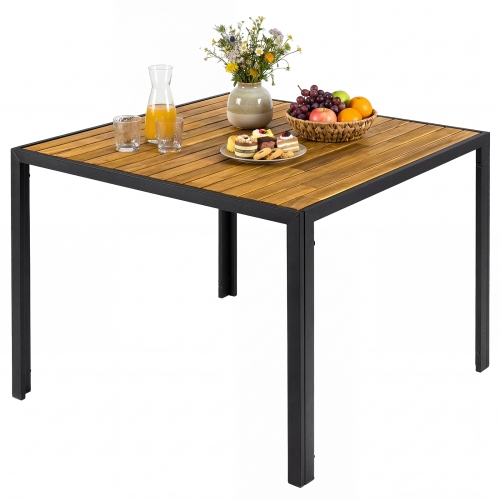
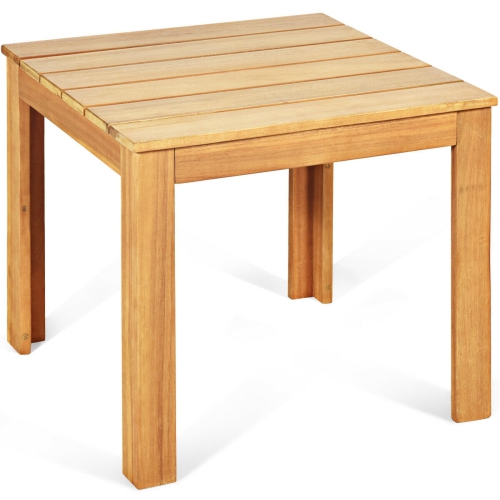
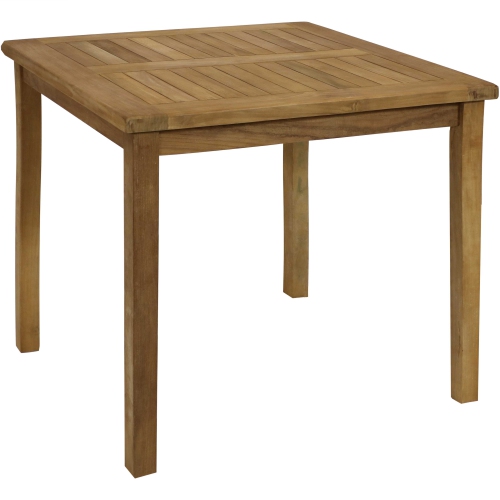
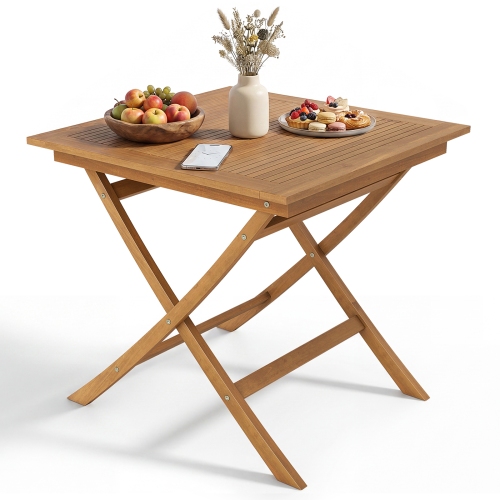
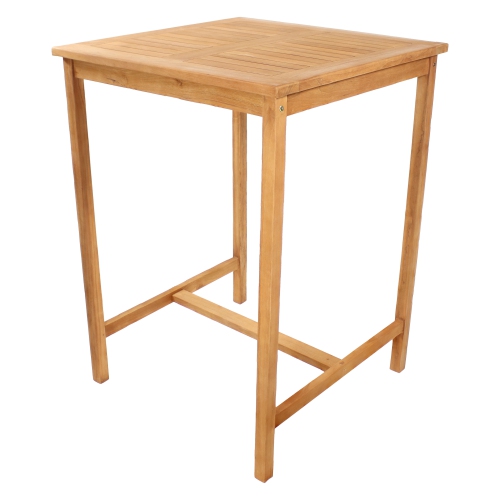
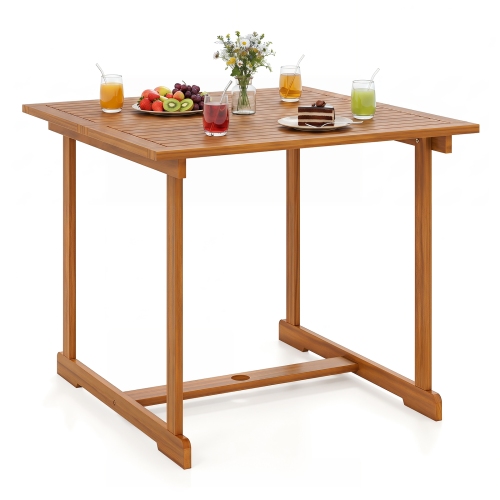
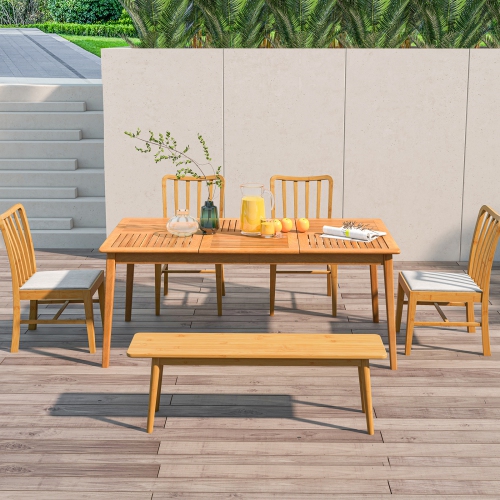
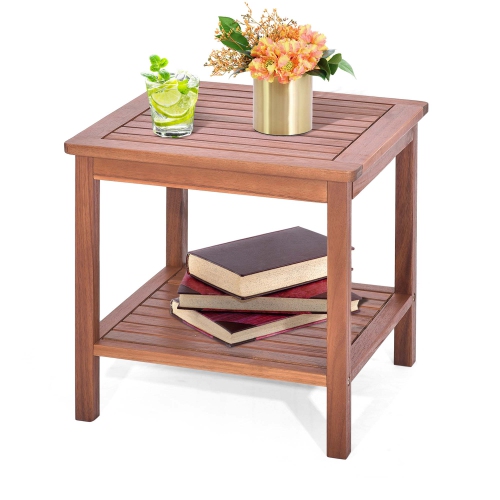
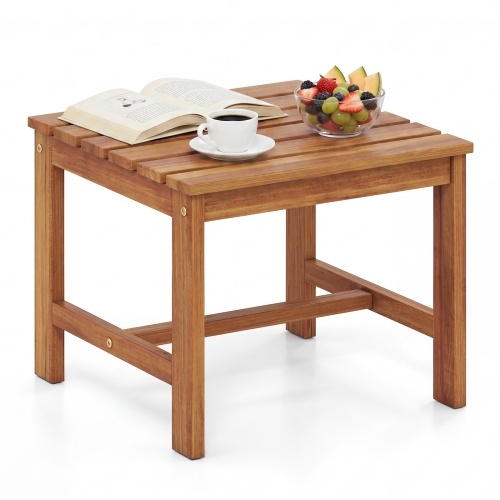
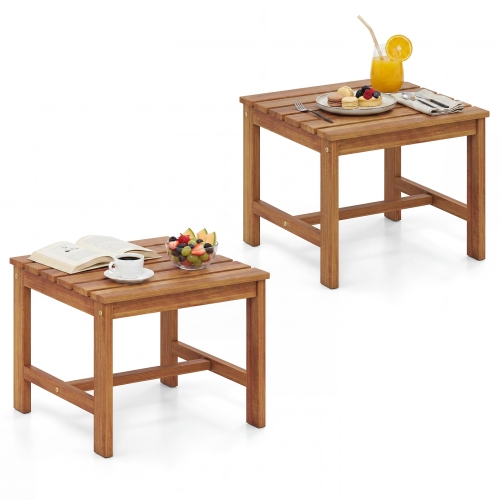

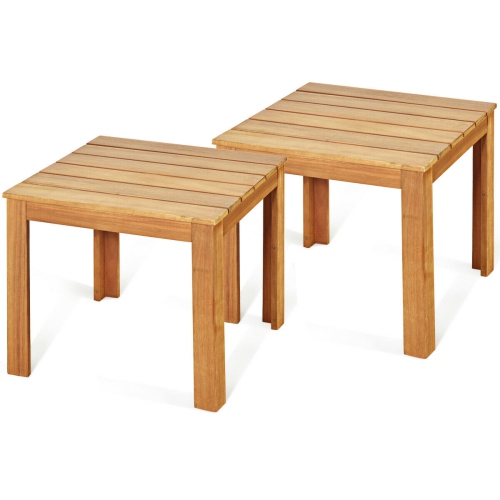

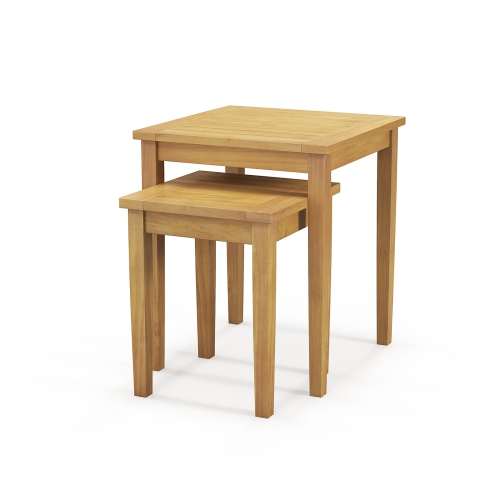
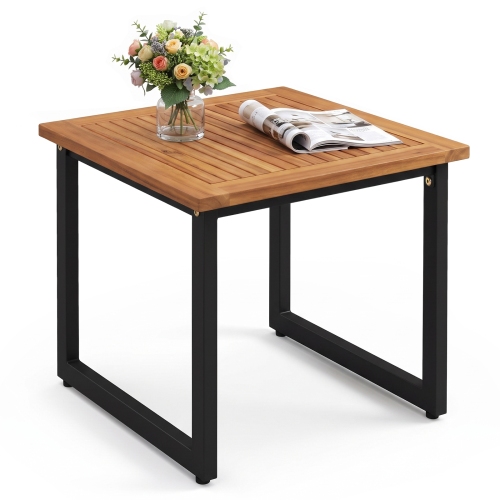
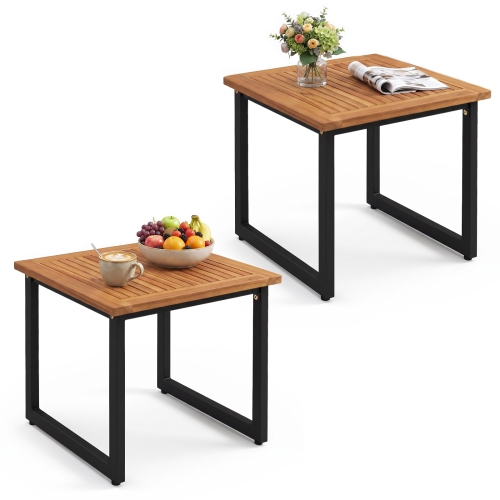
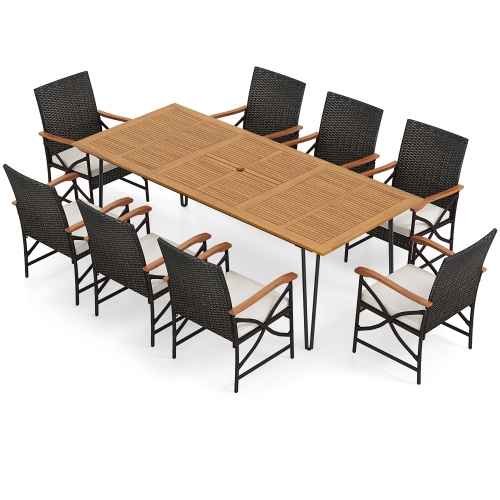
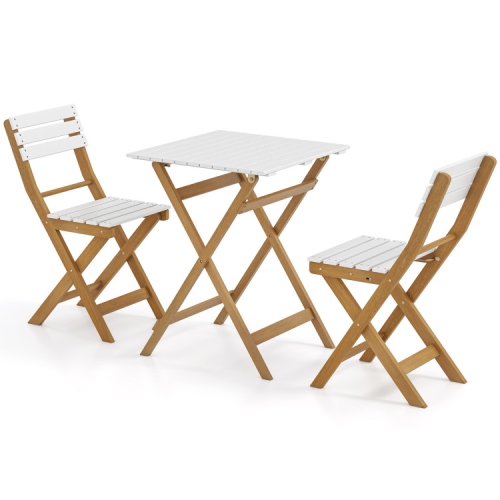
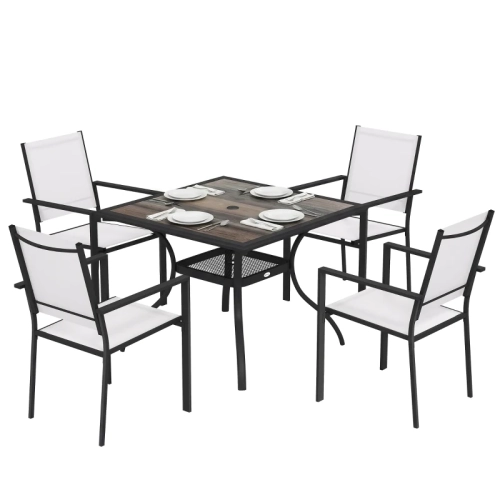
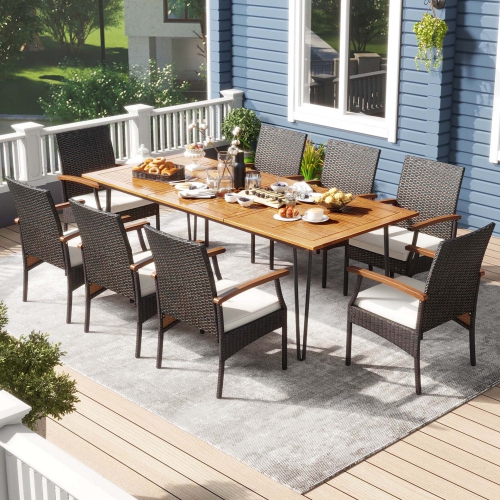
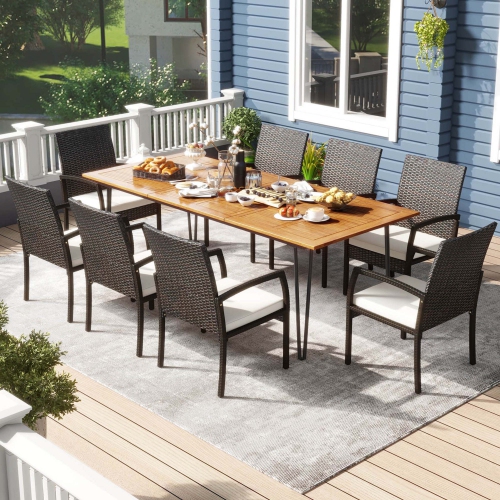
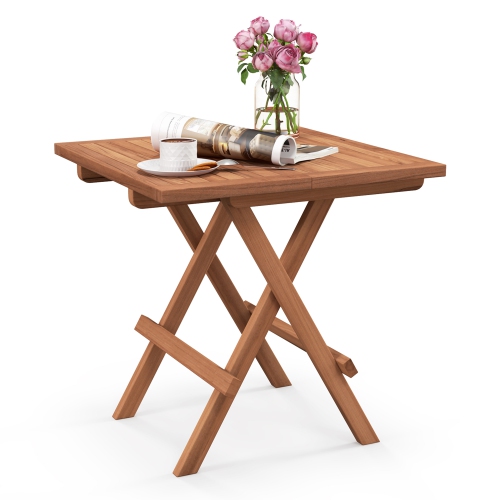
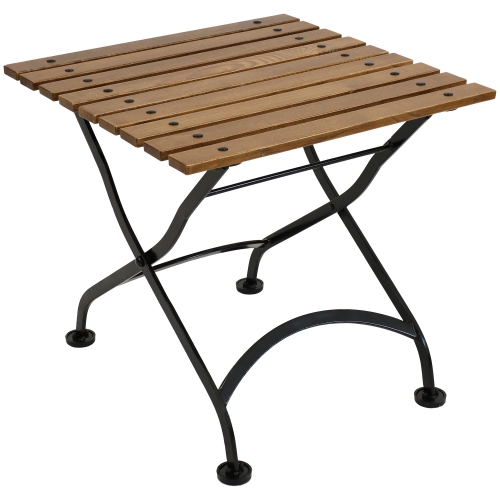
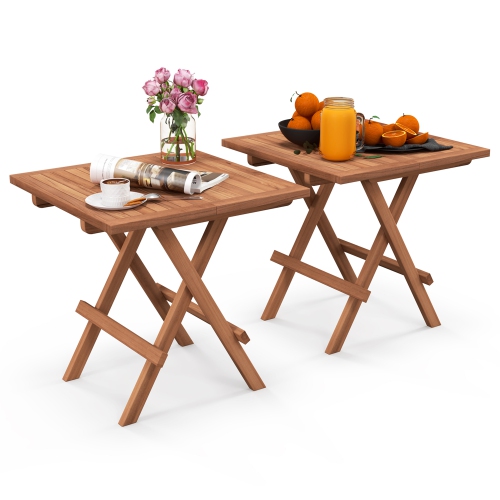
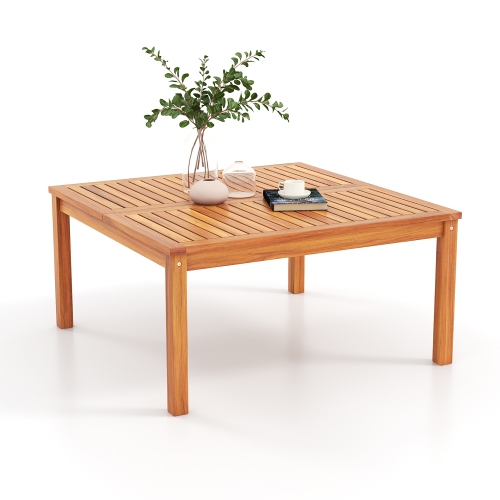
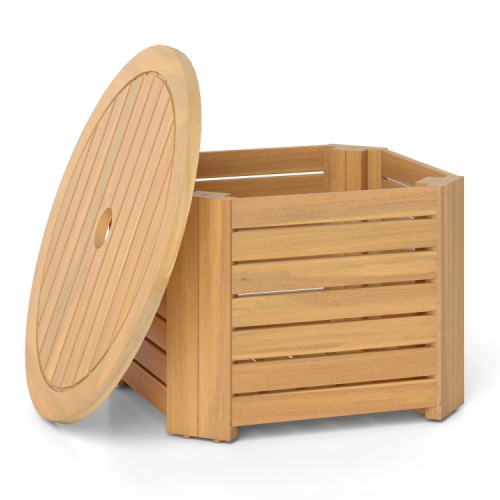

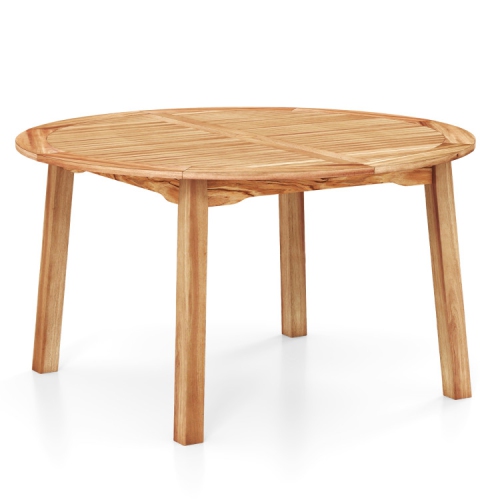
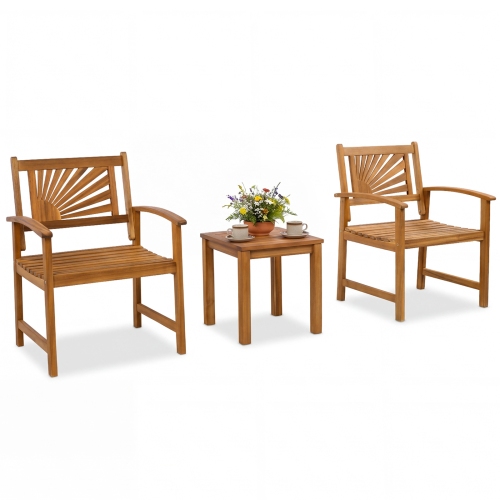
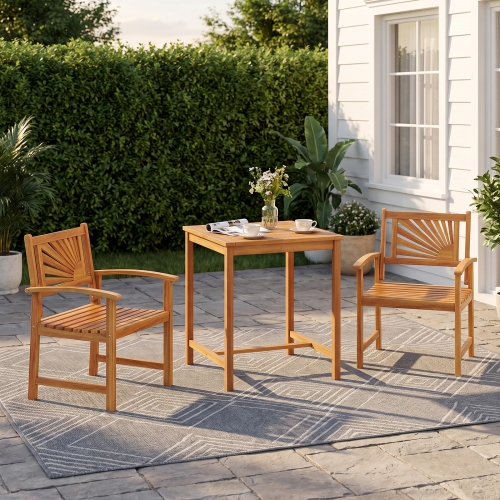
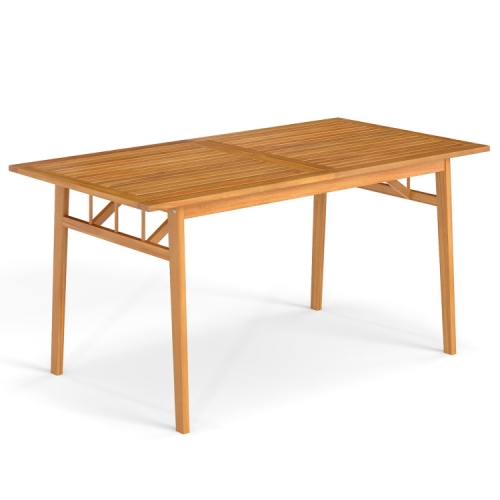
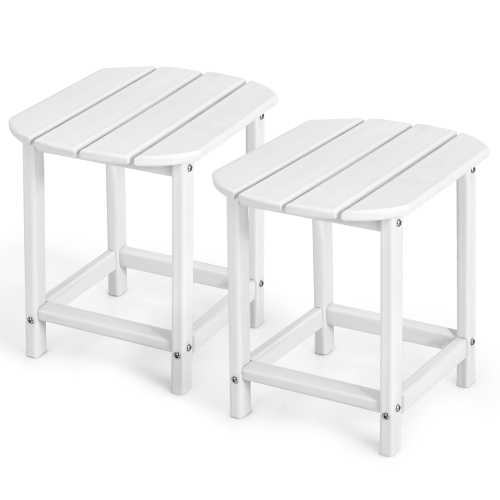
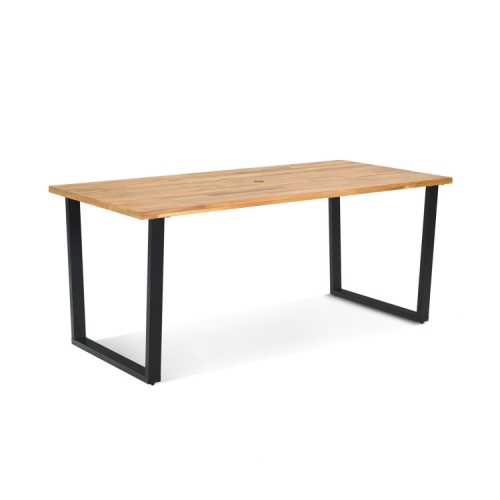
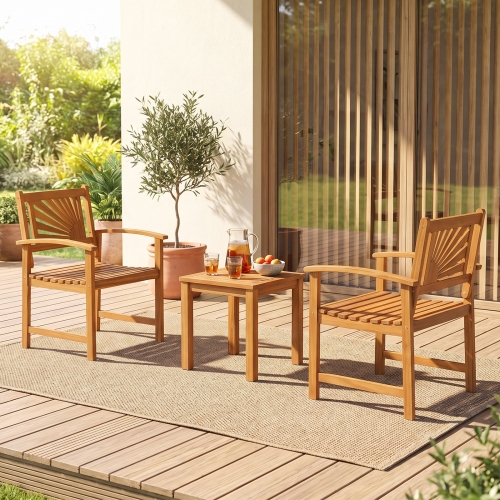
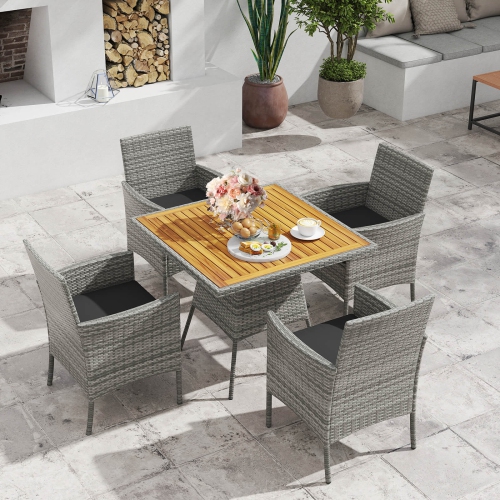
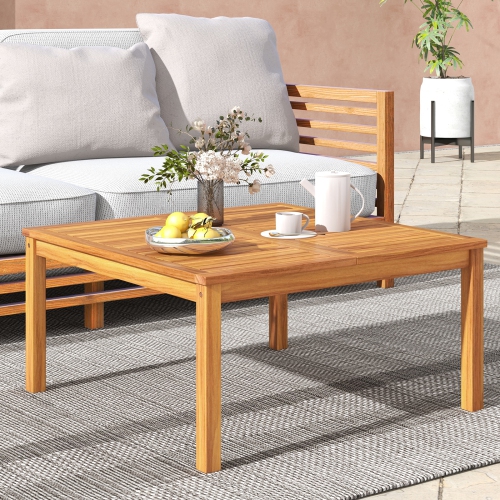
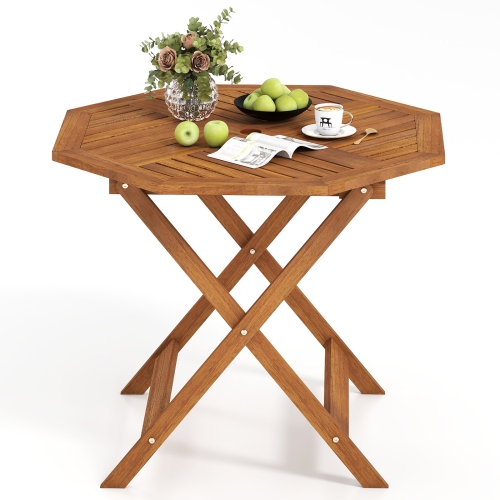
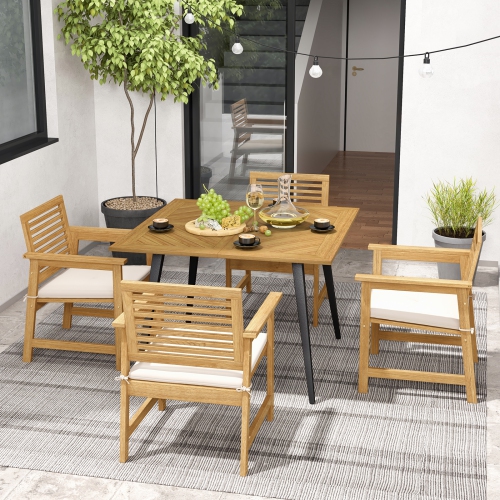
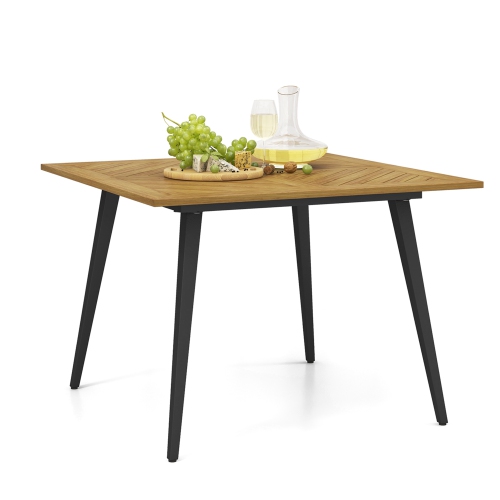
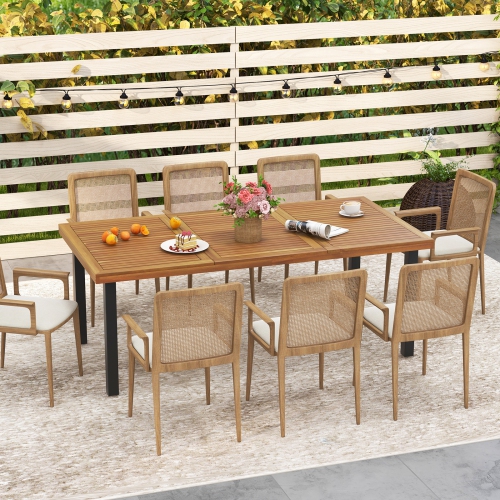
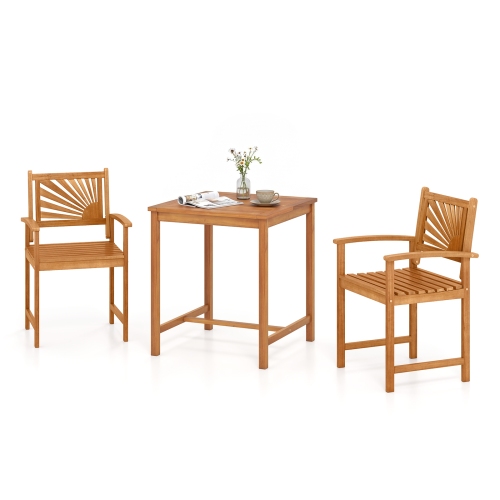
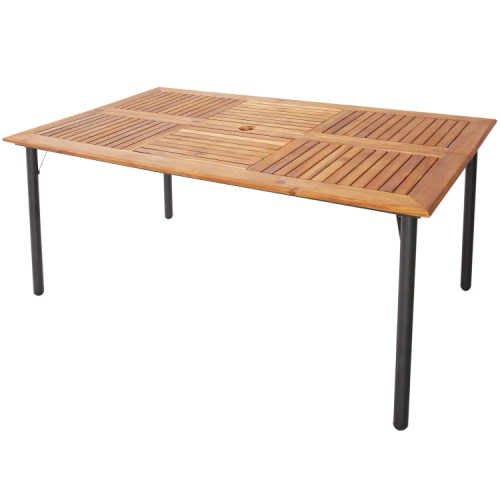


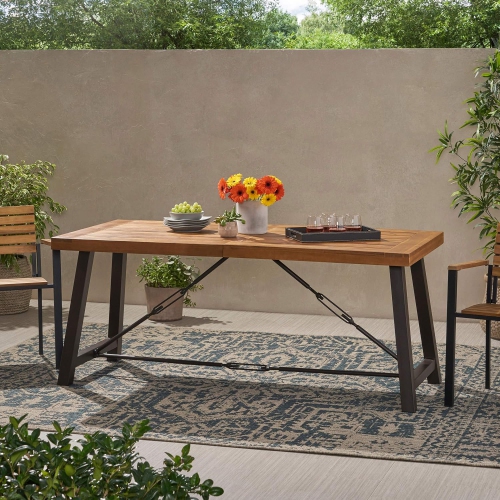
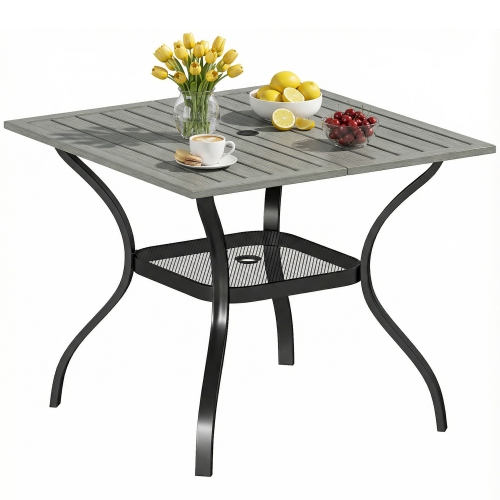
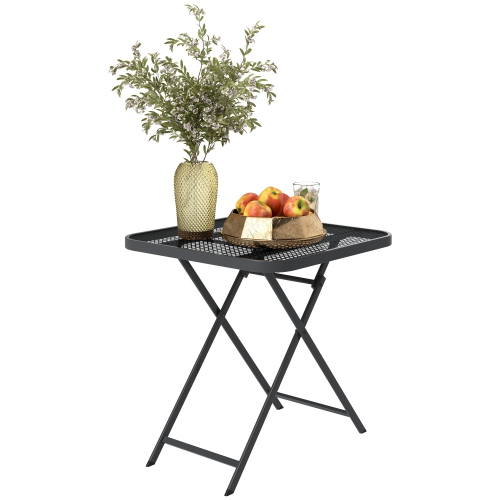
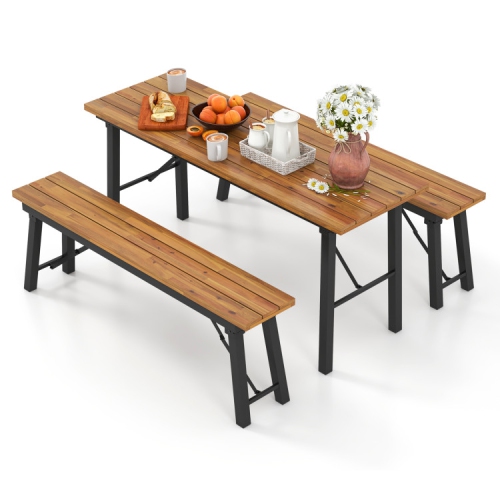
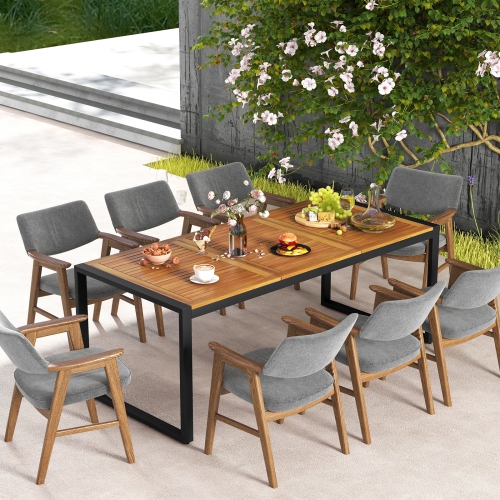
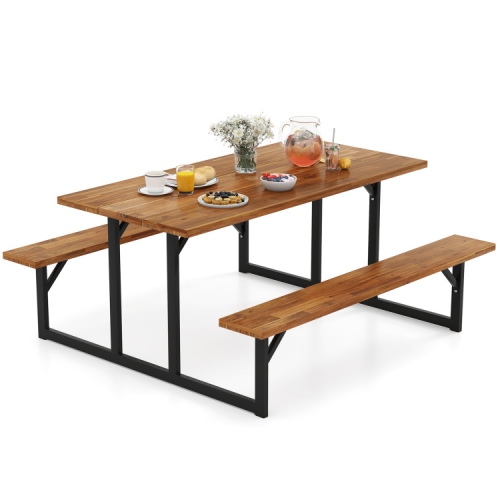
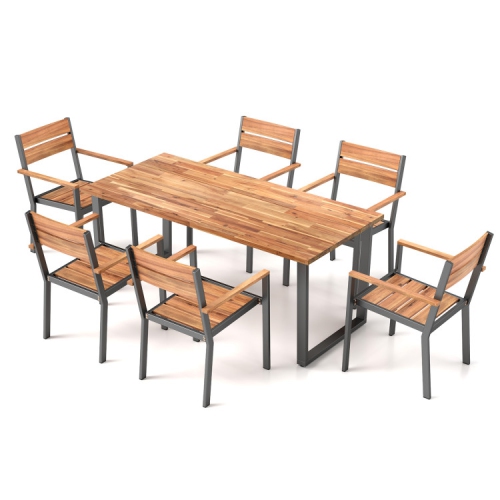
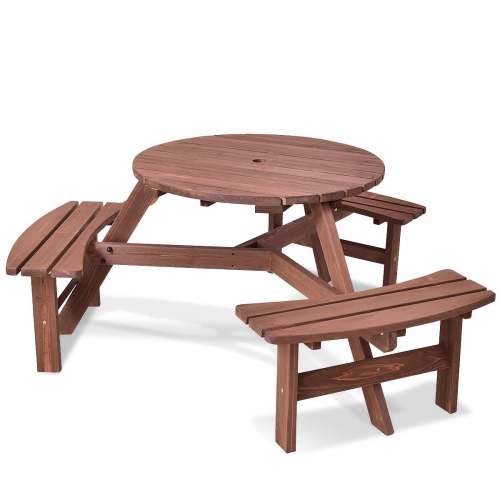
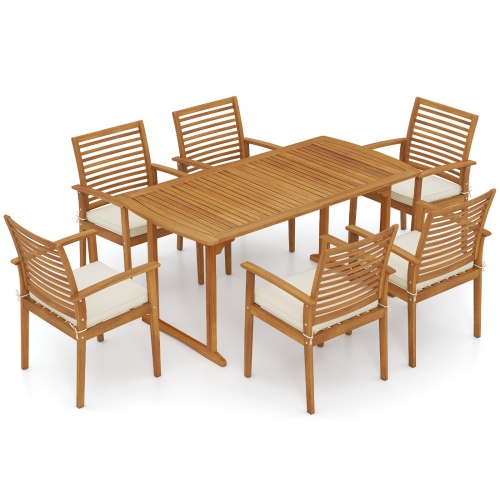
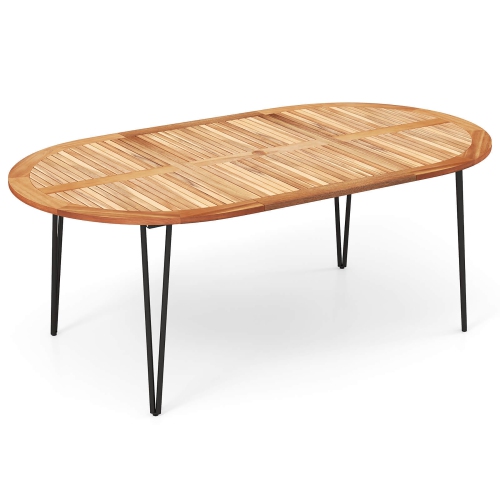
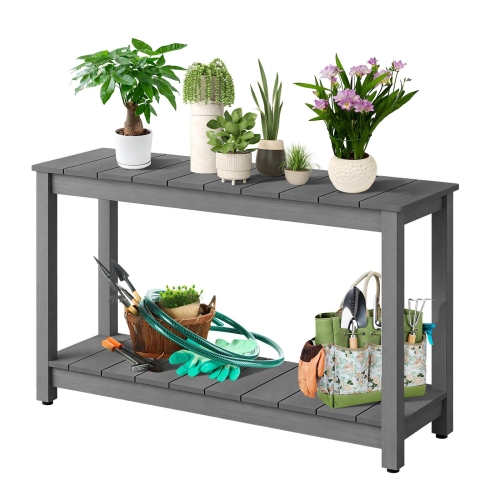
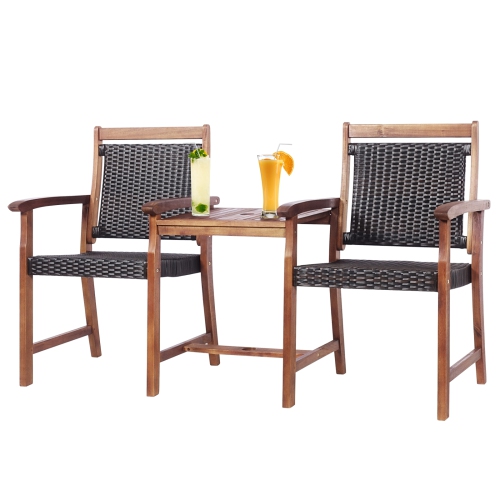
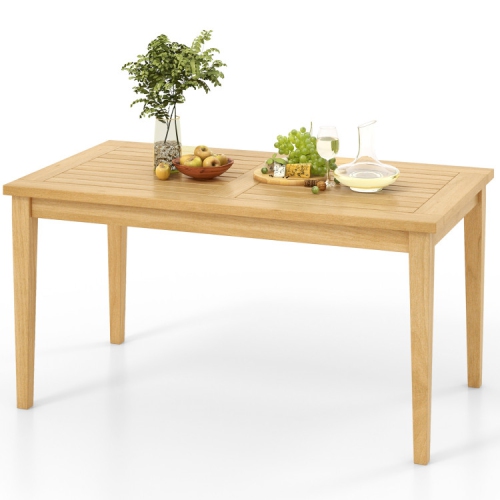


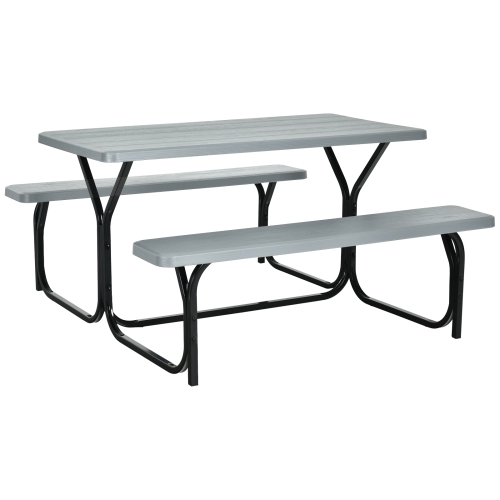
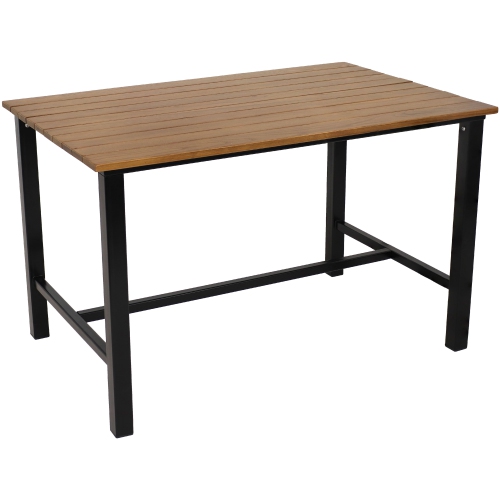
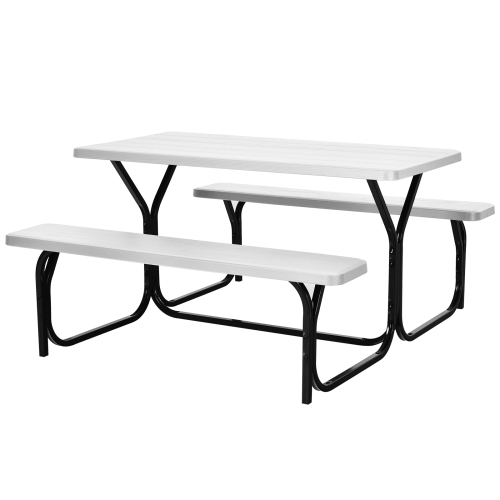

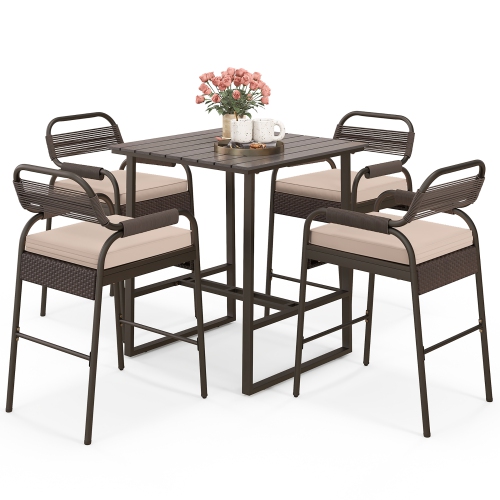
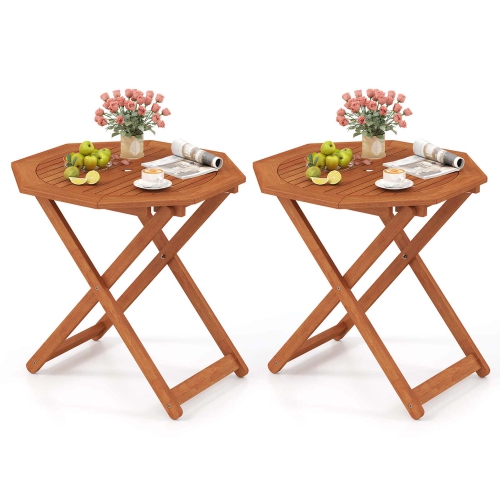
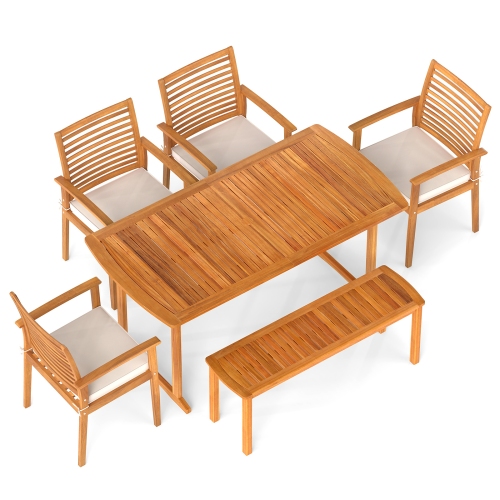
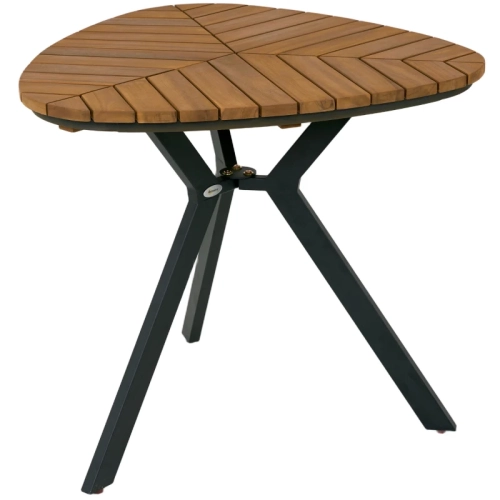
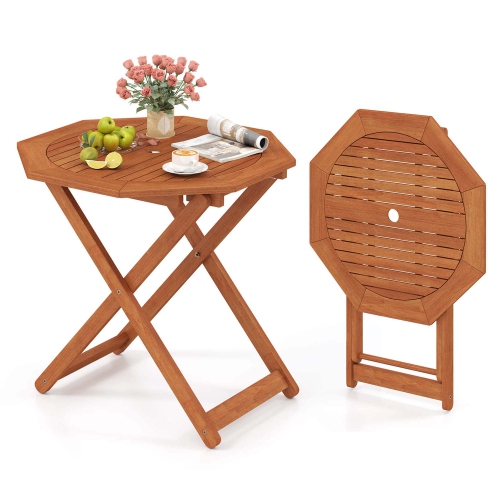
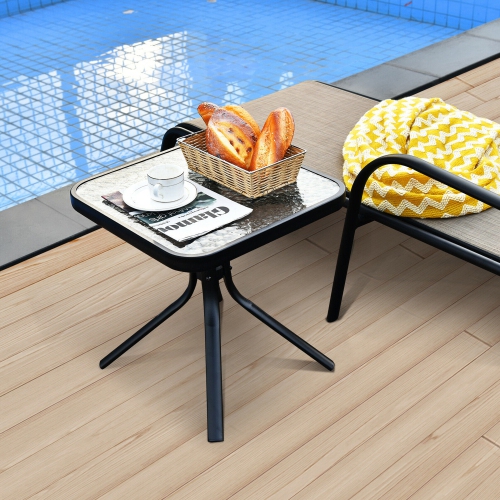
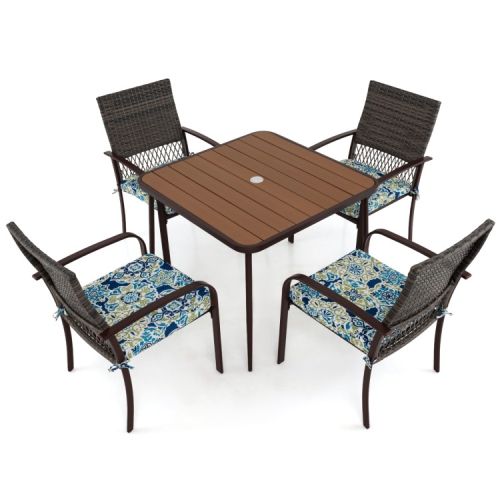
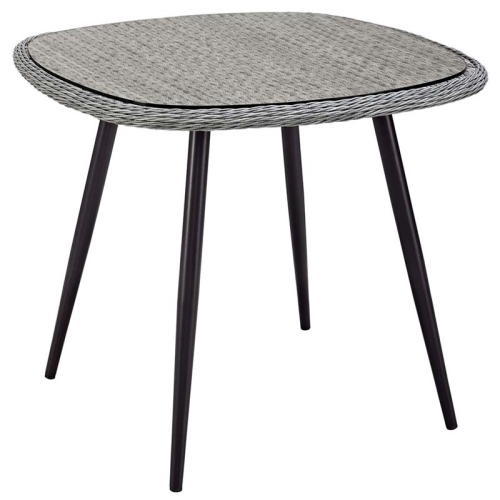
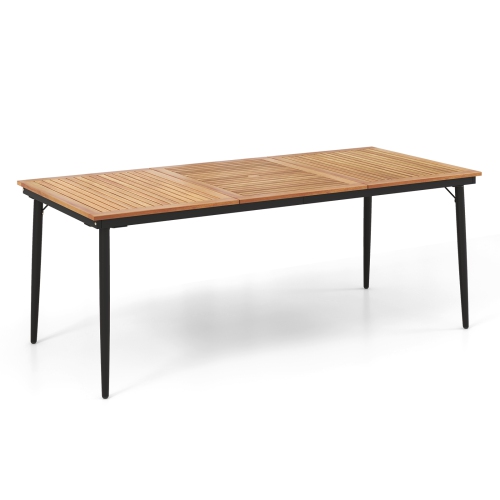
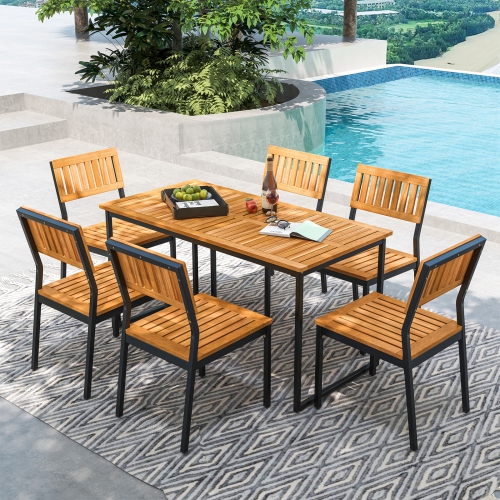
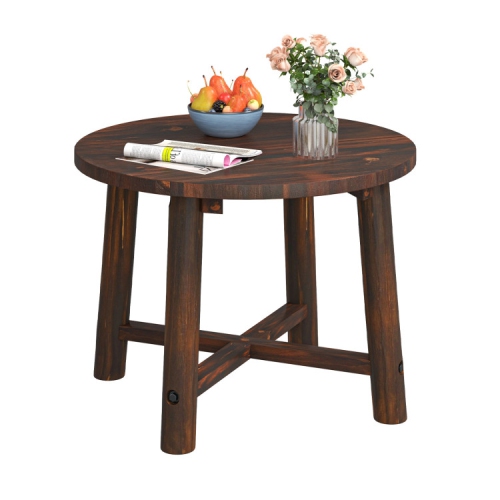
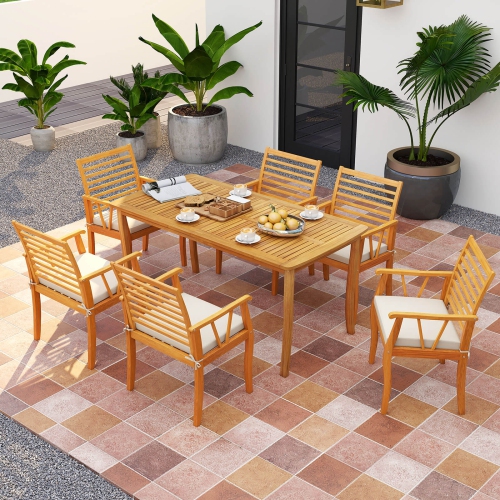


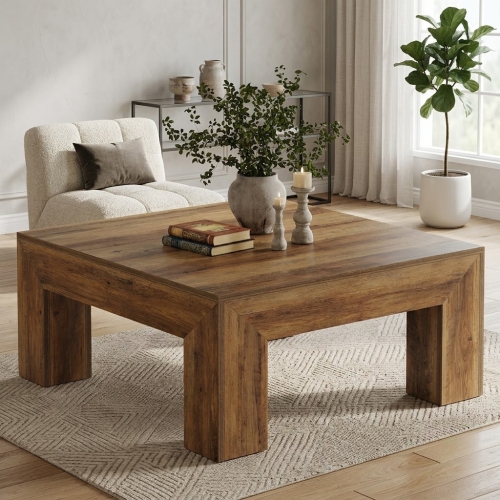
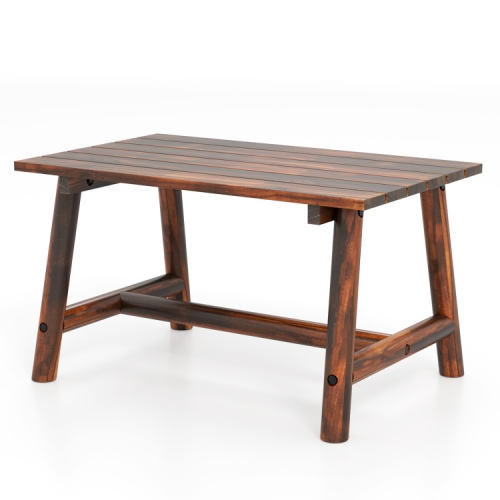
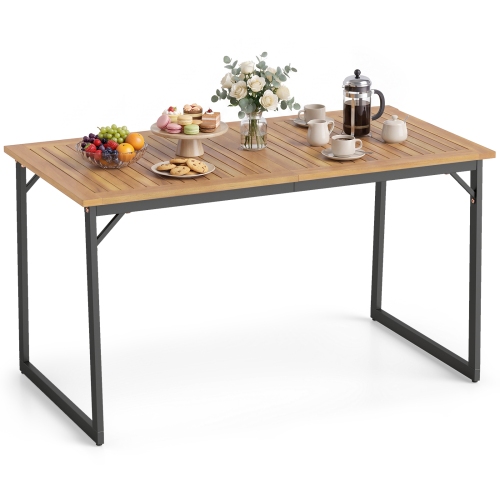
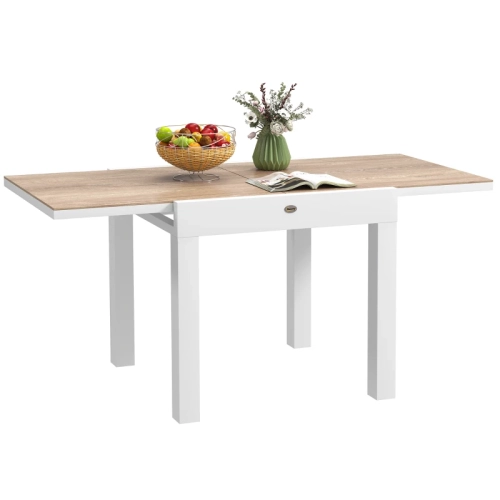
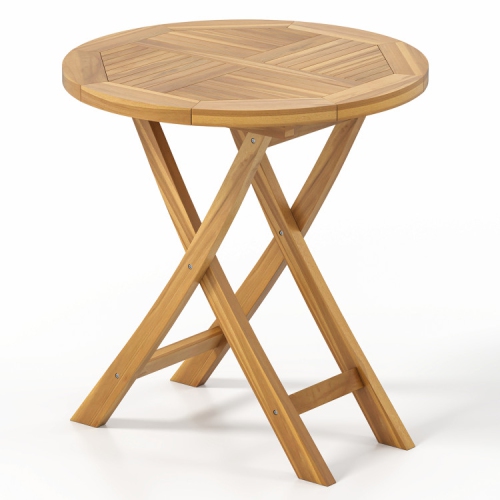
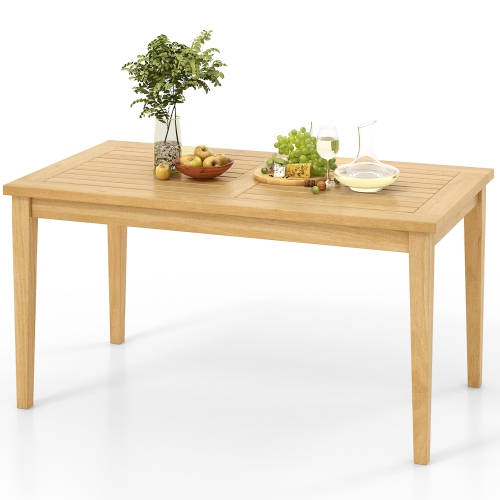
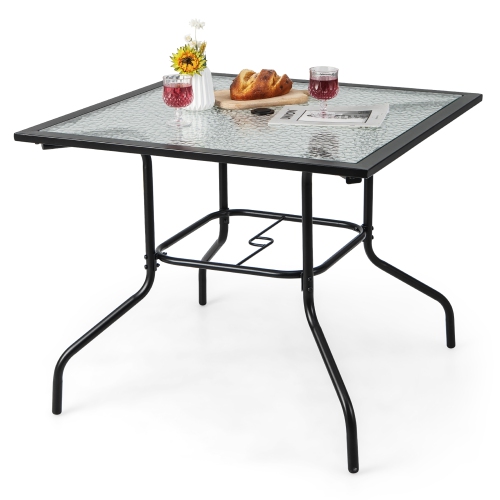
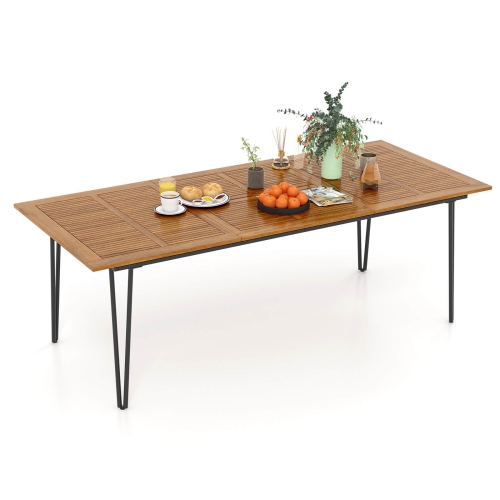

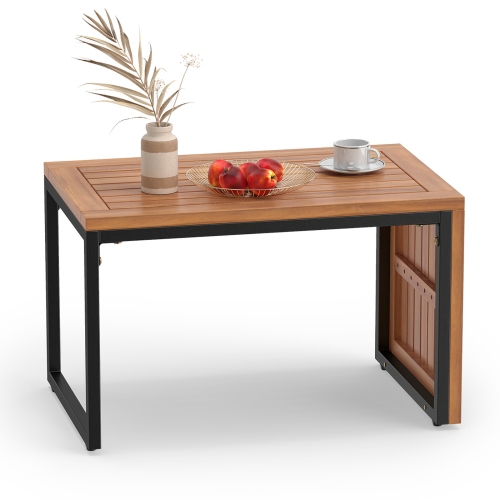
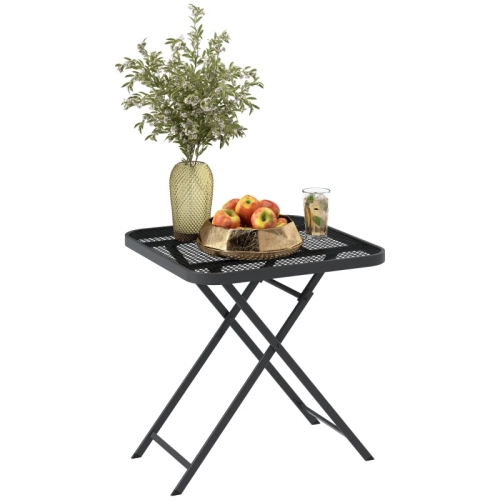
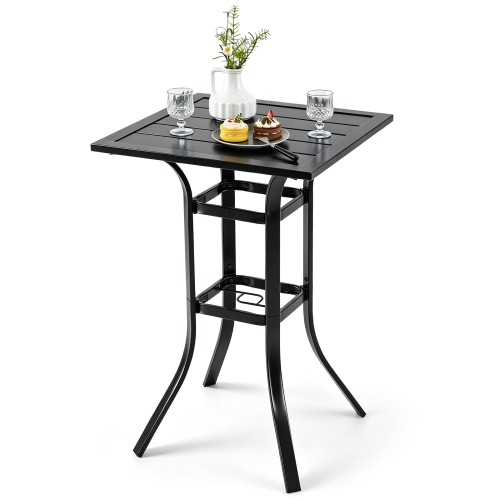

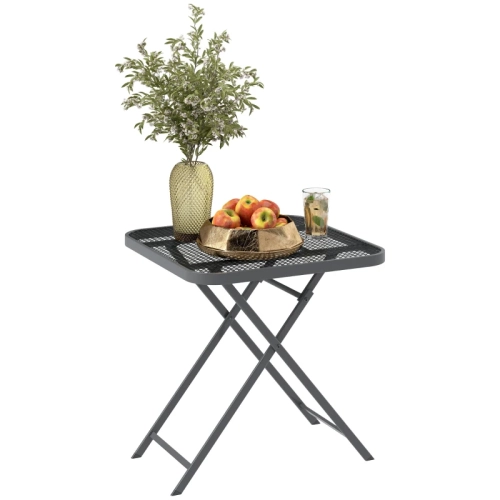
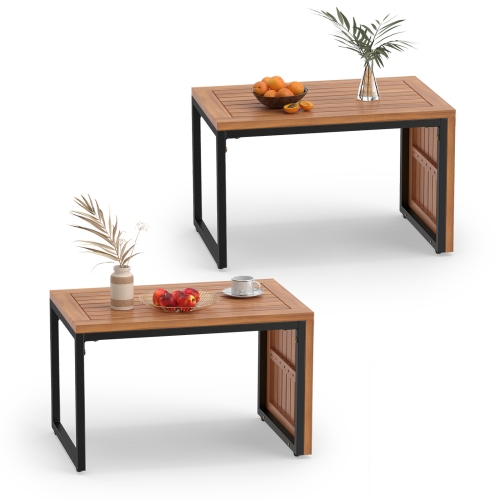
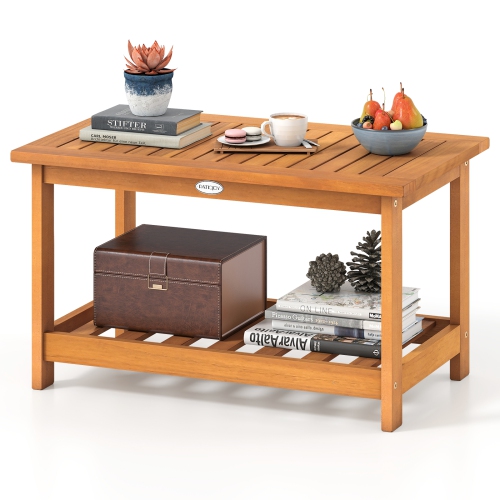
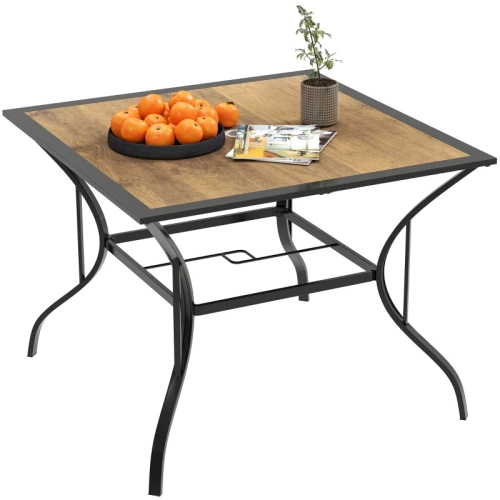
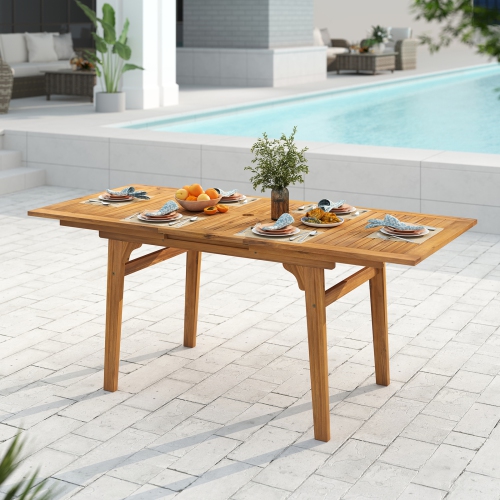
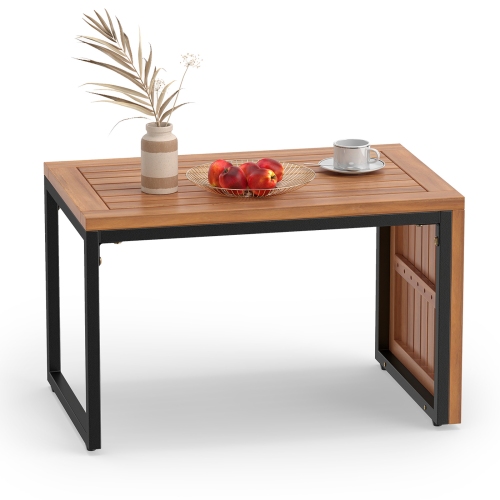
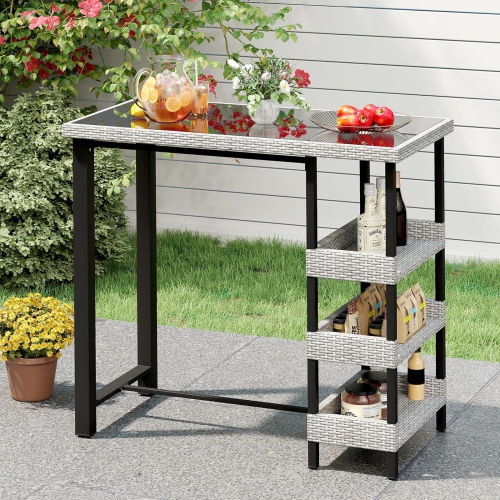
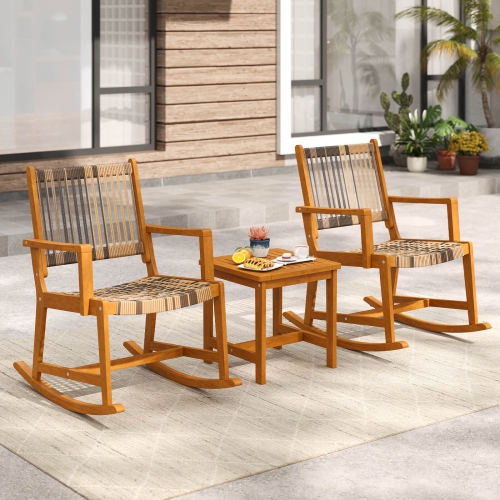
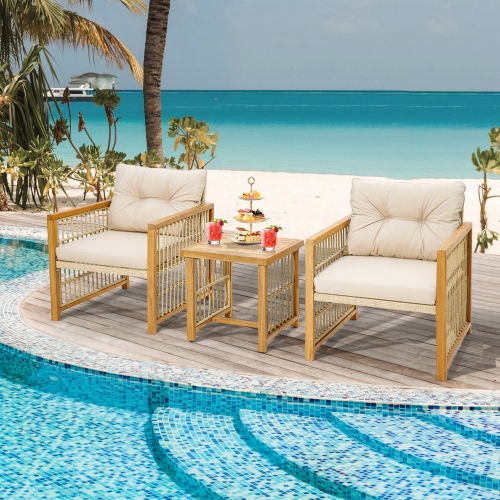
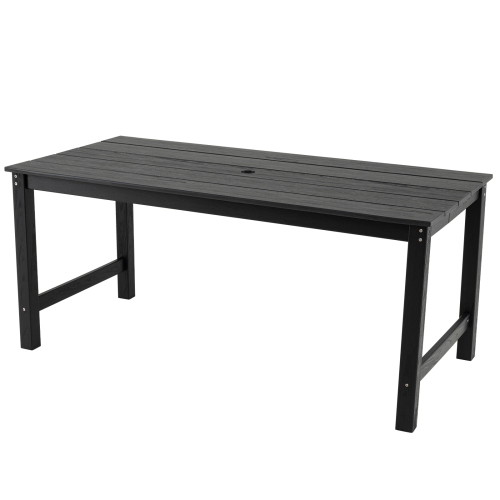
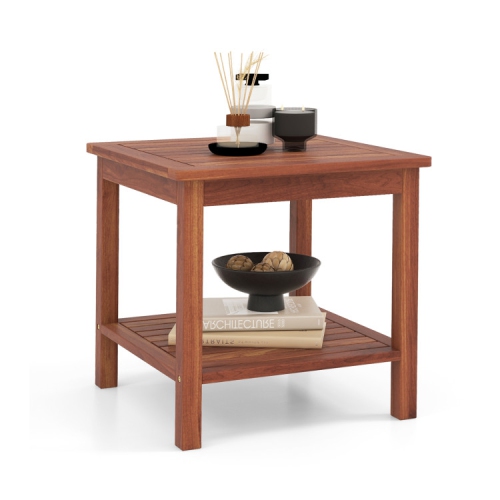
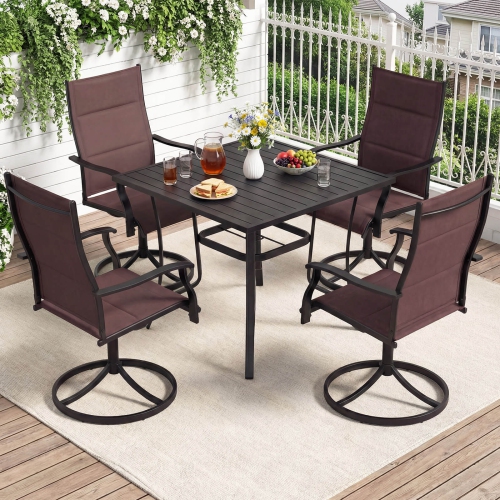
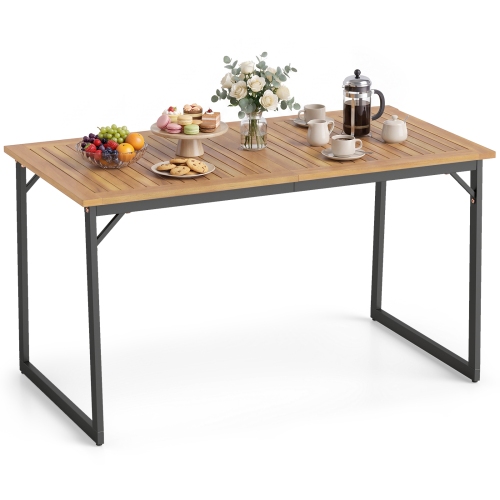

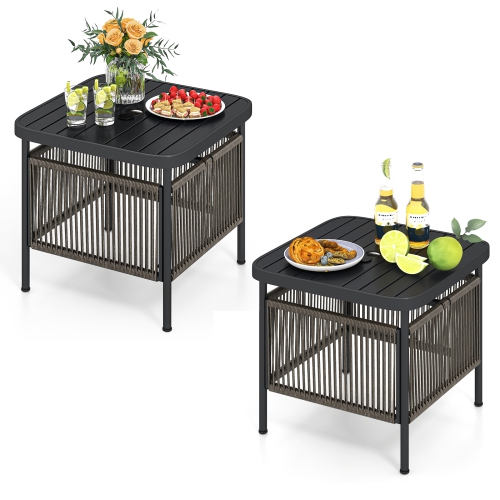
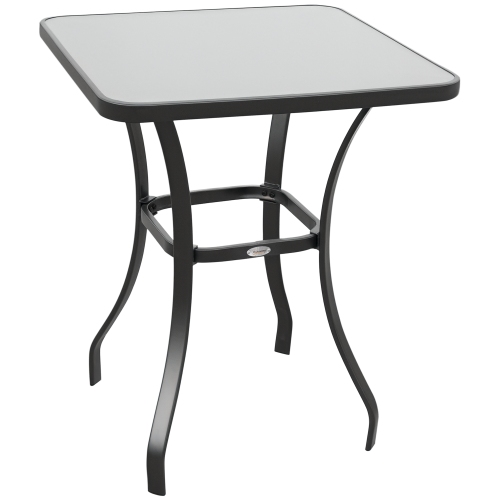

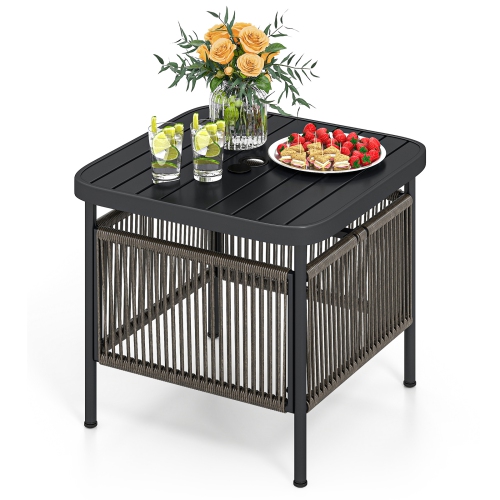
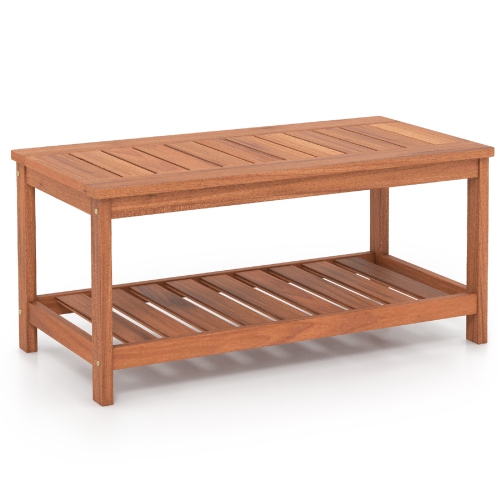
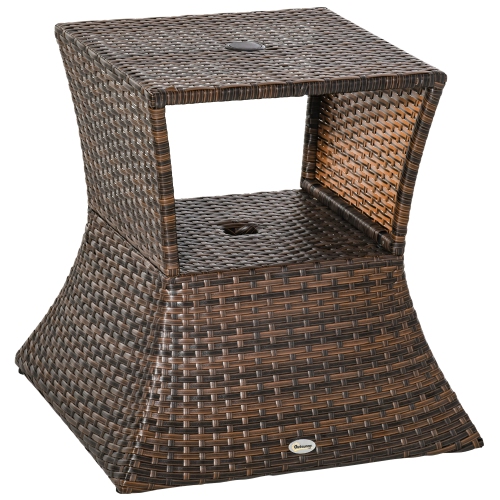
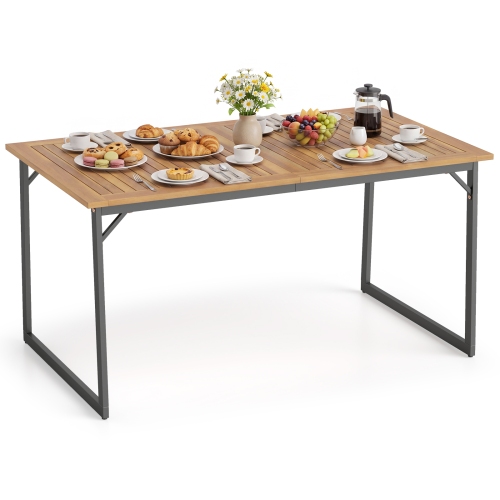
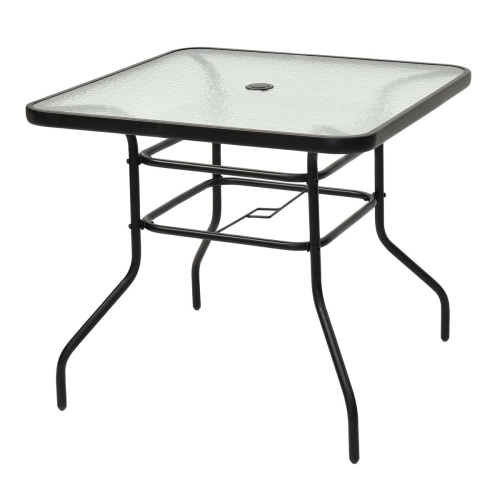

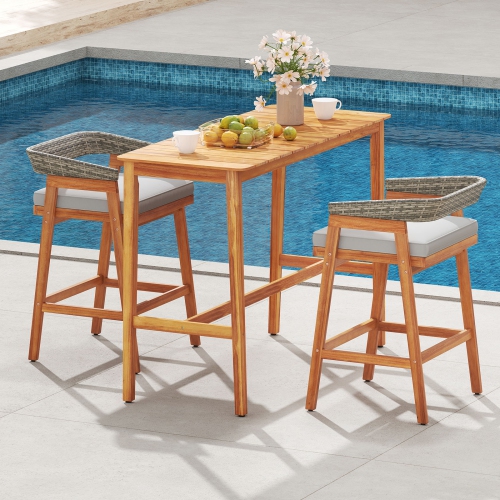
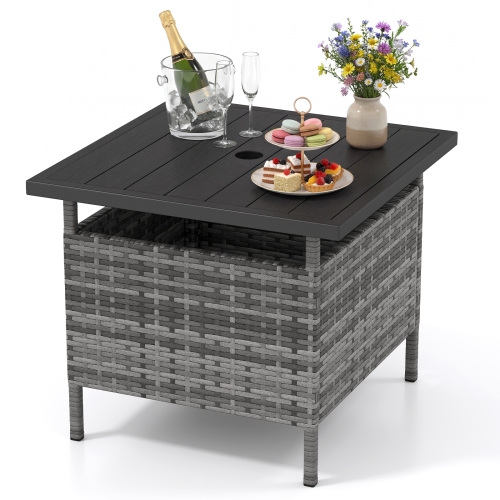
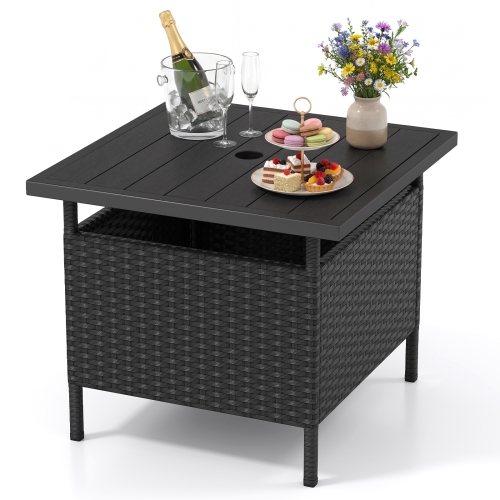
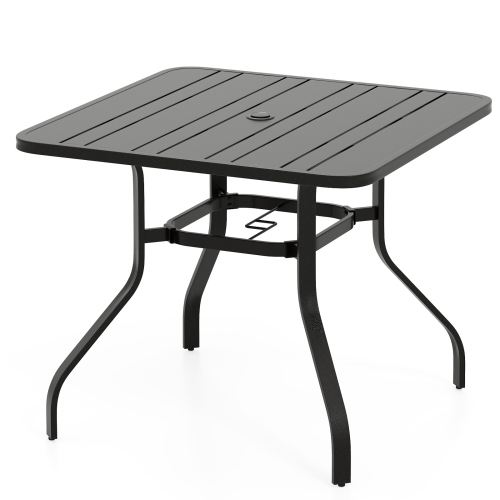
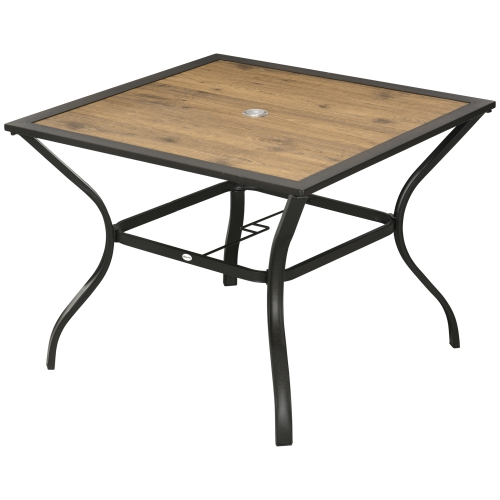
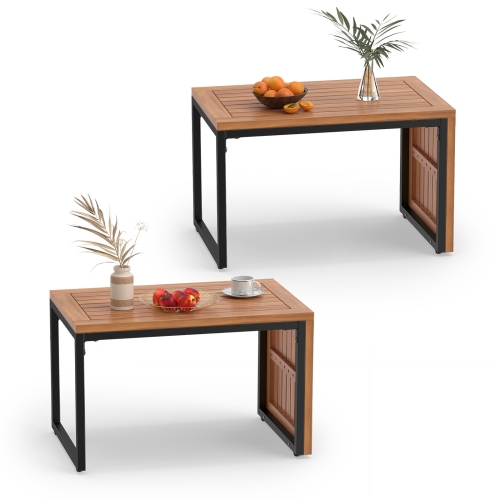
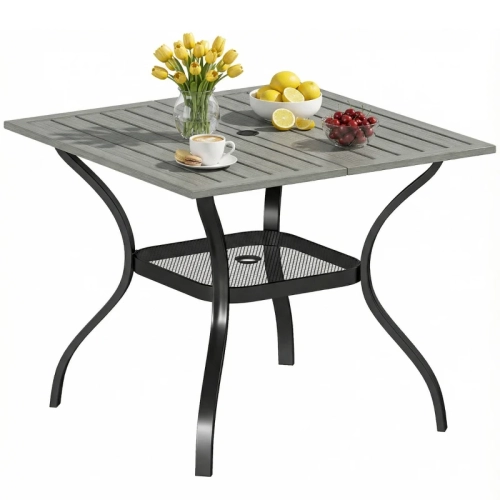
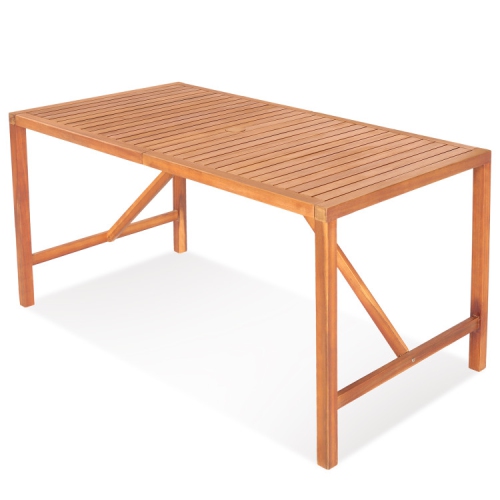
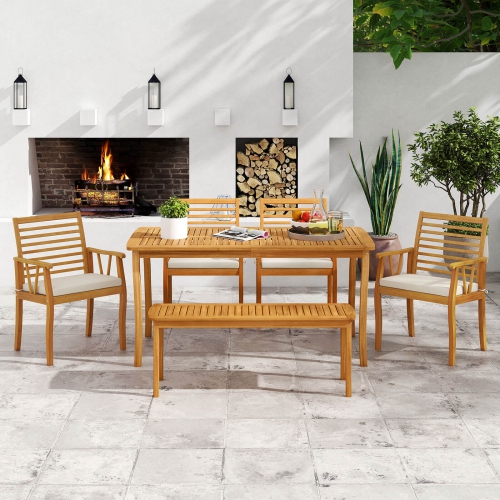
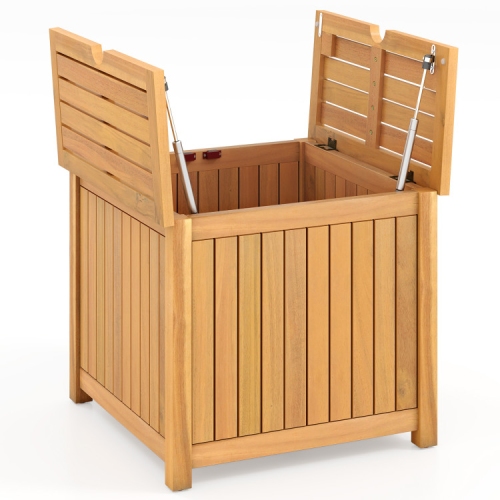
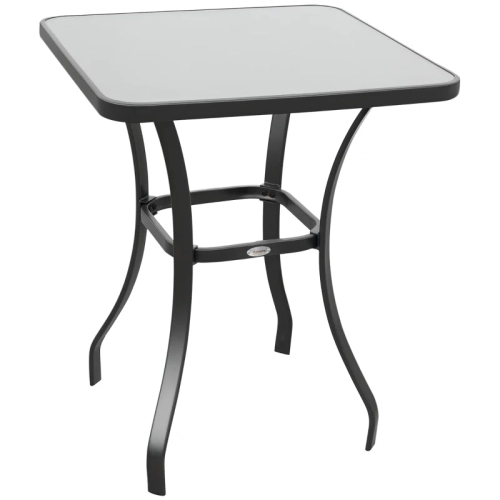
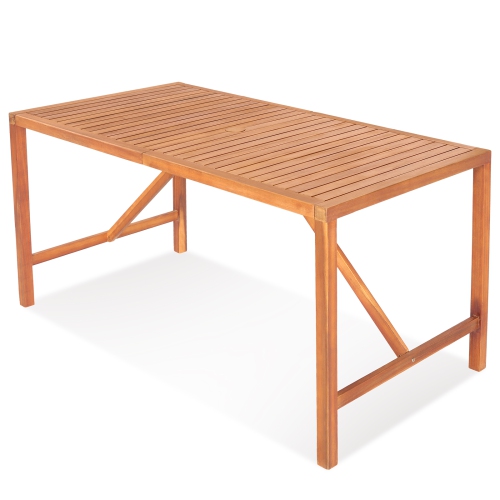
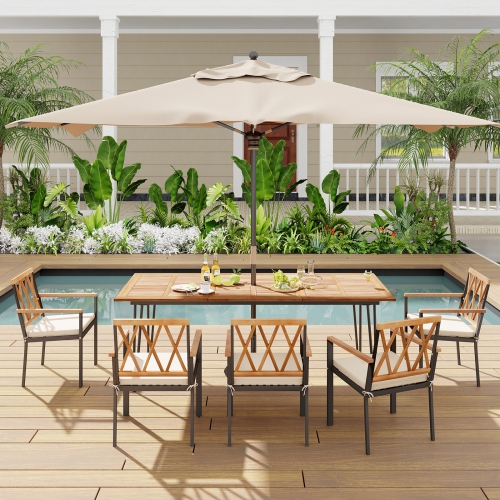
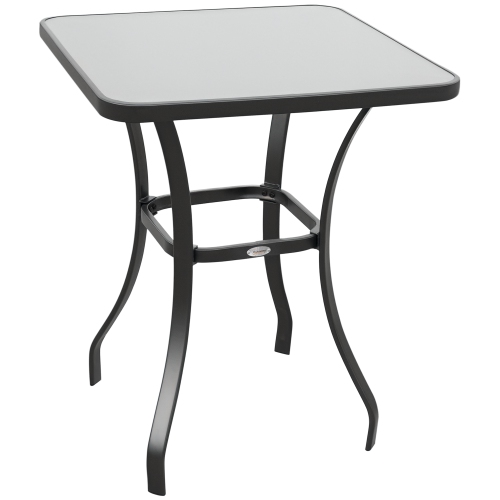
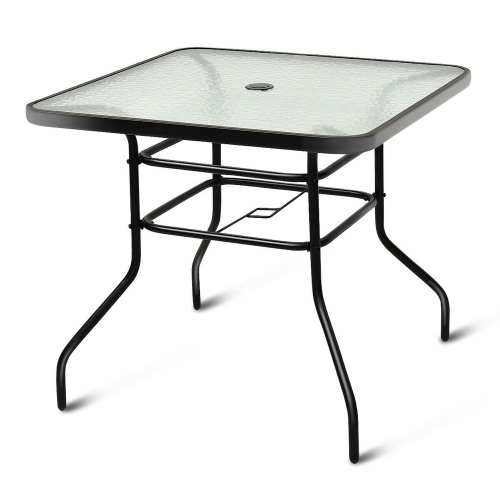
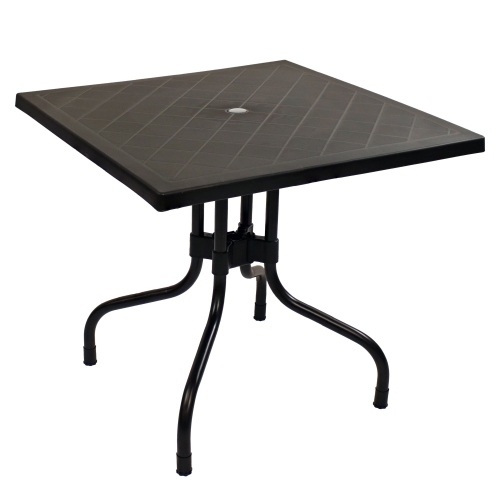
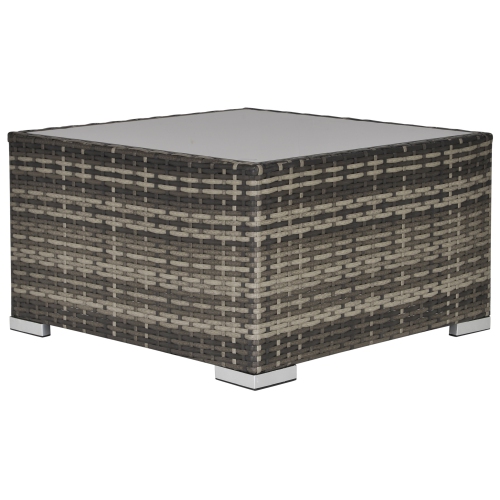
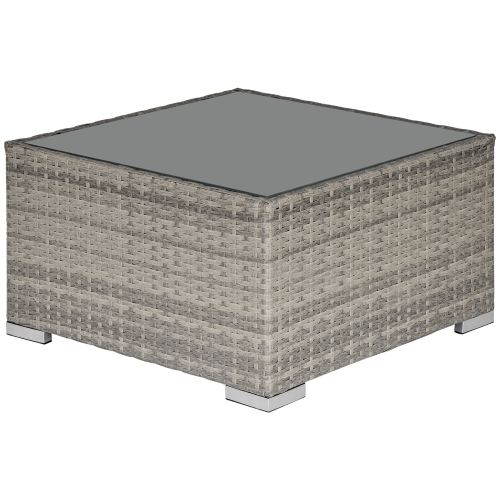
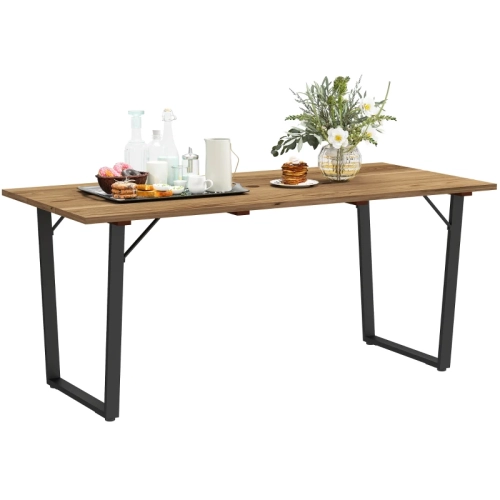
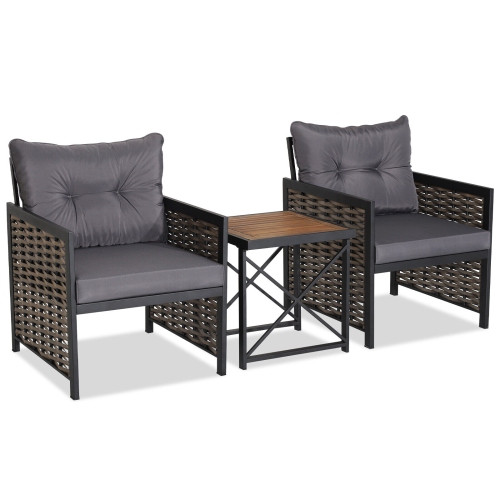
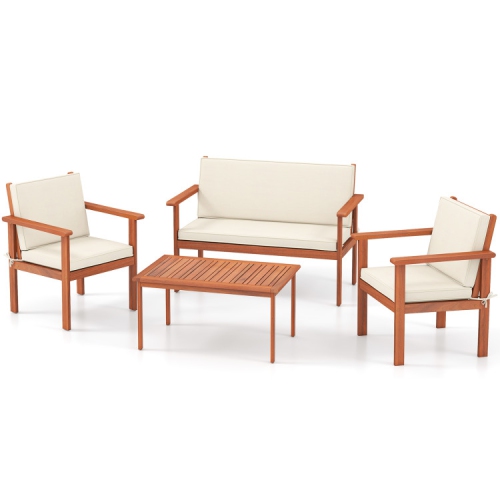
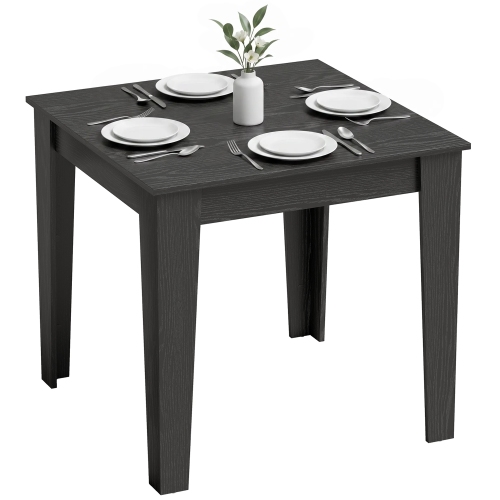
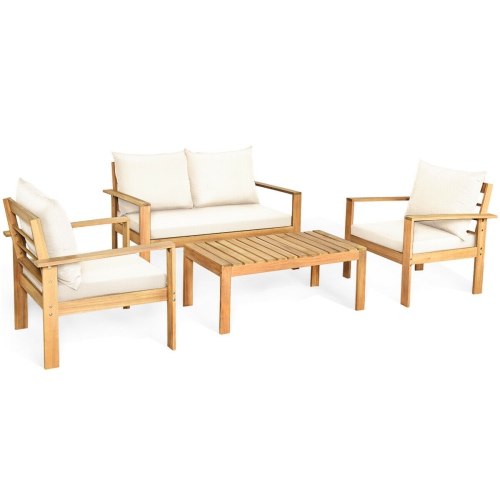

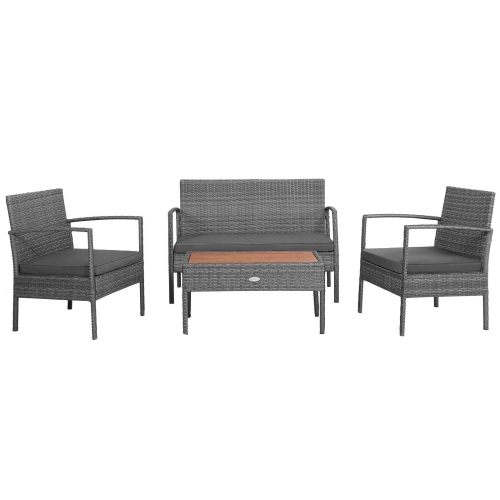
Natural warmth and balanced proportions for outdoor dining
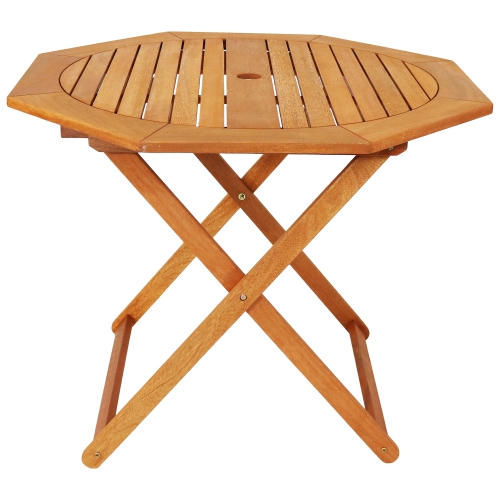
Square wood patio tables bring a balanced shape and the warmth of natural timber to outdoor dining and seating areas. Their equal sides make them easy to position on a compact deck, a balcony with enough clearance, or a paved garden terrace, while giving each person a similar amount of tabletop space. Smaller designs suit coffee for two, a light lunch, or a quiet spot to read; larger square dining tables can accommodate family meals and shared serving dishes without the length of a rectangular table. A square shape also works well for conversation because people sit at comparable distances from one another. The most useful size depends on both the tabletop dimensions and the space around it. A table that fits neatly between a railing and a wall still needs room for chairs to slide out and for someone to walk past. Allowing roughly 36 inches between the table edge and nearby obstacles is a useful starting point, with more space helpful along a busy route to the door or barbecue. Existing chairs matter just as much as the footprint: wide armchairs take up more room than slim dining chairs, and their arms need to clear the underside of the table if they are meant to tuck in. Table height should also suit the seating. A low square table beside lounge chairs serves a different purpose from a dining-height table, even when both have the same surface area. For households that enjoy board games, casual meals, or drawing outdoors, a level surface with closely fitted boards can be more practical than a deeply grooved top. A generous tabletop leaves room for plates and glasses, while a more compact one keeps a small seating area from feeling crowded. The right proportions make the table feel like part of the outdoor space rather than an obstacle within it.
The wood species, finish, and construction all influence how a square patio table looks, feels, and stands up to outdoor use. Teak is valued for its natural oils and resistance to moisture, although it still needs cleaning and can change colour with exposure. Acacia often has distinctive grain and varied brown tones, but its performance depends on the particular wood, protective finish, and ongoing care. Cedar is relatively light and has natural resistance to decay, though its softer surface can pick up dents more readily. No wood should be treated as completely weatherproof, and a species name alone does not explain how a finished table will perform. Board thickness, joint design, hardware, and the way the top accommodates normal wood movement all deserve attention. Timber expands and contracts as moisture levels change, so small gaps between slats can serve a practical purpose as well as create a familiar patio-furniture look. Slatted tops allow rainwater to drain, while more continuous surfaces give small objects a steadier resting place; either design benefits from prompt attention to standing water. A sturdy apron beneath the tabletop can add support, but it may reduce knee room or interfere with chair arms. Corner legs usually leave the middle of each side open for seating, while cross-braces and pedestal bases can affect where feet rest. On stone pavers or decking, a stable base is especially important because slight variations in the surface can make a table rock. Within the broader category of Wood Patio Tables, square designs offer a distinct combination of symmetry and flexible placement. Their straight edges can echo deck boards, paving patterns, and clean-lined seating, while visible grain adds texture beside metal chairs, woven seats, or outdoor cushions. Natural variations in grain and tone are part of wood’s appeal, so a coordinated arrangement does not require every piece to match exactly.
Regular care helps preserve both the appearance and usefulness of a wood patio table. Dust, pollen, food spills, and fallen leaves are easier to remove before they settle into the grain or collect between boards. A soft brush or cloth, mild soap when permitted by the care instructions, and a gentle rinse are often sufficient for routine cleaning. Harsh cleaners and pressure washing can damage some finishes or raise the wood fibres, so the recommended method for the particular table should take priority. Letting the surface dry thoroughly before covering it helps avoid trapping moisture. A fitted, breathable cover can reduce exposure to rain and debris, but it should allow air to circulate rather than rest tightly against damp wood. Protective oils, sealers, and other finishes are not interchangeable; the appropriate treatment depends on the species and the existing coating. Some owners prefer to maintain a richer brown tone, while others appreciate the silvery grey patina that certain untreated woods develop outdoors. That colour change is different from problems such as persistent softness, loose joints, or deep splitting, which call for closer attention. Coasters, placemats, and trivets help limit marks from drinks, dishes, and heat, particularly when a table doubles as a serving station near a grill. Umbrella compatibility also needs a closer look: a centre hole must suit the umbrella pole, and the umbrella requires an appropriate supporting base rather than relying on the tabletop alone. Before extended storage or exposure to freezing conditions, the table should be cleaned, dried, and protected according to its care directions. Folding or removable components can make storage easier, provided their fittings are checked when the table is set up again. For a small household, a square wood patio table can become the everyday place for breakfast and conversation; for a larger outdoor area, it can provide a separate spot for children’s activities or drinks beside the main dining space. Matching the size, seating clearance, construction, and care requirements to those everyday uses makes the table a practical part of outdoor living.
Top selling and popular products
-
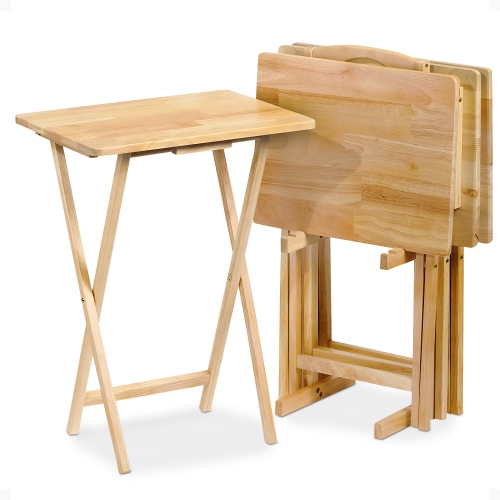 Your price for this item is $172.99
-
 Your price for this item is $121.99
-
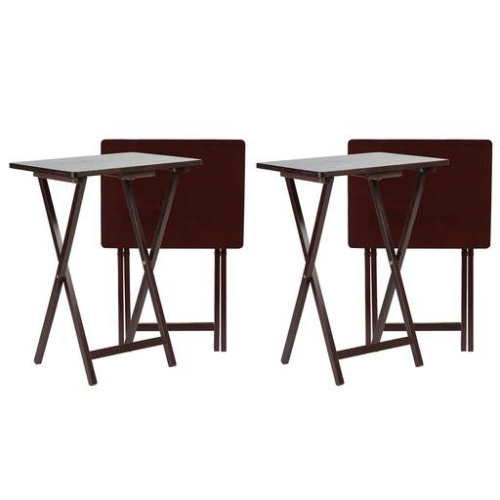 Your price for this item is $224.99
-
 Your price for this item is $149
-
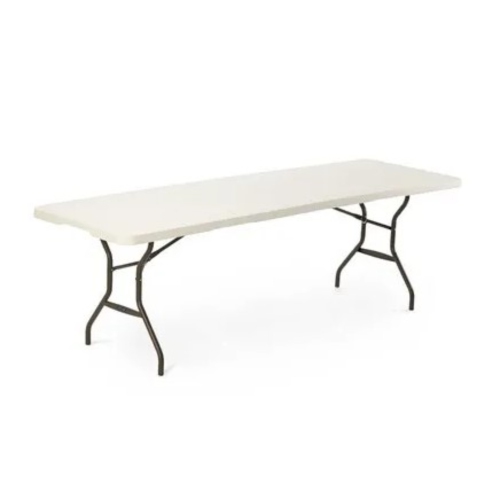 Your price for this item is $279.99
-
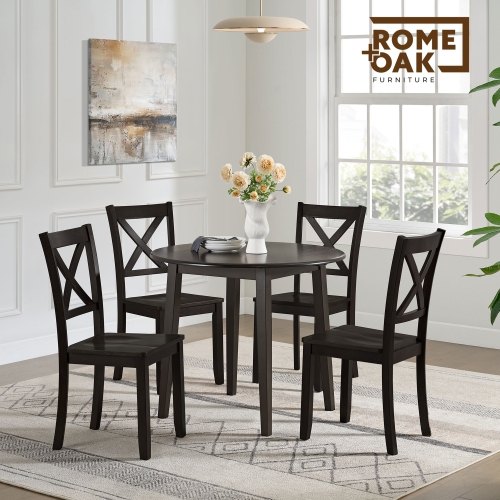 Your price for this item is $386.99
-
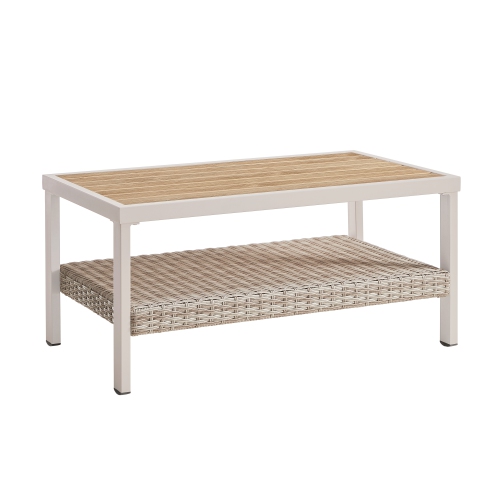 Your price for this item is $499.95
-
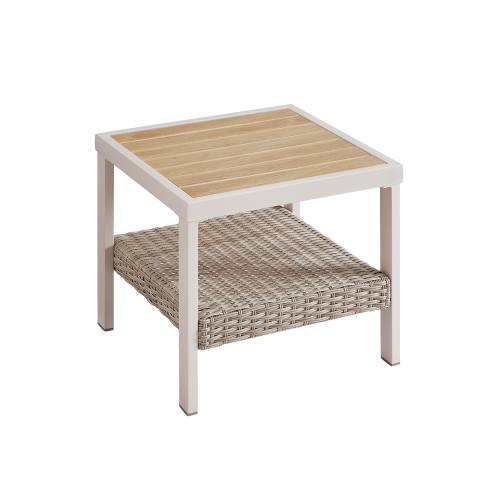 Your price for this item is $379.95
Discover more categories related to Square Wood Patio Tables
Top Collections:
Best Black Friday Deals This Year, Best Black Friday Deals On Electronics, Kindle Devices, Pokemon Centers, Best Black Friday Deals On Apple Products, Best Cameras for Sports Photography, Dyson Airwrap, Pokémon 30th Celebration Cards, Apple iPhone 17 Pro, Canon G7X Cameras
Some products may be subject to Environmental Handling Fees
(EHF) depending on your province.
Learn more about EHFs.