Stackable Freezer Storage Containers
Stackable Freezer Storage Containers offer a smart solution for organizing your freezer and keeping food items easily accessible. Designed to help maximize space, these containers make it simple to store leftovers, meal prep ingredients, or bulk foods with ease. Whether you’re looking to streamline your kitchen or keep your frozen goods neatly arranged, Stackable Freezer Storage Containers provide a practical way to maintain order and efficiency in any freezer setup. Explore a variety of sizes and styles to find the perfect fit for your home.
Sort
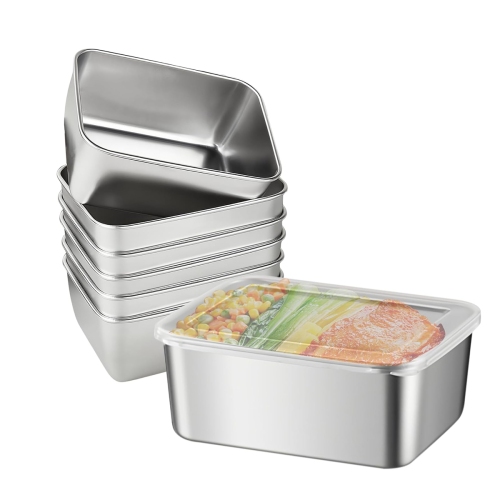
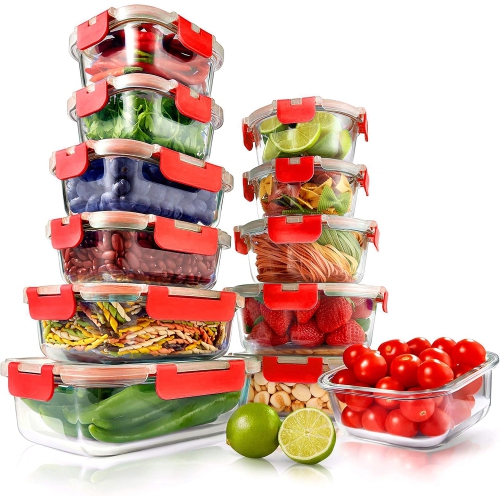
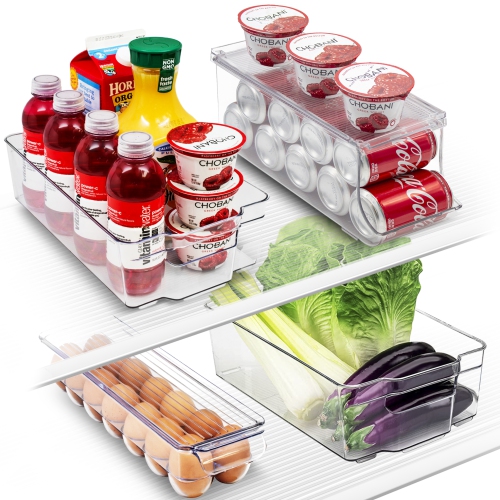

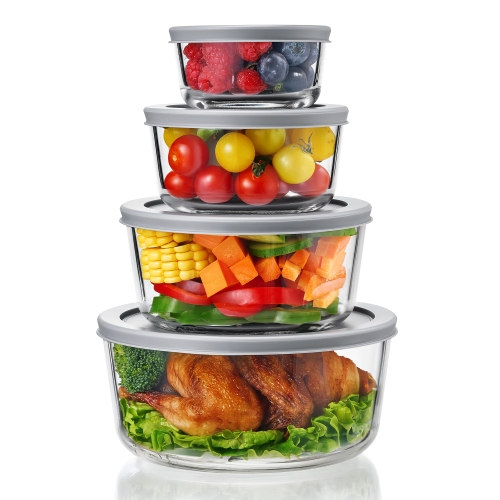
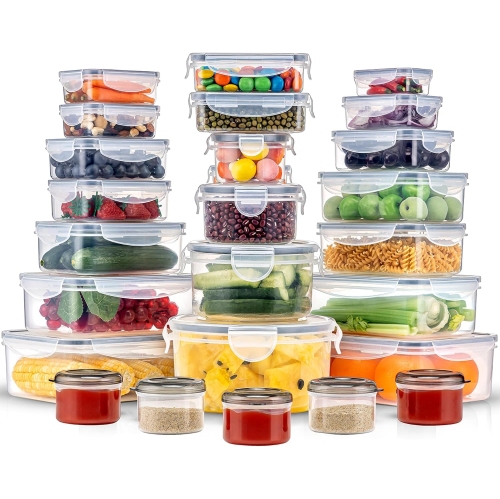
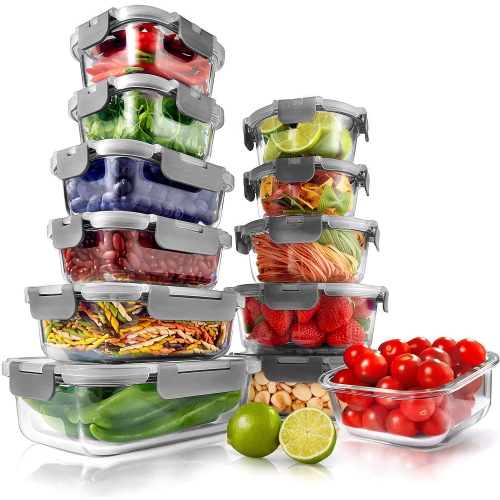
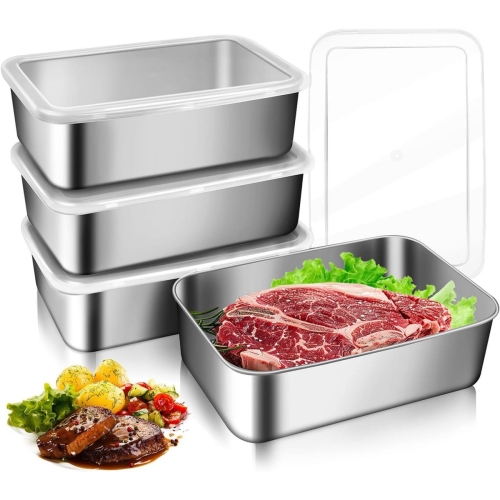
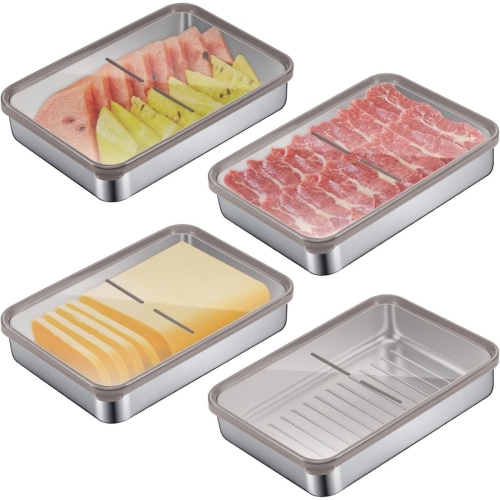
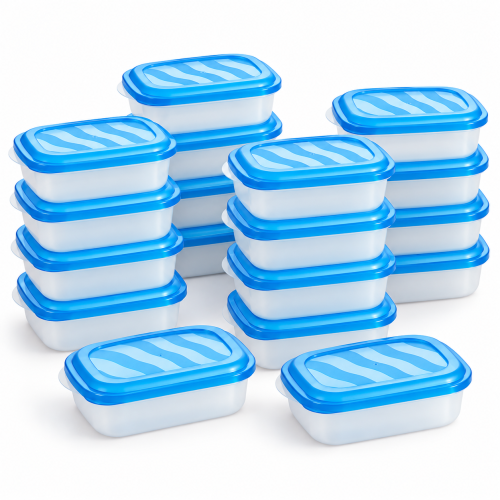
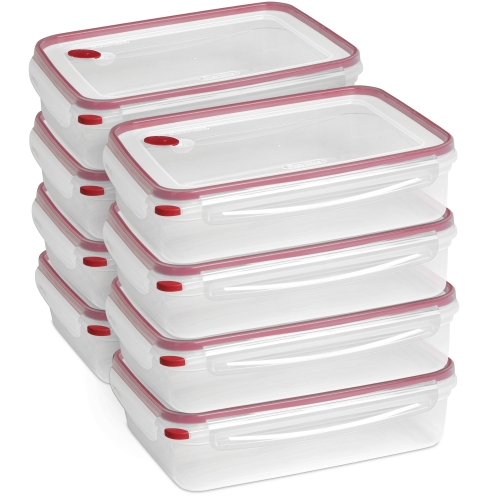
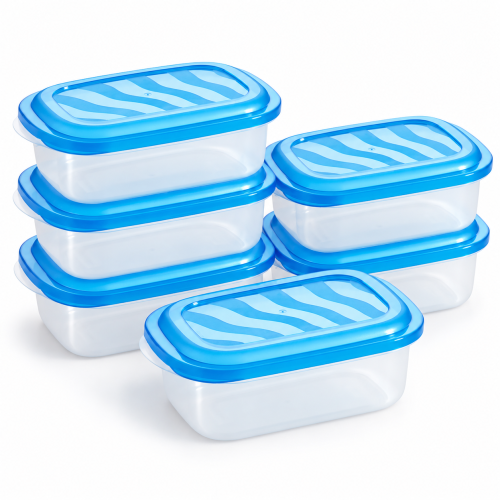
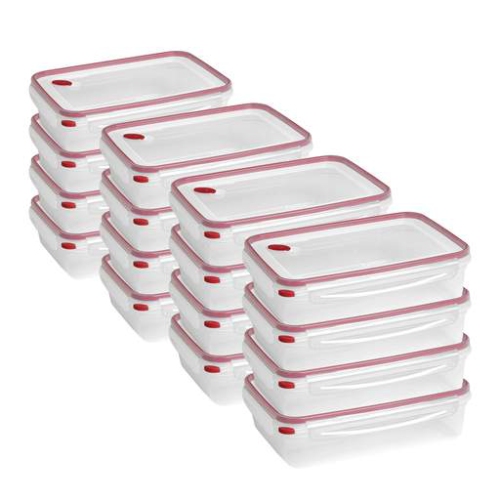
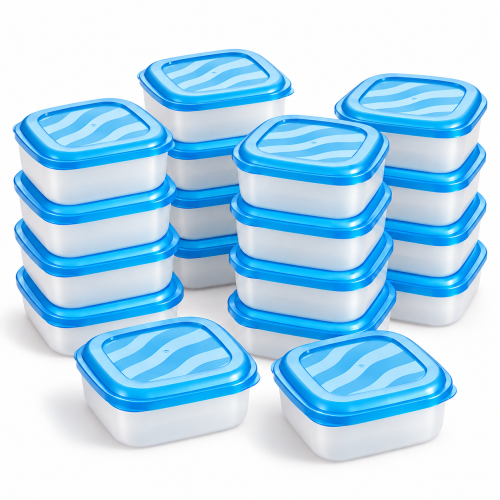
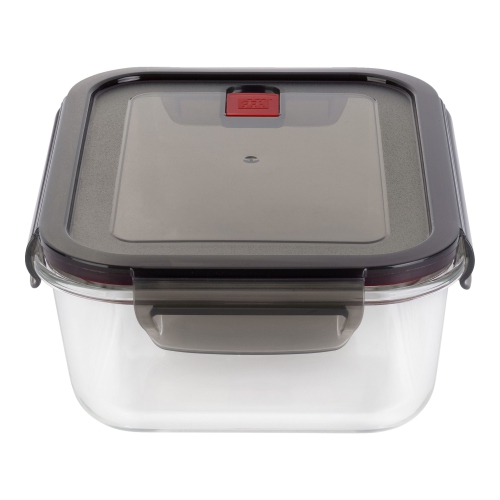
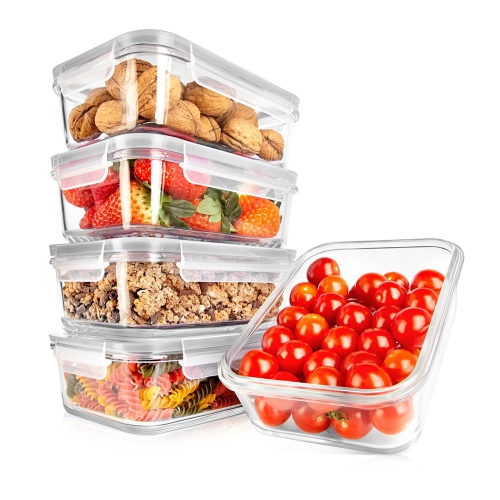
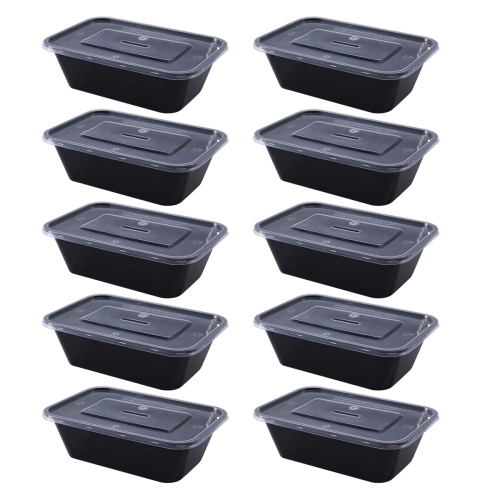
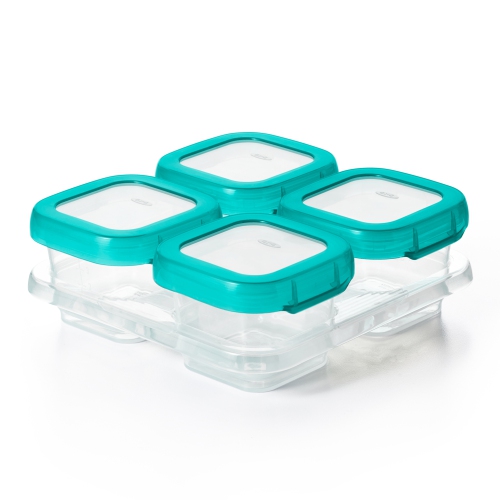
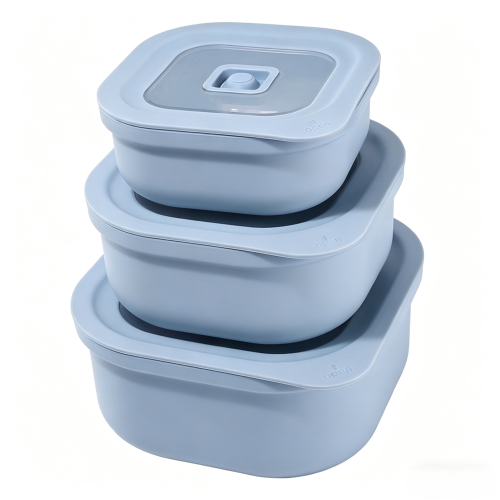
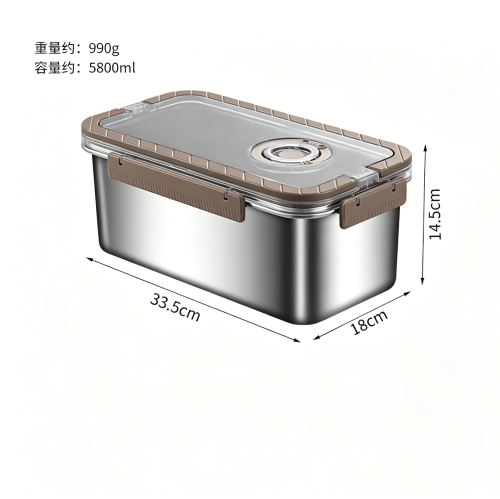
Less digging for dinner with better freezer organization
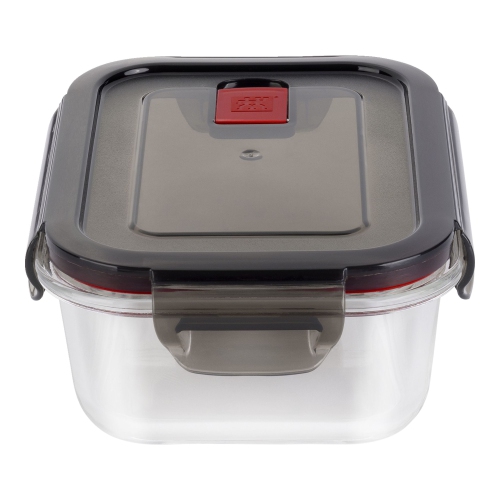
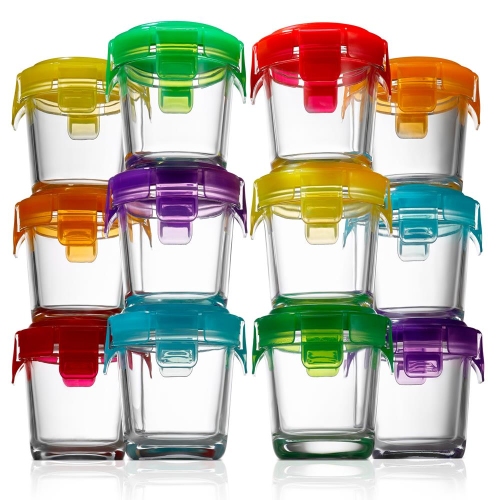
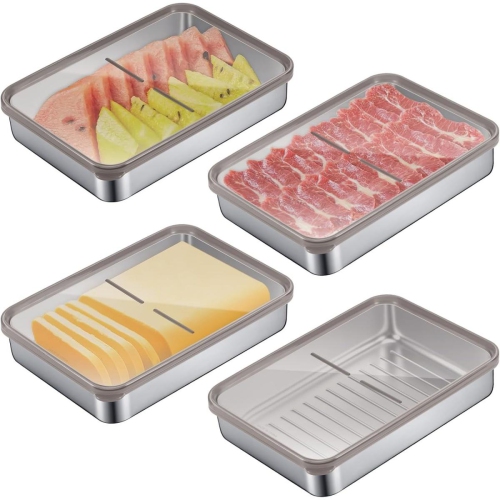
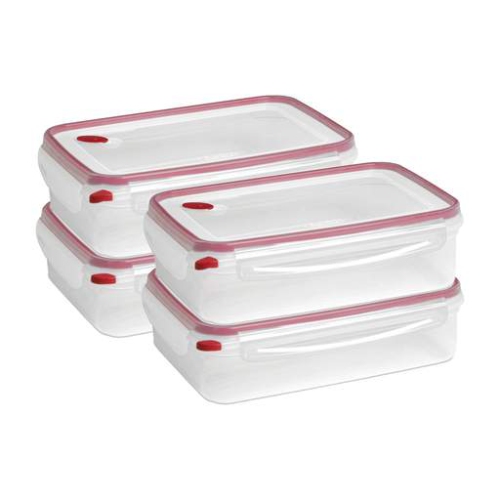
Stackable freezer storage containers help make better use of vertical space while keeping frozen food organized, visible, and easier to reach. The category includes food containers with fitted lids, as well as bins and baskets that group packaged food inside a freezer. Each serves a different purpose: sealed containers hold prepared meals or ingredients directly when rated for food contact and freezer use, while open organizers keep bags, cartons, and wrapped portions together. A bin for vegetables, another for breakfast foods, and a separate space for ready-to-heat meals can make the difference between finding dinner quickly and digging through a pile of unlabelled packages. For households that cook in batches, stackable containers also give soups, sauces, and individual portions a consistent footprint, so the freezer is less cluttered with mismatched shapes. Fit matters as much as capacity. A container’s outside measurements, including its lid, handles, and clips, determine whether it will sit comfortably on a shelf or slide into a drawer. Interior capacity alone does not tell the whole story. Upright freezers often suit shallow containers that leave labels visible along the front, while chest freezers can benefit from lift-out baskets that provide access to food underneath. Deep bins may hold more, but a fully loaded bin should still be manageable to lift without tipping or straining its handles. Rectangular and square shapes generally make efficient use of straight-sided shelves; rounded corners can be easier to clean but may leave small gaps between containers. Look for stacking surfaces that sit securely together rather than relying on a smooth lid to balance the container above. There should also be room to remove the top container, open a lid where needed, and keep the freezer’s vents clear according to the appliance instructions. A practical arrangement makes food accessible without requiring the entire stack to be unloaded every time someone needs a single portion.
Material choice affects weight, visibility, care, and how a container holds up to repeated use. Freezer-rated plastic is lightweight and convenient for dividing cooked rice, chopped vegetables, or family-sized portions, but not every plastic storage container is intended for freezing or direct food contact. Check the stated uses rather than assuming that a familiar shape or sturdy appearance makes a container suitable. Some plastics become more brittle when frozen, so avoid forcing a tight lid or dropping a container straight from the freezer onto a hard surface. Clear sides make it easier to identify contents, while opaque containers benefit from a clear label on the front or lid. Glass offers visibility and can suit meal preparation, provided the container is specifically designed for freezer use. Its weight deserves consideration when stacking several filled portions, and sudden temperature changes should be avoided unless the manufacturer expressly permits them. Straight-sided freezer-safe glass containers can make frozen portions easier to release, but liquids still need expansion space below the lid. Follow the fill guidance supplied with the container, particularly for soups, stocks, and sauces. Lids deserve equal attention: an airtight closure helps limit exposure to dry freezer air, but airtight does not automatically mean leakproof. Containers holding liquid should remain upright unless their design is explicitly suitable for another position. Removable seals can make thorough cleaning easier, although they also need to be seated correctly before the lid is closed. For open bins and baskets, smooth interiors and accessible corners simplify wiping away crumbs or spills from damaged packaging. Wire baskets allow a view through the sides, while solid-sided bins can help contain loose packets. Neither replaces suitable food packaging. Follow dishwasher instructions for each component, allow washed containers and seals to dry thoroughly, and inspect corners, rims, and closures for damage. A cracked base, warped lid, or loose seal can undermine an otherwise tidy storage arrangement.
The most useful container sizes reflect the way food is prepared and served. Smaller portions suit packed lunches, solo meals, or ingredients used a little at a time, such as sauce or cooked beans. Larger, shallow containers can hold family meals without creating an awkward block that takes up an entire drawer. A mix of sizes with compatible footprints can be easier to arrange than a collection of unrelated shapes, especially when several people share the freezer. For a household caring for a new baby, supporting a relative, or managing busy workdays, clearly separated meal portions can make everyday cooking more manageable. Portion food before freezing where practical, cool cooked food promptly using safe food-handling practices, and label each container with its contents and freezing date. Labels on the front are helpful for stacked containers on shelves; labels on top are easier to read in a chest freezer. Choose a label intended to adhere under freezer conditions, and keep important cooking or allergen information with food transferred out of its original packaging. Leave the recommended headspace for food that expands, and avoid building a tall stack on a lid that has bowed from overfilling. Where space permits, let newly filled containers freeze in a stable, level position before arranging them into taller stacks, following the container and appliance instructions. Keeping older portions within easy reach helps prevent them from disappearing beneath newer additions. Beyond food storage, Stackable Plastic Storage Containers can help organize household spaces, but freezer suitability remains a separate feature to confirm. Nesting is also different from stacking: containers that fit inside one another save cupboard space when empty, whereas a secure filled stack depends on the lid and base design. Matching these details to the freezer’s layout and the household’s meal routine creates an orderly system that is straightforward to maintain, from the first batch of soup to the last labelled portion.
Top selling and popular products
-
 Your price for this item is $15.99
-
 Your price for this item is $3.99
-
 Your price for this item is $19.99
-
 Your price for this item is $7.99
-
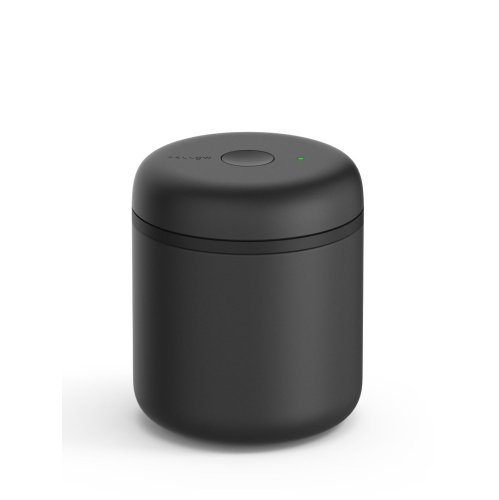 Your price for this item is $99
-
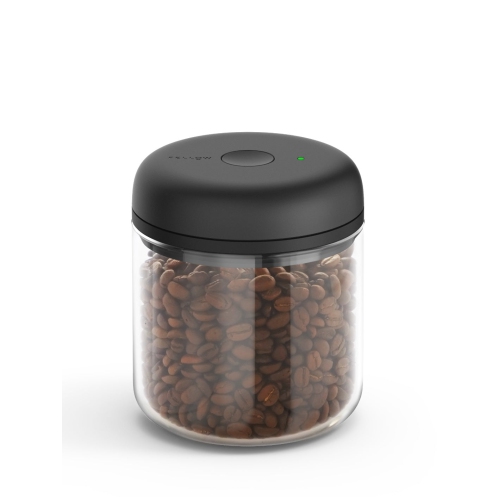 Your price for this item is $99
-
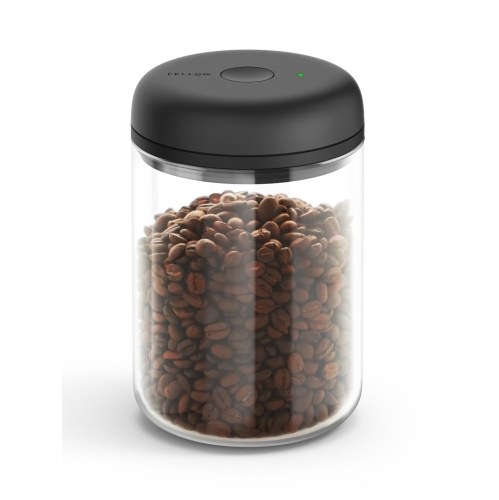 Your price for this item is $109
-
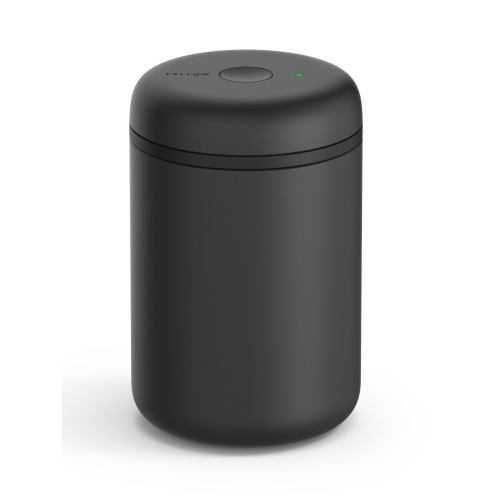 Your price for this item is $109
Discover more categories related to Stackable Freezer Storage Containers
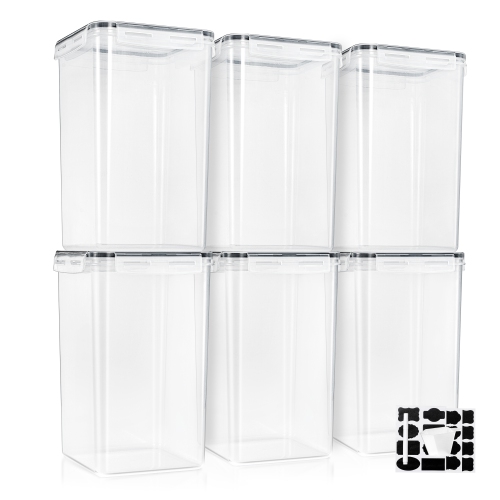
Top Collections:
Best Black Friday Deals This Year, Best Black Friday Deals On Electronics, Kindle Devices, Pokemon Centers, Best Black Friday Deals On Apple Products, Best Cameras for Sports Photography, Dyson Airwrap, Pokémon 30th Celebration Cards, Apple iPhone 17 Pro, Canon G7X Cameras
Some products may be subject to Environmental Handling Fees
(EHF) depending on your province.
Learn more about EHFs.