Stackable Metal Counter Stools
Enhance your kitchen, dining area, or workspace with the versatile appeal of Stackable Metal Counter Stools. Designed to complement a variety of interior styles, these stools offer a practical seating solution that fits seamlessly into both modern and classic settings. Whether you're outfitting a breakfast bar or need extra seating for guests, Stackable Metal Counter Stools provide a convenient way to maximize your space while adding a sleek, contemporary touch to any room.
Sort
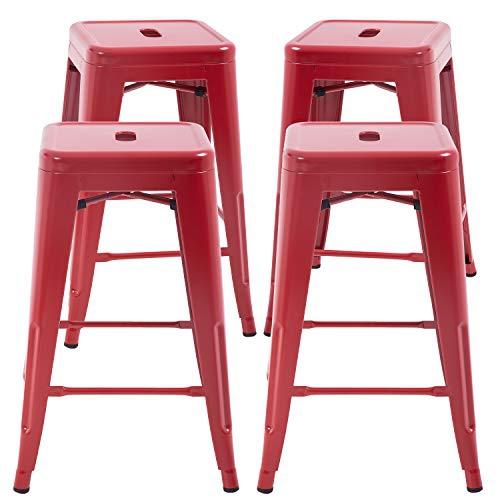

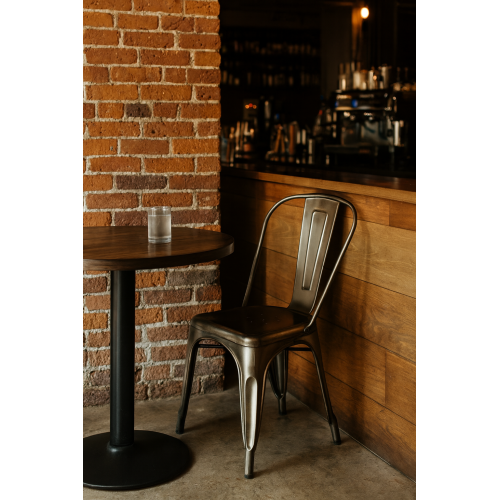


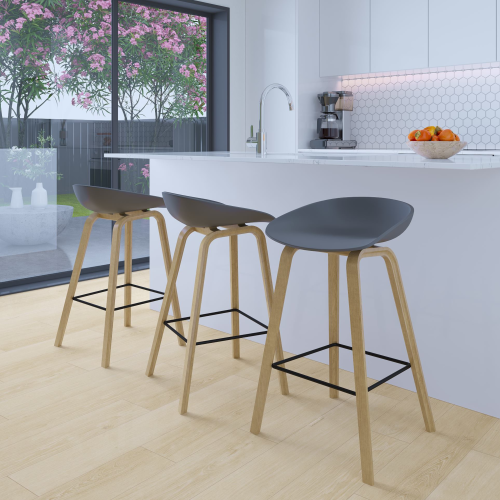
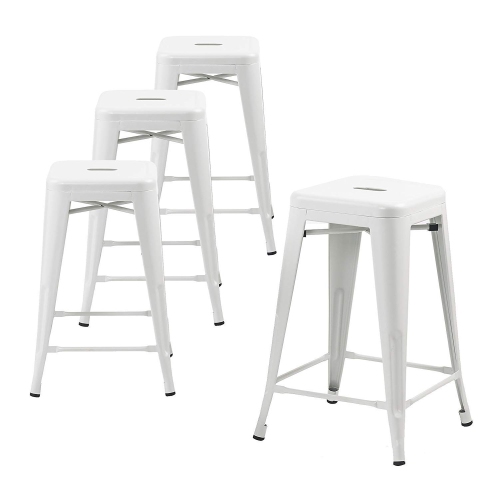
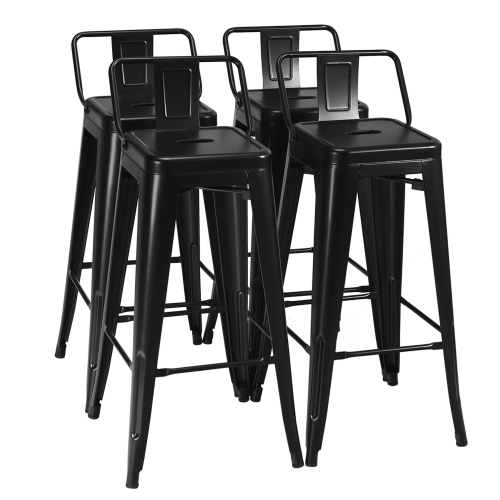
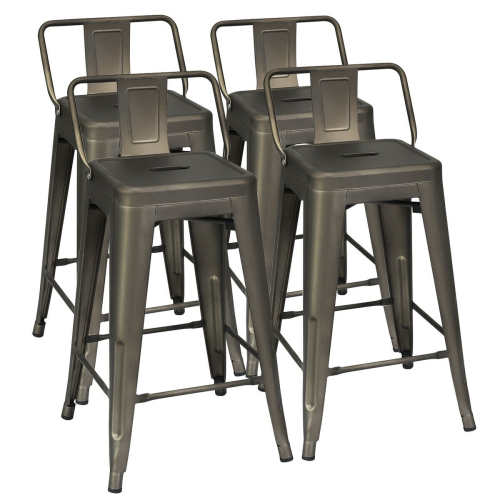

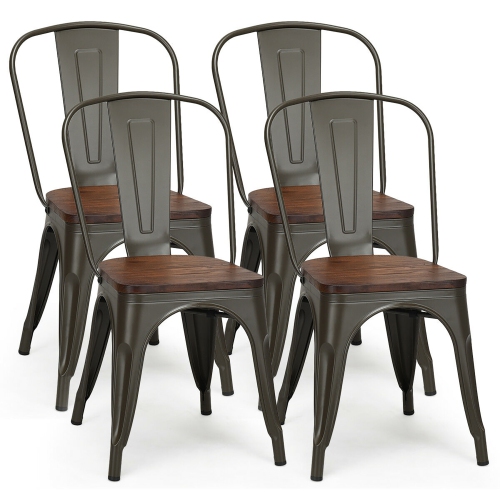
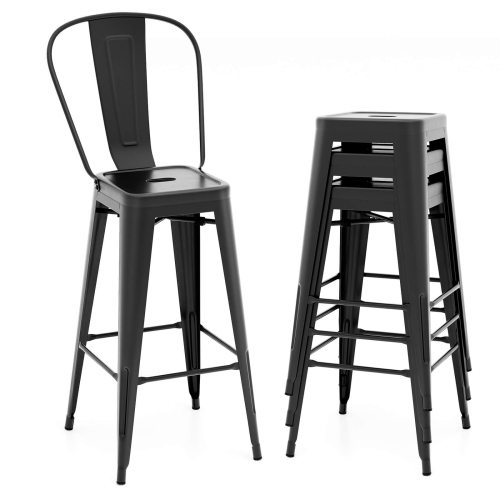
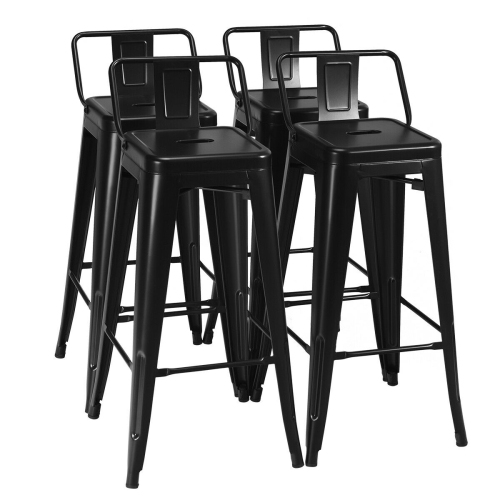
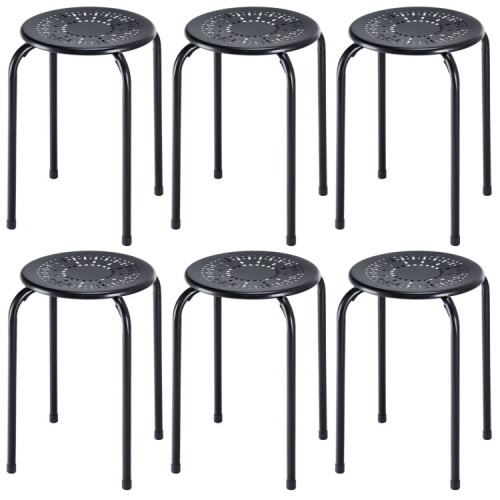
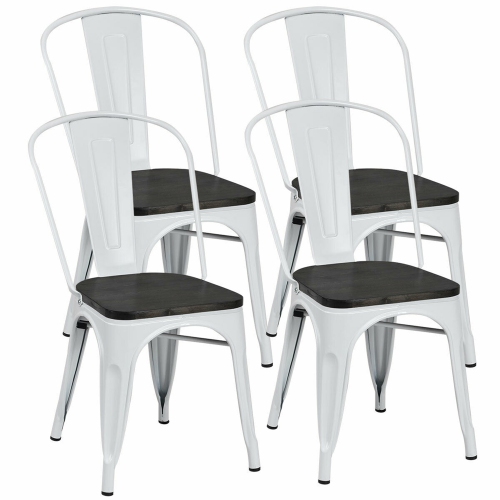
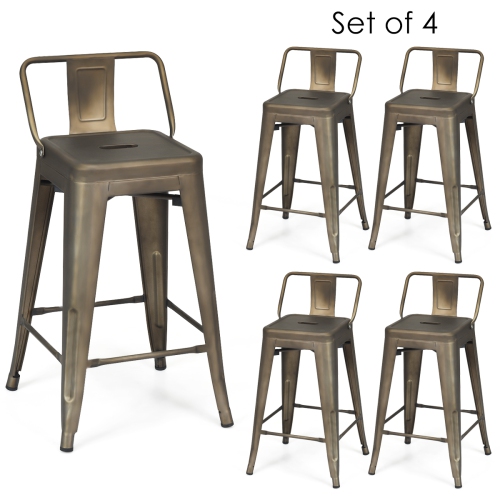
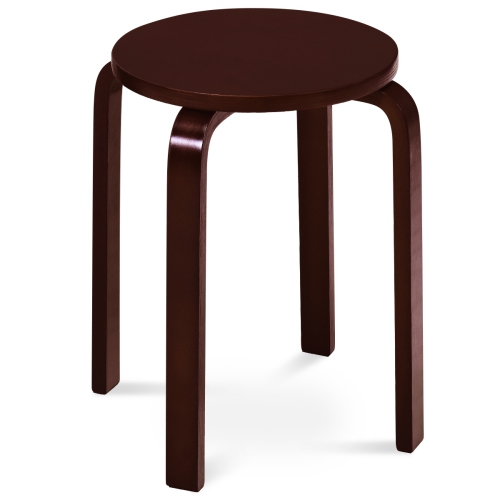
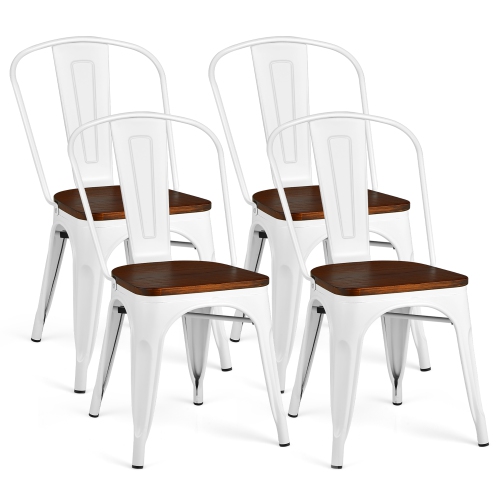
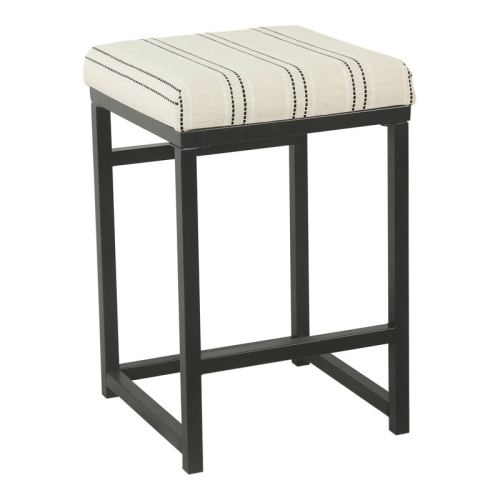
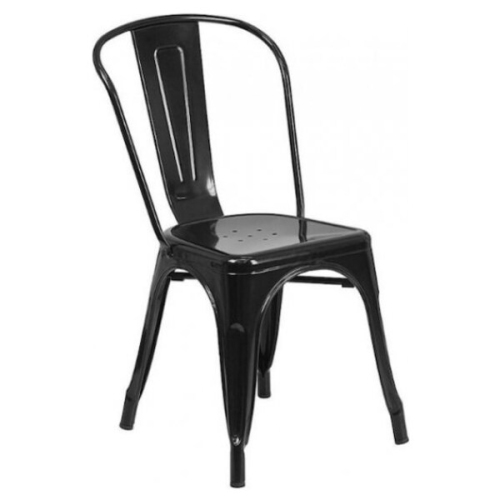
Counter seating that stacks away when breakfast is over
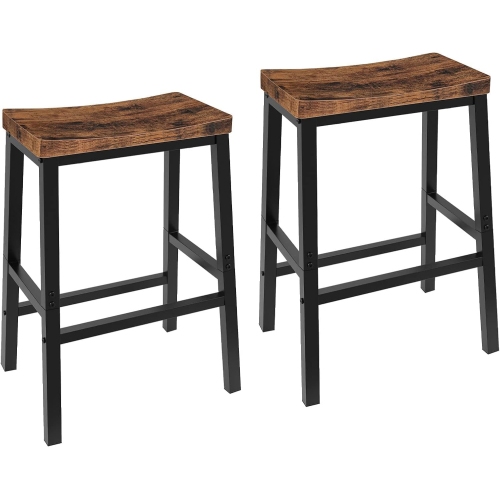
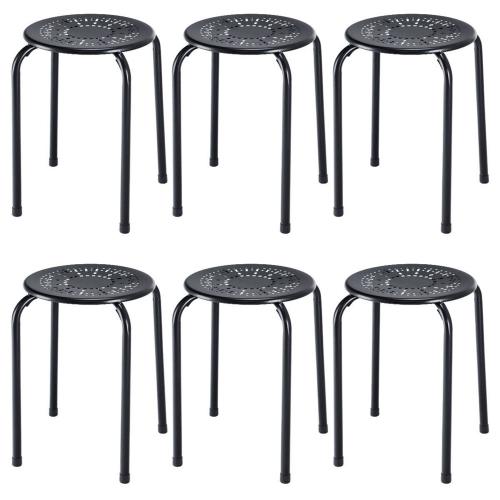
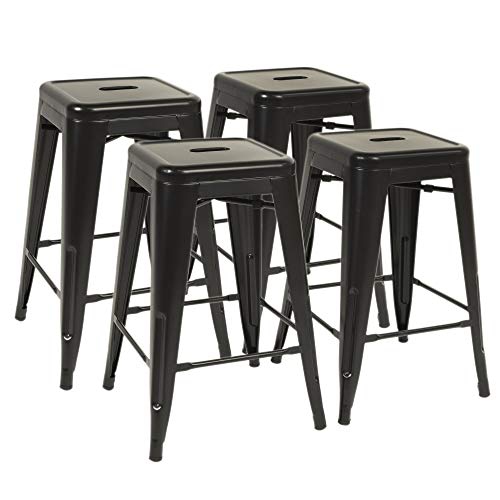
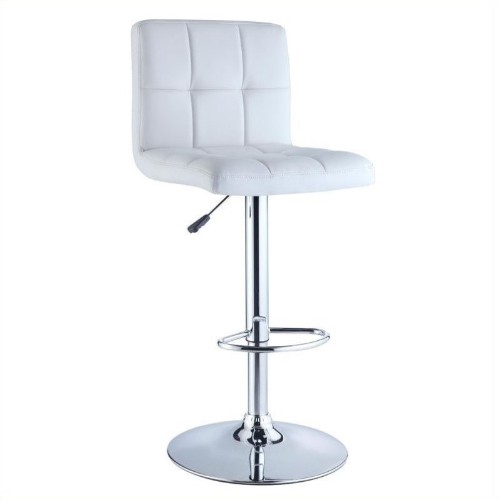
Stackable metal counter stools bring practical seating to kitchen islands, breakfast counters, and compact dining areas without leaving every seat out all day. Their defining feature is a frame that allows compatible stools to nest vertically, freeing up floor space when extra seating is not needed. That makes them useful in condos, apartments, and busy family kitchens where the same area may serve as a breakfast spot, a homework station, and a place to gather while dinner is prepared. Counter-height stools generally have seats about 24 to 26 inches from the floor and suit many counters measuring approximately 36 inches high. A gap of roughly 10 to 12 inches between the seat and the underside of the counter usually provides comfortable legroom, but a thick countertop, drawer, or support apron can reduce that clearance. Measure to the lowest obstruction rather than relying only on the height of the work surface. Bar-height stools are taller and are not interchangeable with counter-height seating, even when their frames look similar. Width matters just as much: allow approximately 24 to 30 inches of counter length per person, adjusting for the stool’s widest point and the elbow room each seat needs. A narrow seat can still have widely splayed legs, so the full footprint deserves attention, especially beside a walkway or cabinet door. Backless shapes can slide neatly beneath a suitable overhang, while low-back designs offer some support but may remain visible above the counter. Enough knee space beneath the surface helps people sit close without leaning forward over their plates. For a couple sharing coffee at an island or guests settling in for a casual meal, those proportions make a noticeable difference. Within the broader range of Stackable Stools, metal counter stools combine an elevated seat with compact storage, making the distinction between counter height, bar height, and standard dining height especially important.
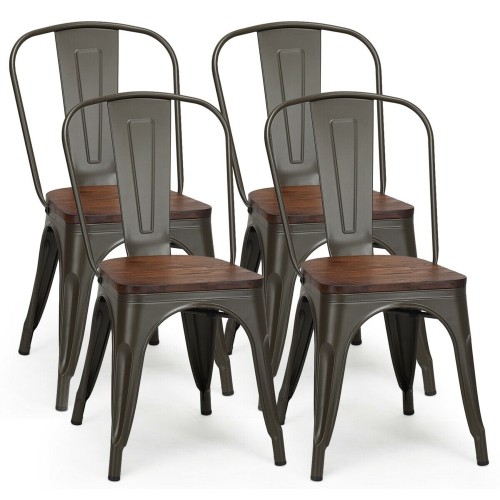
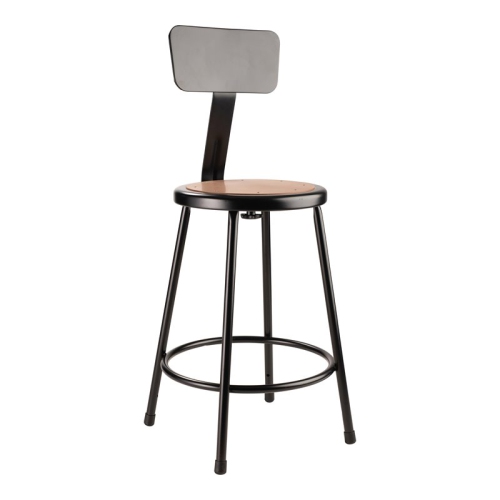
Metal construction gives these stools their clean lines and sturdy appearance, but the material and frame details influence how they feel in everyday use. Steel is common in industrial-style seating and can provide a solid, substantial frame; aluminium is generally lighter, which may make frequent lifting and rearranging easier. Neither material alone determines strength. Tube dimensions, weld quality, bracing, fasteners, and the overall design all contribute to stability, and the manufacturer’s stated weight capacity applies to the individual stool rather than the group. Cross-bracing beneath a seat can help the frame resist sideways movement, while a well-positioned footrest gives the sitter somewhere to rest their feet instead of leaving their legs unsupported. Powder-coated finishes provide colour and a protective surface, though they can still chip or scratch through impacts and repeated contact. Matte black, white, grey, and metallic finishes work with a wide range of cabinetry, while brighter colours can give a simple island a more distinctive focal point. An all-metal seat offers a straightforward surface to wipe down after breakfast. A wood-topped version adds visible grain and a different feel, but its care needs depend on the wood and finish. Upholstered or padded seats may feel more comfortable during longer meals, although fabric, seams, and cushioning require their own cleaning routine and may affect how the stools stack. A shaped seat, rounded front edge, and useful footrest can matter more to comfort than appearance alone. Backless seating suits quick meals and flexible positioning, whereas a supportive backrest may be preferable for someone who spends longer at the counter. Armrests, where present, need clearance beneath the countertop and can increase the overall width. For children or anyone who finds climbing onto a raised seat difficult, stability and access deserve particular attention; a counter stool is not a substitute for age-appropriate child seating. Metal construction also does not automatically make a stool suitable for a patio or commercial space. Those uses require an appropriate rating and finish.
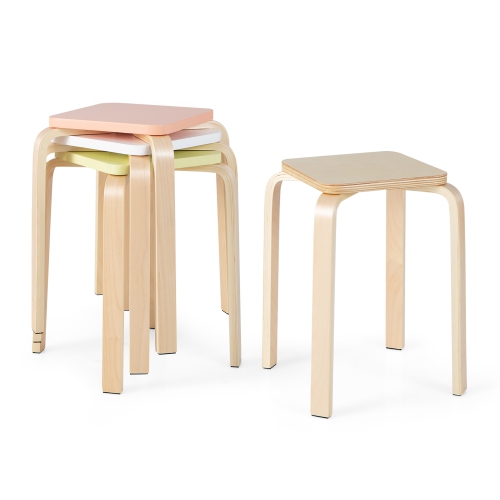
The storage advantage of stackable metal counter stools depends on more than whether one seat fits over another. Stacking is usually intended for compatible stools of the same design, not a mixture of similar-looking frames. The manufacturer’s maximum stack height should govern how many are nested together, and the completed stack needs a level surface where it will not obstruct a doorway or narrow passage. Stacked dimensions matter in a small home: angled legs can create a wider base than expected, and each additional stool adds height even when the frames nest closely. Protective stacking pads or buffers help keep metal surfaces apart, reducing rubbing between seats and frames. These guards serve a different purpose from the glides beneath the feet, which help limit floor marks and soften the sound of moving a stool. Both deserve an occasional check for wear or trapped grit. Even with glides fitted, lifting rather than dragging is a better habit on hardwood, laminate, and other easily marked flooring. For routine care, a soft cloth with mild soap and water is often suitable for finished metal, followed by drying, but the manufacturer’s directions should take priority. Abrasive pads and harsh cleaners can damage coatings, and wood or upholstered sections may need different treatment. Wiping spills promptly also helps keep moisture away from joints and fasteners. Periodic checks for loose screws, missing glides, cracked welds, or an uneven stance can catch problems before the stool is used again. A stool should rest securely on all its feet, never double as a step ladder, and be removed from use if its frame is damaged. In daily life, these details support the appeal of seating that can move from an island to a storage corner after friends leave. Housewarming gifts of counter stools can be thoughtful when the recipient’s counter measurements, preferred finish, and storage space are known. Whether furnishing a first apartment or adding flexible seating to an established kitchen, the strongest fit comes from matching seat height, comfort, construction, and stacking dimensions to the way the room is actually used.
Metal construction gives these stools their clean lines and sturdy appearance, but the material and frame details influence how they feel in everyday use. Steel is common in industrial-style seating and can provide a solid, substantial frame; aluminium is generally lighter, which may make frequent lifting and rearranging easier. Neither material alone determines strength. Tube dimensions, weld quality, bracing, fasteners, and the overall design all contribute to stability, and the manufacturer’s stated weight capacity applies to the individual stool rather than the group. Cross-bracing beneath a seat can help the frame resist sideways movement, while a well-positioned footrest gives the sitter somewhere to rest their feet instead of leaving their legs unsupported. Powder-coated finishes provide colour and a protective surface, though they can still chip or scratch through impacts and repeated contact. Matte black, white, grey, and metallic finishes work with a wide range of cabinetry, while brighter colours can give a simple island a more distinctive focal point. An all-metal seat offers a straightforward surface to wipe down after breakfast. A wood-topped version adds visible grain and a different feel, but its care needs depend on the wood and finish. Upholstered or padded seats may feel more comfortable during longer meals, although fabric, seams, and cushioning require their own cleaning routine and may affect how the stools stack. A shaped seat, rounded front edge, and useful footrest can matter more to comfort than appearance alone. Backless seating suits quick meals and flexible positioning, whereas a supportive backrest may be preferable for someone who spends longer at the counter. Armrests, where present, need clearance beneath the countertop and can increase the overall width. For children or anyone who finds climbing onto a raised seat difficult, stability and access deserve particular attention; a counter stool is not a substitute for age-appropriate child seating. Metal construction also does not automatically make a stool suitable for a patio or commercial space. Those uses require an appropriate rating and finish.
The storage advantage of stackable metal counter stools depends on more than whether one seat fits over another. Stacking is usually intended for compatible stools of the same design, not a mixture of similar-looking frames. The manufacturer’s maximum stack height should govern how many are nested together, and the completed stack needs a level surface where it will not obstruct a doorway or narrow passage. Stacked dimensions matter in a small home: angled legs can create a wider base than expected, and each additional stool adds height even when the frames nest closely. Protective stacking pads or buffers help keep metal surfaces apart, reducing rubbing between seats and frames. These guards serve a different purpose from the glides beneath the feet, which help limit floor marks and soften the sound of moving a stool. Both deserve an occasional check for wear or trapped grit. Even with glides fitted, lifting rather than dragging is a better habit on hardwood, laminate, and other easily marked flooring. For routine care, a soft cloth with mild soap and water is often suitable for finished metal, followed by drying, but the manufacturer’s directions should take priority. Abrasive pads and harsh cleaners can damage coatings, and wood or upholstered sections may need different treatment. Wiping spills promptly also helps keep moisture away from joints and fasteners. Periodic checks for loose screws, missing glides, cracked welds, or an uneven stance can catch problems before the stool is used again. A stool should rest securely on all its feet, never double as a step ladder, and be removed from use if its frame is damaged. In daily life, these details support the appeal of seating that can move from an island to a storage corner after friends leave. Housewarming gifts of counter stools can be thoughtful when the recipient’s counter measurements, preferred finish, and storage space are known. Whether furnishing a first apartment or adding flexible seating to an established kitchen, the strongest fit comes from matching seat height, comfort, construction, and stacking dimensions to the way the room is actually used.
Top selling and popular products
-
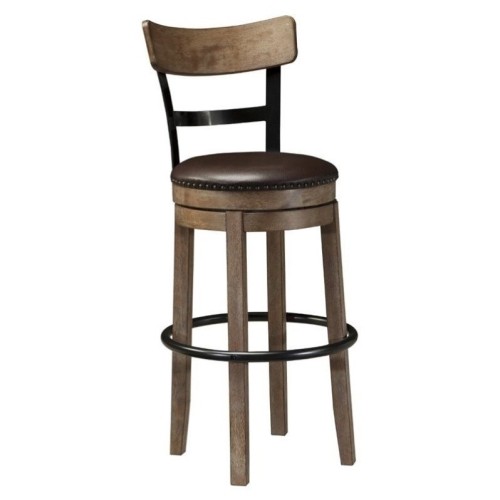 Your price for this item is $413.87
 -
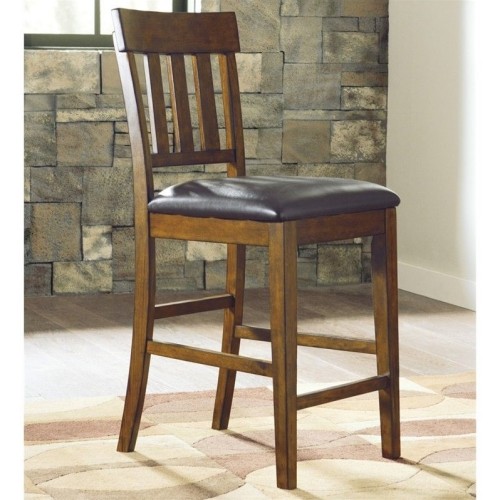 Your price for this item is $655.92
 -
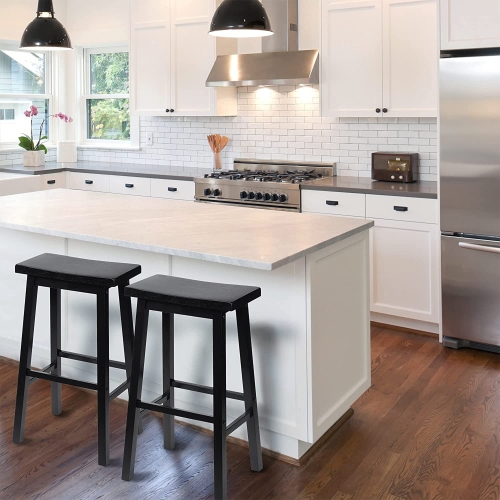 Your price for this item is $538.99
 -
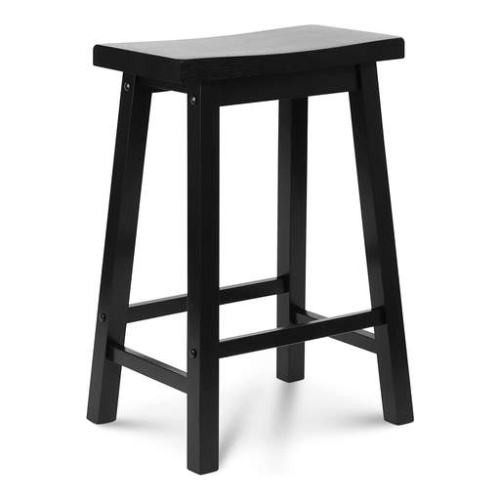 Your price for this item is $87.99
 -
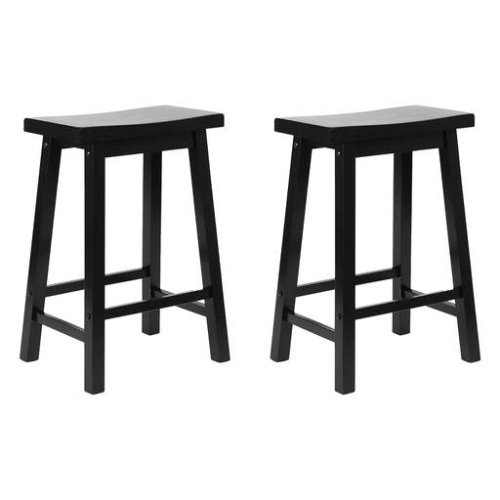 Your price for this item is $214.99
 -
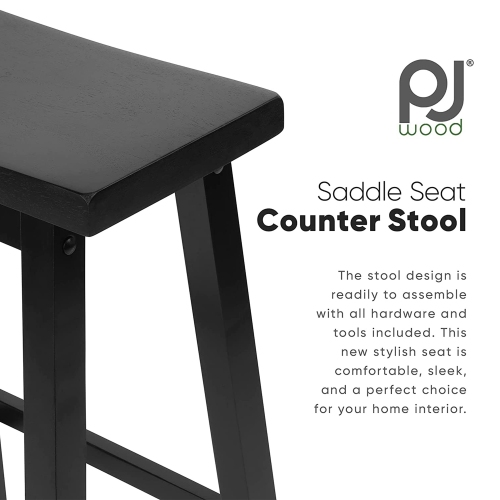 Your price for this item is $206.99
 -
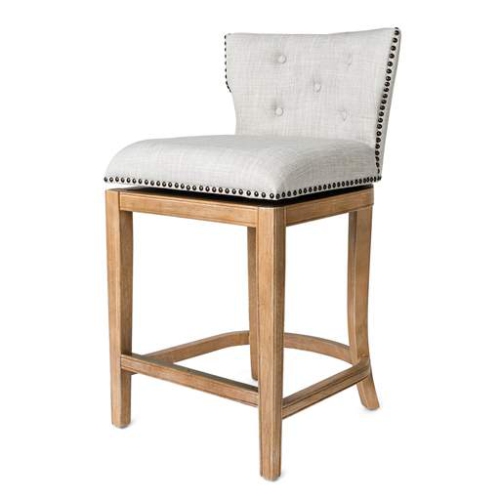 Your price for this item is $530.99
 -
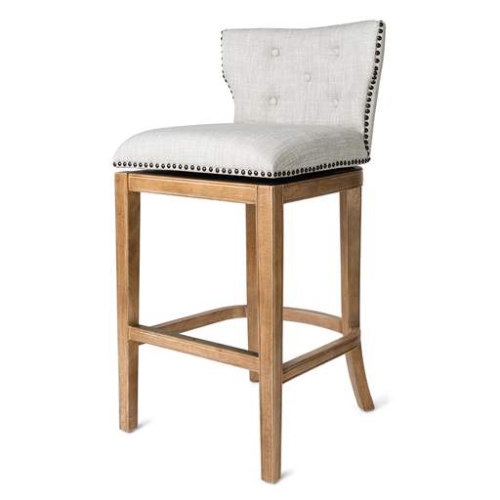 Your price for this item is $406.99
Discover more categories related to Stackable Metal Counter Stools

Top Collections:
Pokemon Centers, Budget 4K TVs, Best Budget Office Chairs, Kindle Devices, Canon G7X Cameras, Apple iPhones 16, iPhone 15 Apple, Laptops for Business Work, Xiaomi Phones, Flip Phones
Some products may be subject to Environmental Handling Fees
(EHF) depending on your province.
Learn more about EHFs.