Stackable Wooden Wine Racks
Stackable Wooden Wine Racks offer a stylish and practical solution for organizing your wine collection at home. Perfect for kitchens, dining rooms, or dedicated wine cellars, these racks make it easy to keep your bottles neatly arranged and accessible. Their versatile design allows you to expand your storage as your collection grows, while adding a touch of warmth and elegance to any space. Explore a variety of options to find the perfect Stackable Wooden Wine Racks that suit your taste and storage needs.
Sort
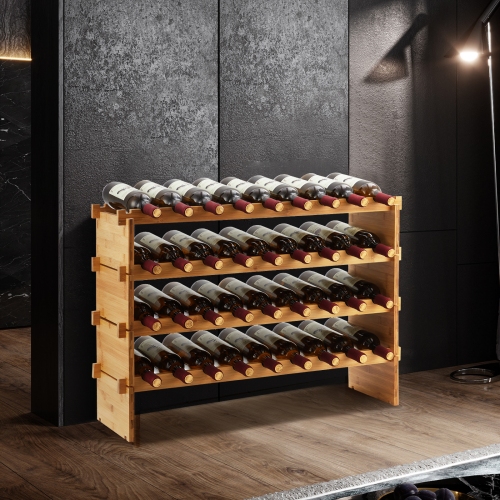
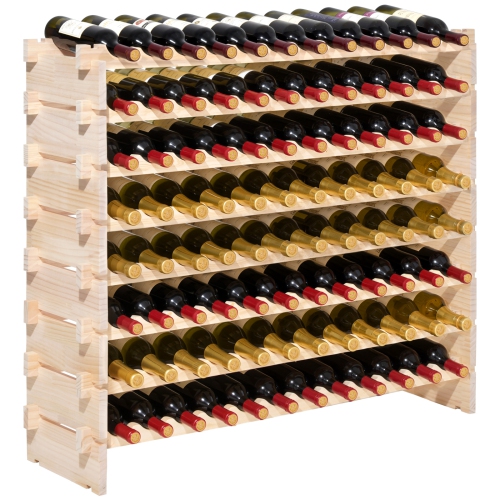
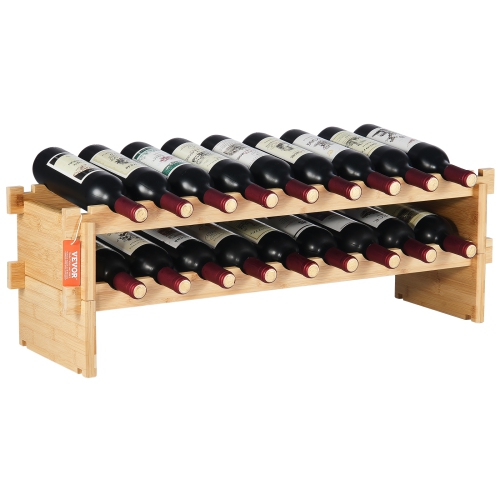
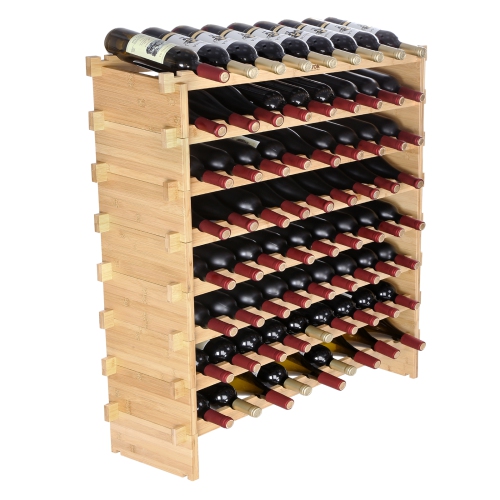
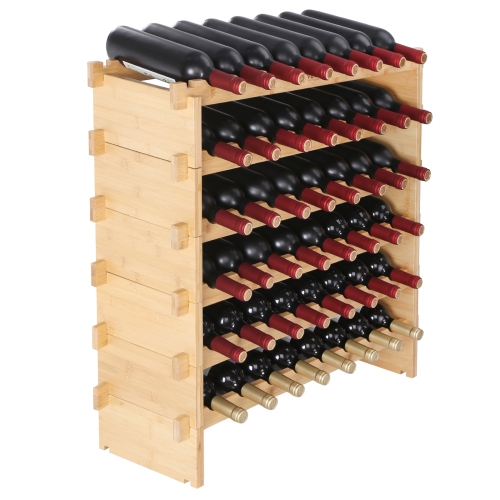
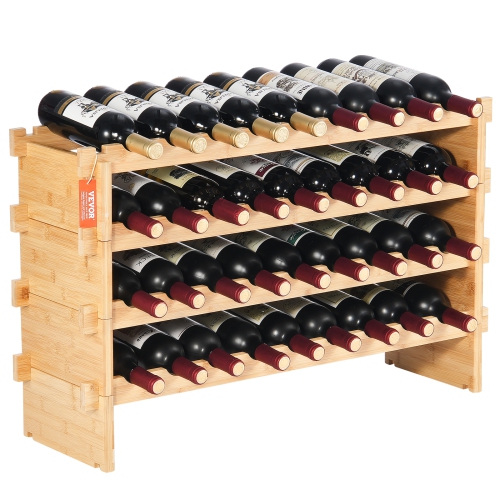


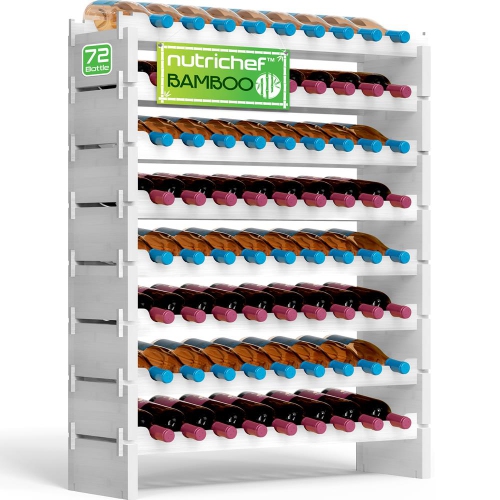
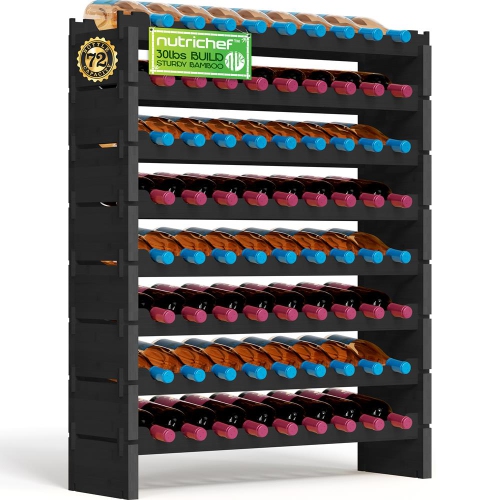

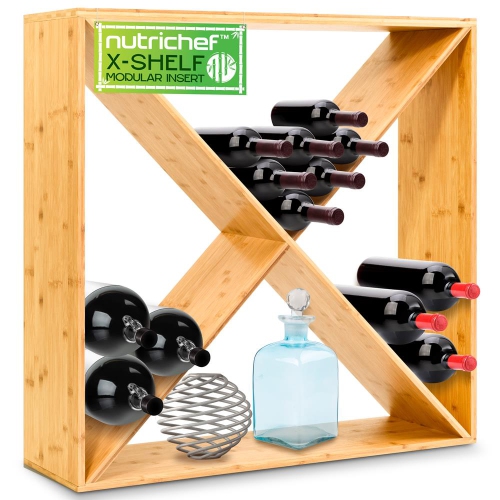
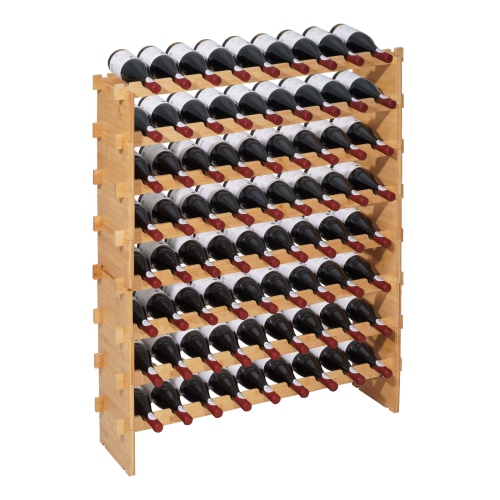
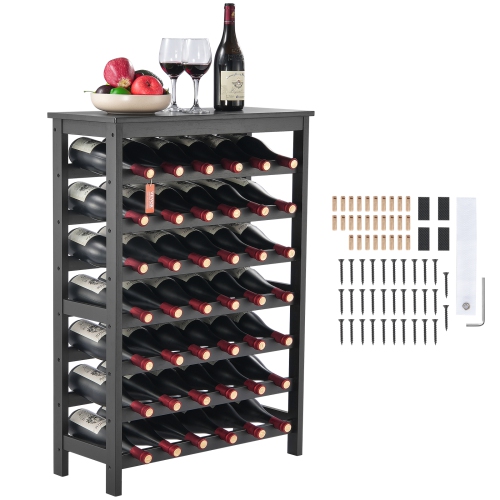
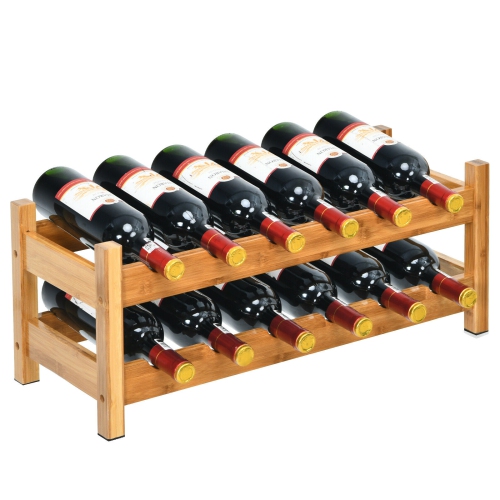
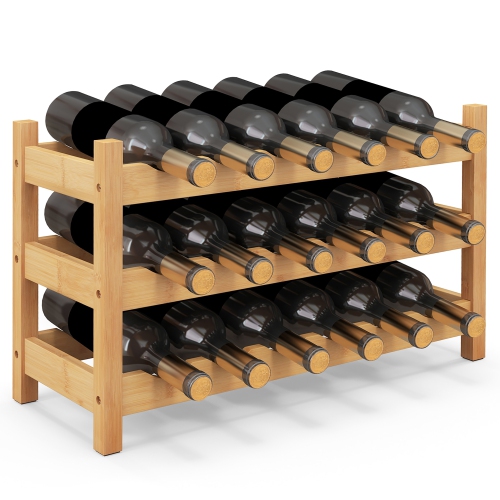
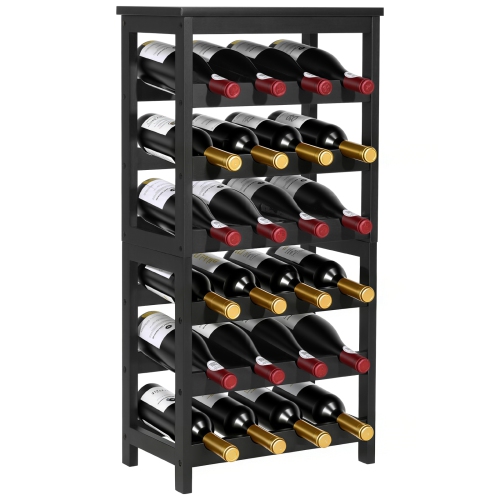
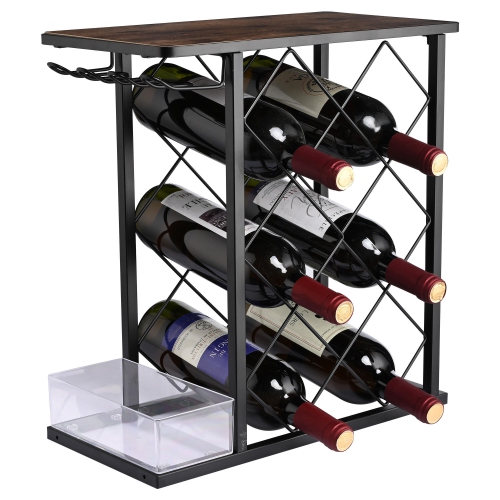
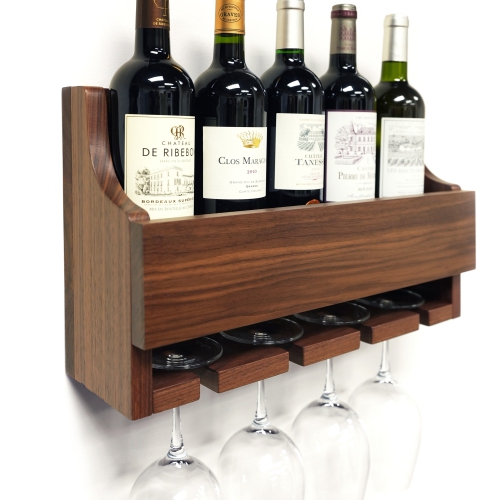
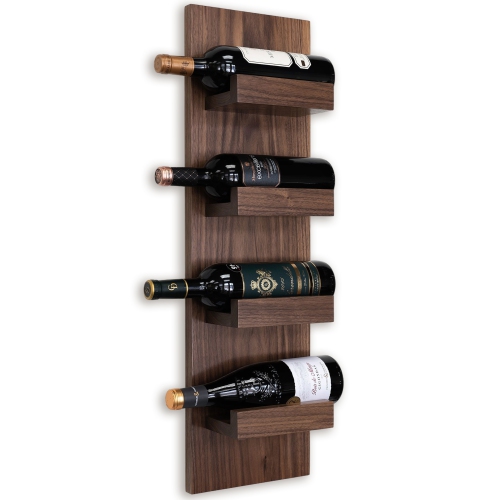
Warm wood storage that grows with your wine collection
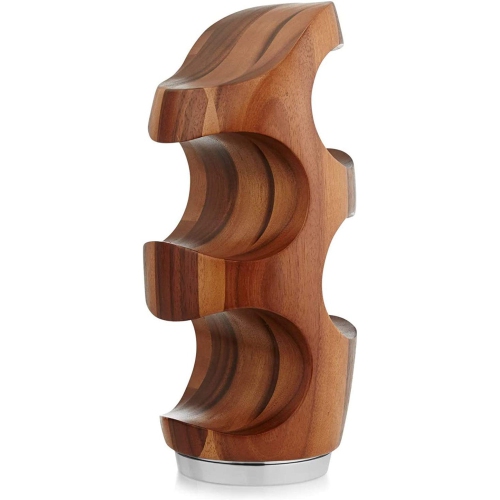
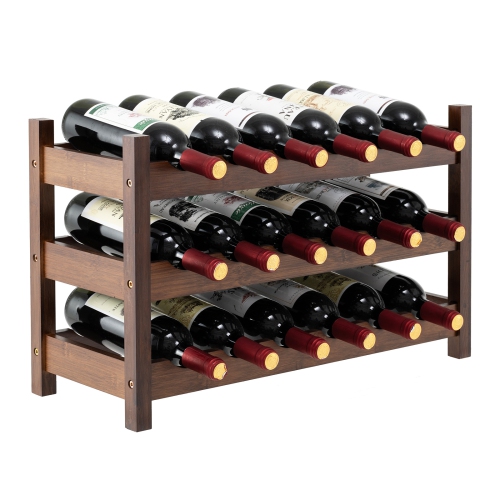
Stackable wooden wine racks provide modular bottle storage that can grow with a collection without requiring a single large cabinet. Their appeal lies in the combination of individual bottle spaces, a warm wood finish, and a layout that makes good use of vertical room. Depending on the design, compatible sections may stack upward, sit alongside one another, or form a wider arrangement across a pantry or dining room wall. A compact setup can keep a few favourite bottles within reach of a serving area, while a larger configuration can give an expanding collection a dedicated place. Wood choices influence both appearance and everyday use. Pine often has a lighter colour and visible knots, oak brings a pronounced grain, and darker woods or stained finishes can complement substantial dining furniture. Solid wood, engineered wood, and mixed-material construction have different characteristics, so the material description matters as much as the photograph. Smooth edges, evenly shaped bottle supports, and well-fitted joints contribute to a rack that feels secure when bottles are added or removed. An unfinished surface offers a different look and level of protection from a sealed or painted one; unfinished wood should not be assumed to resist spills or marks. Clear finishes allow the grain to remain visible, while coloured finishes can help a rack blend with cabinetry or stand out as an accent. For a coordinated storage area, Wooden Racks offer a broader point of comparison for wood tones and shelving styles. A wine rack still needs bottle-specific supports rather than simply an attractive shelf. The most useful arrangement suits the way its owner shops and entertains: a modest selection for occasional dinners, separate spaces for everyday favourites, or several tiers for someone who enjoys keeping different wines on hand. The open structure also makes a collection part of the room, with repeated curves, visible grain, and neatly arranged bottle ends creating a more intentional display than bottles gathered loosely on a counter.
Fit involves more than finding enough floor or counter space for the rack itself. The assembled width, depth, and height need to work with nearby doors, drawers, shelving, and the movement of people through the room. Bottles may project beyond the wooden frame, and there should be enough clearance to lift or slide one out without catching its neck on an overhead shelf. A rack that fits neatly beneath a sideboard may still be awkward if the upper row cannot be reached comfortably. Bottle shape is another important consideration. Many stated capacities are based on standard 750 mL wine bottles, but broader sparkling wine bottles, rounded Burgundy-style bottles, and unusually tall formats can occupy space differently. The shape and spacing of the cradles determine whether those bottles sit securely without pressing against their neighbours. Large-format bottles need supports designed for their dimensions and weight rather than an improvised position across several openings. Stackability is also specific to the design: two wooden racks with similar dimensions are not necessarily compatible. Matching connection points, locating pins, and interlocking profiles help keep approved sections aligned, while some systems rely on fasteners or additional supports. Tool-free assembly can be convenient, but it does not remove the need for fully seated joints and careful adherence to the assembly directions. A flat, level surface is essential because a small wobble at the base can become more noticeable as tiers and bottles are added. Filled wine bottles create a substantial load, making the manufacturer's weight limits, maximum stacking height, and anchoring requirements central to placement. A countertop arrangement also depends on the counter's load capacity and a position safely back from its edge. In homes with children or pets, a location away from climbing opportunities and busy pathways deserves particular attention. Expansion works best when it is planned around the complete loaded arrangement, not just the empty frame. A low, wide layout may suit a dining room alcove better than a narrow tower, while a taller approved configuration may make sense where floor space is limited and secure anchoring is possible.
Day-to-day usefulness comes from easy access, sensible organization, and care that suits the wood and finish. Horizontal cradles can keep bottles with natural cork closures positioned so the wine remains in contact with the cork, although closure type and the wine producer's storage recommendations still matter. Screw-cap bottles do not have the same cork-contact requirement. A rack organizes and supports bottles; it does not replace the storage conditions needed for wines intended for extended ageing. Placement away from direct sunlight, cooking appliances, and frequent vibration can help create a more suitable storage spot without turning the rack into specialized wine-storage equipment. For everyday organization, grouping bottles by style, region, or intended occasion can make a selection easier to find before dinner. Keeping frequently chosen bottles within comfortable reach reduces unnecessary handling, while a simple record can help track bottles whose labels are not visible from the front. Cleaning is generally straightforward, but finish-specific directions take priority. A soft cloth can remove dust from rails and joints, and any spill should be dealt with promptly so liquid does not sit against the wood. Excess water, abrasive pads, and unsuitable cleaning sprays can mark a surface or damage its finish. Bottle bases and necks should also be clean before storage, particularly where residue could transfer to unfinished supports. Occasional checks for loose connections, cracks, or movement are worthwhile, especially after the rack has been relocated or expanded. A loaded rack should not be moved unless its manufacturer expressly permits it; removing the bottles first avoids placing unexpected strain on the frame. These practical details make stackable wooden wine racks useful for apartment dwellers, frequent hosts, and collectors building a more organized space. They can also be thoughtful housewarming or wedding gifts when the recipient's available space, preferred finish, and bottle-storage needs are known. A well-chosen rack balances display with dependable support, giving each bottle a defined place while leaving room for the collection to change.
Top selling and popular products
-
 Your price for this item is $67.15
-
 Your price for this item is $151.53
-
 Your price for this item is $177.99
-
 Your price for this item is $189.99
-
 Your price for this item is $69.99
-
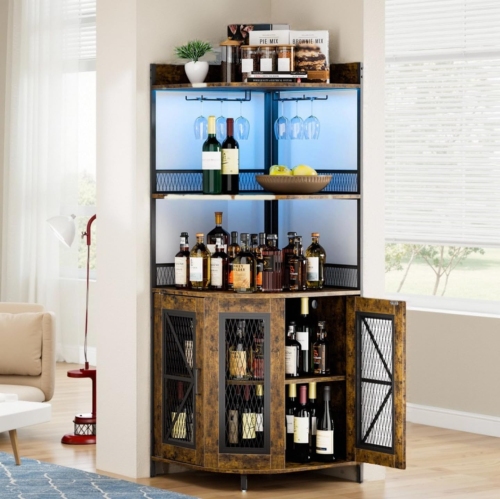 Your price for this item is $318.99
-
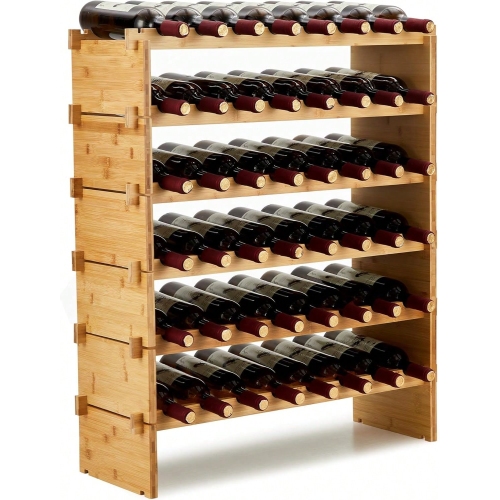 Your price for this item is $123.99
-
 Your price for this item is $136.99
Discover more categories related to Stackable Wooden Wine Racks
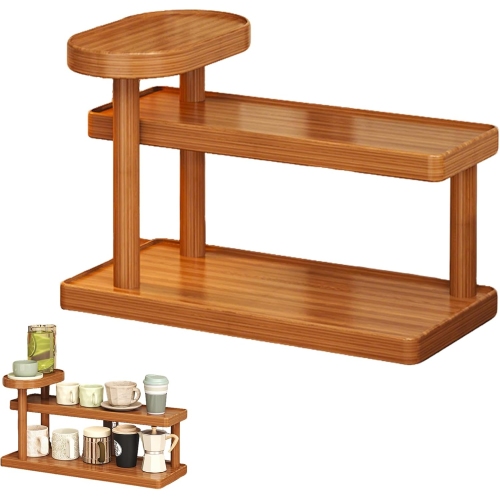
Top Collections:
Best Black Friday Deals This Year, Best Black Friday Deals On Electronics, Kindle Devices, Dyson Airwrap, Best Cameras for Sports Photography, Best Budget Office Chairs, Canon G7X Cameras, PS5 Pro Consoles, Best Black Friday Deals On Apple Products, XBOX One S Consoles
Some products may be subject to Environmental Handling Fees
(EHF) depending on your province.
Learn more about EHFs.