Stainless Steel Food Jars
Whether you're a busy professional on the go or a parent packing lunch for your little ones, stainless steel food jars are a must-have accessory for keeping your meals hot or cold while maintaining their freshness. These sleek and durable containers are designed to withstand the demands of everyday life, making them perfect for commuting, camping, or even just enjoying a picnic in the park.
Sort
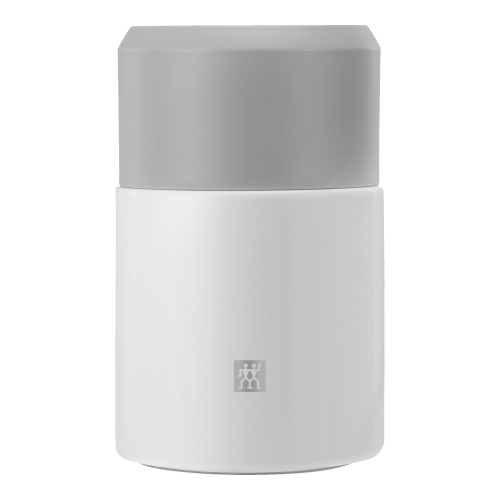
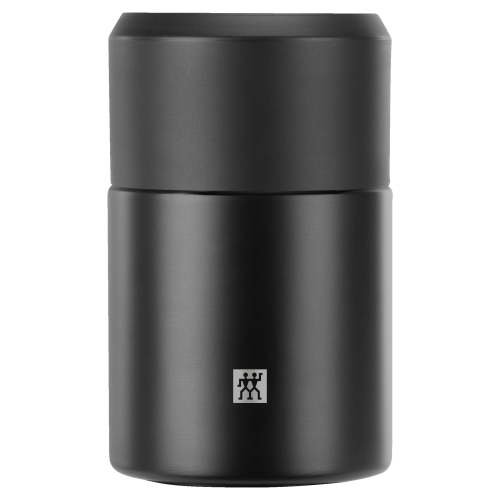
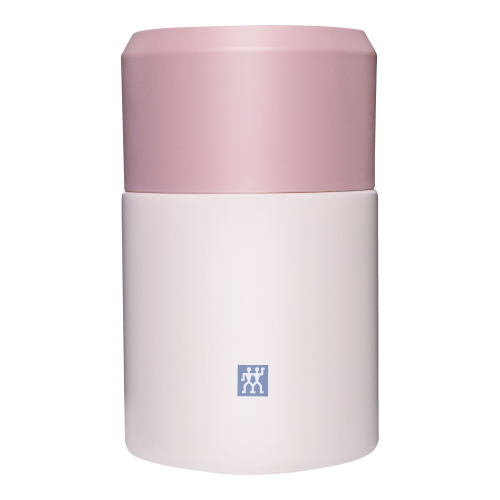
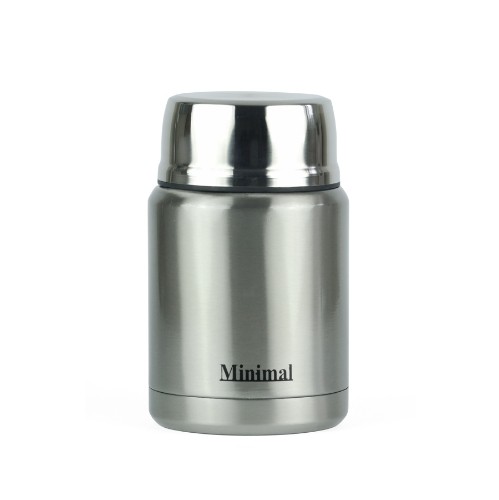
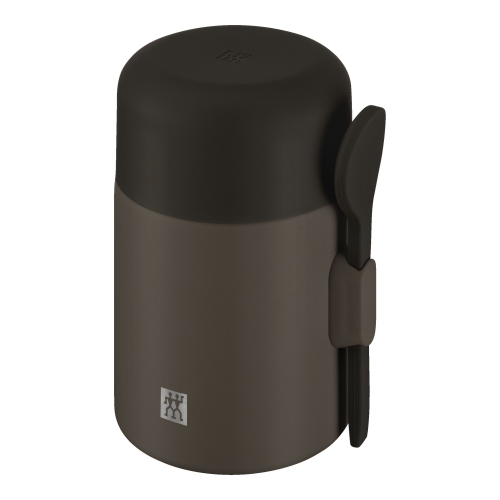
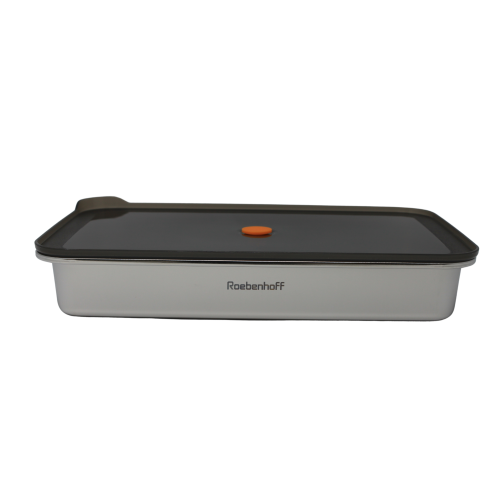
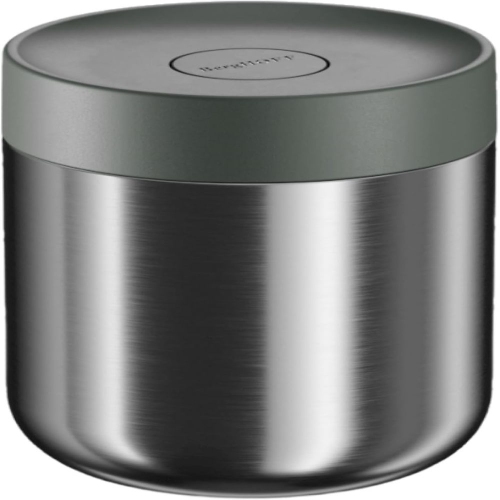
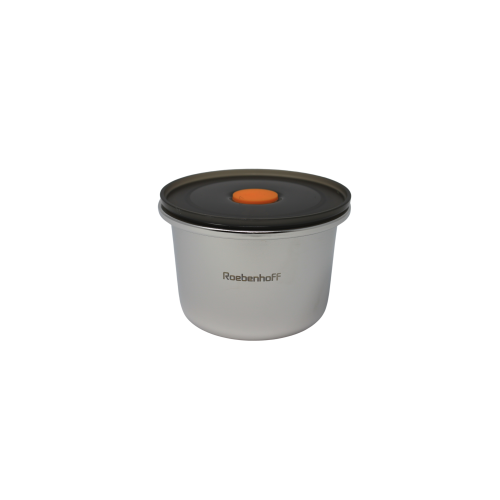
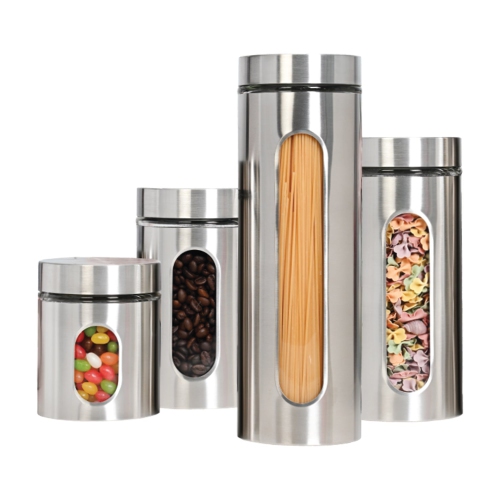
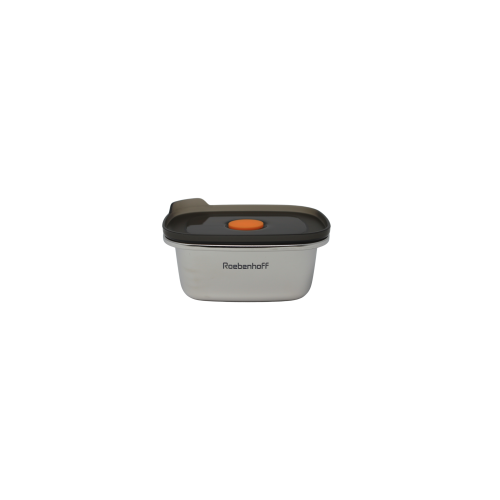
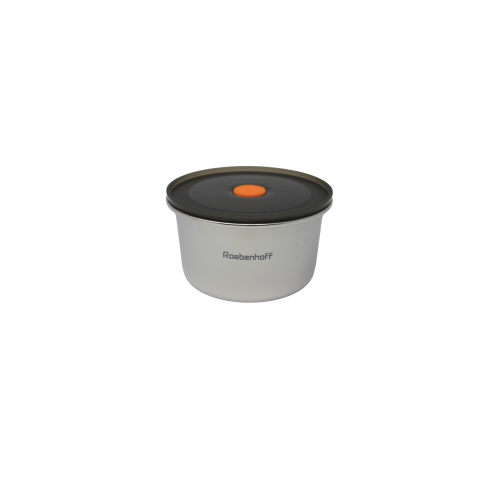
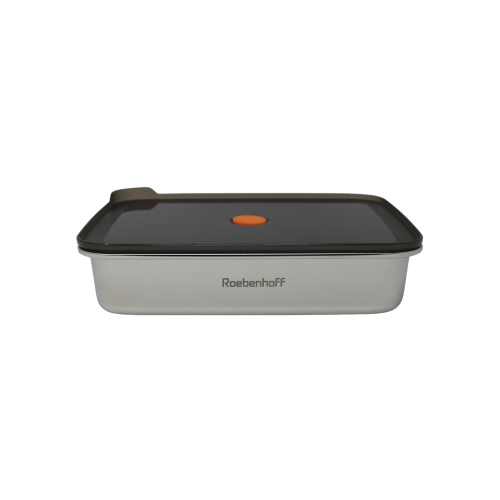

Insulated meal containers for hot lunches and chilled snacks
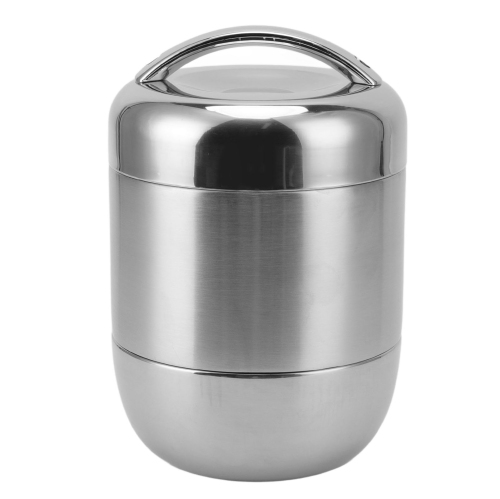
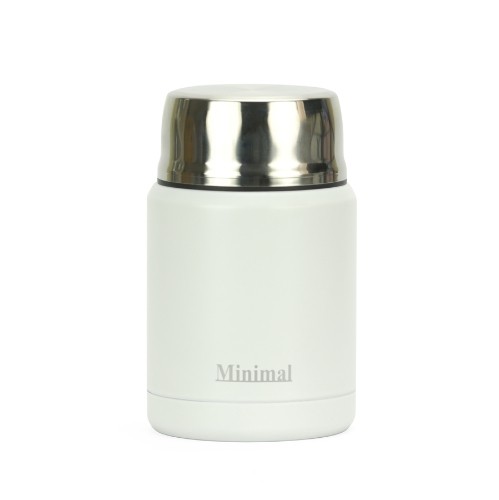
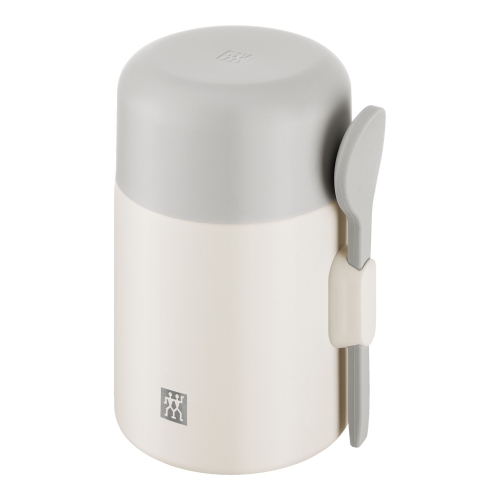
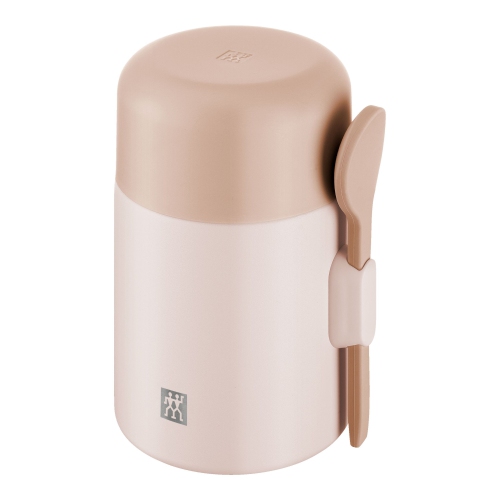
Stainless steel food jars are practical containers for carrying complete meals, snacks, and side dishes while helping food stay at a comfortable temperature for hours. Most are made with double-wall vacuum insulation, which creates a buffer between the contents and the outside air. Depending on the design, capacity, starting temperature, and how often the lid is opened, an insulated food jar may keep soup, stew, pasta, oatmeal, or chilli warm for much of the day, while chilled foods such as fruit, yoghurt, overnight oats, or pasta salad can remain cool for extended periods. They are useful for school lunches, office meals, commuting, road trips, picnics, sports practices, and days spent outdoors during the warmer and cooler seasons. A food jar can make a packed lunch feel more substantial than a collection of small snacks: imagine opening the lid on a crisp afternoon to find fragrant tomato soup, hearty lentil stew, or creamy macaroni still ready to eat. Many people also use them for breakfast foods, keeping porridge warm on the way to work or bringing a cold smoothie bowl base for a morning class. Their compact shape fits neatly into many lunch bags and backpacks, and the stainless steel interior is well suited to everyday use. When choosing a jar, consider how and where meals will be eaten. A smaller capacity around 10 to 12 oz can suit children, light snacks, sauces, yoghurt, or a modest breakfast, while a 16 to 18 oz jar often works well for a standard lunch portion. Larger capacities around 20 to 24 oz may be better for generous servings, active adults, or meals that include a main dish and toppings. Capacity is only one part of the decision: the opening, lid, insulation, exterior finish, and ease of cleaning can make just as much difference to the daily experience.
A wide-mouth stainless steel food jar is generally easier to fill with a ladle, scoop food from with a spoon, and wash thoroughly after a meal. It is especially convenient for thicker foods such as chilli, rice bowls, stews, scrambled eggs, and pasta, which can be awkward to remove from a narrow opening. A narrower profile may take up less room in a bag, so it can be a good choice when space is limited or when the jar will be carried alongside books, gym clothing, or travel essentials. Look for a lid that closes securely and has a dependable silicone gasket to help prevent leaks when the jar is kept upright in a lunch bag. A leak-resistant seal is important for soups and sauces, although the lid should always be fully tightened and the container kept in the position recommended by the manufacturer. Some designs include a built-in serving bowl, folding spoon, or separate compartment for toppings, adding convenience when there is no kitchen or dining area nearby. Insulated jars usually perform best when prepared properly. For hot meals, filling the jar with hot water for a few minutes before emptying and adding the heated food can help warm the interior. For cold meals, a brief pre-chill with cold water can support temperature retention. Fill the container according to its instructions, leave enough room for the lid when necessary, and avoid placing piping-hot food into a sealed container without allowing it to reach a suitable serving temperature. Food safety remains important: perishable meals should be handled correctly before packing, and leftovers should not be left at room temperature for longer than recommended. After use, take apart removable seals when the care instructions allow, wash around the threads, and dry every component thoroughly to help prevent lingering odours. Although stainless steel interiors are durable, many jars are not designed for microwave use, and their exterior, lid, or gasket may have specific dishwasher requirements, so checking the care information before cleaning is worthwhile.
Stainless steel food jars can be a thoughtful gift for students, new employees, commuters, parents, hikers, travellers, and anyone who regularly eats away from home. They are particularly helpful for people with early starts, long shifts, changing schedules, or limited access to a microwave, because a prepared meal can travel from the kitchen to the destination without relying on a shared appliance. Parents may appreciate a manageable size, a simple lid, and a shape that is easy for smaller hands to carry, while university students and office workers may prefer a larger jar with room for a filling lunch. For camping and travel, a well-insulated jar can hold breakfast before a trail begins or provide a warm meal during a stop along the road. It can also be useful for keeping chilled foods separate from the rest of a packed meal, such as berries for a child, fruit salad for a picnic, or a cool dessert after an active day. When comparing options, think about the foods that appear most often in the weekly routine rather than choosing by appearance alone. Soup lovers may value a wide opening and reliable heat retention; those who pack salads or yoghurt may prioritize cooling performance and a lid that is easy to clean; families may want several capacities for different appetites; and travellers may favour a slimmer shape that fits a crowded bag. People assembling a coordinated lunch setup can also explore Stainless Steel Lunch Boxes for additional ways to organize meals and snacks. With the right capacity, seal, opening, and care routine, a stainless steel food jar can become one of those dependable everyday items that quietly improves the rhythm of packed meals, from warm breakfasts during cooler mornings to chilled snacks as the weather warms.
A wide-mouth stainless steel food jar is generally easier to fill with a ladle, scoop food from with a spoon, and wash thoroughly after a meal. It is especially convenient for thicker foods such as chilli, rice bowls, stews, scrambled eggs, and pasta, which can be awkward to remove from a narrow opening. A narrower profile may take up less room in a bag, so it can be a good choice when space is limited or when the jar will be carried alongside books, gym clothing, or travel essentials. Look for a lid that closes securely and has a dependable silicone gasket to help prevent leaks when the jar is kept upright in a lunch bag. A leak-resistant seal is important for soups and sauces, although the lid should always be fully tightened and the container kept in the position recommended by the manufacturer. Some designs include a built-in serving bowl, folding spoon, or separate compartment for toppings, adding convenience when there is no kitchen or dining area nearby. Insulated jars usually perform best when prepared properly. For hot meals, filling the jar with hot water for a few minutes before emptying and adding the heated food can help warm the interior. For cold meals, a brief pre-chill with cold water can support temperature retention. Fill the container according to its instructions, leave enough room for the lid when necessary, and avoid placing piping-hot food into a sealed container without allowing it to reach a suitable serving temperature. Food safety remains important: perishable meals should be handled correctly before packing, and leftovers should not be left at room temperature for longer than recommended. After use, take apart removable seals when the care instructions allow, wash around the threads, and dry every component thoroughly to help prevent lingering odours. Although stainless steel interiors are durable, many jars are not designed for microwave use, and their exterior, lid, or gasket may have specific dishwasher requirements, so checking the care information before cleaning is worthwhile.
Stainless steel food jars can be a thoughtful gift for students, new employees, commuters, parents, hikers, travellers, and anyone who regularly eats away from home. They are particularly helpful for people with early starts, long shifts, changing schedules, or limited access to a microwave, because a prepared meal can travel from the kitchen to the destination without relying on a shared appliance. Parents may appreciate a manageable size, a simple lid, and a shape that is easy for smaller hands to carry, while university students and office workers may prefer a larger jar with room for a filling lunch. For camping and travel, a well-insulated jar can hold breakfast before a trail begins or provide a warm meal during a stop along the road. It can also be useful for keeping chilled foods separate from the rest of a packed meal, such as berries for a child, fruit salad for a picnic, or a cool dessert after an active day. When comparing options, think about the foods that appear most often in the weekly routine rather than choosing by appearance alone. Soup lovers may value a wide opening and reliable heat retention; those who pack salads or yoghurt may prioritize cooling performance and a lid that is easy to clean; families may want several capacities for different appetites; and travellers may favour a slimmer shape that fits a crowded bag. People assembling a coordinated lunch setup can also explore Stainless Steel Lunch Boxes for additional ways to organize meals and snacks. With the right capacity, seal, opening, and care routine, a stainless steel food jar can become one of those dependable everyday items that quietly improves the rhythm of packed meals, from warm breakfasts during cooler mornings to chilled snacks as the weather warms.
Top selling and popular products
-
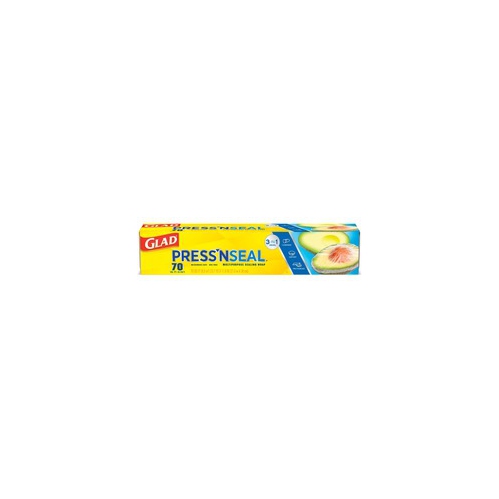 Your price for this item is $5.99
 -
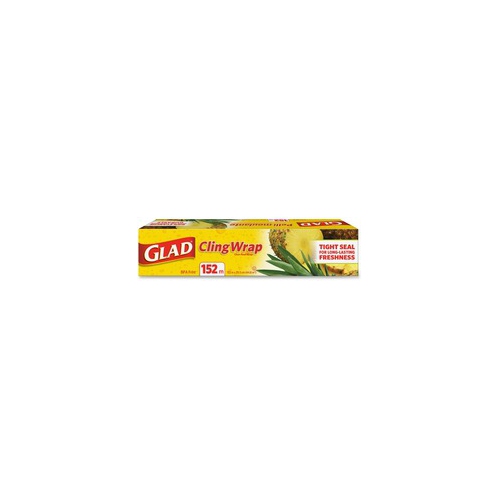 Your price for this item is $9.99
 -
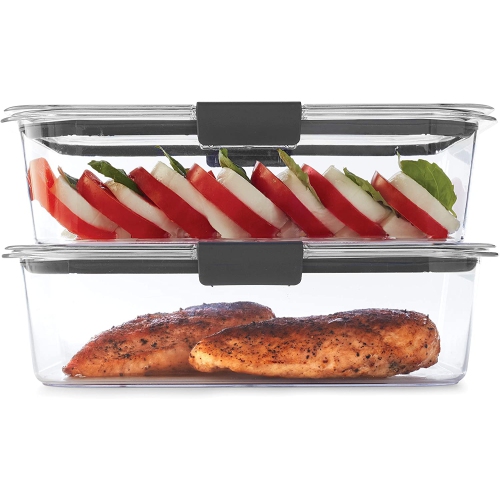 Your price for this item is $108.25
 -
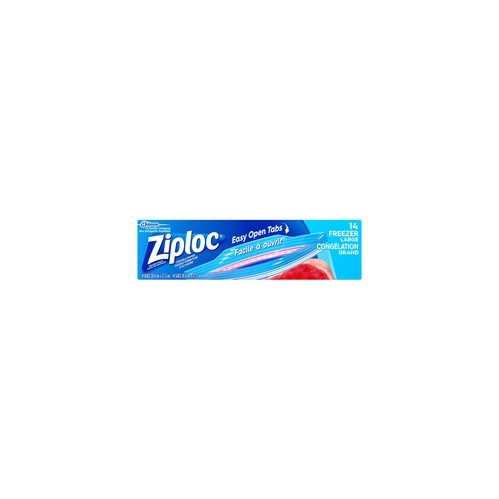 Your price for this item is $7.99
 -
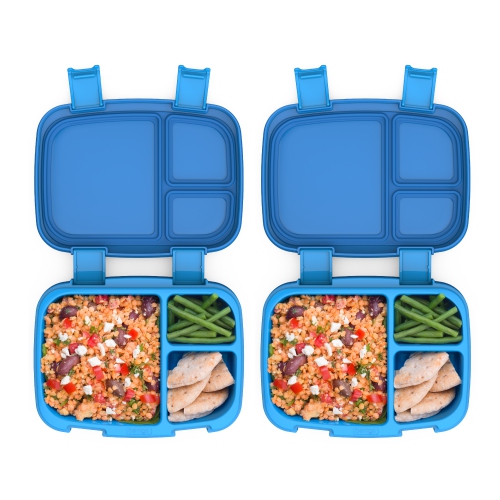 Your price for this item is $44.99
 -
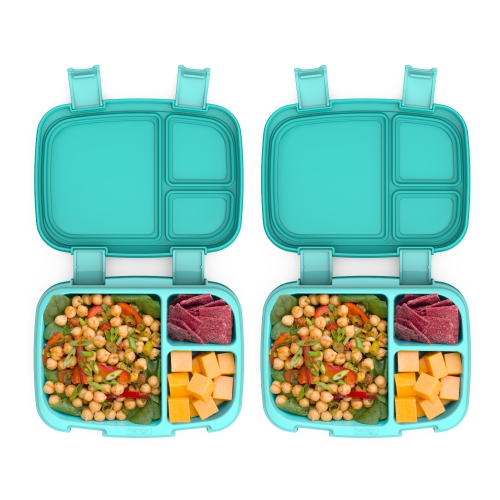 Your price for this item is $44.99
 -
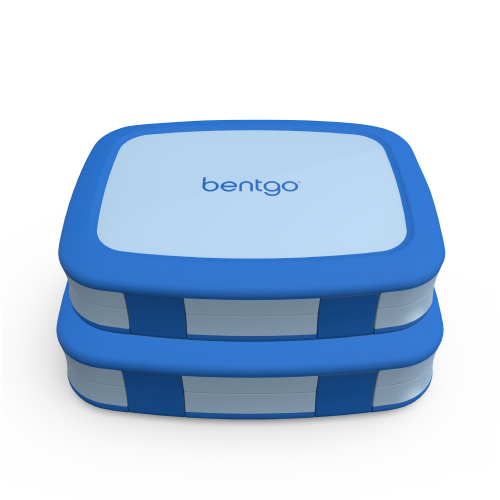 Your price for this item is $59.99
 -
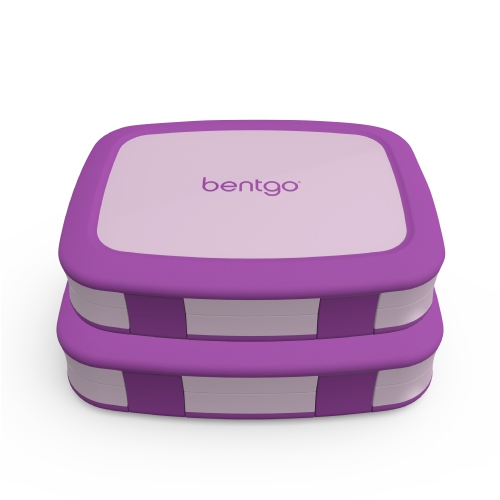 Your price for this item is $59.99
Discover more categories related to Stainless Steel Food Jars
Top Collections:
Pokemon Centers, Kindle Devices, Best Budget Office Chairs, Apple iPhones 16, Best Laptops for Writers, iPhone 15 Apple, Canon G7X Cameras, Refurbished Apple Laptops, Alarm Clock, Motorola Razr Phones
Some products may be subject to Environmental Handling Fees
(EHF) depending on your province.
Learn more about EHFs.