Stainless Steel Containers
If you're looking for a durable and stylish way to store your food, look no further than these stainless steel containers. These sleek and versatile containers are perfect for keeping your meals fresh and organized, whether you're meal-prepping for the week or packing lunch for the office. With their high-quality construction, stainless steel containers offer excellent durability and are resistant to rust, stains, and odors. Plus, they are an eco-friendly alternative to disposable plastic containers, making them a great choice for those looking to reduce waste.
Sort
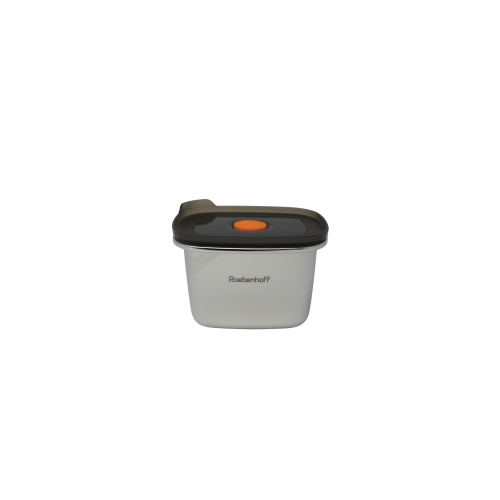
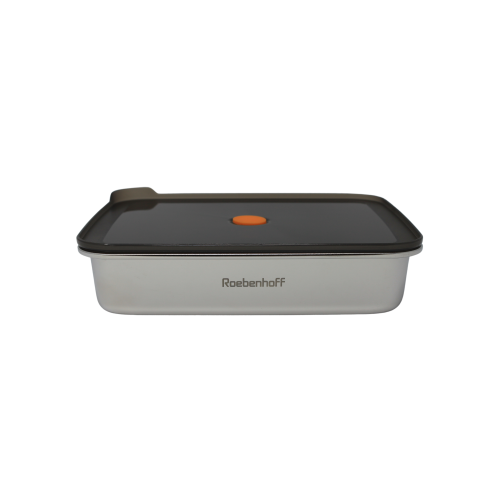
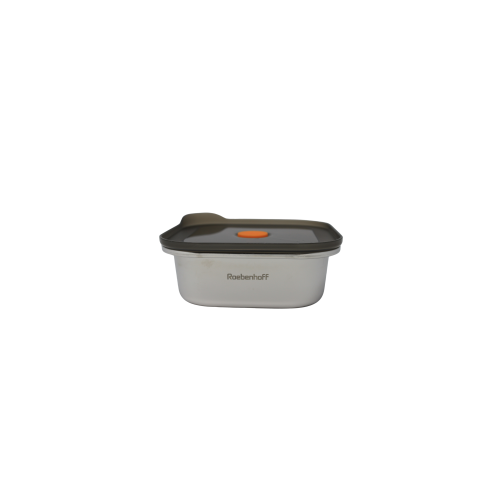
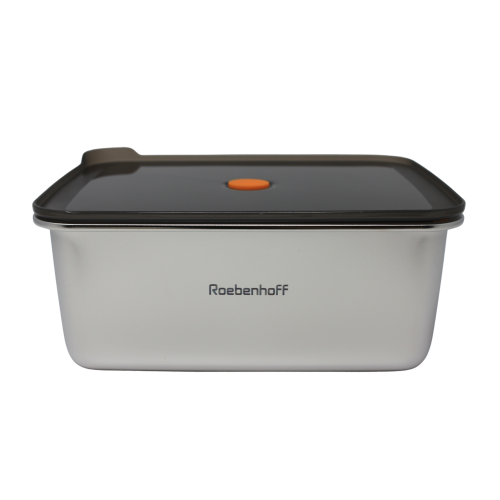
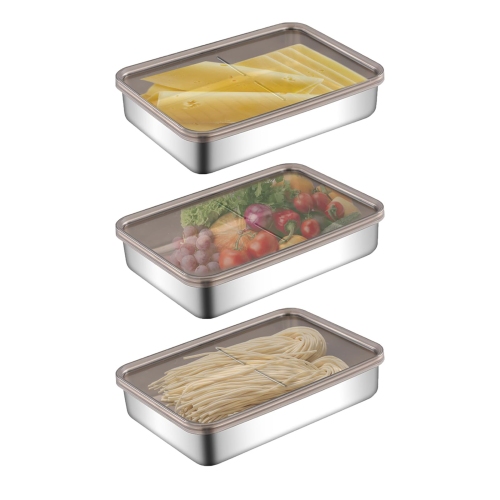
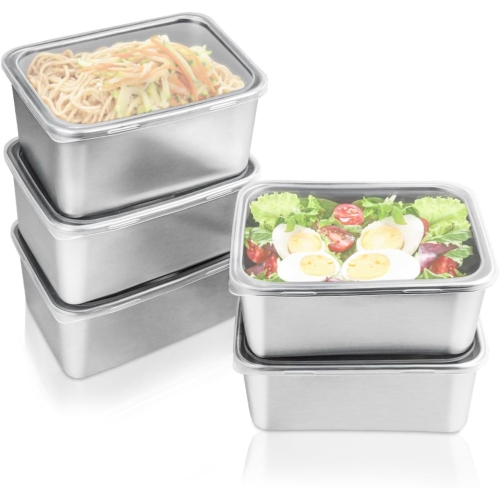
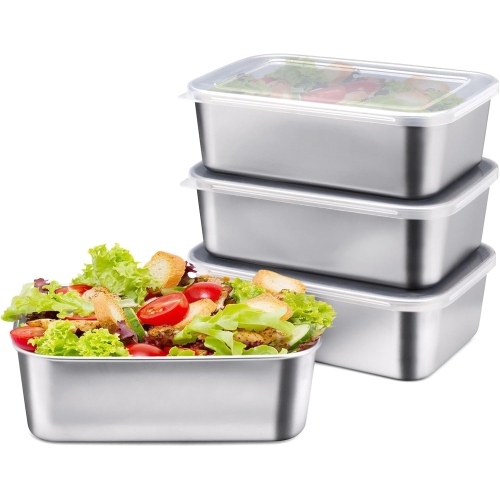
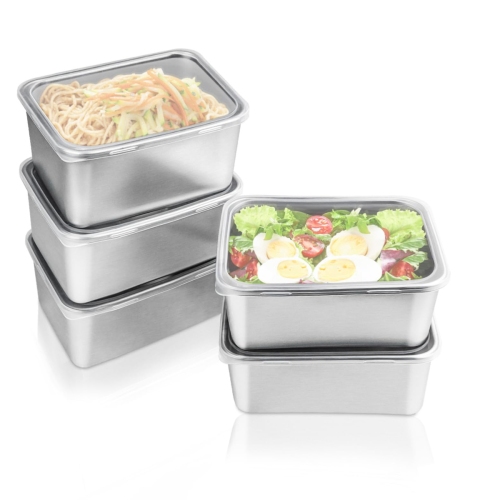
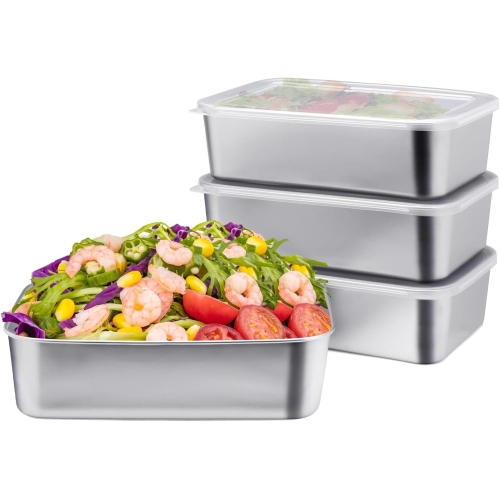
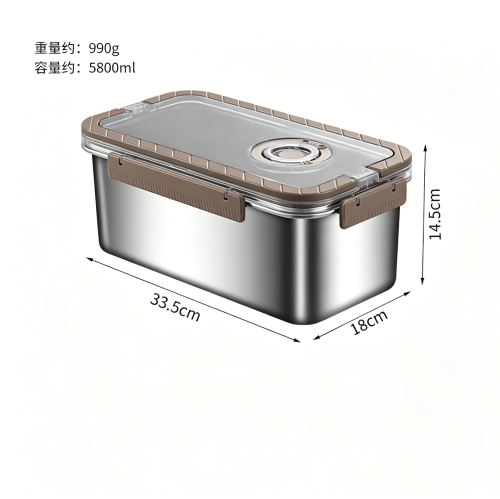
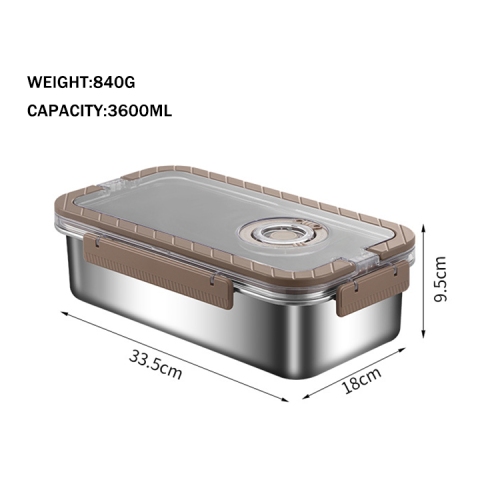
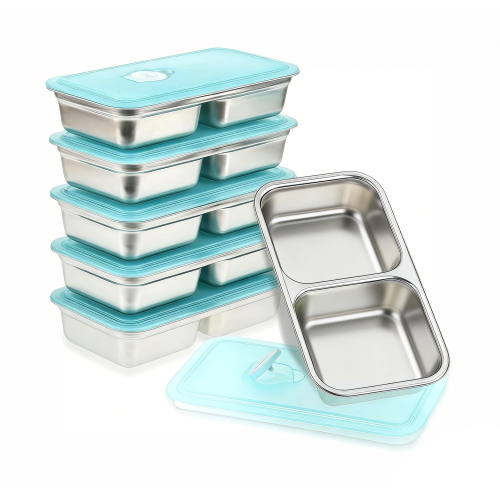
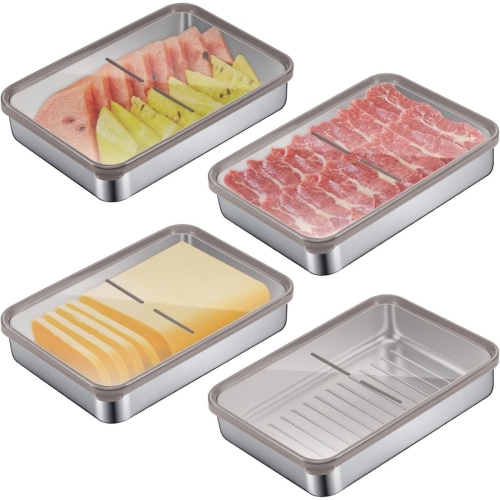
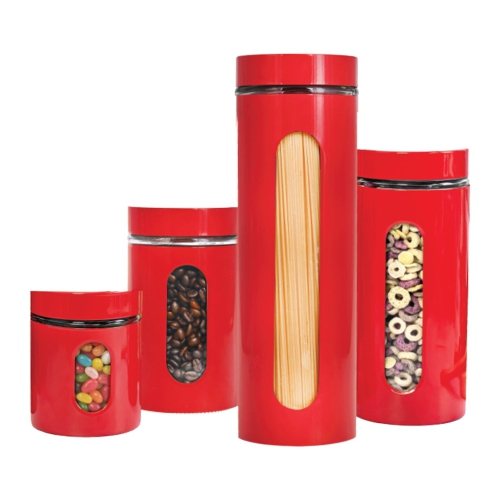
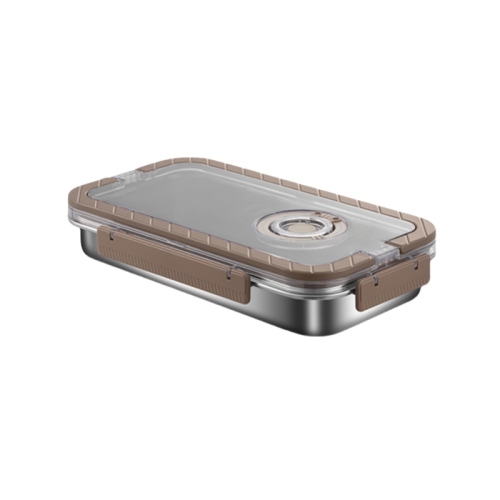
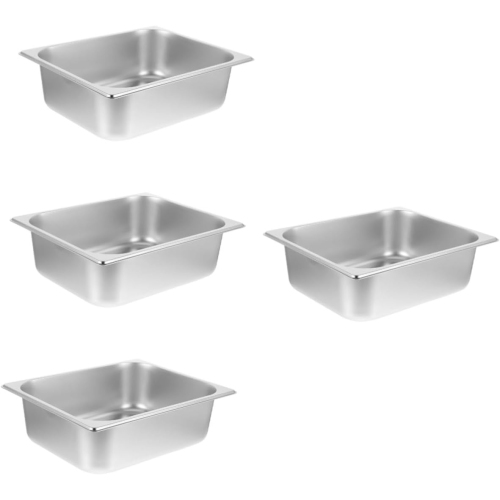
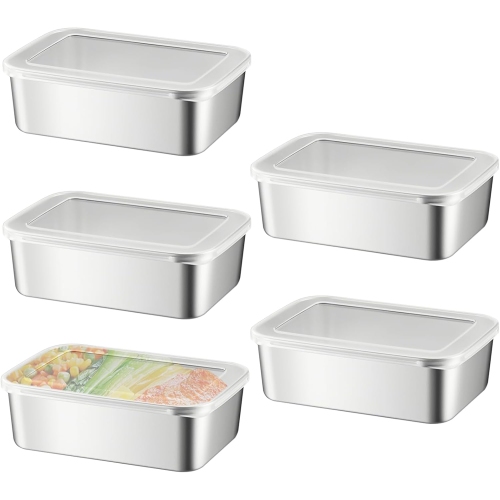
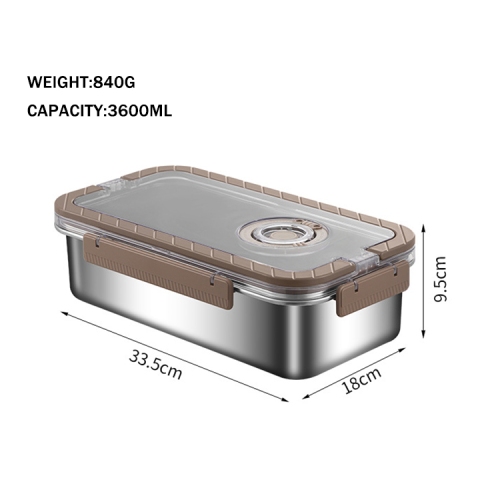
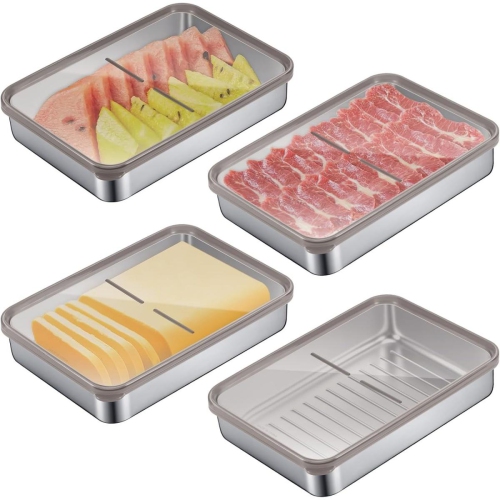
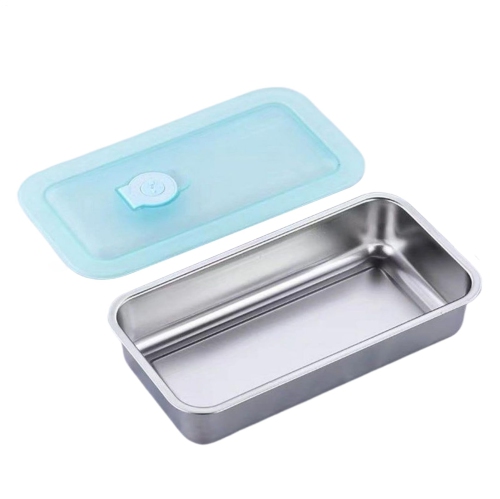
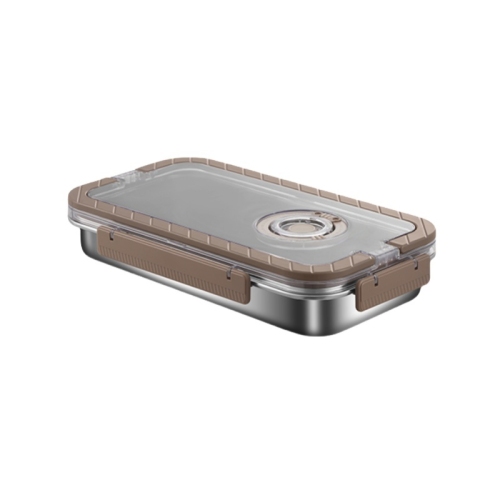
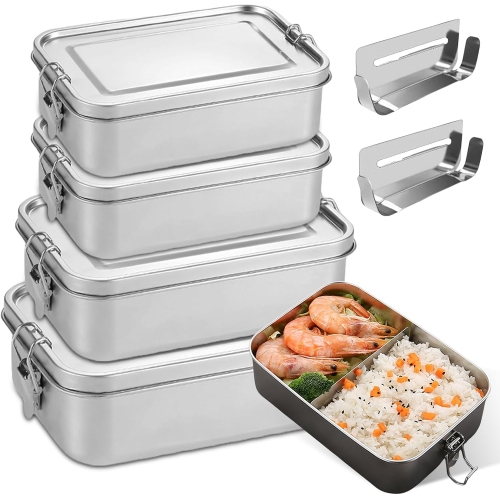
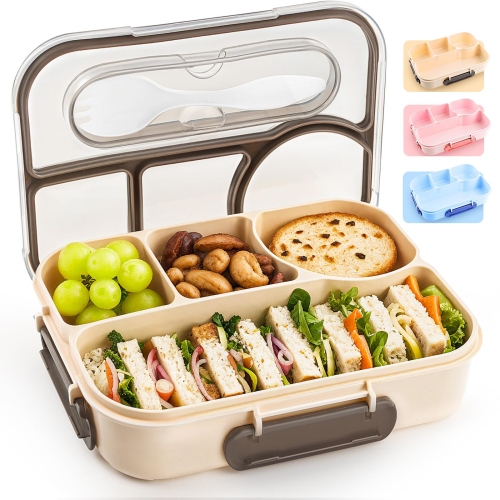
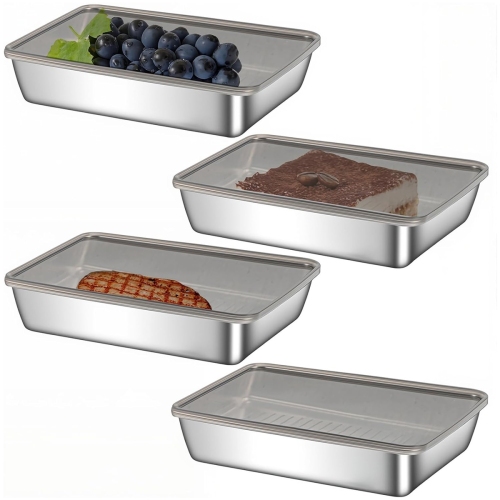
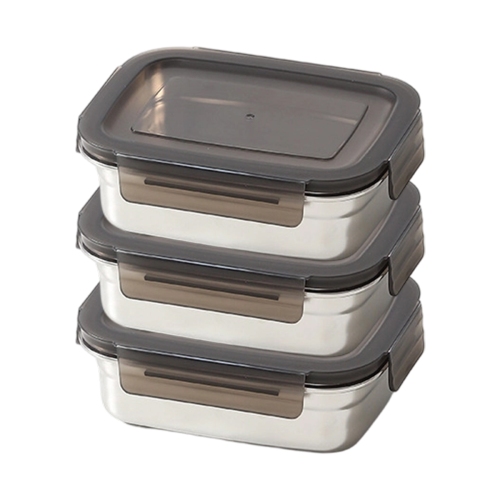
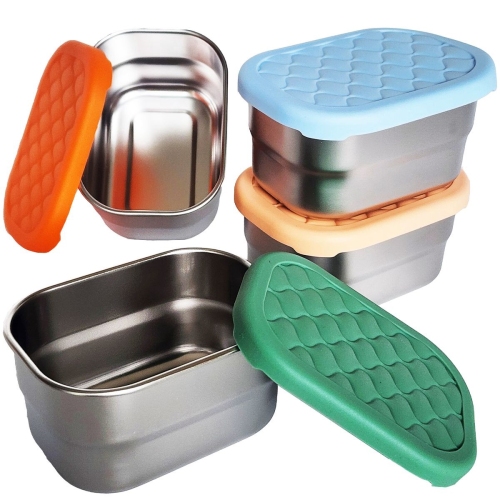
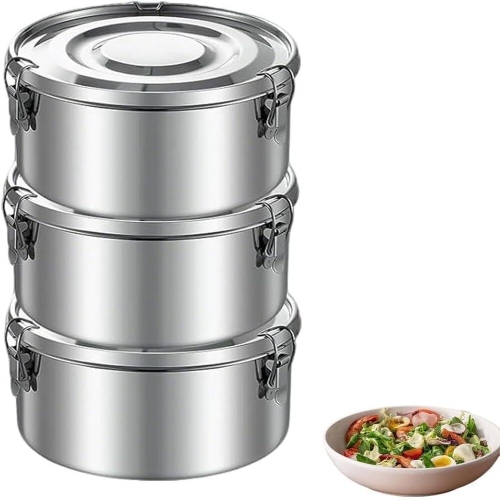
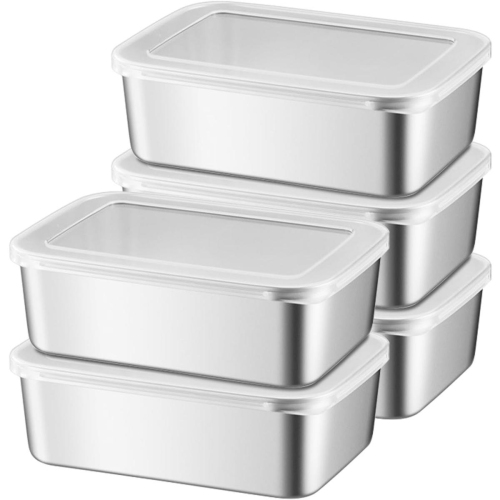
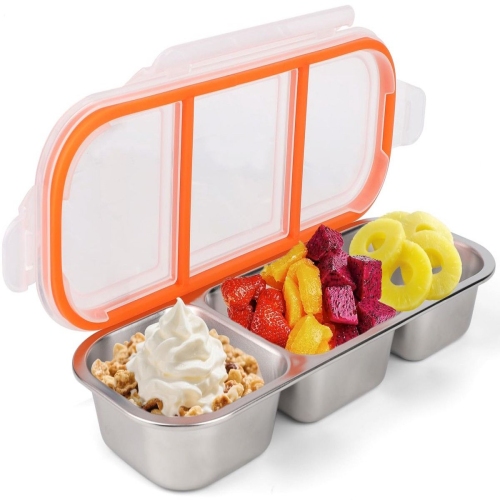
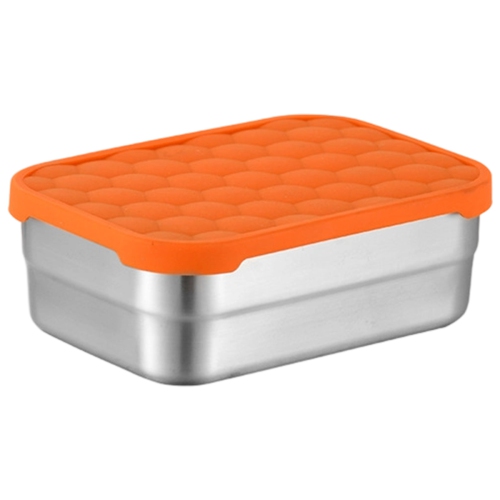
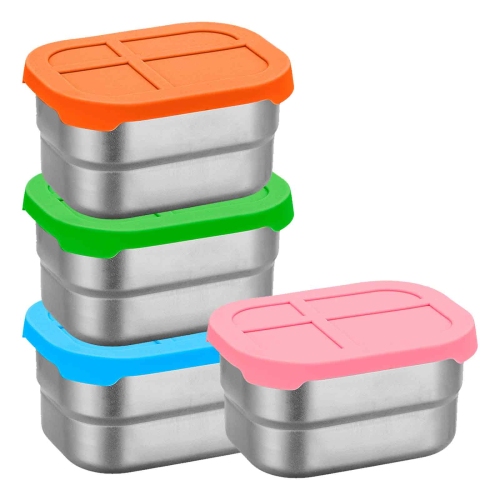
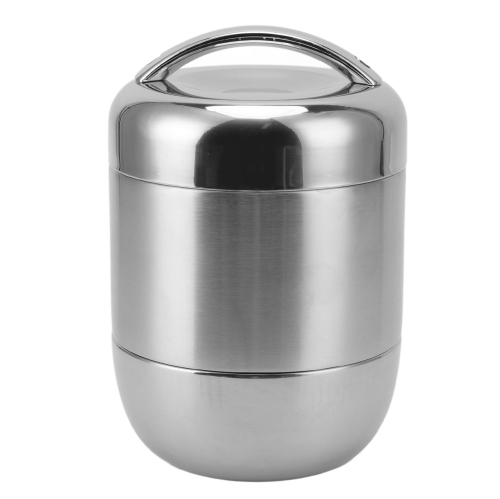
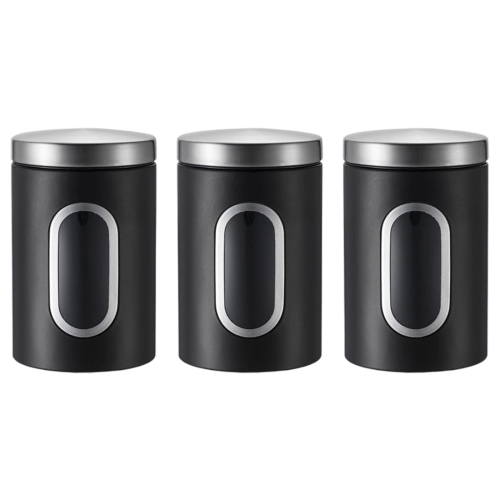
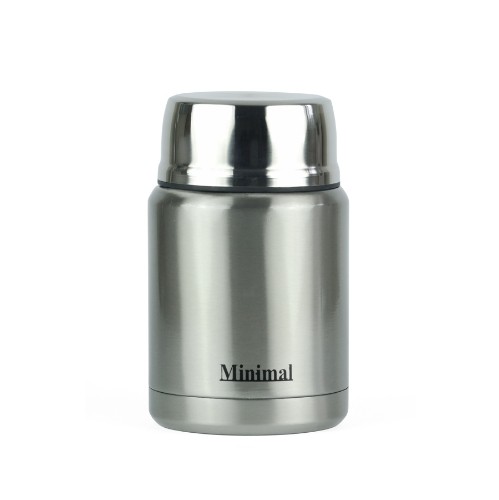
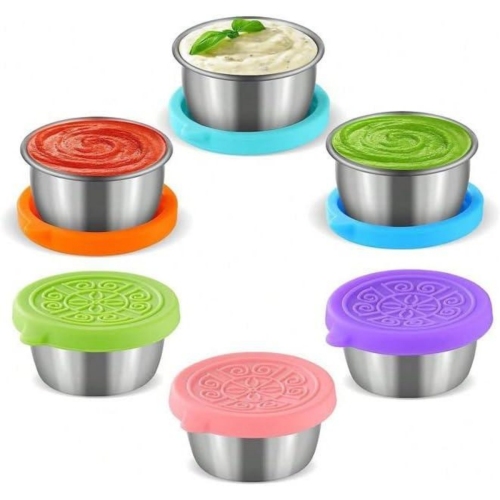
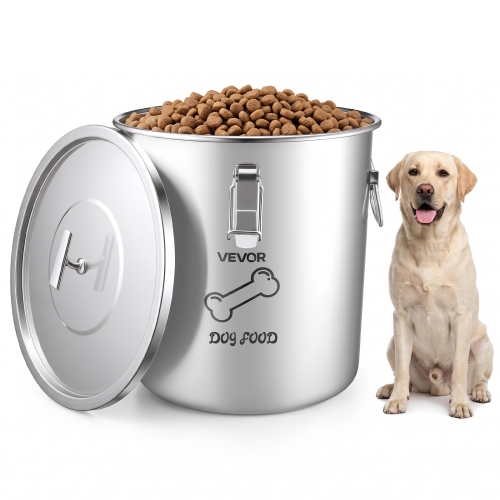
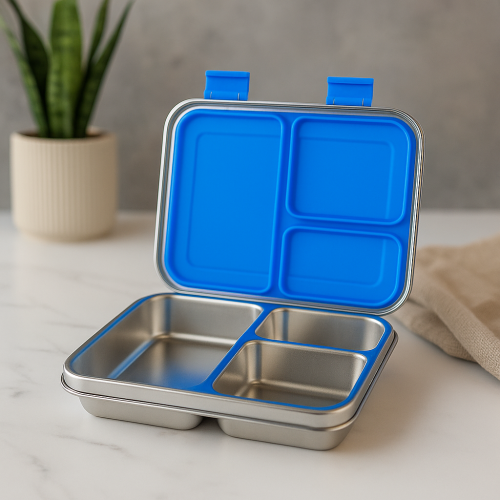
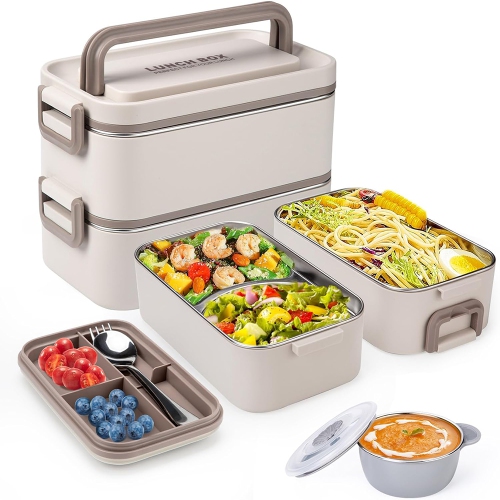
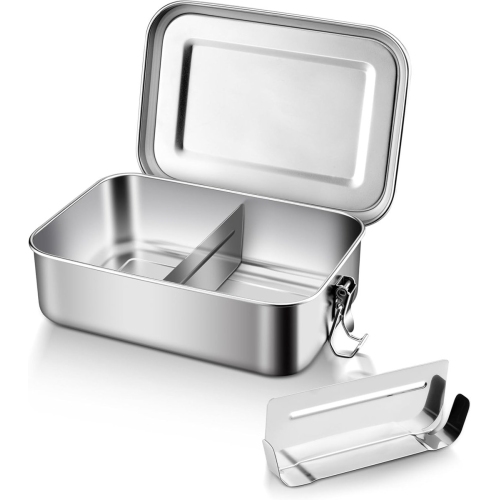
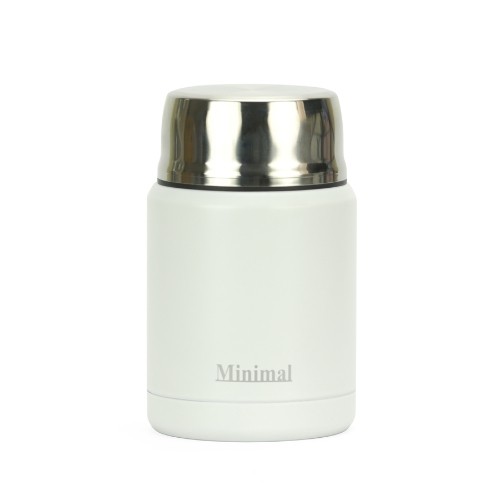

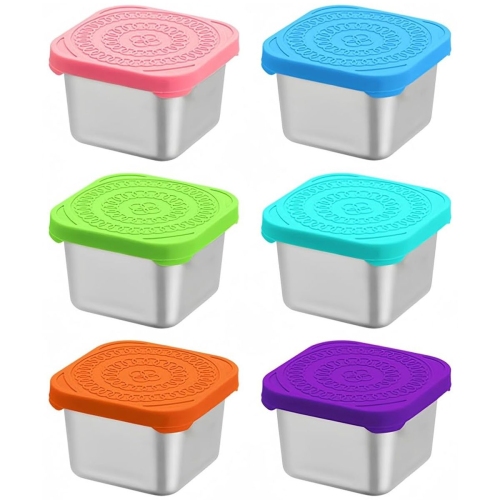
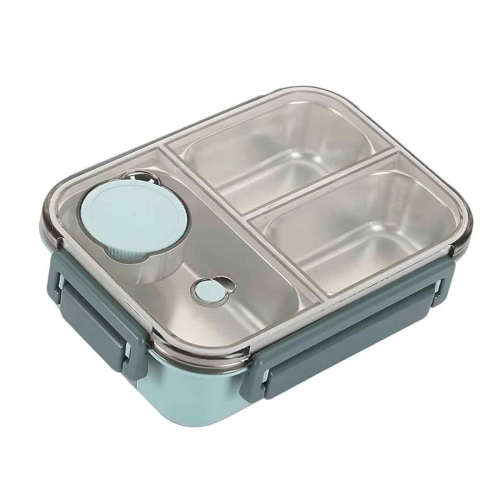
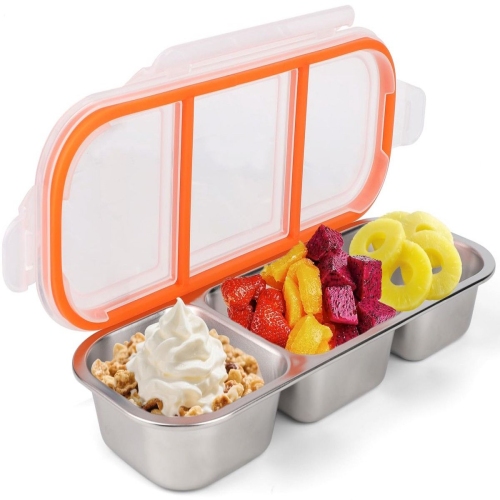
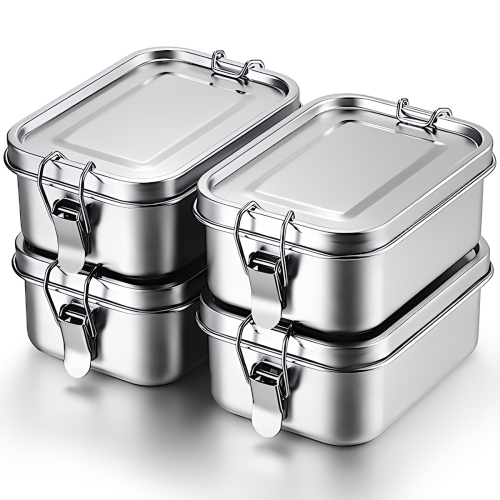
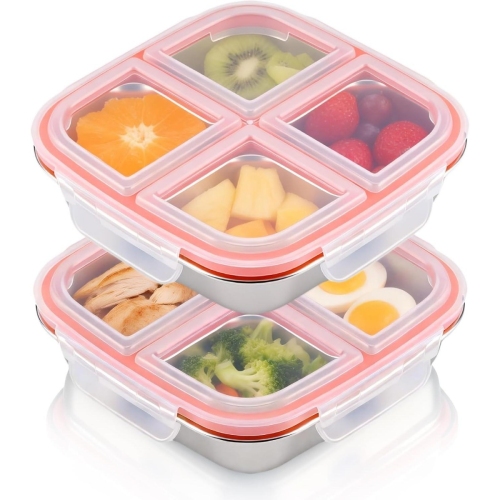
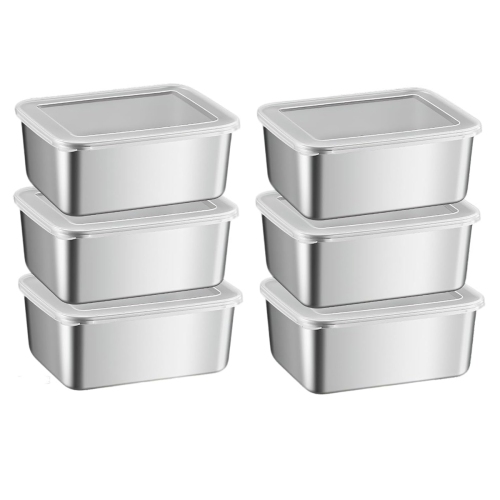
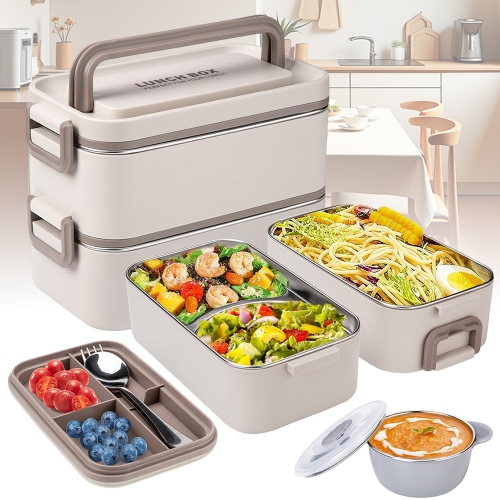
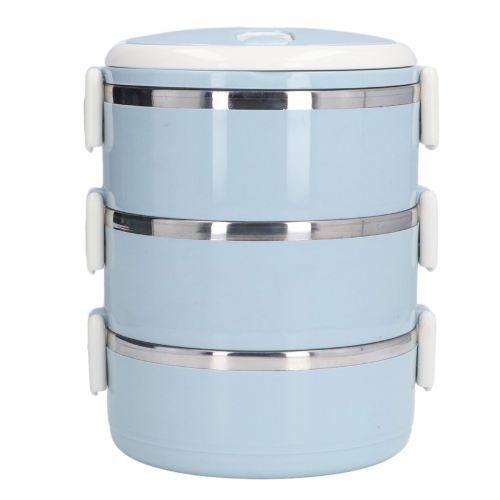
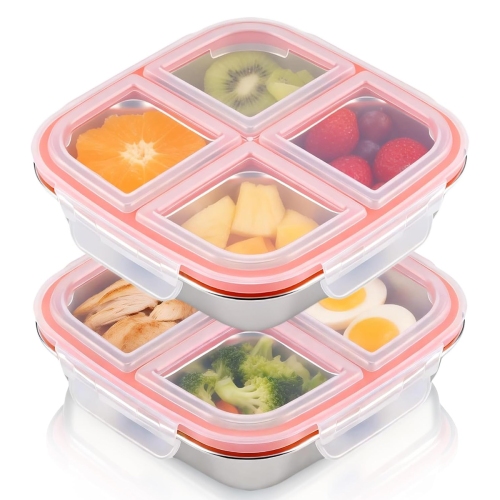
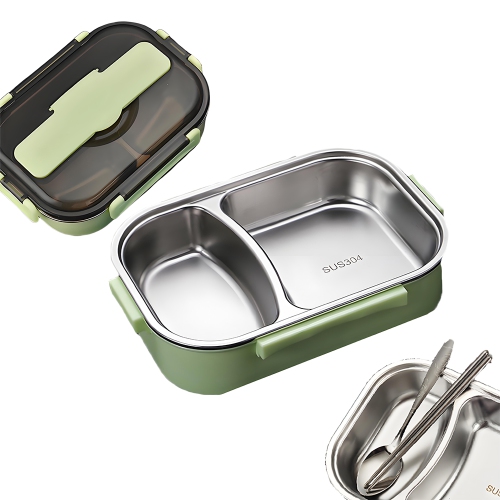
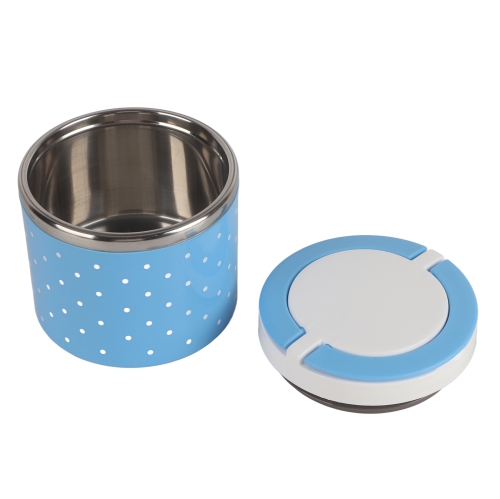
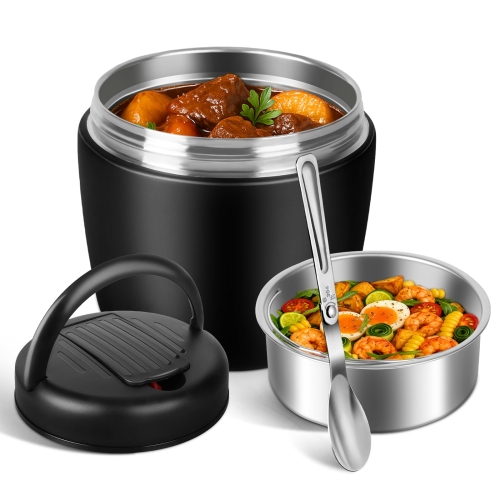
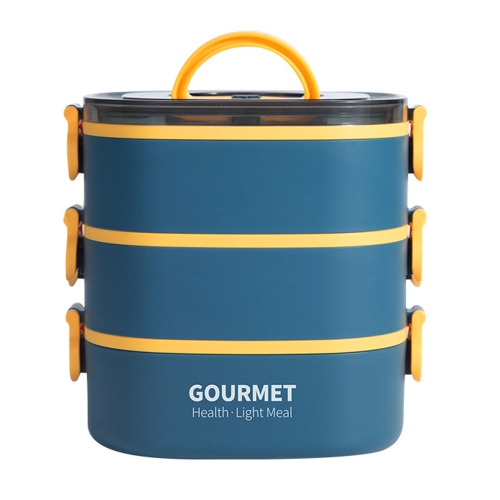
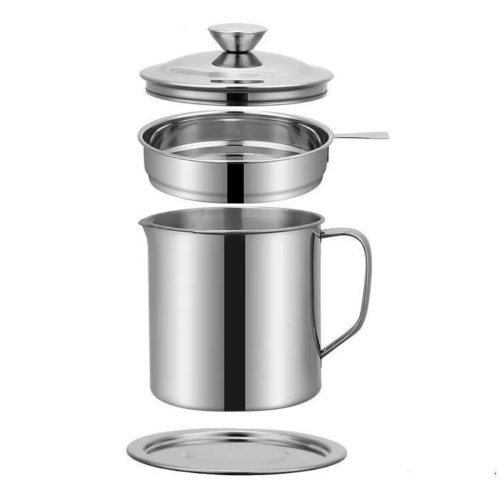
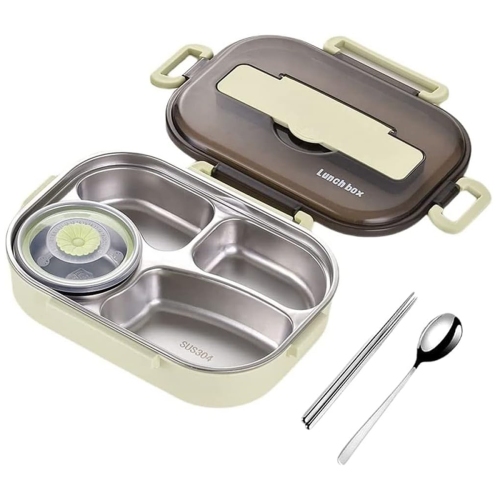
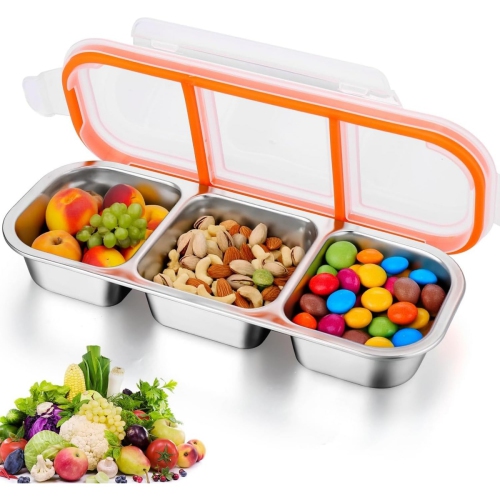
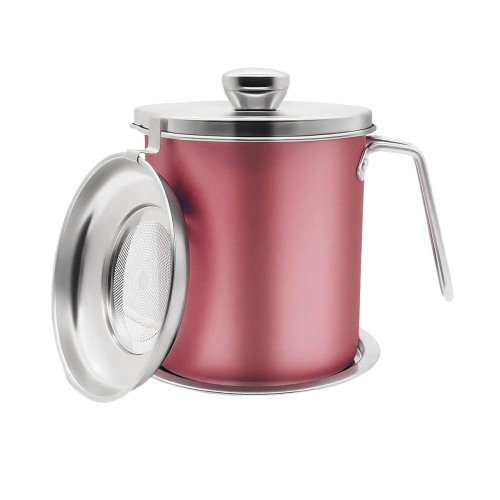
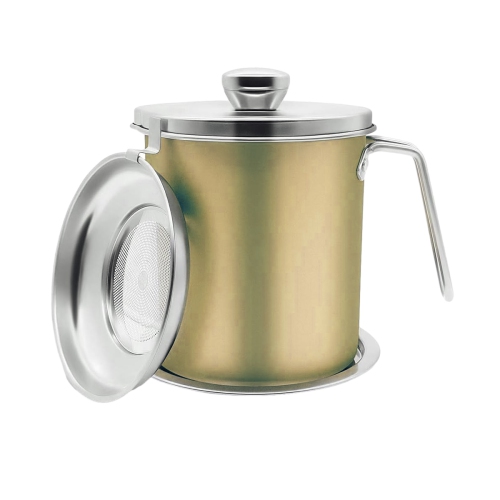
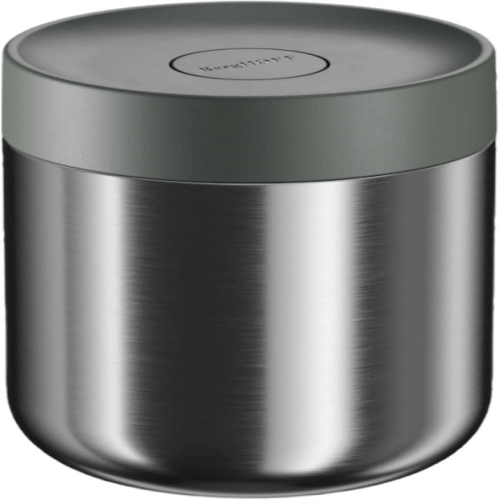
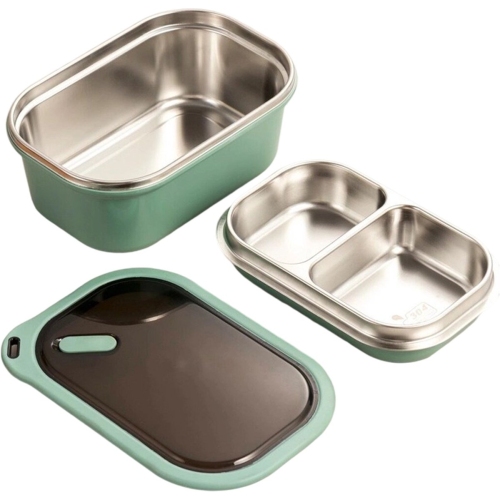
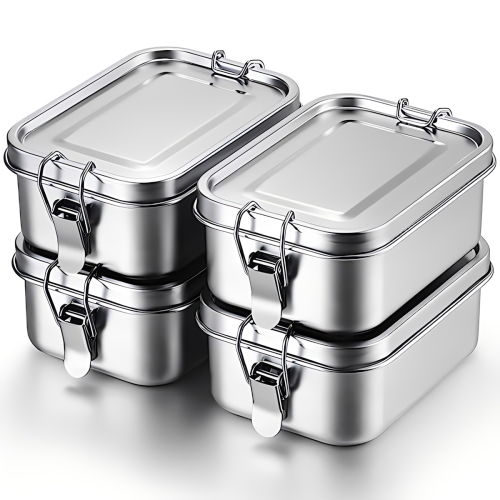
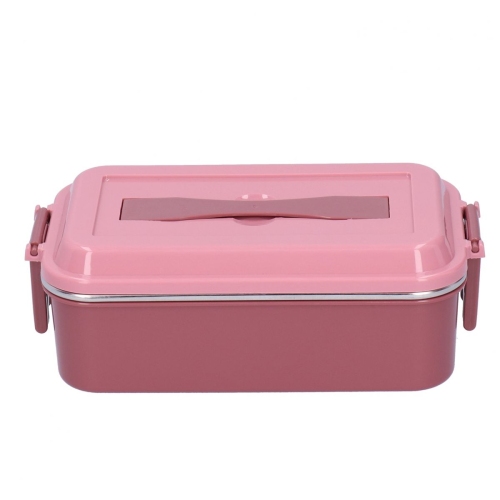
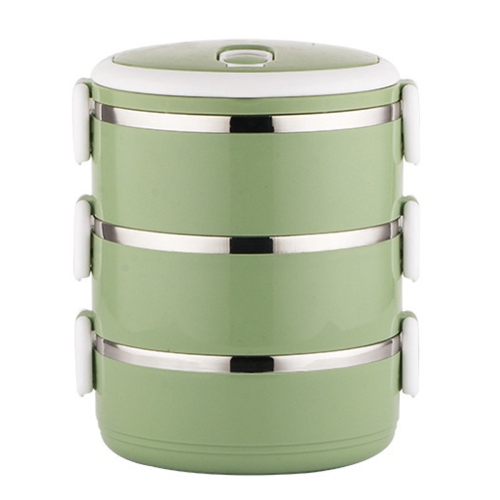
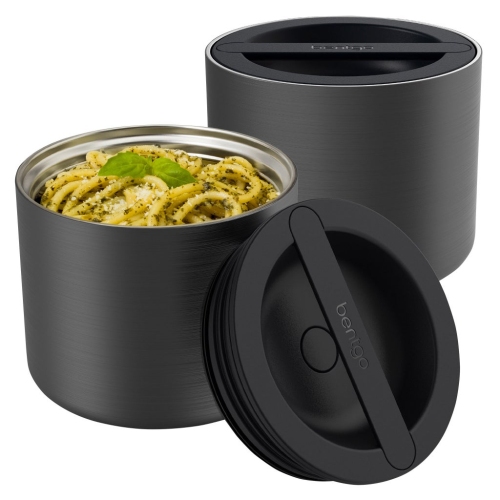
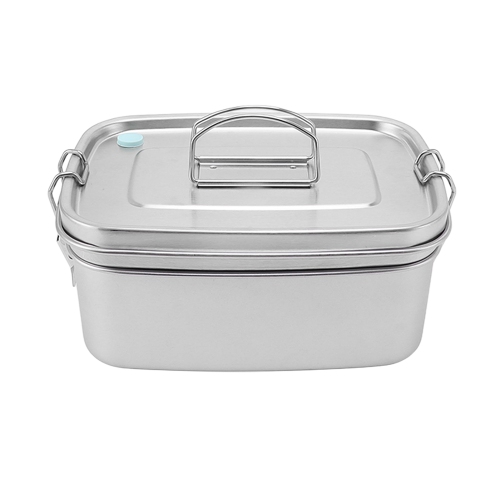
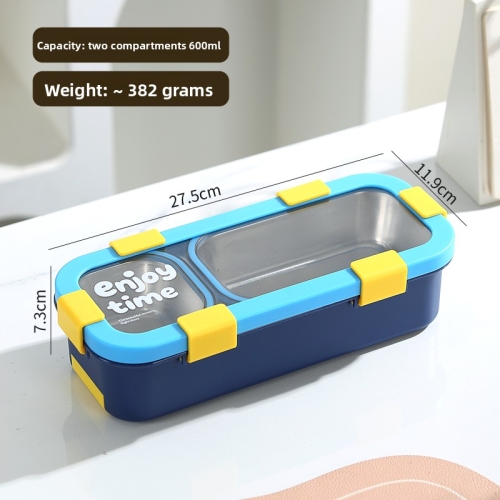
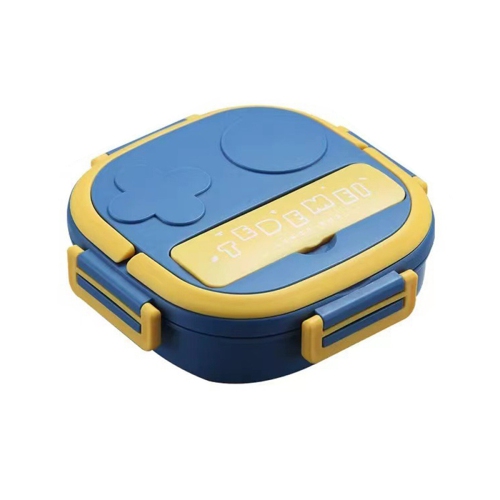
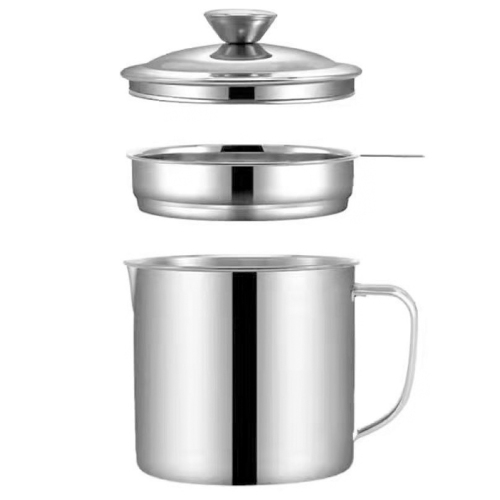
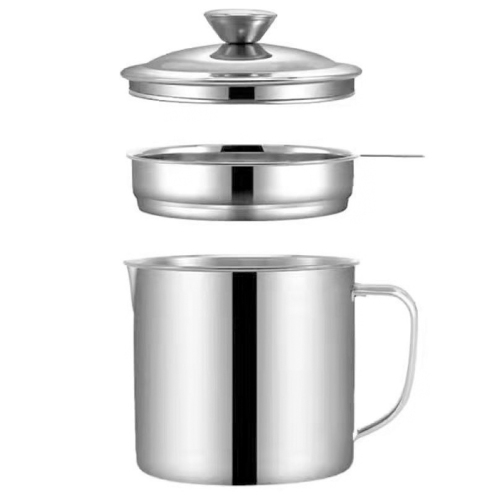
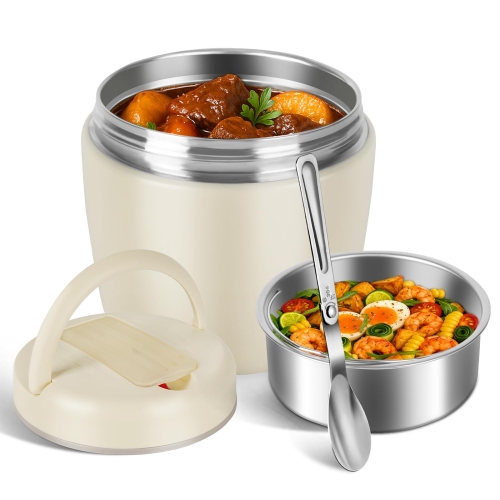
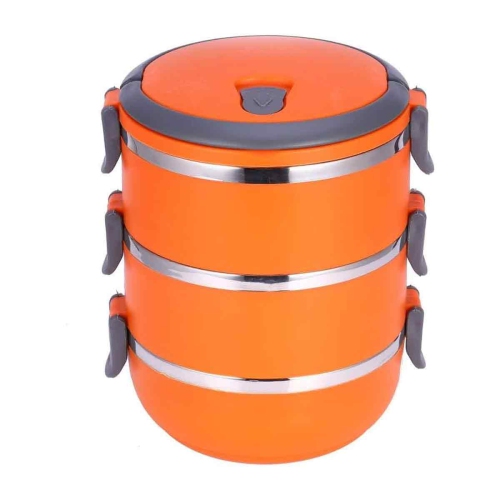
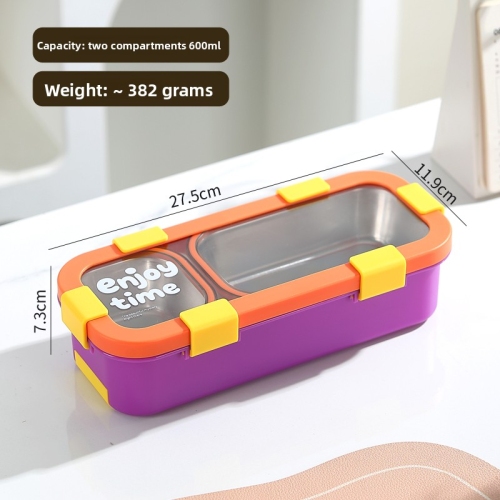
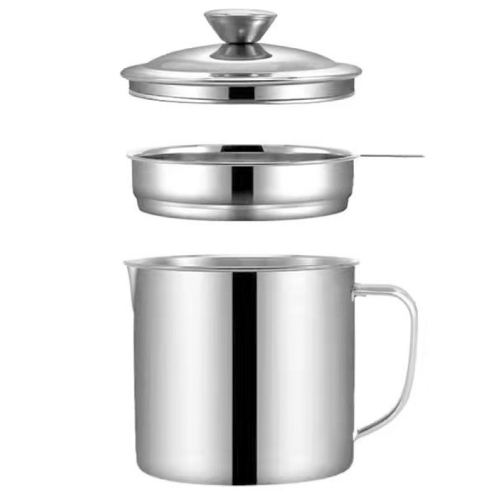
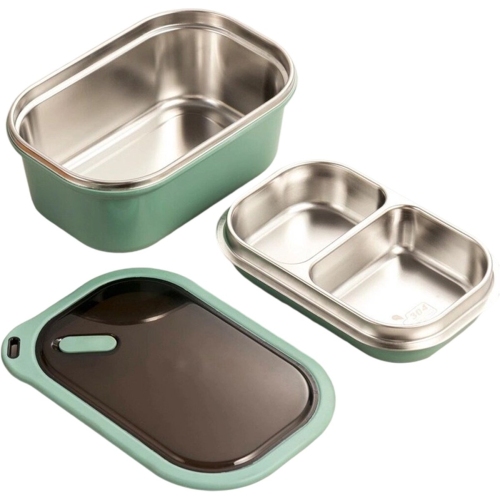
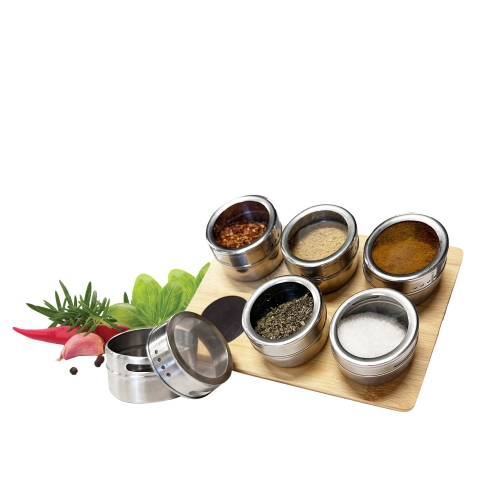
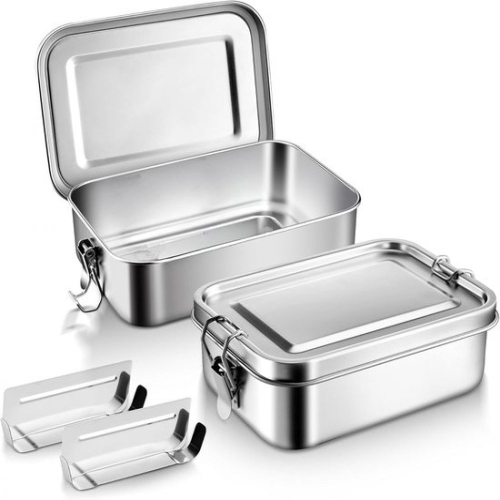
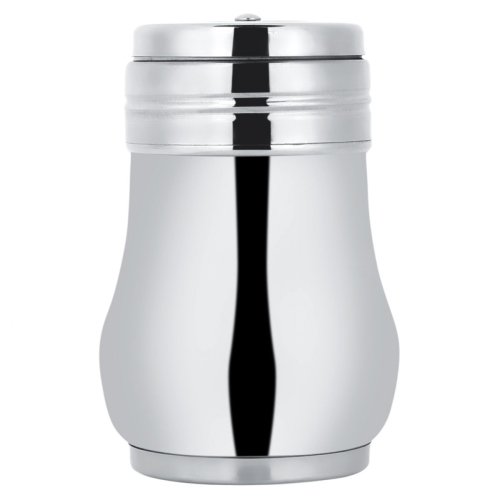
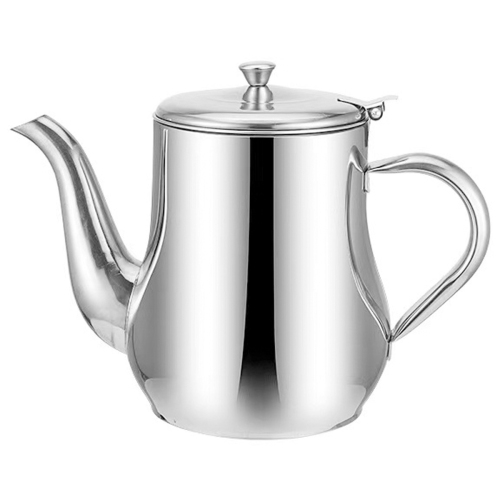
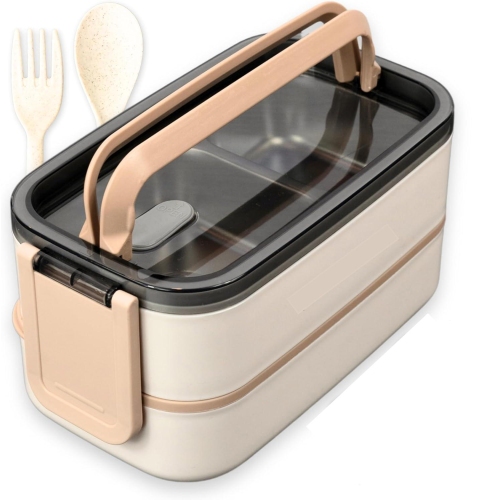
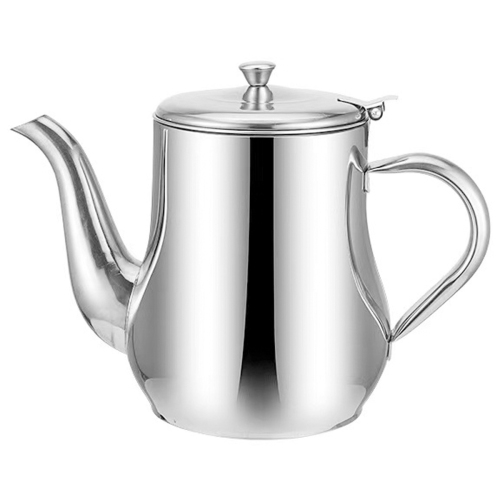
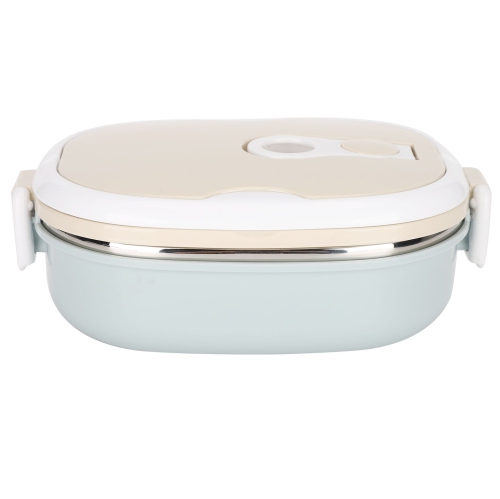
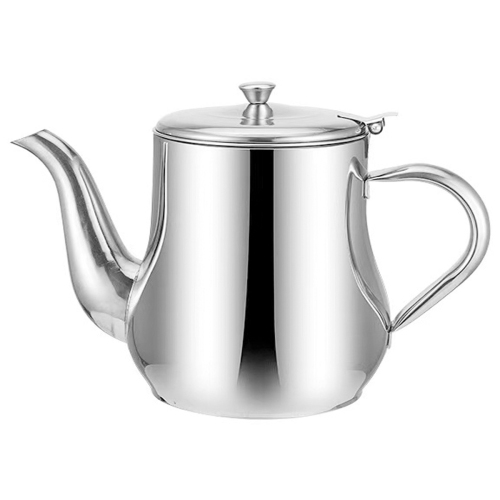
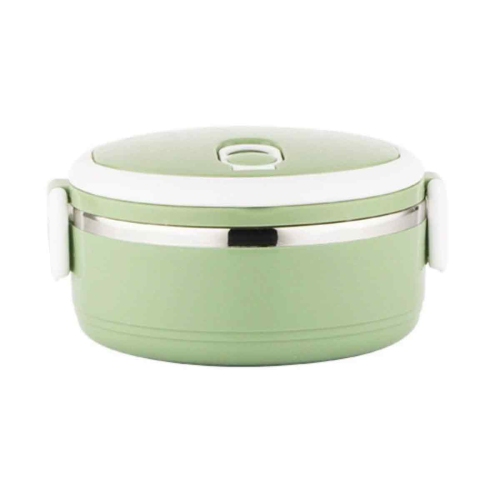
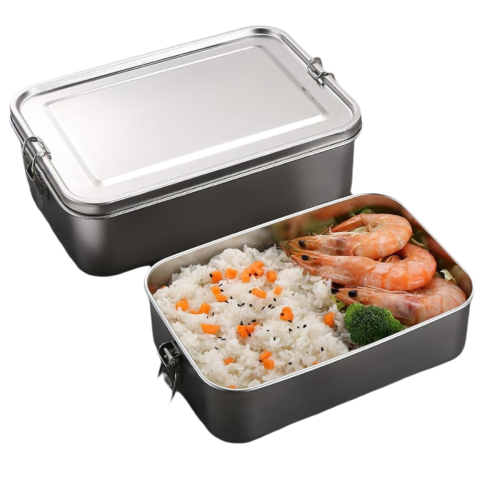
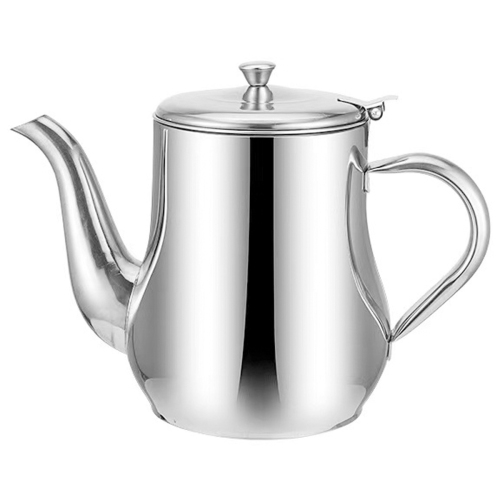
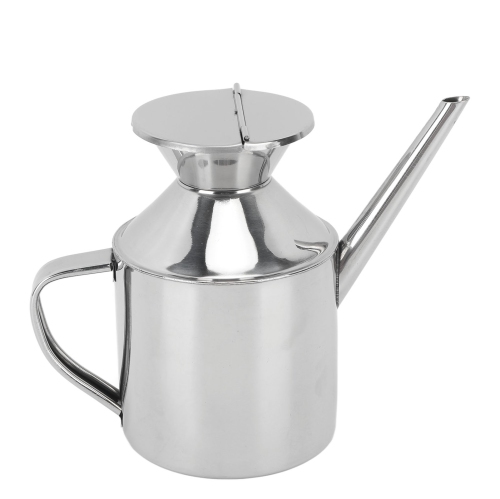
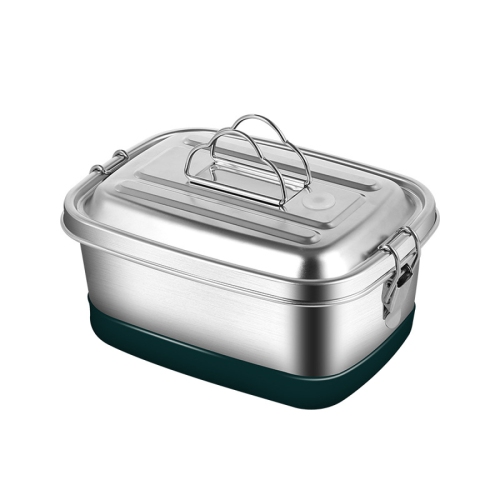
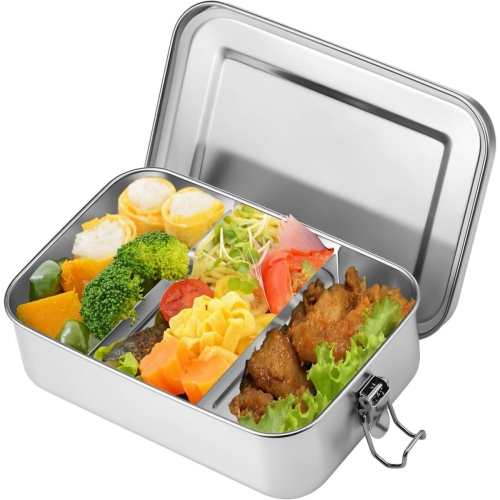
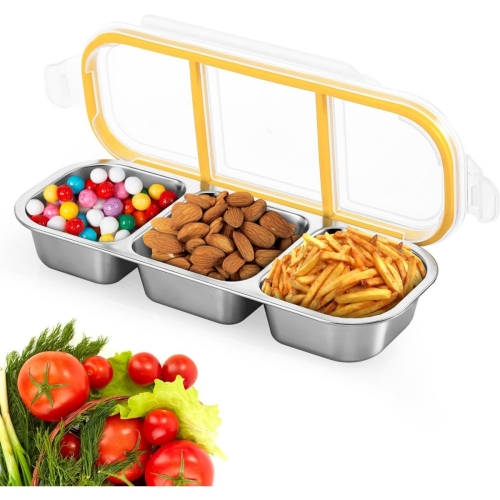
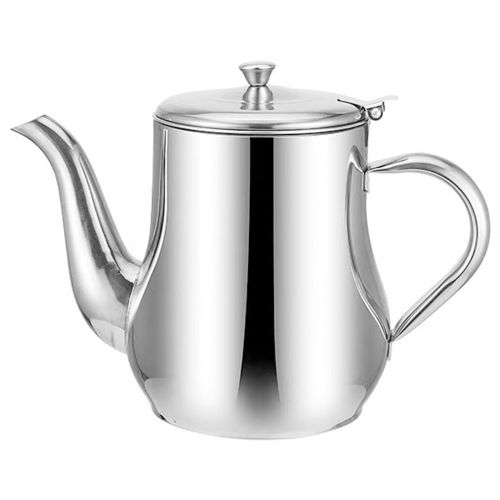
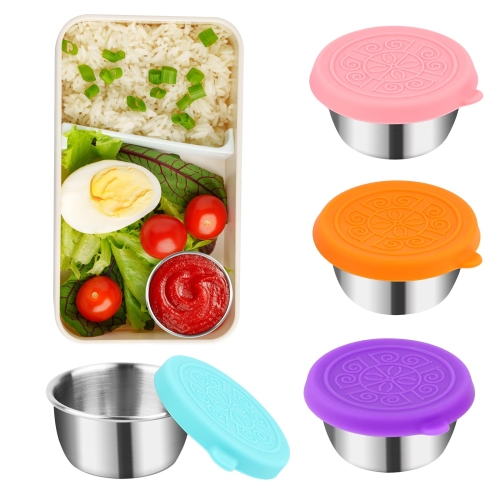
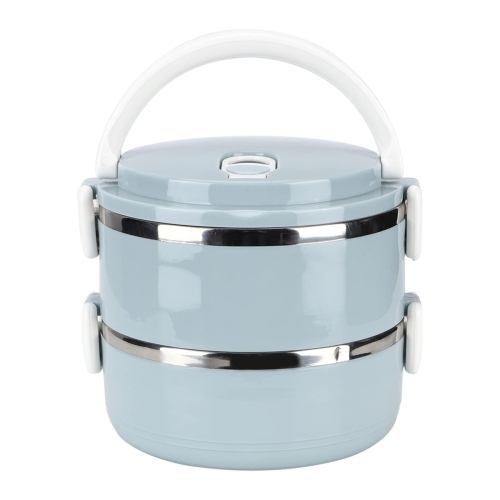
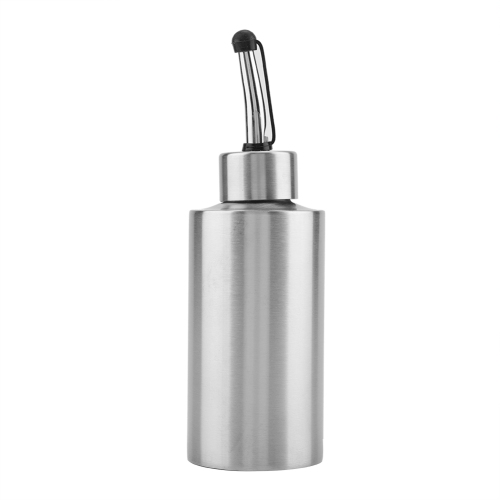
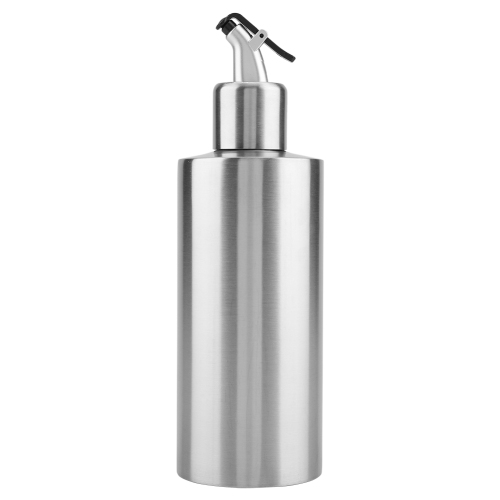
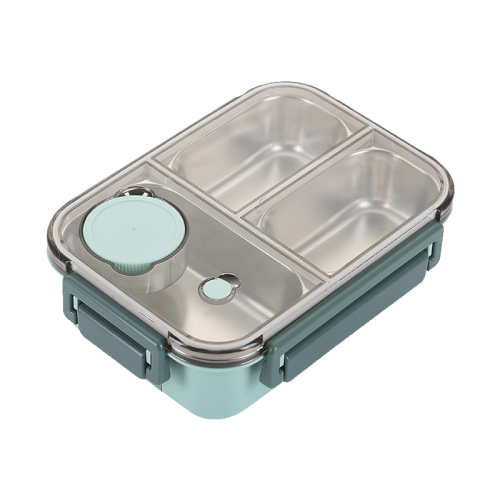
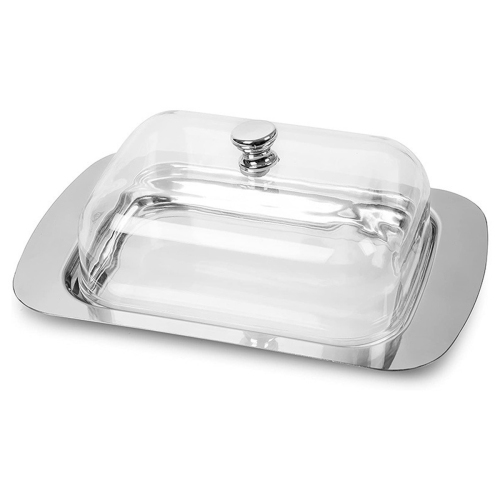
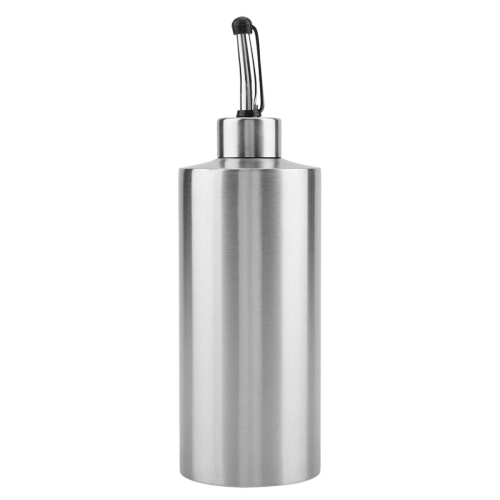
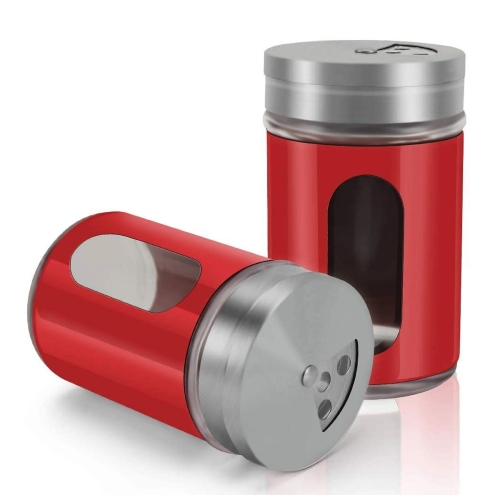
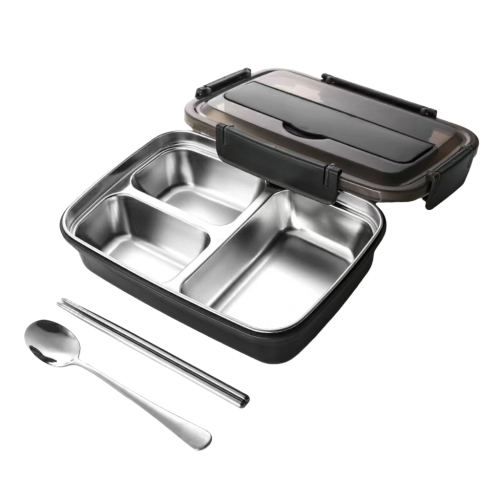
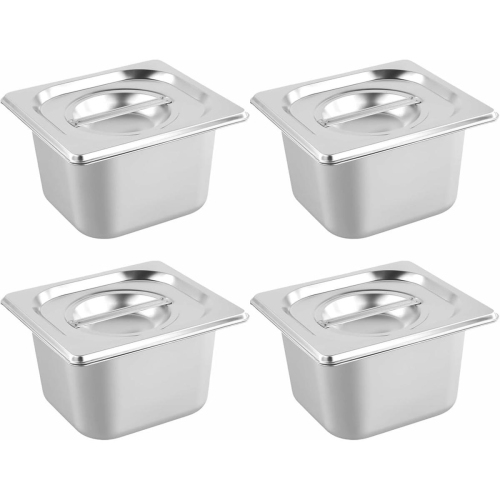
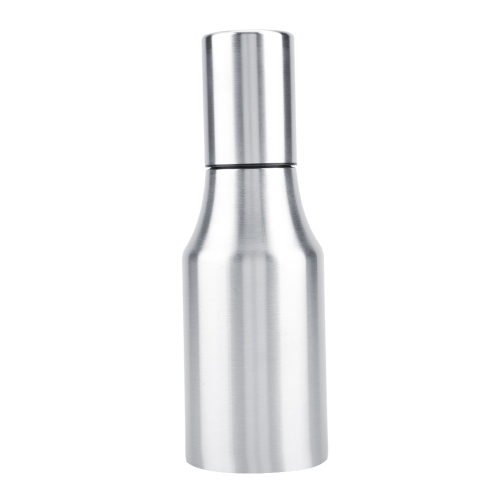
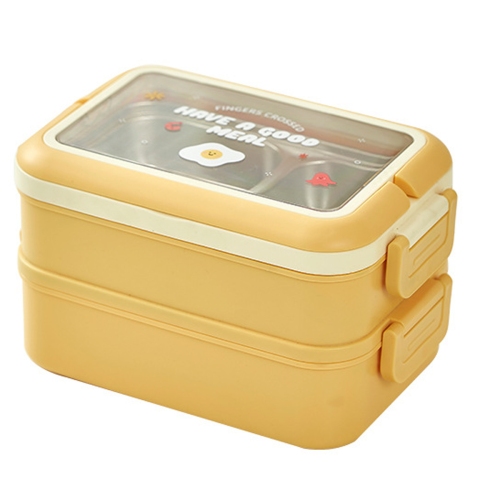
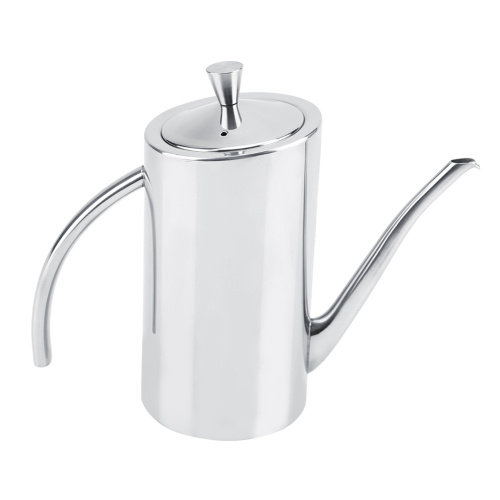
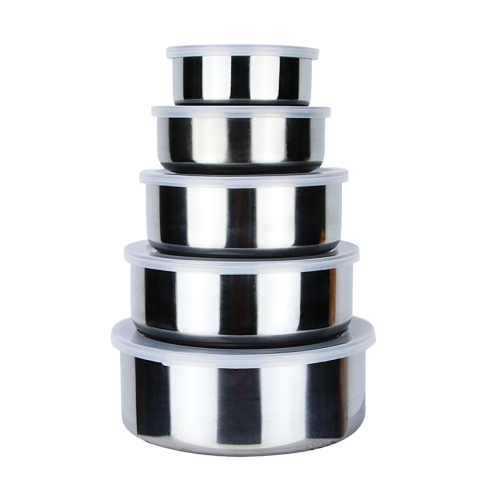
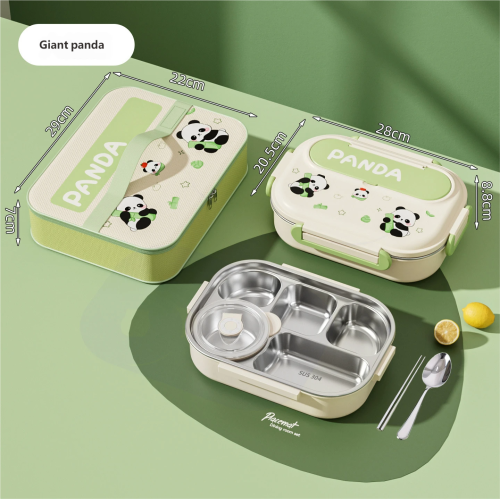
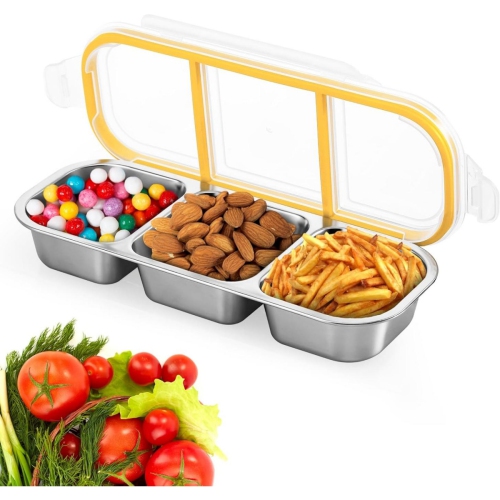
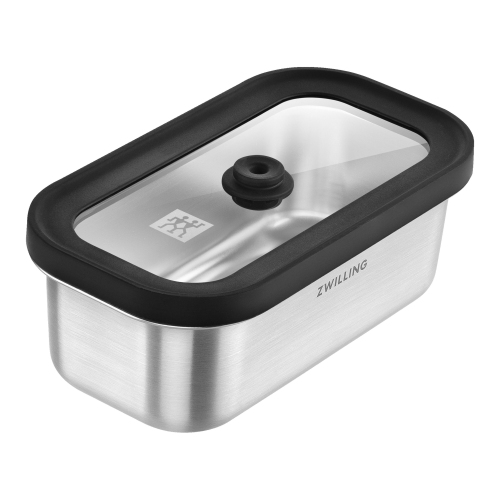
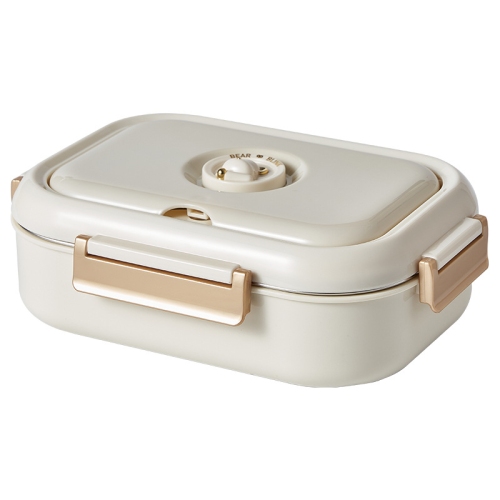
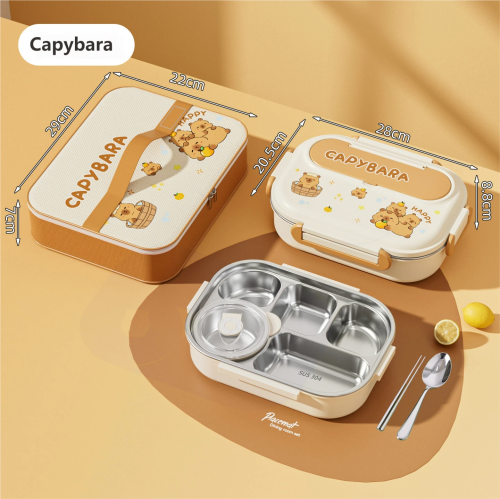
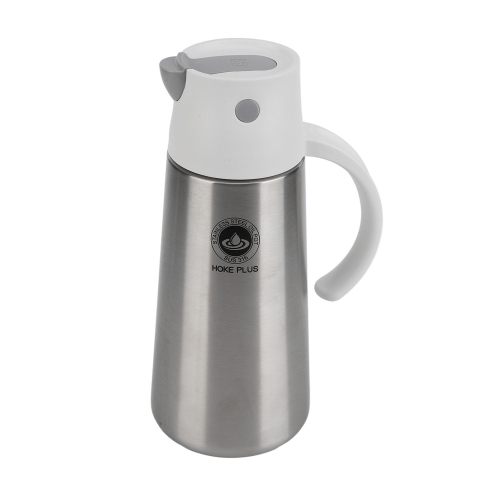
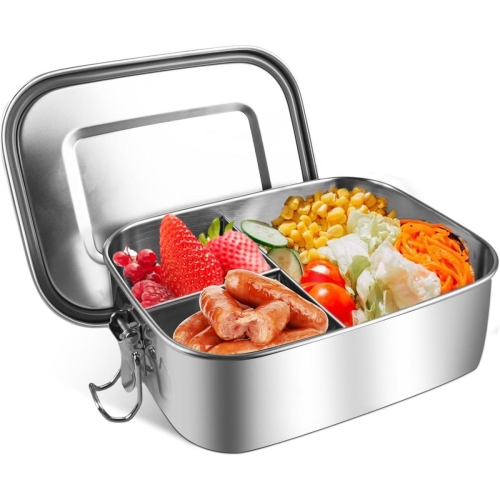
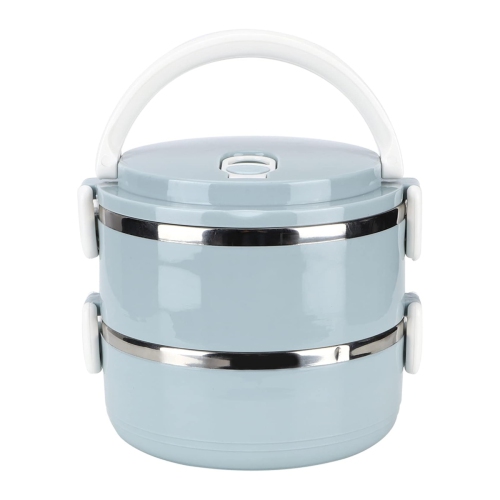
Durable food storage that fits your daily routine
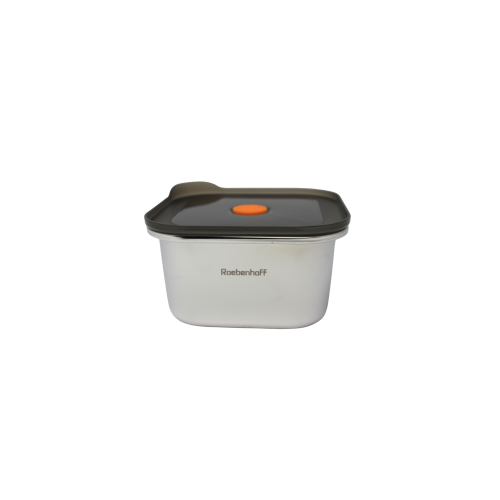
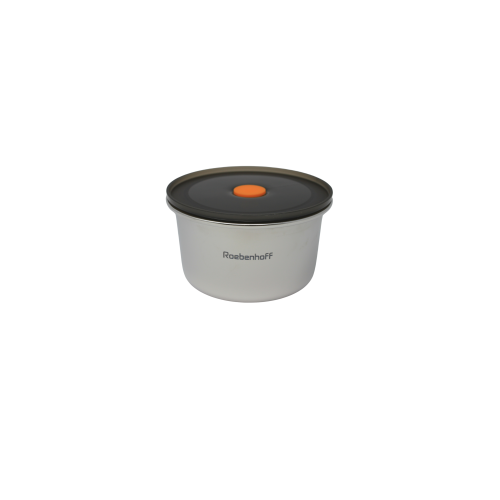
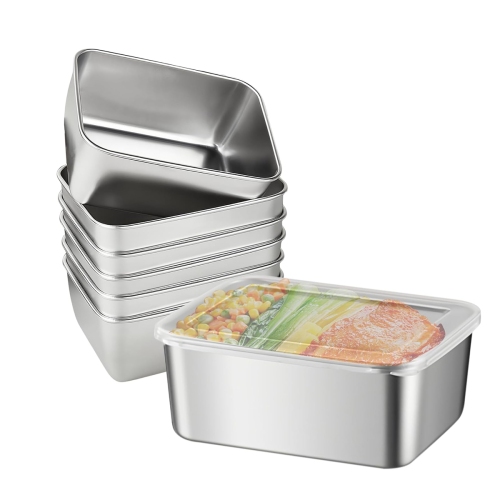
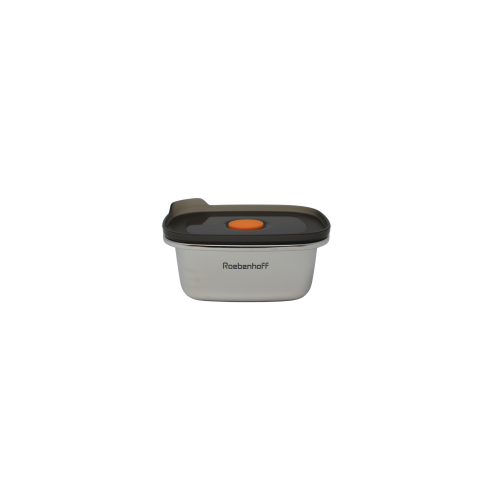
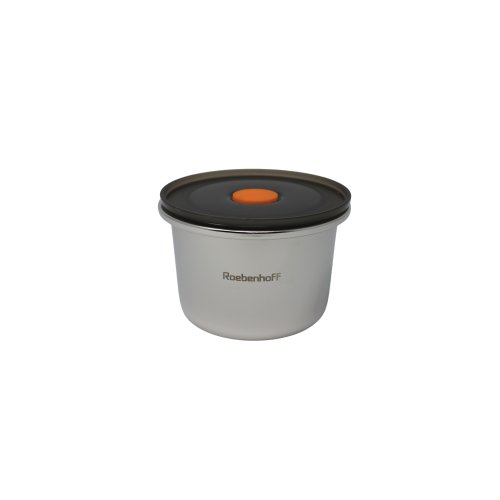
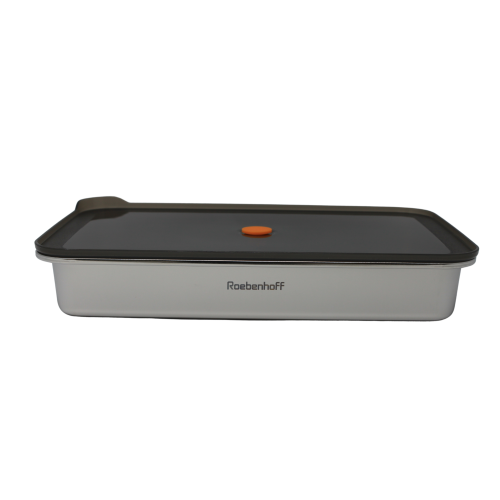
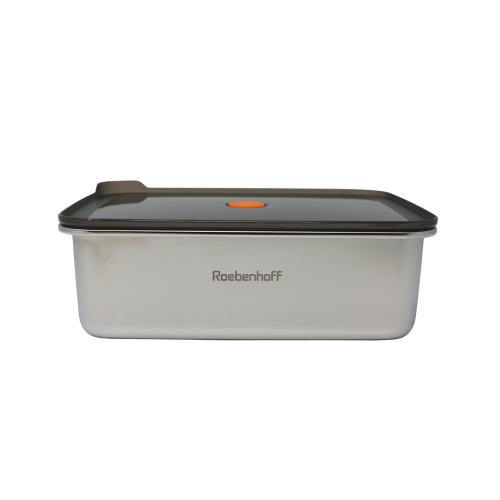
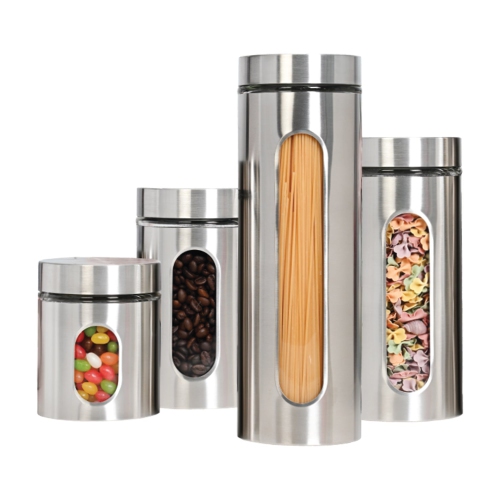
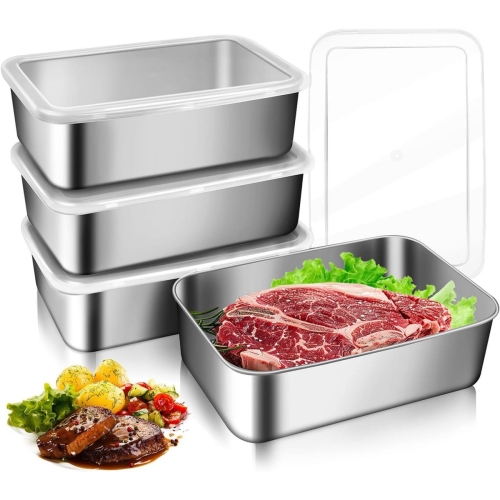
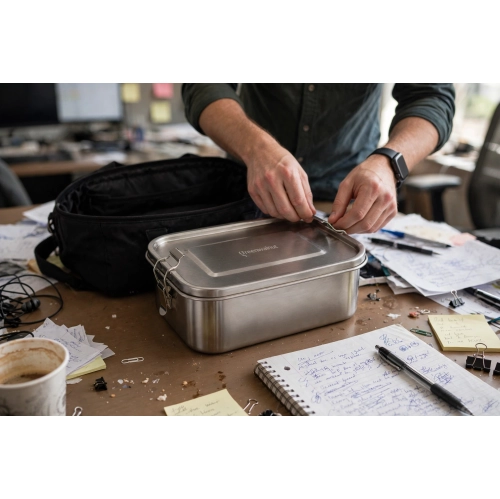
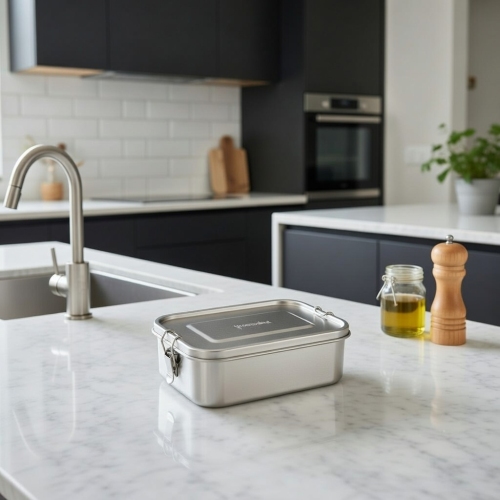
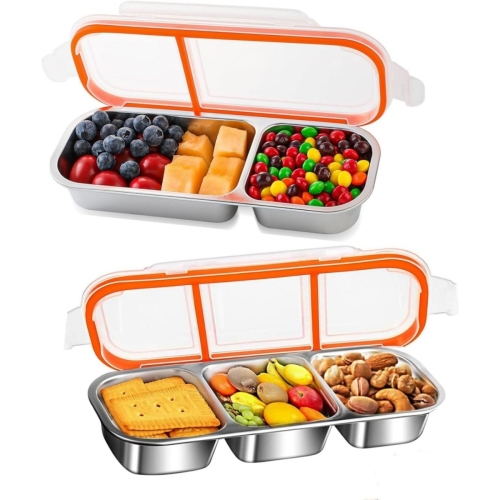
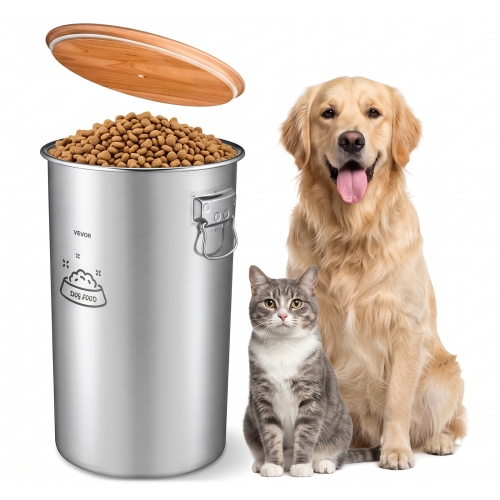
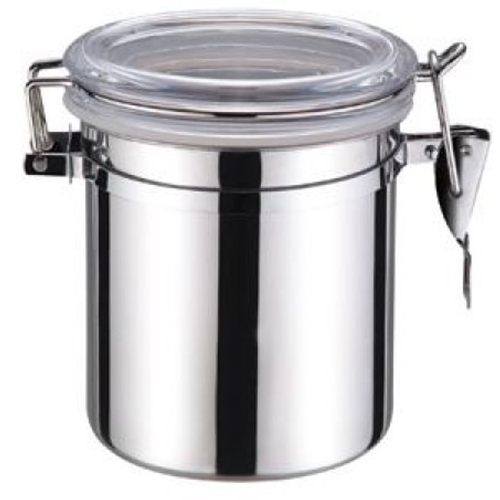
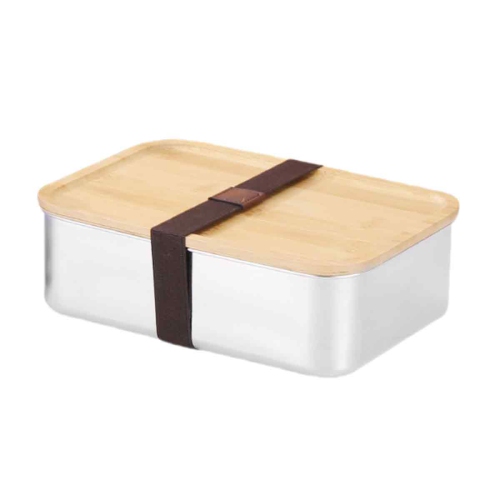
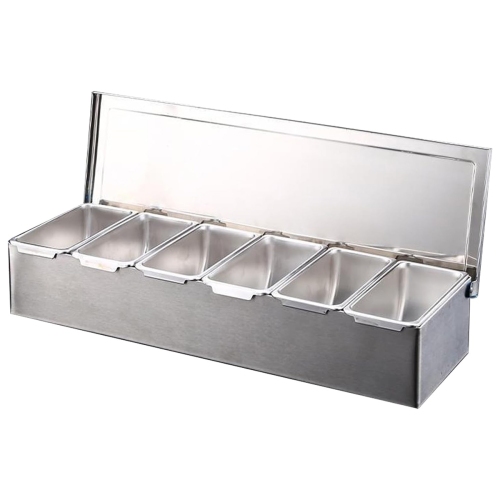
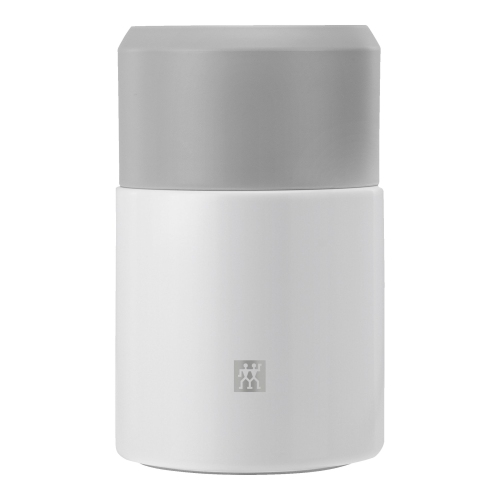
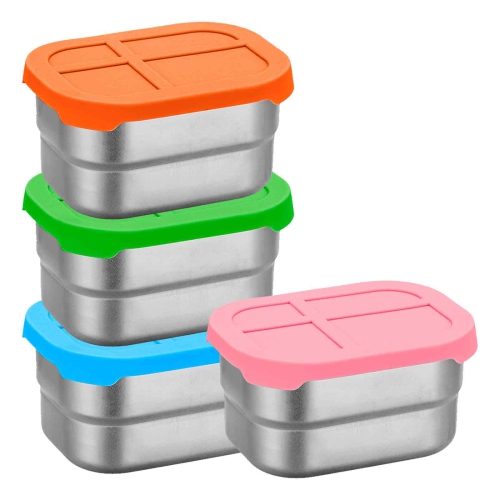
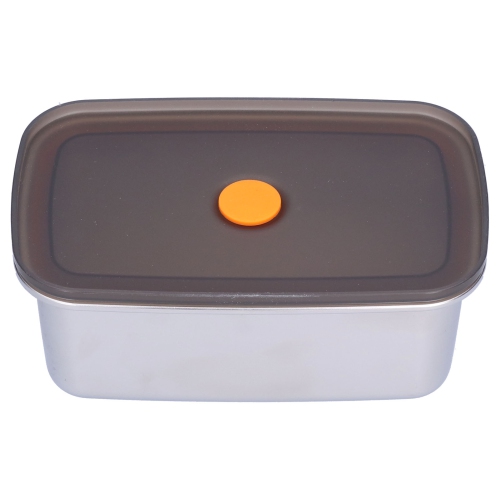
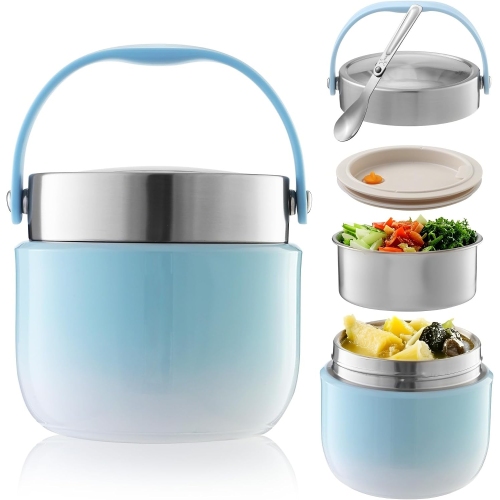
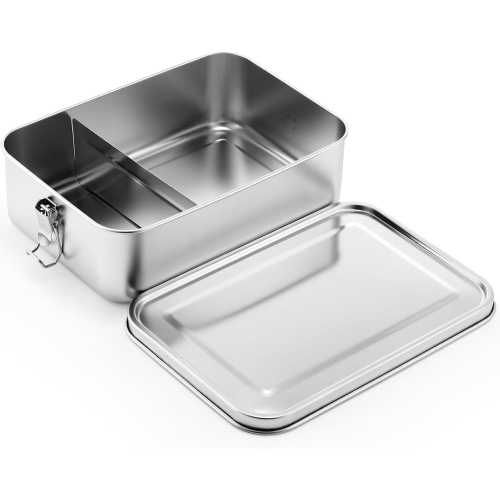
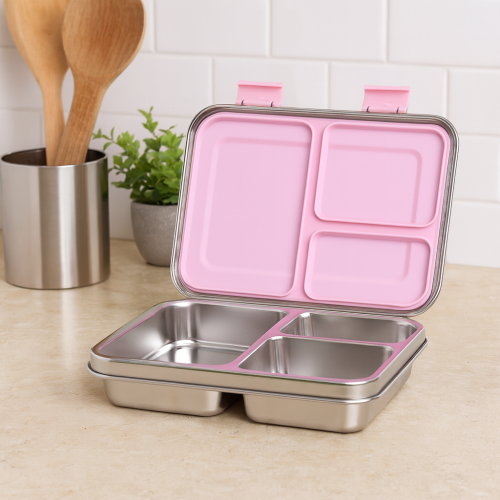
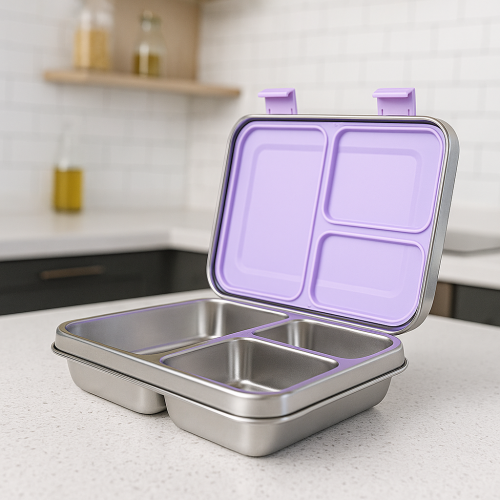
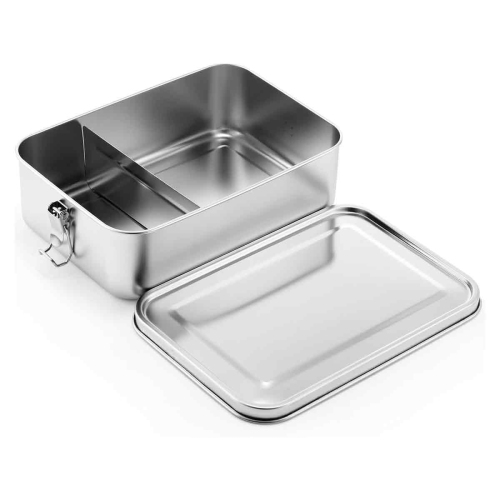
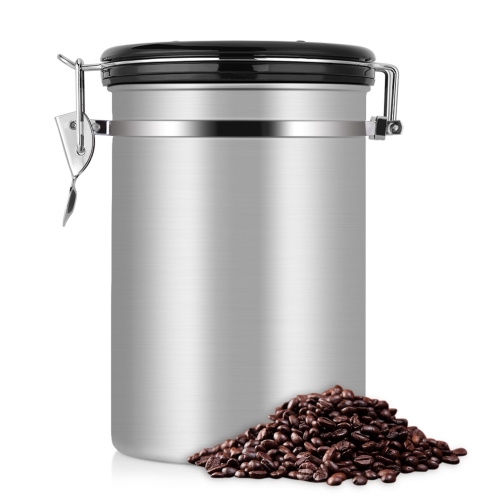
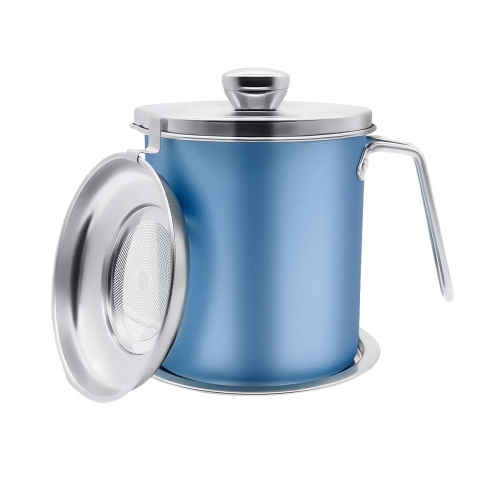
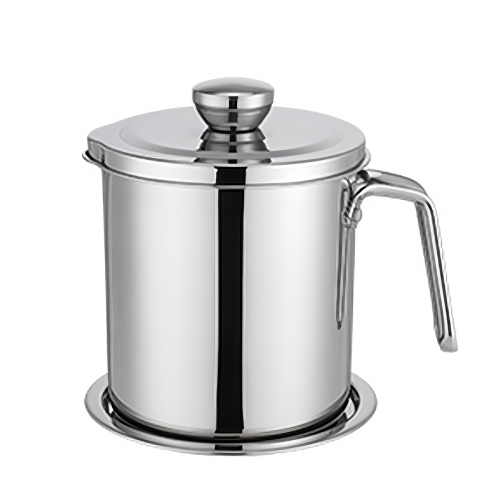
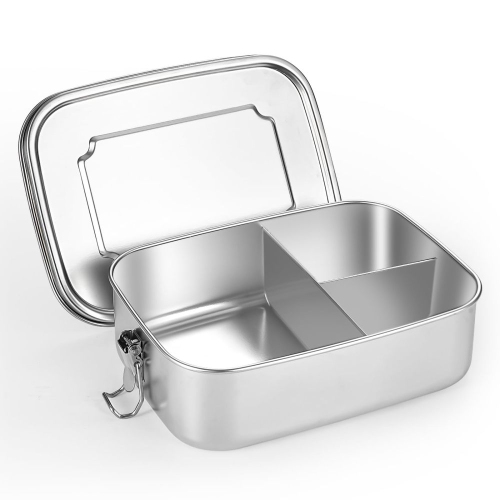
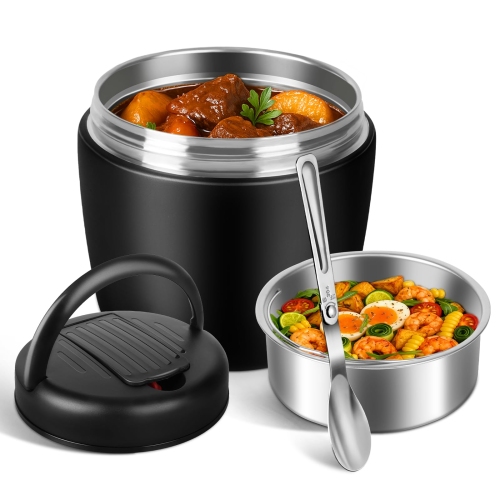
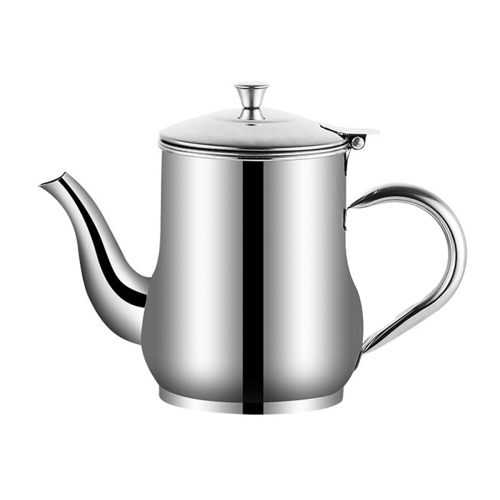
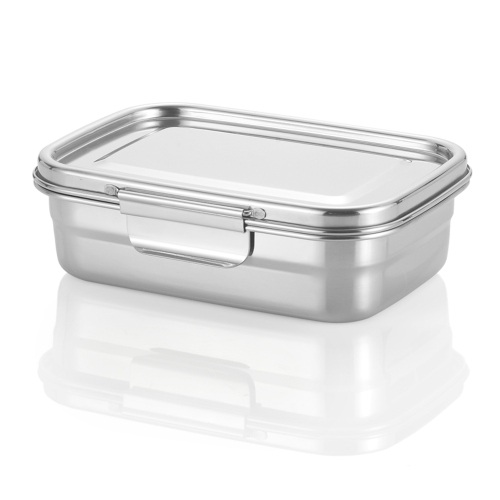
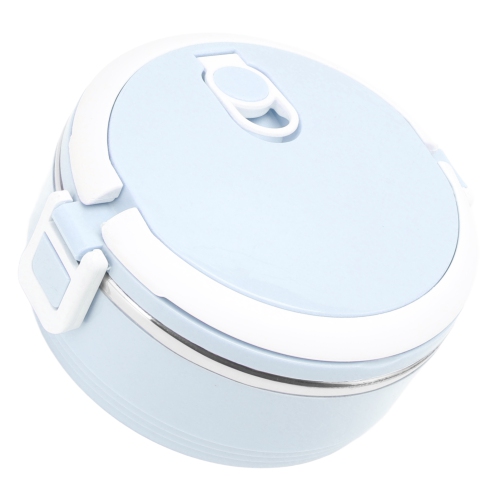
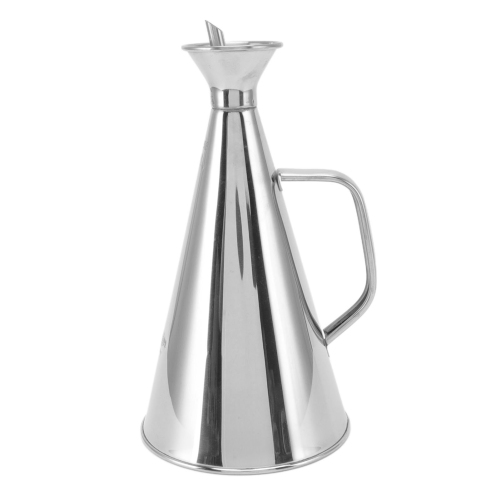
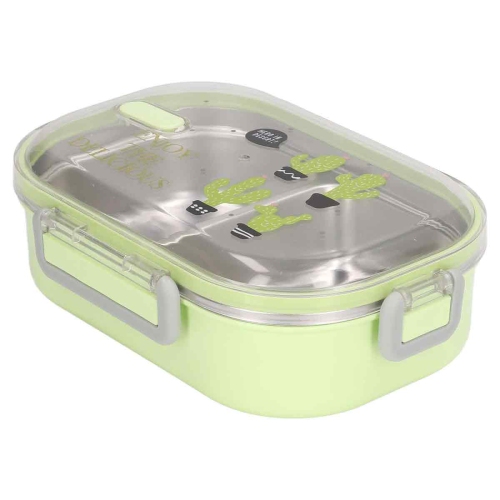
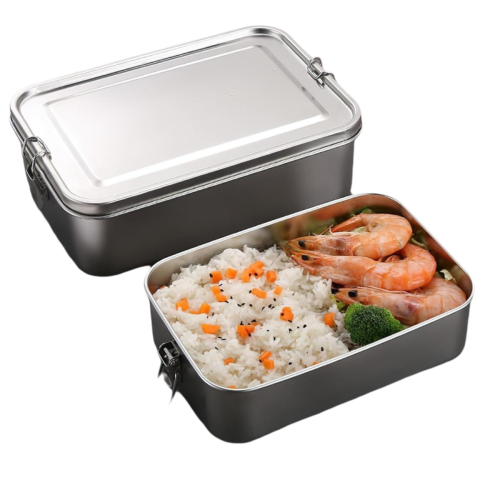
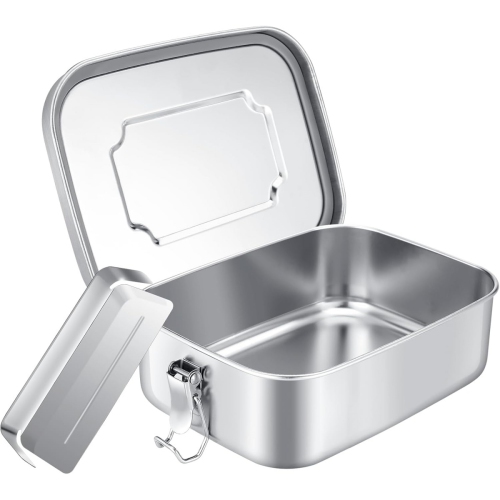
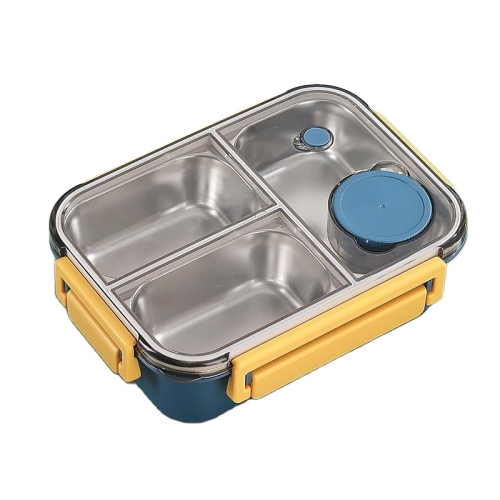
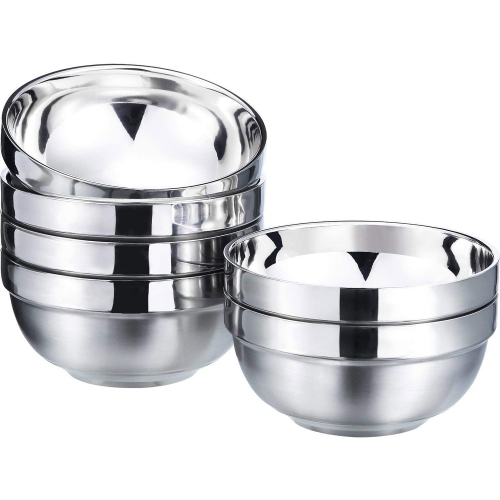
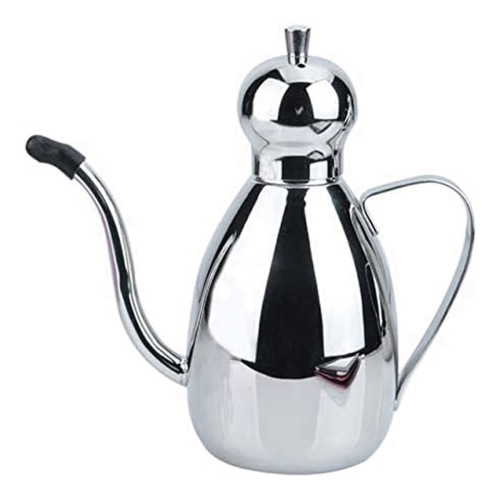
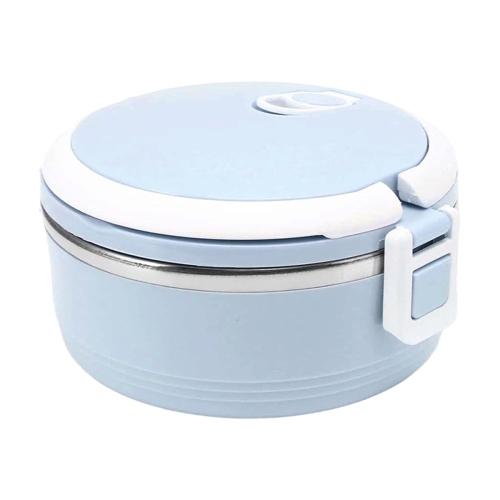
Stainless steel containers are durable food-storage containers used for packed lunches, meal preparation, leftovers, snacks, and pantry organization. Their appeal comes from a combination of sturdy construction, a smooth interior, and a finish that fits comfortably into a busy kitchen. Unlike glass, stainless steel does not shatter when dropped, although it can dent, and its opaque walls keep the contents out of view. That makes labels useful when several similar containers share a fridge shelf. Food-grade stainless steel is commonly used because it resists corrosion and is relatively easy to clean, but the grade, construction, and care requirements vary. Some containers identify their steel as 18/8 or 304; these designations describe the material rather than guaranteeing that the complete container is leakproof, insulated, or suitable for heating. A steel body may be paired with a steel, plastic, or silicone lid, so the materials in the closure deserve as much attention as the base. For everyday use, the practical benefits are easy to picture: chopped vegetables ready for dinner, rice portioned for lunch, or crackers kept separate from a dip until break time. A shallow rectangular shape can make a packed meal easier to arrange, while a deeper round container can suit cut fruit or a serving of leftovers. Stainless steel also offers an alternative to containers that retain food stains, though prompt washing still matters after strongly coloured or aromatic foods. These containers suit households that pack meals regularly, people who carry snacks to work or activities, and cooks who like ingredients prepared before they begin cooking. Their usefulness depends less on having a large matching collection than on having shapes and capacities that fit real routines. A container that holds a satisfying lunch and fits inside an existing lunch bag is often more practical than a larger one that is awkward to carry. The most useful assortment supports the way food is prepared, transported, served, and stored at home.
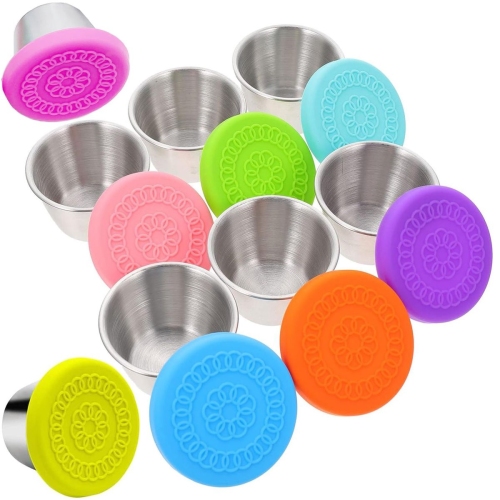
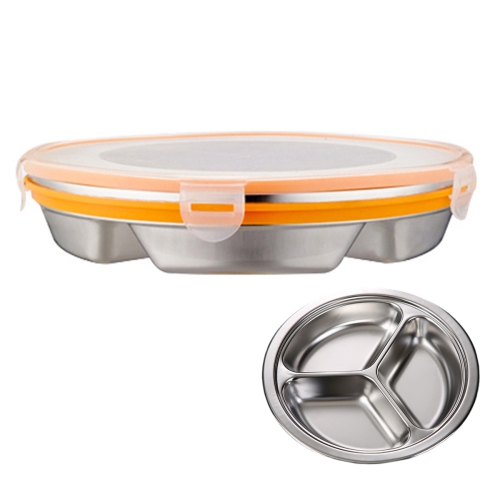
Capacity, lid design, and the space available in a cupboard or bag help distinguish one style of stainless steel food container from another. Smaller capacities can hold dressings, nuts, or a modest snack, while medium sizes often suit sandwiches, grain bowls, or individual portions. Larger containers can accommodate prepared ingredients or shared leftovers, provided their footprint works with the fridge shelf. A stated capacity measures volume, not necessarily the usable space beneath the lid, so both internal depth and external dimensions matter. Rounded corners may be easier to wipe clean, while rectangular profiles often make efficient use of shelves and lunch bags. Divided containers keep different foods organized, but a fixed divider does not necessarily stop liquids from moving between compartments. Removable cups offer another way to separate toppings or dips without committing the entire container to one layout. Lids are especially important for meals that travel. A close-fitting lid may be suitable for dry snacks without being secure enough for soup, and an airtight claim is not automatically a leakproof claim. Gaskets, clips, and threaded closures can help create a seal, but their performance depends on the design, correct assembly, and keeping food away from the sealing surface. For anything liquid, look for an explicit leakproof designation and follow the stated filling limits. A container should also be manageable for the person opening it: a firm latch can be reassuring in a work bag but difficult for a young child or someone with limited hand strength. Stackable containers can make prepared meals easier to arrange, while nesting designs reduce cupboard space when empty. These are different benefits, and lids may need separate storage even when the bases nest. Transparent lids can help identify contents, whereas all-steel designs may appeal to those who prefer fewer materials in contact with food. Neither arrangement is automatically better; the useful choice is the one that balances visibility, sealing, weight, and ease of handling for the intended use.
Care and food-handling habits play an important part in how stainless steel containers perform over time. Stainless steel resists rust, but it is not immune to damage from harsh cleaners, prolonged exposure to salty residues, or unsuitable washing methods. Washing soon after use with mild dish soap and a soft sponge helps remove food without scratching the finish. Dishwasher suitability should be confirmed for every component, because a dishwasher-safe steel base may have a lid, seal, or insert that requires handwashing. Removable gaskets need attention around their grooves, where crumbs and moisture can collect; allowing all parts to dry before storage helps keep closures clean. Abrasive pads and chlorine bleach are generally poor choices unless the care instructions specifically permit them. Heating suitability also depends on the complete design, not simply on the presence of metal. Standard stainless steel food containers should not be used in a microwave; food can be transferred to a microwave-safe dish instead. Oven use is appropriate only when the manufacturer explicitly allows it, including any restrictions on lids, seals, and maximum heat. Freezer use likewise requires confirmation, with enough headroom for foods that expand as they freeze. Ordinary single-wall stainless steel does not keep a meal hot or chilled for an extended period, so packed perishable food still needs appropriate cold storage, such as an insulated lunch bag with ice packs. Containers designed with insulation serve a different purpose and should be assessed by their stated performance and instructions. These distinctions make stainless steel storage easier to integrate into everyday life, from preparing lunch portions to keeping dry ingredients tidy. A thoughtfully chosen set can also make a practical housewarming gift, especially when the sizes suit a smaller kitchen and the closures are straightforward to use. Elsewhere in the kitchen, Stainless Steel Bins can complement a similar finish while serving a separate household storage purpose. For food containers themselves, lasting usefulness comes from dependable construction, a well-fitting lid, manageable care, and dimensions that work wherever meals are prepared and enjoyed.
Top selling and popular products
-
 Your price for this item is $15.99
-
 Your price for this item is $3.99
-
 Your price for this item is $19.99
-
 Your price for this item is $7.99
-
 Your price for this item is $109
-
 Your price for this item is $99
-
 Your price for this item is $99
-
 Your price for this item is $109
Discover more categories related to Stainless Steel Containers
Top Collections:
Best Black Friday Deals This Year, Best Black Friday Deals On Electronics, Kindle Devices, Pokemon Centers, Best Black Friday Deals On Apple Products, Best Cameras for Sports Photography, Dyson Airwrap, Pokémon 30th Celebration Cards, Apple iPhone 17 Pro, Canon G7X Cameras
Some products may be subject to Environmental Handling Fees
(EHF) depending on your province.
Learn more about EHFs.