Stainless Steel Peelers
Upgrade your kitchen essentials with these stainless steel peelers. Designed to make peeling fruits and vegetables a breeze, these sleek and durable tools are a must-have for almost any home cook or professional chef. With their sharp blades and ergonomic handles, these stainless steel peelers effortlessly remove the skin from your favorite produce, saving you time and effort in the kitchen. Whether you're preparing a gourmet meal or simply making a healthy snack, these peelers are sure to become your go-to tool.
Sort


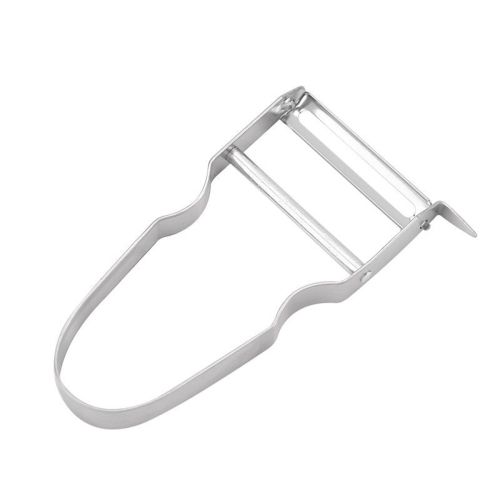
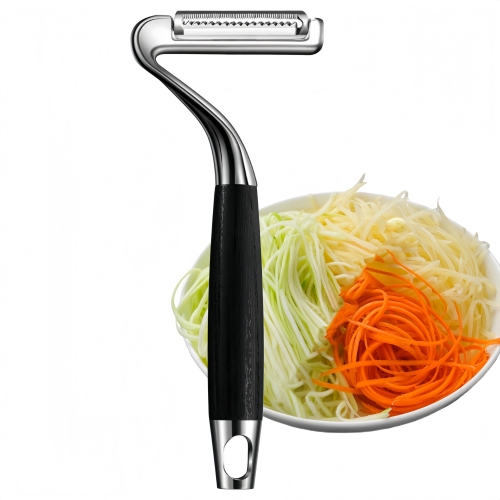


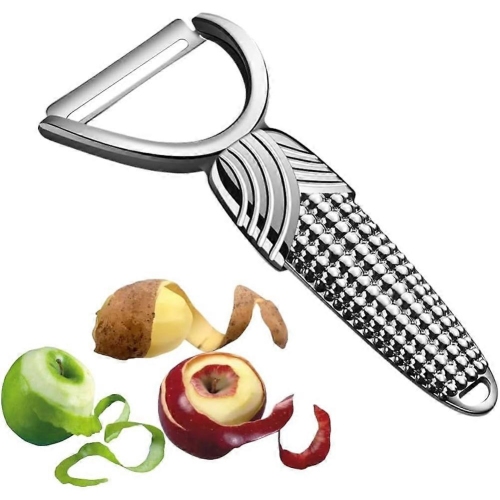


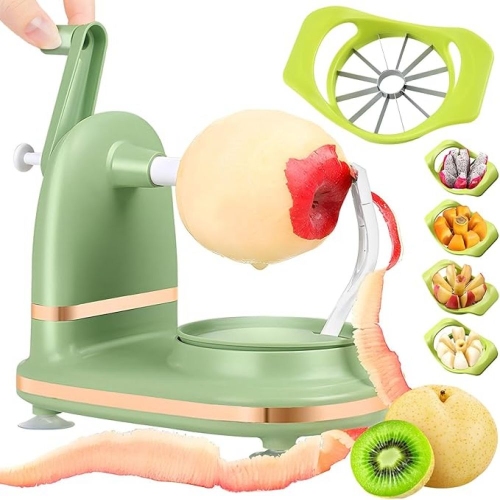


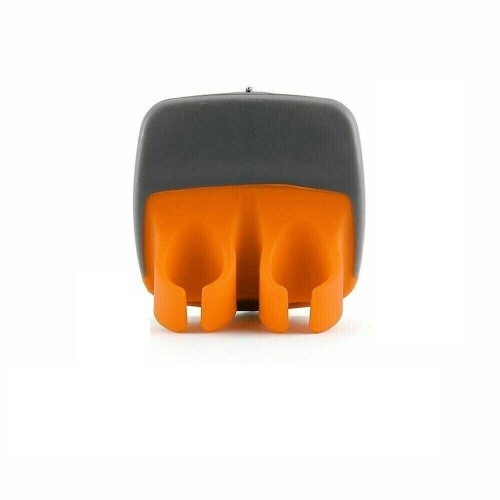

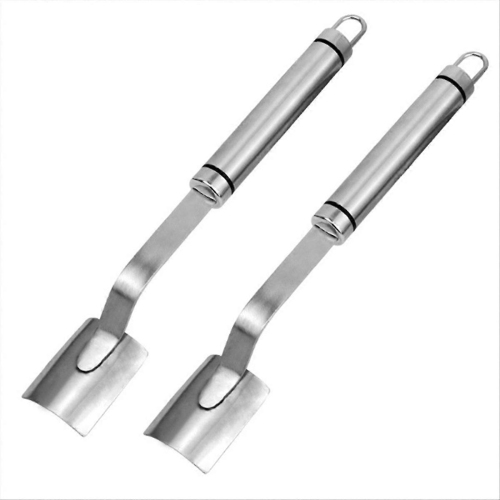
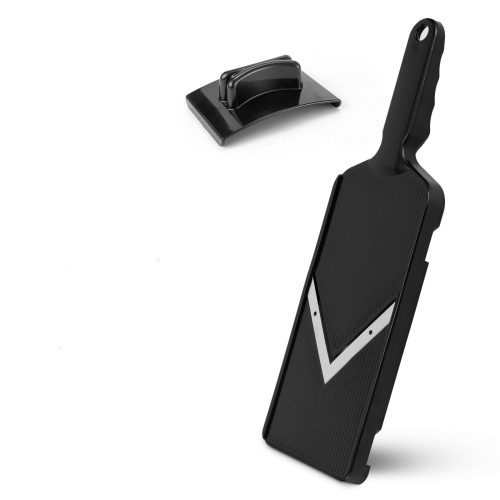







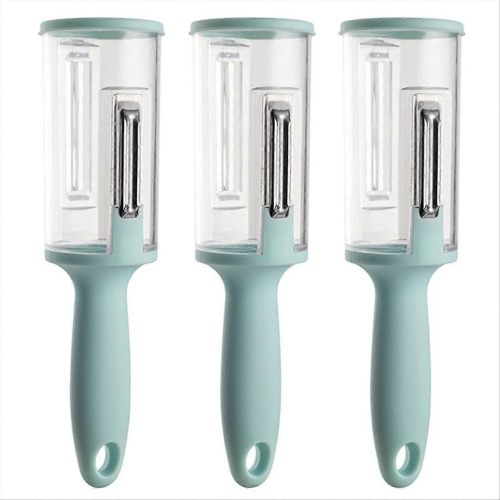
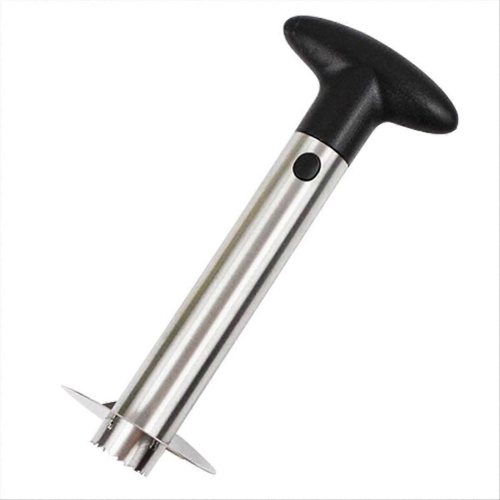
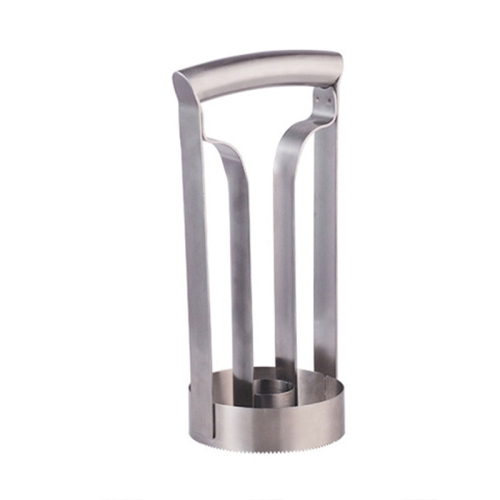
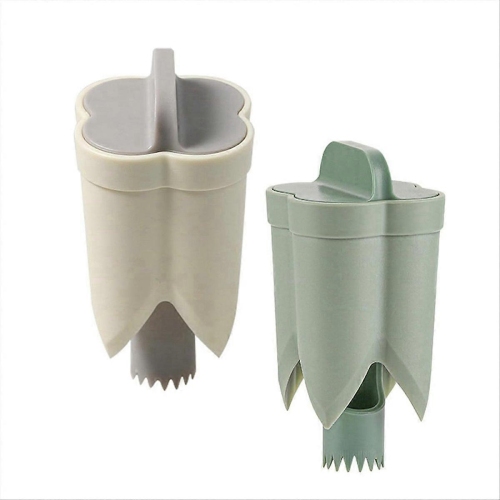
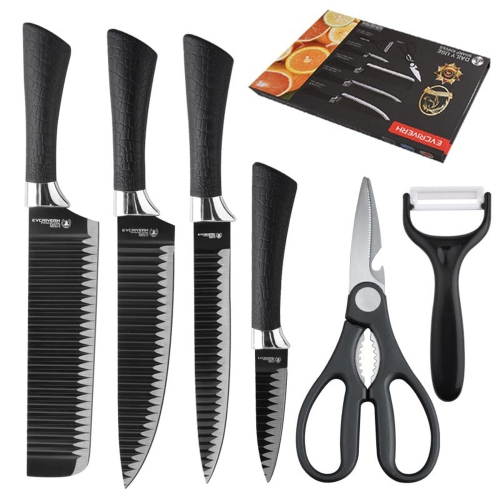
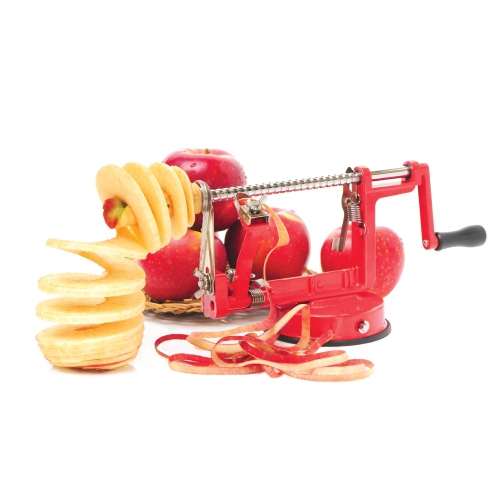
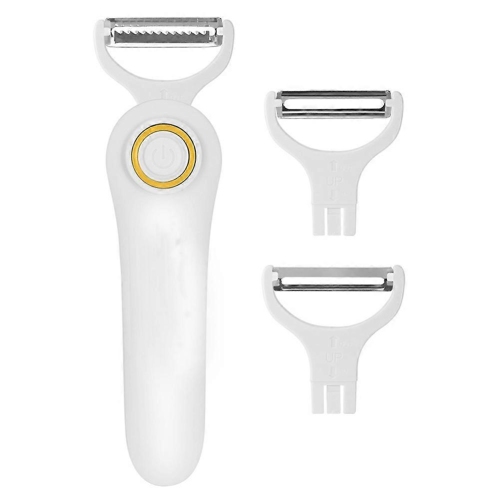


How peeler shape affects comfort and control
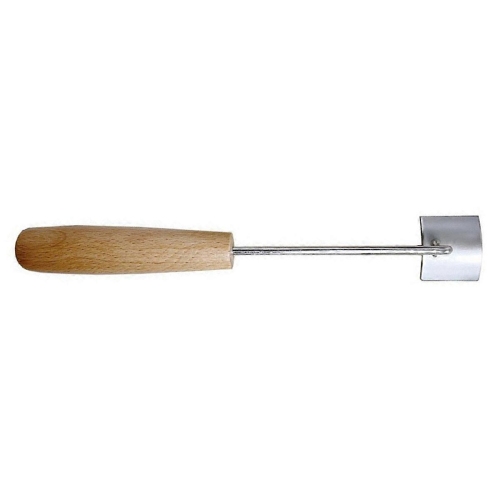
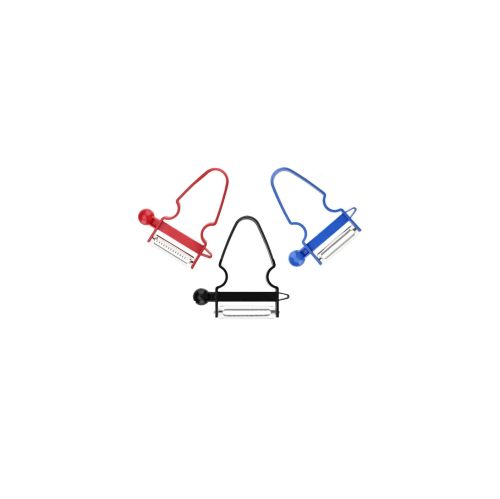
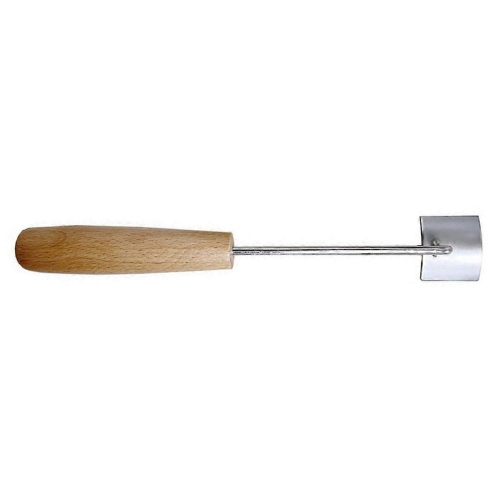
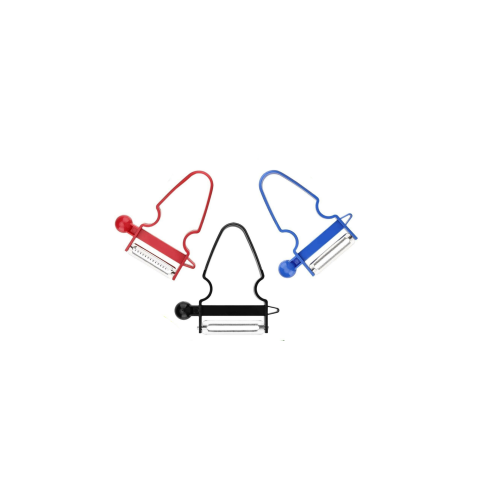
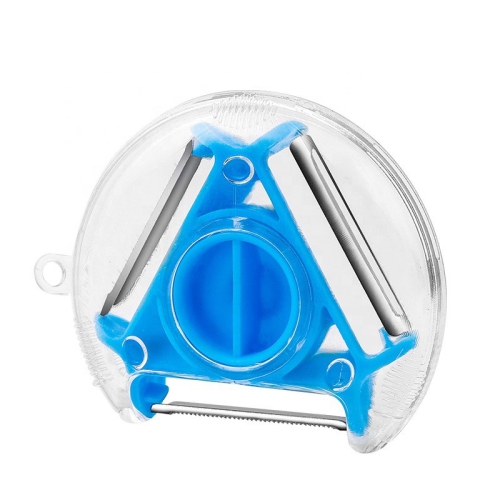
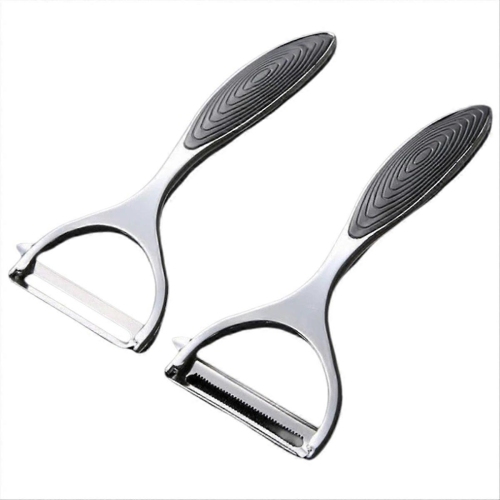
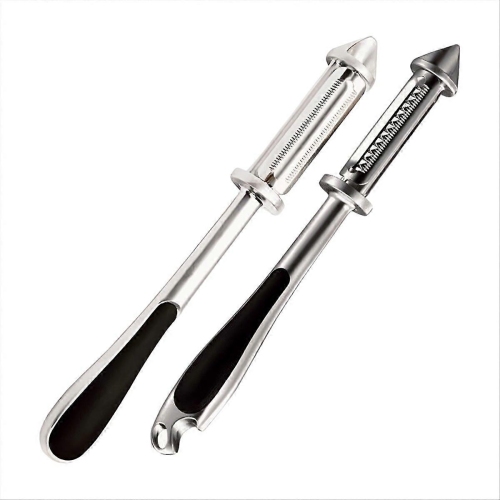
Stainless steel peelers are compact kitchen tools designed to remove thin layers of skin from fruit and vegetables while leaving most of the flesh intact. Their usefulness extends from peeling potatoes for a mash to preparing carrots for soup, trimming cucumber skins for a salad, or removing apple peel before baking. A sharp blade and a comfortable handle make repetitive preparation feel more controlled, particularly when several portions need to be prepared at once. The term stainless steel peeler can describe a tool with a stainless steel blade, an all-metal body, or stainless steel components combined with a different handle material, so construction matters as much as appearance. Two familiar shapes serve slightly different preferences: a Y-peeler has a blade positioned across the top of a forked handle, while a straight peeler places the blade lengthwise beside the handle. A Y-shaped design often suits broad strokes along carrots, cucumbers, and potatoes, with the wrist following the length or curve of the produce. Straight peelers can feel familiar to cooks who prefer a grip similar to holding a small knife, especially when working around rounded apples or irregular potatoes. Neither shape is automatically the better choice; the relationship between hand position, blade angle, and the food being prepared has more influence on comfort. Swivelling blades pivot as they move over curved surfaces, helping maintain contact without requiring the wrist to follow every contour. Fixed blades offer a different feel, with their cutting angle controlled more directly by the user. For everyday cooking, the most useful design is one that handles the produce regularly served at home rather than one selected solely for its finish. A peeler used for a single lunch may need little more than a comfortable grip and a clean cut, while one used for repeated meal preparation benefits from a shape that remains manageable through a bowl of potatoes or a pile of carrots.
The appeal of stainless steel lies in its strength, smooth finish, and resistance to corrosion under appropriate use and care. It is not completely immune to staining or rust, and the grade used for a handle or frame does not necessarily describe the blade. An 18/10 designation identifies a stainless steel alloy containing approximately 18 per cent chromium and 10 per cent nickel, often used for utensil bodies because of its corrosion resistance. Cutting blades may use a different stainless steel composition chosen for hardness and edge performance. A stated steel grade alone does not establish how sharp a peeler will be, how long its edge will last, or whether the complete tool is dishwasher-safe. Those characteristics depend on the blade, construction, and care requirements. Handle shape is equally important to daily use. A rounded metal handle can feel substantial and balanced, while a handle with a textured or soft-grip section may offer more purchase when hands are damp. Wider handles can be easier for some people to hold than narrow ones, although comfort varies with hand size, strength, and preferred grip. The transition between the handle and blade should leave enough room for the fingers without bringing them close to the cutting edge. Left-handed cooks may also benefit from checking the intended cutting direction, since not every blade arrangement supports both hands equally well. Blade style helps define intended use: a conventional smooth blade suits many firm fruits and vegetables, while a serrated blade can catch thinner, more slippery skins, such as those on tomatoes or peaches. Julienne blades produce narrow strips rather than ordinary peelings and serve a different purpose in salad and garnish preparation. A small potato-eye remover adds convenience for removing blemishes, but it is not a substitute for a knife when deeper trimming is needed. The blade opening and surrounding frame also affect how readily peelings clear the tool. Thin potato skins should pass through without repeatedly collecting around the edge, and a sturdy connection between the blade and body helps the tool feel controlled during use.
Care and storage influence how well a stainless steel peeler performs over time. Food residue is easier to remove before it dries into the blade opening, especially after peeling starchy potatoes or fibrous vegetables. Washing with dish soap and water, then drying thoroughly, helps keep the cutting area and any moving joints clean. Dishwasher compatibility should come from the tool’s stated care information rather than an assumption based on the metal alone; handles, coatings, and blade assemblies can have different requirements. Even with dishwasher-safe construction, secure placement matters because an exposed blade can strike neighbouring utensils or present a hazard when the rack is unloaded. Abrasive cleaners and prolonged contact with salty or acidic residue may affect the finish, while soaking can leave moisture around joints and handle connections. A dedicated utensil compartment, protective blade cover where supplied, or suitable hanging loop can keep the edge from rubbing against other tools. Handling the peeler by its grip rather than reaching into a drawer around the blade is a practical consideration in a busy kitchen. Durability is also about performance: a blade that increasingly tears skins or requires extra pressure may be worn, damaged, or clogged, and stainless steel construction does not mean its cutting edge will remain sharp indefinitely. For households that prepare vegetables frequently, a dependable peeler can earn a place beside knives, chopping boards, and stainless steel cheese graters. Complementary tools such as stainless steel cheese graters handle different preparation tasks, from grated toppings to finely shredded ingredients, without replacing the peeler’s role in removing skins or making broad vegetable ribbons. Stainless steel peelers can also be thoughtful additions to a practical kitchen gift for someone setting up a first home, cooking more meals from scratch, or refreshing well-used utensils. Their value comes from repeated, ordinary use: peeled apples ready for a crumble, carrots prepared for a shared meal, and potatoes trimmed neatly without losing unnecessary flesh. A comfortable shape, suitable blade, and straightforward care routine make this small tool a useful part of everyday food preparation.
Top selling and popular products
-
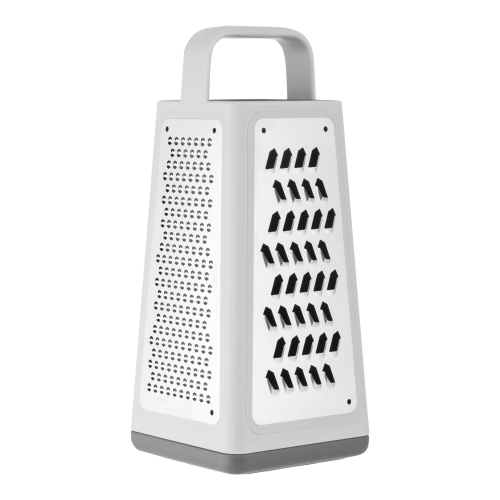 Your price for this item is $49.99
-
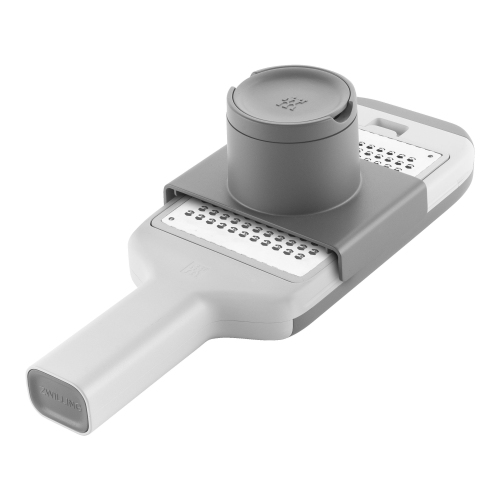 Your price for this item is $49.99
-
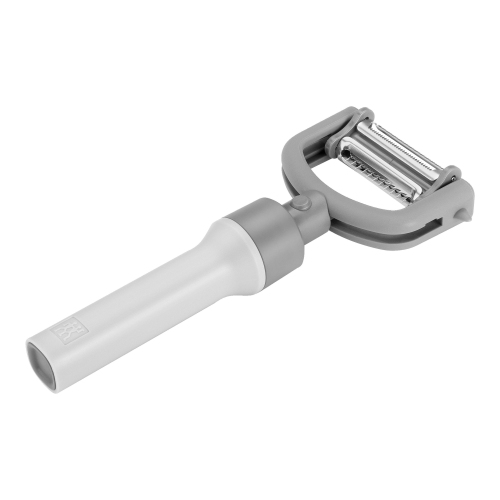 Your price for this item is $24.99
-
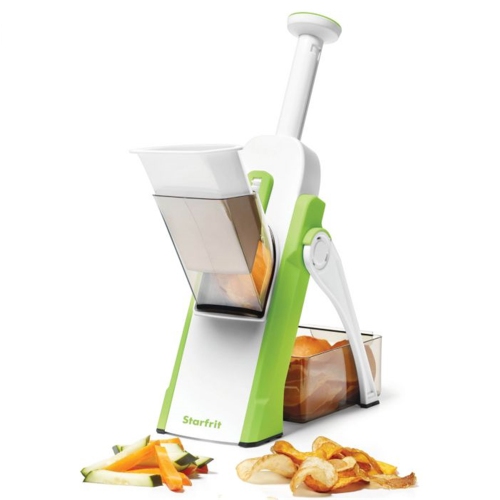 Your price for this item is $44.97
-
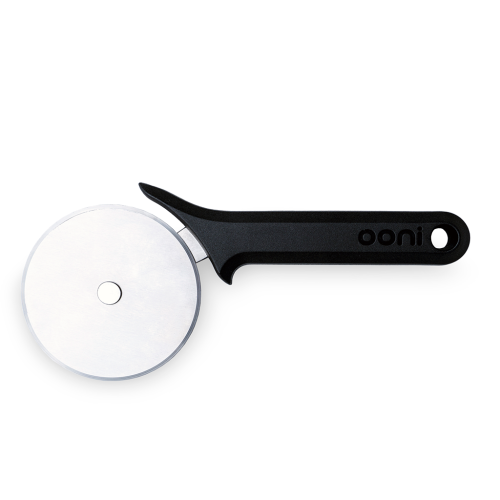 Your price for this item is $18.99
-
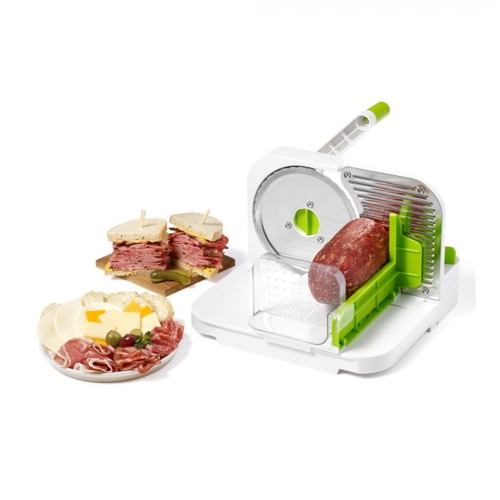 Your price for this item is $48.97
-
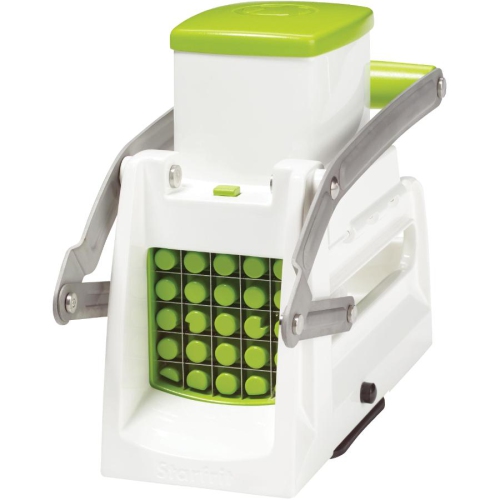 Your price for this item is $29.99
-
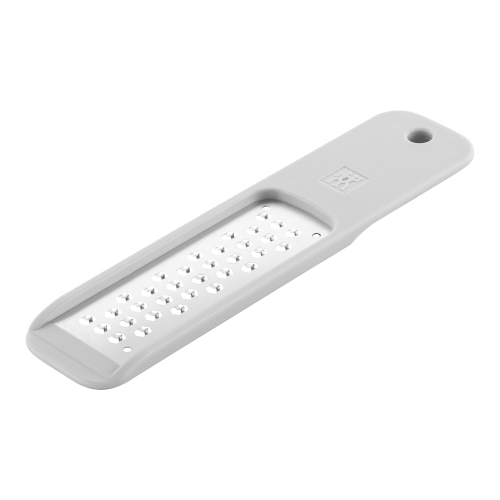 Your price for this item is $9.99
Discover more categories related to Stainless Steel Peelers


Top Collections:
Pokemon Centers, Best Cameras for Sports Photography, Kindle Devices, Samsung Galaxy Phones, Canon G7X Cameras, Pokémon 30th Celebration Cards, Refurbished Apple Laptops, iPhone 15 Apple, Laptops for Students, Budget Smartphones
Some products may be subject to Environmental Handling Fees
(EHF) depending on your province.
Learn more about EHFs.