Stair Treads for Hardwood Stairs
Enhance the look and feel of your home while adding an extra layer of safety with stair treads for hardwood stairs. Whether you’re looking to protect your beautiful hardwood from everyday wear or simply want to update your staircase’s style, stair treads offer a practical and attractive solution. Available in a variety of colours, materials, and designs, it’s easy to find options that complement your existing décor and meet your household’s needs. Discover how stair treads for hardwood stairs can make every step both comfortable and stylish.
Sort
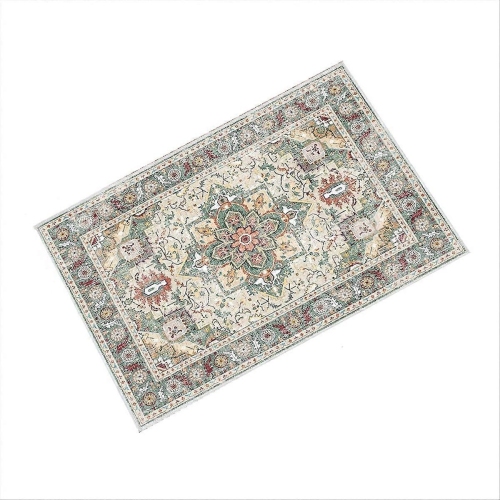
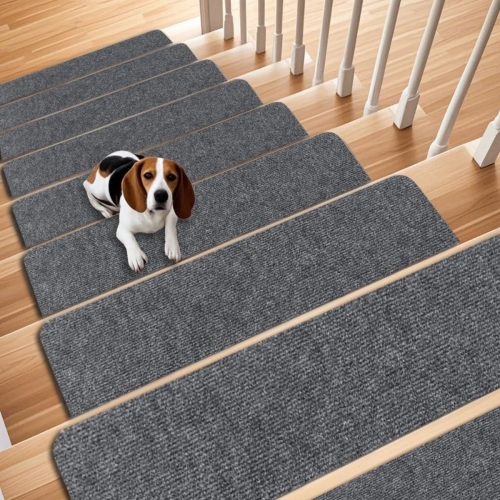


More grip underfoot with hardwood still in view
Stair treads for hardwood stairs add a defined walking surface to individual steps while allowing much of the surrounding wood to remain visible. The term can refer to either the solid wood component of a staircase or a cover placed over an existing step, so the distinction matters when comparing options. Solid hardwood replacement treads and retrofit caps are renovation materials used to rebuild or refresh the steps themselves. Carpet treads, clear traction strips, and other surface covers serve a different purpose: they sit on finished stairs to add texture underfoot and help limit everyday wear. For a staircase that is already sound and finished, these covers offer a way to soften footfalls or add grip without replacing the wood. Carpet stair treads typically cover the central walking area, leaving a border of hardwood along the sides. Polyester, polypropylene, nylon, and wool are among the materials used, with differences in softness, texture, stain resistance, and care requirements. A dense, low pile generally creates a less bulky surface than a thick, plush construction, while bound edges give each piece a finished outline. Clear textured treads are less visually prominent and leave the grain more visible, although their edges and surface texture may still show in direct light. Neither carpet nor clear coverings make stairs slip-proof; secure attachment, suitable footwear, good lighting, and an accessible handrail remain important. These products can be useful in busy households where footsteps carry between floors, where a dog hesitates on smooth wood, or where people prefer a softer feel beneath their feet. Their appearance also influences the room around them. A muted charcoal or beige can sit quietly against oak, while a subtle pattern may help disguise lint between cleanings. Repeating the same shape and spacing from step to step creates a cohesive look, whether the staircase opens directly into a living room or connects a hallway to bedrooms above.
Fit involves more than finding a tread that is narrower than the staircase. The usable depth of each step, the shape of the front edge, and the amount of exposed wood all affect how a cover sits. Straight flights often have fairly consistent dimensions, but older stairs and turns can vary enough that measuring a single step is not sufficient. A rectangular mat that fits neatly on a straight step may sit awkwardly on a wedge-shaped turning step, where the walking surface narrows towards one side. Flat treads are designed to rest on the horizontal surface, whereas bullnose or wraparound styles extend over the front edge and need a compatible profile. Rounded, square, and projecting stair edges are not interchangeable for every design. Thickness matters as well: a bulky cover or lifted edge can interrupt the walking surface, and inconsistent coverage can change how the stairs feel underfoot. A coordinated fit should leave no overhang or loose corners. Backing and attachment deserve just as much attention as dimensions. Some carpet treads use a textured rubber or thermoplastic backing, some rely on a pressure-sensitive adhesive, and others require a separate attachment system. A non-slip label alone does not establish whether a tread will stay in place on a particular hardwood finish. Compatibility depends on both the tread instructions and the finish beneath it, including whether the wood is sealed, waxed, oiled, or recently refinished. Rubber and adhesives can discolour or affect some finishes, and a removable backing is not a promise of residue-free removal on every surface. A finish-compatible option is particularly important in a rental home or on a staircase with carefully preserved woodwork. For other interior staircase layouts, Stair Treads for Indoor Steps offers a related category to explore. Across these options, the most useful comparison is between the actual step dimensions, the intended attachment method, and the suitability of the backing for the existing surface, rather than appearance alone.
Daily use helps determine which material and construction make sense over time. On the staircase between a main floor and upstairs bedrooms, soft carpet treads may reduce the sharp sound of footsteps, though they will not eliminate sound travelling through the structure. In a household with pets, tightly constructed surfaces without prominent loops may be less prone to catching claws than an open-loop texture. Hair can still collect along bound edges, so a colour and texture that suit the household’s cleaning routine are worth considering. Dark solids may reveal pale fur, while light shades can show tracked-in dirt more readily. Clear traction coverings offer little cushioning and do not absorb sound like carpet, but their thinner profile may suit a staircase where preserving the view of the hardwood is the priority. Care requirements vary considerably: some fabric treads permit machine washing, while others are suitable only for vacuuming or spot cleaning. A washable face does not necessarily mean that its adhesive backing can withstand immersion, heat, or repeated wash cycles. Following the stated care method helps protect the shape, edge binding, and attachment system. Dirt trapped beneath a cover can rub against a wood finish, and moisture left underneath can cause damage, making a clean, dry surface important before initial placement or reapplication. During routine cleaning, checking for movement, curled edges, worn texture, and compressed pile can reveal when a tread needs attention. Covers should also be inspected after a vacuum catches an edge or a pet scrambles around a turn. Durability depends on the whole construction, not simply the fibre name: backing integrity, edge finishing, foot traffic, and cleaning habits all play a part. Covered and exposed sections of hardwood may age differently, so removing treads after extended use can reveal differences in colour or wear. For anyone balancing comfort, traction, and the appearance of finished wood, a well-fitted stair tread offers a practical surface layer, with long-term results shaped by secure placement and care suited to both the covering and the stairs beneath it.
Top selling and popular products
-
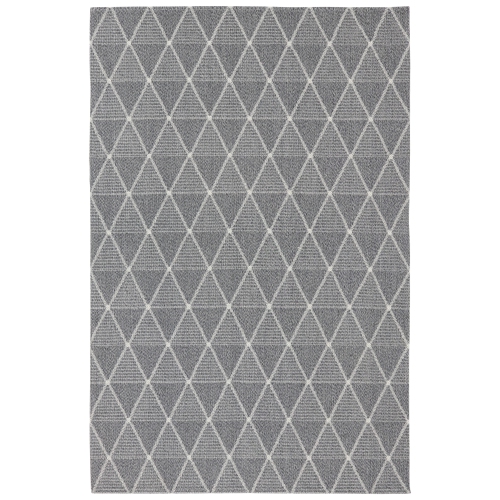 Your price for this item is $130.55
-
 Your price for this item is $129.15
-
 Your price for this item is $130.55
-
 Your price for this item is $129.15
-
 Your price for this item is $129.15
-
 Your price for this item is $130.55
-
 Your price for this item is $111.99
-
 Your price for this item is $88.07
Discover more categories related to Stair Treads for Hardwood Stairs


Top Collections:
Pokemon Centers, Best Cameras for Sports Photography, Kindle Devices, Samsung Galaxy Phones, Canon G7X Cameras, Pokémon 30th Celebration Cards, Refurbished Apple Laptops, iPhone 15 Apple, Laptops for Students, Budget Smartphones
Some products may be subject to Environmental Handling Fees
(EHF) depending on your province.
Learn more about EHFs.