Standard Size Down Pillows
Standard Size Down Pillows offer a classic choice for those seeking comfort and support in their bedding. Perfectly sized to fit most pillowcases, these pillows are designed to complement any bedroom setup, whether for everyday use or guest rooms. With a variety of options available, finding the right Standard Size Down Pillow is simple, making it easy to enhance your sleep environment and enjoy restful nights. Explore the collection to discover pillows that suit your needs and preferences.
Sort

Why soft down pillows can feel so different
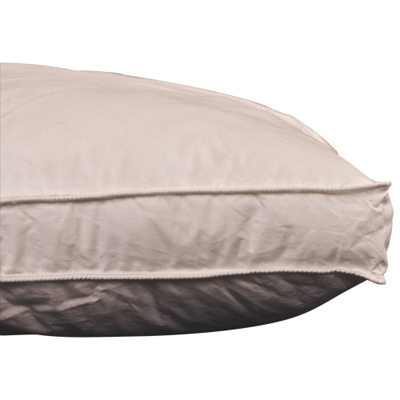
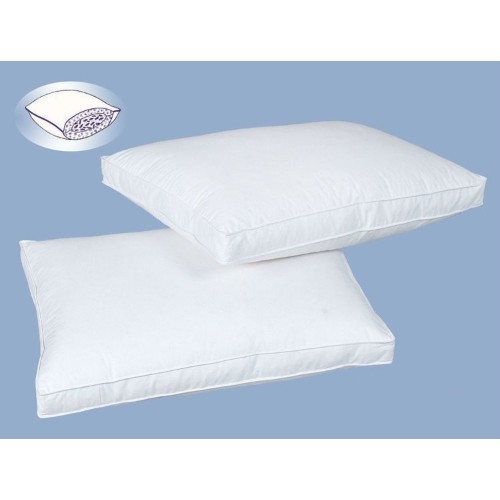
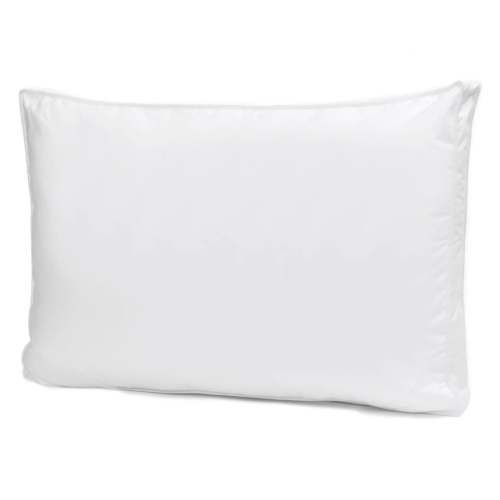
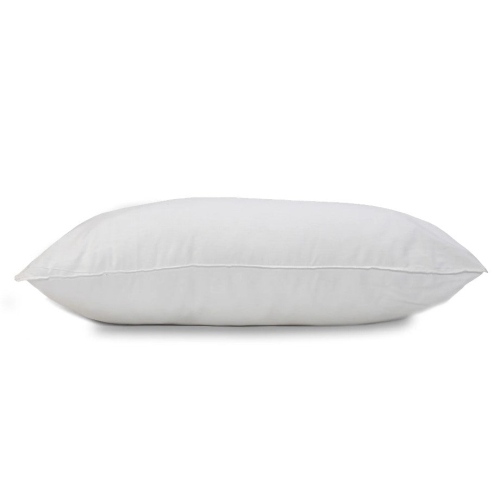
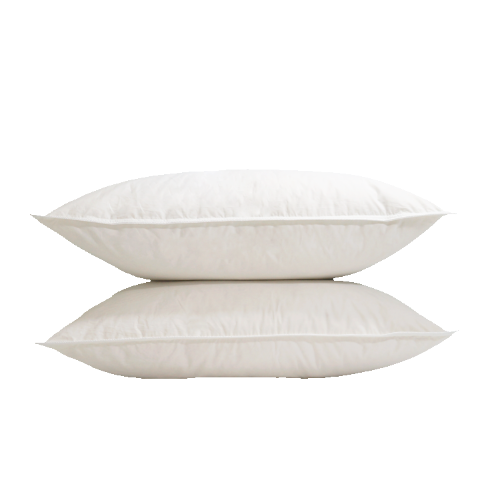
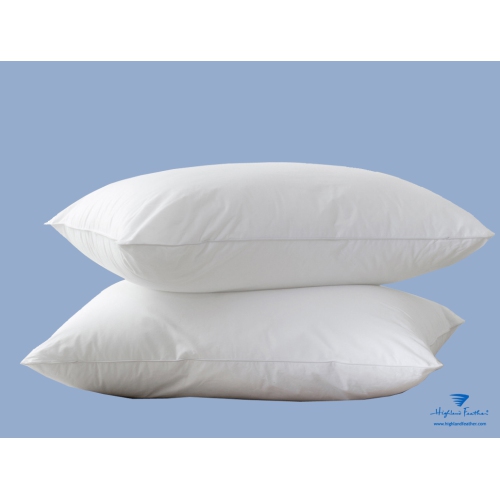
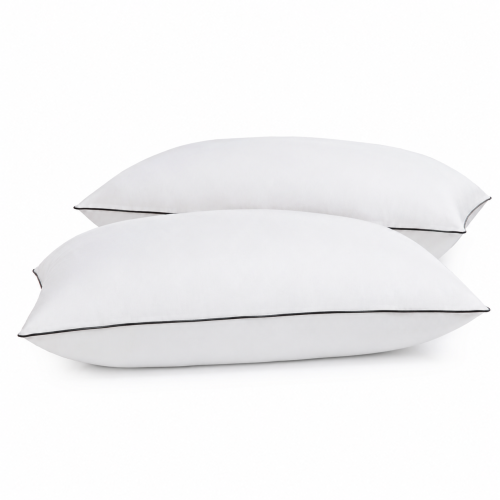
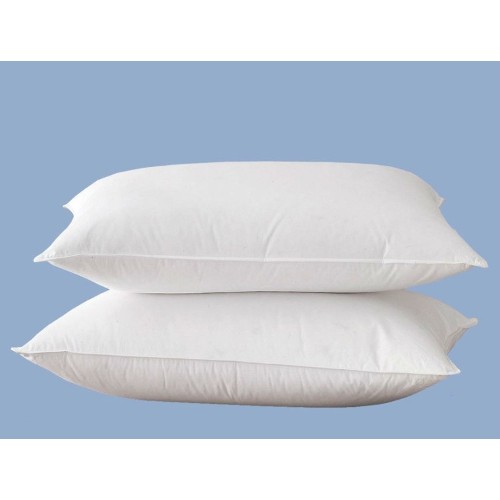
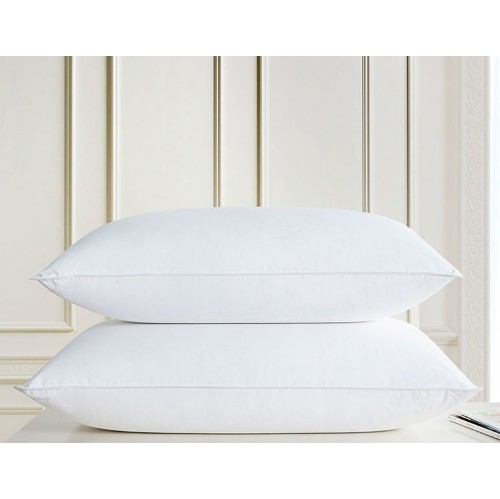
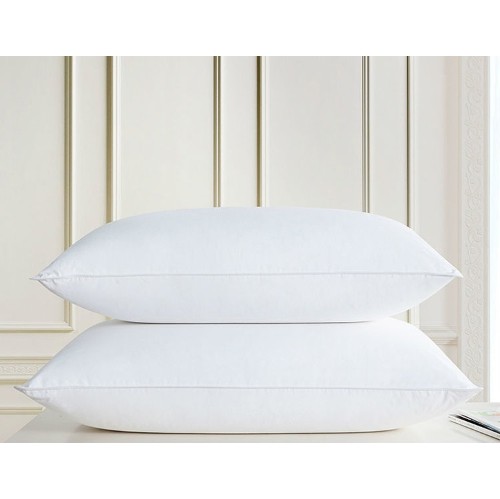
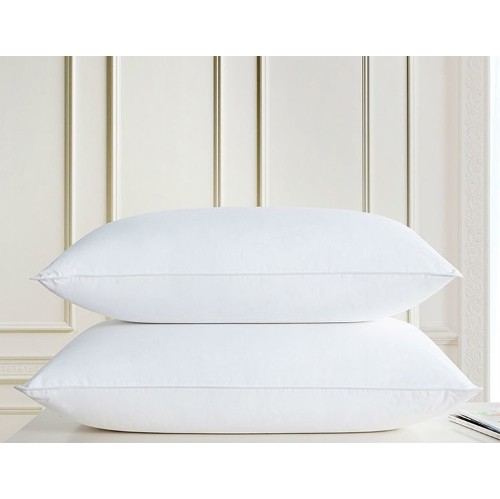
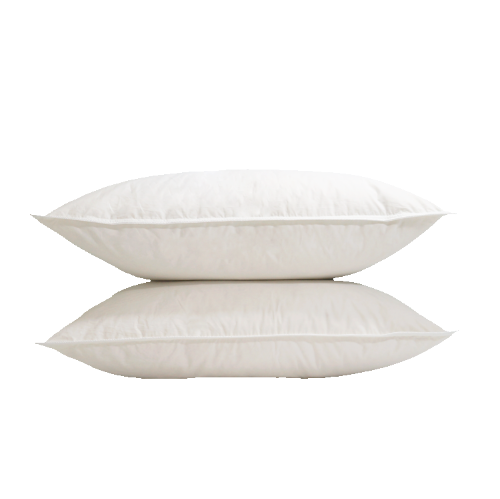
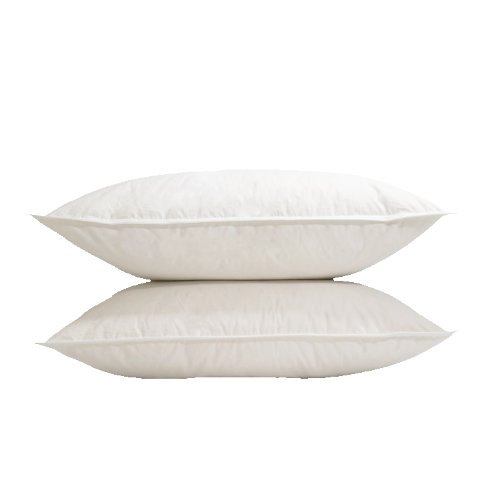
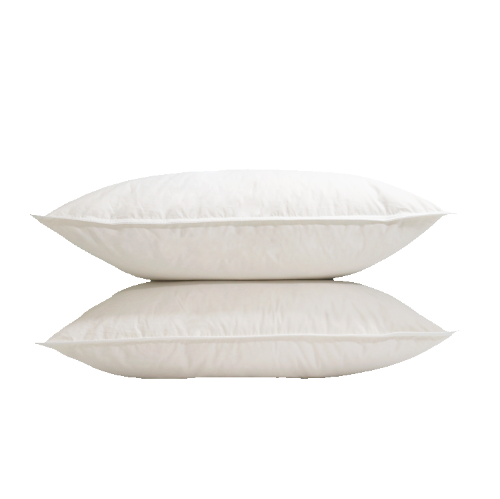
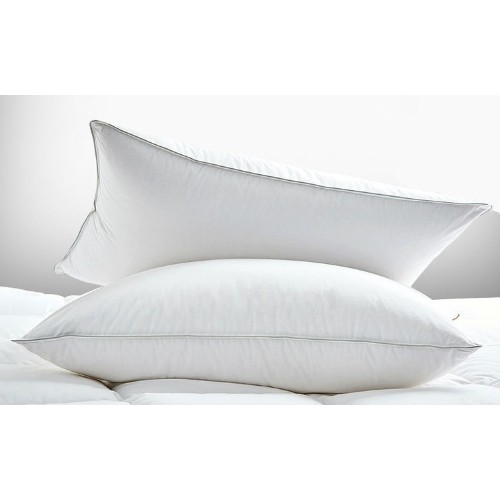
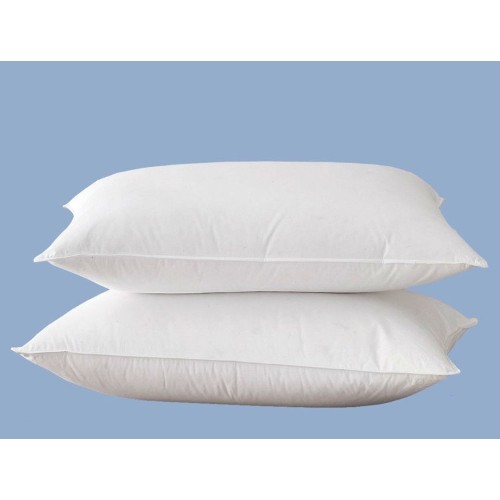
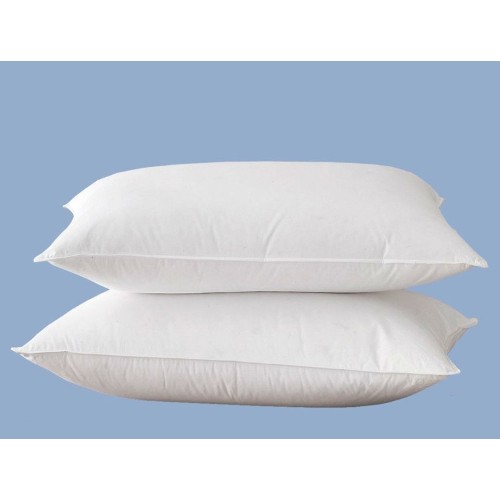
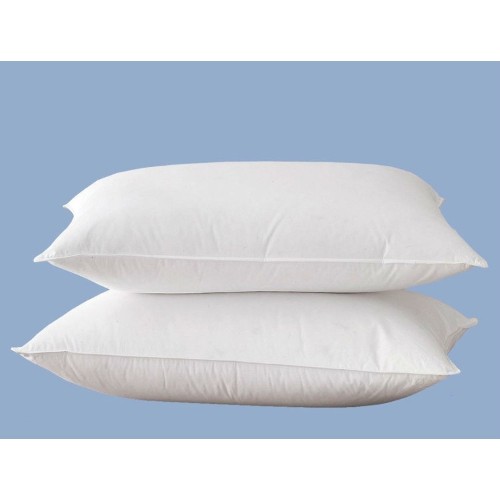
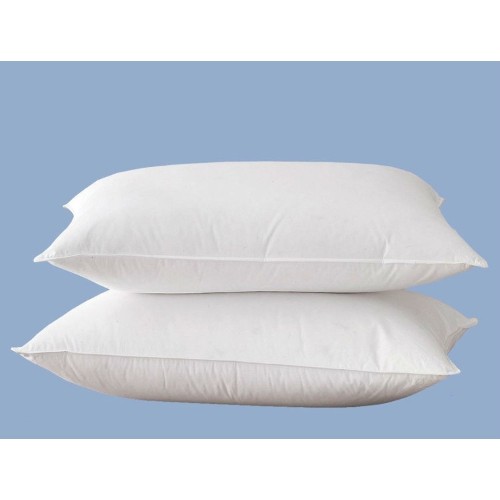
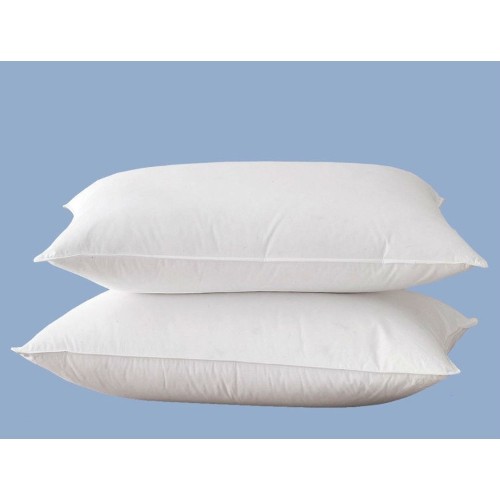
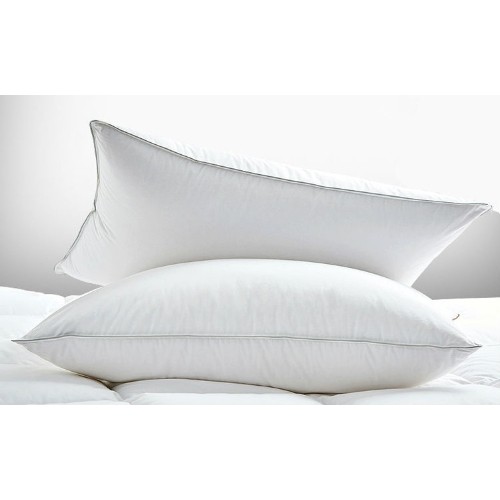
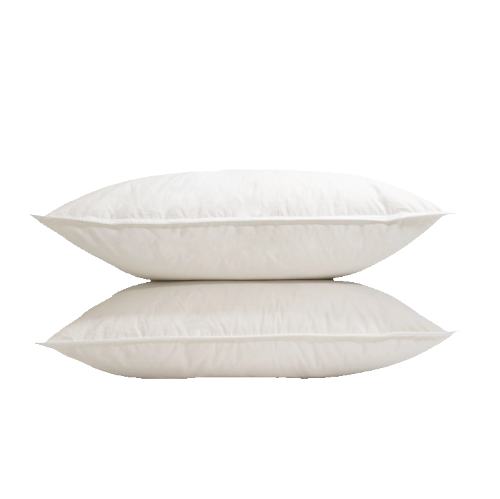
Standard size down pillows typically measure 20 by 26 inches, or approximately 51 by 66 centimetres, making them a familiar fit for standard pillowcases and pillow protectors. Their rectangular shape works well as a single sleeping pillow on a twin bed or as a pair on a double or queen bed, without the extra length of king size pillows. Exact finished dimensions can vary slightly, so checking both the pillow measurements and the case dimensions helps avoid a cover that squeezes the filling or leaves excessive loose fabric. Down is the soft, three-dimensional cluster found beneath the outer feathers of ducks and geese. Unlike feathers, down clusters do not have a rigid central quill, which gives predominantly down-filled pillows their light, yielding feel. The filling moves as the sleeper changes position and can be shaped into a shallow cradle beneath the head or gathered for a little more height. That malleability is a defining feature: down feels different from a moulded foam pillow, which holds a more fixed contour. Duck down and goose down are both used in bedding, but the bird type alone does not determine comfort or quality. Cluster size, processing, fill quantity, shell construction, and the proportion of down to feathers all influence the finished pillow. A down-and-feather blend may feel weightier and more structured than a pillow with a higher down percentage, while a chambered design can place a firmer inner filling beneath a softer outer layer. Reading the fill composition gives a clearer picture than relying on a description such as “soft” or “plush” alone. For someone who likes to fold a pillow slightly beneath the cheek, or reshape it before settling into bed, a standard down pillow offers a manageable size and a responsive texture. It can also suit a guest bedroom where familiar dimensions make matching cases and maintaining spare bedding straightforward.
The most useful comfort distinctions among standard size down pillows are loft, firmness, fill power, and fill weight. Loft describes the pillow’s height, while firmness describes how much resistance it offers when compressed. Fill power measures how much volume a given weight of down occupies under specified testing conditions; a higher value indicates greater lofting ability, not automatically a firmer pillow. Fill weight describes the amount of filling inside. Two pillows with the same fill power can feel quite different if one contains more down, and two equally tall pillows may compress differently beneath the head. Side sleepers generally need enough height and resistance to fill the space between the head and mattress, although shoulder width and how deeply the body settles into the mattress affect that space. A fuller down pillow may suit this position, but one that collapses too easily can leave the head tilted downward. Back sleepers often prefer a medium or lower profile that supports the head without pushing the chin towards the chest. Stomach sleepers who use a pillow usually need a much flatter profile to limit the amount the head is raised. These are starting points rather than fixed rules: a broad-shouldered side sleeper on a firm mattress and a smaller sleeper on a deeply cushioning mattress may need very different pillows. For people who move between positions, easily redistributed fill can be appealing, though reshaping may be necessary during the night. Pillowcase fit matters here, too. A snug case can restrict expansion and make a soft pillow feel more compact, while an appropriately sized case lets the filling spread naturally. Those drawn to the softly layered appearance of a well-made guest bed may also appreciate Hotel Quality Down Pillows, with comfort still best judged by fill composition and support rather than appearance alone. For everyday sleeping, the goal is a pillow that feels comfortable after the head has settled into it, not simply one that looks impressively full when freshly fluffed.
The outer shell and everyday care routine have a substantial effect on how a down pillow feels and how well it wears. Cotton shells are common because they can provide a smooth, breathable covering, while a tightly woven, down-proof construction helps keep fine filling from working through the fabric. Thread count is only one detail; weave quality, fabric weight, secure seams, and careful finishing also matter. A very crisp shell may make a faint rustling sound, which is worth considering for someone sensitive to noise close to the ear. A removable pillow protector adds a washable barrier between the shell and pillowcase, helping limit contact with perspiration, skin oils, and hair products. It should fit without tightly compressing the pillow, and its fabric can alter the surface feel. Care labels take priority over general laundry advice because some down pillows are machine washable while others require professional cleaning. Where washing is permitted, follow the specified detergent, cycle, and drying instructions, and ensure the filling is completely dry throughout before returning the pillow to the bed or a cupboard. A shell that feels dry does not necessarily mean the centre is dry; damp clusters can clump and develop an unpleasant odour. Gentle, regular fluffing helps redistribute filling that has shifted during sleep, while routine washing of cases and protectors reduces how often the pillow itself needs cleaning. Store spare pillows clean and thoroughly dry in a breathable storage bag, without prolonged heavy compression. Over time, persistent flatness, uneven filling, damaged seams, or a noticeable loss of support can signal that a pillow needs attention or replacement. Anyone with a known sensitivity to down or feathers should check the stated materials rather than assume that a cleaning claim makes every filling suitable. As a housewarming or wedding gift, standard down pillows are most thoughtful when the recipient’s preferred firmness and willingness to follow the care requirements are already known. Matching those practical details can make the difference between bedding that merely looks inviting and a pillow that becomes a comfortable part of the nightly routine.
The most useful comfort distinctions among standard size down pillows are loft, firmness, fill power, and fill weight. Loft describes the pillow’s height, while firmness describes how much resistance it offers when compressed. Fill power measures how much volume a given weight of down occupies under specified testing conditions; a higher value indicates greater lofting ability, not automatically a firmer pillow. Fill weight describes the amount of filling inside. Two pillows with the same fill power can feel quite different if one contains more down, and two equally tall pillows may compress differently beneath the head. Side sleepers generally need enough height and resistance to fill the space between the head and mattress, although shoulder width and how deeply the body settles into the mattress affect that space. A fuller down pillow may suit this position, but one that collapses too easily can leave the head tilted downward. Back sleepers often prefer a medium or lower profile that supports the head without pushing the chin towards the chest. Stomach sleepers who use a pillow usually need a much flatter profile to limit the amount the head is raised. These are starting points rather than fixed rules: a broad-shouldered side sleeper on a firm mattress and a smaller sleeper on a deeply cushioning mattress may need very different pillows. For people who move between positions, easily redistributed fill can be appealing, though reshaping may be necessary during the night. Pillowcase fit matters here, too. A snug case can restrict expansion and make a soft pillow feel more compact, while an appropriately sized case lets the filling spread naturally. Those drawn to the softly layered appearance of a well-made guest bed may also appreciate Hotel Quality Down Pillows, with comfort still best judged by fill composition and support rather than appearance alone. For everyday sleeping, the goal is a pillow that feels comfortable after the head has settled into it, not simply one that looks impressively full when freshly fluffed.
The outer shell and everyday care routine have a substantial effect on how a down pillow feels and how well it wears. Cotton shells are common because they can provide a smooth, breathable covering, while a tightly woven, down-proof construction helps keep fine filling from working through the fabric. Thread count is only one detail; weave quality, fabric weight, secure seams, and careful finishing also matter. A very crisp shell may make a faint rustling sound, which is worth considering for someone sensitive to noise close to the ear. A removable pillow protector adds a washable barrier between the shell and pillowcase, helping limit contact with perspiration, skin oils, and hair products. It should fit without tightly compressing the pillow, and its fabric can alter the surface feel. Care labels take priority over general laundry advice because some down pillows are machine washable while others require professional cleaning. Where washing is permitted, follow the specified detergent, cycle, and drying instructions, and ensure the filling is completely dry throughout before returning the pillow to the bed or a cupboard. A shell that feels dry does not necessarily mean the centre is dry; damp clusters can clump and develop an unpleasant odour. Gentle, regular fluffing helps redistribute filling that has shifted during sleep, while routine washing of cases and protectors reduces how often the pillow itself needs cleaning. Store spare pillows clean and thoroughly dry in a breathable storage bag, without prolonged heavy compression. Over time, persistent flatness, uneven filling, damaged seams, or a noticeable loss of support can signal that a pillow needs attention or replacement. Anyone with a known sensitivity to down or feathers should check the stated materials rather than assume that a cleaning claim makes every filling suitable. As a housewarming or wedding gift, standard down pillows are most thoughtful when the recipient’s preferred firmness and willingness to follow the care requirements are already known. Matching those practical details can make the difference between bedding that merely looks inviting and a pillow that becomes a comfortable part of the nightly routine.
Top selling and popular products
-
 Your price for this item is $300
 -
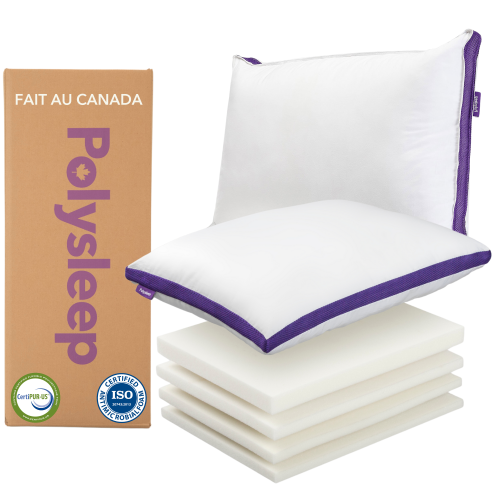 Your price for this item is $350
 -
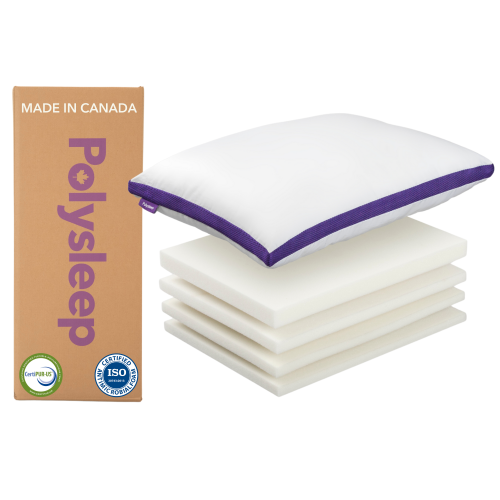 Your price for this item is $175
 -
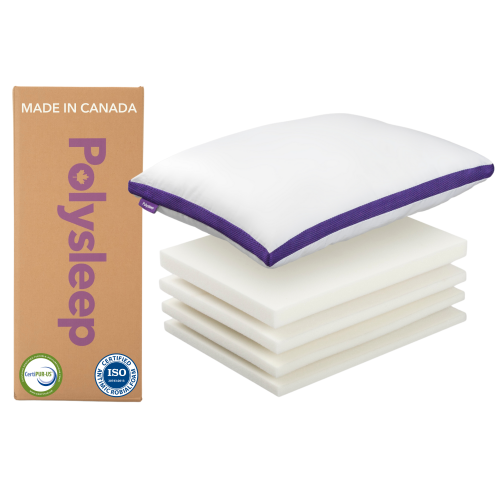 Your price for this item is $150
 -
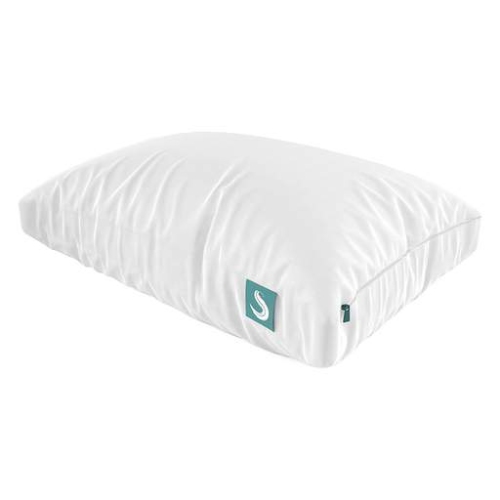 Your price for this item is $153.99
 -
 Your price for this item is $295
 -
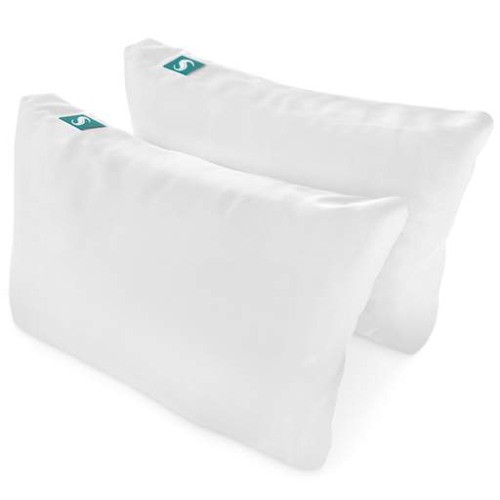 Your price for this item is $243.99
 -
 Your price for this item is $24.99
Discover more categories related to Standard Size Down Pillows
Top Collections:
Pokemon Centers, Kindle Devices, Best Budget Office Chairs, Apple iPhones 16, Best Laptops for Writers, iPhone 15 Apple, Canon G7X Cameras, Refurbished Apple Laptops, Alarm Clock, Motorola Razr Phones
Some products may be subject to Environmental Handling Fees
(EHF) depending on your province.
Learn more about EHFs.