Queen Size Bed Pillows
Upgrade your sleep experience with these queen-size bed pillows. Designed to provide optimal comfort and support, these pillows are the perfect addition to your bedroom. Whether you prefer a plush, medium, or firm feel, we have a variety of options to suit your sleeping style. Say goodbye to restless nights and hello to a rejuvenating slumber with these queen-size bed pillows.
Sort
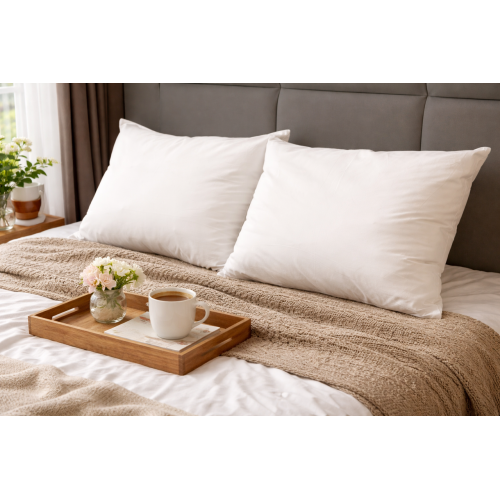
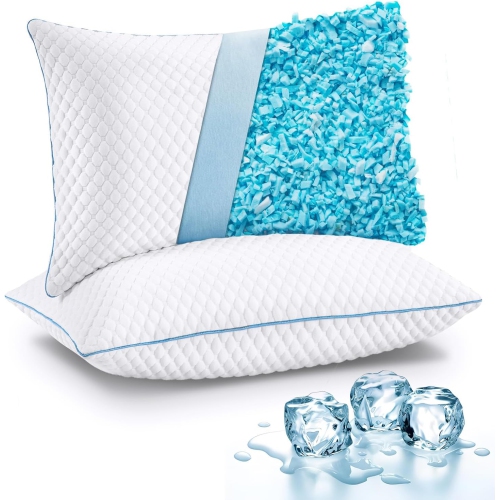
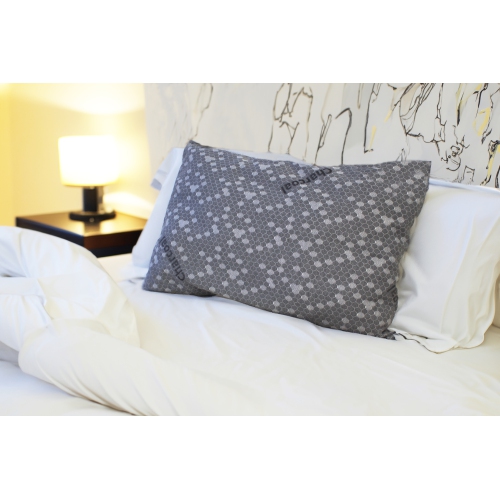
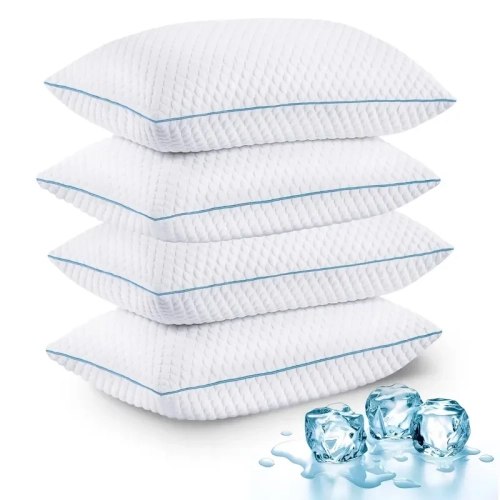
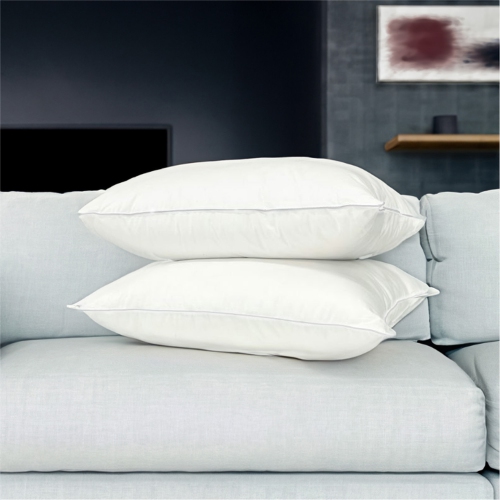

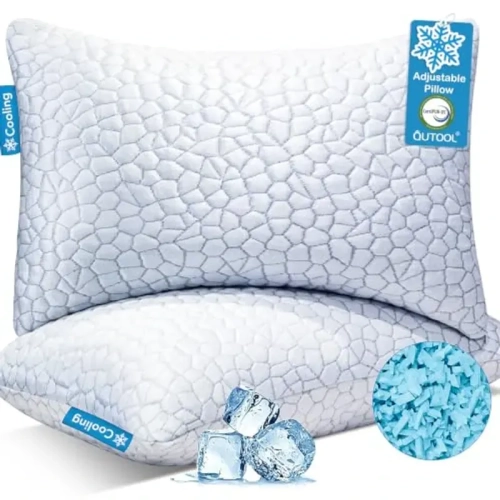
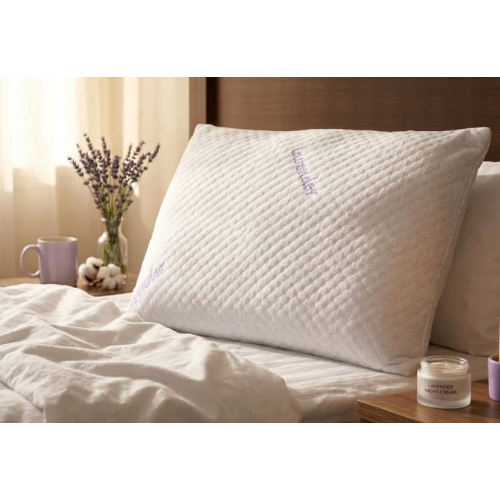
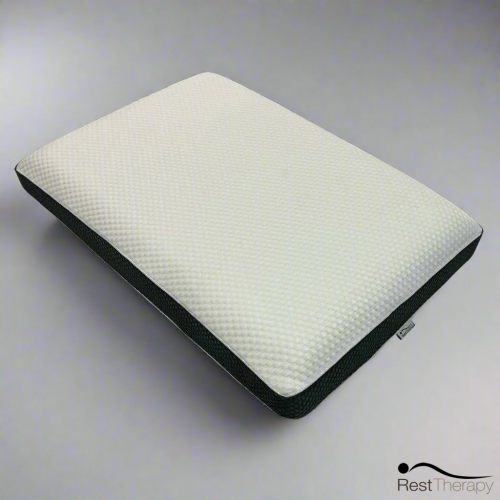
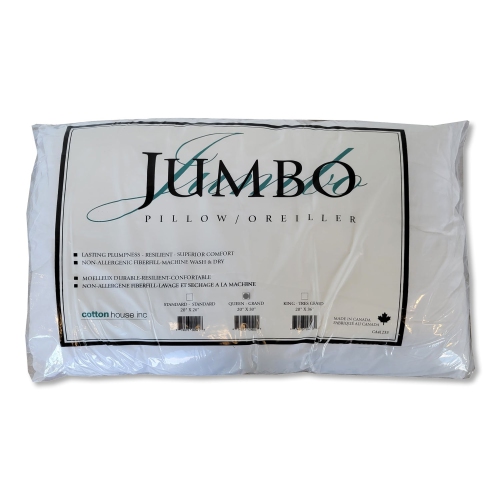
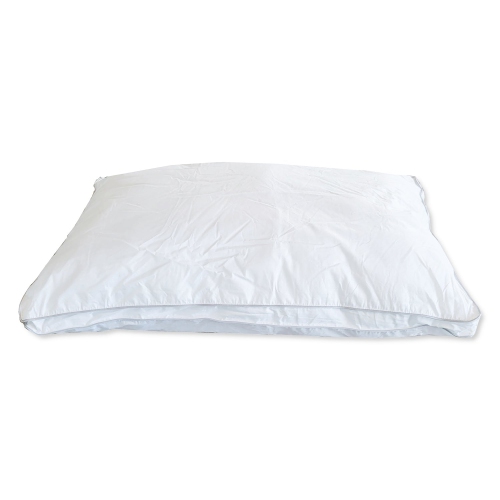
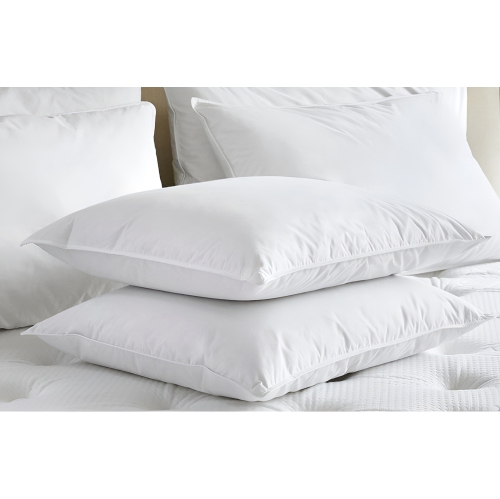

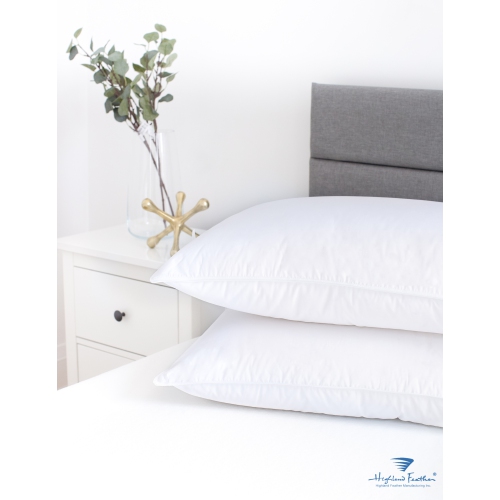
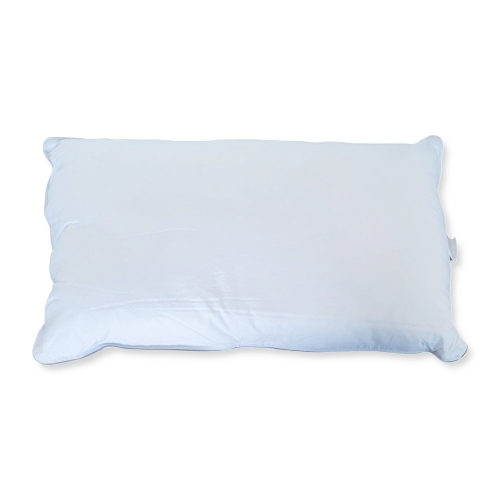


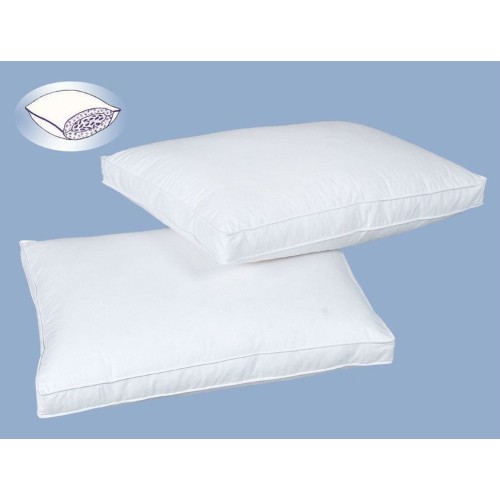
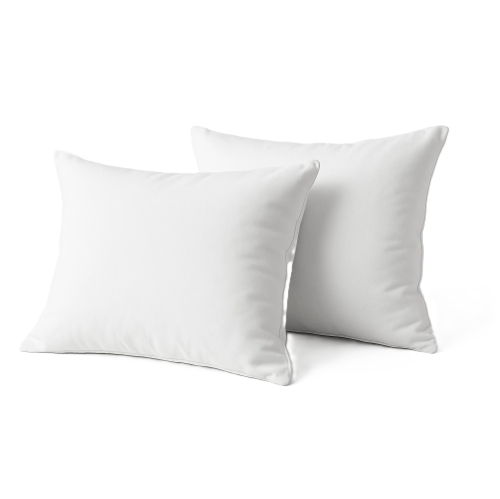

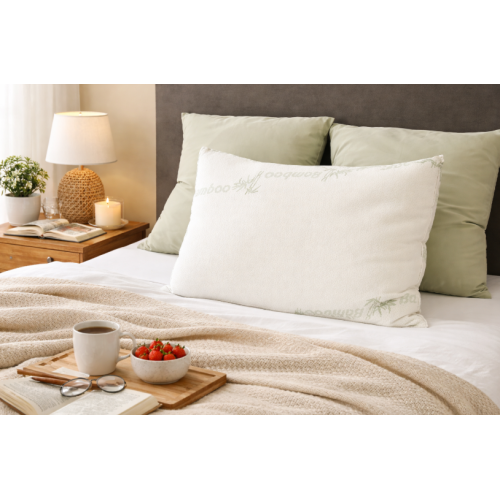









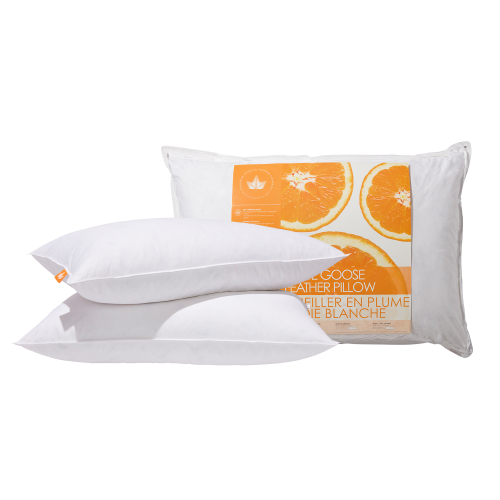
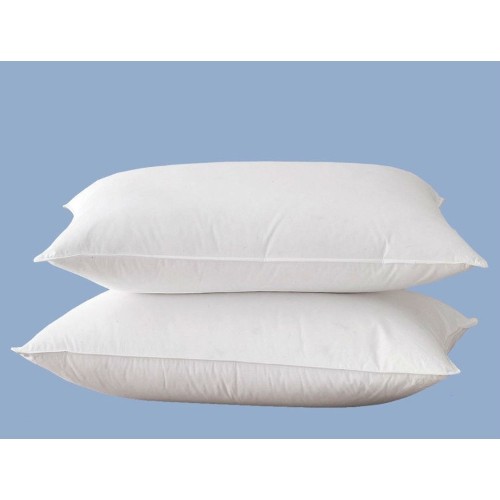
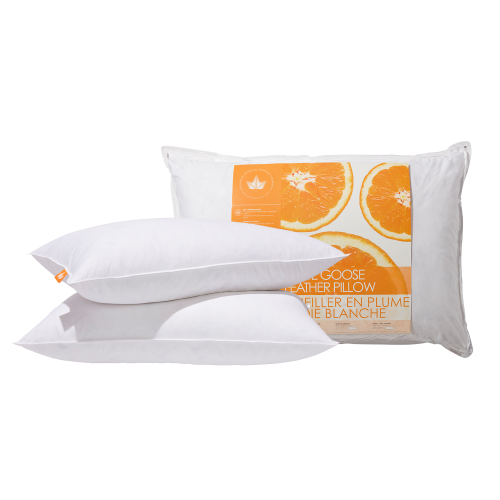
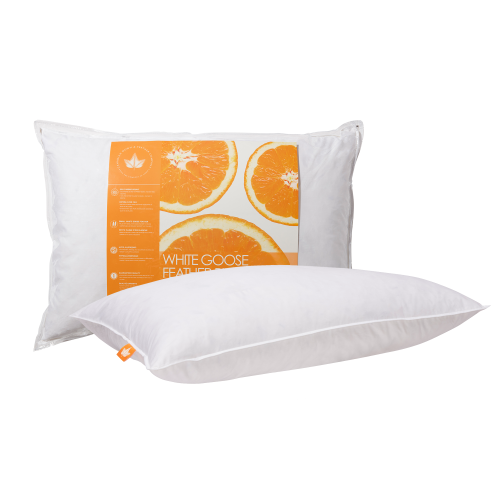
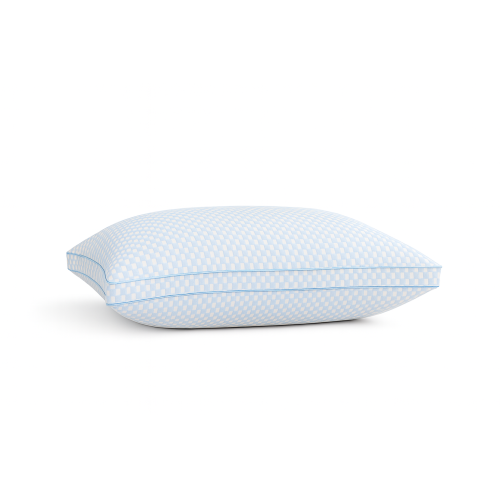

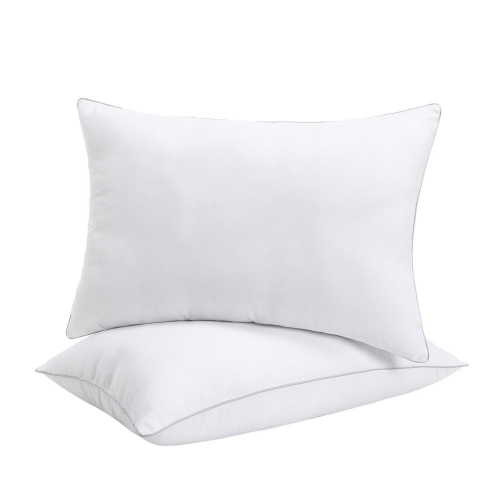

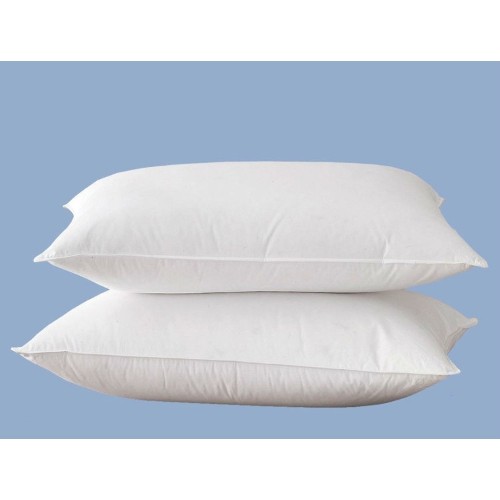
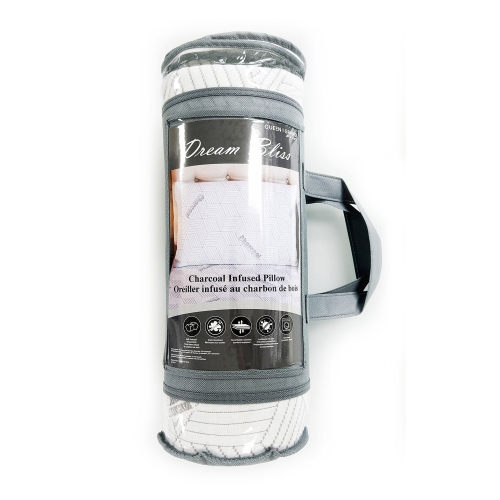










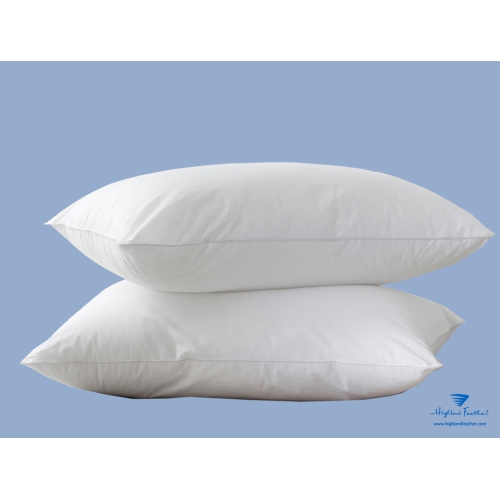
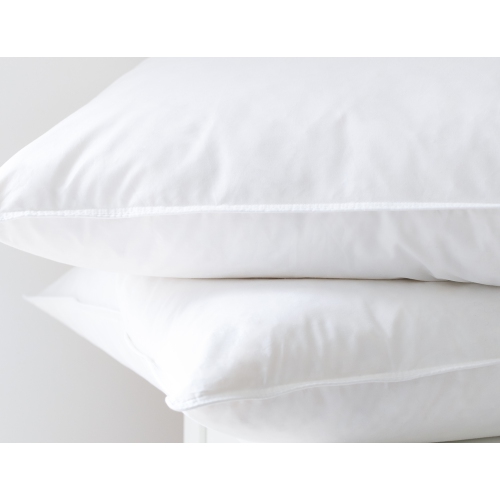
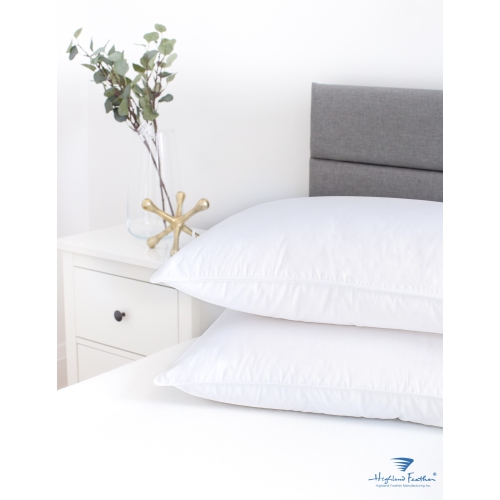

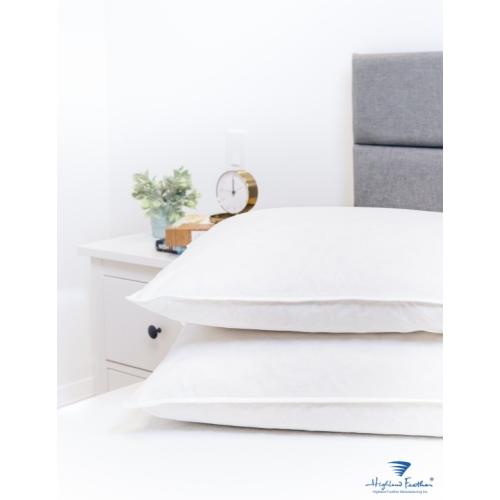



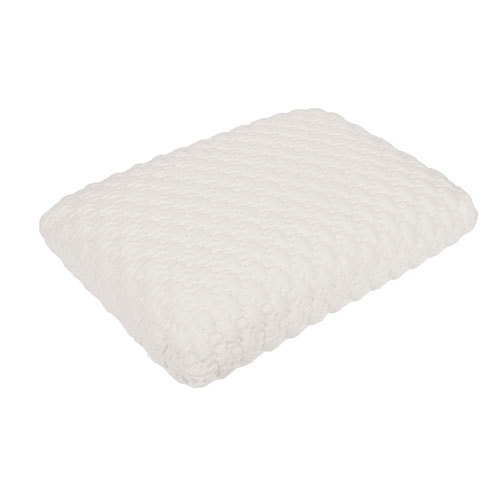
Four extra inches offer more room to shift
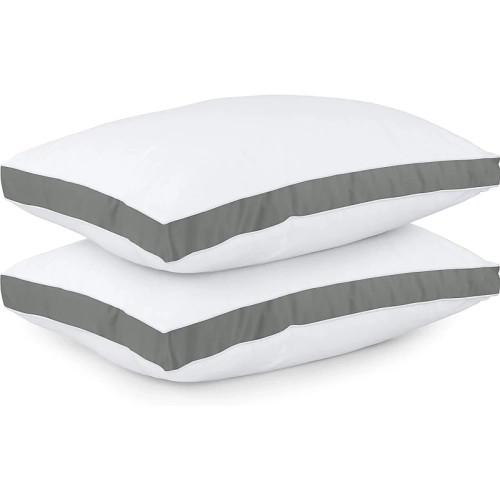
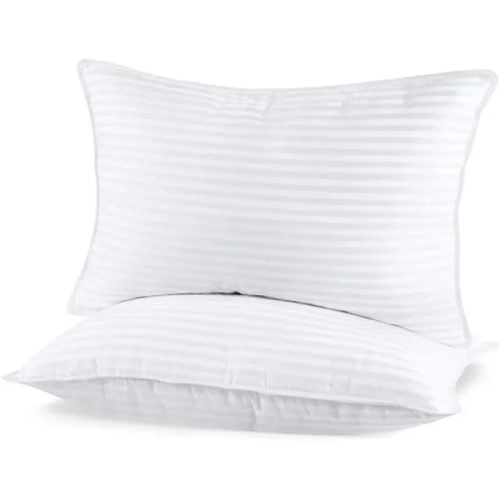
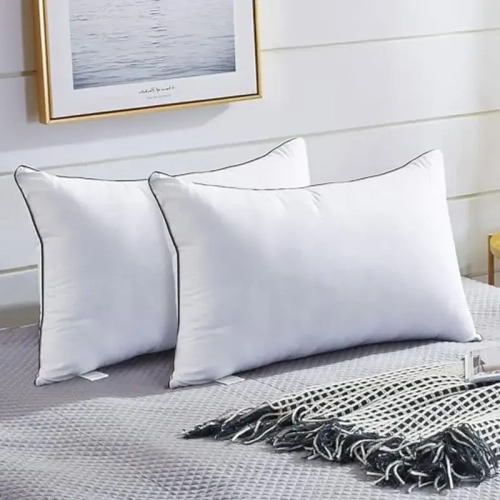
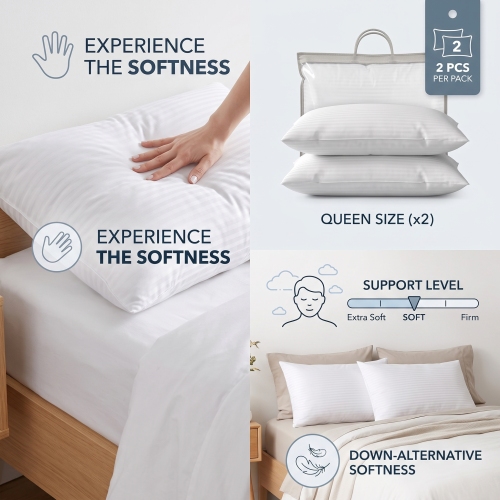
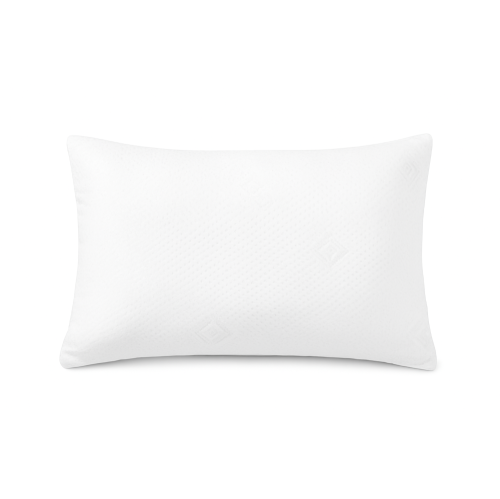
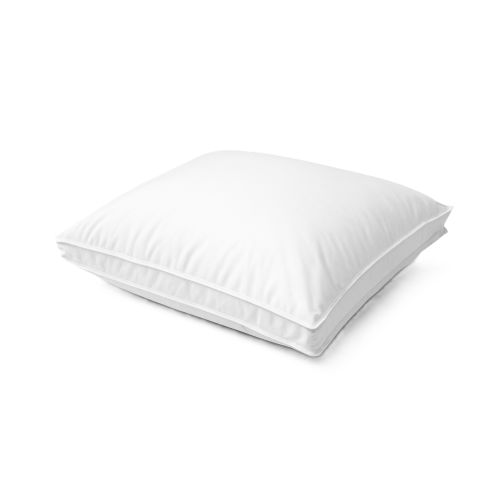
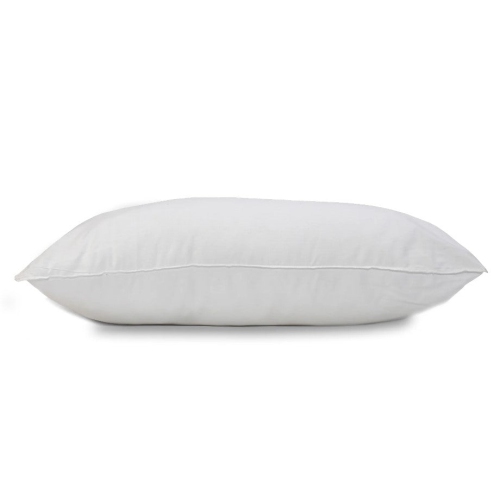
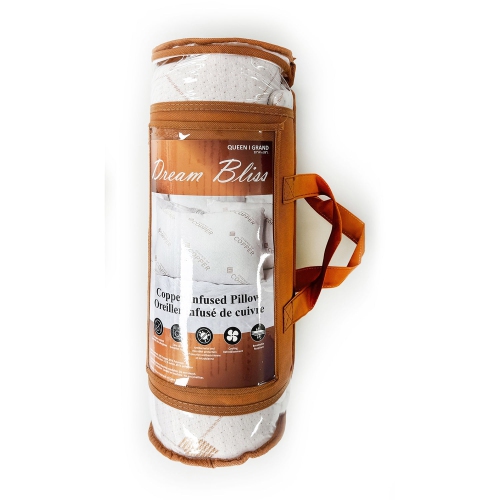
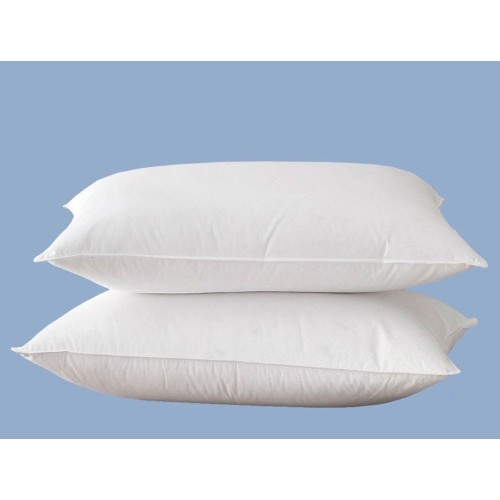
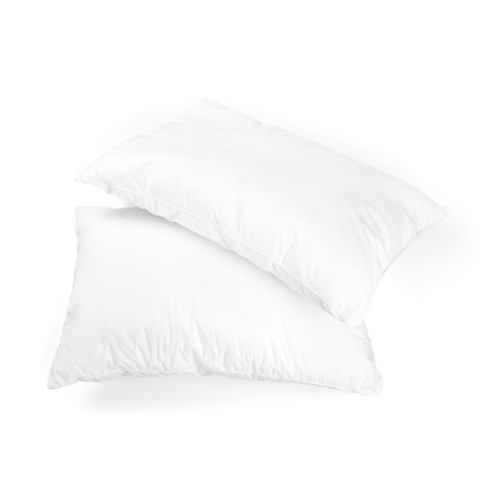
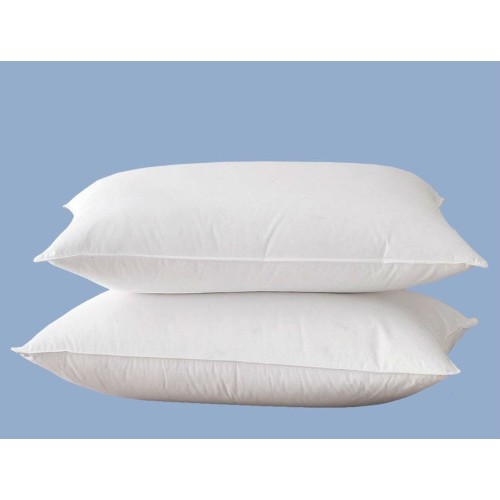
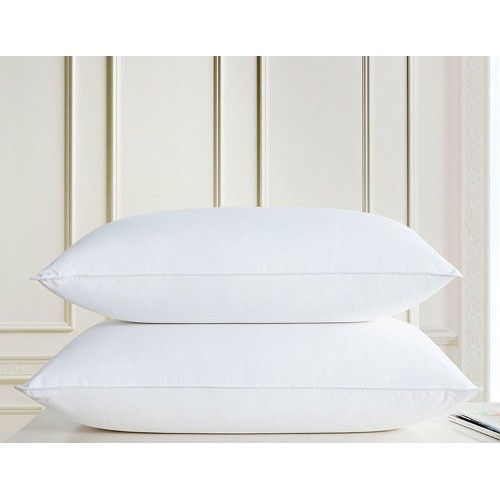
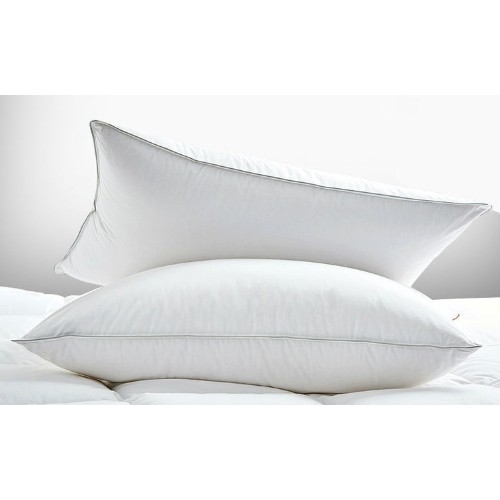
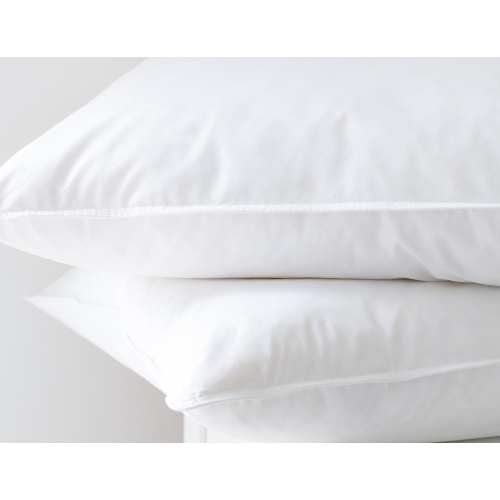
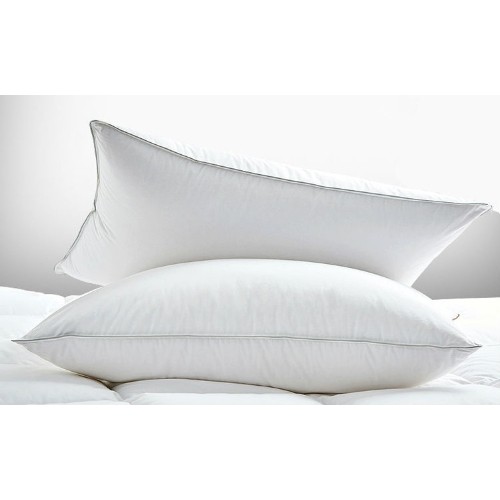
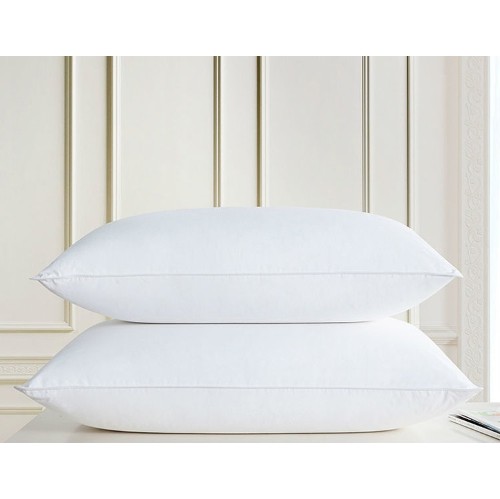
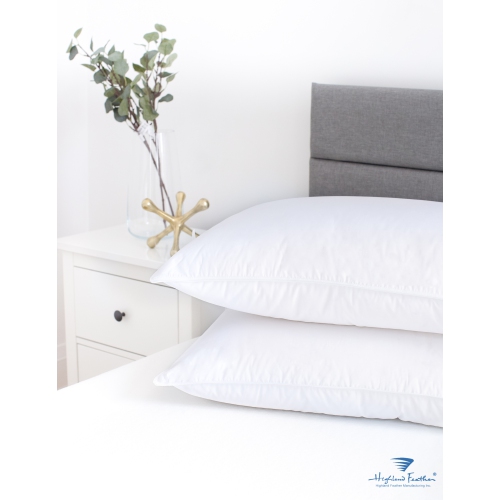
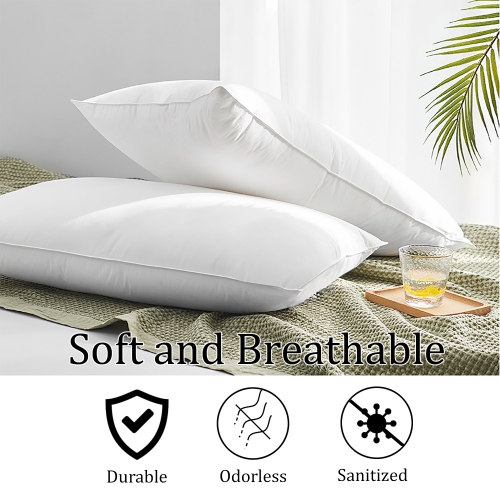
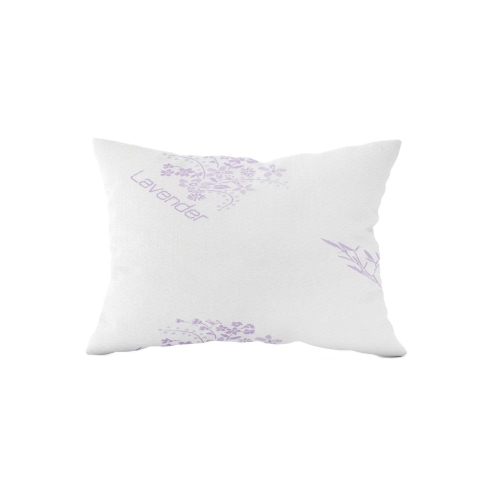
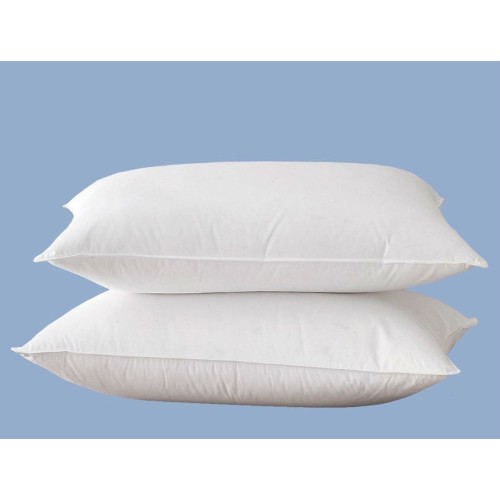
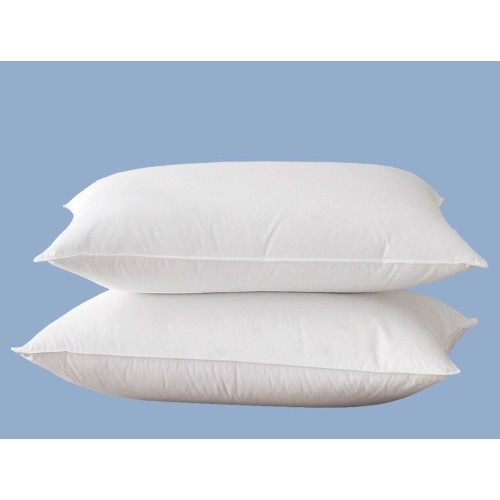
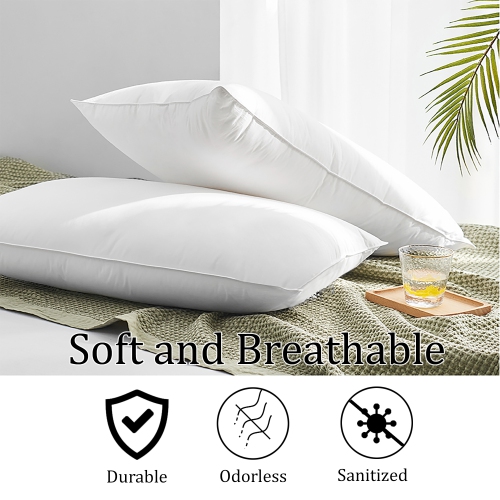
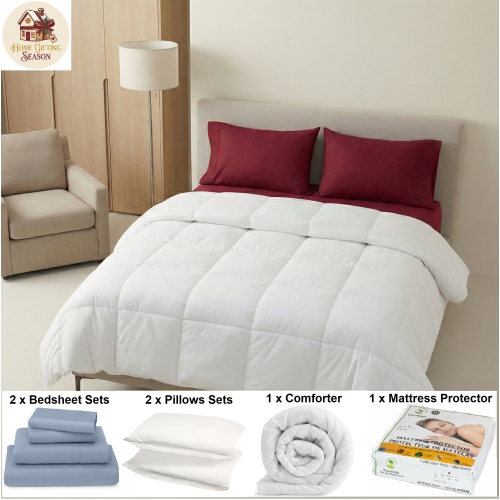
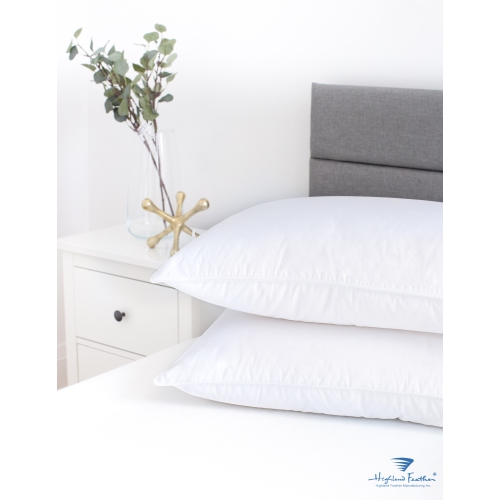
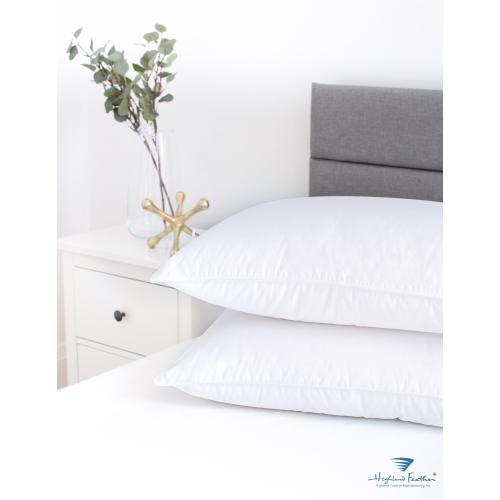
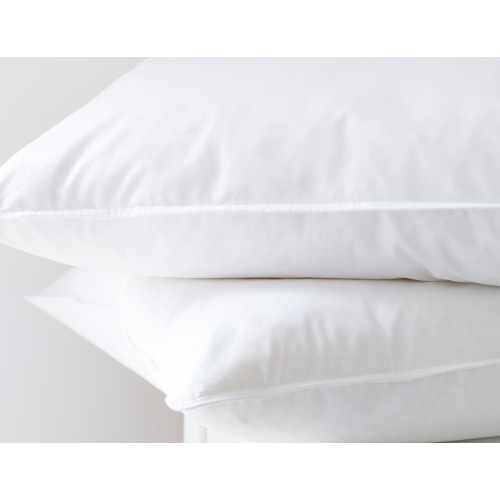
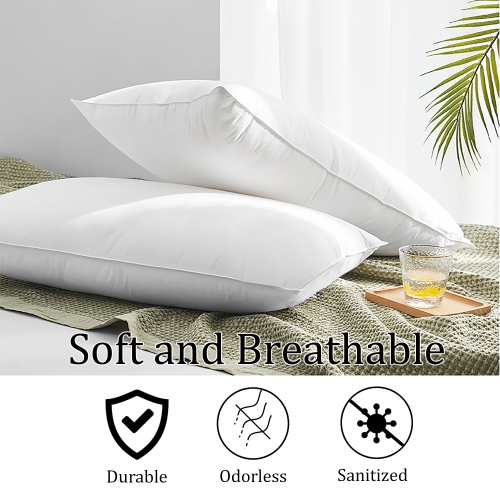
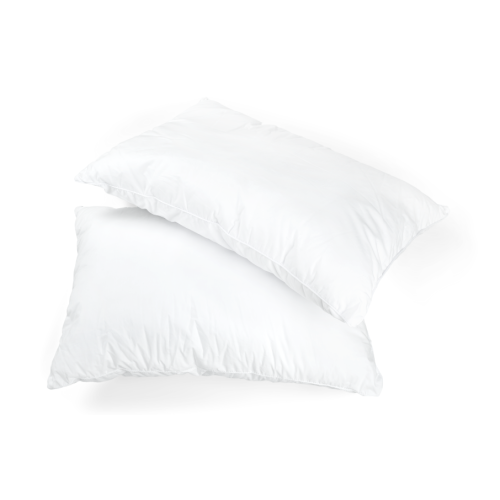
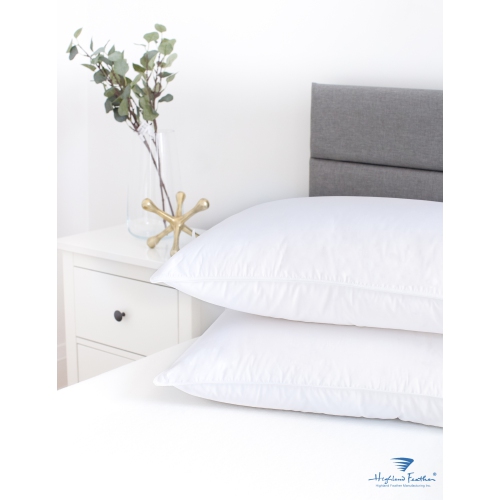
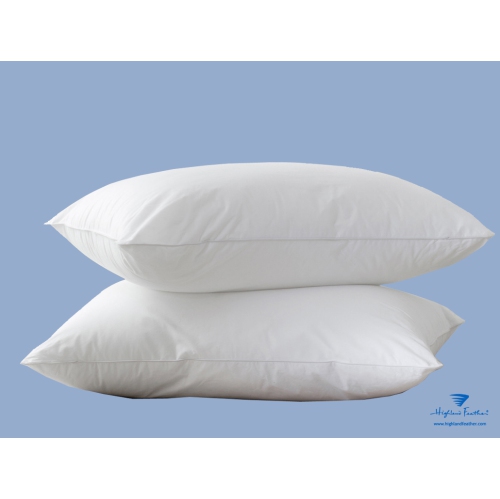
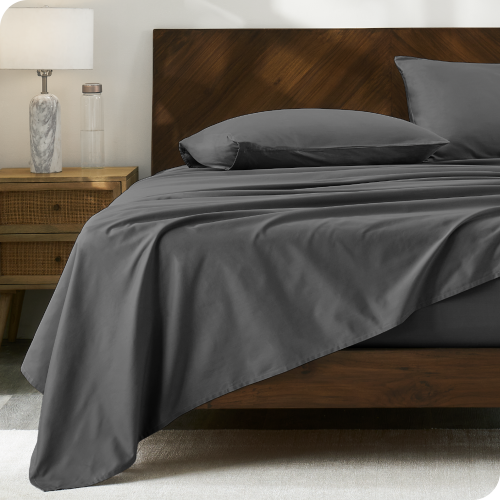
Queen-size bed pillows typically measure 20 by 30 inches, making them four inches longer than standard bed pillows, which usually measure 20 by 26 inches. That extra length gives a sleeper more room to shift position without moving as close to the edge of the pillow. Two queen-size pillows placed side by side span approximately the 60-inch width of a queen mattress, creating a balanced arrangement across the head of the bed. They can also work on other mattress sizes when their dimensions suit the sleeper and the space. A single queen-size pillow offers a generous resting surface on a twin bed, while a pair can provide a comfortable setup on a double bed with a little overhang. The size describes the pillow’s outer dimensions, not its height, firmness, or filling, so two pillows with the same measurements can feel quite different. Actual dimensions may also vary slightly, making the measurements on the product label useful when matching pillows with existing bedding. Queen-size pillowcases are generally the most straightforward fit. Some standard pillowcases accommodate a queen-size pillow, but a close-fitting case may compress the filling or leave too little fabric at the opening. A king-size case usually leaves excess material that can bunch or fold. An envelope closure can help keep the pillow tucked inside, while a zippered protector adds a separate barrier beneath the pillowcase. For a coordinated bed, Queen Size Bed Sheets can complement the pillows, although any included pillowcases should be checked for their own dimensions rather than assumed to match. Whether the bed has a simple pair of sleeping pillows or a layered arrangement with decorative cushions, the pillows used overnight should remain easy to access, comfortable against the face, and appropriately sized for their cases.
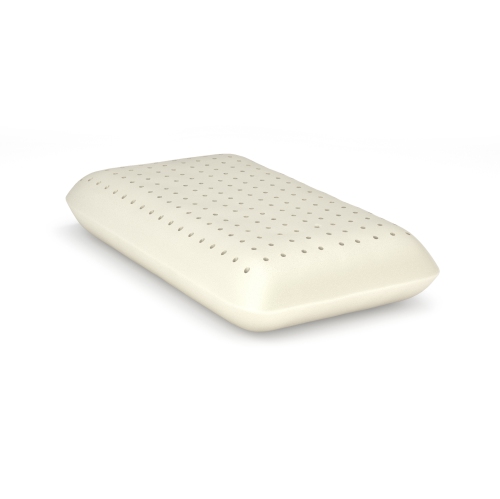
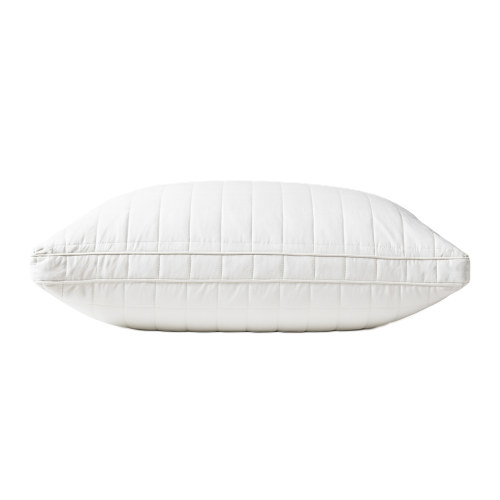
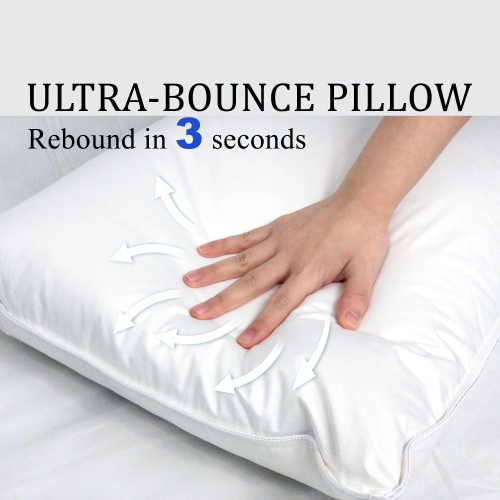
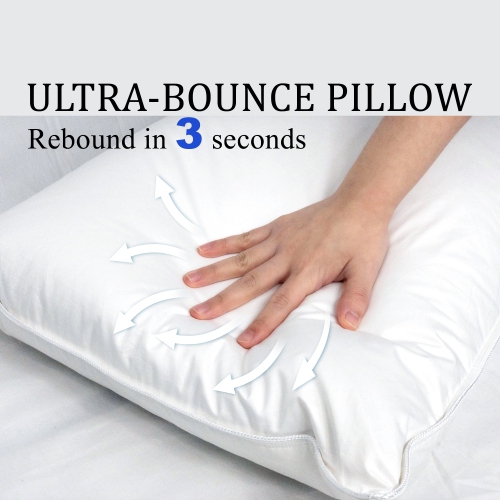
The feel of a queen-size bed pillow comes largely from its filling, construction, and loft—the height it maintains beneath the head. Down offers a light, compressible feel that can be fluffed and shaped, while feather fillings generally have more structure and may feel firmer. Blended fillings combine these characteristics in varying proportions, so the composition matters as much as the overall description. Down-alternative pillows commonly use polyester fibres to create a soft, cushioned surface without down or feathers. Their feel ranges from airy and yielding to relatively dense, depending on the fibre and amount of filling. Solid memory foam responds more slowly to pressure and provides a more defined resting surface, while shredded foam can offer greater flexibility for shaping the pillow. Latex tends to have a springier response, returning to shape more readily when pressure is removed. These differences become noticeable in everyday use: a sleeper who folds or bunches a pillow may appreciate a mouldable filling, whereas someone who prefers a consistent shape may favour a solid core. Adjustable-fill construction allows the amount of filling to be changed, where the design permits, rather than requiring the sleeper to accept a single height. Sleeping position and mattress feel also influence how a pillow supports the head and neck. Side sleepers often need enough loft to fill the space between the shoulder and head, particularly on a firmer mattress. Back sleepers may prefer a moderate profile, while stomach sleepers often find a lower, softer pillow less intrusive. These are starting points rather than fixed rules; shoulder width, personal preference, and how deeply the body settles into the mattress all affect the fit. A pillow that holds the head noticeably upward or lets it drop sharply may feel awkward even if its firmness sounds suitable. The outer fabric contributes to the experience too. Cotton shells offer a familiar woven feel, while different fabric blends can change smoothness, stretch, and breathability. Well-finished seams and secure edges help keep filling contained through regular handling, fluffing, and changes of bedding.
Care requirements are worth considering alongside comfort because a pillow is used closely and repeatedly. A removable, washable cover can simplify routine cleaning, but it does not necessarily mean the inner pillow can go into a washing machine. Some fibre-filled, down, or feather pillows permit machine washing under specific conditions; others require a different approach. Solid foam and latex cores commonly have restrictions on soaking, agitation, and machine drying, so the care label should govern cleaning rather than a method used for another pillow. A washable pillow protector beneath the pillowcase can help limit contact with perspiration, skin oils, and everyday spills. It should fit without squeezing the pillow, and its fabric should feel comfortable through the case. After any permitted washing, the filling needs to dry completely before the pillow is covered or returned to the bed. Dense sections or clumped filling can retain moisture even when the outer fabric feels dry. Gentle fluffing, when suitable for the material, can redistribute loose filling and restore a more even surface. Durability is not simply a matter of how long a pillow has been owned: persistent lumps, flattened areas, damaged seams, or a shape that no longer provides comfortable support are practical signs of wear. A guest-room pillow used occasionally may wear differently from one slept on every night or frequently folded behind the back while reading. For guests, a familiar medium feel and easy-care construction can be useful, while everyday sleepers may have more specific preferences. Queen-size pillows can also make a practical housewarming or wedding gift when the recipient’s preferred filling and firmness are known. For anyone sensitive to particular materials, clearly identified fill and shell fabrics are especially important. Thoughtful sizing, a comfortable resting height, and manageable care requirements help make these pillows a dependable part of a well-used bed.
Top selling and popular products
-
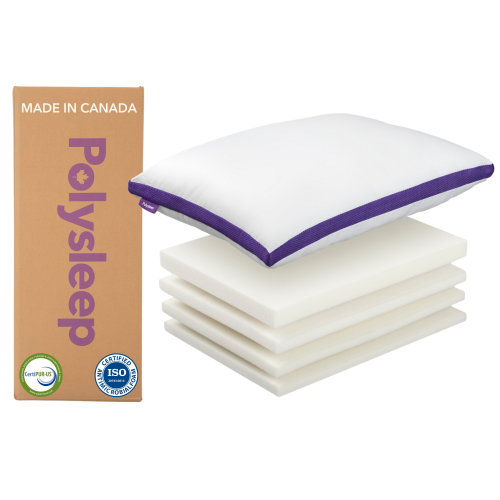 Your price for this item is $122.5
-
 Your price for this item is $210
-
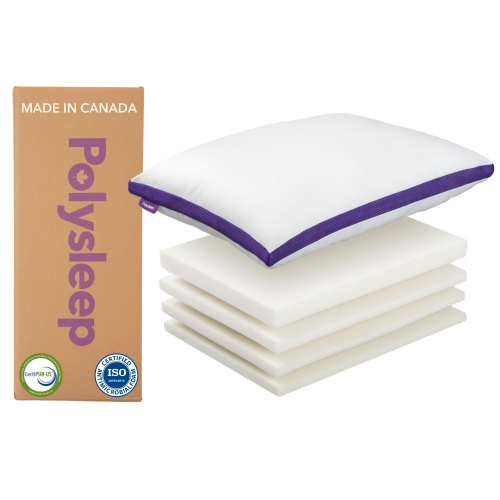 Your price for this item is $105
-
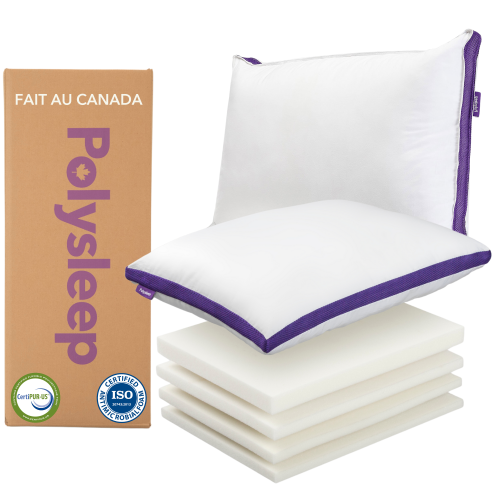 Your price for this item is $245
-
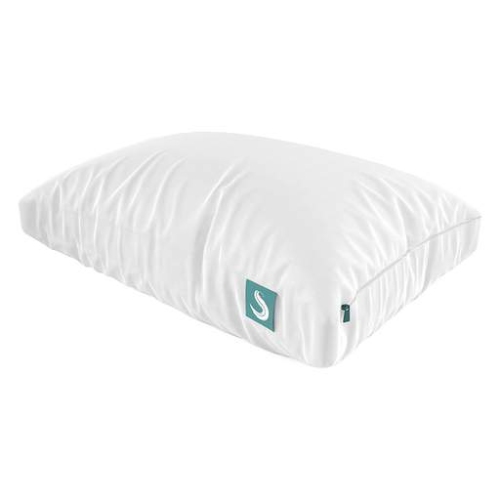 Your price for this item is $171.39
-
 Your price for this item is $206.5
-
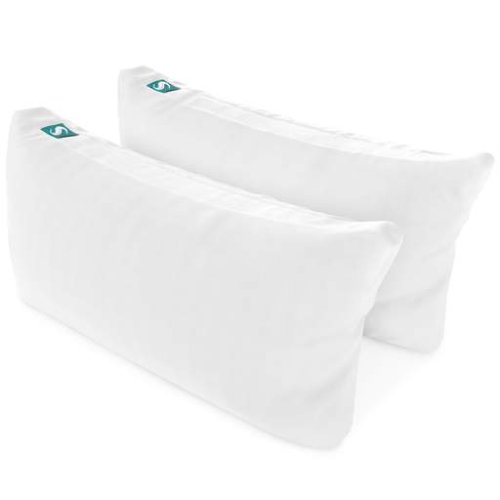 Your price for this item is $361.99
-
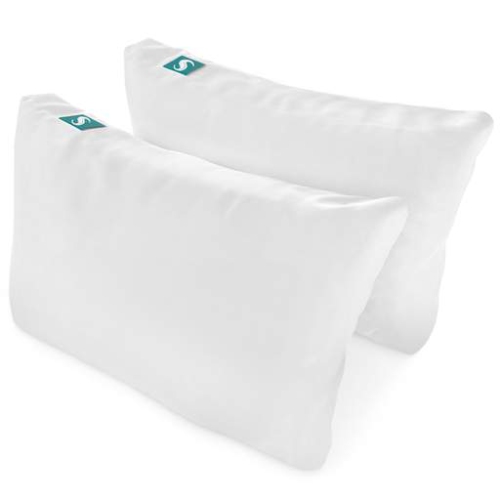 Your price for this item is $189.13
Discover more categories related to Queen Size Bed Pillows

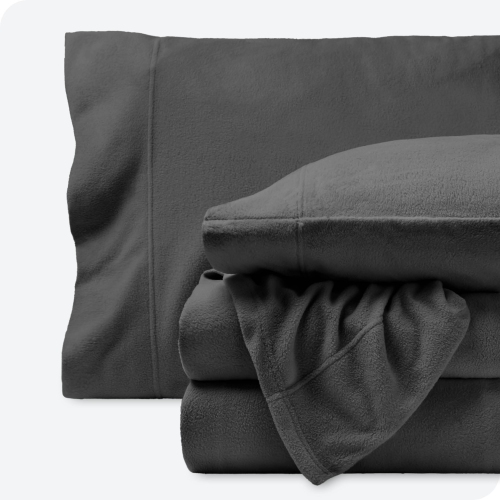
Top Collections:
Best Black Friday Deals This Year, Best Black Friday Deals On Electronics, Kindle Devices, Best Black Friday Deals On Apple Products, Best Budget Office Chairs, Best Cameras for Sports Photography, Dyson Airwrap, Canon G7X Cameras, Best Laptops for Writers, Samsung Galaxy Phones
Some products may be subject to Environmental Handling Fees
(EHF) depending on your province.
Learn more about EHFs.