Starter Cookware Sets
Starter Cookware Sets are the perfect solution for anyone looking to equip their kitchen with essential tools for everyday cooking. Whether you’re moving into your first home, heading off to college, or simply updating your culinary collection, these sets offer a convenient way to get started. With a variety of options designed to suit different cooking needs and preferences, finding the right Starter Cookware Set is easy. Explore choices that help make meal preparation simple and enjoyable, so you can focus on creating delicious dishes at home.
Sort








Why cooking habits matter more than piece counts
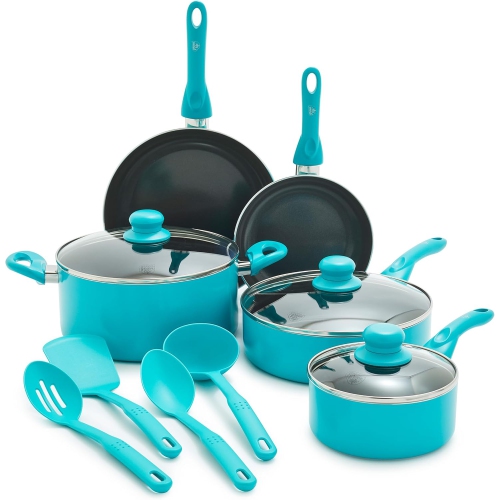
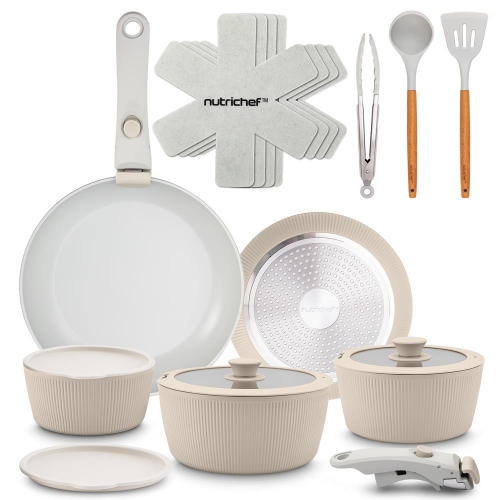
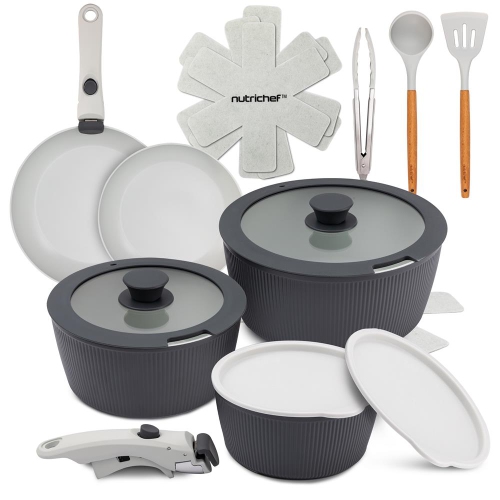
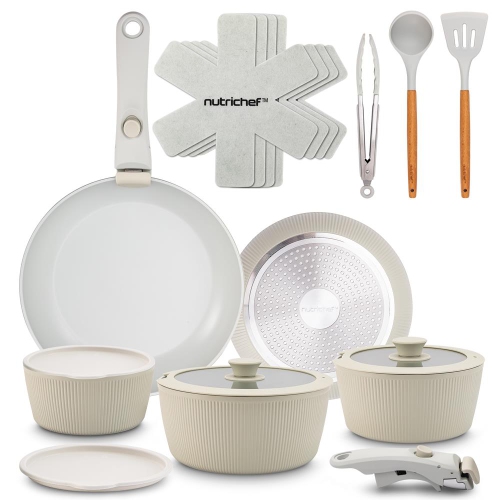
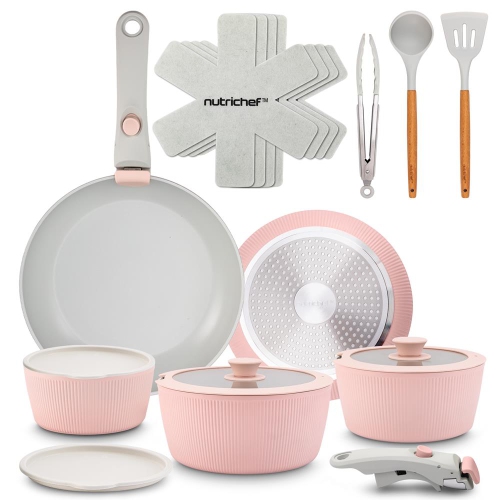
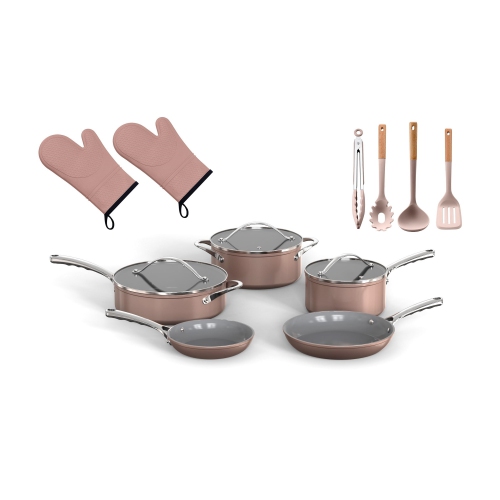
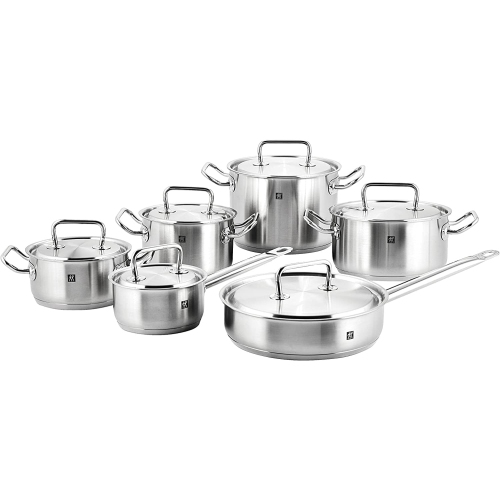
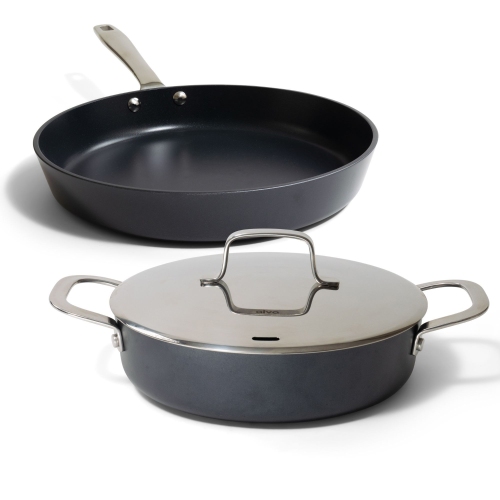
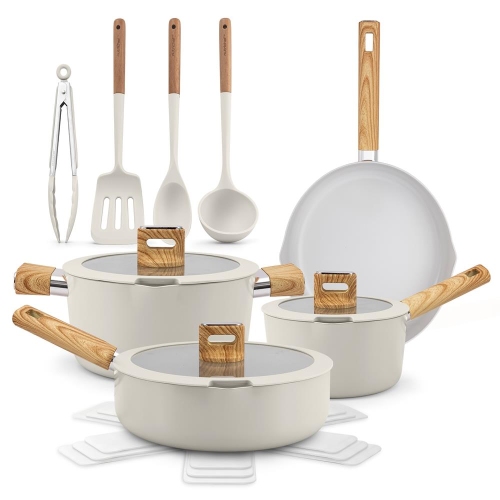
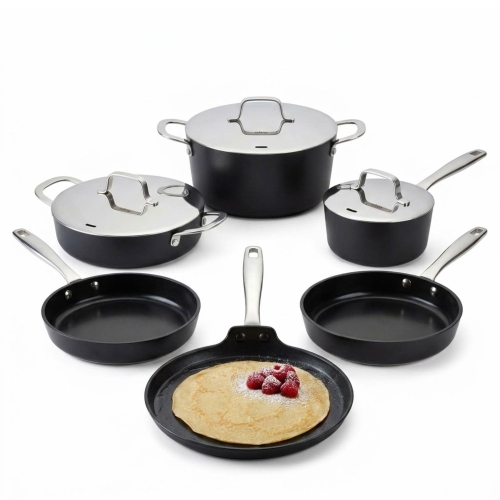
Starter cookware sets bring together the pots and pans used most often for everyday meals, giving a first kitchen a practical foundation without filling every cupboard. A useful assortment usually centres on a frying pan, a saucepan and a larger pot, with lids that suit the pieces included. These shapes cover familiar tasks such as scrambling eggs, simmering rice, warming soup and boiling pasta. A deeper sauté pan can add room for a vegetable stir-fry or a one-pan chicken dinner, while a second saucepan makes it easier to prepare a sauce alongside potatoes or grains. The best combination depends more on cooking habits than on the number printed on the package. Cookware piece counts often include lids, utensils or accessories, so the actual number of cooking vessels is worth checking. Someone cooking mainly for one may use a compact saucepan and frying pan every day, while a couple who prepare several lunches at once may appreciate a larger pot and a pan with more cooking surface. Capacity and diameter tell different parts of that story: litres describe how much a pot holds, while pan diameter helps indicate how much room there is to arrange food. A broad, flat cooking surface gives mushrooms or chicken pieces space to brown rather than crowding them together. A saucepan of about two to three litres can be useful for oatmeal, sauces and smaller portions, although the right size depends on the recipe and serving count. The kitchen itself matters, too. Pan bases should sit securely on the cooking surface without making neighbouring burners difficult to use. In a small apartment or shared kitchen, a few versatile shapes can be easier to manage than a large assortment with overlapping uses. For anyone furnishing a kitchen beyond the stovetop, Starter Kitchen Sets provide a related starting point for considering preparation, serving and other everyday kitchen tasks.
Materials influence how cookware heats, how food releases and how much attention cleanup requires. Stainless steel is a versatile choice for searing, simmering and cooking acidic ingredients such as tomatoes. Many stainless steel pots and pans incorporate an aluminum core or base to help distribute heat, since stainless steel alone does not spread heat as readily. Fully clad construction extends bonded layers through the sides, while an encapsulated base concentrates those layers underneath; neither description replaces checking the overall construction and intended use. Uncoated stainless steel takes some practice, particularly with eggs or delicate fish, but suitable preheating and a little cooking fat can help reduce sticking. Aluminum cookware is generally lighter and responds readily to changes in heat, making it manageable for everyday cooking. Hard-anodized aluminum has a hardened surface, though the care requirements still depend on whether the cooking surface also has a non-stick coating. Conventional and ceramic non-stick coatings can make food release and washing easier, especially for pancakes, omelettes and other delicate foods. Their performance and service life vary with the coating, heat levels, utensils and cleaning habits; ceramic describes a coating type, not a guarantee of greater durability. Cooktop compatibility deserves equal attention. Induction cooking requires a compatible magnetic base, and an aluminum body or a stainless steel label alone does not confirm that a pan will work. The manufacturer's induction designation and any minimum base-size requirements are more useful than appearance. For glass cooking surfaces, a clean, flat base helps the pan sit evenly, and lifting rather than dragging cookware helps protect the surface. On a gas range, flames should remain beneath the base rather than climbing the sides. Oven use also needs a separate check: the vessel, handles and lid may have different heat limits, and an oven-safe designation does not automatically mean broiler-safe. These details matter when a meal starts on the stovetop and finishes in the oven.
Comfort and care often determine which cookware gets reached for most. A handle should feel secure when the pan is full, not just when it is empty, and a helper handle can make a larger pot easier to lift with both hands. Handles described as stay-cool can still become hot with prolonged cooking or oven use, so oven mitts remain important. A well-fitting lid helps contain splashes and retain moisture, while a glass lid allows a view of simmering food without lifting it as often. Storage is another practical consideration for a starter kitchen. Tall lid knobs, long handles and wide rims can take up more space than expected, even when the pots themselves nest together. Protective liners between stacked pieces help prevent rubbing and scratches, particularly on coated surfaces. For routine care, let cookware cool before washing rather than putting a hot pan into cold water. Warm water, mild dish soap and a soft sponge are a useful starting point, with the manufacturer's instructions taking priority for each material. Even when a coated pan is labelled dishwasher-safe, handwashing can help limit wear from strong detergents and contact with other dishes. Wood or suitable silicone utensils are gentle choices for non-stick surfaces; cutting food inside a pan or using abrasive scrubbers can damage the finish. Low to medium heat suits many coated pans, and leaving an empty pan heating unattended should be avoided. Stainless steel may need soaking or a suitable cleaner after browning food, but ordinary cooking marks do not necessarily mean the cookware has failed. For a student moving into a first apartment, a new household or a housewarming gift recipient, a manageable assortment with clear care instructions is often more useful than unfamiliar specialty shapes. Matching the cookware to the recipient's cooktop, storage space and usual meals helps make the gift practical from the first batch of pasta onward. A starter set earns its place through dependable daily use, comfortable handling and enough flexibility to support a growing range of recipes.
Top selling and popular products
-
 Your price for this item is $899
-
 Your price for this item is $129.99
-
 Your price for this item is $807.5
-
 Your price for this item is $1615
-
 Your price for this item is $129.99
-
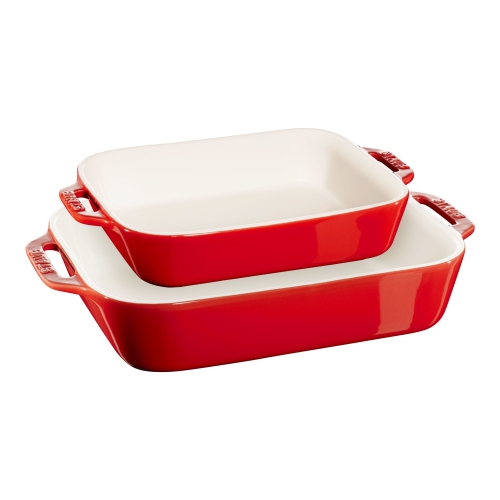 Your price for this item is $69.99
-
 Your price for this item is $129.99
-
 Your price for this item is $591
Discover more categories related to Starter Cookware Sets


Top Collections:
Best Black Friday Deals This Year, Best Black Friday Deals On Electronics, Kindle Devices, Pokemon Centers, Best Black Friday Deals On Apple Products, Best Cameras for Sports Photography, Dyson Airwrap, Pokémon 30th Celebration Cards, Apple iPhone 17 Pro, Canon G7X Cameras
Some products may be subject to Environmental Handling Fees
(EHF) depending on your province.
Learn more about EHFs.