Steel Cabinets With Locks
Steel Cabinets With Locks offer a secure and organized solution for storing important items at home, in the office, or in a workshop. Designed to provide both durability and peace of mind, these cabinets are ideal for keeping documents, tools, and valuables neatly stored away. Explore a wide selection of Steel Cabinets With Locks to find the perfect fit for your space and storage needs.
Sort
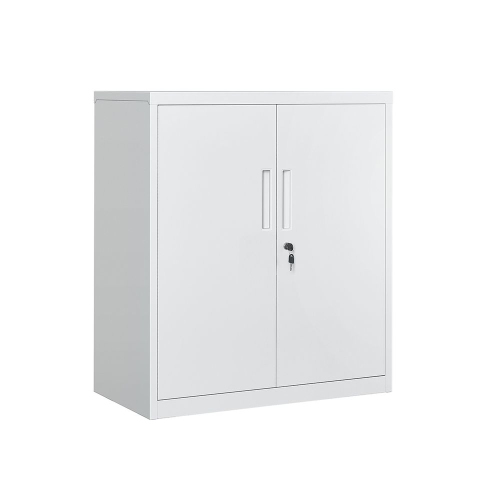
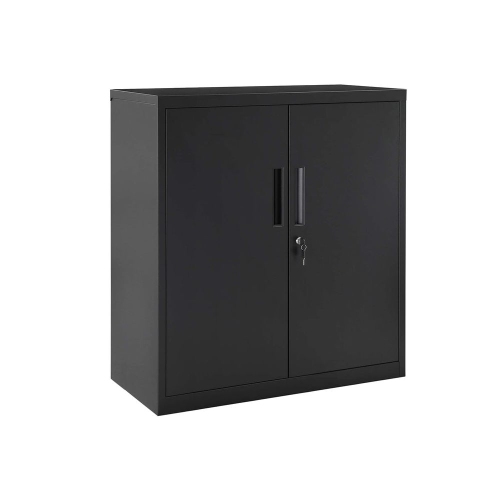
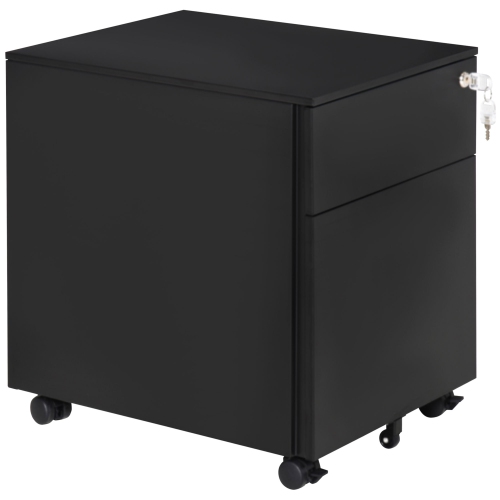
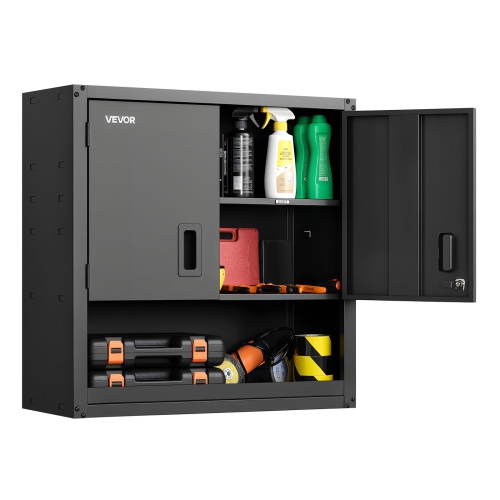
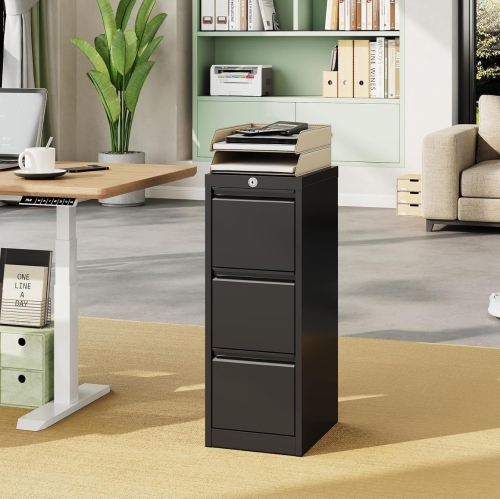
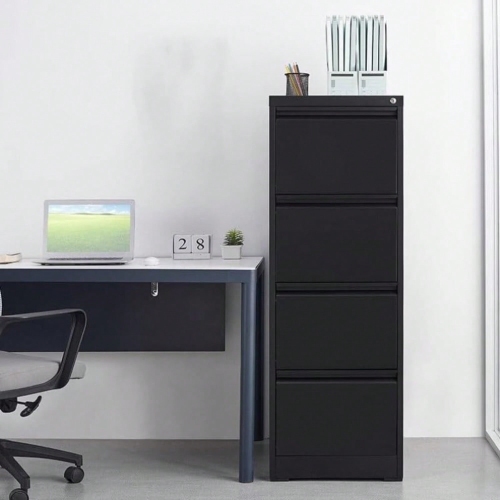
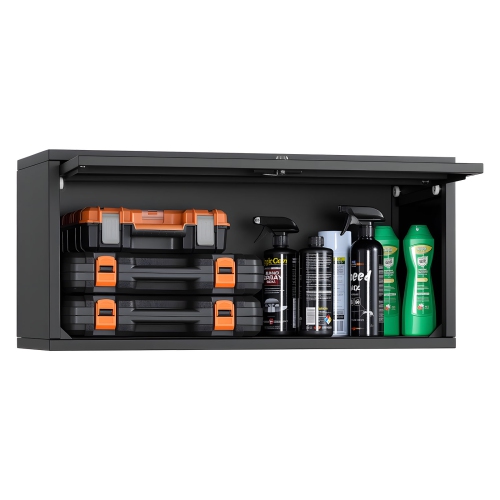
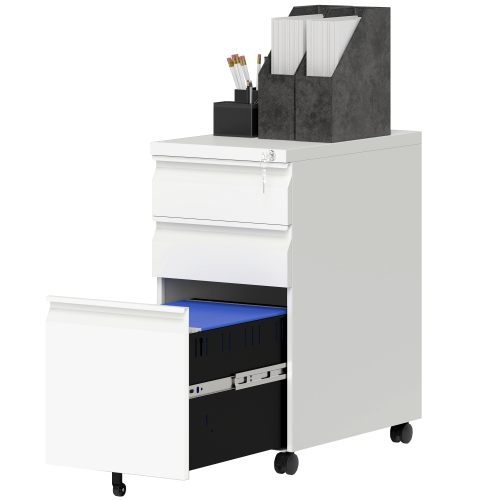
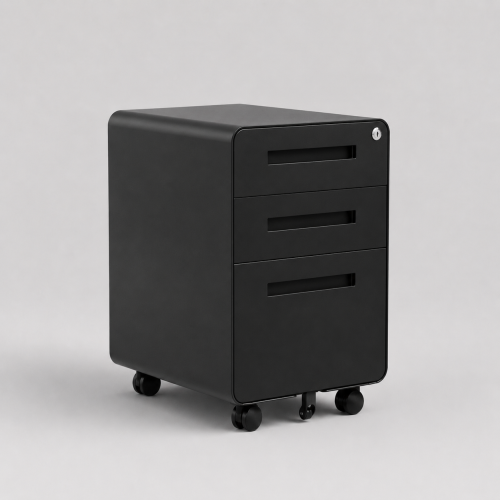
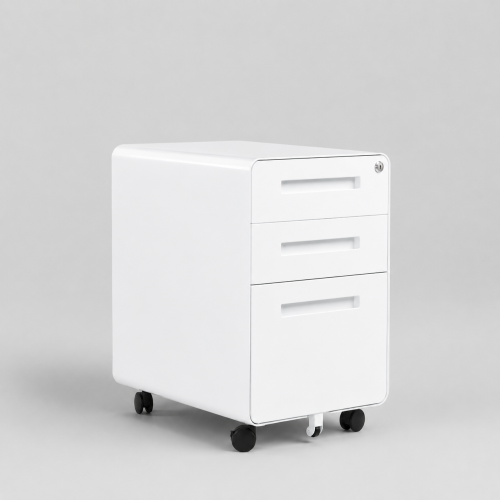
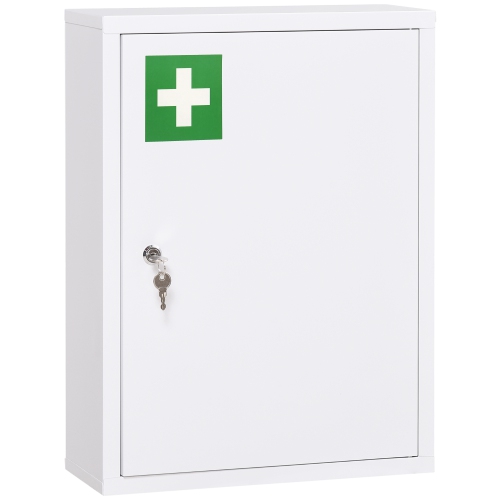
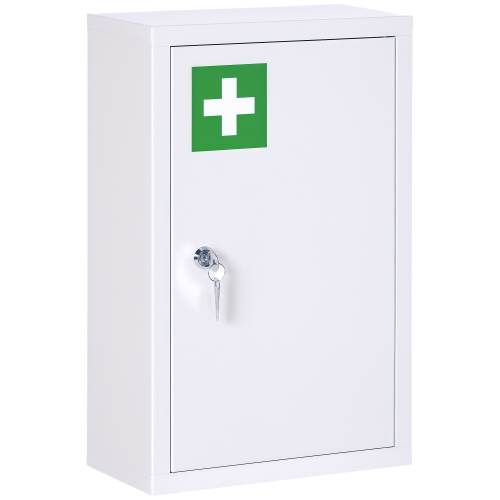
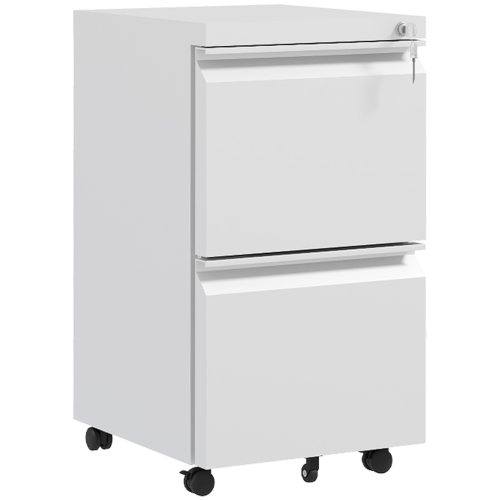
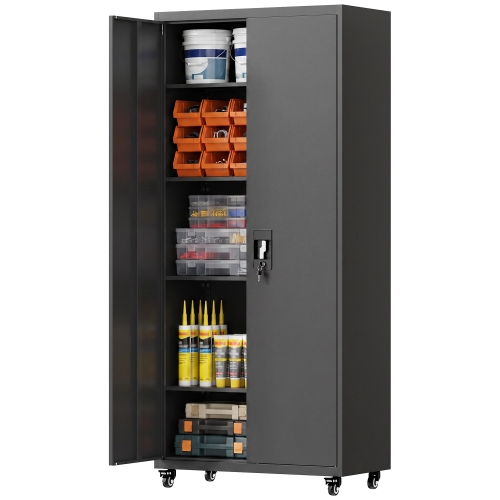
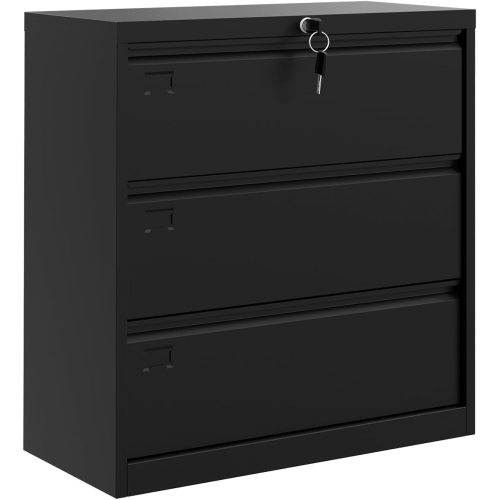
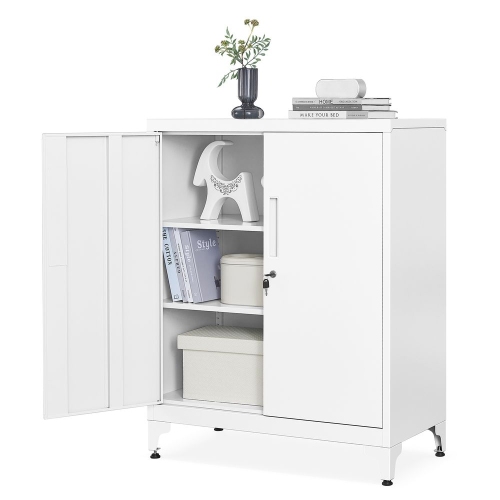
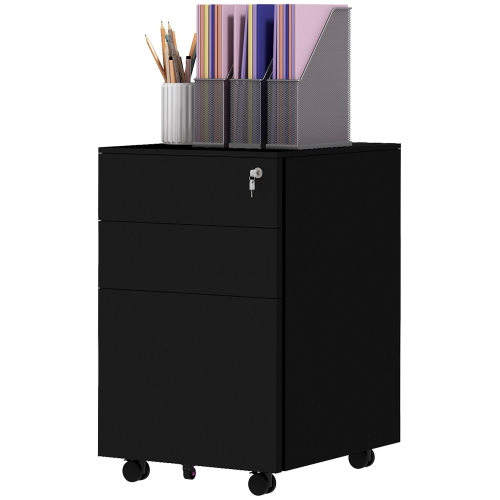
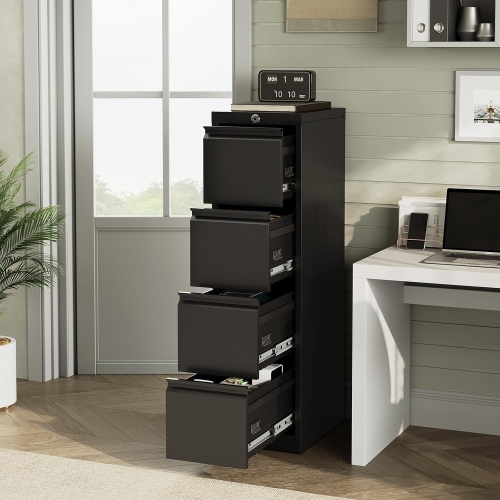
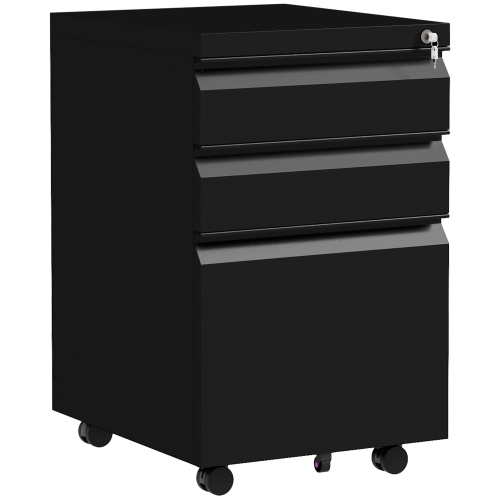
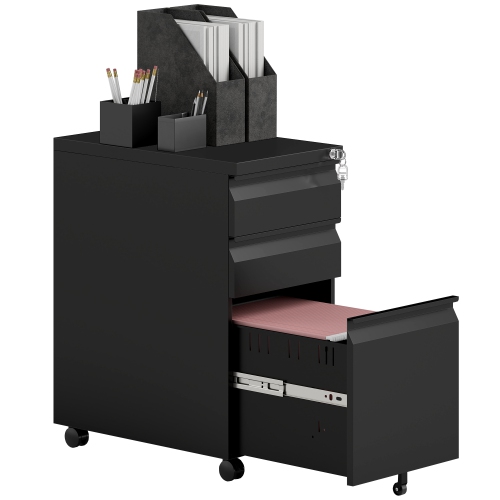
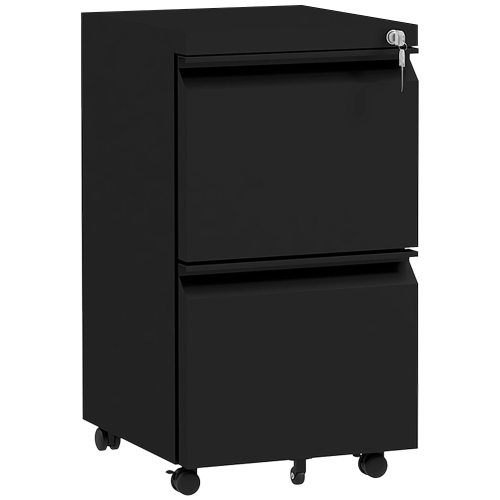
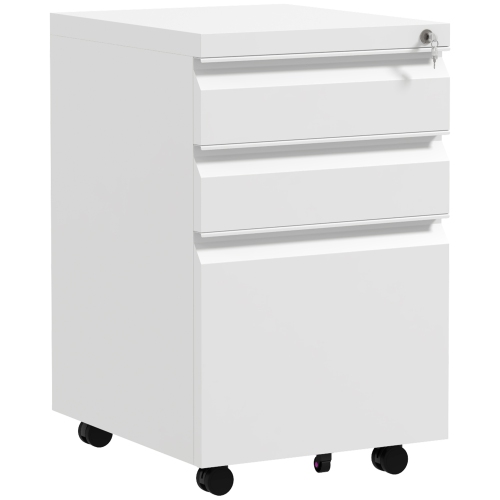
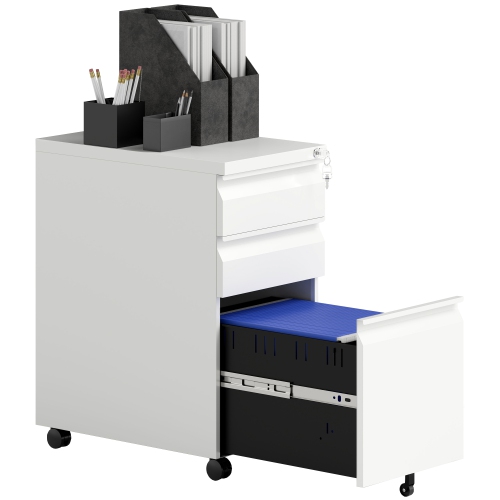
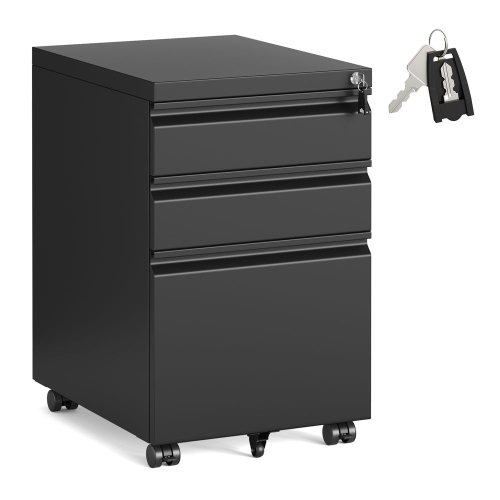
Durable storage that puts shared supplies behind locked doors
Steel cabinets with locks provide enclosed, durable storage for tools, office files, equipment, and everyday supplies, with controlled access through a lockable door or compartment. They suit spaces where open shelving leaves contents exposed or where certain belongings need to stay separate from general-use supplies. In a home office, a lockable cabinet can keep paperwork and spare computer accessories out of sight. In a workshop, it can bring hand tools, measuring equipment, and maintenance supplies together behind closed doors. Shared offices, studios, and staff rooms also benefit from having a designated place for materials that should not be accessible to every visitor. Steel construction offers a rigid structure for repeated use, although strength depends on the thickness of the metal, the quality of the joints, the shelf supports, and the overall design. Cold-rolled steel is used in some cabinets for its smooth surface and consistent shaping, while folded edges and reinforced doors can add stiffness at points that receive frequent handling. Powder-coated finishes create a practical outer surface that is generally easy to wipe clean and helps protect the metal beneath it. That finish is not a guarantee against scratches or corrosion, so the condition of the coating still matters over time. A cabinet used for boxed office supplies has different demands from one holding heavy tool cases, and the stated load limits should reflect that difference. Shelf capacity and total cabinet capacity are separate measurements; a strong frame does not mean every shelf can carry the cabinet’s full rated load. For storage that gets opened throughout the day, details such as comfortable handles, well-supported hinges, and doors that close without rubbing make a noticeable difference. The result is a contained storage area that can look orderly without leaving every cable, folder, or small supply package on display.
The fit of a steel storage cabinet involves more than its height and width. External dimensions determine where the cabinet can stand, while internal measurements establish whether a deep equipment case, a row of binders, or a bulky tool bag will actually fit. Door openings, shelf brackets, and the centre meeting point of double doors can reduce usable access, even when the cabinet appears generously sized from the outside. Tall steel cabinets with locks make use of vertical space and can provide several storage levels within a relatively small footprint. Shorter cabinets may sit beneath a suitable work surface or leave wall space free above them, provided there is enough clearance for access and any installation requirements. Adjustable shelves are particularly useful when the contents change: one section can hold upright folders while another accommodates taller containers or equipment. Fixed shelves may provide structural support and should not be treated as removable unless the design allows it. Full-width interiors suit longer objects, while divided layouts help keep different groups of belongings apart. In shared spaces, Storage Locker Cabinets can be useful when individual compartments make more sense than a single shared interior. Around any cabinet, door swing and walking space matter as much as the footprint against the wall. A door that opens into a desk chair or blocks a narrow passage can make otherwise useful storage awkward to use. Levelling feet can help a compatible cabinet stand evenly on an uneven floor, while mobile designs may include casters for repositioning within a workspace. Locked casters help limit movement but do not replace required anti-tip restraints. Tall cabinets may need anchoring with hardware appropriate to the wall construction, following the manufacturer’s directions. Heavy contents belong on lower shelves, with weight distributed evenly rather than concentrated along one edge. This arrangement also keeps frequently handled, weighty objects within easier reach.
Locking mechanisms vary, and the right level of access control depends on what is being stored and who uses the space. A keyed cam lock typically secures a door at one point, while a three-point locking system engages at multiple positions, often along the top, bottom, and side of the door assembly. Some cabinets have handles designed for a separate padlock rather than an integrated keyed lock. These differences affect how the doors are secured, but no locking arrangement alone establishes that a cabinet is theft-resistant, fire-resistant, or suitable for highly sensitive materials. Ordinary lockable steel cabinets can discourage casual access and keep shared supplies under one person’s control; they are not substitutes for a rated safe or purpose-built storage where special protection is required. In a busy office, a clear plan for spare keys helps prevent a missing key from interrupting routine work. Where several compartments have locks, it is useful to know whether they share a key or operate independently. Inside the cabinet, labelled bins, file supports, and small-parts containers can prevent the space from becoming a deep stack of unrelated belongings. Leaving room around frequently used objects makes it easier to lift them out without scraping the finish or knocking neighbouring contents forward. Routine care is straightforward for many coated steel surfaces: a soft cloth, mild detergent where permitted, and thorough drying help remove fingerprints and dust without unnecessary abrasion. Harsh cleaners, abrasive pads, and prolonged moisture can damage finishes or exposed metal. Hinges, handles, shelf clips, and locks also benefit from periodic checks for looseness or misalignment, with maintenance carried out according to the cabinet’s care instructions. Ventilation openings, where fitted, should remain unobstructed, but they do not make a general storage cabinet suitable for flammable liquids or other materials requiring specialized containment. With an appropriate layout, secure installation, and sensible loading, a lockable steel cabinet provides a practical home for belongings that need both organization and restricted access.
Top selling and popular products
-
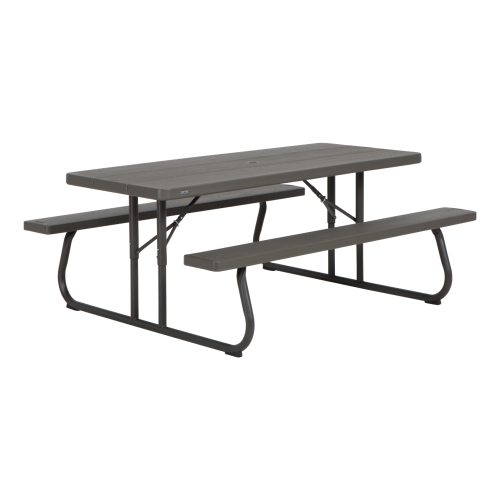 Your price for this item is $399.99
-
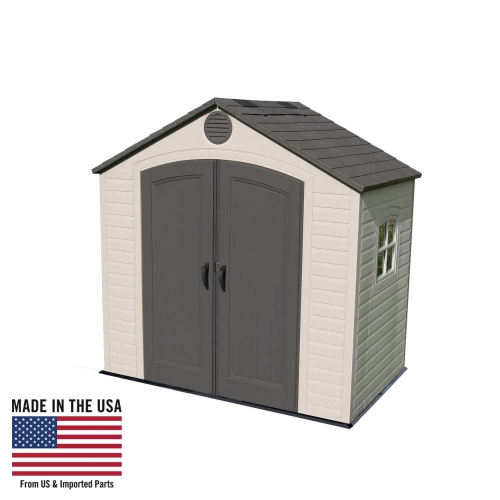 Your price for this item is $2399.99
-
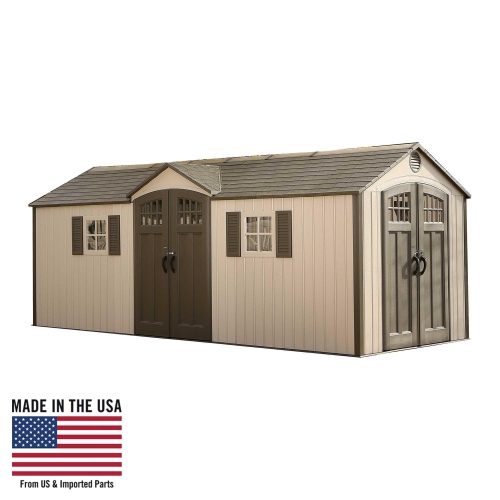 Your price for this item is $5999.99
-
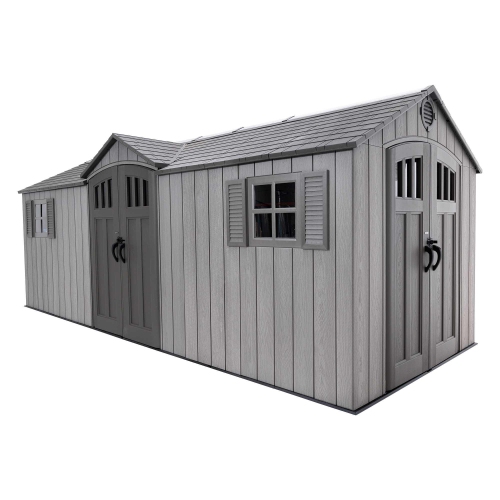 Your price for this item is $5999.99
-
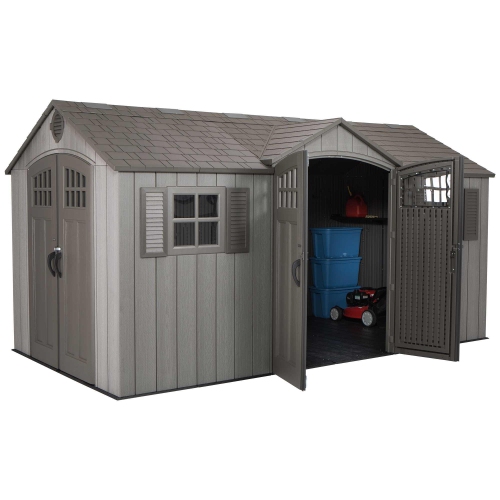 Your price for this item is $4499.99
-
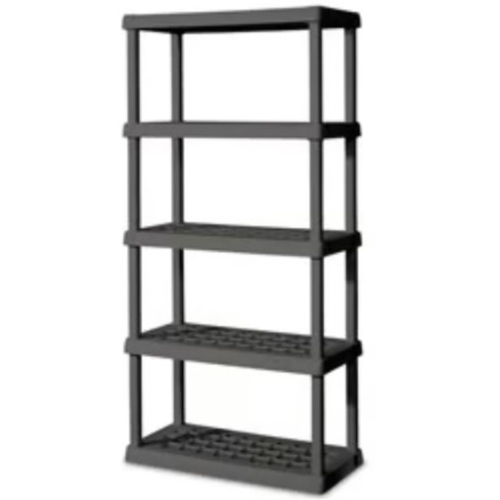 Your price for this item is $691.99
-
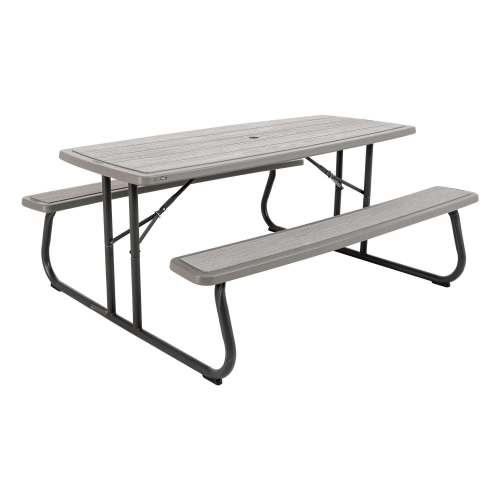 Your price for this item is $399.99
-
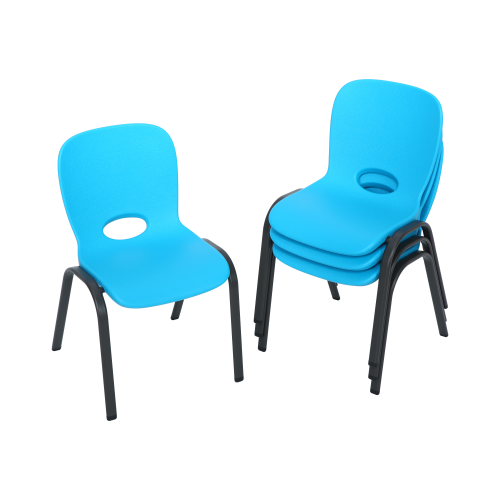 Your price for this item is $134.99
Discover more categories related to Steel Cabinets With Locks
Top Collections:
Best Black Friday Deals This Year, Best Black Friday Deals On Electronics, Kindle Devices, Pokemon Centers, Best Black Friday Deals On Apple Products, Best Cameras for Sports Photography, Dyson Airwrap, Pokémon 30th Celebration Cards, Apple iPhone 17 Pro, Canon G7X Cameras
Some products may be subject to Environmental Handling Fees
(EHF) depending on your province.
Learn more about EHFs.