Steel Frame Dining Chairs
Upgrade your dining experience with steel frame dining chairs. Whether you're hosting a dinner party or enjoying a family meal, these chairs provide both comfort and elegance. Discover the perfect combination of functionality and style with our wide selection of steel-frame dining chairs.
Sort
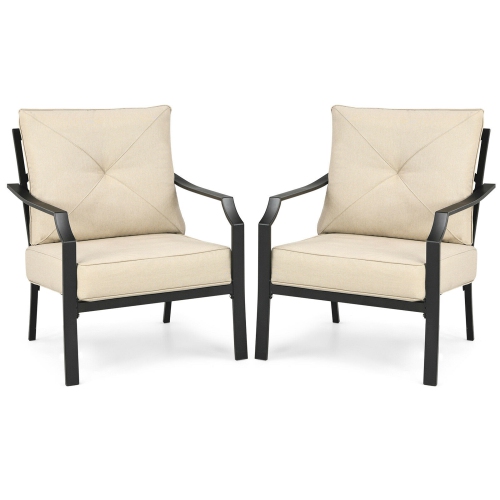
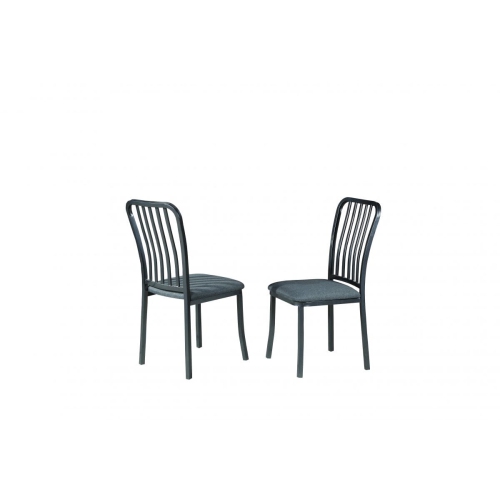
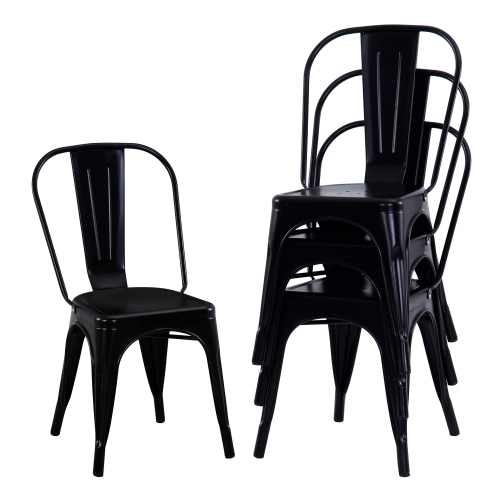
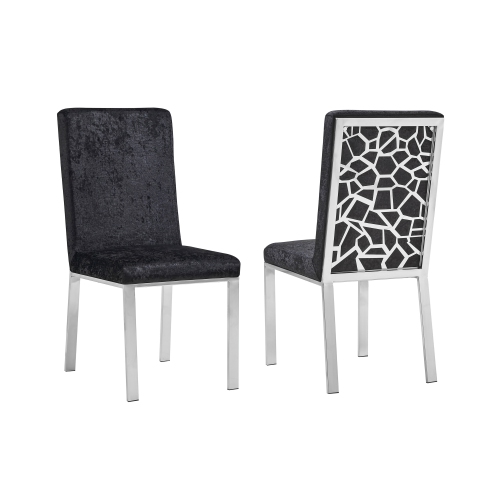
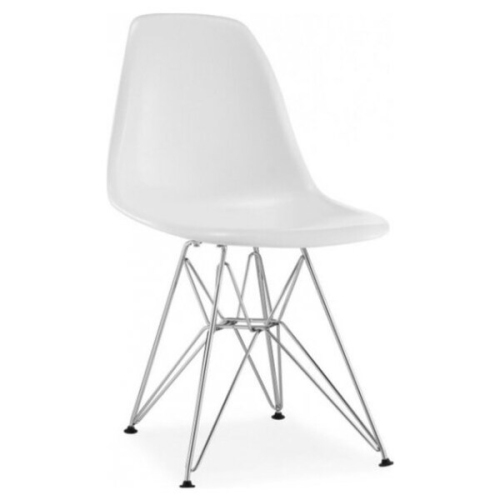
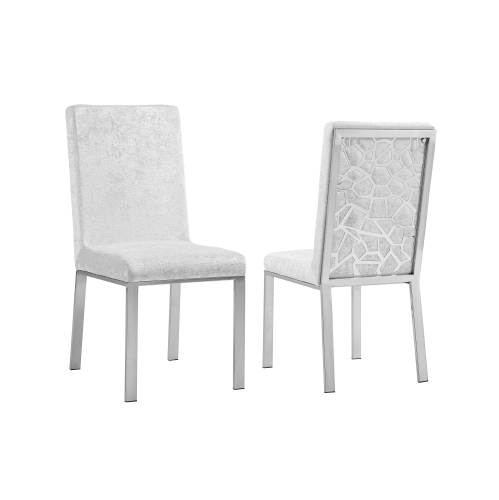
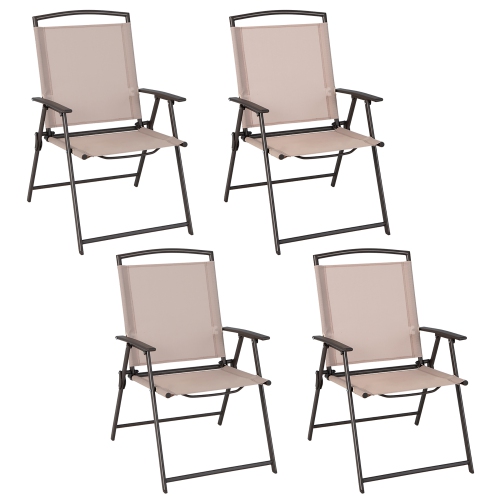
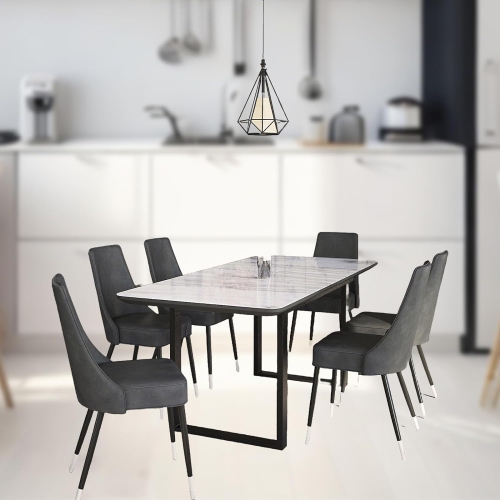
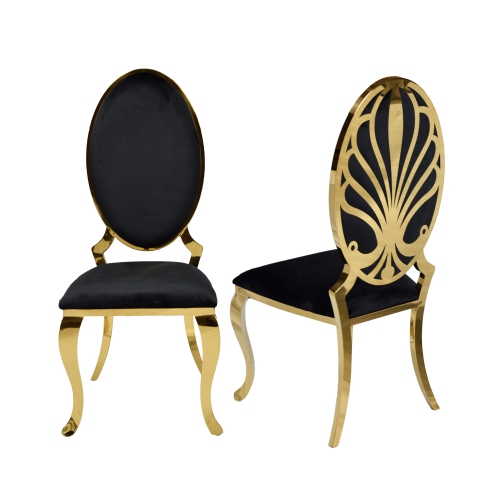
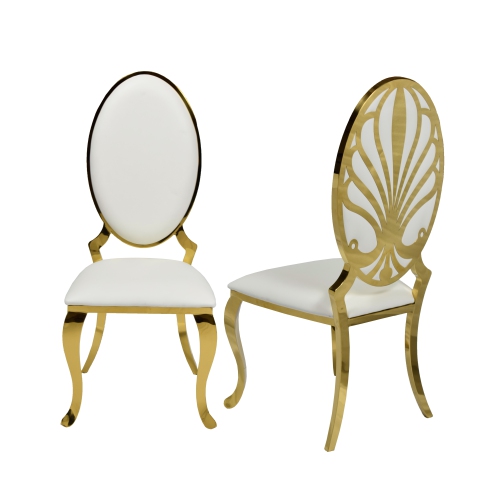
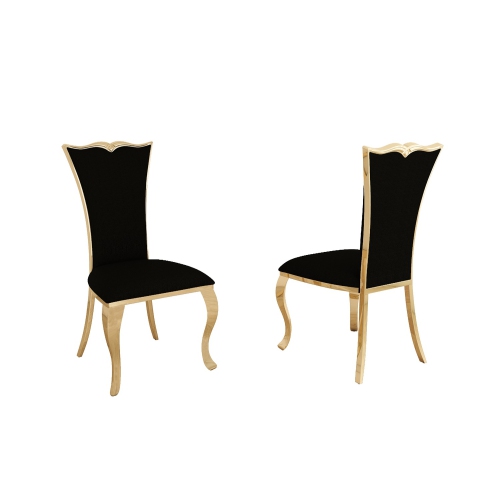
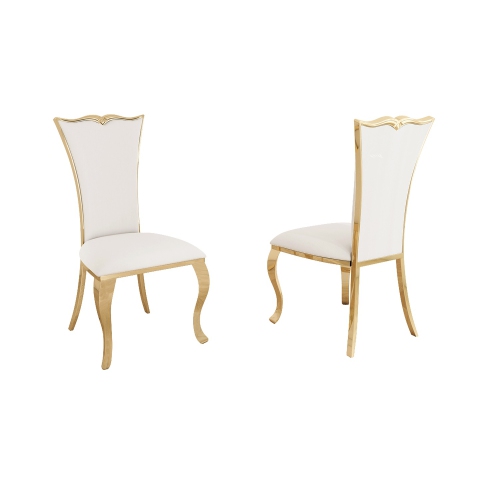
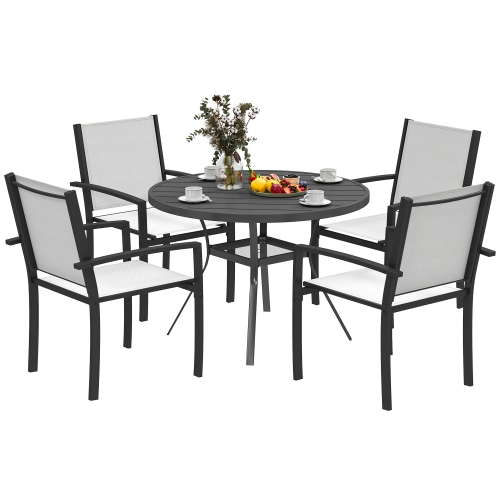
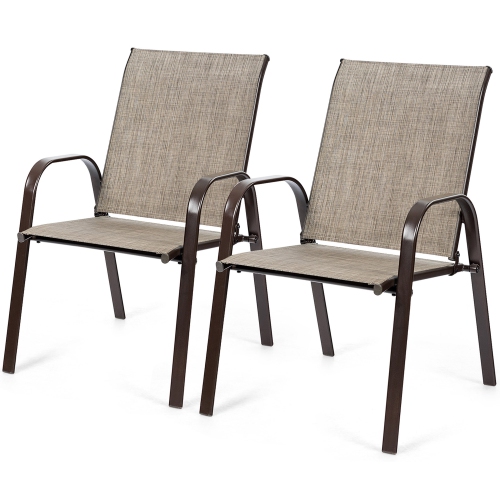
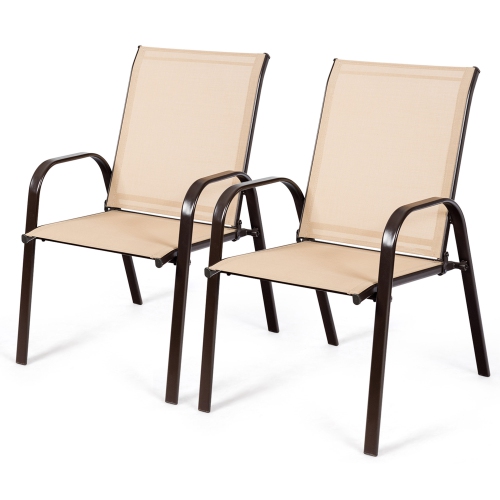
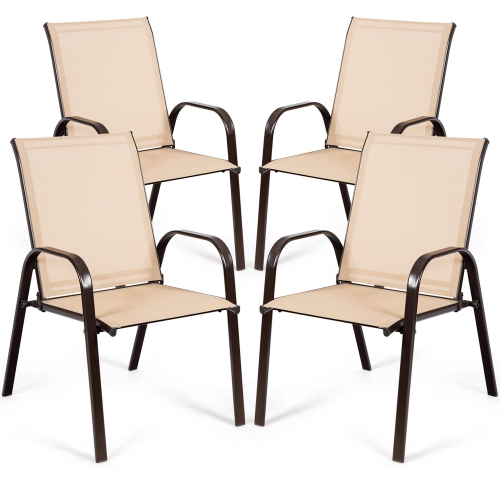
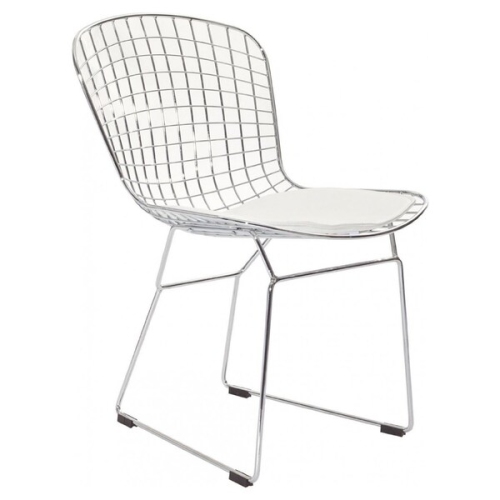
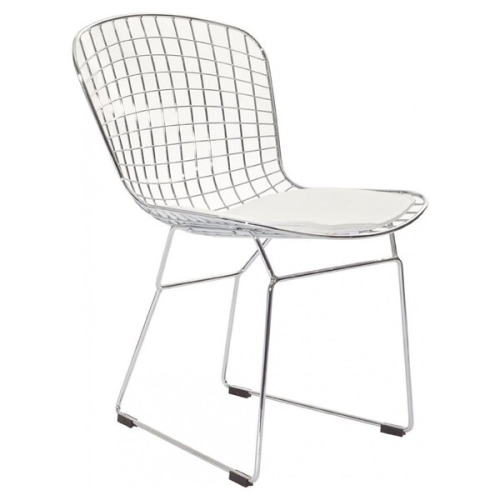
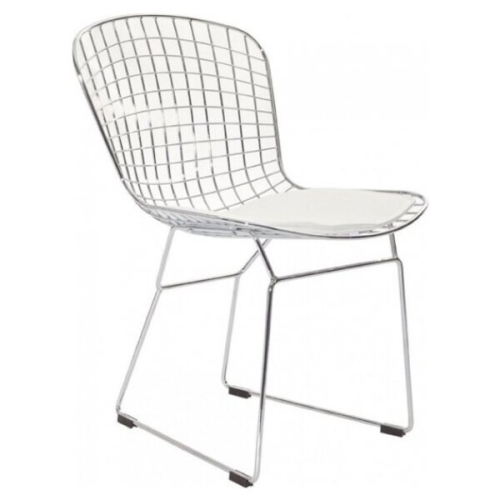
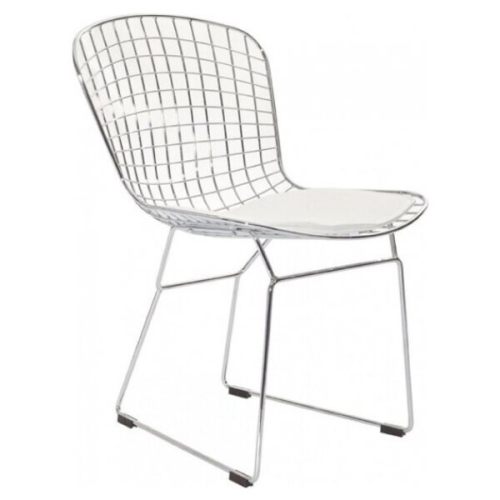
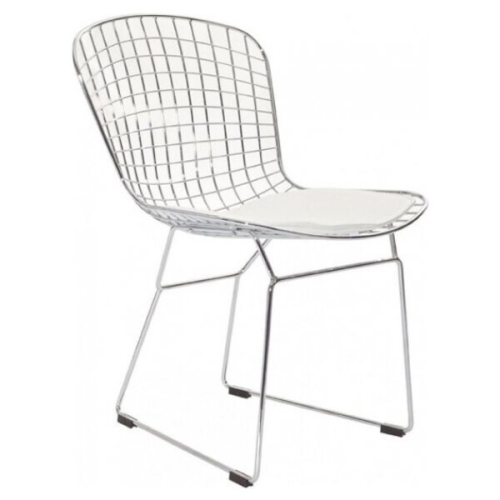
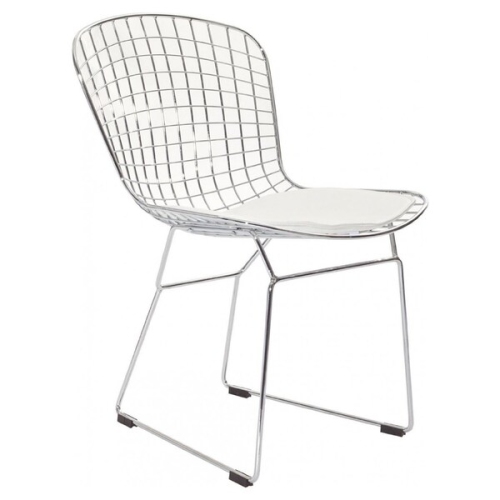
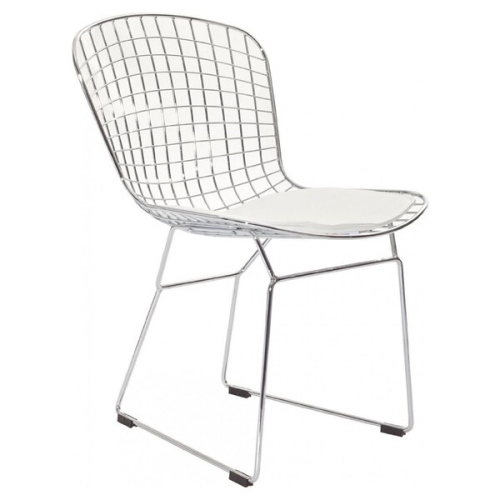
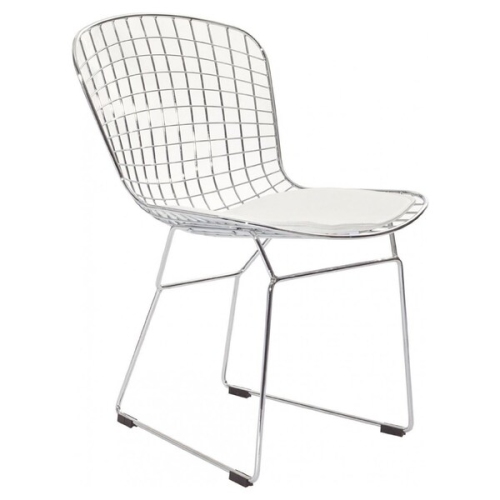
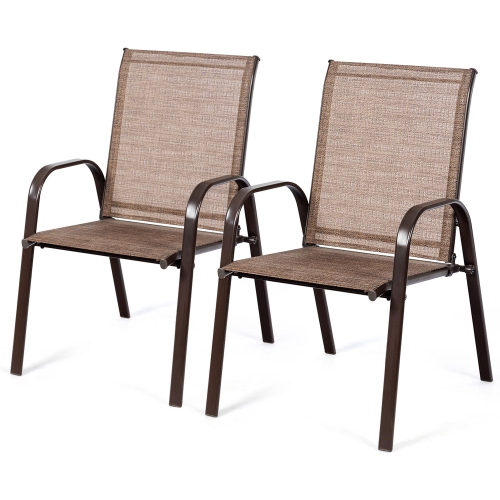
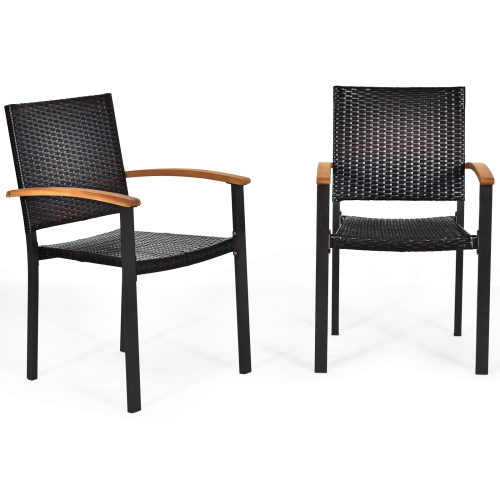
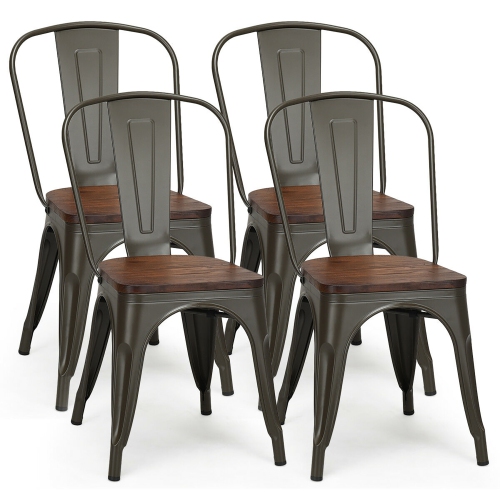
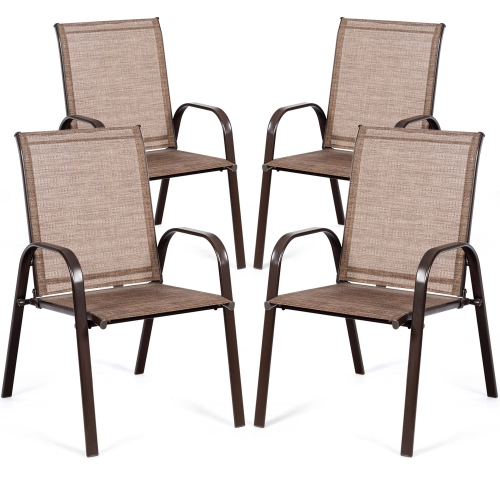
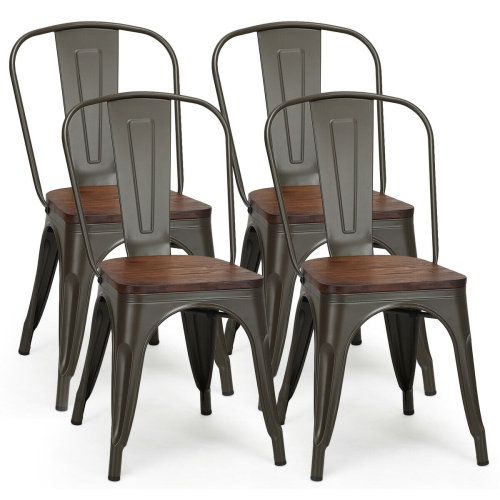
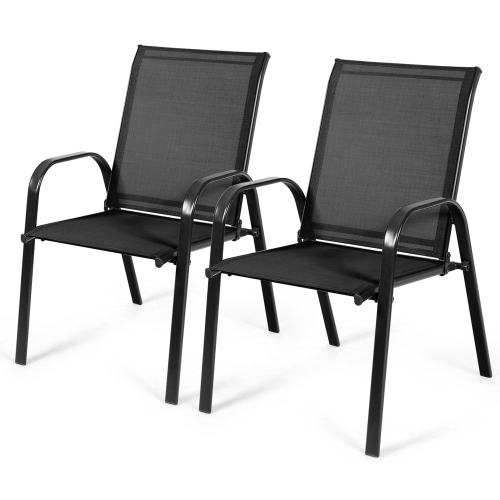
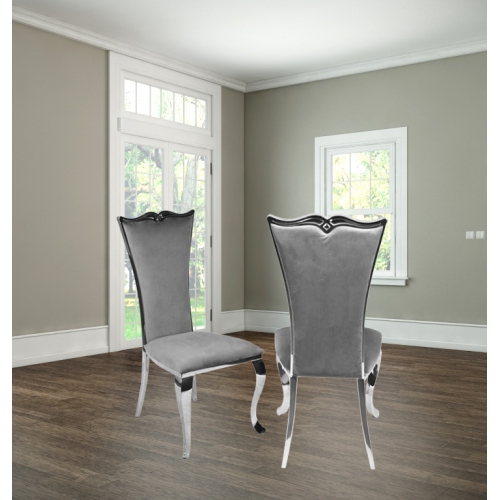
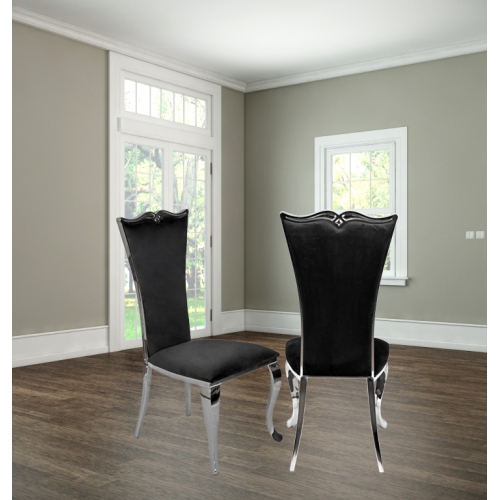
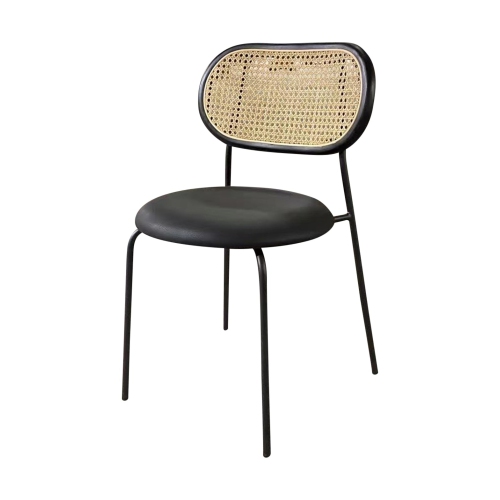

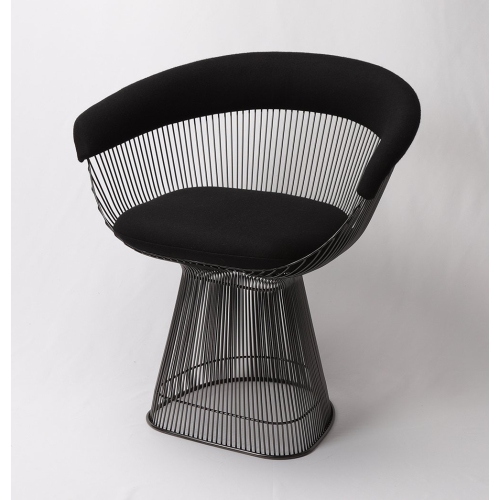
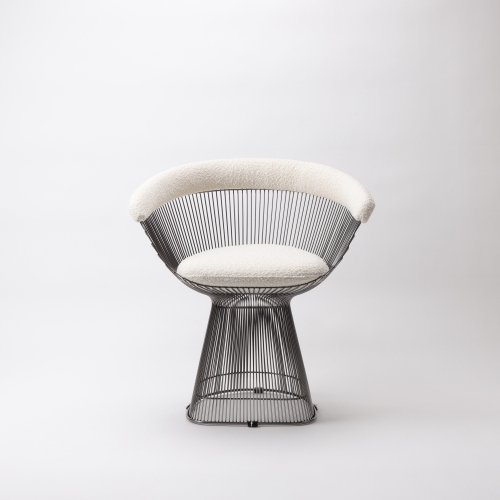
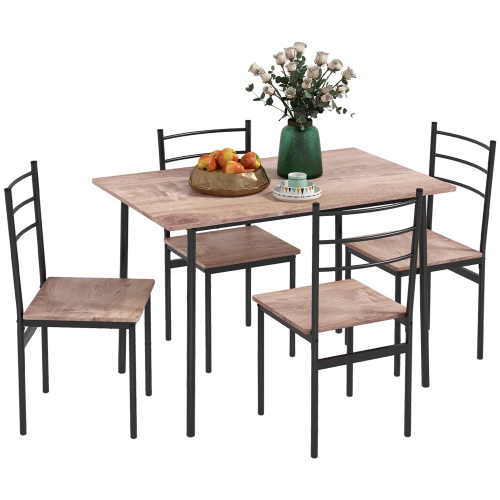
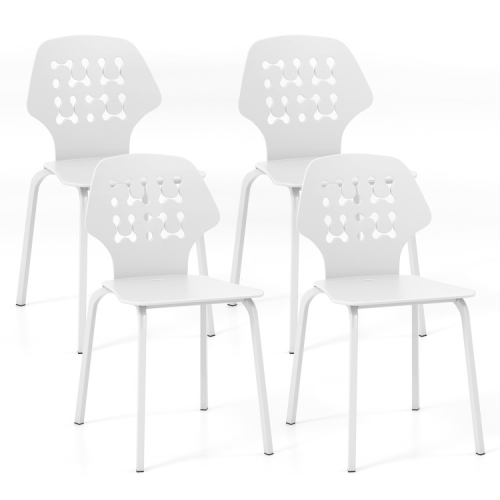
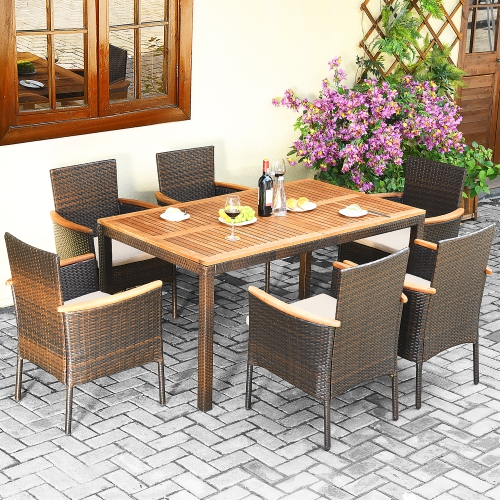
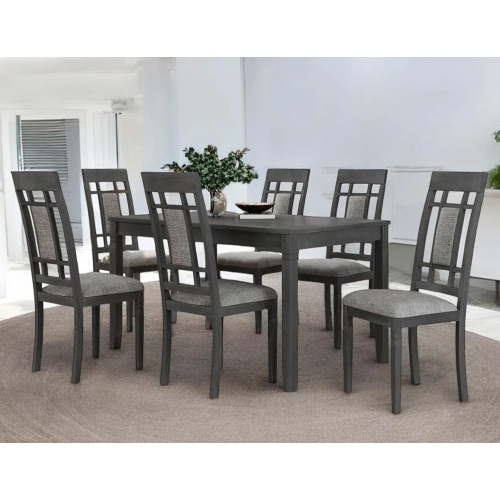
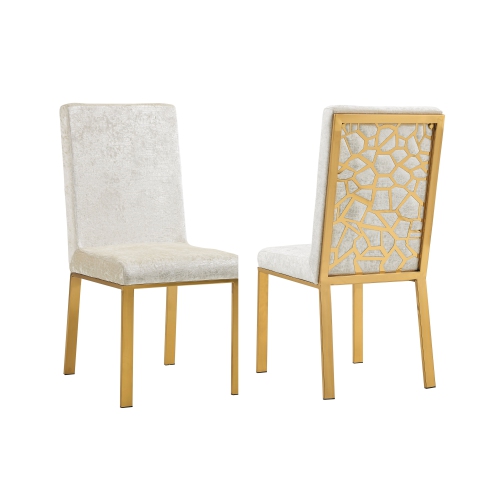
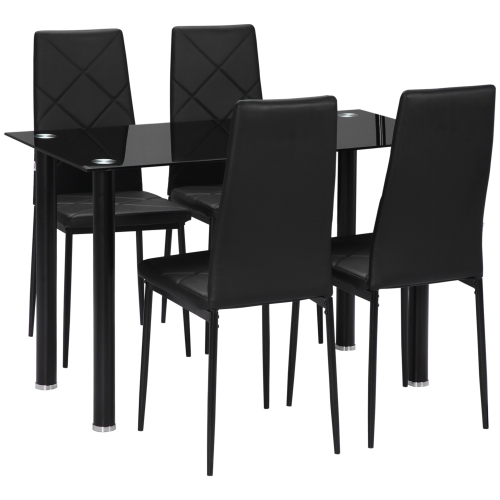
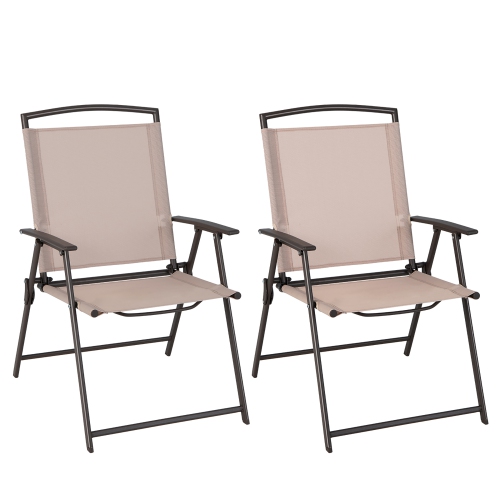
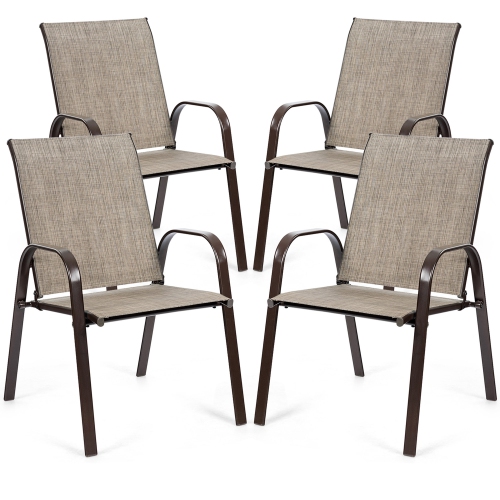
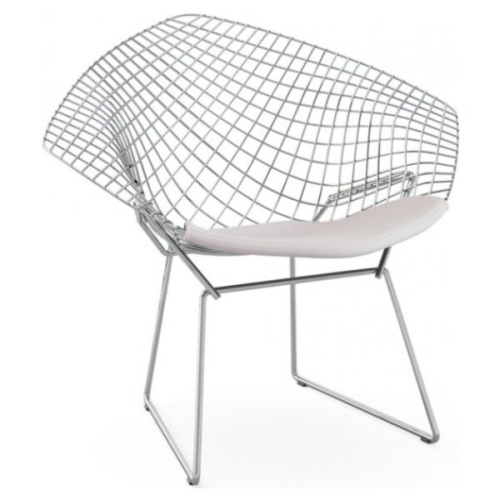
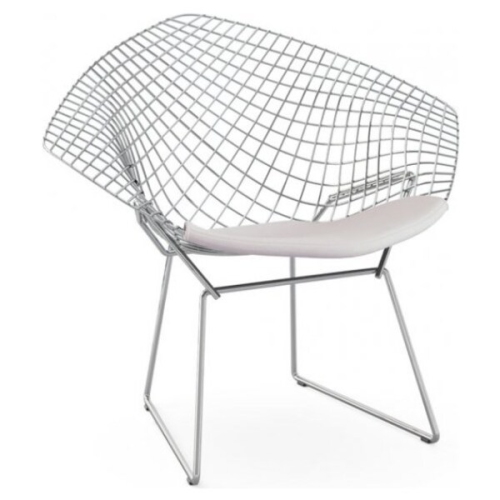
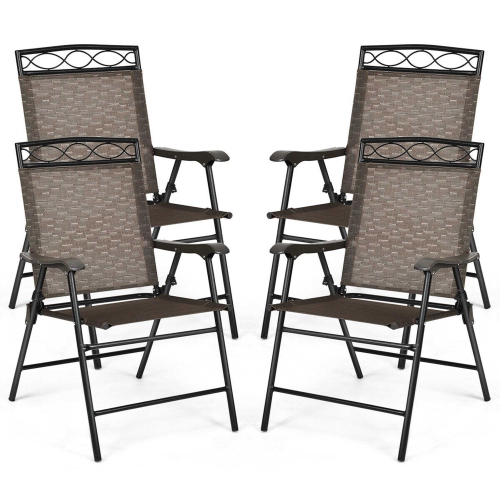
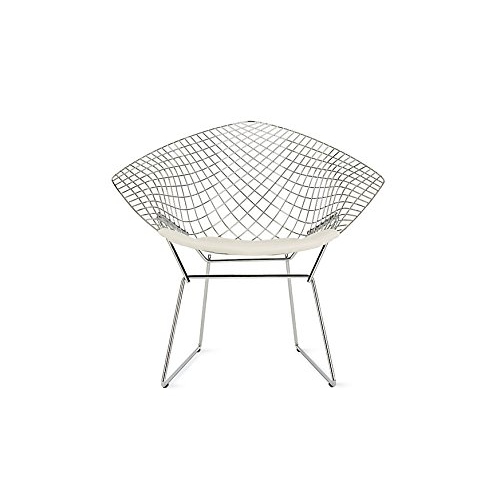
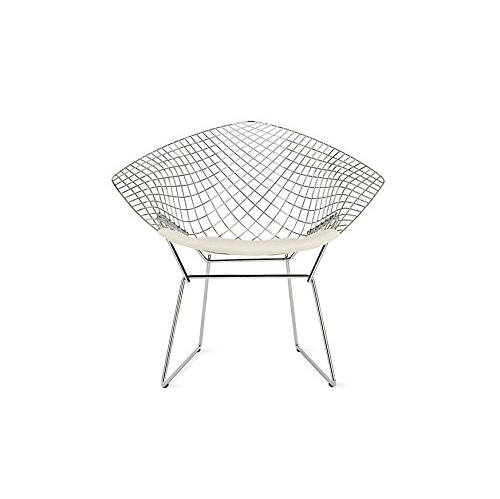
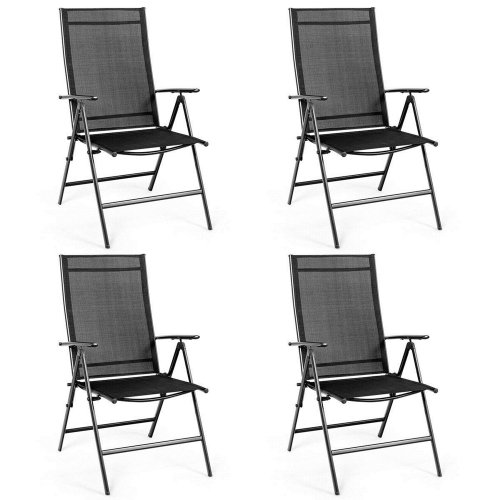
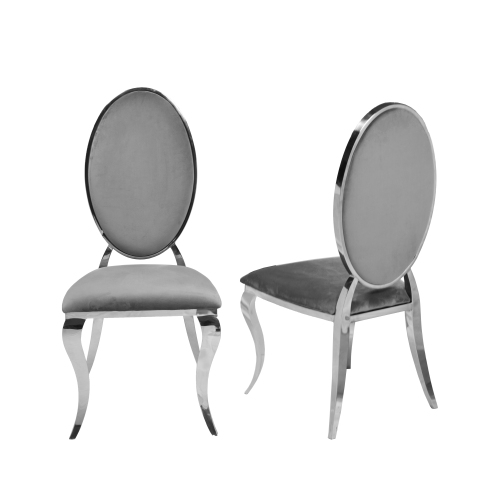
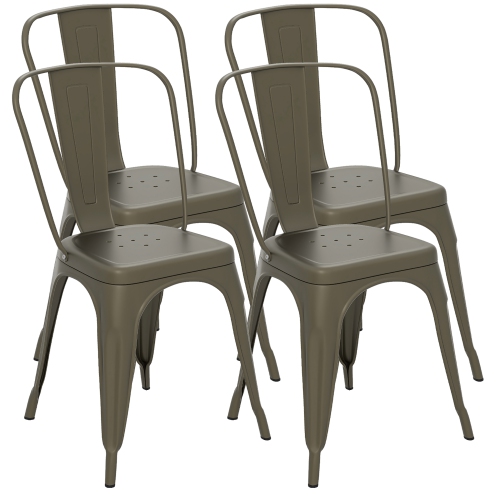
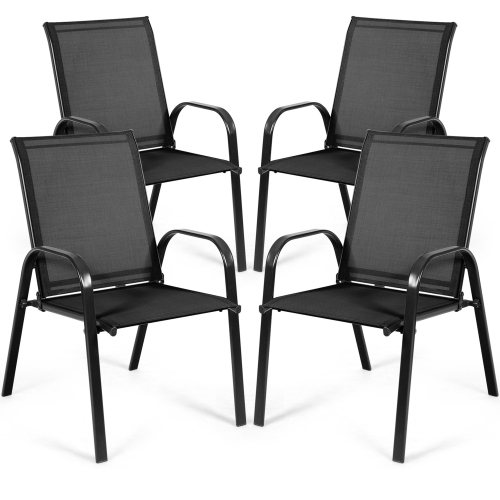
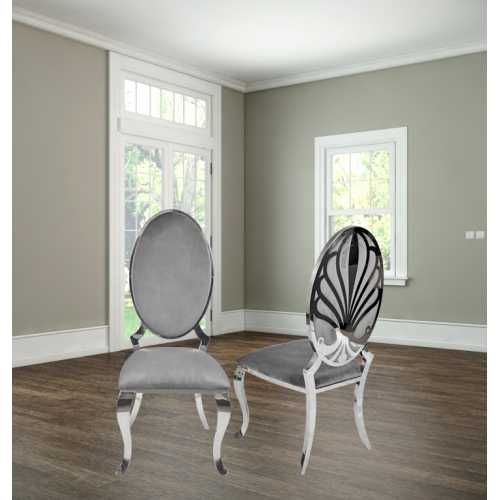
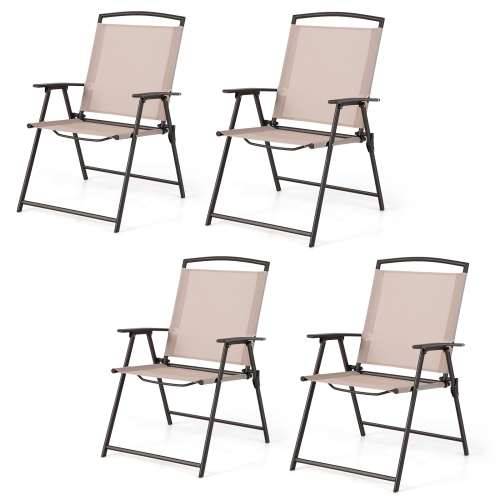
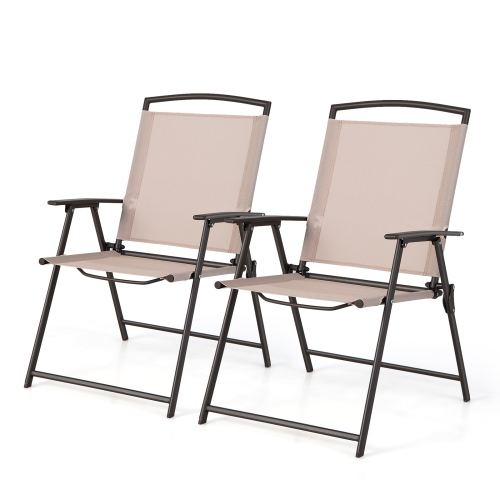
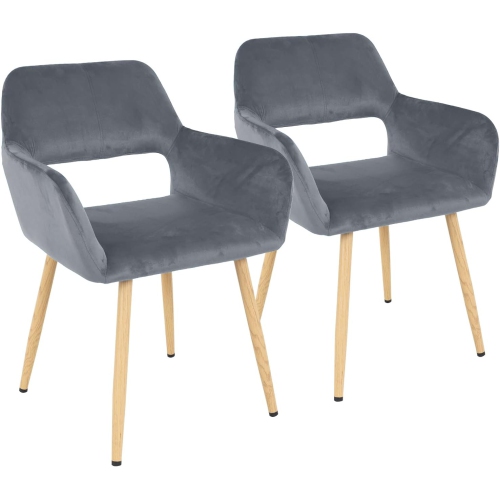
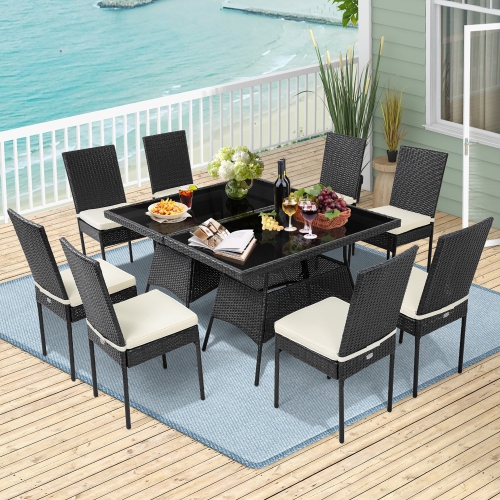
Dining comfort starts with more than the frame
Steel frame dining chairs combine a steel supporting structure with seats and backrests that may be made from upholstery, wood, moulded plastic, or metal. They offer sturdy seating for dining rooms and kitchens, with designs ranging from slim, understated silhouettes to generously padded chairs suited to lingering over dinner. The frame provides the chair’s foundation, but its overall strength and comfort also depend on the joints, bracing, seat construction, and proportions. Steel tubing can create a visually light profile without the bulk of thick wooden legs, making this style appealing around smaller tables or in open-plan rooms where the dining area remains in view from the sofa. Square legs and exposed crossbars lend a more industrial character, while curved frames and softly rounded backs fit easily into contemporary interiors. A dark frame can echo cabinet handles or a pendant light; a lighter finish can blend into a quieter colour scheme. Powder-coated steel has a protective finish that adds colour and helps resist everyday wear, although it can still chip or scratch. Plated and polished finishes have a different sheen and may show fingerprints more readily. Seat materials further shape the look and feel: wood adds visible grain, woven fabric introduces texture, and padded upholstery creates a softer point of contact. Faux leather can offer a smooth, wipeable surface, but its care requirements and resistance to wear vary by construction. Steel frame dining chairs also belong to the broader category of Metal Frame Chairs, which can include other metals and seating intended for different rooms. For a dining space, the important distinction is that the chair’s height, back support, and footprint work with a dining table rather than a counter or lounge setting. Matching chairs create a unified arrangement, while a shared frame finish can bring different seat colours or shapes together without making the room feel overly coordinated.
A comfortable dining arrangement depends as much on fit as on appearance. Seat height should be considered alongside the table’s underside, not just the tabletop: a deep apron or low support rail can reduce usable legroom even when the overall table height seems suitable. Around 10 to 12 inches between the seat surface and the underside of the tabletop is a common starting point, but an apron, seat cushion compression, and the sitter’s proportions can change how that space feels. Chair width matters just as much when several people share a table. Allowing roughly 24 inches of table edge per person is a useful planning measure, though broad seats and armrests may need more space. A pedestal base can offer flexibility, whereas corner legs may restrict where chairs tuck in. Armchairs bring a relaxed feel to the ends of a rectangular table, provided their arms clear the apron; armless chairs are often easier to position along the sides. Measure the chair’s full depth, including a tilted backrest, so it does not project unexpectedly into a walkway. About 36 inches between a table edge and a wall is a common starting allowance for pulling out a chair, with more room helpful where people need to pass behind someone seated. Comfort comes from several details working together. A contoured back can feel more supportive than a flat panel, a rounded front seat edge can reduce pressure behind the knees, and a padded seat may be welcome during a long meal or an evening board game. Deeper seats suit some people but can make it harder for shorter users to sit back with their feet supported. For a kitchen table that also hosts homework or occasional laptop use, an upright posture and stable base are particularly useful. Chair weight deserves attention too: seating that feels substantial in place should still be manageable for the people moving it daily.
Everyday durability depends on how a steel frame dining chair is built and how well its materials suit the household. Secure joints, properly fitted fasteners, and a stable stance help limit movement during normal use. Welded construction and bolted construction can both perform well; neither description alone establishes quality or weight capacity. The manufacturer’s stated capacity and intended use are more useful than judging strength from the thickness of the legs in a photograph. A chair meant for residential dining should not be assumed suitable for the repeated demands of a restaurant or other commercial setting. Similarly, a steel frame does not make a chair suitable for outdoor use unless it is specifically designed and rated for it. In homes where chairs move frequently between the table and a nearby work surface, floor protectors can help reduce scraping and noise. Felt pads often suit hard flooring, while other glide materials may be better for different surfaces; the right choice depends on both the floor and the chair. Check protectors periodically for trapped grit or worn edges, and lift chairs rather than dragging them when possible. For routine cleaning, a soft cloth and a mild cleaning solution approved by the manufacturer are generally preferable to abrasive pads or harsh chemicals. Dry the frame after wiping, paying attention to joints where moisture can collect. Damage to a protective coating can expose steel to corrosion, so chips deserve prompt attention using the maker’s recommended method. Upholstery needs its own care routine: vacuum crumbs from seams, blot spills rather than rubbing them, and follow the fabric’s cleaning instructions before applying a treatment. Removable covers are only machine washable when their care label says so. On chairs assembled with bolts, periodic checks can catch loosening hardware before it affects stability. These practical details matter in a busy family kitchen, a compact condo dining nook, or a room reserved for shared meals with guests. A well-proportioned chair with suitable materials should feel easy to sit in, easy to move, and straightforward to maintain.
A comfortable dining arrangement depends as much on fit as on appearance. Seat height should be considered alongside the table’s underside, not just the tabletop: a deep apron or low support rail can reduce usable legroom even when the overall table height seems suitable. Around 10 to 12 inches between the seat surface and the underside of the tabletop is a common starting point, but an apron, seat cushion compression, and the sitter’s proportions can change how that space feels. Chair width matters just as much when several people share a table. Allowing roughly 24 inches of table edge per person is a useful planning measure, though broad seats and armrests may need more space. A pedestal base can offer flexibility, whereas corner legs may restrict where chairs tuck in. Armchairs bring a relaxed feel to the ends of a rectangular table, provided their arms clear the apron; armless chairs are often easier to position along the sides. Measure the chair’s full depth, including a tilted backrest, so it does not project unexpectedly into a walkway. About 36 inches between a table edge and a wall is a common starting allowance for pulling out a chair, with more room helpful where people need to pass behind someone seated. Comfort comes from several details working together. A contoured back can feel more supportive than a flat panel, a rounded front seat edge can reduce pressure behind the knees, and a padded seat may be welcome during a long meal or an evening board game. Deeper seats suit some people but can make it harder for shorter users to sit back with their feet supported. For a kitchen table that also hosts homework or occasional laptop use, an upright posture and stable base are particularly useful. Chair weight deserves attention too: seating that feels substantial in place should still be manageable for the people moving it daily.
Everyday durability depends on how a steel frame dining chair is built and how well its materials suit the household. Secure joints, properly fitted fasteners, and a stable stance help limit movement during normal use. Welded construction and bolted construction can both perform well; neither description alone establishes quality or weight capacity. The manufacturer’s stated capacity and intended use are more useful than judging strength from the thickness of the legs in a photograph. A chair meant for residential dining should not be assumed suitable for the repeated demands of a restaurant or other commercial setting. Similarly, a steel frame does not make a chair suitable for outdoor use unless it is specifically designed and rated for it. In homes where chairs move frequently between the table and a nearby work surface, floor protectors can help reduce scraping and noise. Felt pads often suit hard flooring, while other glide materials may be better for different surfaces; the right choice depends on both the floor and the chair. Check protectors periodically for trapped grit or worn edges, and lift chairs rather than dragging them when possible. For routine cleaning, a soft cloth and a mild cleaning solution approved by the manufacturer are generally preferable to abrasive pads or harsh chemicals. Dry the frame after wiping, paying attention to joints where moisture can collect. Damage to a protective coating can expose steel to corrosion, so chips deserve prompt attention using the maker’s recommended method. Upholstery needs its own care routine: vacuum crumbs from seams, blot spills rather than rubbing them, and follow the fabric’s cleaning instructions before applying a treatment. Removable covers are only machine washable when their care label says so. On chairs assembled with bolts, periodic checks can catch loosening hardware before it affects stability. These practical details matter in a busy family kitchen, a compact condo dining nook, or a room reserved for shared meals with guests. A well-proportioned chair with suitable materials should feel easy to sit in, easy to move, and straightforward to maintain.
Top selling and popular products
-
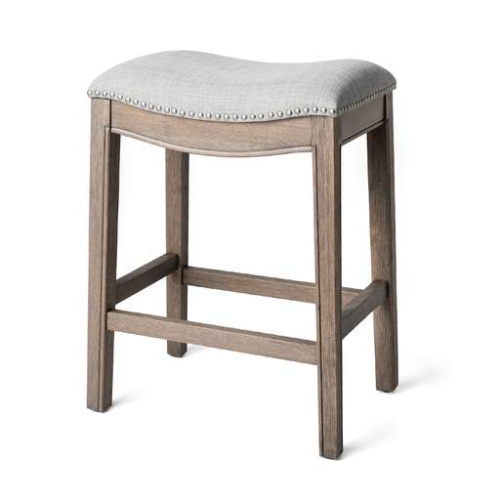 Your price for this item is $210.99
 -
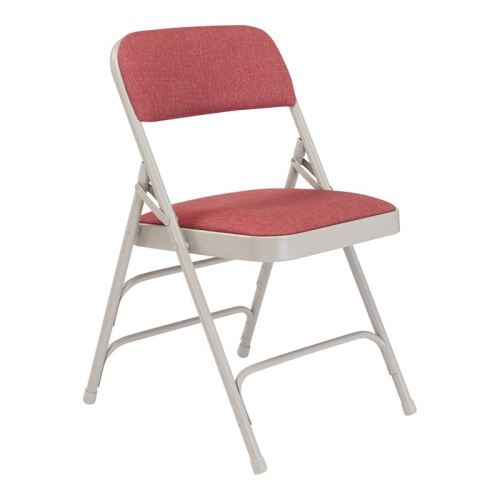 Your price for this item is $399.16
 -
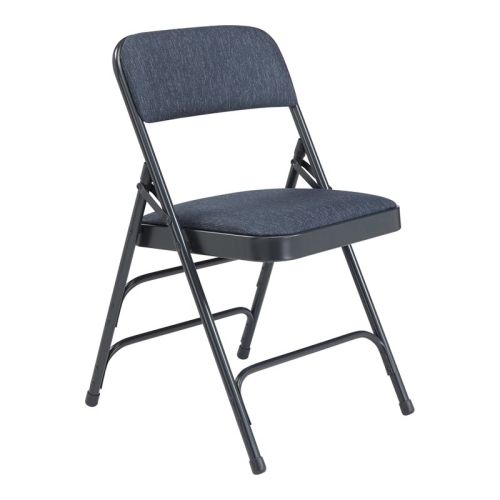 Your price for this item is $413.92
 -
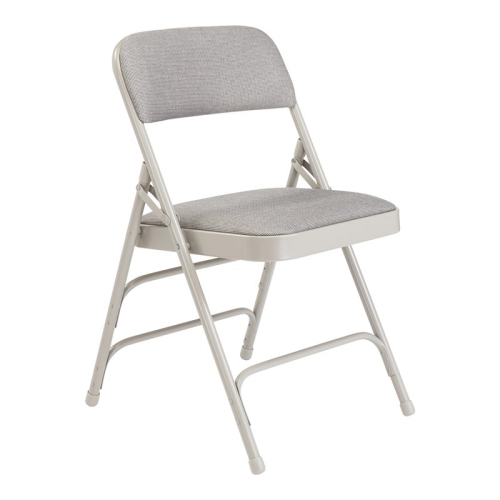 Your price for this item is $395.27
 -
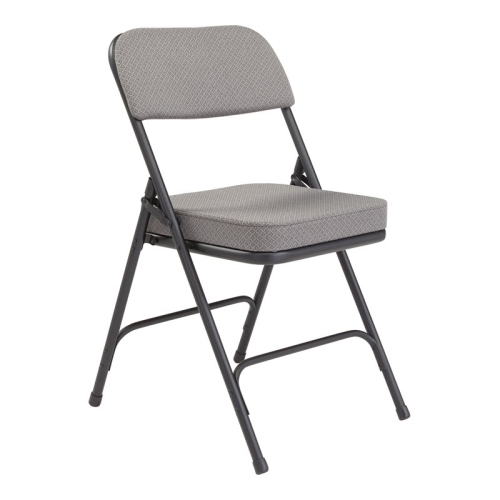 Your price for this item is $282.44
 -
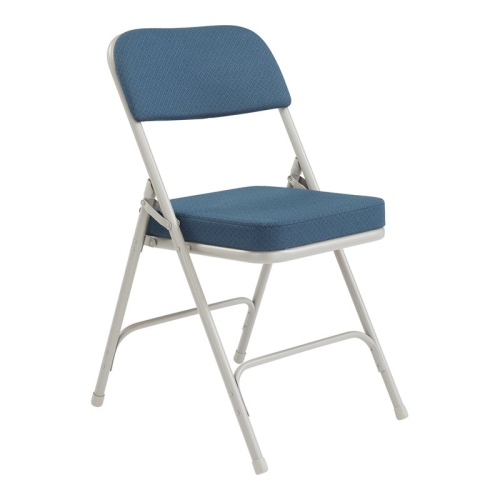 Your price for this item is $279.98
 -
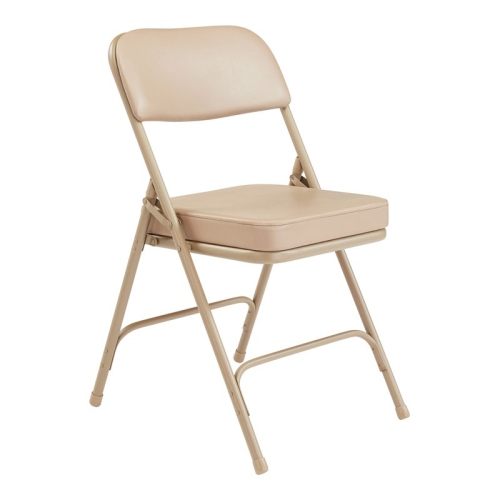 Your price for this item is $278.44
 -
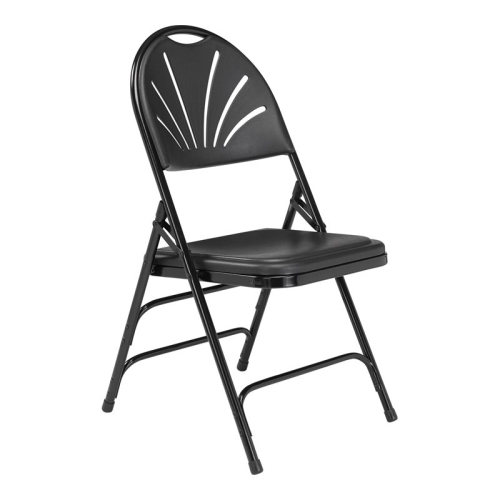 Your price for this item is $409.5
Discover more categories related to Steel Frame Dining Chairs
Top Collections:
Pokemon Centers, Kindle Devices, Best Budget Office Chairs, Apple iPhones 16, Best Laptops for Writers, iPhone 15 Apple, Canon G7X Cameras, Refurbished Apple Laptops, Alarm Clock, Motorola Razr Phones
Some products may be subject to Environmental Handling Fees
(EHF) depending on your province.
Learn more about EHFs.