Metal Frame Lounge Chairs
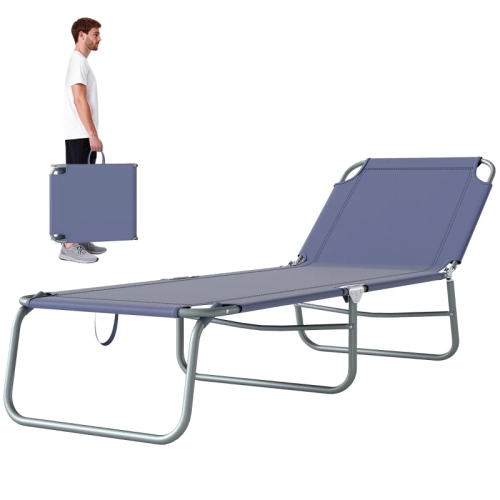
Enhance your relaxation experience with these sleek and stylish metal-framed lounge chairs. Whether you're curling up with a good book, watching your favorite TV show, or simply enjoying some quiet time, these lounge chairs provide the ultimate comfort and support. Elevate your lounging experience and add a touch of sophistication to your home with these metal-framed lounge chairs.
Sort
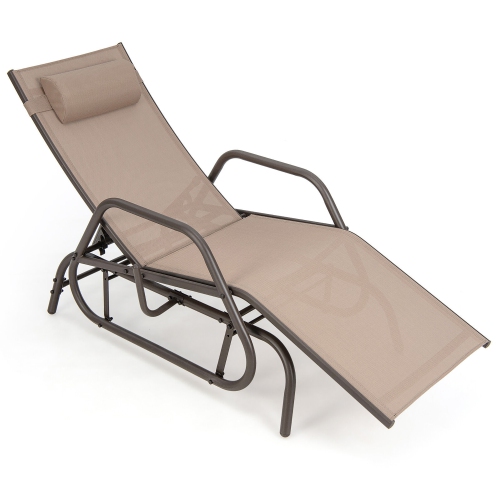
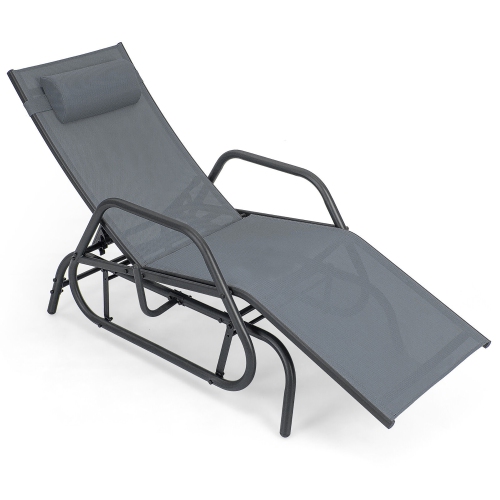
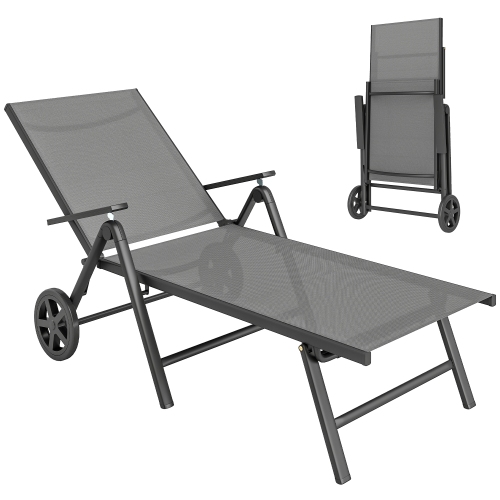
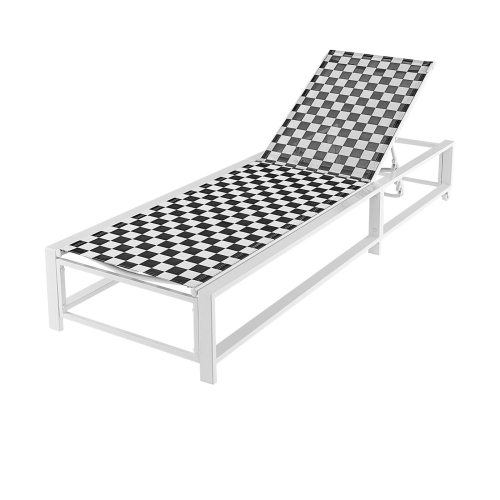
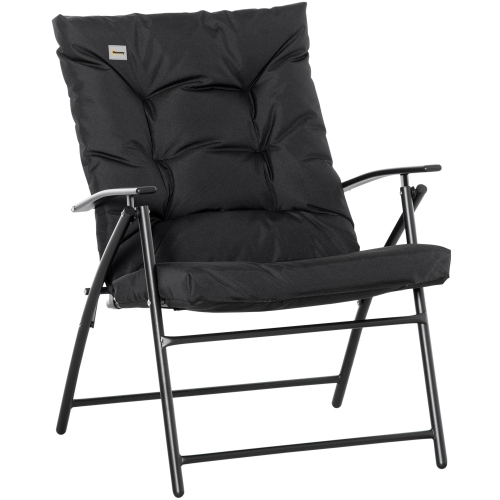
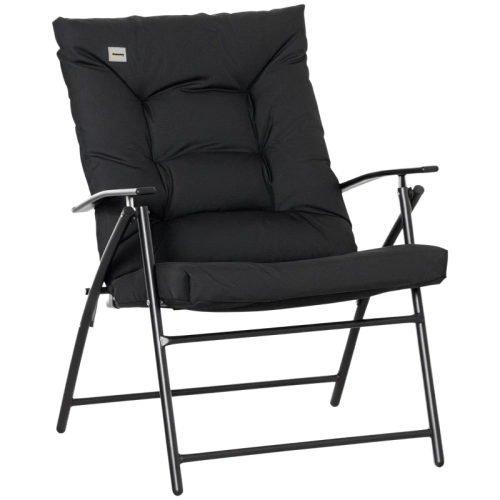
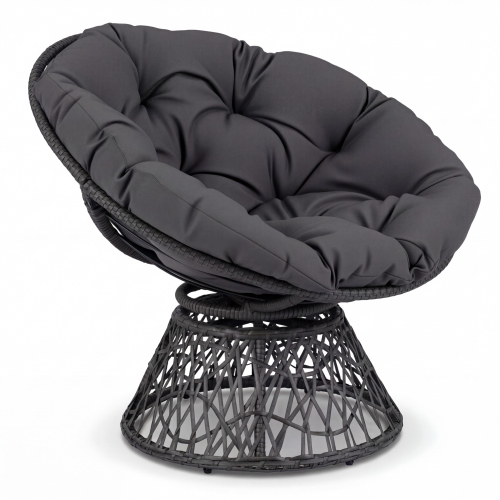
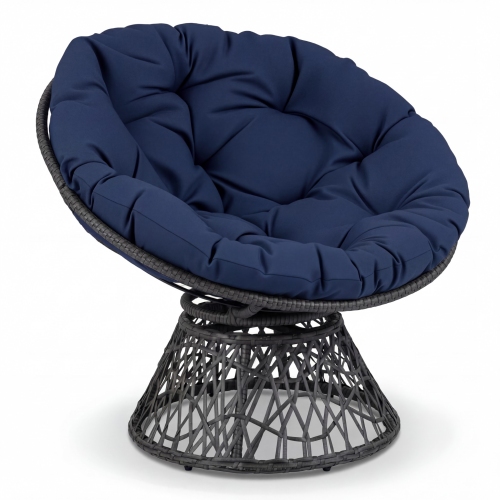
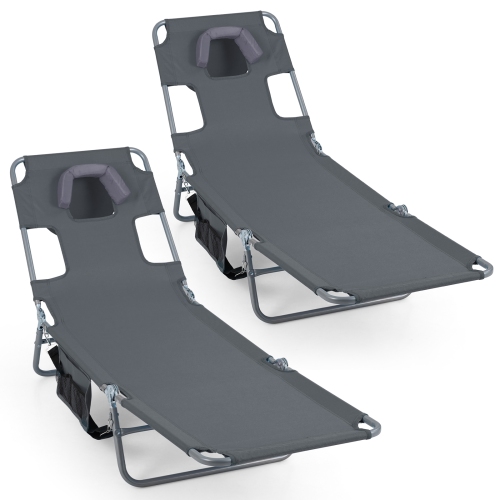
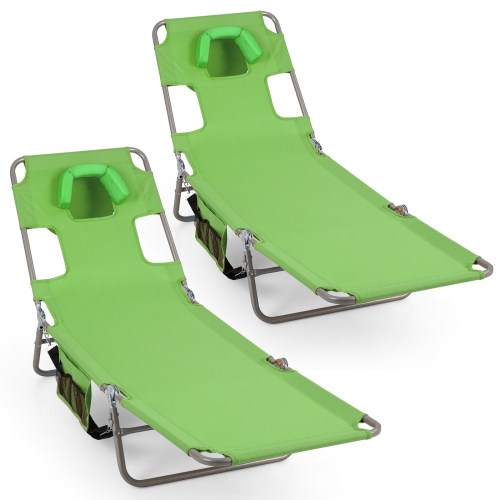
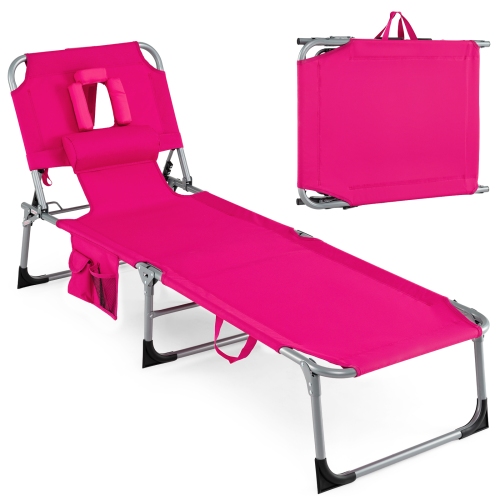
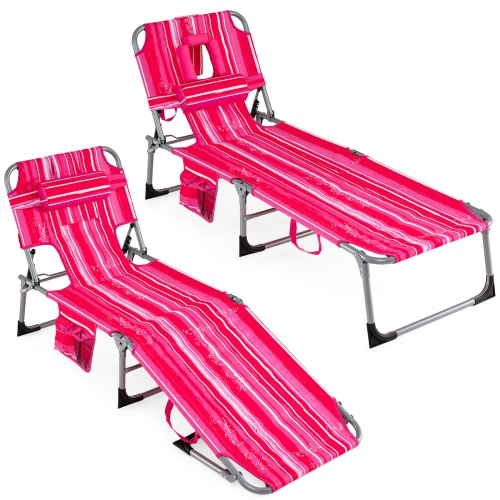


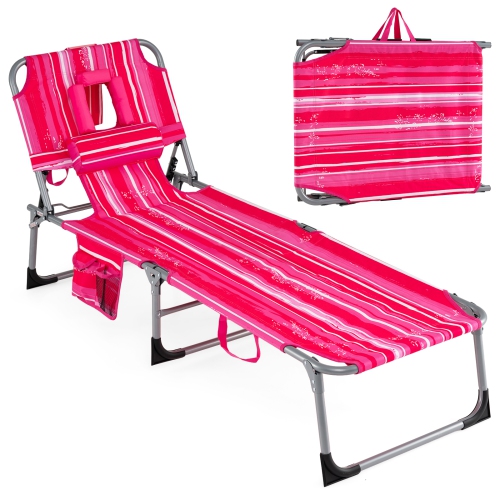


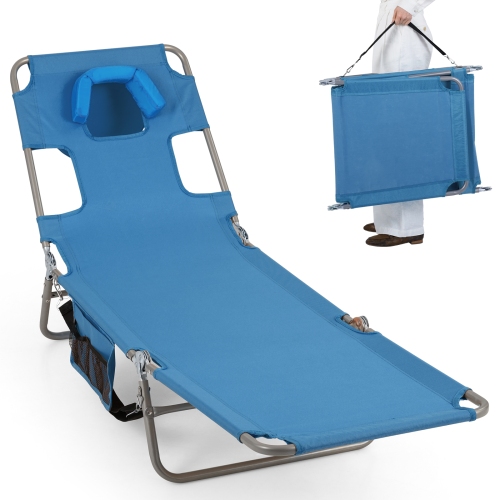
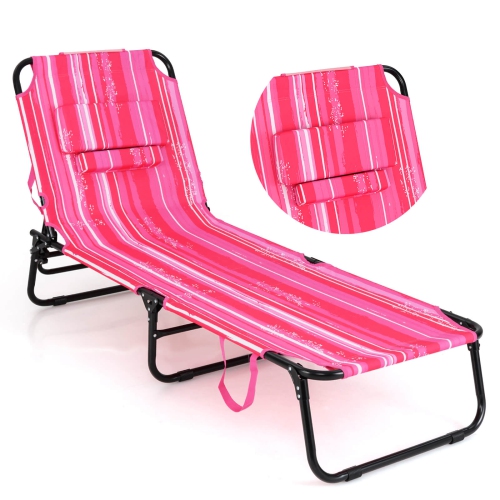
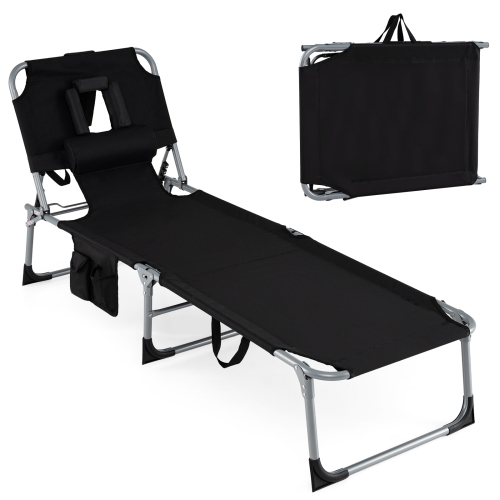
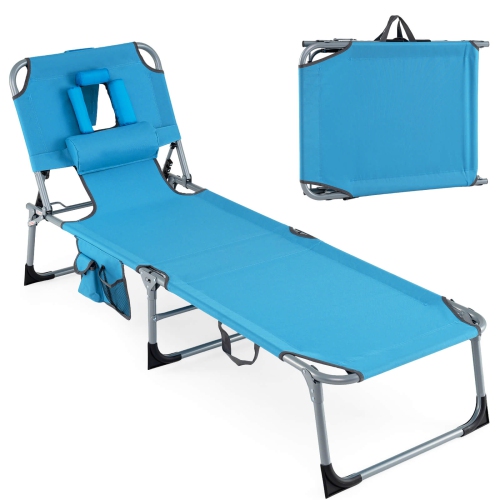
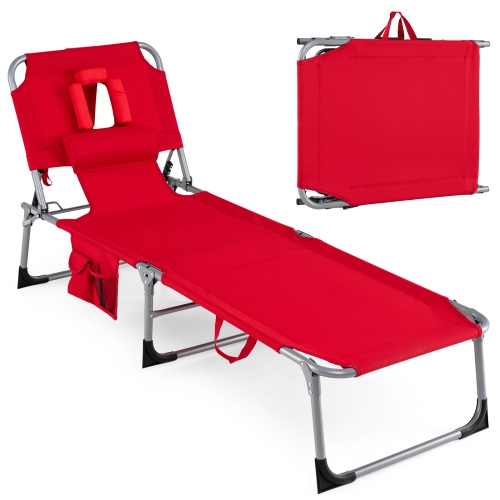
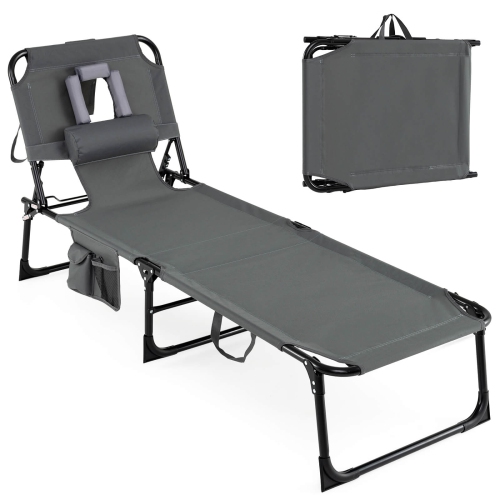
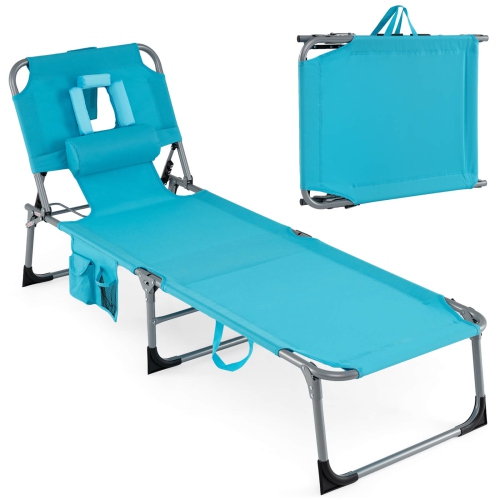
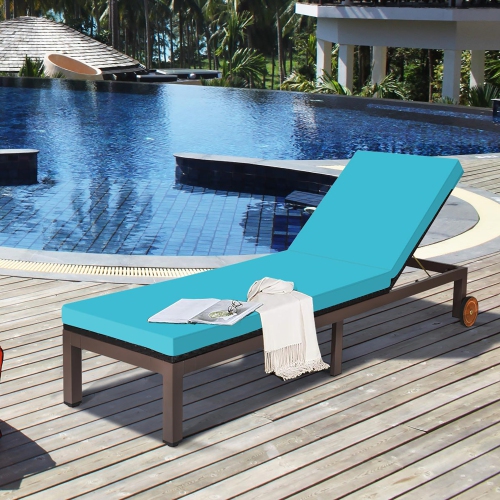
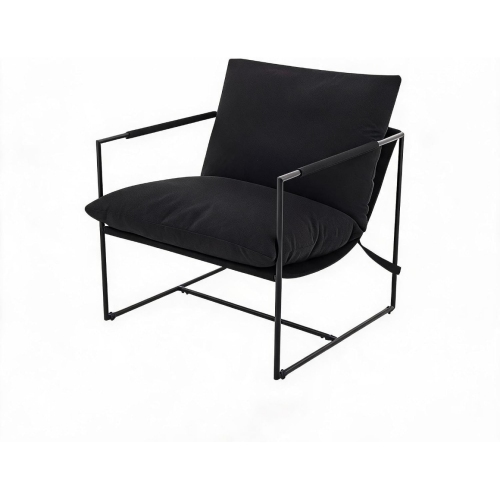
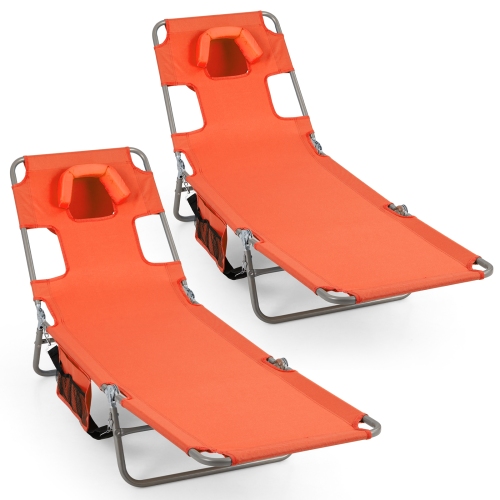
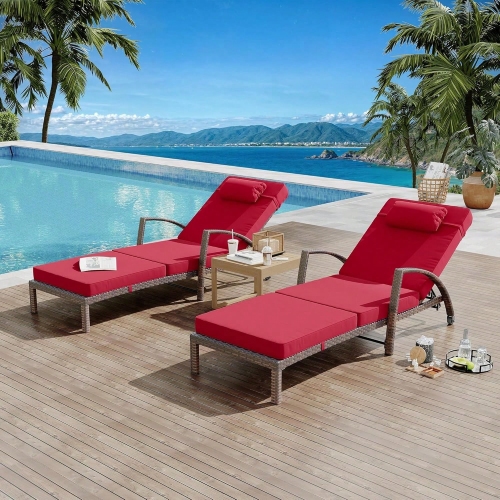
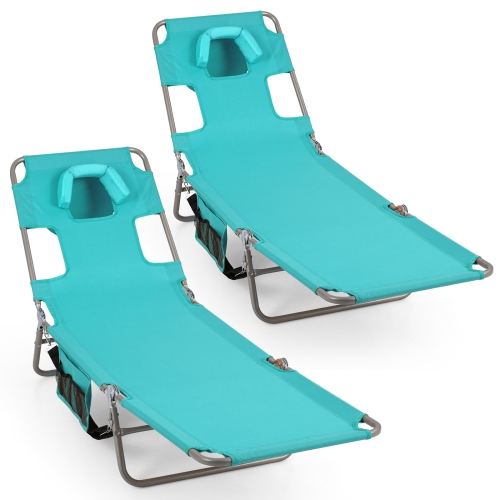
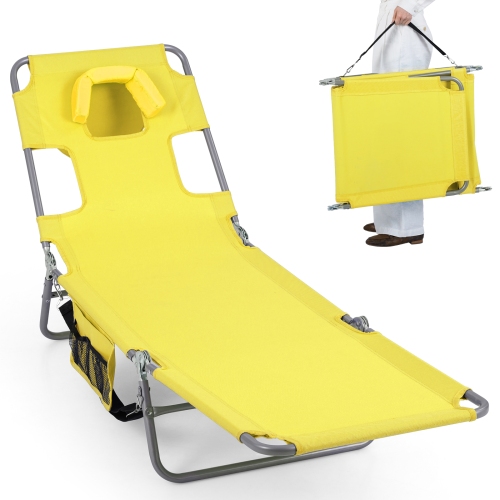
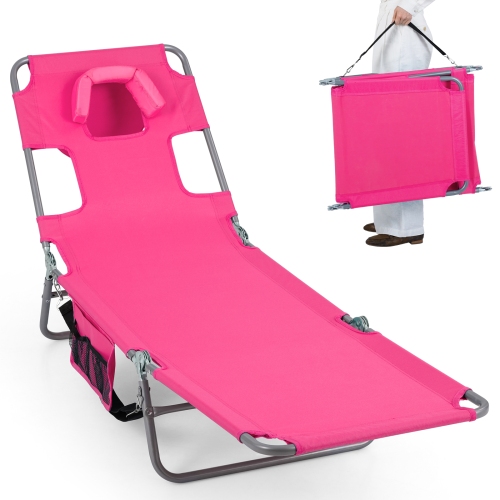
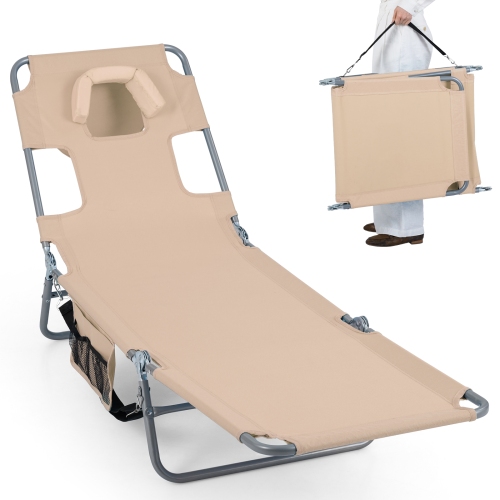
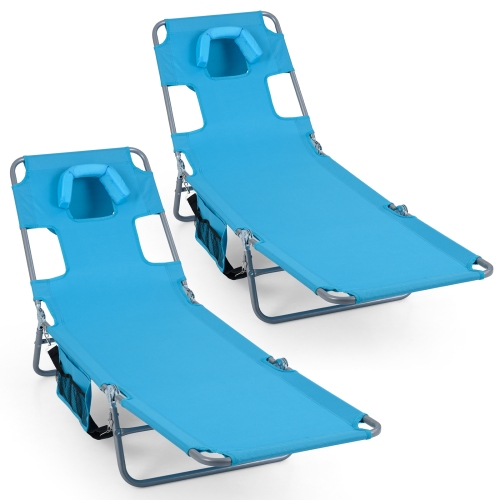
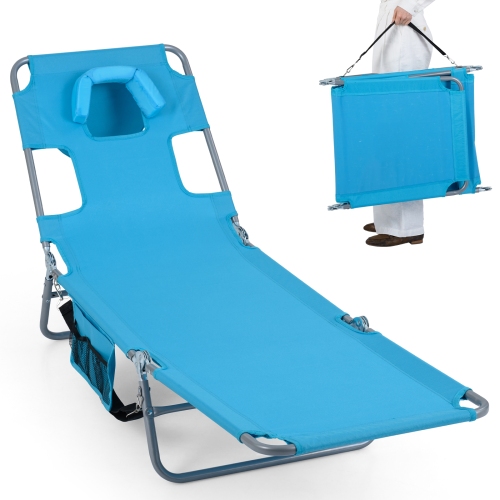
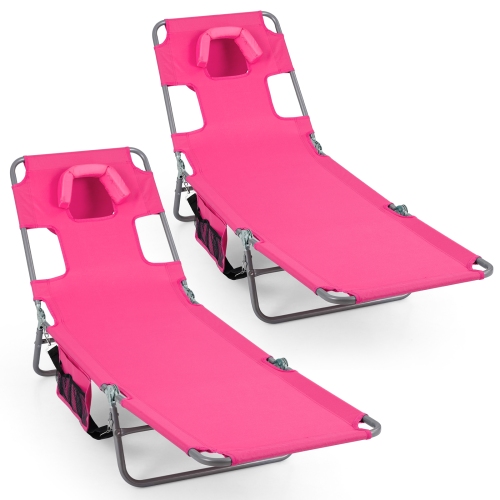
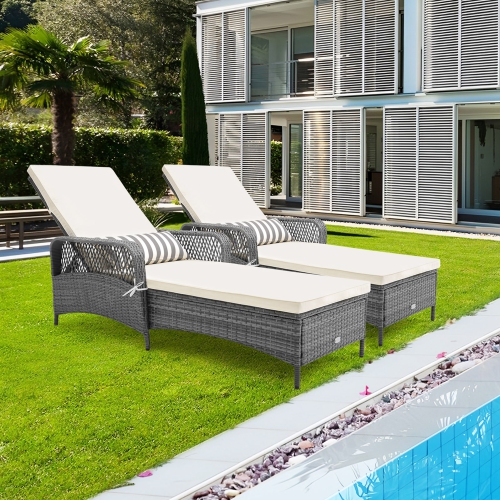
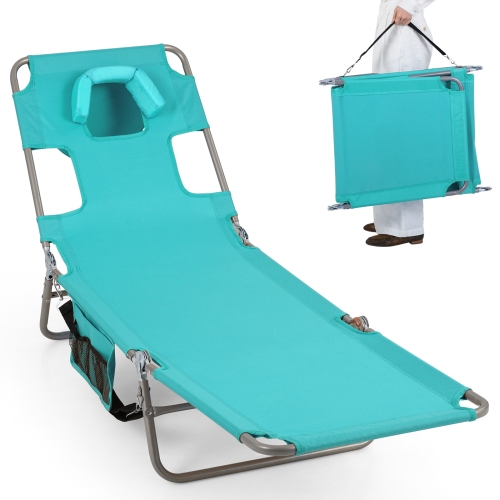
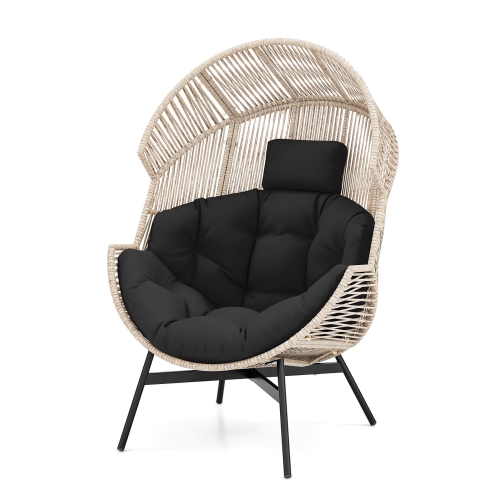
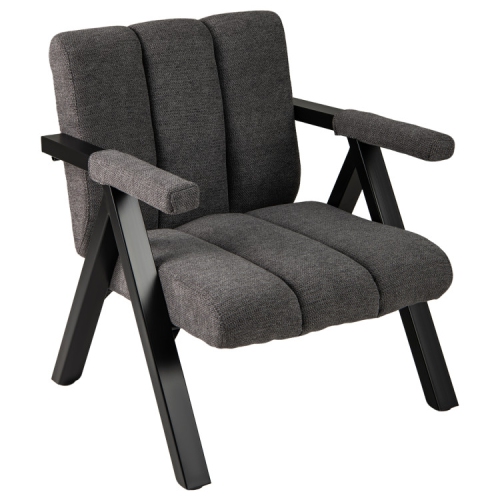
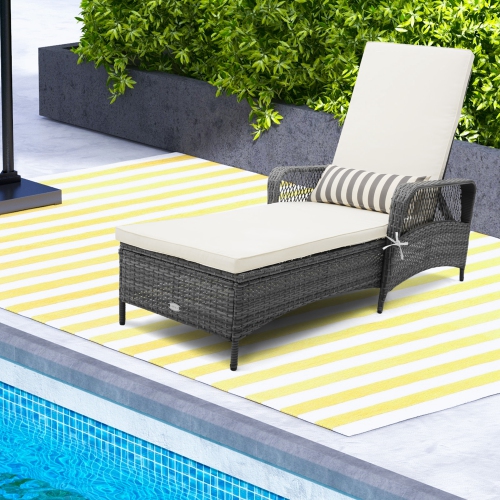


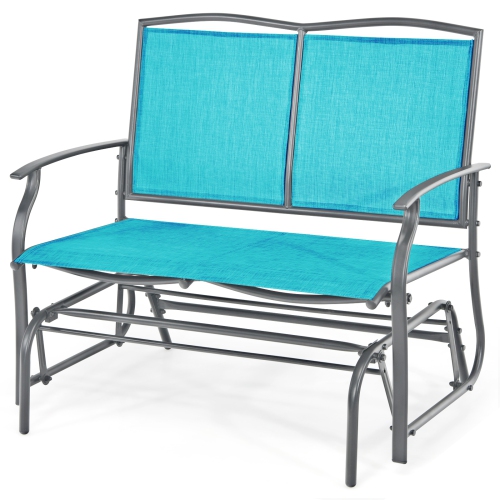
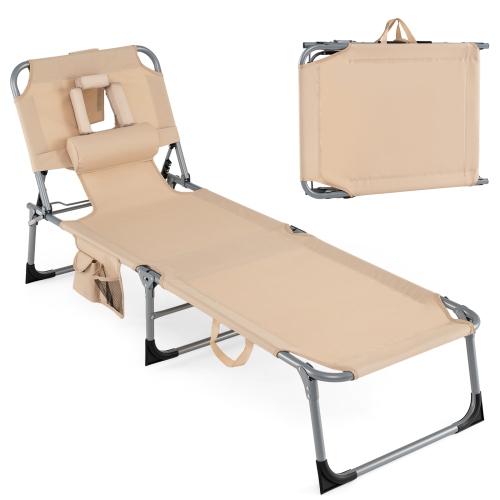
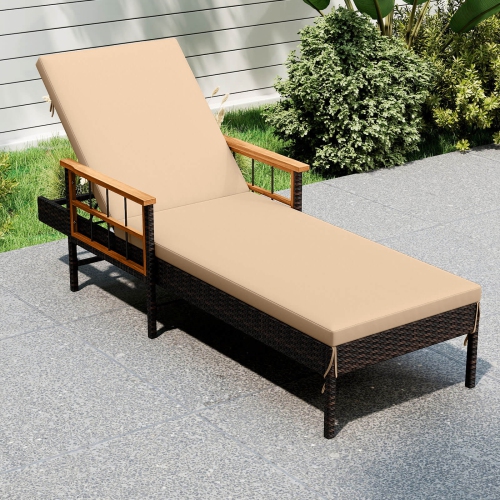
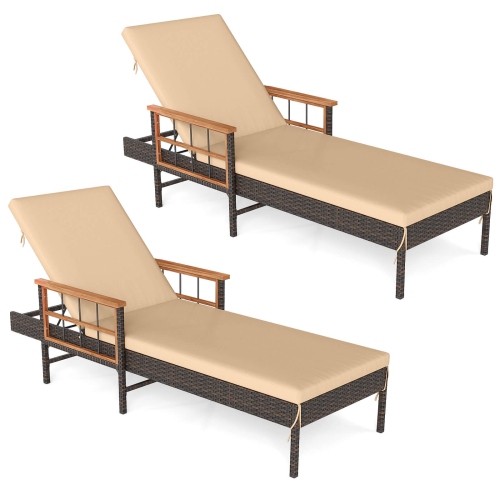




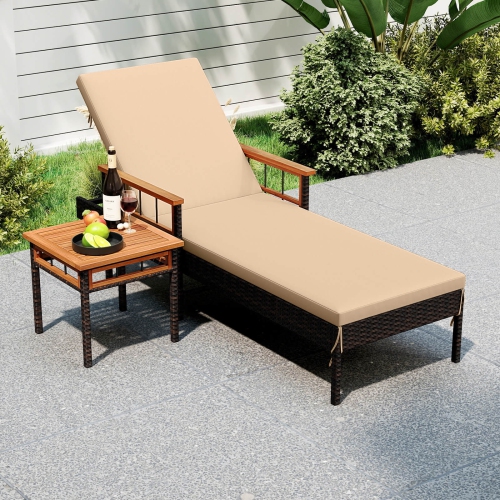
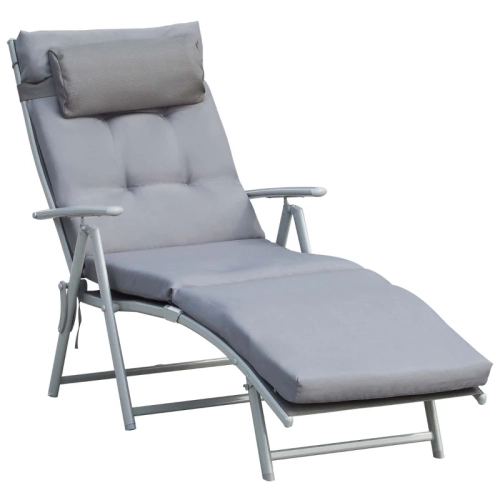
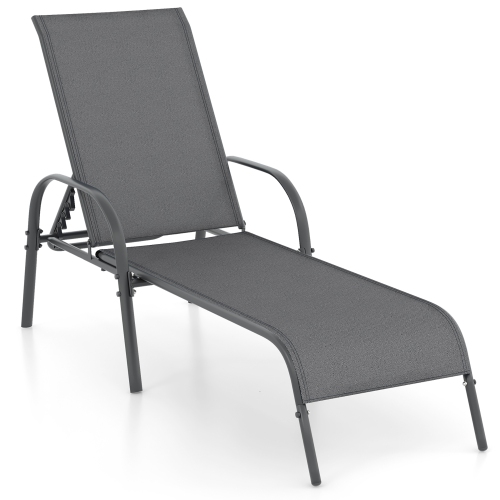
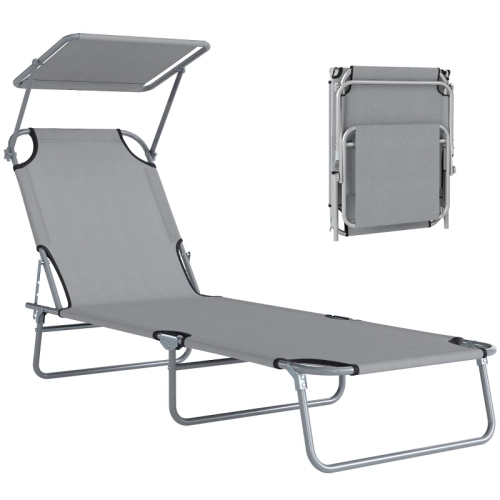

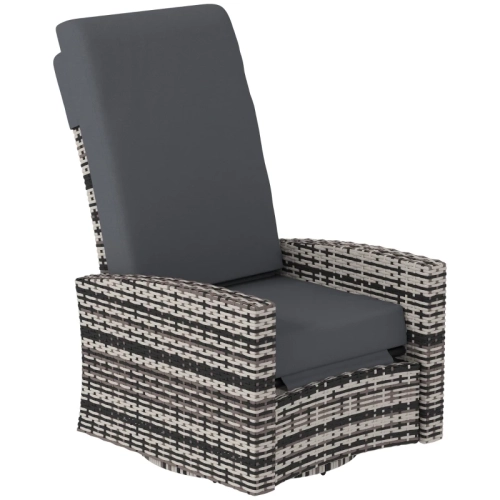
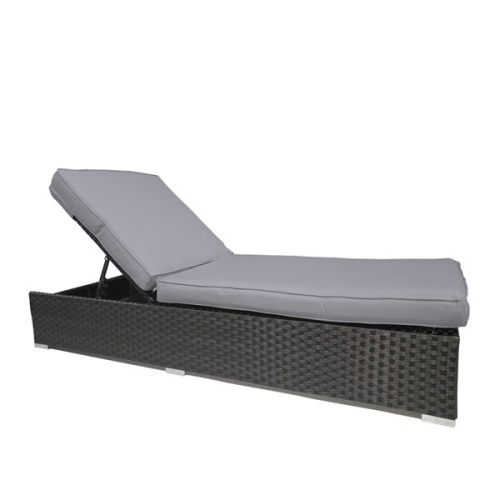

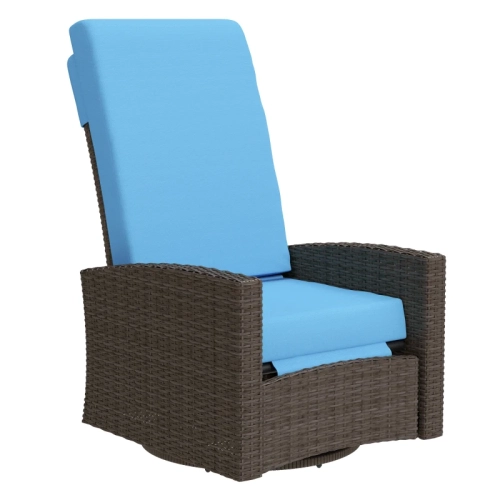
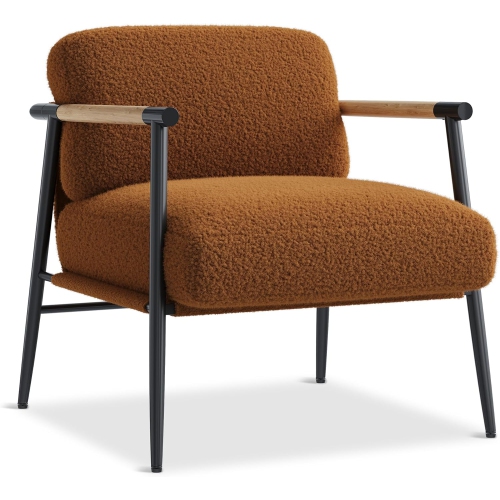


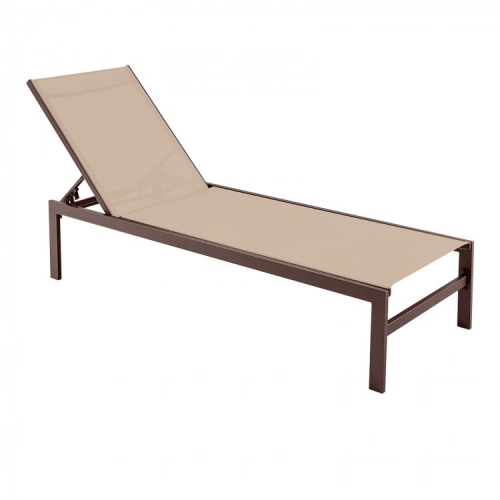
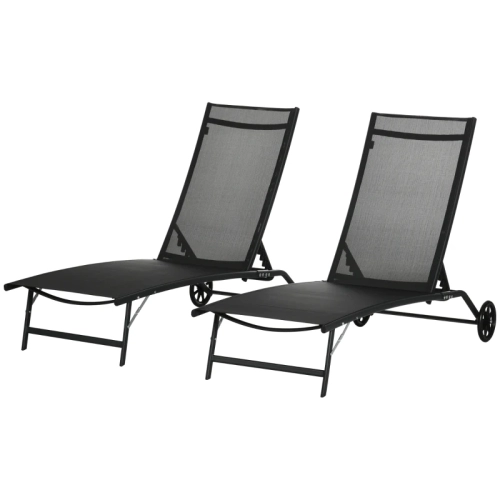
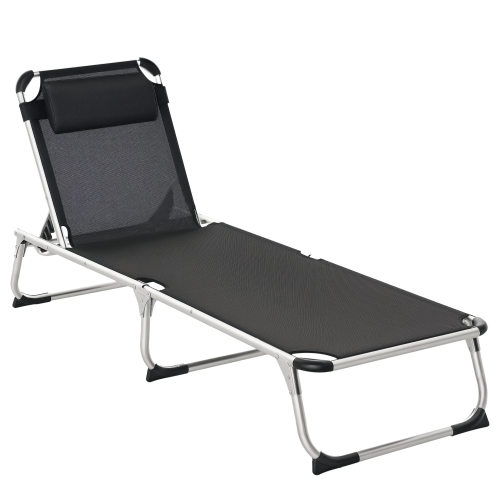
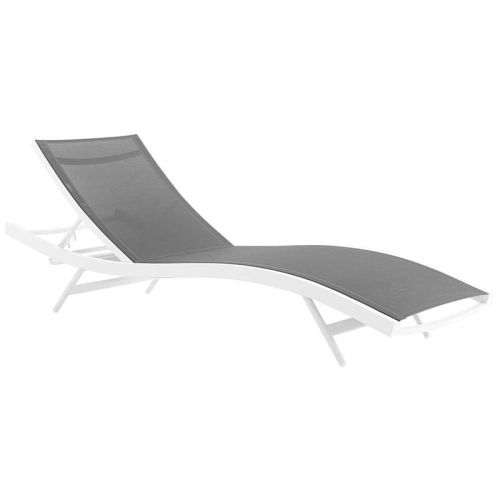
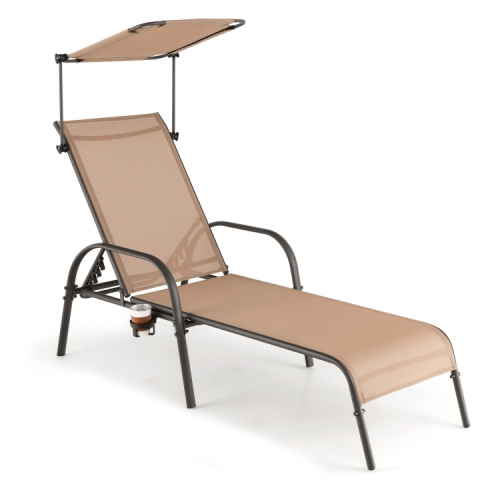
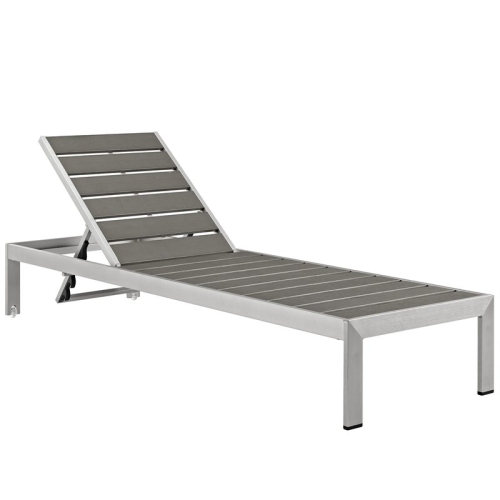
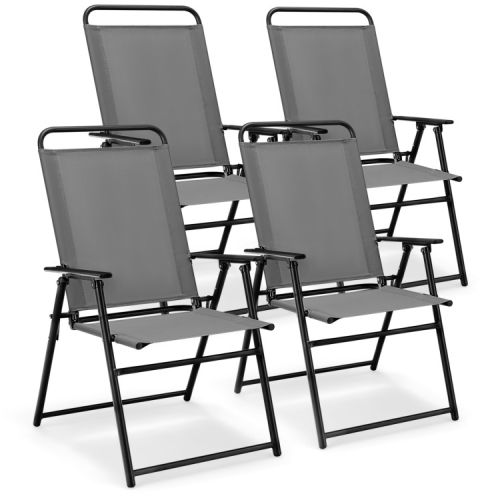
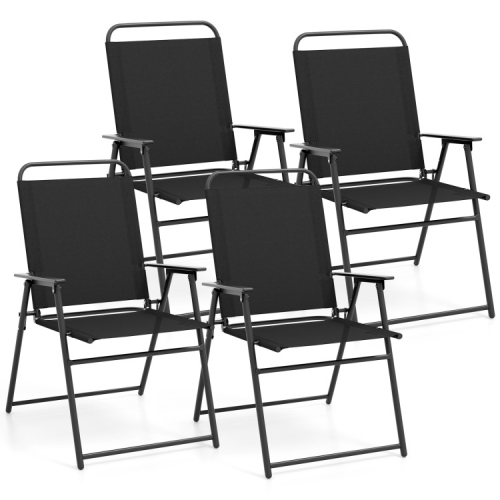
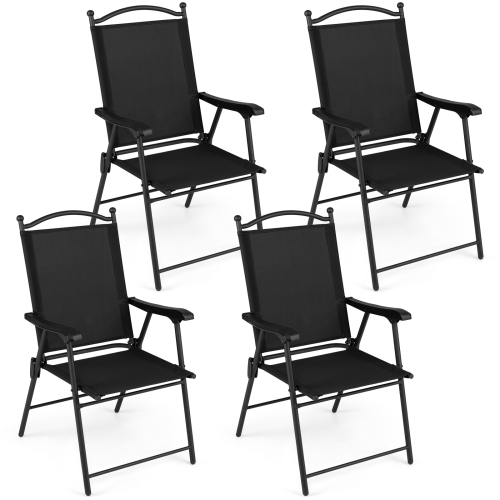
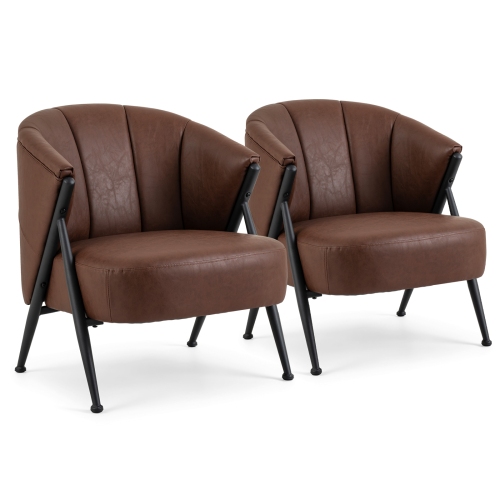
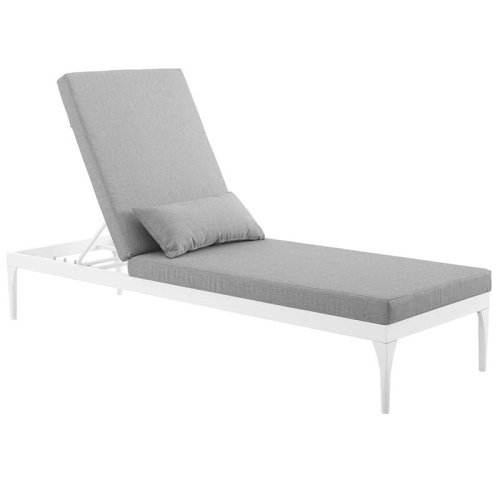
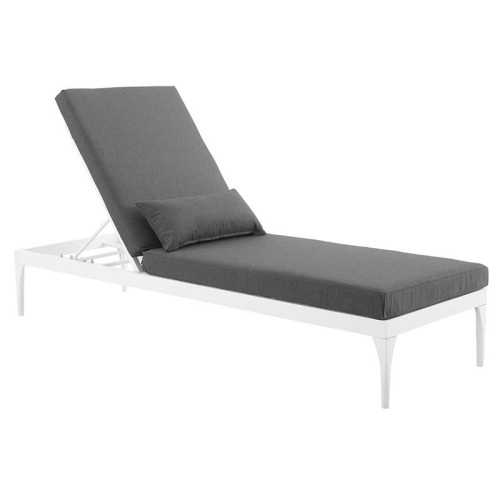
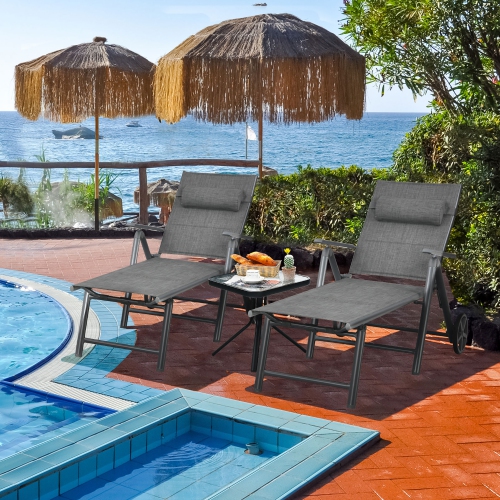

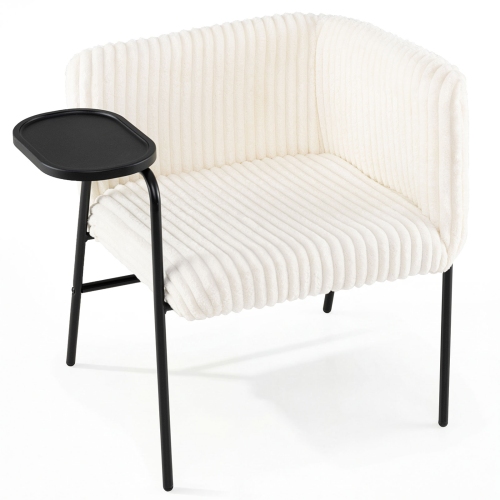
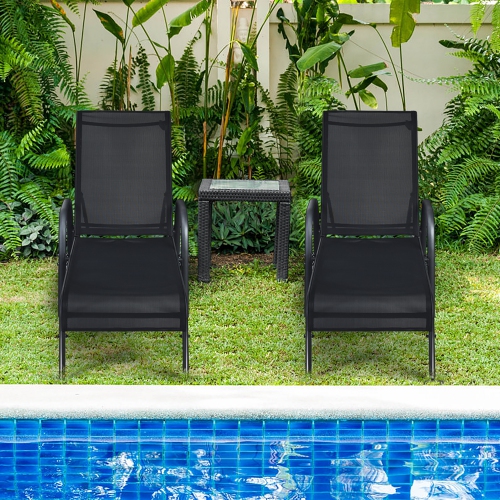
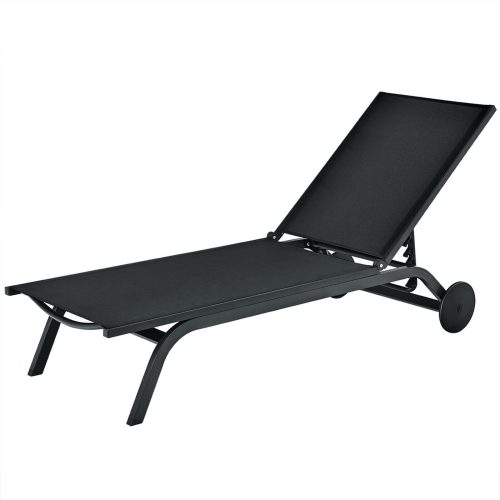
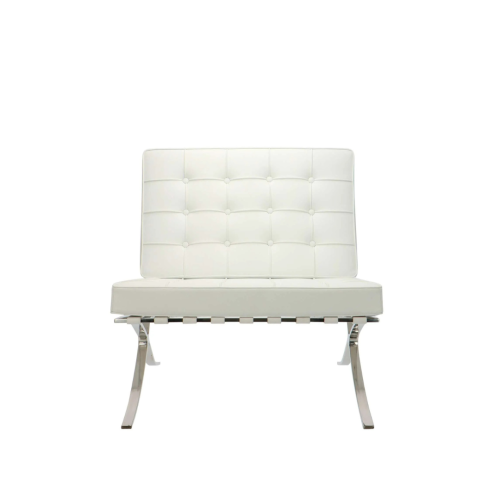
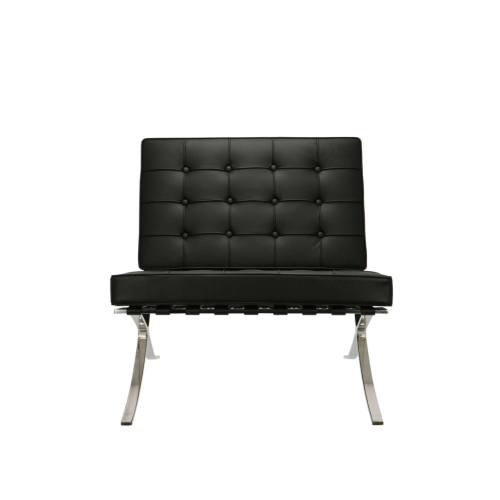
Lounging comfort goes beyond a thick cushion
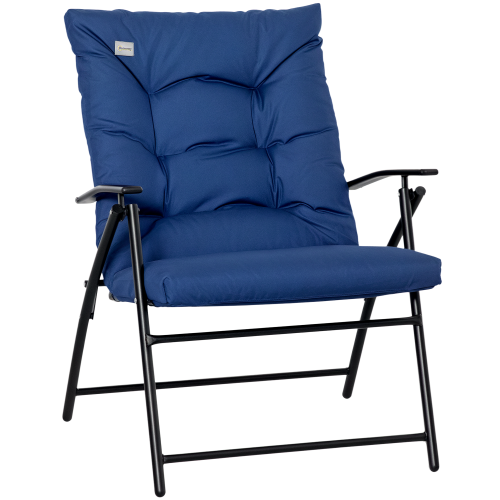
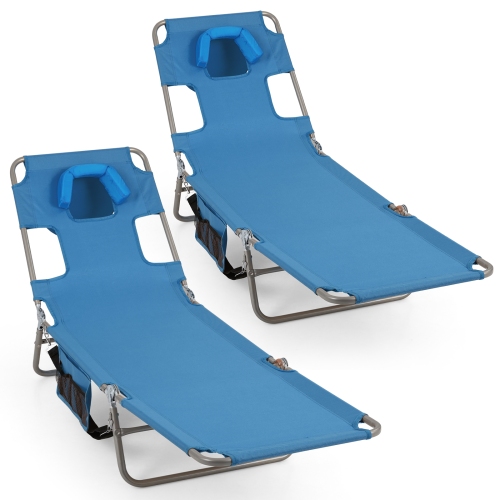
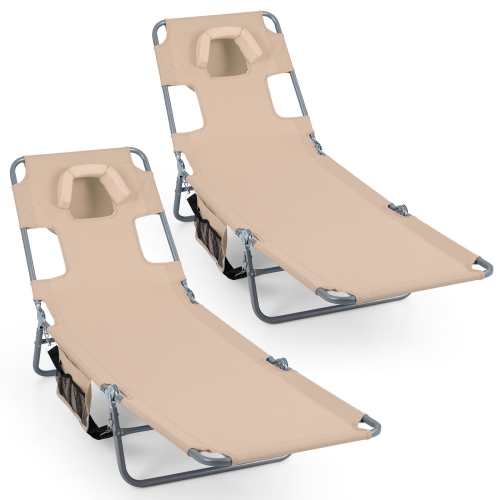
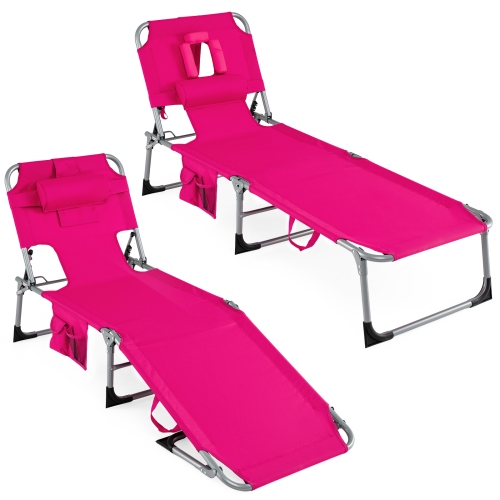
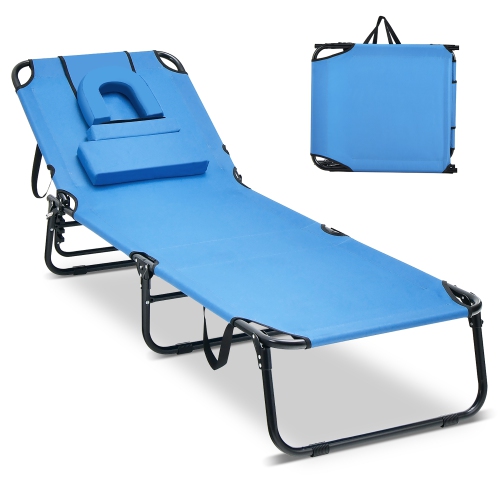
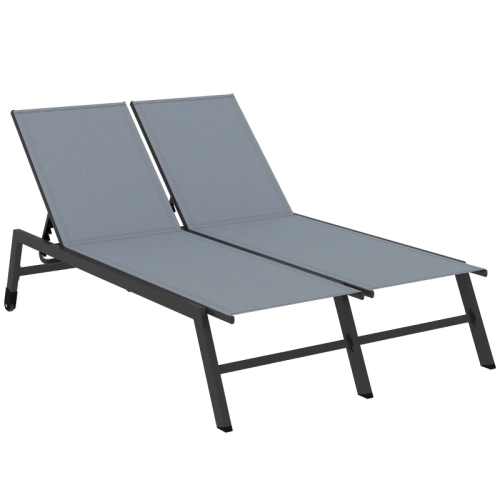
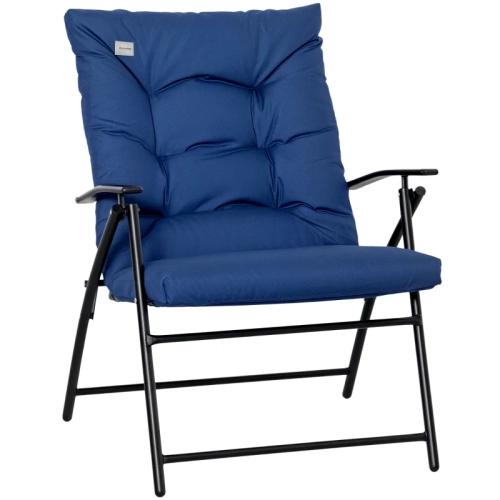
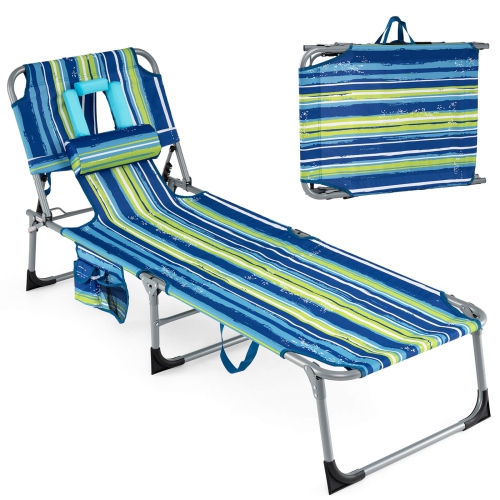
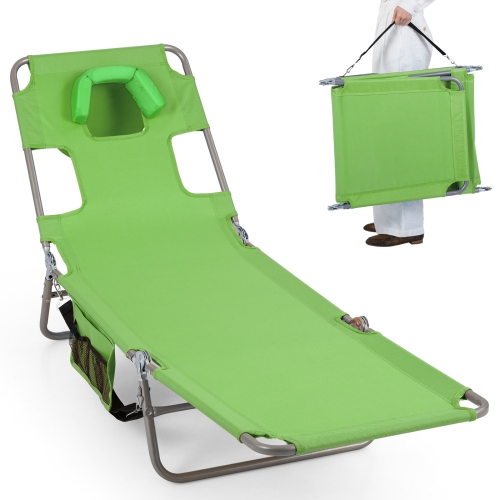
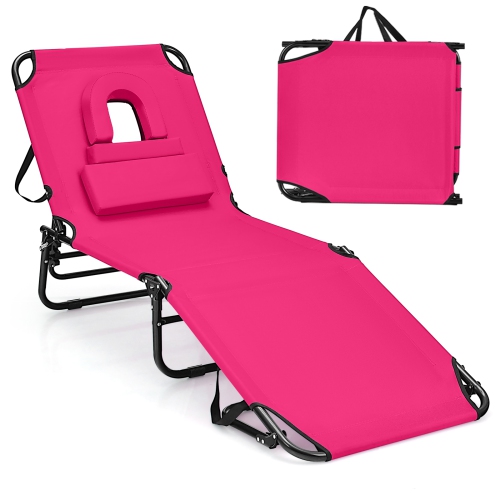
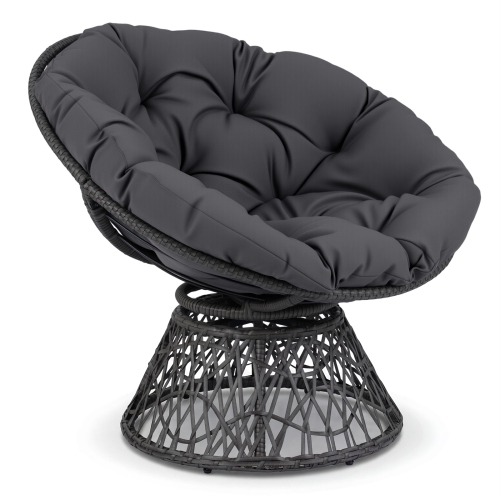
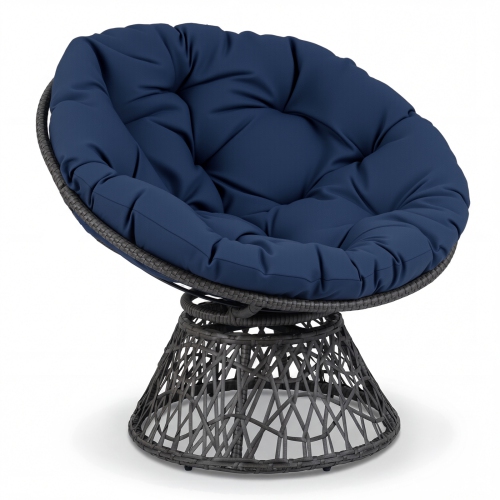
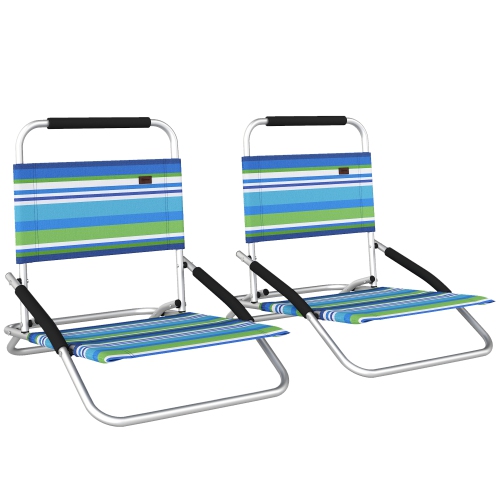
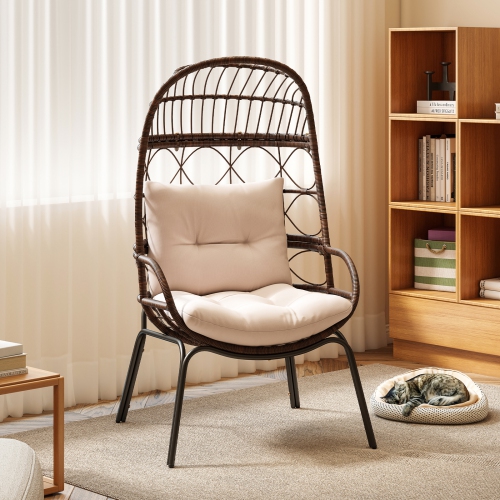
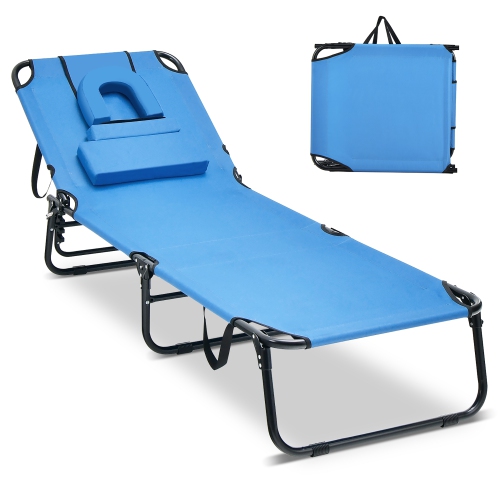
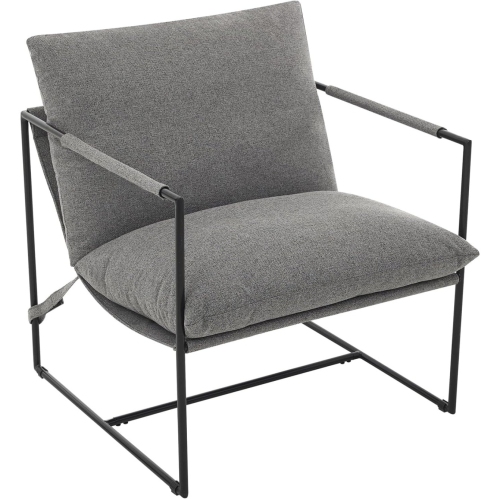
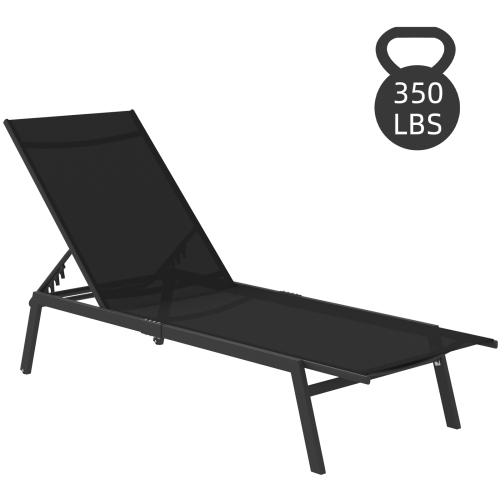
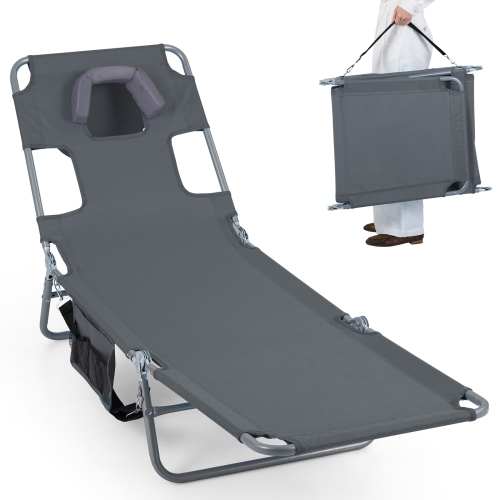
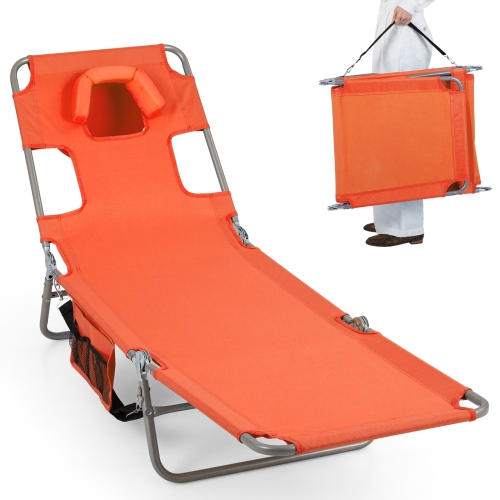
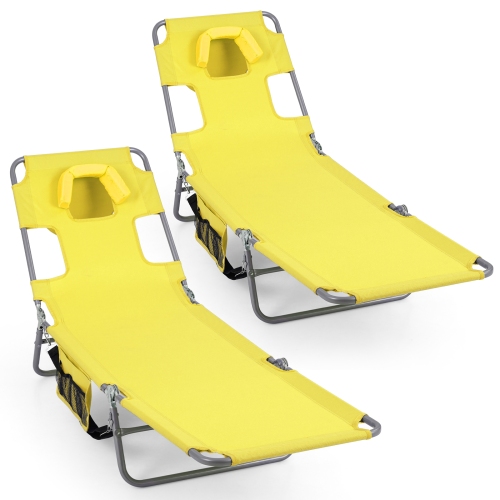
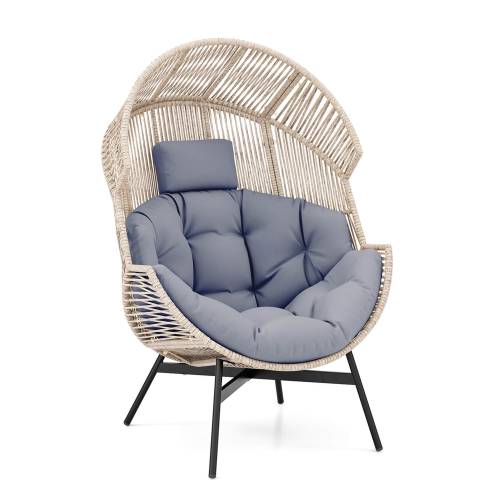
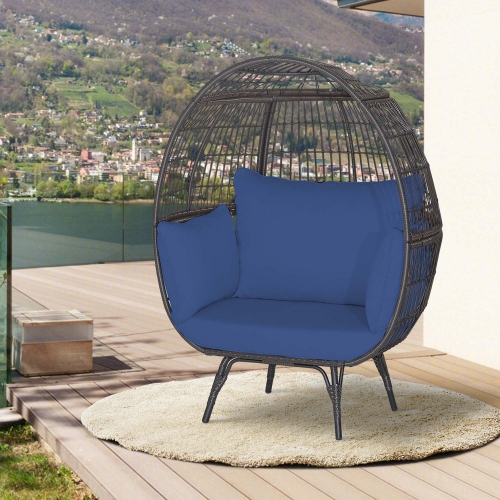
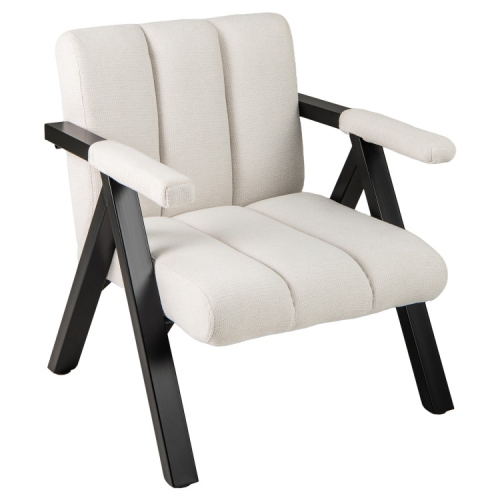
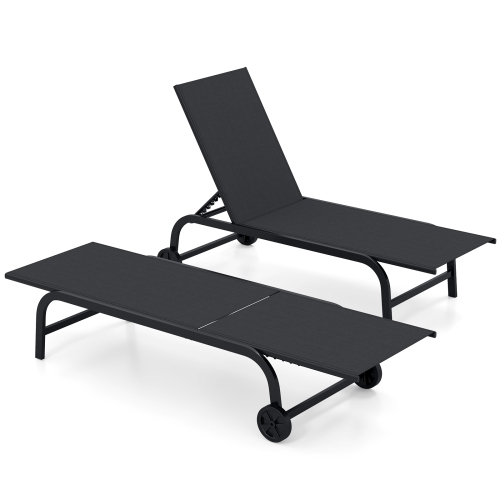
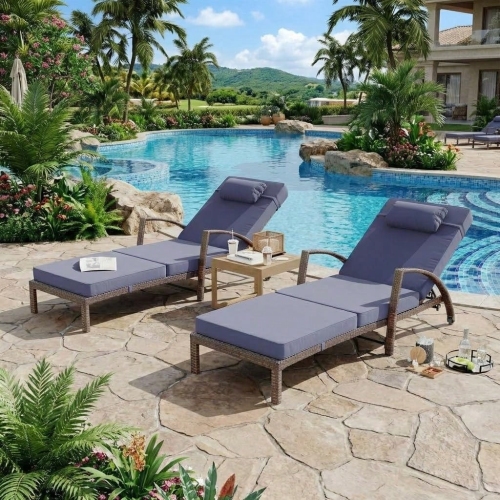
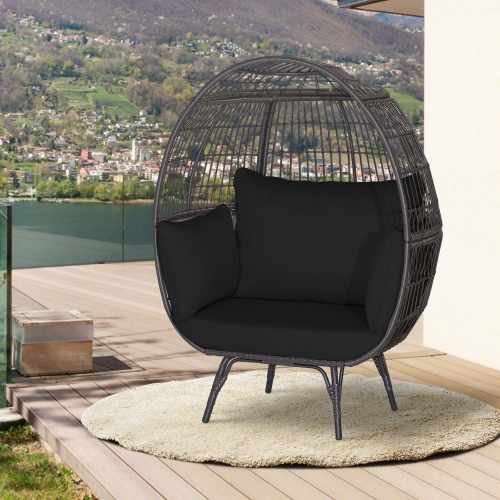
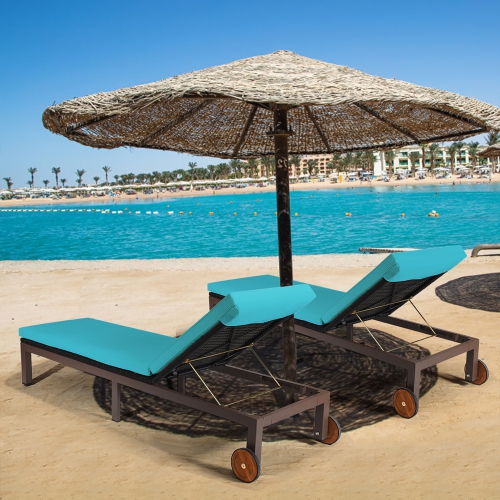
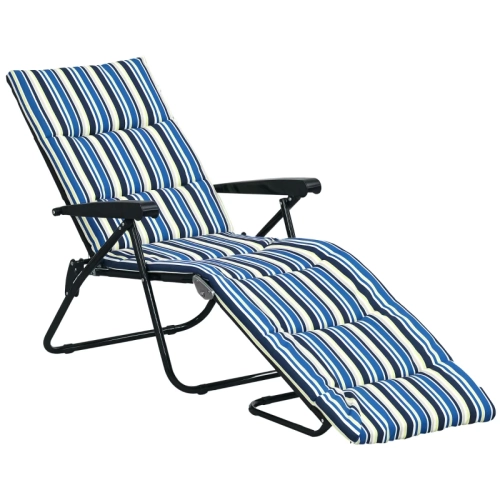
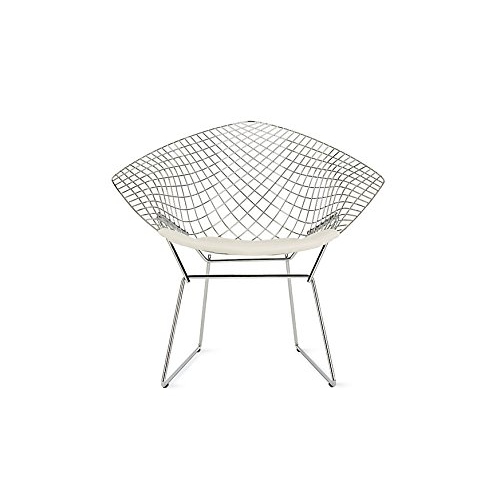
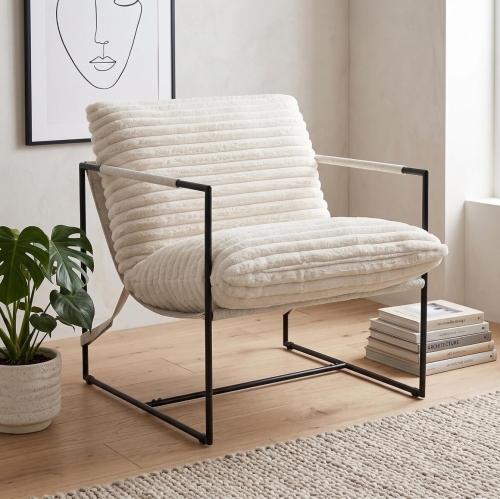
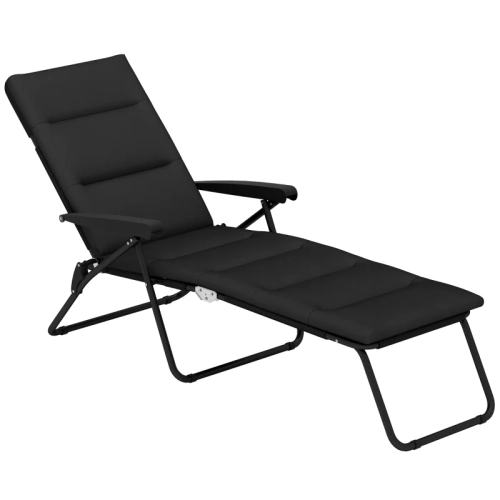
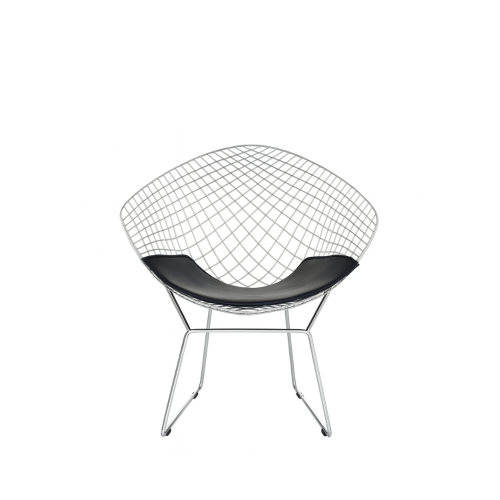
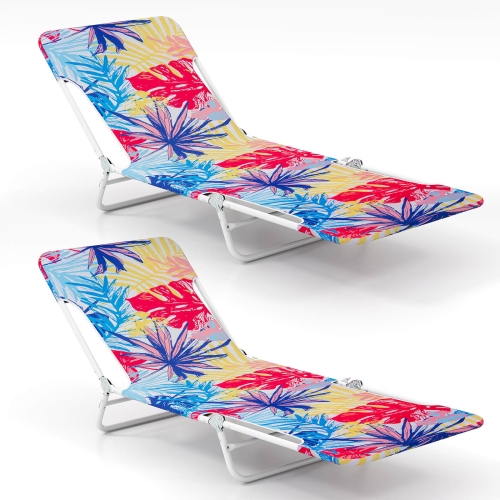
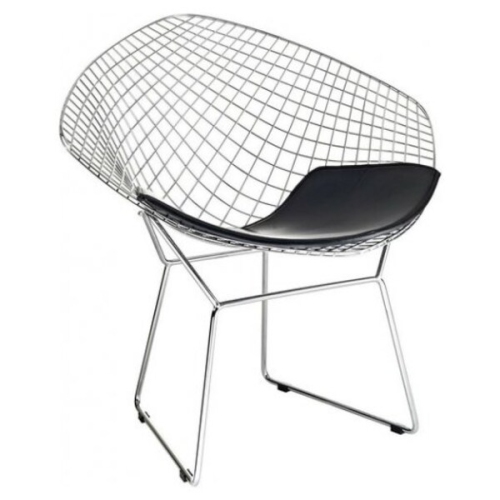
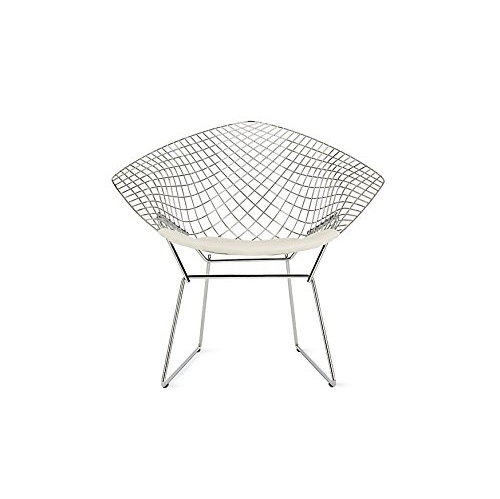
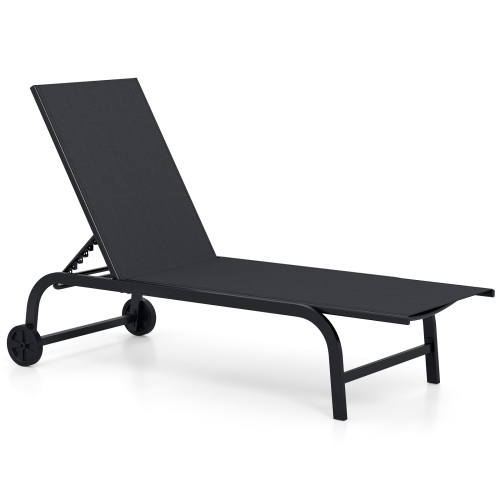
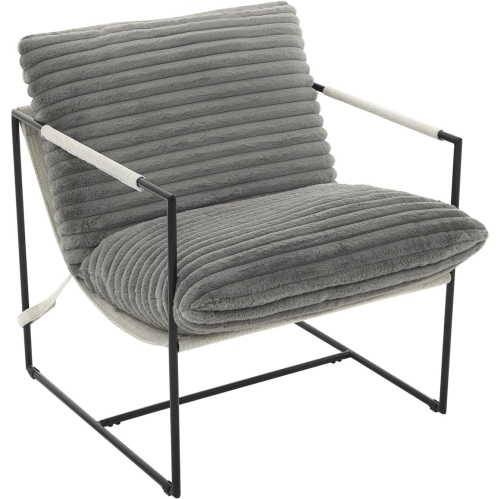
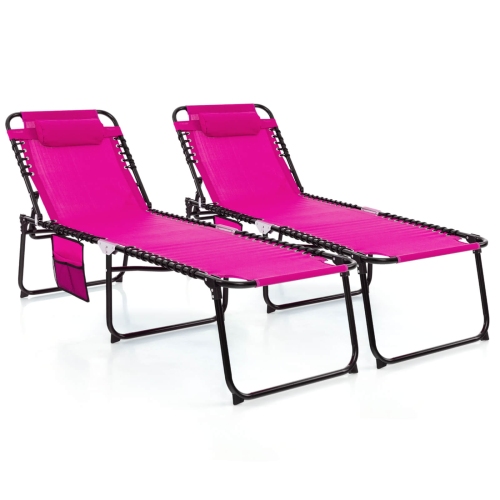
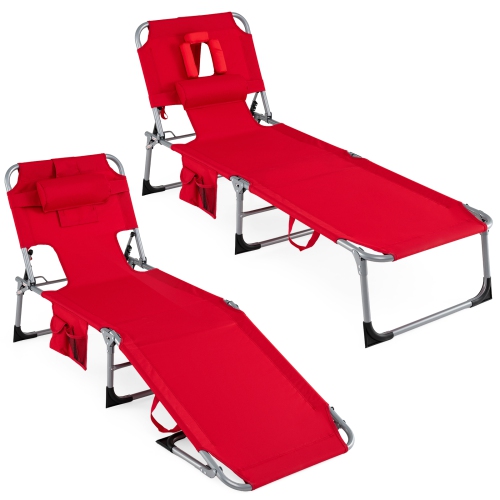
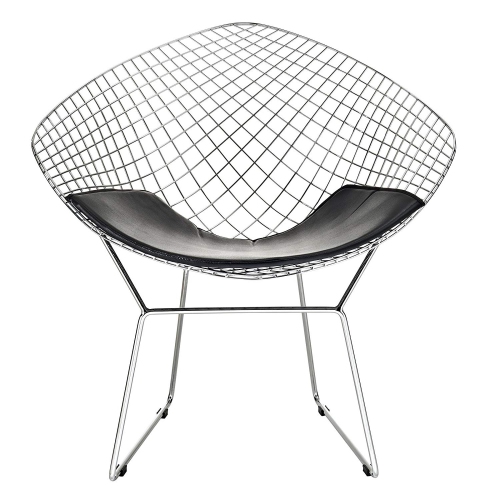
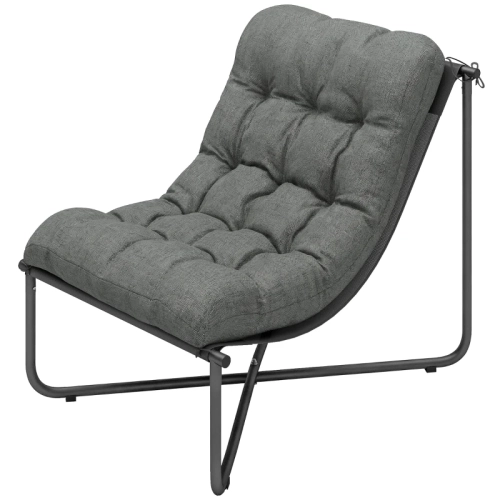
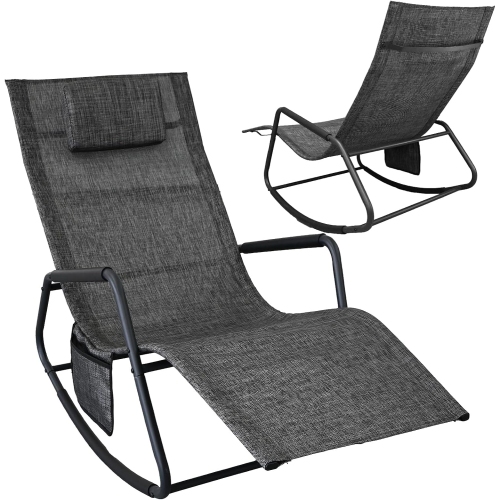
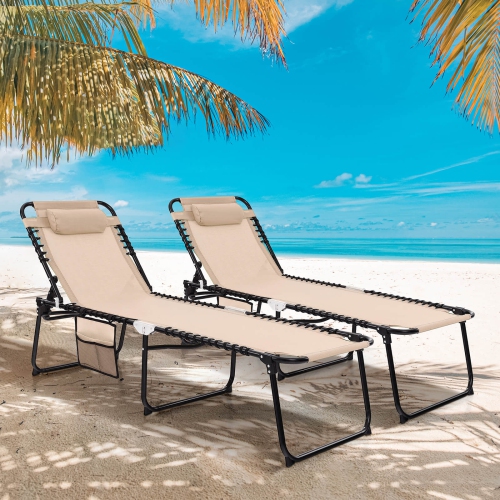
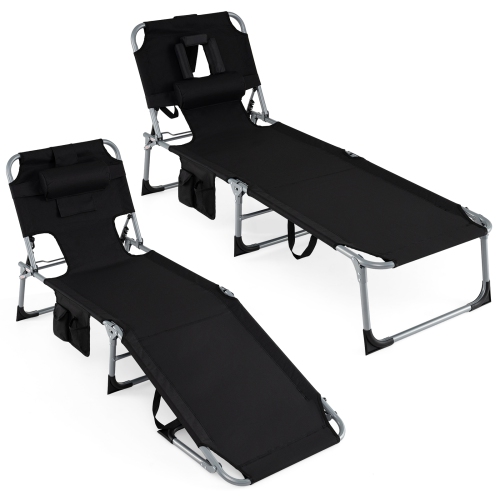
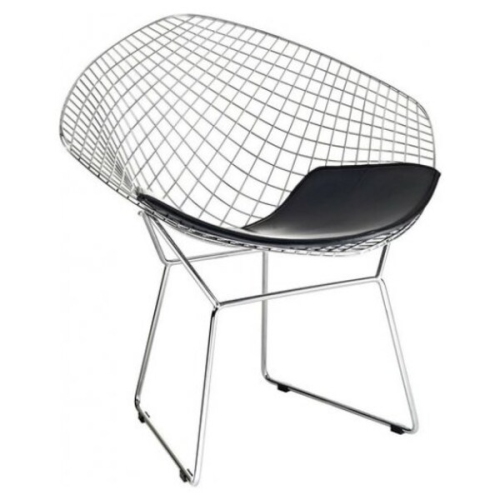
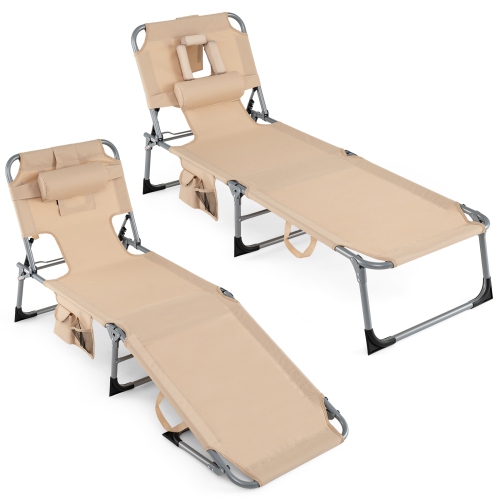
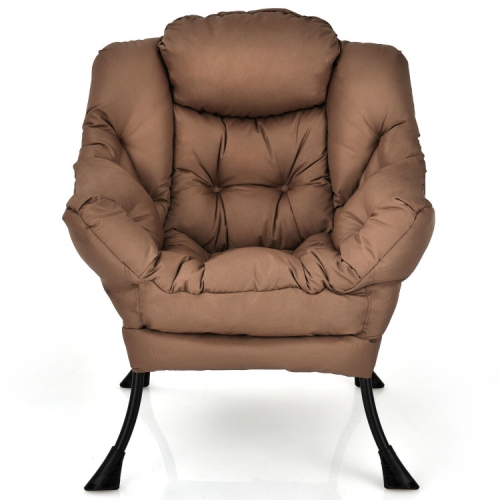
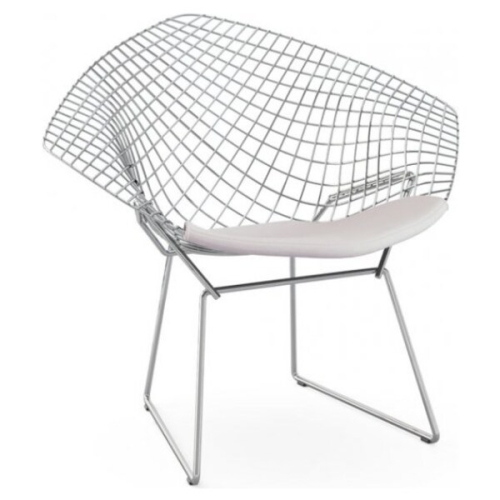
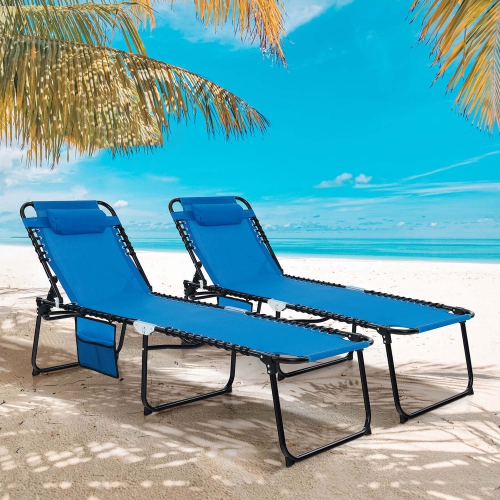
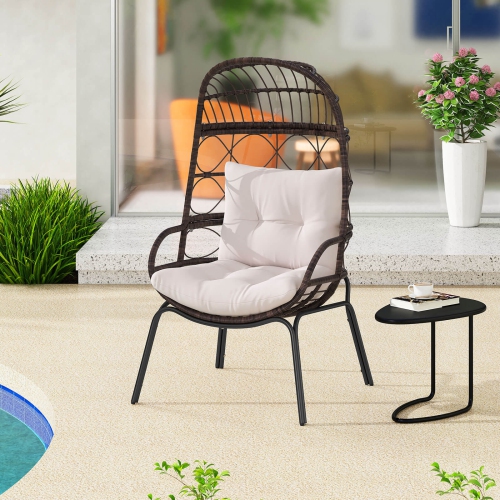
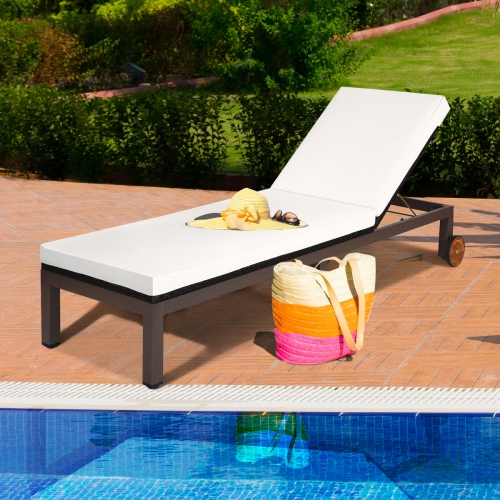
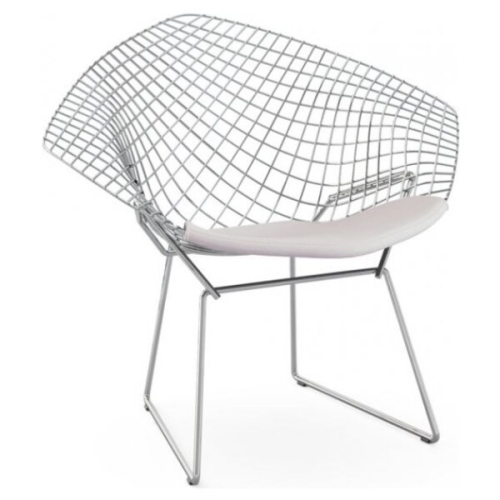
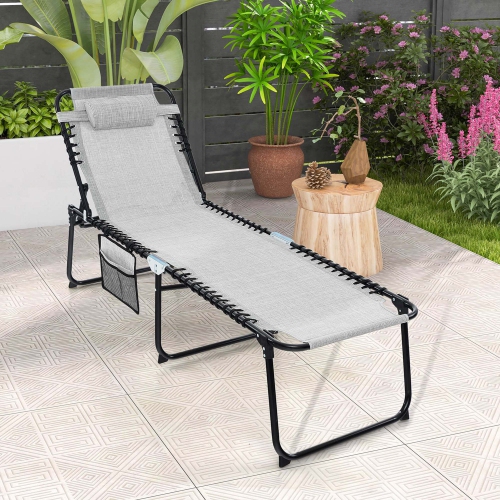
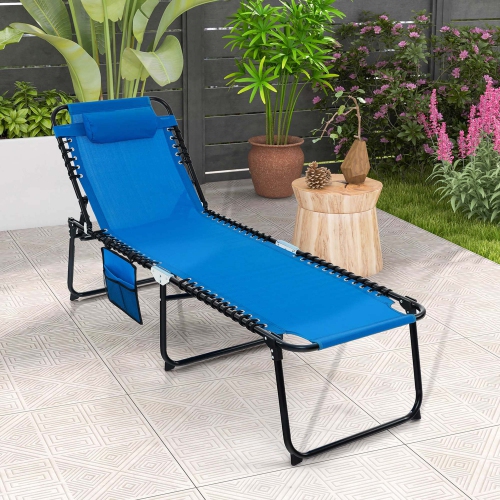
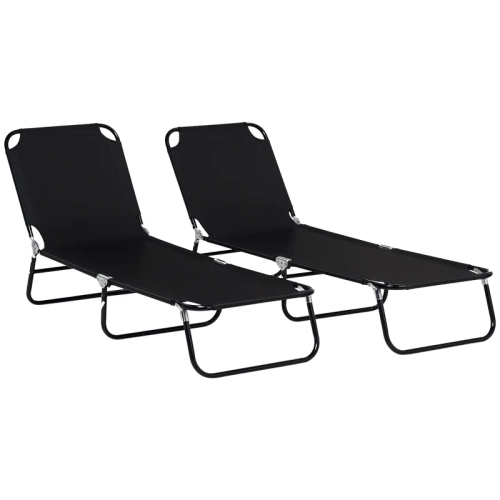
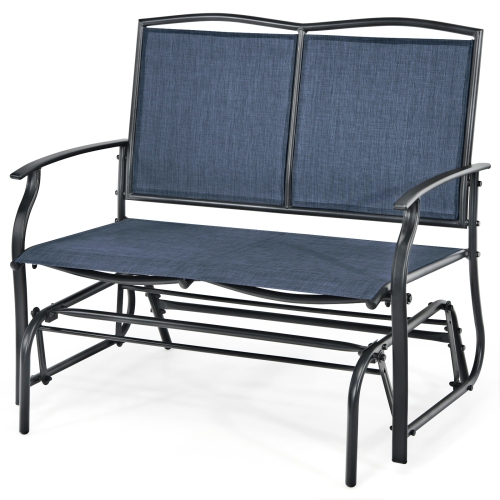
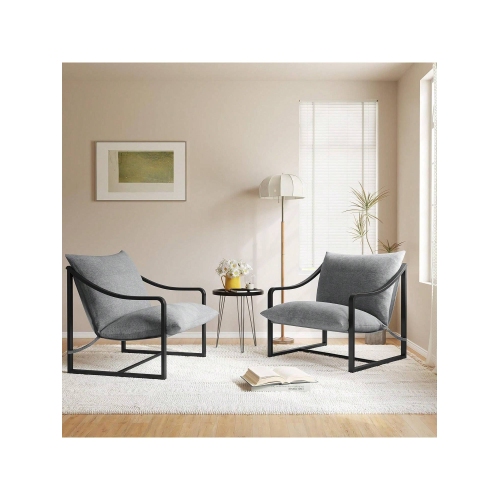
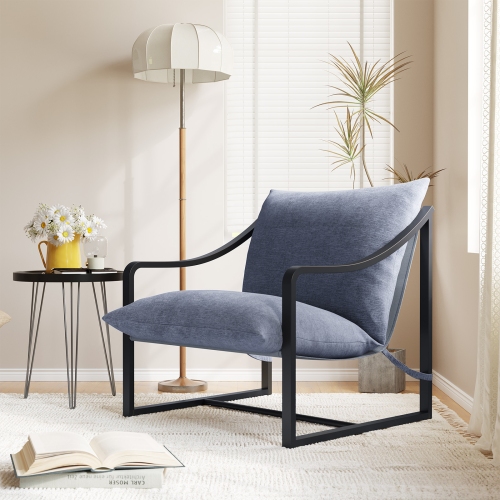
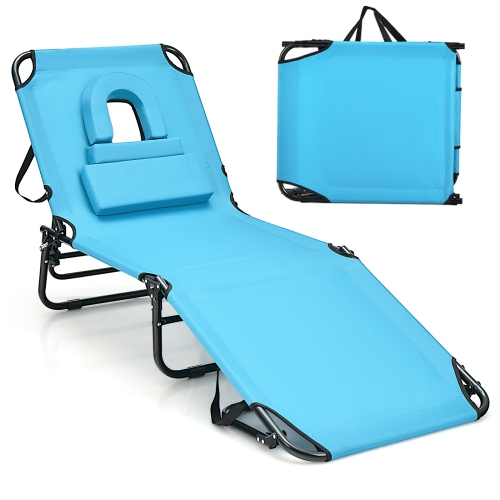
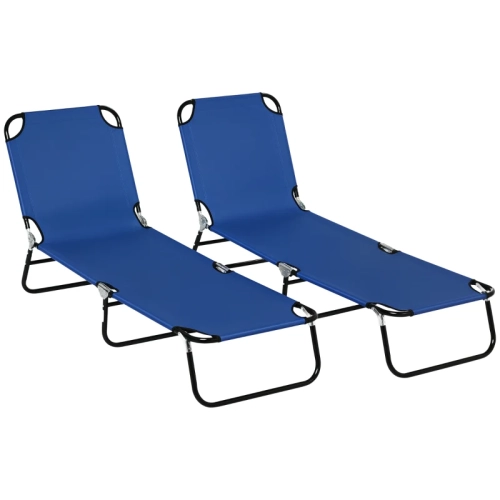
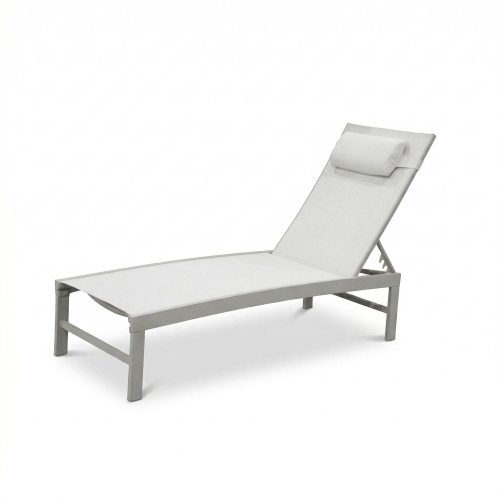
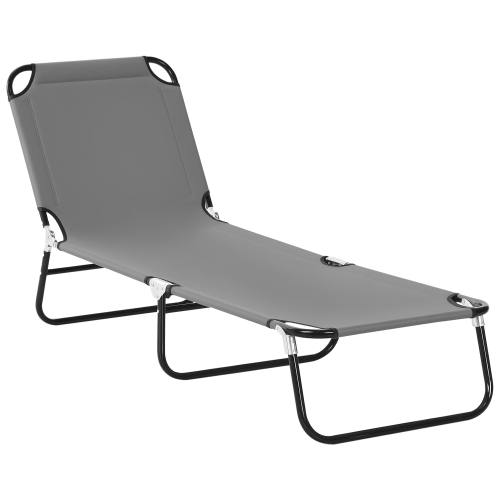
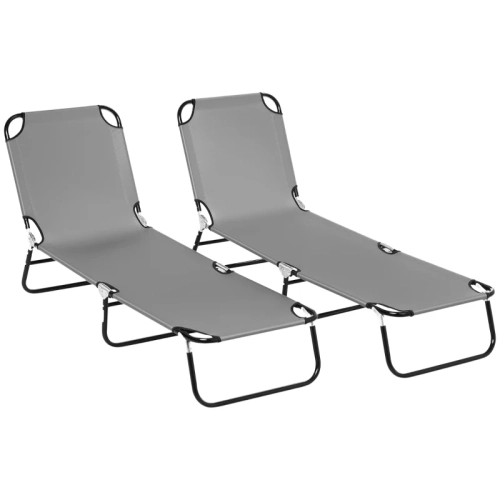
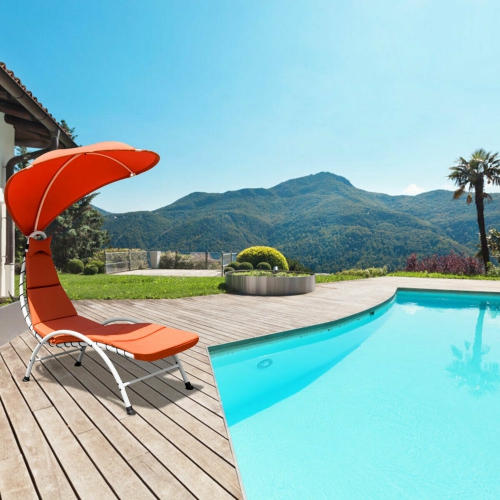
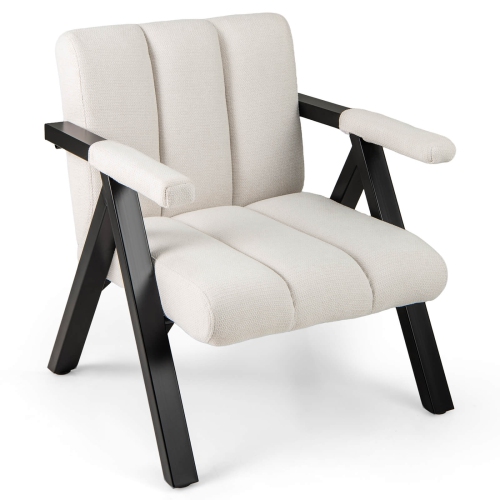
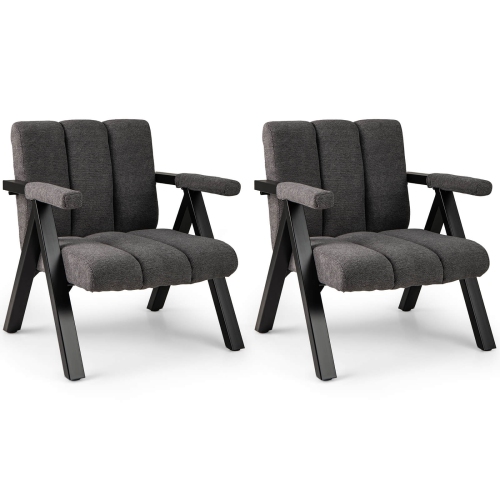
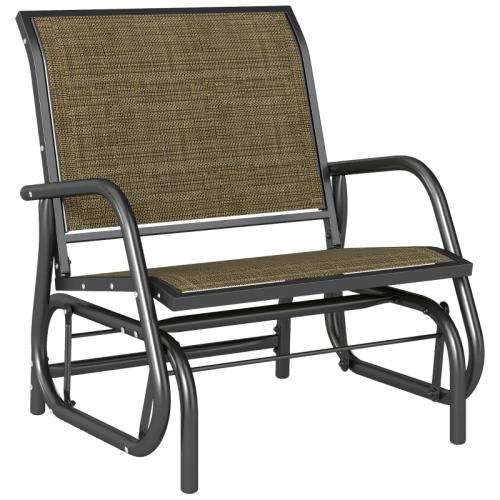
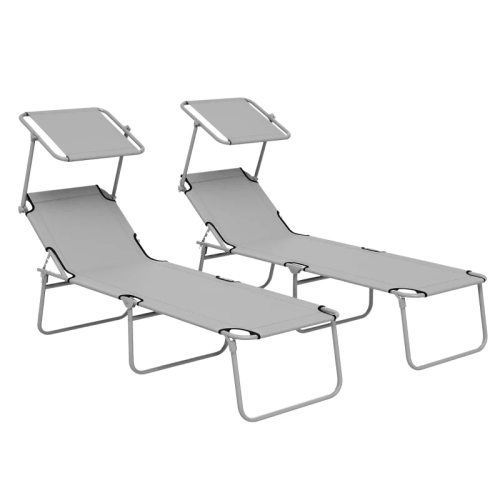
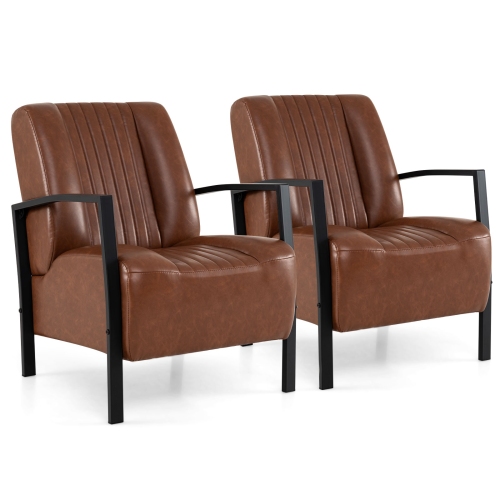
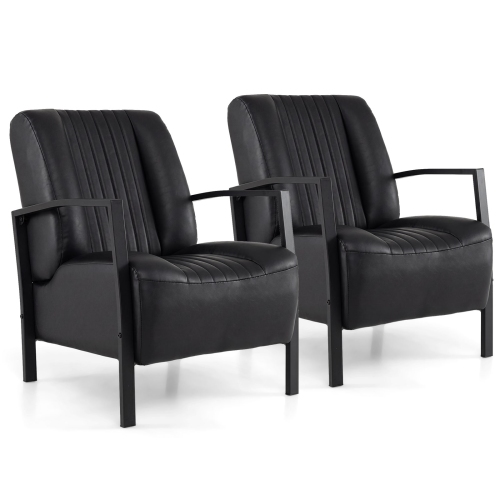
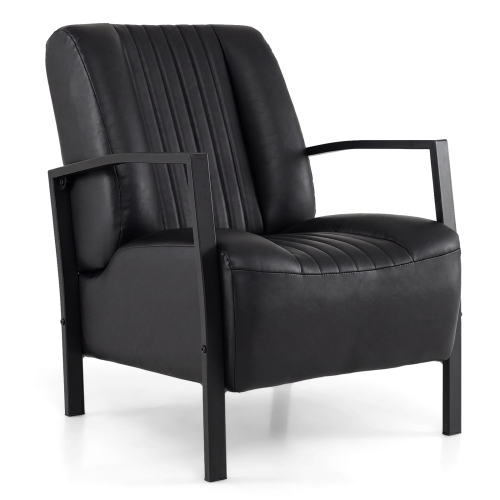
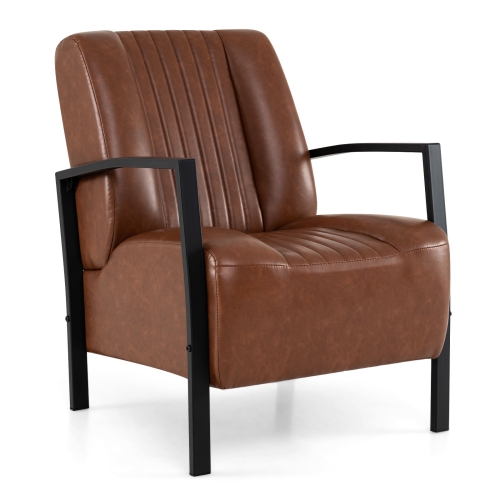
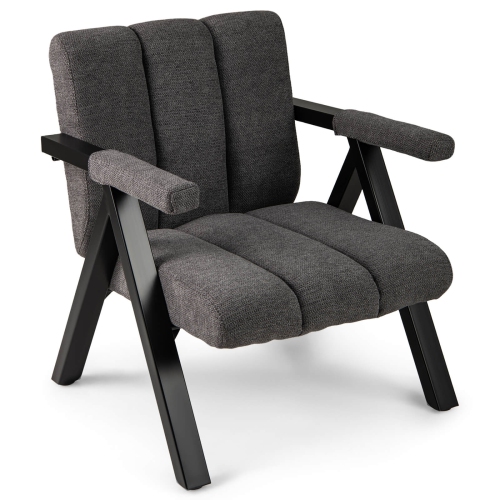
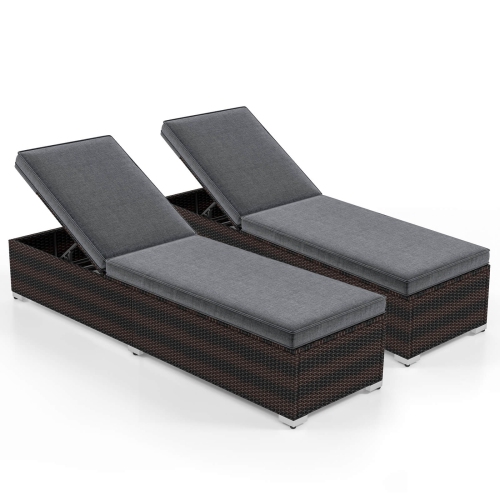
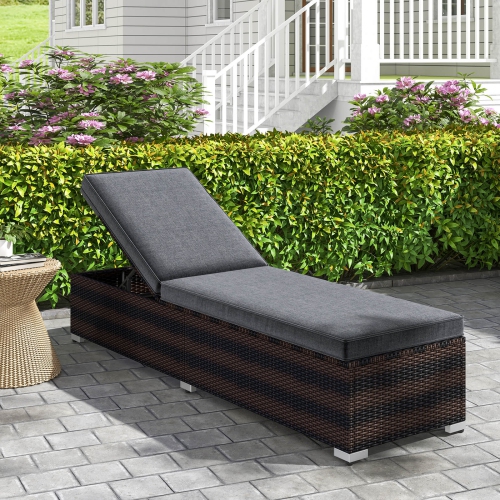
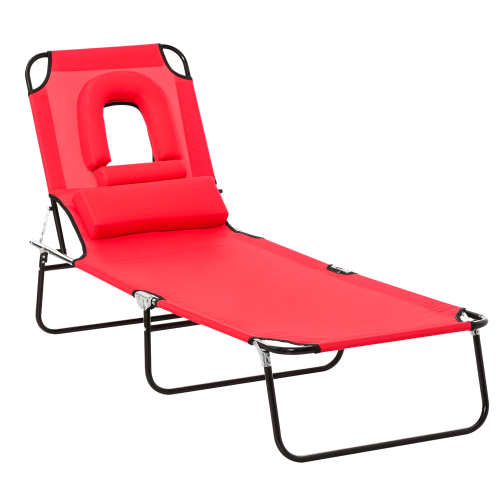
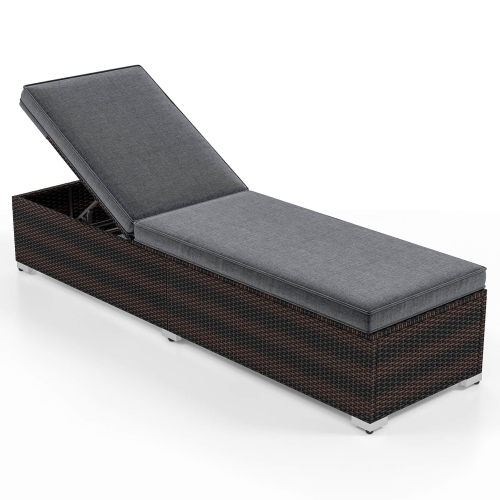
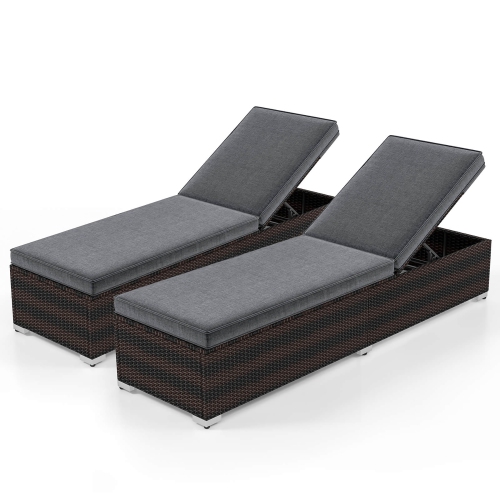
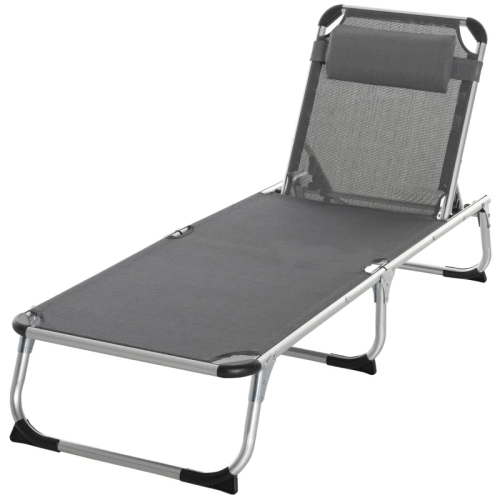
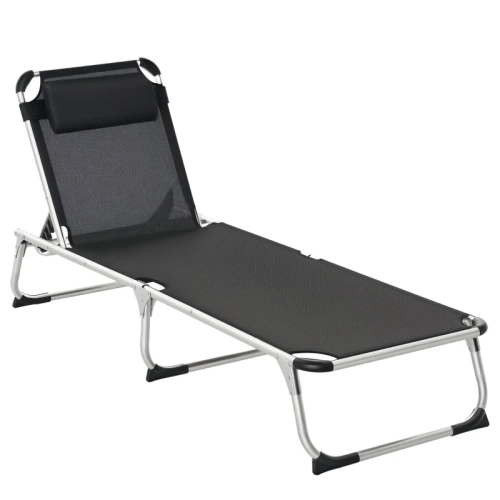
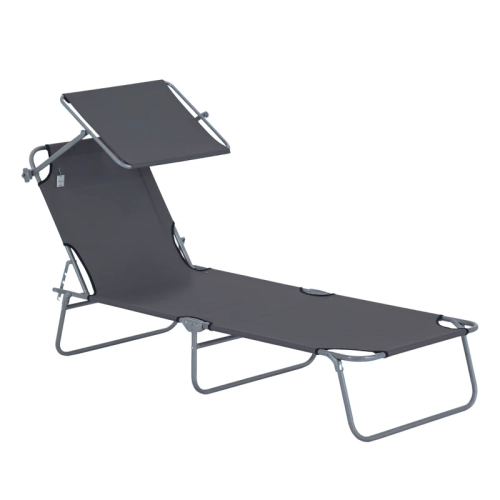
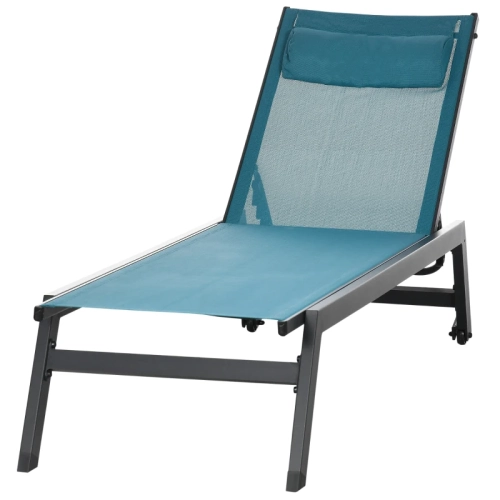
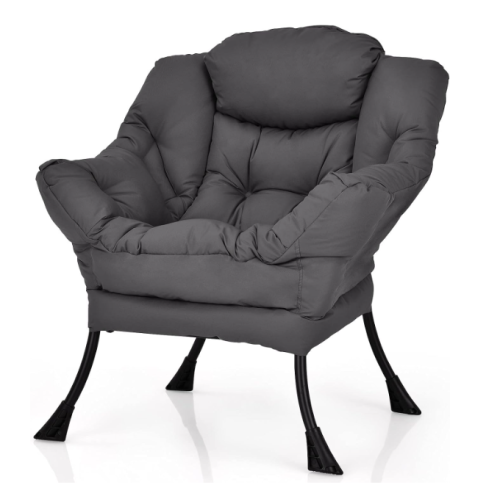
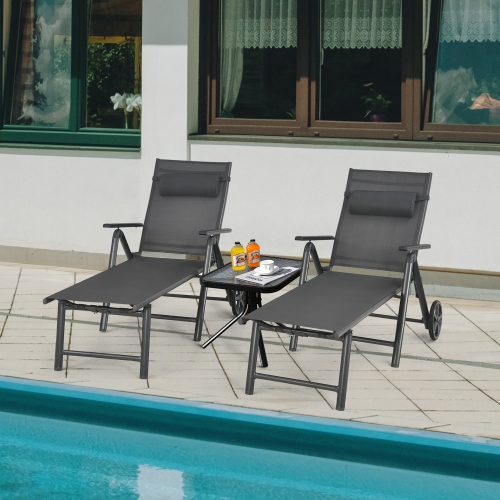
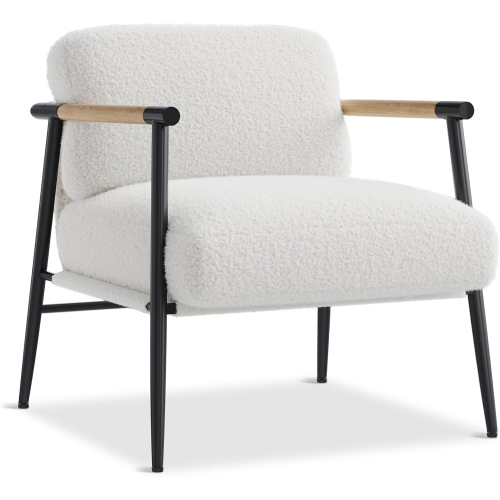
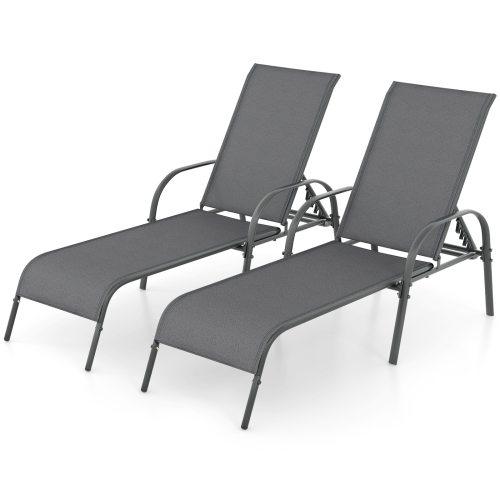
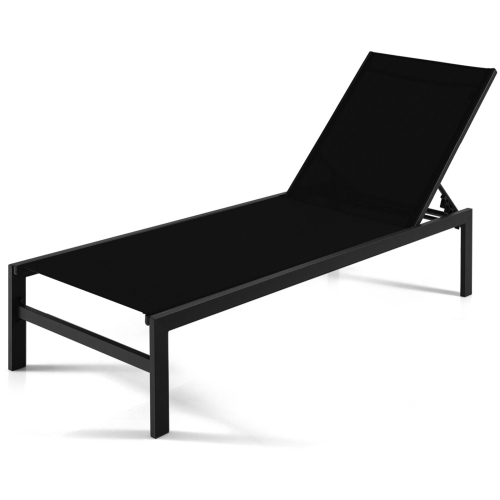
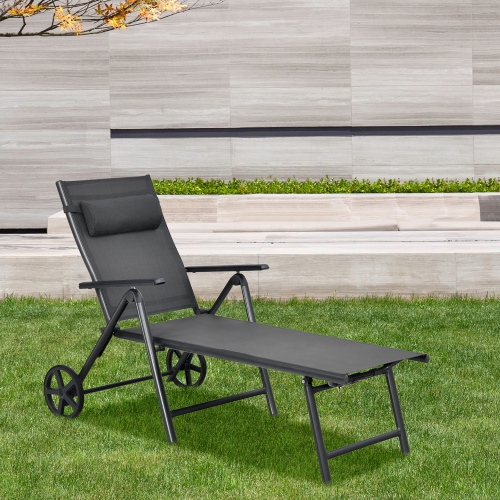
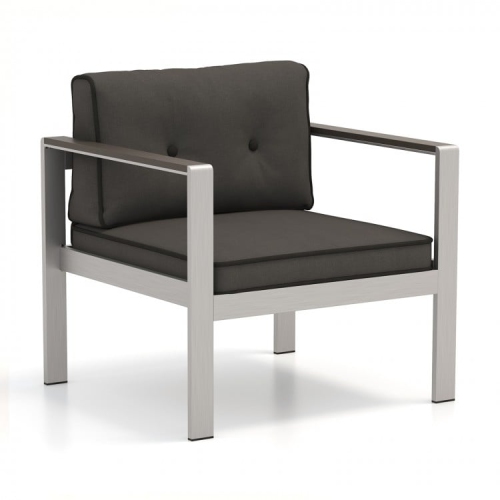
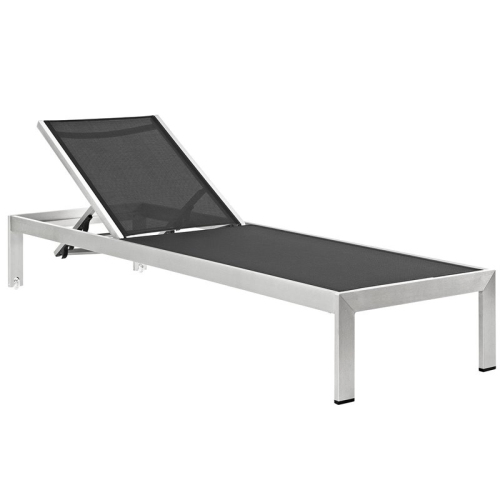
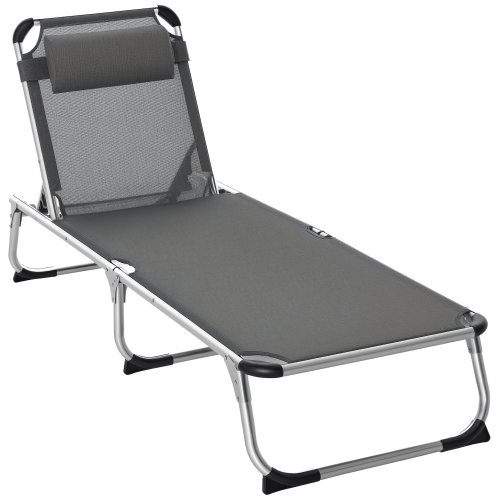
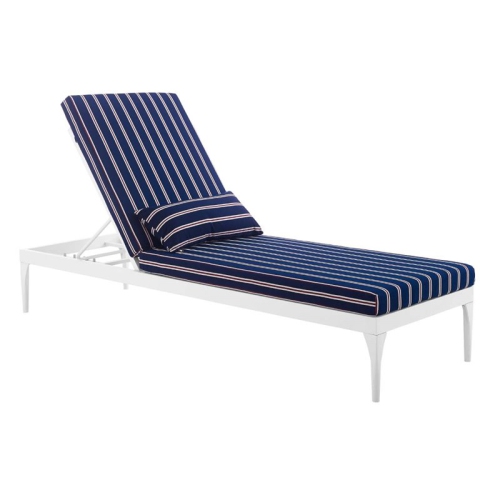
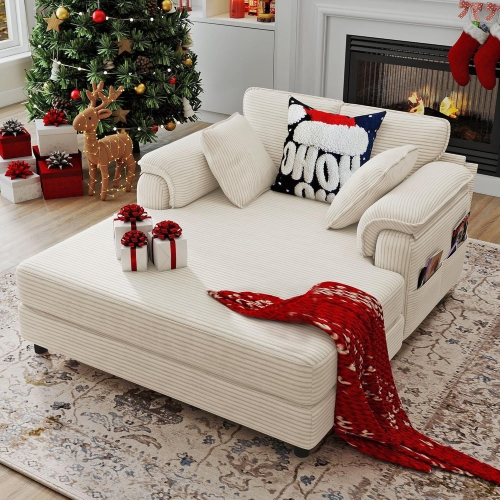
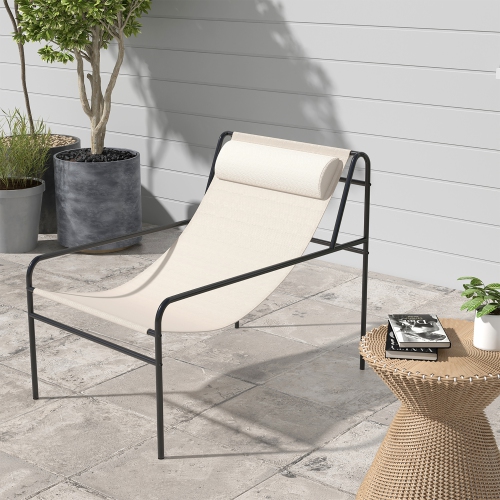
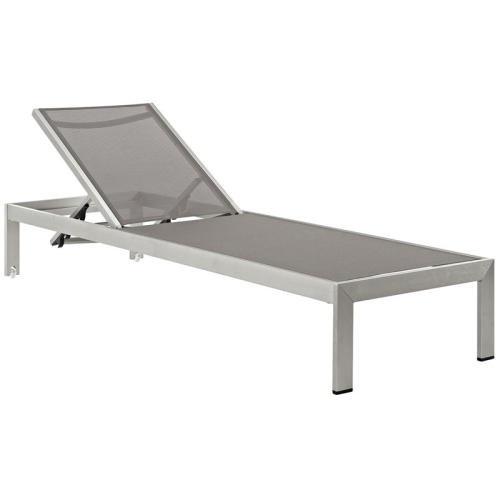
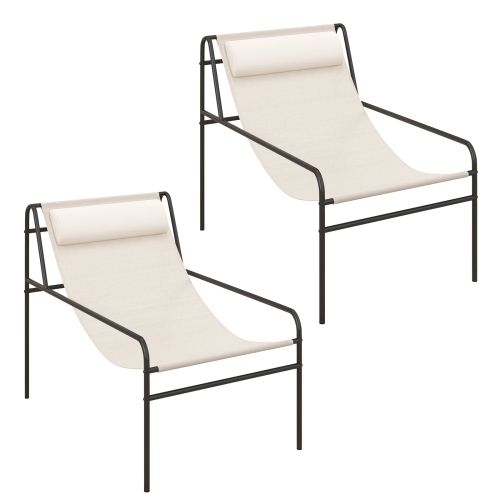
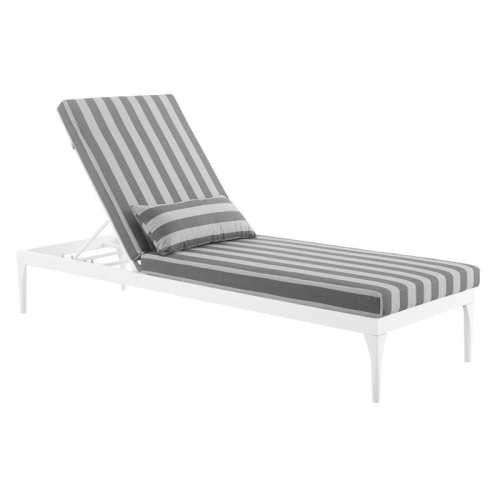
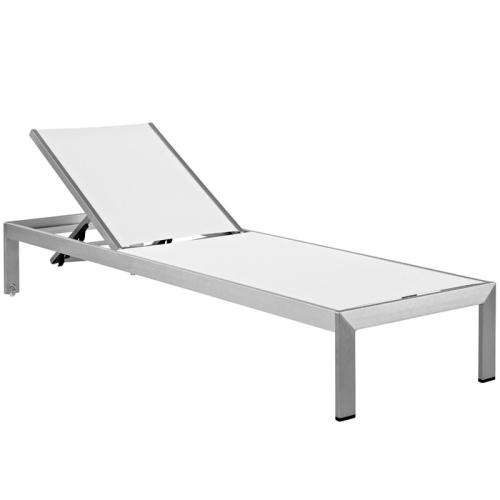
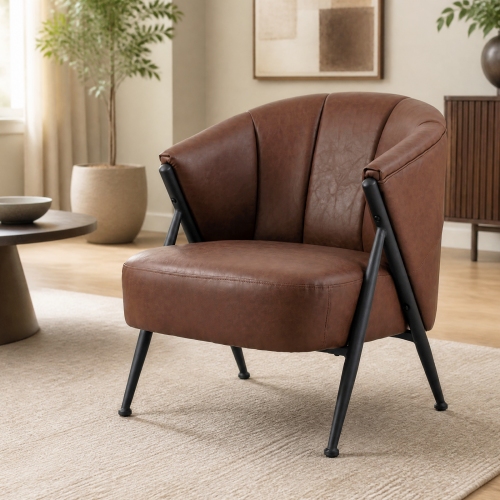
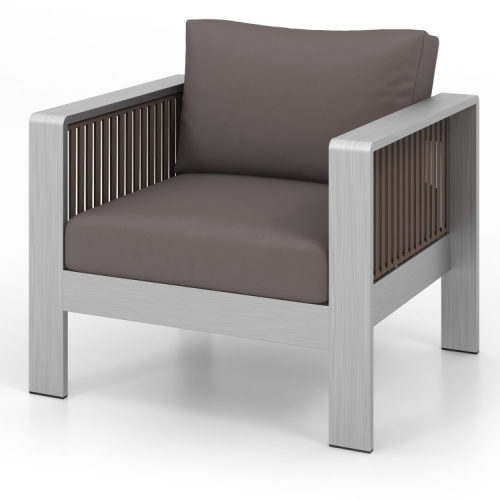
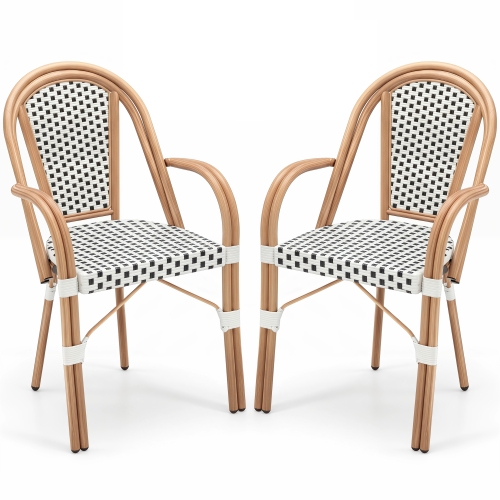
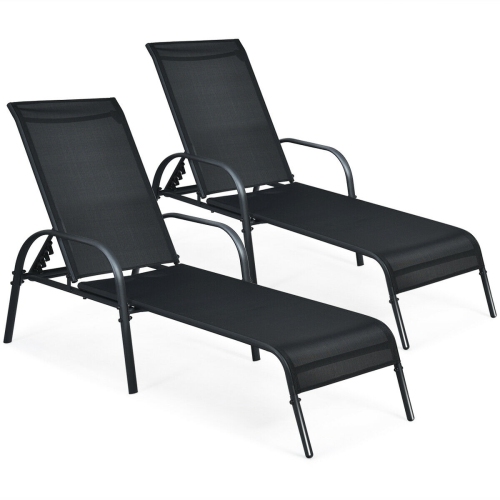
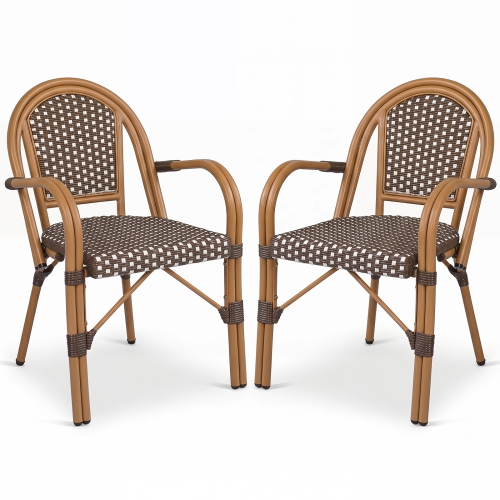
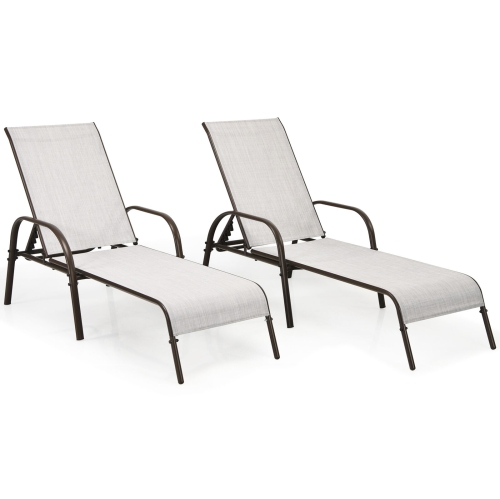
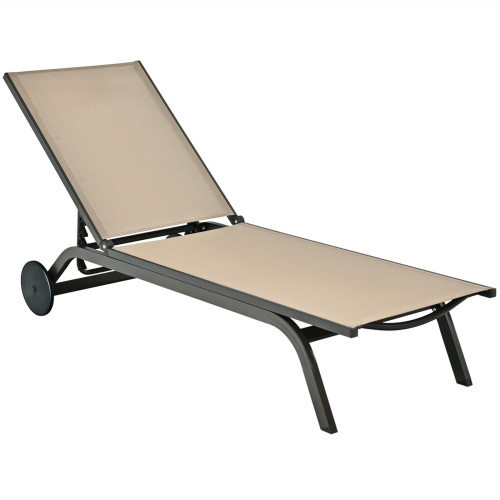
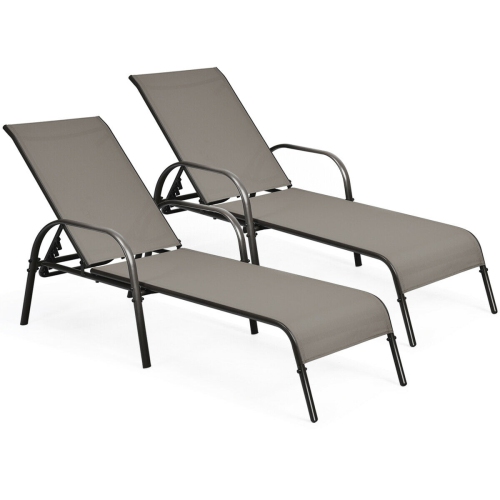
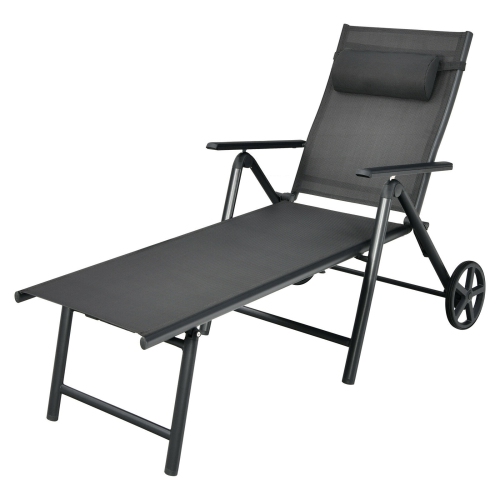
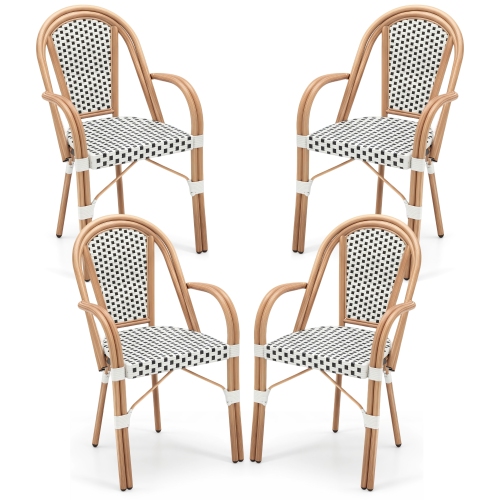
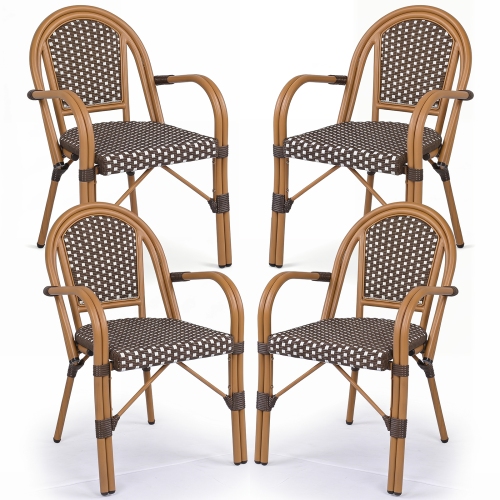
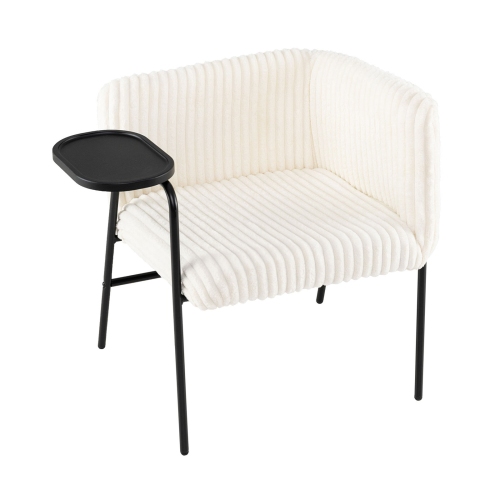
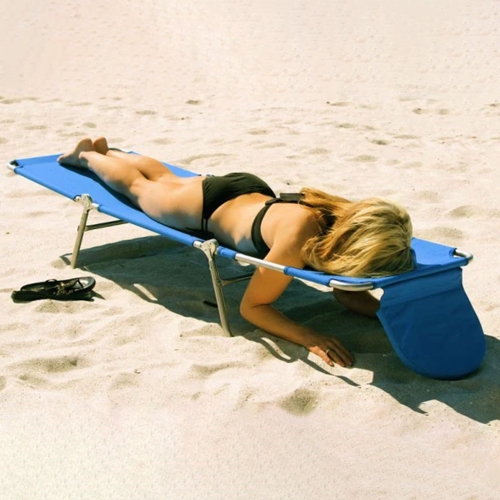
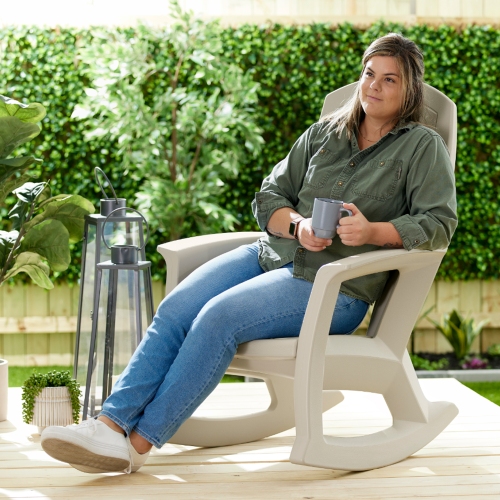
Metal frame lounge chairs are relaxed seating built around a metal structure, usually steel or aluminium, with a seat and back made from upholstery, cushions, woven material, or supportive sling fabric. They range from compact accent chairs for living rooms to extended chaise-style loungers for outdoor seating areas. Their defining feature is the combination of a supportive frame and a posture designed for unwinding rather than sitting upright at a desk or dining table. An exposed frame can give a chair a light, open appearance, allowing the floor and surrounding furnishings to remain visible beneath the seat. That makes metal-framed seating useful beside a substantial sofa, in a reading corner, or in a smaller room where bulky furniture would dominate the space. Steel typically brings more weight and a sturdy feel, while aluminium is generally lighter and naturally resists rust, although the complete chair’s durability depends on its construction, finish, and other materials. Powder-coated finishes add colour and a protective surface, while polished or brushed metal creates a more pronounced contrast with soft upholstery. Black frames pair easily with wood, textured rugs, and neutral fabrics; lighter finishes can make the outline of a chair less visually prominent. Upholstery changes the character of the seating just as much as the frame. A woven fabric seat feels different from smooth leather or faux leather, and a deep cushion creates a different sitting experience from a taut sling. Cushioned designs often suit extended reading or television viewing, while sling-style seating offers a more streamlined profile with fewer separate components. A chair intended for indoor use should not be assumed suitable for a balcony or patio simply because it has a metal frame. Outdoor suitability depends on the finish, hardware, seat material, and care requirements working together. The intended use and material specifications provide a better indication of suitability than appearance alone, particularly when similar-looking chairs have very different upholstery and construction.
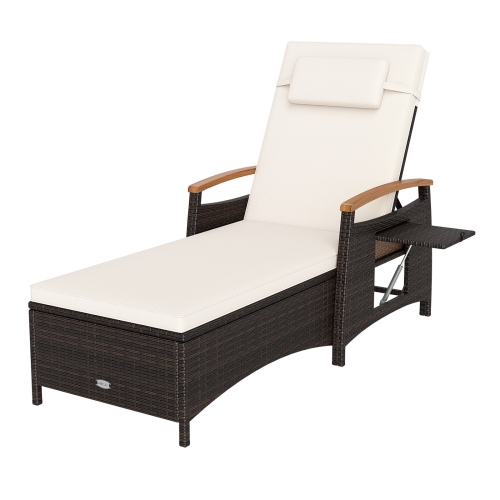
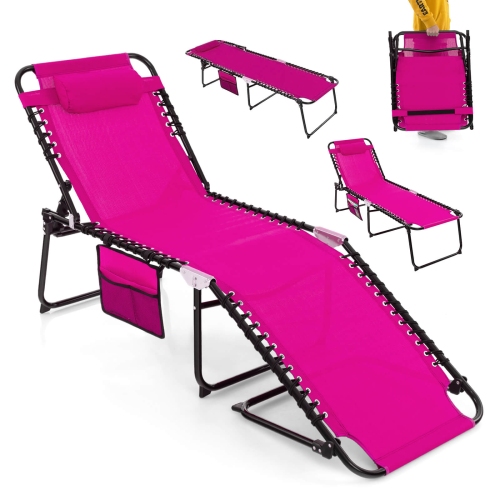
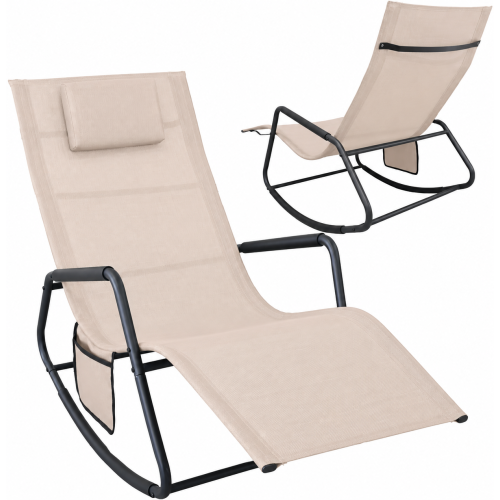
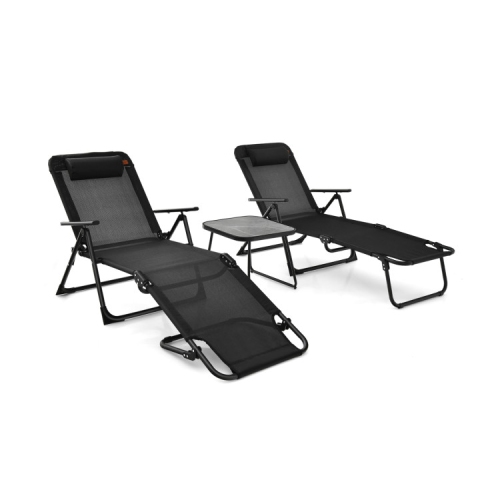
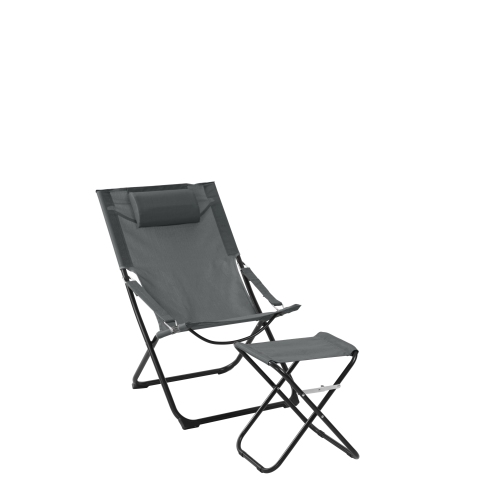
Comfort in metal frame lounge chairs comes from the relationship between seat height, depth, back angle, and arm support, not just the thickness of the cushion. A low, deep seat can feel inviting for someone who likes to lean back with their legs extended, but it may be less convenient for someone who prefers to sit more upright or needs an easier transition to standing. A shallower seat allows the backrest to support the body without requiring the sitter to slide far backwards. Taller users may appreciate a longer seat or a higher back, while a compact chair can provide a better fit for someone whose feet would otherwise hover above the floor. Armrests give the hands and forearms somewhere to rest, and their height affects whether the shoulders feel relaxed. For long stretches with a book, a padded arm or a cushion placed beside the torso can feel more comfortable than a narrow metal rail. Adjustable backs offer different positions for conversation and reclining, while fixed-back designs keep a consistent silhouette and have fewer moving parts. A chaise provides built-in leg support; a lounge chair paired with an ottoman offers a more flexible arrangement that can be moved aside when floor space is needed. Overall dimensions matter as much as seat measurements. A chair that looks compact from the front may extend well into a room when reclined, and swivel seating needs enough clearance to turn without striking a table or wall. In a reading corner, leaving room for a reachable side table helps keep a drink or glasses close without requiring an awkward stretch. Beside a sofa, the chair should leave a comfortable route through the room rather than narrowing the main walkway. Doorways, stair turns, and lift dimensions also affect how easily furniture reaches its intended spot. The stated weight capacity applies to the complete chair, so frame thickness alone is not a reliable measure of how much support it provides.
Long-term satisfaction depends on the details that are easy to overlook in a photograph: secure joints, stable legs, smoothly finished edges, and upholstery that suits everyday use. Welded connections and bolted assemblies are different construction approaches, and either relies on sound workmanship. For chairs that require assembly, correctly fitted hardware helps prevent movement at the joints, while periodic checks can catch loosening before it affects stability. Glides or protective caps help separate metal legs from the floor; their condition is especially important on hardwood or other surfaces that mark easily. A chair should sit securely without rocking, and any adjustable or folding mechanism should engage as intended before the seat is used. Care varies by material. Metal frames usually benefit from gentle cleaning with a soft cloth and a product approved for the finish, rather than abrasive pads that can scratch the surface. Moisture left around joints or damaged coatings deserves attention, particularly on steel, and any exposed areas should be treated according to the manufacturer’s instructions. Upholstery labels distinguish removable covers from covers that only appear removable, and they identify whether washing, spot cleaning, or professional cleaning is appropriate. Prompt attention to spills helps limit staining, while regular removal of dust and crumbs keeps seams and cushion creases tidy. Leather and faux leather require different care products, so a treatment suitable for one should not automatically be applied to the other. In homes with children or pets, tightly secured cushions, accessible cleaning surfaces, and fewer deep crevices may be practical priorities. For a coordinated open-plan room, matching a lounge chair’s frame finish with nearby Steel Frame Dining Chairs can connect the seating areas without making every piece identical. Repeating a metal tone while varying upholstery, cushion shape, or wood accents keeps the space cohesive. Whether the chair becomes a quiet place to read, an extra seat for conversation, or a dedicated spot to stretch out, the most useful design balances its visual presence with supportive proportions and manageable care.
Top selling and popular products
-
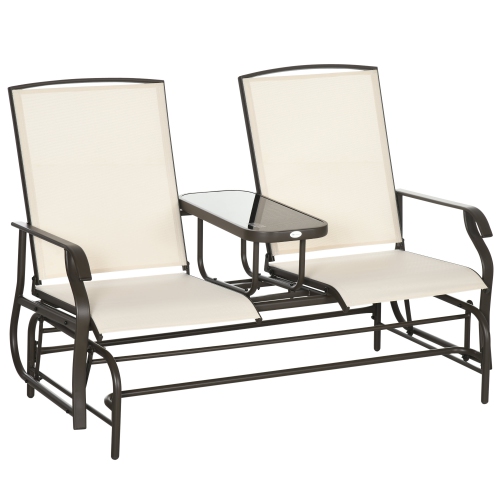 Your price for this item is $209.99
-
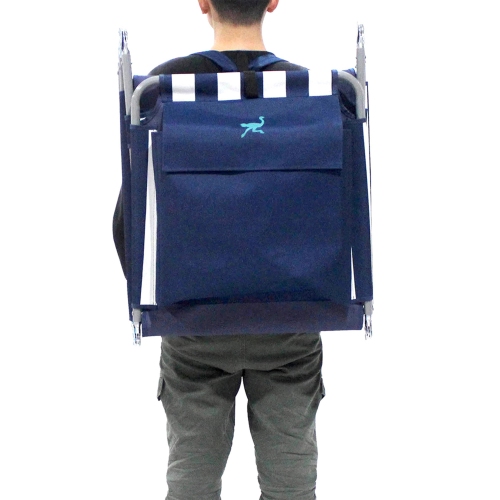 Your price for this item is $223.99
-
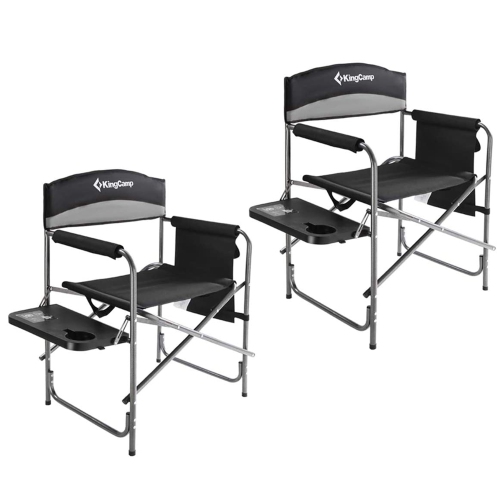 Your price for this item is $196.99
-
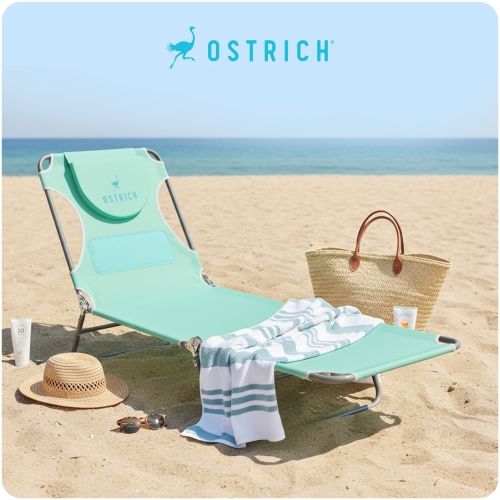 Your price for this item is $150.99
-
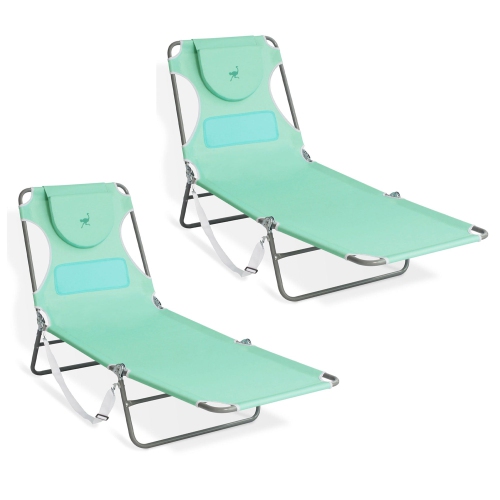 Your price for this item is $326.99
-
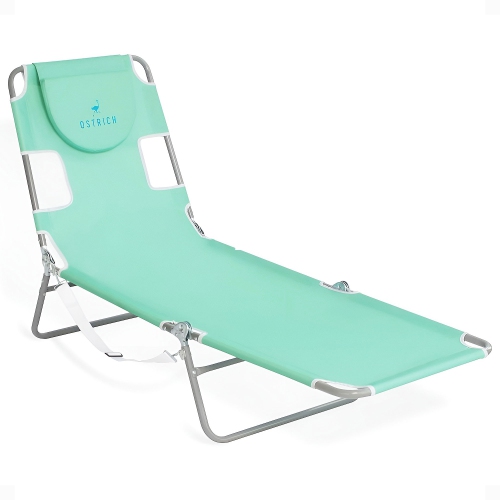 Your price for this item is $178.99
-
 Your price for this item is $571.99
-
 Your price for this item is $367.99
Discover more categories related to Metal Frame Lounge Chairs

Top Collections:
Best Black Friday Deals This Year, Best Black Friday Deals On Electronics, Kindle Devices, Best Black Friday Deals On Apple Products, Best Budget Office Chairs, Best Cameras for Sports Photography, Dyson Airwrap, Canon G7X Cameras, Best Laptops for Writers, Samsung Galaxy Phones
Some products may be subject to Environmental Handling Fees
(EHF) depending on your province.
Learn more about EHFs.