Steel Tables
Steel tables are a popular option for many indoor and outdoor applications. These tables are made of strong and durable steel, making them a great choice for almost any environment. Here are some great options available.
Sort
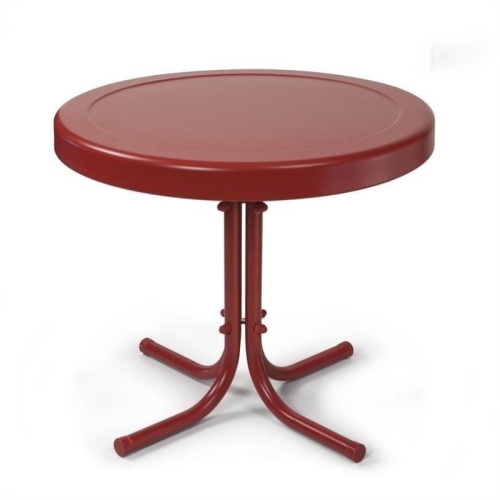
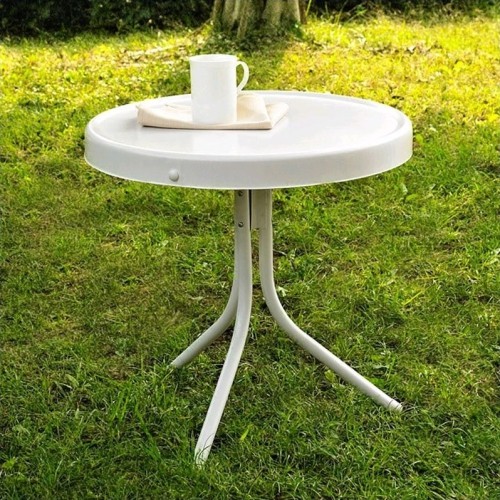
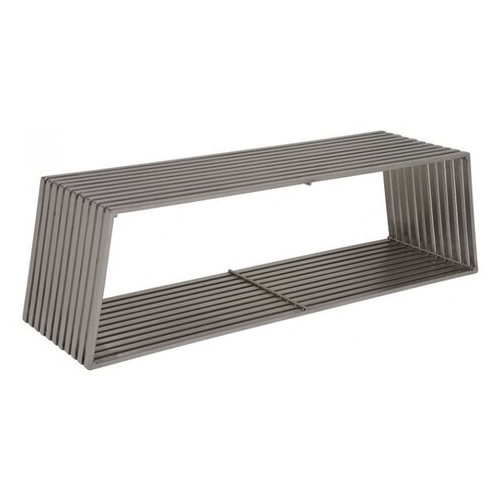
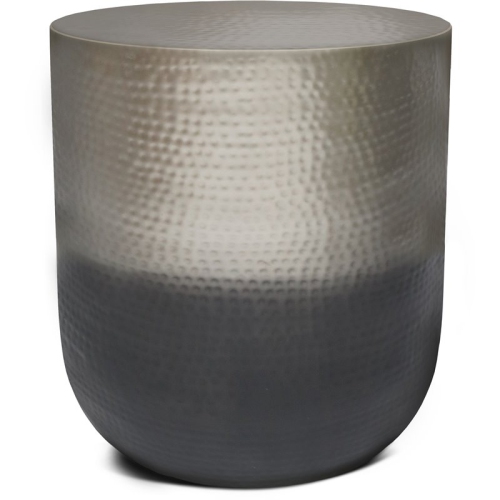
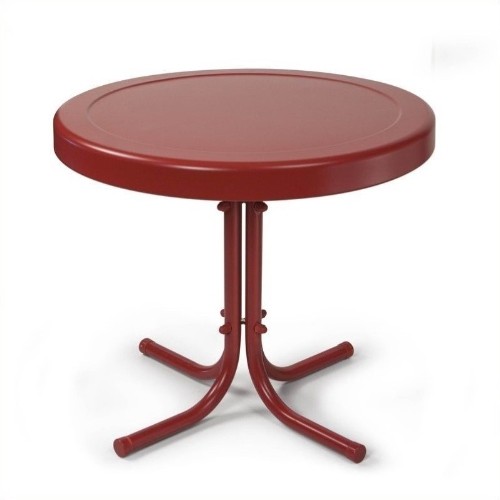
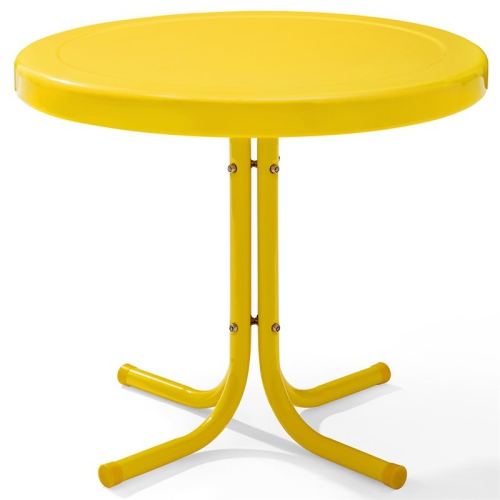
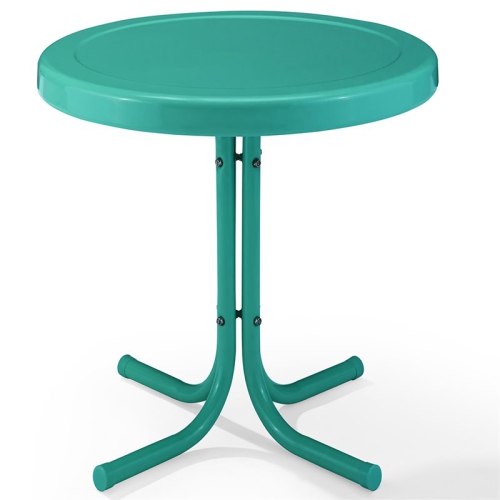
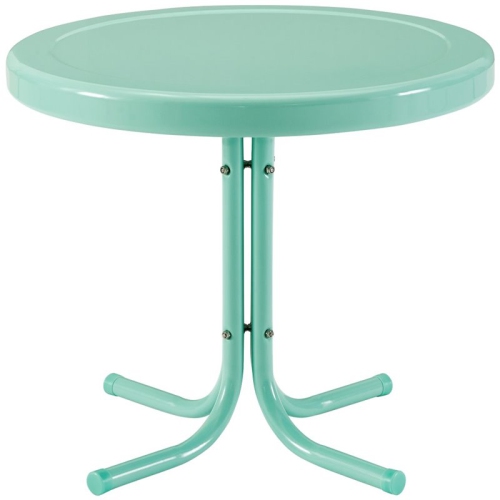
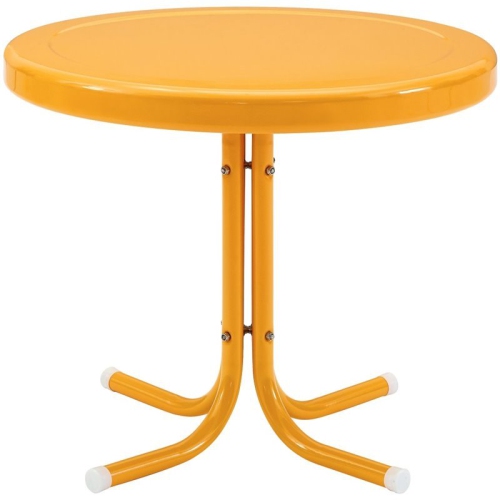
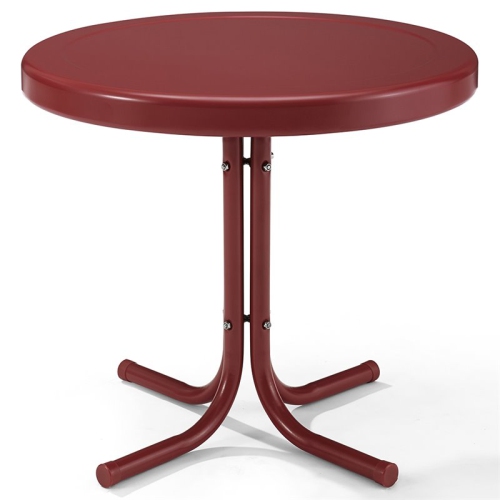
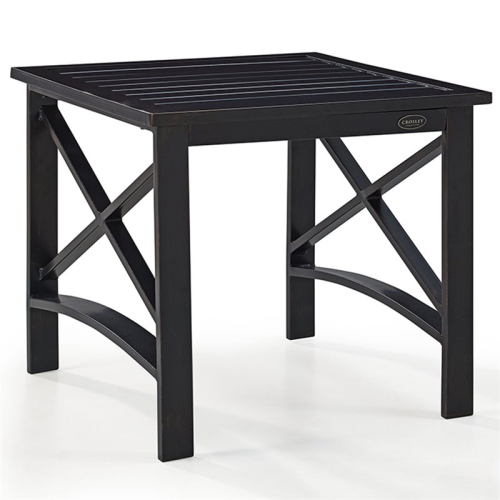
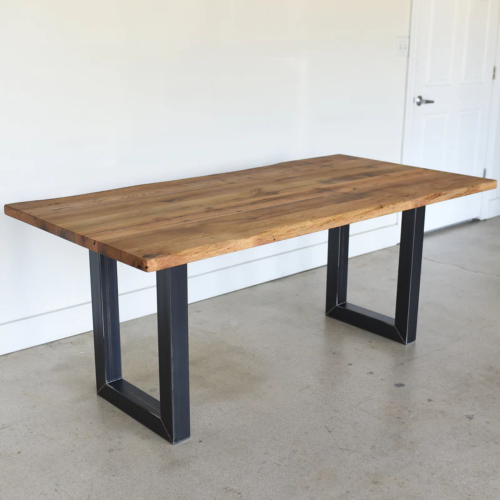



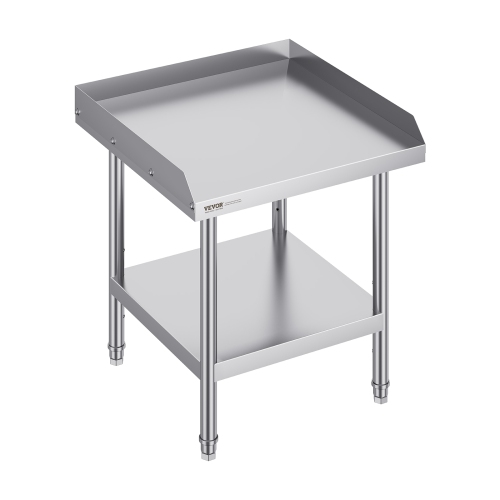

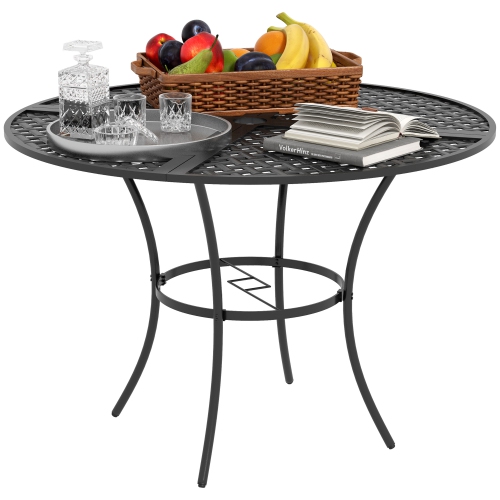
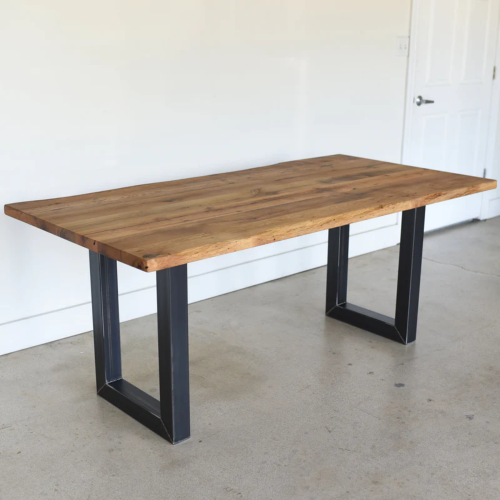
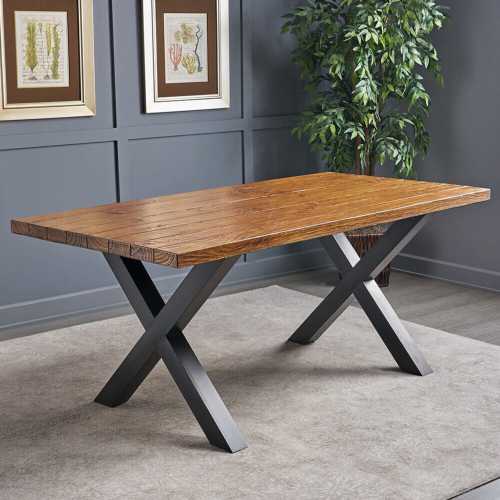
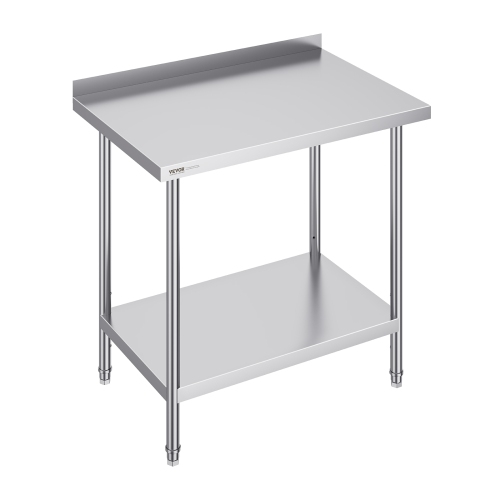
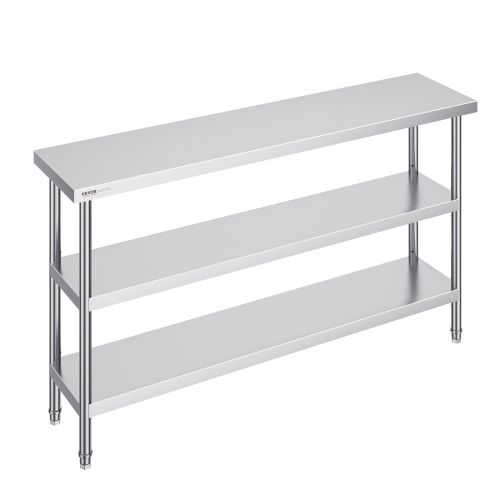
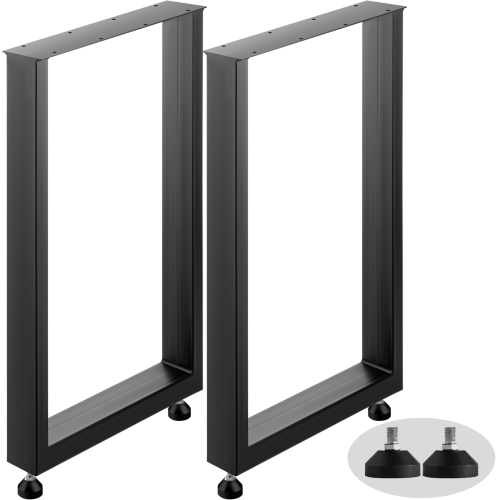
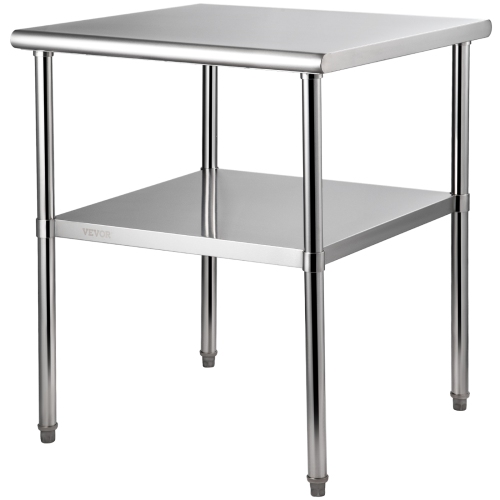
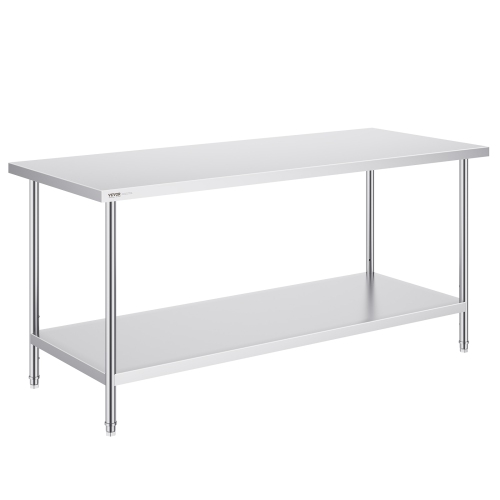
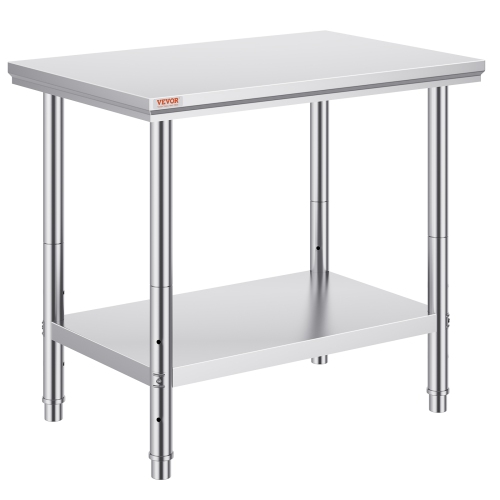
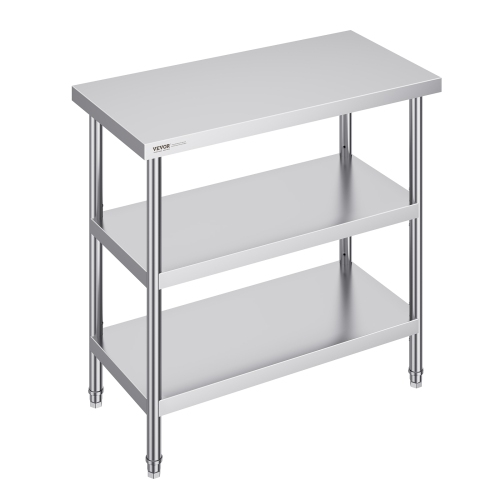
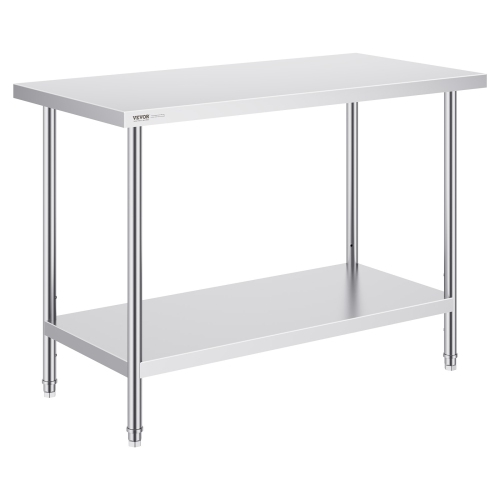
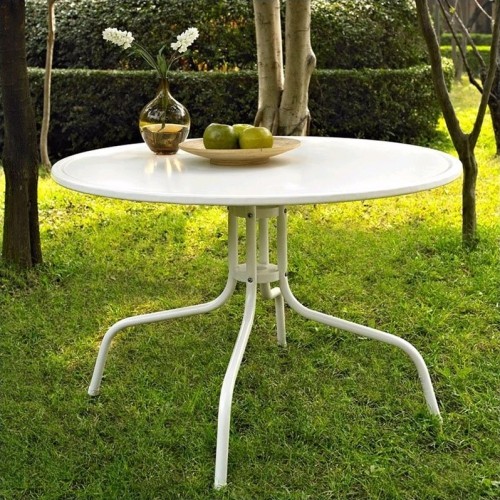
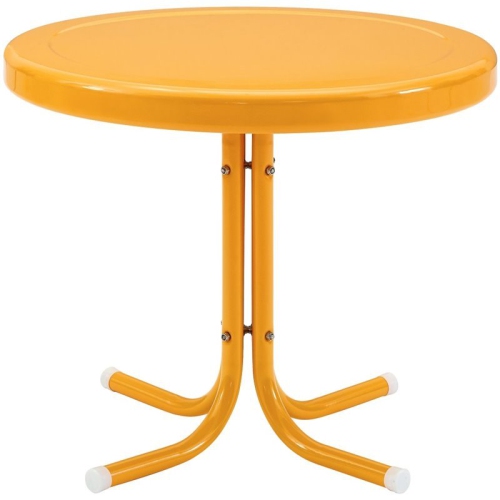
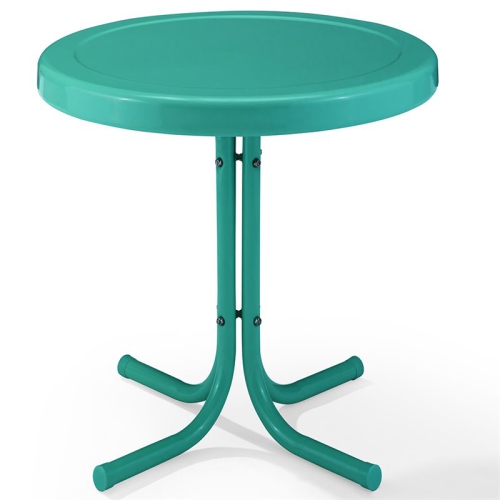

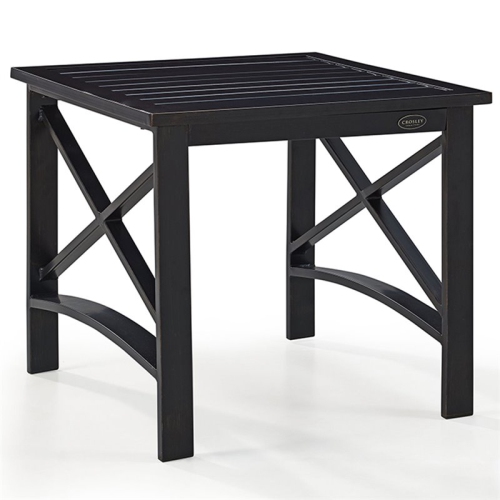
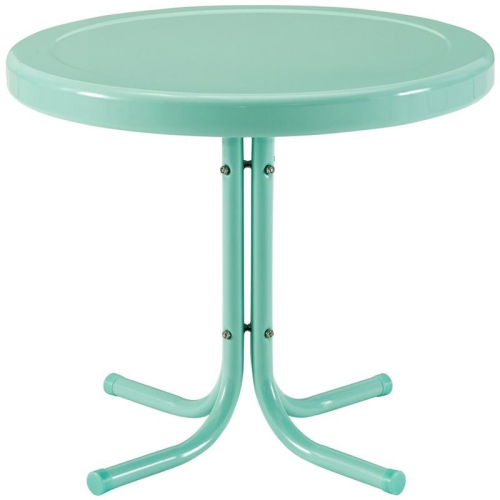
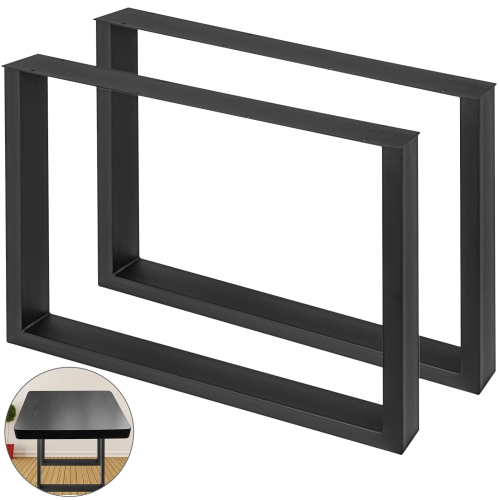
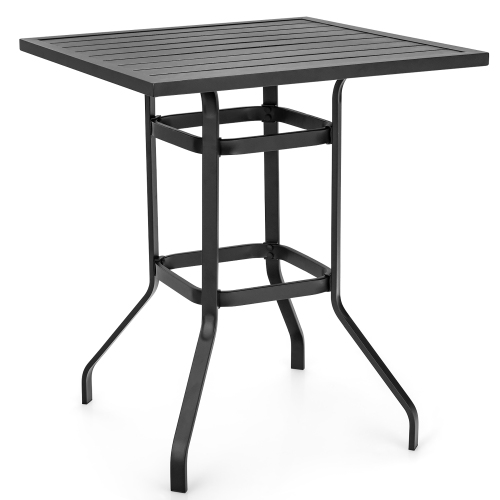
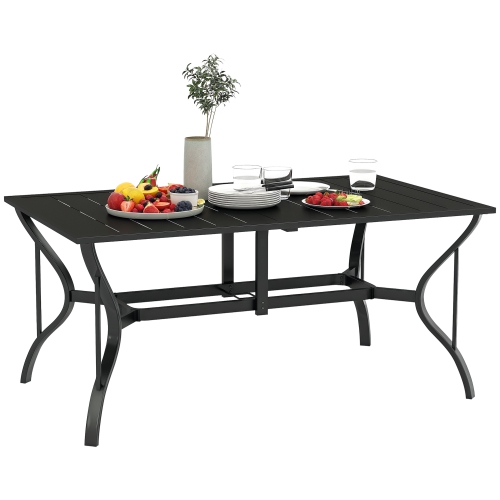

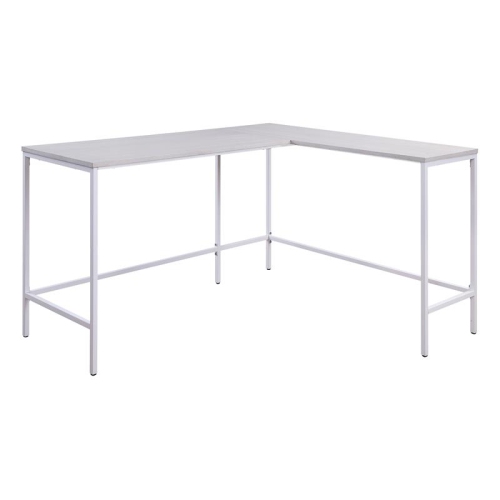
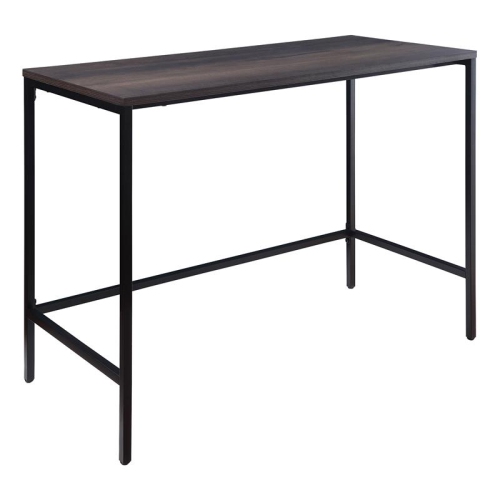

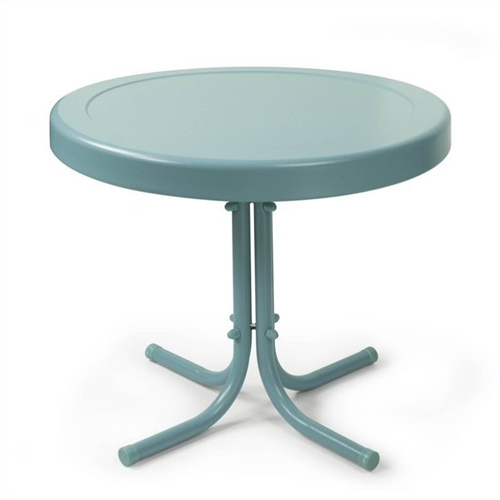
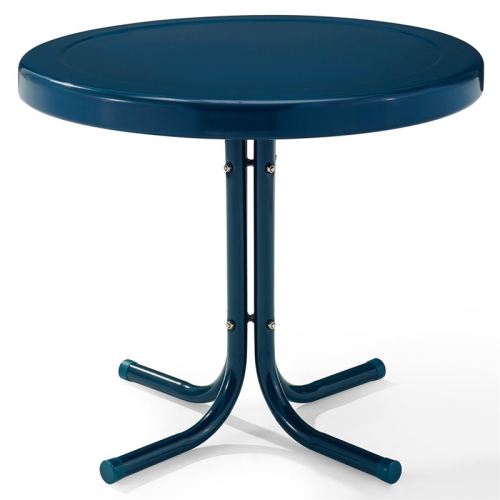
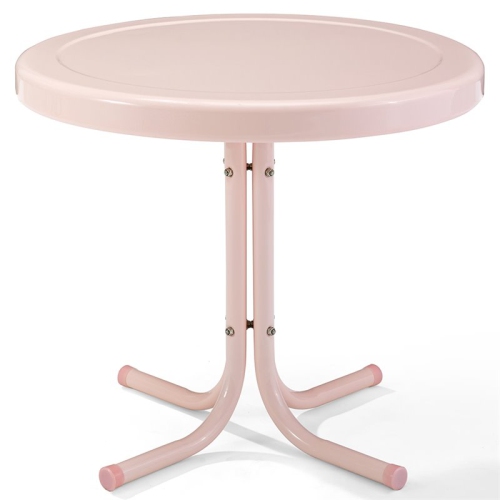

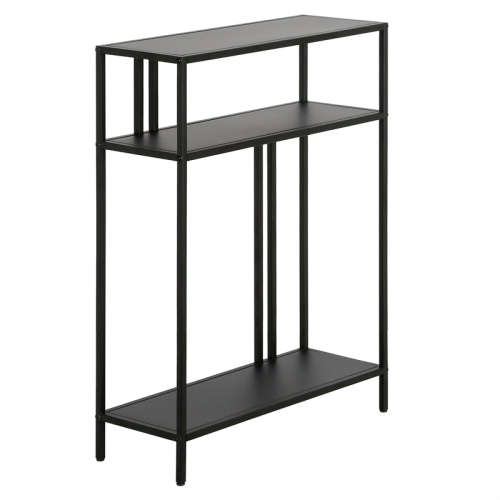
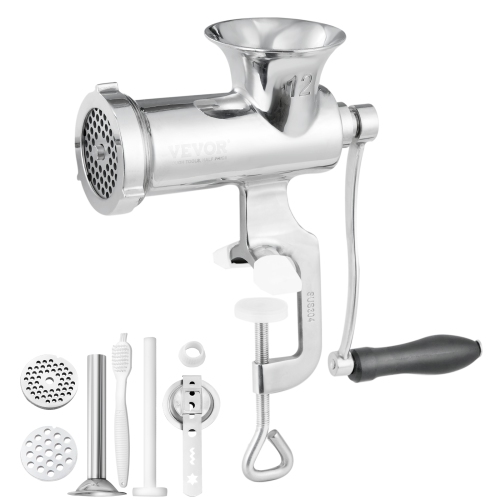
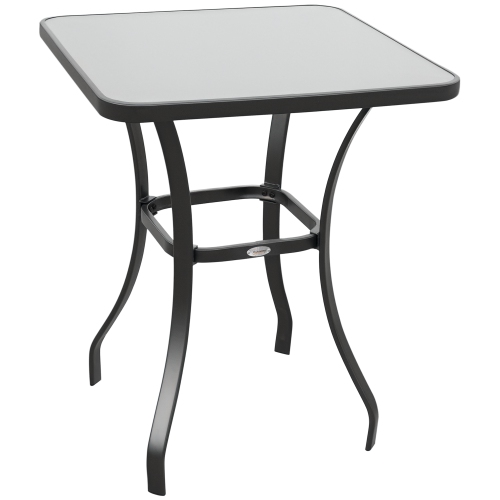
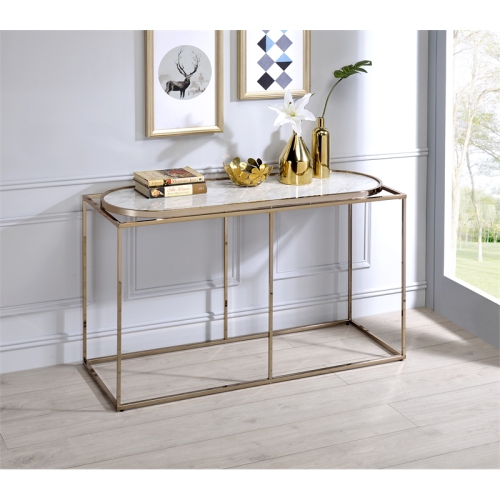
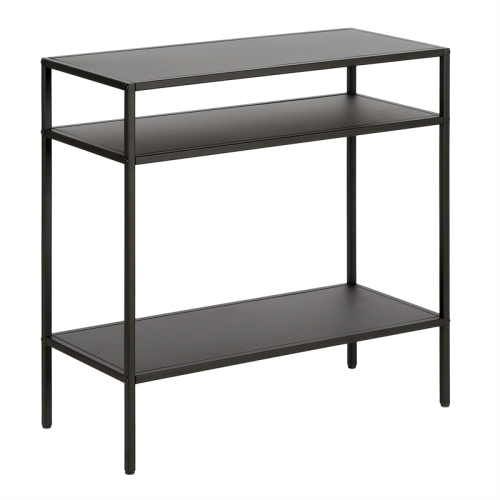
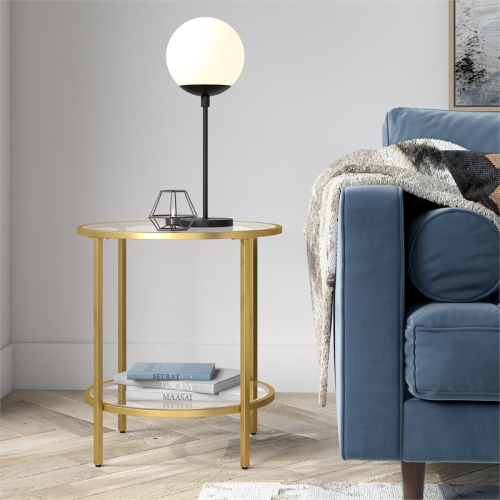
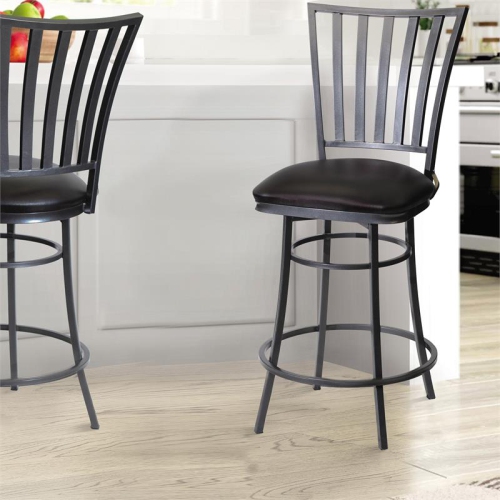

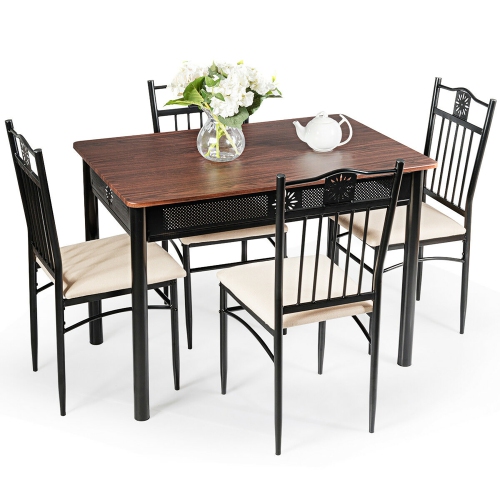
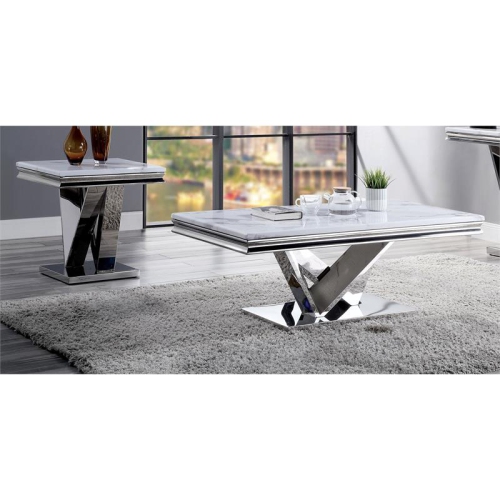
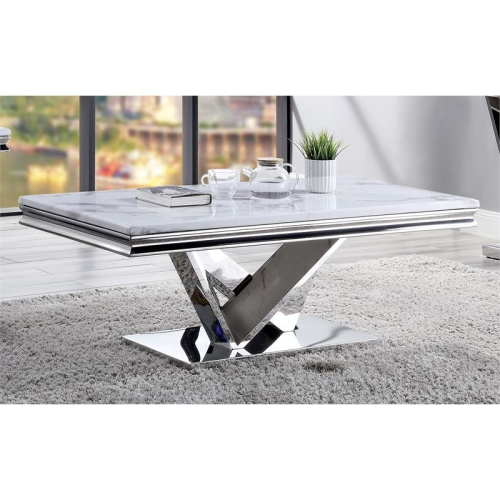
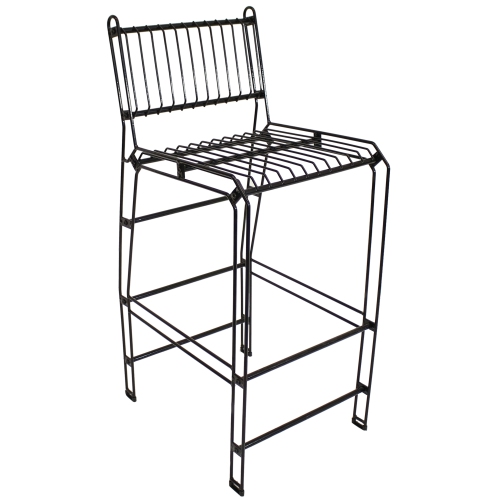
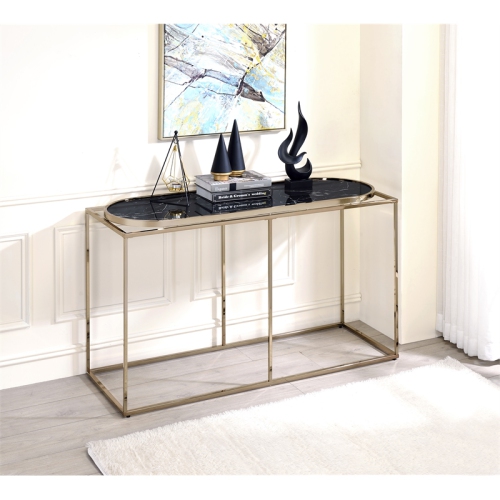
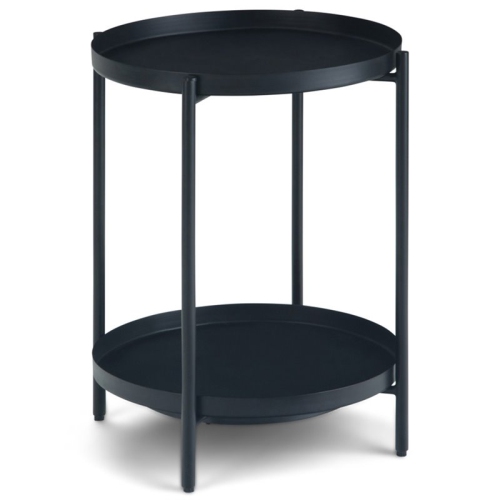
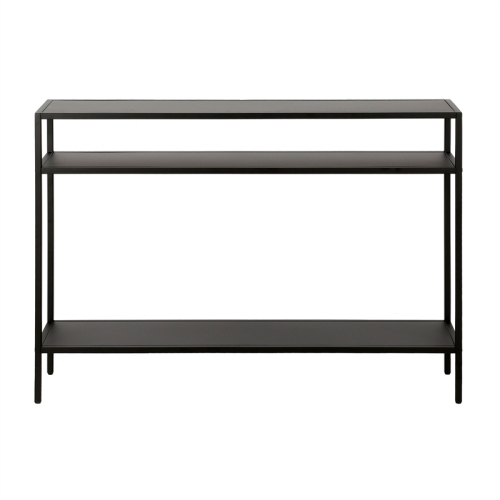
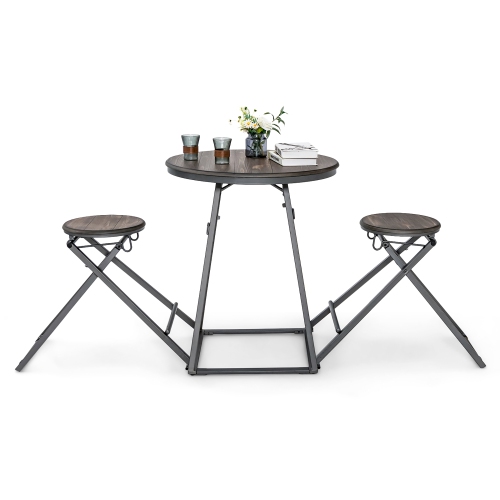
Reliable work surfaces for kitchens, workshops and everyday tasks
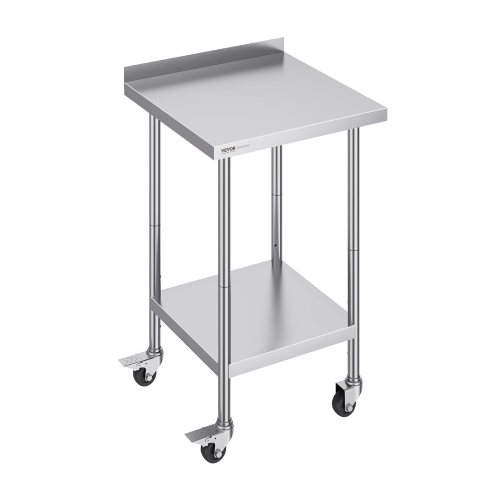
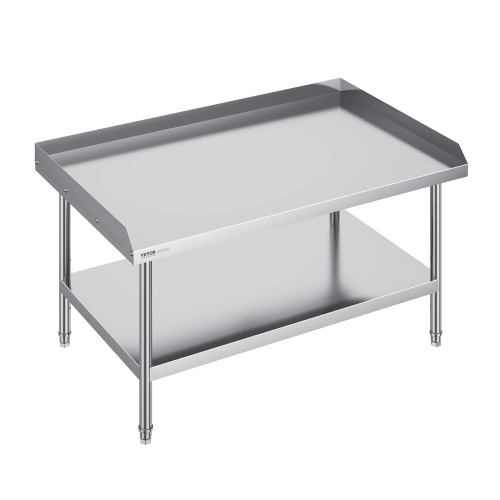
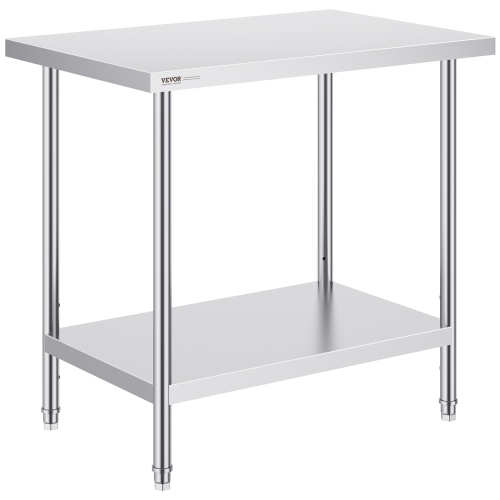
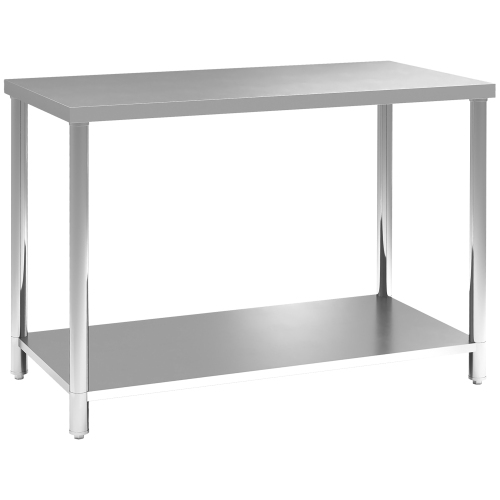
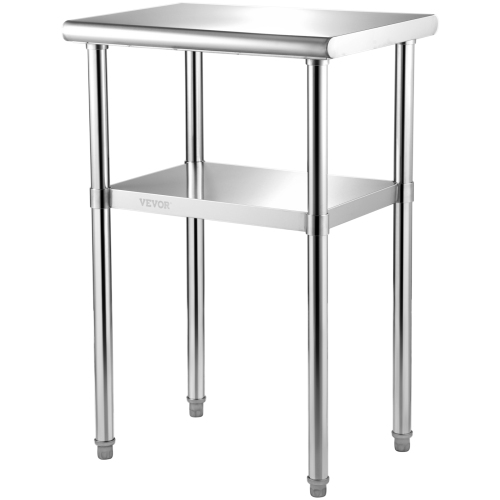
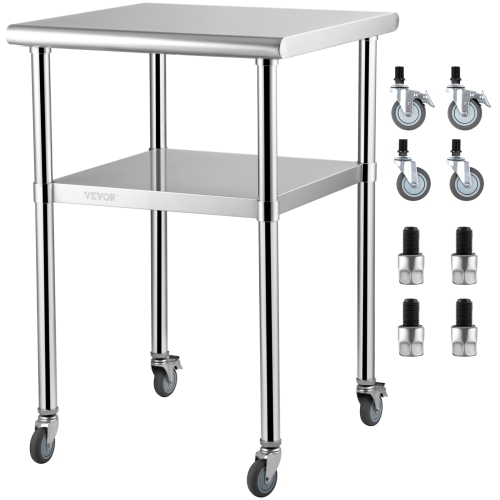
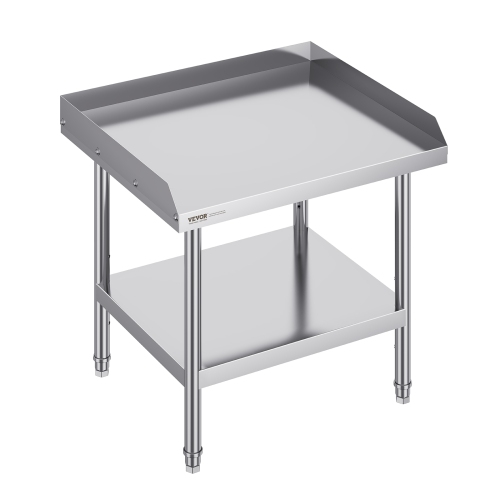
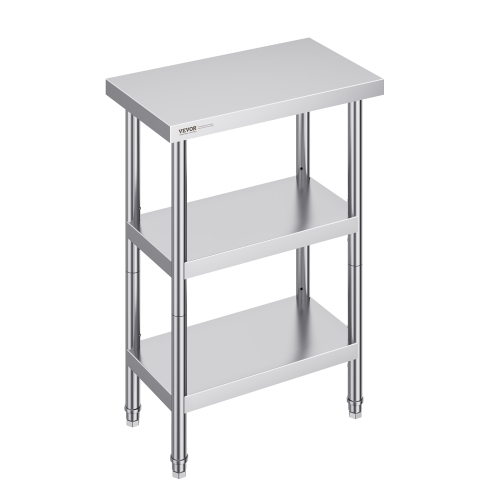
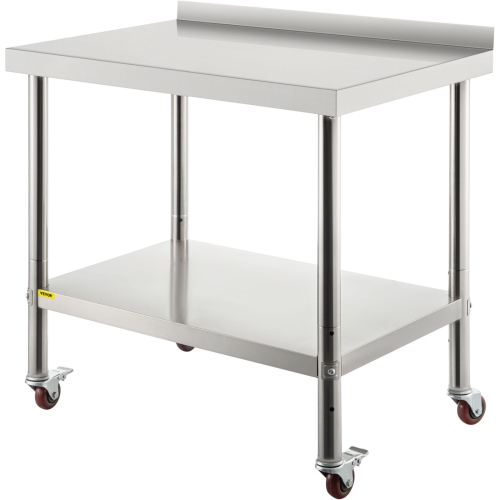
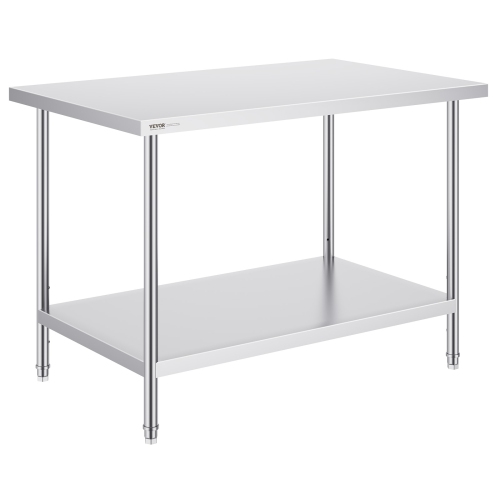
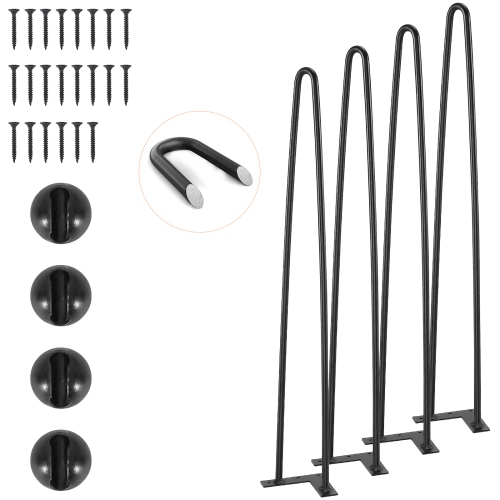
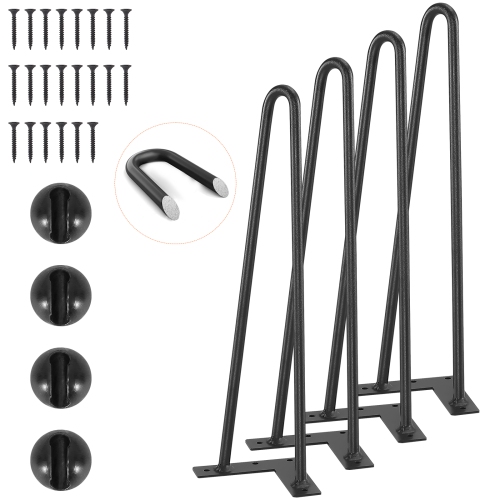
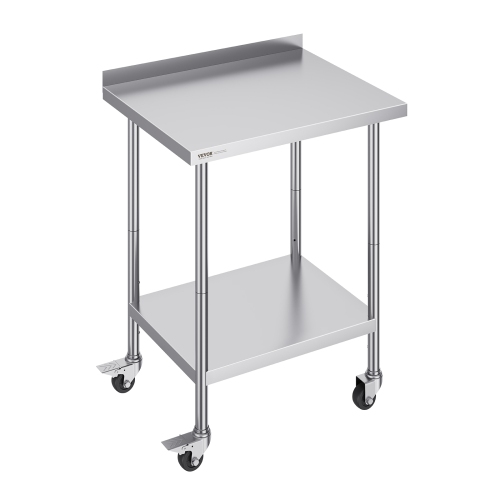
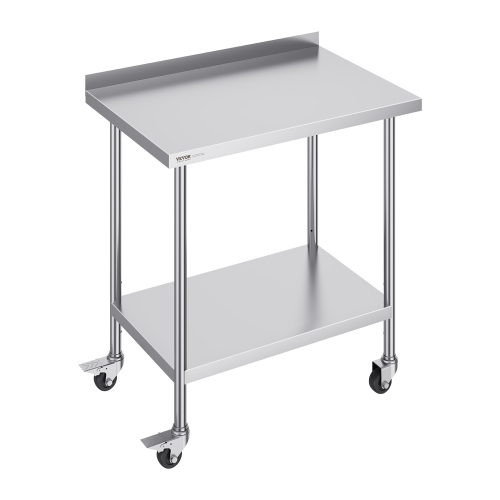
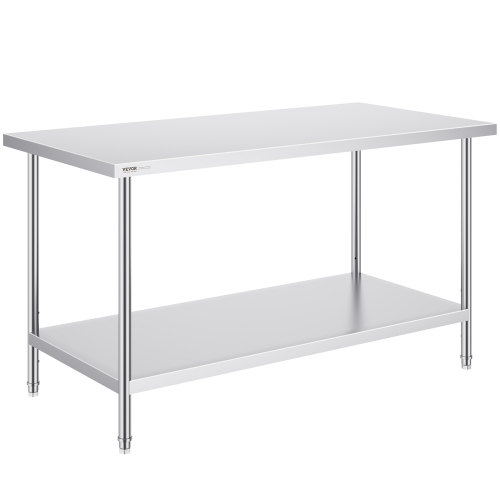
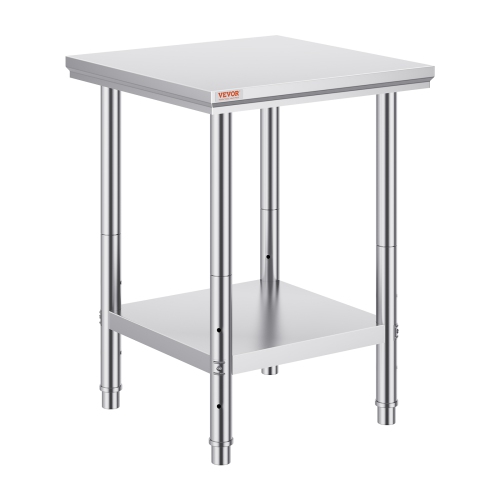
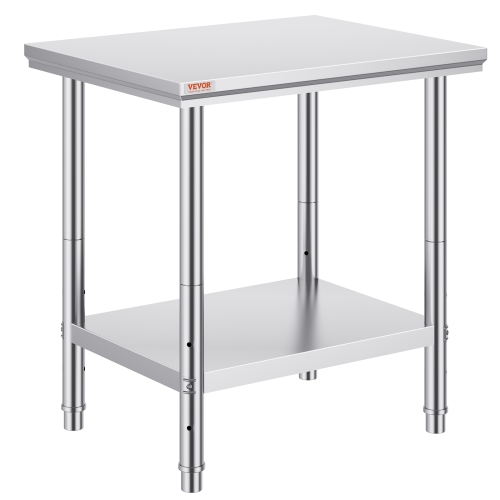
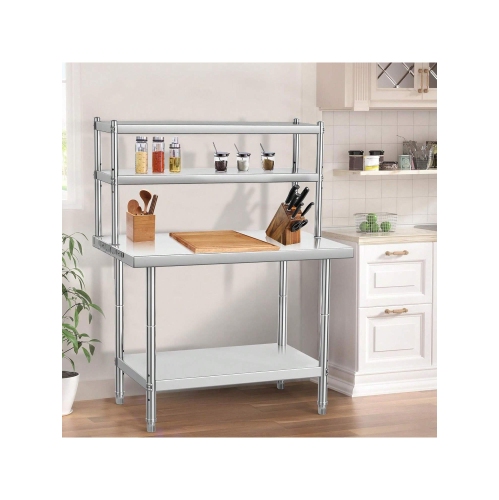
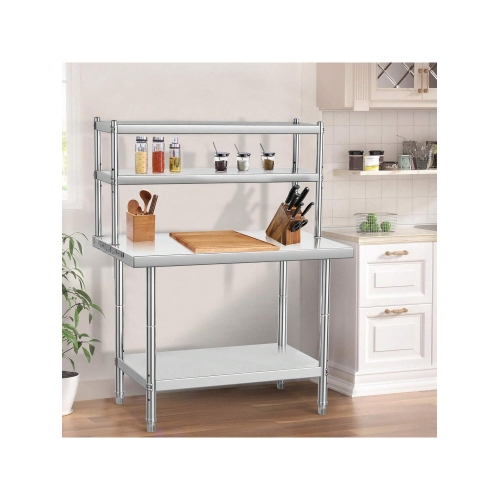
Steel tables provide a dependable, practical surface for preparing food, organizing tools, completing projects, serving refreshments and handling everyday tasks in busy spaces. Their strong metal construction makes them well suited to commercial kitchens, home kitchens, garages, workshops, laundry rooms, utility areas and covered outdoor spaces. Compared with furniture designed only for light household use, a steel table can offer a more substantial work area that stands up to frequent cleaning, heavier equipment and regular handling. A flat worktable with an open base creates room for stools, bins or larger items underneath, while a table with an undershelf adds convenient storage for mixing bowls, cookware, small appliances, boxes or workshop supplies. A raised backsplash can help protect the wall behind the table from splashes, crumbs and marks, making it a useful choice for food preparation or other tasks where liquids and debris are part of the work. For spaces that need a flexible arrangement, tables with caster wheels can be moved between prep areas, storage zones and serving locations, while locking casters help keep the surface steady once it is in position. Stationary tables with adjustable feet or bullet feet are often a better fit for a dedicated workstation where stability is the priority. When comparing options, consider the table’s overall dimensions, working height, weight capacity, clearance beneath the surface and the amount of room needed to walk around it. Measuring the available space first is especially helpful in compact kitchens, narrow garages and busy commercial areas, where a table that is only a few inches too wide can interfere with doors, appliances or traffic flow. Shoppers looking for a similar blend of strength and clean-lined style may also wish to browse Metal Frame Tables for additional furniture options.
The material and construction details can make a noticeable difference in how a steel table performs over time. Many food-service tables use stainless steel for the work surface, with 430 and 304 grades being common choices. Stainless steel surfaces are non-porous, straightforward to wipe down and well suited to food preparation when cleaned according to the manufacturer’s instructions. A 304 stainless steel surface is often selected for environments where resistance to moisture and frequent cleaning is particularly important, while 430 stainless steel can provide a practical option for many general indoor applications. Some tables pair a stainless steel top with galvanized steel legs or a reinforced frame to provide additional support. Look for smoothly finished edges, secure leg connections and a level surface that will not rock during chopping, assembling, repairing or packing. Adjustable feet can help compensate for slightly uneven flooring, which is useful in older garages, utility rooms or commercial spaces. If the table will be placed near a sink, dishwasher, prep station or exterior doorway, pay close attention to moisture exposure and choose a finish and construction suited to those conditions. For outdoor use, a sheltered location is generally preferable, since prolonged exposure to rain, snow and temperature changes can affect hardware and surrounding components even when the tabletop itself is durable. A tabletop with a lower shelf can keep frequently used items close at hand, although an open design may be easier to clean and may provide more legroom. Consider whether you need a full-width backsplash, a shorter rear lip or no raised edge at all. A backsplash is useful when the table sits against a wall, while a completely flat surface can be more convenient when the table needs to serve from either side.
Steel tables can become useful additions for a wide range of households and workplaces. Home cooks may use one as a dedicated station for rolling dough, portioning ingredients, cooling baked goods or holding countertop appliances without crowding the main kitchen counters. In a garage, a sturdy steel surface can support tool sorting, bicycle maintenance, hobby projects, model building or seasonal household repairs. Artists, crafters and makers may appreciate a smooth work area that is easy to clear between projects, while small businesses, community halls and event spaces can use mobile tables for food service, registration, packing or equipment staging. In the cooler months, a steel table can serve as a practical indoor station for organizing winter gear, preparing comfort foods or completing hands-on projects when outdoor work is less convenient. As the weather warms, a table in a covered patio, shed or outdoor entertaining area can provide a place for serving, arranging planters or keeping supplies organized, provided it is protected from harsh exposure. These tables can also make thoughtful gifts for someone setting up a first home kitchen, upgrading a garage workshop or creating a more organized craft area. Before choosing one, think about the tasks that will take place on the surface and the items that need to remain nearby. A person who moves between rooms may benefit from locking caster wheels, while someone doing detailed work may prefer a heavier stationary frame. Check the listed dimensions in inches, the tabletop thickness, the shelf spacing and the recommended load limit rather than judging capacity by appearance alone. To keep a steel table looking and working its best, wipe spills promptly, use suitable cleaning products, dry the surface after washing and avoid dragging sharp or excessively heavy objects across it. With the right size, layout and features, a steel table can create a reliable, easy-to-maintain workstation that supports everyday routines from food preparation to repairs and creative work.
The material and construction details can make a noticeable difference in how a steel table performs over time. Many food-service tables use stainless steel for the work surface, with 430 and 304 grades being common choices. Stainless steel surfaces are non-porous, straightforward to wipe down and well suited to food preparation when cleaned according to the manufacturer’s instructions. A 304 stainless steel surface is often selected for environments where resistance to moisture and frequent cleaning is particularly important, while 430 stainless steel can provide a practical option for many general indoor applications. Some tables pair a stainless steel top with galvanized steel legs or a reinforced frame to provide additional support. Look for smoothly finished edges, secure leg connections and a level surface that will not rock during chopping, assembling, repairing or packing. Adjustable feet can help compensate for slightly uneven flooring, which is useful in older garages, utility rooms or commercial spaces. If the table will be placed near a sink, dishwasher, prep station or exterior doorway, pay close attention to moisture exposure and choose a finish and construction suited to those conditions. For outdoor use, a sheltered location is generally preferable, since prolonged exposure to rain, snow and temperature changes can affect hardware and surrounding components even when the tabletop itself is durable. A tabletop with a lower shelf can keep frequently used items close at hand, although an open design may be easier to clean and may provide more legroom. Consider whether you need a full-width backsplash, a shorter rear lip or no raised edge at all. A backsplash is useful when the table sits against a wall, while a completely flat surface can be more convenient when the table needs to serve from either side.
Steel tables can become useful additions for a wide range of households and workplaces. Home cooks may use one as a dedicated station for rolling dough, portioning ingredients, cooling baked goods or holding countertop appliances without crowding the main kitchen counters. In a garage, a sturdy steel surface can support tool sorting, bicycle maintenance, hobby projects, model building or seasonal household repairs. Artists, crafters and makers may appreciate a smooth work area that is easy to clear between projects, while small businesses, community halls and event spaces can use mobile tables for food service, registration, packing or equipment staging. In the cooler months, a steel table can serve as a practical indoor station for organizing winter gear, preparing comfort foods or completing hands-on projects when outdoor work is less convenient. As the weather warms, a table in a covered patio, shed or outdoor entertaining area can provide a place for serving, arranging planters or keeping supplies organized, provided it is protected from harsh exposure. These tables can also make thoughtful gifts for someone setting up a first home kitchen, upgrading a garage workshop or creating a more organized craft area. Before choosing one, think about the tasks that will take place on the surface and the items that need to remain nearby. A person who moves between rooms may benefit from locking caster wheels, while someone doing detailed work may prefer a heavier stationary frame. Check the listed dimensions in inches, the tabletop thickness, the shelf spacing and the recommended load limit rather than judging capacity by appearance alone. To keep a steel table looking and working its best, wipe spills promptly, use suitable cleaning products, dry the surface after washing and avoid dragging sharp or excessively heavy objects across it. With the right size, layout and features, a steel table can create a reliable, easy-to-maintain workstation that supports everyday routines from food preparation to repairs and creative work.
Top selling and popular products
-
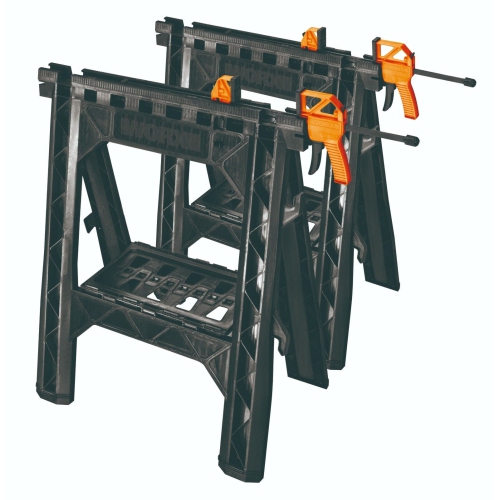 Your price for this item is $99.99
 -
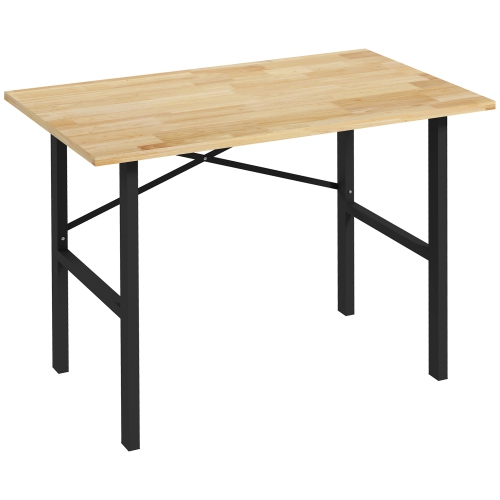 Your price for this item is $149.99
 -
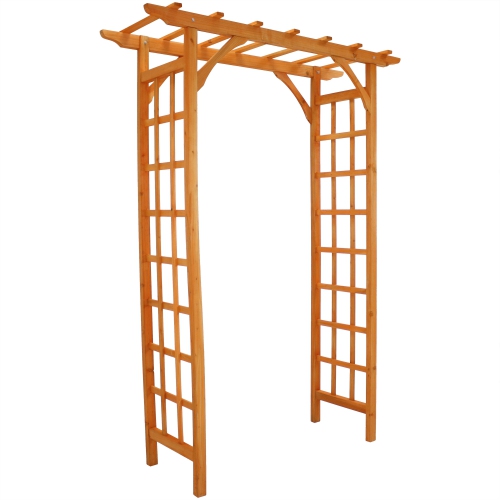 Your price for this item is $415.35
 -
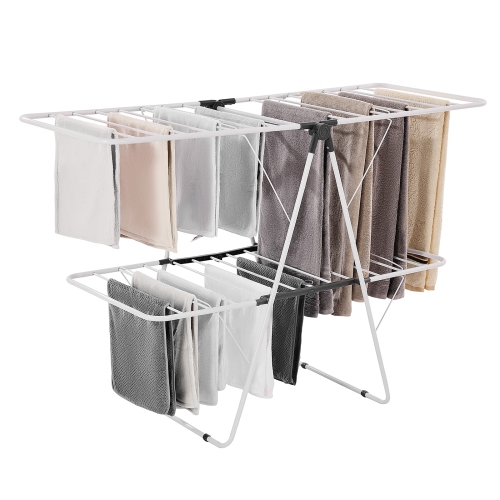 Your price for this item is $58.9
 -
 Your price for this item is $76.99
 -
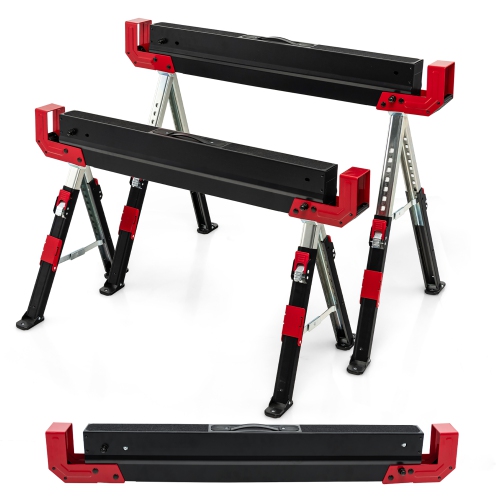 Your price for this item is $147.99
 -
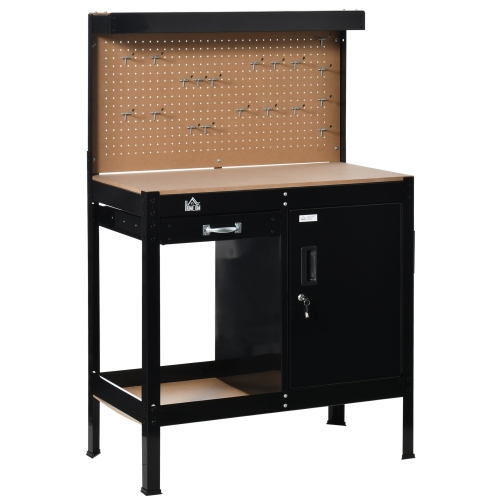 Your price for this item is $195.99
 -
 Your price for this item is $79.99
Discover more categories related to Steel Tables
Top Collections:
Pokemon Centers, Budget 4K TVs, Kindle Devices, Canon G7X Cameras, Apple iPhones 16, iPhone 15 Apple, Laptops for Business Work, Flip Phones, Xiaomi Phones, Refurbished Apple Laptops
Some products may be subject to Environmental Handling Fees
(EHF) depending on your province.
Learn more about EHFs.