Steel Tool Boxes Deals
Looking for durable and reliable storage solutions for your tools? Our Steel Tool Boxes Deals page is the place to be! Explore a wide selection of high-quality steel tool boxes that are designed to keep your tools organized and easily accessible. Whether you're a DIY enthusiast, professional tradesperson, or just looking to tidy up your workspace, these deals offer great value for top-notch storage solutions. Find the perfect steel tool box to suit your needs and make your next project a breeze.
Sort
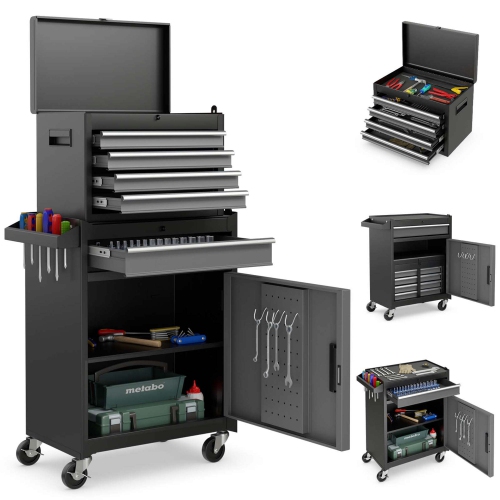
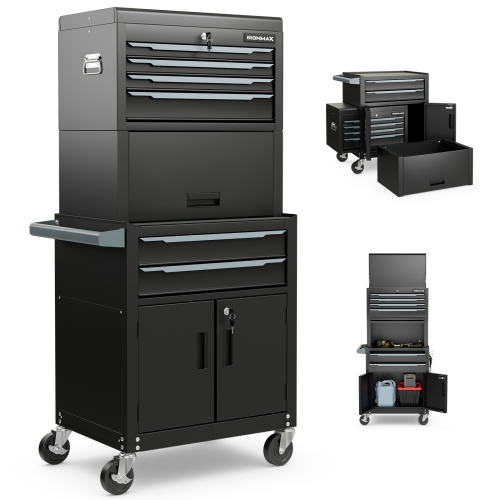
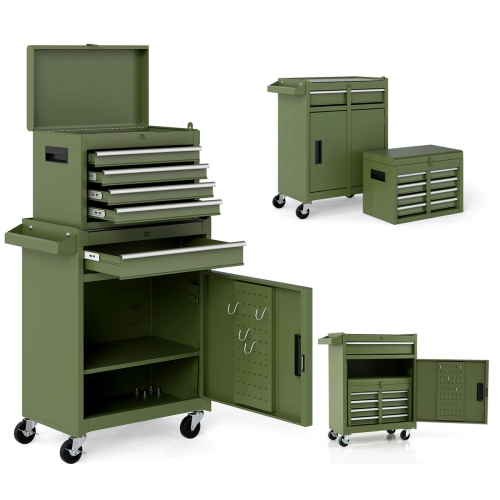

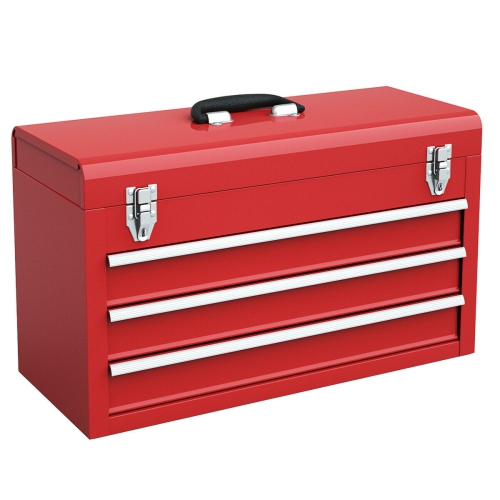






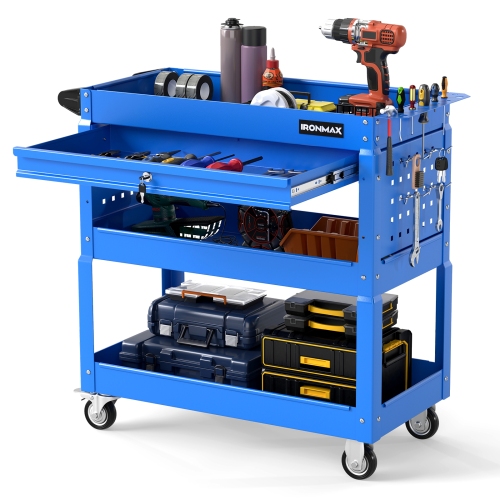
The details that make steel tool storage dependable
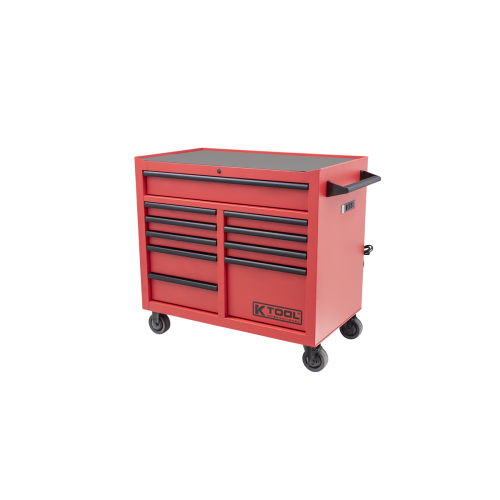
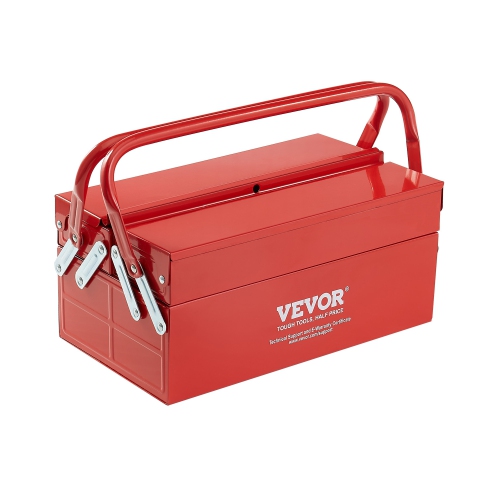
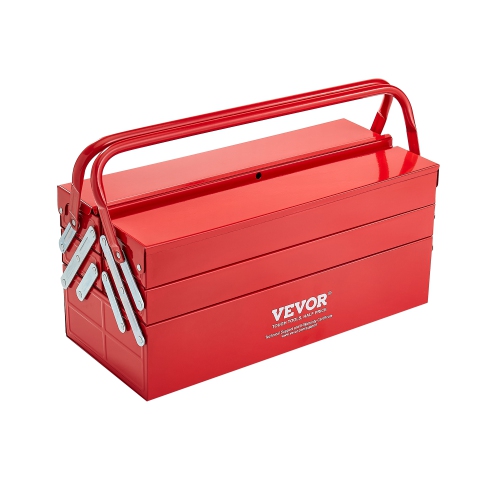
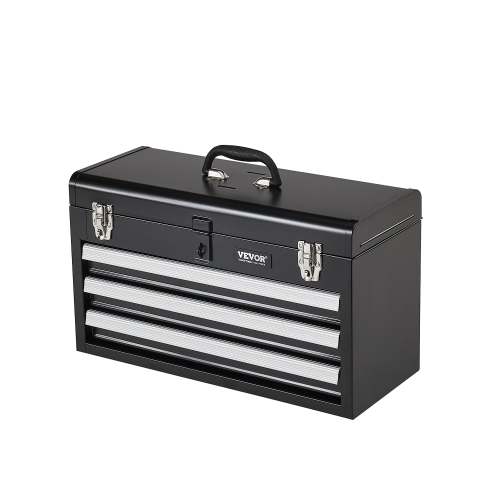
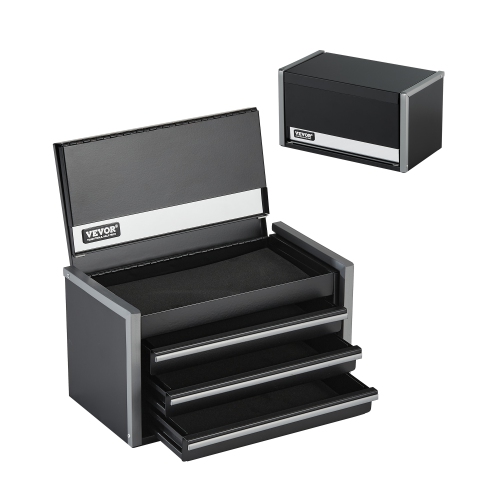
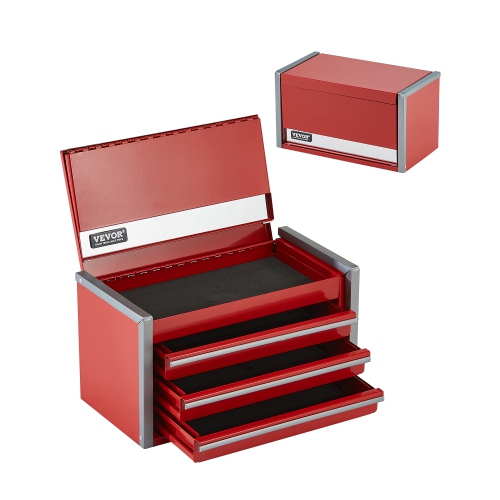
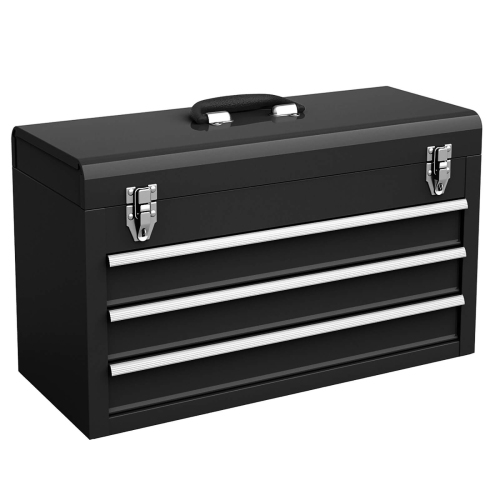
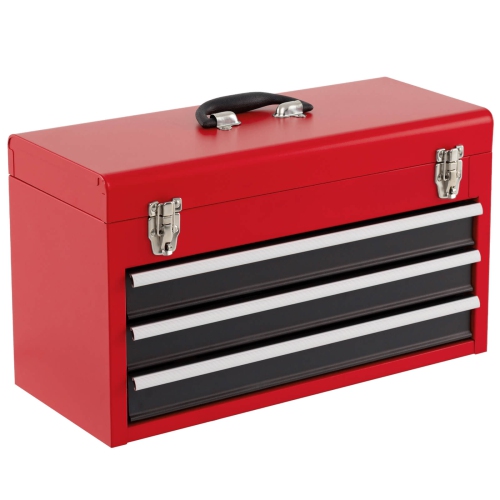
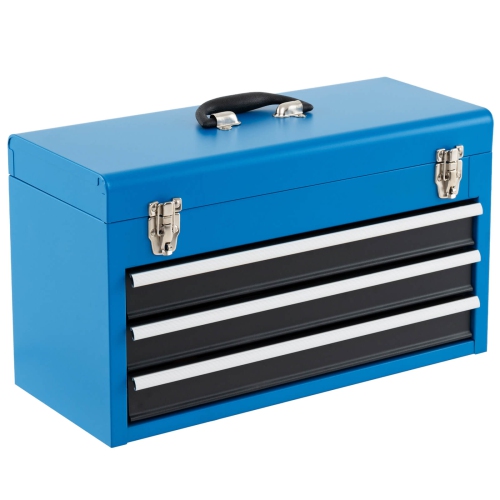
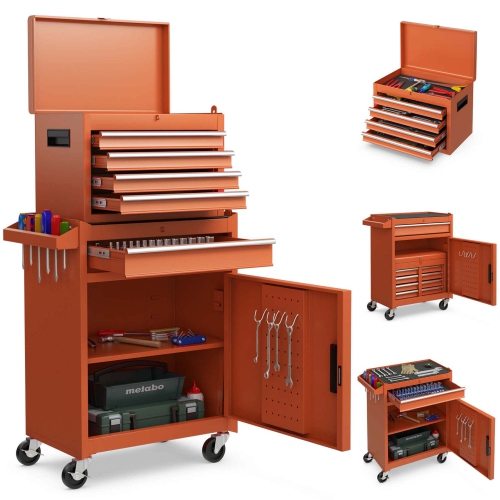
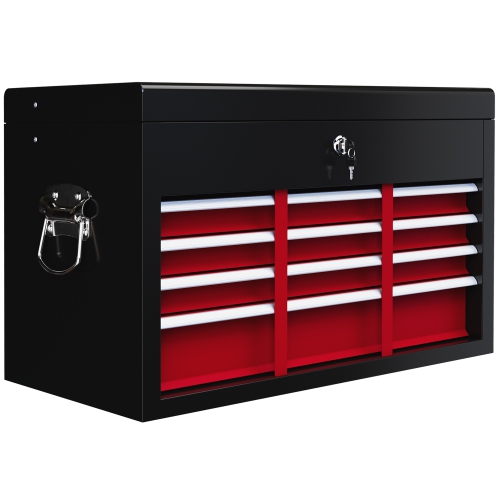
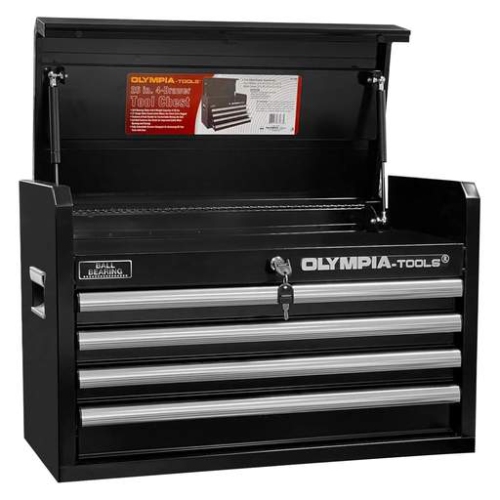
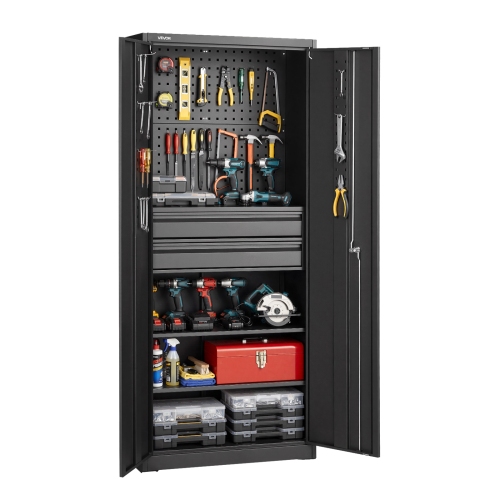
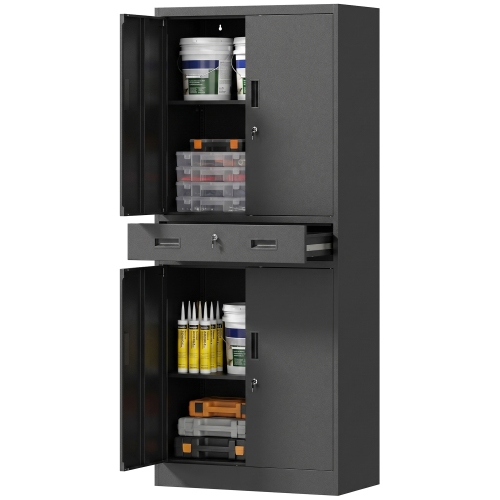
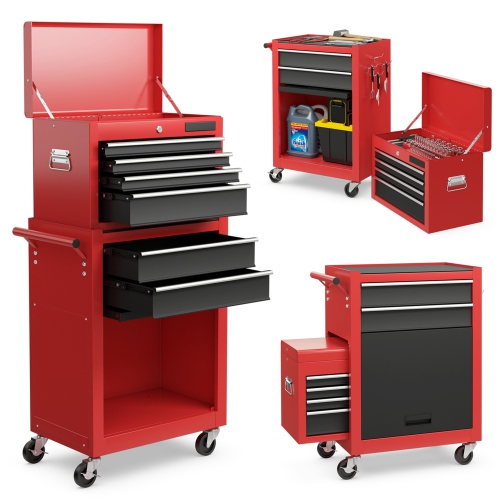
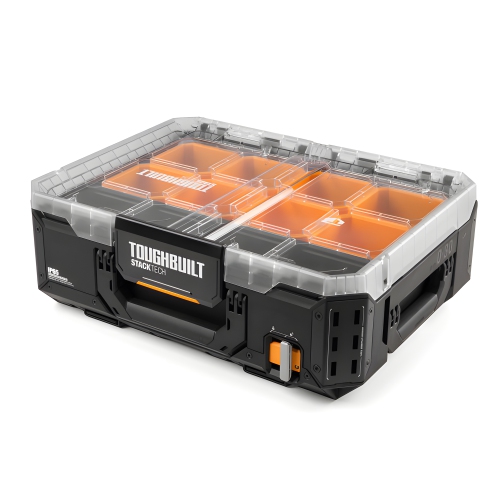
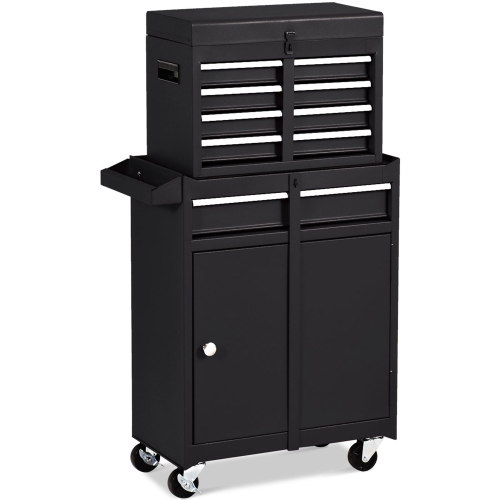
Steel tool boxes provide structured storage for hand tools, fittings, and workshop accessories, whether the collection serves a home repair kit, a garage workbench, or a busy trade workspace. Their appeal lies in a rigid metal body that helps keep contents contained and offers resistance to the knocks that can come with regular handling. A portable steel box can bring screwdrivers, pliers, sockets, and measuring tools to the job, while a drawer-style chest creates a more permanent place for a growing collection. The material alone does not tell the whole story of durability: steel thickness, reinforced corners, hinge construction, and the way handles attach to the body all influence how a box performs under load. A well-supported handle matters when a box holds dense tools, and a lid that closes squarely helps the latch engage properly. Painted and powder-coated finishes add colour and help protect the underlying metal, although scratches and exposed edges still need attention to prevent rust. Steel is not automatically rustproof or waterproof, so a sturdy appearance should not be mistaken for protection against every type of exposure. Interior details are equally important. Removable trays can keep frequently used tools near the top, drawer dividers can separate sockets from loose fasteners, and liners can reduce sliding and metal-on-metal contact. For someone who repairs bicycles, assembles furniture, or maintains household fixtures, the practical benefit is having the right tools grouped together rather than scattered across shelves and bags. A box that opens to a clear arrangement of socket sizes and screwdriver tips makes it easier to see what is missing before a task begins. Tradespeople, apprentices, automotive hobbyists, and hands-on homeowners may each need a different layout, but the shared purpose is straightforward: keeping tools protected, organized, and easy to retrieve without adding unnecessary bulk to the workspace.
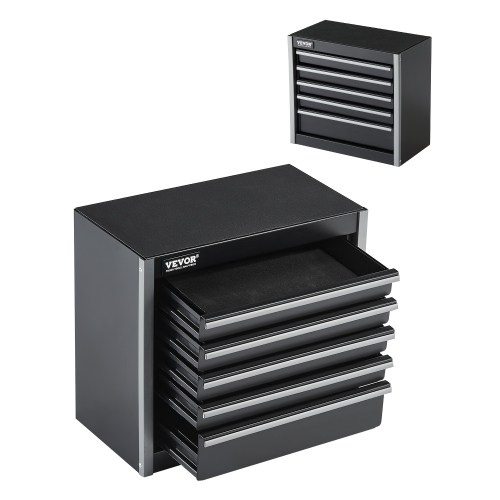
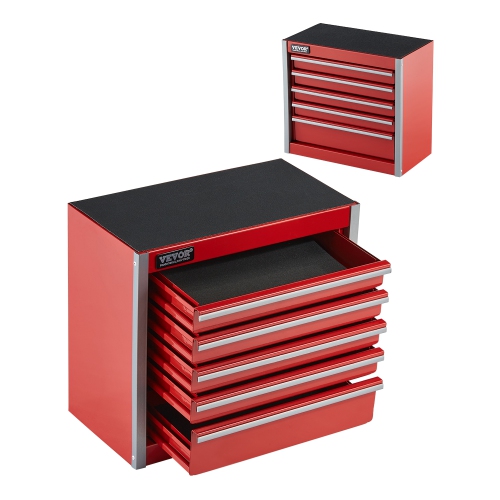
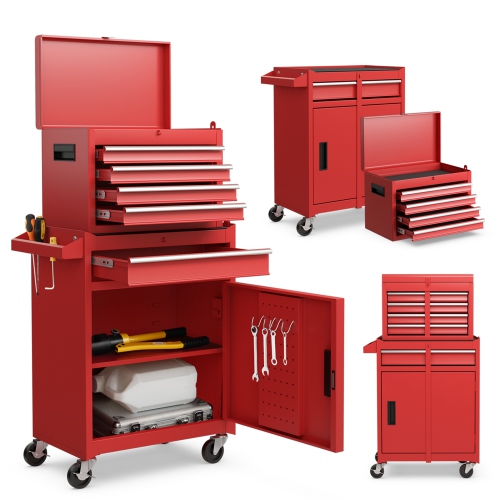
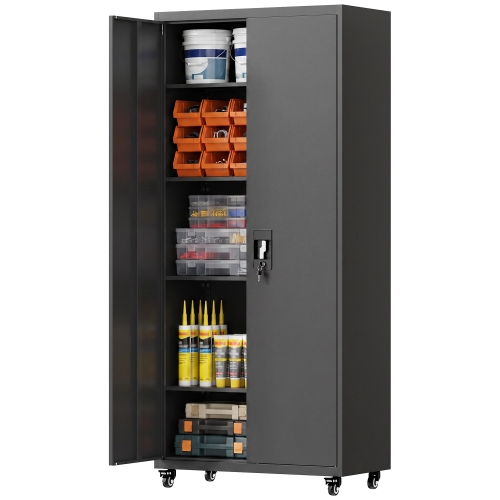
The most useful size depends on both the tools going inside and the space the box will occupy. Exterior dimensions describe the footprint, but usable interior measurements determine whether a long wrench, hammer, or bulky accessory will actually fit. A removable tray may reduce the clearance beneath the lid, and drawer depth can matter more than overall height when storing taller tools. Shallow drawers suit smaller hand tools and accessories that benefit from being laid out in a single layer; deeper compartments can accommodate larger equipment, provided their load ratings support the contents. A cordless drill may fit in a generous compartment, but space for its battery, charger, and protective case should also be considered. Tool storage becomes more comfortable to use when the layout follows the work. A furniture repair kit might keep a tape measure, driver bits, and hex keys together, while a mechanical tool collection benefits from clear separation between sockets, ratchets, extensions, and combination wrenches. Leaving some open space allows the collection to grow without forcing tools into an awkward pile. Portability adds another layer of fit. The empty weight of a steel box is only part of the load; sockets and other dense tools can make a compact case surprisingly heavy. Handle clearance, a balanced carrying position, and latches designed to remain closed during transport are meaningful details for a box carried between a storage shelf and a work area. Rolling storage serves a different purpose, bringing multiple drawers close to a workbench without requiring the entire collection to be lifted. Caster size, wheel construction, brakes, and floor clearance affect how easily a cabinet moves and stays in position. Smooth workshop floors are generally more suitable than uneven surfaces, and the dimensions need to leave room for drawers to open fully. Larger tool collections and frequent workshop use may also call for Heavy Duty Tool Boxes, particularly when substantial tools and repeated daily access place greater demands on the storage structure.
Care and everyday handling help a steel tool box remain useful over years of projects. Dust, sawdust, and metal filings can collect in corners and drawer tracks, so occasional cleaning keeps compartments easier to use and helps prevent grit from interfering with moving parts. A soft cloth and a cleaner suitable for the finish are usually more appropriate than abrasive pads, which can scratch protective coatings. Tools should be dry before they are put away, and any spills should be removed promptly rather than left beneath a liner. Removable liners are convenient because they allow the surface underneath to be checked and cleaned. Hinges, latches, slides, and casters may have their own maintenance requirements, making the manufacturer’s care information important, especially before applying lubricants that could attract debris or affect a finish. Loading habits also influence durability and stability. Heavy tools belong low in a cabinet where practical, drawer ratings should be respected, and a portable box should be carried by its intended handle rather than by the lid or latch. On larger drawer units, opening several loaded drawers at once can create a tipping risk; keeping drawers closed when not in use and engaging wheel brakes supports a steadier workspace. Locks can help restrict casual access, but a lockable box is not necessarily a substitute for secure premises or specialized storage for hazardous materials. For shared garages and workshops, designated compartments also make it easier to return borrowed tools to the right place. A steel tool box can be a thoughtful gift for an apprentice building a first kit, a hobbyist whose tools have outgrown a small bag, or a homeowner who enjoys practical repairs. The best fit reflects that person’s habits: a manageable carrying box for small jobs, drawers for an established collection, or a substantial cabinet for a dedicated work area. Useful capacity, dependable hardware, and a layout suited to familiar tasks give steel tool storage its lasting value, turning a collection of loose tools into an orderly part of the workspace.
Top selling and popular products
-
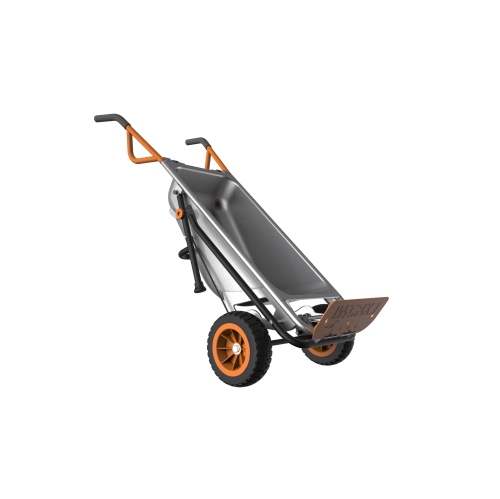 Your price for this item is $329.99
-
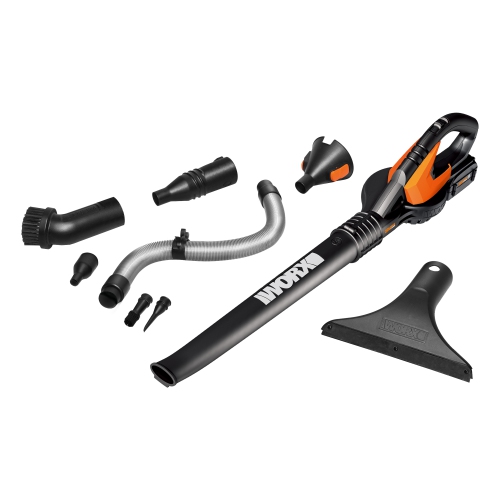 Your price for this item is $150
-
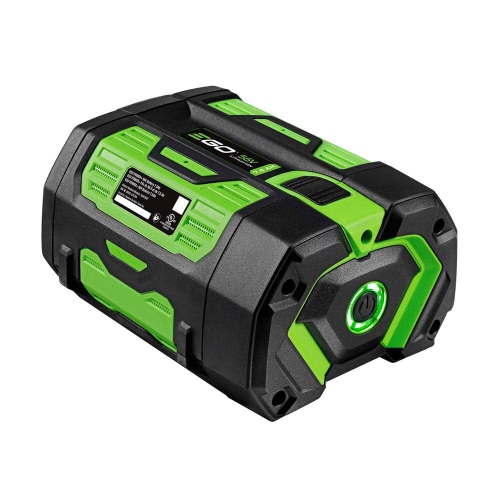 Your price for this item is $449.99
-
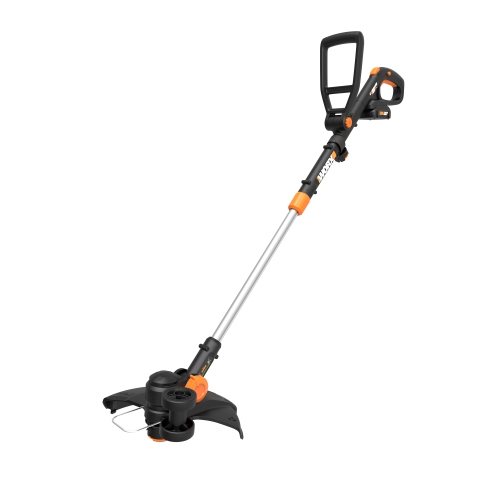 Your price for this item is $199.99
-
 Your price for this item is $359.99
-
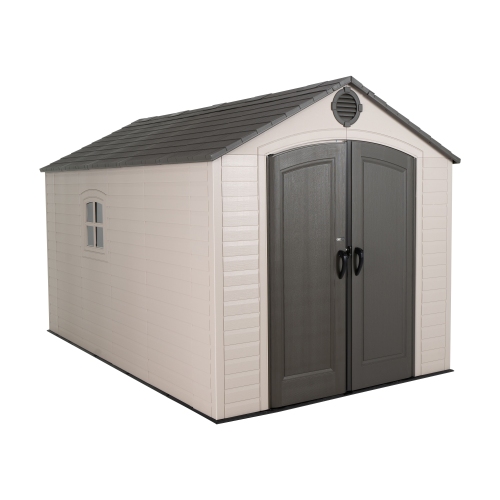 Your price for this item is $3028.99
-
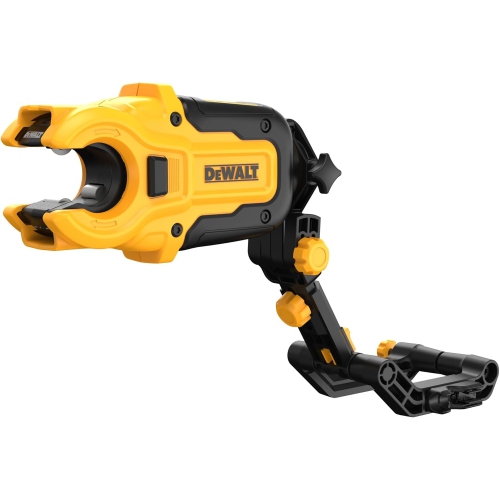 Your price for this item is $94.99
-
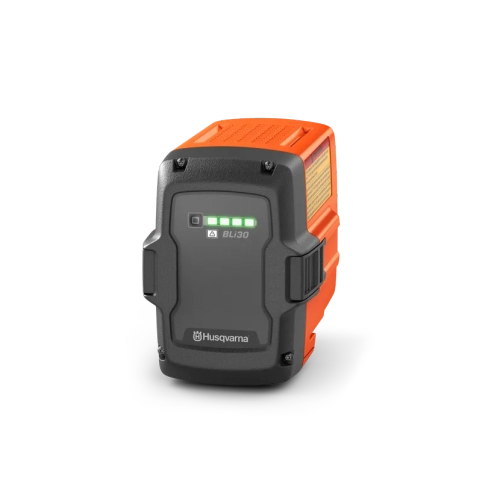 Your price for this item is $299.99
Discover more categories related to Steel Tool Boxes Deals
Top Collections:
Pokemon Centers, Best Cameras for Sports Photography, Kindle Devices, Samsung Galaxy Phones, Canon G7X Cameras, Pokémon 30th Celebration Cards, Refurbished Apple Laptops, iPhone 15 Apple, Laptops for Students, Budget Smartphones
Some products may be subject to Environmental Handling Fees
(EHF) depending on your province.
Learn more about EHFs.