Stool Chairs
Elevate your seating experience with a versatile stool chair that seamlessly blends functionality and style. Whether you're outfitting a modern kitchen, enhancing your home office, or adding extra seating to your living space, the right stool chair can provide the perfect balance of comfort and design. Available in a range of materials and finishes, these adaptable pieces are ideal for almost any room where you need flexible seating solutions. Discover how a well-chosen stool chair can transform your environment into a more inviting and efficient space.
Sort
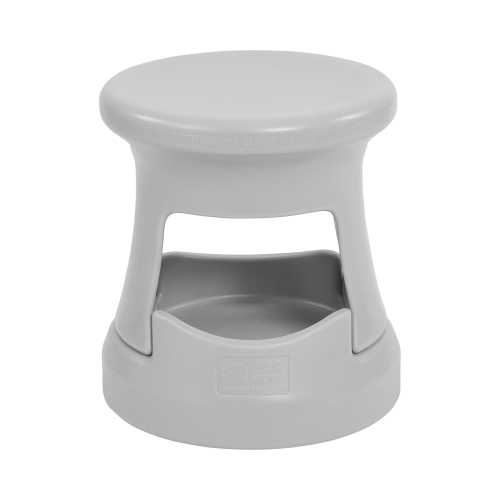
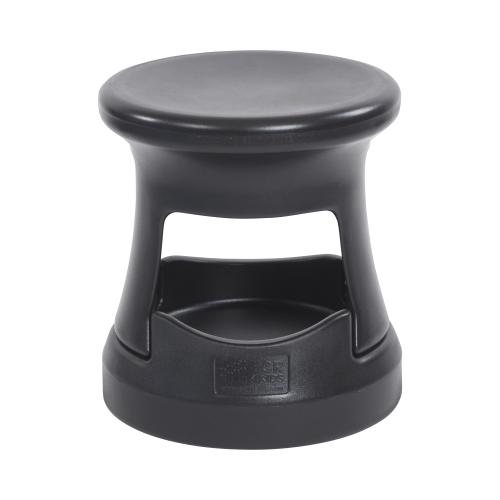
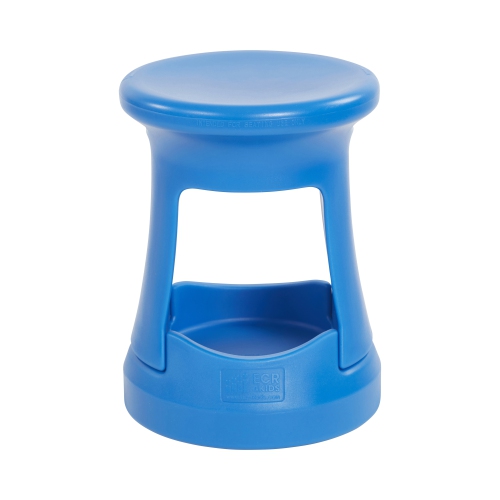
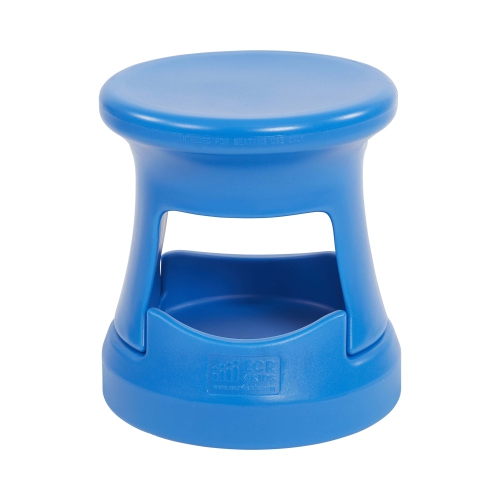


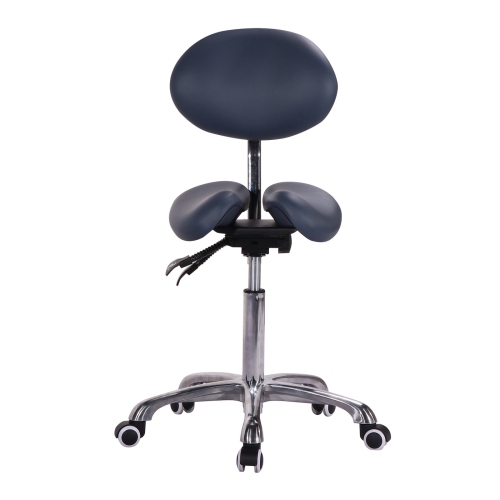
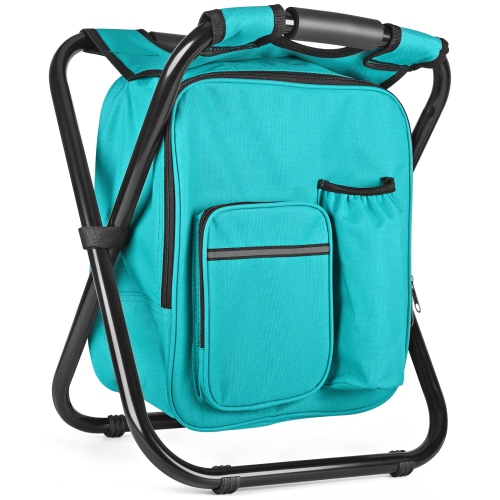
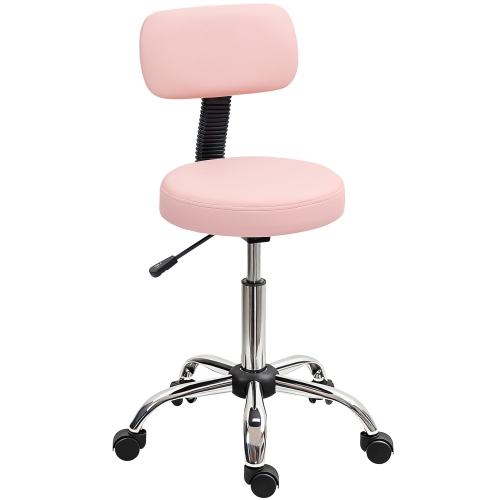
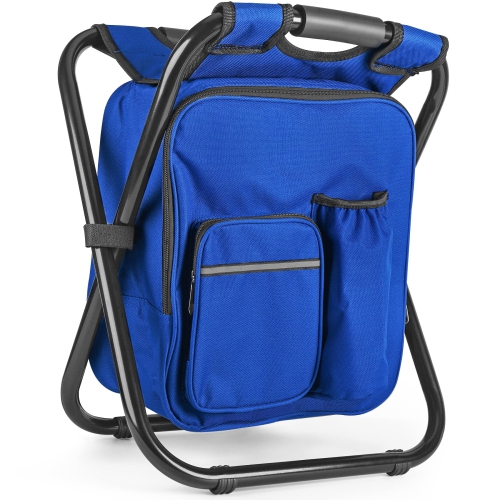
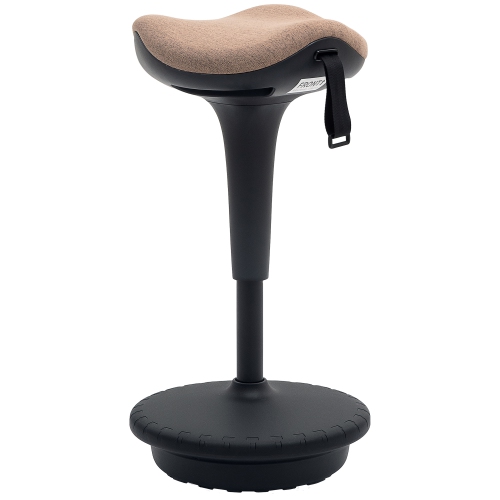
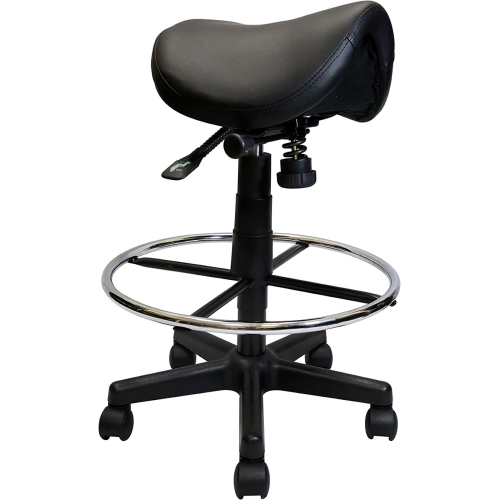
Comfort at the counter starts with the right fit
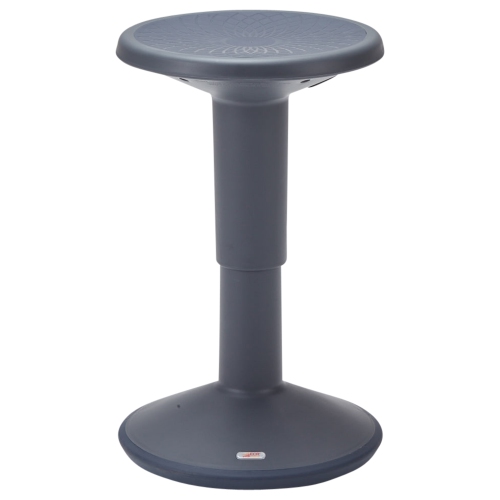
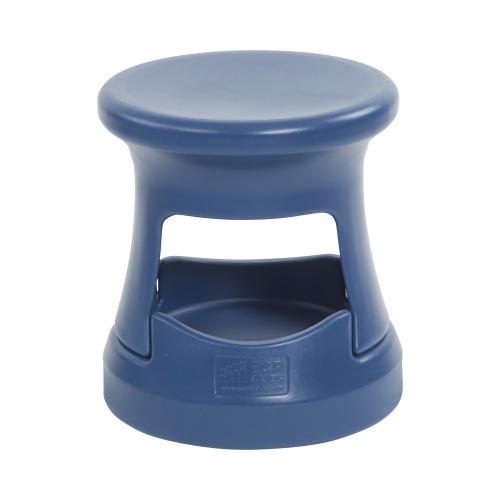
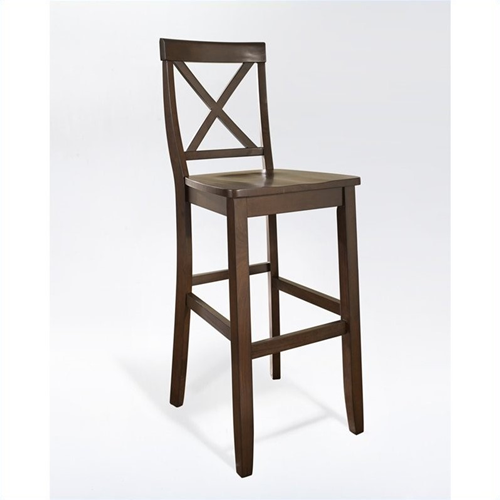
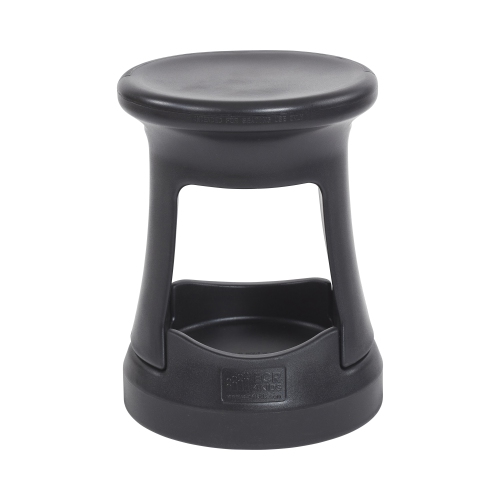
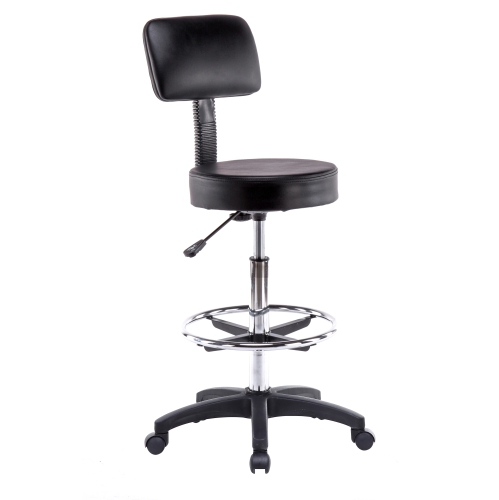
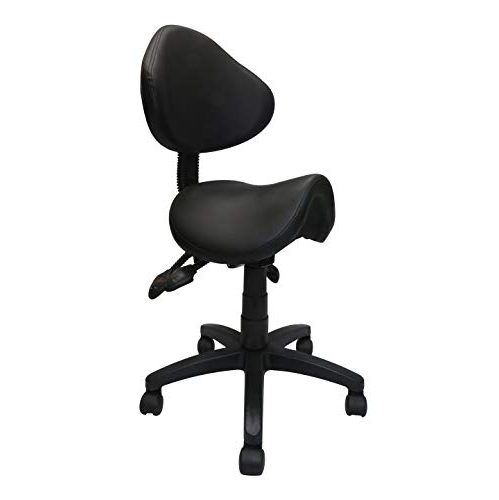
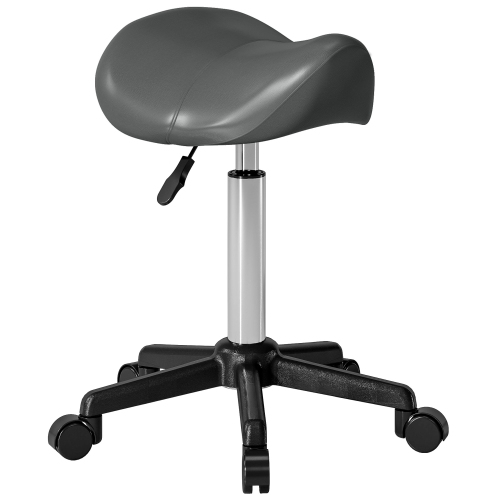
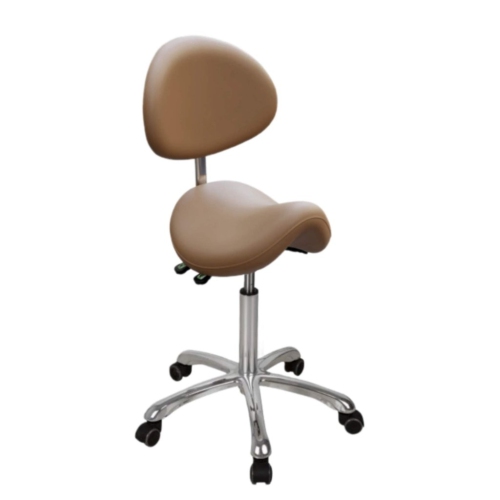
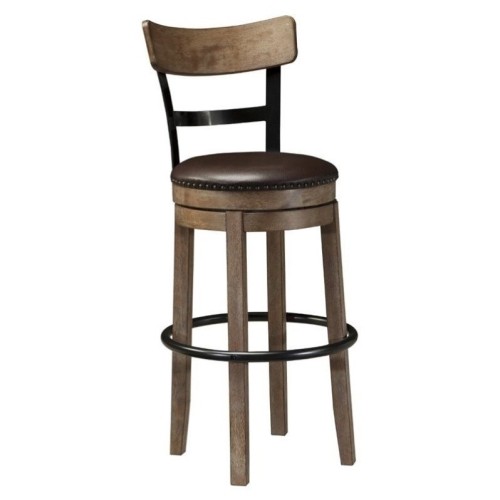
Stool chairs are compact seats with no backrest or a partial or full backrest, commonly used at kitchen islands, breakfast counters, home bars, and work surfaces. Their smaller footprint makes them useful wherever a full-sized dining chair would take up too much room, from a narrow condo kitchen to an open-plan family space. Backless stools can often tuck beneath a counter when not in use, keeping walkways clear and allowing the countertop to remain the visual focus. Stool chairs with backrests provide a surface to lean against during meals, conversation, or a quiet cup of coffee, while designs with arms offer another place to rest between bites or tasks. Height is the starting point for a comfortable fit. Counter-height stools generally have seats about 24 to 27 inches from the floor and suit many counters measuring 35 to 36 inches high. Bar-height stools typically have seats about 29 to 32 inches high and are intended for taller surfaces, often around 40 to 42 inches. Low stools, with seats commonly around 18 inches high, are closer to dining-chair height and work better beside suitably sized tables than at kitchen islands. These categories are useful reference points, but the actual measurements matter more than the label. Allow roughly 10 to 12 inches between the seat and the underside of the counter or table, checking for drawers, support rails, and thick countertop edges that reduce thigh clearance. A footrest is especially helpful on taller stool chairs because most people cannot rest their feet on the floor at counter height. Seat width and depth also affect comfort: a narrow perch may be enough for a quick snack, while a broader, gently contoured seat gives more room for lingering over breakfast. For shared seating, about 26 to 30 inches between seat centres is a useful starting point, with extra room for wide seats, arms, or swivel movement.
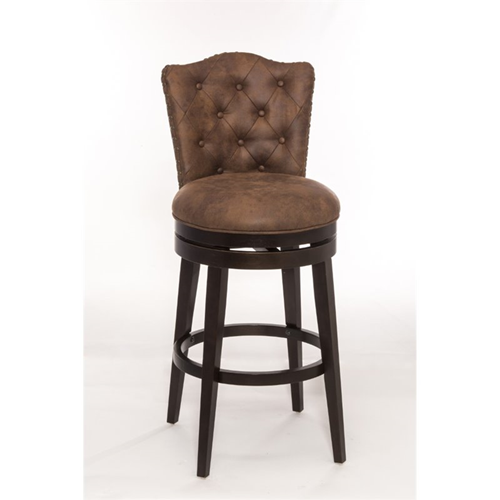
Materials give stool chairs much of their character and influence how they feel in everyday use. Solid wood brings visible grain and a warm touch to kitchens with painted cabinets or stone counters, while metal frames can create a slimmer outline around a busy island. The quality of the joints, finish, and frame construction matters alongside the material itself; a substantial-looking seat is not a substitute for secure connections and an appropriate stated weight capacity. Wood finishes need protection from standing water, and metal surfaces benefit from prompt drying after spills, particularly around joints and fasteners. Moulded plastic seats often have fewer seams to catch crumbs, making them practical in eating areas where a bowl of cereal or a glass of juice is never far away. Upholstered stool chairs add softness for longer meals, with fabric offering texture and leather or synthetic upholstery providing a different feel and cleaning routine. No upholstery should be assumed to resist every spill. Care labels determine which cleaners are suitable, and blotting a spill promptly is generally better than rubbing it into the surface. Seams, tufting, and woven seats can collect crumbs, so their appeal is worth weighing against the cleaning involved in a frequently used kitchen. A soft brush or suitable vacuum attachment can help remove loose debris where the care instructions allow. Colour and finish can connect stools to nearby furniture without matching every surface: a wood seat might pick up the tone of a dining table, while a dark frame can echo cabinet handles or pendant lights. For smaller rooms, open backs and slender legs leave clearer sightlines; upholstered backs make a stronger visual presence. Floor protection deserves attention, too. Suitable glides or pads can reduce scraping on hard flooring, but they should fit securely and be checked for trapped grit. During assembly and routine care, keeping hardware tightened as directed helps prevent looseness from developing through daily movement.
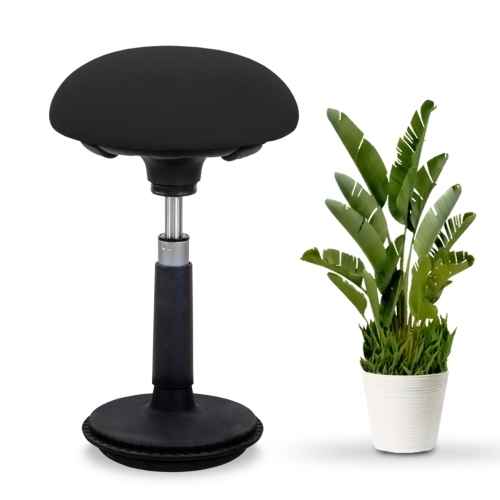
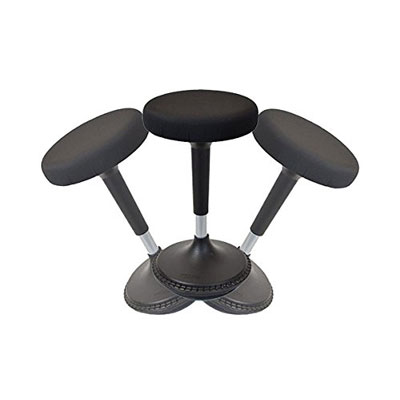
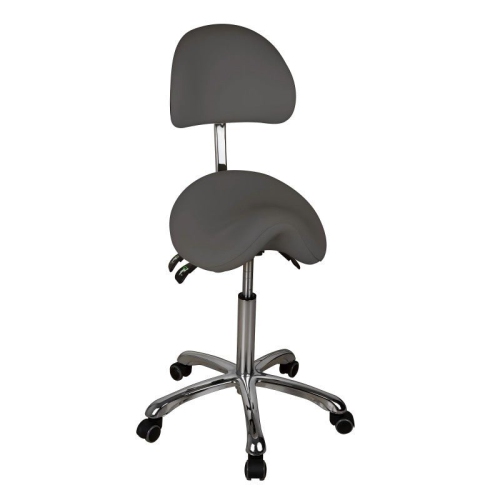
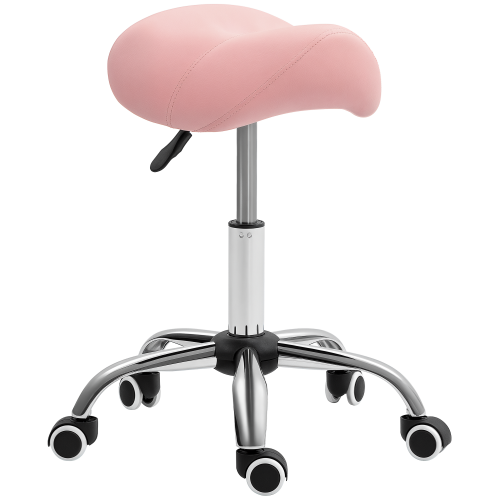
The right stool chair also depends on how people move through the space and how long they expect to sit. Swivel stools make it easier to turn from a kitchen island towards a conversation without dragging the whole seat across the floor, although the turning seat and backrest need clearance from cabinets, walls, and neighbouring stools. Some swivel mechanisms rotate through 360 degrees, while others have a limited range or return to a starting position. Adjustable-height stools use a lift mechanism to move the seat within a specified range, which can help accommodate different users or more than one suitable surface. The minimum and maximum seat heights still need to match the intended setup; an adjustable stool does not necessarily span both dining and bar heights. A broad, stable base and an accessible adjustment lever are worth considering alongside appearance. Rolling stools serve a different purpose, allowing seated movement around an appropriate task area, such as a hobby bench or studio. Their castors need to suit the flooring, and free movement may be less desirable near an eating counter, stairs, or uneven surfaces. For occasional visitors, lightweight or stackable stools can make extra seating easier to store, provided the design is intended for stacking. Taller seating requires climbing onto and stepping down from the seat, so households with young children or people with limited mobility may find lower seating more practical for some activities. Child-sized seating and access needs are distinct from adult counter seating; Kids Stools can be considered separately, with attention to each design’s intended purpose, age guidance, and supervision requirements. An adult stool chair should never stand in for a step stool. For anyone furnishing a first apartment, refreshing a breakfast nook, or creating a place for guests to chat while dinner is prepared, a well-fitting stool can make an otherwise unused counter more welcoming. Stool chairs can also be a thoughtful housewarming gift when the recipient’s measurements and preferences are known. Matching the seat to the surface, the user, and the daily routine matters more than choosing by appearance alone.
Materials give stool chairs much of their character and influence how they feel in everyday use. Solid wood brings visible grain and a warm touch to kitchens with painted cabinets or stone counters, while metal frames can create a slimmer outline around a busy island. The quality of the joints, finish, and frame construction matters alongside the material itself; a substantial-looking seat is not a substitute for secure connections and an appropriate stated weight capacity. Wood finishes need protection from standing water, and metal surfaces benefit from prompt drying after spills, particularly around joints and fasteners. Moulded plastic seats often have fewer seams to catch crumbs, making them practical in eating areas where a bowl of cereal or a glass of juice is never far away. Upholstered stool chairs add softness for longer meals, with fabric offering texture and leather or synthetic upholstery providing a different feel and cleaning routine. No upholstery should be assumed to resist every spill. Care labels determine which cleaners are suitable, and blotting a spill promptly is generally better than rubbing it into the surface. Seams, tufting, and woven seats can collect crumbs, so their appeal is worth weighing against the cleaning involved in a frequently used kitchen. A soft brush or suitable vacuum attachment can help remove loose debris where the care instructions allow. Colour and finish can connect stools to nearby furniture without matching every surface: a wood seat might pick up the tone of a dining table, while a dark frame can echo cabinet handles or pendant lights. For smaller rooms, open backs and slender legs leave clearer sightlines; upholstered backs make a stronger visual presence. Floor protection deserves attention, too. Suitable glides or pads can reduce scraping on hard flooring, but they should fit securely and be checked for trapped grit. During assembly and routine care, keeping hardware tightened as directed helps prevent looseness from developing through daily movement.
The right stool chair also depends on how people move through the space and how long they expect to sit. Swivel stools make it easier to turn from a kitchen island towards a conversation without dragging the whole seat across the floor, although the turning seat and backrest need clearance from cabinets, walls, and neighbouring stools. Some swivel mechanisms rotate through 360 degrees, while others have a limited range or return to a starting position. Adjustable-height stools use a lift mechanism to move the seat within a specified range, which can help accommodate different users or more than one suitable surface. The minimum and maximum seat heights still need to match the intended setup; an adjustable stool does not necessarily span both dining and bar heights. A broad, stable base and an accessible adjustment lever are worth considering alongside appearance. Rolling stools serve a different purpose, allowing seated movement around an appropriate task area, such as a hobby bench or studio. Their castors need to suit the flooring, and free movement may be less desirable near an eating counter, stairs, or uneven surfaces. For occasional visitors, lightweight or stackable stools can make extra seating easier to store, provided the design is intended for stacking. Taller seating requires climbing onto and stepping down from the seat, so households with young children or people with limited mobility may find lower seating more practical for some activities. Child-sized seating and access needs are distinct from adult counter seating; Kids Stools can be considered separately, with attention to each design’s intended purpose, age guidance, and supervision requirements. An adult stool chair should never stand in for a step stool. For anyone furnishing a first apartment, refreshing a breakfast nook, or creating a place for guests to chat while dinner is prepared, a well-fitting stool can make an otherwise unused counter more welcoming. Stool chairs can also be a thoughtful housewarming gift when the recipient’s measurements and preferences are known. Matching the seat to the surface, the user, and the daily routine matters more than choosing by appearance alone.
Top selling and popular products
-
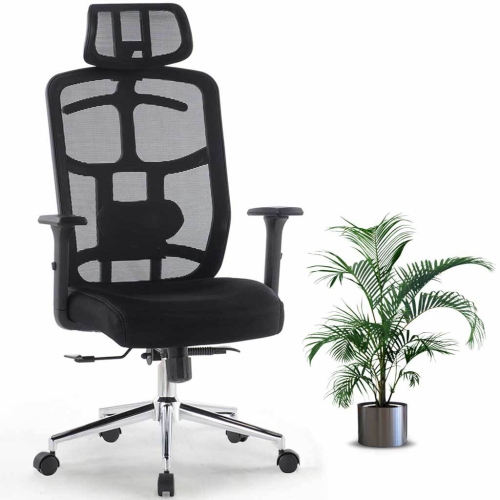 Your price for this item is $114.99
 -
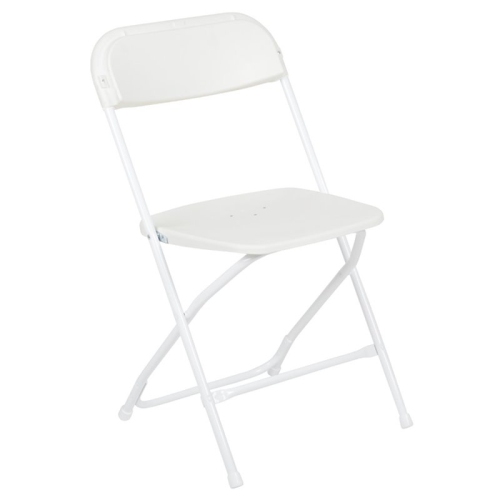 Your price for this item is $123
 -
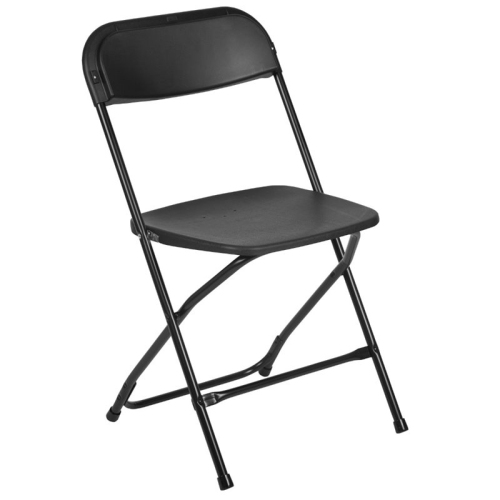 Your price for this item is $139.99
 -
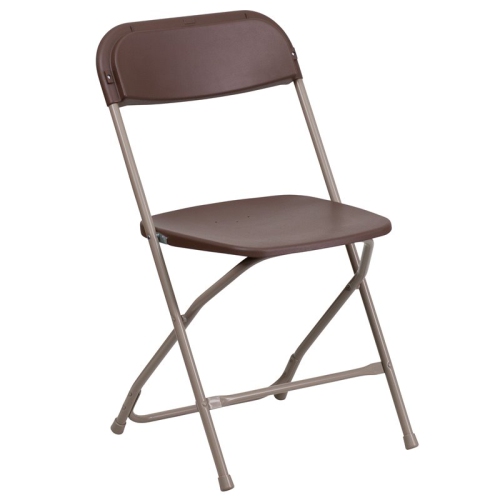 Your price for this item is $139.99
 -
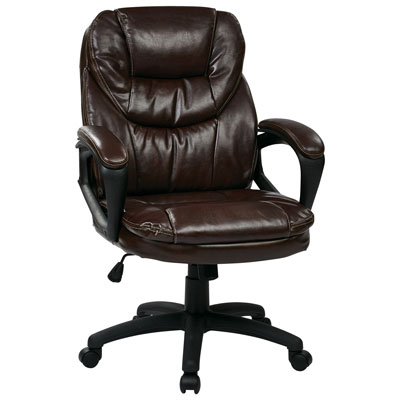 Your price for this item is $203.98
 -
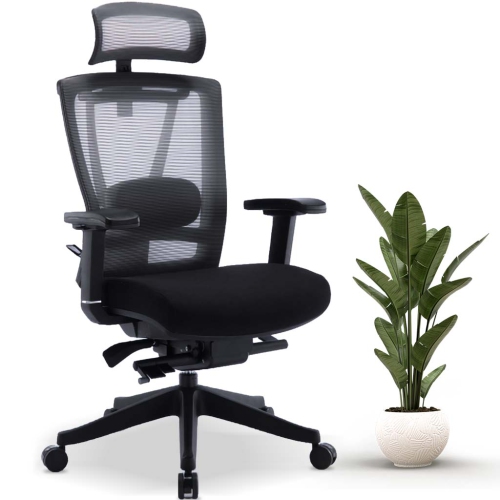 Your price for this item is $379.99
 -
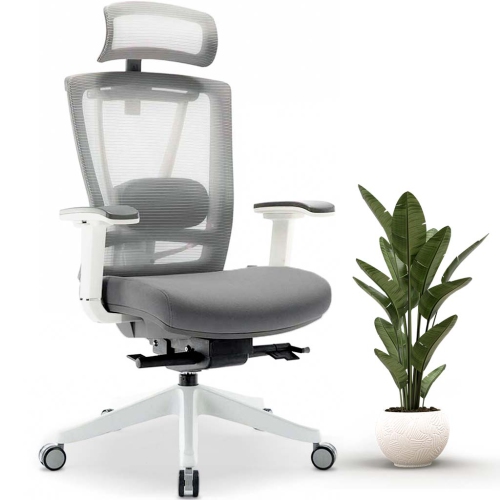 Your price for this item is $379.99
 -
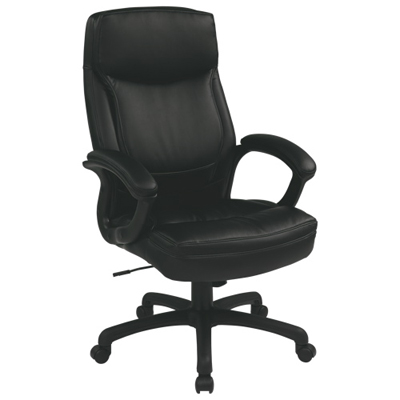 Your price for this item is $594.99
Discover more categories related to Stool Chairs
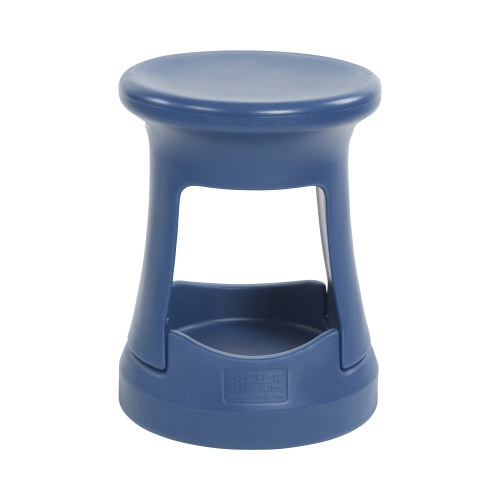
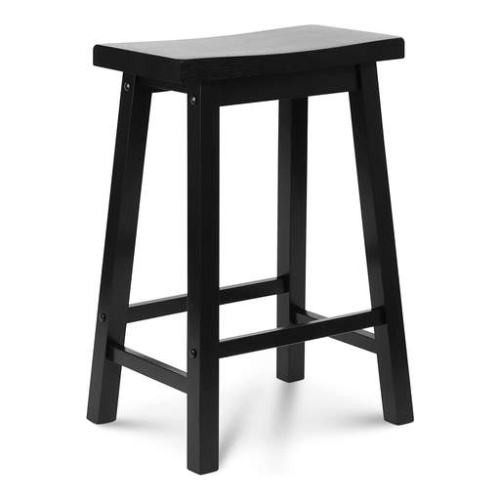
Top Collections:
Pokemon Centers, Kindle Devices, Best Budget Office Chairs, Apple iPhones 16, Best Laptops for Writers, iPhone 15 Apple, Canon G7X Cameras, Refurbished Apple Laptops, Alarm Clock, Motorola Razr Phones
Some products may be subject to Environmental Handling Fees
(EHF) depending on your province.
Learn more about EHFs.