Wooden Stool Chairs
Wooden stool chairs are an attractive and practical seating option for almost any home. These chairs are typically designed with a simple and sturdy construction, making them a great choice for both indoor and outdoor use. Here are some great options available.
Sort
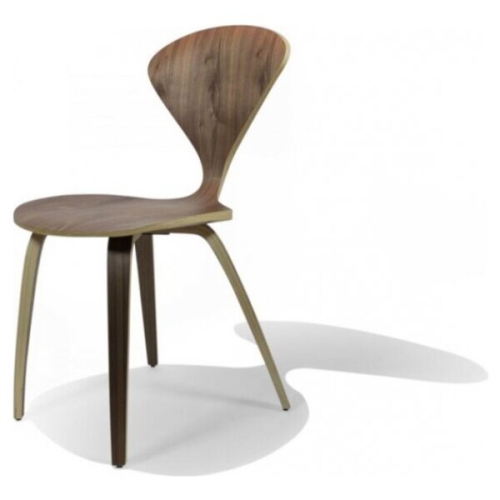
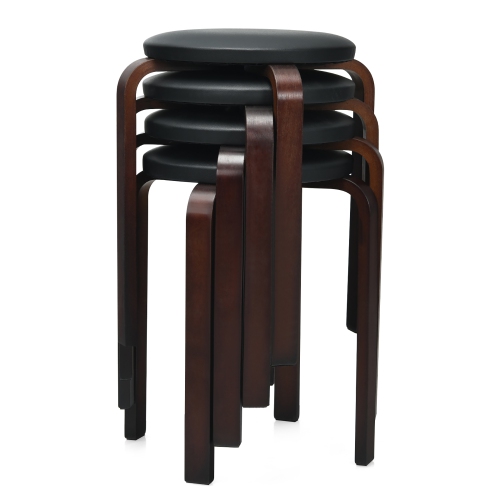
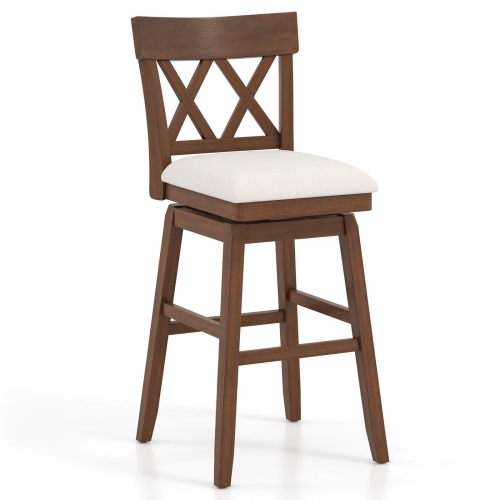
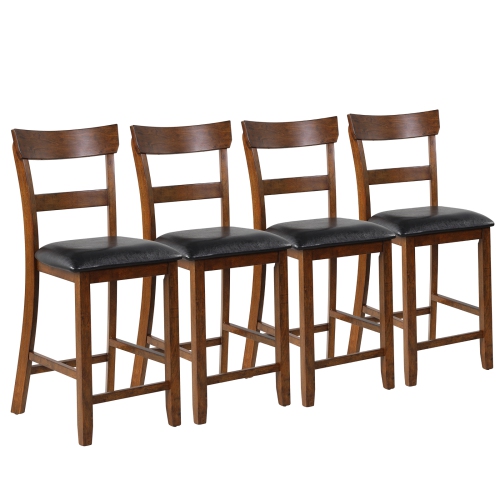
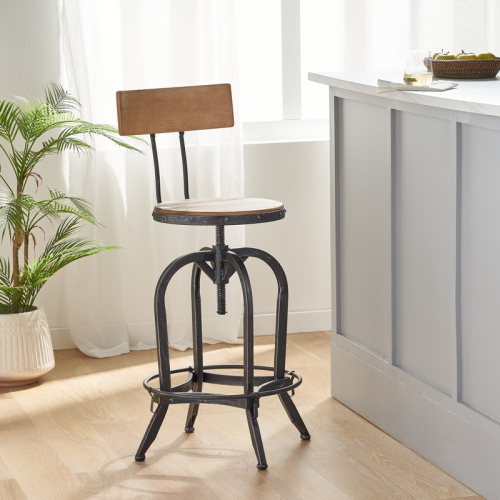
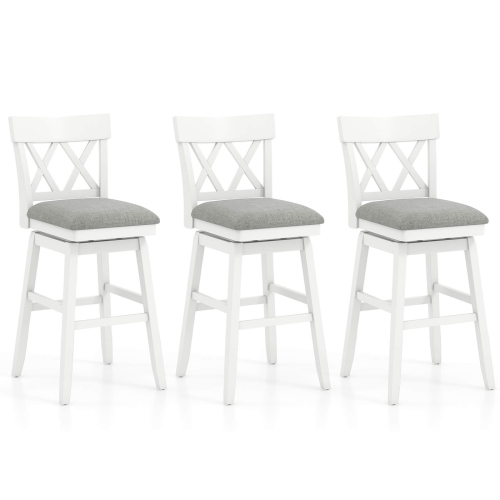
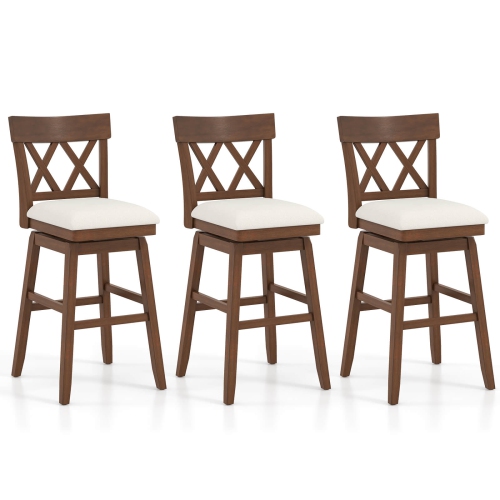
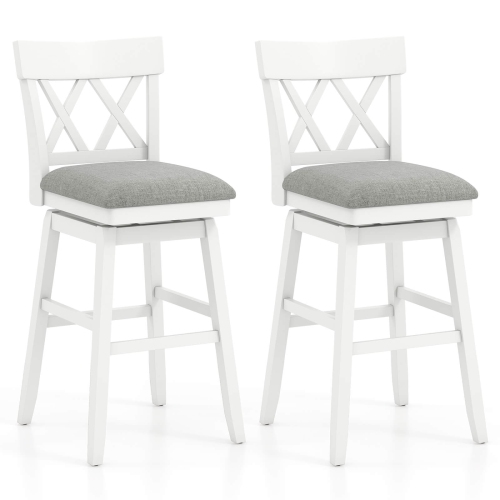
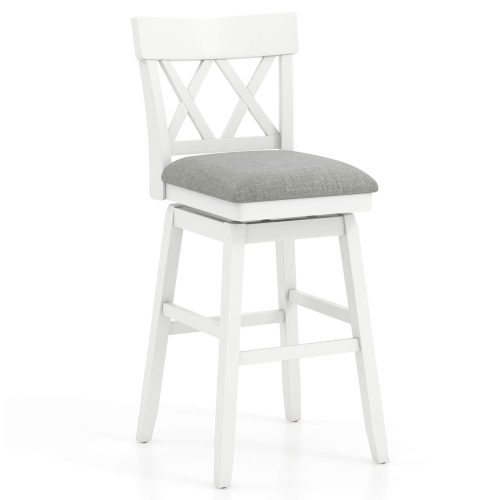
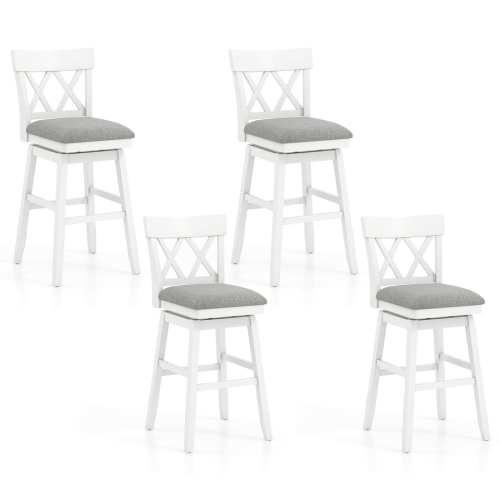
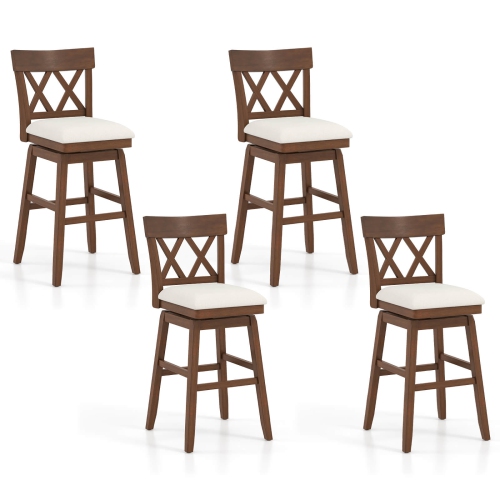
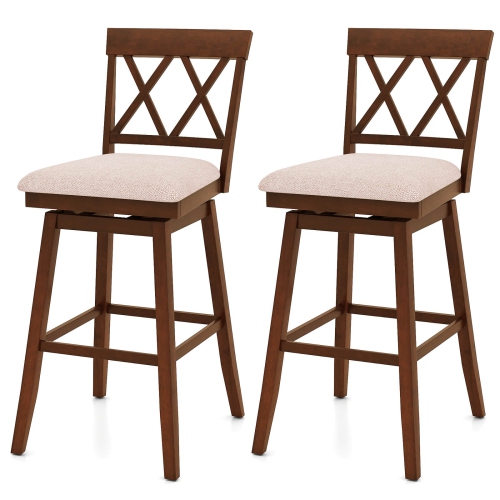
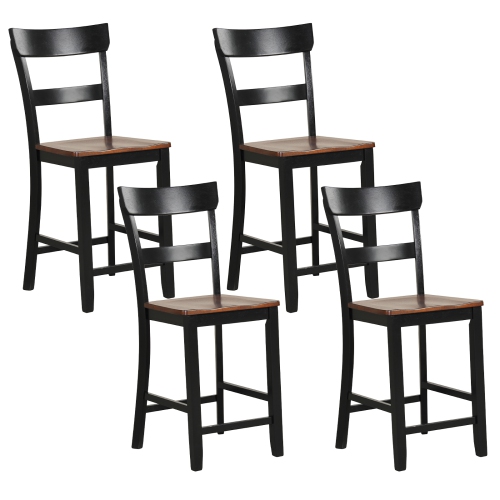
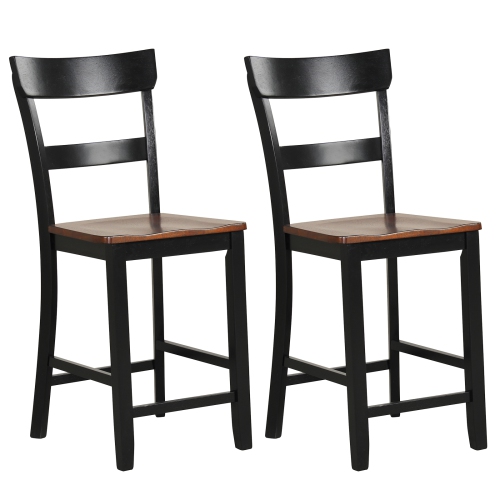
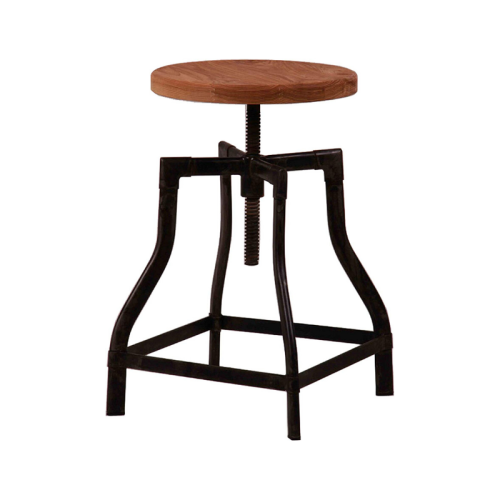
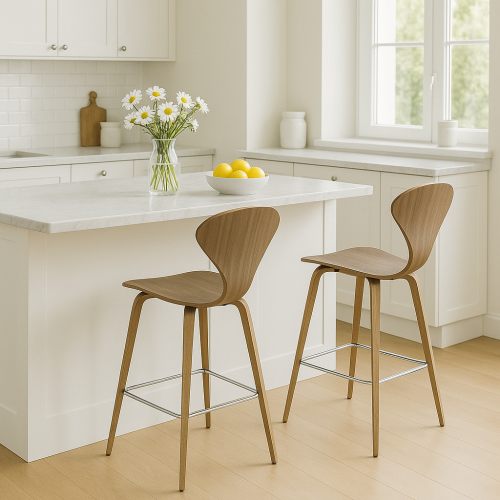
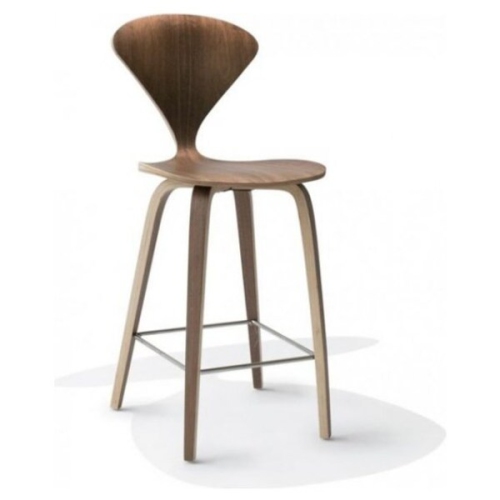
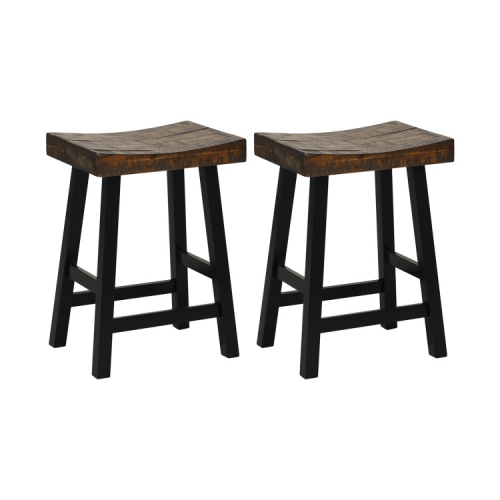
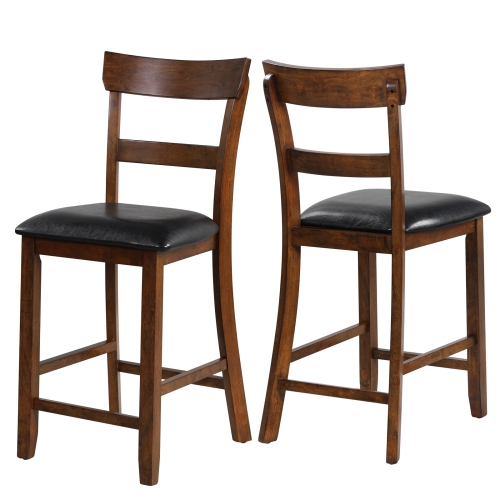
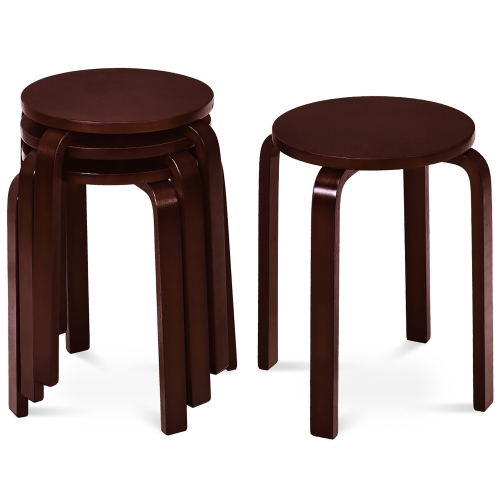
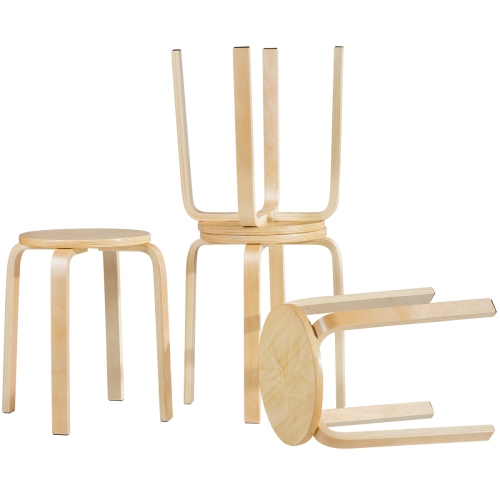
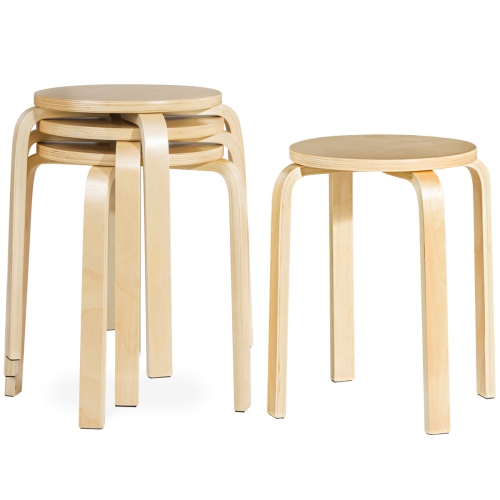
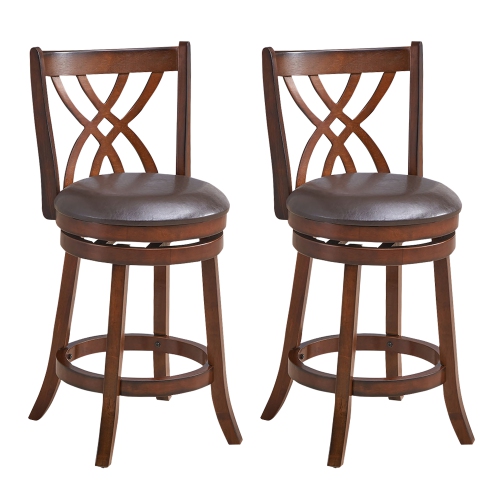
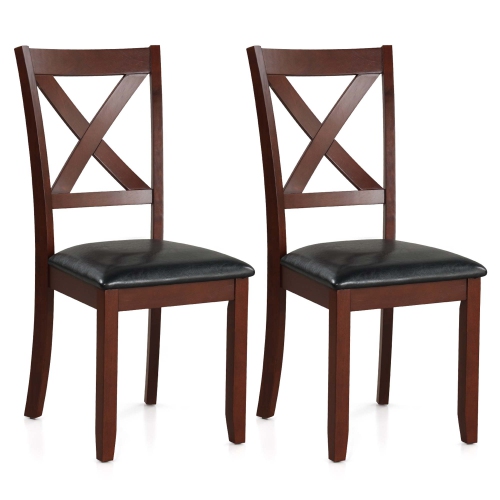
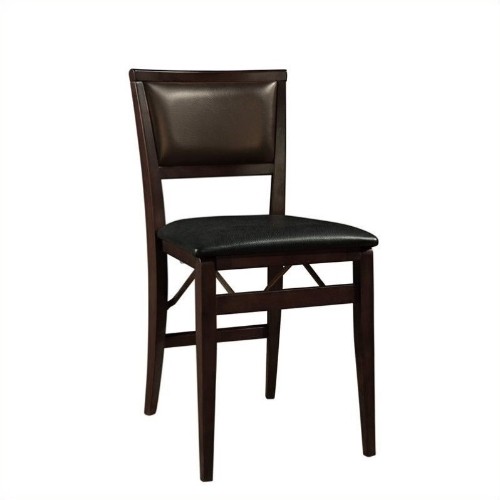
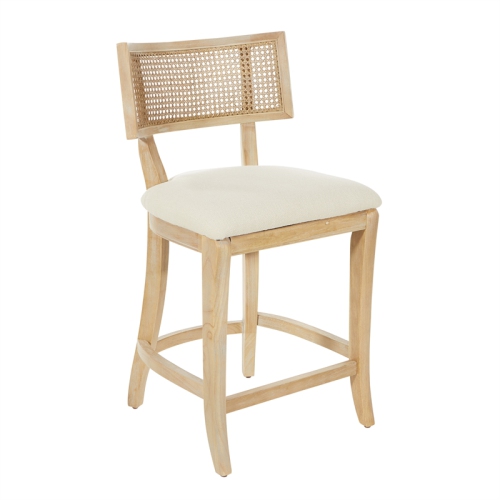
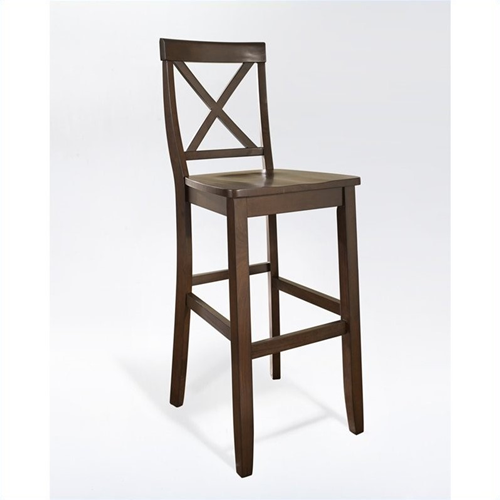
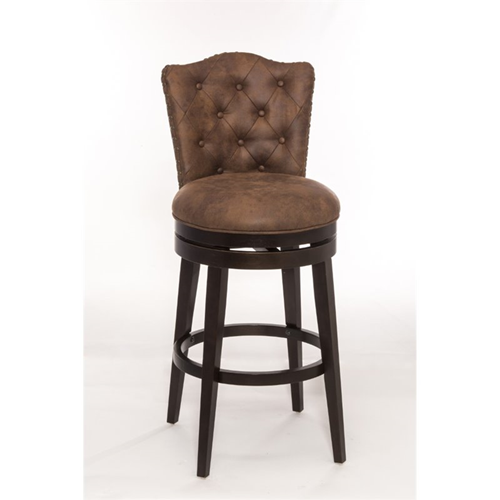
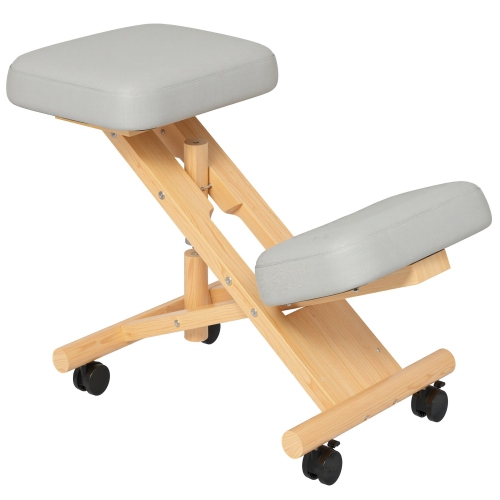
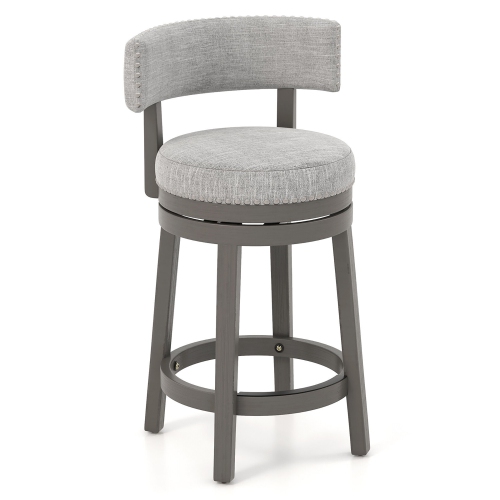
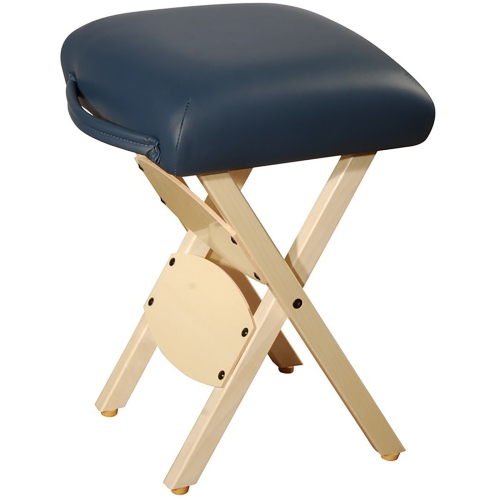
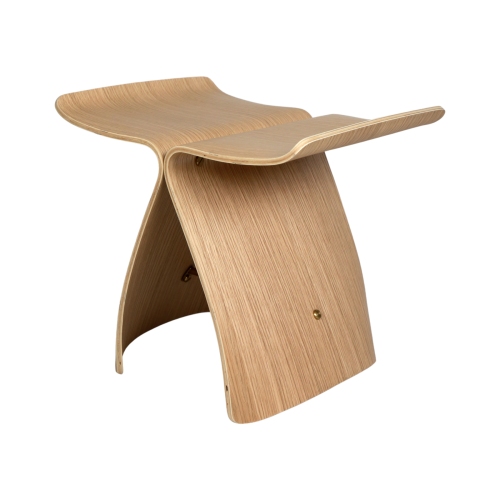
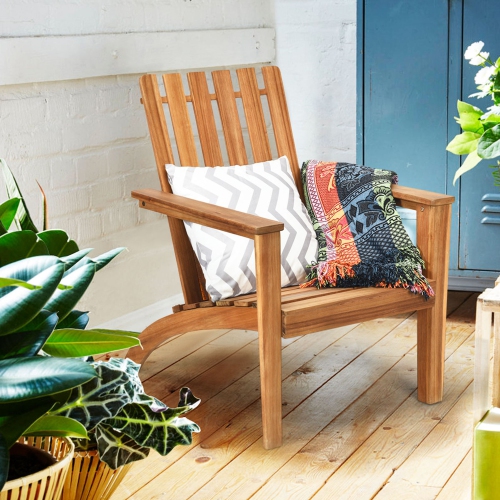
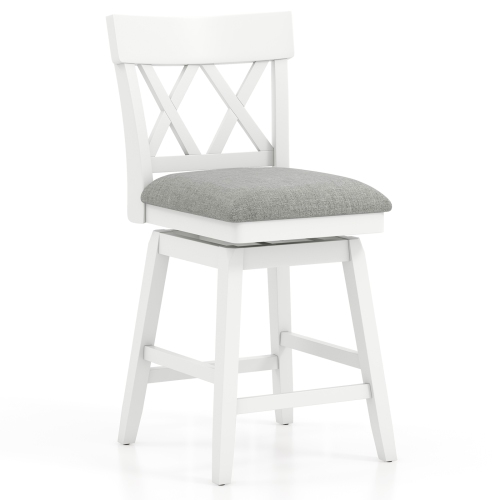
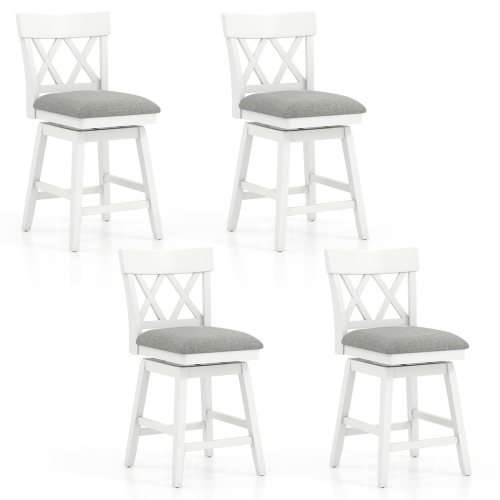
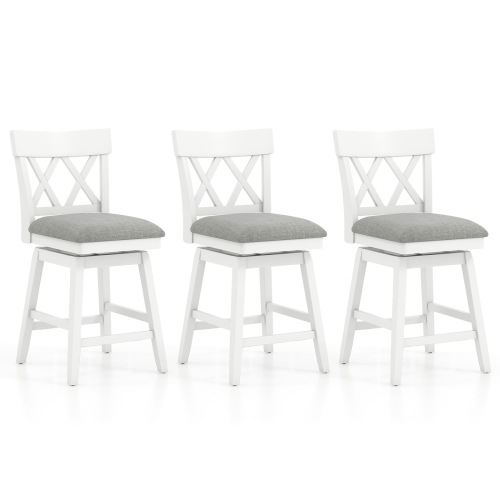
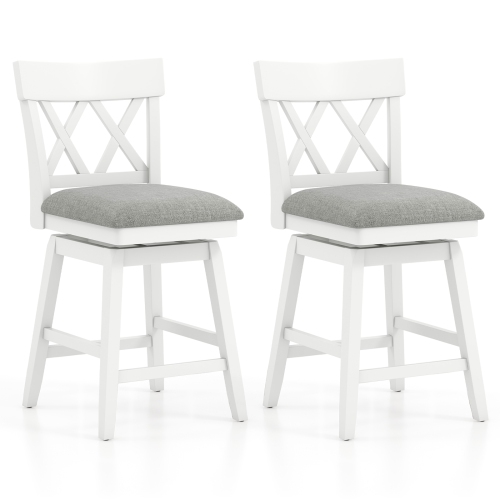
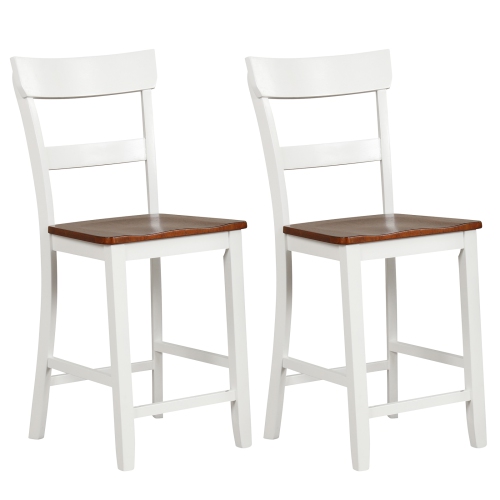
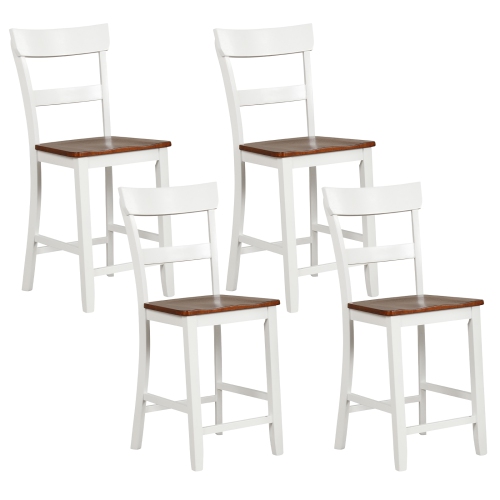
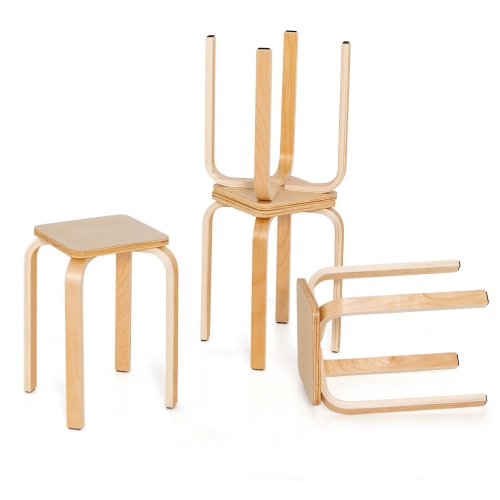
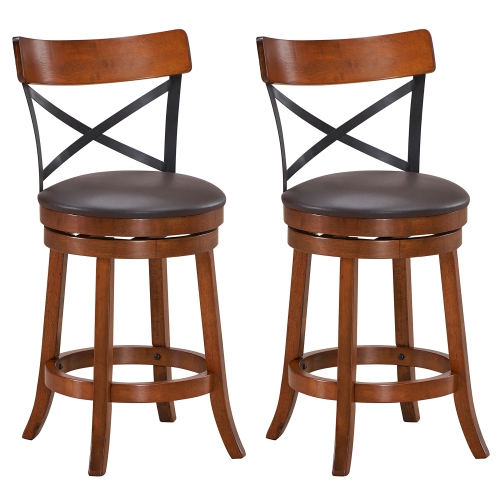
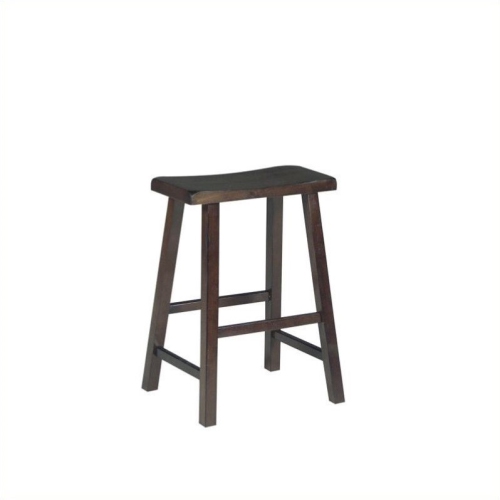
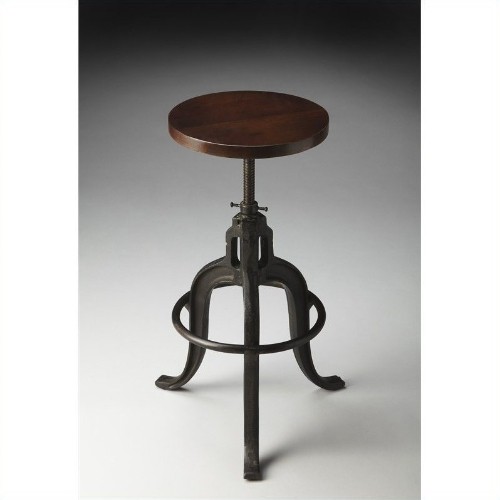
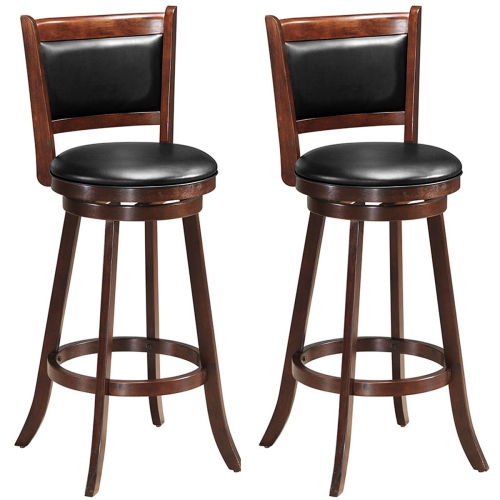
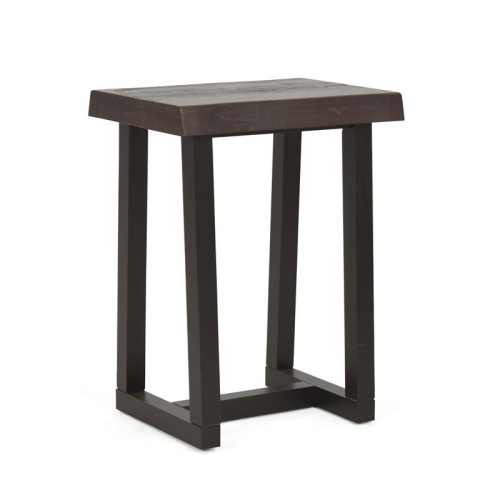
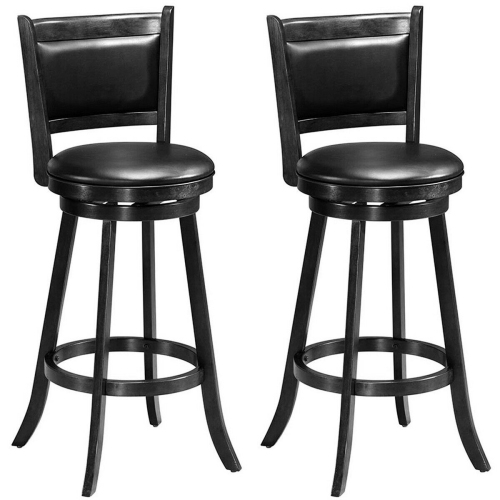
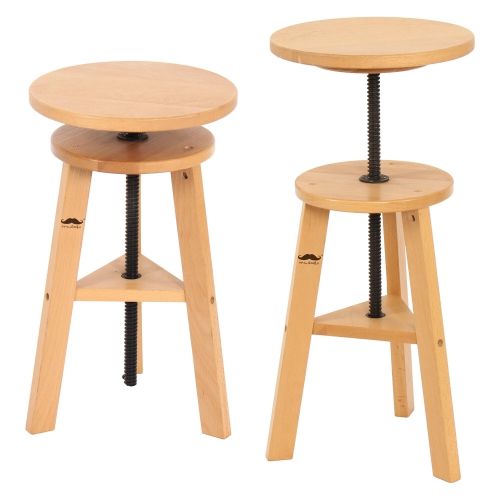
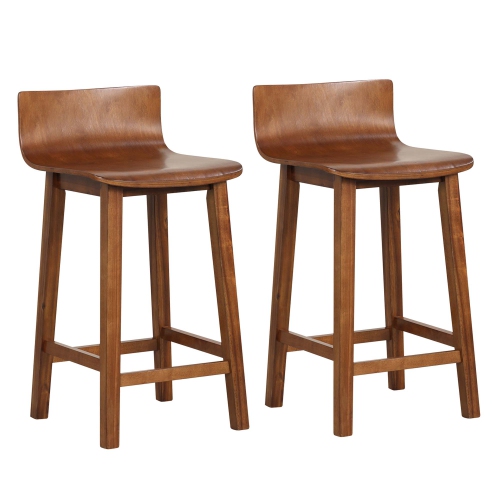
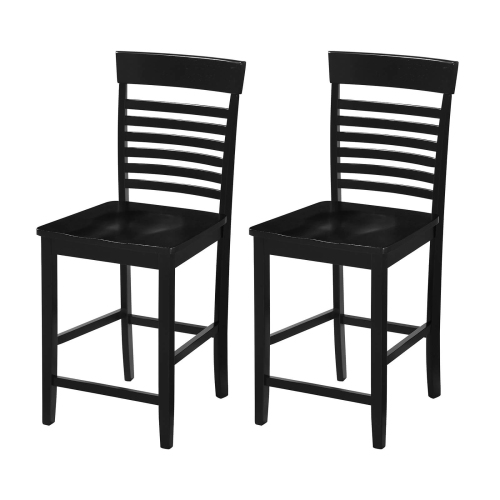
Warm wood grain meets seating that fits your space
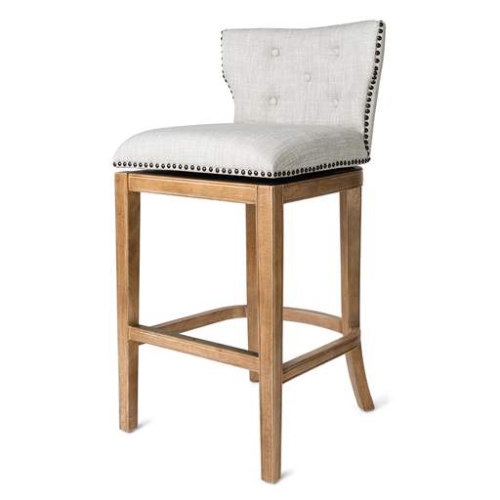
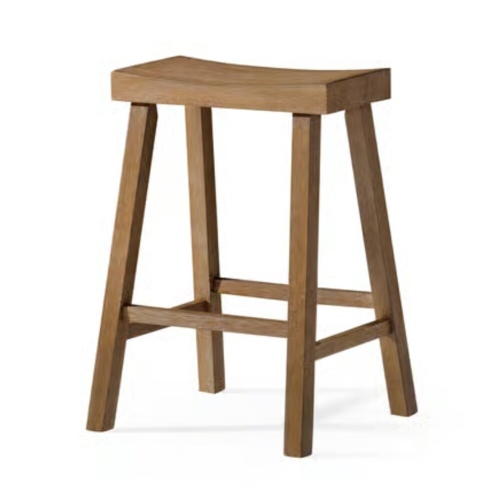
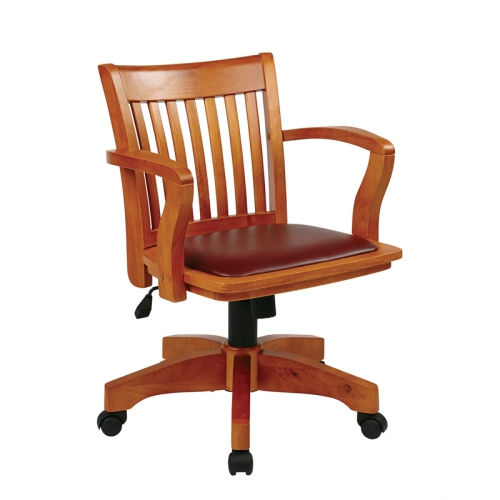
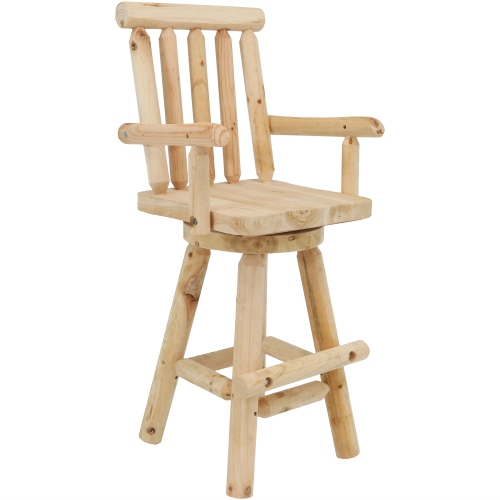
Wooden stool chairs bring the warmth of visible grain and the practicality of compact seating to kitchens, dining areas, and multipurpose rooms. Their appeal lies in the way a simple silhouette can feel at home beside a busy breakfast counter, beneath a narrow apartment island, or at a tall table used for casual meals. Pale woods can keep a small space feeling light, while deeper brown finishes add contrast against white cabinetry, stone surfaces, or brushed metal hardware. Painted frames offer a different look, ranging from quiet neutrals to colours that give an otherwise understated room a focal point. The shape matters as much as the finish: straight legs and a flat seat create a clean, restrained profile, while turned legs, curved backs, and gently scooped seats lend a more traditional feel. Backless stools tuck neatly beneath an overhang and leave sightlines open, making them useful where the kitchen shares space with the living room. Stool chairs with backs provide a place to lean during a leisurely breakfast or a conversation that carries on after dinner. Armrests can add comfort, although they also need enough clearance to slide beneath the counter. In a household where seating serves several purposes, a wooden stool might support a quick lunch, a homework session, or a spot for a guest to chat while dinner is prepared. For seating centred on food preparation and everyday dining, Wooden Kitchen Stools offer a closely related style to consider alongside the room’s layout and finishes. Matching every wood surface is not essential; a shared undertone or a repeated detail, such as rounded edges or dark legs, can help different pieces feel connected. A pair of stools can make a compact eating area feel intentional, while a longer row works best when each person has enough room to sit, turn, and move away from the counter without brushing against the next seat.
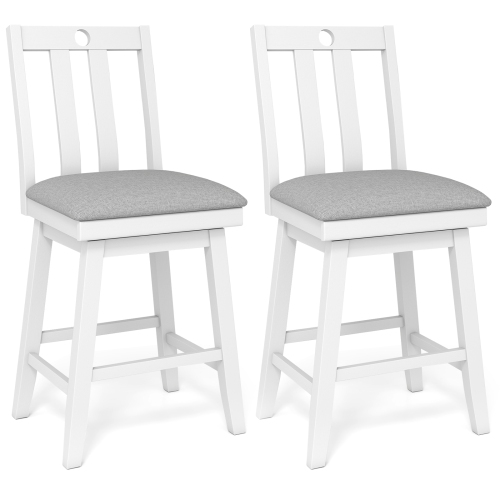
Fit is often what separates a stool that looks right from one that feels comfortable every day. Seat height should relate to the underside of the surface, not just its top, especially when a table has a deep apron or an island includes drawers beneath the overhang. As a general starting point, allowing about 10 to 12 inches between the seat and the underside of the counter gives many adults room for their legs, though individual proportions and the stool’s design will affect comfort. Counter-height and bar-height seating are not interchangeable, so actual measurements are more useful than a style label alone. Seat width, depth, and shape deserve equal attention. A broad, gently contoured wooden seat can feel supportive during a short meal, while a padded seat may suit people who spend longer stretches at the island. Upholstery introduces another texture, but it also changes the cleaning routine, particularly where coffee, crumbs, and sauce splashes are part of daily life. A footrest is especially helpful on taller stools because it gives the feet a resting point rather than leaving the legs hanging. Its position should feel natural, and the overall frame should remain steady as the seated person shifts position. Swivel seating can make it easier to join a conversation without dragging the legs across the floor, but it needs clearance from neighbouring chairs, cabinet handles, and walls. In narrow rooms, the space behind an occupied stool is just as important as the space beneath it; someone carrying a tray should still be able to pass comfortably. Households with children or people who find high seating awkward may prefer a stable design with a supportive back and an accessible footrest, while checking the stated age suitability and weight capacity. Wooden stool chairs are seating, not substitutes for a step stool, and footrests should not be treated as climbing steps. These details matter most in the ordinary moments: settling in with a bowl of cereal, turning to greet someone at the door, or getting up without catching a knee beneath the counter.
Materials and construction influence how wooden stool chairs feel, wear, and respond to regular use. Solid wood can show distinctive grain patterns and small variations in tone, giving each piece a slightly different appearance. Oak often has a pronounced grain, maple tends to look more even, and beech commonly brings a fine, understated texture. Softer woods can develop dents more readily, so the character of the material should suit the pace of the household. Wood veneers provide a real-wood surface over another core material, while engineered wood components can offer a uniform appearance; durability depends on the full construction, the finish, and how the seating is used rather than on one material description alone. A wooden seat on a metal frame has different contact points and care needs from an all-wood design. Whatever the combination, firmly fitted joints, level legs, and crossbars that help brace the frame contribute to a steady feel. On seating that requires assembly, hardware should be tightened according to the supplied directions and checked periodically, particularly if a stool begins to wobble. For routine care, a soft cloth and prompt attention to spills help protect the surface. Excess water, abrasive pads, and strong cleaning agents can damage some finishes, so the manufacturer’s care instructions should determine which cleaners are suitable. Seat cushions should fit securely and leave the seating surface stable rather than slippery or uneven. Felt pads beneath the legs can help limit scuffs on hard flooring, provided they remain clean and are replaced when worn. Wood can also respond to changes in indoor humidity, making placement away from direct heat sources and prolonged moisture sensible, especially during the cooler months when heating systems run more often. Indoor wooden seating should only be used outdoors when it is specifically rated for that purpose. For a first apartment, a shared family kitchen, or a housewarming gift chosen with the recipient’s measurements and taste in mind, the most useful stool chairs balance appearance with the demands of the space. Comfortable proportions, a finish that suits everyday care, and a sturdy frame help make them an easy part of daily routines.
Fit is often what separates a stool that looks right from one that feels comfortable every day. Seat height should relate to the underside of the surface, not just its top, especially when a table has a deep apron or an island includes drawers beneath the overhang. As a general starting point, allowing about 10 to 12 inches between the seat and the underside of the counter gives many adults room for their legs, though individual proportions and the stool’s design will affect comfort. Counter-height and bar-height seating are not interchangeable, so actual measurements are more useful than a style label alone. Seat width, depth, and shape deserve equal attention. A broad, gently contoured wooden seat can feel supportive during a short meal, while a padded seat may suit people who spend longer stretches at the island. Upholstery introduces another texture, but it also changes the cleaning routine, particularly where coffee, crumbs, and sauce splashes are part of daily life. A footrest is especially helpful on taller stools because it gives the feet a resting point rather than leaving the legs hanging. Its position should feel natural, and the overall frame should remain steady as the seated person shifts position. Swivel seating can make it easier to join a conversation without dragging the legs across the floor, but it needs clearance from neighbouring chairs, cabinet handles, and walls. In narrow rooms, the space behind an occupied stool is just as important as the space beneath it; someone carrying a tray should still be able to pass comfortably. Households with children or people who find high seating awkward may prefer a stable design with a supportive back and an accessible footrest, while checking the stated age suitability and weight capacity. Wooden stool chairs are seating, not substitutes for a step stool, and footrests should not be treated as climbing steps. These details matter most in the ordinary moments: settling in with a bowl of cereal, turning to greet someone at the door, or getting up without catching a knee beneath the counter.
Materials and construction influence how wooden stool chairs feel, wear, and respond to regular use. Solid wood can show distinctive grain patterns and small variations in tone, giving each piece a slightly different appearance. Oak often has a pronounced grain, maple tends to look more even, and beech commonly brings a fine, understated texture. Softer woods can develop dents more readily, so the character of the material should suit the pace of the household. Wood veneers provide a real-wood surface over another core material, while engineered wood components can offer a uniform appearance; durability depends on the full construction, the finish, and how the seating is used rather than on one material description alone. A wooden seat on a metal frame has different contact points and care needs from an all-wood design. Whatever the combination, firmly fitted joints, level legs, and crossbars that help brace the frame contribute to a steady feel. On seating that requires assembly, hardware should be tightened according to the supplied directions and checked periodically, particularly if a stool begins to wobble. For routine care, a soft cloth and prompt attention to spills help protect the surface. Excess water, abrasive pads, and strong cleaning agents can damage some finishes, so the manufacturer’s care instructions should determine which cleaners are suitable. Seat cushions should fit securely and leave the seating surface stable rather than slippery or uneven. Felt pads beneath the legs can help limit scuffs on hard flooring, provided they remain clean and are replaced when worn. Wood can also respond to changes in indoor humidity, making placement away from direct heat sources and prolonged moisture sensible, especially during the cooler months when heating systems run more often. Indoor wooden seating should only be used outdoors when it is specifically rated for that purpose. For a first apartment, a shared family kitchen, or a housewarming gift chosen with the recipient’s measurements and taste in mind, the most useful stool chairs balance appearance with the demands of the space. Comfortable proportions, a finish that suits everyday care, and a sturdy frame help make them an easy part of daily routines.
Top selling and popular products
-
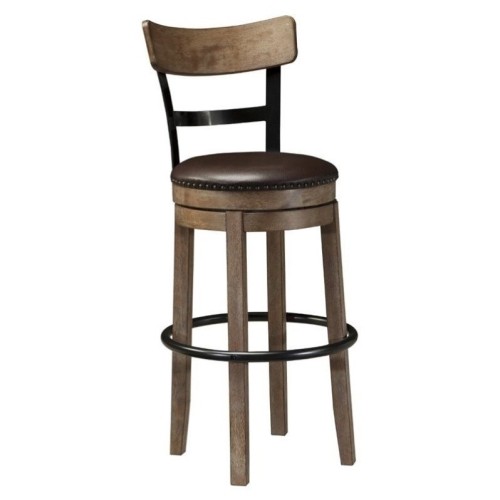 Your price for this item is $416.61
 -
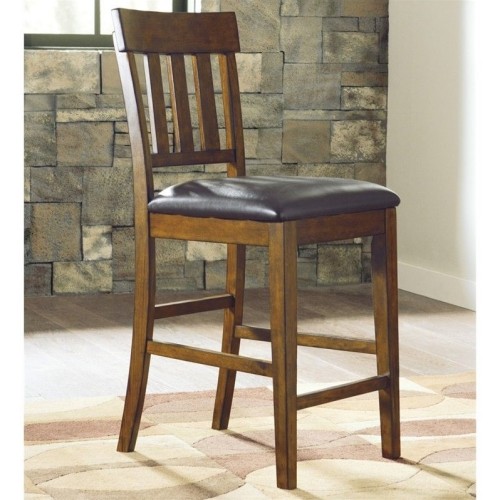 Your price for this item is $666.4
 -
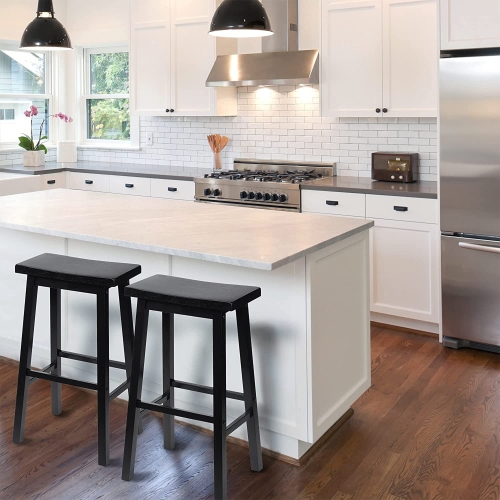 Your price for this item is $538.99
 -
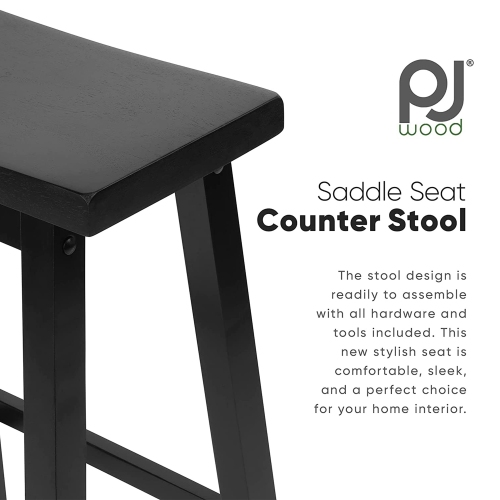 Your price for this item is $207.99
 -
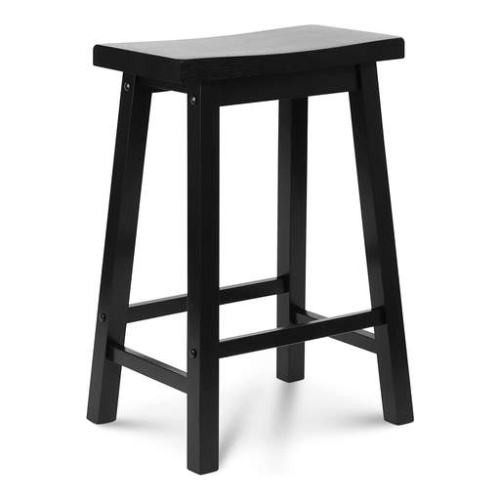 Your price for this item is $88.99
 -
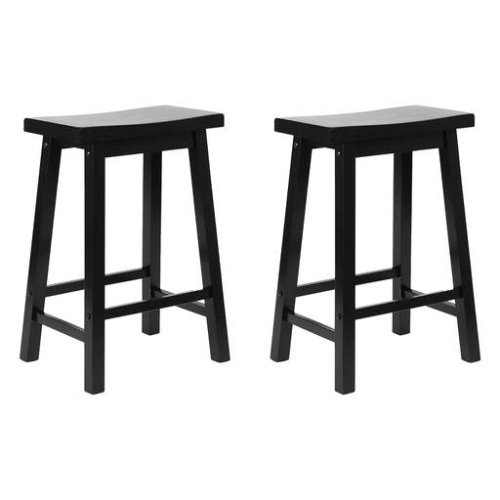 Your price for this item is $214.99
 -
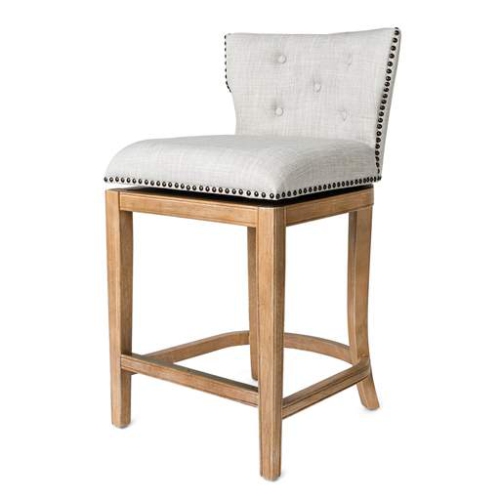 Your price for this item is $529.99
 -
 Your price for this item is $406.99
Discover more categories related to Wooden Stool Chairs
Top Collections:
Pokemon Centers, Kindle Devices, Best Budget Office Chairs, Apple iPhones 16, Best Laptops for Writers, iPhone 15 Apple, Canon G7X Cameras, Refurbished Apple Laptops, Alarm Clock, Motorola Razr Phones
Some products may be subject to Environmental Handling Fees
(EHF) depending on your province.
Learn more about EHFs.