Storage Bench Seats
Looking for the perfect combination of style and functionality to enhance your home decor? Look no further than our selection of storage bench seats. These versatile pieces not only provide a comfortable seating option but also offer ample storage space to help you keep your living area organized and clutter-free. Whether you're looking to add a touch of elegance to your entryway, create additional seating in your living room, or maximize storage in your bedroom, our collection of storage bench seats has something to suit every taste and space. Discover the perfect blend of practicality and design with our wide range of options, designed to meet your unique needs and elevate your home's aesthetic.
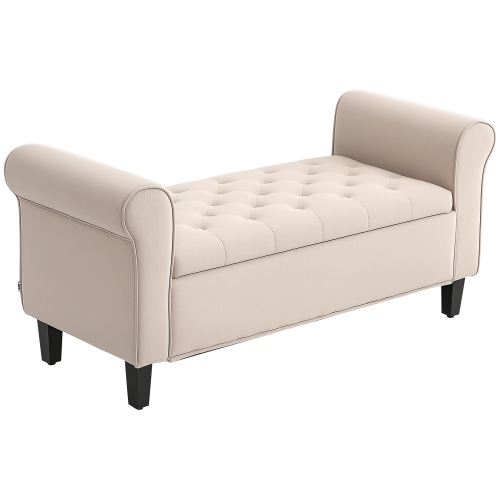
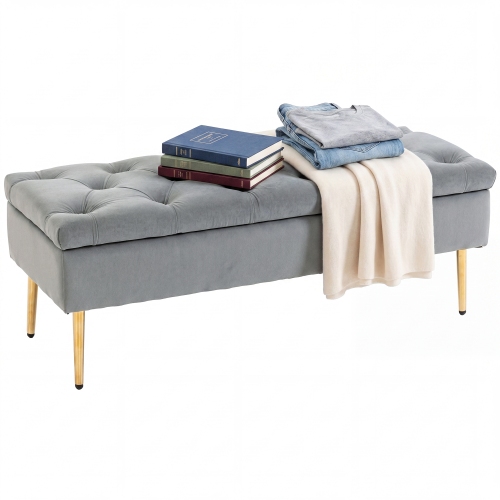
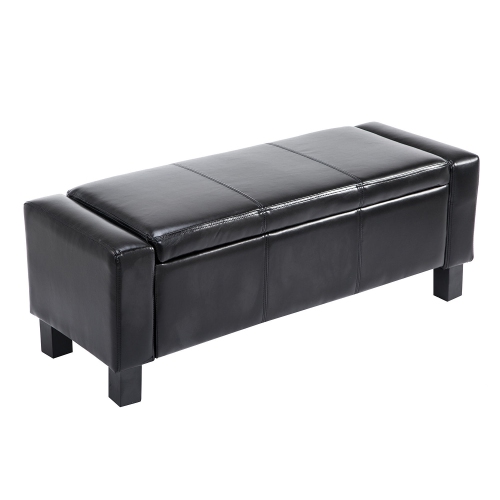
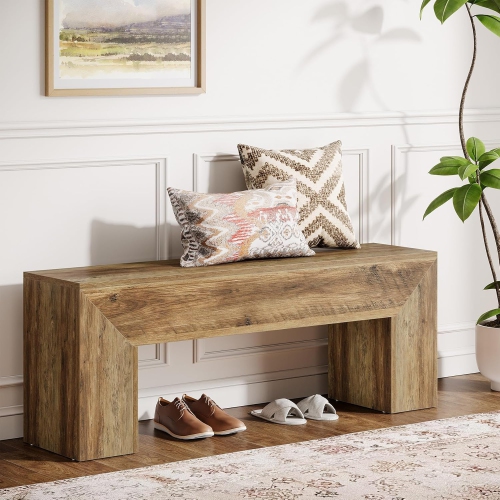
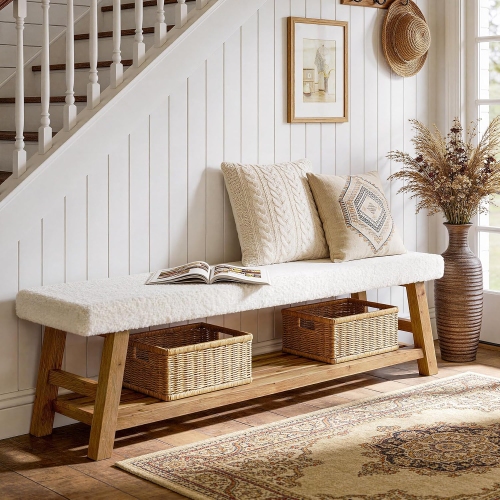
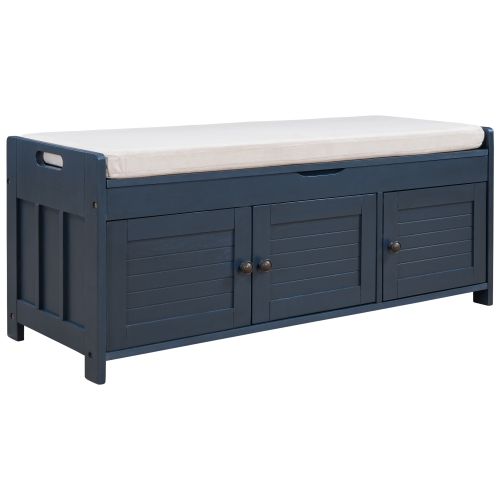
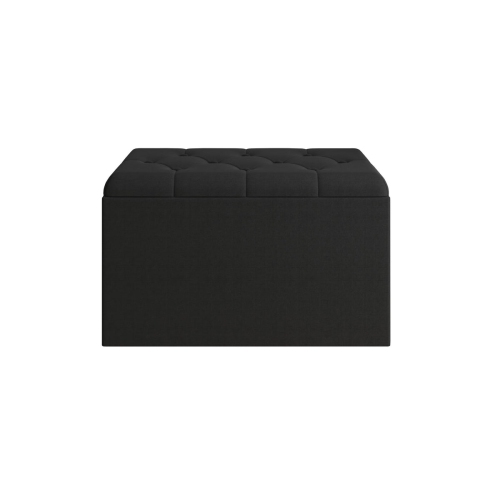
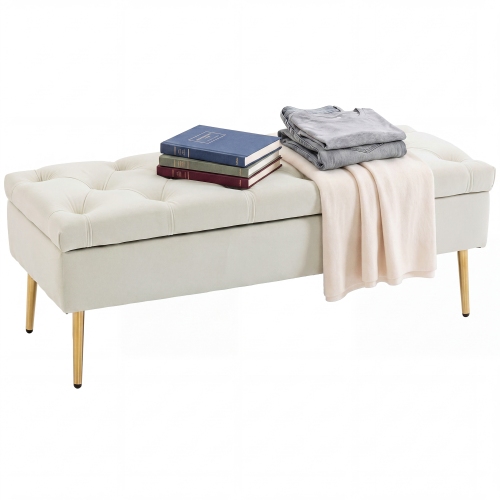
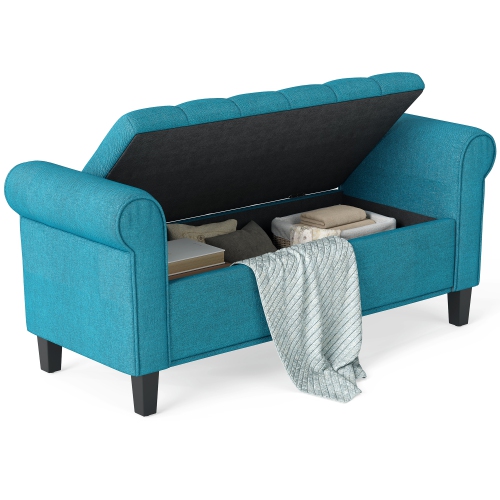


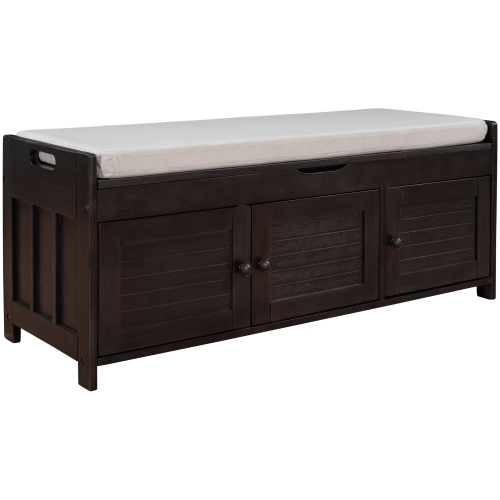
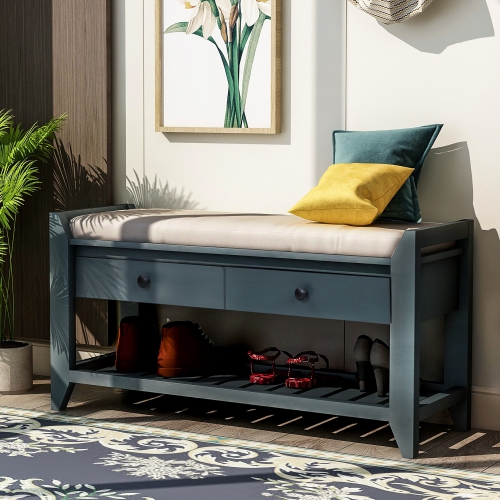
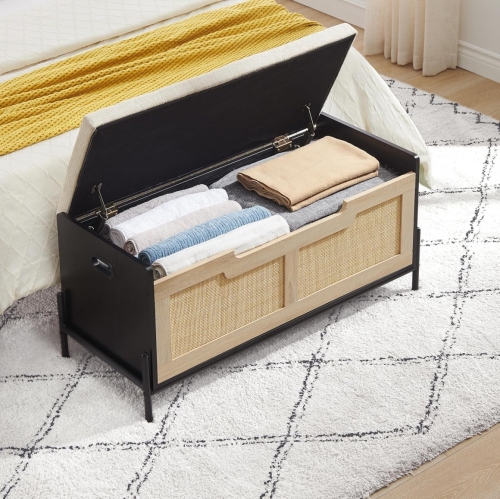
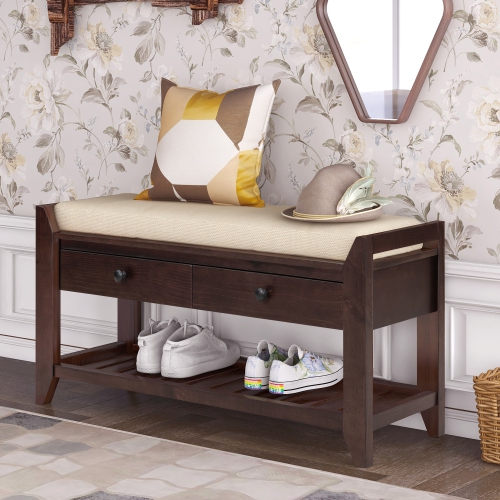
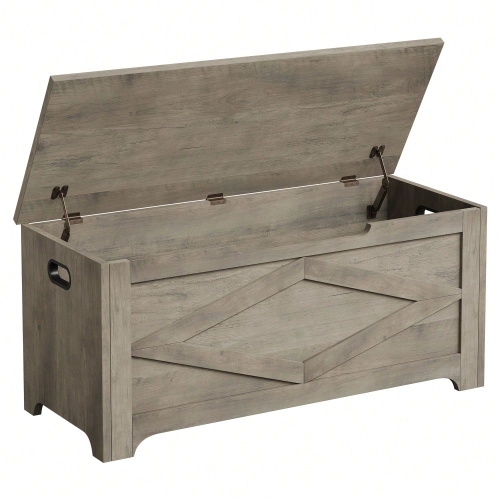
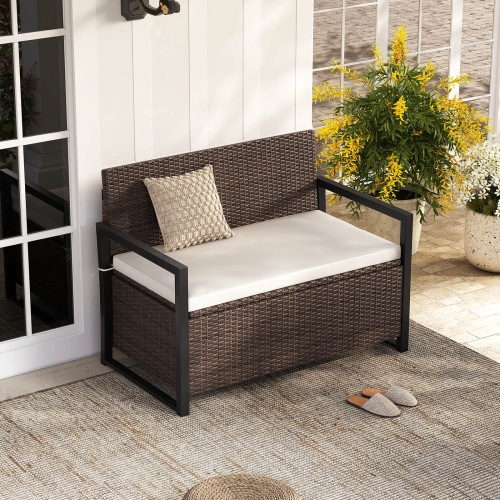
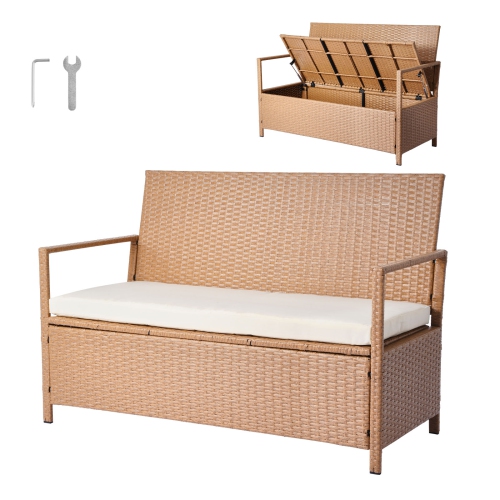
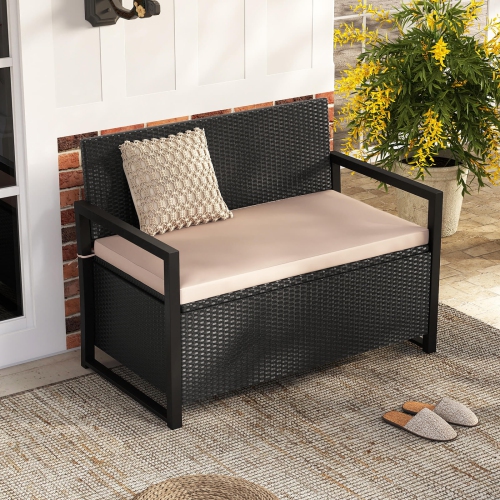
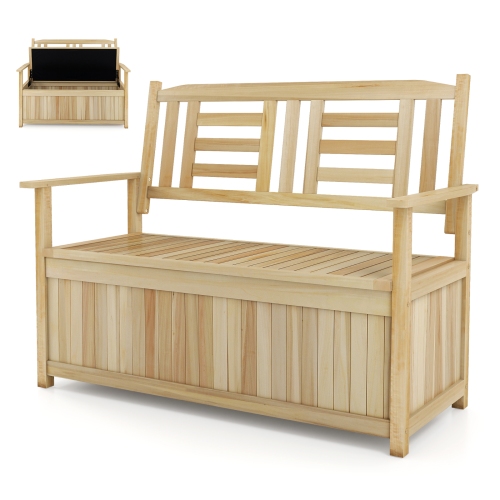
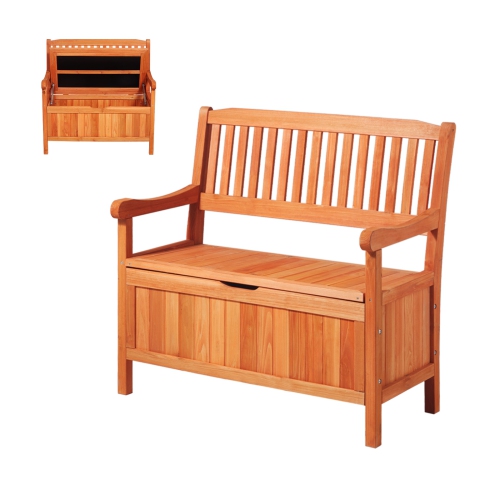
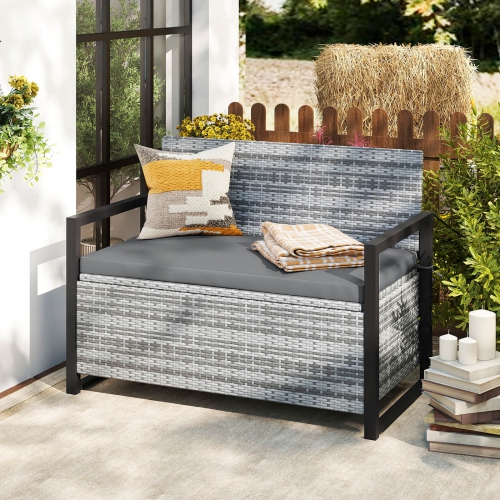
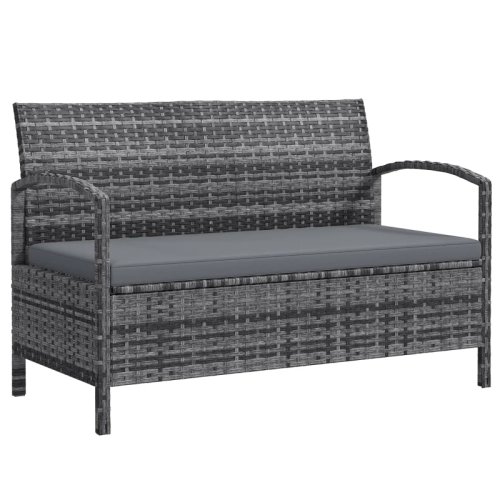
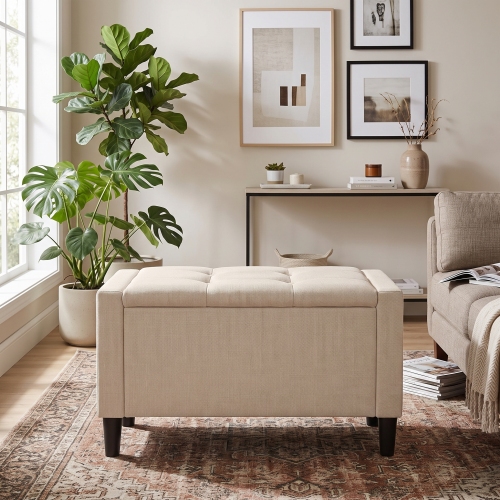
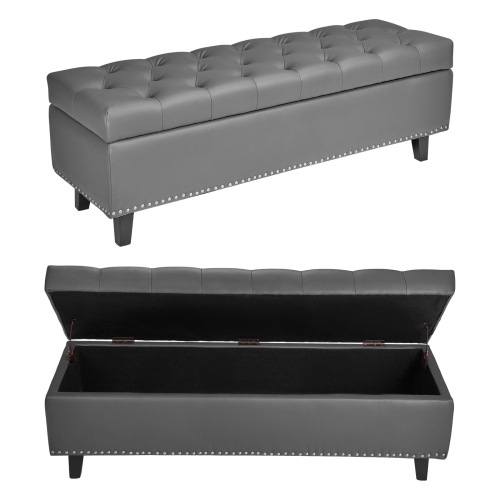
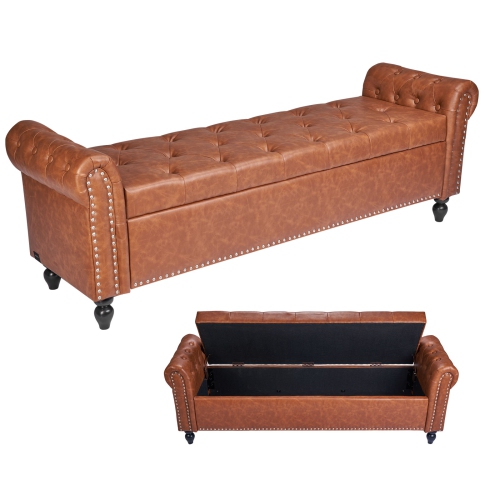
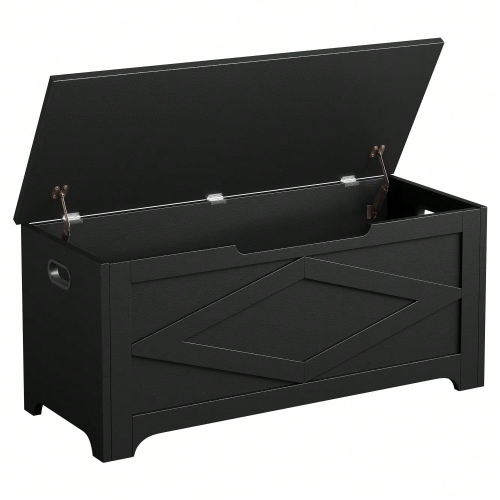
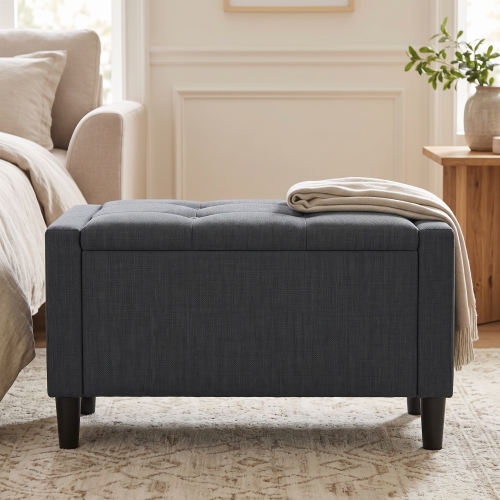
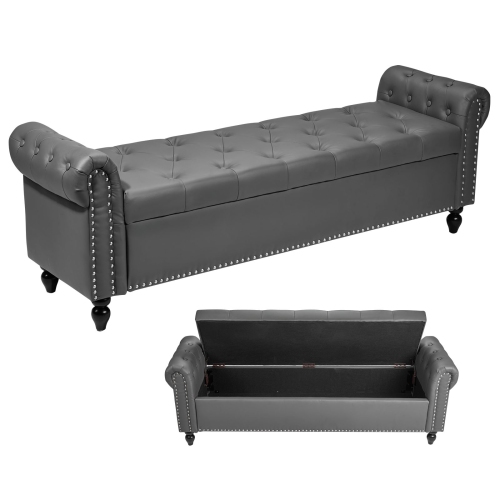
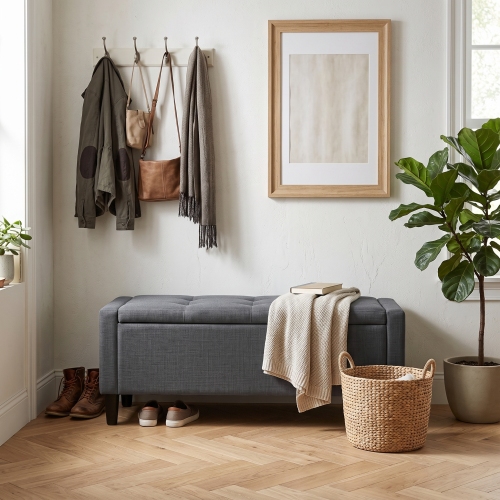
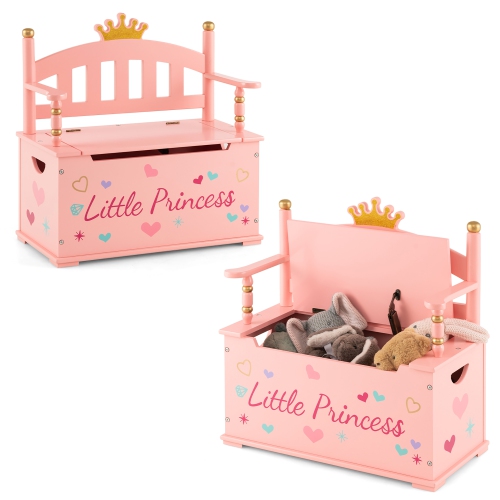
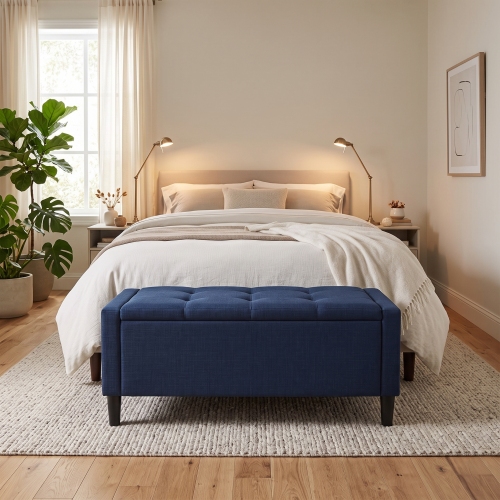
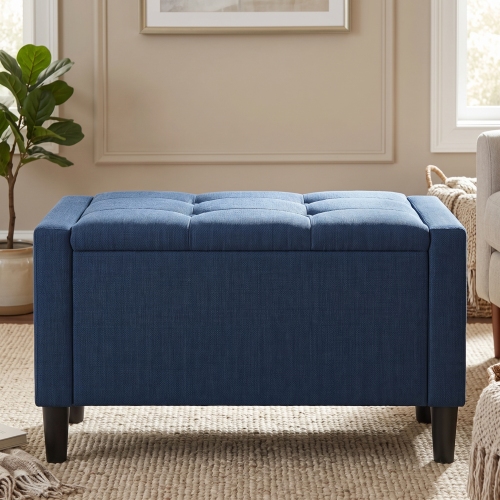
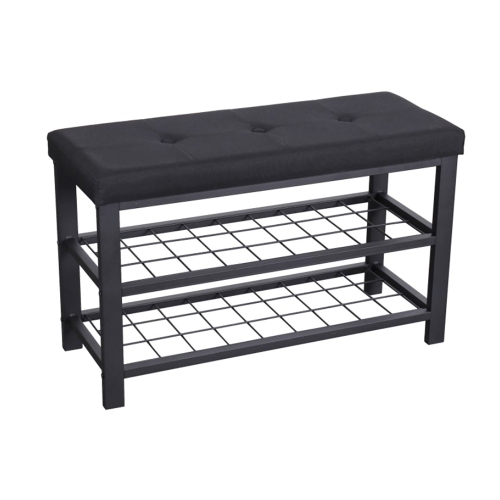
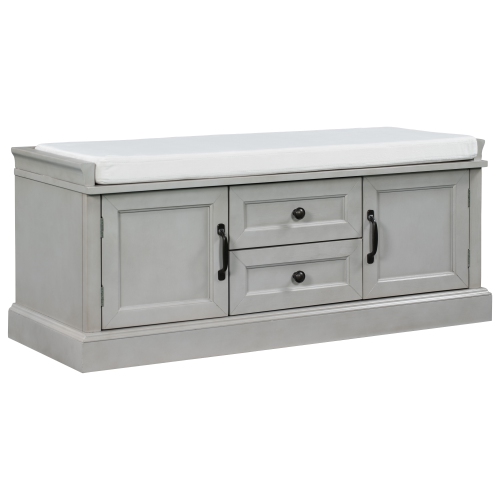
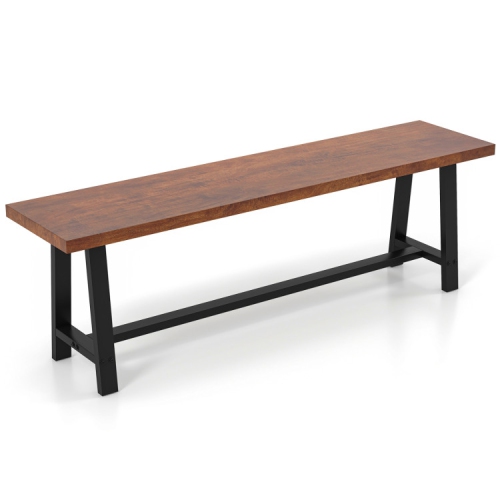
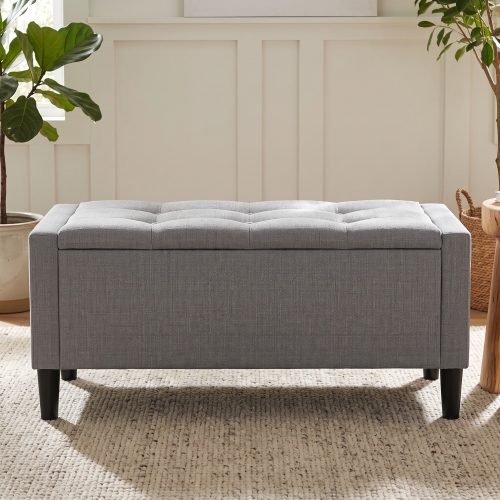
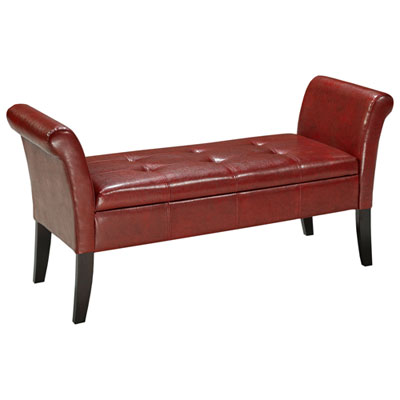
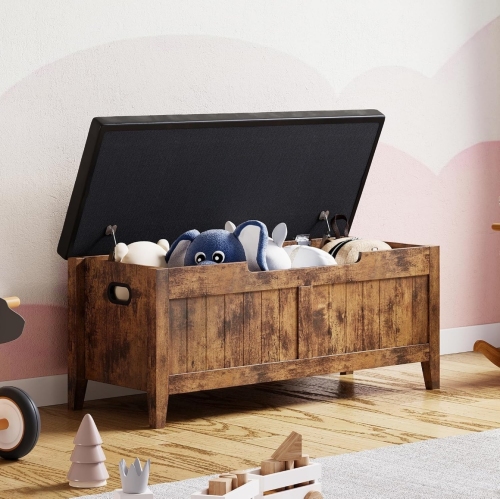
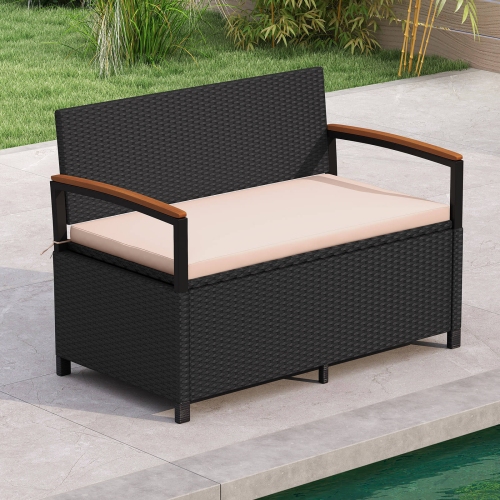
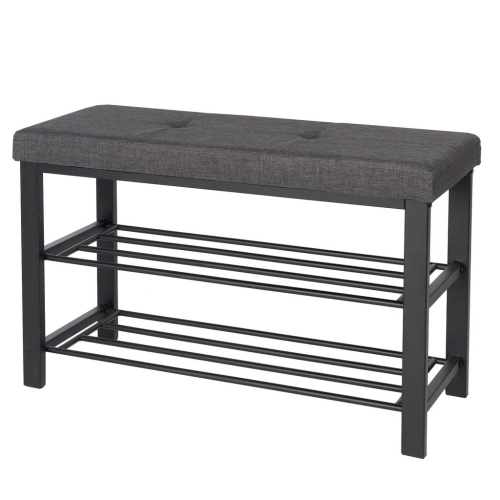
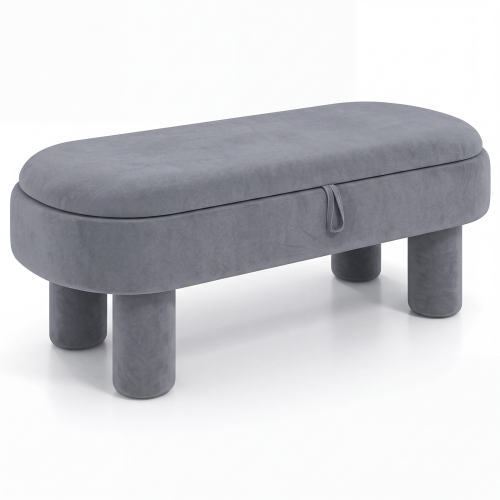
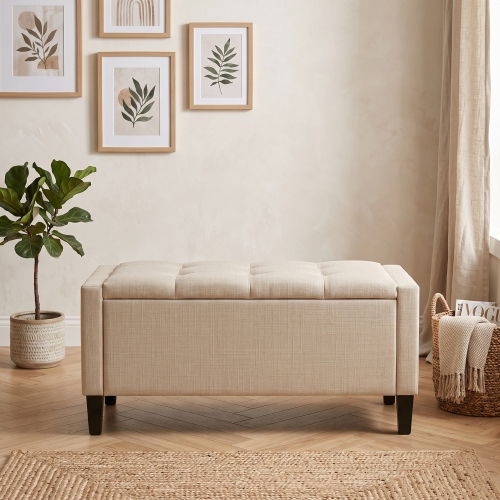
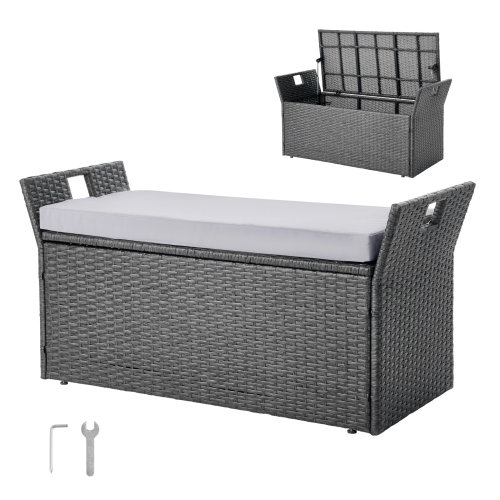
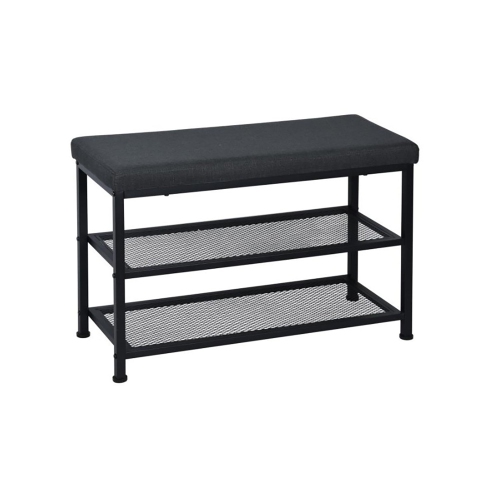
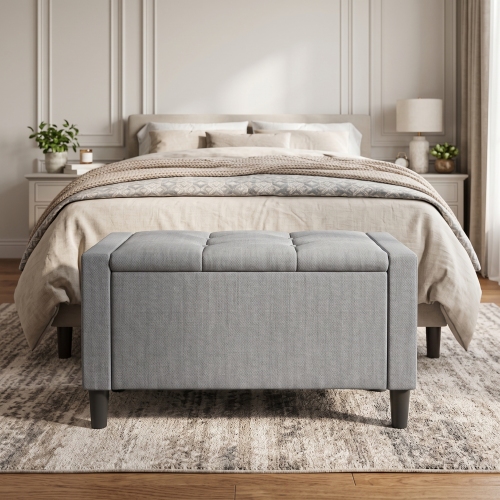
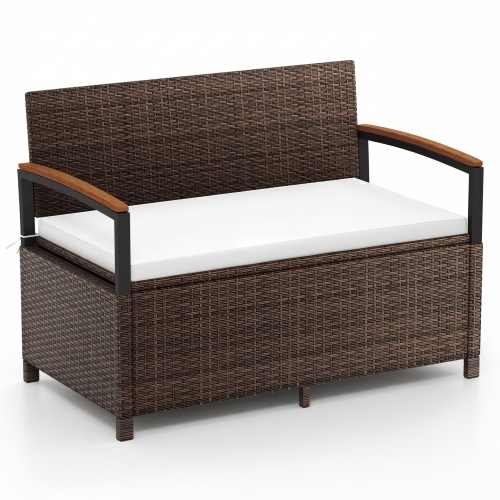
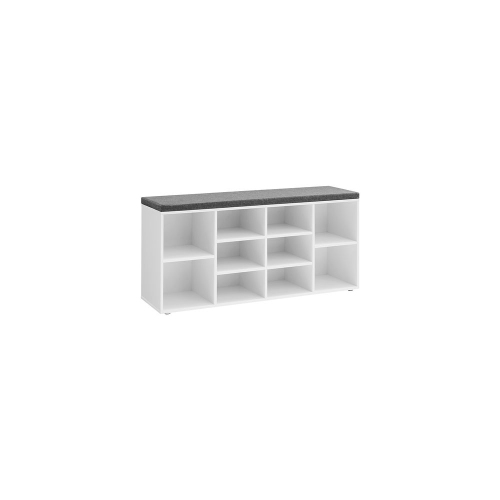
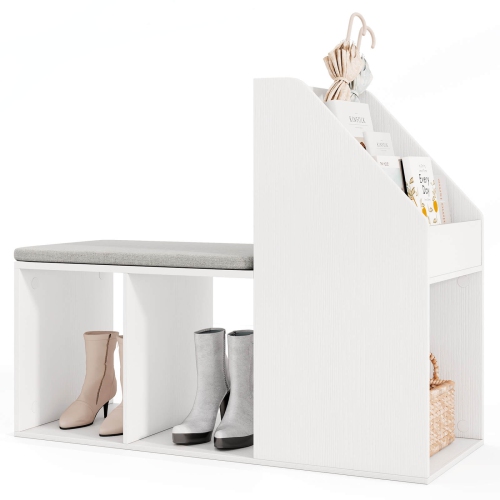
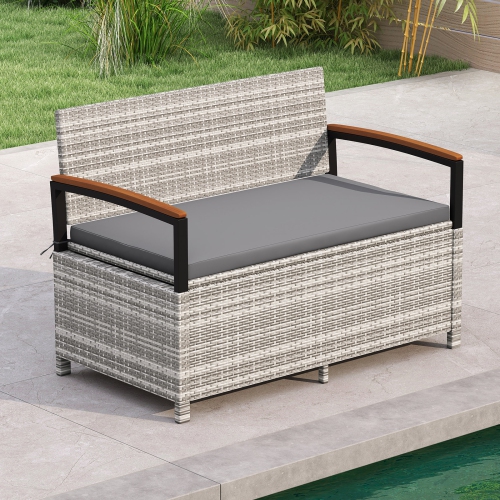
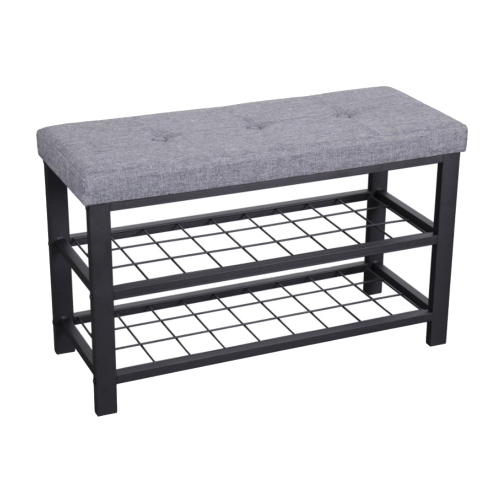
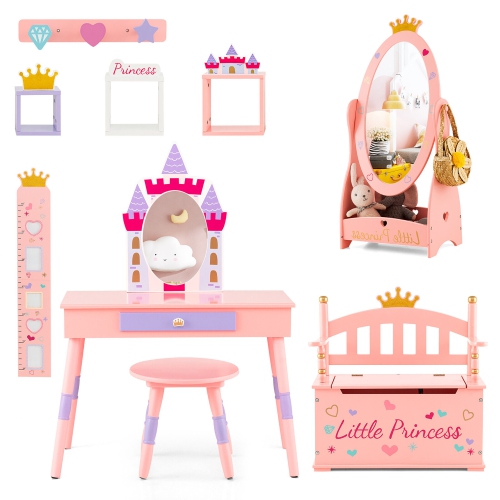
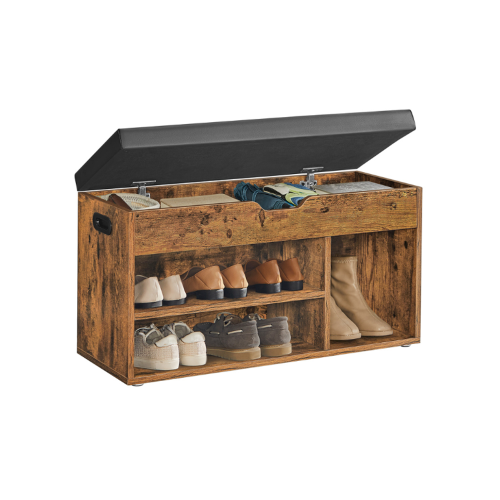
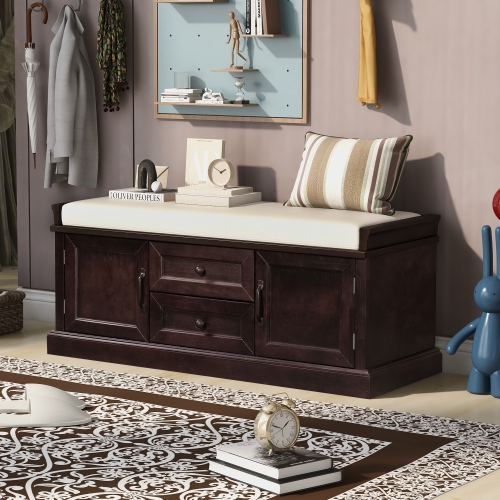
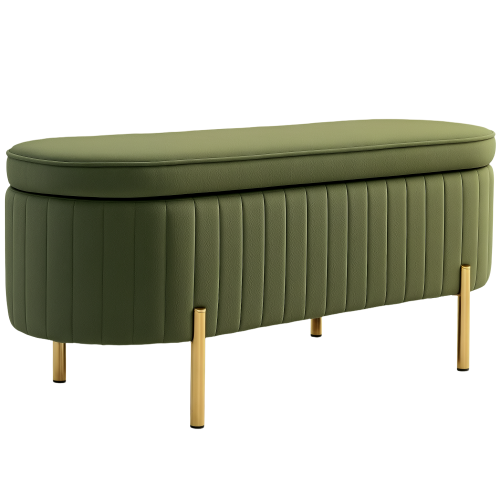
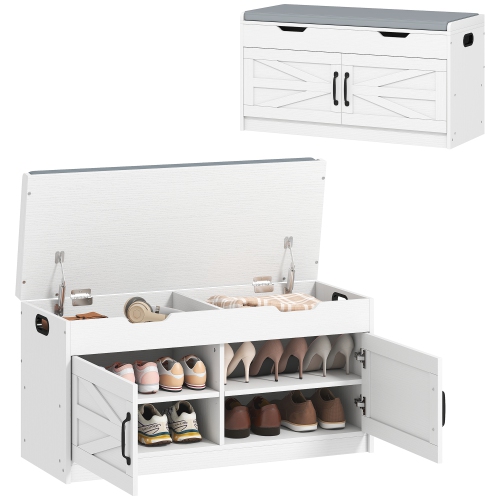
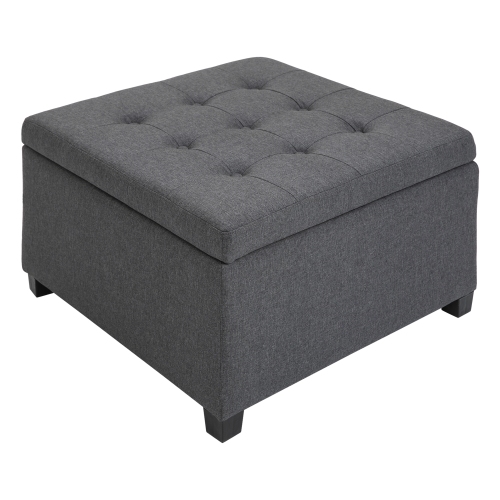
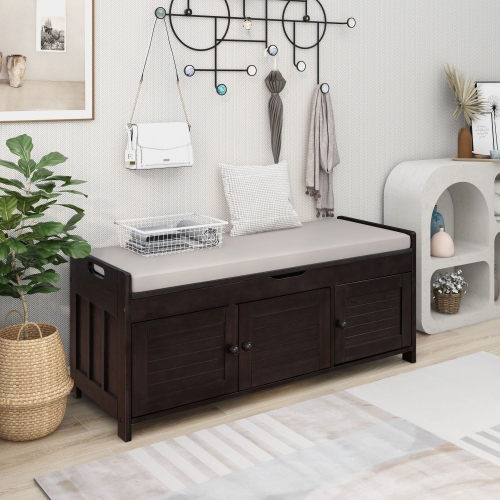
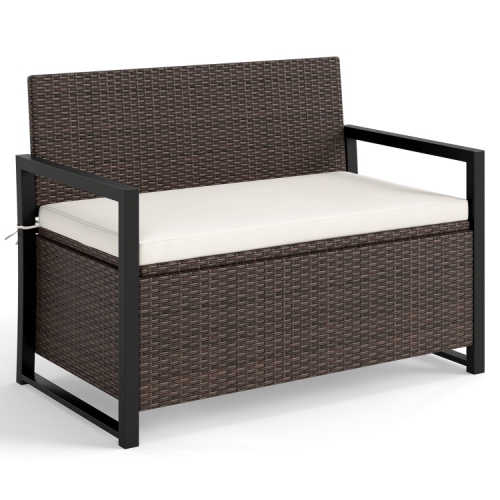
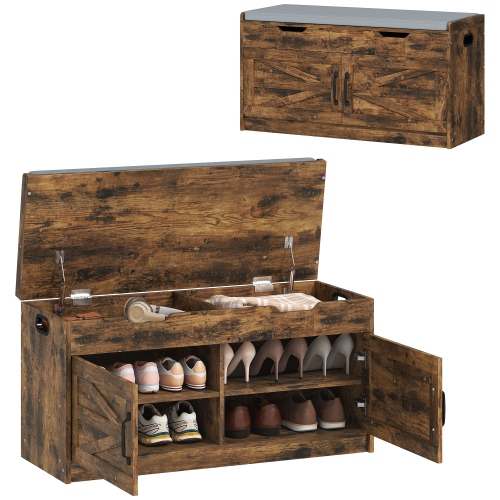
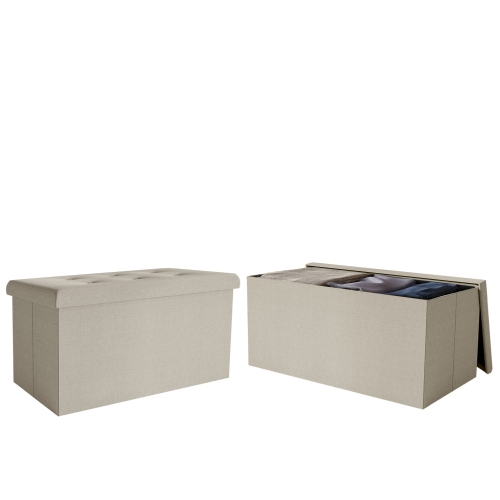
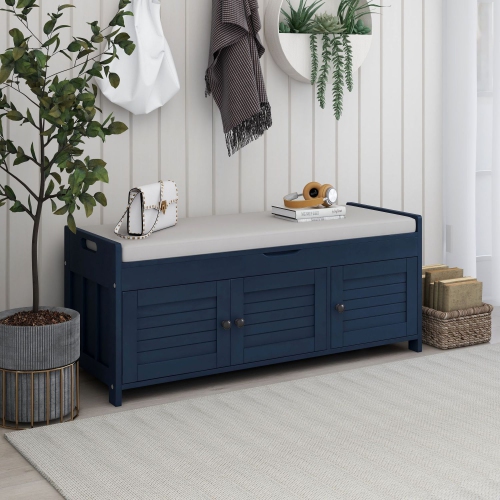
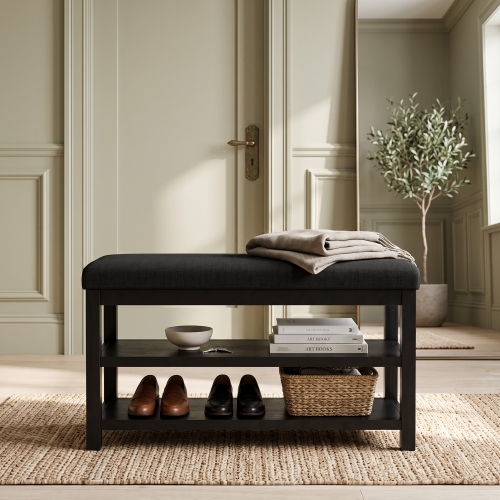
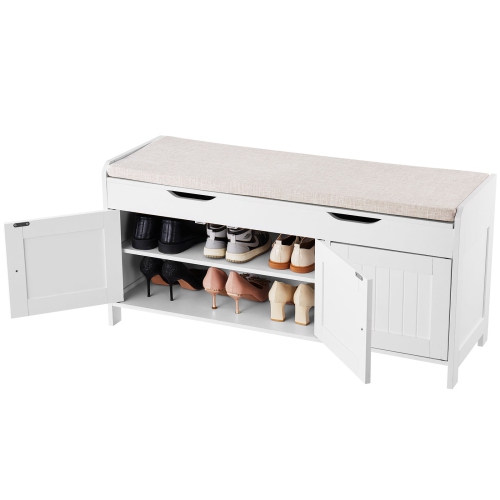
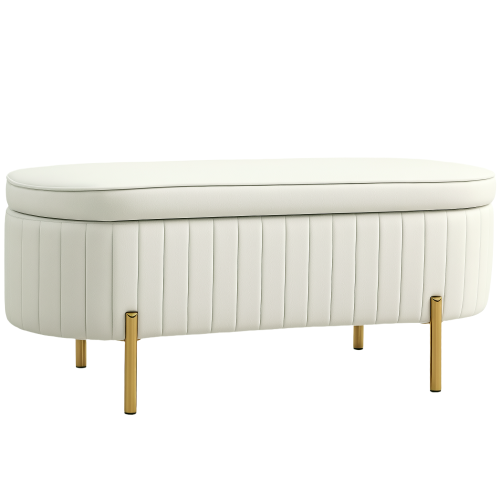
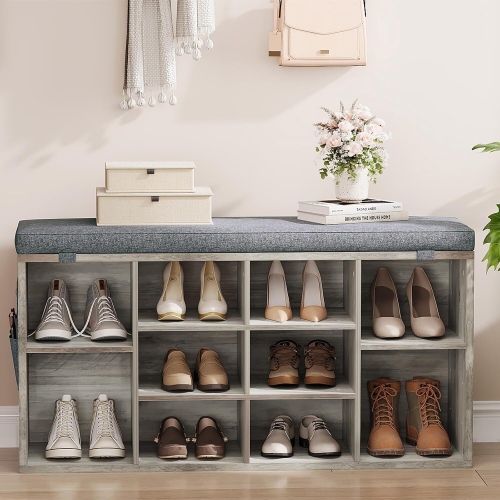
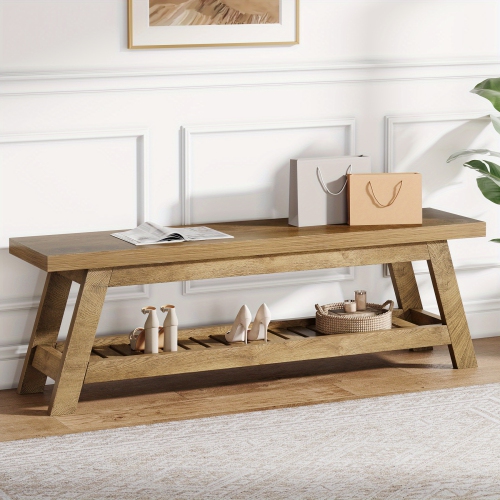

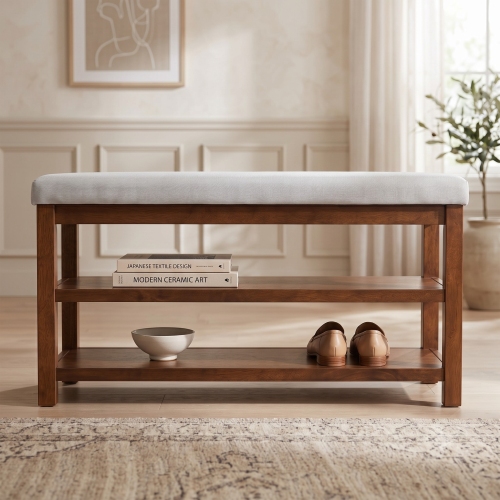
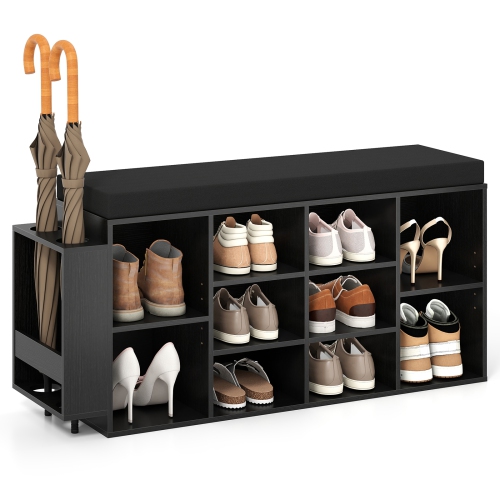
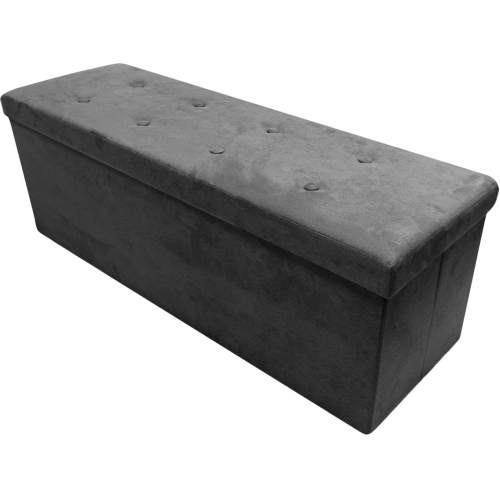
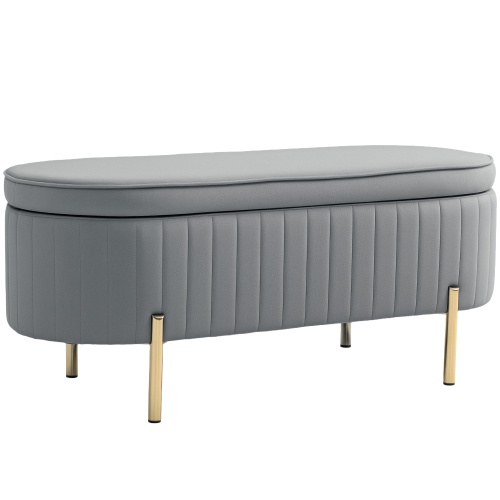
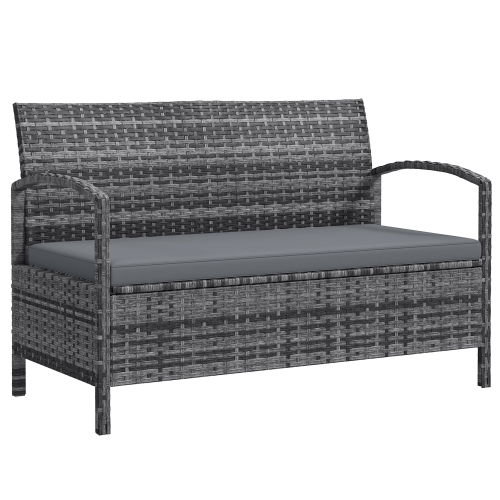
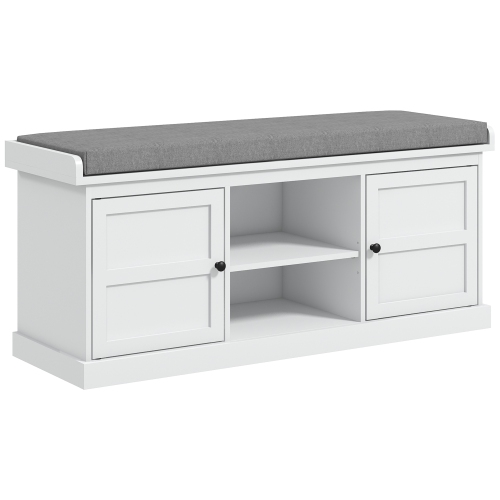
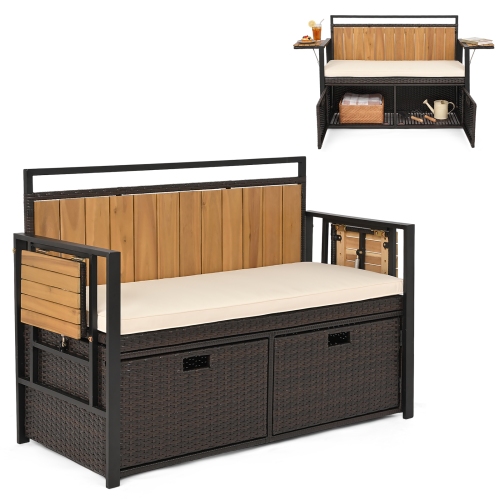
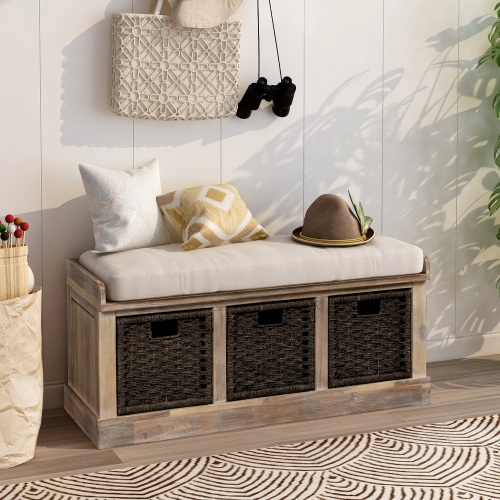
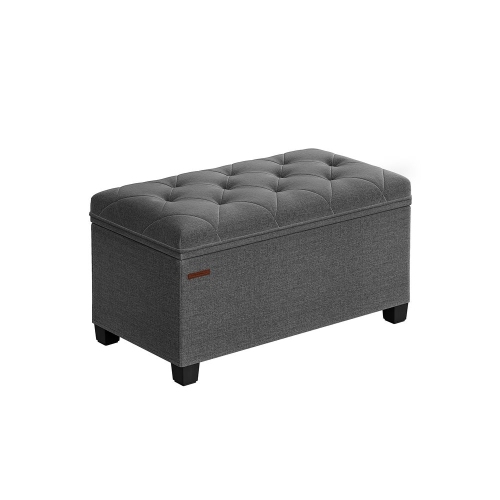
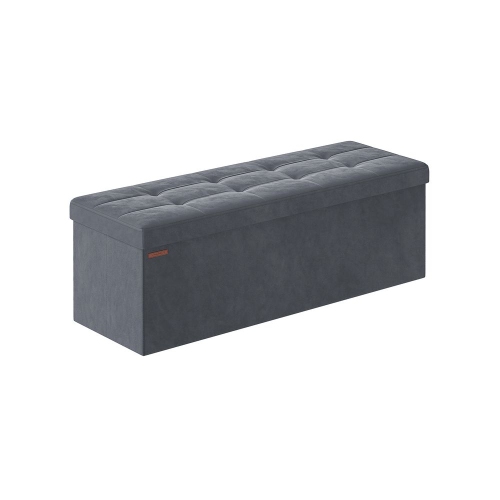
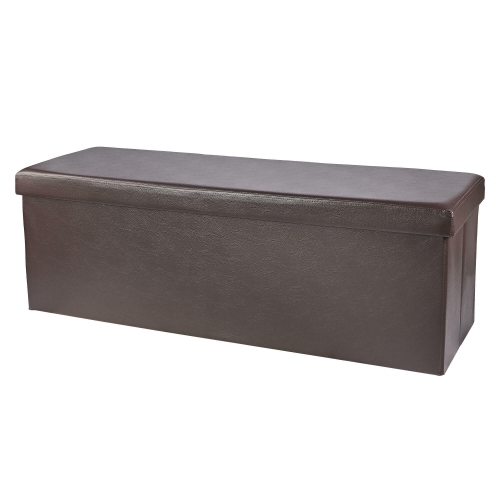
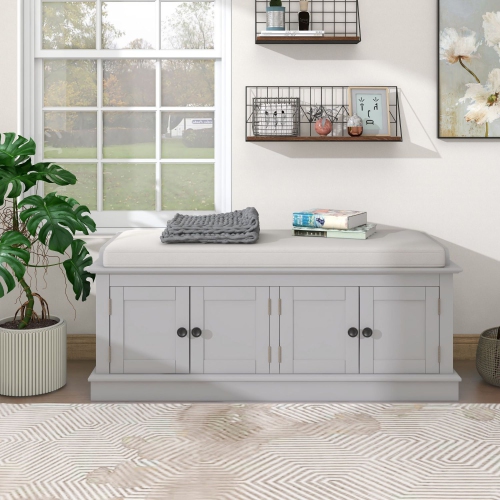
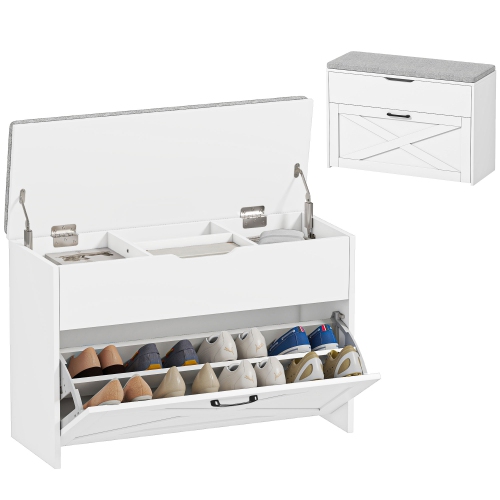
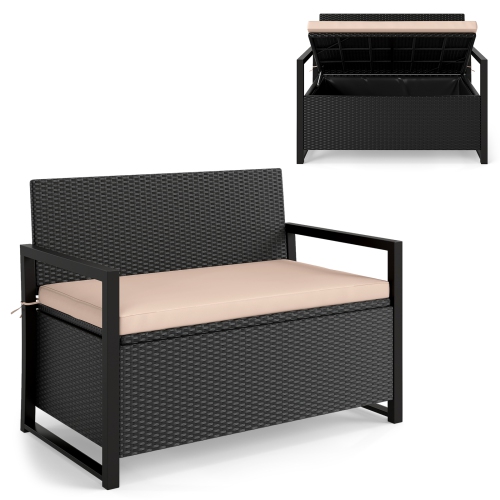

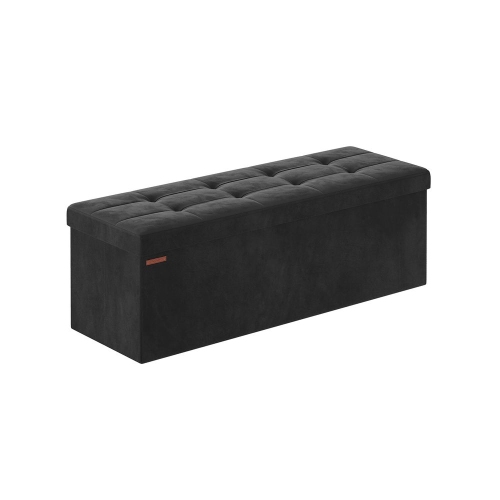
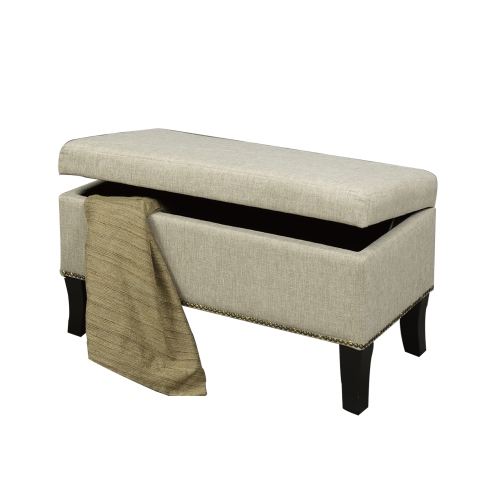
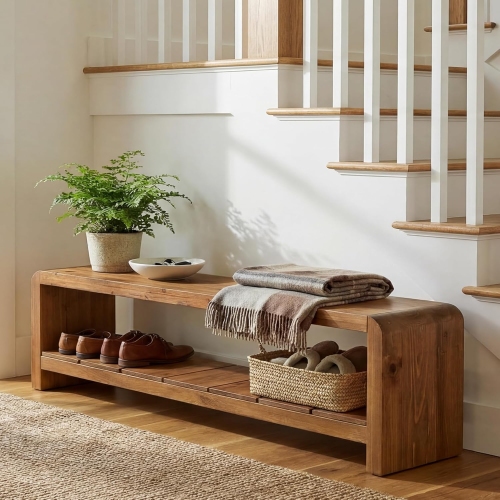
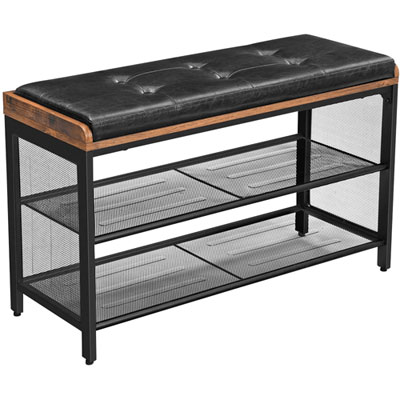
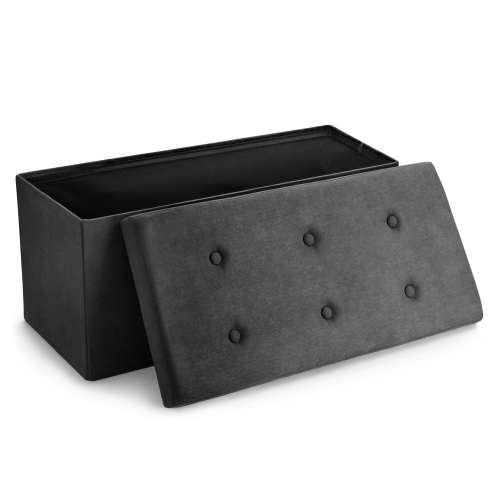
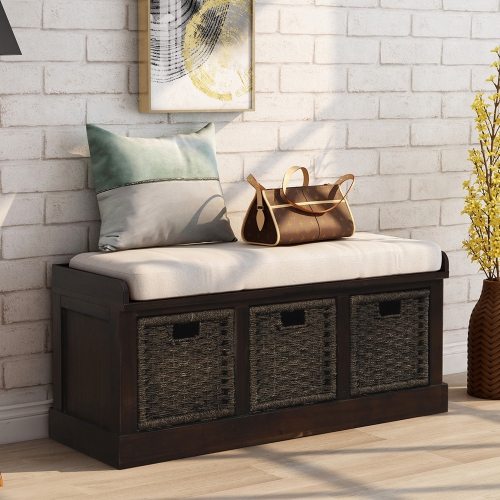
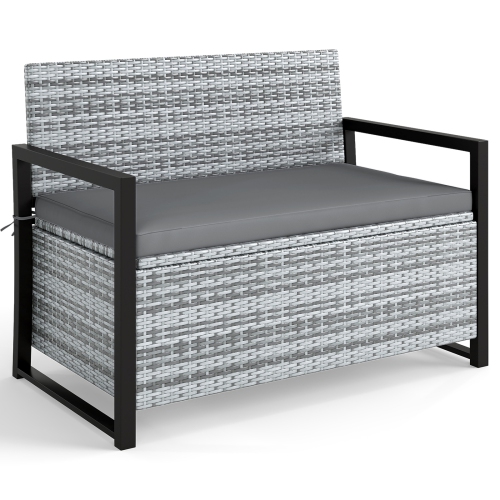
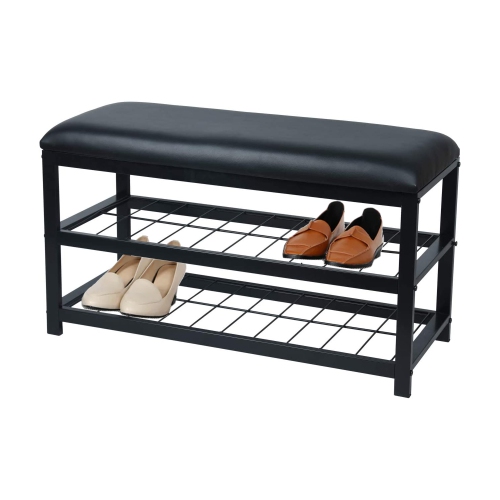
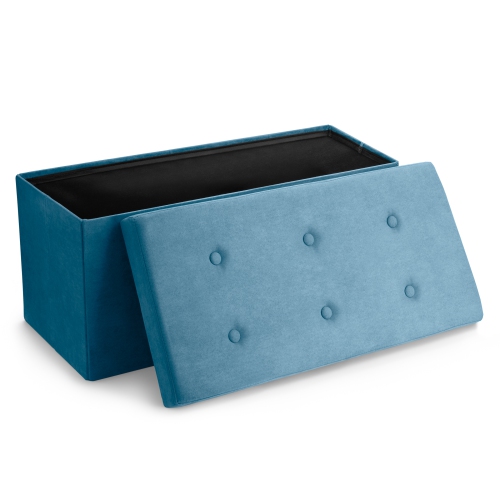
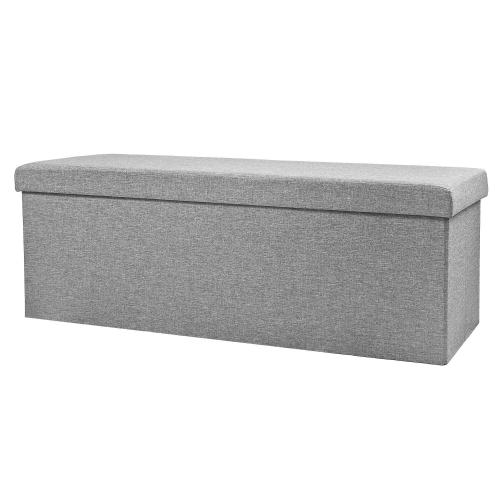
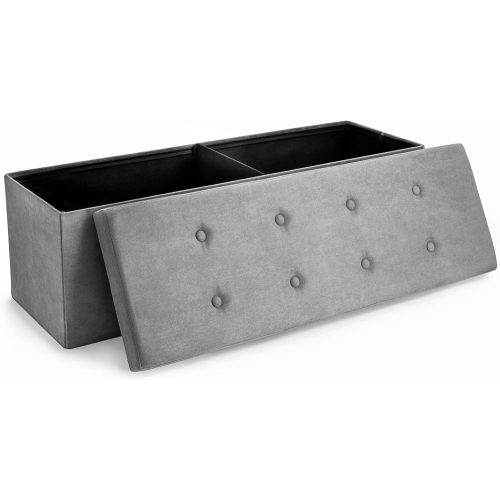
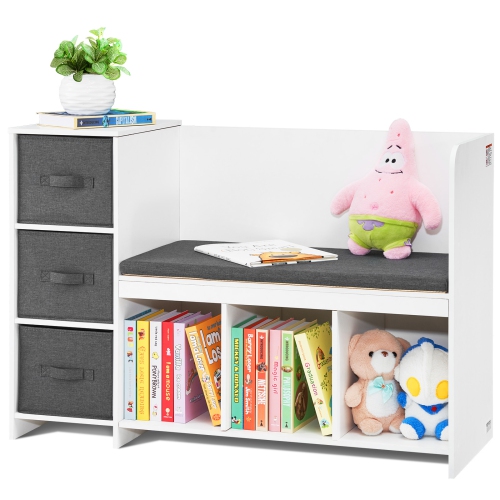
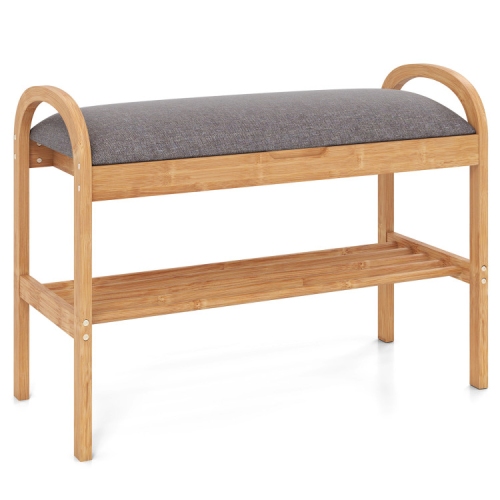

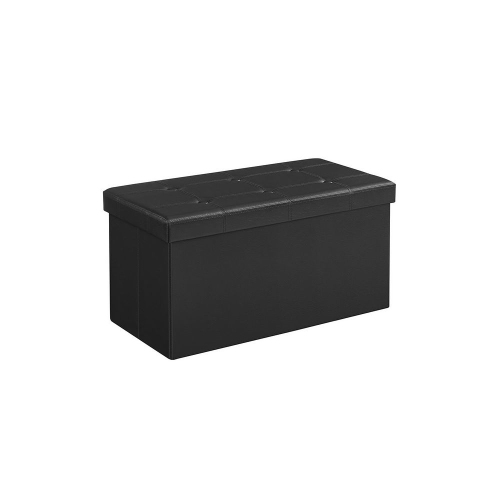
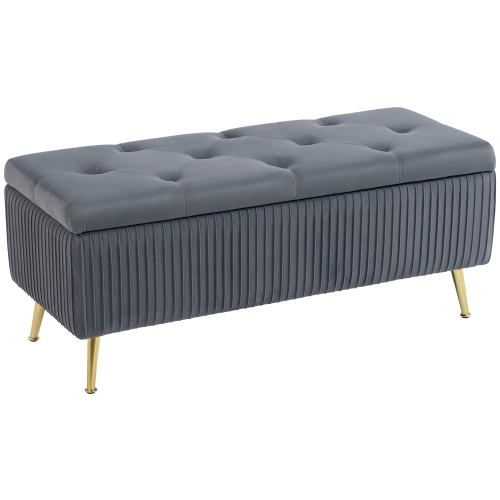
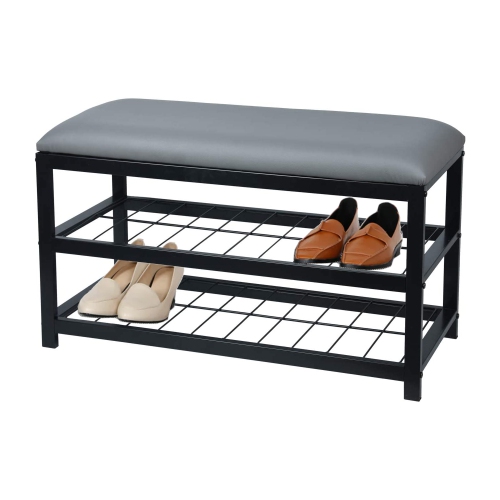
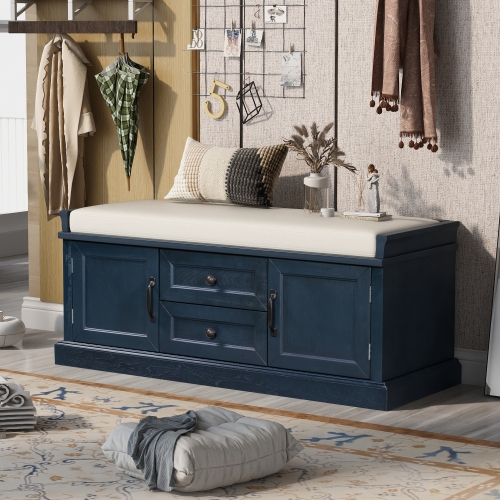
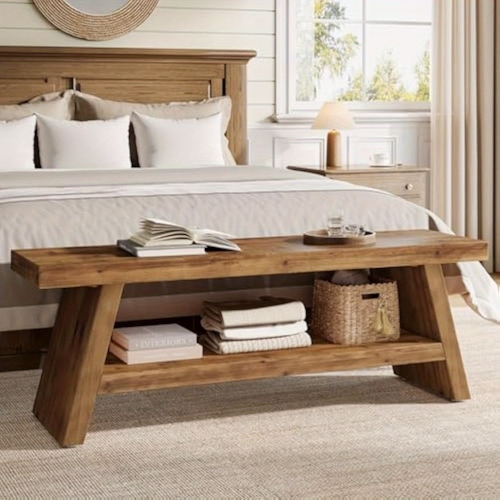
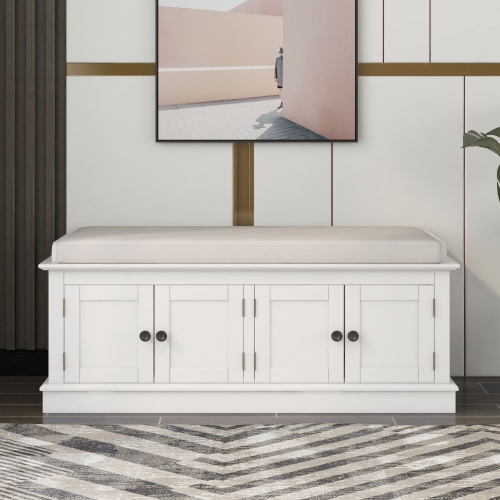
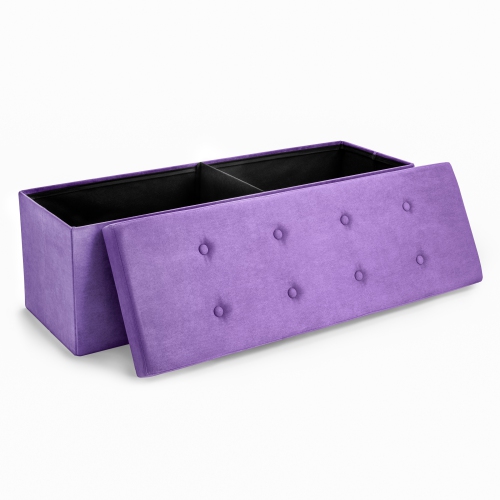
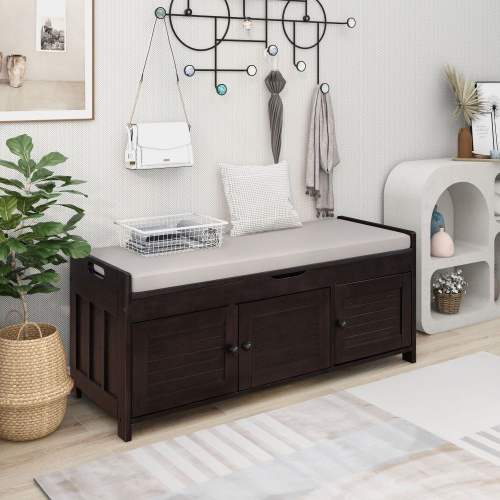
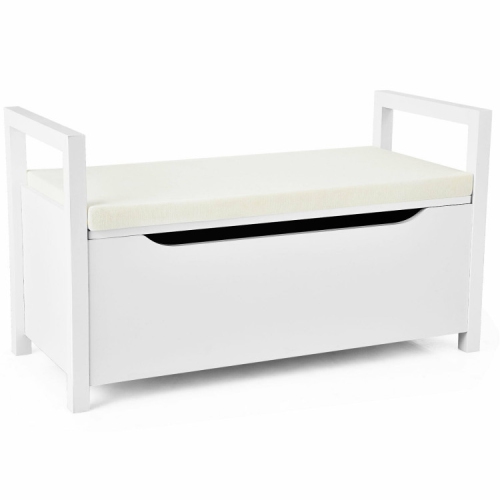
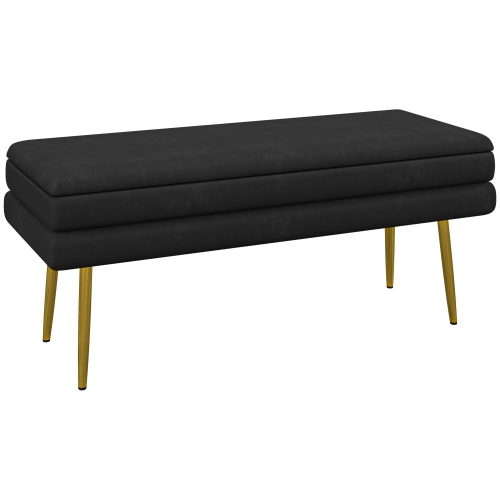
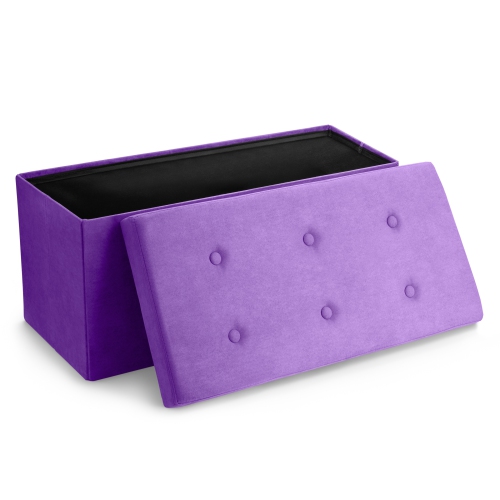
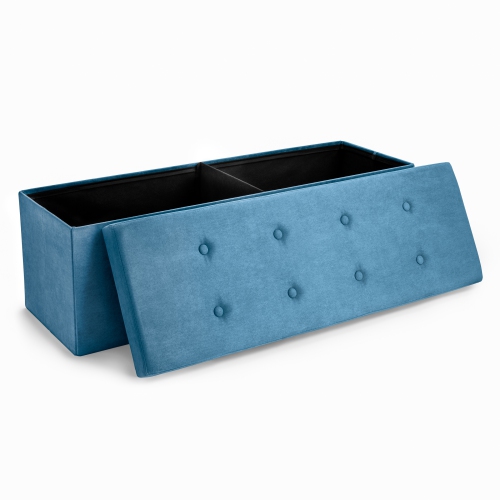
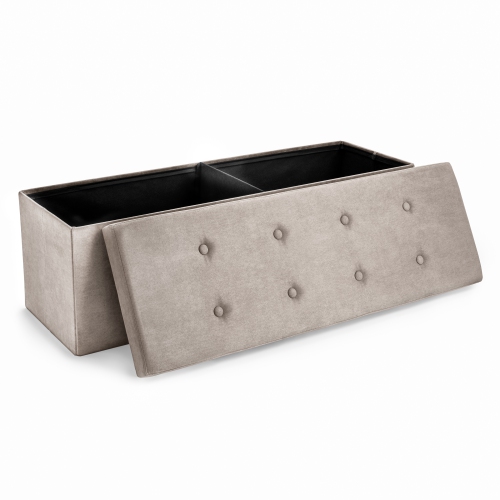
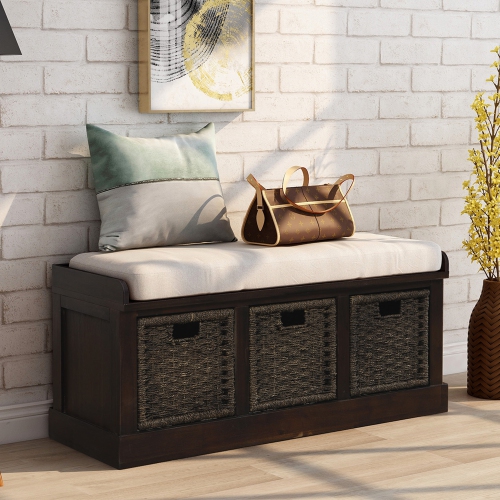
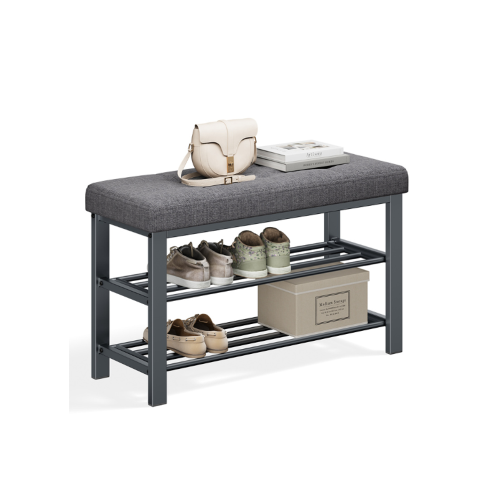
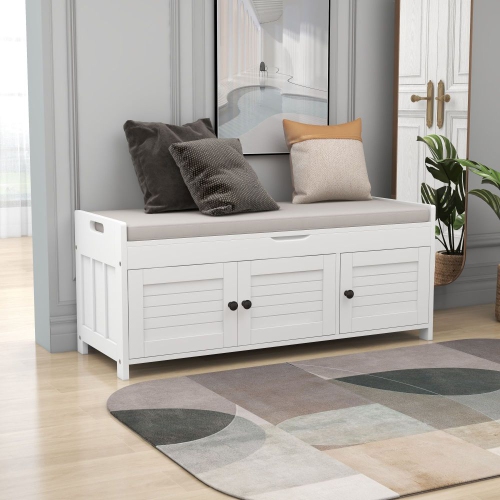
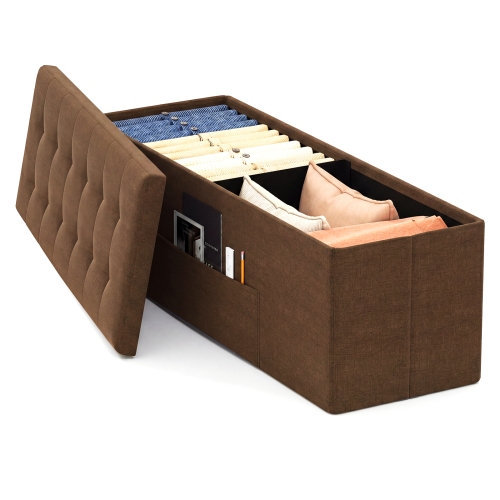
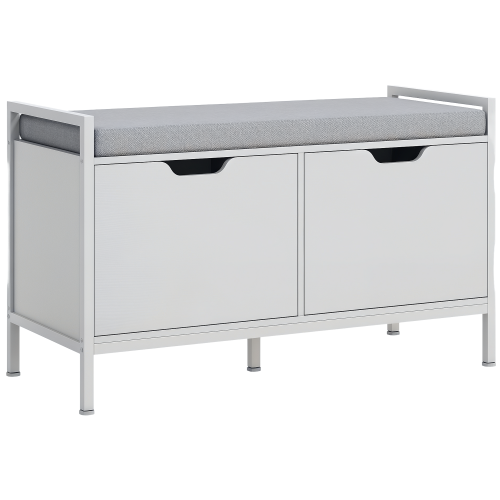
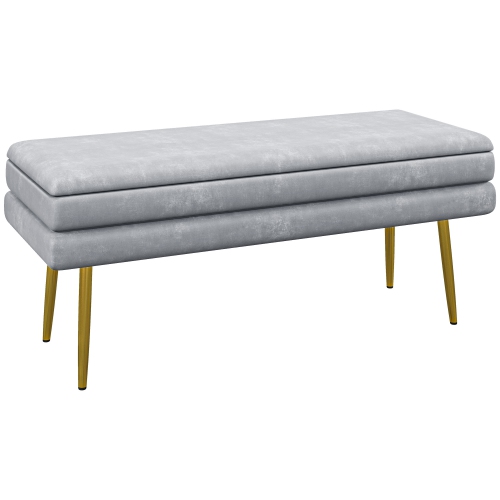

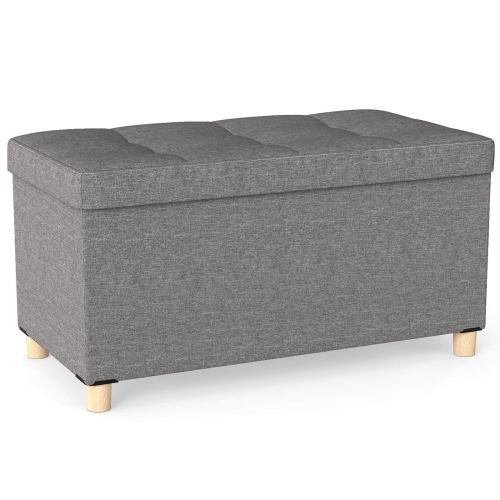
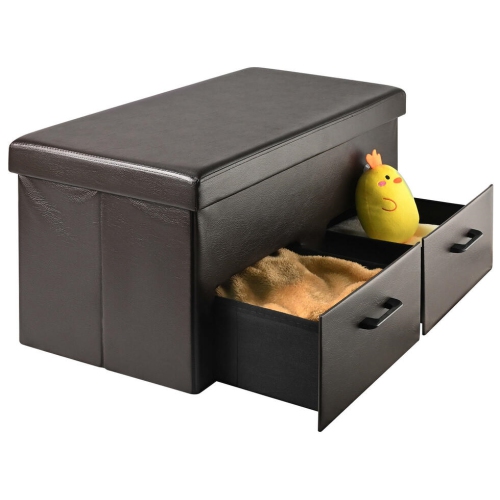
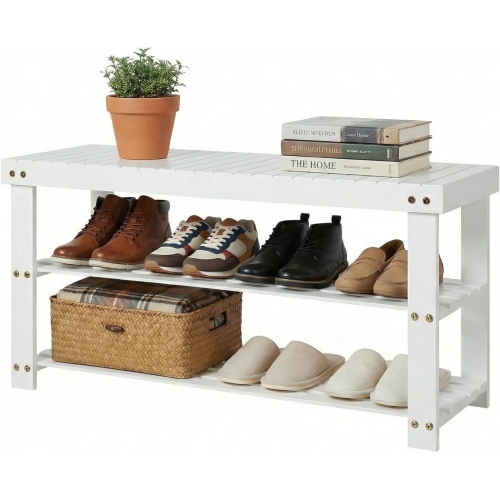
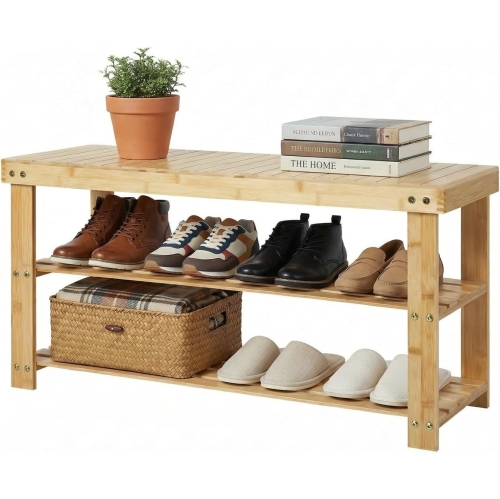
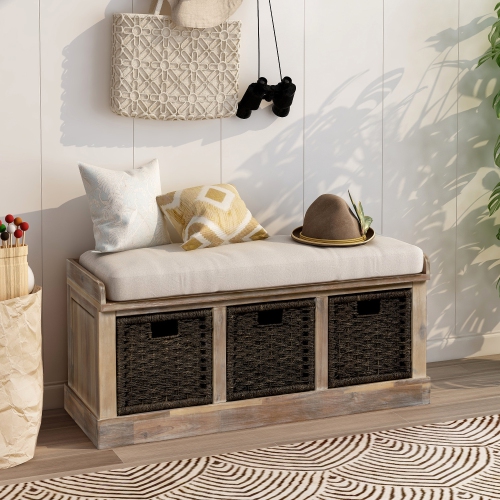
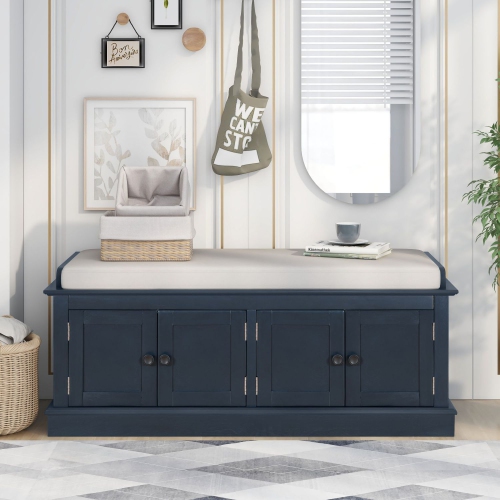
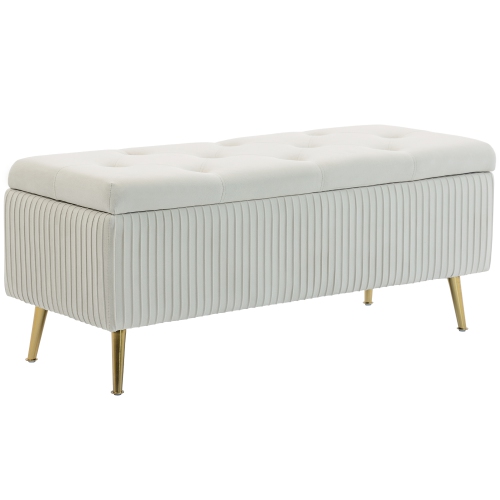
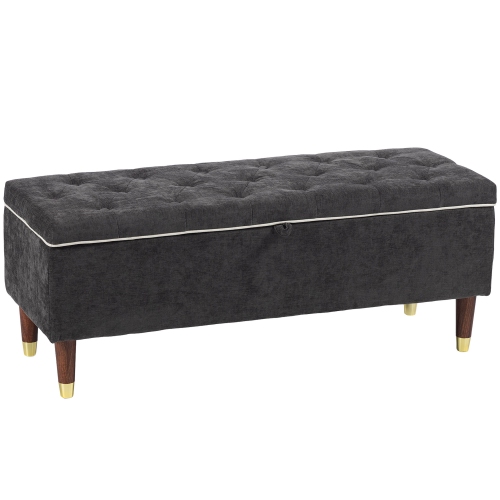
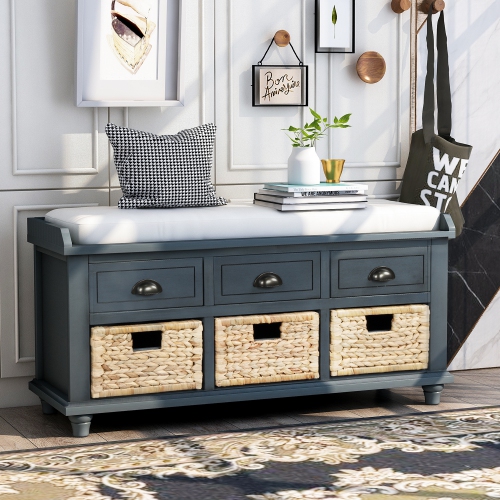
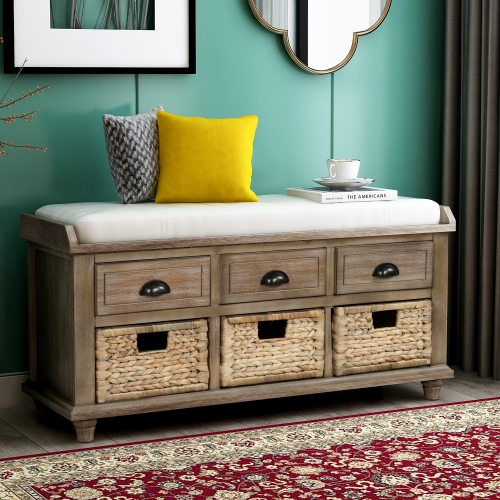
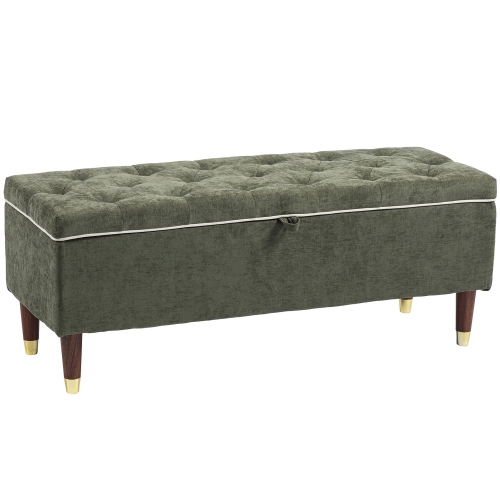
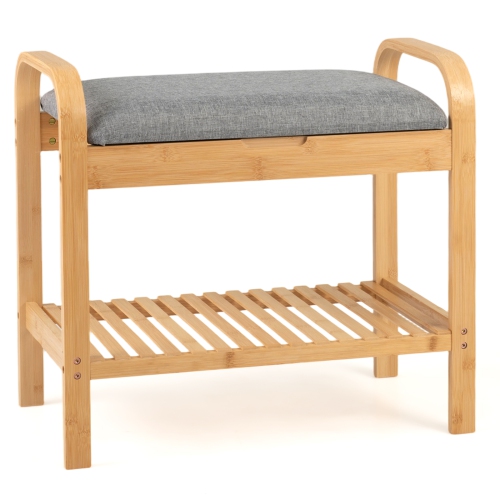
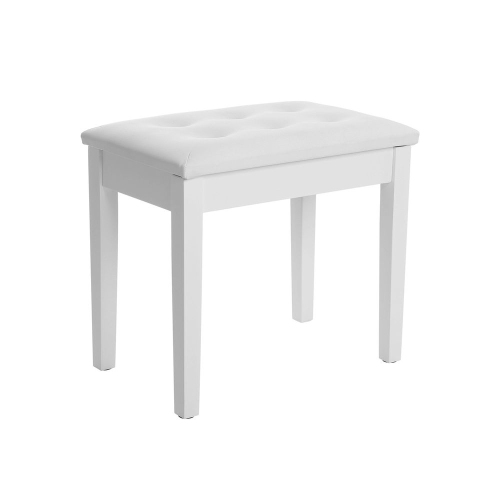
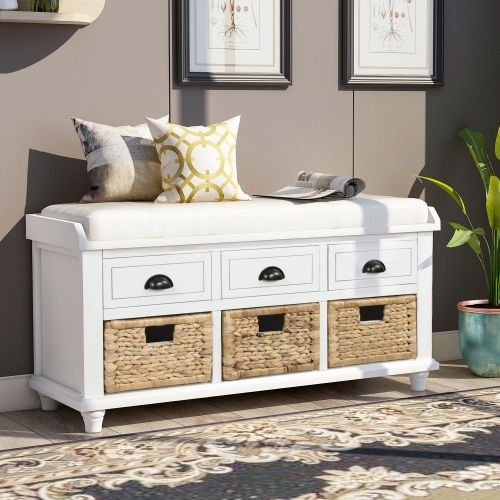


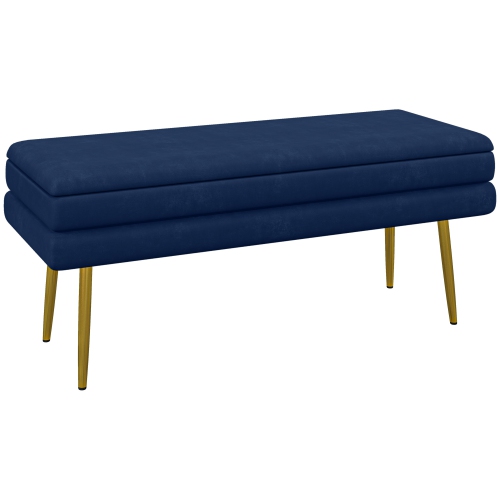
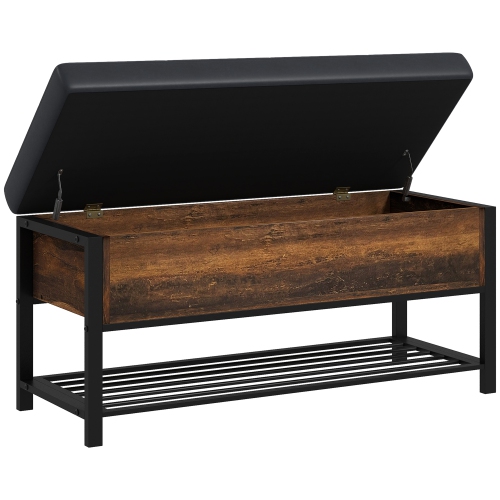
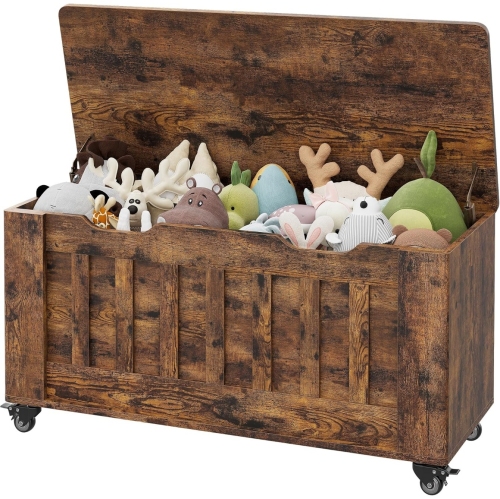
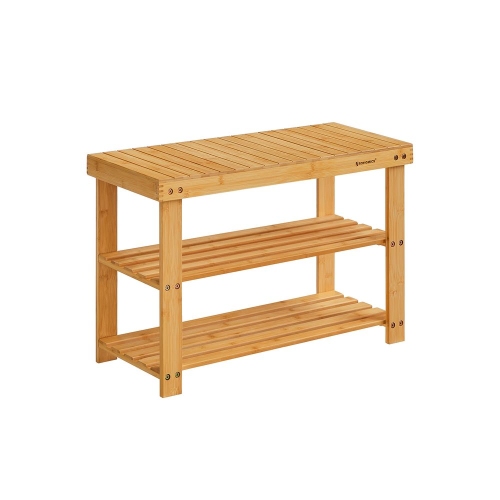
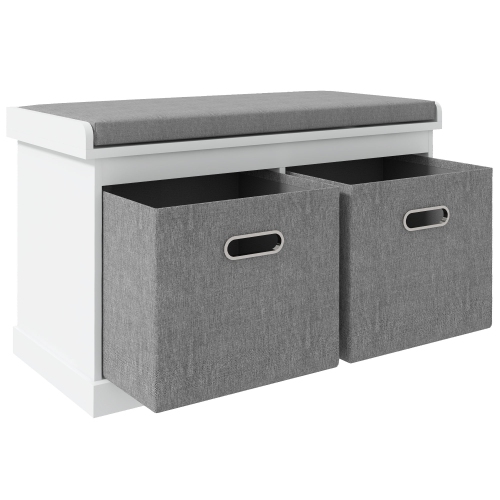
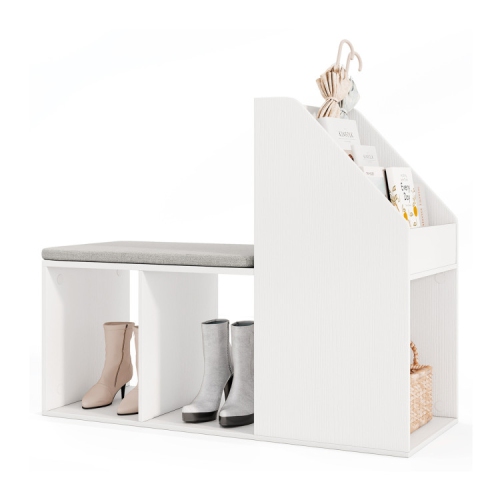
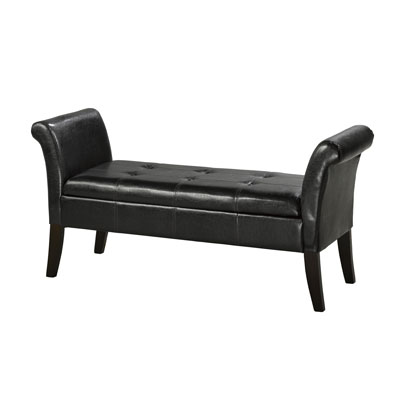
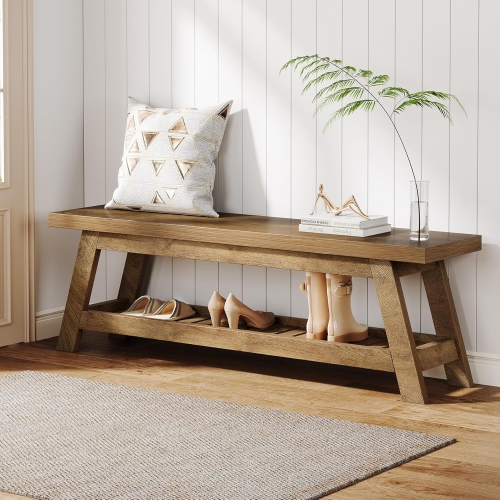


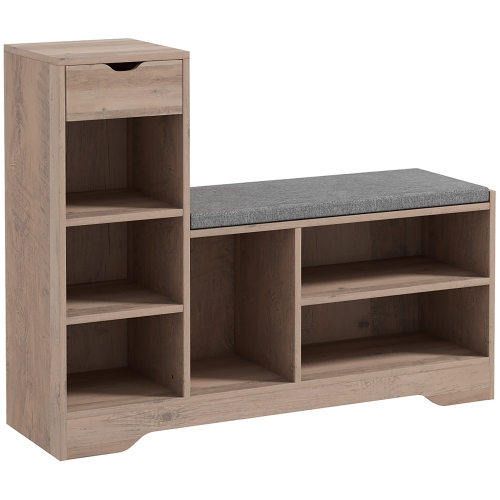
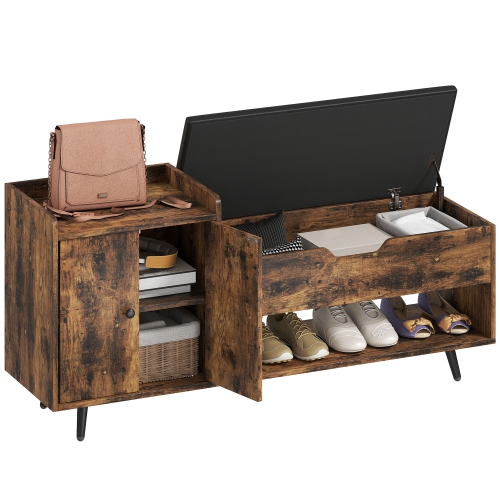
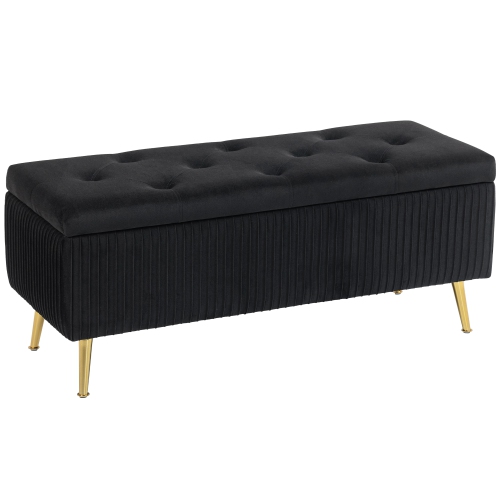
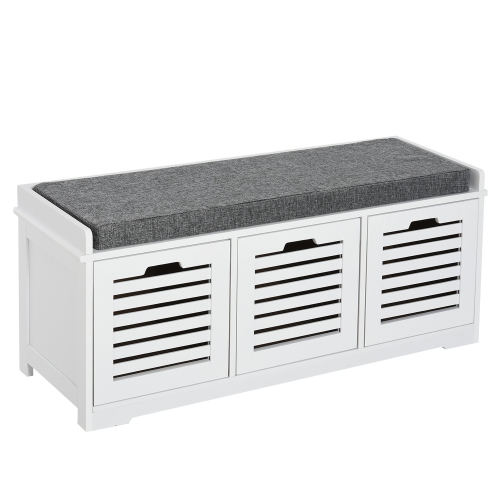
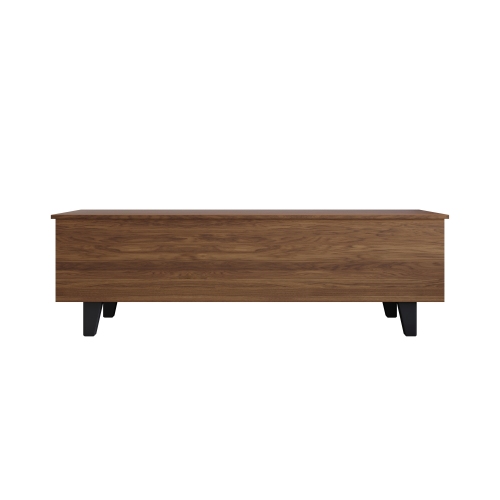
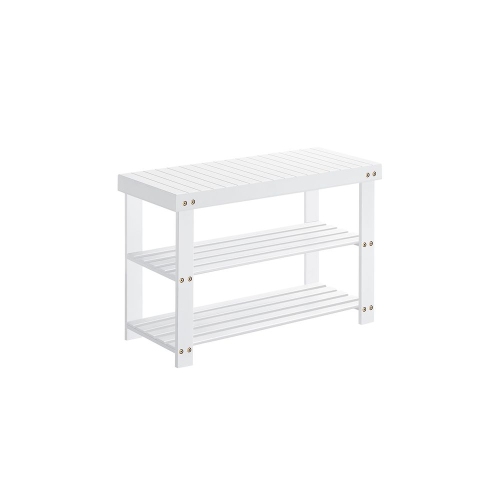
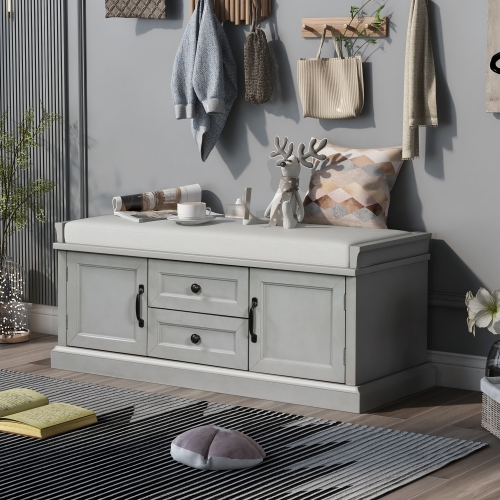
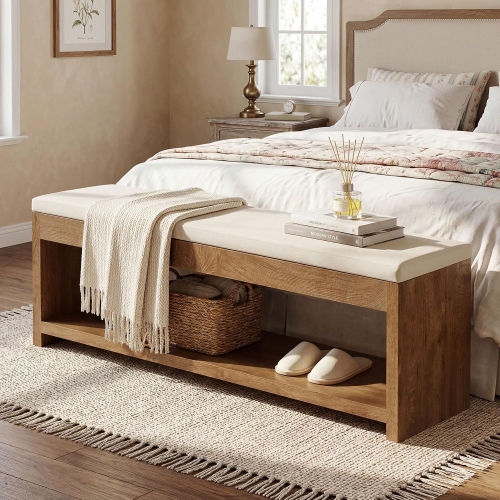
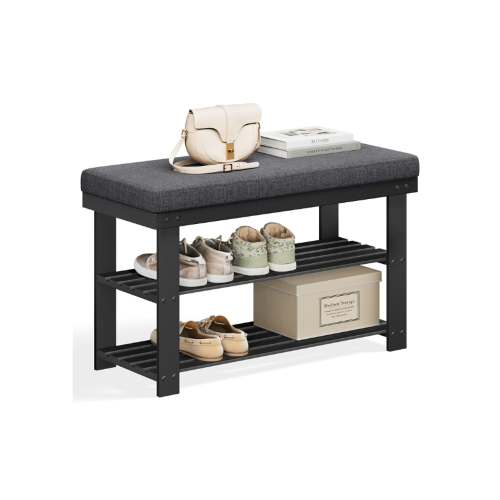
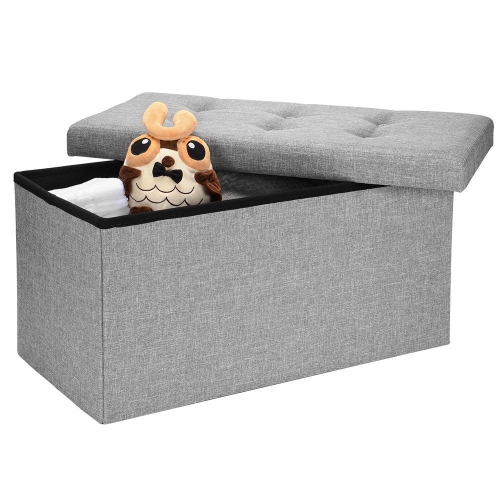
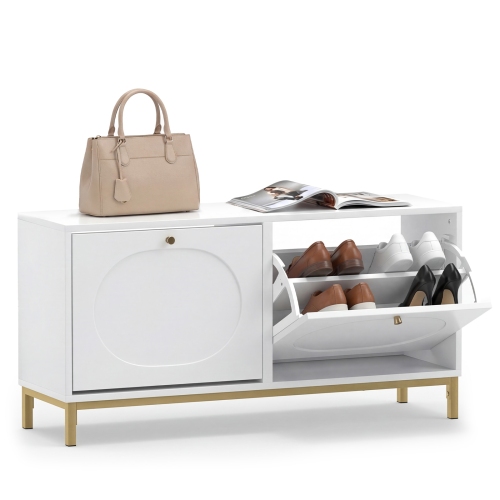
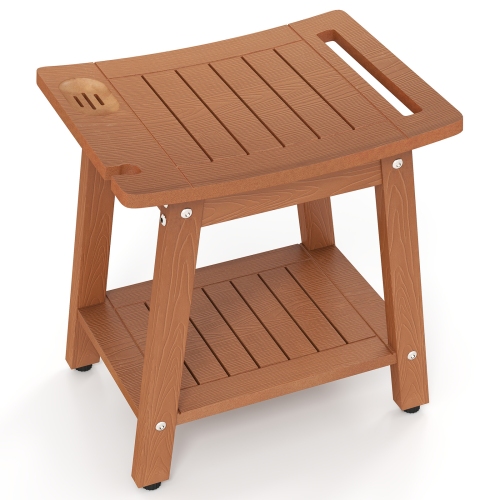
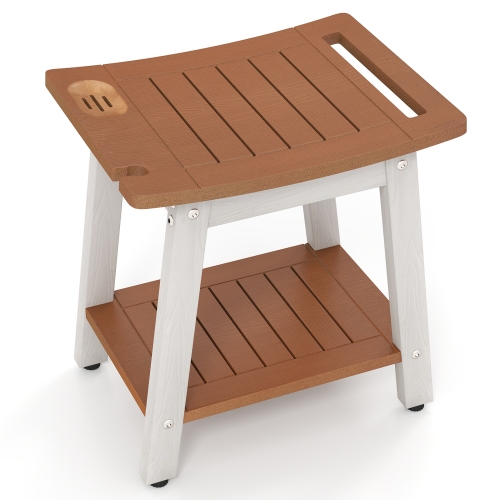
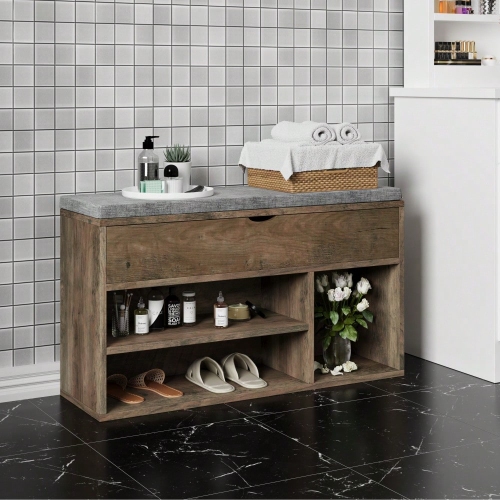
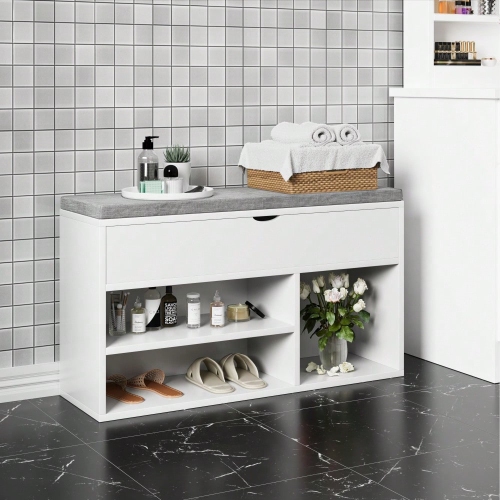
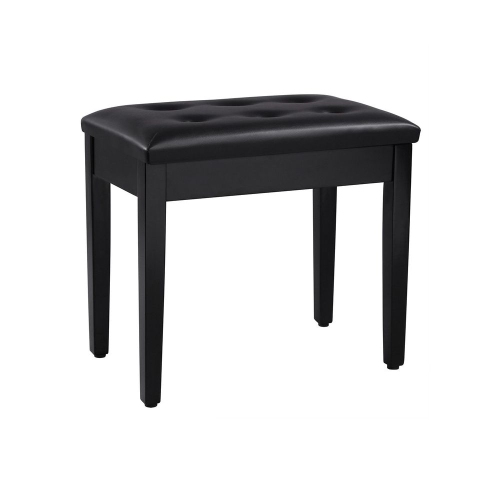

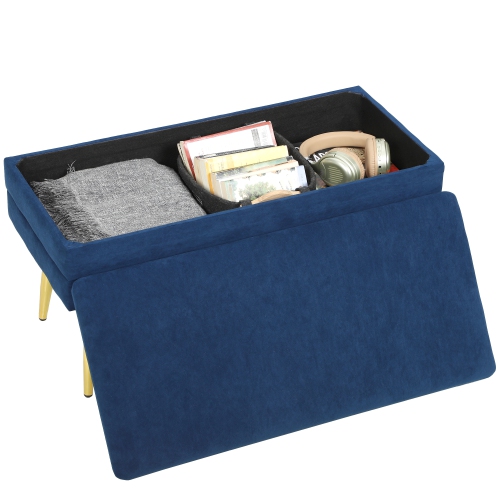
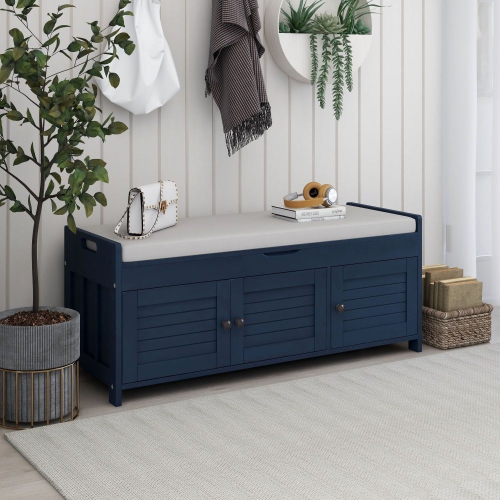
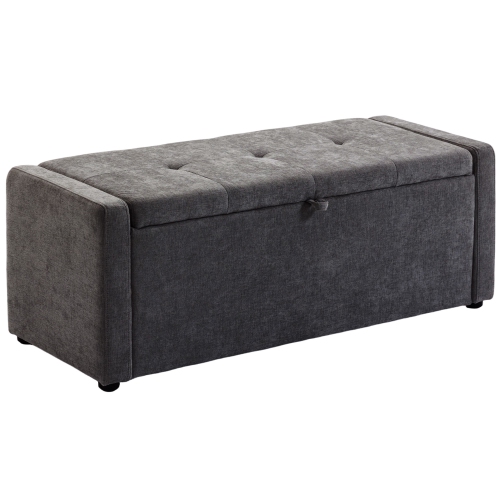
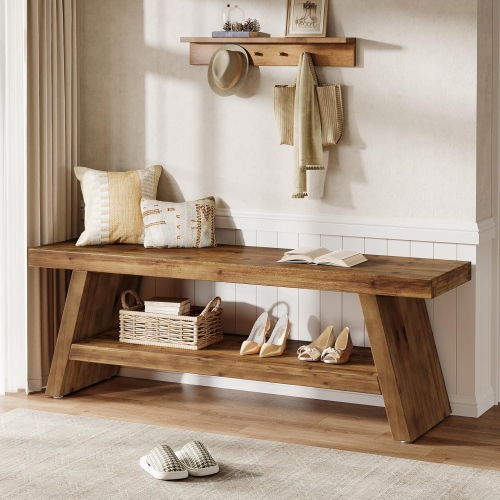
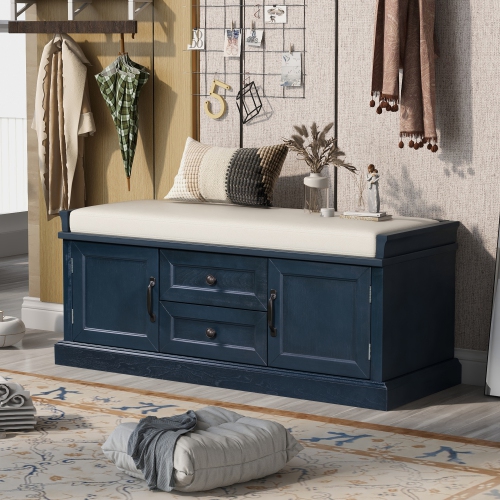
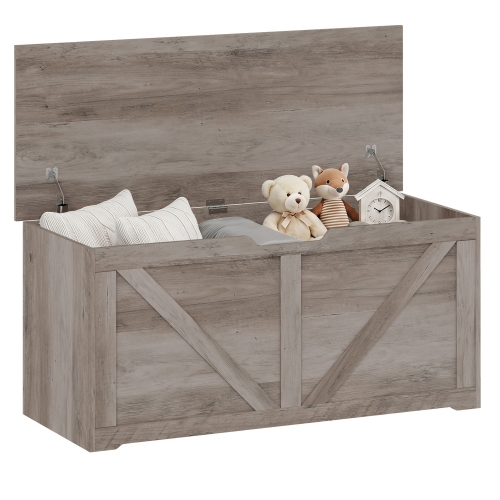
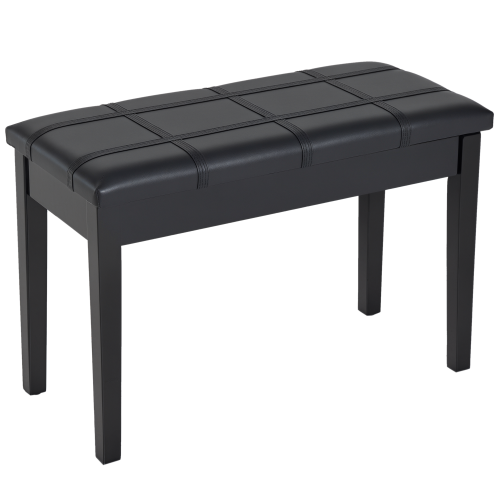
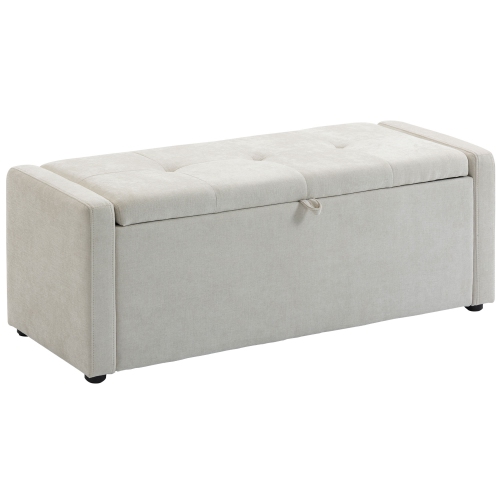
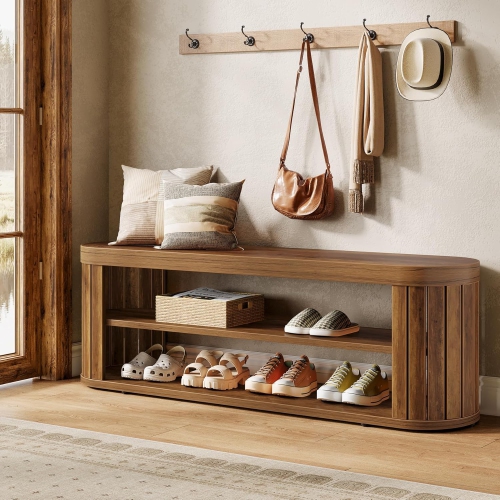
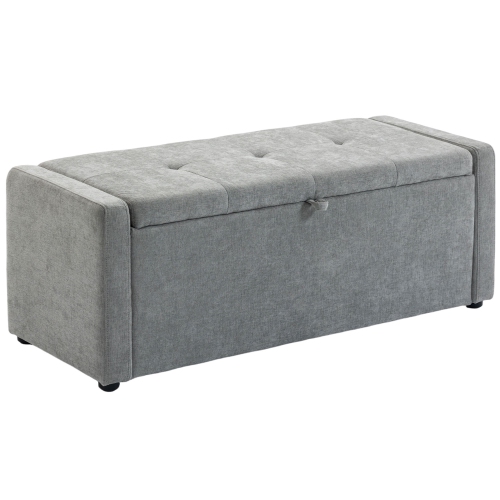
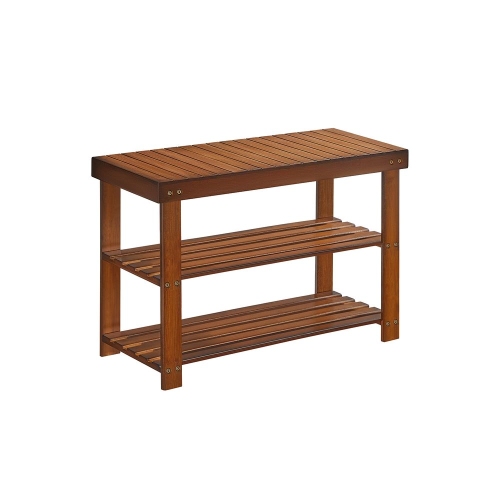
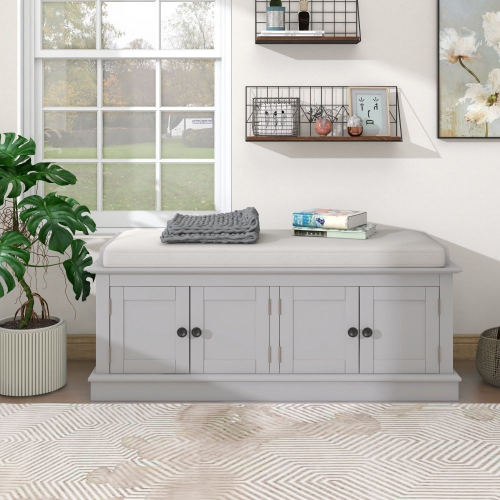
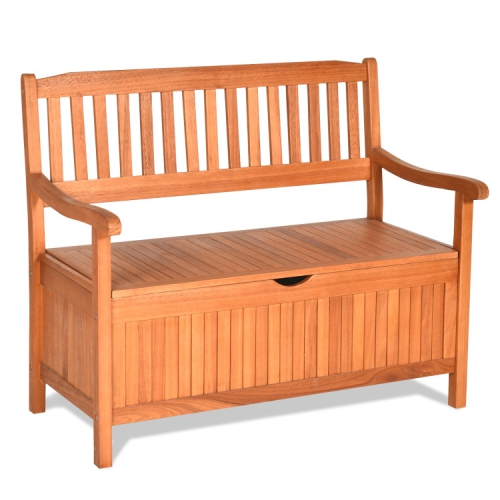
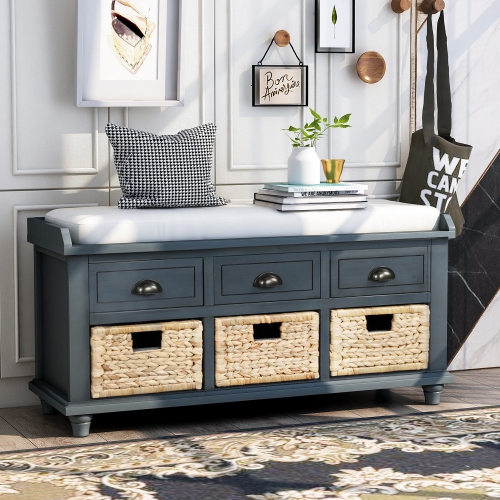

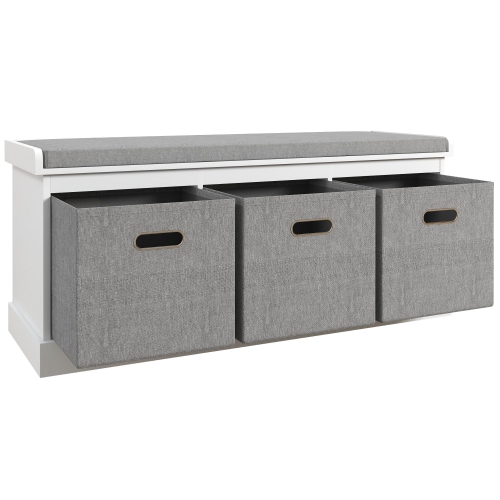
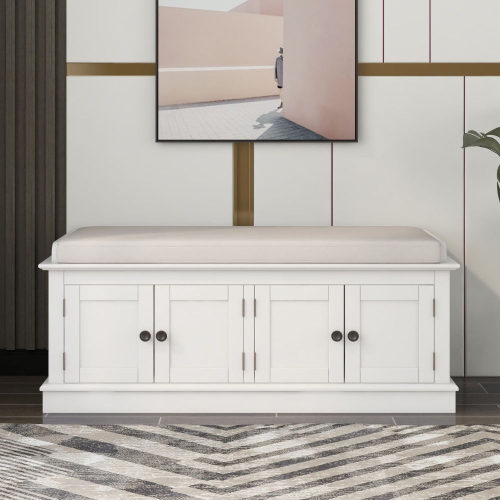
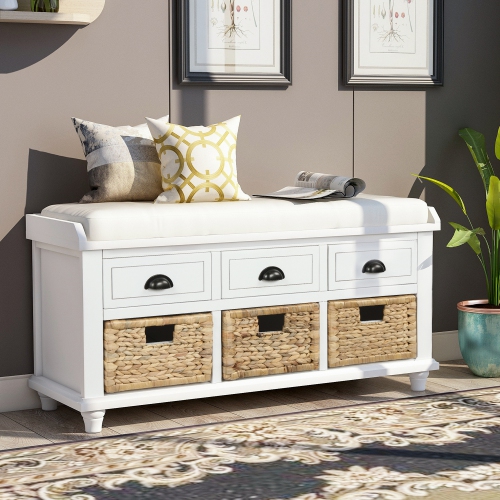
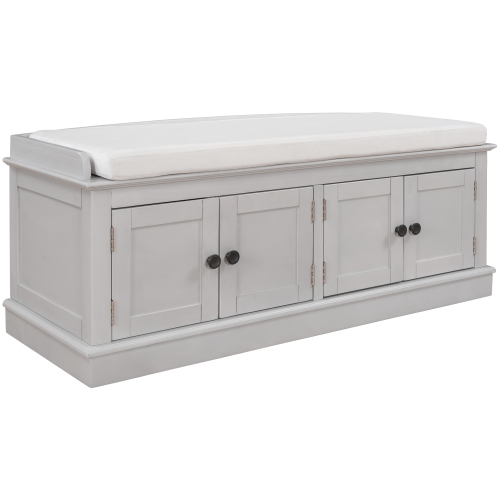
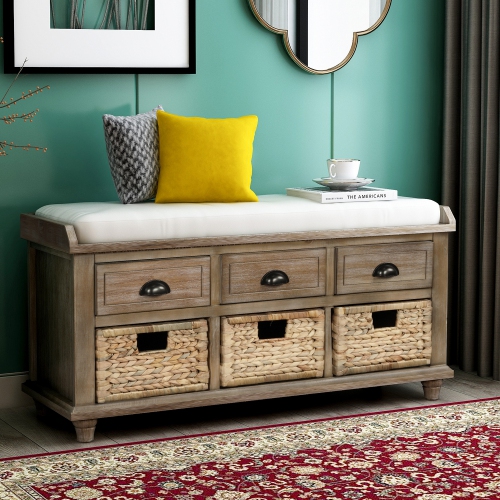
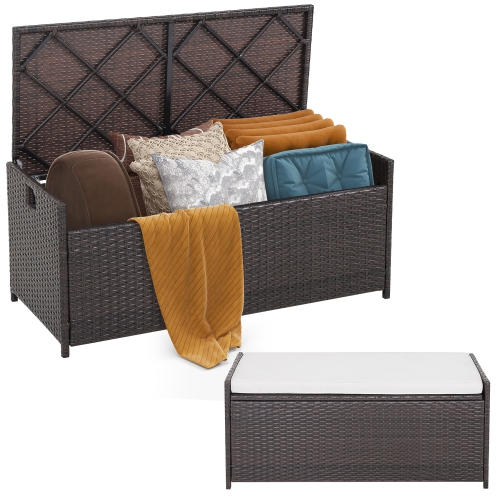
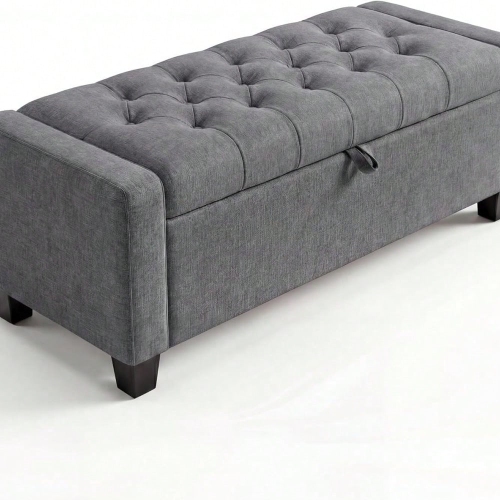
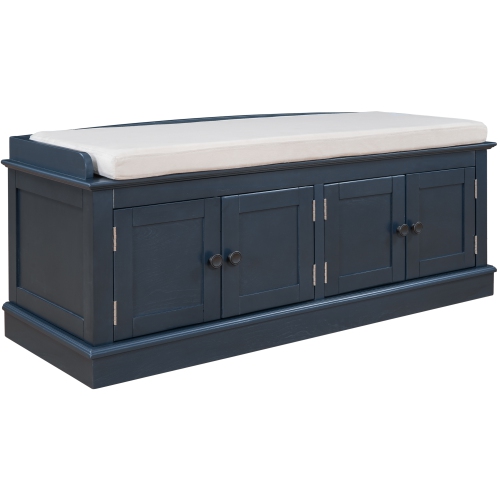
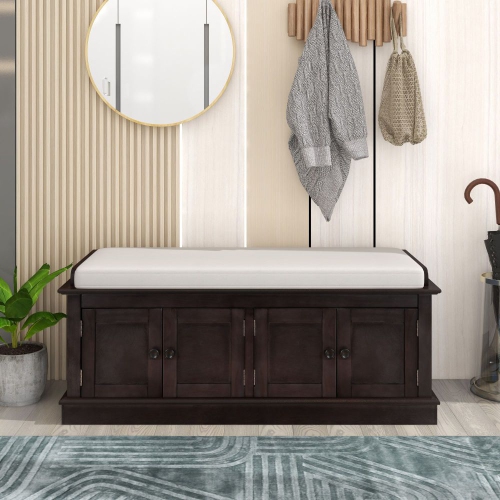
Everyday essentials tucked away beneath a comfortable seat
Materials shape both the appearance of a storage bench and how it stands up to everyday use. Wood brings visible grain and a firm seating surface that can work well beside painted cabinetry, woven baskets, or upholstered furniture. Oak Storage Benches can introduce distinctive grain patterns and warm wood tones, with the overall look depending on the finish and construction. Solid wood, wood veneer, and engineered wood each have different care needs, and a wood-look finish does not necessarily mean the entire bench is made from the same material. Well-fitted joints, secure hardware, and a stable base are worth considering alongside the surface finish, particularly for a bench that will be used daily. Metal frames can create a lighter visual outline, while woven panels add texture; any exposed edges should feel smooth where hands and legs are likely to touch them. Upholstered storage benches offer a softer place to sit and can make a bedroom or living area feel more inviting. Closely woven fabric may be easier to maintain than a loose weave in a home with pets, though cleaning requirements vary by fabric. Textured upholstery can soften the look of a large bench, while smooth coverings create a more tailored appearance. Leather and synthetic leather also require different care, so the material description matters more than appearance alone. Cushion firmness deserves attention: a plush top may be appealing for a brief rest, but a firmer seat can provide a steadier perch when getting dressed. A removable cushion cover can simplify cleaning if it is designed to be washed, and a replaceable cushion offers flexibility as needs change. For a coordinated room, consider how the bench’s legs, handles, and upholstery relate to nearby furniture rather than trying to match every finish exactly. A shared wood tone, similar metal detail, or complementary colour can connect the pieces without making the room feel overly uniform.
The storage layout determines how easily a bench fits into a household’s routines. A lift-top design keeps contents out of sight and can accommodate bulky textiles, but anything resting on the seat has to be moved before the compartment opens. Hinged lids also need clearance behind or above the bench, depending on their design. Drawers allow access without lifting the entire seat, though they need clear floor space in front and may be less convenient beside a tightly placed table. Open cubbies make frequently used belongings easy to reach, while baskets can group smaller accessories and help prevent a busy entrance from looking cluttered. Shoe compartments are most useful when their height and depth suit the footwear being stored; tall boots and larger adult shoes may not fit neatly into shallow openings. In shared homes, separate compartments can give each person a predictable place for everyday essentials. For families with children, lid supports, hinge design, and accessible openings deserve close attention, and a bench should not be treated as a toy chest unless it is intended for that use. Follow the stated seating capacity and weight limit rather than assuming that a wide bench is suitable for several adults. A level floor, properly tightened fittings, and any required anchoring also contribute to stability. Daily care is usually straightforward when it matches the materials: remove grit before it scratches a finished surface, blot spills promptly, and use only cleaning methods recommended for the upholstery or finish. Damp footwear is better kept away from absorbent cushions and unprotected wood, and enclosed compartments should be kept clean and dry. Felt pads or suitable floor protectors can help reduce marks when the bench is moved, provided they do not compromise its footing. Leave enough room around the base to vacuum or sweep, especially in entrances where dirt collects beneath furniture. With a comfortable seat, practical access, and storage sized to the belongings it will hold, a bench can become a dependable part of getting ready, tidying up, and settling in at home.
Top selling and popular products
-
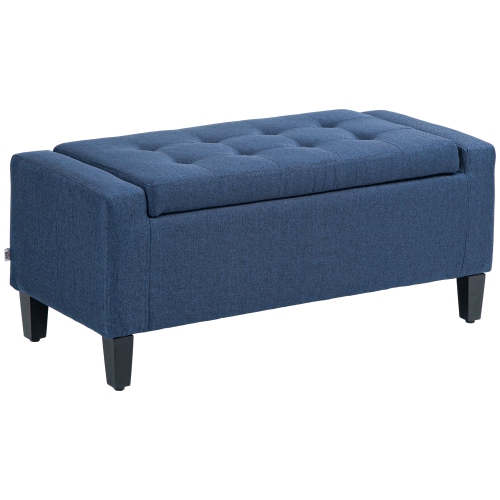 Your price for this item is $139.99
-
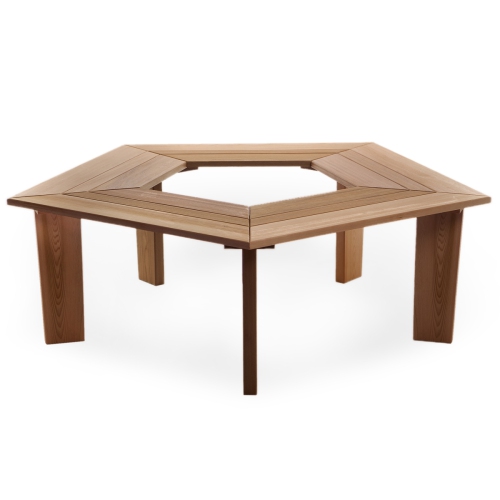 Your price for this item is $516.99
-
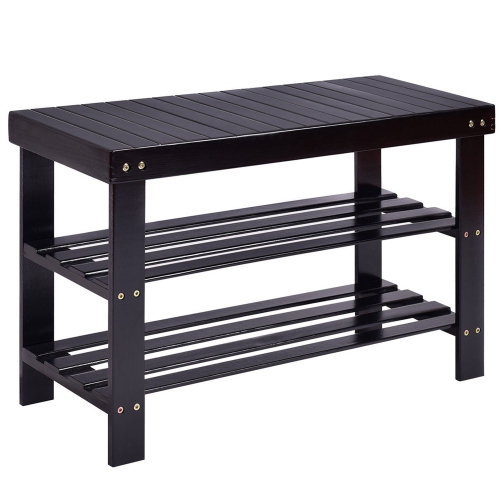 Your price for this item is $73.99
-
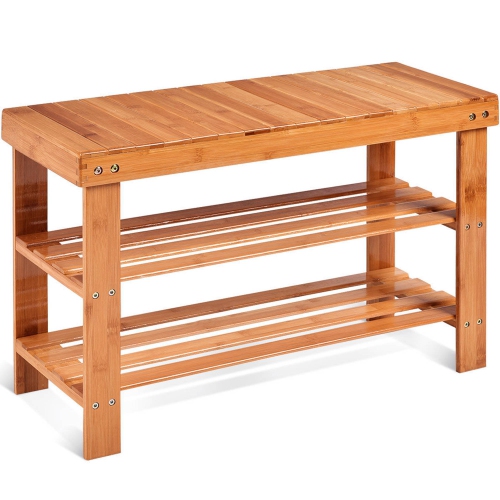 Your price for this item is $73.99
-
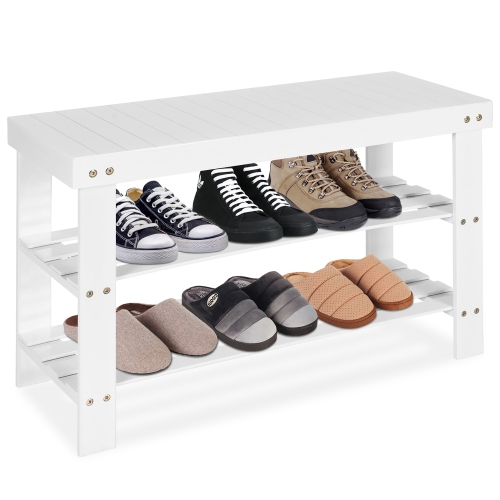 Your price for this item is $73.99
-
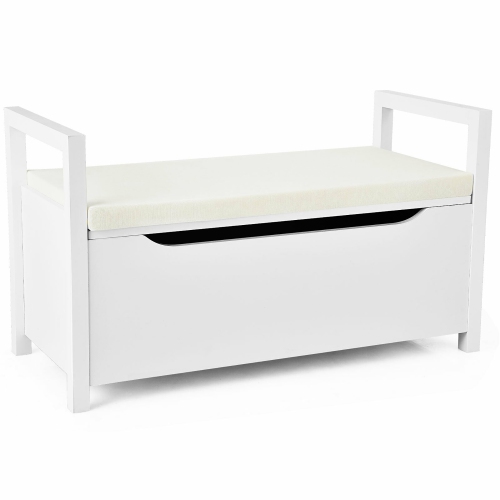 Your price for this item is $275.99
-
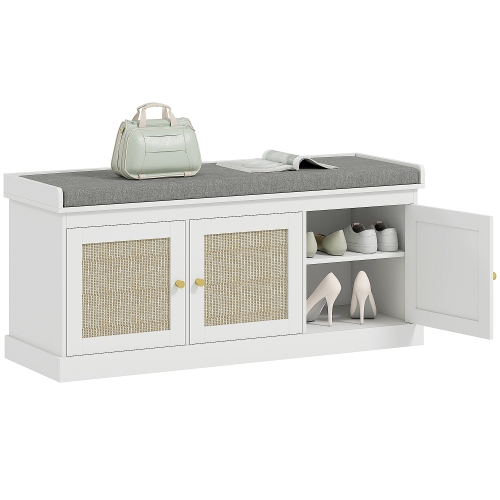 Your price for this item is $134.99
-
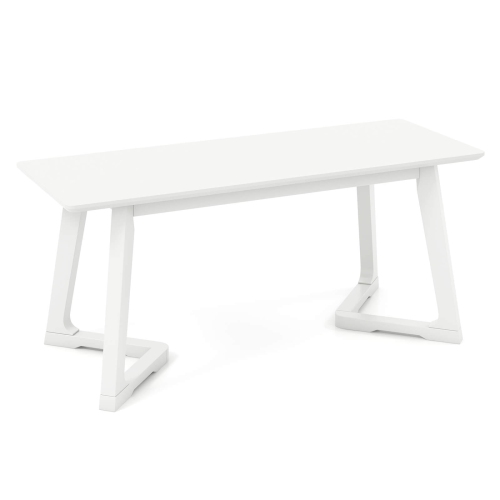 Your price for this item is $108.99